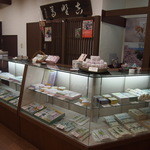
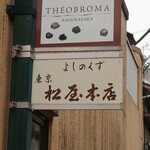
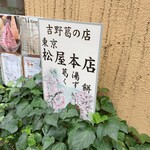
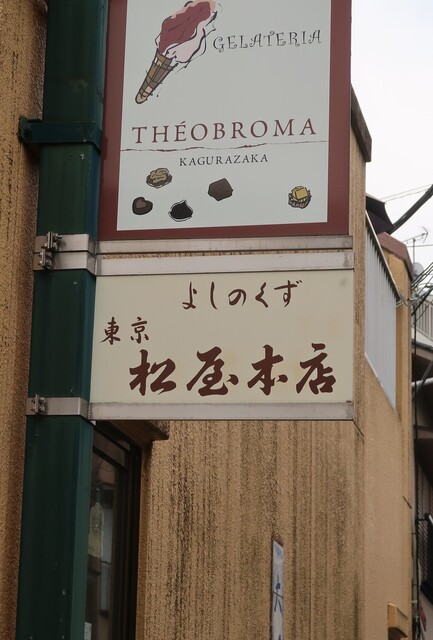
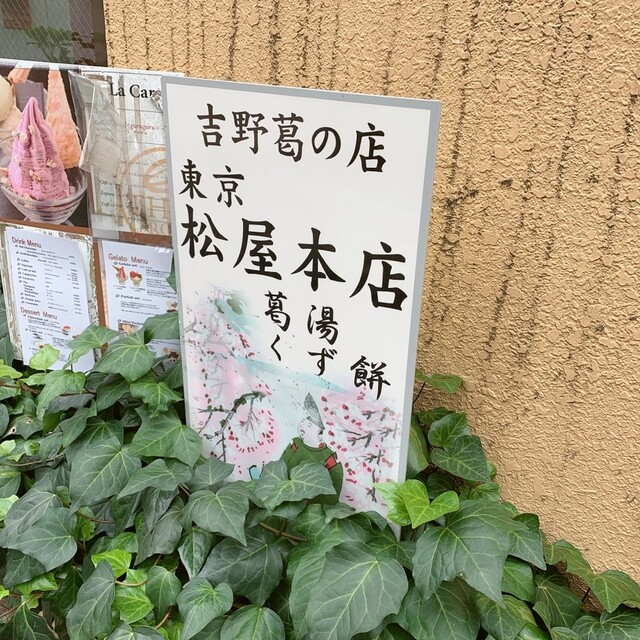
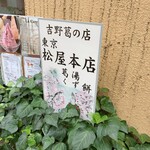
東京 松屋本店
Toukyoumatsuyahonten ◆ 東京松屋本店
3.37
Iidabashi, Kagurazaka
「Japanese Sweets」
--
--
Opening hours: 13:00-17:30
Rest time: Wednesdays, Sundays, national holidays, other irregular holidays
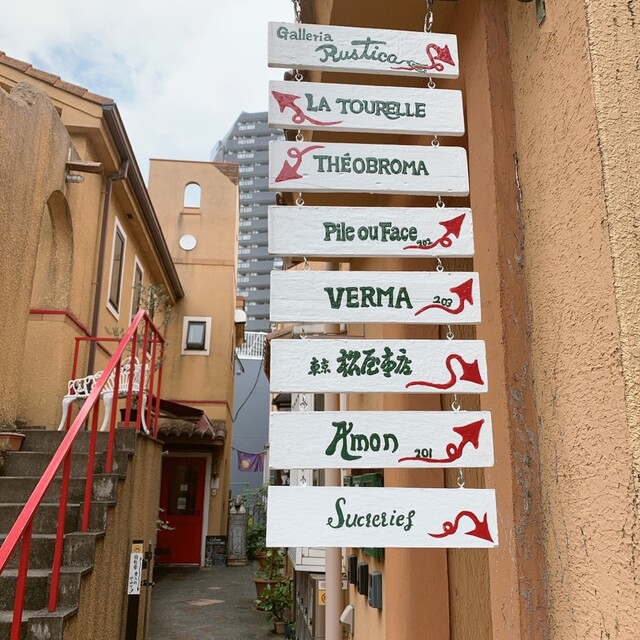
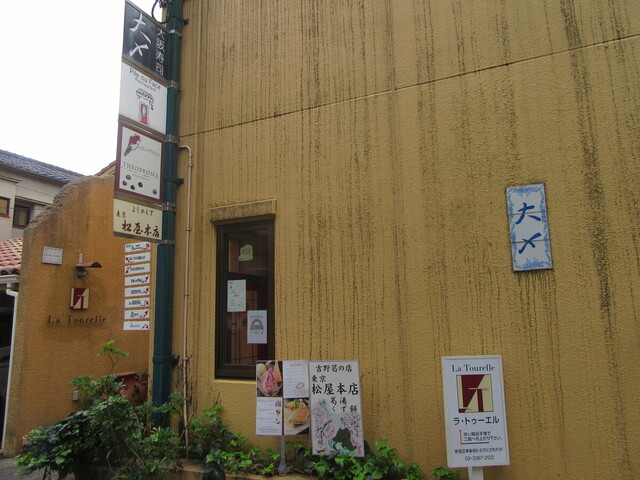
東京都新宿区神楽坂6-8 ボルゴ大〆102
Photos
(20)
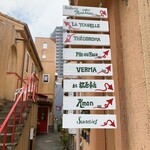
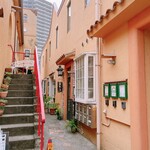
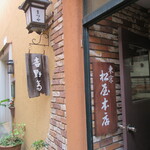
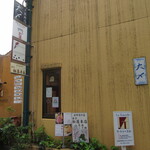
Details
Payment Method
Credit cards are not accepted
Electronic Money Accepted
Private Dining Rooms
None
Parking
None
Comments
(20)

ゆっきょし
3.30
First Visit 202306 (No.4623)
1. Purpose of visit
- The purpose of the visit was to gather material in Kagurazaka area for accompanying stories.
2. Shop information
- Genre on Tabelog: Japanese sweets
- Established in 1842 (Tenpo 13) in Yoshino, Nara Prefecture, this long-established shop specializes in traditional Japanese sweets made with Yoshino kudzu, a local specialty.
- Opening hours: 13:00-17:30
- Closed on Wednesdays, Sundays, and public holidays (currently open 3 days a week)
- Takeout-only shop
3. Crowdedness on the day
- Visited around 13:20 on a weekend, with no other customers present.
4. Customer service
- Polite and attentive service
5. Purchased item
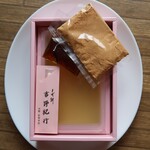
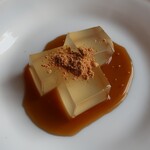
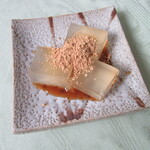
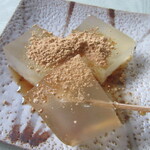
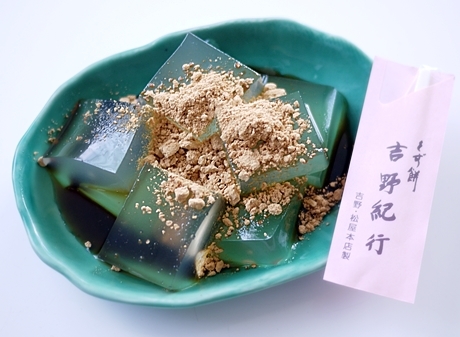
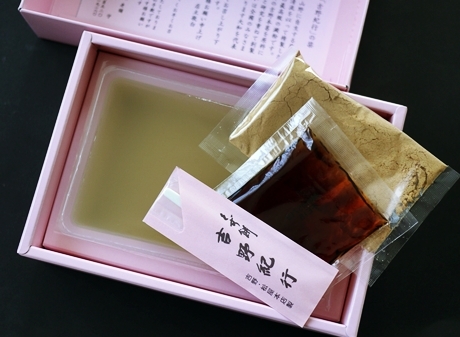
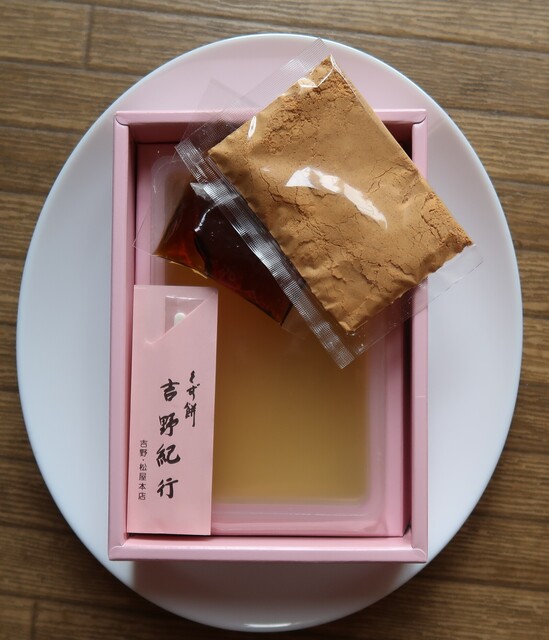
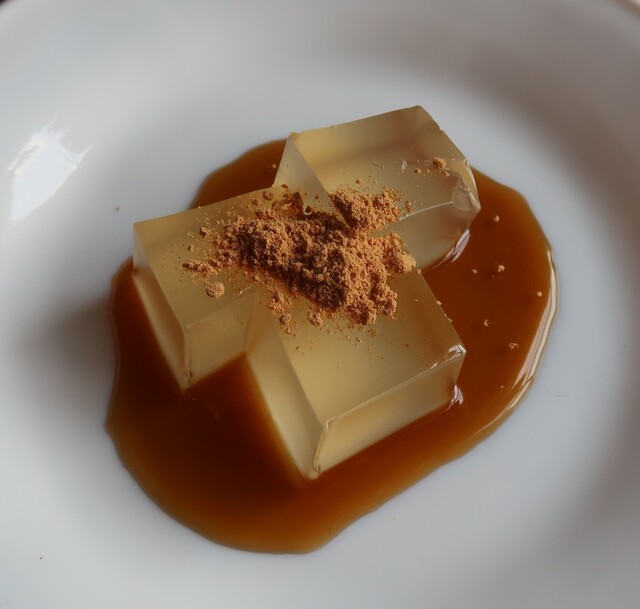
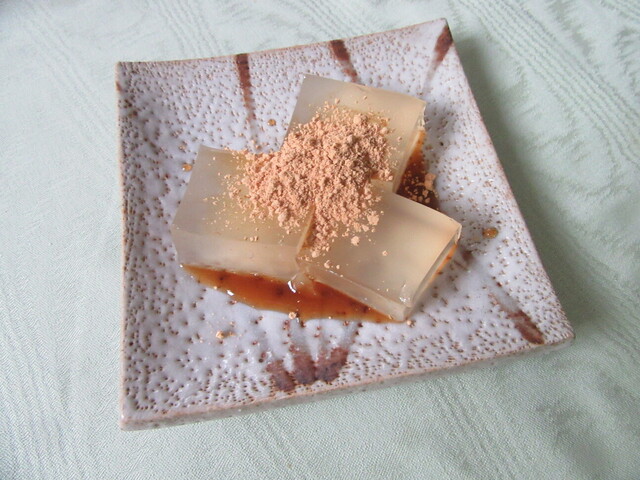
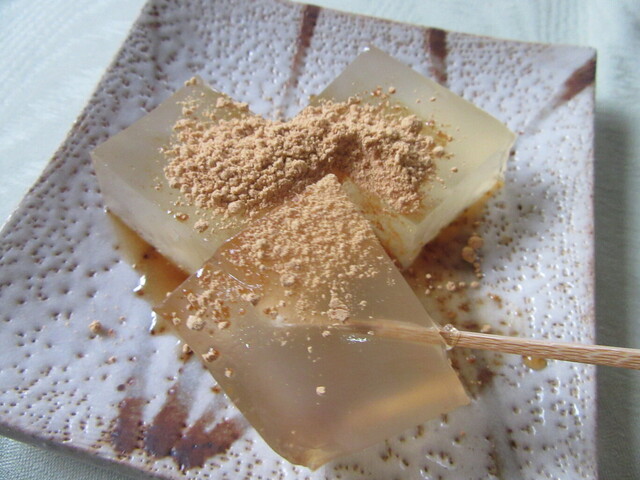
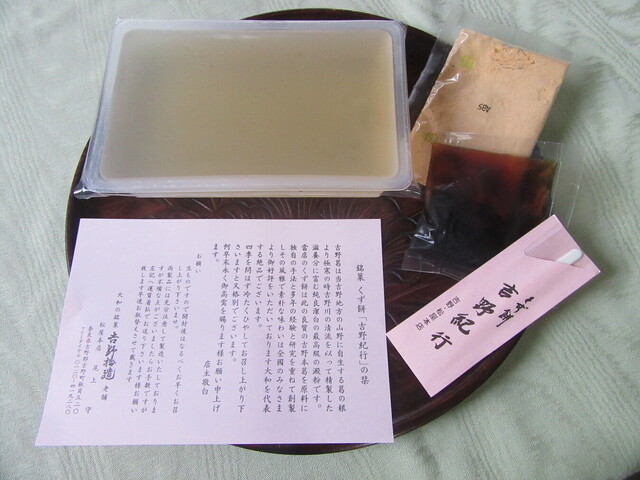
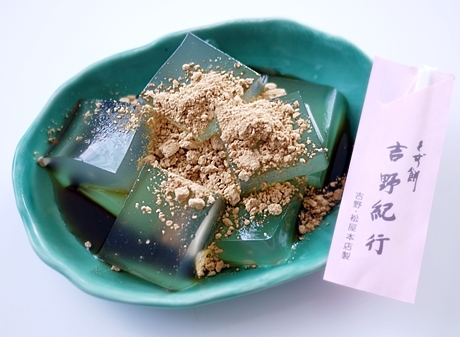
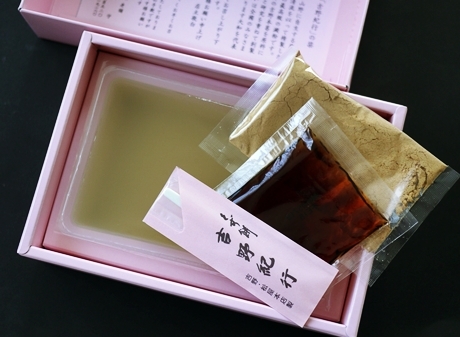
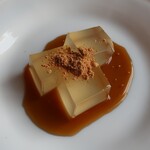
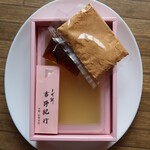
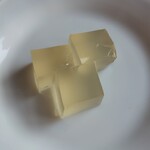
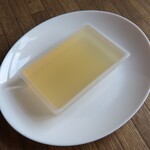
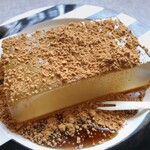
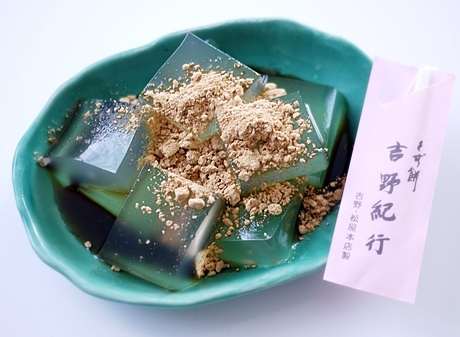
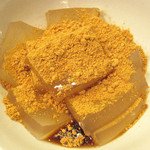
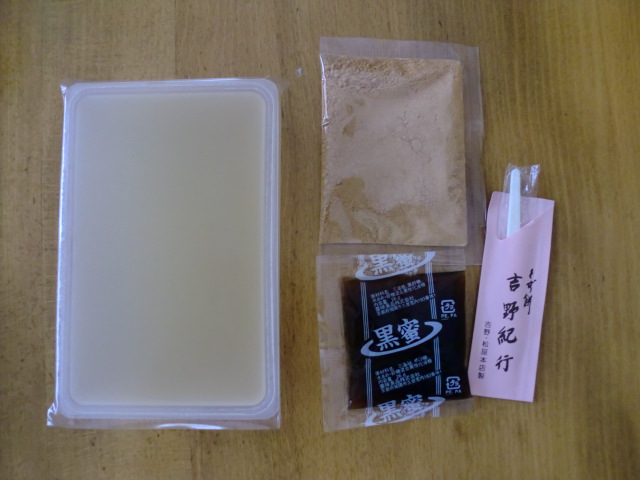
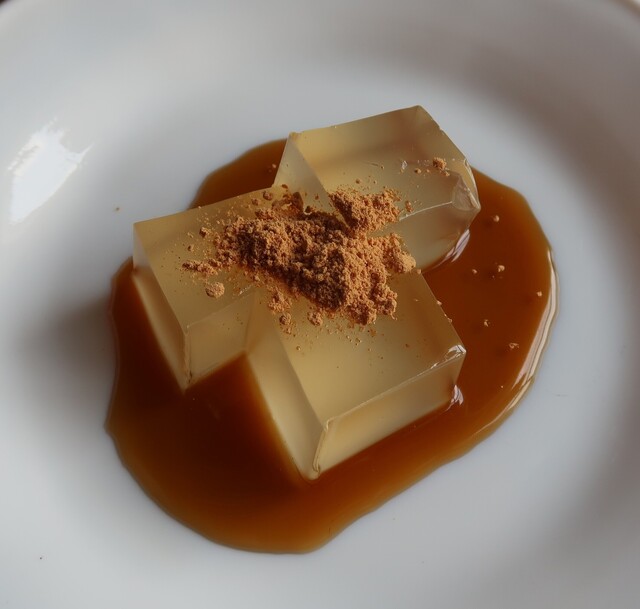
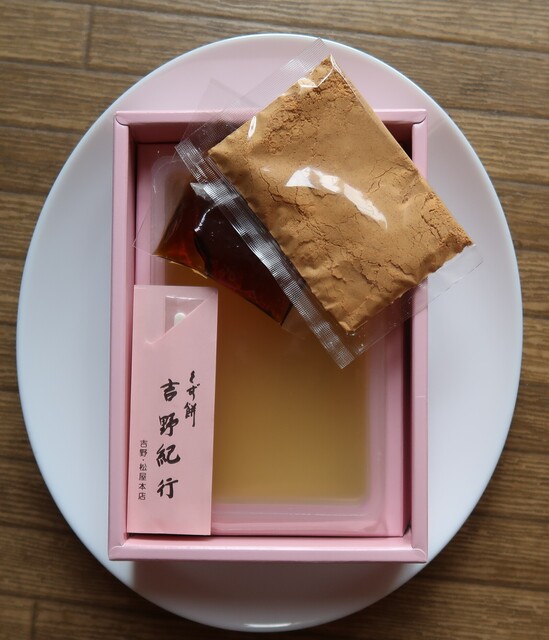
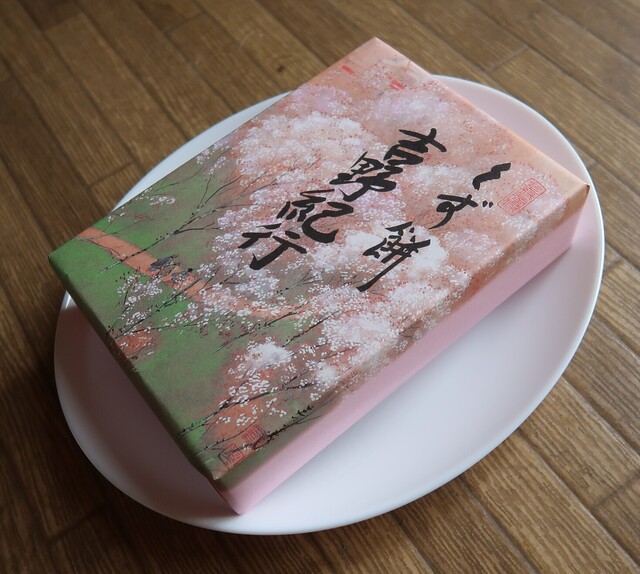
- "Yoshino Kikou" for 997 yen: A traditional Japanese sweet made with Yoshino kudzu, served with a light black syrup and unsweetened soybean flour. The product has a shelf life of over 3 months, but personally, I prefer it without sugar. Thank you for the meal!

kanamilk
3.80
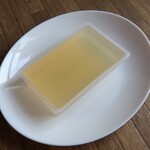
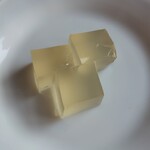
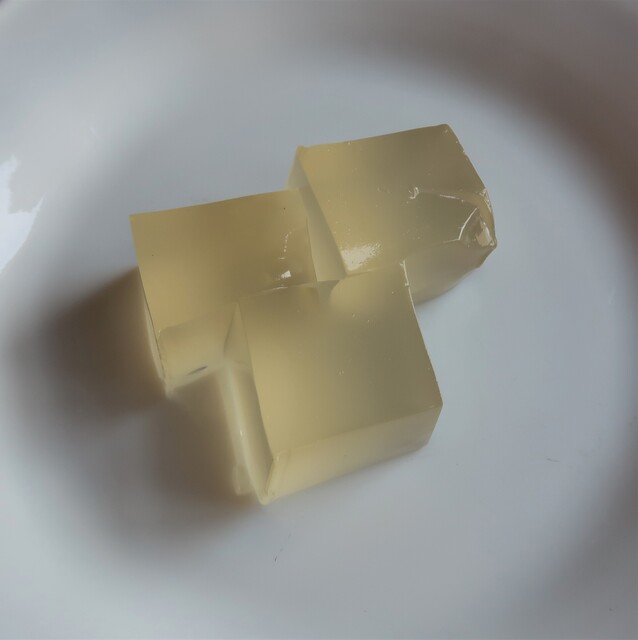
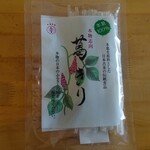
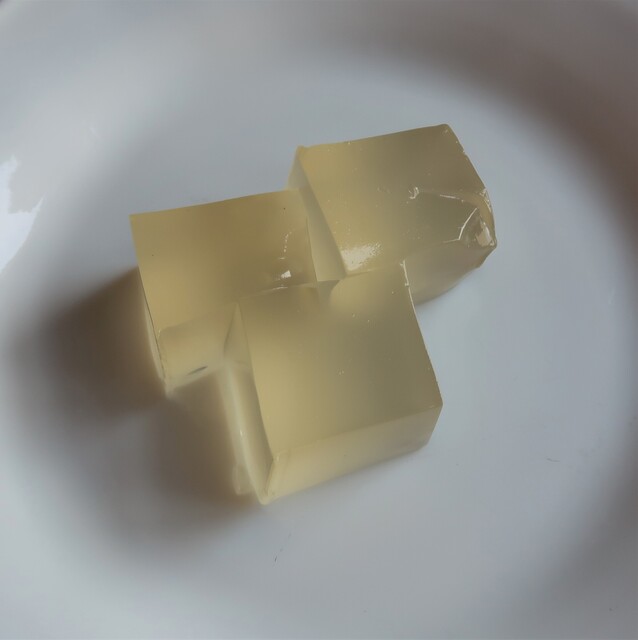
"When we first opened our store in Tokyo, people often said, 'This isn't kuzumochi,'" said the proprietress. In Tokyo, when you say kuzumochi, you immediately think of the famous store in Kameido. I also thought that for a long time. But actually, the kuzumochi in Tokyo doesn't use arrowroot. Of course, Kameido's kuzumochi has a taste that I am familiar with and is one of my favorite dishes. I purchased the "Yoshino Journey" kuzumochi (907 yen), arrowroot slices (755 yen), black syrup for arrowroot slices (100 yen), and horin miso and yuzu miso (each 816 yen). The kuzumochi should be chilled in the refrigerator before eating. It is quite large in size, and it was just the right size for three people in our household. It is similar to Kameido's kuzumochi in that you sprinkle kinako and black syrup on it, but this one has a more transparent appearance. The knife cuts smoothly, but the edges are not easily torn apart. When you eat it, the texture is completely different from Kameido's. It has a strong elasticity or bouncy texture, but it is very smooth. When you bite into it, it melts smoothly and has a refreshing aftertaste. There is no stickiness or chewiness, just a clean and smooth texture. The main arrowroot ingredient gives it a certain taste, but the smooth and clean texture is the most prominent, and it passes through the throat quickly. The horin miso is a slightly sweet black miso with sesame seeds. It is delicious with various vegetables or as a side dish with rice. Rather than reading the complicated explanation on the accompanying paper, the highlight of this miso is that it tastes delicious. The yuzu miso is also black in color but has a strong yuzu flavor. It is sweeter than the horin miso. It is also delicious with vegetables. The arrowroot slices are a bit troublesome to prepare, boiling them for about 20 minutes and then cooling them in ice water, but the effort is worth it for their delicious taste. The smooth texture and the ability to eat them easily resemble tokoroten, but the texture and taste are completely different. It has a bouncy elasticity, but when you bite into it, it has a crisp texture. The transparent arrowroot flavor and refreshing aftertaste are delightful. Eating them with a sprinkle of black syrup on a hot summer day is like tasting sweet nectar. It was my first time trying arrowroot slices made with real arrowroot, so it was a bit of a moving experience. It is a valuable shop in Tokyo where you can taste Yoshino's real arrowroot. I would love to visit again when strolling around Kagurazaka."

蓼喰人
3.50
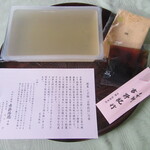
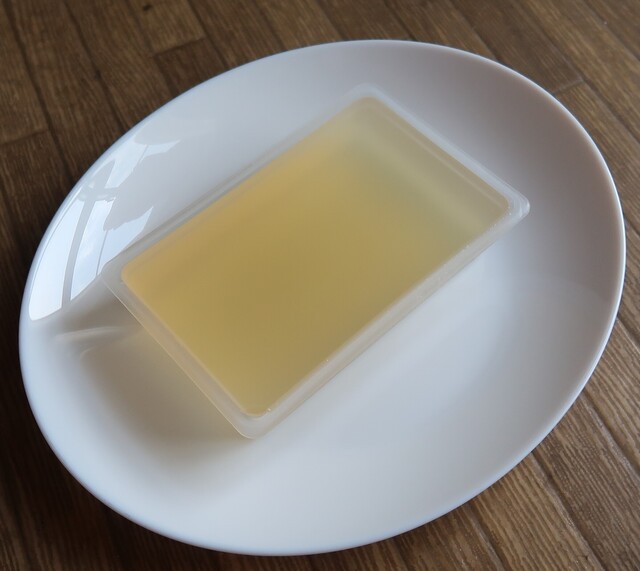
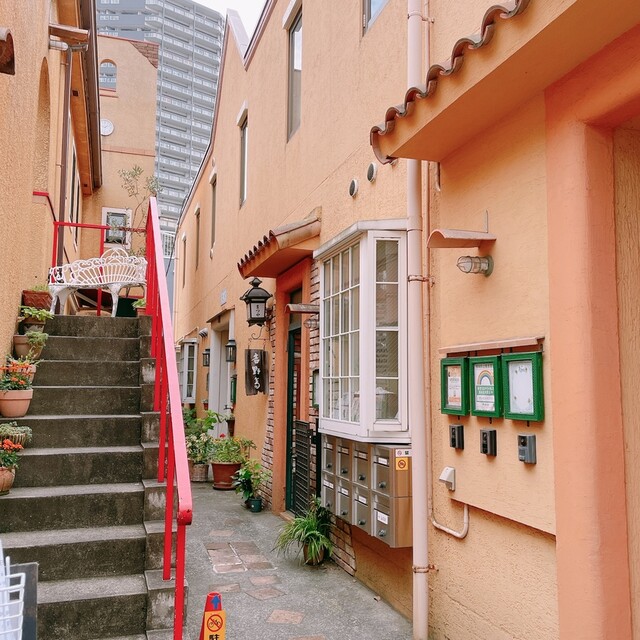
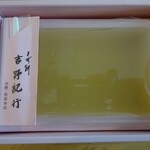
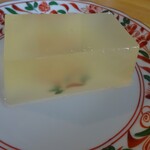
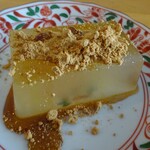
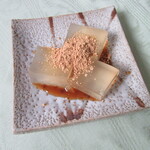
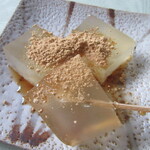
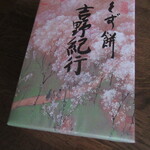
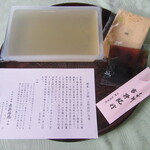
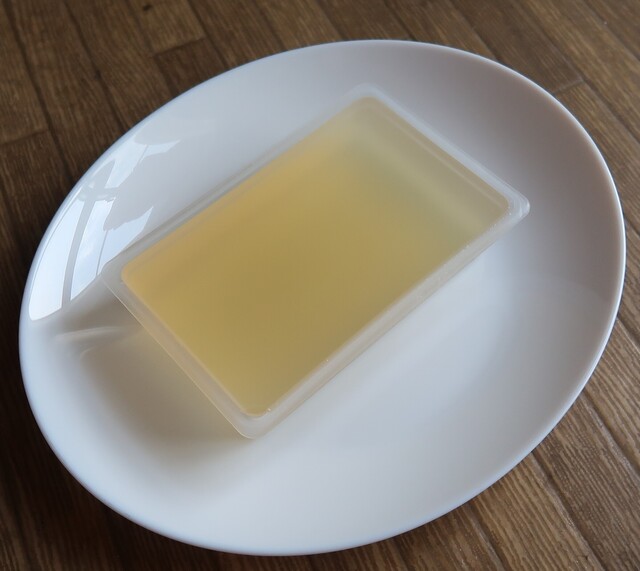
This is a review of a traditional Japanese confectionery shop specializing in Yoshino kudzu, which I visited after dining at "Sorakutei" the other day. The Tokyo branch of the shop is located near Kagurazaka, just a short walk from the intersection heading towards Yaraimachi, in a building with a unique atmosphere featuring a southern European-style earth wall. The shop offers various kudzu-based sweets, including cube-shaped "Yoshino Shuui" that can be made into kudzu soup by adding hot water, and beautifully shaped dried sweets made of kudzu powder and Japanese sugar. I decided to purchase the "Kuzumochi" (907 yen) named "Yoshino Kikou" as the lingering summer heat made it a suitable choice. Kuzumochi is a rare starch extracted from the roots of kudzu plants found in the mountains, heated, kneaded, and molded into shape. However, the "Kuzumochi" commonly known in the Kanto region is made using a completely different method, fermenting gluten from wheat flour to create a unique flavor and texture. One of the most famous shops for this type of Kuzumochi is "Funabashiya" near Kameido Tenjin, and it has become a specialty at places like Kawasaki Daishi and Ikegami Honmonji, where it is sometimes labeled as "Kyujumochi" to avoid confusion. Although it may seem like an imitation to those from Kansai, it is a longstanding Tokyo confectionery dating back to the Edo period, known for its chewy texture and subtle acidity. The common way to enjoy kudzu-based sweets is by cutting them into thin strips, soaking them in black honey, and slurping them up, as experienced at places like "Kagizen" in Gion, Kyoto. However, this was my first time trying authentic "Kuzumochi." When I opened the package at home, the translucent Kuzumochi was solidified in a tofu-like container, with black honey and yellow powder provided separately, similar to the Kanto-style "Kuzumochi." I offered it on the family altar during the equinoctial week and then refrigerated it for a day. When I cut into it, the texture was springy, allowing a bamboo skewer to pass through easily. Following the instructions, I drizzled a small amount of black honey and yellow powder before tasting it, enjoying the firm texture and coolness. However, to be honest, the texture reminded me of the commercially available "konnyaku jelly" at times. While the authentic type of "Kuzumochi" may offer a more profound taste experience, I personally prefer the Kanto-style that I have been accustomed to since childhood.

えもやん★スイーツハンター
3.10
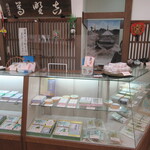
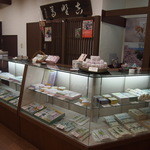
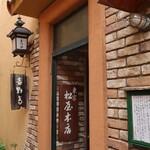
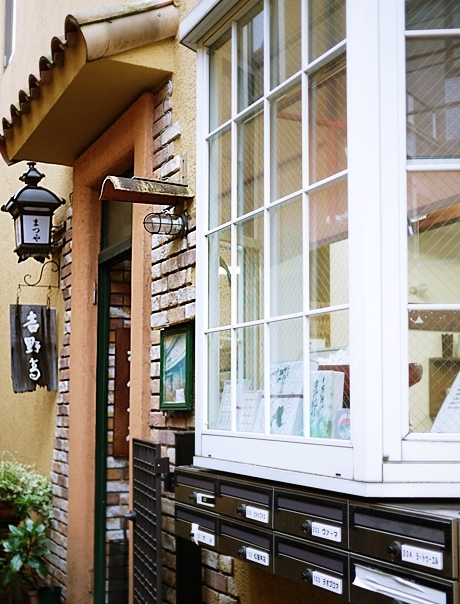
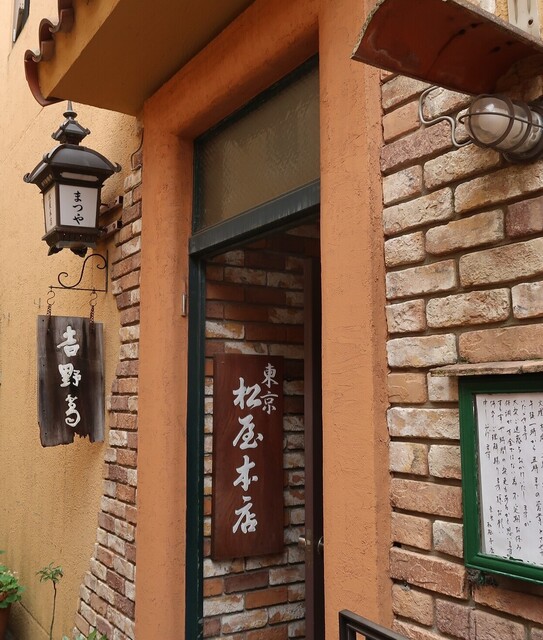
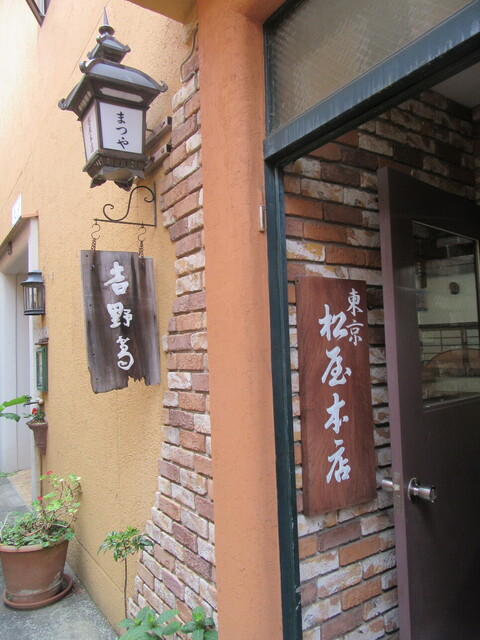
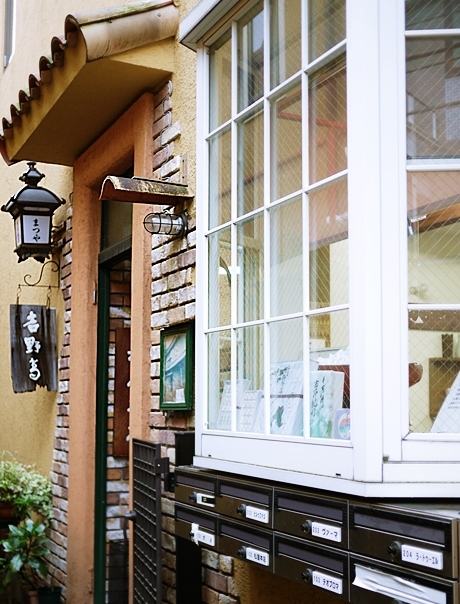
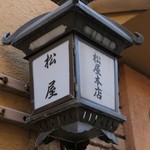
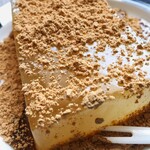
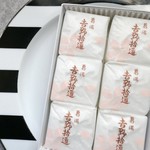
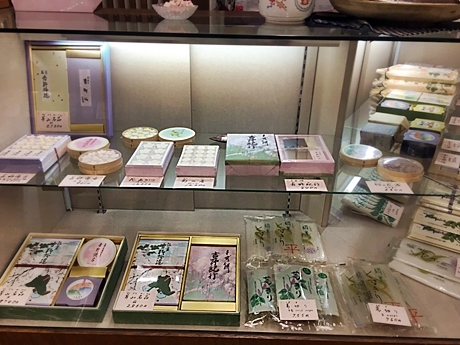
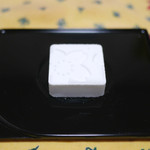
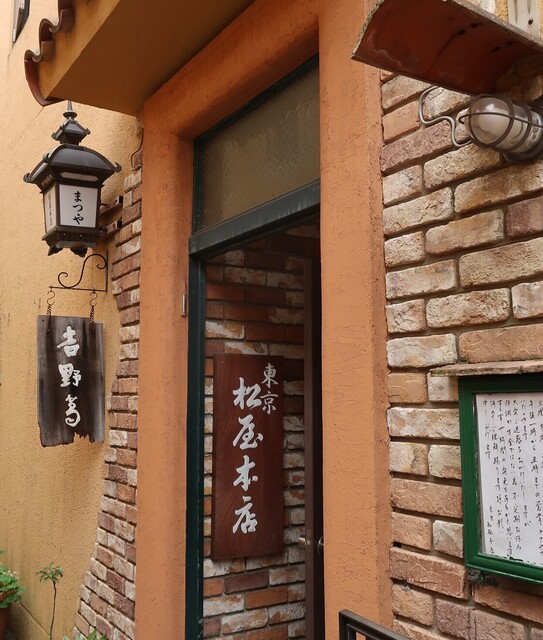
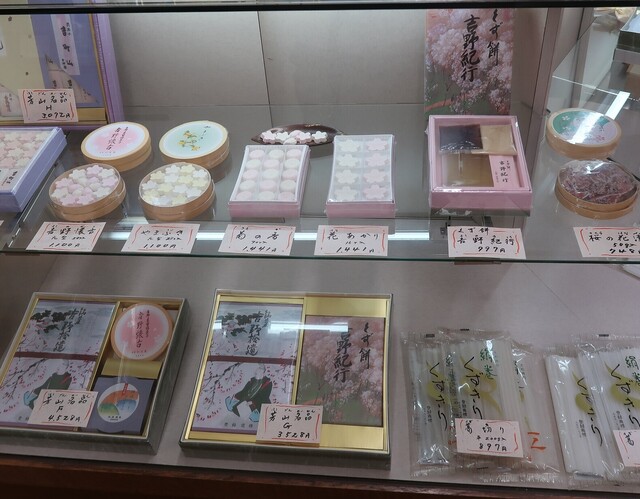
On this day, I visited the area around Kagurazaka and Iidabashi. Among the various traditional Japanese sweets shops in this area, there is a particularly unique and unusual place called "Tokyo Matsuya Main Store." It is not the usual Matsuya that offers cheap beef bowls and udon dishes and is open 24 hours. This place is probably the only one in Tokyo that specializes in Yoshino kudzu. It was established in the thirteenth year of Tenpo, which would be 1842. Quite a long history. The shop is located in a building called "Borgo Daishime Building," where various types of shops are gathered, making it quite unusual for this type of shop. The entrance is quiet with a lantern, contrasting with the Western-style building. The interior of the shop is spacious and somewhat neat. I was served by an elegant older lady. The products in the showcase all use Yoshino kudzu. Most of them are assortments, probably because many people buy them as gifts. Honestly, I have no knowledge of Yoshino kudzu at all. I asked for recommendations and made my choice. The following are what I tried: Kuzuyu Yoshino Shuui - It looks like rakugan, pure white with cherry blossom patterns. When hot water is poured into a cup, it becomes thick and gooey. The sweetness is restrained and elegant, I think. I can't really tell the difference with these delicate ones... Kuzumochi Yoshino Kikou - A large piece of kuzumochi with black sugar and kinako. The kuzumochi is highly transparent and has a jelly-like texture. However, when you eat it, it has some elasticity. It's smooth and chewy. The amount of black syrup is small, but it's not too sweet, which I like. Yoshino kudzu sweets are rare to see or taste even among traditional Japanese sweets. As a fan of intense sweets, I didn't love it that much, but it's a unique item that older, more refined individuals might appreciate as a gift. Thank you for the meal!

あてるい
0.00

kf
3.40

TOMTOM
3.50
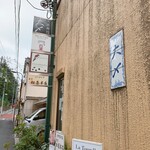
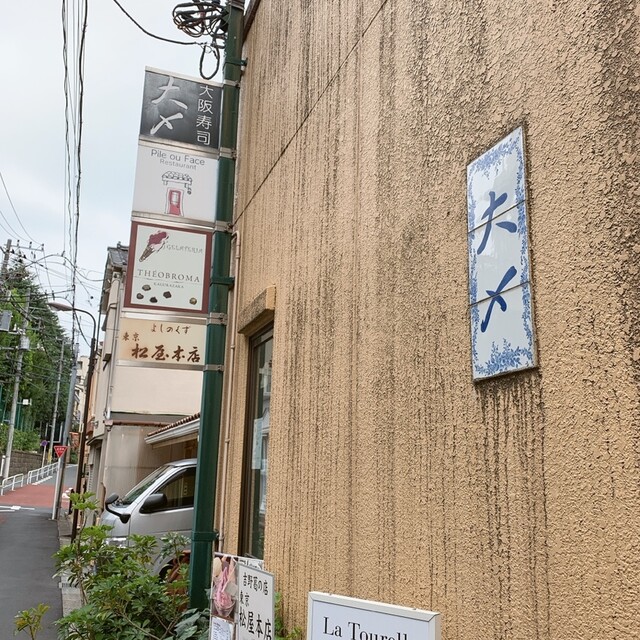
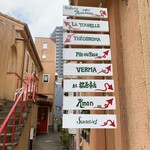
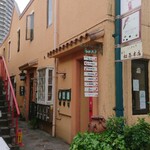
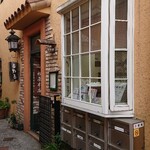
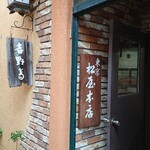
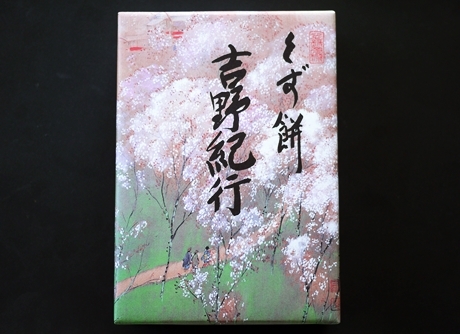
A specialty store for Kuzukiri sweets located in Kagurazaka, Tokyo. Just a 3-minute walk from Exit 1 of the Tozai Line Kagurazaka Station, it is also within walking distance from Ushigome Kagurazaka Station (Exit A3) and JR Iidabashi Station. As you walk down the alley, you will come across the distinctive "Borgo Daishime Building", where the shop is located on the first floor. It exudes a European street corner atmosphere. The Tokyo branch of "Matsuya Honten", founded in 1842 in Nara's Yoshino. Matsuya Honten started as a soy sauce brewery, and later began making products using the famous Yoshino kudzu. It is said that the main store in Nara still produces soy sauce and miso to this day. The Tokyo branch offers kudzu sweets such as "Kuzuyu Yoshino Shuui", "Yoshino Kaiko", "Hoshigashi Yamabuki", as well as "Namemiso" made from sesame, walnuts, hemp seeds, and mountain burdock. On this day, I purchased the following item that had caught my eye. Kuzumochi Yoshino Kikou / 320g 840 yen (tax included) Made mainly from Yoshino kudzu using their unique method developed through years of experience and research, it allows you to enjoy an elegant and simple taste. I will enjoy it after chilling it in the refrigerator. This kuzumochi has a sparkling transparency and a firm, bouncy texture. When you bite into it, you will be surprised by its powerful elasticity that pushes back against your teeth. Yet, it also has a crisp bite that you can easily cut through. The mellow taste of kinako (roasted soybean flour) combined with the richness of black syrup creates a flavorful experience. It offers a unique deliciousness different from regular kuzumochi. I am curious about the dried sweets made from Yoshino kudzu flour and wasanbon sugar. I look forward to visiting again. These unique Japanese sweets would also make great gifts that are sure to be appreciated.

kanzan
3.80
In January 2016, I visited a shop specializing in Yoshino kuzu located a bit up Waseda Street from the Kagurazaka intersection towards Gokenchō. This shop is the only one in Tokyo that specializes in Yoshino kuzu. Established in 1842 in Yoshino, Nara Prefecture, the shop originally focused on manufacturing, wholesaling, and selling miso and soy sauce. It wasn't until around the middle of the Showa era that they started producing Yoshino kuzu shuui. The proprietress, who is from Nara, recommended the Yoshino kuzu shuui to me. She mentioned that her family in Yoshino produces the kuzu used in this shop. I tried the following two items: "Kuzu Mochi" for 860 yen, which has a surprisingly long shelf life of 3 months. Unlike the Kanto-style kuzumochi, this one was soft and chewy, evoking a nostalgic taste. The "Yoshino Kuzu Shuui" for 620 yen is prepared by pouring hot water over it in a bowl with the skin intact. The skin dissolves as you stir, resulting in a slightly sweet and silky texture. It reminded me of when I used to have it as a child when I was sick. Yoshino kuzu shuui is great for cold weather, but it can also be enjoyed as chilled kuzuyu in hot weather. Since there are few shops in Tokyo that sell Yoshino kuzu, and the nostalgic feeling it brings, I plan to visit this shop occasionally in the future.

クラウド
3.50
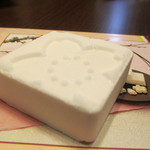
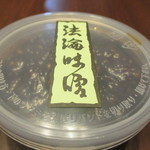
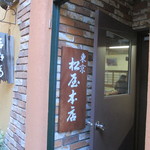
There are several unique shops in Kagurazaka. This one is a specialty store for Yoshino Kudzu, not a beef bowl shop. When it comes to eating kudzu, the usual options are kudzu soup or kudzu mochi, but in the Kanto region, kudzu mochi is made with wheat flour instead of kudzu powder. This may not be a familiar ingredient in the Kanto region. What is a specialty store for "Yoshino Kudzu" like in Tokyo? This area is home to many renowned shops, and this one has a quiet and unassuming appearance. The shop interior is a bit plain, perhaps indicating that they also ship products to other regions. I had assumed that kudzu mochi was the popular item, but it seems that kudzu mochi is the bestseller. I purchased the "Horon Miso" and the "Yoshino Shuui (Kudzu Soup)." The Horon Miso is described as a delicious "naming miso" made using the traditional method of the Horon Miso created by the guardian monk of Nara's Gangoji Temple about 600 years ago. It is said to be a health tonic that was once sold in Kyoto as a nourishing food. It contains sesame, walnuts, hemp seeds, and mountain burdock, among other ingredients, and has been improved to suit modern tastes. It was rich and delicious, not too sweet, and would probably go well with daikon radish. The Yoshino Shuui is a special kudzu soup made with Yoshino Kudzu. It is elegantly wrapped in thin paper, resembling a thousand sweets, and is convenient, nutritious, and very useful. I had it before bed, and it looked like a fallen leaf but turned into a thick and elegant soup when hot water was added. It had a subtle sweetness and was quite enjoyable. You can enjoy items that are unfamiliar to people in the Kanto region. This is a hidden gem in Kagurazaka.

zentou
3.40
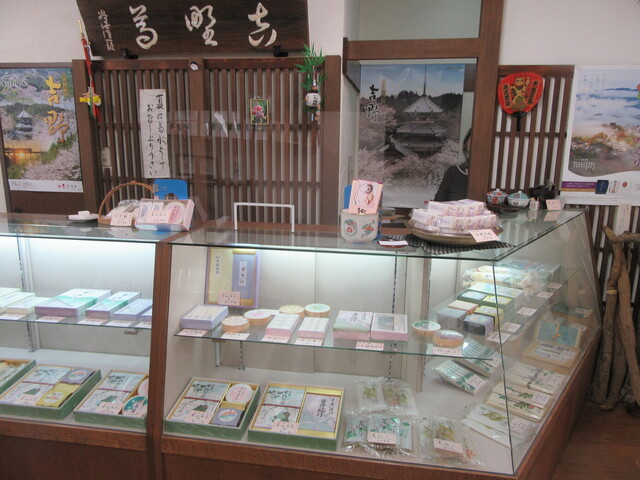
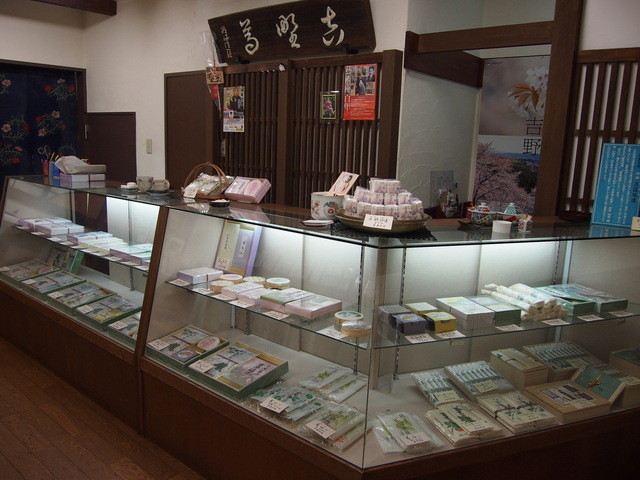
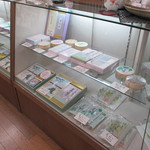
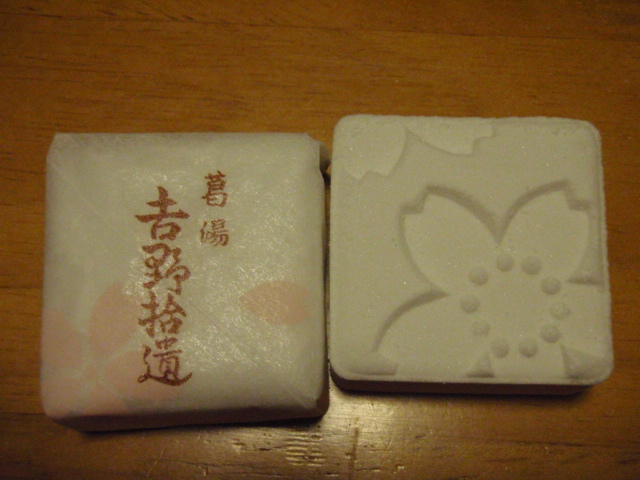
While strolling through Kagurazaka, I searched on Tabelog for a shop where I could buy some souvenirs to take home. I found a traditional Japanese confectionery shop nearby that sells kuzumochi. It was located down a side street, piquing my interest. I decided to check it out and went to Matsuya Honten. When I arrived at the location on the map, I couldn't see the traditional Japanese confectionery shop, but after looking around the building that housed various shops, I found it tucked away in a corner. Inside the shop, it looked more like a small accessory shop. Upon entering, there was a showcase on the right displaying various products. When I mentioned that I like kuzumochi, the female shop assistant explained that their specialty is indeed kuzumochi, so I decided to try it. I also noticed a cute confection called Yoshino Kaiko displayed prominently in the showcase. It is a dried sweet made in the shape of cherry blossom petals. When I got home, I chilled the kuzumochi first. When I opened the box after it had cooled down, I found square pieces of kuzumochi. I had imagined kuzumochi to be more jelly-like, but this kuzumochi had a firm texture. I cut it into pieces and drizzled it with kinako (toasted soybean flour) and syrup. It had a refreshing and bouncy texture, which was quite enjoyable. It was a unique take on kuzumochi compared to what I was familiar with. As for Yoshino Kaiko, it is made with Yoshino kudzu and was a delicate sweet with a subtle sweetness. Although cherry blossom season had passed, serving these with tea when guests visit would add a touch of elegance.
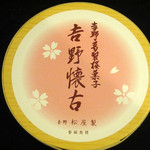

jjjjj
3.80
★★★ 2012/07/21 (Sat) around 16:30, visited with 2 people ★★★ After enjoying delicious counter desserts at "Atelier Kota," we came here to buy souvenirs! This shop specializes in Yoshino kuzu (arrowroot) products. We purchased "Kuzumochi Yoshino Journey (1 box 320g) for 840 yen." Rating: 3.5 stars. Kuzumochi Yoshino Journey is made mainly from Yoshino kuzu, creating an elegant and simple flavor that is popular nationwide. It is recommended to enjoy it cold regardless of the season, as it enhances the taste. The kuzumochi here is very chewy. I prefer a softer texture, but this one is still delicious. It's a generous portion at a reasonable price. Thank you for the meal! *chew chew*
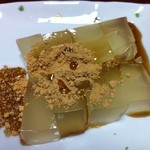
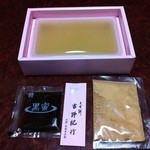

pio
4.00
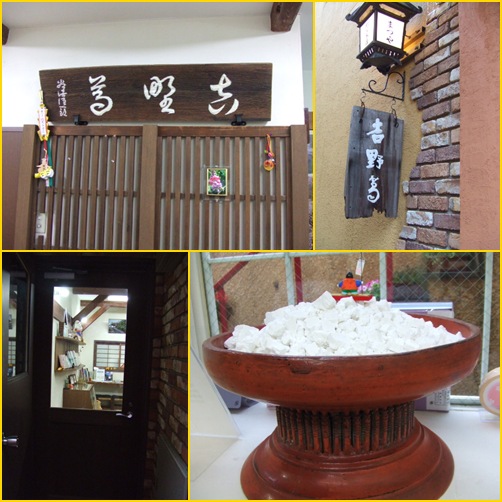
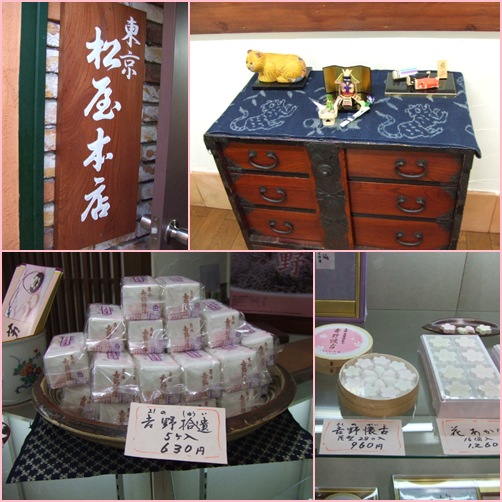
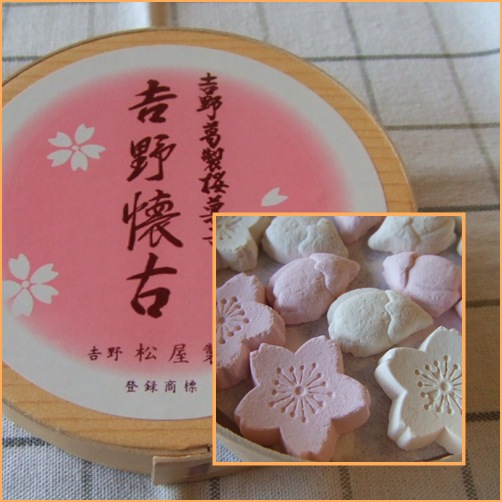
I revisited in November 2011. A friend wanted to buy some kuzu-yu for her father, so we entered the shop. I also love kuzu, and I had never tried their kuzu-yu before, so I bought a pack of 5. When I opened it at home, I found that the kuzu was about 4 cm square with a cherry blossom pattern pressed on it. It was beautiful. I dissolved it in hot water and tried it. Delicious! I enjoyed all of it. This shop is a famous kuzu-yu store located in Yoshino Town, Nara Prefecture. Although you can buy their products in some department stores in Tokyo, the actual shop is only here. It was right next to where we had lunch, so I didn't hesitate to go in. I've always wanted to visit here. It's been 30 years since I last visited Yoshino, which is also famous for its cherry blossoms. I love kuzu sweets. I can eat them even without tea. I also love kuzu mochi and kuzu udon. Kuzu-yu is also great. They have a wide variety of kuzu products. The "Yoshino Kaiko" with cherry buds and petals is just so cute. When you put it in your mouth, it melts smoothly. It has an elegant sweetness. It's delicious and makes me happy. I indulged in it by myself. I also bought two "Yoshino Yama" as gifts for my friends. They were very happy and it made me so delighted. They have a good shelf life, so you can stock up on them. The "Yoshino Kaiko" at the shop had faded to a whitish color. They display real cherry blossoms, so the color fades quickly. If you're planning to give it as a gift, it's better to buy it early. I will visit again. Thank you for the meal.

くいしんぼうヤマゲン
4.00
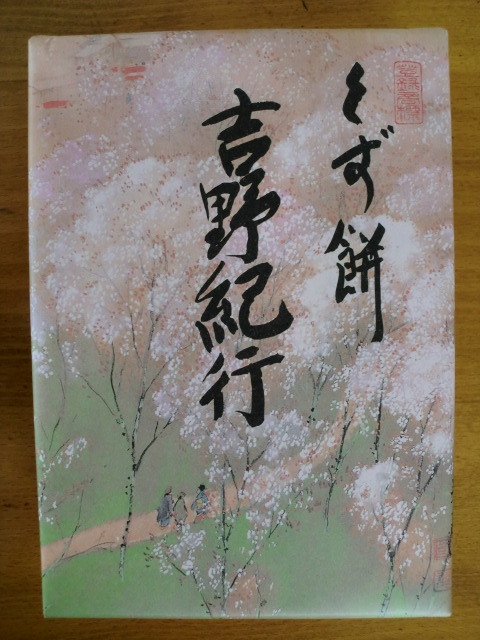
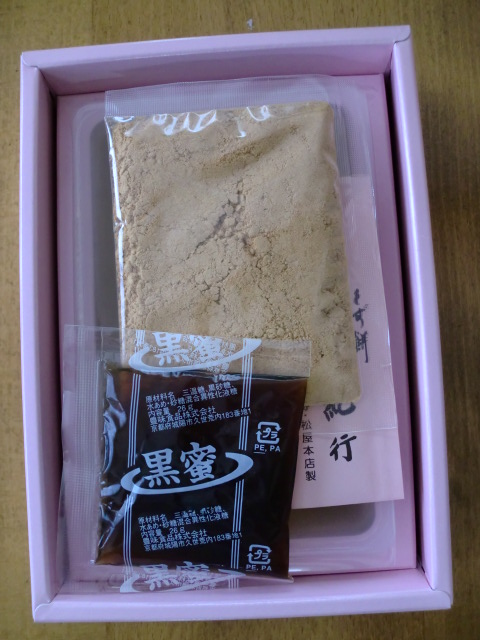
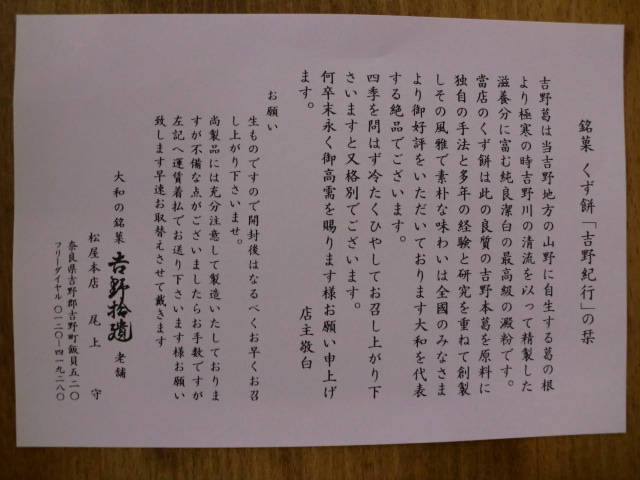
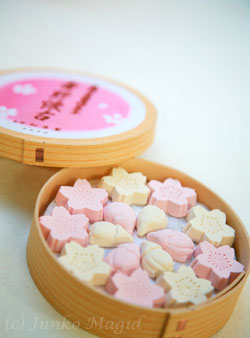
When I revisited Kamikura in August 2010, I bought some kuzumochi and also tried Yoshino Kaiko, which I didn't have last time. I purchased a pack of 28 pieces for 960 yen and found it to be very elegant and delicious. The texture was light and smooth, making it a perfect treat even in the hot summer weather. I also had the kuzumochi, which was perfect for the summer as well. I plan to visit Kagurazaka again this month and will definitely stop by Kamikura once more. Thank you for the delicious treats.

タキリクミクリク
3.50
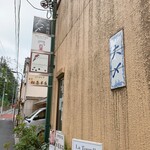
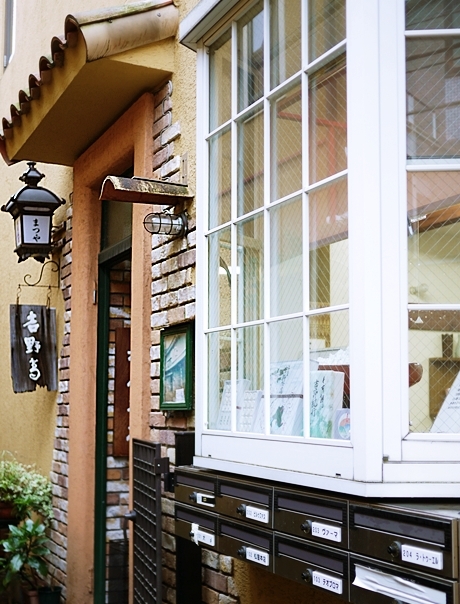
I decided to visit the restaurant based on the reviews on Tabelog. It was quite a challenge to find the place using the map and address. I finally found it after a lot of effort. Who would have thought that a long-established kudzu shop would be housed in such a Southern European-style building? I was expecting at least a tenant on the ground floor based on the address, but the door and sign were somewhat hard to spot. It just goes to show how preconceptions can be misleading. The interior of the shop was comfortable with effective air conditioning and a spacious area for the products. I was there for the kudzu mochi "Yoshino Kikou," which cost around 800 yen. It had a perfect texture, not too soft or too hard, and the taste was great. The portion was quite generous, so it was satisfying both in terms of taste and cost performance. It would make a great souvenir as well. I also bought the "Yoshino Kaiko" with Japanese sugar, shaped like cherry blossoms, as a souvenir. Although it was a bit pricey (around 1260 yen if I remember correctly), the sample I tried in the store was delicious. I'm not sure how it differs from regular Japanese sugar though. Maybe I'll have to try it properly to find out? I find myself coming back to buy kudzu mochi regularly whenever I crave it. While you can buy kudzu mochi anywhere, the atmosphere and trustworthiness of the shop encourage me to keep coming back. I'm curious to try the kudzu jelly and kudzu hot water too...


Bruna
4.70
I came to the neighboring station to participate in a cooking class, so I couldn't help but stop by. I purchased 18 Yoshinoyama (dried sweets) and 5 Kuzuyu for home use = Repeat customer. I also bought Yoshino Kaiko (dried sweets) with cute cherry blossom petals for a present = Repeat customer. I am currently feeling a bit under the weather, so I can only sense about half of the fragrance, but I still enjoyed the high-quality taste of Yoshino Sanbon and Kuzu's aroma. May 2009
I used to frequent a sweet shop called "Hana" near a place that holds nostalgic memories from my high school days. I found a Yoshino Kuzu specialty store in a corner of a yellow building with a theater genre specialty store and a L'atelier. The store displayed a variety of Kuzu products such as Kuzukiri, Kuzu dried sweets, Kuzuyu, and Kuzumochi.
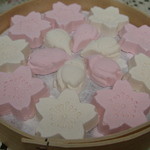
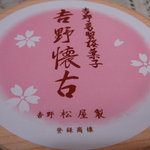
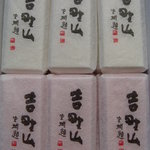
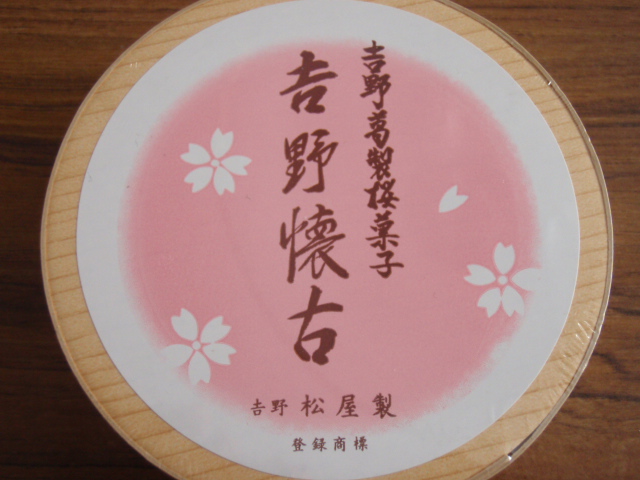
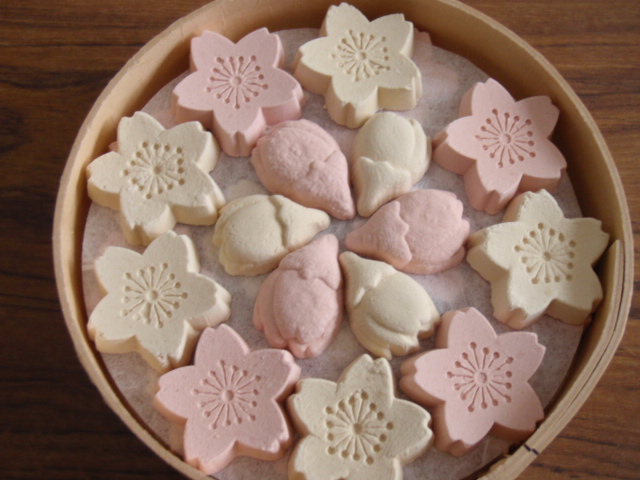
- Yoshino Kaiko (Kuzu dried sweets) are packed in a round bent wood-like box. Inside are two layers of cherry blossom dried sweets. The cherry blossom shapes are very cute. Unlike the overly sweet dried sweets where sugar is the main taste, this one has a gentle taste with the refined sweetness of Wasanbon felt afterwards, making you feel at ease. Later on, I revisited to purchase Yoshinoyama. It is a red and white Kuzu dried sweets with the same taste as Yoshino Kaiko. It is larger in size and lower in price than Yoshino Kaiko, making it perfect for everyday enjoyment.
- Kuzuyu When I was young, my grandmother used to make me Kuzuyu when I caught a cold. I didn't like it because it was slimy, but I remember forcing myself to eat it with a smile to not make my grandmother sad. Until I encountered Matsuzakaya's Kuzuyu, I used to dislike Kuzuyu. However, that changed completely. I realized that Kuzuyu is not just about the syrupy sugar, but also about enjoying the aroma of Kuzu. When I dissolved it in hot water, a cute flower emerged from inside, which made me happy. Matsuzakaya's Kuzuyu contains only Kuzu as a thickening agent. If the water temperature is too low, it will only become cloudy without thickening, so it seems better to gradually dissolve it in hot water. If it doesn't thicken, I found that putting it in the microwave for 1 minute made it thick and smooth. Furthermore, if you put thickened Kuzuyu in the refrigerator, it becomes a cold sweet. I am delighted to have come to like Kuzuyu and I want to repeat enjoyable experiences, happy moments, and repurchase delicious items. I plan to revisit with such feelings. April 2009

プイーン&プノ
3.00
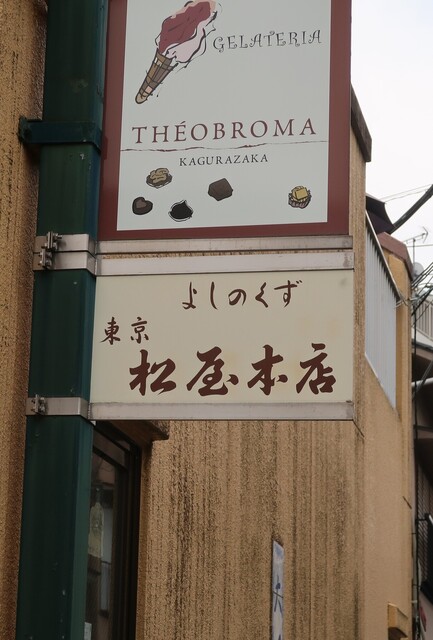
This is the Tokyo branch of the Yoshino Kudzu specialty store in Yoshino, Nara Prefecture. I was surprised to find "Yoshino Shuui," which I often bought in Nara, available in Tokyo! I discovered it when I visited Theobroma Gelateria. It's located in the same building, I think? It was closed when I visited at 6:30 pm, so I came back again this time! I found the products from the Nara store online, but I didn't know about the store in Kagurazaka. I purchased it as a souvenir for my mother who loves kudzu. I was surprised that it was much more expensive than online! "Yoshino Shuui," which can make kudzu soup by just pouring hot water into a cup, is perfect for when you catch a cold or when your body is cold! It's a handy product for the upcoming season. Since it's for home use, I bought it in a bag instead of a box. I also bought "Yoshino Kaiko" because my mother loves rakugan. It feels a bit powdery, but my mother was delighted. I also bought Yoshino Kudzu to make sesame tofu, but it was twice as expensive as online, at 1200 yen for 70 grams. But considering that it's not easy to produce, I guess it's understandable... If we can enjoy delicious sesame tofu with this, then it's good. I'm just happy to have found a store nearby. It would be even better if they accepted cards...

ばぁちゃん
0.00
The owner's family established this restaurant in Yoshino, Nara Prefecture, in the 13th year of the Tenpo era, which is about 170 years ago. When they decided to open a shop in Tokyo, they chose Kagurazaka, a place that the owner's parents loved to visit. The shop opened in the 5th block in the 14th year of Heisei. Their specialty is traditional Japanese sweets made with kuzu (arrowroot) and products incorporating kuzu. Yoshino kuzu is considered to be of high quality, and it is often used in Japanese cuisine dishes like "Yoshino-style" or "Yoshino bowl." One of their popular sweets is "Yoshino Kaiko," a dried confection made with Yoshino kuzu and wasanbon sugar. It has a gentle sweetness of wasanbon sugar with a distinct kuzu flavor. They also offer other products like somen noodles with kuzu and salt-pickled cherry blossoms that can be used in seasonal dishes and sweets. They also have a special "Horomi Miso" that contains kuzu, which was recreated based on a recipe made 600 years ago at the Todaiji Temple in Nara for the health of the monks. It is a flavorful miso with ingredients like sesame, walnuts, hemp seeds, sansho pepper, and burdock root. You can also try samples at the shop. Kuzu is a root starch extracted from the roots of the kudzu vine, which is a very resilient plant with various health benefits like lowering blood pressure, improving blood circulation, relieving shoulder stiffness, and strengthening the digestive system. When feeling unwell, drinking kuzu tea with ginger can help improve your condition. Many people, including traditional Chinese medicine practitioners, buy tea snacks from here.

iryu2011
4.50
Almost a year ago, I visited Kagurazaka for the first time with a friend for lunch. I had only passed through by car before, but we found some parking lots and various shops, so I occasionally come to explore. We first went to a chocolate cafe in the same building, and then I spotted it - a plump, kuzu-based sweet that I love. I wanted to buy it, but it was closed every time I tried to visit. Last week, on my way back from buying coffee at a nearby Guild Coffee, I stopped by again. It was open! Inside, they had kuzu mochi and kuzu yu. I love kuzu yu, and in winter, I always buy it whenever I see it in passing shops. I couldn't remember where I had bought it before, but I recognized the packaging. It had rice crackers inside, and it's my favorite kuzu yu. Even though it's summer, I decided to buy one. While paying, I chatted with the elegant female owner. She suggested that kuzu yu is good when chilled in summer. It was a big change in my thinking! She called it "kuzumizu." When I got home, I tried it immediately. It was amazing. Even with my clumsy hands, I managed to make a delicious cold sweet. I'm still experimenting with the ratio of ingredients and trying to achieve the transparency I saw in the shop. I also looked up the health benefits of kuzu, such as Yoshino kuzu. I definitely want to buy it again.

☆み〜
4.00
I purchased Yoshino Kuzu and Wasanbon dried sweets at Hankyu Department Store. The sweets are called "Yoshino Kaiko" and are shaped like Yoshino cherry blossoms. The ingredients are kuzu, wasanbon, sugar syrup, and coloring. The sweets have a subtle kuzu aroma and a delicate flavor of wasanbon. They are not too sweet and have an elegant taste. They are much lighter than regular dried sweets and very delicious. However, they are not overly sweet, so you may end up eating a lot without realizing it. These cute dried sweets would make a lovely gift for spring.

ryoku
4.00
Email Login