御菓子司 木村家
Okashitsukasakimuraya
3.29
Nerima–Nerima-Takanodai, Hikarigaoka
「Japanese Sweets」
--
--
Opening hours: 9:00-19:00 Open Sundays
Rest time: Tuesdays Business hours and holidays are subject to change, so please check with the store before visiting.
東京都練馬区富士見台2-18-13
Photos
(20)
Details
Payment Method
Electronic Money Accepted
Parking
None
Comments
(20)

taktak99
3.70
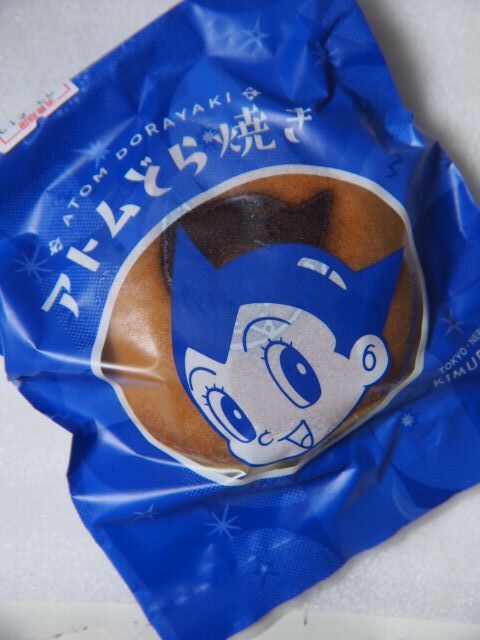
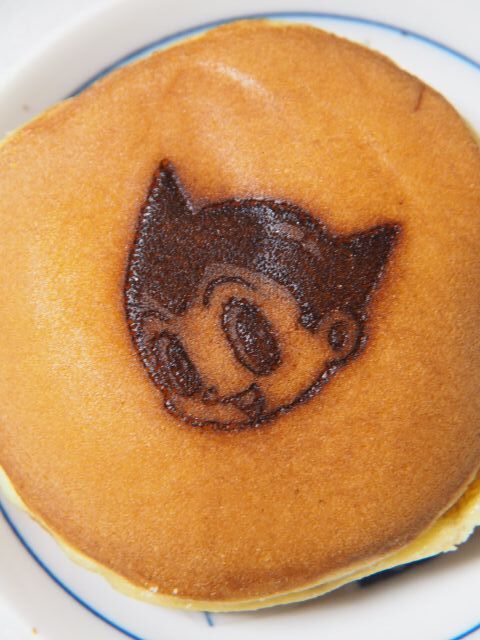
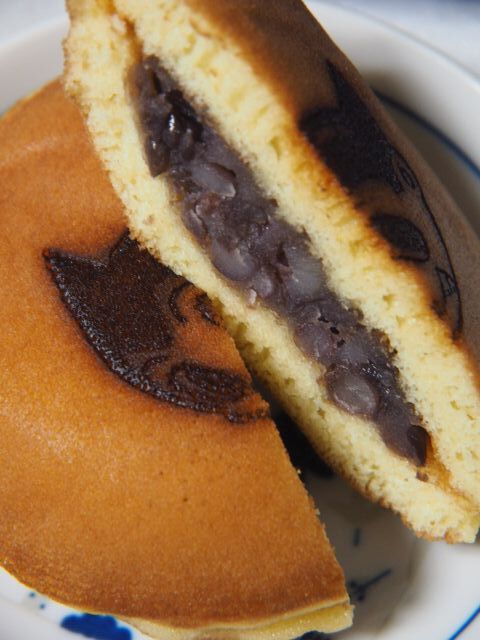
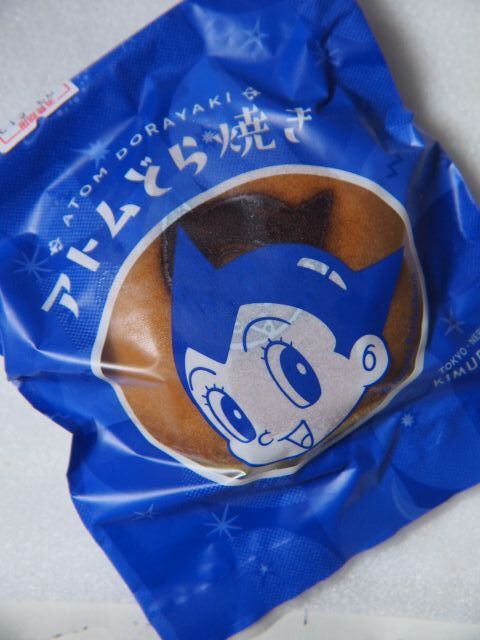
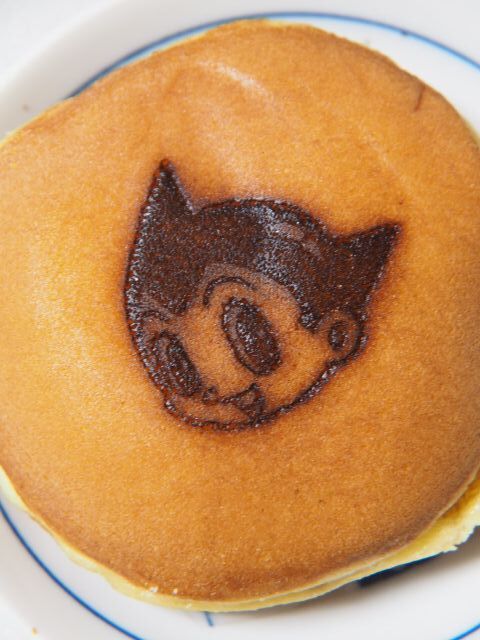
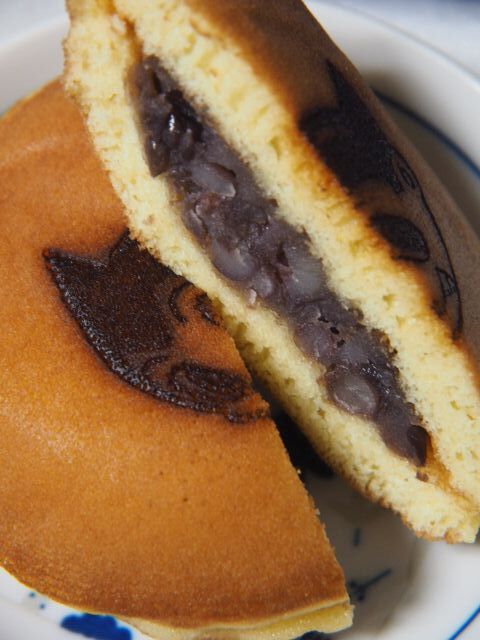
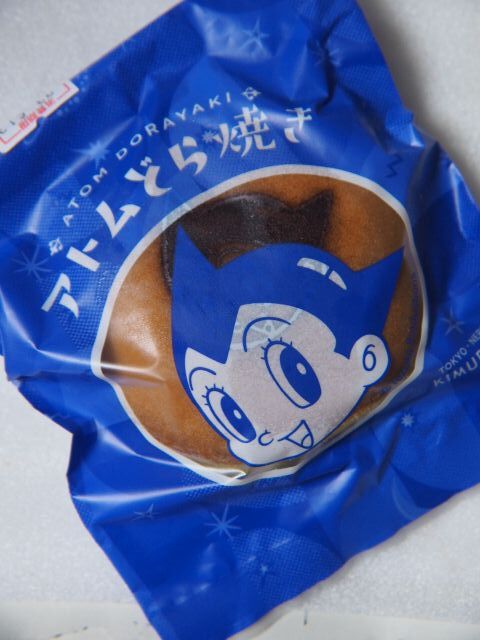
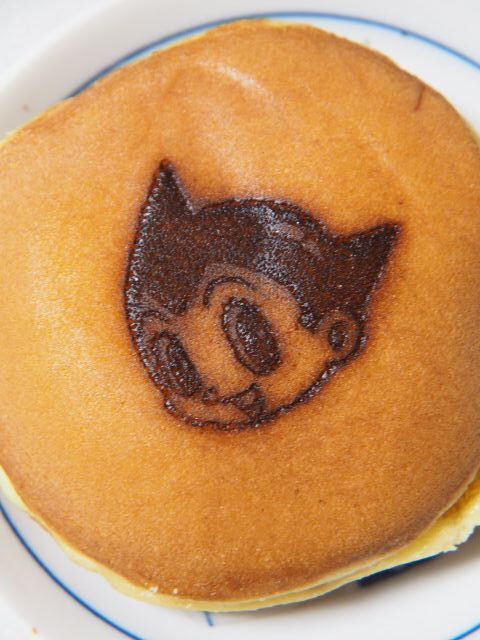
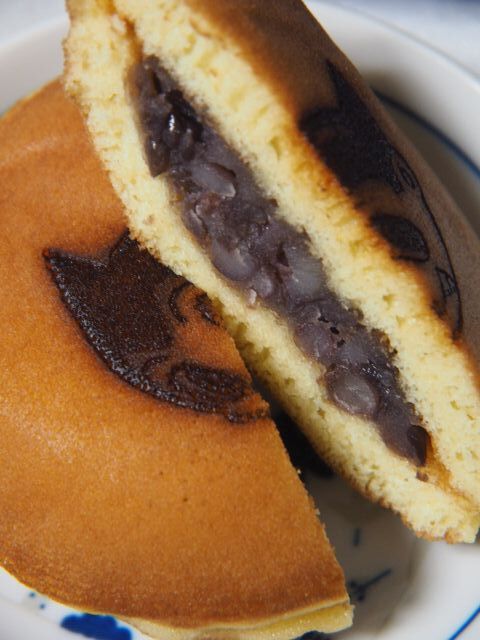
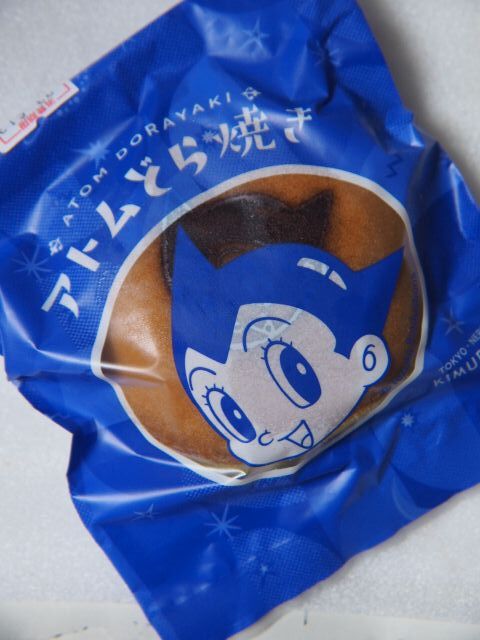
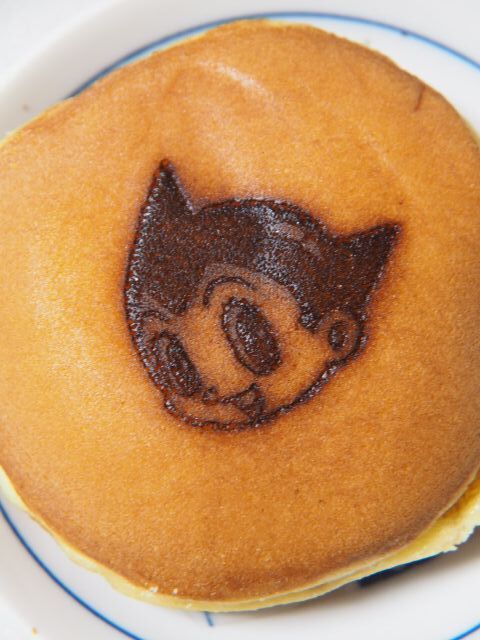
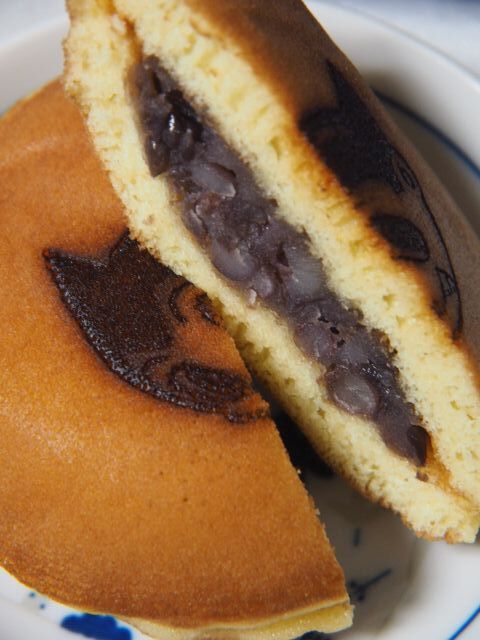
A traditional Japanese confectionery shop located in Nerima Ward, Tokyo. It is said to be a branch of a confectionery shop in Shinagawa Ward, Tokyo (there are many shops called Kimuraya, so it is unclear which one it is). They offer a variety of Japanese sweets. The area where the shop is located, Fujimidai, was once home to Osamu Tezuka, so they also offer collaboration products with Tezuka Productions. The Astro Boy dorayaki is one of their Japanese sweets. Fujimidai, where the shop is located, was home to Osamu Tezuka in the 1960s, which inspired the collaboration with Tezuka Productions (Tezuka loved sweets and would eat these sweets during breaks). The packaging features Astro Boy's face, and Astro Boy's face is also baked into the dorayaki itself. The dorayaki is a typical red bean paste type with a soft and moist texture. It has a decent amount of filling.

mocapapa116
3.00
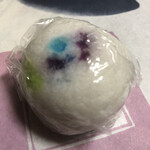
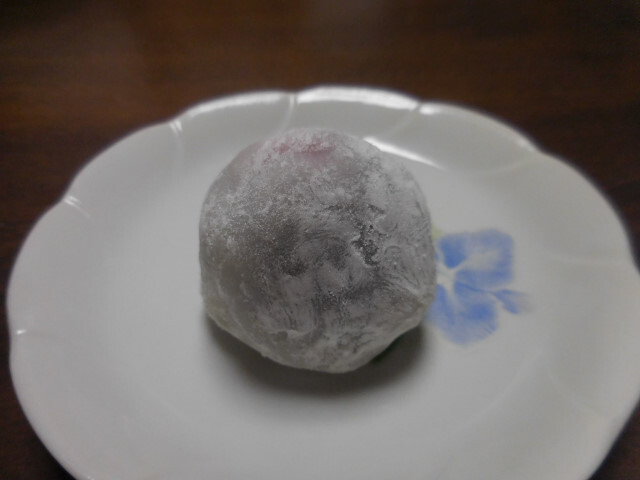
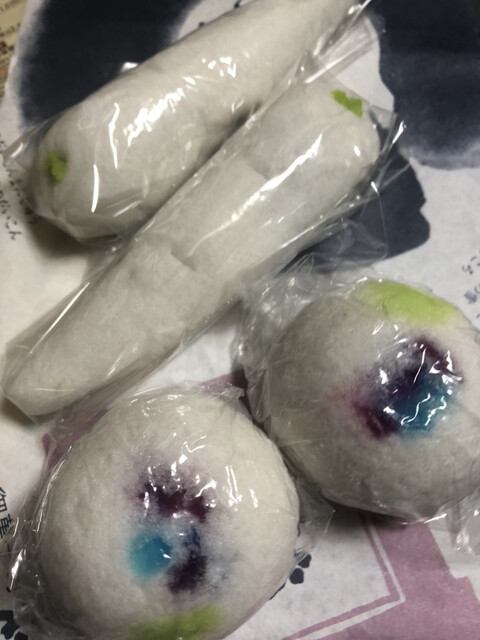
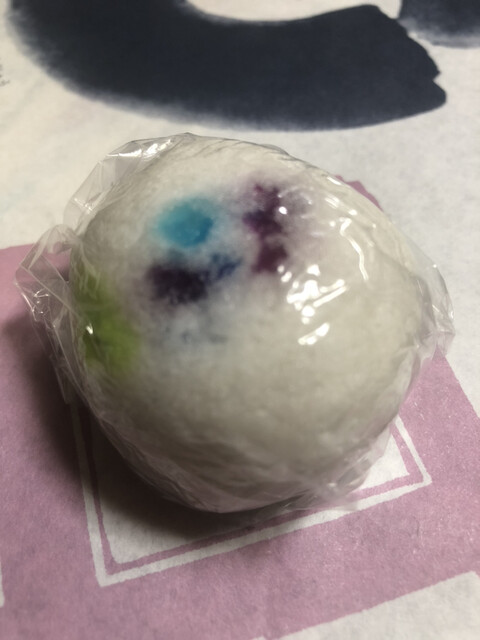
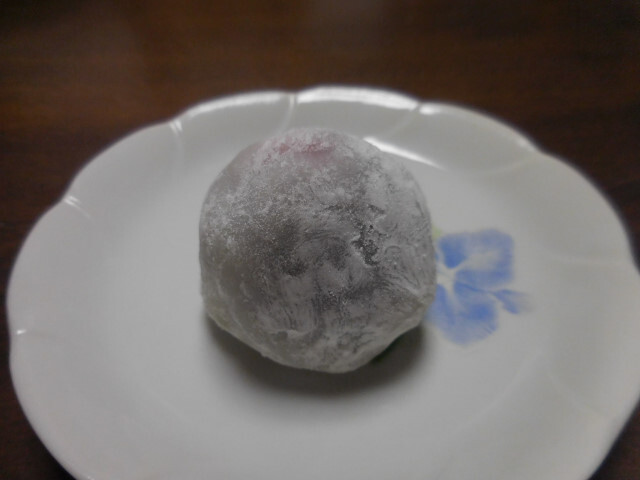
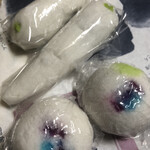
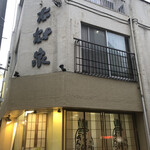
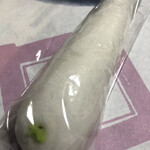
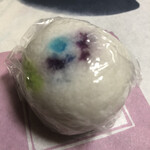
I stopped by a Japanese sweets shop on a whim. They had round hydrangea steamed buns and long daikon (Japanese radish) steamed buns, each priced at 170 yen excluding tax. The shop is called Kimuraya, established in 1892, and they take pride in their daikon steamed buns and handmade manju (sweet buns). By evening, almost all the Japanese sweets were sold out. When I asked for "Japanese sweets with smooth red bean paste," they recommended these two items. The manju skin was sticky, and the red bean paste was not very sweet, which left me feeling unsatisfied. I prefer the ones from Usagiya or Fugetsudo near the station.

AI94
3.50
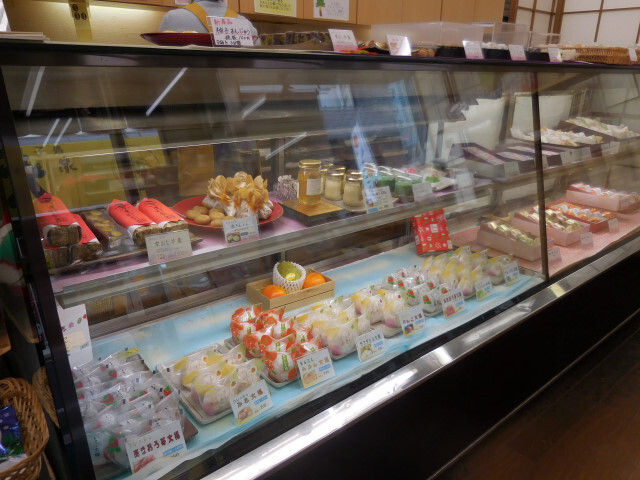
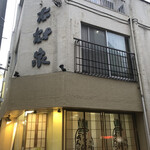
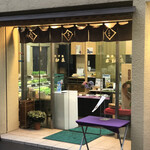
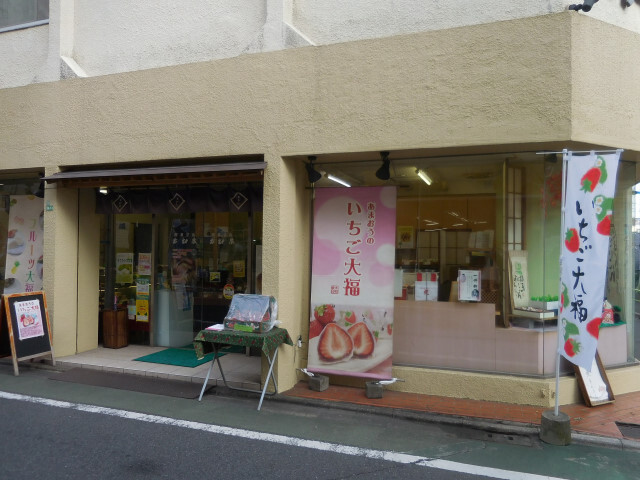
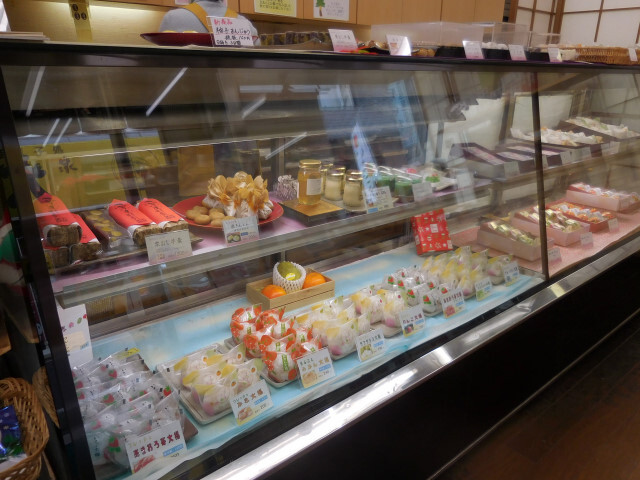
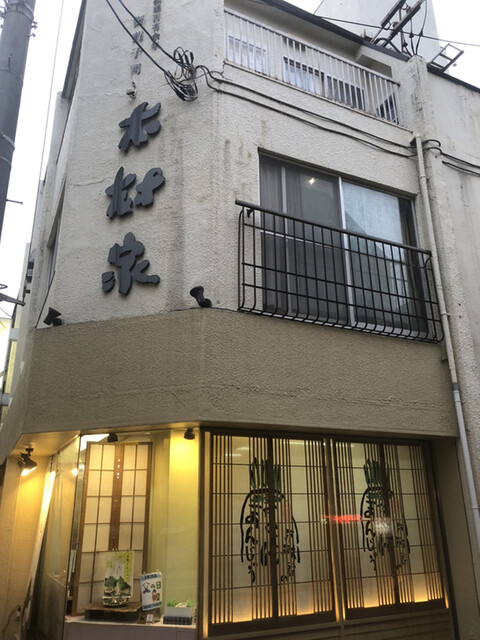
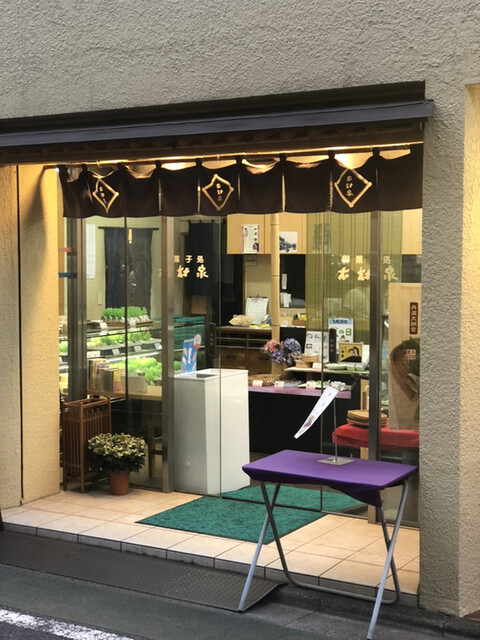
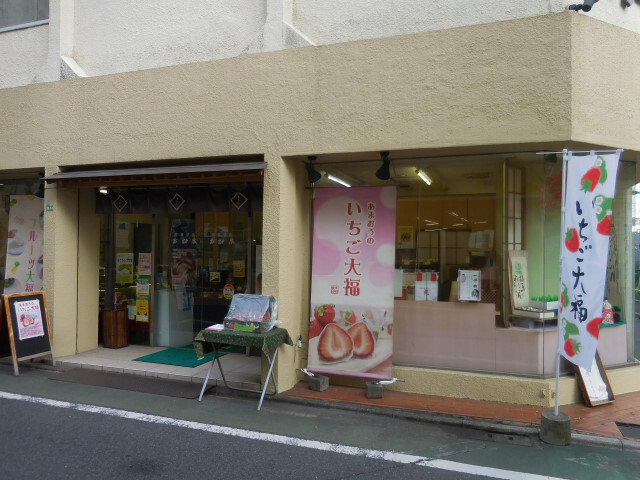
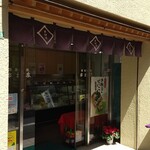
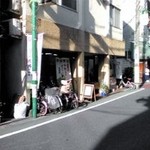
Upon exiting the south exit of Seibu Ikebukuro Line's Fujimidai Station and turning right, walking towards Nerima Takano-dai direction on the shopping street for less than 10 minutes, you will find a traditional Japanese confectionery shop on the right side. The shop has a simple glass exterior. It was a bit past 10 o'clock on the weekend, and the store was not crowded. Inside, there were fruit-filled daifuku displayed in the showcase in front, and dorayaki, manju, and other sweets with a longer shelf life on the left side. I purchased the following items (prices excluding tax).
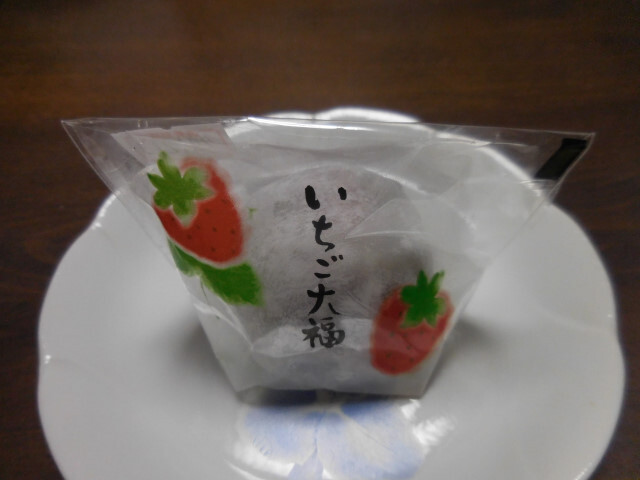
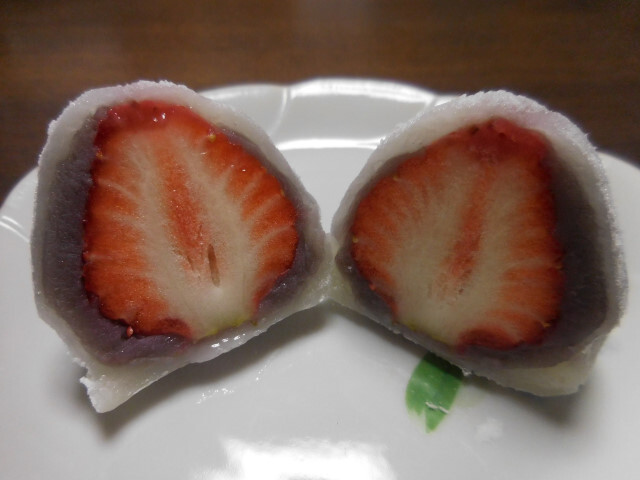
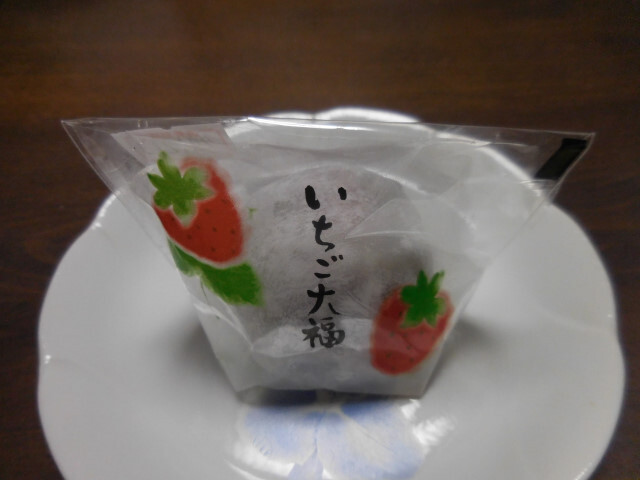
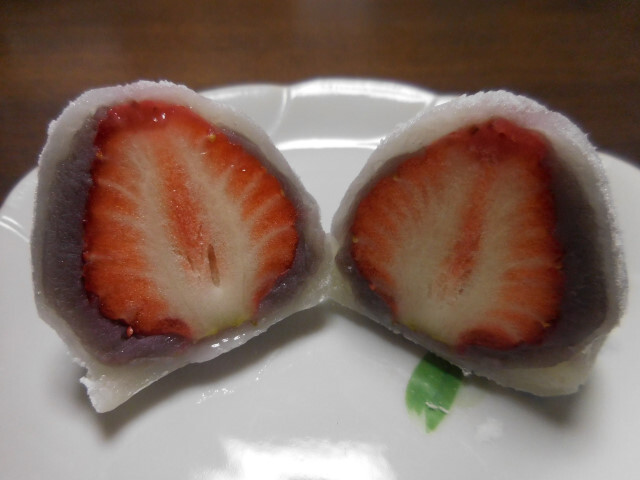
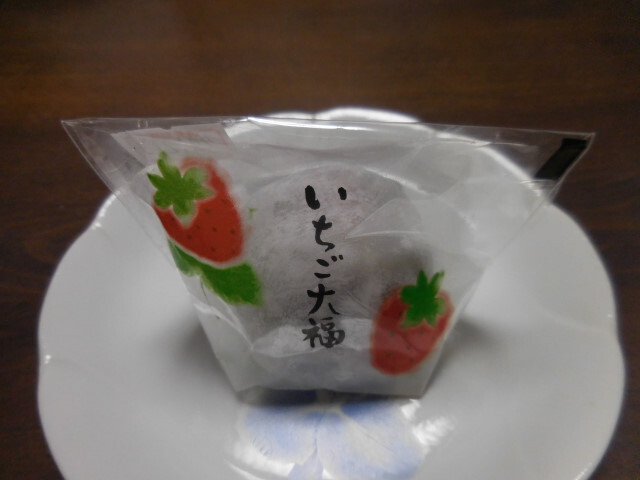
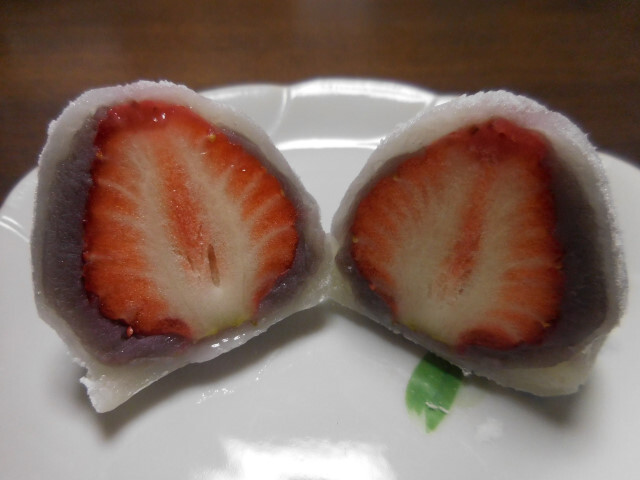
Amou Ichigo Daifuku (250 yen): Upon asking for recommendations, I was suggested the fruit-filled daifuku since it was not for a gift. I chose this classic option from several varieties. Each daifuku is individually wrapped in plastic with a fruit illustration, making it easy to identify. The outer layer is made of thin mochi, surrounding a thin sweet bean paste and a juicy strawberry. The soft and sticky double-layered mochi, combined with the sweet and sour flavor of the strawberry, was delightful. The sweetness of both the mochi and sweet bean paste was balanced to enhance the strawberry's deliciousness. The texture of the strawberry was preserved well, and it was delicious. Since it is small in size, even those who are not fond of traditional Japanese sweets can enjoy it. The shelf life is 2 days in the refrigerator. Other options available were Amou Ichigo Daifuku Deluxe (300 yen, possibly with larger fruit pieces), as well as daifuku with persimmon, mandarin orange, apple, Shine Muscat grape, and blueberry (all requiring refrigeration on the day of purchase or for 2 days).
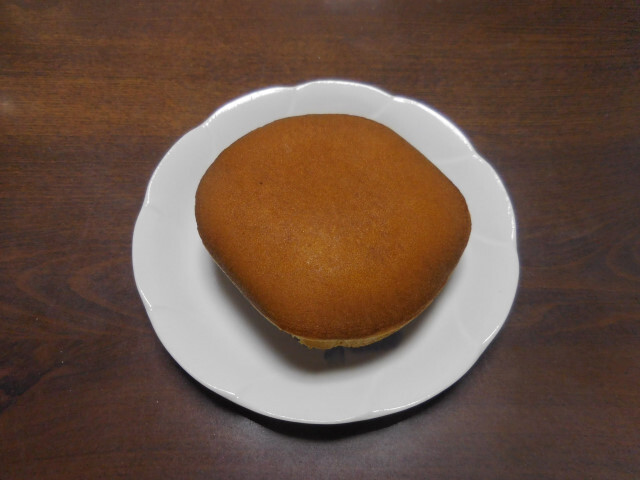
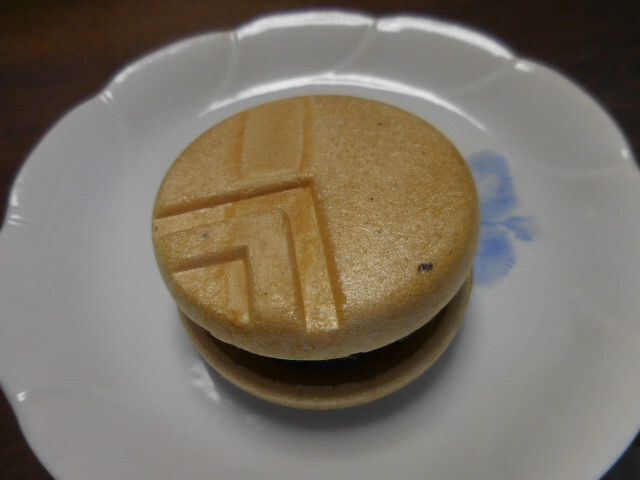
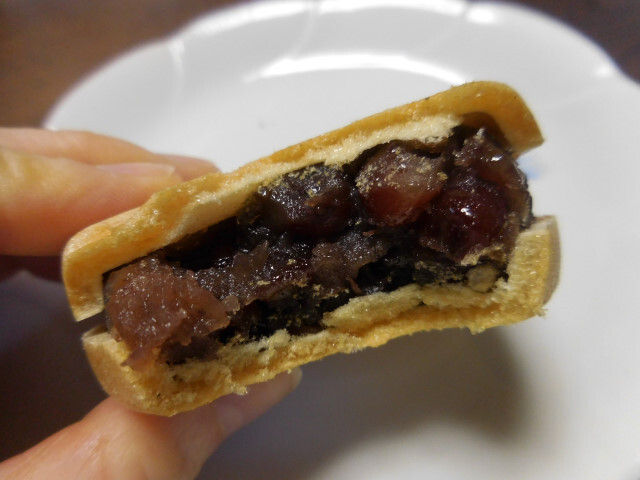
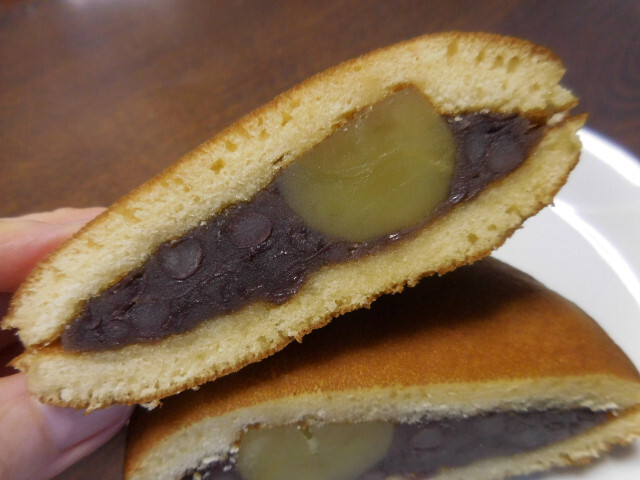
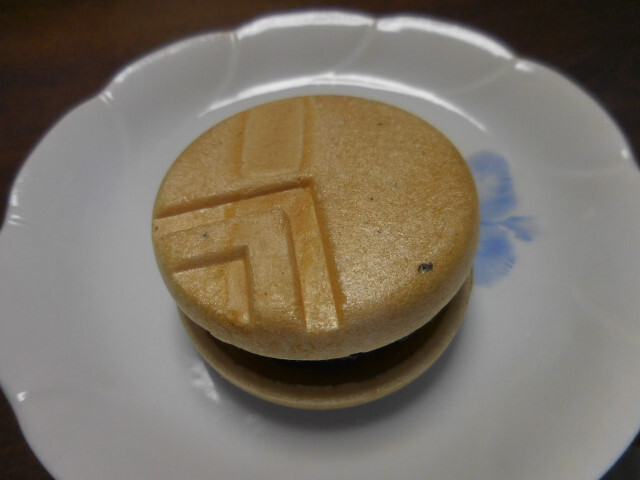
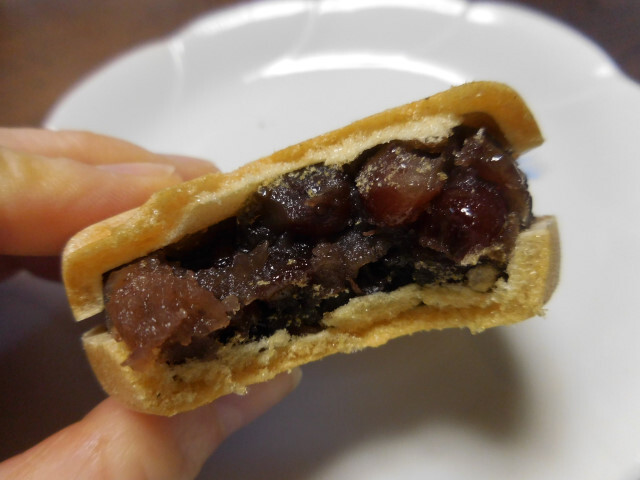
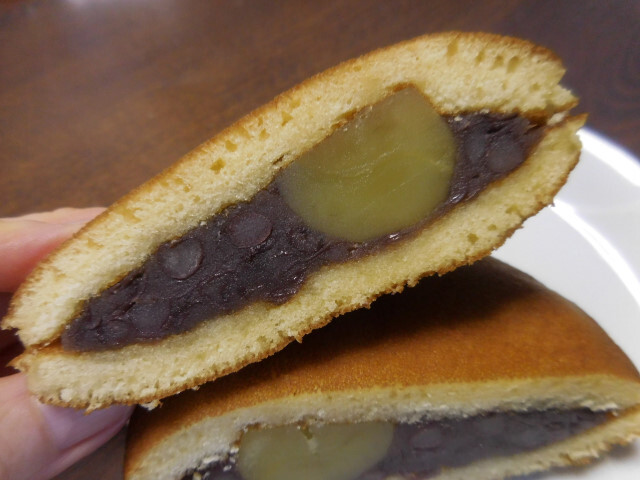
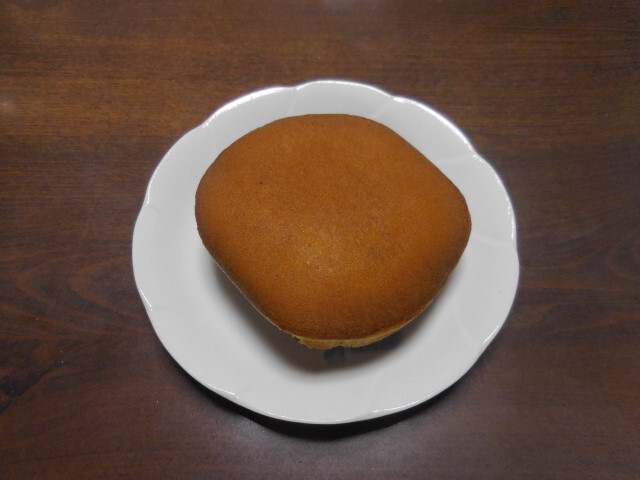
Fujimidaiko Kuridora (Kokuto An) (240 yen): The dorayaki was slightly thick, with a whole chestnut and sweet bean paste inside. The fluffy outer layer had a smooth and light texture. The chestnut was tender and well-cooked, but the aftertaste lacked a crisp finish. It was a sizable treat, providing a satisfying experience with a light mouthfeel. Besides Kokuto An, there were options with white bean paste and without chestnut, totaling 4 varieties. The shelf life is 1 week.
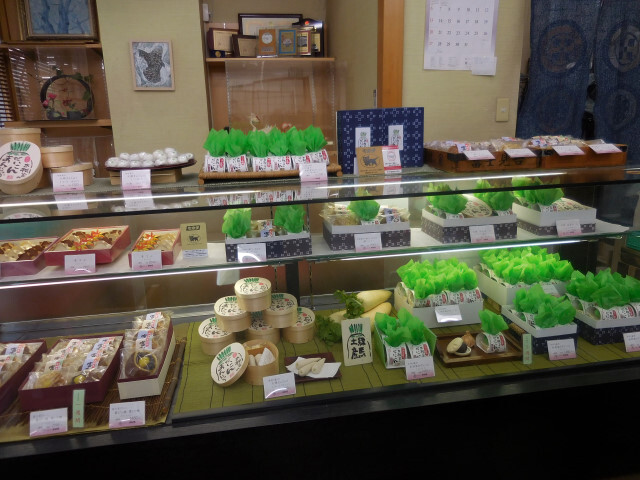
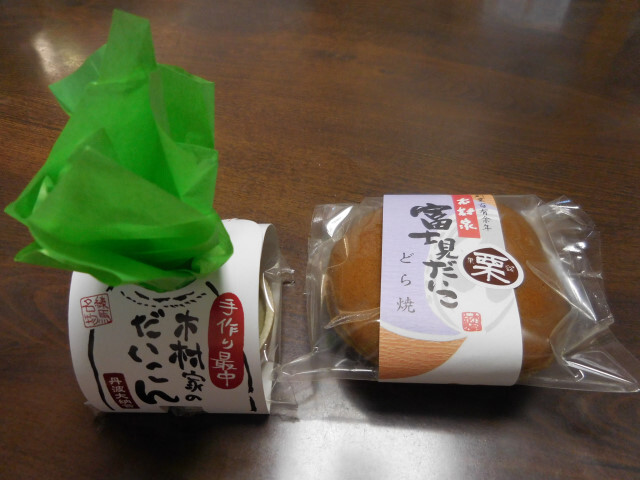
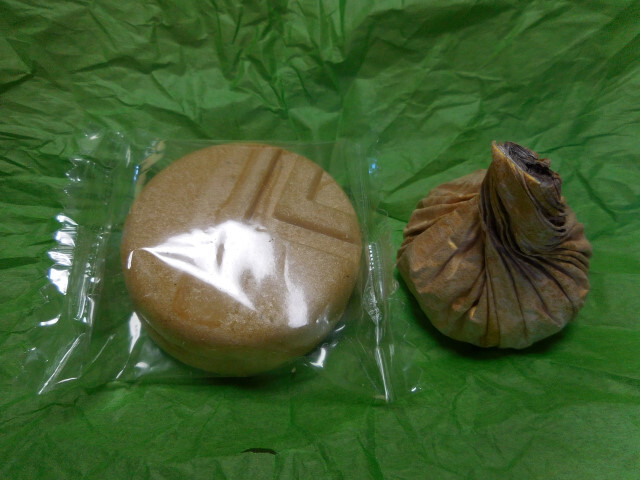
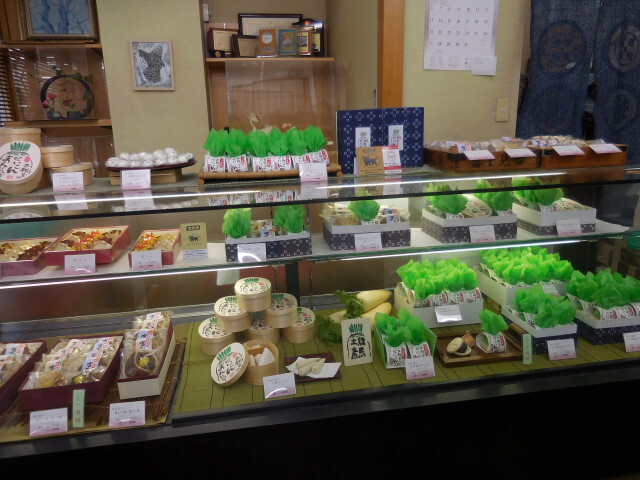
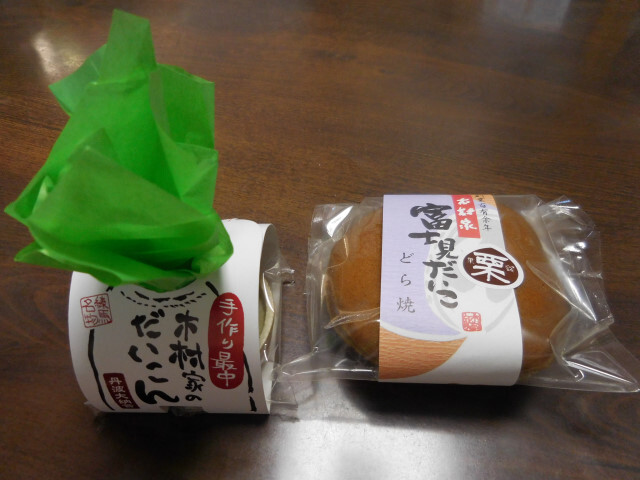
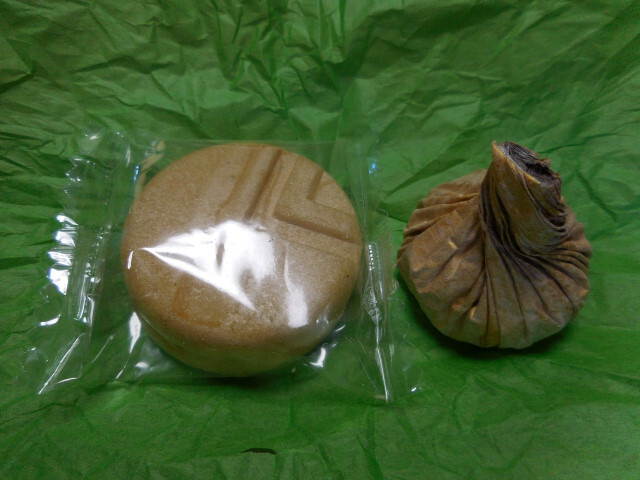
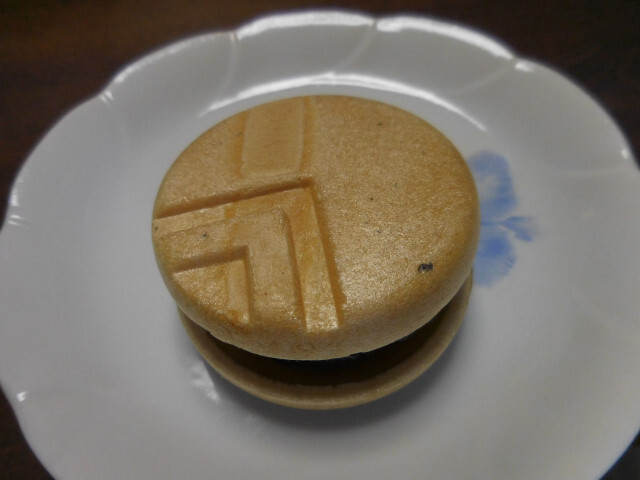
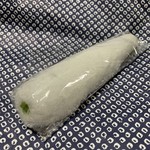
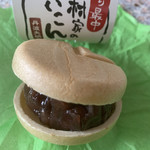
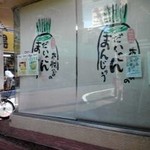
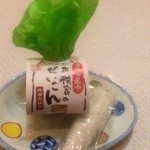
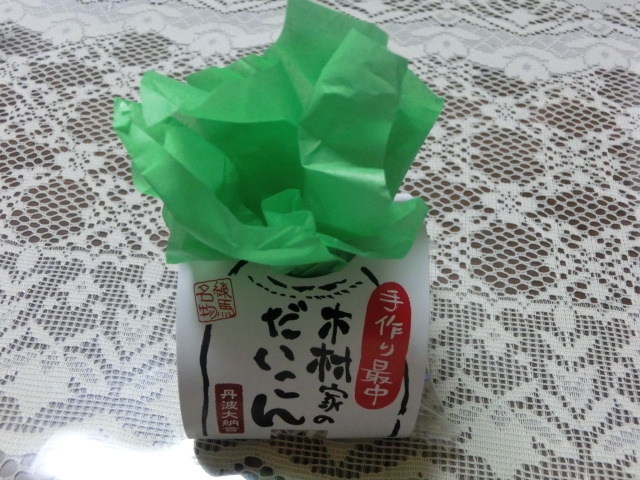
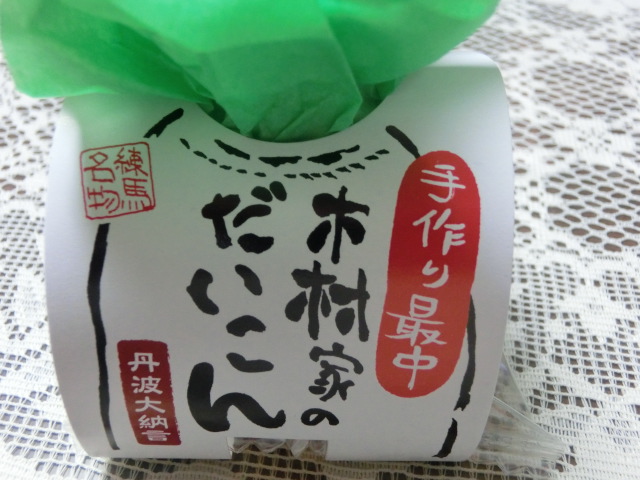
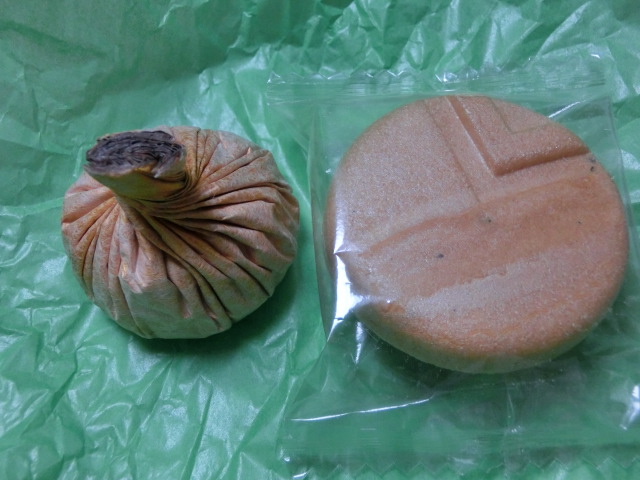
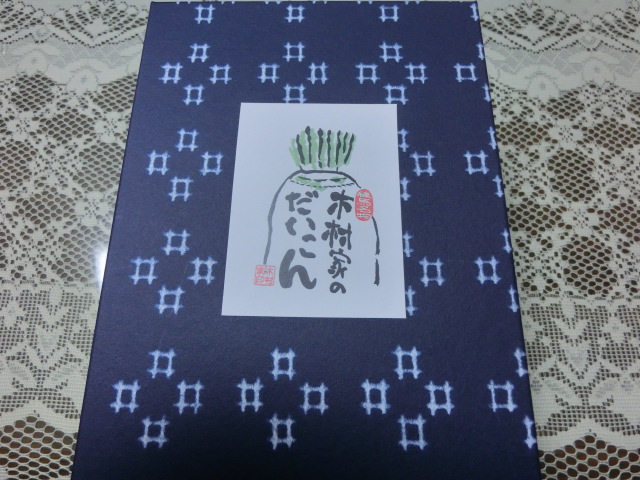
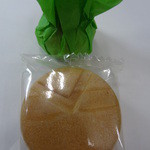
Handmade Manju Kimura Family's Daikon (230 yen): The package, shaped like a radish, was cute and distinctive. Inside, there were dumplings made of sweet bean paste wrapped in paper resembling leaves, along with a separate packaging of the outer layer. I decided to sandwich the sweet bean paste between the outer layers. The crispy and fragrant outer layer, wrapped in agar, contained a firm and textured sweet bean paste. Although the outer layer contained radish leaves (visible as dots on the surface), it did not affect the taste. Since the sweet bean paste is wrapped on the spot, the crispy texture and flavor of the outer layer were enjoyable. The shelf life is 3 weeks.
I appreciated the shop's unique products. Personally, the strawberry daifuku was not my favorite, but the juicy strawberry made it very delicious. I understood why the staff recommended the fruit-filled daifuku as the most popular item. The Daikon Manju from the Kimura Family also had a crispy outer layer and a satisfying texture of red bean paste, making it a recommended choice among my purchases. While the strawberry daifuku has a short shelf life, the other items have a decently long one, making them suitable as gifts. It was great to see both the product names and shelf lives displayed together. The staff provided accurate advice on which products to choose, which was helpful in decision-making. While I was in the store, customers came in sporadically to purchase the fruit daifuku, indicating the shop's popularity as a local traditional Japanese confectionery store. I would definitely like to visit again when I have the chance.

あきひめ
3.00
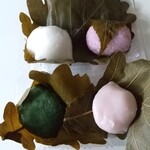
I found this place on the way back from lunch. I was drawn in by the pink snacks, but ended up buying kashiwa mochi and others. I tried them right away, but they were a bit disappointing. The mochi wasn't tasty. The miso bean paste had a slightly musty smell that bothered me. The smooth bean paste was a bit bland. The chunky bean paste with mugwort was relatively tasty because the mugwort flavor was strong. The dōmyōji had a separation between the mochi and the bean paste, lacking a sense of unity. Maybe I should have gone with the pink snacks.

オタク女子アキ
3.00
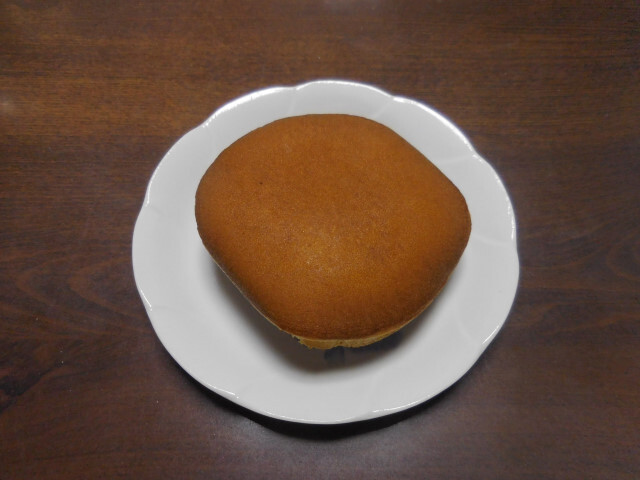
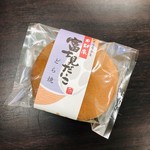
I stopped by a traditional Japanese confectionery shop that was featured in a local information magazine. It's located in a corner of a street lined with shops. I bought a simple dorayaki. The cake was baked with a slightly loose texture, giving it a moist feel. The sweet bean paste filling also had a loose consistency, and the taste was okay. At first glance, it seemed like it might lack volume, but when I ate it, it turned out to have more volume than I expected. If it's nearby, it seems like a shop that would come in handy for souvenirs!

とんとんみ
3.20
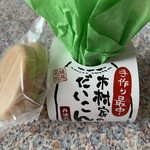
I happened to pass by while taking a walk and saw a photo of daikon (Japanese radish) sweets, which looked unusual, so I couldn't resist entering the shop. It was my first time seeing daikon sweets, so I was curious about the taste and ended up buying daikon senbei (rice cracker) and daikon manju (steamed bun). Both of them contain Nerima's specialty, Nerima daikon. The daikon senbei had separate skin and sweet bean paste, so you have to sandwich the paste between the skin yourself. The skin was crispy and fragrant, and the sweet bean paste was granular and its sweetness matched the skin perfectly. The daikon manju was filled with smooth sweet bean paste all the way to the edge, with a gentle sweetness. It had a cute appearance. Of course, neither of them tasted like daikon, but I thought they would be appreciated as souvenirs. Thank you for the meal.

美味B級
3.30
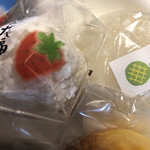
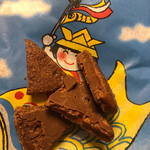
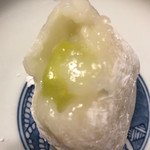
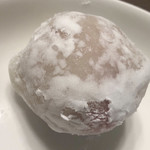
I received strawberry daifuku and melon daifuku. When I lived near Seibu Ikebukuro Line Fujimidai Station, I often used JIMOTI, but this time it has been a while. Both the strawberry daifuku and melon daifuku were small in size. The skin was stretchy, and the strawberry daifuku had a deliciously nostalgic taste of an. The melon daifuku burst with juice when I ate it. I couldn't confirm the filling? It's not bad, but I wish there was a little more ingenuity. The chocolate rusk lacked a crispy texture. The chocolate flavor was sufficient, but it seemed more suitable for children. Thank you for the meal!

ねりまる
4.00
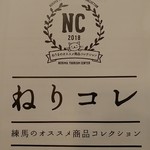
Introduction. This is a traditional Japanese sweets shop located along the railway tracks from Fujimidae Station. They are currently selling seasonal sweets like "hina arare." I went there to try their specialty, a sweet inspired by daikon radish called "neri-kore." I bought both items and decided to try them right away.
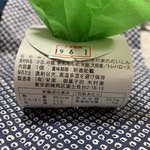
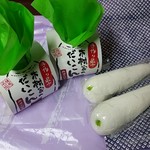
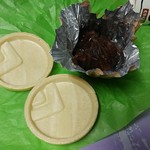
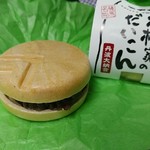
- Handmade Monaka Kimura Family's Daikon: The packaging features a green wrapping paper that pops out on top, representing the color of daikon radish. The outer shell and red bean paste are separately packaged, allowing you to assemble them yourself. The instructions are also provided. Peel off the outer shell, place the red bean paste on one side, sandwich it with the other shell, and lightly press to complete. The shell is crispy without moisture, and the red bean paste is rich and sticky. A monaka with a strong presence indeed. The design for disposing of the waste by wrapping it in the green paper is also clever.
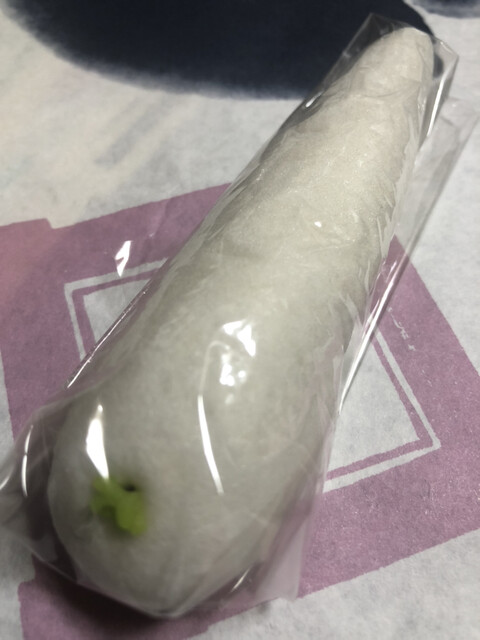
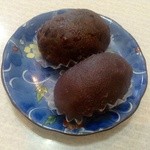
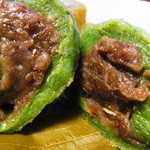
- Daikon Manju: This one is shaped long and thin, resembling "nerima daikon." In contrast to the monaka, it has a moist dough and smooth red bean paste. The texture that melts in your mouth and the subtle sweetness are delightful. It's fun to line them up and eat them together. I think they would make a great gift. I might try using them for that next time.

shin_tokyo
3.00
This time, I used it during the morning time. I was unsure of what to get, but this time, I purchased the homemade sauce Mitarashi dango. Purchase content: Homemade sauce Mitarashi dango (2 pieces) 194 yen. The homemade sauce Mitarashi dango looks like a traditional Mitarashi dango. It is a soft and stretchy rice cake with delicious Mitarashi sauce. The sweetness is just right and has a delicious taste. The shop is clean and beautifully displayed, and the staff's customer service was polite. It is a Japanese confectionery shop near Fujimidai Station.

sweet-o-range
3.30
Ichigo Daifuku seems to be famous, but there were also big Ichigo Daifuku, Pine Daifuku, Orange Daifuku, and Blueberry Daifuku. Due to the season, there were also Kashiwa Mochi (with sweet bean paste or miso paste filling). There were even visually appealing Daikon Senbei and Manju shaped like daikon. My grandmother is more concerned about how it looks on the family altar than on Instagram, so it might be a good gift for her place. My mother also enjoyed the matcha pudding. If you walk a bit away from the slightly bustling shopping street from Fujimidai Station, you'll find these treats. By the way, you can also find Daikon Senbei at the antenna shop directly connected to Shimoigusa Koen Station.

グリーンパフェ
3.30
Kimuraya Confectionery Shop @ Fujimidai
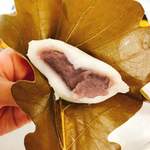
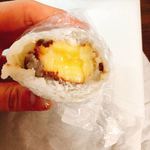
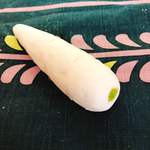
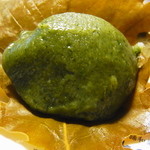
A variety of traditional Japanese sweets are sold at this shop. Chocolate Banana Daifuku ★ Although small in size, it had a large banana inside! There was no sense of incongruity at all. Nerima Daikon Mochi ★ Based on the daikon radish harvested in the local area of Nerima. It's really a mini daikon and so cute! Kashiwa Mochi with Sweet Red Bean Paste ★ The yomogi mochi was really delicious! I enjoyed the fresh aroma and texture.

憩17
3.70
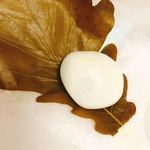
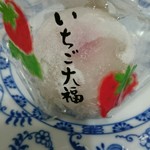
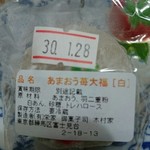
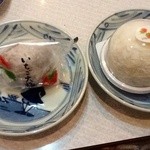
Using amaou strawberries, they make strawberry daifuku! When you take a bite, the juicy strawberry flavor comes through. It looks so pretty with the white bean paste and strawberry color. It's white, round, small, and has a hint of strawberry color ❤ It's like Hello Kitty! Oh, this is a recommended product in Nerima, so it's like Nerimaru (Nerima Ward's official character)! It's delicious, so I recommend it as a souvenir from Nerima. It costs 238 yen, probably because they use amaou strawberries. Thank you for the meal.

norari_
3.30
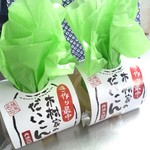
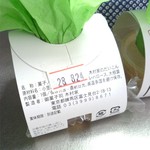
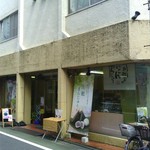
I went to a bakery near the shop to buy bread, and I was intrigued by a poster of sweets chosen as "Nerikore" and decided to stop by. "Nerikore" is a product certified by Nerima Ward Tourism Association as a product related to Nerima. According to the official website of the Tourism Association, products related to the history, tradition, scenery, place names, and famous people of Nerima Ward are selected. "Nerikore" is certified through the selection process of the Nerima Ward Tourism Association. As of April 1, 2015, 93 products have been certified. The product registered as "Nerikore" at Kimuraya is the "Kimuraya Daikon Series". Handmade manju with Kimuraya daikon and a set of Kimuraya daikon manju are registered. Unfortunately, on the day I visited, the Kimuraya daikon manju was sold out (it was said that if you make a phone reservation the day before, you can definitely purchase it). I chose to buy the handmade manju with Kimuraya daikon. It costs 220 yen excluding tax and has a shelf life of about 3 weeks, which is great. First of all, the package is cute with a daikon on it. According to the description, daikon leaves are mixed into the skin of the manju. Looking at the skin, there are indeed some dark spots mixed in. The red bean paste wrapped separately from the skin has a low moisture content and is round when taken out of the wrapper. The skin is firm and crispy, and when I bit into it, it had a good texture. I like the firmness of both the skin and the red bean paste. The daikon leaves mixed in the skin were not very noticeable. This is a trendy sweet, so it would be good as a souvenir.

ikuyo
3.40
I heard about a unique Japanese confectionery called Nerima Daikon Senaka and decided to check it out. Apart from Nerima Daikon related products, they also had various unusual sweets like dorayaki rusk, which were more like a fusion of Japanese and Western sweets.
[Items purchased]
- Strawberry Daifuku
- Pudding
- Nerima Daikon Senaka
- Dorayaki Chocolate Rusk
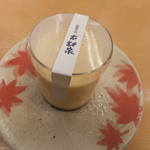
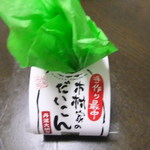
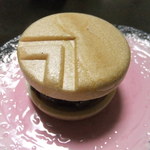
The total cost was 832 yen, but I don't know the breakdown of prices. They had an eat-in space where I enjoyed the pudding. Although my daughter ate most of it, the rich and delicious pudding was a hit. The Nerima Daikon Senaka had an interesting package resembling a daikon (Japanese radish). Not just in appearance, the actual daikon leaves were used in the senaka's skin. The filling and skin were separate, so you had to sandwich them yourself. The skin was crispy, and the not overly sweet filling was delicious. The Dorayaki Chocolate Rusk didn't taste much like dorayaki, but it was a tasty chocolate snack.
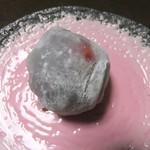
Overall, all the sweets I tried, including the Strawberry Daifuku, were delicious, and I could tell they were popular among the locals. (2016/04/27)

hoshi10
4.00
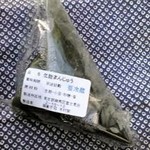
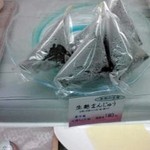
On a hot day, I felt like eating a cool Japanese sweet, so I visited the shop at 5 pm on Saturday. As I entered, I saw a grandmother-like figure sitting on the left side of the store, welcoming me. Most of the items in the refrigerated showcase on the right side were sold out. Among the remaining items, the wheat gluten bun looked delicious, so I decided to try it. It needed to be refrigerated, so I ate it shortly after purchasing it. When I unwrapped the bun from the bamboo leaf, I found a very moist wheat gluten inside. It had a flavor similar to grass mochi, with a firm texture similar to soft mochi. The filling was not too sweet and had a light color, making it delicious.

まりゅた
3.50
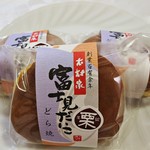
This is a review of an old restaurant. Due to a busy schedule, I am unable to respond to likes and comments, so please refrain from liking or commenting. ========== Located a short walk from Fujimidai Station towards Shakujii Park, this restaurant is a long-established store founded in 1892. It has been featured on TV. There are various specialty dishes, but I tried the classic Fujimi Daiko first. It is made with carefully selected ingredients such as homemade sweet bean paste and domestic chestnuts. The dough is fluffy with a good moistness, and a slightly chewy texture. The amount of sweet bean paste is moderate, soft, and not too sweet, complementing the dough well. The chestnut is soft and well-cooked, providing a satisfying thickness to the overall light and easy-to-eat texture and flavor. It truly feels like a reliable traditional chestnut dorayaki from an established store.
美味B級
4.10
I bought daikon (senbei) and daikon manju from Kimuraya as souvenirs for the 13.11 meetup. Since some people were absent, one set ended up being a souvenir for my home. Kimuraya's daikon senbei consists of separate sweet bean paste and crispy skin that you assemble yourself before eating. The crispy texture of the skin and the delicious sweet bean paste shine through in this snack. The daikon manju is a steamed bun with grated daikon mixed into the sweet bean paste. The refined sweet bean paste in this snack is excellent. Personally, I recommend the grated sweet bean paste. This shop was unexpectedly featured in a 2nd-grade elementary school life science textbook with a photo. I was surprised to discover that it is a nationally recognized shop. Thank you for the delicious treats!
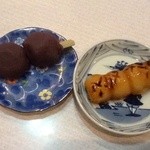

M.A.クワトロ・バジーナ
0.00
I received the Kimuraya Tokyo souvenir from the confectionery Kimuraya. The "Handmade Daikon (radish) Senbei (rice cracker) Kimuraya's Daikon" is a unique and extremely famous senbei that once ranked first in the online confectionery department. This senbei, which is inspired by the daikon itself, has the filling and the outer layer separated. It uses a crispy and fragrant skin made with the leaves of the daikon from Nerima, Tokyo, and you have to combine the filling with the skin yourself, so the skin remains crispy and not soggy. In other words, you can enjoy it in the best condition. Is this the secret to its popularity along with its appearance?

一期一会のあじ
4.00
At the off-meeting, I received a souvenir from BB Onii-sama. In Nerima, there is a collection of local products called "Nerikore". It's not just food. Among them, when you think of Nerima, you think of daikon radish, and there are many products related to Nerima daikon. Among them, this product is something I really wanted to try. I love manju. By the way, Nerikore is also available at the madeleine shop that BM-sama bought for me. First of all, it looks fun. It's like disassembling a daikon to create it. I was impressed by how well thought out it was. I accidentally tore it at first, so I didn't get a good picture of the clever packaging, but I took many photos while enjoying the process. Maybe it's because of the wrapping, but I was honestly disappointed that it had a yokan-like bean paste inside. However, when I pressed it firmly and shaped it before eating, oh my, it's delicious! The manju skin is crispy, and the balance as a manju is good. It was fun to make it myself, and I was impressed. I give it 4 stars for the fun. Oh, thank you for the feast. June 9, 2012 (3.50)

k846
4.00
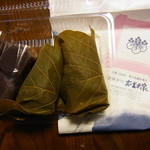
I read the review from the Delicious B Grade blog and although I was not planning on going, I decided to stop by today to try the udon at Yoshimi-san for the first time. I was originally going to try the ohagi (peony is still in bloom, so it's a bit early for hagi) recommended by Delicious B Grade. However, unfortunately, today there was a festival called Teruhime Matsuri at Ishigami Park and all the people and products had flowed there. So, I ended up getting two pieces of kashiwamochi with tsubu-an (with tsubu-an it's kusamochi, with miso-an it's white) and two an-dango instead. When I got home, I immediately tried the kashiwamochi and the scent of mugwort was so strong that for a moment I thought it was mint, which was surprisingly delightful! It's irresistible for those who love fragrant foods. The sweetness of the tsubu-an was a bit modest. The flavor of the azuki beans also remained strong. I got to enjoy Children's Day a little early. With this, I can have high expectations for the ohagi. In the Nerima area, my favorite ohagi is from Sentaro, but there is a high possibility of a reversal here. I need to come up with a reason to go to Etigoya or Luna Rukka soon! Thank you Delicious B Grade for the recommendation. It was a feast.
Email Login