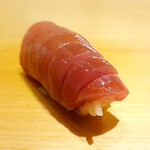
高柿の鮨
Takagakinosushi
3.80
Ningyocho, Kodenmacho
「Sushi」
30,000-39,999円
--
Opening hours: Monday-Saturday 18:00-22:30. We are currently not open for lunch. We apologize for any inconvenience caused.
Rest time: Sundays Business hours and holidays are subject to change, so please check with the store before visiting.
東京都中央区日本橋蛎殻町1-30-2
Photos
(20)
Details
Awards
Reservation Info
Reservations are possible. We are currently not open for lunch. We apologize for any inconvenience caused.
Payment Method
Credit cards accepted
(VISA, Master, JCB, AMEX, Diners)
Electronic money is not accepted.
Number of Seats
6 seats
Private Dining Rooms
None
Smoking and Non-Smoking
No smoking at the table
Parking
Yes, coin-operated parking available nearby
Coin-operated parking available nearby
Facilities
Calm space, counter seating available
Drink
Sake available, shochu available, wine available, stick to wine
Dishes
Focus on fish dishes
Comments
(21)

ミトミえもん
4.00
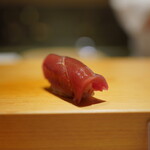
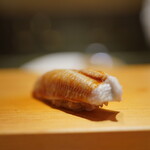
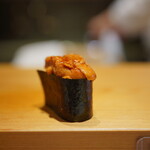
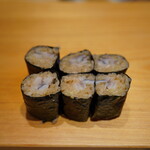
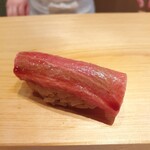
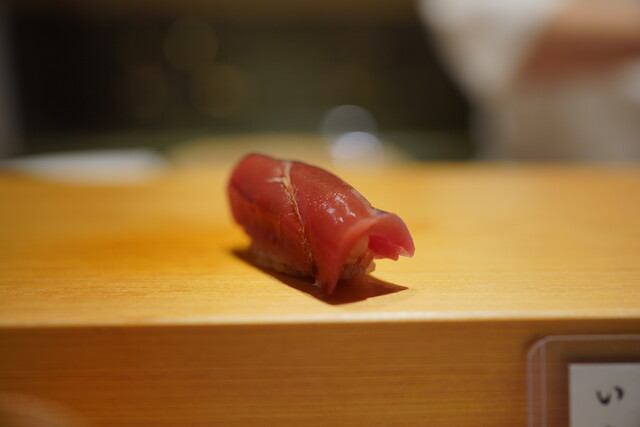
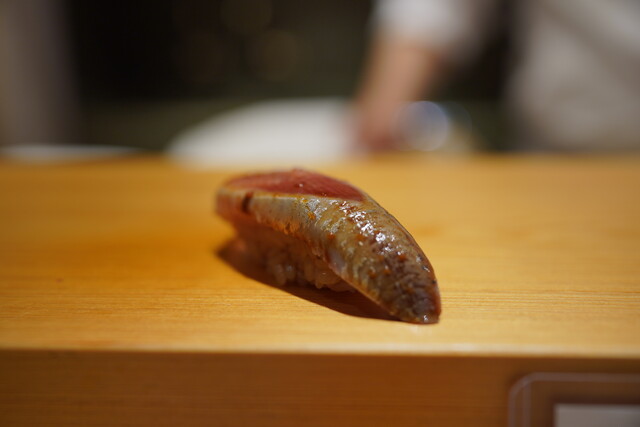
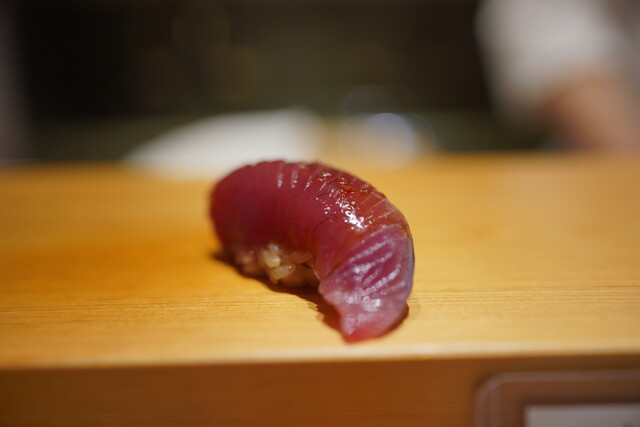
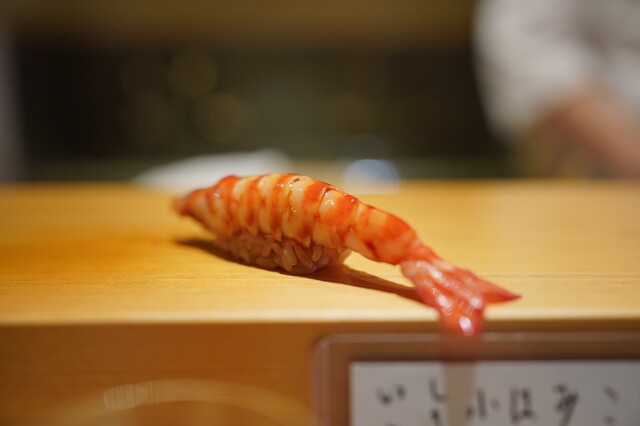
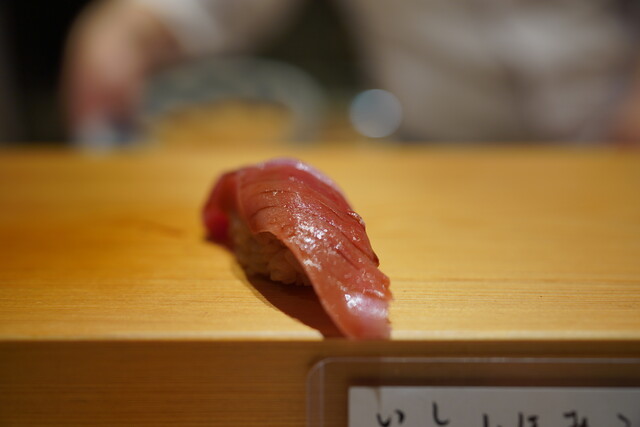
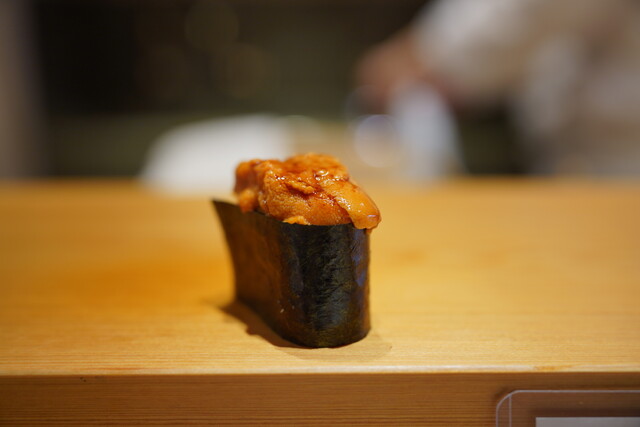
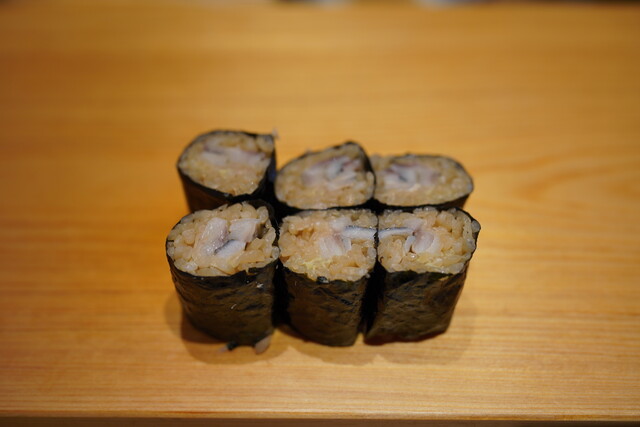
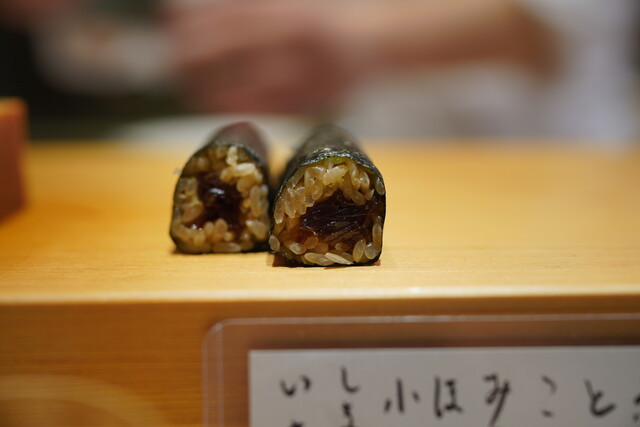
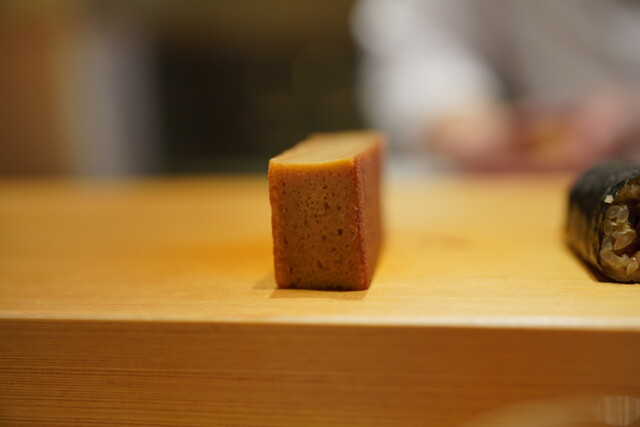
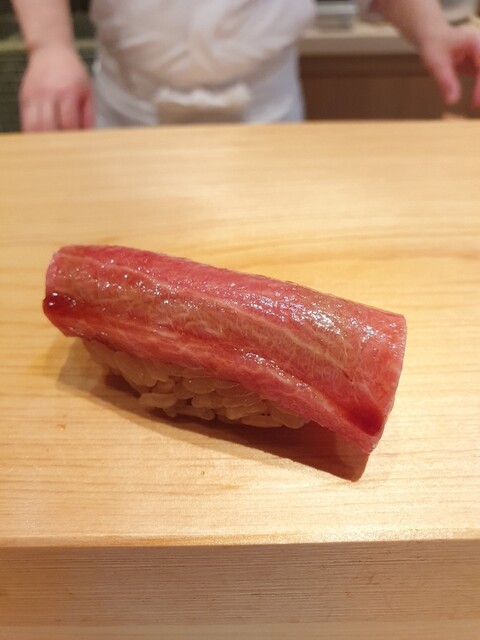
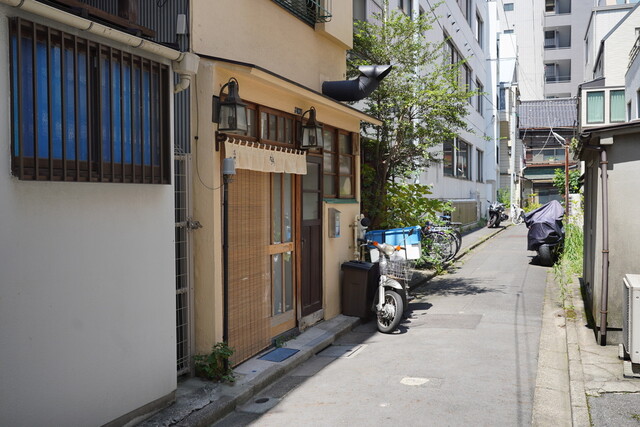
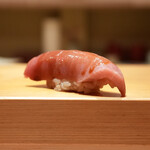
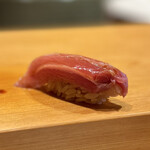
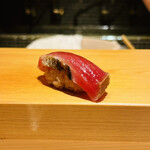
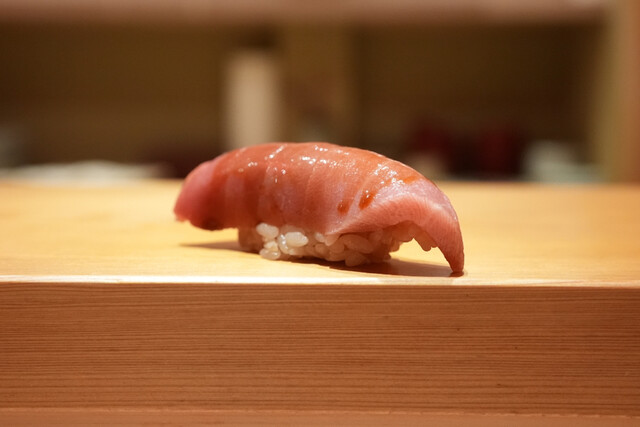
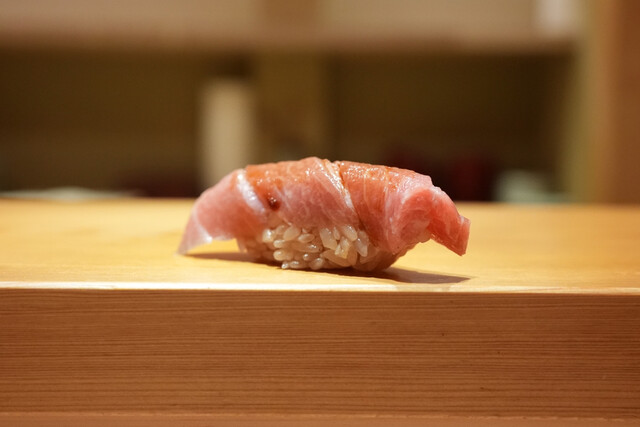
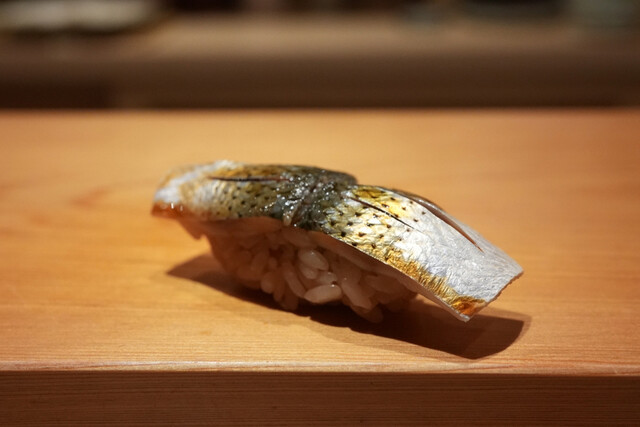
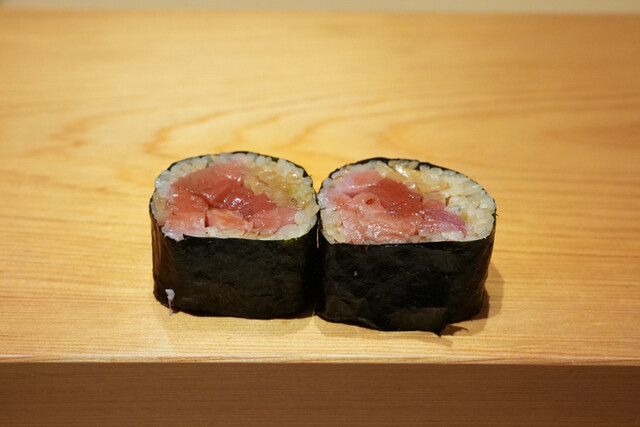
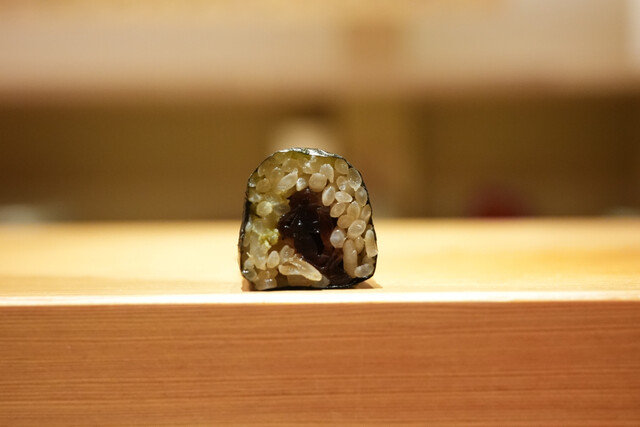
Mitomi Emon's gourmet site has been launched. Homepage "https://blog.33inc.jp/" Instagram "@mitomi_emon" The sushi restaurant "Takagaki no Sushi" opened in 2018, located in Nihonbashi Kakigaracho. It is a renovated old house in a back alley, with a Kyoto townhouse-like atmosphere. The shop's name is the owner's name, Takagaki Nobuhide, who manages the counter alone. With a background as a former fisherman and training at solid Edo-style sushi restaurants, his dedication to sushi and fish shines through. The sushi is characterized by firm shari with plenty of red vinegar. The pieces are large with a substantial size and a low center of gravity. The contrast between the smooth and feminine texture of the "Chutoro" and the masculine shari is impressive. The distributor is said to be the renowned Ishiji. Other sushi offerings include: "Tai", "Squid", "Akami" with a hint of seaweed flavor, "Otoro" from Oma, "Kohada" with a sharp acidity, "Akagai", "Striped Jack", "Yellowtail", "Sweet Shrimp", "Hokkigai" with a seared finish for a crisp texture, "Ikura", "Clam Miso Soup", "Anago", "Tamago", "Toro Roll", and "Kanpyo Roll".

ジョン照井
0.00
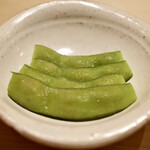
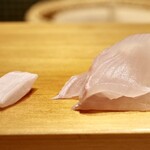
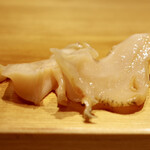
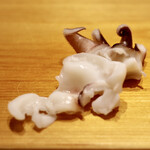
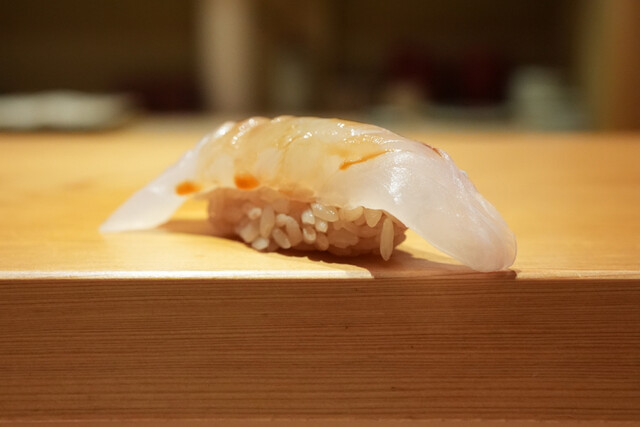
After a 3-year absence, I revisited the restaurant. Due to the rise in ingredient costs, the price of the course menu has increased compared to before. While the number of appetizers has decreased, the nigiri sushi still features large, firmly pressed rice with a strong, tangy flavor that pairs well with the tuna. The course included: Edamame, Flounder and Engawa, Tsubugai, Squid Tentacles, Sea Bream, Squid, Lean Tuna, Medium Fatty Tuna, Fatty Tuna, Kohada, Striped Jack, Botan Shrimp, Hokkigai, Red Sea Urchin, Salmon Roe, and Dried Gourd Roll.

n.t021209
4.50
- Restaurant Name: Takagaki no Sushi
- Location: Suitengumae Station
- Budget: ¥30,000-¥40,000
- Ordered Menu:
- Nameko with grated radish
- Sea bream sashimi
- Cod milt
- Oyster salted innards
- Ankimo (monkfish liver)
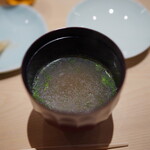
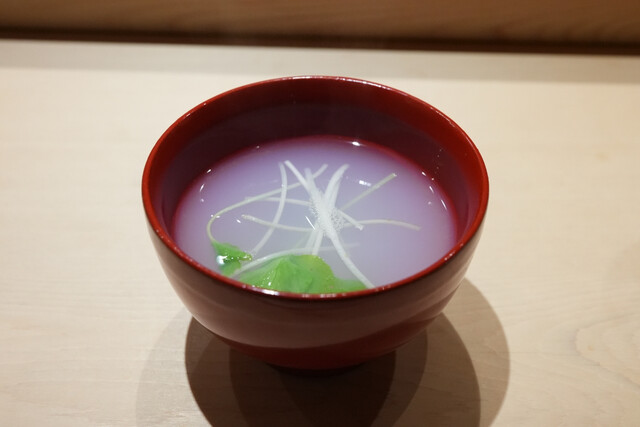
- Salt soup
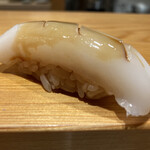
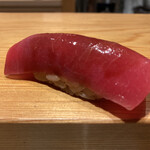
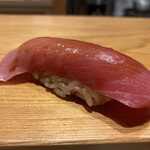
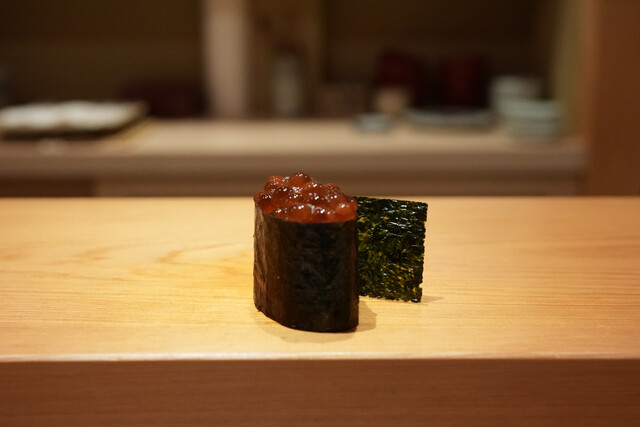
- Nigiri sushi: Sumiika (ink squid), Akami (lean tuna), Chutoro (medium fatty tuna), Otoro (fatty tuna), Kohada (gizzard shad), Akagai (ark shell), Katsuo (skipjack tuna), Ebi (shrimp), Ikura (salmon roe), Hamaguri (clam)
Review:
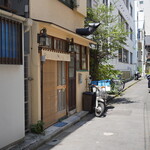
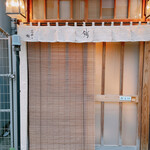
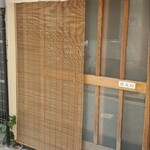
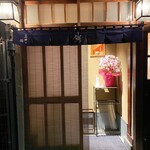
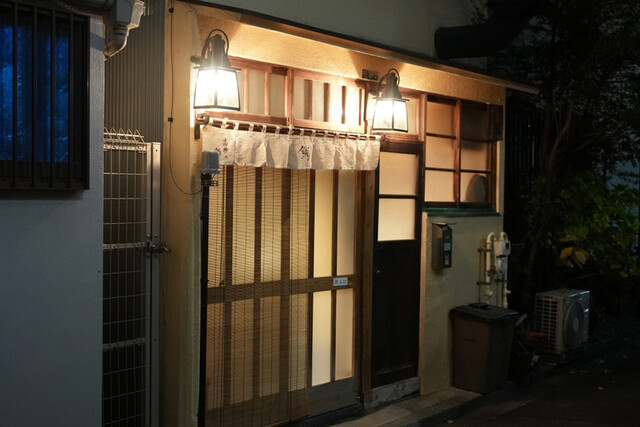
After finishing work on a weekday, I visited this restaurant with some acquaintances after enjoying a sauna session. It seemed to be a popular sushi restaurant and operates on a reservation basis. A friend managed to secure a reservation, allowing us to finally visit. The location is a bit tricky to find, hidden in an alley with a vintage entrance that exudes a Showa-era charm. The sign is small, making it easy to doubt if the restaurant is really there, so be cautious. Inside, there are around 7 counter seats, and the restaurant operates with two daily rounds, making it increasingly difficult to book a table. I highly recommend making reservations in advance. The menu we ordered included the items listed above. It seemed to be a course meal. Here are some standout dishes:
- Oyster Salted Innards: A unique appetizer before the sushi course. It was my first time hearing about and trying oyster salted innards. The small pieces of oyster, drizzled with sudachi (Japanese citrus), offered a delightful combination of softness, saltiness, and the fragrant blend of sea and citrus notes.
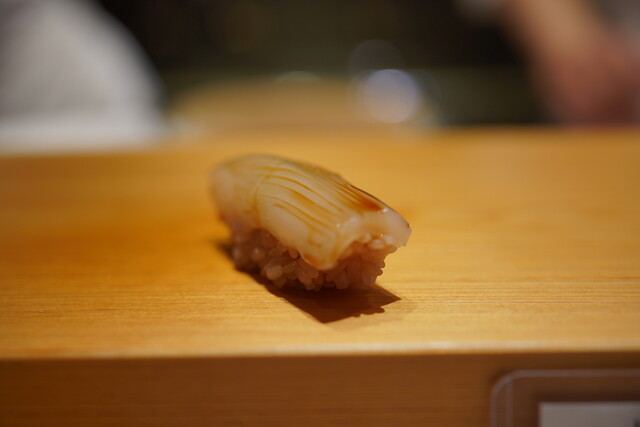
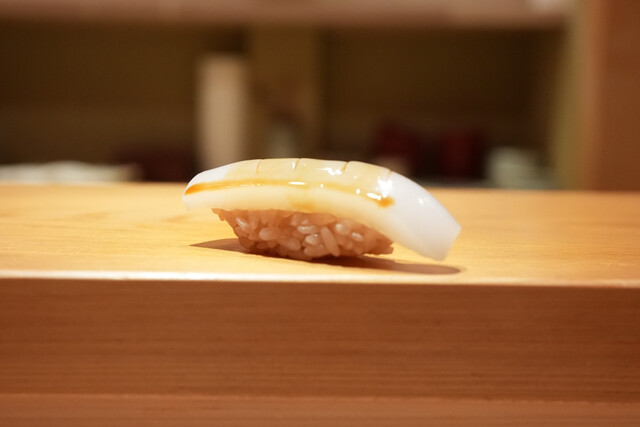
- Sumiika (Ink Squid): Aged ink squid that I keep falling in love with as I grow older. The texture, crunch, and subtle sweetness that intensifies with each bite make it incredibly delicious. Paired with the red vinegar rice, it was a perfect match that made me want to keep eating more.
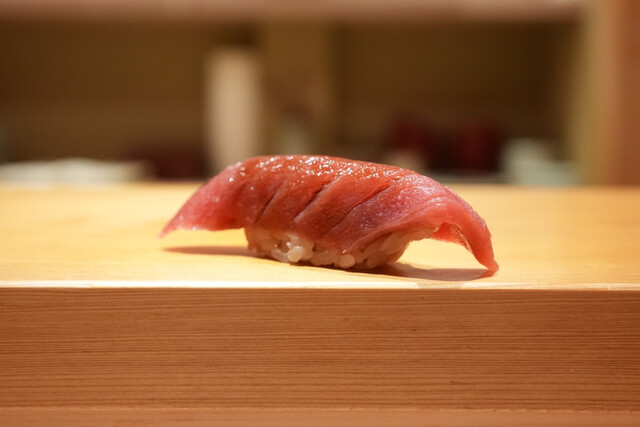
- Akami (Lean Tuna): Another exceptional dish. The nori (seaweed) placed between the fish and rice spread a sea aroma throughout the mouth. The tuna had just the right texture and temperature, melting in the mouth with a rich flavor. It was mentioned to be from Oma, known for quality tuna, and it truly lived up to expectations.
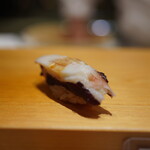
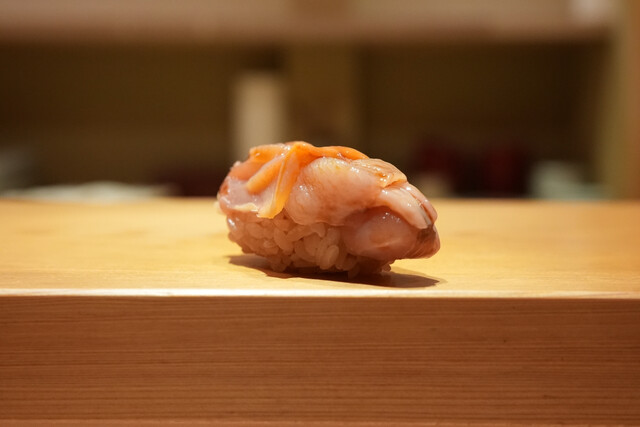
- Akagai (Ark Shell): Perhaps the thickest slice of ark shell I've ever had, boasting the perfect balance of saltiness and umami typical of shellfish. It rivaled the ink squid as one of the top dishes of the day.
Overall, I experienced the true quality of a top-rated sushi restaurant on Tabelog (a popular restaurant review site). Despite the high prices, the dining experience was worth every yen, and it might even feel like a bargain considering the quality. This sushi restaurant, in its 5th year since opening, is still relatively new and likely to become even more difficult to book in the future. I highly recommend visiting soon. Thank you for the wonderful meal. I will definitely be back.
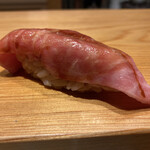

socio
4.10
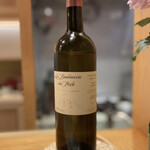
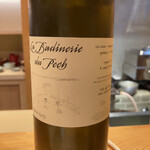
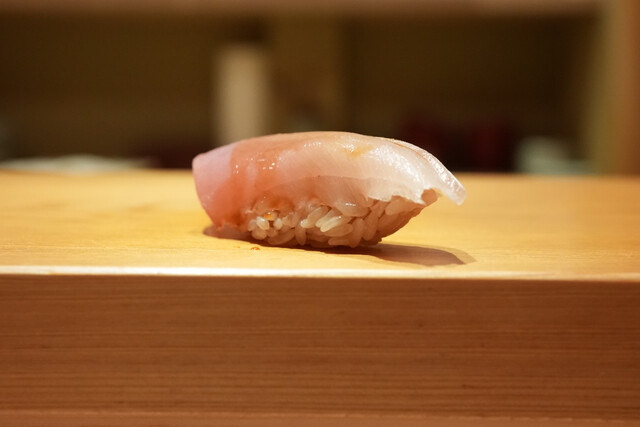
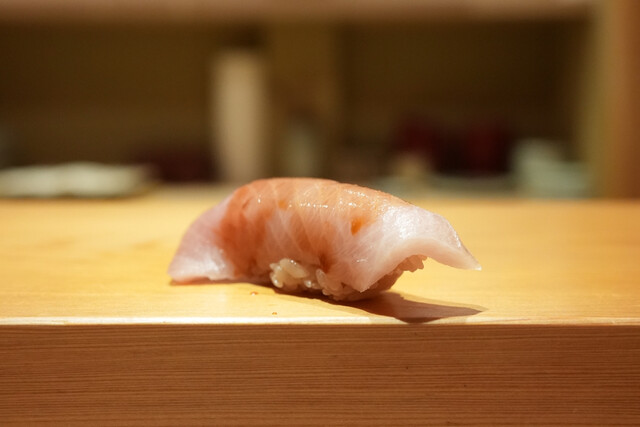
It's delicious, isn't it, Takakaki-san? Lately, we have been enjoying the wines he recommends. They are also delicious. The snacks mainly consist of natural ingredients, although there are some seasoned ones as well, the focus is on straightforward flavors. The variety is not that extensive. In that sense, the fact that I used to be able to eat for around 12,000 yen at lunch in the past feels very cheap. Let's start with the sea bream (Akashi). The shari is... powerful yet somehow elegant. The moisture level or firmness is spot on, it already feels delicious from the moment you hold it, there's just something about it, you know. Of course, it's about how it's shaped, but it has a pleasant texture. There aren't many sushi like this. The topping also has a perfect texture and aging sensation, with a good aroma. Squid ink (Tokyo Bay Chiba side). Come to think of it, the wasabi here is top-notch. What was it, not the one with a dominant spiciness, a good aroma. The wasabi is attacking with a great scent. The shari also has a more fragrant aroma than before. Why does it continue even though vinegar is highly volatile? Lean tuna (from Oma, 160kg). Delicious, delicious, it comes with seaweed, but this day the tuna was so good that the seaweed felt unnecessary. Not just seaweed to complement the flavor, but also to bring a different angle of aroma? Medium fatty tuna (same individual). The perfect balance of a slightly glossy fat that feels mellow when you put it in your mouth, the shari acts as a supporting role here, with a refined taste. How refined can this rice be? It has a flavor with a slight roughness. There's still a hint of sweetness. Ark shell. The catchphrase of this restaurant, "Sorry for being too big," this one. It doesn't feel like the flavor is completely packed, but the joy of the texture, the richness of stuffing your mouth makes you feel abundant. It's a good place, isn't it? Striped jack (aged for 3-4 days around Kagoshima). The atmosphere of cutting has changed. It's thin. The shari stands out. Now it's being highlighted by the fish... What is this ever-changing attack? Yellowtail. It came without the typical yellowtail smell. This must be fate. The right amount of fat that isn't overwhelming. Sweet shrimp (Nagasaki). A crispy texture. Not much sweetness is felt. For some reason, the sensuality of wasabi comes to the fore here... Now it's this one. Giant clam. The second installment of "Sorry for being too big." Ah, delicious. The bitterness of searing, the fragrance of vinegar citrus mixed with the shari creates an incredible harmony and explosion. The texture is also wonderful. Salmon. The only topping that didn't impress me much this day. The accent of sansho pepper is good, but it seems to spoil the goodness of the shari. Flounder. The shari being at the forefront is the highlight of this restaurant. I vaguely think... maybe the sushi here is the best, right? Octopus. It might be better as a snack (second time). Boiled clams. A powerful appearance with wild vegetables on its back. I still feel that the sweet sauce doesn't go well with the shari. I love Takakaki-san's sushi and vinegar rice. A good restaurant is one where the smell of the sushi lingers on your fingers for a long time. People's preferences and senses change, and even though I used to dislike Asahi Super Dry, now I occasionally feel like drinking it, and I also choose dry sake. I don't know what else I will encounter in the future, but right now, it's just right, with him.
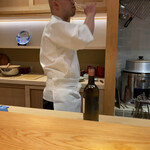

k_b___
5.00
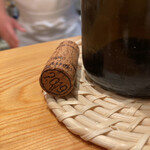
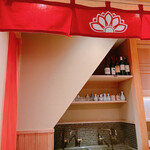
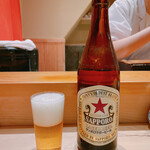
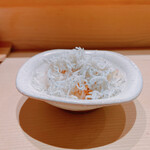
One of my favorite restaurants. It has a nostalgic atmosphere and is located in a back alley, "Takagaki Sushi". Everything is great, but especially the scallops are the best!! I was introduced to this place by my regular sushi restaurant and started going there regularly. The more I go, the more I crave its delicious flavors. I had a satisfying night with plenty of sake.

へべれけ商社マン
4.20
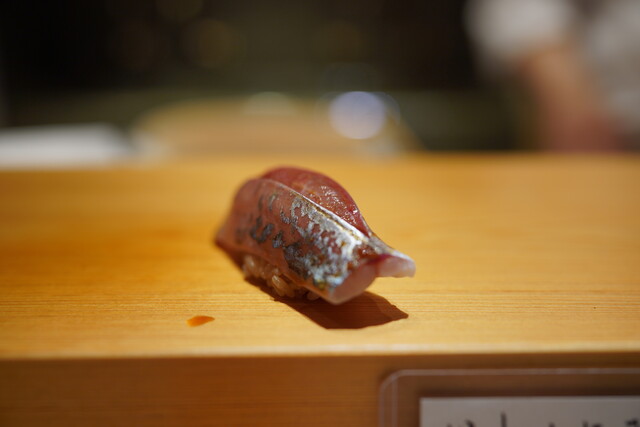
In the sushi restaurant, my personal favorite is Taikaki Taisho, who trained at Shinbashi Shimizu and opened his own sushi restaurant in Ningyocho four years ago, already earning a Michelin star in its second year of opening. I had always wanted to visit this restaurant and finally had the opportunity during a dinner party. Located in a back alley near Nihonbashi Kayabacho TCAT, the restaurant is said to be renovated from a private house, with a serene atmosphere and only 6 counter seats. The omakase course I had tonight included vinegared and seasoned rice to match the toppings, the perfect balance of vinegar in the closing dish, and the excellence of the akami... Each piece showcased the wonderful Edo-mae craftsmanship established by the head chef, creating a series of delightful flavors. The flow from akami to otoro was impressive, and the vinegar-mixed boiled clams, nori, and aged sardines were outstanding. It was a blissful dining experience. Thank you for the meal!
- Nanohana
- Hirame
- Tako
- Norisore (Ise Bay)
- Sumi-ika
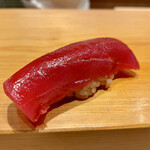
- Akami (Maizuru)
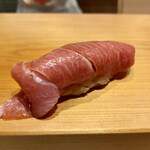
- Chutoro
- Otoro
- Akagai
- Sayori
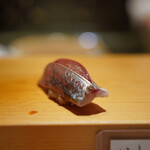
- Iwashi (aged)
- Aoyagi
- Kuruma-ebi
- Saba
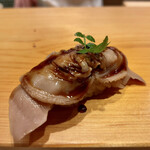
- Boiled clams (Kashima)
- Toro-taku roll
- Kanpyo roll

Hideaki_壽
3.90
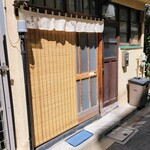
In front of Suitengu-mae Station, just a 2-minute walk away, there is a small sushi restaurant tucked away in a narrow alley that has been awarded one Michelin star and is listed as one of the top 100 restaurants on Tabelog.
【Appetizers】
- Sea bream sashimi: The perfect balance of moistness and firmness, truly impressive.
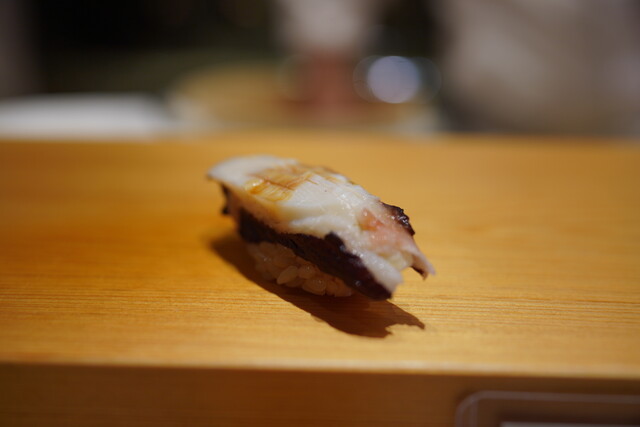
- Boiled octopus: Generous portion with perfect texture and flavor.
- Shirako (cod milt) with ponzu sauce: Delicately boiled in light soy sauce, with a wonderful aroma.
- Ankimo (monkfish liver) simmered in soy sauce: Rich and flavorful, perfect with sake.
- Steamed red sea bream: Soft and sweet, warms the stomach and heart.
【Sushi】
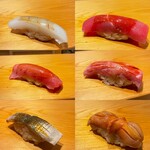
- Squid: A bit crispy with a lingering texture.
- Akami (lean tuna) with roasted seaweed: A new and delicious combination.
- Chutoro (medium fatty tuna): Sharpness of the shari and richness of the tuna blend beautifully.
- Otoro (fatty tuna): Perfect harmony of fat and shari.
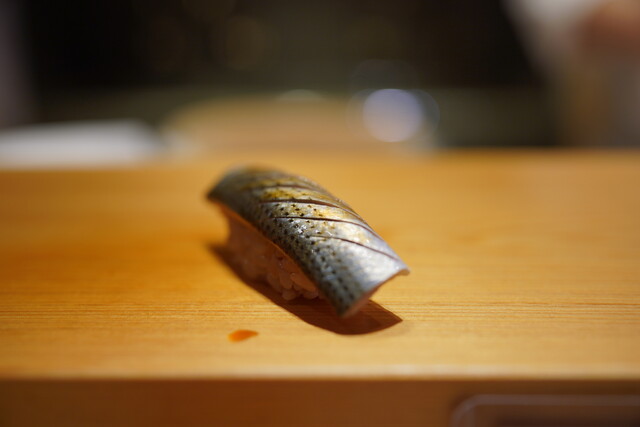
- Kohada (gizzard shad): Firmly pressed with strong aroma and flavor.
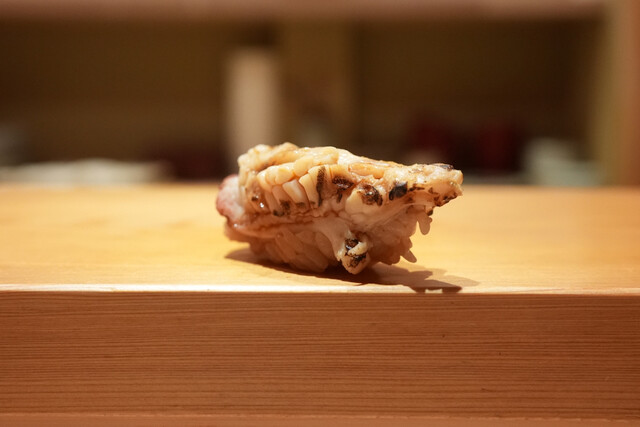
- Akagai (ark shell): Great volume and crunch, bursting with umami and seaweed aroma.
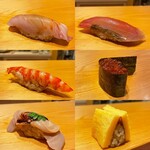
- Katsuo (bonito): Aged flavor like katsuobushi, with a rich smoky scent.
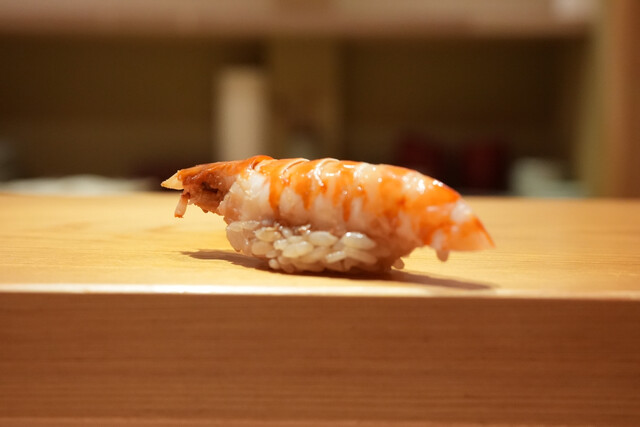
- Botan ebi (spot prawn): Crisp texture and strong sweetness, absolutely delightful.
- Hamaguri (clam): Plump and flavorful, excellent pairing of sweet sauce and sansho leaf.
- Ikura (salmon roe): Light and not overwhelming, with a refreshing taste.
- Aji (horse mackerel): Fatty and flavorful, with a moist and tender texture.
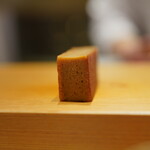
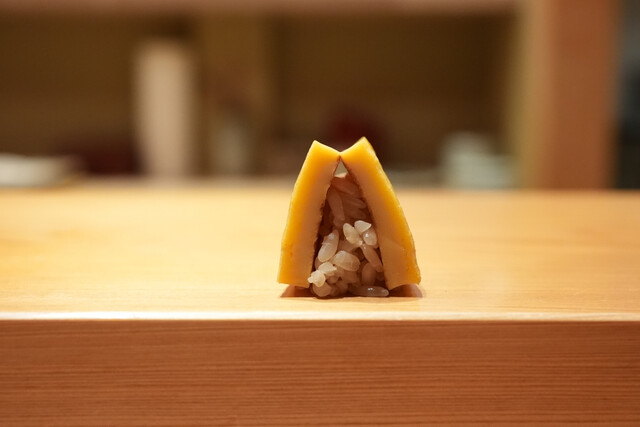
- Tamago (egg): A must-have, always leaves a sense of longing at the end.
【Drinks】
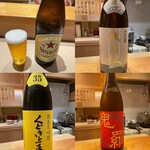
- Isojiman Honjozo: Clean and crisp, with excellent sharpness.
- Kudoki Jozu 35: Rare yellow label, strong sweetness and smooth texture.
- Oni Ra: A sharp and dry sake with a hint of mango aroma.
The total cost was 33,000 yen per person. Despite a misunderstanding with the reservation time, the kind chef was understanding and served each dish with detailed explanations. The ambiance of the restaurant was cozy and relaxed, allowing for a truly satisfying dining experience. Highly recommended.

もりもり0921
4.20
■ Location: 2 minutes walk from Suitengumae Station on the Tokyo Metro Hanzomon Line / 3 minutes walk from Ningyocho Station on the Tokyo Metro Hibiya Line / 5 minutes walk from Ningyocho Station on the Toei Asakusa Line
■ Purpose of Visit: Dinner with friends
■ Price: 33,000 yen
■ Overview: This restaurant opened in 2018. Located in Ningyocho, an area with many dining establishments, it has earned a Michelin one-star rating and is highly regarded as a top-notch restaurant. It is situated in a narrow alley, and although I got a bit lost, the dignified appearance of the restaurant filled me with anticipation. Currently, they operate with one seating, allowing us to enjoy the sushi at a leisurely pace.
■ Menu: The menu is omakase, starting with a variety of appetizers before moving on to nigiri sushi. There were 6 appetizers and 12 pieces of nigiri, which was just the right amount for someone like me who eats lightly.
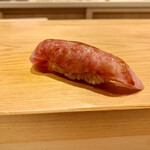
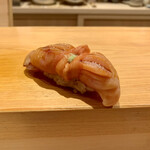
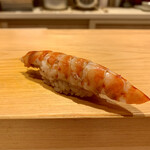
■ Impressions: I made a mistake with the reservation time, but the restaurant kindly called me and handled it with great care. The appetizers were the first pleasant surprise. I tried oyster salted innards for the first time, and its flavor complemented the sake perfectly, leading me to switch to sake from that point. The creamy ankimo in ponzu sauce that I initially mistook for char siu was rich and paired well with the alcohol. As for the nigiri, the rice was made with red vinegar and had a firm texture. It suited my taste perfectly and was exceptional. I realized that this might be a divisive preference. The selection of sake was also excellent, with an unfamiliar label from a famous brand that was delicious. I have already decided to revisit this place. Thank you for the wonderful meal!
■ Posted Rating: 3.82
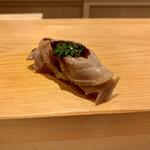

rtake57
4.00
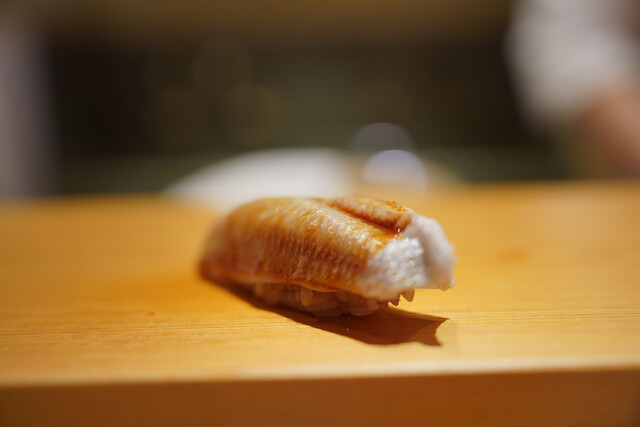
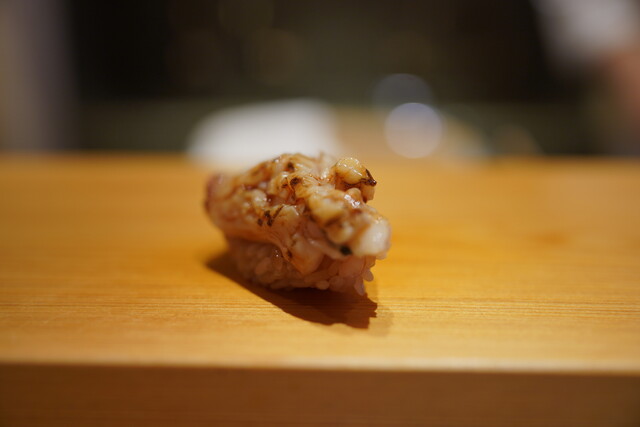
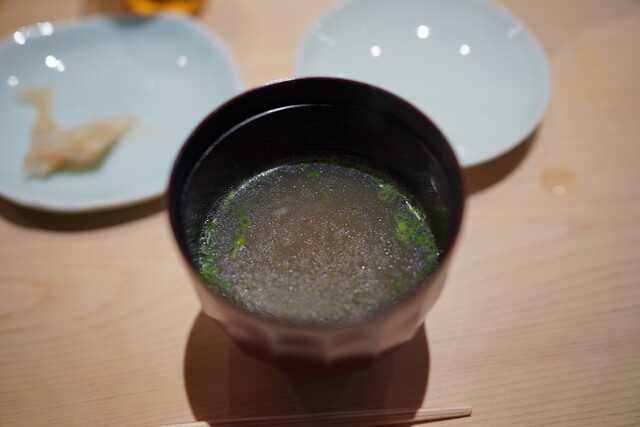
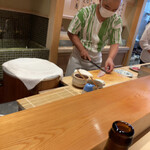
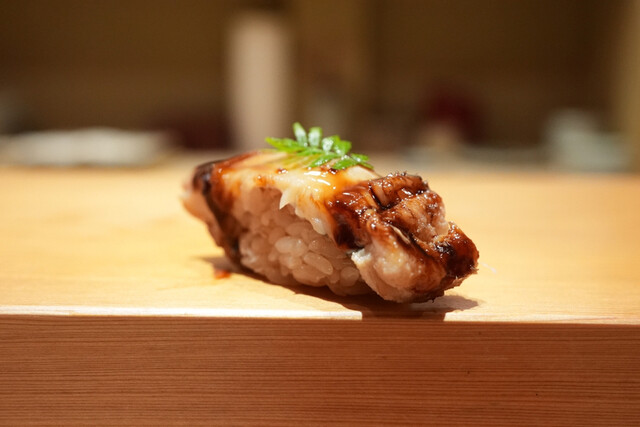
On Friday afternoon, I visited Takakaki Sushi, a sushi restaurant I had been wanting to try for a while. Located near Ningyocho Station and Suitengu-mae Station, it is tucked away in a quiet alley off the main street. When I arrived at 12 o'clock, there were only 6 seats at the counter, with just a few customers. The setting was for 6 people, but only 2 were there. Later, two more people arrived after a phone call. It seems easy to get a spot for lunch on weekdays. I ordered the usual sweet potato shochu with soda, and it was delicious. The young head chef and a young staff member were working that day. The head chef, with a shaved head, was wearing a dragonfly-patterned shirt, looking very cool. As for the sushi, I had flounder, fresh squid with a crunchy texture and tangy vinegar rice, medium fatty tuna, gizzard shad, red clam, scallop, seared scallop with a nice smoky flavor, horse mackerel, bonito, fresh salmon roe gunkan-maki, shrimp, conger eel, and tamago. The miso soup with only white leeks was flavorful and delicious. The inarizushi with a nice seaweed aroma was also good. I had two glasses of sweet potato shochu with soda. The sushi had a good amount of vinegar and salt in the rice, and the toppings were generous, making it quite filling. It was a perfect lunch without any side dishes. The head chef was quiet but not unfriendly. I'm looking forward to chatting with him next time with the help of some alcohol. Thank you for the meal.
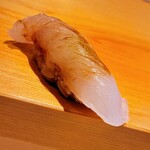

赤仮面ちゃん
3.60
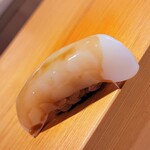
I visited for lunch and the sushi was amazing, with no shortcuts taken. The toppings were prepared with care and it was truly delicious. Even though I usually don't like shellfish, the seared surf clam was a first for me and it was so delicious that I wanted more! Thank you for the wonderful meal.
socio
3.80
Here is the translated text:
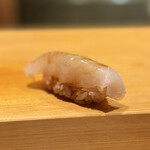
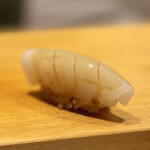
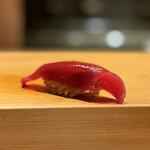
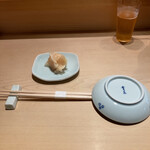
Here, opinions are quite divided on Tabelog. I was more interested in this place where everyone doesn't rush to write the same thing like they're trying to flatter. Comments on Tabelog often follow a trend where if someone writes something, others follow suit, creating a flow. I was able to make a reservation two days in advance. It's important, right? I understand that popular restaurants are hard to book, but I want to discover a restaurant with good compatibility that is easy to book because I want to visit many delicious places. Despite being in Nihonbashi, it is a quiet alley that you wouldn't expect, with wind chimes ringing inside, creating a cool and calm atmosphere. I was able to relax very much, and even though it was my first visit, I was convinced that "this place would be the best space on a summer day." It was truly a pleasant time that left a mark on my heart. The owner has a gentle demeanor, and while he may not say much, he gives the impression of not being intrusive. If you try talking to him at the right moment, he will talk about various things and make you feel comfortable with light jokes. As the owner seemed to relax, he even gave detailed explanations about the fish origins that he didn't do for me at first, but did for the customers who came later, haha. Asked whether I preferred omakase or specific orders, I chose omakase and started with sushi. The thickly sliced red snapper with a lot of freshness maintains a balance with the strong shari. The crunchy texture of the fresh squid and the nice aroma of wasabi, the shari is really good. Tuna with seaweed sandwiched between red snapper and shari. The refreshing acidity of the tuna goes well with the seaweed. I interpreted it as constantly searching for the best path rather than fleeing. It's summer after all. Medium fatty tuna is also refreshing but served with a metallic feel and acidity. Surprisingly, it has a long aftertaste and becomes sensual later on. The small skin is a bit wild. The surface is crispy and the flesh is juicy. It has a very distinctive finish. The boiled clams had a lot of cut pieces, so there was a feeling of being dominated by wasabi. The rough scent of seared ark shell. Huh? I didn't have the citrus squeeze that the customer next to me had...? The more you chew, the more the scent of the ark shell comes out. Delicious! Instead of rare shrimp, it was finished as a normal prawn. No need for specialness, it has a classic taste. Did they include katsuobushi? It has a punchy finish. This, along with the shari, provided a different experience from the usual red sea bream. The new small-grained salmon roe was soft and delicious, not too rich. The conger eel was soft but a bit cold in the core. It was soft, but there was no particular excitement. After finishing the course, I felt a little unsatisfied, so I decided to have a bit more. The octopus was huge lol But when you chew, the flavorful octopus makes it a must-have snack. The lack of boiled clams really brought out the flavor of the octopus. The boiled clams are of a level where they should be on the starting lineup! The cooking is exquisite, and it captures the essence of the clams. A dish that completely brings out the essence of clams. Red snapper for seconds. This shari seems to go best with this, but maybe it's just because I like white fish lol I enjoy the interaction of this combination while chewing. Seconds of ark shell. I didn't have the vinegar citrus in the first one lol This time it was really delicious! Dried gourd roll, nothing special. Tuna roll, soy sauce to taste. The slippery texture of the bonito is delicious. When combined with seaweed, the flavor is enhanced. The story that started with the first tuna was connected by trying the additional tuna roll. The ginger was choking lol In total, I had 19 pieces of sushi, soup, and a cute watermelon dessert for about 20,500 yen. Oh, and...

ニールマン
4.50
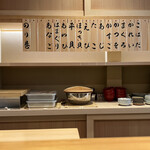
I revisited "Takakaki no Sushi," a Michelin one-star restaurant and a top 100 sushi restaurant on Tabelog, and had the omakase course which included flounder, squid, red tuna (with seaweed), fatty tuna, gizzard shad, bonito, horse mackerel, octopus, shrimp, conger eel, and dried gourd. I also added gizzard shad, clams, roe, and 15 pieces of iron fire roll. The sushi was served over approximately one hour without any appetizers, focusing solely on the nigiri. The warm Takakaki-style rice immediately brought back memories and I regretted not visiting sooner. The balance of vinegar, red vinegar, and hidden plum vinegar in the sushi showcased Takakaki's unique style. The thickly sliced toppings perfectly complemented the rice, creating a distinct and creative sushi experience. The gizzard shad aged for three days was as excellent as ever, showcasing Takakaki's expertise. Despite the initial impression of a reserved atmosphere, Chef Takakaki is friendly and engaging, making the dining experience comfortable. The restaurant's modest pricing and straightforward approach cater to sushi enthusiasts, establishing it as a top-tier establishment. Takakaki's skill and flavors, along with the unique ambiance, make it a standout in Tokyo's sushi scene. Overall, I was impressed by Takakaki's talent and the quality of the dining experience. Thank you for reading until the end. If you enjoyed the review, please like, follow, and save the restaurant. Thank you!

イラマチ男タコ蔵
4.70
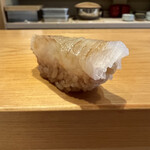
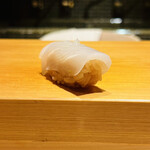
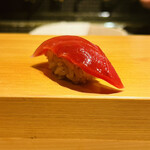
From the outfield, there has been a sushi bubble in recent years, with many sushi restaurants popping up, some of which are run by people in their 20s. It may be a digression, but in Japan's proud culture of traditional art like Edo-style sushi, the tide has been changing even more since last year, with companies with capital like izakaya chains finding a gold mine in this field and opening up stores where you don't know who is making the sushi. In five years, only a few stores will remain, and it is clear that many will change their business model or withdraw. This was unthinkable ten years ago and is likely a backlash from the sushi boom. No matter how many famous names of restaurants across the country they imitate, no matter how much money they spend on polishing the exterior, the sushi restaurant business relies too much on the dedication of the craftsmen, and as marine resources become scarcer and prices rise due to competition with overseas, sushi restaurants that are not prepared will continue to decline. I believe in this, says Irramachi Otoko Takokura. I only like the real thing. But I digress. Now, Irramachi Otoko Takokura, who visits about 150 sushi restaurants a year, considers Takaki Sushi to be a special place, a class of its own. For those who have been regular customers for many years, you may understand that they have gone through many trials and errors to embody their ideal sushi. It is not a half-hearted commitment, but a level of suffering and exhaustion that is felt every time you chew on it, which cannot be expressed in words. How many hours has the master spent to create such a wonderful balance in just a few seconds of grasping with three fingers - thumb, index finger, and middle finger - and flipping the wrist before it lands on the tongue? I have said it many times, but sushi, consisting of fish, shari, and wasabi, is an extremely simple dish and the most difficult thing to master, according to Irramachi Otoko. It becomes a completely different dish when it is made by a different person. I, who was only interested in sake, sex, cigarettes, fights, and gambling, became deeply involved in this depth and beauty. The sound of wind chimes echoing in the shop, and the master's shirt is not a white coat but a Tang grass shirt, I wonder... It's so exciting. The dishes I received this time are as follows. There used to be a rule that you could only take three pictures a day, but now you can take as many as you want (laughs). Below, with some omissions. - Karei I might like flounder the most as the main ingredient. The moist and chewy texture is the best. - Shiraika A white squid with a good texture. The shari is just the best. - Maguro Tuna red meat sandwiched in seaweed. The scent of seaweed is amazing. They seem not to sandwich the seaweed with tuna the master thinks is the best. - Katsuo A fragrant bonito. There's no way this shari doesn't go well with it. It's perfect. - Kegani Personally, I like the closing dish more than the apprenticeship place. This is a matter of preference. It's too good. - Kuruma Ebi Perfectly cooked prawns. No complaints, perfect. - Awabi Thickly cut abalone. The chewy texture and aroma were heavenly. I closed my eyes for about a minute and inadvertently struck the Bismarck pose of the former Verdi Kawasaki. - Kasugo I was surprised by this. It was quite strongly pickled kasugo, but the balance with the shari was amazing, resulting in a superb dish! This is multiplication! This is the meaning of sushi being sushi! - Anago Anago with fat on it. The simmering is too good. - Tekka Maki Second helping - Tako Suika And the bill was surprisingly reasonable. It was about half of what I expected. I was so moved that I ended up writing with high enthusiasm, but I was thrilled by the dedication of the master who pursues the essence. It seems that there are only two young and stylish sushi restaurants, not just our store, but also Kizakashi.

ぼーのさん
4.00
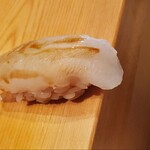
The shari rice is on the larger side, which is great for lunch. The female portion may be on the smaller side, so it's better to request accordingly. The red vinegar shari has a strong saltiness and punch, which may be a matter of personal preference. The nigiri sushi is classic and straightforward, without any fancy twists. It's nice to have boiled surf clam served, and it's not overly sweet. The first flounder was firm and enjoyable, but may not suit everyone's taste. The small-sized horse mackerel was good, but the wasabi in the dried gourd roll was a bit too strong. Overall, the sushi was delicious, but the price of 12,000 yen for this lunch set felt a bit high. Nevertheless, it's a really good sushi restaurant.
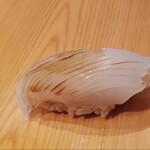

IPPI
2.90
The sushi at Shinbashi Shimizu is independent, so of course the shari is made with red vinegar. The toppings are also large. Personally, I prefer white shari and smaller toppings. It's hard to understand the limit of three photos. It might be better to just prohibit photography. If you think you can choose your preferences, then I ended up at the sushi restaurant I dislike the most for a course. I ended up swallowing the foie gras that I hate. I still prefer ordering my favorite toppings at a sushi restaurant, enjoying them quickly, and leaving. Sophisticated sushi restaurants are disappearing in Tokyo. It's a sad thing. Sushi that started at food stalls can't compare to traditional Japanese chefs. Training is important in addition to just skills. I learn a lot from reading books by Seiya Tomosato sensei about eating. It seems like a misunderstanding, but I can't help it. It's understandable in this space. The owner of this sushi restaurant and the owner of a modern ramen shop seem to overlap.
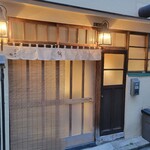
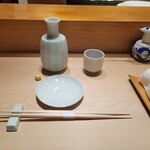
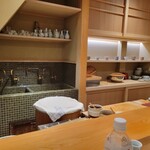
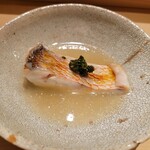

IKKO'S FILMS
3.90
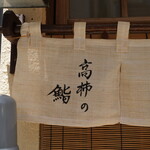
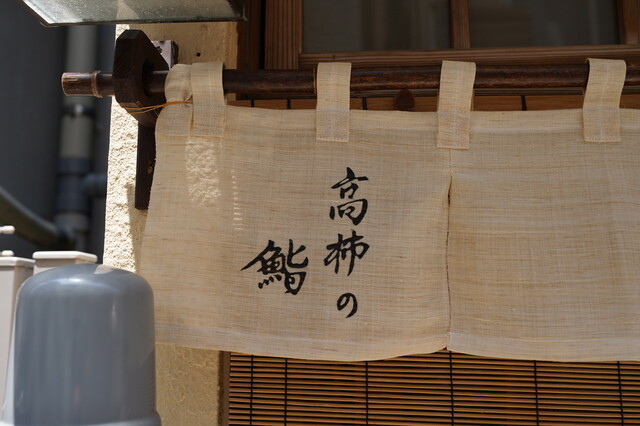
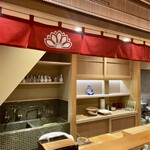
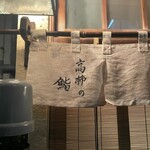
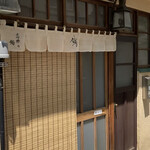
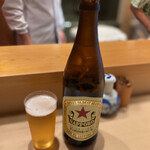
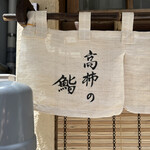
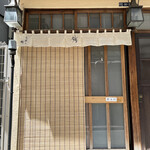
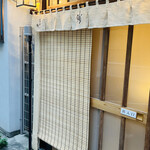
I went to "Takagaki no Sushi" in front of Suitengu Shrine. It is a well-known Michelin one-star restaurant. It is a 3-minute walk from exit 6 of Suitengu-mae Station. The appearance is similar to the training place. The curtain and all. The interior of the restaurant does not allow photography, so I could only take a picture of the exterior. This is also similar to the training place. There have been conflicts in the past for the same reason. The interior has only 6 counter seats, so it is quite compact. Chef Takagaki rarely engages in conversation. He speaks very little, but you can sense that he is listening to what you say, which makes you a bit cautious. The customers also speak less due to this atmosphere. I felt a bit uncomfortable because I was there with two other people and had to choose when to talk in the silence. I knew they intentionally run the restaurant this way, so personally, I didn't find it too bad, but it might be a bit tough for someone on their sushi debut. Well, there are various dining experiences. On this day, I had a lunch course with only nigiri. They have stopped using plum vinegar and now use red vinegar, giving the shari a solid acidity and saltiness. The craftsmanship is impeccable, and the overall level of the nigiri is high. The course included 16 pieces of nigiri, 2 types of rolls, a bowl of soup with green onions instead of miso, and a clam soup with a rich flavor. The nigiri is served perpendicular to the counter, just like the training place, showing its influence throughout. The nigiri was delicious, but I'm not sure if I want to experience that atmosphere again. The bill came to 25,000 yen with beer and sake. Thank you for the meal.
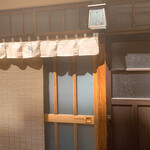
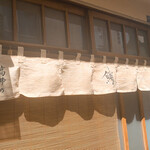

ZDM1000R
3.90
This is the only restaurant in the Tsuru-hachi series that has received a Michelin star since last year, but photos have not been allowed since last summer. I walked endlessly from Bakurocho and visited "Takagaki no Sushi," a sushi restaurant renovated from an old private house hidden in the back alleys of Suitengu Shrine. I made a reservation by phone about 10 days ago and visited. The restaurant has only 5 counter seats, no lockers, and jackets are hung behind. Omakase + sake + additional lean tuna; 26,600 yen. The sushi includes: Jundo Junmai Daiginjo from Nakadori, Awaji Sea Bream, Sumiika, 140kg Otoro aged for 10 days, 140 Chutoro, lean tuna with seaweed, small skin with shrimp and oboro, red clam and himo, thin fish with vinegar citrus, Awaji horse mackerel, Nagasaki carabineros, sardine, northern scallop, Ogawa sea urchin gunkan, simmered clams, medium fatty tuna roll, Kanpei roll with wasabi, lean tuna, and dessert with Tochigi strawberries. The vinegar rice is not too hot, but has a strong acidity and saltiness with large grains. Each piece leaves a strong taste of the rice, but it is different from traditional sushi. The characteristic of this sushi is that it has been aged for about 10 days, giving it an upgraded taste. I didn't ask for details, but I heard that they had a falling out with a restaurant in Shinbashi.
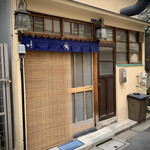
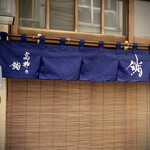

インドア人間の訪問日記
4.00
The restaurant had no curtain, which made it hard to believe it was a sushi place. As time passed, the staff put up the curtain and the course started. The small restaurant had a counter with 6 seats, but the dishes came out quickly. There were many appetizers for drinks, and they were very delicious. In particular, the foie gras in a size I had never seen before was exquisite. It was a huge portion, but I managed to finish it somehow. By the time I left, I was quite drunk, and it turned out to be a very good day.
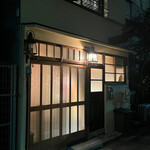

塩顔男子
3.50
Located in a back alley just a step off the main street, this new but already well-established restaurant is a gem. I chose this place for my birthday celebration, and the journey began with a confident first volume (I don't want to spoil it, so I won't mention details). The highlight of this restaurant is the incredibly delicious food. However, a couple of disappointing points were:
- The chef chatting with a group of three people from the same hometown throughout the meal. I wanted to mention that it was my birthday celebration and engage in a conversation.
- A strict no-photo policy was in place due to a recent incident involving guests with extreme differences in photo preferences. Though I wished to take a couple of photos, it seems the rules may have changed since then (it's advisable to check with the restaurant for updated rules).
While the lunch course was excellent, the price has slightly increased to around 25,000 yen, so be aware of that. The chef even came out to bow until my back was out of sight, which was a nice touch as I was the last customer of the day. Overall, I'm glad I chose this restaurant for my birthday celebration, despite a few minor hiccups.
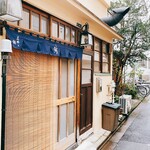

もりー1813
4.00
I visited this sushi restaurant for the second time in mid-December, after having a great experience in October. Once again, the sushi was outstanding, and I had the pleasure of enjoying winter kaki. I arrived at noon and was the first customer. Two more solo diners arrived shortly after, making it a comfortable space with only three customers that day. I opted for the chef's choice sushi set, priced at 25,000 yen for nigiri only, and it was served in 1 hour and 15 minutes. The highlights were the medium fatty tuna, red snapper with squid ink, fatty tuna belly, lean tuna with skin, ark shell, baby sea bream, clam, small fish, shrimp, fatty tuna roll, dried gourd roll, and more. The medium fatty tuna was particularly outstanding, with a rich flavor and a long-lasting elegant finish. The red snapper, a specialty of the restaurant, was impressively large and incredibly sweet. The lean fish and small fish were also exceptional, with a delicious sweetness and a satisfying texture. While the sushi was undeniably delicious, I was a bit surprised by the increase in price compared to my previous visit. Overall, despite the higher cost and the inclusion of two rolls in the set menu, I thoroughly enjoyed the meal and look forward to returning in the spring for more of their amazing seafood.
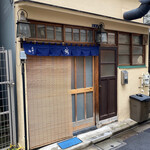

nanamin_no_tabelog
3.80
High Persimmon Sushi @ Suitengu-mae
2021 Tabelog Top 100
2021 Tabelog BRONZE
1 Michelin Star
Photography inside the restaurant is prohibited, so only exterior photos are allowed. Located near Suitengu-mae, in a back alley, this restaurant has a traditional Japanese ambiance. With only 6 counter seats, the interior is quite small.
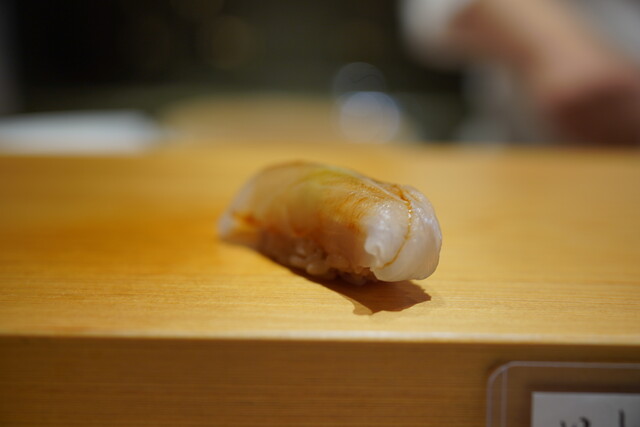
Starting with appetizers, I had nigiri, including the red clam. Even though I usually don't like red clam, the one here was visually appealing and incredibly delicious. It's now my top-ranked red clam in terms of taste.
The sushi rice had the strongest vinegar flavor I've ever experienced, which I loved as a fan of red vinegar and vinegar rice. This might be a preference that divides opinions!
Thank you for the meal!
#Michelin1Star #HighPersimmonSushi #SuitenguMae #SuitenguMaeGourmet #SushiInstagram #Tabelog #Foodie #FoodExplorer #LoveEating #FoodBlog #NanaminTabelog
Thank you for reading until the end. Please also check out my Instagram: OL Nanami's Tabelog (@nanamin_no_tabelog)
Email Login