森八 東京店
Morihachi
3.05
Jinbocho, Suidobashi
「Japanese Sweets」
--
--
Opening hours: 10:00-18:30 Open Sundays
Rest time: Open all year round (New Year vacations apply) Business hours and holidays are subject to change, so please check with the store before visiting.
東京都千代田区神田神保町1-13-3
Photos
(20)
Details
Reservation Info
Reservations not possible FAX: 03-5577-7653
Payment Method
Credit cards accepted
Electronic Money Accepted
Private Dining Rooms
None
Smoking and Non-Smoking
No smoking at the table
Parking
None
Comments
(21)

あてるい
4.10
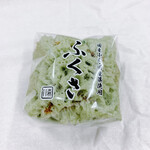
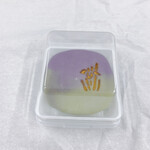
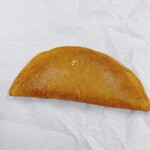
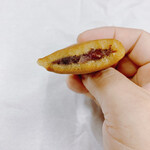
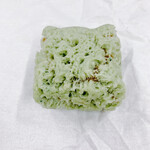
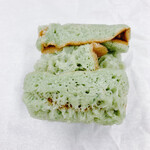
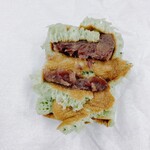
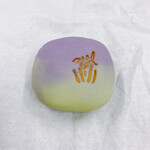
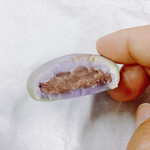
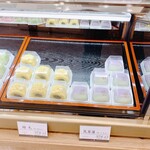
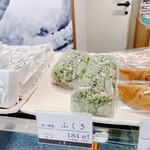
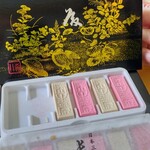
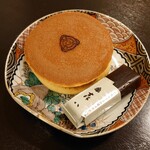
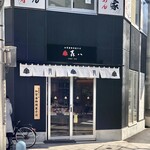
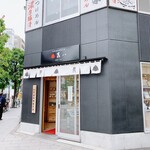
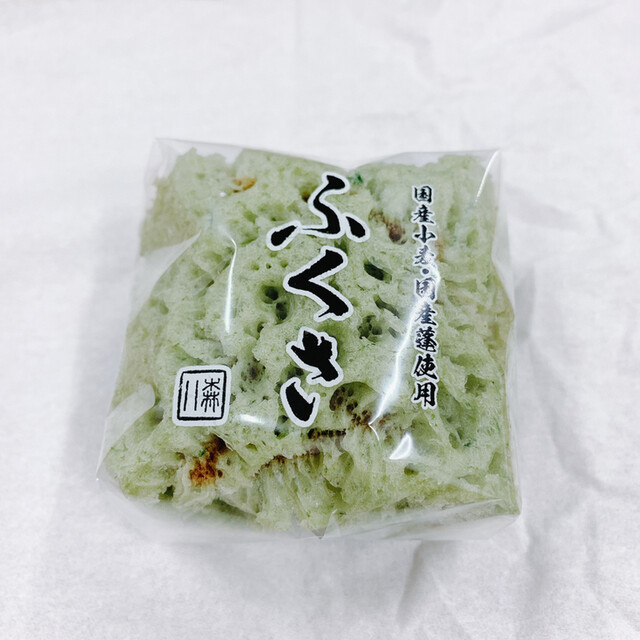
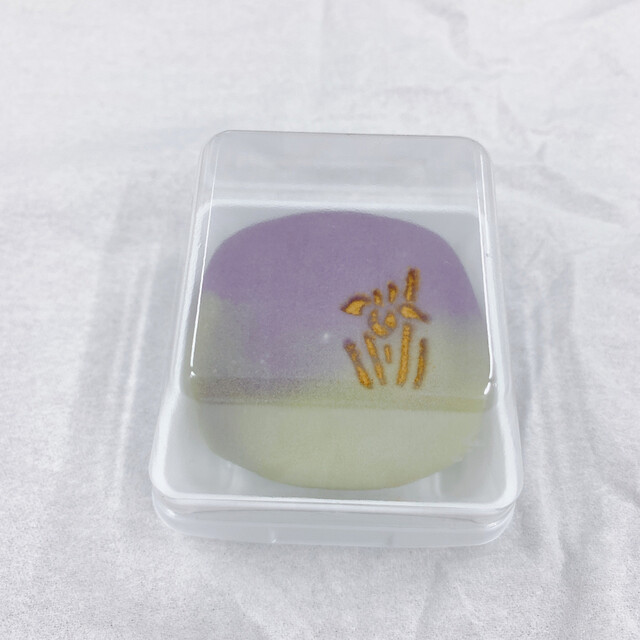
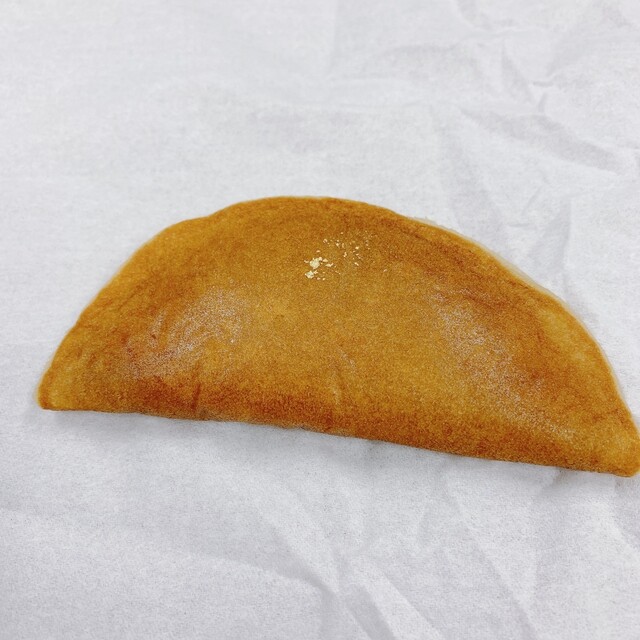
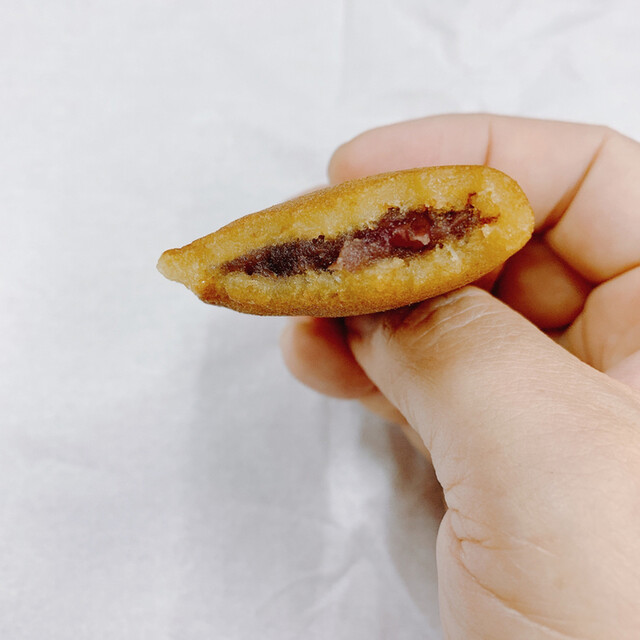
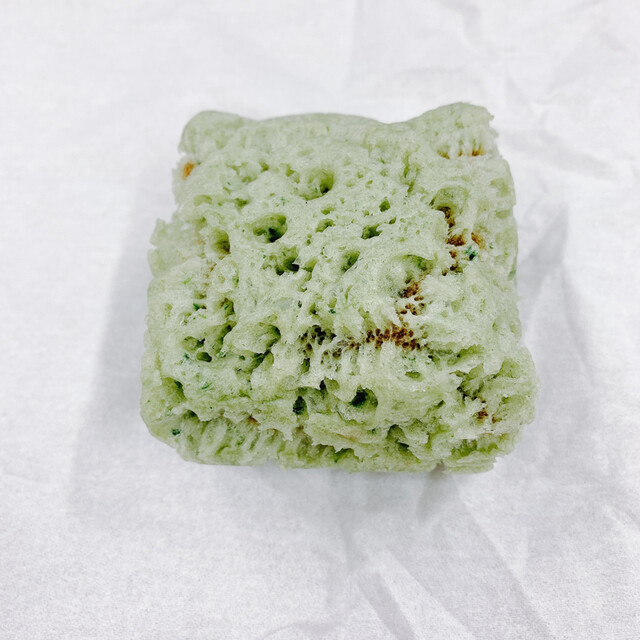
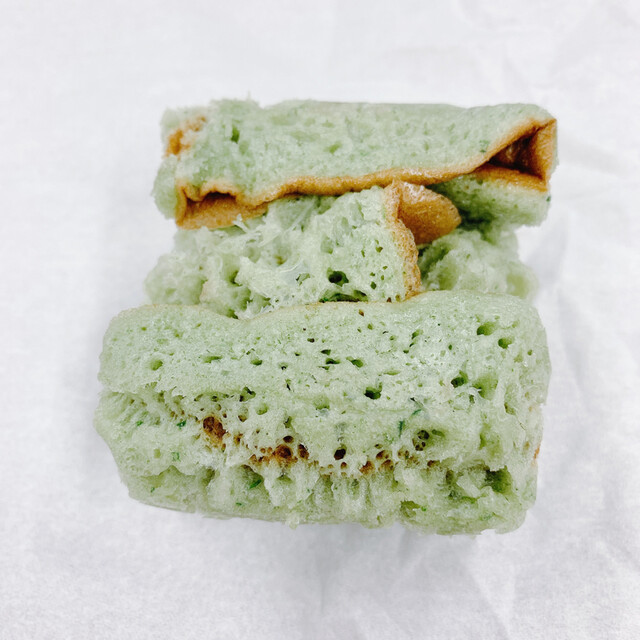
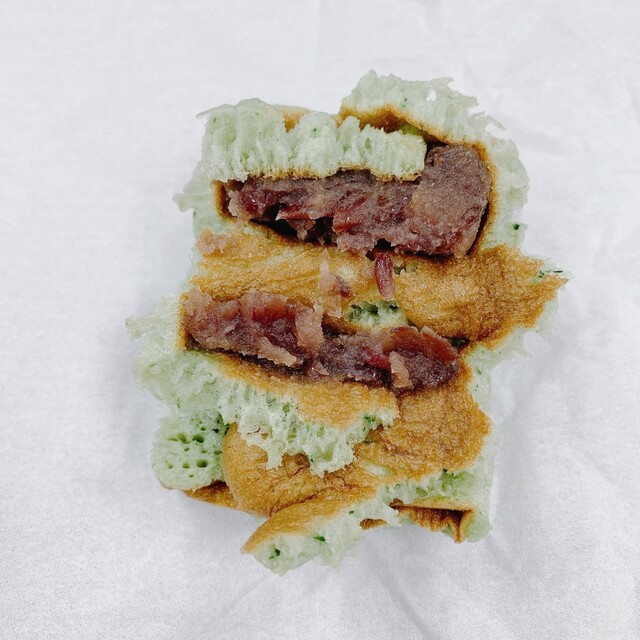
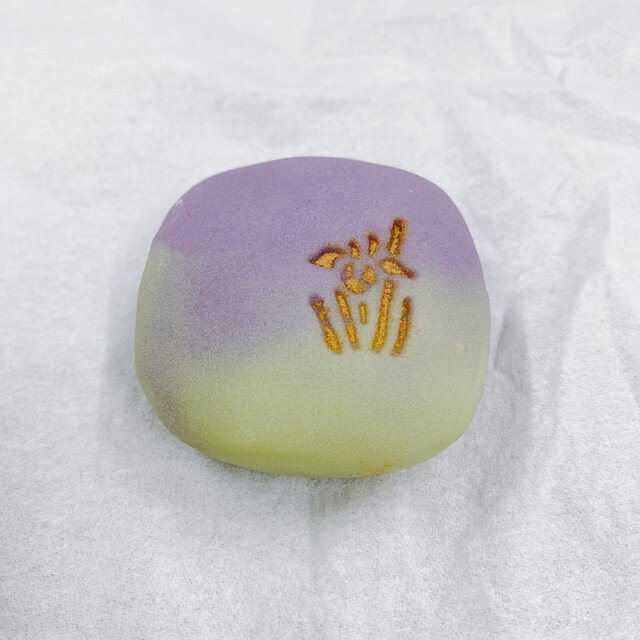
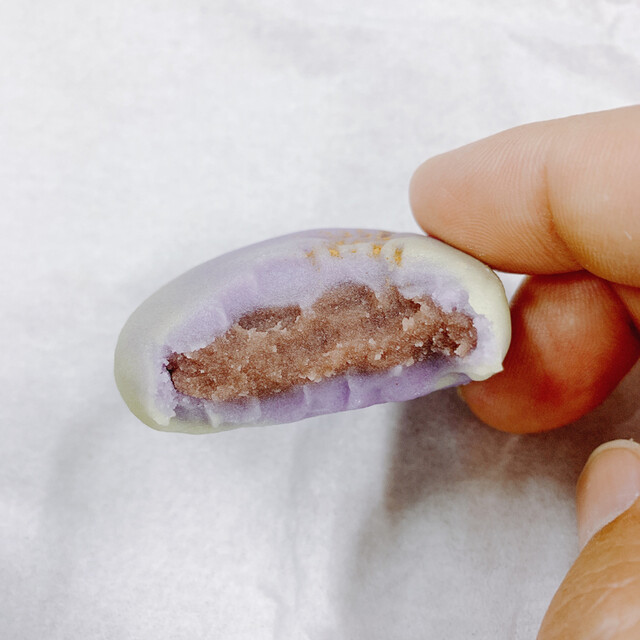
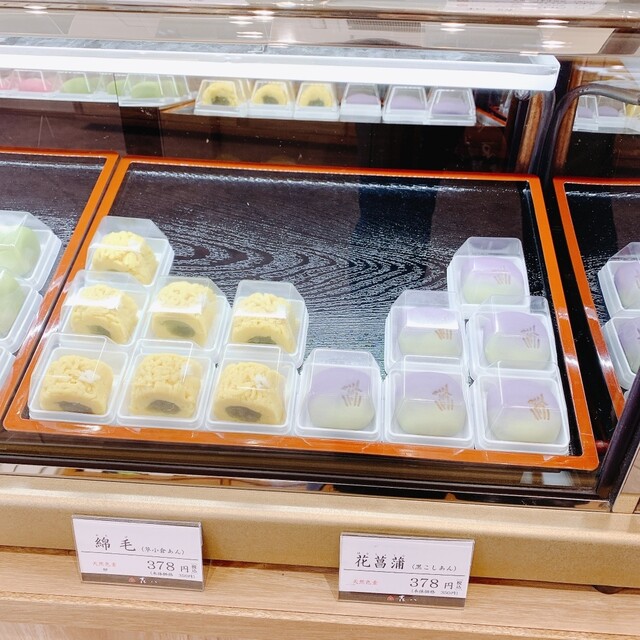
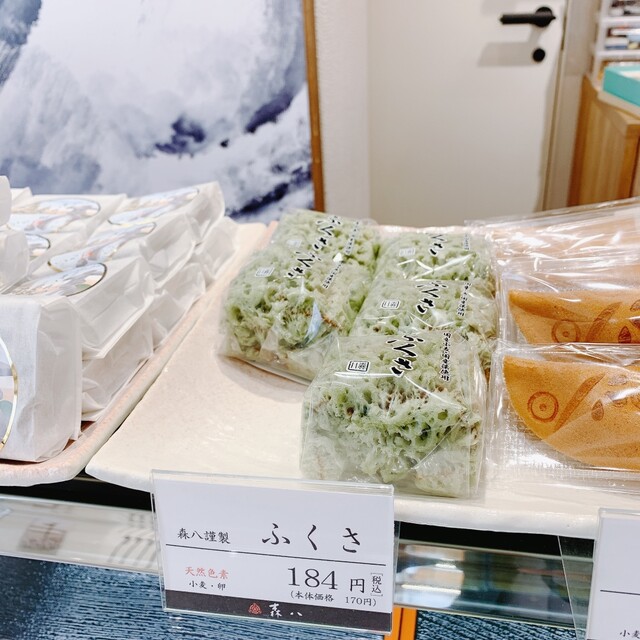
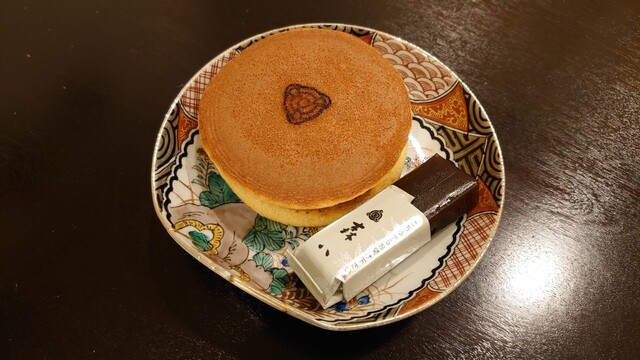
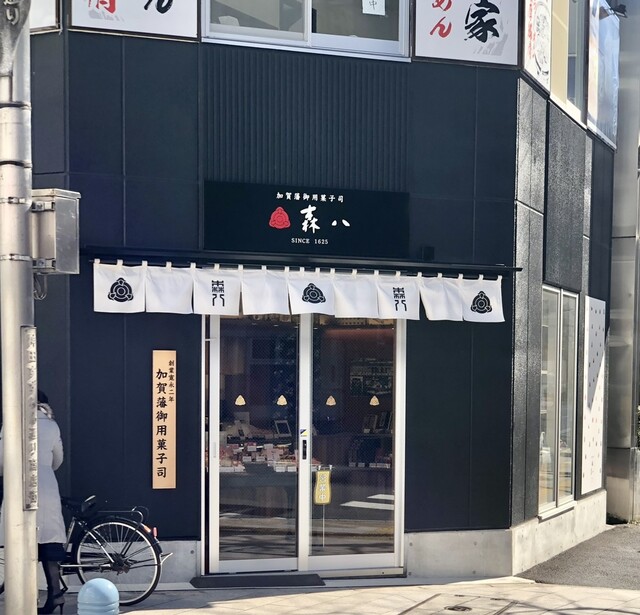
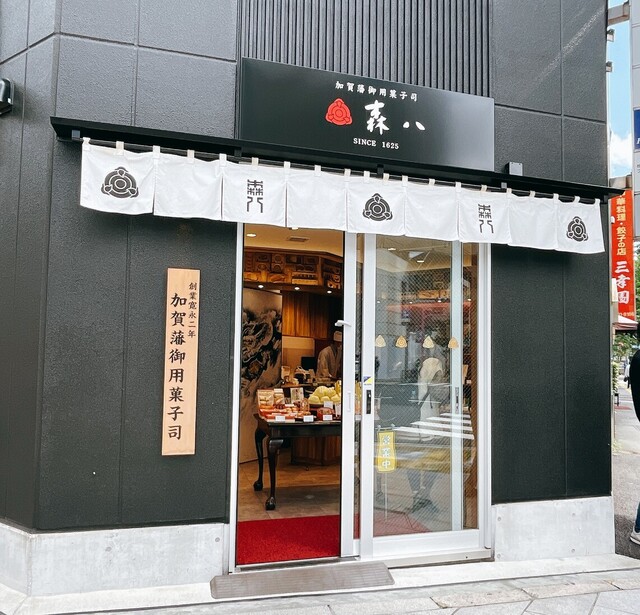
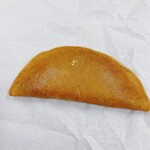
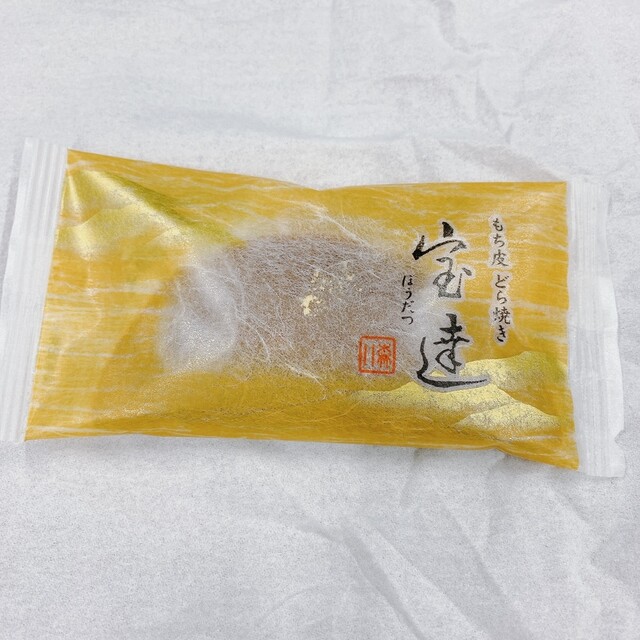
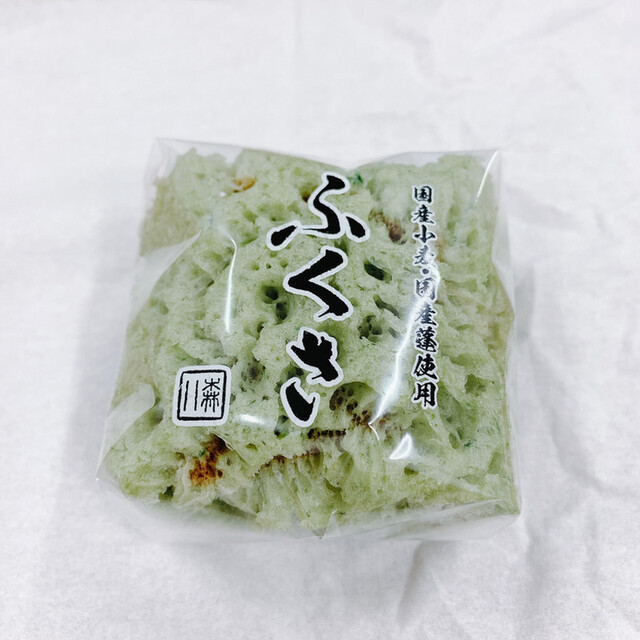
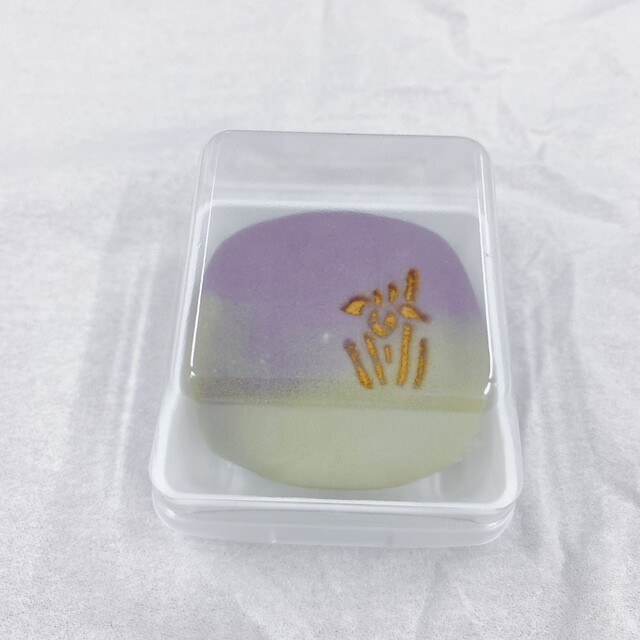
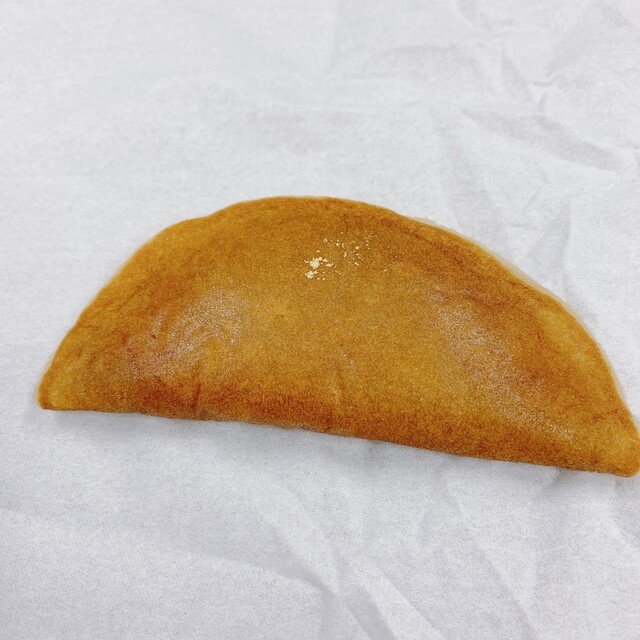
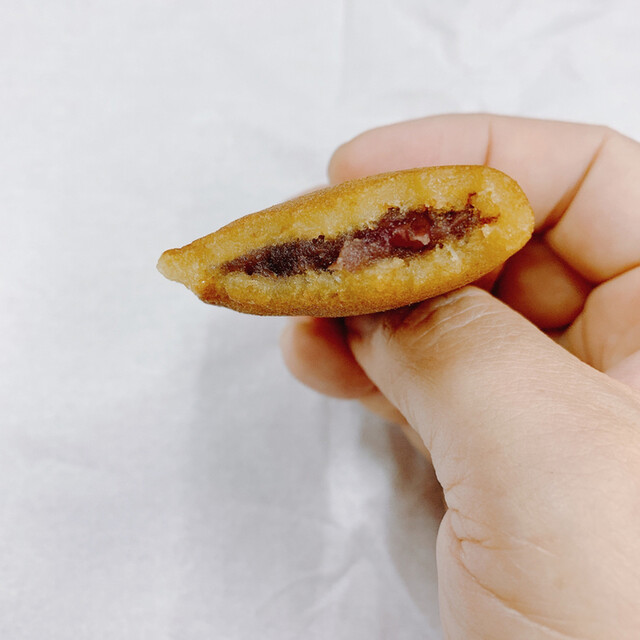
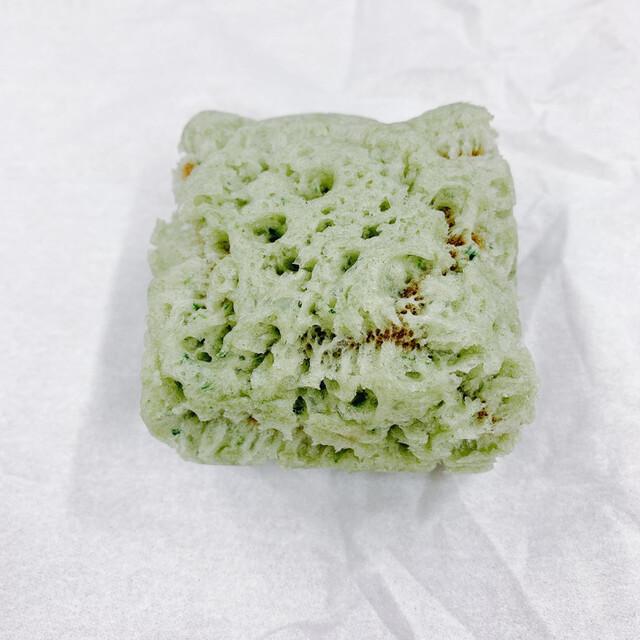
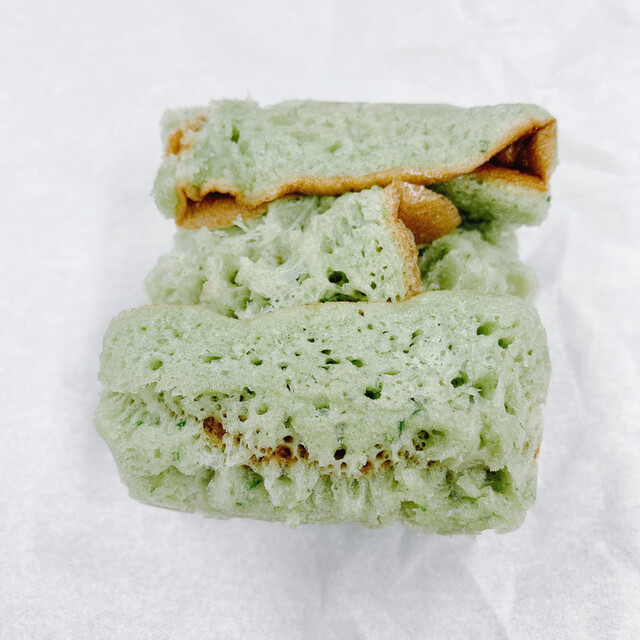
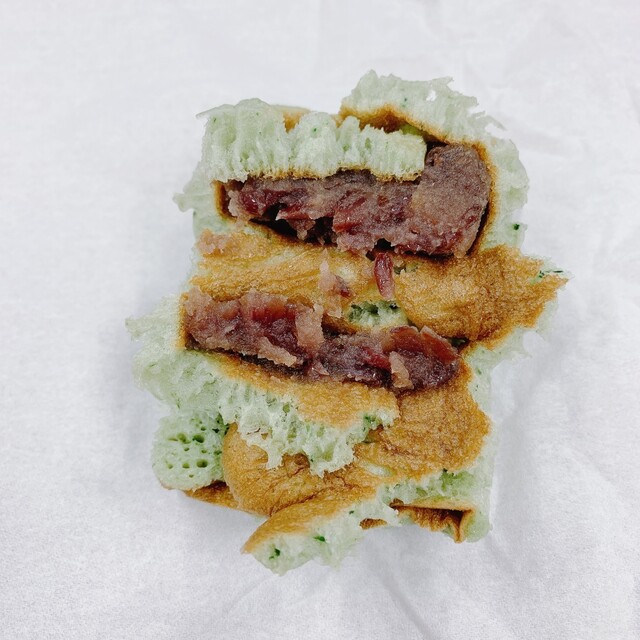
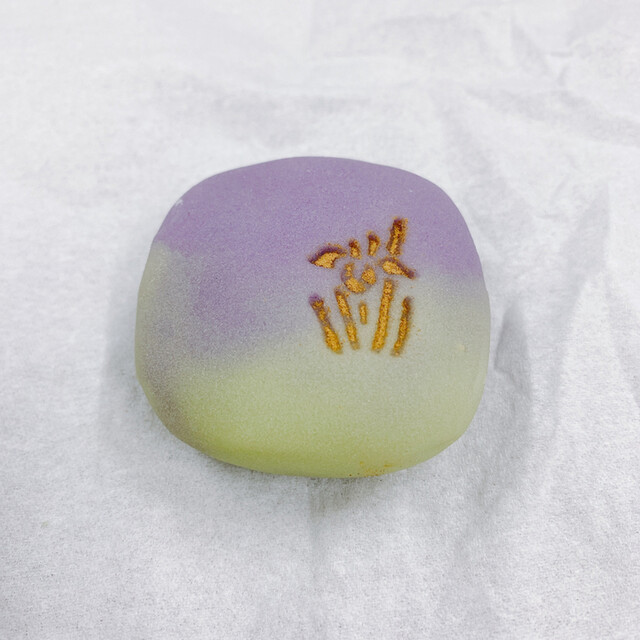
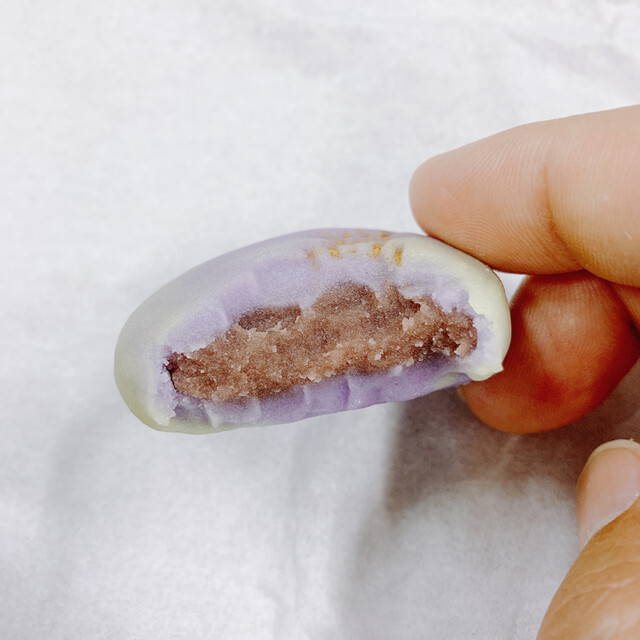
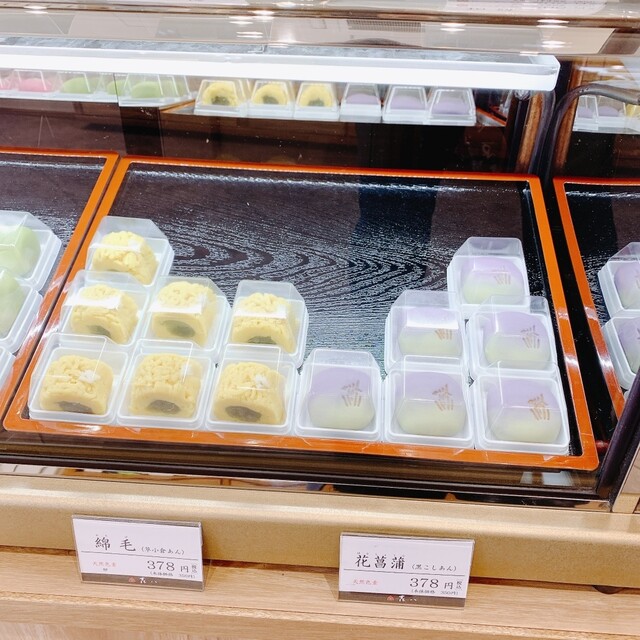
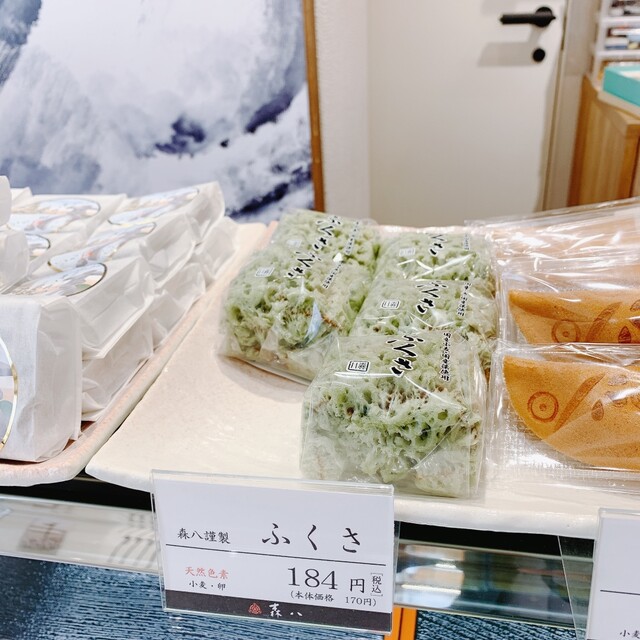
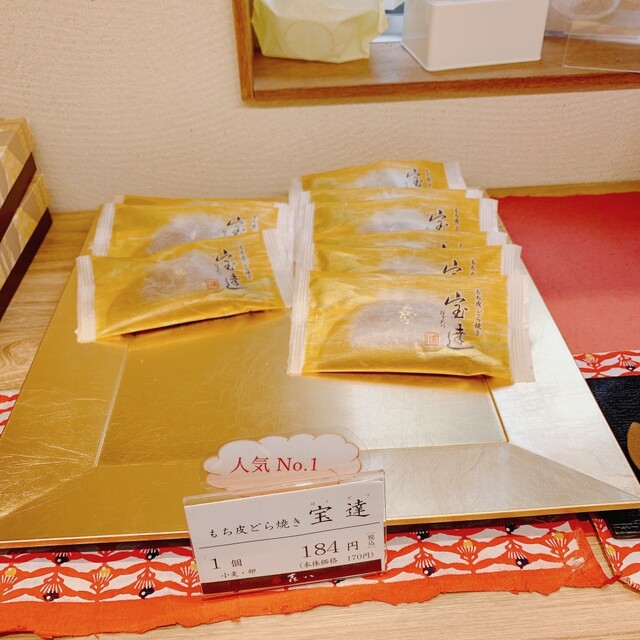
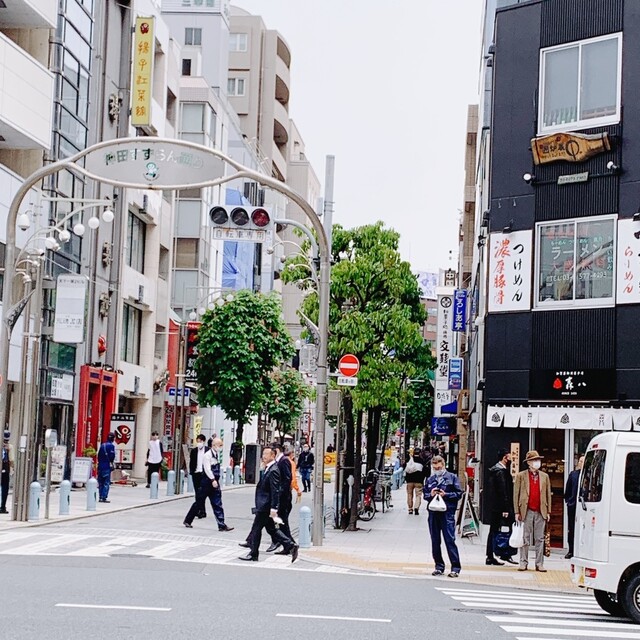
On this day, I visited Jimbocho. After having lunch at Ishiguro Shoten Miso to Spice and taking a break at Kissako, I planned to stop by Moriya Tokyo store before heading back from Jimbocho Station. However, when I arrived at Ishiguro Shoten, I was informed that the opening would be delayed by 15 minutes, leaving me with about 20 minutes to spare. So, I decided to visit Moriya first. This shop is a long-established Japanese confectionery shop that will celebrate its 400th anniversary in 2025 and was previously located along Shinjuku-dori in Yotsuya 2-chome. I had bookmarked it back then but never had the chance to visit before it closed. I later found out that it had relocated to Jimbocho, and finally, I was able to visit this time. I retraced my steps back to Shirokane-dori and crossed the Jimbocho intersection, heading a little towards Ichigaya before reaching Moriya on the right corner at the entrance of Kanda Suzuran-dori. The shop itself is very compact, with a striking black exterior and a long white noren curtain that stands out, making it noticeable at the corner of the intersection. Upon entering the shop, there was one customer already making their selection. Soon it was my turn. I first chose the "Hodatsu" displayed on the shelf on the left side of the entrance. This is the shop's most popular item. Next, I picked the "Fukusa" from the ones displayed on top of the showcase. This was a product that caught my attention from the reviews I had seen since the time the shop was in Yotsuya. Lastly, I selected the "Hana Ayame" from the various types of nerikiri displayed in the showcase, which was perfect for the current season. I purchased these three items. The next morning, I enjoyed them with my tea and coffee. ◼️ Hodatsu 170 yen (excluding tax) A dorayaki shaped like a mountain, inspired by the "Hodatsu Mountain," a former official gold mine of the Kaga Domain, with gold leaf on the surface. It has a shelf life of 9 days at room temperature. The size is small, and the mochi-like texture of the dorayaki skin, which contains mochi rice, is enjoyable. It doesn't feel heavy, making it easy to eat casually. ◼️ Fukusa 170 yen (excluding tax) A Japanese confectionery with a fluffy dough made from domestic wheat flour and Japanese mugwort, wrapped around red bean paste. It has a shelf life of 3 days at room temperature. The dough, which is filled with plenty of red bean paste, has a sponge-like texture with holes, almost like a steamed cake. It had a satisfying taste and texture, just as I had expected. ◼️ Hana Ayame 350 yen (excluding tax) A seasonal limited edition nerikiri. It has a shelf life of 4 days at room temperature. The skin is kneaded with azuki beans, mochi rice flour, rice syrup, and ground cassia bark, wrapped around black strained red bean paste. It is colored with natural pigments from safflower and gardenia to resemble the colors of the Hana Ayame flower, with a Hana Ayame design stamped on the surface, giving it a seasonal look. It melts in your mouth, with a subtle sweetness that is not overpowering. It would pair well with matcha. I thought that this shop, being a supplier to the Kaga Domain, would only have more expensive traditional Japanese sweets, but that was not the case. I was delighted to find modestly priced and elegantly crafted traditional Japanese sweets that truly reflected the 400-year history of this long-established shop. The staff, consisting of two men, provided extremely calm and courteous service. They made the experience welcoming, without the intimidating atmosphere often associated with long-established shops. I was so impressed with Fukusa that I would like to buy it again, and I look forward to trying the seasonal nerikiri that changes regularly. I would love to visit again during my Jimbocho lunch outings.

hanak135
3.20
I visited this place after a long time. It was a Friday evening and I was feeling tired and craving something sweet to take home, so I hesitated between a few options and ended up choosing this place. I remembered they had fresh sweets here. As soon as I entered, I saw some elegant fresh sweets displayed near the cash register. Without hesitation, I picked a wheat cake and, after listening to the explanation from the staff, I also got a mountain stream and wild thistle. If I hadn't talked to the staff, I probably wouldn't have bought the mountain stream, but personally, I really liked the taste. The wheat cake was for the same day (200 yen + tax) and the fresh sweets could be kept in the fridge until the next day (350 yen + tax). This time, I bought everything for myself (!), but I think they would also make a great gift for someone else. The young female owner and the craftsman were both very kind. Thank you for the delicious treats!

nao-sann
4.00
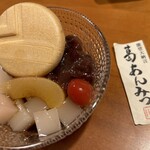
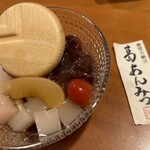
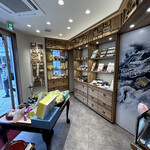
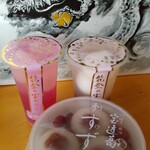
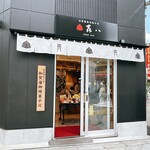
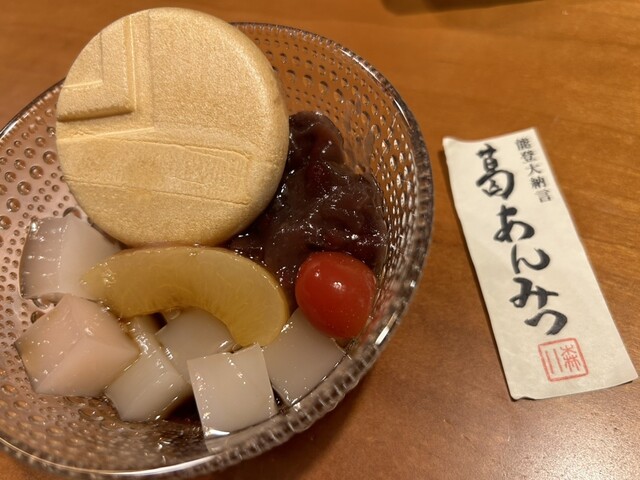
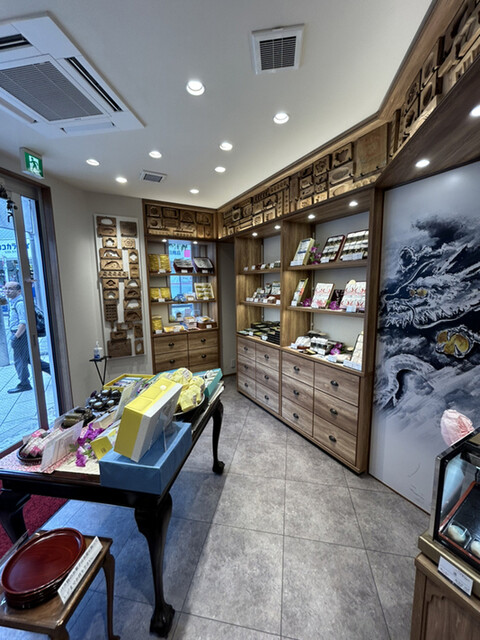
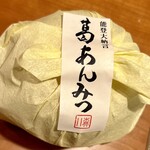
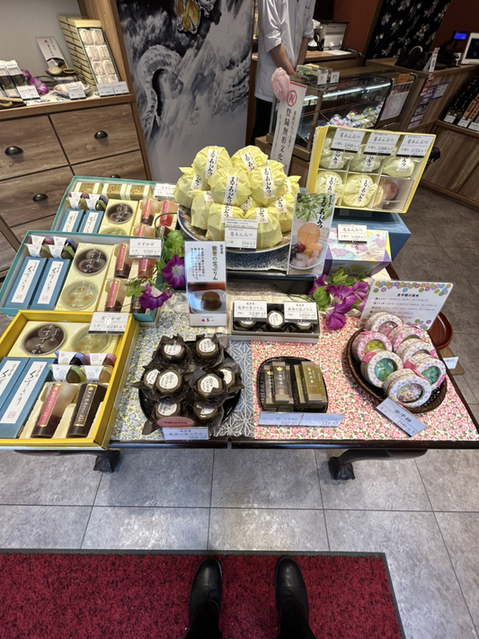
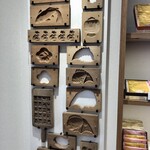
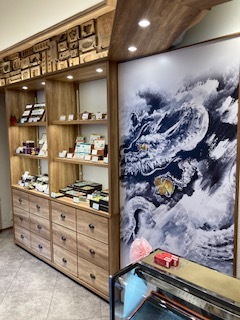
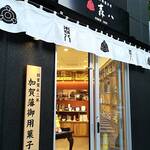
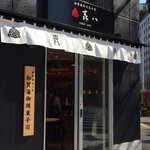
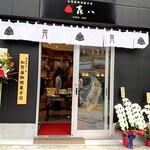
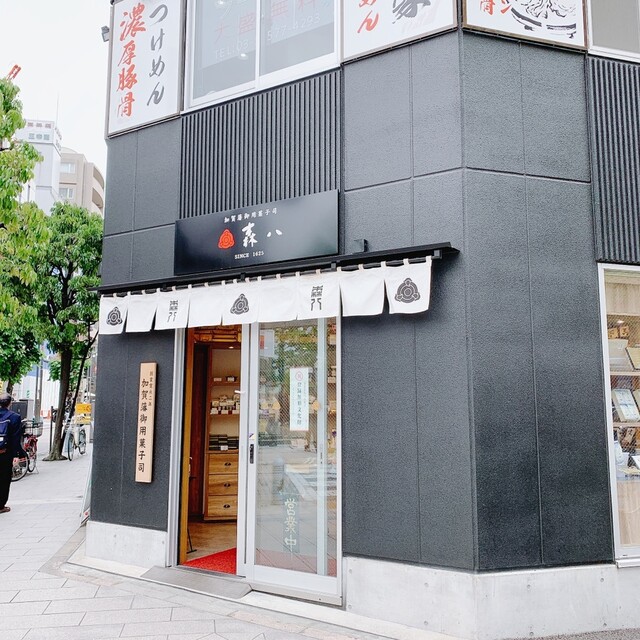
I found the Tokyo branch of the long-established traditional Japanese confectionery store Morihachi from Kanazawa at the corner of the entrance to Suzuran Street in Kanda. The store, which will celebrate its 400th anniversary in 2025, has a calm exterior resembling a blackboard fence and a refreshing white noren curtain, making it easy to enter. Inside, the walls are lined with wooden and metal molds used to make rakugan, exuding a sense of tradition. A confectionery craftsman in a white coat and hat served me alone. I purchased the "Kuzu Anmitsu," which I had received as a gift before and found delicious. It consists of Kaga-honkudzu kudzu jelly with peaches, grapes, and cherries in a container, along with individual packets of sweet bean paste, black syrup, and mochi skin on the top tier. Chilling it in the refrigerator and transferring it to the container before enjoying it is truly delicious. Since this store is conveniently located within the range of my lunch outings, I plan to visit frequently in the future.

yuki89314
3.50
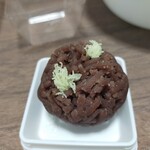
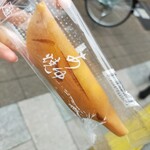
I visited a long-established traditional Japanese confectionery shop in Ishikawa Prefecture, which also has a store in Jimbocho, Tokyo. I tried their cute Ayu-yaki, which is shaped like a sweetfish. It was soft and had a gentle sweetness. I also got their limited-time "Sanae," which resembles a rice paddy. It may not look cute, but I couldn't resist as it reminded me of the local rice planting season in May. Traditional Japanese sweets like these allow you to feel the season, and the subtle sweetness was delicious. It's convenient to buy, and I will definitely visit again!

Chirijyo
4.00
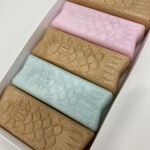
I learned about this wagashi shop in Jinbocho from my senior who is from Kanazawa. I went there to find a gift for someone who helped me, and at the end of April, I found these cute Monaka sweets shaped like carp streamers. They had pink and light blue ones too, which made them even cuter. I couldn't resist and ended up buying some for myself. The Monaka was crispy and light, and the sweet bean paste was very elegant in flavor. It was just as my senior recommended, a great shop. As for the wagashi for the gift, when I gave it to the person, they said they had heard about Morihachi before as a delicious wagashi shop, and they had been wanting to try it. What a perfect timing! Another thing that caught my eye was the beautifully colored Kinpaku (gold leaf) candy. I'll have to try buying that next time.

すずPAPA
3.00
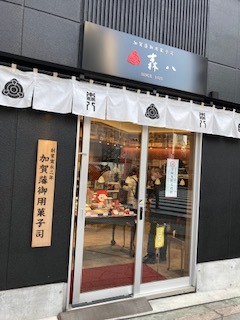
On this day, while searching for a place to have lunch in Jinbocho, I came across this shop with a very inviting sign. The shop had a high-class atmosphere and displayed delicious traditional Japanese sweets. After parting ways with my friends after lunch, I headed to the shop alone. I purchased a mochi-wrapped dorayaki and a bracken rice cake. The dorayaki was chewy and just to my liking. The bracken rice cake had a decent taste, possibly due to its longer shelf life. Just the mention of Kanazawa's traditional sweets is enough to draw you in...

エフショウ
3.60
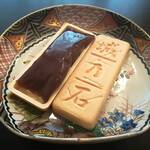
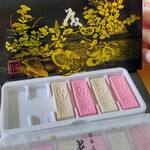
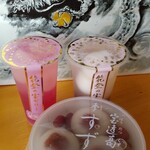
I stopped by Kanda Myojin for some errands. After finishing my business and heading back to the station, I saw the sign for Morihachi. Morihachi is a famous confectionery store known for its Nagayamon, one of Japan's top three famous sweets. I have visited the main Morihachi store before and have fond memories of eating Nagayamon in a rental car. The store seemed quiet with no customers, which made it easier for me to choose some delicious-looking sweets. When I got home and read the description, it mentioned that Nagayamon is like the origin of Rakugan. It was quite interesting. However, even in my fifties, I still can't appreciate the goodness of Rakugan. I hope that in another 10 or 20 years, as time passes, I will come to understand the greatness of Nagayamon and cherish those memories even more.
hanak135
3.20
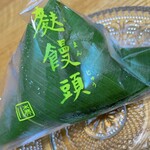
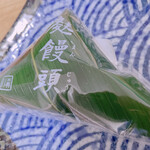
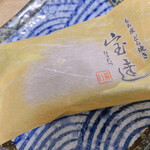
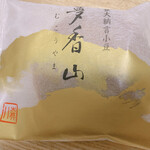
I suddenly felt like eating Japanese sweets and visited the shop. I looked around the store and bought Fu Manju and Takaradzuka, Yumekazan. The Fu Manju can be eaten on the same day, while the other two can last for about 10 days. The Fu Manju is a moist steamed bun wrapped in the scent of bamboo leaves. The filling inside is gentle, with a subtle sweetness in both the Fu and the filling. It's addictive.

あさんて
3.70
Blog "Tokyu Line, Foodie Walk" - https://asante.blog/
---
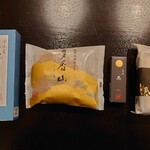
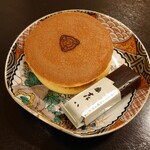
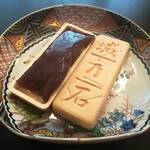
I really like the traditional Japanese sweets from Morihachi in Kanazawa. We sometimes get takeout from Nihonbashi Morihachi Mitsukoshi Nihonbashi Main Store or Yokohama Morihachi Yokohama Sogo Store, but this time my family brought some back from the Tokyo main store in Jinbocho. Lately, we've been enjoying different varieties little by little, and this time we tried:
- Kuzukiri
- Yumekazan (Dorayaki)
- Kuro (Black Yokan)
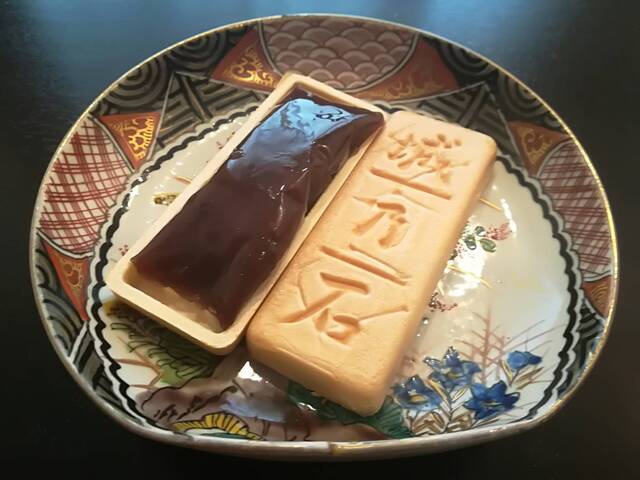
- Jo no Ishimatsu (Monaka)
I don't remember the individual prices, but I think Morihachi's sweets are reasonably priced. We enjoyed them at home with tea or coffee, and our favorites this time were:
- Kuzukiri
- Jo no Ishimatsu (Monaka)
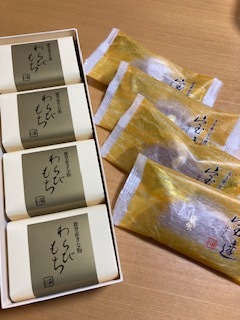
Kuzukiri is made with "Takaradukushi," a type of kudzu with black honey, and it's a fresh kuzukiri that you can enjoy pressing out at home. The smooth texture is perfect even in the summer. The Monaka has separate outer shell and filling that you can combine yourself. Whether separate or together, the crispy texture of the shell and delicious filling were enjoyable. This crispiness is really nice. We couldn't help but finish all the Morihachi sweets. Thank you for the meal.

keputren
3.00
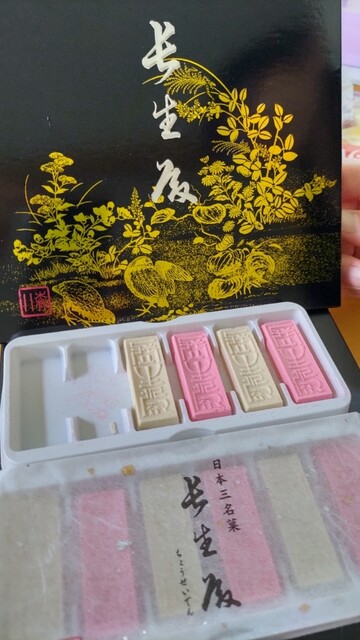
Located not far from Jimbocho Station, the Tokyo branch of "Morihachi" is situated on the corner of Suzuran Street facing Shirayama Street. It used to be a "Gindako" after being rebuilt from a barbershop. The location is very convenient, but it's a mystery why this long-established store from the Kaga Domain chose to expand into Kanda Jimbocho. With Ginza, Nihonbashi, and Tokyo Station nearby, wouldn't Hongo be a better choice to showcase the Kaga Domain? Nevertheless, they have opened a store in the antique book district. The interior is small, with only a small selection of wagashi, but they offer products that evoke the changing seasons, as well as a variety of items like the "Choseiden" signboard and Kutani ware. Today, I purchased an 8-piece set of "Choseiden" for tea ceremonies. The quality and taste are guaranteed, as expected from a long-established store founded in 1625. Let's see how they fare in this student district and I look forward to visiting again.

キビ猫
3.50
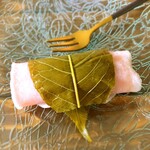
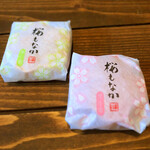
Uncharted territory, a traditional Japanese sweets shop in Kanazawa. I had only heard the name before, but happened to come across it while passing through Jinbocho. I bought cherry blossom mochi, rapeseed flower nerikiri, and sakura mochi. The red sakura mochi was wrapped in cherry blossom paste, emitting a lovely scent of sakura. The white sakura mochi contained mugwort and is only available during this season. I wonder why they chose to name it sakura mochi...? The bean paste was elegant and all of them were delicious.

ドリアン・グリーン
3.50
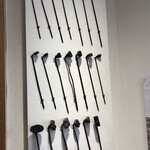
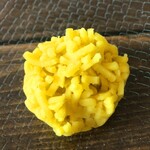
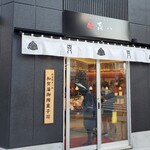
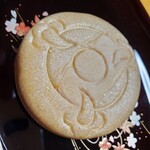
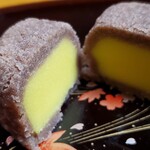
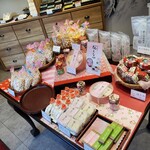
This is another shop I always see while waiting at the traffic signal. It's a traditional Japanese confectionery shop, and I had a feeling it was an old establishment, but I didn't realize it was founded in 1625! It was the official confectionery supplier for the Kaga Domain. When I entered the shop, I noticed wooden molds for sweets and branding irons on display. They offer a wide variety of products, from traditional sweets to fresh confections and steamed buns. I decided to try their popular "Jadama Monaka" and the reassuringly named "Kaga Temari." The "Jadama Monaka" is a small monaka with the shop's emblem, filled with a light sweet bean paste. The "Kaga Temari" is a yellow yolk confection. Both were small but had a strong flavor, which is characteristic of an old establishment. It was a delicious experience.

muchos
3.50
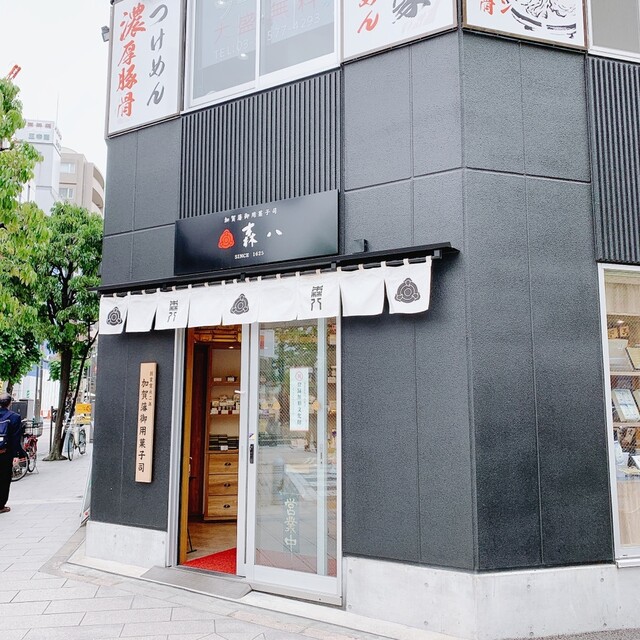
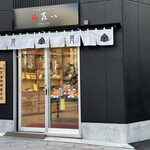
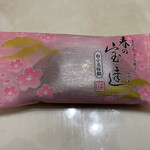
This is near the intersection of Jimbocho, at the entrance of Suzuran Street. It opened recently after a certain takoyaki chain store. It is said to be a confectionery for the Kaga Domain. I got the spring version of the Takaradachi. The skin is moist and soft. The filling has the flavor of cherry blossom mochi, indeed a spring version. It has an elegant flavor that makes you feel spring. It doesn't last long, but it was delicious.

letsgoswallows
3.70
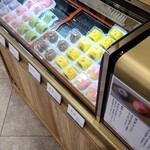
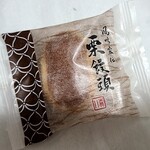
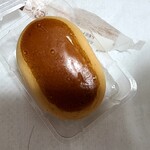
I visited this shop located about a 5-minute walk from Jimbocho Station. It is right off the main street and when I visited around 12:30 on a Sunday, there were only about 2 other groups inside. The shop itself is not very large, but the interior is clean and they have a wide variety of products. I purchased chestnut manju, kintsuba, monaka, and some original Japanese sweets. The total amount was 810 yen including tax, which is quite reasonable for Tokyo prices, especially considering the original Japanese sweets. After trying them, I found that they were all uniquely sweet with a low moisture content. They didn't have a strong aroma, but the sweetness was distinctive and the aftertaste was not bad, with a peculiar sweetness. Perhaps the sugar used in Tokyo sweets is slightly different. They are clearly marketed as tea sweets, with a sweetness that can stand up to the bitterness of tea. The sweetness may be a bit unusual, so preferences may vary, but I personally liked it.

スズ!
3.50
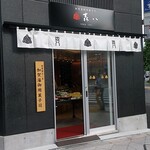
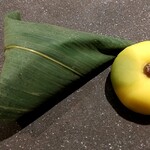
I visited a new shop in Jinbocho, which specializes in Kanazawa sweets. I purchased "Fu Manju (bean paste)" and "Nisunakusa (bean paste)" and they were both delicious. The "Fu Manju" had a hint of bamboo fragrance, and the "Nisunakusa" had a perfect balance of sweetness. Thank you for the wonderful treats!

pichiguren
3.50
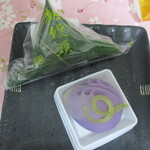
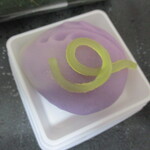
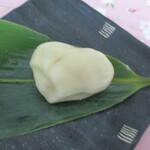
I visited a new restaurant in Jimbocho for lunch after a long time, and discovered that a new shop has opened up! I had only known this shop from the department store food fairs, but I only had an image of Choseiden. It's a super famous long-established store that was the official supplier to the Kaga Domain, right? There must be more than just Choseiden. I decided to check it out. I found some traditional sweets that I don't usually come across at food fairs, so I decided to purchase them. I got Fu Manju with yuzu bean paste (partner's choice) and Shimotsuri (my choice), as well as a sweet called "Hodatsu". As expected of the Kaga Domain, the store interior was elegant as well. When I got home, I tried the Fu Manju wrapped in bamboo leaves, which had a rich yuzu aroma and a nice texture of yuzu peel. The Shimotsuri looked beautiful and being a fan of wisteria, I almost felt guilty eating it. It had a subtle sweetness and a very refined taste. Later, I tried the "Hodatsu". I wasn't sure what it was when I bought it, but it turned out to be a sophisticated dorayaki wrapped in mochi skin. And guess what! It was topped with gold leaf. Truly the Kaga Domain! The balance of the chewy skin and the sweet bean paste was excellent. This would make a great gift too. The sweets from Kaga, the little Kyoto, did not disappoint. I would love to try other sweets from there again. Thank you for the meal!

ジゲンACE
0.00
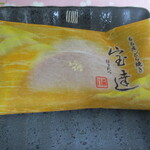
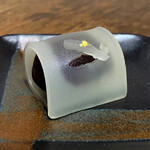
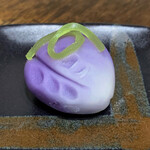
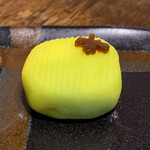
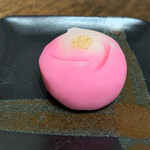
Kanazawa for 390 years, Kaga Clan official confectionery Mori Hachi. The founder of the Mori Hachi family, Mr. Kameda Ozumi, is a descendant of Emperor Seiwa, who ruled the Kaga Ikko sect in the 16th century and later served as a retainer under the clan founder, Maeda Toshiie. The second generation established a confectionery business by the clan's order and began walking as the Kaga Clan official confectionery. The third generation was highly valued as an offering to the Tokugawa family and came to be praised as "one of Japan's top three famous sweets." Since the Meiji era, the store name was changed to "Mori Hachi," and it has continued to the present day. (Excerpt from the Mori Hachi history)They expanded to Tokyo and operated in Yotsuya for about 40 years, but due to the aging of the building, they closed. This time, as a Tokyo store, they relocated and opened in May 2021 at the corner of Jimbocho, Suzuran Street. The store is takeout only. Wooden molds are displayed in various places, which is quite impressive. Also, various branding irons are exhibited, including those used during the Tokyo Olympics. It's quite amazing.◆ Wakayu (324 yen including tax)Young ayu jumping in a clear stream, the early summer scene, black sweet bean paste◆ Sagari Fuji (324 yen including tax)The wisteria flowers hanging down from the wisteria trellis are in full bloom, black strained sweet bean paste◆ Rose (324 yen including tax)The queen of early summer flowers, white strained sweet bean paste◆ Seoto (324 yen including tax)Listening to the sound of water flowing in the shallow part of the river and seeing the yellow irises blooming by the water's edge, the seasonal scene, white sweet bean paste◆ Wakayu Manju (184 yen including tax)It contains mochi inside.◆ YokanBeautiful Japanese sweets that convey the skill and spirit of the confectioner, a new chapter of Japanese history is being carved in Jinbocho.

campanerula
3.50
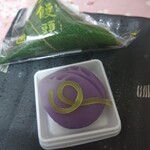
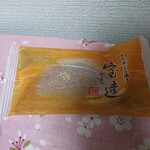
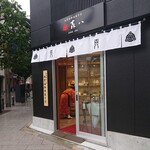
After having lunch in Jimbocho, I noticed a new shop that I hadn't seen before, so I decided to stop by and buy some desserts to take home. When it comes to Kaga, I heard that Nagasaki-den is famous, but I'm not a big fan of dried sweets, so I didn't have high expectations when I entered. However, to my surprise, they had fresh wheat gluten sweets and smooth sweet bean paste sweets, so I bought some. The wheat gluten came with red bean paste and yuzu bean paste, and I chose the yuzu flavor because it was unique. For the smooth sweet bean paste, I chose the seasonal wisteria design, and I also bought another one. The yuzu bean paste had the refreshing scent of yuzu, as the yuzu peel was also mixed in, filling my mouth with joy. The smooth sweet bean paste had a beautiful appearance and a refined taste. The shop was newly opened and clean, with fresh seasonal items on display.

JJじゅん
3.00
I found a flower shop on Shirayama Street that sells flowers for store openings. Inside the shop, there were traditional Japanese sweets that looked like great gifts. I bought some freshly made sweets. The three kinds of sheep jelly I received as a store opening gift were not too sweet and delicious. The shop recently moved from Shinjuku Street in Yotsuya.
hanak135
3.10
There are various gift sweets displayed, but today's target is the corner next to the register. I approached to see if there were any fresh sweets. I found some young ayu (sweetfish), so I asked for that without hesitation. The staff efficiently processed my payment. When I got home, I noticed it was called "Koi." Until May 5th, it's called "Koi," I see. Inside was sweet bean paste, with a gentle sweetness that was delicious.
hanak135
3.10
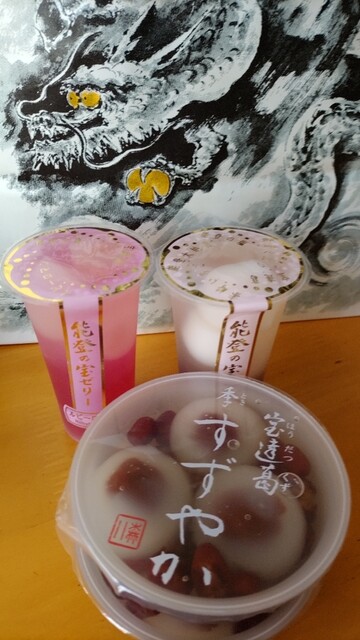
Craving for water manju, I revisited the shop. However, the fresh sweets were already sold out and the refrigerated case was empty. What a pity. Ended up trying a different traditional Japanese sweet each time. This time, I tried Suzuyaka's Noto Daiginjo with matcha, and a mini-sized Kaga stick tea yokan. Suzuyaka seemed small at first glance in the shop, but I realized it wasn't that small when I started eating it. It had a smooth texture and was easy to eat. There was more than enough in one piece, so I had to postpone comparing the flavors. I ate it without transferring it to a plate, so the sweet syrup spilled and got on my clothes. I should have transferred it properly. I wish they would open a traditional Japanese cafe in this area, but maybe the rent is too high. I feel like there is a demand for it though. On the way back, I had a chat with the proprietress(?). She mentioned that the fresh sweets sell out early on some days. Maybe I should make a reservation. But I want to choose while enjoying the view.
Email Login