山城屋酒場
Yamashiroyasakaba ◆ やましろや さかば
3.46
Ryogoku, Kinshicho
「Izakaya (Tavern)」
3,000-3,999円
--
Opening hours: 17:00-22:00
Rest time: Saturdays and Sundays Business hours and holidays are subject to change, so please check with the store before visiting.
東京都江東区住吉2-7-14
Photos
(20)
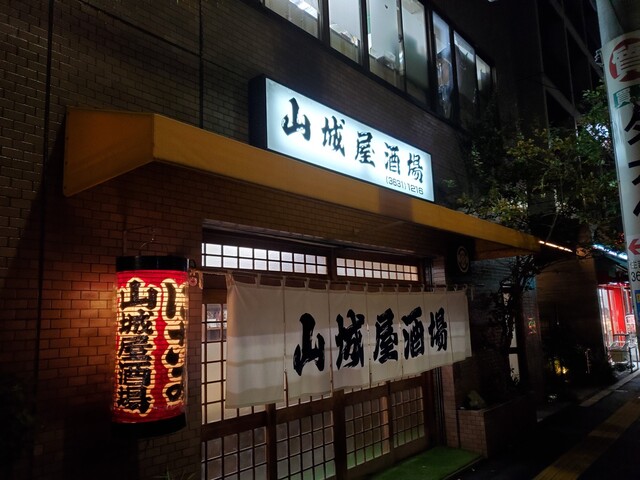
Details
Reservation Info
No Reservations
Payment Method
No credit cards
Electronic money is not accepted
Private Dining Rooms
None
Smoking and Non-Smoking
Smoking is permitted in all seats. As the Law Concerning Measures Against Passive Smoking (Revised Health Promotion Law) has been in effect since April 1, 2020, please check with the restaurant prior to your visit as the information may differ from the latest information.
Parking
None
Facilities
Counter seats available
Drink
Sake and shochu available
Comments
(20)

yama.taro0803
4.00
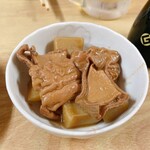
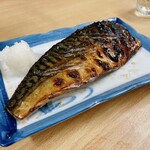
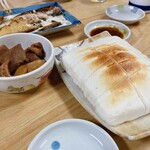
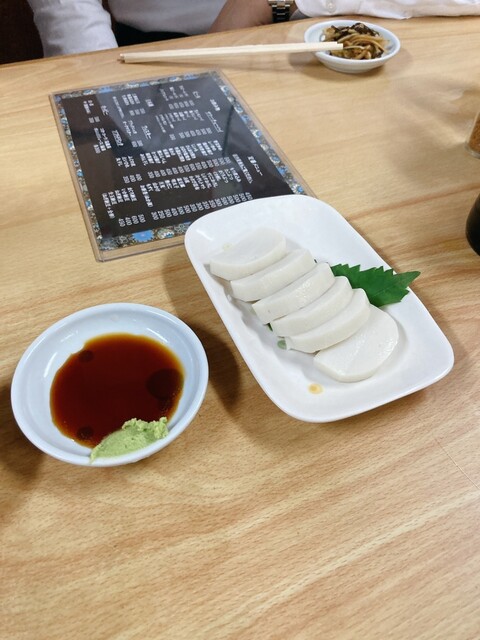
- Motsu (tripe) stew x4 (so delicious that we ordered seconds)
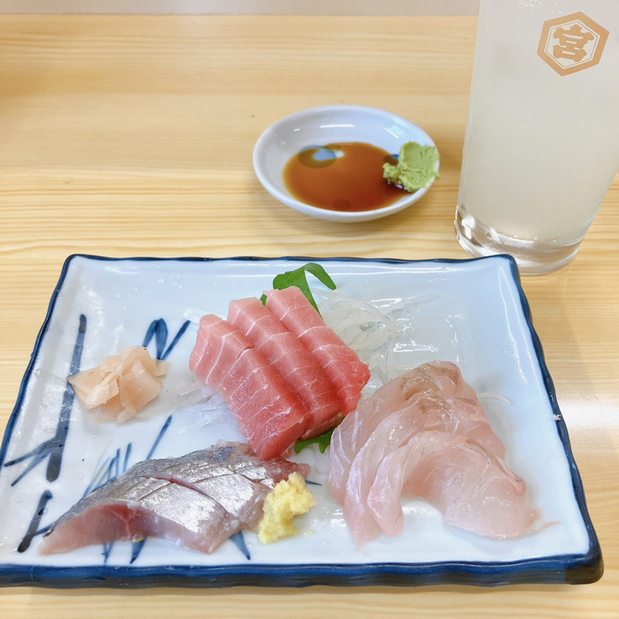
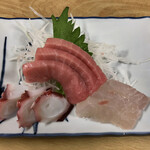
- Sashimi platter with 3 types of fish
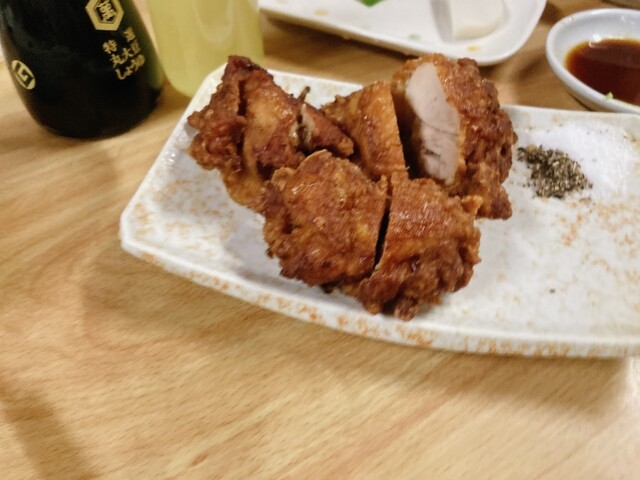
- Fried chicken
- Itawasa (spicy cod roe on seaweed)
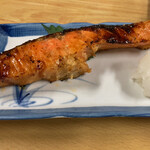
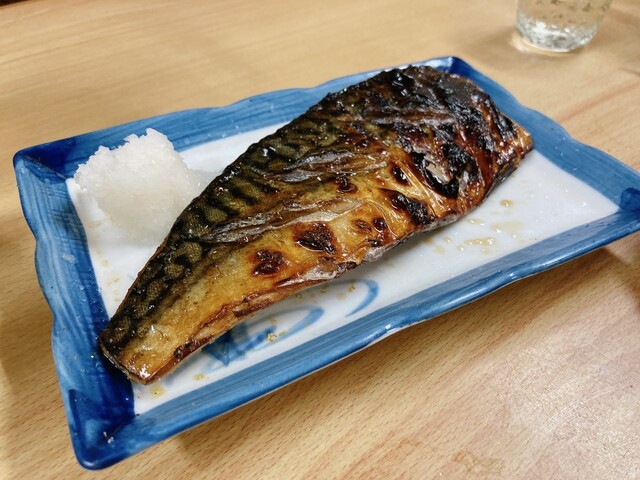
- Grilled mackerel with salt
- Hanpen (fish cake)
- 4 servings of sake x2
- 2-3 highballs
- 4 medium-sized draft beers
- Hoppy (a type of low-alcohol beer)
Total cost: 12,800 yen for 4 people
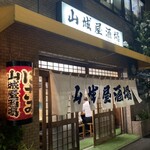
I was taken to this restaurant by my boss and dined with three other seniors. We managed to get in without waiting just before 7 pm (on a Tuesday), as there is a 2-hour time limit for each group. The place has a great old-town atmosphere, with a seller's market vibe that adds to the charm. The occasional kindness shown by the staff amidst their assertive service style is endearing. The restaurant was packed with local regulars of all ages, enjoying themselves. The motsu stew, hanpen, and grilled mackerel were all delicious, and they paired well with the sake. From the outside, the place may seem intimidating to newcomers, but it's the kind of spot that makes you want to sit at the counter alone and enjoy a drink.

rica mucho
4.30
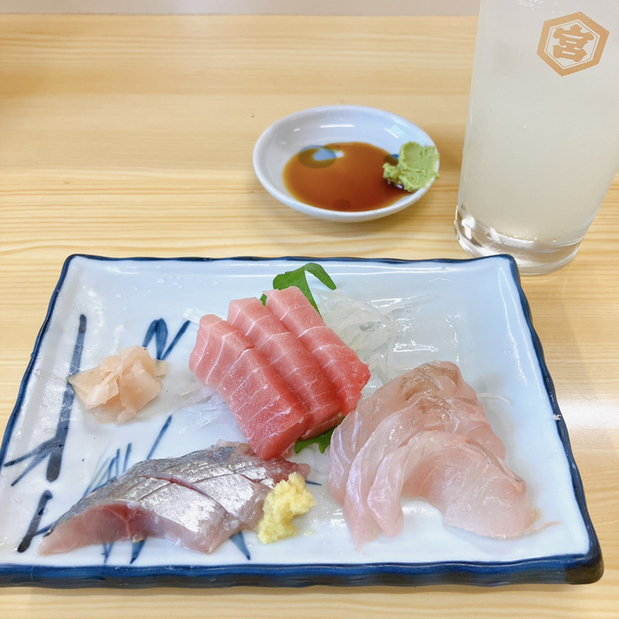
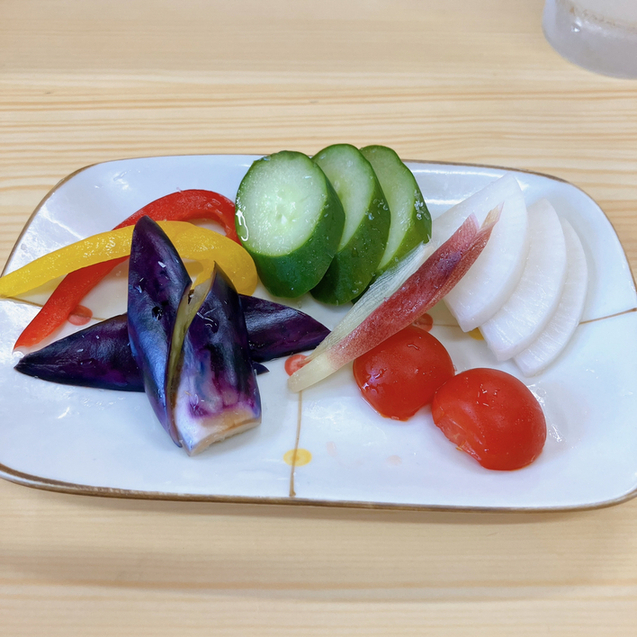
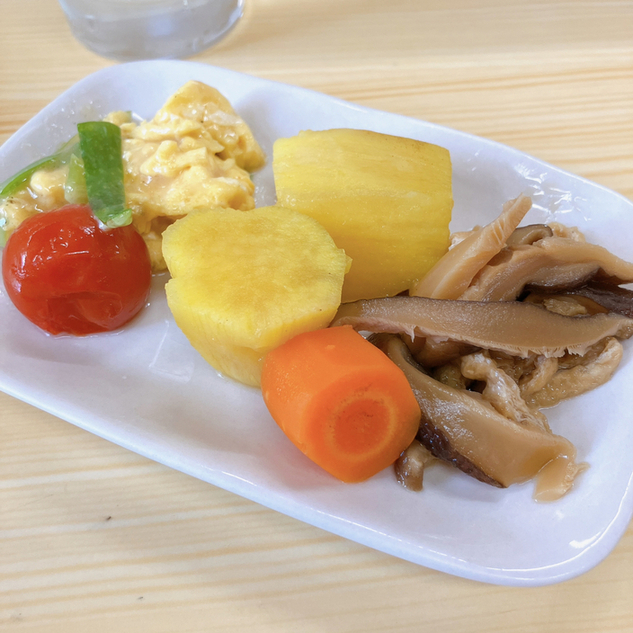
I was interested in this restaurant. The takeout counter is dedicated to one or two people. There are tables in the back. The appetizers and drinks are generally around 500 yen each. Everything is delicious. Orders are taken according to the rules of the restaurant without rushing. The sashimi and simmered dishes are carefully prepared. It's a wonderful place. Thank you for the meal! I will visit again!

キャプテンすぽっく
3.30
I was taken to a popular izakaya in Sumiyoshi by my former boss. It's the kind of izakaya you'd want near your office. Everything was delicious, but the duck liver was the best. It wasn't too gamey, and it was moist and rich, perfect with drinks. The bill was a bit high because we drank a lot, but I will definitely visit again.

キャノンデール
3.50
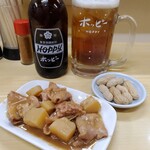
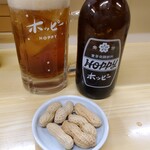
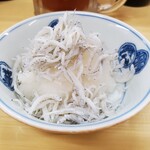
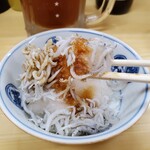
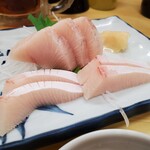
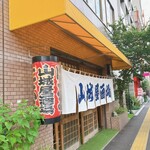
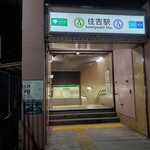
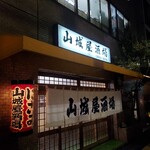
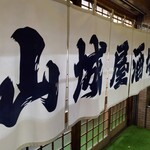
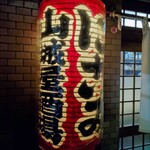
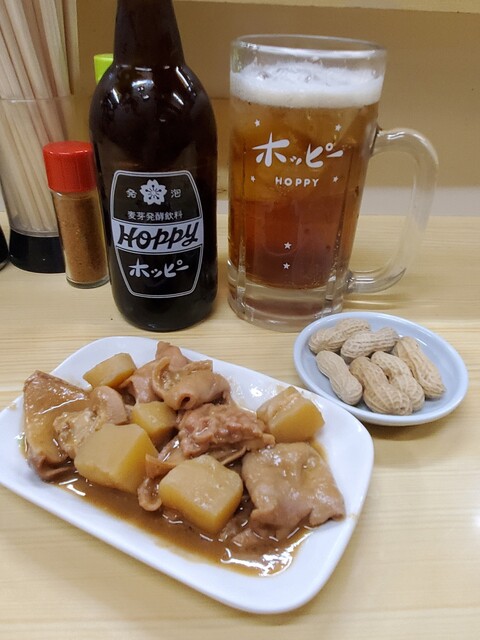
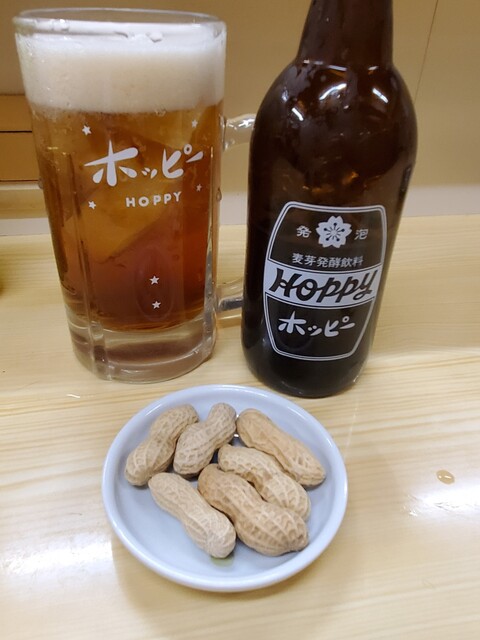
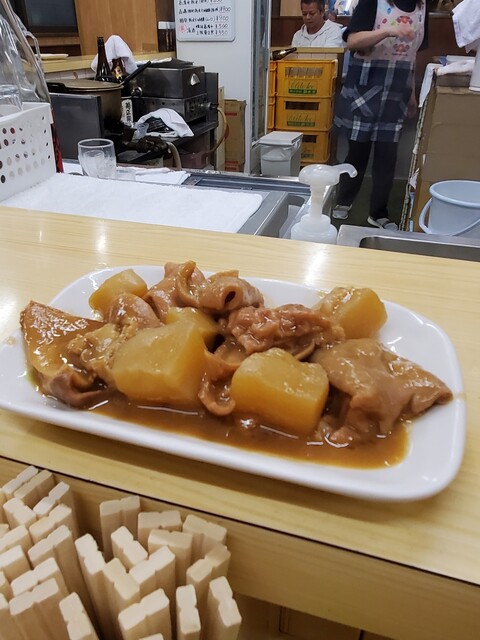
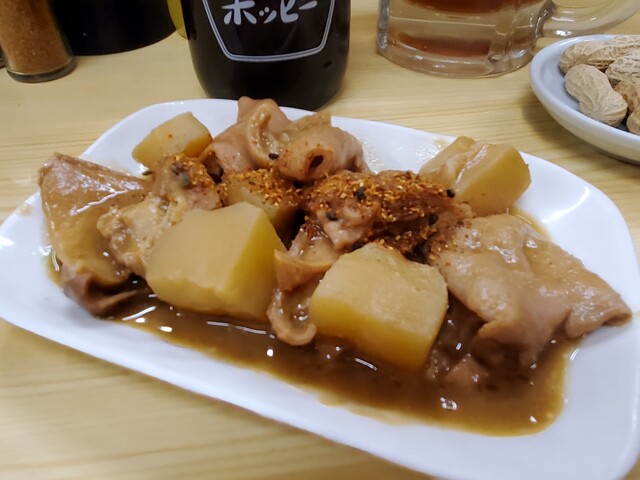
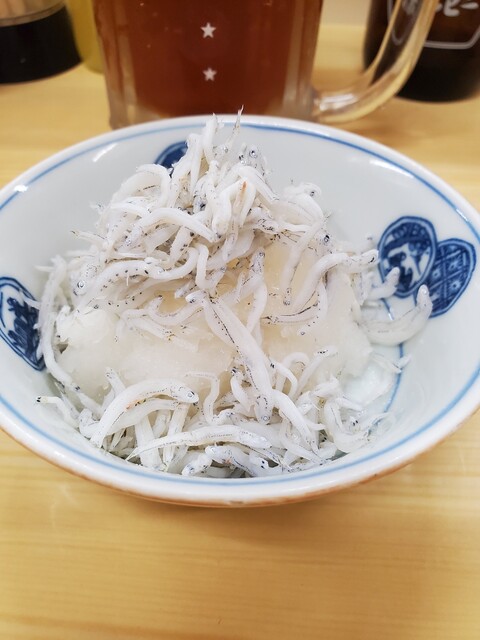
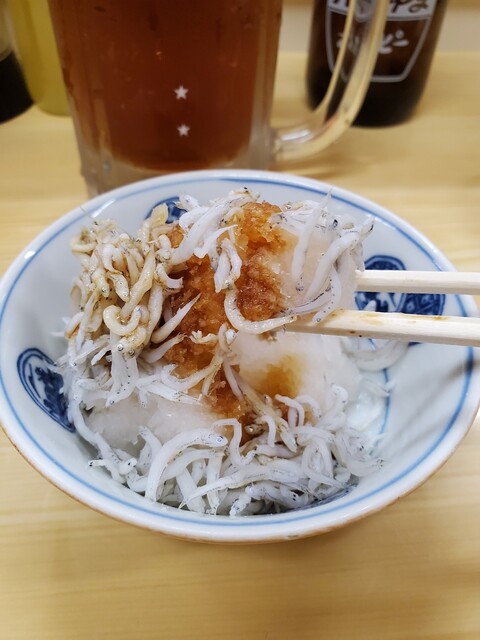
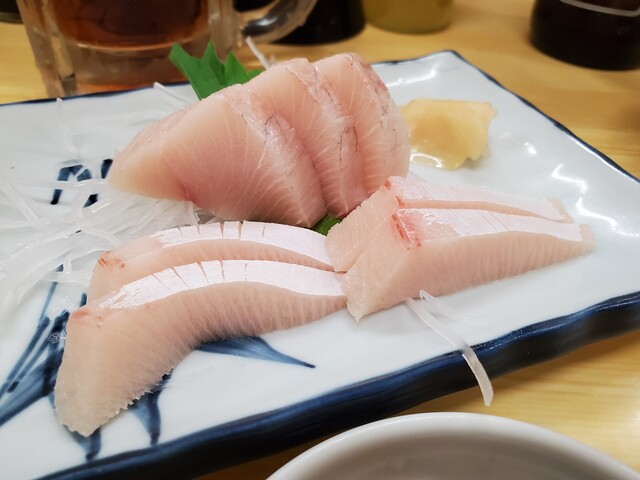
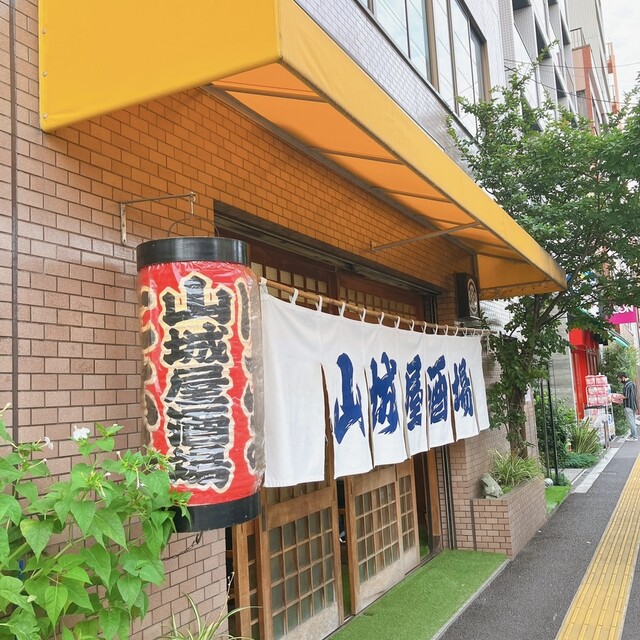
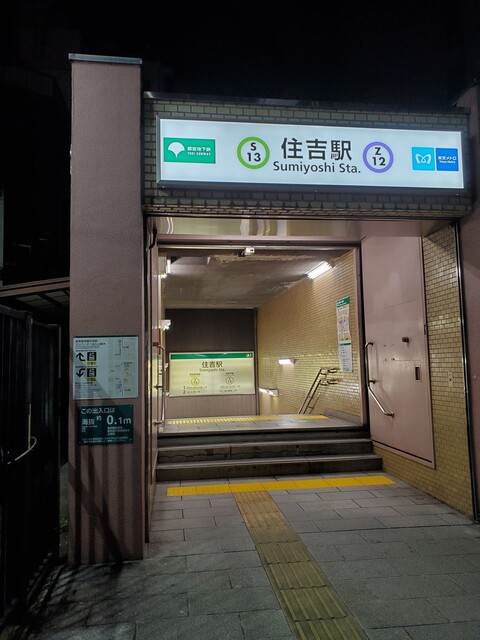
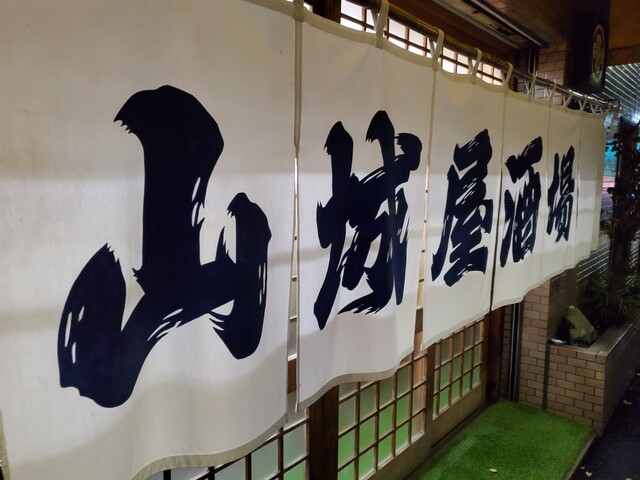
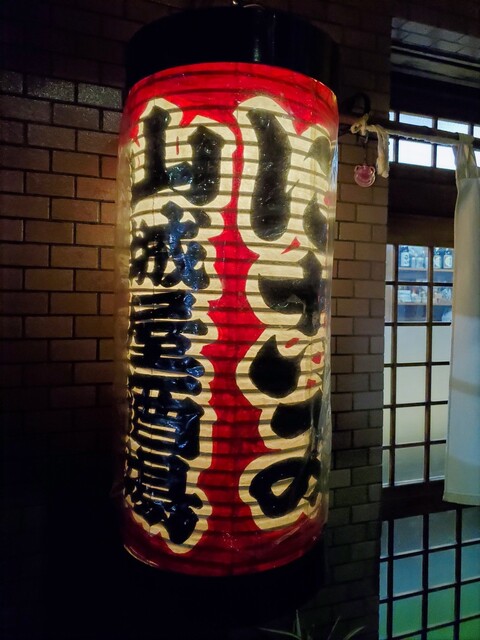
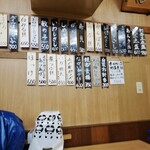
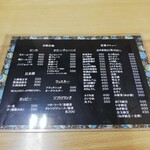
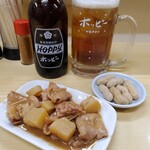
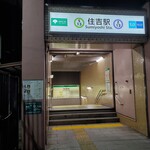
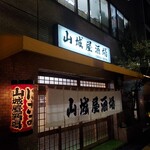
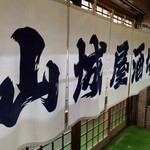
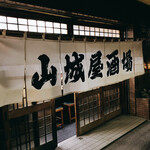
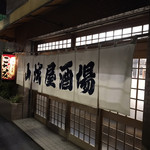
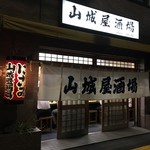
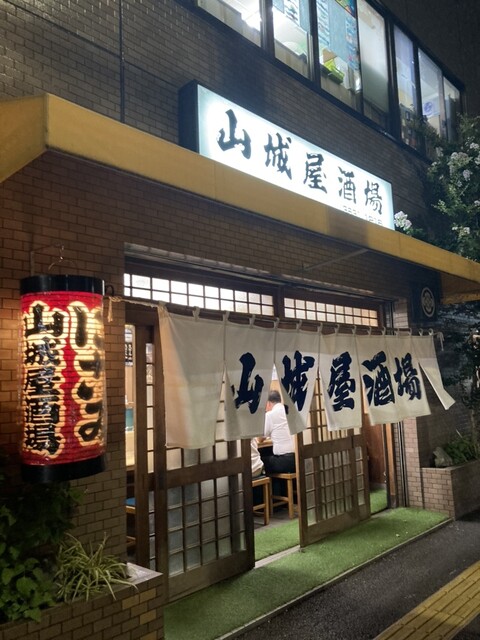
Today I had to work overtime. I decided to stop by at Sumiyoshi Station on the Toei Shinjuku Line on my way home to have a drink. The place I was looking for is right near the station, marked by a white long noren curtain. It's called Yamashiroya Sakaba. It is unrelated to the similarly named shop in Minamisuna nearby. A large red lantern displays the shop name and a welcoming message. As I enter, I see a long L-shaped counter. I sit at a seat with enough distance from the other customers, facing away from the entrance. This place has a rule of "no second rounds," so you have to go to a different place for your first drink. The shop is old, but the kitchen behind the counter is sparkling clean. I order a black Hoppy to start, and some peanuts are served as an appetizer. I also order the specialty simmered dish. It is served on a flat plate and sprinkled with shichimi spice. It is a sweet and rich dish, with good konjac texture. I quickly order another Hoppy. Once I feel more comfortable, I check the menu and order grated whitebait. I tend to choose healthy snacks, so I pour soy sauce over it. The spicy daikon radish adds a nice kick and goes well with the Hoppy. I then order the sashimi of Kanburi from Kagoshima. It is deliciously fatty, perfect for this season. I switch to a chu-hi cocktail. I appreciate that the default drink at this place is a yellow old town highball. The only downside is that smoking is allowed, which affects the flavor of the food. I leave after an hour to avoid the smoke. I decide to go to another place to relax and enjoy my drink.

ヒロモチ
4.00
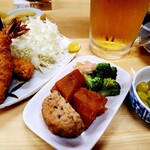
Red lanterns and noren curtains, a traditional-looking shop with a counter in the shape of the letter "C" and tables in the back. I entered around 6 o'clock and was seated at the counter without having to wait. I ordered:
- Tai Sashimi
- Shrimp Tempura
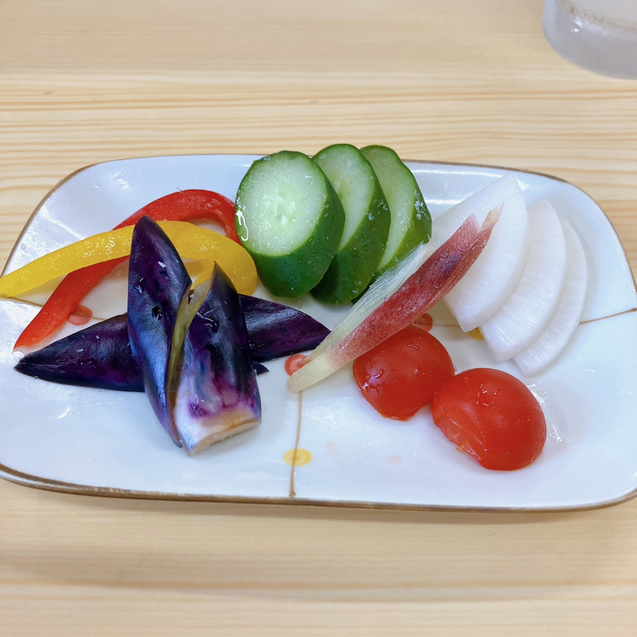
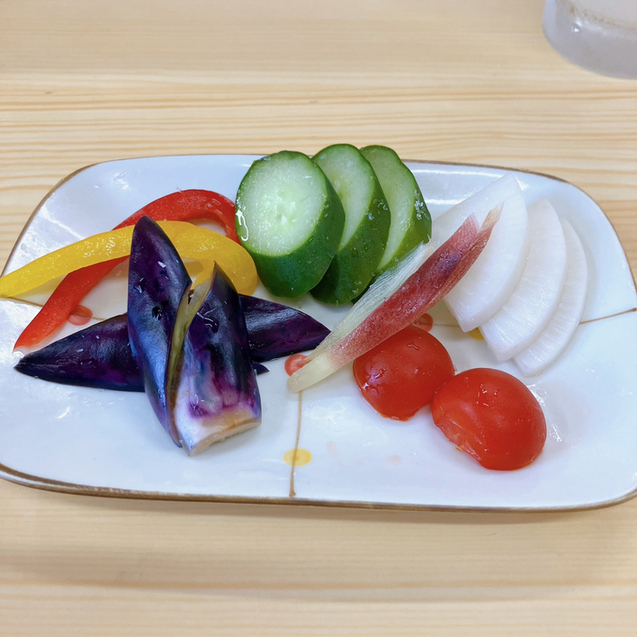
- Assorted Vegetables
- Ginnan (Gingko Nuts)
- Fried Oysters
- Sake (Takashimizu brand)
- Amberjack Sashimi (from Kagoshima?)
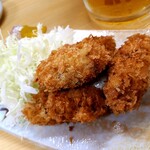
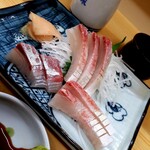
Everything I tried here was delicious. I don't usually eat pumpkin, but the pumpkin here is exceptional. When I ordered the shrimp tempura, the person on my left ordered it, and when it arrived, the two men on my right also wanted it, but it was sold out. J-chan suggested fried oysters, which they could make, so the men on my right ordered that. Surprisingly, it wasn't on the menu for the day, but when it arrived, I also ordered fried oysters. J-chan spoke with the chef and they said they could make a small portion, which was fine with me. The small fried oysters were hot and paired well with beer. This led to a conversation with the people on my right, and then I noticed a person of similar age sitting alone on my left. They said it was their first time here, so we talked about entertainment for a while. When the amberjack sashimi arrived, it had a chewy texture that my mouth enjoyed. The diligent proprietress came over and played an abacus that had been used by her grandfather or father, as well as a gift abacus made of Japanese boxwood. The sound of the abacus being played was delightful. It was a treat for my taste buds, eyes, and ears.
[Rules of the shop]
- Rule 1: People who have been drinking elsewhere are not allowed in. I have seen people being turned away for this reason multiple times.
- Rule 2: There is a two-hour time limit, especially for parties at the tables in the back.

モービー
3.50
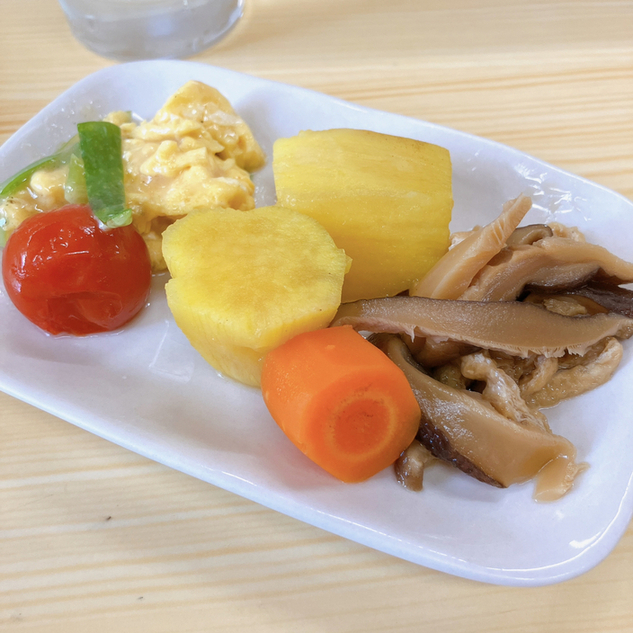
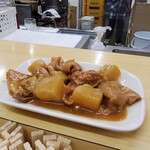
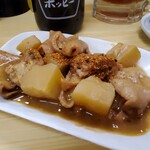
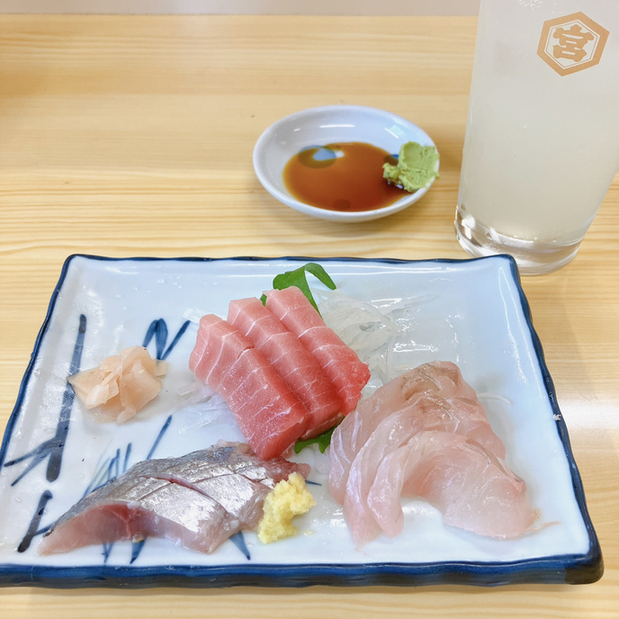
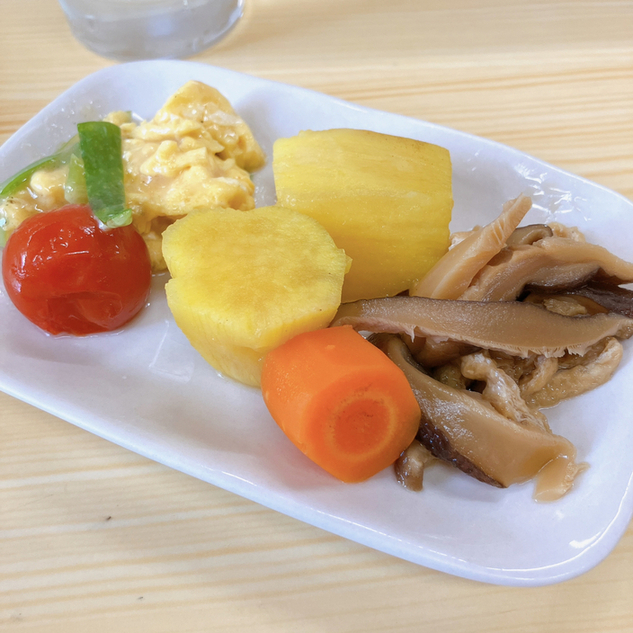
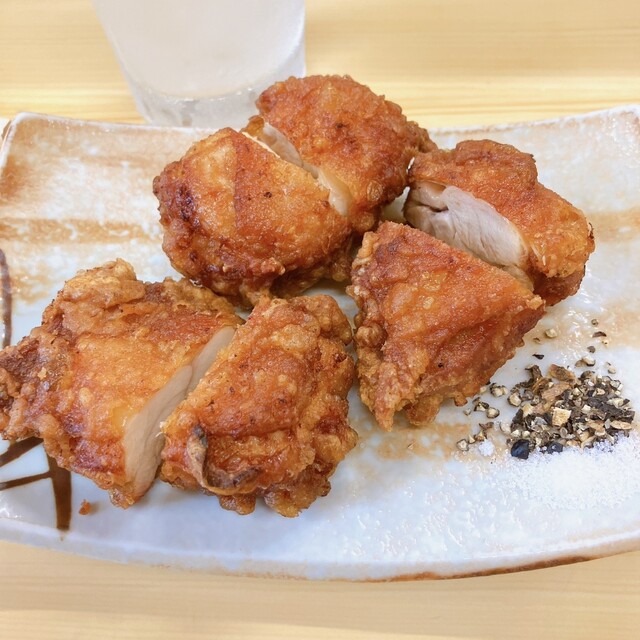
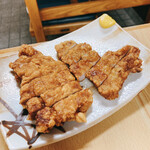
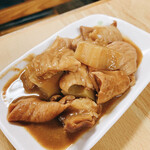
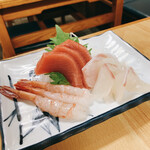
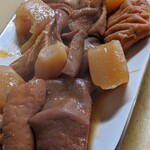
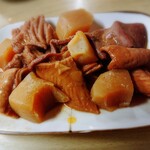
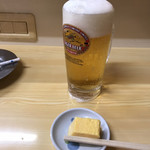
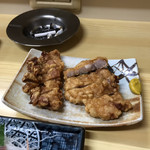
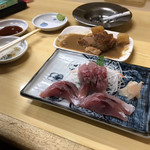
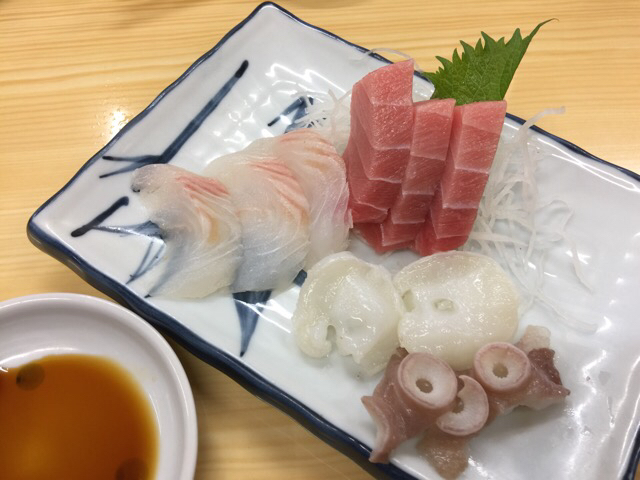
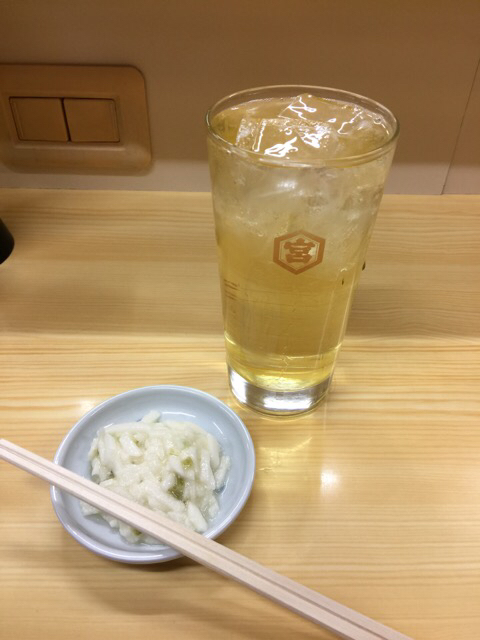
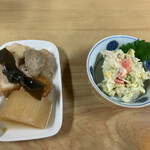
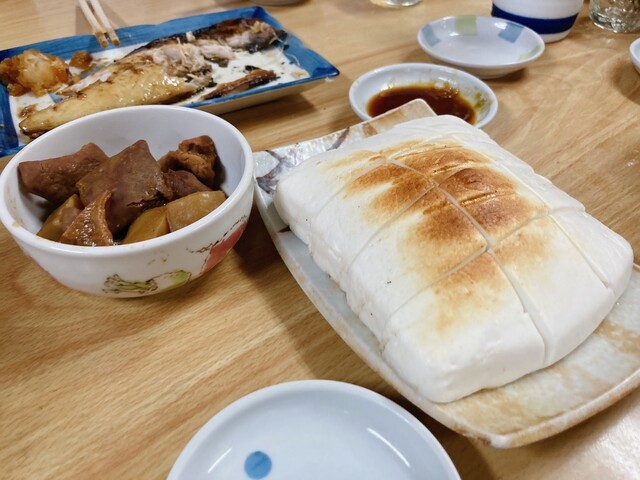
Visited a famous sake bar in Koto Ward near Tokyo Metro Sumiyoshi Station. Although there is a bar with the same name in Minamisuna, Koto Ward, there is no specific connection between them, just some distant relation. I have actually been to both locations. The Minamisuna location, Yama-shiro-ya, is very cool and highly recommended. On the other hand, the Sumiyoshi location of Yama-shiro-ya was renovated about 20 years ago, so the interior is still quite clean and bright. The unique L-shaped counter near the entrance is quite charming, but when my friend and I visited, we were seated at a table in the back. The eel sleeping area is quite spacious, suitable for group customers. The experienced staff were kinder than expected, which was a bit of a surprise. Maybe the counter seating is more for connoisseurs. As we were seated at a table, we relaxed with a classic highball [400 yen] to start. The dry taste with plum syrup and chunky ice was delightful. The small sweet tamagoyaki served as an appetizer complemented the drink well. Next, we tried the unique Nikomi [450 yen], a dish with a low soup content, served on a flat plate. The soft mochi with white konjac was flavored with a simple and rich miso taste, which was delicious. We then indulged in the vegetable simmered dish [350 yen] and sashimi platter [750 yen] recommended on the wall. The simmered vegetables included pumpkin, burdock, and kinoko sautéed in a soy sauce and sugar-based sauce, reminiscent of a home-cooked meal. The sashimi platter featured tuna, sea bream, and sweet shrimp, all fresh and delicious. The tuna was particularly impressive, with a tender texture and no fishy taste. We couldn't miss the famous Tonkara [400 yen], which was like fried pork loin with a soy-based seasoning, paired with a side of Japanese mustard that complemented the dish perfectly. We enjoyed a delightful time at this historic sake bar, savoring quality dishes and amber-colored highballs. Grateful for the wonderful experience, looking forward to seeing the charm of the restaurant grow as the building ages. I must strive to become a better drinker worthy of such a great establishment.

ひざげり
3.30
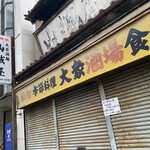
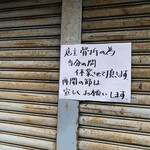
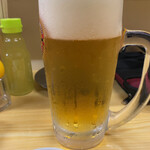
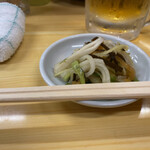
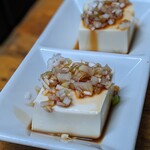
The other day, I had a bad experience at a popular bar in Minowa, so I searched for a popular bar that might be open on holidays. I found out that both branches of Yashiro-ya bar are open on holidays, except for weekends. I decided to go there. I first headed to the Yashiro-ya bar in Ojima, which is relatively close to my home. Last time, I went on a Sunday and the store was closed. It was still early for opening, but I walked from Toyocho Station. I arrived 30 minutes before opening. However, there was a sign saying "Temporarily closed due to the owner's injury." I was disappointed. I decided to go to the other branch. My 30-minute early action paid off. I walked again. My feet hurt. I managed to arrive 10 minutes before opening. I wandered around the neighborhood to kill time and entered the store as the second customer right before opening. I sat at the counter. The door and windows were open, so it was cold. I wore two jackets, which was a good decision. Since I didn't drink yesterday and walked a lot, I thought the beer would taste great. I ordered a draft beer (550 yen). It was delicious, of course. They pre-chill the glass by passing ice through it. I ordered simmered dish (450 yen) and horse mackerel tataki (550 yen) as snacks because I wasn't sure what to order. The simmered dish was tasty with miso and sweetness, but the portion was small. The horse mackerel tataki was finely chopped like namero. It was also delicious. I switched to a highball (400 yen) for my drink. It had less ice and a yellow ingredient in it. It was strong. Overall, everything was well-prepared, but the prices were a bit high. I had mistakenly thought that I could drink cheaply at a popular bar. Since it was cold, I ordered warm tofu (350 yen) and my favorite dried horse mackerel (350 yen). They were also delicious. However, I miscalculated the amount of money I had, so I stopped at three highballs. I paid the bill, which was 3,550 yen. The food was delicious, but I felt a bit unsatisfied with the portion. I had assumed that a popular bar meant cheap drinks. The service was far better than the one in Minowa, like heaven and hell.

SOUL SURVIVOR
3.80
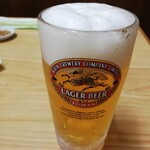
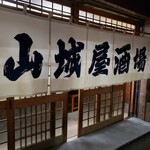
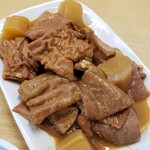
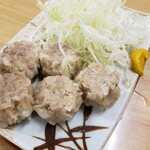
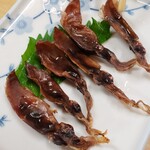
I had the opportunity to visit Yashiroya Sakaba near Sumiyoshi Station on the Hanzomon Line. It's located a short walk from the Sumiyoshi Nitchome intersection, with a prominent red lantern and curtain at the entrance. The interior feels new and spacious compared to the Yashiroya Sakaba in Nishiojima. The counter seats were occupied by what seemed like regular customers, and a middle-aged female waitress provided friendly service, softer than at Uomisakaba. I checked the menu on the wall and ordered the following items: Classic Lager 633 - it had been a while since I had this. It's nice to be able to choose the brand of bottled beer. The appetizer was bonito sashimi with ginger. Stew - Yashiroya Sakaba's original style with less broth. It had white konjac and tender offal with a moderate offal flavor, a classic taste. The waitress recommended it and it was delicious. Gyoza - Gyoza filled with plenty of pork, served with hot mustard soy sauce. There were 5 pieces, a generous portion! Instead of onions, they used green onions, which made it less sweet and a good match for alcohol, a taste I liked. Takashimizu - Since it was getting cooler in the evening, I had warm sake. It was a dry sake priced at 400 yen tax included. Firefly squid dried fish - 5 pieces of half-dried firefly squid. The umami was concentrated, making it a rare delicacy that went well with alcohol. I enjoyed drinking while watching the evening scenery and getting a little tipsy, so it was time to pay. Thank you for the meal. The staff are friendly and approachable, so the restaurant is easy to use for casual dining.

dancing star.
3.80
"I visited 'Yamashiro-ya' for the first time. I arrived around 5 pm and it was already about 70% full, with a full house within an hour. I enjoyed some beer while satisfying my hunger with their famous simmered dishes and sashimi. The best part is how cheap it is. The service isn't exceptional, but this place is definitely convenient if it's nearby, and you won't know why it's so crowded until you go. It has a nostalgic izakaya vibe that is sometimes nice. I would definitely want to have another drink here when I'm in the area again.
Price: 5
Taste: 3
Atmosphere: 4
Cleanliness: 3
Seating space: 3
Speed of service: 4
Service: 3
Variety of menu: 4
Date-friendly: 3
Overall rating: 3/5
[Personal memo]
- 1 person / 2,000 yen (1 hour 40 minutes stay, 2 men)
- Split bill for 2 people"

iryochin
3.50
Around 5:00 PM on a regular day, I visited the restaurant. Initially, there was about one seat space between customers at the counter, but by 5:30 PM, the counter was almost full, and by 6:00 PM, even the tables in the back were filled. The interior of the restaurant was surprisingly clean, and the spacing between seats was generous, so there was no sense of crowding commonly found in casual dining establishments. Both the fish and meat dishes were affordable and reasonably tasty, making it a good place to stop by for a casual drink.

kanamilk
3.80
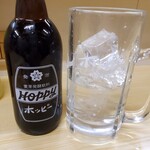
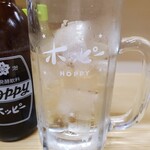
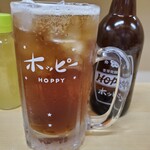
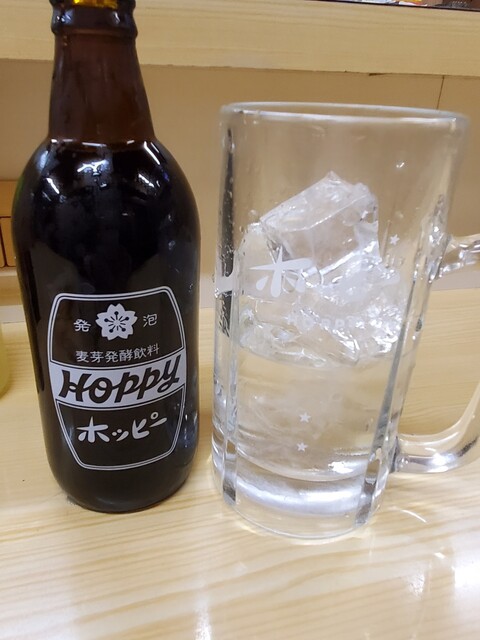
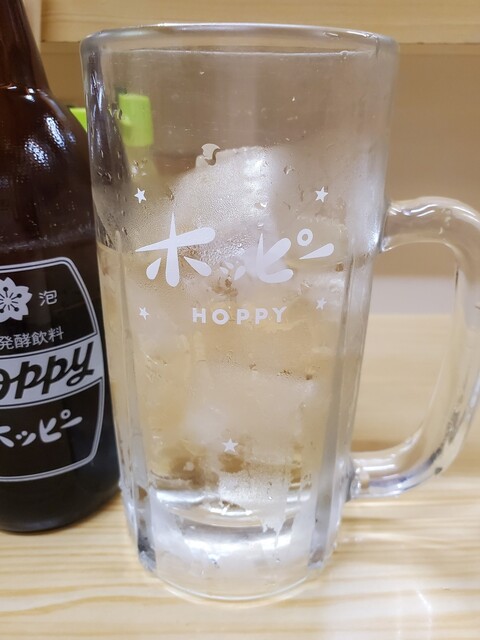
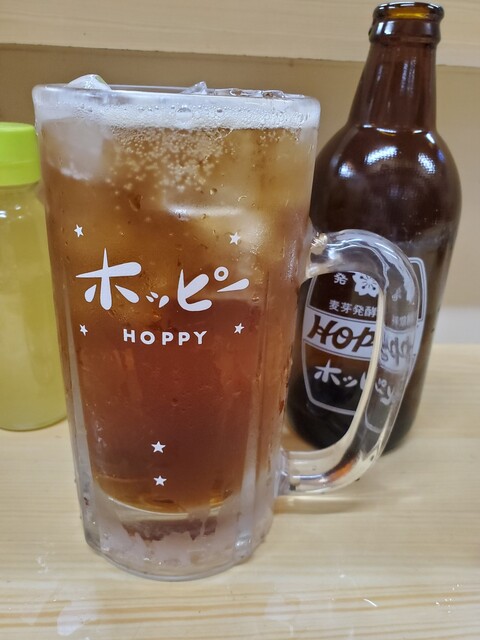
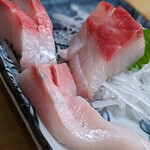
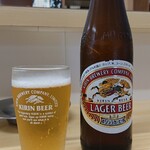
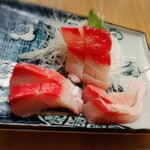
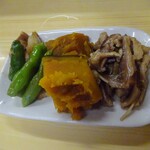
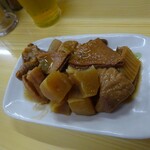
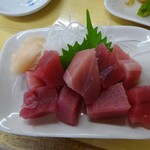
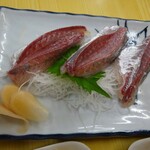
Towards the end of August, the brutal heat of summer was starting to show a slight decrease in intensity. Despite the lingering warmth, I was working in the Koto area during the day. I decided to head straight home after work, but stopped by this restaurant in Sumiyoshi for a refreshing break. Arriving at the restaurant around 5 pm, I saw the proprietress putting up the noren curtain and lighting the lanterns. I mentioned that there were two of us, and she directed us to sit at the corner of the counter. The entrance of the restaurant was left open, possibly for COVID-19 precautions, allowing the cool evening breeze to flow in. I ordered a classic lager (600 yen) to start, and we were served some flavorful menma as a complimentary appetizer. I then added the restaurant's specialty, a daily selection of 3 simmered vegetables (350 yen), and the "nikomi" stew (450 yen). The simmered vegetables featured pumpkin, fried tofu and shiitake mushrooms, and pork and shishito pepper stir-fry. The pumpkin was sweet and tender, perfectly complementing the bitterness of the beer. The "nikomi" stew was meticulously prepared, combining offal, konjac, and miso for a rich and savory flavor. I then switched to a whiskey highball (450 yen) made with Black Nikka, followed by a black Hoppy (450 yen) served in a large Hoppy-specific glass. The restaurant also offered a variety of sashimi, so we ordered the maguro butsugiri (500 yen) and aji sashimi (550 yen) as accompaniments. The fresh aji had a firm texture, while the maguro had a good balance of lean meat and fat. The homemade pickled ginger served with the maguro was a delightful touch. The whale meat skewers (650 yen) glazed with a sweet and savory soy sauce were a perfect match for the Hoppy. We also enjoyed some dried iwashi (sardines) (350 yen) for a calcium boost. After indulging in these dishes and drinks, we settled the bill, which came to around 7,000 yen for two people – a reasonable price for such a satisfying meal. The restaurant, established in 1897, has survived through earthquakes, air raids, economic crises, and now the COVID-19 pandemic, serving the local community and earning the loyalty of regular customers. The atmosphere, along with the evening breeze, conveyed a sense of comfort and continuity that transcended time, from the Meiji era to the Reiwa era.

miconos
3.70
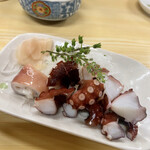
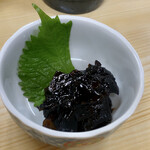
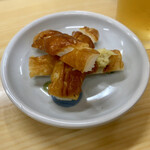
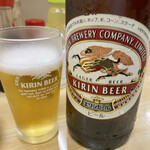
After a national holiday around 6 pm, just a short walk from Sumiyoshi Station along Yotsume Street, I stumbled upon this place and was delighted. I dragged my husband here on the way back from the ramen shop on my bicycle. The large white noren curtain and the red lanterns give this Yamashiro-ya shop a nice atmosphere. The current shop is on the first floor of a building, but before the renovation, it was in a more run-down (sorry) and cool building. At the entrance, there is an L-shaped counter. If you go to the back on the left, there is a spacious floor with quite a few table seats. We were kindly offered a seat at the counter by a regular customer in a full house. We ordered the following: 2 large bottles of Kirin beer for 600 yen each, octopus sashimi for 500 yen, and wasabi kelp for 300 yen. Since this is a story from a little while ago, the prices are a bit fuzzy in my memory. The busy waitress quickly brought us beer and a bamboo ring as an appetizer. We quietly enjoyed our beer for a while. The sparse conversations between the regular customers and the divine movements of the staff were great entertainment. The wasabi kelp with a refreshing kick and the crunchy octopus sashimi paired perfectly with the beer. Our stomachs, filled with rich ramen, settled nicely, so we asked for the bill. This long-standing bar, run by a family perhaps, provided a warm and welcoming atmosphere without excessive service. The lively group at the back tables and the calm counter area were filled with customers enjoying their time. Next time, I'll try the simmered dishes and the three-vegetable stew. Thank you for the wonderful meal.

910ta693
3.40
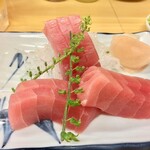
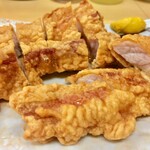
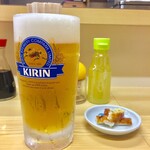
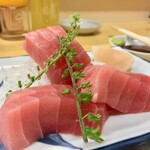
Today, I visited this area for some errands and discovered a traditional, warm-hearted bar. I ordered a draft beer, tuna sashimi, and pork karaage. The total came to 1,900 yen including tax. The tuna sashimi was lean and refreshing, while the pork karaage had a nostalgic tempura-like coating. Overall, I think it was good value for the price. Thank you for the meal.

Testarossa
3.20
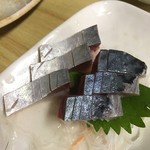
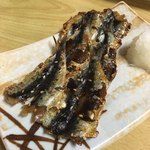
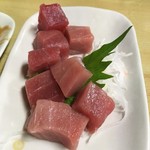
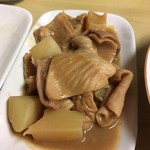
A popular izakaya in Sumiyoshi. Visited for dinner on a weekday. A place to relax with an old-fashioned atmosphere. [Food] ■ Otoshi (appetizer) ■ Tuna sashimi ■ Assorted shellfish - red clam, whelk, surf clam ■ Mirin-dried fish ■ Dried blowfish ■ Mapo tofu ■ Pickled mackerel ■ Grilled fish cake ■ Stewed dishes have a homely and comforting taste.

がゆう
0.00
Invited by a friend for the first visit. My friend was planning to drink at Yama-shiro-ya in Minamisuna, so they were waiting in front of that shop. Well, the email said Sumiyoshi, so I thought it was this way... Anyway, my friend came here, so we were able to start safely. I kept changing my mind between "I made a mistake so I'll go back" and "My friend came here, so let's drink here after all," causing inconvenience, but the staff kindly served us. I like this homely atmosphere. Since it was my first visit, I asked for recommendations and ordered the fried pork and today's sashimi. The fried pork had a hint of sesame oil and was very delicious. The sashimi was also tasty. Many people were drinking alone. Most of them seemed to order sashimi. The bill was around 1500 to 2500 yen on average. The counter seats are narrow, so if you need personal space, it's better to sit at the back table with multiple people. It's reasonable, the staff's smiles were lovely, and I would like to visit again!

eattoo
3.50
In March 2019, I walked from Kinshicho Station South Exit to "Yamashiroya Sakaba" along Yotsukado Street in Tokyo Sumiyoshi. It was a relatively new and clean yet traditional izakaya with a cool vibe. When I opened the sliding door, I was greeted with a voice saying, "We close at 10 pm, is that okay?" It was a bit past 9 pm, so there was still plenty of time. The short nights at traditional izakayas are nice, and this little consideration was lovely. The "shochu highball for ¥350" was a classic "downtown highball" made with shochu, plum concentrate, and carbonated water. It was bubbly and slightly sweet, perfect for quenching a dry throat after a walk. I enjoyed it. I sipped on the highball, snacked on the pickles for ¥100 (estimated), and watched TV. It was a relaxing and peaceful moment. The "sashimi trio for ¥750" included flounder, tuna, and fresh octopus, all delicious. The tuna was especially tasty. With a warm sake, I wouldn't want to leave. Just one plate of sashimi can be satisfying. As promised, I left before closing time. I had one more shochu highball and reluctantly left. The bill came to ¥1550. It was reasonable, considering I didn't order much. Yamashiroya Sakaba was a great izakaya. I'll come back earlier next time and enjoy more drinks.

音のない部屋
3.50
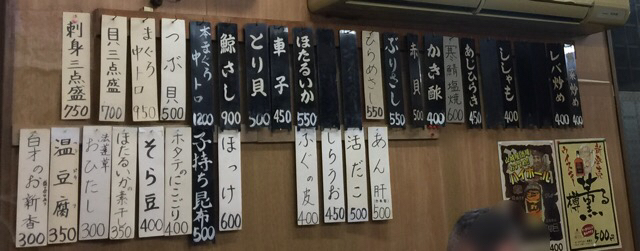
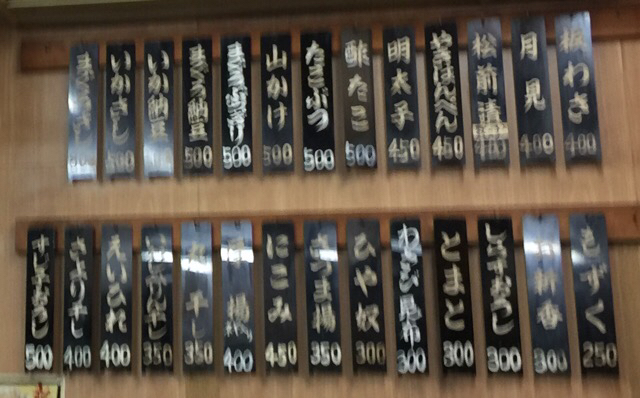
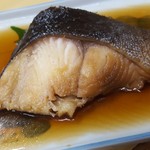
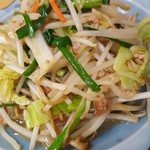
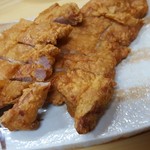
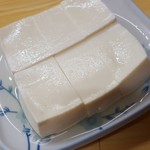
Today's casual drink was here. It has been around since I was a child. I walked from Kinshicho to get here. Since it was just after opening, there were no smokers, so it didn't affect my drink and meal. Just looking at the menu is enjoyable. Personally, I really liked the simmered dish, pork fried chicken, and stir-fried vegetables. Thank you for the meal.

マーヤパパ
3.50
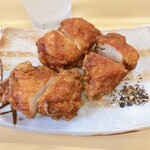
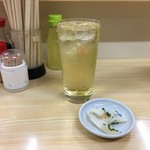
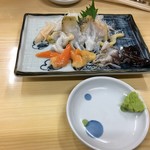
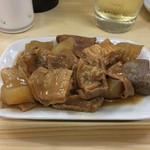
This is a visit before 8 pm on a regular day. It seems to be a historic bar, but it is located in a splendid building. However, the appearance with the noren and sliding door is very cool! Inside, it has a perfect traditional bar atmosphere with a counter in the shape of a "コ". I ordered a shochu highball. It was an amber-colored highball with a nostalgic feel. The otoshi (appetizer) was chikuwa. There were two women and one man serving, and the woman in charge of drinks had amazing skills! However, it seemed like they were struggling to keep up with orders. The menu is like that of a traditional pub, with a wide variety of options. On this day, I ordered a platter of raw shellfish, nukomi, and fried chicken. The raw shellfish platter included cockles, whelks, and green turban shells. The cockles were not boiled, but had a chewy and firm texture, all with excellent freshness. I'm not sure what nukomi is, but it had a good balance of tenderness and elasticity with a sweet miso-based flavor. The fried chicken was almost plain fried, with no seasoning except for salt on the side. They were cut in half, perhaps to ensure they were cooked through. This was my third stop of the day, so I couldn't eat much, but there were many other dishes I wanted to try. I didn't know that Tonkara was a specialty, so I didn't order it, and I regret it! The atmosphere was fantastic, so I definitely want to visit this place again.

rossi46
3.60
I had not had the opportunity to go because Saturdays and Sundays are days off, but I visited on a public holiday when they are open. It's a casual izakaya with delicious fish dishes that cater to the masses. I enjoyed drinking in a lively atmosphere and thinking, "Let's do our best again tomorrow!"

よこすーか
4.00
Email Login