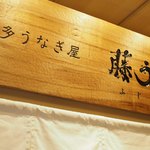
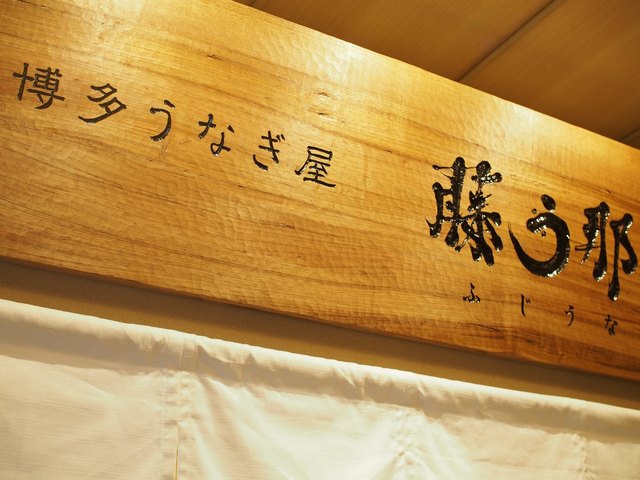
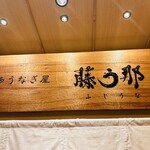
博多うなぎ屋 藤う那
hakataunagiyafujiuna
3.45
Hakata
「Unagi (Freshwater eel)」
4,000-4,999円
4,000-4,999円
Opening hours: Weekdays] 11:00-15:00 (LO:14:00) / 17:00-21:30 (LO:21:00) [Weekends & Holidays] 11:00-21:30 (LO:21:00) Open Sunday
Rest time: Open only on New Year's Day
福岡県福岡市博多区博多駅東2-2-10
Photos
(20)
Details
Reservation Info
can be reserved
Children
child-friendly
Payment Method
Credit cards accepted
(VISA, Master, JCB, AMEX, Diners)
Electronic money accepted
QR code payment available
(PayPay)
Number of Seats
62 seats
Private Dining Rooms
Not available
Semi-private rooms are available for groups during lunch time.
Smoking and Non-Smoking
No smoking at the table
Parking
None
Coin-operated parking available nearby
Facilities
Calm space, sofa seating, power supply, free Wi-Fi, wheelchair accessible
Drink
Sake available, shochu available, wine available, focus on sake
Dishes
Focus on fish dishes, English menu available.
Comments
(22)

あとぅ
3.90
The original source is here ↓
https://blogs.yahoo.co.jp/fry2567/29651547.html
Fukuoka Drunken Bullet Tour
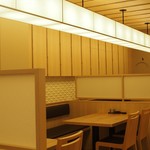
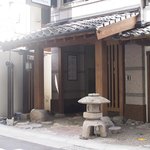
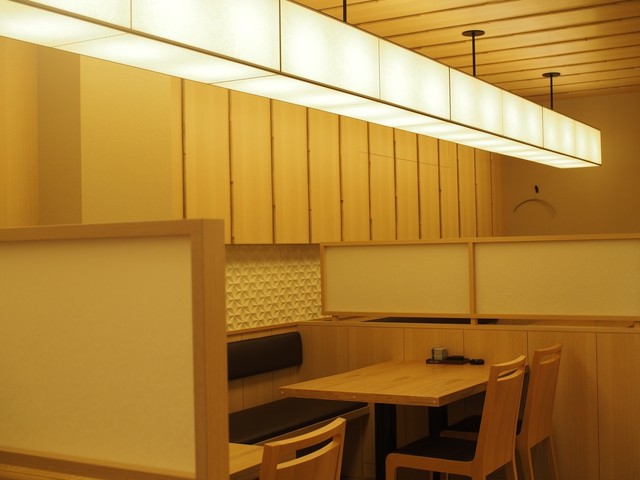
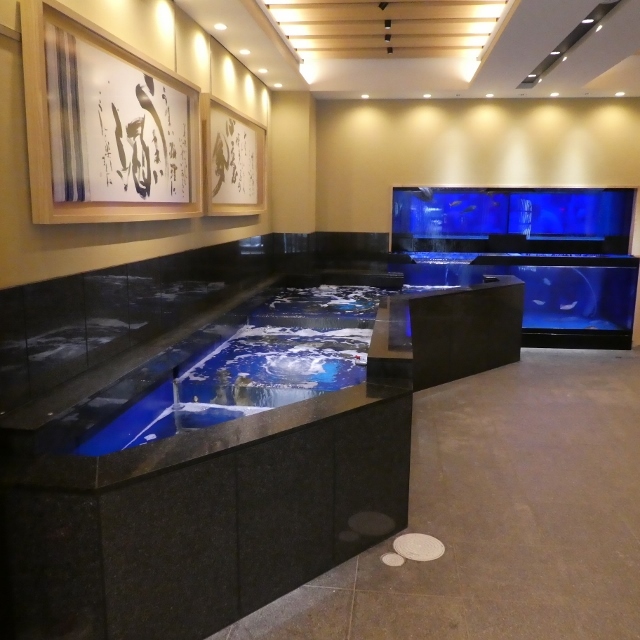
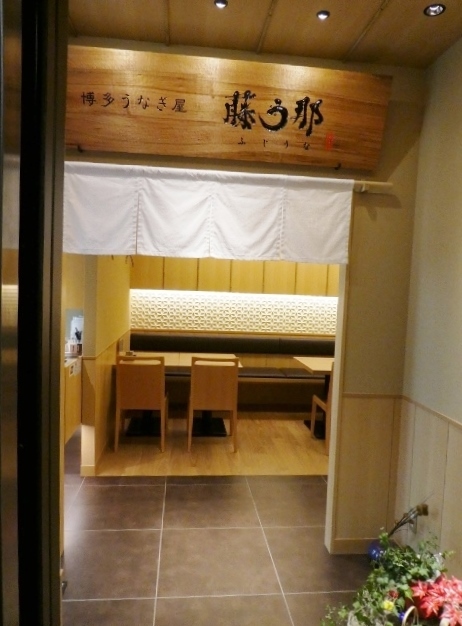
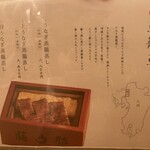
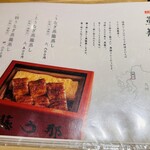
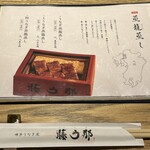
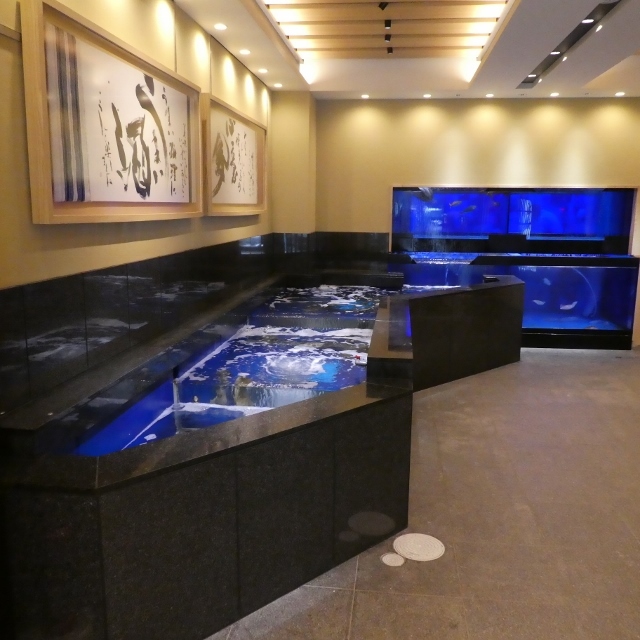
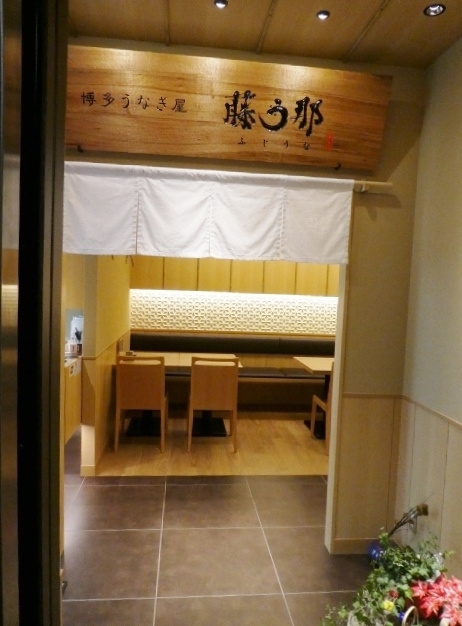
The second stop was a restaurant recommended by MyRebi on Tabelog for lunch. We headed to Hakata Unagiya Fujina, a newly opened restaurant in August this year. The place was super clean and impressive with a huge eel tank as soon as you enter. Going up the elevator, you are greeted with a dignified entrance in a bright and very clean interior. The menu looks like this ↓
https://blogs.yahoo.co.jp/fry2567/29651351.html
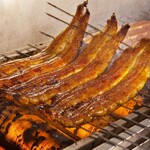
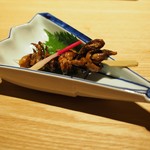
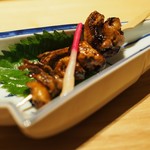
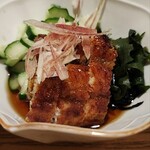
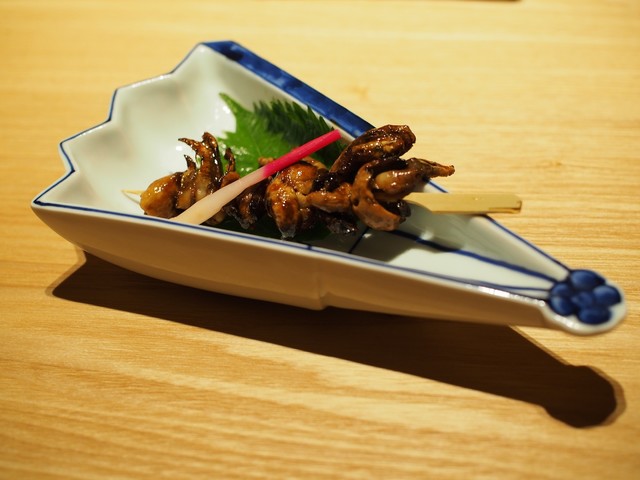
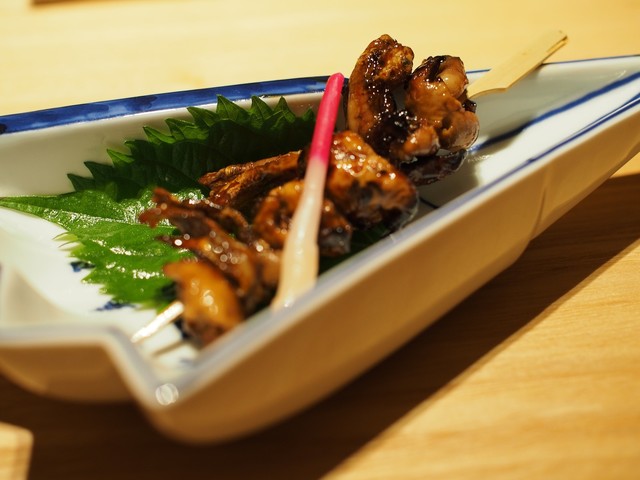
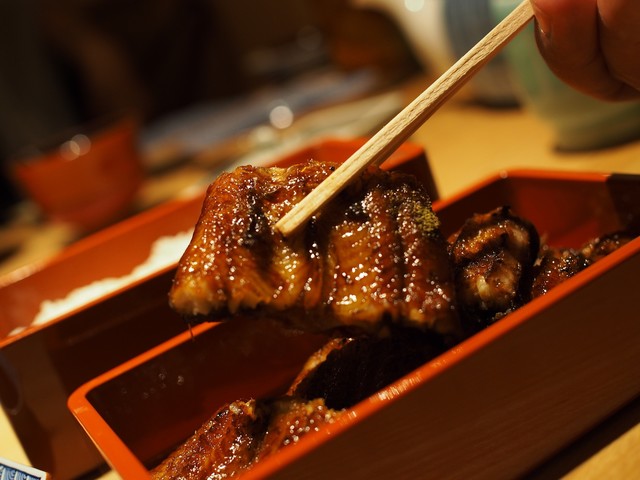
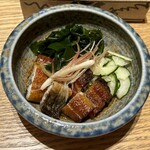
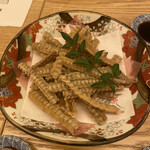
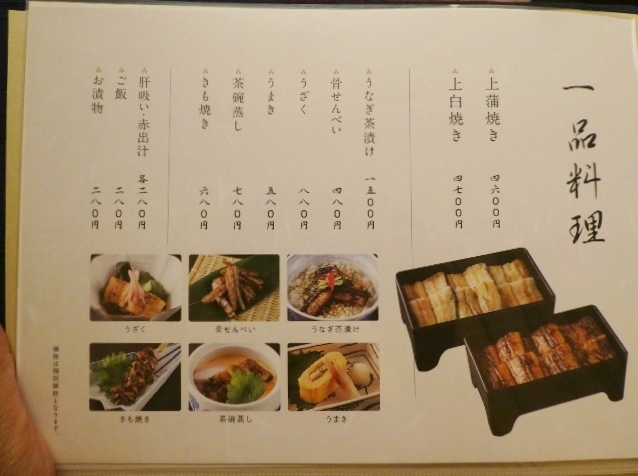
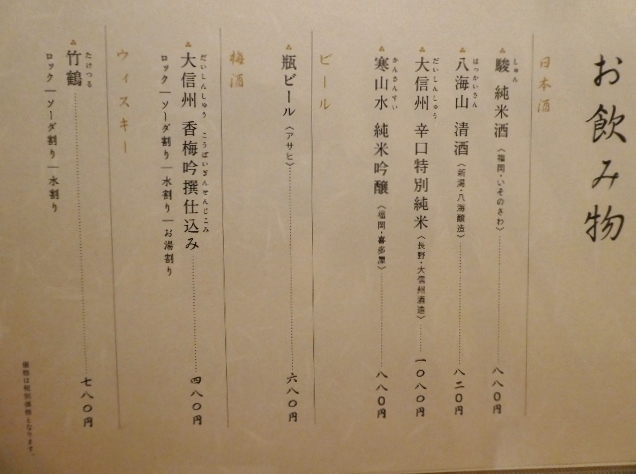
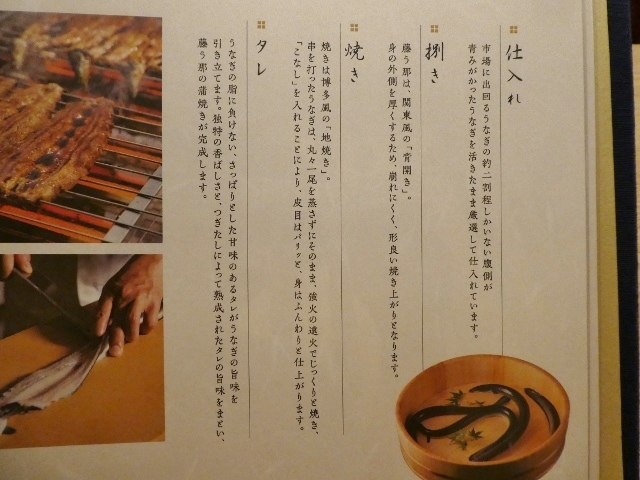
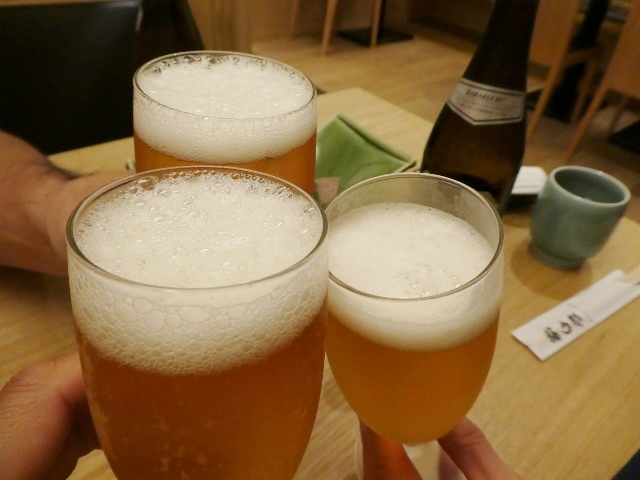
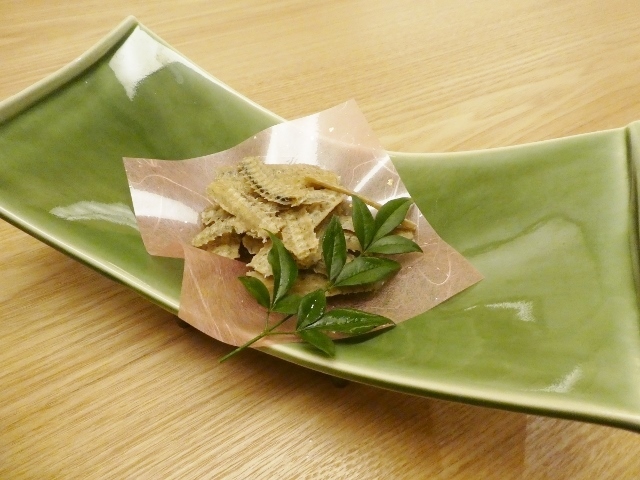
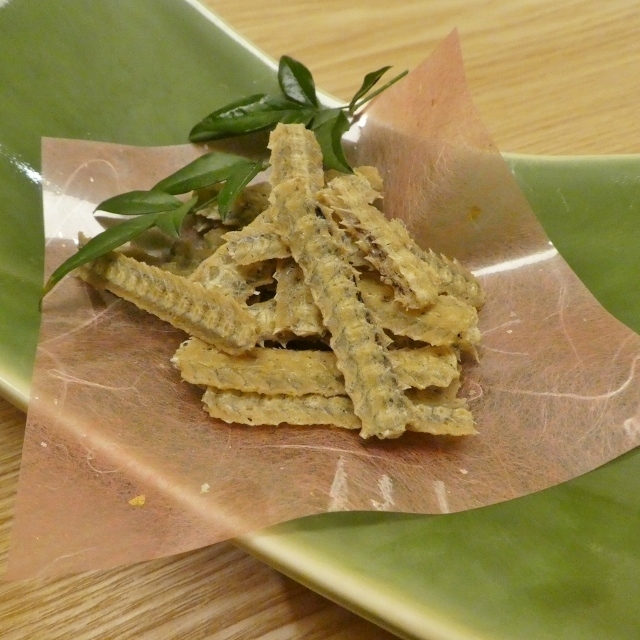
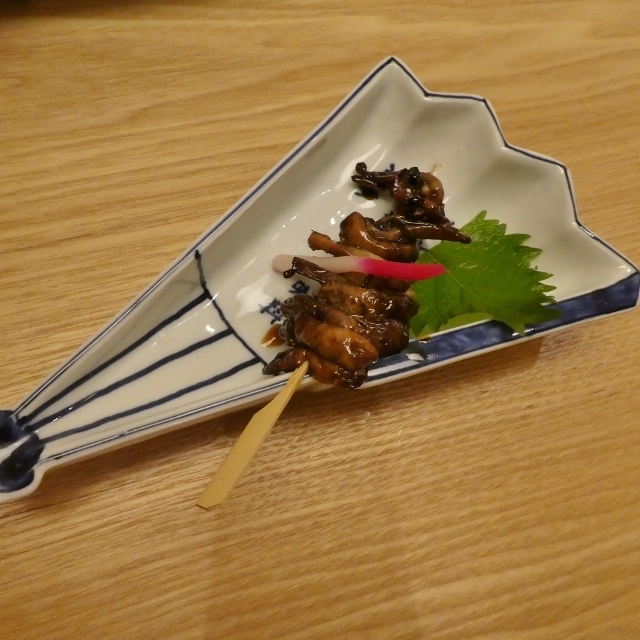
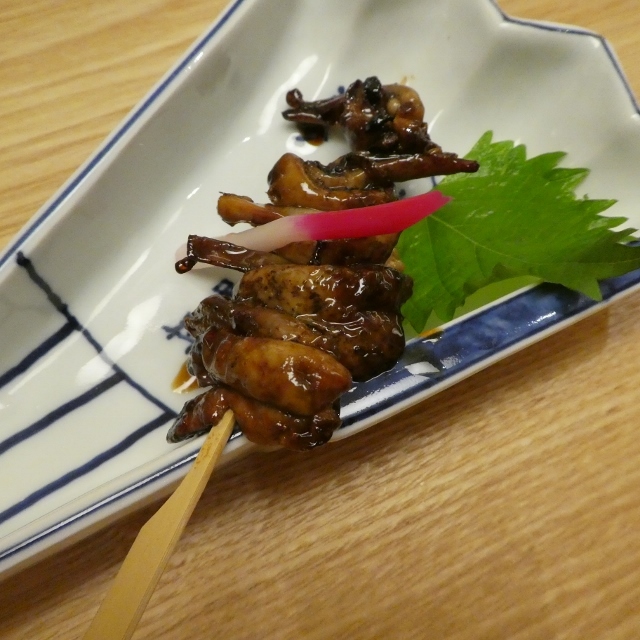
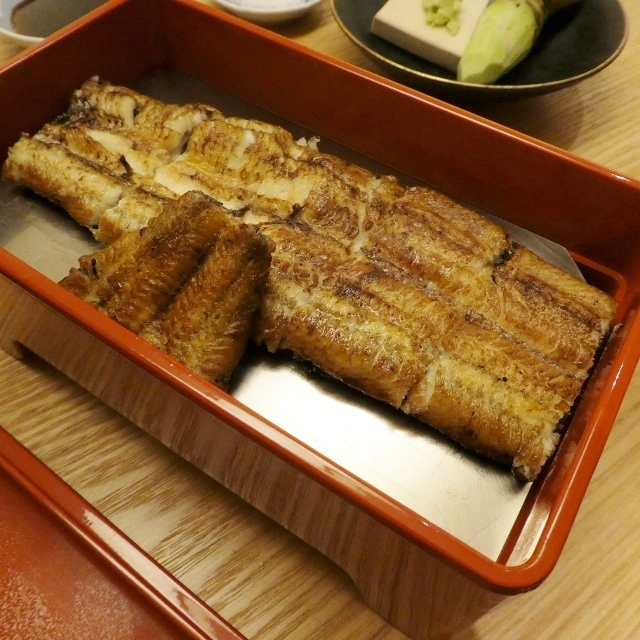
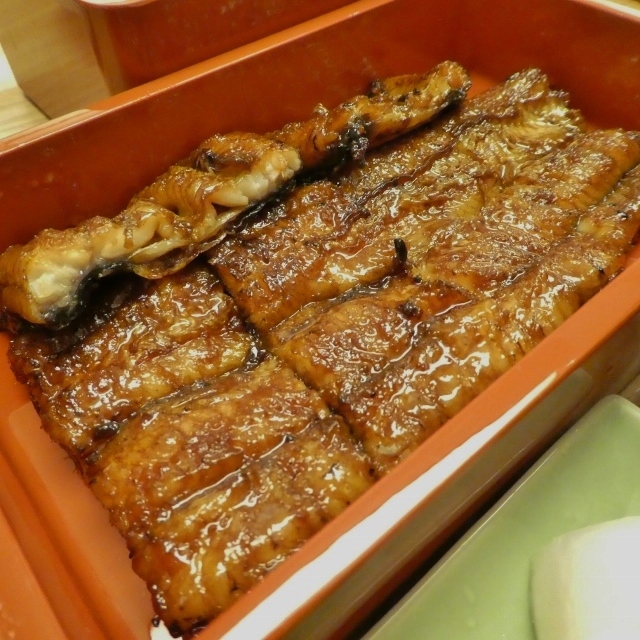
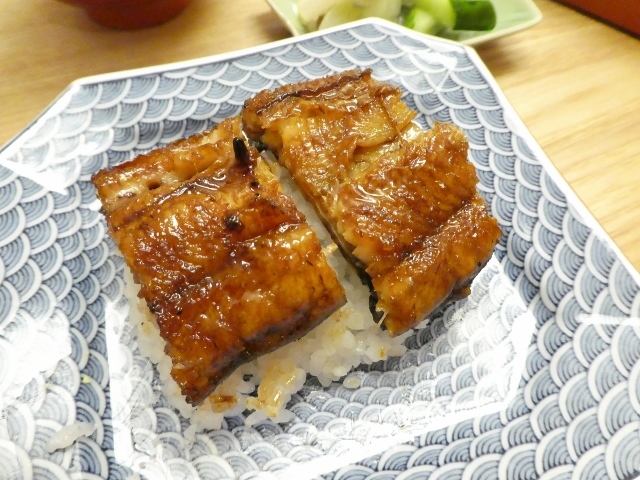
First, we ordered a Super Dry beer in a medium bottle for 680 yen excluding tax. Cheers! For a side dish, we got eel bone senbei for 480 yen excluding tax. It was my first time trying eel bone senbei, and the crispy flavor was irresistible. It made me crave some sake. We also ordered Grilled Eel Liver for 680 yen excluding tax. The unique taste of eel liver is so good that it makes you want to drink more and more. And then, the highlight of the meal arrived... Grilled Eel Shirayaki for 4,700 yen excluding tax. This eel is carefully selected, with only about 20% of eels available in the market having a bluish belly. The chef, who trained at a famous eel restaurant in Nagano, selects live eels and prepares them meticulously. The eels are gutted, filleted with a special Edo-style knife, and grilled in a Kanto-style "back cut" to make a thick outer layer and a nicely shaped finish. The grilling method is a Hakata-style "local grill," where the eel skewered whole is grilled over strong, distant heat without steaming. The eel is cooked with a technique called "konashi," which involves kneading it while grilling to achieve a crispy skin and a fluffy texture. The grilled shirayaki was so tender and flavorful, with a crispy grilled surface and a fluffy interior. Unable to resist, we all had some sake. We ordered:
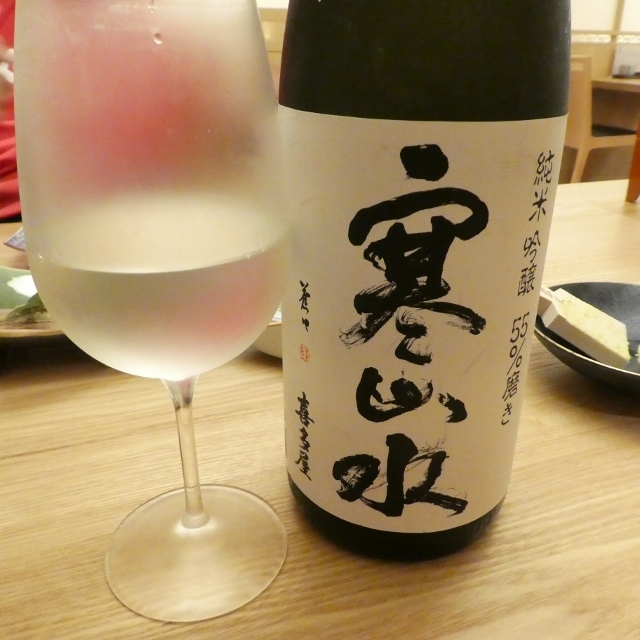
Kanzansui Junmai Ginjo for 880 yen excluding tax
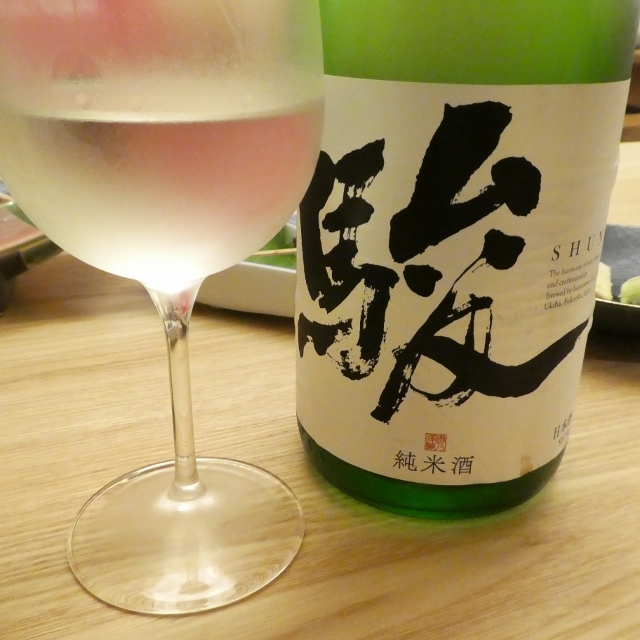
Shun Junmai Sake for 880 yen excluding tax
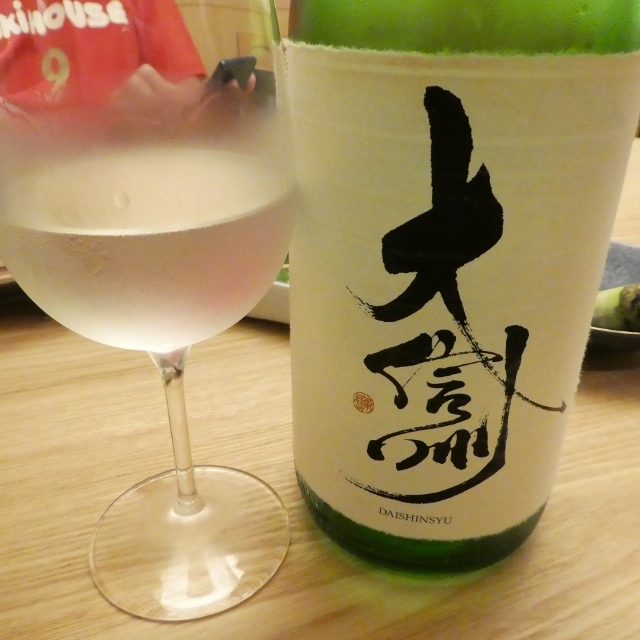
Da Shinshu Dry Special Junmai for 1,080 yen excluding tax
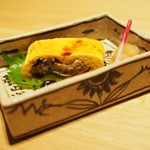
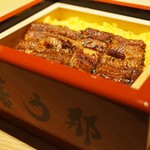
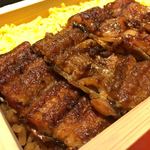
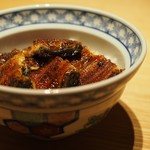
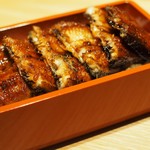
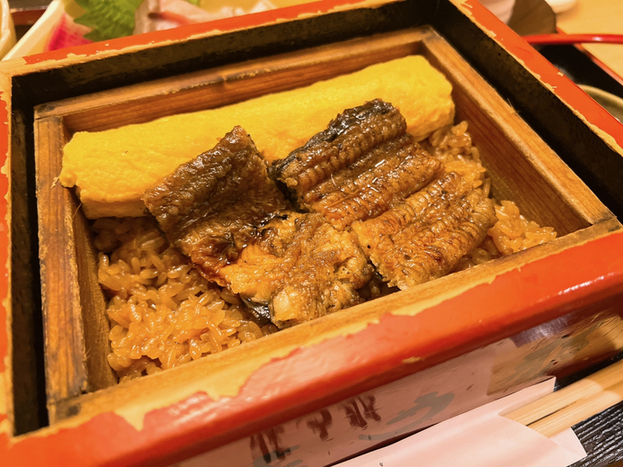
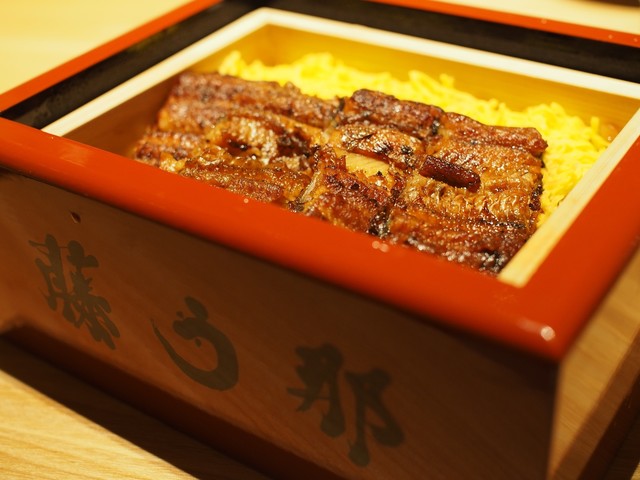
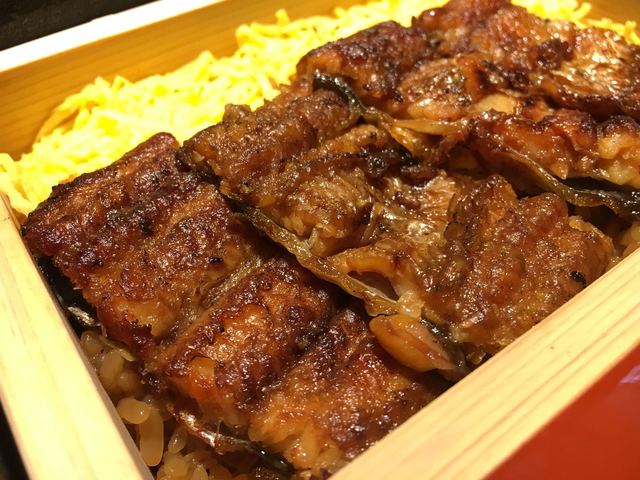
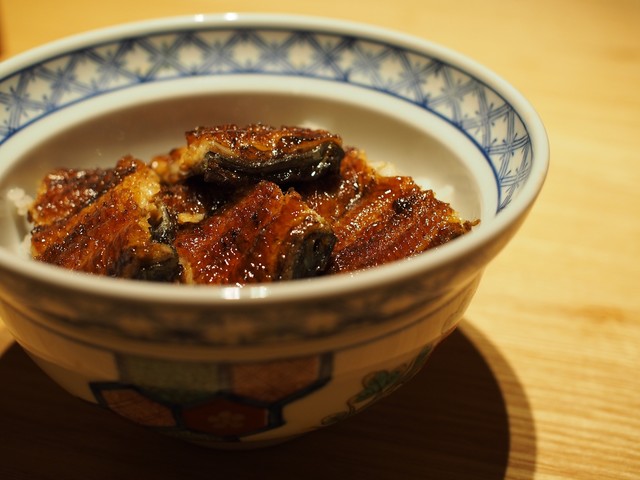
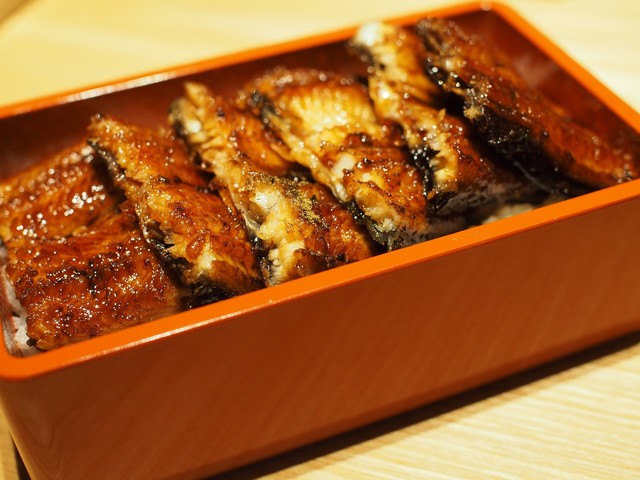
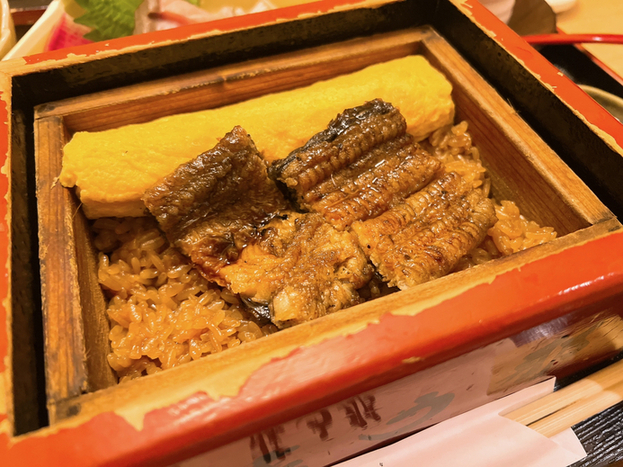
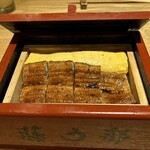
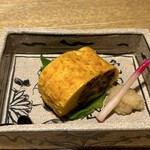
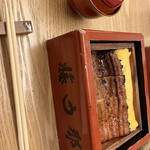
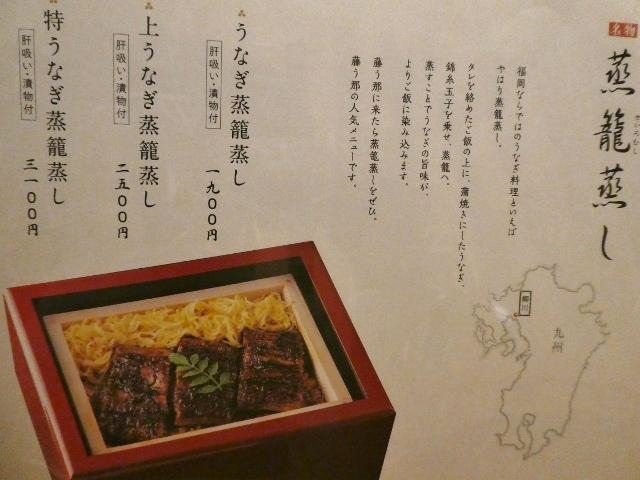
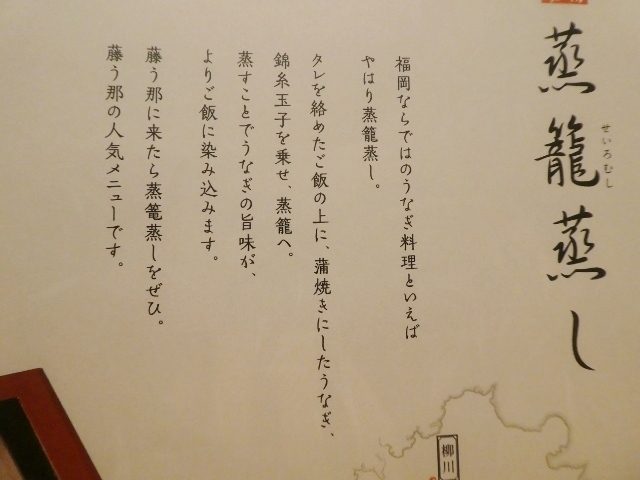
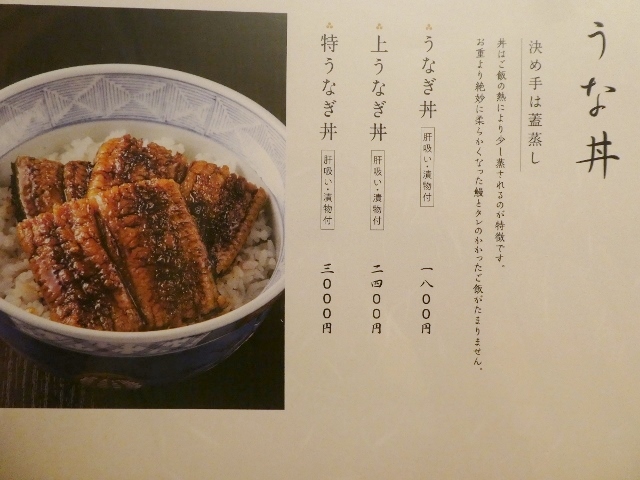
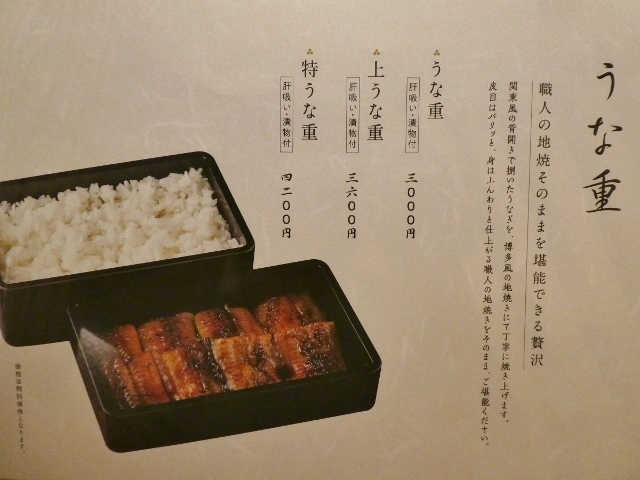
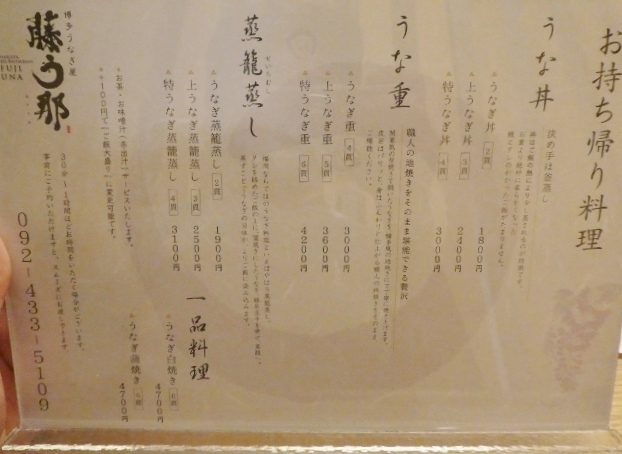
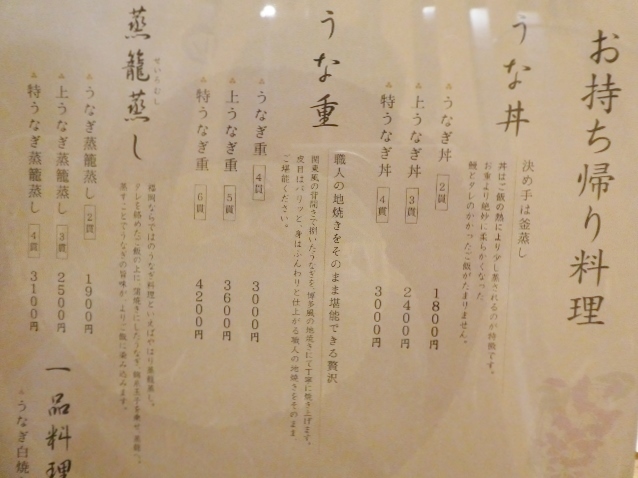
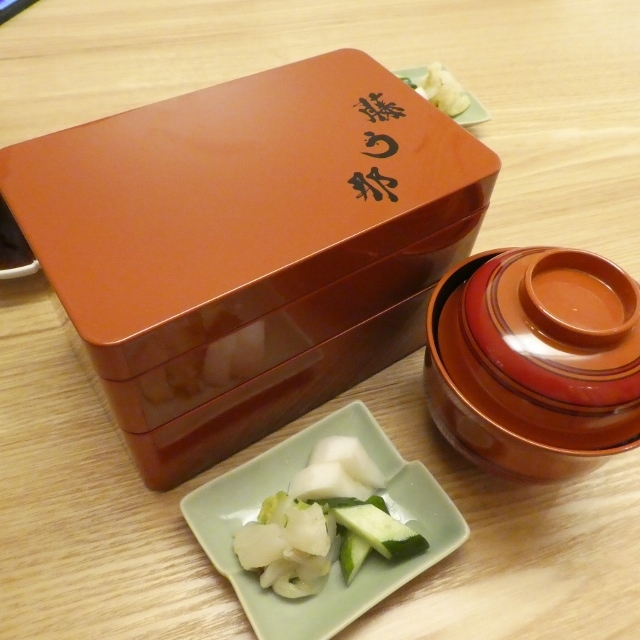
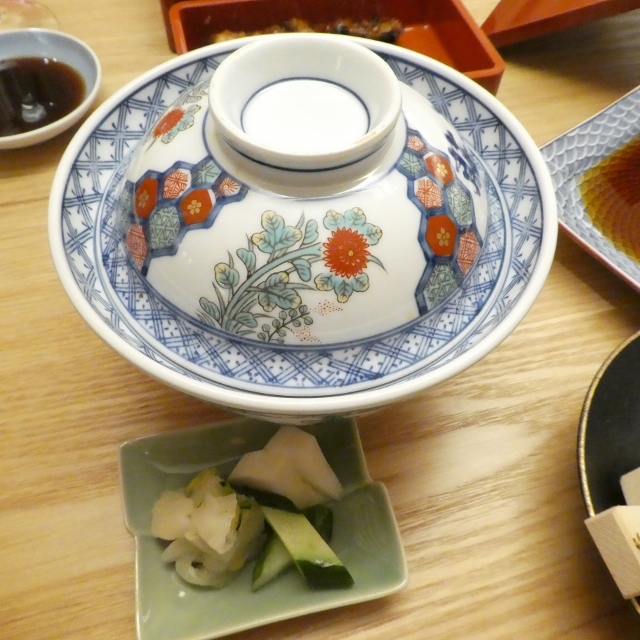
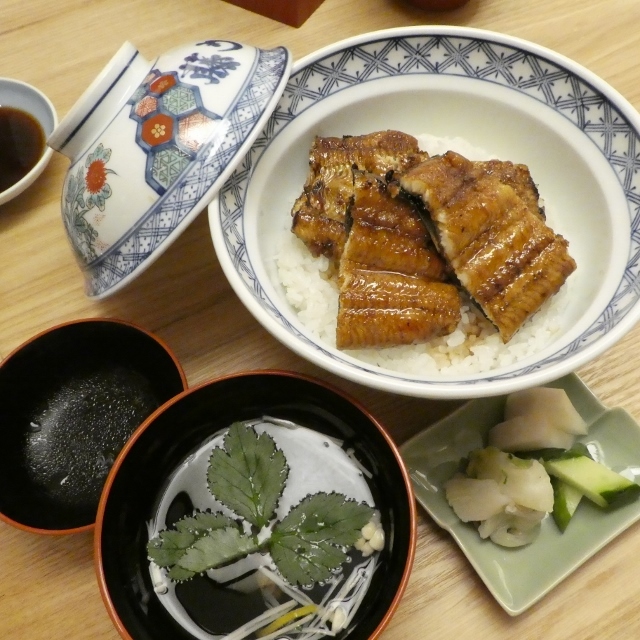
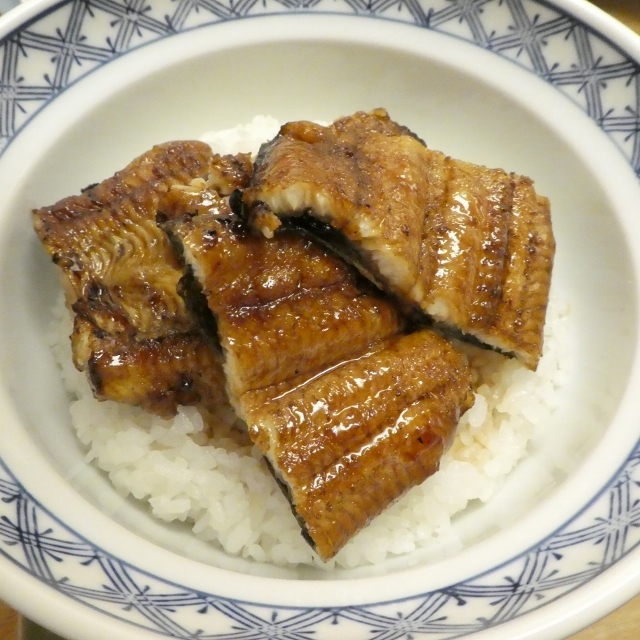
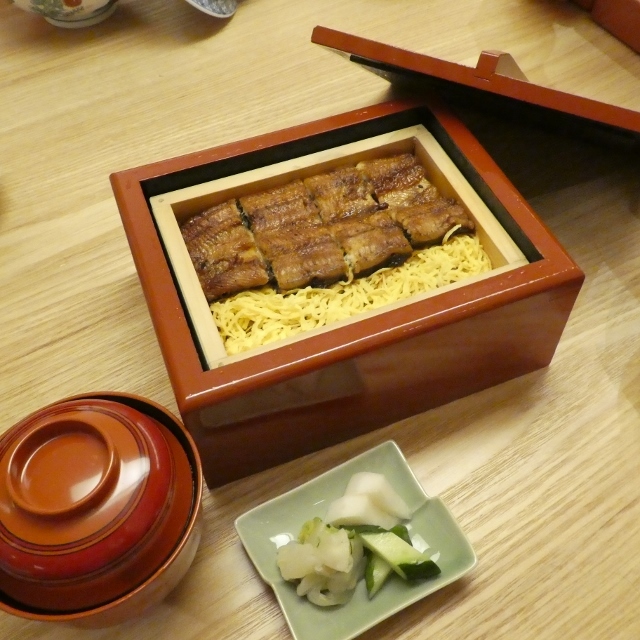
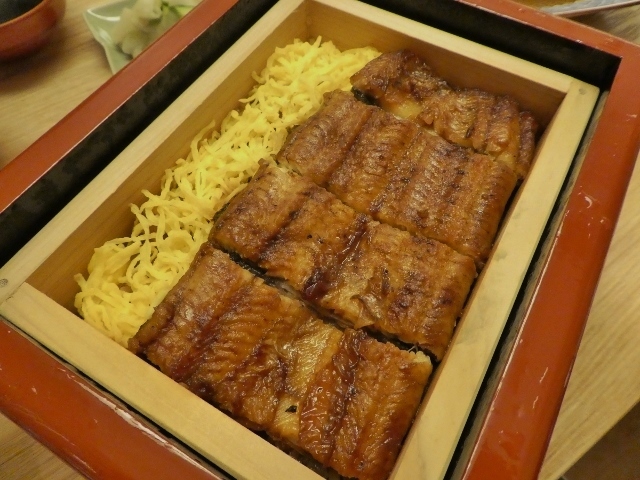
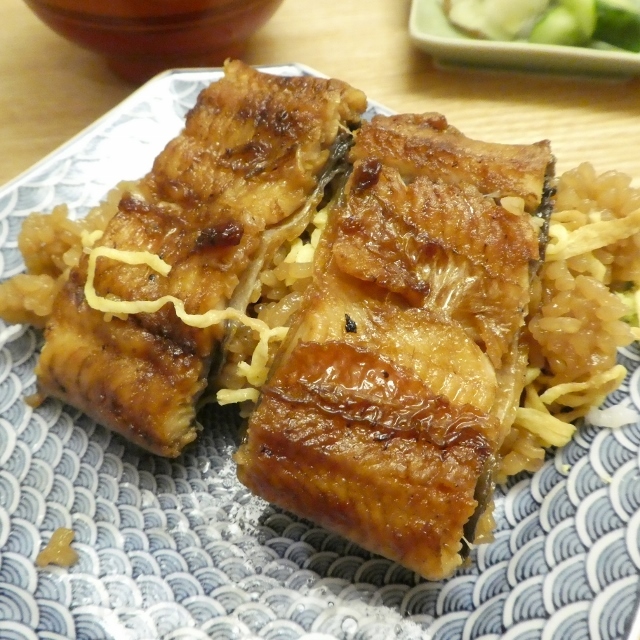
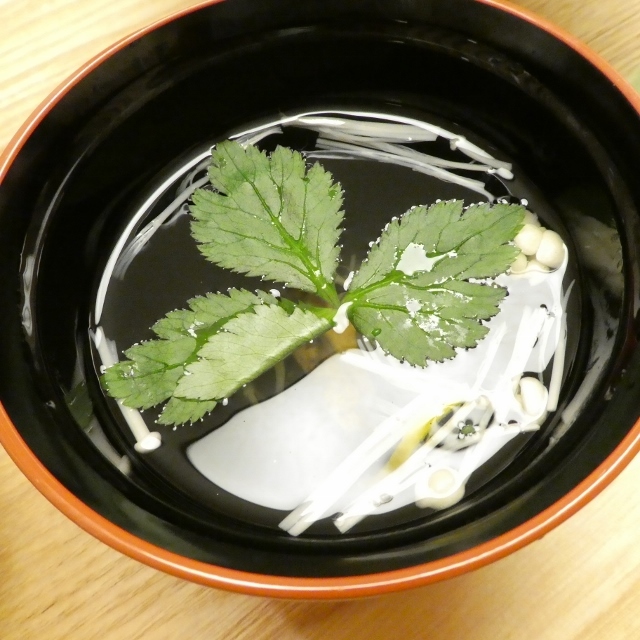
Now, it's time for the main dishes. First up is the Special Eel Rice Bowl for 4,200 yen excluding tax. It was a luxurious dish with a generous amount of eel. The fluffy texture was excellent, with a perfect balance of fluffiness and firmness. The flavor of the eel and the sauce was irresistible. Next, we had the Special Eel Bowl for 3,000 yen excluding tax. This dish had a softer texture, with a crispy skin that added a delightful crunch. Finally, the famous Special Eel Steamed Basket for 3,100 yen excluding tax. This unique Fukuoka eel dish is steamed in a basket with rolled omelet. The rice coated with sauce was a delight to eat. The steamed dish had a slightly rich flavor, a soft texture, and a moist mouthfeel. The combination of the eel, rolled omelet, and sauce-coated rice was indescribably delicious. We also enjoyed the liver soup that came with the dishes, which helped cleanse the palate and prepare us for more eel. The attentive service and thoughtful care really made a difference. It was a top-notch restaurant experience with delicious food. Thank you for the amazing meal. Thank you for the feast!

エムナイン
4.30
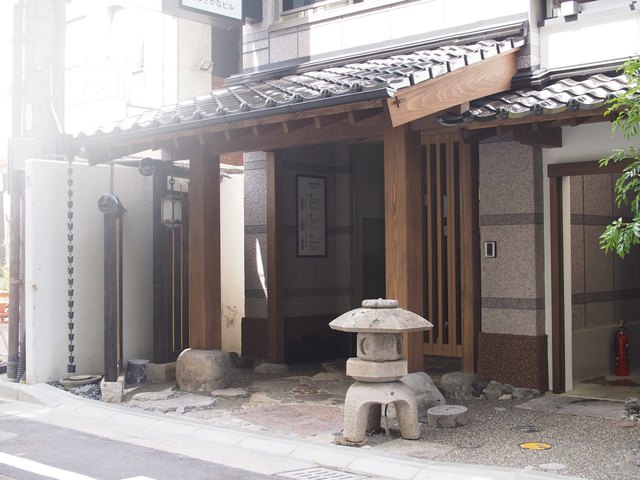
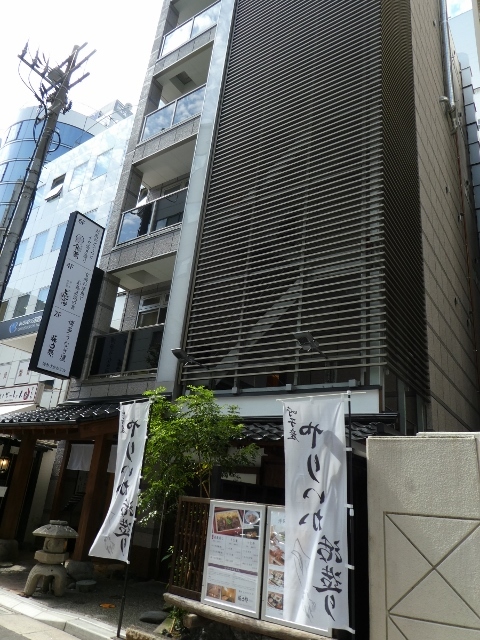
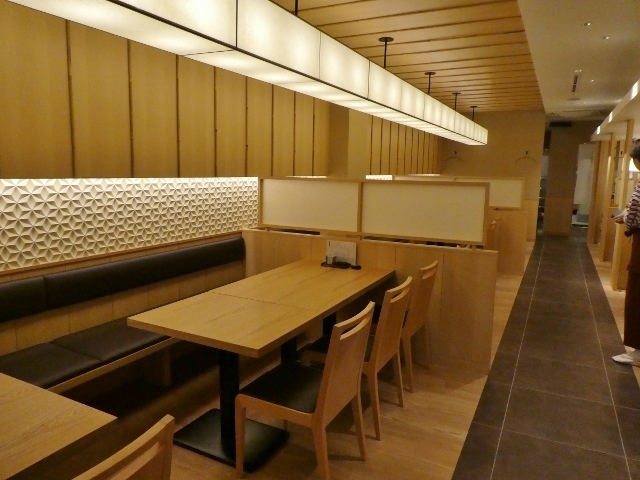
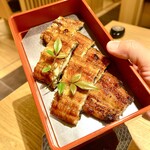
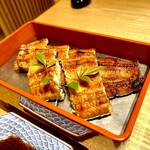
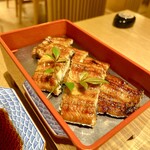
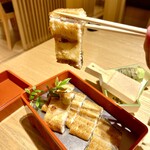
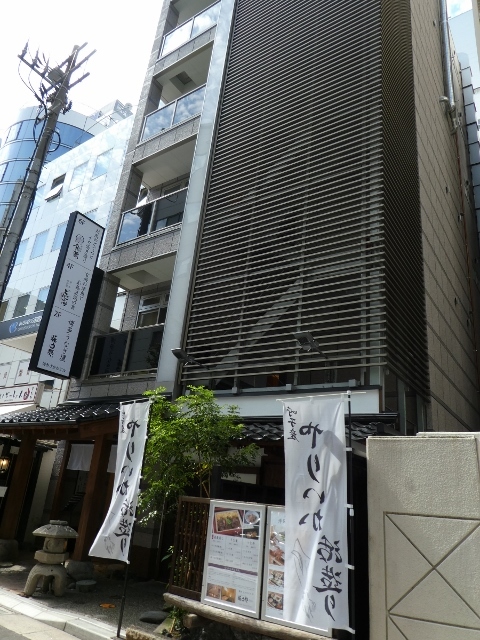
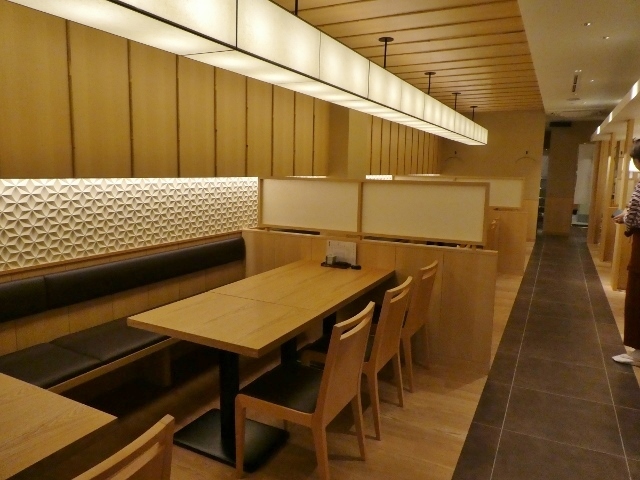
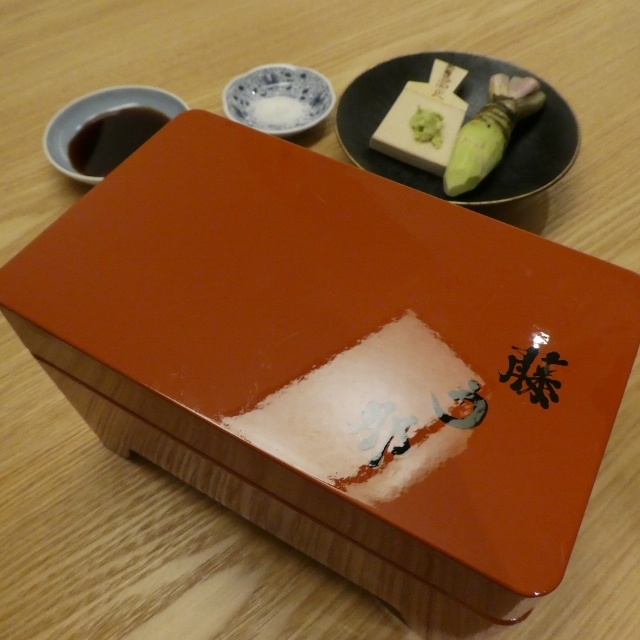
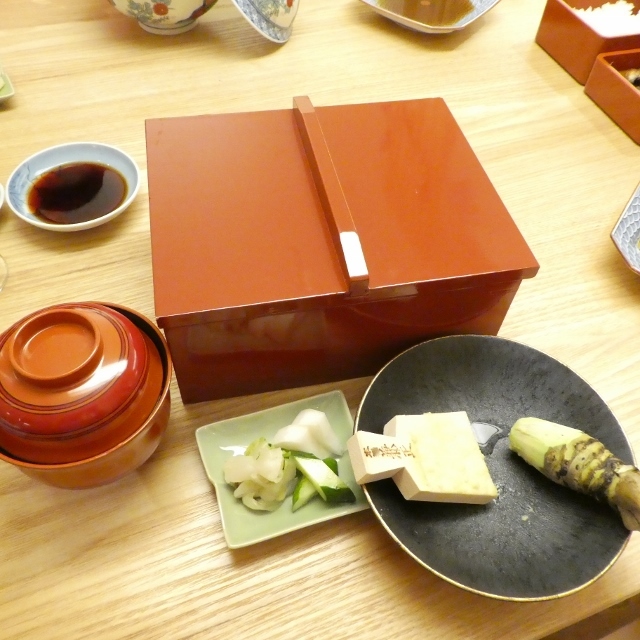
Located in the area of 2-2-10 Hakata Station Higashi, Hakata-ku, Fukuoka City, just a 5-minute walk from JR Hakata Station (Chikushiguchi), is a restaurant operated by "Tsumamina Co., Ltd.", which specializes in food and beverage establishments in Fukuoka City. It opened in August 2018! The exterior is on the 2nd floor of the Osakana Building, with a lively atmosphere where seasonal fish swim gracefully in the fish tank on the first floor. I visited this place for the first time last month! They serve Miyazaki-produced eel cooked in Kanto-style "se-kaiki" and "jimayaki", which is so delicious that I became a repeat customer. The interior is a bright and comfortable modern Japanese style with abundant use of white wood. I tried the "shioyaki" and "shirayaki" dishes separately. First, I enjoyed the shirayaki with "mataichi no shio" salt. Next, I combined Shizuoka-produced wasabi with soy sauce to directly enjoy the deliciousness of the eel. For the kabayaki, make sure to generously dip it in the table-side "sansho" and "tsuiunagi tare" sauce! The Kanto-style sauce, which is not too sweet, is just right and delicious. The crispy skin and tender flesh are perfectly cooked. This place is a must-visit for eel lovers. It's convenient to visit for lunch or dinner, as they offer eel and seasonal fish dishes. I would love to visit this restaurant again in the future! Thank you for the wonderful meal. Enjoy Gourmet Life☆

SF-JUNKIE
3.30
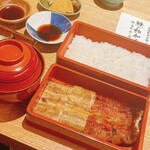
I visited at 11 a.m. on a regular day. Before leaving Fukuoka, I wanted to eat eel, so I searched for eel near the station. Since it was close to my hotel, I ordered the 2-color eel set for 3800 yen. It included half grilled eel and half white grilled eel. The white grilled eel had a noticeable fatty taste and was very delicious. Despite being hungover, I ended up ordering a beer... The grilled eel was just average.

牡蠣小屋の中の人
3.20
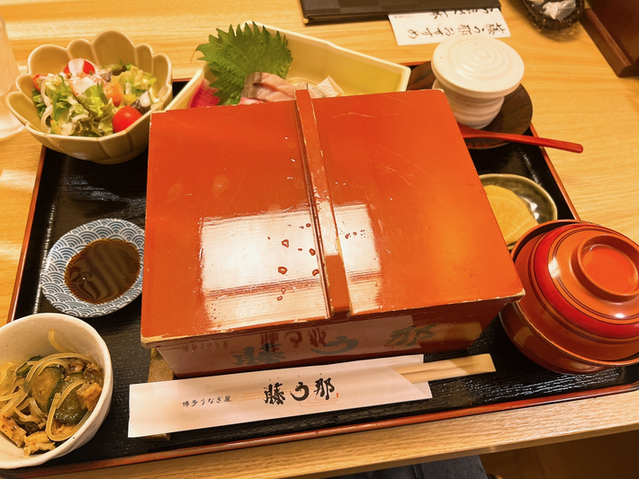
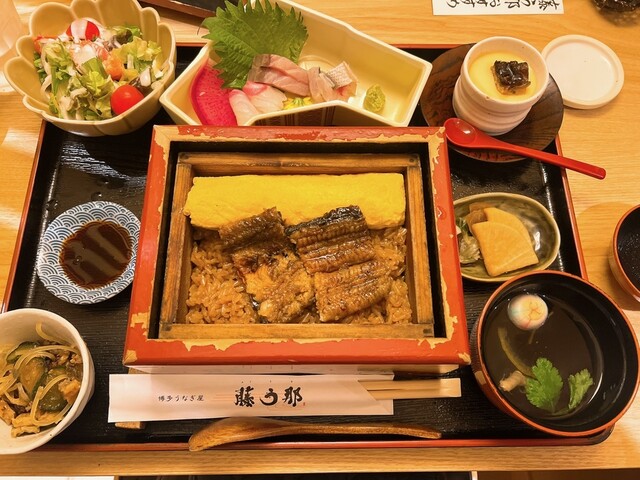
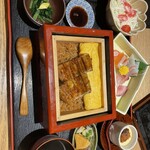
I visited the restaurant to try the famous steamed egg and eel dish in Yanagawa. I enjoyed the fluffy egg and plump eel combination. However, I wouldn't say it was incredibly delicious, it was a bit subtle for my taste. If you want a good steamed dish, I recommend the one at Nyorosuke in Akasaka, Tokyo. I ordered the lunch set which came with salad, sashimi, chawanmushi, and more. The sashimi was delicious, as expected from Fukuoka.

コリっプリンセス
4.50
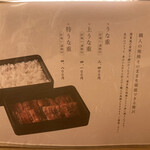
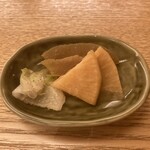
I visited the restaurant for the first time. It was lunchtime and I didn't have a reservation, so I had to wait a bit before being seated. They had a lunch menu available. I just wanted to try the steamed eel, so I ordered it a la carte. The prices were reasonable: Steamed Eel (2 pieces) for ¥2800, Steamed Eel (3 pieces) for ¥3500, and Steamed Eel (4 pieces) for ¥4200. The domestic eel was light and delicious, and the pickles were especially tasty. I enjoyed the meal at a very reasonable price. Thank you for the meal.

!あちゃん!
5.00
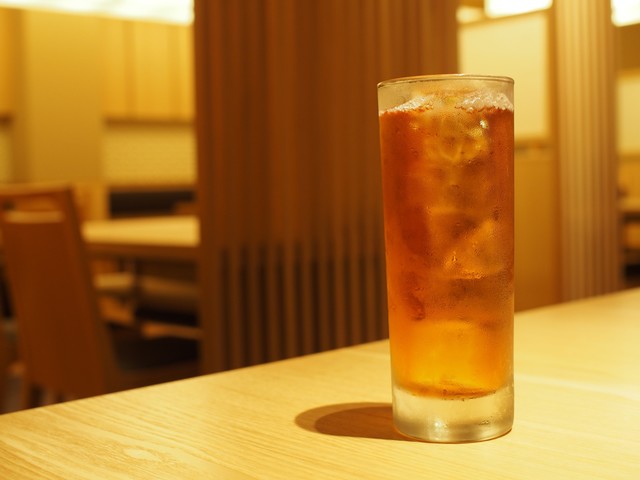
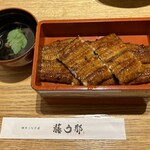
I arrived at the restaurant about 8 minutes on foot from Hakata Station Chikushi Exit. It was my first time at an eel restaurant! It was so delicious that I was moved! The steamed eel had a firm texture, and the grilled eel was fluffy - both were amazing. The Hyuganatsu citrus soda was also delicious. The staff's service was excellent. I definitely want to visit this restaurant again!

甘味と鰻が大好きな20代女子
3.00
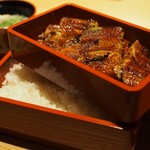
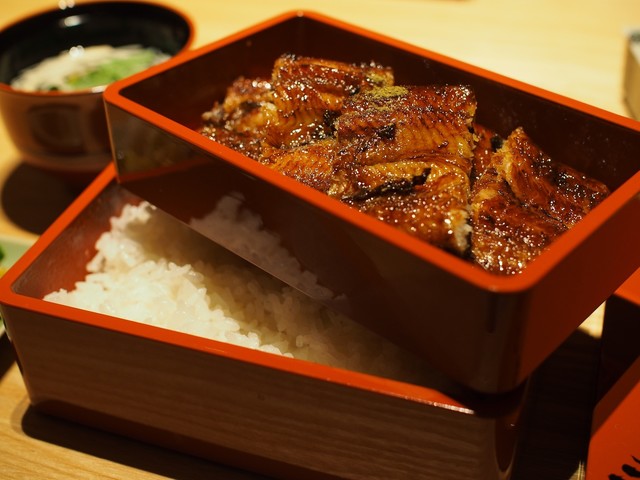
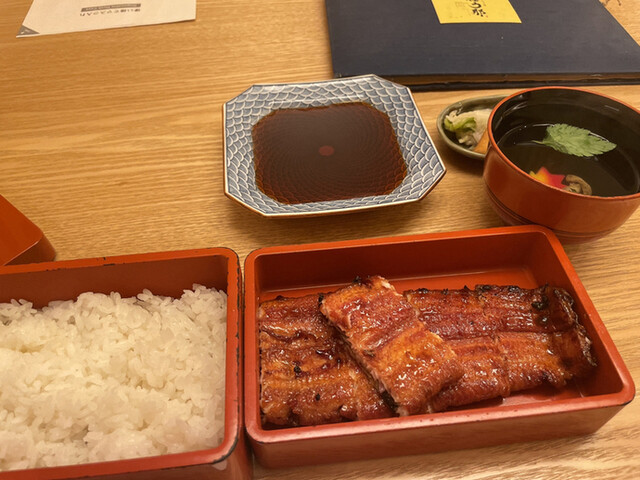
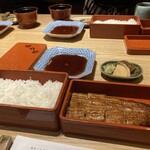
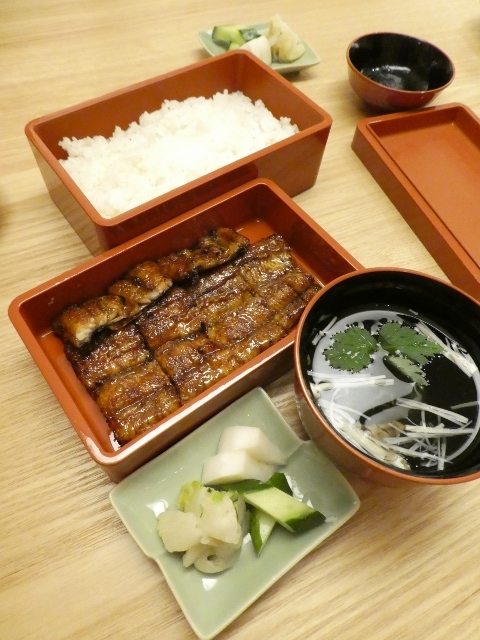
Unaju is served with rice and eel in two separate layers. You have to put the eel on the rice yourself. I prefer it when the eel is already on top from the beginning. The rice doesn't soak up the sauce that way. It's still delicious though. However, I personally prefer the unagi at Yoshizuka. The interior of the restaurant was clean and nice.

ぴっぴまるさん
0.00
The lunch set meal was very luxurious and a great deal. The steamed seiro dish was delicious, especially with the eggs. The rice had a texture similar to okowa and was tasty. The salt-grilled skewers, different from the white grilled dish, had a slightly mild flavor. I would like to try the white grilled dish as well.
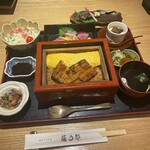

sanzo271
3.60
It's been a while since I had steamed eel in a steaming basket! I didn't have time to go to Yanagawa, so I looked around Hakata Station and found this place. They specialize in steamed eel in a steaming basket, but they also serve grilled eel on rice and eel bowls. The hot and sweet sauce on the rice was incredibly delicious. The restaurant was very clean. However, the tea and soup were served lukewarm, and the staff's service was a bit awkward. Maybe it's difficult to fully train staff in these times.
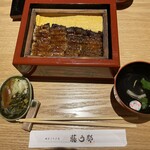
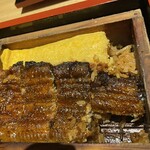
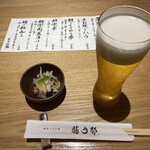

tama tama
3.50
The restaurant is spacious and very cozy. Despite being eel, it can be eaten refreshing, which is highly recommended. The prices are reasonable, making it relatively easy to enter, and considering the location, it feels quite worth it. The eel has a low fat content, but the rice has absorbed the flavors well, making it satisfying to eat.
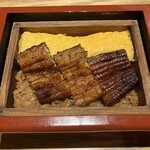

tanto527
4.50
I arrived at the restaurant at 8:30, with the last order being at 9 o'clock. I had an eel bowl and steamed dumplings, both were delicious. It was a high-class restaurant. I wanted to eat eel for dinner during my trip to Fukuoka, so I looked it up and went there. The restaurant is located near Hakata Station, the staff were wearing kimonos, and the atmosphere was elegant. I would like to visit again.
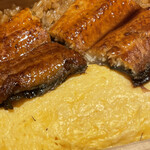
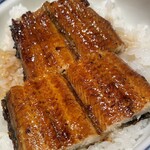

naoto1222
4.30
I wanted to eat eel after a long time, especially on the midsummer day of the ox, which was a difficult situation, but I was able to go by making a reservation online. The taste was excellent. Two disappointing points: - There was a chip in the beer glass → When I mentioned it, they brought a new beer along with it. Thank you. - There were no sansho pepper, toothpicks, or paper napkins on the table → When I mentioned it, they brought them. Why weren't they there in the first place?
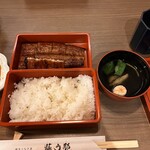

6ff2ef
4.00
When it gets hot, I feel like eating eel. The restaurant is bright and quiet, perfect for enjoying a meal. Tourists also come here. This time, I had steamed eel in a steamer. I prefer the egg not to be wrapped in gold thread. It's a restaurant I often visit. Recently, they haven't been serving liver with the eel (shortage of ingredients), so I tried the head instead. Overall, it's delicious.

Geric Plankton
3.60
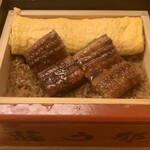
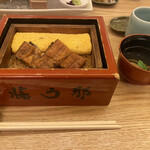
I spent the morning idly, as if observing the rain itself. The summer rain during a trip leaves delicate memories. Each time it rained and stopped, the colorful umbrellas scattered throughout the city. The sight was like dancing butterflies in the air. However, stepping outside, the refreshing dance of the butterflies was overshadowed by the abundant humidity. The sweat dripping from my body felt like the rain pouring down from the sky, and perhaps it was more comfortable to bathe in the rain falling from above. This city I have visited many times seemed to be engulfed in waves of redevelopment everywhere in the central area, with large buildings being constructed in various places. It seems that all major cities in Japan are exposed to redevelopment, but is it really a fundamental necessity? Perhaps it is just lingering in the illusion of economic thinking that still clings to the Showa-era concept of economic growth. Wiping away the sweat dripping incessantly, I passed through Tenjin from Akasaka and reached the Nakagawa River, which had turned brown due to the daily rain. The Nakasu area, where young people are usually seen, was sparse, and flashy signs shone vainly under the dull sky. I realized that my energy was being drained by the rain and humidity. Something was lacking within me. What could it be? It was something I had not yet encountered in Hakata. What was it? It was the eel dish I had read about in an article. It was past 11:40. Not minding the humidity, I hurried to the subway station, feeling the onset of noon approaching. Hakata Station was bustling with people of all ages, emitting an uncomfortable humidity. The east exit of any major station in a city, including Hakata Station, was filled with lifeless buildings and chain izakaya restaurants. The restaurant I was looking for stood quietly between buildings. Although there was a pond on the first floor of a brand-new building, there was no atmosphere of an eel restaurant, but seeing customers entering the elevator one after another indicated that the restaurant was on the second floor. It was exactly noon. As I entered the neat interior of the restaurant, it was bustling, and I informed the young female staff in a kimono that I did not have a reservation. "Please wait a moment," the female staff replied with a somewhat uncertain voice and disappeared. When she returned from the back, she unexpectedly said, "You're the reserved customer, right? Please go inside." "No, no, I didn't make a reservation," I corrected her half-heartedly. "Huh?" The female staff muttered to herself and said, "I'm sorry, let me check again," before disappearing into the back again. My desire for eel, which had been dominating my mind, quickly began to wither. When the female staff returned from the back, she said, "I'm sorry, it was my mistake. You're fine. Please go to the table in the back." I felt like a winner who had made a comeback in a loser's revival. Wrapped in the comfortable coolness of the air conditioning, I felt relieved as I looked at the menu. Unadon and unajyu, which can be eaten anywhere if you want traditional eel dishes. I confidently chose the "Nami Unagi Seiro Mushi 2 pieces" (2,800 yen) while recalling an article I had read in the past. Nevertheless, the orderly and beautiful interior was quickly filled with customers. It seemed like everyone had made a reservation. How fortunate. "Thank you for waiting," said the female staff, and the Nami Unagi Seiro Mushi was placed in front of me. It had a rare appearance, with the burnt brown grilled eel supported by a prominent tamagoyaki. The rice lying beneath seemed to blend with the grilled eel. I started with the tamagoyaki. It was not too sweet, with a good elasticity and heat dominating my palate. The deep, fragrant sauce and the umami of the eel permeated the rice, creating an excellent taste experience.

jfkrfk
3.60
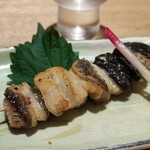
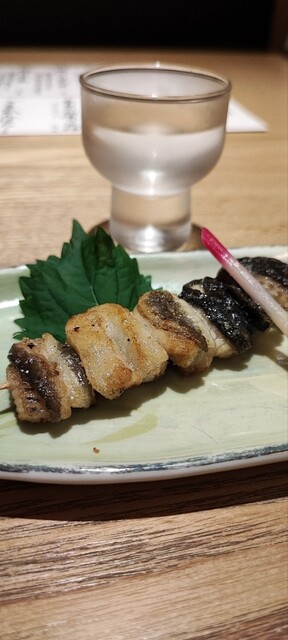
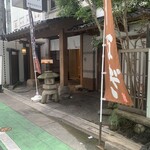
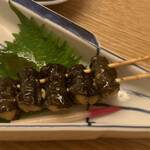
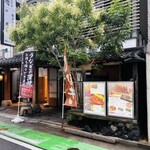
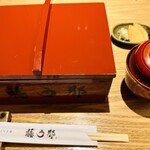
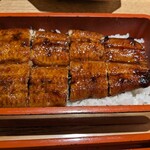
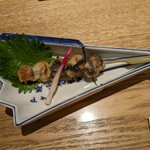
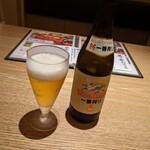
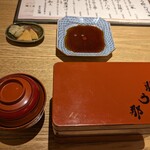
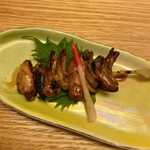
Leave Hakata Station through the Chikushi exit and walk a little, then turn right into a small alley. There is a building with this restaurant on a quieter street. Hakata Sakana Building. Take the elevator to the second floor from the first floor with a fish tank. When you get off the elevator, you will see the restaurant right in front of you. I was the first customer when they opened. I was seated at a clean table. I ordered a bottled beer first. There are several options for eel dishes, but I chose the regular eel on rice with four pieces of eel. I also ordered some eel skewers. As I slowly enjoyed my beer, the eel skewers arrived. Grilled eel wrapped around a skewer. A unique texture that I love in eel dishes. I sprinkled a little sansho pepper on it and enjoyed it. The eel skewers were quite delicious. This made me excited for the eel on rice. The eel on rice arrived. The eel and rice were served separately. It was elegant, but since it was lunch, I decided to mix them together. I placed the eel on top of the rice and poured the sauce over it. I started by eating the eel alone. I expected it to be crispy like in Western Japan, but it was surprisingly tender. Perhaps Hakata's grilling technique is excellent since they don't steam the eel. From the second piece onwards, I ate the eel together with the rice. Eel and rice complement each other perfectly. The eel was perfectly grilled and flavorful. I sprinkled a little sansho pepper for added aroma halfway through. The eel liver was also delicious. It was a comforting taste. The portion was just right, and I finished everything, including the pickles. I was very satisfied with the delicious eel on rice and eel skewers. The atmosphere was also pleasant, and I would love to come back here when I want to eat eel in Hakata.
osharemama
4.00
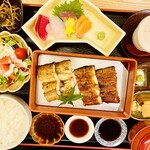
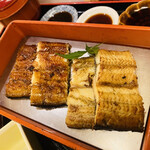
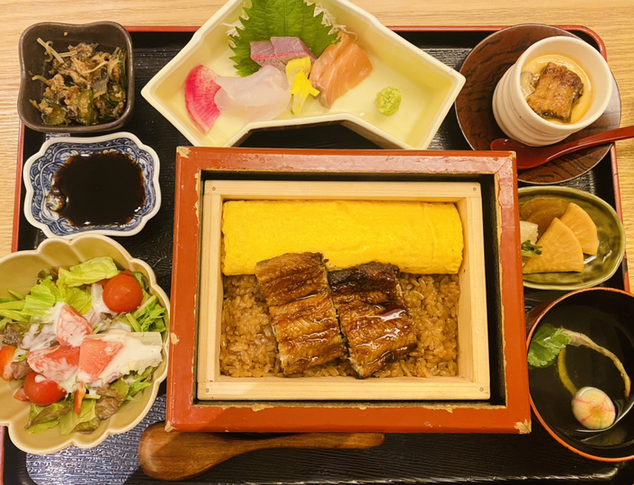
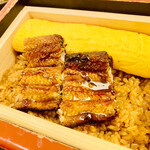
I have been going to this restaurant since it opened. The place is very clean and has a sense of cleanliness. It is a welcoming place where women can come alone, couples can come, and families can come without feeling uncomfortable. During lunchtime, there are multiple set meals available, which are delicious and offer good value for money.
m.smily
3.50
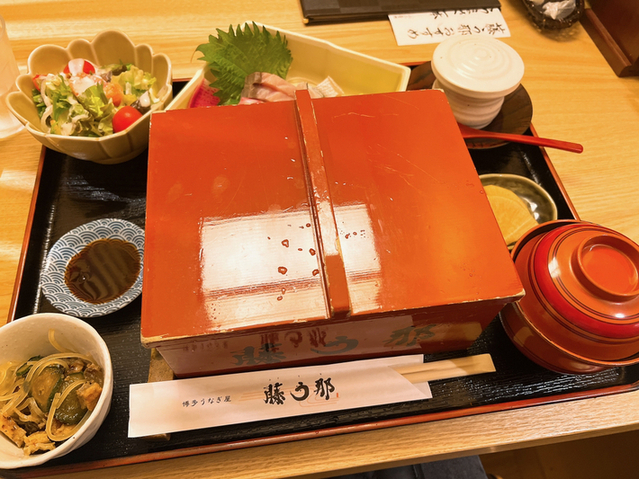
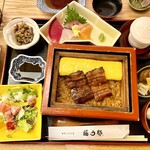
Within walking distance from Hakata Station. I don't think it's even a 10-minute walk. The restaurant has an elegant atmosphere and is clean, allowing you to enjoy a leisurely meal. While many eel restaurants only offer eel bowl or eel set meals, this place had a set meal that included salad, chawanmushi, and sashimi. I wanted to try both eel and sashimi, so I ordered the set meal. There were many tourists dining there. It was delicious.

全国のラーメンを食べ歩く
3.30
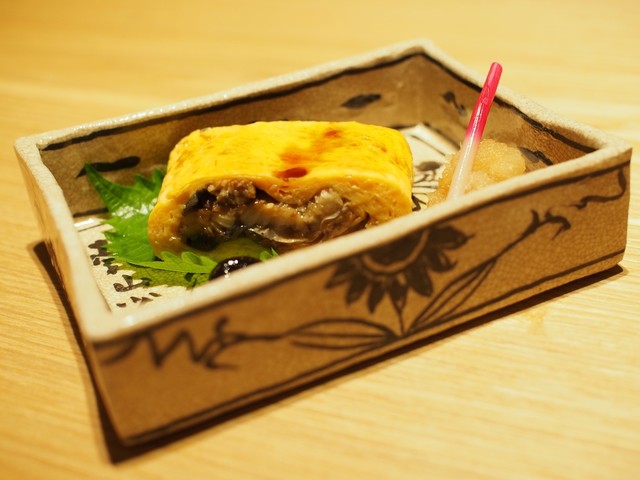
I made a reservation using T-points and visited on Sunday afternoon! I ordered the special steamed eel rice with a large serving. The restaurant had many Korean customers. The eel was tender, but the portion of rice was more like a regular serving rather than a large one. The side of sweet omelette was delicious! Overall, it was not bad, but I have had better steamed eel rice in Yanagawa with a larger portion and hotter temperature, so it felt slightly lacking. Thank you for the meal!
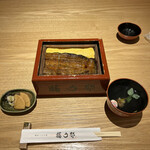
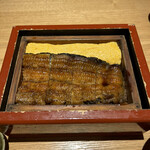
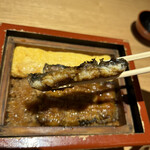
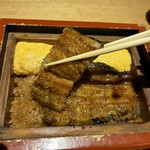
kaneko28
3.00
I visited on a rainy day for lunch. I made a reservation, but it seemed like it wasn't necessary. I ordered a 4-piece eel rice bowl. The eel was rich and the sauce was delicious, and even with just 3 pieces, I was satisfied with the portion. The 4 pieces might have been a bit too much. The egg had a gentle flavor and was a nice palate cleanser. The service with the coupon from Tabelog, and the eel bone senbei had a strong salty flavor, making it a good accompaniment for drinks.

ser2002
2.70
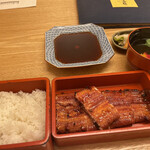
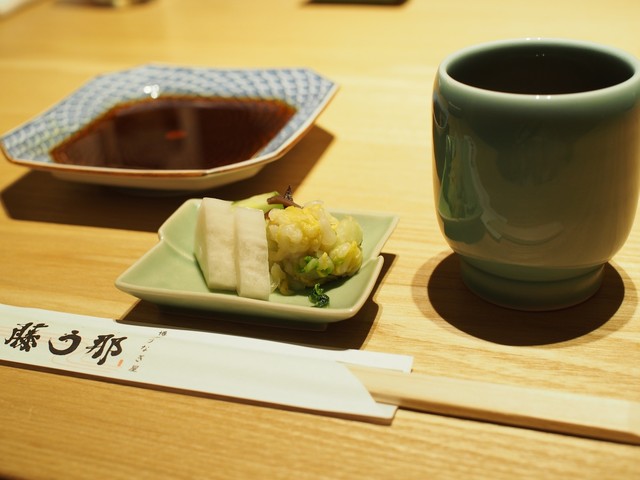
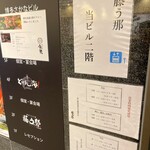
Located a 3-minute walk from JR Hakata Station Chikushi Exit, just 273 meters away, this eel restaurant is inside an izakaya building. On the first floor, there is a very large fish tank with lots of fish swimming around. All the restaurants in this building seem to be affiliated. I went there for lunch with eel as the main dish. Upon entering, no one seemed to notice me. Even when I tried to speak to someone, it took quite a while to be seated. It seemed like they were short-staffed. It also took quite some time for the food to arrive. I ordered the special eel set for 4,550 yen. The presentation was a bit disappointing for the price. The appearance could be improved for the price you pay. However, the taste was delicious. I just wish the sauce was served in a more user-friendly container rather than on a plate.

みつばち♩
3.10
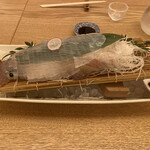
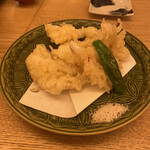
It was great that it was close to Hakata Station. I was surprised by the price of the squid at 4800 yen, but in the end, I was able to add tempura for an extra 400 yen and it was delicious. The eel was also delicious. I received a bonus of bone senbei because of a special offer on Tabelog.

しまはし
3.80
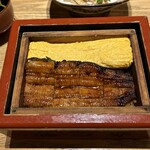
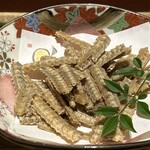
This time, I made a reservation on Tabelog, so I received eel bones as a service. They said it was for a souvenir, but I asked to eat it at the restaurant. I really liked the steamed eel here. I had a relaxing time at a calm table seat.
Email Login