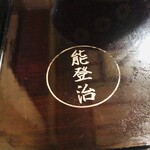
能登治
Notoji ◆ のとじ
3.48
Shinbashi, Shiodome
「Soba」
1,000-1,999円
1,000-1,999円
Opening hours: [Monday-Friday] 11:00-20:30 (L.O.20:00) [Saturday, Holidays] 11:00-15:30 (L.O.15:00)
Rest time: Sundays Business hours and holidays are subject to change, so please check with the store before visiting.
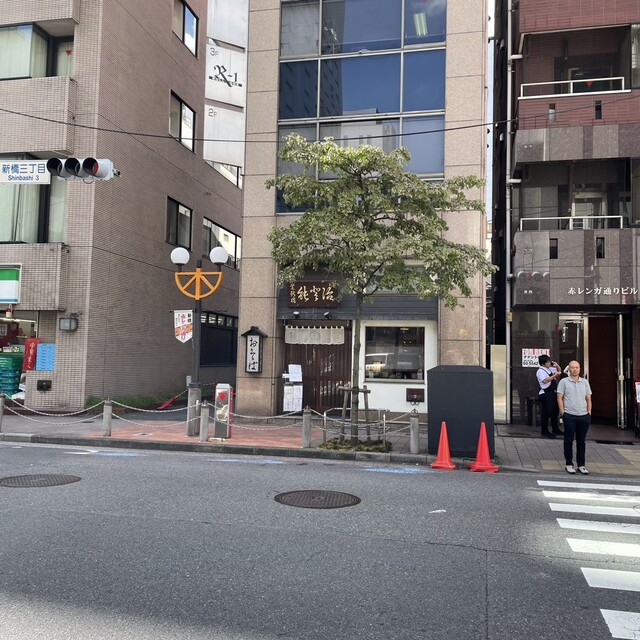
東京都港区新橋3-7-5 能登治ビル 1F
Photos
(20)
Details
Reservation Info
can be reserved
Children
child-friendly
Payment Method
Cards accepted
(Diners, JCB, AMEX, VISA, Master)
Electronic money accepted (electronic money for transportation systems (Suica, etc.))
Number of Seats
29 seats
(29 seats at table)
Private Dining Rooms
None
Smoking and Non-Smoking
No smoking at the table
Parking
None
Nearby coin-operated parking: 8 cars at 3-8-1 Shinbashi, etc.
Facilities
Calm space
Drink
Sake and shochu available
Comments
(20)

910ta693
3.60
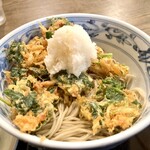
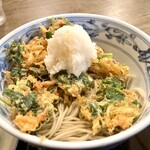
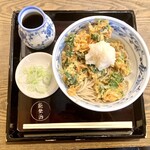
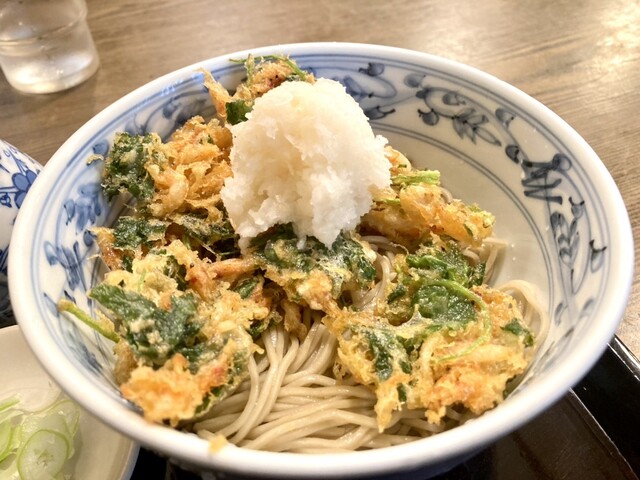
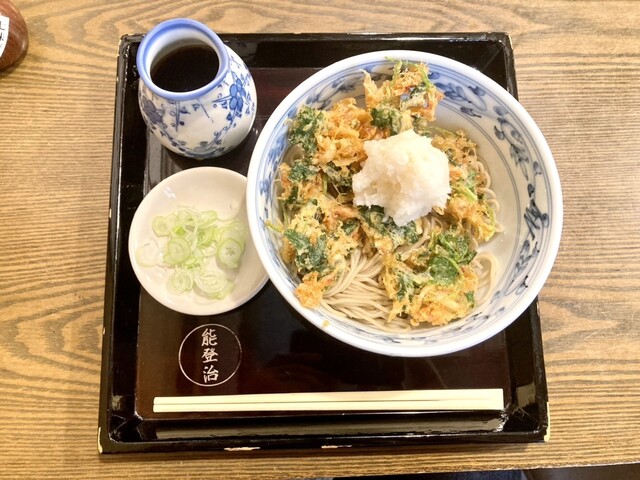
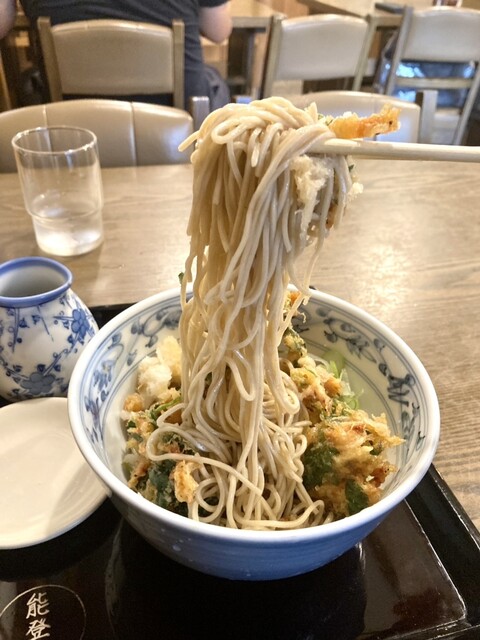
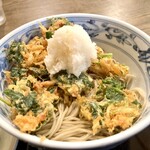
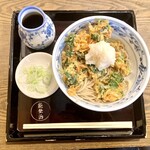
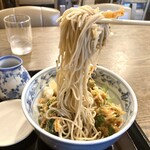
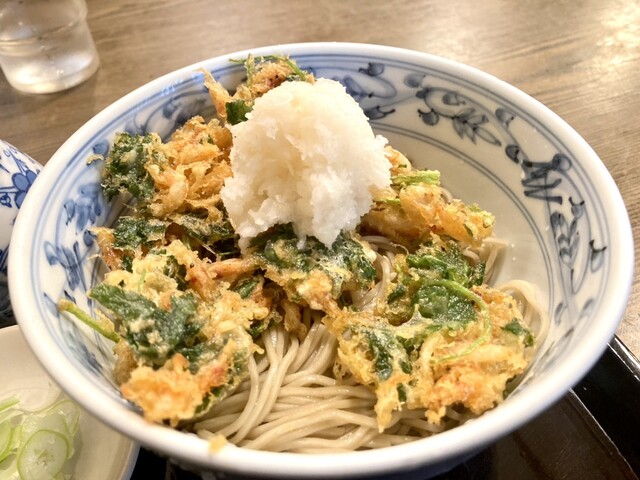
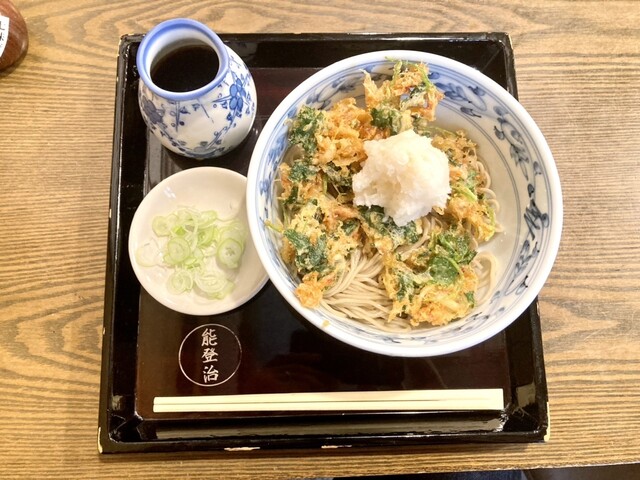
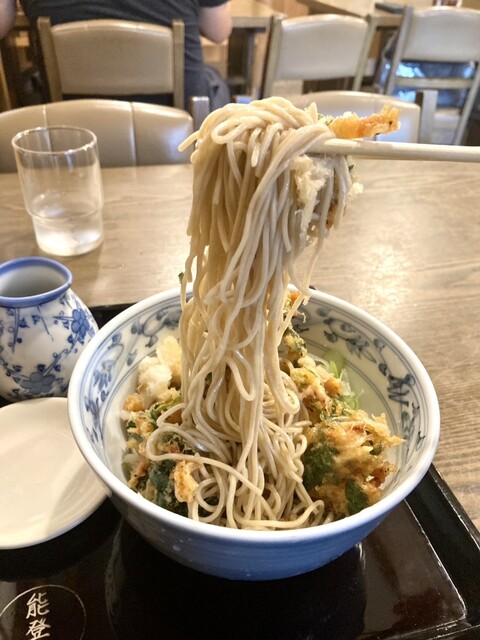
Established in the 13th year of the Meiji era! This long-standing soba restaurant has been around since 1883, celebrating its 140th anniversary this year. We were seated right away for lunch. I ordered the Sakura Oroshi for 1,550 yen. The soba noodles were thin and easy to eat, and delicious with the grated daikon radish mixed in.

yuji-27
3.40
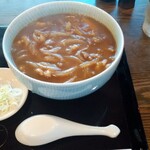
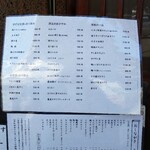
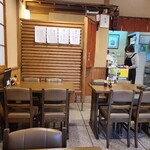
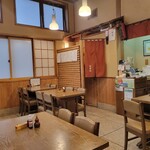
I visited this restaurant for the first time after 1 pm. The place has a high ceiling. It is a member restaurant of the Kibachi-kai, which consists of active members who are the 3rd generation or above of soba restaurants. Despite the time, the restaurant was almost full. It seems like quite a few people are drinking during the day. I decided to try the Curry Nanban soba for 1,150 yen instead of the Zaru soba. It arrived in just 5 minutes. The broth is thick and has a strong consistency. It is not so much spicy as it is a bit sweet. It has the taste of Japanese curry soba, with plenty of onions. The pork is delicious, with no unpleasant smell, just the natural umami of the pork. The soba itself has a strong flavor that stands up well to the curry. Overall, it was quite impressive. It was also nice that they served soba-yu (soba dipping broth) at the end. This is truly a restaurant with a long history.

こっちん0623
4.00
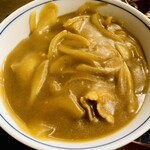
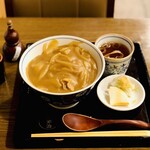
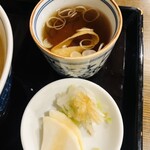
Notoji at Shimbashi serves delicious soba noodles and their famous curry rice bowl with pickles. The restaurant has a long history dating back to the late Edo period, originally known as "Notoya" in Akasaka before relocating to Shimbashi and changing its name to "Notoji." The curry rice bowl is highly recommended, with a flavorful curry sauce that pairs perfectly with tender pork and crunchy onions. It is similar to the famous curry rice bowl at Kanda Matsuya, with a good balance of spices and a thick, satisfying texture. Overall, a truly delicious meal.

蓼喰人
3.90
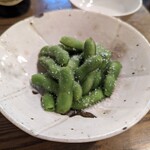
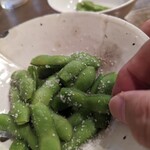
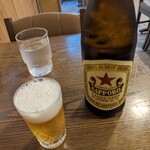
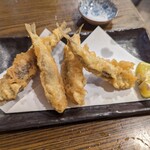
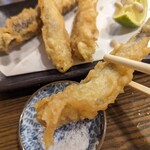
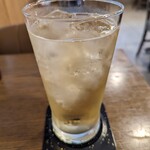
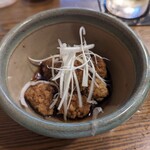
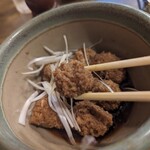
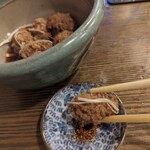
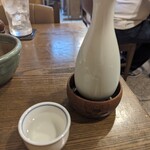
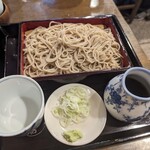
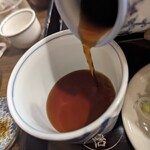
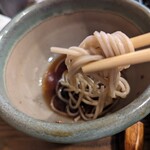
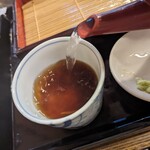
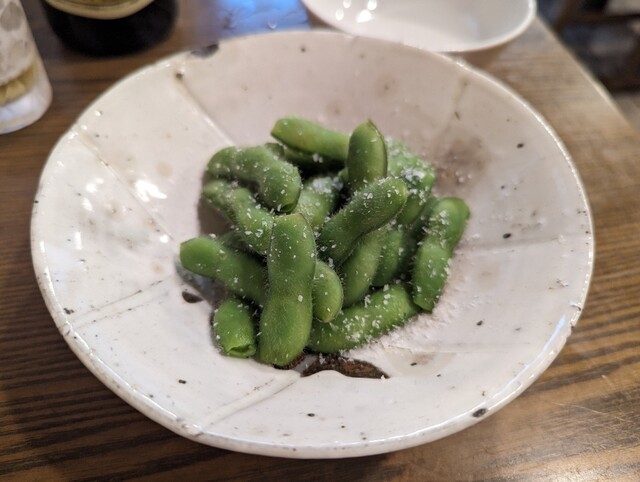
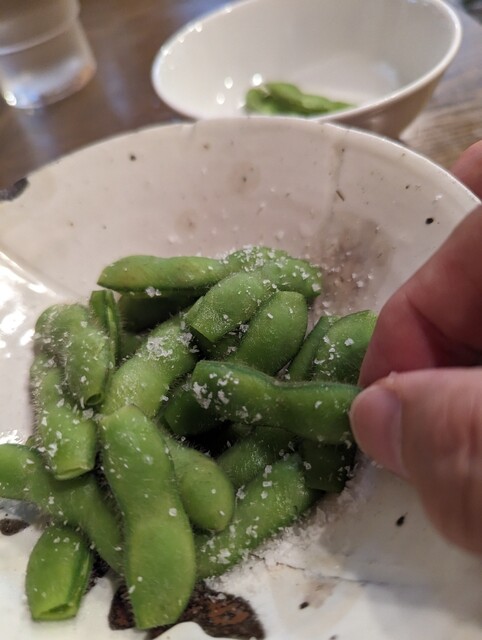
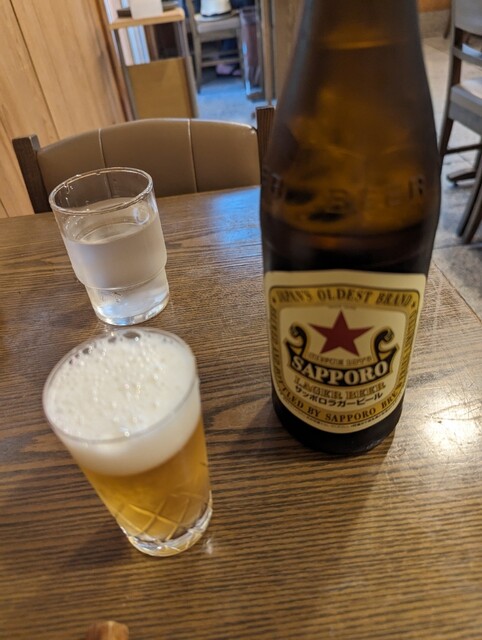
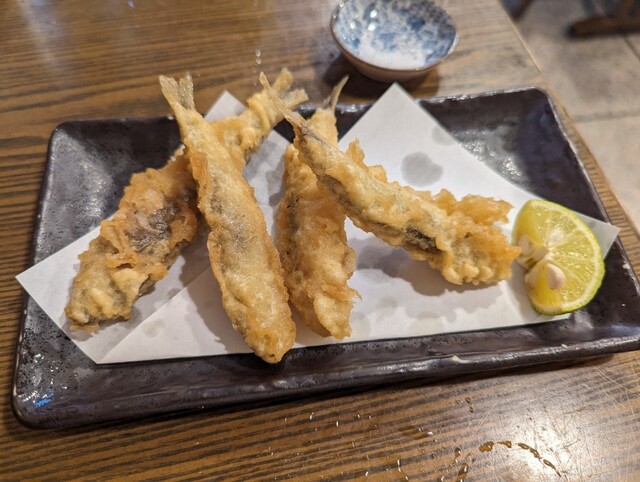
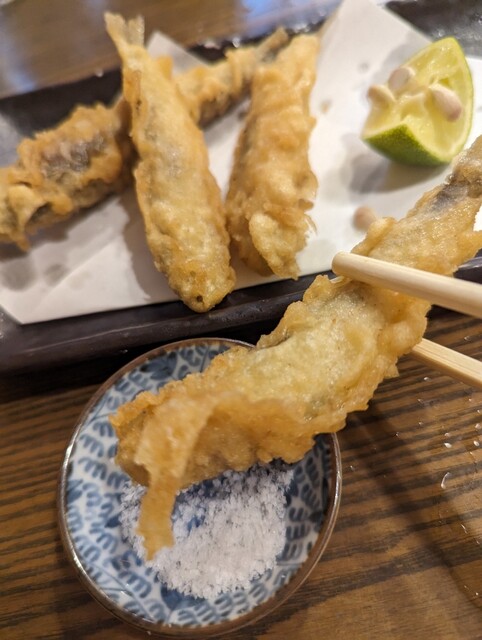
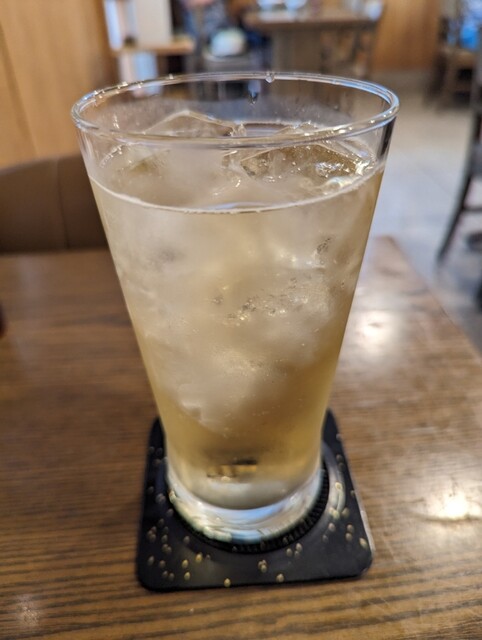
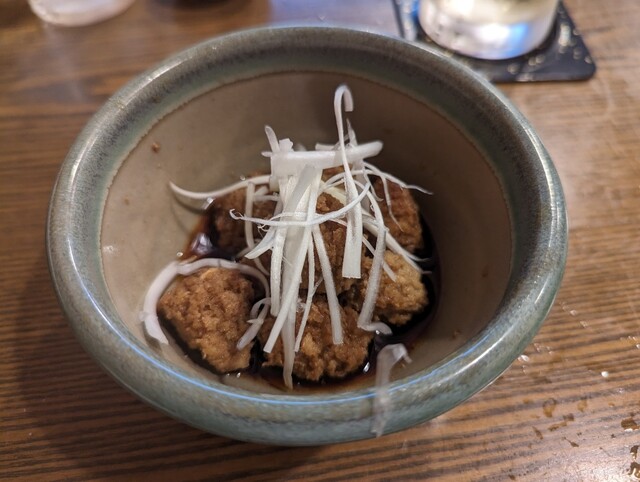
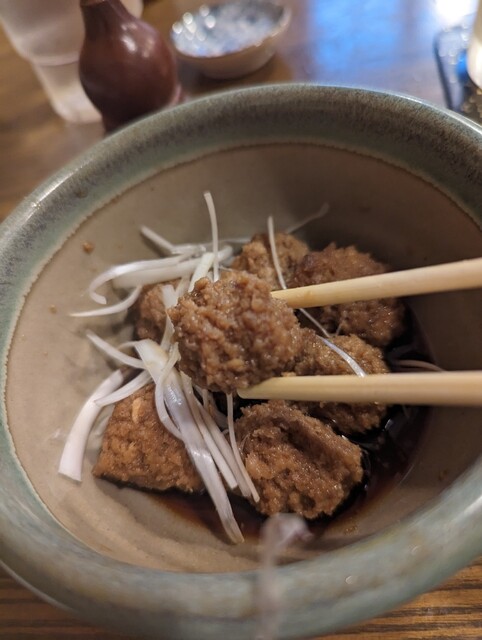
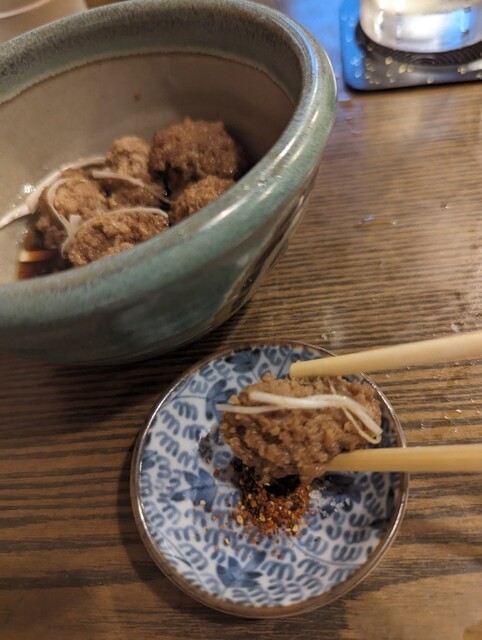
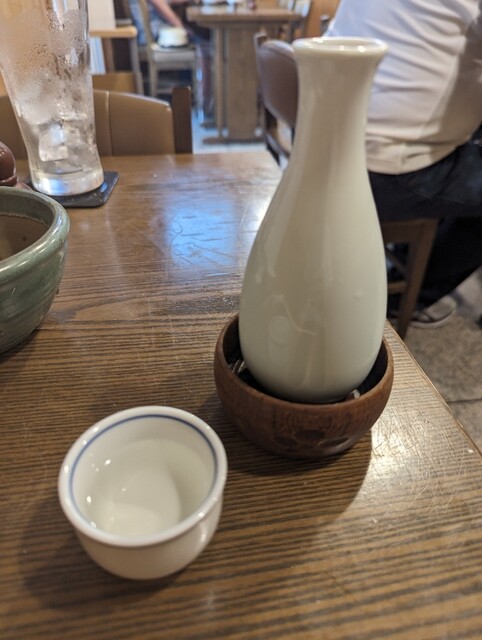
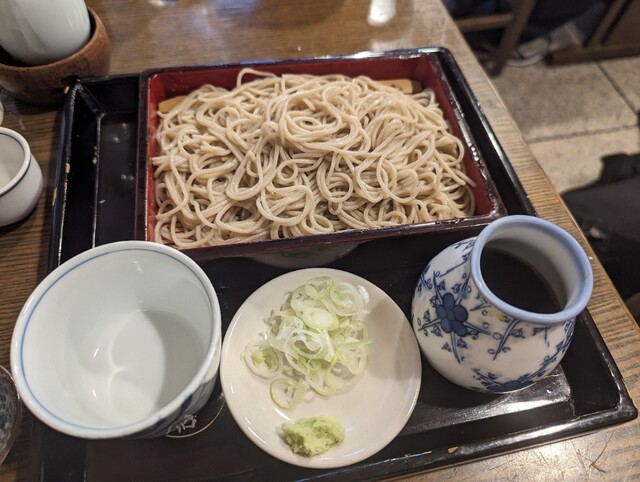
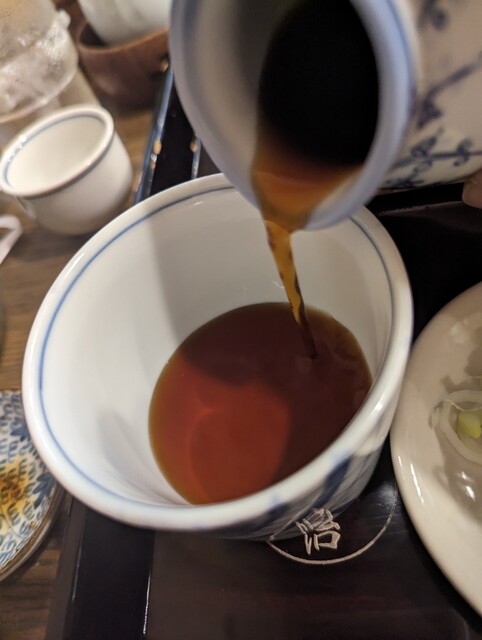
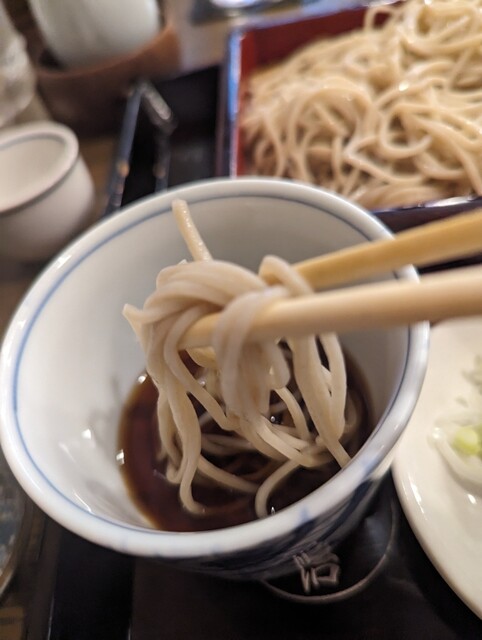
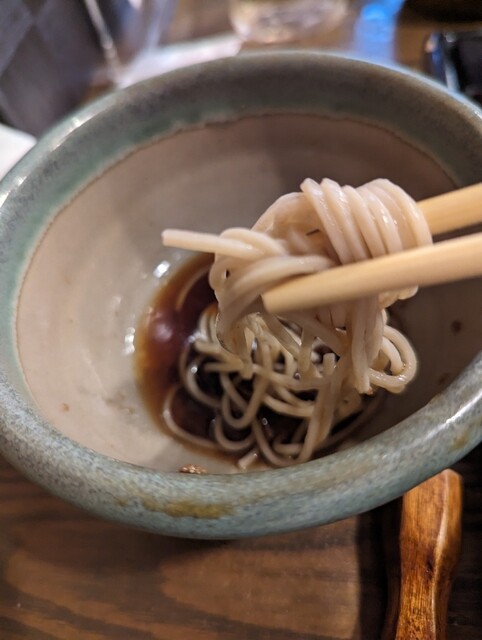
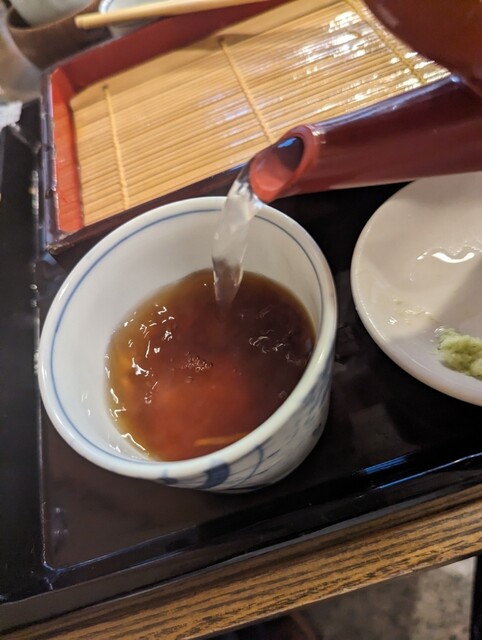
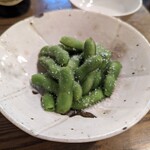
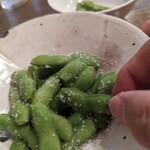
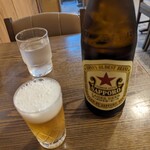
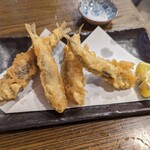
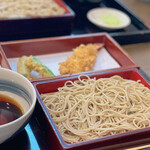
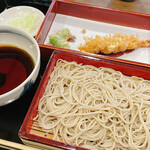
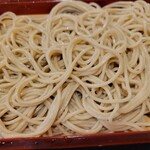
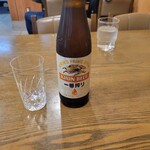
On a Saturday afternoon, I visited a long-established soba restaurant along the brick street in Shinbashi, which is also a member of the "Kibotsu-kai." When I entered the restaurant around 1:30 pm, half of the tables were still occupied. I chose a table for two near the right side. I started with a beer (Akahoshi medium bottle) and ordered two dishes from the "seasonal specials." "Boiled edamame": small edamame beans that were boiled until tender with salt sprinkled on top. They were delicious even when hot, but they became even sweeter as they cooled down. "Fried young ayu fish": four young ayu fish of a good size, fried with a thicker batter typical of a soba restaurant rather than the thin coating seen in high-end tempura restaurants. They were served with salt for dipping, and you could enjoy the texture of the head, bones, and the slight bitterness of the intestines, as well as the umami of the batter. All of this for 800 yen seemed like a good deal. My beer ran out quickly, so I ordered a highball. Although the menu listed it as "Seabass Whiskey Soda," it was served in a large glass without lemon, which I appreciated. For another dish, I ordered "Duck meatballs." These were small duck meatballs arranged in a bowl with a sweet and savory sauce and sprinkled with white spring onions. They had a chewy texture from the cartilage and were packed with umami, with a hint of gaminess. They became even more flavorful when dipped in seven-spice powder. I ordered the classic "Otokoyama" sake served at room temperature. The sake set with a white porcelain sake flask and cups had a touch of Edo-style sophistication. Sipping on it slowly, I savored the rich taste. As it approached 2 pm, I thought the customers were starting to leave, but then three or four groups, including inbound tourists, started coming in, enjoying not only meals but also sake and appetizers in the traditional "soba-zen" style, which was a pleasant sight. However, it was time for me to have some soba. It had been a while, so I ordered the basic "mori" set. The set came on a lacquered square tray, and when I poured a small amount of dipping sauce from the sake flask and tasted it, I found it slightly dry yet well-balanced with a clean flavor. The soba noodles were thin machine-made noodles, but the crucial step of kneading the dough and other processes seemed to be done by hand, resulting in a satisfyingly firm texture preferred by locals in Edo. If you slurped the noodles without soaking them too much in the sauce, you could enjoy the aroma and refreshing taste. Mixing the leftover dipping sauce from the duck meatballs with the soba dipping sauce was also interesting. Even with the 750 yen "mori" set, you got freshly grated hon-wasabi, and the green onions were carefully selected, showing the pride of a long-established restaurant. The soba-yu (hot soba water) was kept in its natural state, unchanged by any additives even at this late hour, a testament to their diligent work in changing the boiling water frequently. It was a comfortable and enjoyable time, just as I had hoped. The bill came to slightly over 5,000 yen this time, but considering the satisfaction level, it was worth it. The friendly attitude of the proprietress also left a good impression. In the midst of new soba restaurants emerging, this establishment has maintained a strong presence. While it may not cater to picky soba enthusiasts, it is a perfect spot for lovers of Edo-style soba restaurants. I look forward to visiting regularly in search of the reliable "soba-ya sake" experience.

HDC2018
3.50
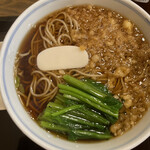
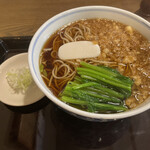
Today's lunch was at Notoji, a place I randomly stumbled upon with no particular destination in mind. It was my first time visiting. I like soba with tempura, so I ordered that. Usually, the serving size at most soba restaurants is not enough for me, so I opted for a large portion with slightly thinner noodles. The noodles had a good texture and firmness. The broth was on the richer side. Overall, it was a soba dish that I enjoyed.

minionkj
3.50
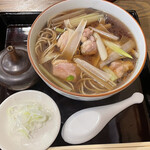
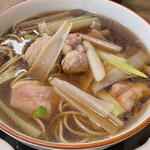
I visit this restaurant about once every three months. The soba here is consistently delicious. The tempura is also amazing, perfectly fried. On this particular day, it was a bit cold so I opted for the duck soba. The warm soba and soba soup make for a satisfying meal. I would love to come back regularly, but it's a bit pricey for my budget for lunch. I hope to try it for dinner with some drinks someday.

skyma101
3.70
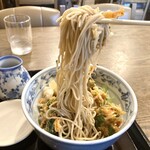
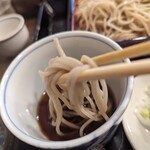
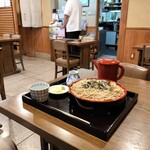
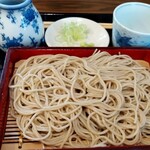
I entered the restaurant around 3 o'clock and there were no customers. I ordered the zaru soba. It was refreshing with thin noodles that had a good texture. The seaweed was cut by hand with a casual feel, which was nice. The portion was a bit small. It was just right for me as I had hospital food for lunch. However, for a regular lunch, it might not be filling enough. It was delicious.

Rana220
4.00
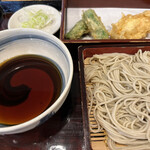
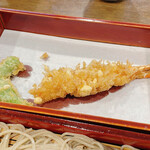
This soba restaurant in Shinbashi has a local feel, with friendly staff and delicious soba noodles with a fragrant aroma and perfectly seasoned broth. The large shrimp tempura is satisfyingly crunchy. It's a great place for a lunch meal, and I look forward to visiting again.

sherry2846
3.40
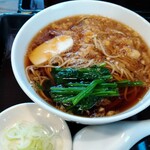
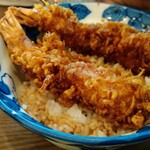
The soba noodles were a bit firm, but the dipping sauce was delicious. The portion of soba noodles was on the smaller side, so men might eat about two servings. The "tanuki soba" had a great tasting broth and was served at the perfect temperature, very delicious. The tempura bowl had thick, juicy shrimp and the sauce was rich and tasty. The prices are a bit high, but the taste is good.

マナチサ
3.50
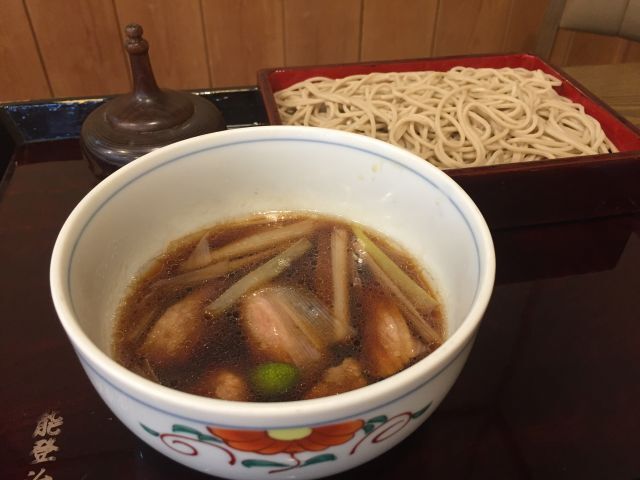
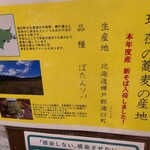
During the late Edo period in the Ansei era (1854-1860), it is said to have been founded in the Akasaka area. Initially called "Notoya," it moved to its current location in Shinbashi around the 16th year of Meiji (1883) and changed its name to "Notoji" (according to the website). It is a long-established restaurant. I have passed by it many times without noticing it. It has a quiet presence among the hustle and bustle of Shinbashi. I always associated soba flour with Shinshu, but they use Hokkaido soba flour here. The soba made with 80% buckwheat flour has a very aromatic flavor. I tried the duck soba (large serving), which was just right in terms of portion size. It is priced accordingly, but for delicious soba, it is worth it.

yamay630
3.70
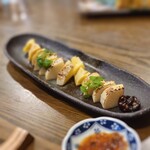
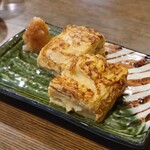
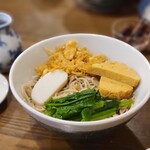
Notoji in Shinbashi. This soba restaurant is located towards Toranomon from Shinbashi. We visited with a friend, avoiding the busy lunch hours as they are open all day. We had... a small bottle of beer Red squid salted roe (a specialty from Godo Island) Soba miso with egg Grilled wasabi leaf (from Yoshino, Yamaguchi) Grilled bamboo shoot Cold soba noodles Beer in small bottles is great for tasting a variety. Each appetizer was delicious and enjoyable. We finished with cold soba noodles, which were just the right size and very tasty. The soba itself was delicious. It's a nice place for a relaxed "soba drinking" experience. Thank you for the meal.

あすも*°
3.60
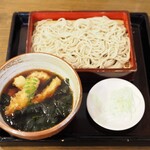
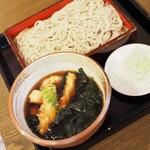
The seasonal soba noodles looked delicious so I decided to visit. It was almost full during lunchtime on a weekday.
- Young Bamboo Shoot Tempura Soba: $15.50
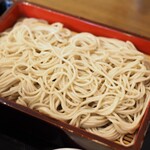
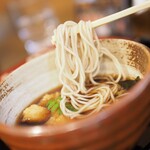
The soba noodles come in a rich broth with soft seaweed and fragrant bamboo shoot tempura, perfect for this time of year. The broth has a strong, sharp flavor that pairs well with the firm noodles. The soft seaweed and bamboo shoot tempura were also very delicious, giving a taste of spring. They also serve soba broth after the meal, which is very comforting.
This is a great place to enjoy drinks even during the day.

スズ!
3.90
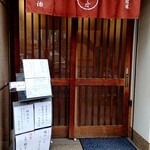
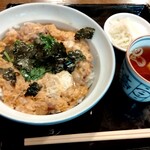
Near Shinbashi Station, there is a traditional soba restaurant with a nostalgic atmosphere. The interior of the restaurant is also nice. I originally planned to order soba, but when I saw the sign for "Duck and Duckling Donburi" at the entrance, I decided to order that instead. The duck was firm and full of flavor, and it was delicious. Thank you for the meal, it was a great experience.

Satsuu
4.50
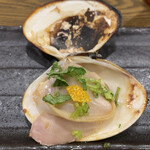
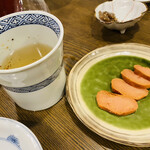
This is a really great restaurant. It's always busy with customers for both lunch and dinner, but the turnover is fast so it's very convenient. The owner and the hostess provide excellent customer service, making dining here a pleasant experience. The restaurant offers a wide variety of dishes to accompany drinks, and you can taste the seasonal flavors, so you never get bored. The buckwheat soba noodles with shochu are somehow gentle on the body and my favorite. And of course, the soba noodles themselves are delicious.

健一郎Jr.
3.70
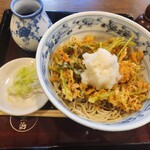
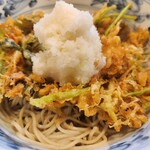
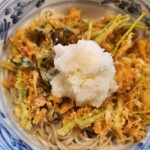
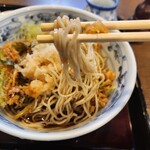
I visited the restaurant around 1:30 pm on a holiday after a long time. It had an old-fashioned soba shop feel, and the owner seemed friendly. I had come to this place after seeing it in a magazine. I tried the Sakura Oroshi Soba that was featured in the magazine, and it matched my taste, so I had been wanting to visit again. Today, I had the Sakura Oroshi Soba for 1550 yen. The description said it was cold soba with sakura shrimp tempura and grated daikon radish. I love eating soba this way, and I prefer it over steamed soba. The flavor of the sakura shrimp was subtle, and the tempura was crispy, the soba was cold, and the rich dipping sauce was well-balanced with a good texture. The grated daikon radish was an important accent. I really enjoyed the Sakura Oroshi Soba. I will definitely come back. Thank you for the delicious meal.

HINÅTA
3.50
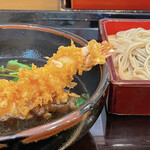
I visited for lunch☆ The restaurant was quiet and run by a couple. They had a wide variety of soba menu options! I ordered the mixed tempura and cold soba with tempura, as well as the traditional hot soba with tempura. The tempura included shrimp and shishito peppers. The crispy fried shrimp had a great texture! The traditional soba had a big shrimp tempura in the broth. The soba noodles were firm, and the broth was not too sweet, making it easy to finish. I'm used to the sweetness of Kyushu flavors, but I preferred the taste of the soba broth in Tokyo♪

おぼうちゃま
4.00
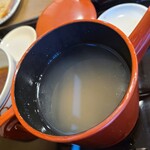
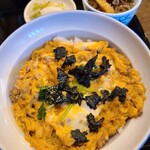
Having a late lunch in Shinbashi. It's convenient that they are open all day and night. I am a member of the Kibachi-kai, which consists of long-established soba restaurants such as Machiya in Muromachi and Matsuya in Kanda. The first generation, who was from Noto, established the restaurant in Akasaka during the Ansei era, and around Meiji 16, they moved to the current location in Shinbashi. The sixth generation is now preserving the taste. I ordered the famous duck soba, duck and egg bowl, and yakitori. They were delicious. I thought the egg in the duck and egg bowl could have been a bit more runny. I enjoyed it. Next time, I would like to try the oyster tempura soba and tempura bowl. They use grape seed oil for the tempura oil. It seems they have a spirit of challenge without being complacent about their long-established status. I was lucky to get a 20% PayPay discount in Minato Ward. I will visit again.

お麩じぃ
3.50
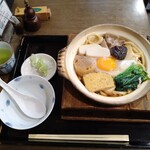
This is an historic soba restaurant founded in Akasaka during the Bakumatsu period. They use buckwheat flour made with traditional pounding methods. This time, I tried their hot pot udon, which was delicious with the broth soaking into the Akagane tofu. The tofu was also very tasty.

和食大魔神
3.30
I couldn't see the inside of the restaurant from outside, so I felt a little anxious when entering. I regretted it as soon as I sat down. There were a lot of daytime drinkers. People who want to enjoy a quiet soba experience should be cautious. It's quite lively. I ordered the soba with shrimp tempura. The soba was delicious, but the shrimp tempura was... For side dishes, I got two pieces of shishito peppers. It felt a bit lonely. Maybe it just didn't go well with my personal taste.

池友津麻
3.60
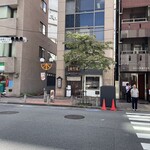
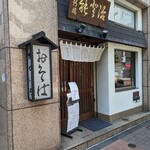
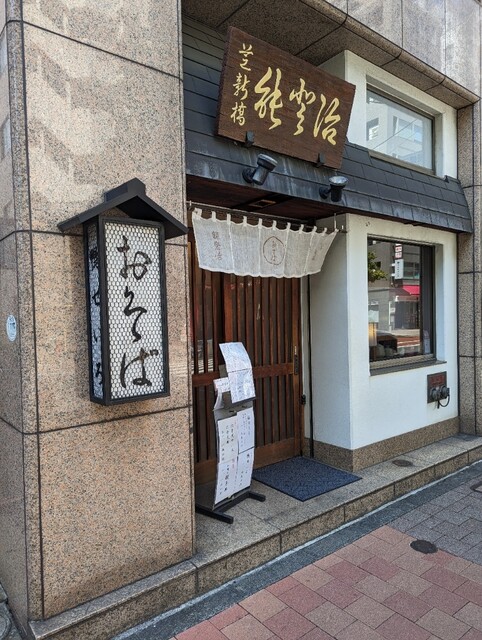
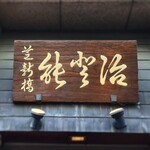
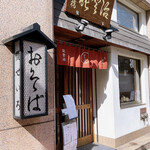
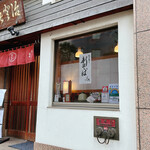
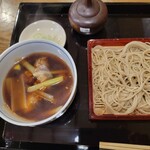
On a Saturday afternoon, I stopped by while walking around town. The elegant gold lettered sign gives off a dignified atmosphere of a long-established store. The inside of the shop has the traditional feel of a soba restaurant. You can really sense the history here. I ordered the Duck Tsukune Seiro for 1,350 yen, a small bottle of beer for 440 yen, and the Akawari Seiro for 350 yen. The tsukune had cartilage in it, giving it a crunchy texture. The dipping sauce was on the richer side. The soba noodles were freshly made, with a nice aroma. The evenly cut noodles had a good texture. It's not just because they are hand-made that they taste good. I enjoyed a beer lightly and continued my stroll through the town.
Email Login