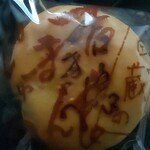
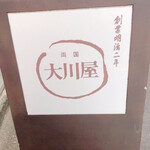
大川屋 本店
Ookawaya
3.26
Ryogoku, Kinshicho
「Japanese Sweets」
--
--
Opening hours: 10:00-18:00
Rest time: Monday Business hours and holidays are subject to change, so please check with the store before visiting.
東京都墨田区両国3-7-5
Photos
(20)
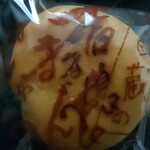
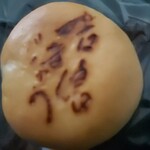
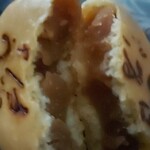
Details
Parking
None
Comments
(20)

ふにふに123
3.40
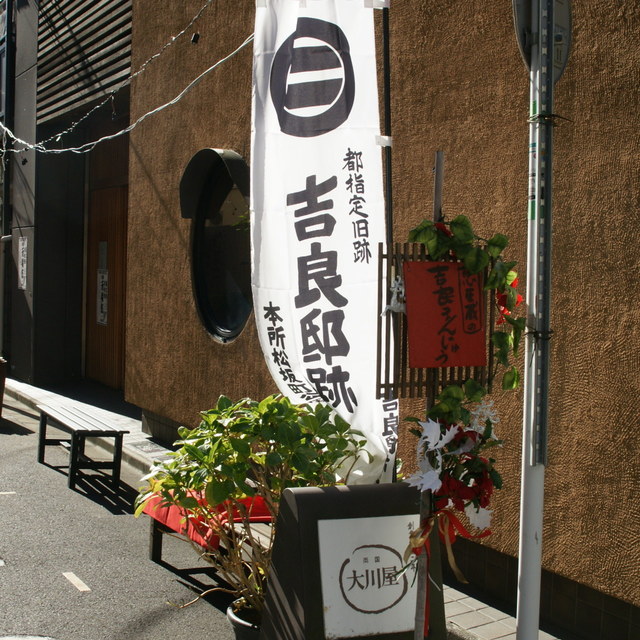
I visited the main store of Okawaya, established in the second year of the Meiji era, located in front of the park at the site of the Kira Uesugi residence in Honjo Matsuzaka-cho. I visited during the full bloom of the double cherry blossoms at the neighboring Kira residence site. This time, I bought one "Sumida River Monaka" (white bean paste, black bean paste) each, and also bought a Kashiwa Mochi. Inside the store, there are dedicatory letters related to the sweets offered to the late Emperor Showa and Empress, which gives a sense of the weight of history. The exterior of the shop shows a sense of style, but the interior is a bit retro and beautifully maintained, and the staff are friendly.

とろとろん
3.20
During a special feature on the Ako ronin on NHK, a shop was also introduced. It was mentioned that the daughter of this shop cleans the statue of Kira Kozuke-no-suke daily... Truly admirable.
Received items:
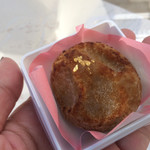
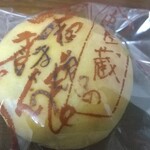
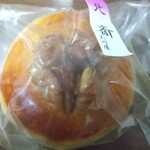
- Hokusai: A traditional Japanese confection with a fragrant roasted walnut flavor. It has a refreshing taste and is delicious.
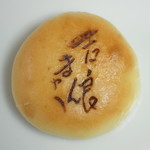
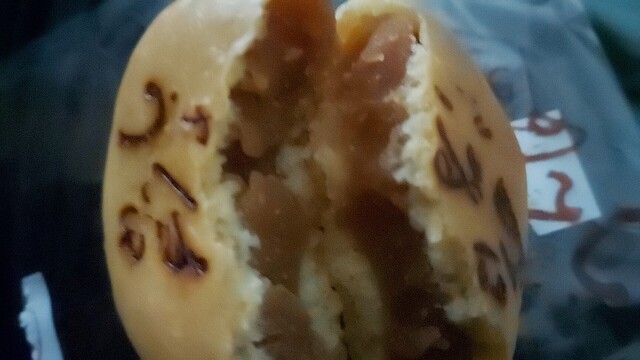
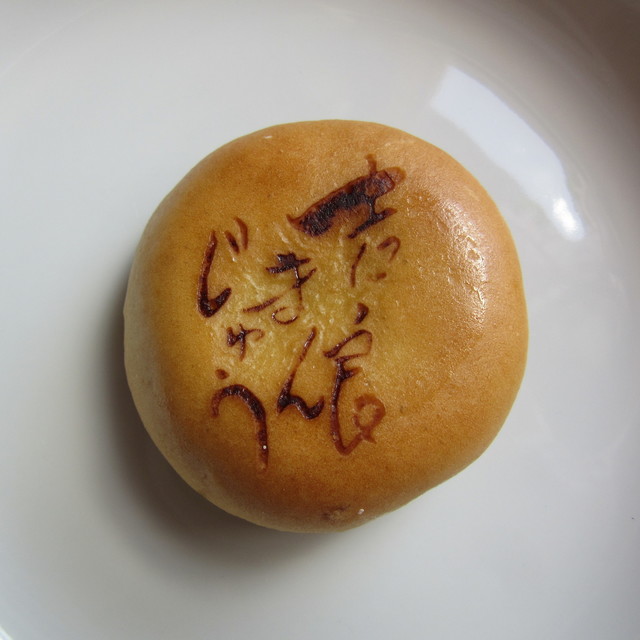
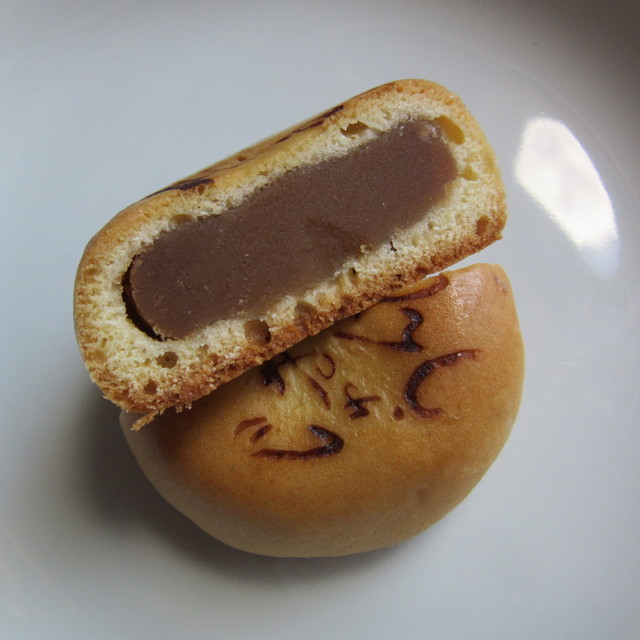
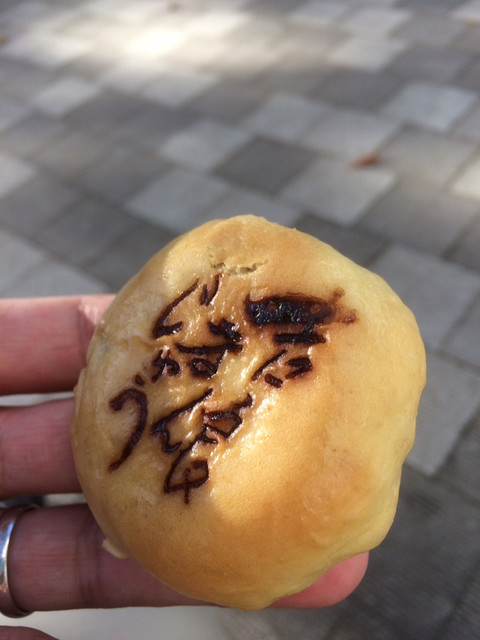
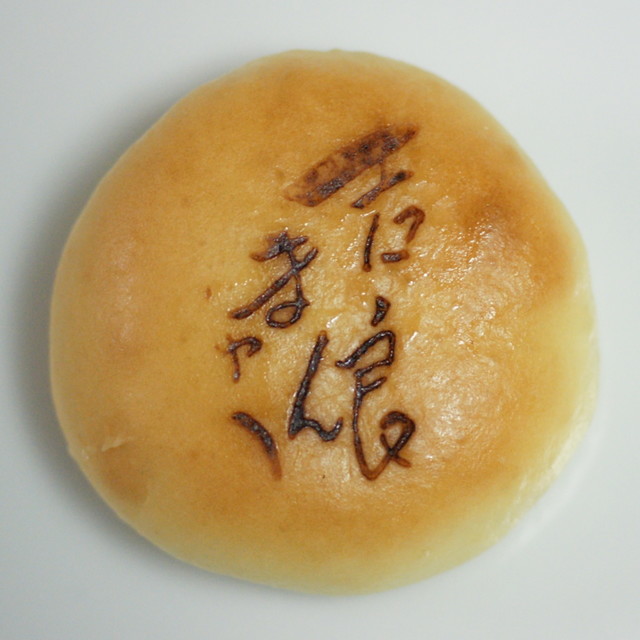
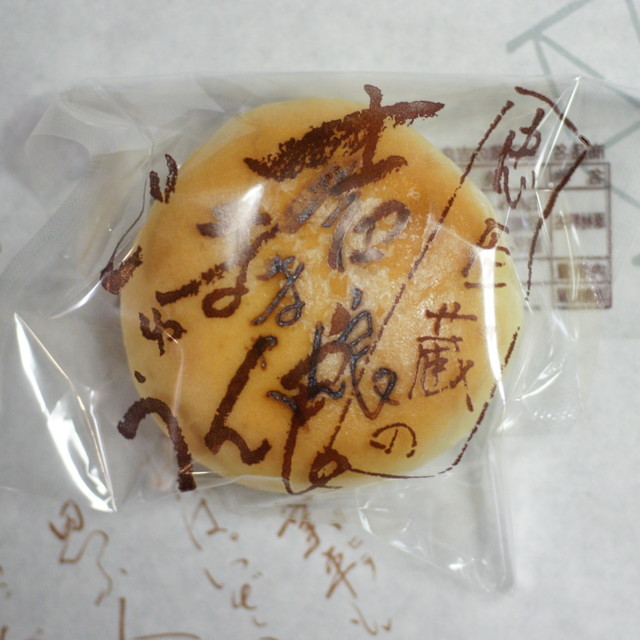
- Kira Manju: A steamed bun filled with sweet bean paste and covered in kinako (soybean flour). The combination is delicious and harmonious.

めぐムゥ
4.00
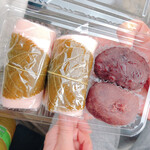
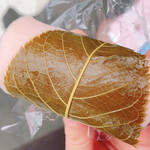
I came to visit both countries and ended up looking for three-color dango nearby. I'm not sure about the price since someone else bought it for me, but I purchased ohagi (with red bean paste and coarse sweet bean paste) and sakuramochi. Due to the unspoken consideration during the pandemic, customers are served one group at a time, and the next customer enters once the previous one leaves. It seems that eating and drinking inside the store is currently suspended, but there are benches outside where you can sit and eat. Located next to Iidzumi Inari Shrine, right in front of Honjo Matsuzaka-cho Park (site of the Kira Kozuke-no-Suke residence), the store had a constant stream of customers. The taste was elegant, and although it's a bit far from the station, the deliciousness has been maintained since its establishment in the second year of the Meiji era! Thank you for the meal.

ますら王
3.20
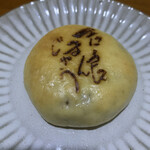
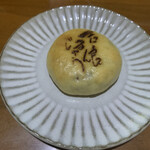
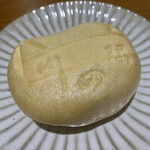
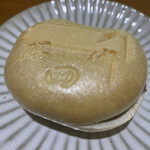
- Kira Manju: ¥200
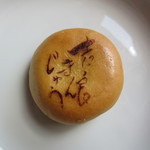
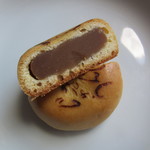
Kinako (soybean flour) filling? Delicious! Thin, flat skin of the manju.
- Sumida River Monaka: ¥240
Incredible volume of red bean paste! Surprisingly not too sweet, with a restrained sweetness. The grains are distinct and provide a good texture.

ゆっきょし
3.20
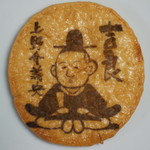
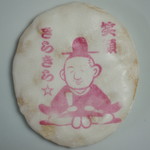
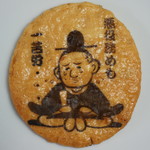
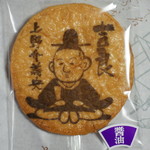
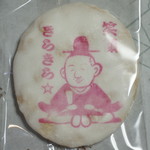
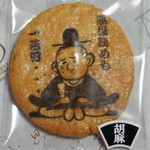
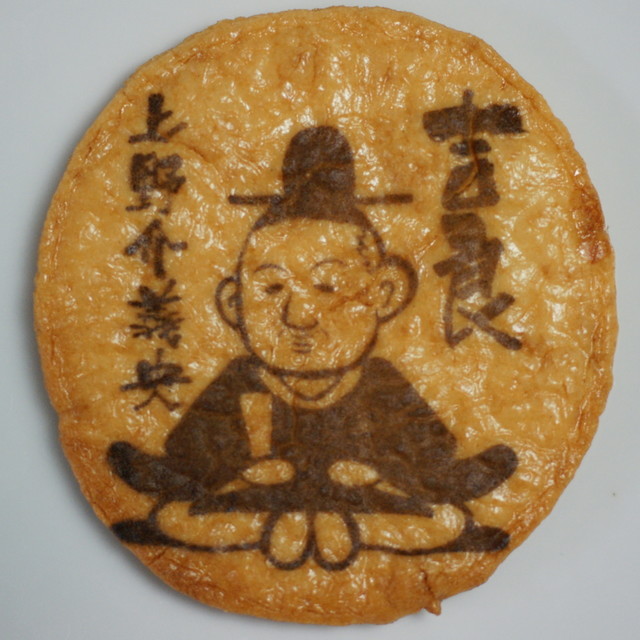
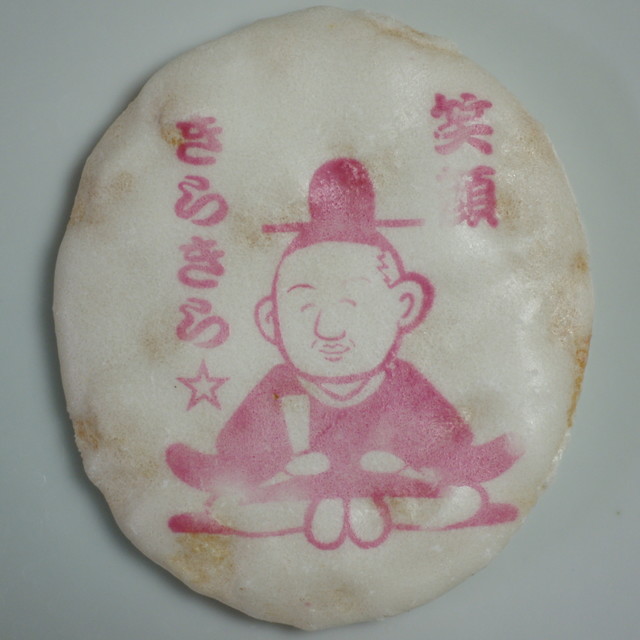
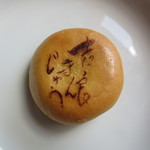
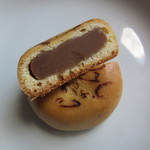
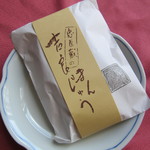
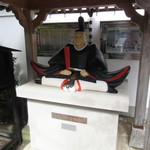
First visit in October 2019 (No. 1472) On December 14th, the day when the famous Akō rōshi samurai attacked the Kira mansion, so every year I post related topics. Tonight (this year), I will pay a visit to the residence of Lord Kira Uesugi to receive his severed head (just a joke) at the Uesugi residence (the site where the house used to be). Before visiting the shop, I visited the Honjo Matsuzaka-cho Park, which is a small part of the Kira family's mansion with a total area of 2550 tsubo, including the so-called "Kira's head-washing well". The atmosphere is quite nice with a wooden statue of Lord Kira Uesugi. This shop was established in 1872, so it did not exist when the Akō rōshi samurai attacked the Kira mansion in 1703! The shop sells products related to Lord Kira Uesugi (>_<). The original purpose was to buy a set of three "Kira senbei" crackers with Lord Kira Uesugi depicted on them, but they were sold out, so I bought the "Kira manju" for 200 yen instead. It is a sweet baked confection with white bean paste and roasted soybean flour kneaded in, and when you eat it, the flavor of the soybean flour spreads, making it a delicious treat with moderate sweetness. In Tokyo, the resources for Chūshingura topics are almost exhausted, so I am already worried about what to do next year. Thank you for the meal.

kotale
3.50
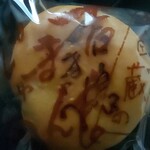
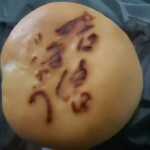
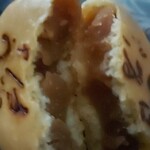
Kira Manju. Featured on Ad-machi. Located very close to the Kira Kozuke-no-Suke residence site. A small shop that takes their work seriously. They offer manju with soybean flour filling and white bean paste, but the soybean flour flavor really stands out when you eat it.

dr.k-march
3.10

ランチ向上委員会
3.30
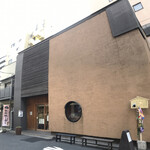
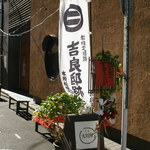
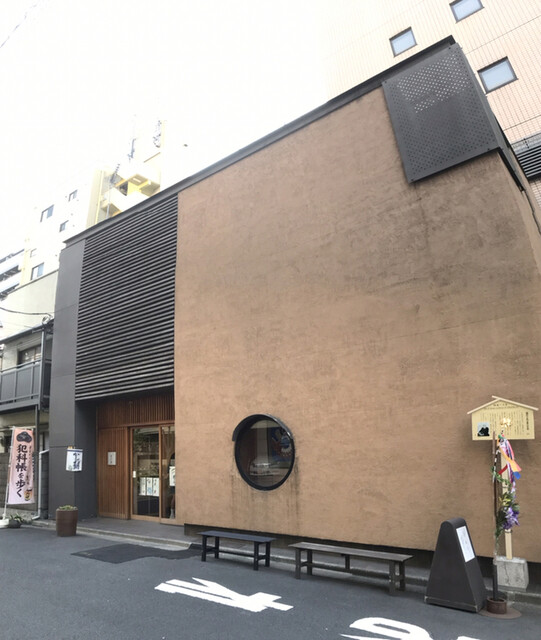
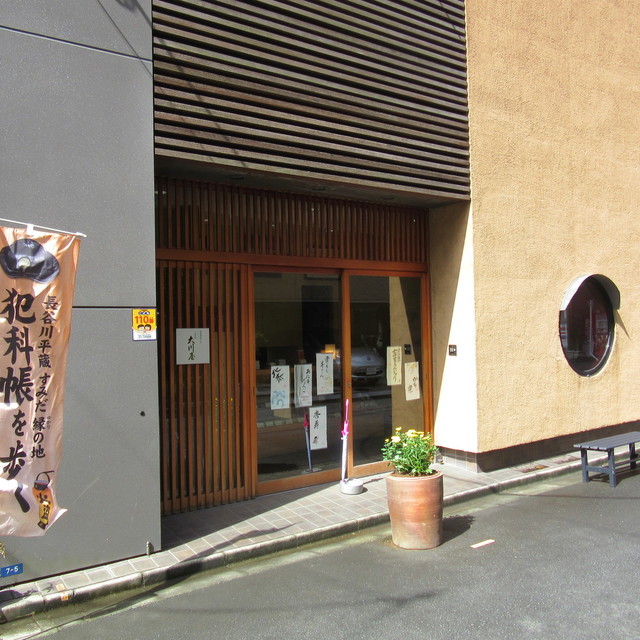
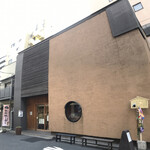
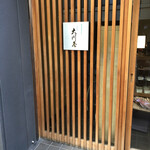
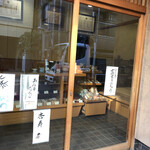
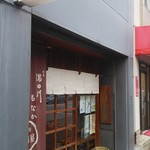
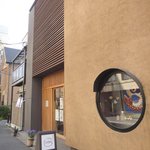
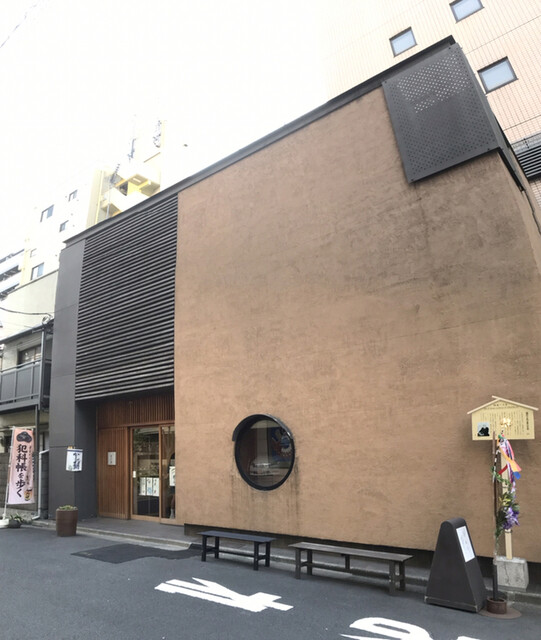
This is a traditional Japanese confectionery shop located a little away from Ryogoku Station. Established in the Meiji era, the shop has a modern Japanese style with a mud wall exterior, giving it a nostalgic atmosphere. It is situated in the area where the famous Kira residence from the Chushingura incident once stood. Although only a small park remains as a trace of the Kira residence, the area is a popular tourist spot with signs marking the location of the main and back gates of the Kira residence.
The shop offers a variety of traditional Japanese sweets, including Sumida River Monaka (5 pieces for 1,530 yen) and Edo Komachi (5 pieces for 1,930 yen), which are perfect for gifts. They also sell common Japanese sweets like dorayaki (210 yen) and Onihira dango (250 yen) inspired by the character of Onihei Hankacho and Kira's manju (200 yen) inspired by the Chushingura incident.
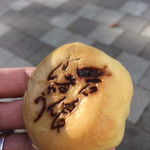
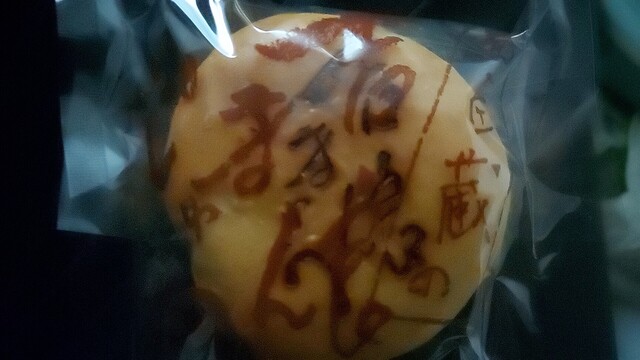
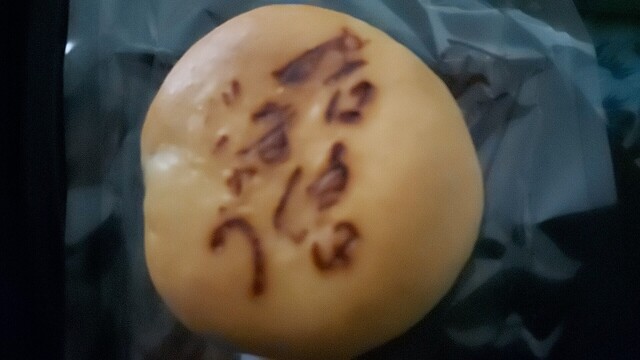
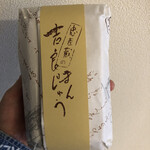
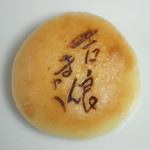
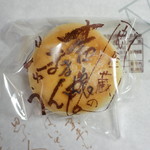
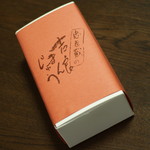
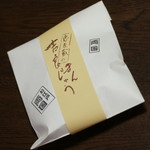
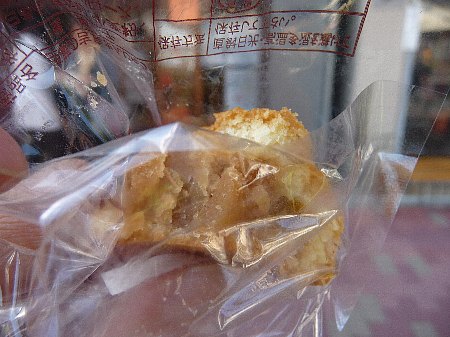
I tried the Kira manju (200 yen each), which can be purchased individually or in sets of 2 or 3, with a special bag provided. The 5-piece set comes in an elegant box but with an additional cost of 1,050 yen. The manju is a baked confection with a wheat flour dough exterior, filled with white bean paste and kinako (roasted soybean flour), giving it a delicious flavor.
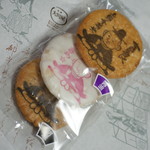
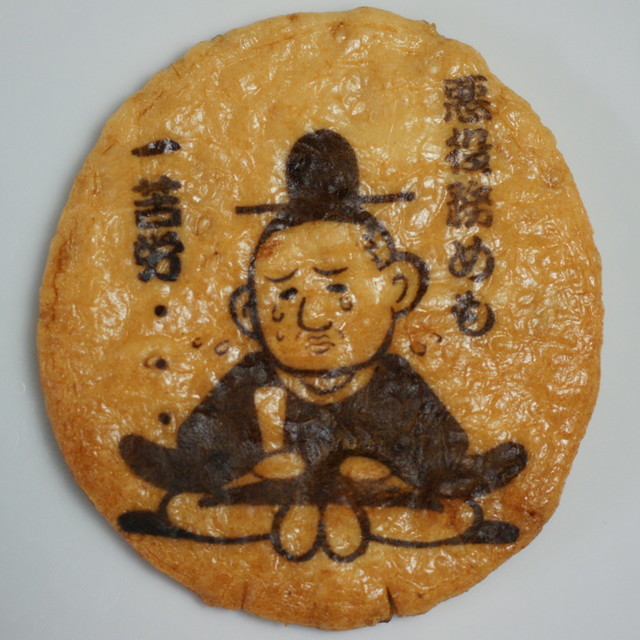
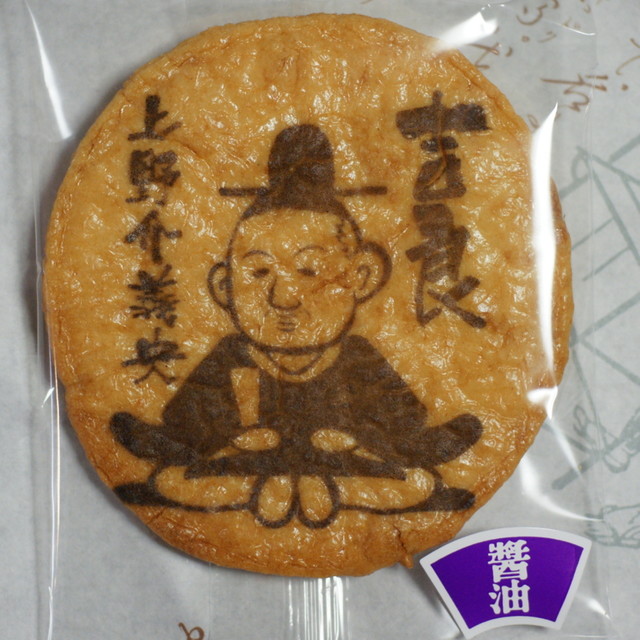
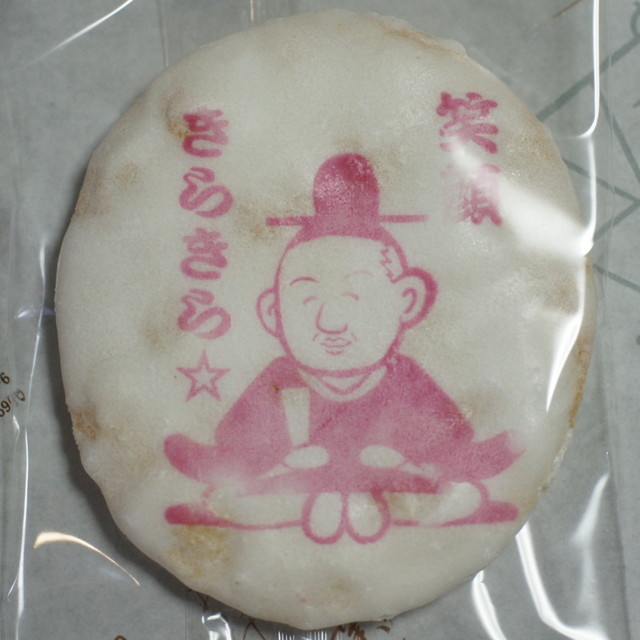
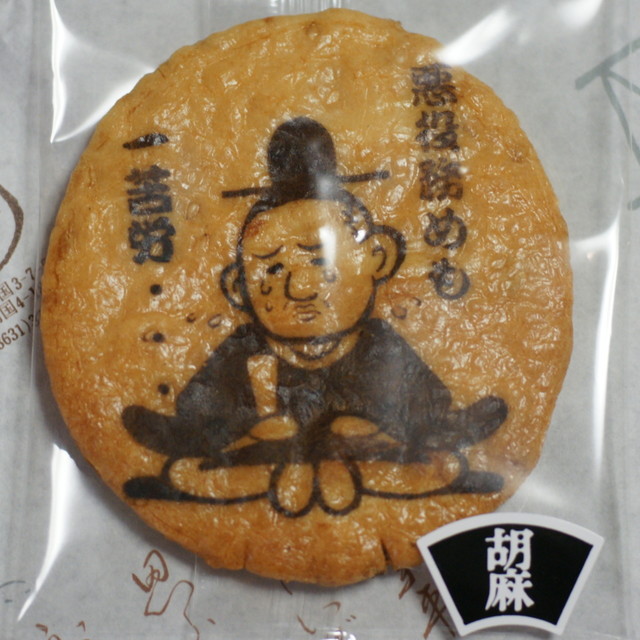
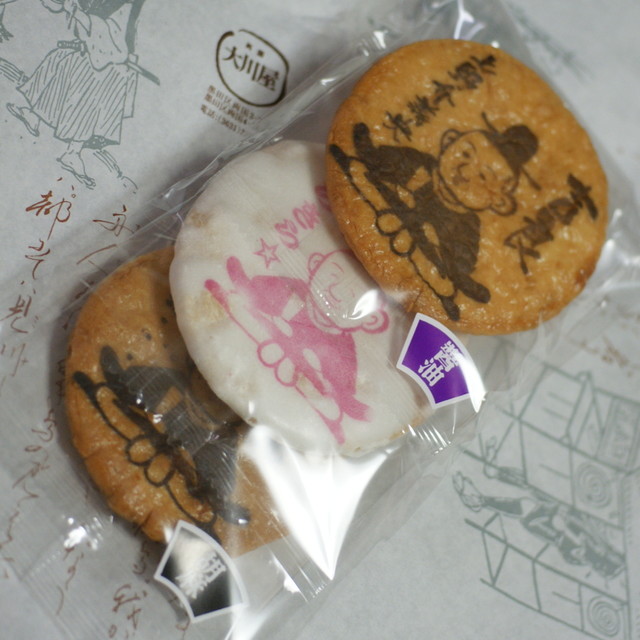
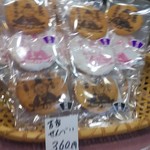
I also tried the Kira senbei (360 yen), which comes in three flavors - soy sauce, white sugar, and sesame. Each piece costs 120 yen and features different character designs, making it a unique and fun treat. The soy sauce flavor is simple and traditional, while the white sugar flavor is sweet and rich, and the sesame flavor has a delightful aroma.
Overall, this historic confectionery shop is a must-visit for history enthusiasts and fans of Chushingura and Onihei Hankacho. It's a great place to pick up souvenirs while exploring the area.

無芸小食
0.00
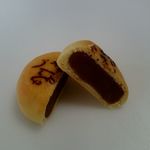
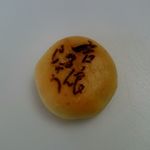
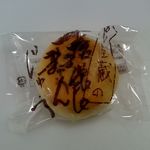
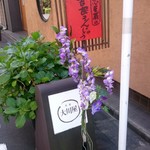
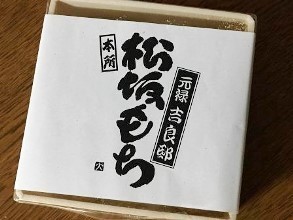
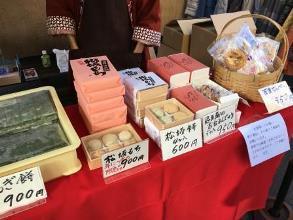
I am a resident of Yokozuna Yokochō! Hello! I visited Ryogoku Daikawaya Main Store, located across from the Kira Residence site (Honjo Matsuzaka-cho Park) in Ryogoku Sanchome. It is in the same neighborhood as Yokozuna Yokochō. Although it is usually difficult to visit this area due to the Keiyo Highway, I decided to take a stroll around the neighborhood on a warm day during Golden Week. The Honjo Matsuzaka Park, now known as the Kira Residence site, is said to be only one eighty-sixth of its original size. So, I wonder if this Daikawaya store was originally inside the Kira Residence. They offer traditional Japanese sweets such as Mame Daifuku, Doamochi, Kashiwamochi, Dorayaki, as well as seasonal fresh sweets. They also have their specialty sweets. Sweets include: Sumida River Monaka: 220 yen, Kira Manju from the Chushingura story: 200 yen, Onihira Dango: 230 yen, Matsuzaka Mochi (4 pieces): 600 yen (limited to the Genroku Market once a year). After visiting the Kira Residence site, I purchased the Kira Manju (200 yen). It is a delicious manju with a kinako (soybean flour) filling. It is said to have been created when there was a shortage of red beans. Uesugi, who was portrayed as a villain in the Chushingura story, was highly regarded in his territory of Mikawa, Kira, and was also a popular figure in the Ryogoku area.

hylap
3.50
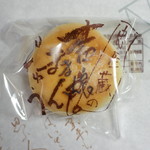
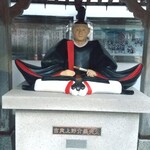
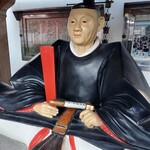
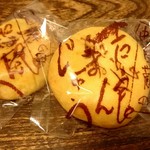
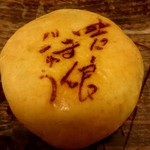
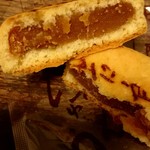
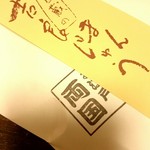
After visiting the stylish Hokusai Museum in Sumida Ward, I decided to take a walk to the site of the former residence of Kira Kozuke-no-suke, which is associated with Hokusai. Although the area is now filled with buildings and apartments, it used to be a place of mansions back in the day. There is a small park with a statue of Kira Kozuke-no-suke, and not far from there, I noticed a banner for "Kira Manju" across the park. I was intrigued, so I decided to try it. The shop had a showcase with various sweets, but I couldn't find the Kira Manju. When I asked the shop owner, they kindly brought it out for me. I bought two and took them home as they were neatly wrapped. The Kira Manju had a simple appearance, but inside was a smooth and fragrant sweet bean paste made from soy flour. It was denser than I expected, with white bean paste as the base. I would love to try other sweets from this shop, especially the sakura mochi that was sold out. The shop owner's friendly and attentive service left a good impression, making it a lovely traditional Japanese sweet shop. Despite being portrayed as a villain in the story of the Forty-seven Ronin, Kira Kozuke-no-suke was said to be a kind ruler loved by the people of San-shu San-kan, which is evident in the delicious manju they produce.

e-シュン
0.00
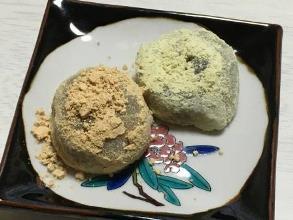
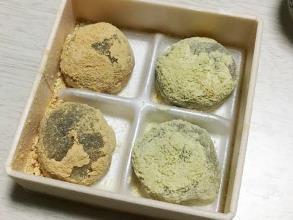
Mid-December is the season of the Chushingura story. The mansion of Kira Kozuke-no-Suke, which was attacked by the loyal retainers of Ako, is in Honjo Matsuzaka-cho, present-day Ryogoku. The Genroku Market and Kira Festival, which began in 1973, is held here to honor the 20 Kira family retainers who died protecting their lord. Arriving at Ryogoku Station before noon, I first stopped at Chiyofuku to have some eel before heading to the festival venue. In the center of the venue is Daikawaya, a traditional Japanese sweets shop. Their Matsuzaka mochi is only available during the festival period, so I made sure to buy some to take home. Enjoying the Matsuzaka mochi with hot tea at home, I felt a sense of elegance reminiscent of a high-ranking family. The gentle texture and subtle sweetness of the mochi, along with the eel, zoni soup, and other treats, left me completely satisfied once again today.

JW-JMAP
4.00
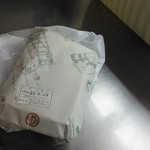
I went to Nunsongsan, a Thai restaurant in the north, and my taste buds were overwhelmed with sour flavors, so I craved something sweet. Since I always receive souvenirs from relatives, I decided to buy some as well this time. Upon entering the shop, I noticed that everything was priced at 200 yen or more per item, a bit on the expensive side. I purchased two pieces of manju (sweet buns) and a dorayaki. When I tried them at home, I was impressed by the homemade sweet red bean paste which had just the right amount of sweetness. The manju was dense and satisfying, even though they were small. The higher prices are justified by the time and effort put into making these treats. They also had Kira Kira's senbei (rice crackers) from the Kira family's residence. My wife suggested that we consider buying them as souvenirs for our summer visit back home. We will think about it.

takatakafumi
3.20
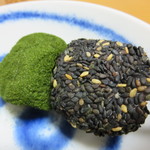
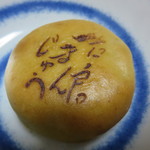
I had work in both countries and wandered around the city. I found Lion Hall near the famous temple and decided to go inside. The elderly staff member provided excellent customer service and there were many products for sale, making it hard to decide. I ended up purchasing the famous "Kira Manju" and the visually appealing "Onihira Dango". The Kira Manju had a delicious flavor, different from the usual red bean paste, it tasted like soybeans?? The taste of the soybean was more rustic and likeable. The Onihira Dango had a refreshing taste of seaweed and the aroma of black sesame seeds. It was also easy to eat.

yuf179
3.60
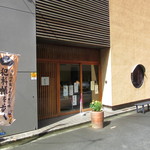
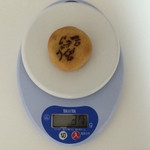
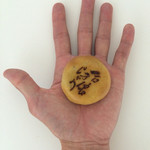
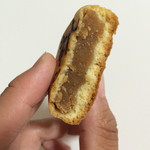
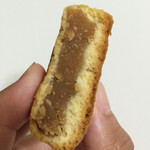
I stopped by this place on my way to an external seminar in May 2015. It is located south of Ryogoku Station, right in the middle of a residential area away from the commercial district. Next to the shop is the site of the former residence of Kira Kozuke-no-suke, famous as the antagonist in the Chushingura story. While there are shops selling famous manju near Zozoji Temple related to Chushingura, Ryogoku also has a connection to the story. The shop itself has a modern designer architectural style, which is unusual for a traditional Japanese confectionery shop. However, the door is a sliding door. Inside the shop, there is a tatami room on the right, which seems to be used as a workspace by the shop owner, a man who was working when I visited. I quickly found the dorayaki I was looking for, a type of dorayaki with tiger stripes on the skin, commonly seen around Ningyocho. Personally, I'm not a fan of the texture of this type of skin, but since it's their style, I decided to buy it. I also purchased the Kira manju, named after Kira Kozuke-no-suke. After buying the items, the shop owner bowed deeply as I left, not raising his head until I was out of sight. I have never seen such a polite shop before, especially towards a customer who only spent a few hundred yen! This is the true mark of an established shop! I finally tried the dorayaki after returning home from the seminar. I weighed it and was surprised to find it was 103g, much larger than other tiger stripe dorayaki I've bought before. This is probably because the cost of the paper used to create the tiger stripes affects the size, but the price remains the same at ¥210. The shop's impressive appearance is reflected in the quality and size of the dorayaki. The skin, although not my favorite due to its texture, had a good volume that compensated for it. It was slightly thick and had a creamy texture. The filling, although it seemed small, was actually a good amount. The red bean paste had visible beans and a slightly chunky texture, with a restrained sweetness that highlighted the quality of the beans. It was an interesting contrast with the creamy skin. As for the Kira manju, my family tried it and enjoyed it. I never imagined finding such an elegant Japanese confectionery shop in a residential area.

カメさん7
3.80
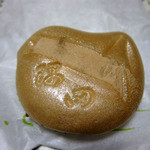
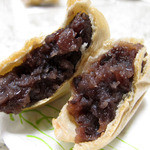
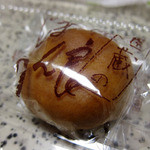
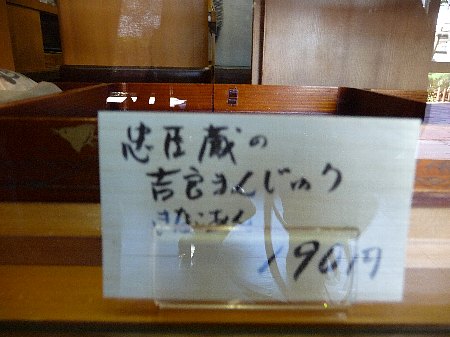
I got off at Ryogoku station for the first time in a while and decided to take a walk around since I rarely walk in this area. Before heading to Kawazaki-san, I stopped by a shop called Kawaizaki-san. The exterior had a calm and stylish atmosphere with round windows on the walls, and upon opening the large sliding door, the inside of the store was quiet. When I asked for recommendations, the owner came out and explained that the shop has been around since the Edo period and is named after the Kira residence located diagonally across the street, famous for the Chushingura story. I tried the following sweets: Sumida River Monaka for 210 yen, Chushingura's Kira Manju for 190 yen, and my favorite Walnut Manju for 190 yen. The Sumida River Monaka had a subtly sweet red bean paste filling with an elegant taste, the Chushingura's Kira Manju had a rare sweet red bean paste with kinako, and the Walnut Manju had a delicious walnut flavor that complemented the red bean paste well, making it my favorite. Thank you for the meal. There were also many seasonal Japanese sweets available, so I would like to try them next time.

カボティーヌ
3.50
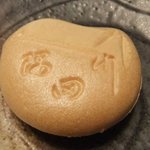
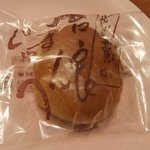
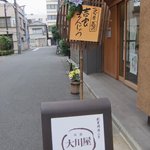
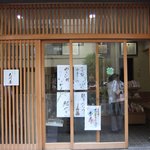
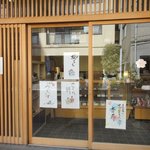
I came from Ningyocho to Ryogoku Station. From the station platform, you can see the Ryogoku Kokugikan well. I visited Kaizo-in to see the grave of Nezumi Kozo Jirokichi before heading to the former residence of Kira Kozuke-no-Suke. The former residence of Kira Kozuke-no-Suke is small, but it seems that it was not only there but in the surrounding area as well. When you walk straight from there, you will find "Ogawaya" shop. Established in 1879 in Oyster Shell Town in Nihonbashi and later relocated here after the war. They sell Kira manju and Sumida River manju as their specialty. Two pieces of Sumida River manju cost 190 yen each, and two pieces of Kira manju also cost 190 yen each. Summer dried sweets cost 250 yen. The Sumida River manju has a crispy thin skin and the sweet bean paste is not too sweet, making it a very elegant and delicious treat. Recently, Kira manju seems to be popular as well. Unlike regular manju which has a lot of red bean paste, Kira manju has a soybean flour paste. It is said that when Kira manju was created, there was a shortage of red beans, so they had to use soybean flour paste instead. It also contains two types of yellow powder and is delicious. Everything in this shop is handmade. The shop owner is calm and not too pushy, maybe because it is an established shop. Looking up, I noticed two thank-you notes displayed, one dedicated to Yasukuni Shrine and the other to Meiji Shrine. It seems that only a trusted shop can receive such honors. Several locals were buying from the shop. The current shop owner is the fourth generation, and it seems that the son will take over as the fifth generation. It looks like this shop will continue for a long time.

laclair
3.00
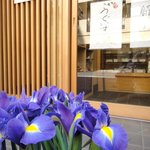
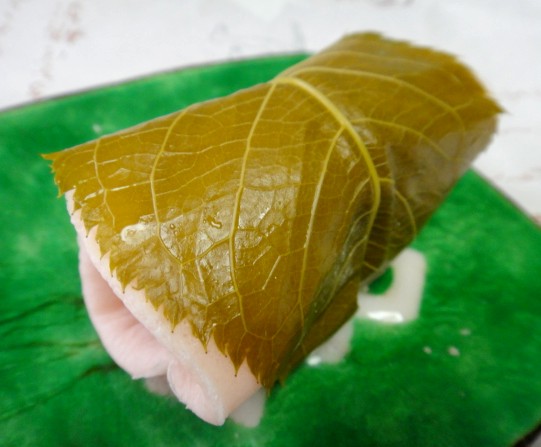
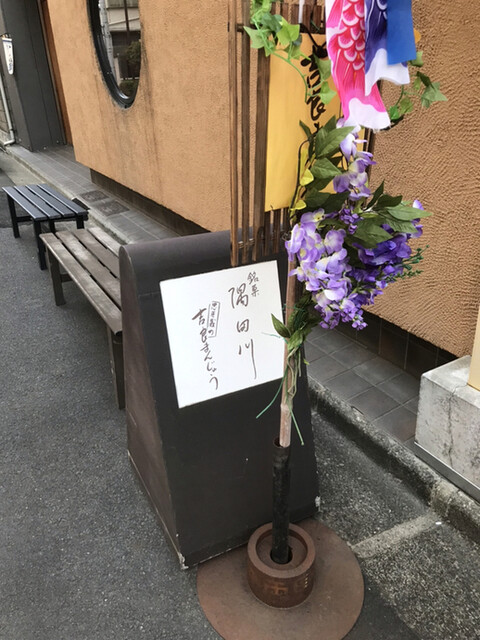
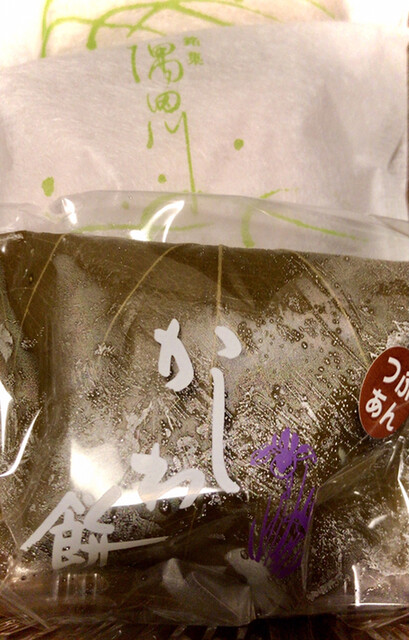
In front of the Kira residence, there is a traditional Japanese confectionery shop called "Okawa-ya Honten." Both the main store and branch store have been around for a long time. The elderly women who work there have similar facial features, making me wonder if they are related. During this season, the main store had irises displayed. They had a variety of seasonal traditional Japanese sweets, including kashiwa mochi, which is my favorite. The texture of the mochi was different depending on when it was eaten. The daily selection of nerikiri was a bit confusing to choose from without names written on them. Despite being told to wait 30 minutes before eating, I bought one with a beautiful color. Traditional Japanese sweets like nerikiri and anko may not show much change in taste even when frozen, similar to how sponge cakes can be frozen. However, being directly told to wait before eating was a bit off-putting. I had never received such an explanation when buying from the branch store before, so it caught me by surprise.

たんぽぽ78
3.50
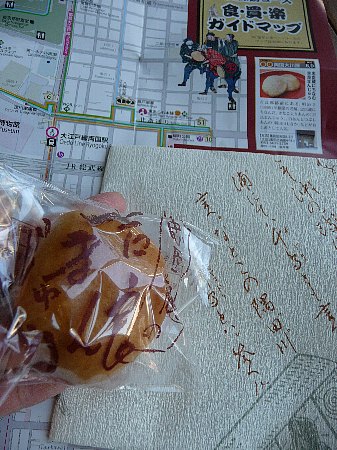
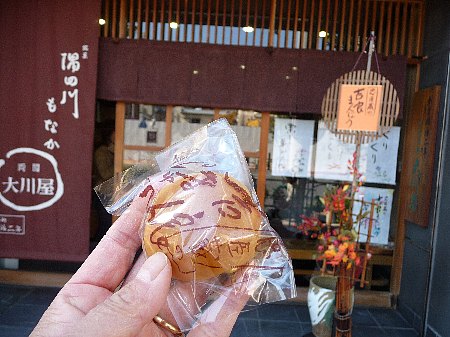
In October 2010, when I visited Ryogoku, I first went to the Ryogoku Tourist Information Center to get brochures and guide maps with information on the attractions in Ryogoku. In the "Ryogoku Food, Shopping, and Fun Guide Map," I saw the "Kira Manju" from Ryogoku Ookayaya, which is inspired by the Chushingura story, and decided to visit the store. Even though it was before lunchtime, I couldn't resist buying some for souvenirs and some to eat on the go. We made sure to share a few pieces among us so we wouldn't get too full and enjoyed the delicious treat.

matti8000
3.50
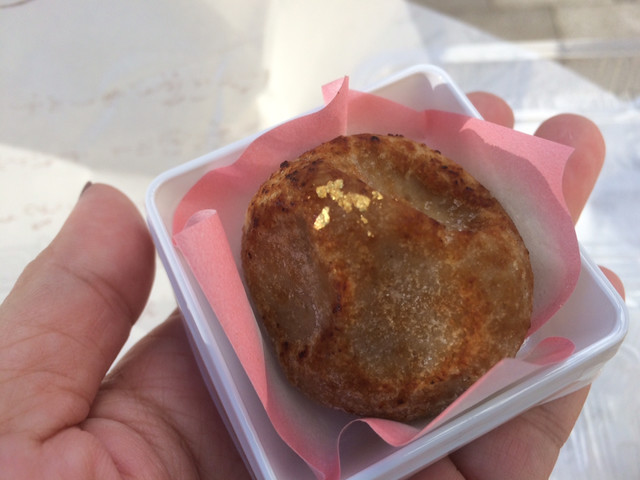
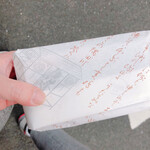
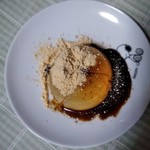
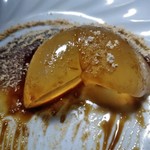
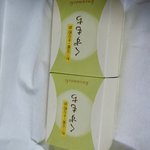
My child's favorite store. Located across from Honjo Matsuzaka Park. I like the atmosphere of this traditional Japanese confectionery shop in the middle of the city. I recommend everything, especially the Sumida River-shaped Tori no Katachi Senbei. This store has delicious red bean paste. I previously gave Matsuzaka mochi as a gift, and it was well received (although I haven't tried it myself). In May 2018, I discovered Okawaya at a souvenir shop in a small alley near Ryogoku Station. I bought a pack of two kuzumochi that can last for a while. It's similar to warabi mochi, with a jelly-like texture. It's a beautiful light yellow color and is topped with kinako and Japanese sugar syrup (black syrup). It tasted great. The Japanese sugar syrup seems to be made by a different manufacturer, as it is printed with Osaka Baikodo on the bag, which adds to the charm. The wrapping paper with a passage from the Ise Monogatari printed on it is elegant.

mattijefsuki
3.50
Email Login