四谷志乃多寿司
yotsuyashinodasushi
3.38
Yotsuya
「Sushi」
--
--
Opening hours: [Monday, Wednesday, Thursday, Friday, Saturday, Sunday] 8:00 - 18:00 [1st, 3rd, 5th Tuesday] 8:00 - 12:00 Open Sunday
Rest time: 2nd and 4th Tuesdays Business hours and holidays are subject to change, so please check with the store before visiting.
東京都新宿区四谷1-19
Photos
(20)
Details
Reservation Info
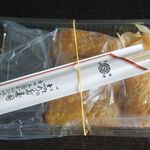
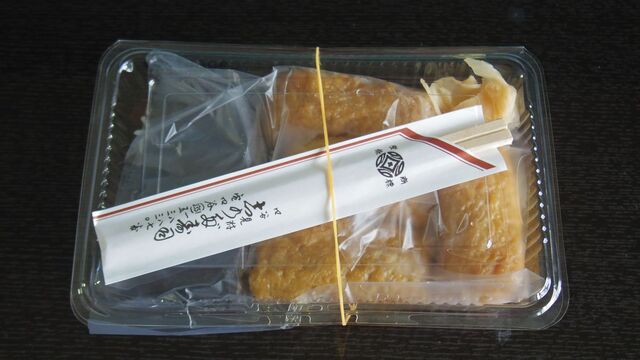
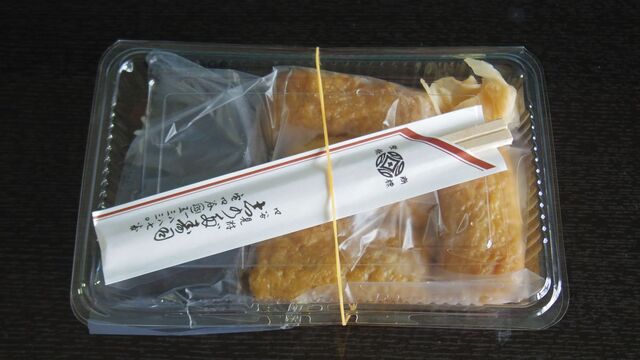
Reservations accepted Tell the following 5 points when making a reservation by phone. (1) the number of items ordered, (2) whether it is a folded package or a food pack (plastic), (3) the time of visit, (4) your name, and (5) your contact information.
Payment Method
No credit cards
Electronic money is not accepted
Restaurant Service Fee
nashi (Pyrus pyrifolia, esp. var. culta)
This fee is charged by the restaurant, not related to our platform
Number of Seats
(Take-out only)
Private Dining Rooms
None
Smoking and Non-Smoking
No smoking at the table
Parking
None
Nearby toll parking: Yotsuya 1-8-14, Yotsuya 1-chome Building, accommodates 60 cars, etc.
Comments
(20)

わたかつ
4.00
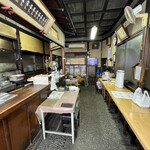
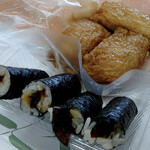
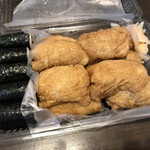
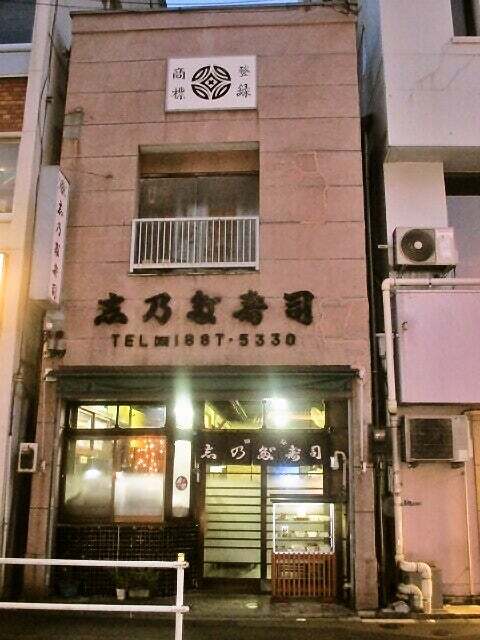
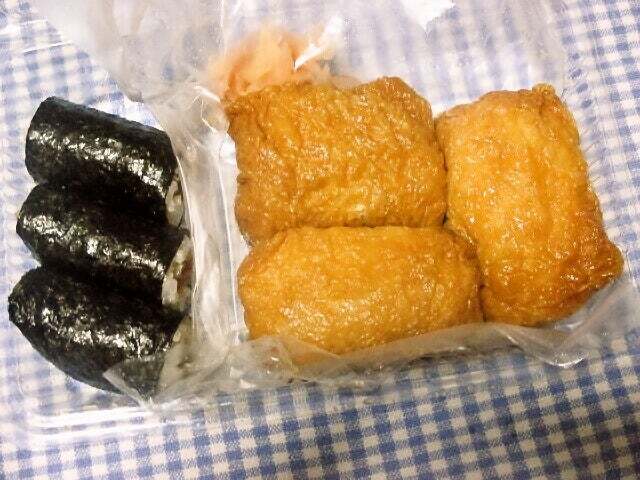
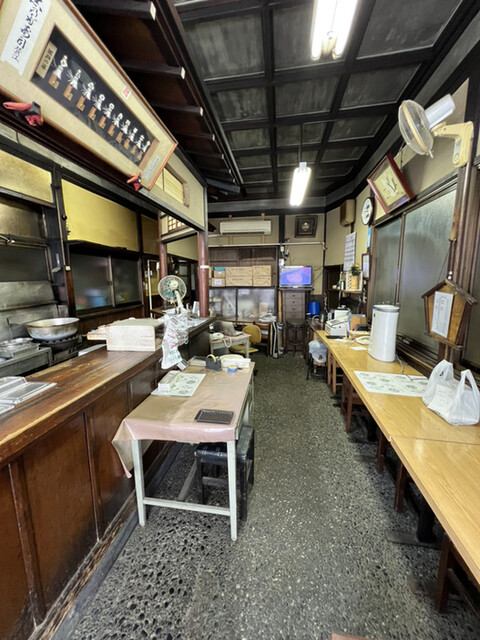
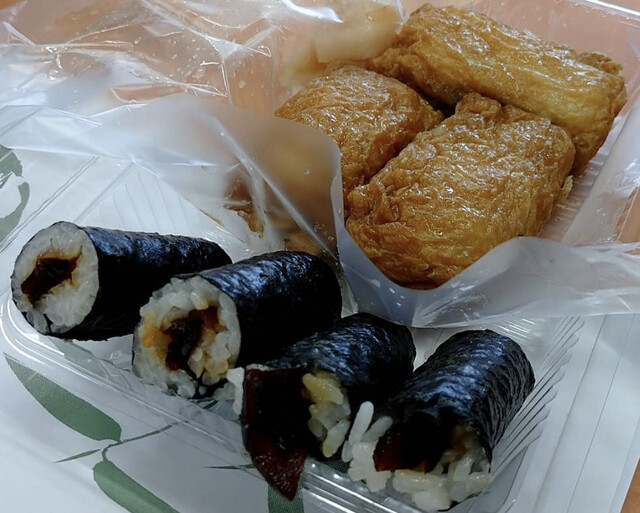
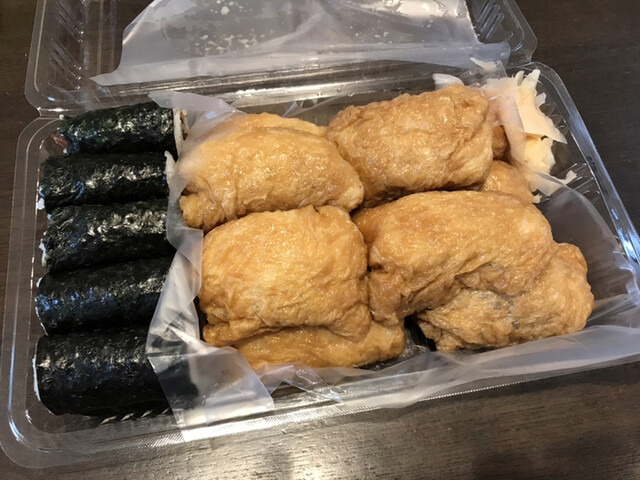
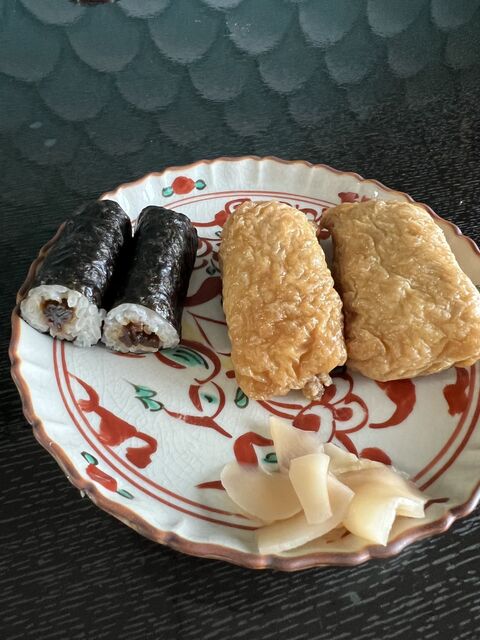
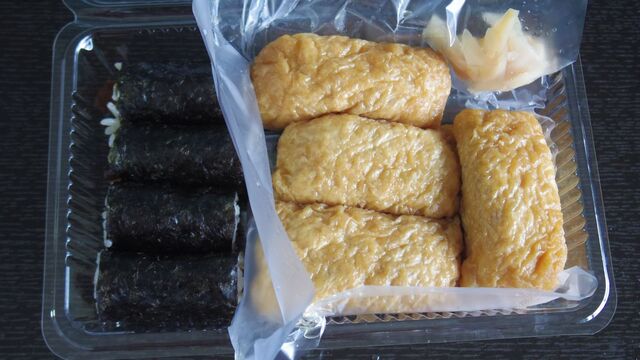
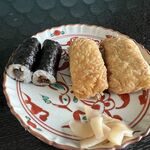
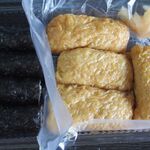
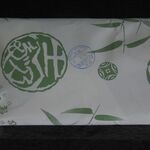
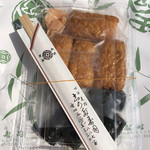
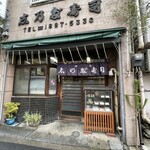
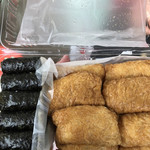
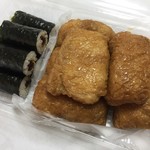
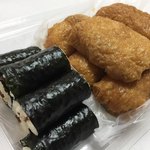
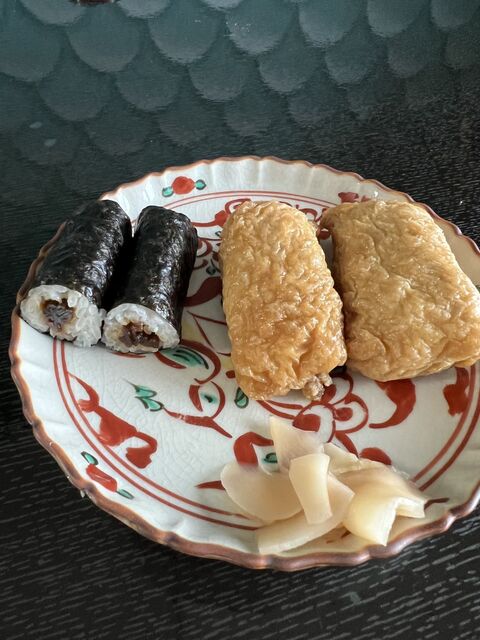
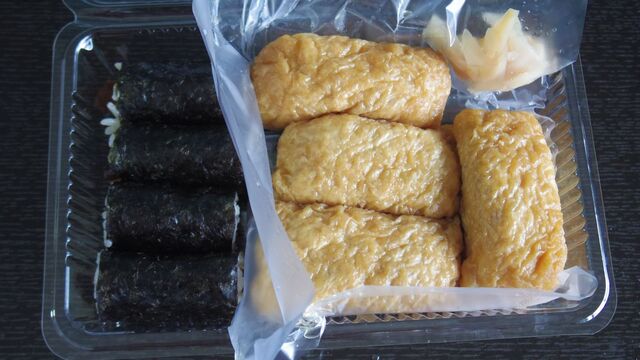
While taking a stroll around Yotsuya, I came across a quaint old wooden building with a sign that read "Inari Sushi." Intrigued by the charm, I decided to step inside and make a purchase. The interior had a traditional feel, like an old soba shop, with a cluttered work table and cash register. You couldn't eat inside. The only items on offer were inari sushi and kanpyo maki. You could order a specific number of each, and they would pack them in a container for you. They also offered gift wrapping in a traditional style. I ordered 4 pieces of inari sushi and 4 pieces of kanpyo maki. The inari sushi was small, with a fox-colored fried tofu pouch on top. Upon tasting it, I found the fried tofu to be soft and juicy, with a rich dashi flavor that paired well with the rice, creating a fluffy and delicious texture. The kanpyo maki was a roll of black dried gourd. It had a moist nori seaweed, fluffy rice, and a sweet and savory flavor similar to sweet and salty simmered vegetables. Both dishes were delicious, and I would love to come back for more.

ZDM1000R
3.40
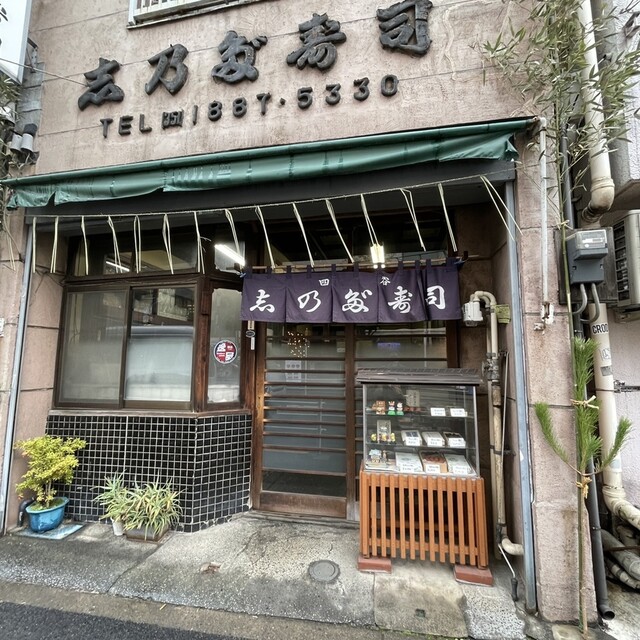
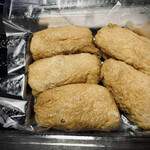
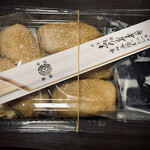
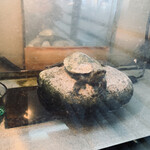
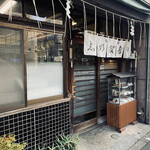
I arrived in Yotsuya 30 minutes before my tempura reservation, so I decided to look for an inari sushi shop in the shopping street. Across from Mitani, I found a quaint, old building called "Yotsuya Shinota Sushi". When I opened the sliding door, I saw an older lady busy packing boxes. It seemed like they only offered takeout as they were using the dining area for packaging. I ordered a set of 5 inari sushi and 4 kanpyo maki rolls for around 770 yen. While waiting for my order to be packed, I noticed a pot boiling in the back where they were simmering the inari skins in soy sauce. The inari sushi had a mild soy sauce flavor and was on the sweeter side compared to other places. It tasted even better with some wasabi. While waiting, I made eye contact with a large turtle in a tank near the entrance. It seemed to be friendly and approached me. After this, I tried to visit Taiyaki Wakaba, but there was a long line of about 30 people, so I gave up. It seemed like it was a popular day for taiyaki.

あてるい
3.80
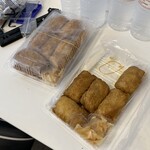
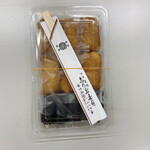
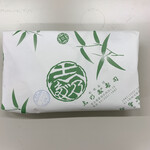
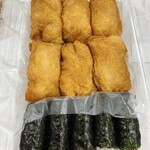
On this day, I found out that my favorite banana juice specialty store, Mecha Banana FC Shinjuku Araki-cho store, will be closing at the end of the year, so I decided to make one last visit there. I also stopped by Yotsuya Shinoda Sushi to buy takeout lunch. It had been about a year and a half since my last visit. I made a reservation over the phone a little after 8 in the morning, and then I stopped by Kan'ei-do next door before heading to the sushi restaurant. When I entered the store, I felt the same traditional atmosphere as before. The young female owner was there alone, providing very polite service. Even though I arrived a bit early, my order was already prepared and placed on the table in a plastic bag. I ordered the same as last time, 6 pieces of inari sushi and 5 pieces of kanpyo maki, packed in a food pack, for the same price of 960 yen (tax included). I took it home and opened it for lunch, and the taste was just as good as before. This time, the kanpyo maki stood out with its sweet and rich flavor. Even though I've only visited twice, the atmosphere of the store and the taste of the inari sushi and kanpyo maki feel very nostalgic. When I get tired of convenience store food, I definitely want to visit again.

江戸っ子嫁ちょこ子
3.50
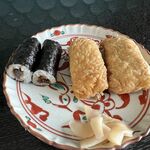
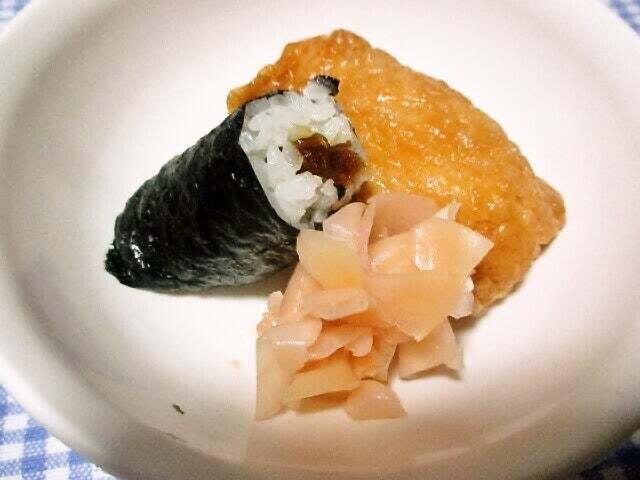
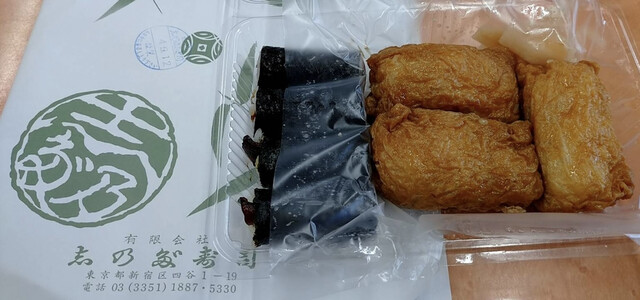
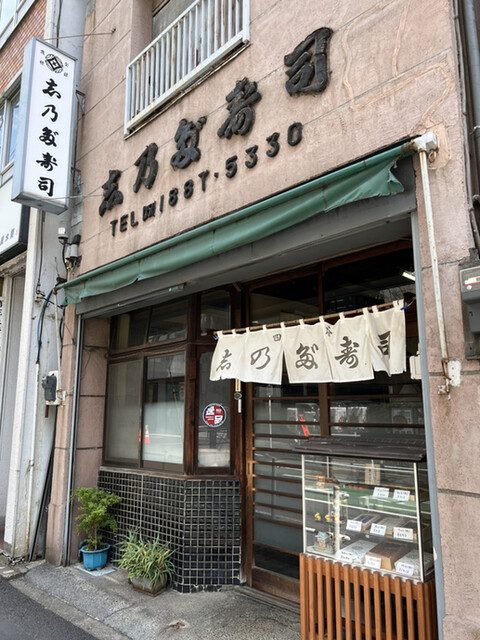
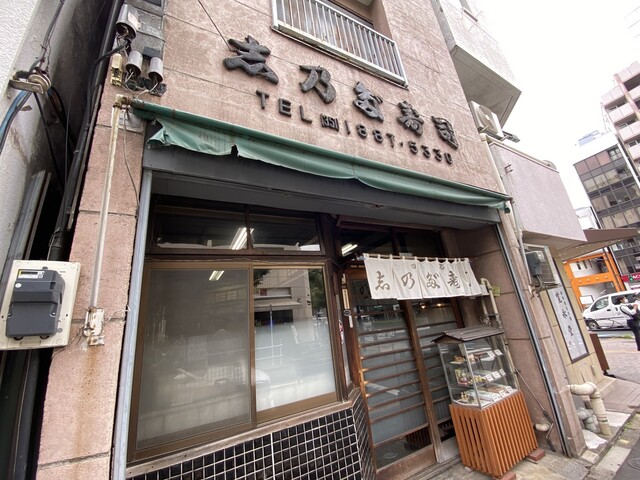
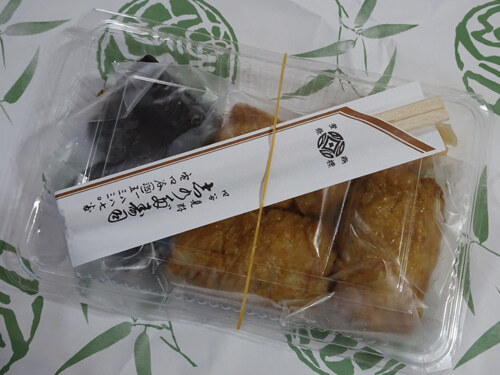
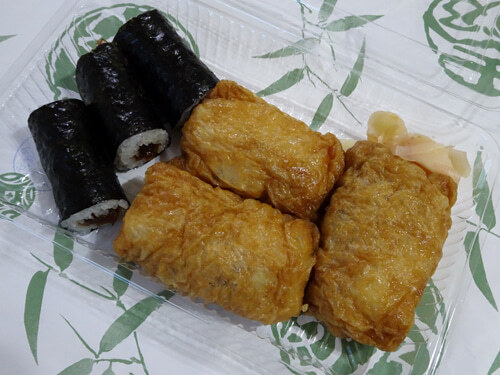
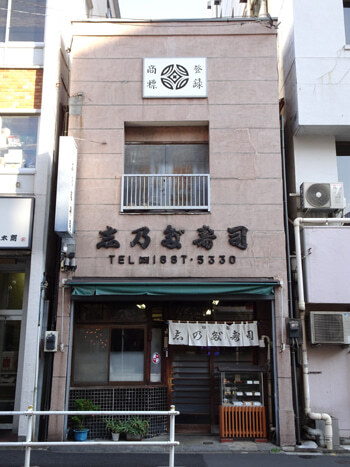
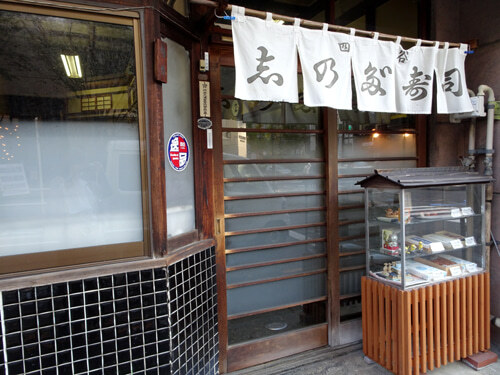
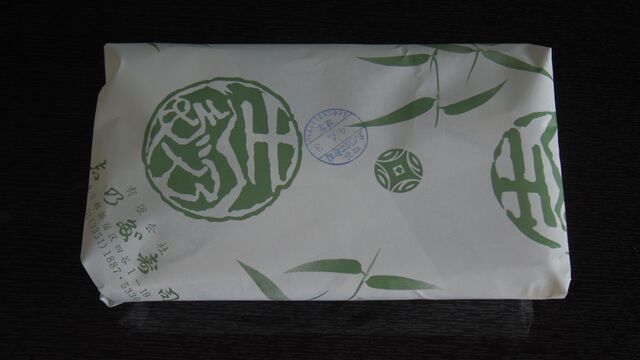
Let's enjoy the Inari sushi and kampyo maki at "Shinotazu Sushi" in Kanda, Ningyocho, Asakusa, and Yotsuya. The Yotsuya branch of the restaurant is located a little further from Yotsuya Station towards Shinjuku, and the shop is on a side street off the main road. When visiting Yotsuya, I stumbled upon the shop and decided to make a purchase before missing the opportunity. It seems that the Yotsuya branch has been in business for 100 years. The shop has a frosted glass exterior, making it a bit hard to see inside, but I went in anyway. The old-fashioned, unpretentious, and calm atmosphere inside was quite nice. The proprietress came out from the back, took my order, and then meticulously prepared the kampyo maki and Inari sushi, packed them, and wrapped them on the counter. I paid for my order, feeling like I had made a sophisticated purchase. The packaging had a nostalgic feel to it, which was lovely. "Kampyo maki 3 pieces, Inari sushi 3 pieces" for 520 yen. The Inari sushi had a sweet dashi flavor that didn't seep into the kampyo maki. The Inari sushi was juicy and sweet, with a nice balance of sweetness. The vinegar in the sushi rice wasn't too strong, complementing the sweet dashi and acidity well. The kampyo maki was moist, tender, and sweet from being simmered. The sushi rice paired well with the nori and dried gourd strips, making it delicious. The pickled ginger had a sharp spiciness that contrasted nicely with the sweetness of the Inari sushi and kampyo maki. I've only eaten at the Kanda and Ningyocho branches before, and Kanda had a strong flavor, while Ningyocho had a more refined taste. Yotsuya seemed to be a mix of the two. I haven't tried the Asakusa branch yet, but I look forward to experiencing the differences. The atmosphere of the shop was great, and both the Inari sushi and kampyo maki were delicious. It's also nice that they only offer these two items.

野良パンダム
3.50
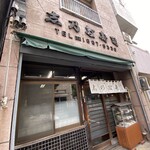
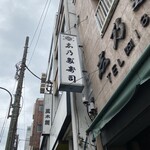
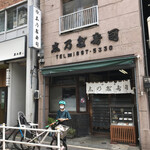
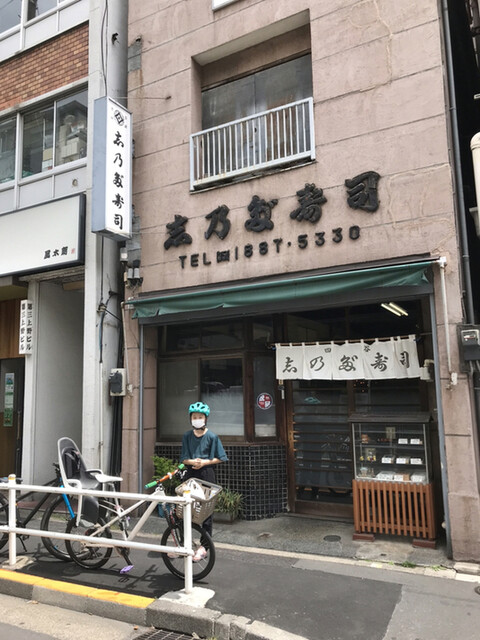
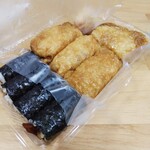
First visit. A sushi restaurant in Yotsuya. Not your typical sushi place, but a specialty store for inari sushi and nori rolls. Takeout only. The exterior... very traditional. And the name of this place is... the same as Shinoda Sushi in Kanda. Both specialize in inari sushi and dried gourd rolls. I like the inari sushi from Shinoda Sushi in Kanda, so I'll try it here as well. The interior is also traditional. It feels like I've traveled back in time. There is a middle-aged woman as the only staff member. When I place my order with her, she starts rolling the nori rolls, so I have to wait a bit until I receive the products. It seems you can also make reservations by phone, so if you're ordering a large quantity, it's best to reserve in advance to avoid waiting. The product lineup is simple, with only dried gourd rolls and inari sushi available. No thick rolls or chirashi sushi like at Shinoda Sushi in Kanda. I ordered a pack of four dried gourd rolls and four inari sushi (690 yen). You can also choose to have them individually wrapped, but it will cost a bit more. The inari sushi has a Kanto-style flavor with sweet soy sauce seeping from the fried tofu. The vinegar in the rice is present, but the sweetness of the fried tofu stands out. It might not be to the liking of those from Kansai who might say, "Is this a dessert?" but for someone like me from Kanto, this is what inari sushi tastes like. The difference from Shinoda Sushi is the absence of vinegar-flavored lotus root. The dried gourd rolls are also delicious. The dried gourd is cooked to perfection with a great flavor. The subtle rice enhances the deliciousness of the dried gourd. I might want to take a big bite of this dried gourd roll. While the inari sushi is good, personally, I recommend the dried gourd rolls. This is a great place to remember for souvenirs when in Yotsuya.
あてるい
3.80
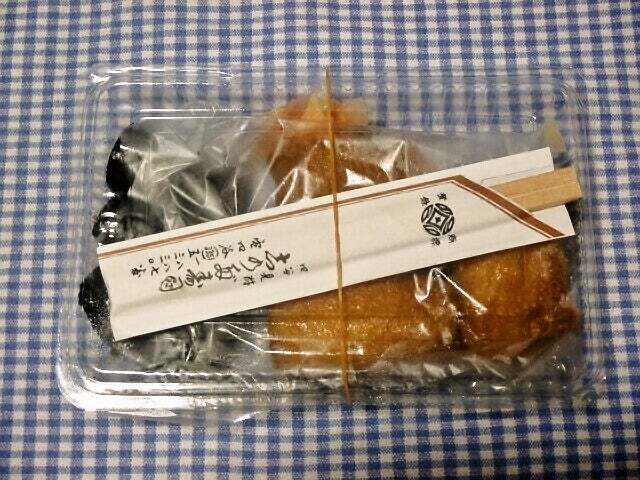
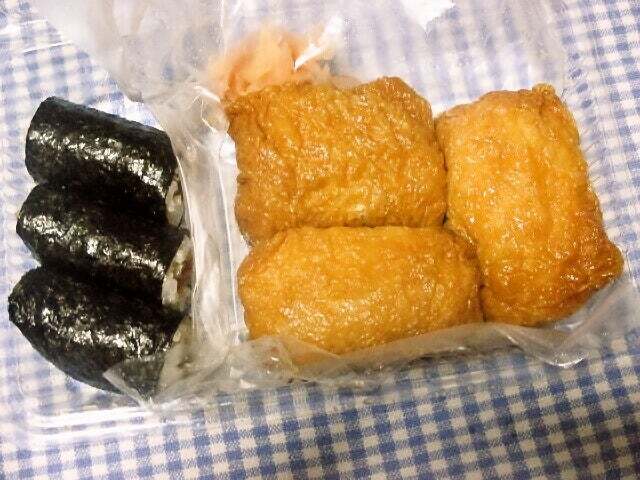
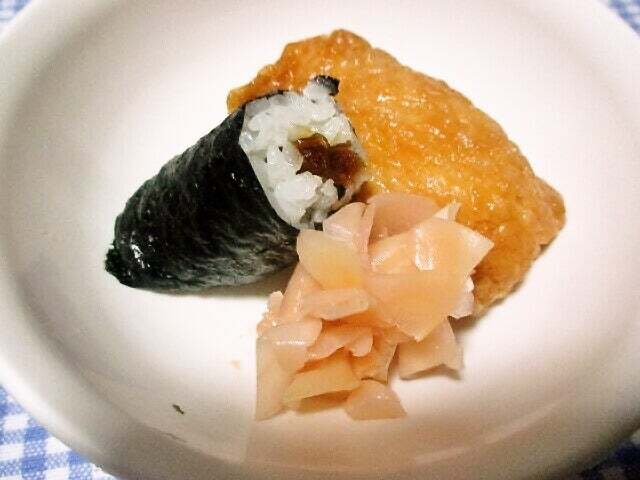
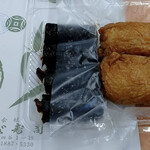
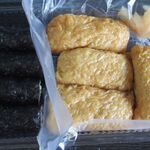
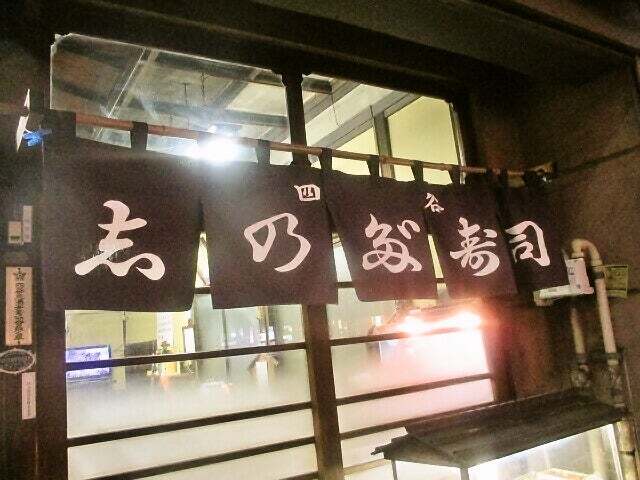
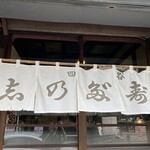
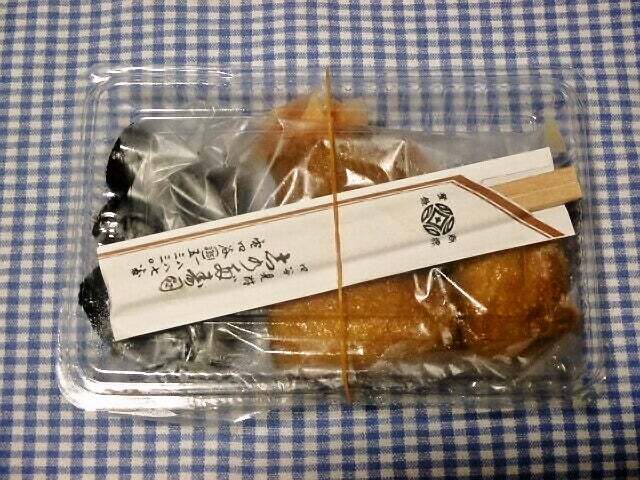
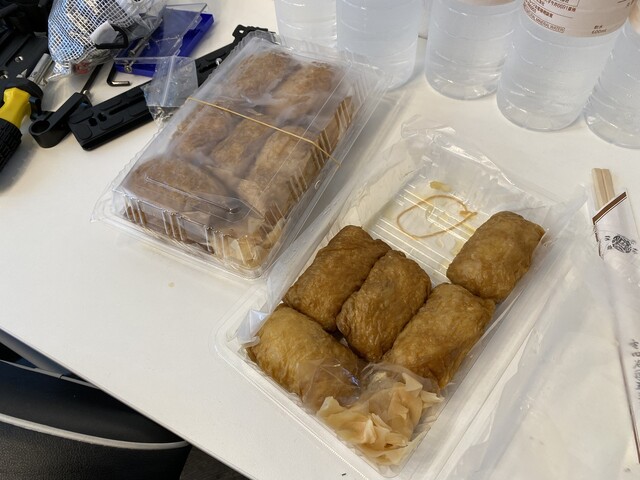
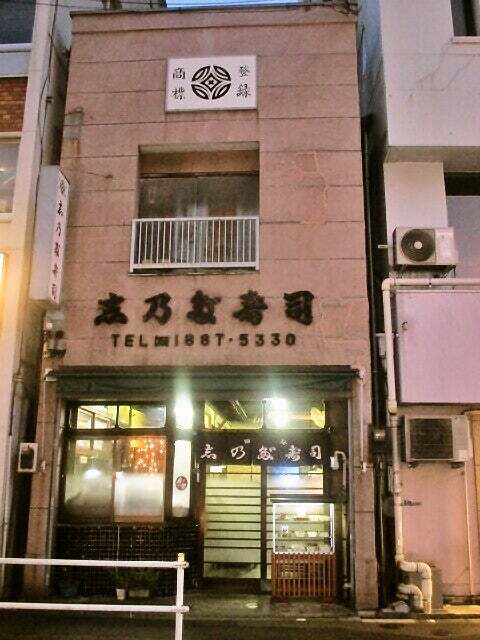
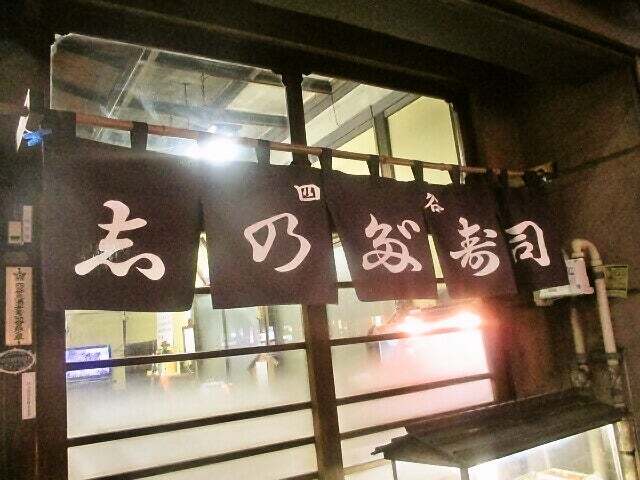
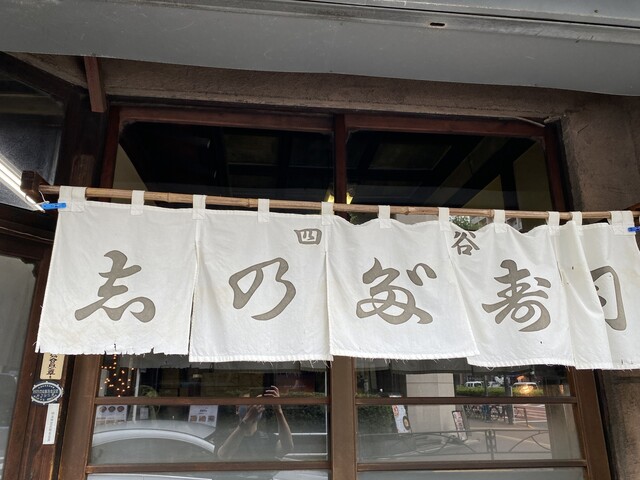
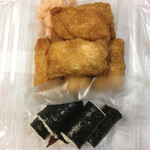
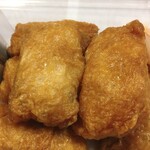
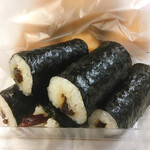
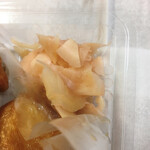
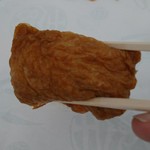
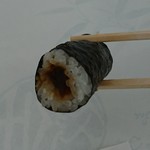
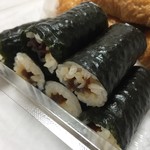
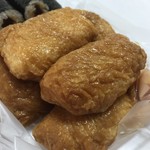
When it comes to "Shinoda Sushi," I visited Kanda Shinoda Sushi in Kanda Awajicho in early April, just after the declaration of a state of emergency. I felt quite uncomfortable with their customer service, regardless of the taste, so I thought there might not be any more connection. However, when I happened to search on Tabelog, I found out that Shinoda Sushi has four stores in Tokyo, including one in Yotsuya, which is within my daily commuting area, so I became interested again. After looking at the restaurant's website and reviews on Tabelog, it seemed like a completely different atmosphere from Kanda Shinoda Sushi, so I decided to visit during Takeout Lunch Week. Upon researching Shinoda Sushi's history, I found out that the first generation, who was a samurai from the Hiroshima domain, started manufacturing and selling his favorite inari sushi in Ningyocho in 1877 (Meiji 10). This is now the main store of Ningyocho Shinoda Sushi. Then, in 1902 (Meiji 35), the Kanda Shinoda Sushi was founded as a branch. Furthermore, it was from Kanda Shinoda Sushi that Asakusa Shinoda Sushi and Yotsuya Shinoda Sushi were founded. In other words, Yotsuya Shinoda Sushi is like a grandchild of the main store in Ningyocho. The location is right next to one of my favorite Japanese confectionery stores, Kan'ei-do Yotsuya, on the back street facing Sanei-dori, not Shinjuku-dori. I hadn't noticed its existence until now. According to reviews, this store packs the order into containers after ordering, so there may be a long wait during lunchtime. Therefore, I called in the morning to inform them of the number of orders and the desired pick-up time. I stopped by the neighboring Kan'ei-do as usual, received their hospitality with black soybean tea and sweets (today's Kan'ei-den), bought some Japanese sweets, chatted with them, and left almost on time. I went through the white curtain and entered Shinoda Sushi. The interior of the store, like the exterior, gives a sense of age, and it seems like it used to have counter seats, but that area is now used as a workspace, with items placed on the tables in a messy manner. When I entered, I didn't see anyone, but when I opened the entrance door, a woman in her forties or so came out after the chime rang in the back. This store is said to be celebrating its 100th anniversary this year, so she might be the fourth generation or so young proprietress. Since I had informed them by phone in advance, I received the plastic food packs wrapped in paper and placed in a vinyl bag without waiting. Inari sushi 6 pieces, kanpyo maki 5 pieces for 960 yen (tax included). Although there are only two types of inari sushi and kanpyo maki, it is quite cost-effective to get this much for just one thousand yen. It has a much better value than Kanda Shinoda Sushi. Moreover, the customer service was very polite and humble. This also gives them a much higher rating than the other place. Before leaving the store, I had a little conversation with the young proprietress. Me: "I heard that the store has been in this location all the time for 100 years, is that true?" Young proprietress: "Yes, except for the time when we were evacuated due to the war damage." I see, it seems like they have had many hardships. Now, I immediately enjoyed the inari sushi and kanpyo maki from Yotsuya Shinoda Sushi that I brought back. The inari sushi is one size larger than Kanda Shinoda Sushi's, and the seasoned rice inside is plentiful, making it look inflated. The taste is sweetly seasoned with fried tofu and very juicy, while the vinegar rice inside barely has any sourness. On the other hand, the kanpyo maki has kanpyo rolled inside that is dyed a dark soy sauce color and is transparent. Furthermore, the vinegar rice inside has a strong sourness that is just as strong as the rich seasoning of the kanpyo. I don't recall ever having kanpyo maki with such a strong taste of kanpyo and vinegar rice. Another unusual thing is the accompanying ginger.

ぽっちゃりキング
3.80
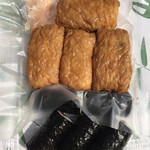
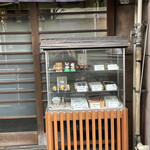
Yotsuya Shino Sushi. I often passed by the front of the restaurant but couldn't see inside well, so I missed the chance to visit. This time, I visited for the first time. I was hesitating whether to enter the restaurant when another person went in, so I followed. Another customer came in right after me, so it seems like this is a well-known place. The inside of the restaurant has a traditional feel to it, with lots of simmered aburaage in the back, which looked delicious. I ordered a set of 4 inari sushi and 5 kanpyo maki. The kanpyo maki was made fresh after I ordered. I enjoyed them at a nearby park while viewing cherry blossoms, and they were really delicious! The flavors were mild, making it easy to eat a lot. Both the inari sushi and kanpyo maki were really tasty, and I have become a fan! I will definitely come back again! I'm grateful that they are open on Sundays too. Please continue to open on Sundays in the future. I will definitely be a repeat customer!! It was delicious. Thank you for the meal.

muchos
3.40
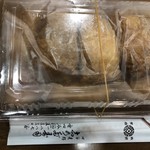
Here in Tokyo, there is a quietly established old-fashioned place just a short walk from Yotsuya Station along Shinjuku Street. I bought some sweet Inari sushi and dried gourd rolls. The Inari sushi had a rich and sweet flavor with plenty of seasoned soy sauce. The dried gourd rolls also had a rich flavor, but for some reason, the dried gourd was crunchy. It was a nostalgic and delicious experience with the sweet Inari sushi and dried gourd rolls.

きたろー
3.50
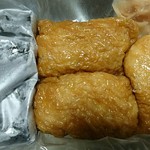
Located in Yotsuya, this long-standing restaurant specializes in inari sushi and rolled sushi with dried gourd. Perfect for a late Sunday lunch or a light dinner option.

メイヤメイヤ
0.00

クタ0511
3.30
マモルK
5.00
The atmosphere of the Showa era is very nice. The norimaki and inari are both exceptionally delicious! I hope that this kind of restaurant will continue to exist for a long time.
ぶらっくらっく
3.50
As a Tokyoite, this is the place for inari sushi! It's well-known and has the classic taste of catering. My father loves the dried gourd rolls here, so we always get the lunch box from this place on special occasions. They even sell them at Tokyo Station's store, but they're quite pricey! This is definitely it!

はいいろ6号
3.60
Inari sushi is sweeter and larger than the ones in Kanda, while pickled radish is spicy and sour. The pickled ginger is quite salty. It's a balanced combination of three flavors, perfect for those who love sweet inari, sweet treats, and salty flavors.
lugerjam
2.00
This is a takeout specialty shop for Inari sushi and kanpyo maki.
tsu-m
3.50
I like the sushi at Shino in Asakusa.

pokiを
3.30
Inari and kampyo maki specialty stores are not common. It was run by a woman alone. The atmosphere is hard to enter without internet information. I used it as a souvenir. Both the inari and kampyo maki were on the sweeter side. I'm used to the sharp taste of wasabi in sushi restaurants, so it was a comforting flavor. I hope this shop continues to exist. Yeah, it was delicious. Thank you for the meal.

Schnitzel
3.10
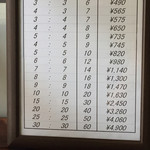
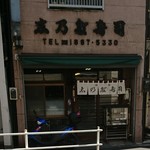
Today, February 11th, is said to be the day of the first inari sushi established by the All Japan Inari Sushi Association. Originally, it was supposed to be on the first day of February, but this year it was on the 7th. The event is said to originate from the day when the agricultural god enshrined at Fushimi Inari descended to Inariyama in Kyoto. I first learned about this event a few years ago when I was walking on Shibuya's Park Street and saw Mizuzu Corporation, a major tofu-related product company from Nagano, distributing free inari sushi. I gladly accepted it as inari sushi is one of my favorite foods. I fully support the association's aim of promoting inari sushi, but I am glad that it has not become a frenzy like the ehomaki (lucky direction sushi roll) one week before. It is refreshing to see that there were only small stickers on inari sushi at the Seven-Eleven I visited in the morning, and there were no signs at "Mameda" in Kamata Station. The setting between Setsubun and Valentine's Day seems a bit off, but I think it's time to stop the opportunistic commercialization of events led by distribution. I hope for that level of common sense and maturity in Japanese society. I also wish that supermarkets like Yamada Store in Hyogo could follow suit. Now, onto the main topic. This is a review related to inari sushi. The shop I visited this time is a take-out only inari sushi specialty shop near Yotsuya Station, an area I have been focusing on recently. It is located at the end of Shinmichi Street, where you turn left. I often go to Shinoda Sushi in Kanda and have been to Asakusa and Ningyocho as well, but I only recently found out that there is a Shinoda-style shop in Yotsuya. The hiragana character "ta" is used here. As soon as I found out, I visited during my lunch break. The two-story wooden shop has a very traditional individual shop atmosphere. When I opened the sliding door and entered, it indeed had an old-fashioned feel. I was assisted by a woman who was alone. Here, you can choose your favorite number of inari (3 pieces) and kanpyo maki (3 pieces) to make your own assortment. On this day, I had already had lunch separately, so I ordered the smallest assortment, a plastic pack for 490 yen, for a snack. Like the small shop in Asakusa, they did not make it on the spot, but they packed the already made ones for me to take back to the office. When I ate it in the evening, the inari was quite juicy. However, the seasoning was quite sweet. It's okay to be sweet, but it would be nice if there was a bit more balance with saltiness. Also, the rice was soft. I thought it might be because the sauce had soaked in, but when I ate the kanpyo maki next, the rice was also soft, so it doesn't seem to be just that. It may not always be like this, but on this day, the inari sushi was a bit disappointing. Among the Shinoda-style inari sushi I have eaten before, I think the top two are Kanda, where you can eat freshly made ones early in the morning, and Asakusa, which has a taste of the downtown area.
386
4.00
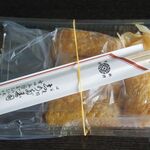
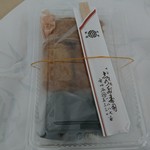
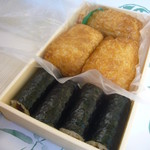
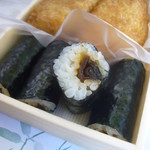
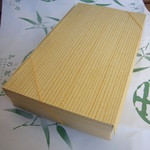
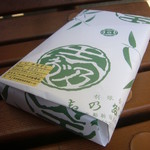
I received a 7-piece set of Shinoda Sushi in a gift box for 615 yen. It consists of 4 pieces of dried gourd rolls (equivalent to 1 roll) and 3 pieces of inari sushi. The inari sushi and dried gourd rolls were neatly packed and had a beautiful color contrast. The slightly flat inari sushi had the perfect balance of sweetness and spiciness, cooked with a hint of vinegar that blended well. The dried gourd rolls were relatively thin but had a good texture with a rich flavor in a dark brown color. They paired well with the seaweed's ocean aroma. The portion size was compact but sufficient in nutrients. It remained delicious even when cold, without any unpleasant taste. It was truly a delicacy.

ぺねろぺ☆
3.50
I had always been curious about this restaurant that I discovered in a review by a reviewer. I found it across from Salvatore when I picked up pizza to go. So this is the place! Even though it's in my neighborhood, I never noticed it! Since I was there, I decided to stop by for lunch along with the pizza. The place had a very old-fashioned appearance, and I hesitated for a moment before opening the door as I couldn't see inside. However, once I entered, a very friendly lady welcomed me. They only make inari-zushi and dried gourd rolls here. There are signs inside with the combinations and prices, so you order based on that. I requested a pack of 6 pieces for 980 yen. I took it home and enjoyed it with my family. Both the inari-zushi and dried gourd rolls were sweet and delicious! It's no wonder they only make these two items. The sweetness really drew me in. It surprisingly goes well with the saltiness of the pizza (laughs). The Yotsuya area has several longstanding shops like Wakaba's taiyaki and Sakamoto-ya's castella, each focusing on a single item. It was great to discover another charm of Yotsuya. I will definitely visit again.
Email Login