LOOP TOKYO
ループトーキョー
3.74
Asakusa
「Creative Cuisine」
10,000-14,999円
--
Opening hours: [Monday-Sunday] 18:00-22:30 *Simultaneous start according to the time designated by the first reservation holder. Open on Sunday
Rest time: Open irregularly and on business trips
東京都台東区西浅草2-15-13 日光社ビル 1F
Photos
(20)
Details
Reservation Info
Full reservations are required (by reservation up to one day in advance)Full reservations are required *Cancellation policy: 100% of the meal fee will be charged for cancellations on the day of the event, 50% of the meal fee will be charged for cancellations two days prior to the event, and 30% of the meal fee will be charged for cancellations on the day of the event.
Payment Method
Cards accepted
(VISA, Master)
Electronic money is not accepted
QR code payment
(QR code payment is acceptable (PayPay)
Number of Seats
9 seats
(5 seats at the counter and 2 tables with 4 seats at each table)
Private Dining Rooms
None
Smoking and Non-Smoking
No smoking at the table
Parking
None
Facilities
Calm space, counter seats available, sofa seats available
Drink
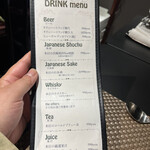
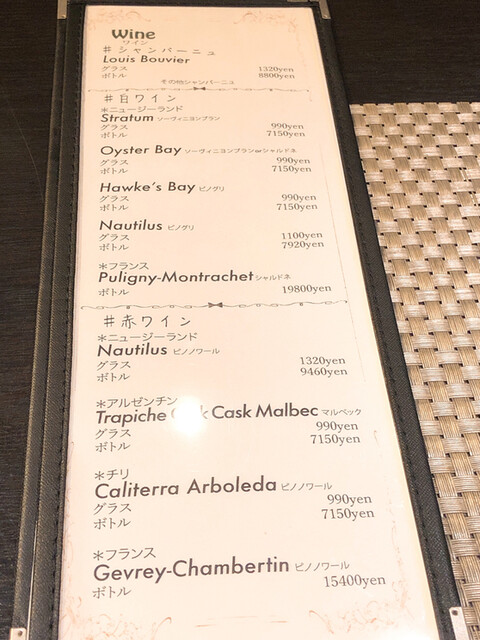
Sake available, shochu available, wine available
Comments
(19)

Ryo03160909
4.00
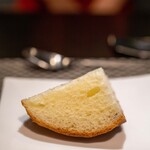
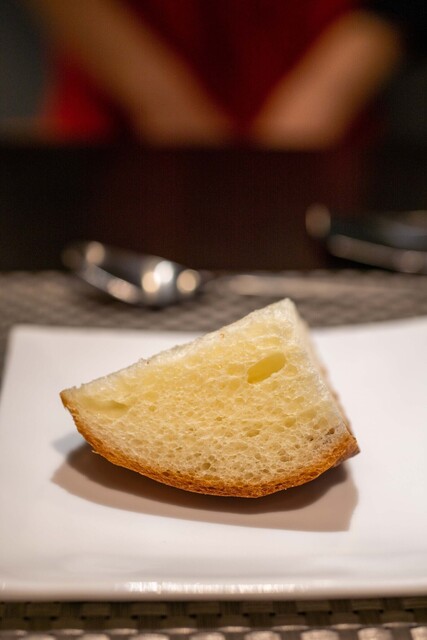
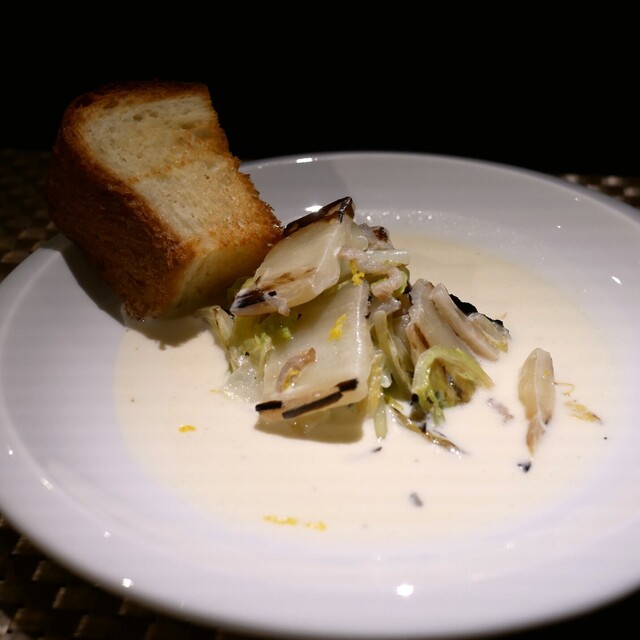
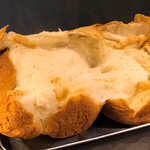
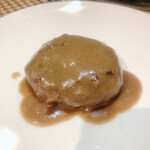
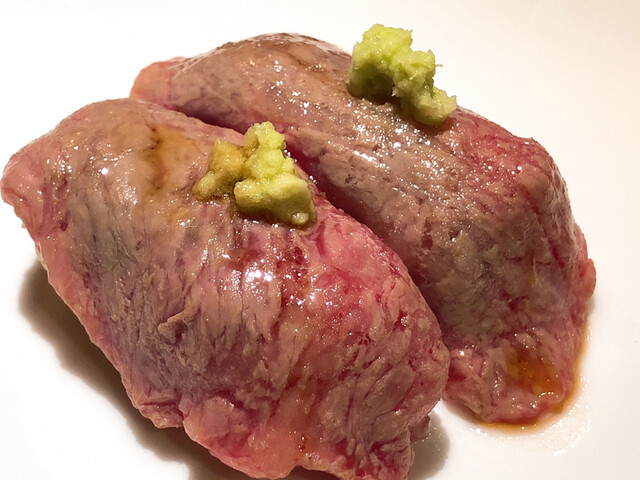
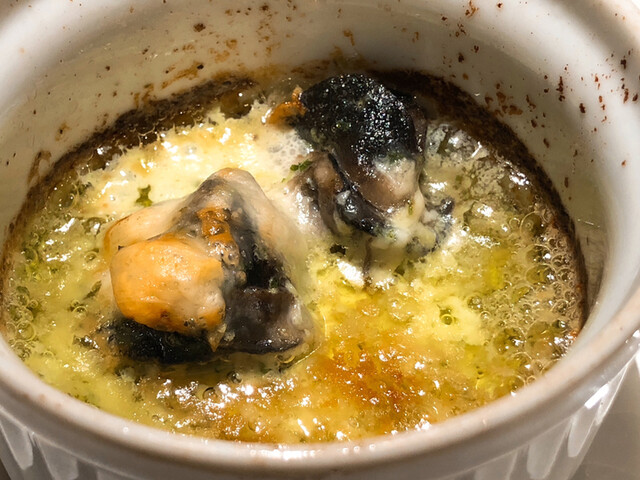
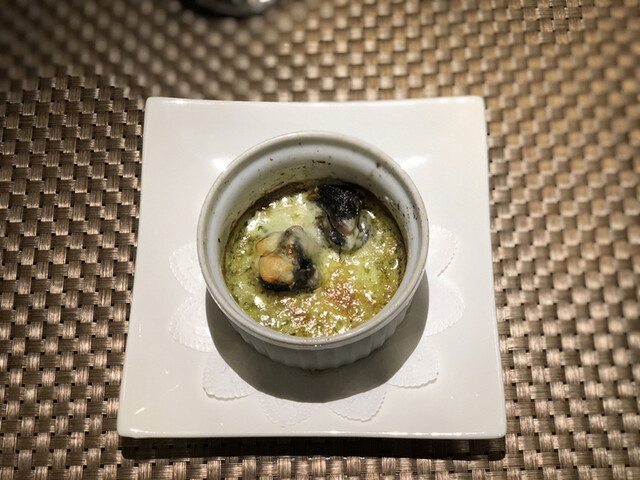
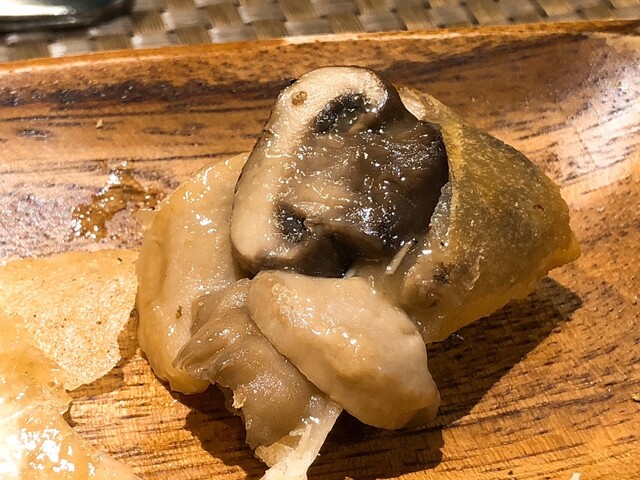
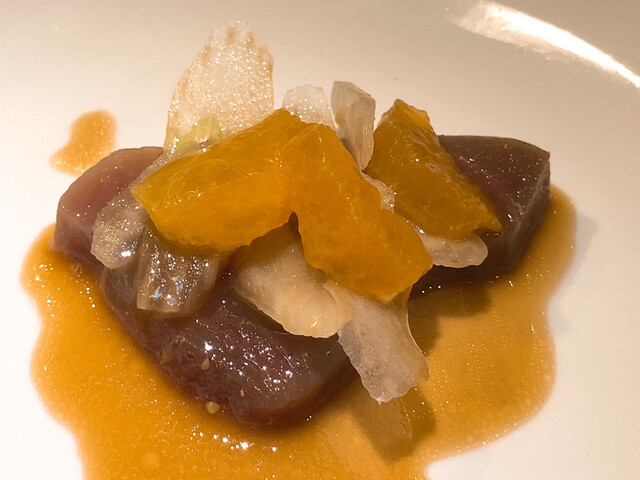
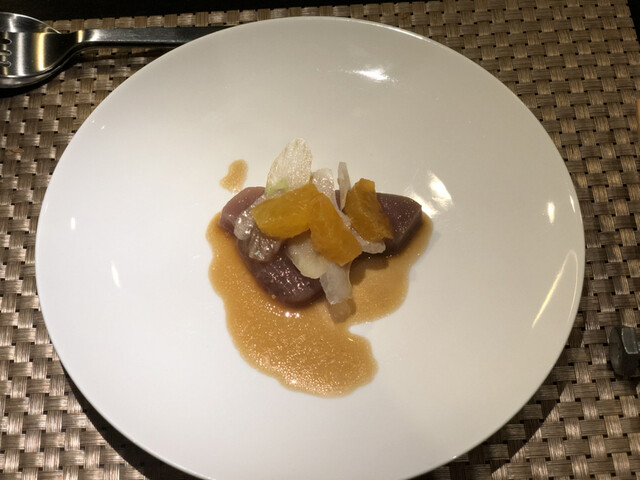
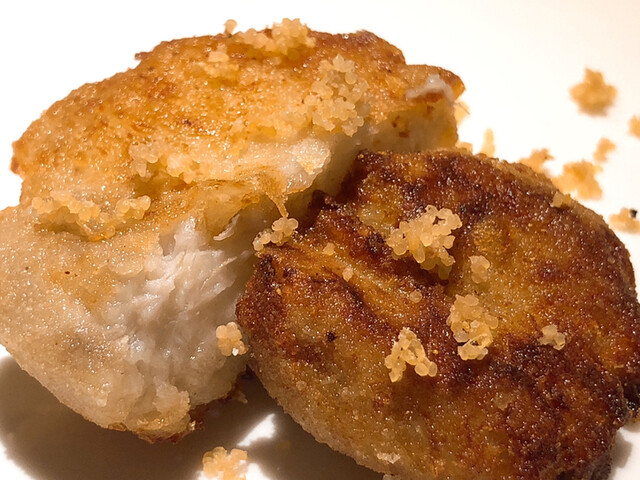
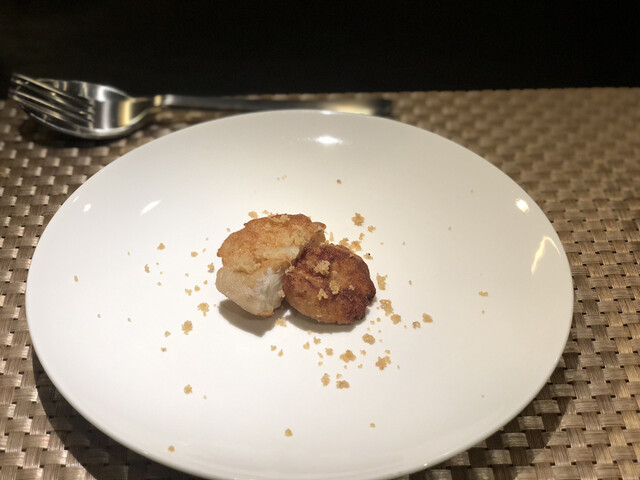
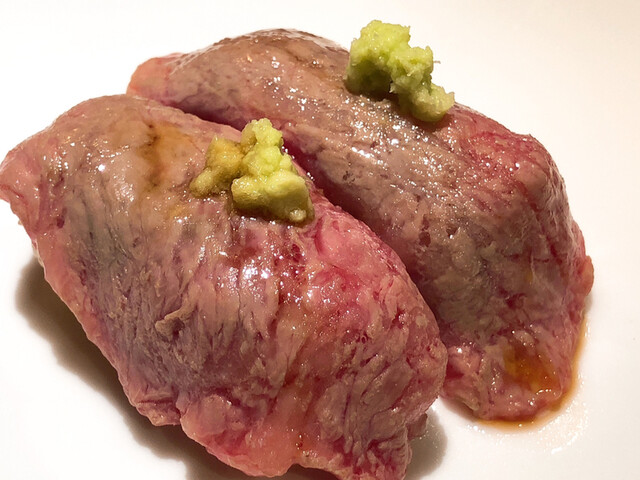
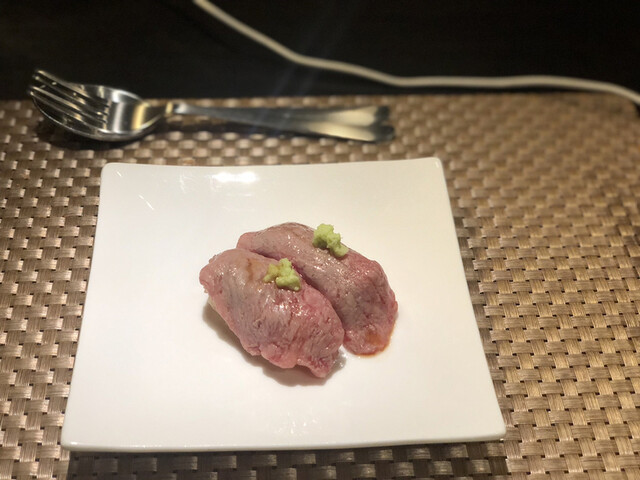
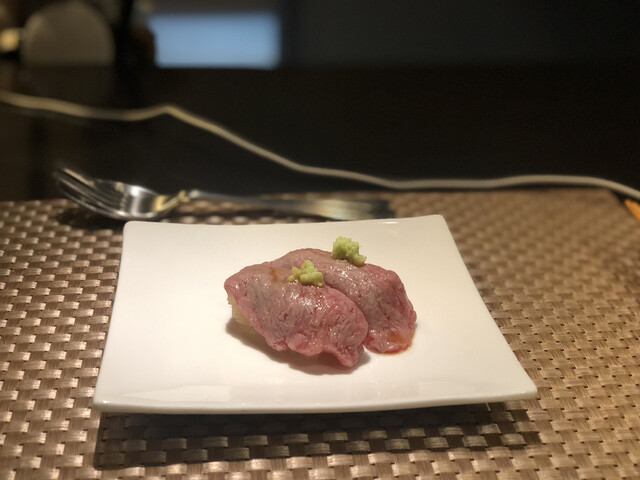
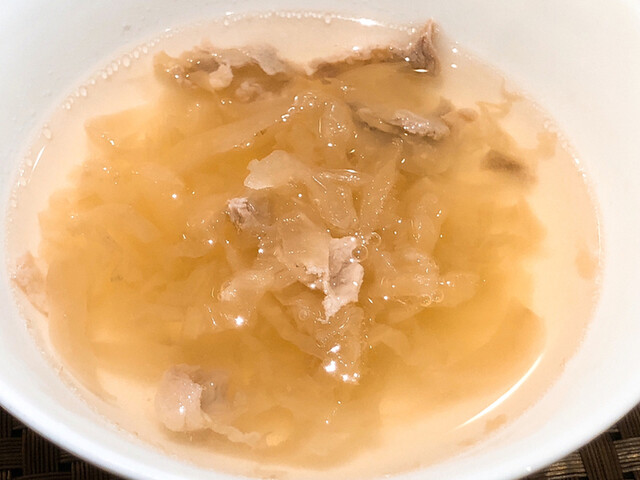
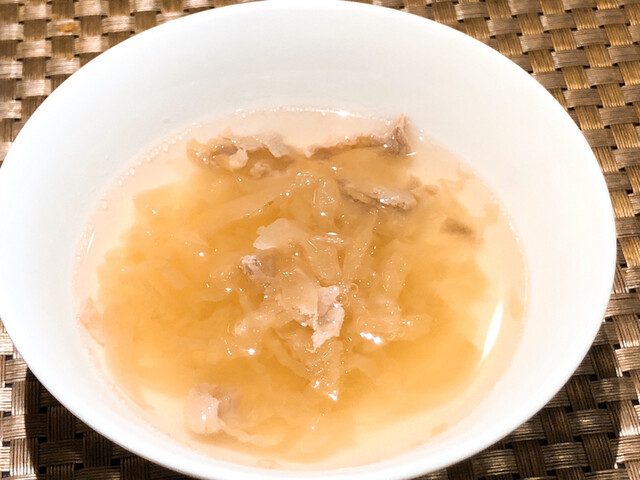
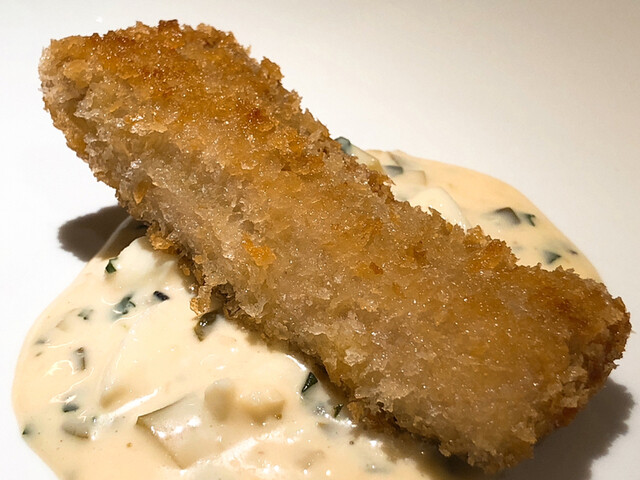
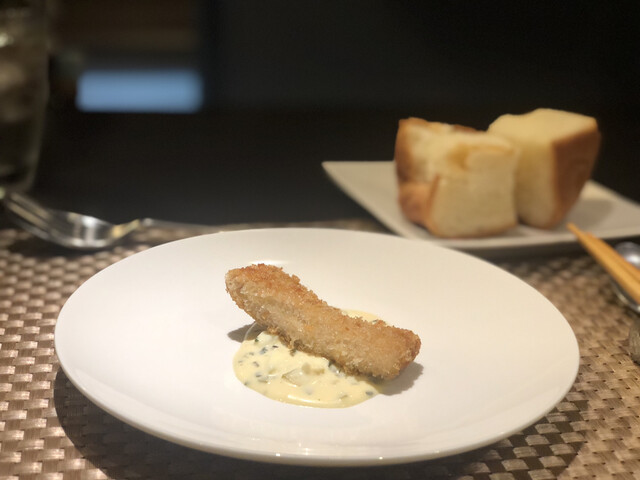
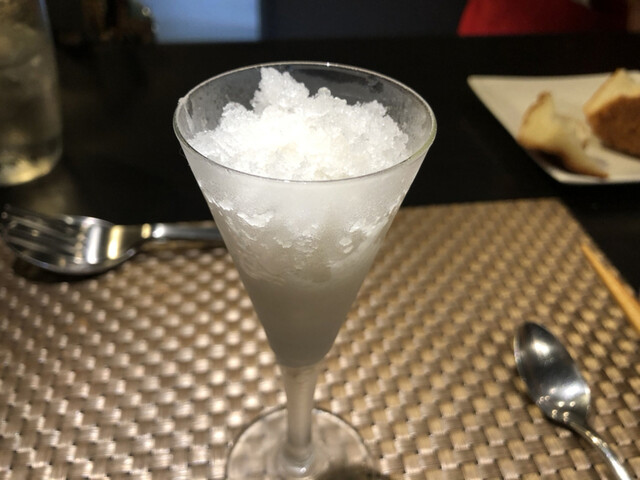
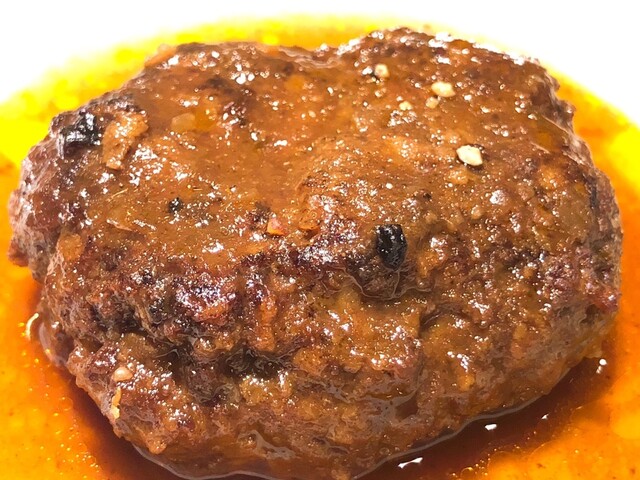
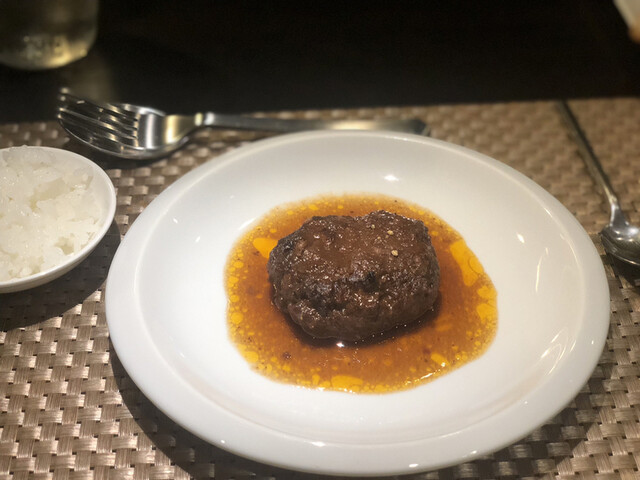
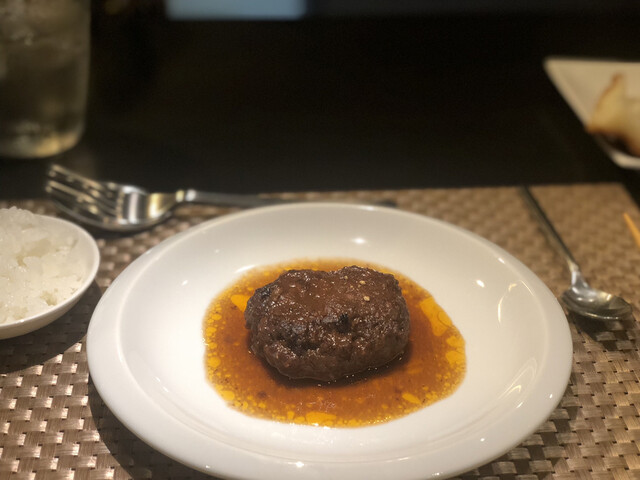
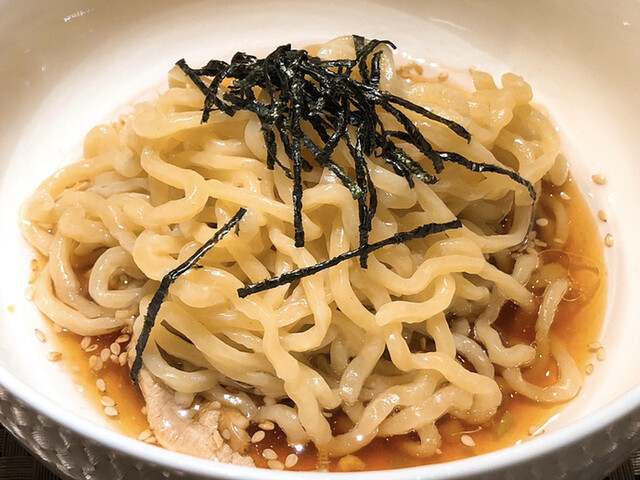
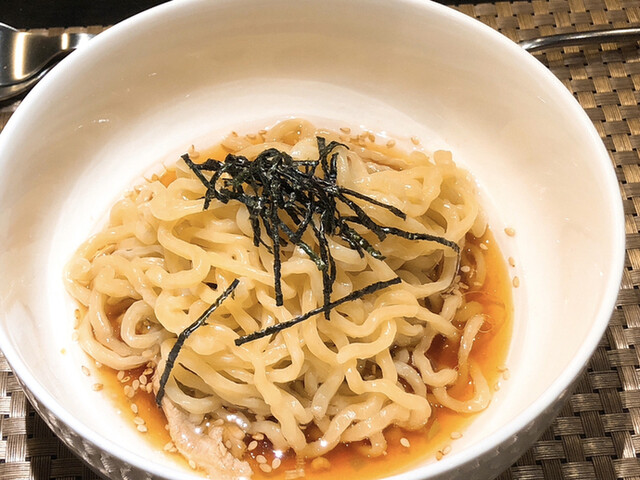
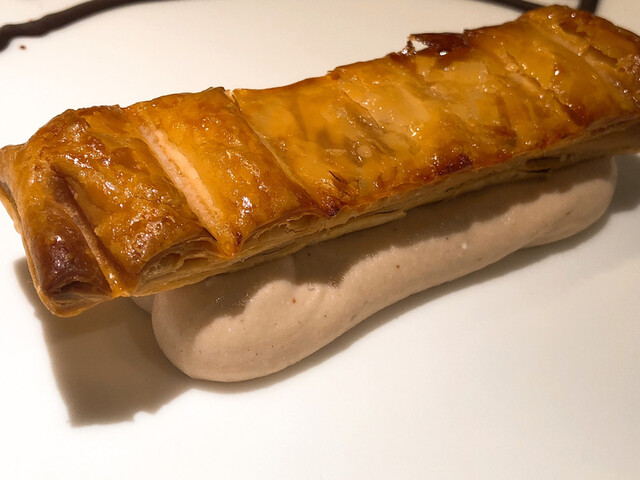
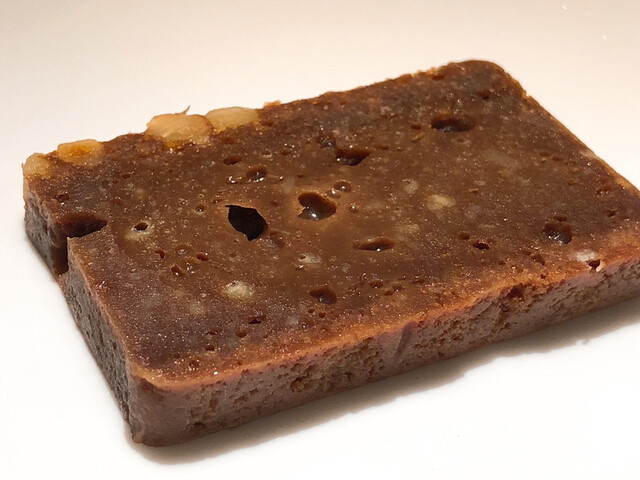
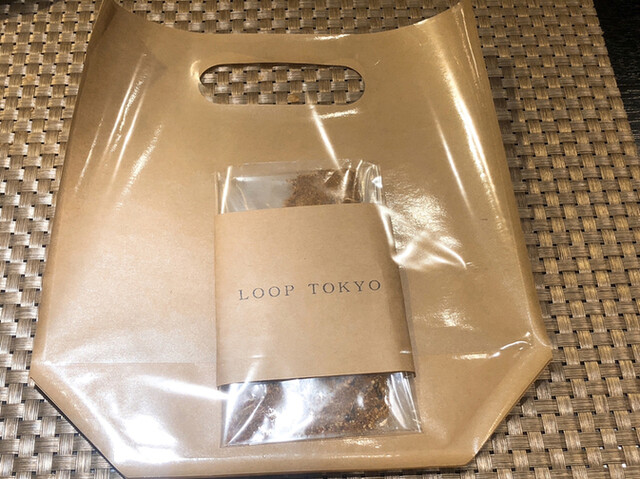
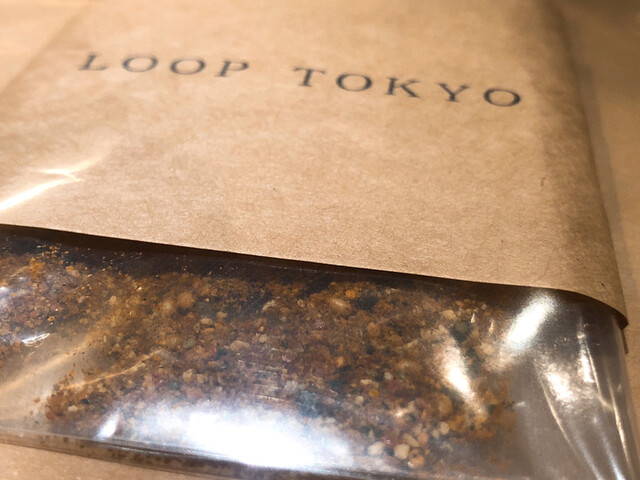
Course 9,900 yen ・ Pork pate The rich aroma of natural shrimp sauce made from prawns stimulates the appetite ・ Bread ・ O Le Milk butter and milk and cream bread. The crust is crispy and the inside is chewy. ・ Escargot Bourguignon style Escargot Bourguignon style is usually cooked with garlic and parsley butter, but using cream gives it a gratin-like finish. The sizzling hot dish is irresistibly appetizing. ・ Mushrooms steamed with white wine in spring roll form A dish with a strong mushroom aroma along with white wine and two types of Sansho pepper. ・ Smoked bonito from Miyagi with celery mikan sauce. Citrus fruits with more acidity than sweetness, like grapefruit, go well with bonito. Bonito is well smoked, and the odorless celery adds an accent. ・ Taro simmered and grilled with bonito and kelp dashi topped with karasumi, resembling chicken nuggets in appearance. Delicious. ・ Meat sushi Seared Hokkaido grade 4 sirloin. The soft meat fat melts on the tongue and spreads in the mouth irresistibly. ・ Pickled cabbage and lamb soup Pickled cabbage is a pickled Chinese dish from the northeastern region made by salting Chinese cabbage and fermenting it for a year. The refreshing and gentle acidity goes well with lamb meat. They've been preparing it for a year, impressive. ・ Hokkaido saury paneglier Saury paneglier is a French dish baked with breadcrumbs. Tartar sauce uses Holy Basil, known for its strong aroma and spiciness. The bread, when left for a while after being freshly baked, allows the gluten in the dough to shrink and settle, providing a change in texture from chewy to moist. Indeed, it's true. ・ Pear and Muscat wine granita ・ Black Wagyu beef stew hamburger 9mm coarse ground. Sauce made with bouillon instead of demi-glace. When eaten with rice, you'll want to say "This hamburger is the best!" Chef Murakami's family apparently prefers stewed hamburgers. ・ Ramen Chef Murakami has a history of being a ramen champion in Yamanote. This is the ramen he served at his ramen shop during lunch in Takadanobaba before relocating. Enjoy a flavor change by adding special garlic vinegar halfway through. ・ Pie on Mascarpone and chestnut mousse A very light finish using mascarpone instead of whipped cream ・ Walnut and pine nut chocolate brownie (snack) ・ Original shichimi (souvenir) A blend of tangerine peel and Sansho pepper in abundance Chef Murakami's attitude towards cooking, his explanations of the dishes, convey how enjoyable and exciting dining can be. It's gourmet entertainment that conveys the message that dining can be this fun and exciting. The restaurant has a cozy setting with a counter for 5 people and two tables for 2 people each, where everyone sits facing the chef. This style makes sense now. It's clear that the chef truly loves creating delicious dishes. Without being bound by French cuisine, he innocently pursues how to make things more delicious. He transfers that passion directly to the guests, drawing them in with his enthusiasm. His statement, "I want to master soba, tempura, and eel, and make sure that at LOOP TOKYO, you can eat the best of any cuisine," while laughing, was quite memorable. He was joking, but he was probably dead serious, haha. Thank you for an amazing evening. I definitely want to come back. I will definitely come back.

東西ふらふら
4.80
A French-inspired creative cuisine restaurant in Asakusa. I had visited their previous location in Takadanobaba a few times before, but this was my first time in Asakusa. Since it is a reservation-only restaurant, I made a rare reservation and visited.
~Order~
Chef's Choice Course 9,900 yen
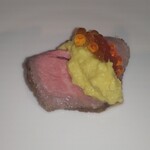
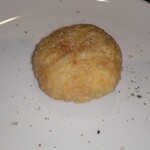
There is no other option but the Chef's Choice Course. First, there were five small dishes using meat, seafood, and vegetables. Along with that, freshly baked homemade bread. "Bread must be eaten fresh out of the oven," as the chef says. Next was the famous beef sushi. Followed by soup, fish dish, palate cleanser, meat dish, rice dish, and finally dessert, sweets, and coffee. The menu changes regularly, so I will skip the description of each dish, but the dishes served with the chef's detailed explanation were all delicious and interesting. There are many delicious and interesting foods in the world, but restaurants that serve dishes with a fresh surprise added to the easily understandable and enjoyable taste that many people would find delicious are very rare. You can enjoy over ten dishes for under 10,000 yen at this restaurant. As I know it, this is the only place where you can enjoy such wonderful dishes. The greatest common trait of those called "geniuses" is that they never get bored. The Chef's Choice Course, which the chef, who has been in the culinary industry for over 20 years, still finds enjoyable, is a must-try for those who love eating, as well as for those who are not interested in food. Thank you for the meal.

まゆまゆ76671
3.70
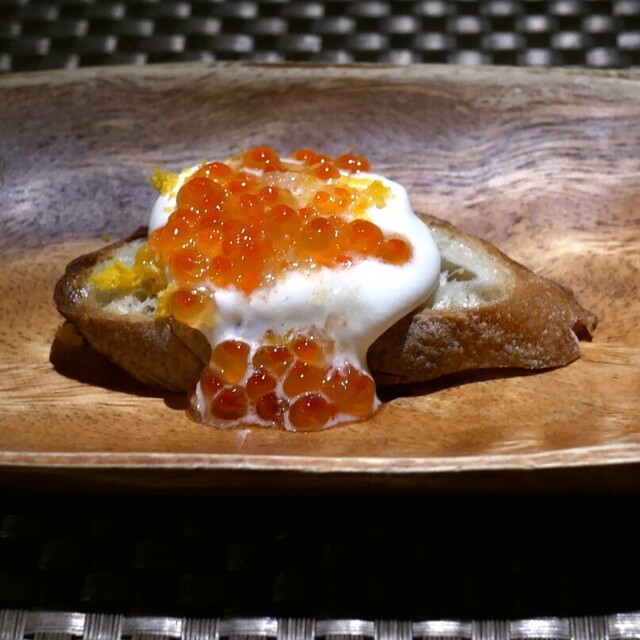
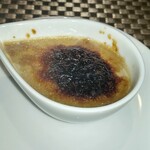
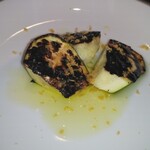
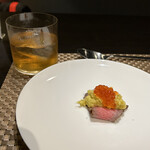
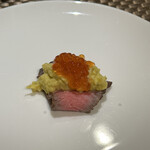
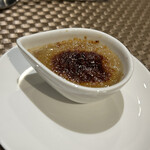
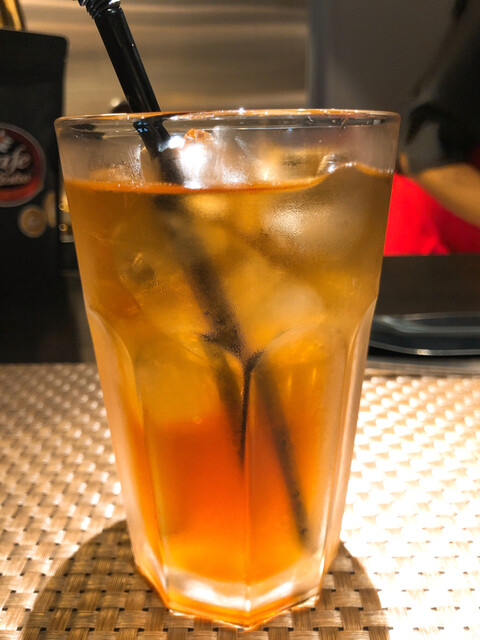
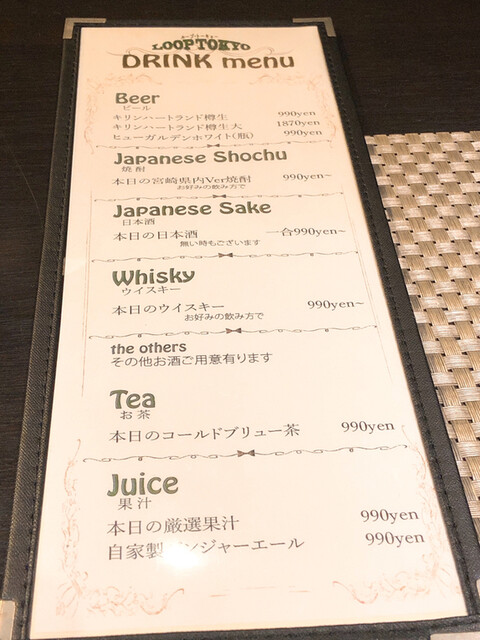
The restaurant has moved from Takadanobaba to Asakusa. It serves creative cuisine with a strong Taiwanese influence, which makes it exciting to anticipate what will come next. The dishes were fun and varied, with plenty of Taiwanese spices. The cooking style was a bit rough, but the interesting dishes made it a place worth visiting. The ingredients were mostly sourced from Chiba prefecture. The course menu costs 9,900 yen per person. The chef and sommelier work together in a small space with 4 counter seats and one table. The wine selection includes New World wines, with prices ranging from 990 to 1,320 yen per glass. There are also a few cocktails available. The dishes included corn, salmon roe, and roast beef, milk bread, prawn brulee, zucchini with olive oil and karasumi, minced pork with white pepper, water spinach with French butter and homemade bacon, meat sushi, amberjack with homemade basil miso, granita, spare ribs with tomato, soup rice, tofu pudding with melon and Taiwanese tapioca, chocolate financier, and a souvenir of cafe spices. They also offer a cocktail of Taiwanese black tea mixed with champagne. The wines served were Statum Sauvignon Blanc and Nautilus Pinot Gris, which had unique characteristics.

やっぱり蕎麦
4.60
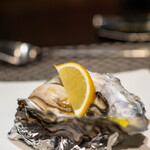
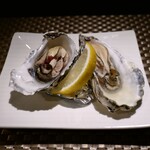
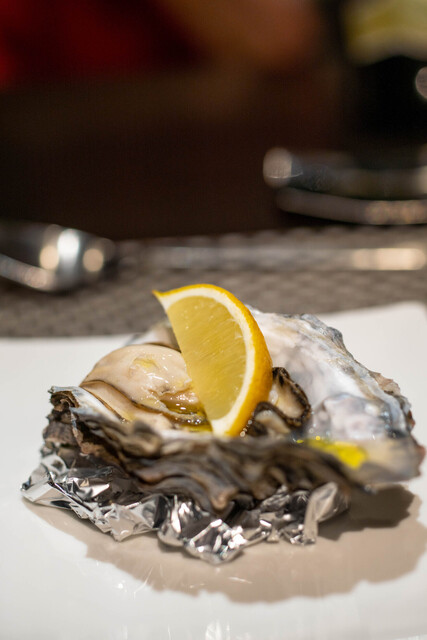
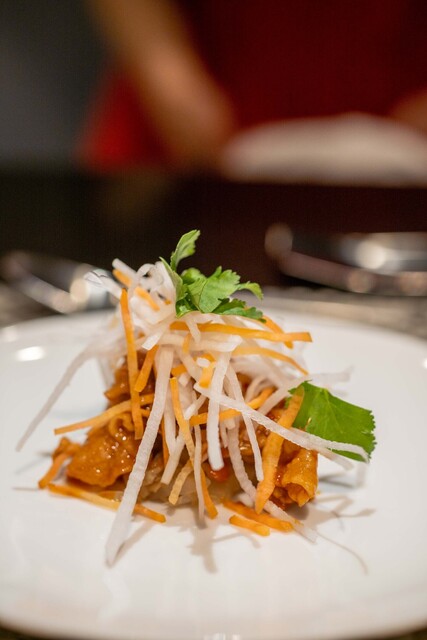
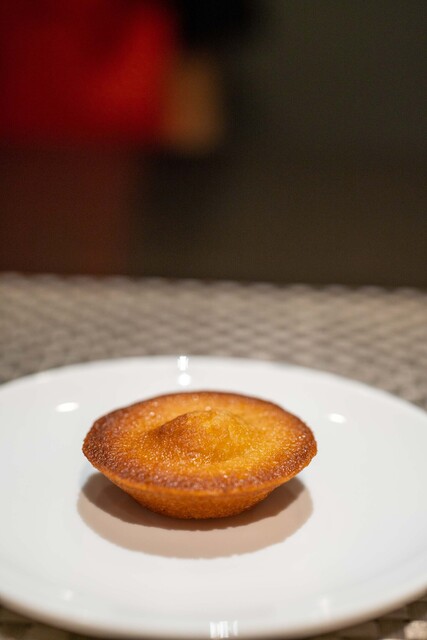
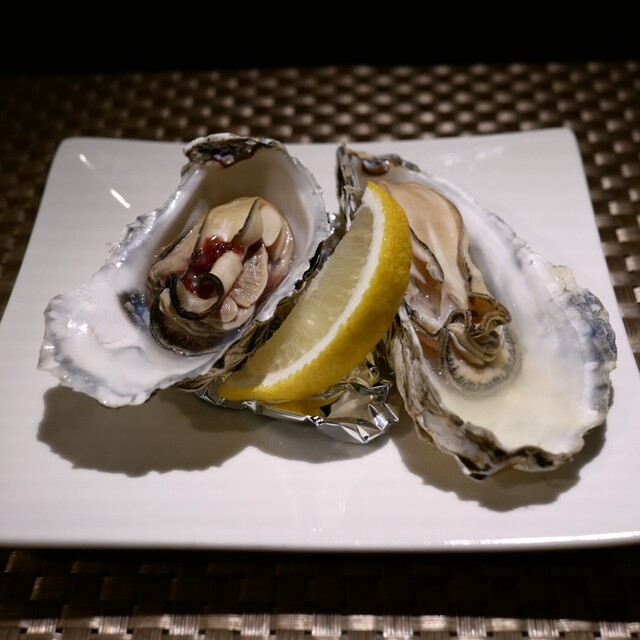
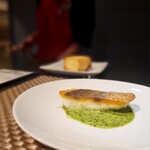
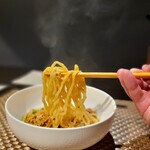
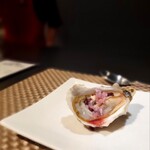
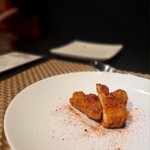
Every time I visit, I deepen my understanding of Chef Murakami's message and enjoy his dishes even more. There are no categories for Murakami's dishes; the techniques can be French or Chinese, depending on the dish. Various dishes transcend genre boundaries, but the overall coherence of the course is remarkable. - Oysters: Thick oysters from Akkeshi. Creamy like butter on the other side. Belgian shallots and red wine vinegar. - Long eggplant: Blue cheese and cumin sauce. Designed so that only the cumin aroma comes out when you chew. The combination of cheese flavor and cumin is excellent. - Corn: Goose oil. The oil of foie gras, so to speak. Amazing umami and adult flavor. - G pie: Taiwanese-style fried chicken. Tsukuba chicken from Tochigi. Paprika powder. Chicken marinated in salt koji made from Guerande salt and fried in tapioca flour. Sweet and complex with incredible depth of flavor. - Oysters: Steamed with fermented butter and lemon. Simple and delicious. - Beef sushi: Hokkaido rib roast. The beef flavor spreads throughout the mouth, which is amazing. - Ice tofu soup: Fresh ginger and celery. Frozen to absorb the umami, with a texture like yuba. The delayed saltiness is amazing. - Pan-fried red snapper: Escargot butter and cream sauce. The moist red snapper is delicious, and the explosion of butter flavor when you bite into it is amazing. - Taiwanese black tea and muscat wine sherbet - Pork belly cartilage: Amarela salsa sauce. Overflowing with pork umami, the salsa's acidity and fruitiness are wonderful. - Black sesame tantan noodles: Katsuobushi and kombu clear dashi with chewy thick curly noodles. The direct aroma of sesame and the perfect balance of spiciness are amazing. As you reach the bottom, cilantro comes out and it transforms into an ethnic flavor. Impressive. - Wine jelly and melon soup: Indeed, melon is the soup. A dish with just the right amount of sweetness, like a bridge between the main course and dessert. - Madeleines: French sour fermented butter. Every time you receive a souvenir, but it's completely different each time, with shichimi, meat miso, and plum jam. The course includes an element of learning about cooking from Chef Murakami, making the satisfaction level unusually high.

TOMIT
4.00
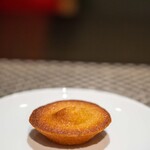
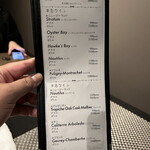
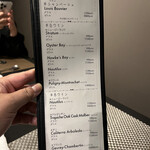
Visited LOOP TOKYO for the first time with my family. We made a reservation the day before and were told that a table was available. The small restaurant had 5 counter seats and one table for 4 people, with the chef and another staff member running the place. We started with Oyster Bay Chardonnay (990 yen) for both my wife and me, and San Pellegrino (990 yen) for our daughter. The bill came to 9900 yen including tax. The dishes were served in the order they were ready, starting with delicious freshly baked bread with two types of butter - one with Belgian shallots and the other with fermented butter. My wife and daughter don't eat oysters, so they had escargot instead. The fried eggplant with blue cheese sauce and cumin aroma had a mild blue cheese flavor - I wished it had a stronger taste. I couldn't help but remember the amazing grilled pear and blue cheese dish I had 25 years ago at Arpege in Paris. The grilled corn with goose fat had a simple yet delicious taste, with a foie gras-like sweetness added. The Tsukuba chicken pie had a slightly sweet seasoning and was delicious. I had a glass of Caliterra Arboleda Pinot Noir (990 yen) with it. The meat sushi with wasabi from Shizuoka had a strong marbling and we ordered two pieces, but my daughter said one was enough. It reminded me of the Toro nigiri at Gion Sasaki with more wasabi on top. The ginger and celery soup with frozen tofu was tasty. The Bourblanc Humed Poisson pan-fried red snapper had a crispy skin and was delicious. The freshly baked bread was soft and tasty. The Taiwan black tea and muscat wine granita was refreshing. The pork cartilage with amarilla salsa was tender and tasty. The tantanmen with medium-thick noodles was also delicious. The port wine jelly with Ibaraki red-flesh melon soup and olive oil was tasty. The chocolate financier with coffee was delicious. Both the food and coffee were great. The group at the counter seemed to all be from Taito Ward, and they were having a lively conversation about Taito Ward topics.

ASO
4.40
After moving, Loop-san finally came. Just listening to the menu explanation makes it a mysteriously delicious restaurant for some reason. A sense of curiosity and exceptional taste support the courses. It's surprising, delicious, and fun.
【Today's Menu】
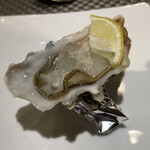
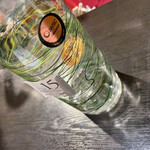
- Live Oysters: Thick Kakiemon oysters in a Gin Fizz style with craft gin from Niigata and pesticide-free lemon
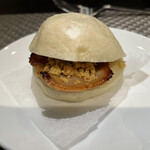
- Mini Burger: Homemade steamed bun skin, homemade bacon, and peanut powder
- Nira-tama: Egg in a chawanmushi style with nira sauce
- Spring Cabbage and Duck Meat: Stewed in fat, served with vinegar
- Steamed Oysters: Kakiemon oysters with spring vegetables, incredibly tasty soup
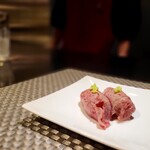
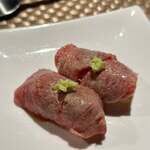
- Specialty: Hokkaido Beef Seared Sirloin Sushi
- New Onion Soup, Consommé style (Globe) + Wipe the soup with homemade bread (delicious)
- Aomori Sea Bream: Fish & Chips with homemade mayonnaise-based tartar sauce + Wipe the remaining tartar with homemade bread (super delicious)
- Refreshing: Taiwanese Pineapple and Canadian Maple
- Deer Meat Ginger Stir-fry style, with fried shallot sauce + Wipe the sauce with homemade bread (Asian style)
- Finale: Original mixed soba noodles (cheers erupt in the restaurant it's so delicious) + Flavor change with garlic vinegar + Extra rice for the finish
- Dessert: Tokachi red beans and French butter filled baguette French toast
- Petit Four: Chocolate mousse made with chocolate and water
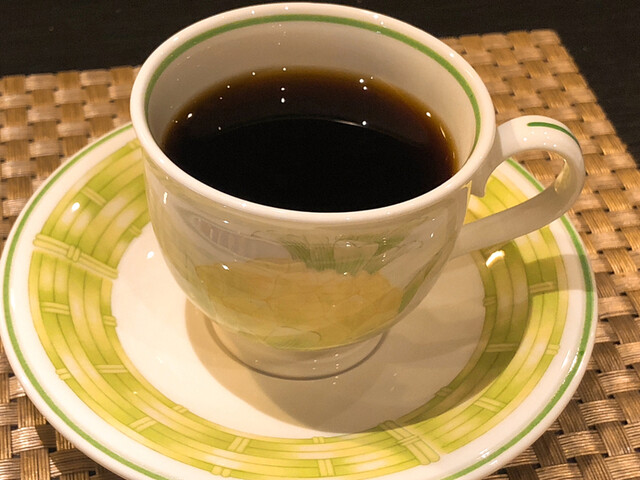
- Coffee: Roasted coffee from Ura-Shibuya
- Souvenir: Homemade shichimi pepper
Just looking at the photos, you can tell that the deliciousness is not fully conveyed, which is frustrating. It's clear that even with just one bread, the knowledge of ingredients, origin, and composition has been tried hundreds of times, making the taste rich. And if it's for the sake of deliciousness, it seems that it's not a burden at all.

類0908
4.80
◼️Previous Tabelog Score: 3.71 (April 2023)
Genre: Creative Cuisine
◼️Overall Impression
Delicious! Absolutely delicious! The attention to detail was amazing and the flavors were incredible! It was so much fun! I want to go every day! The value for money in Tokyo is unbeatable. Each dish had a different flavor profile, so it never got boring, and every flavor was so delicious! The skill and creativity were amazing. The dedication to sourcing ingredients was impressive. I was so satisfied. My thoughts are in the photos I took.
◼️Dishes
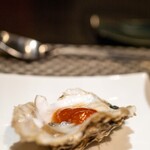
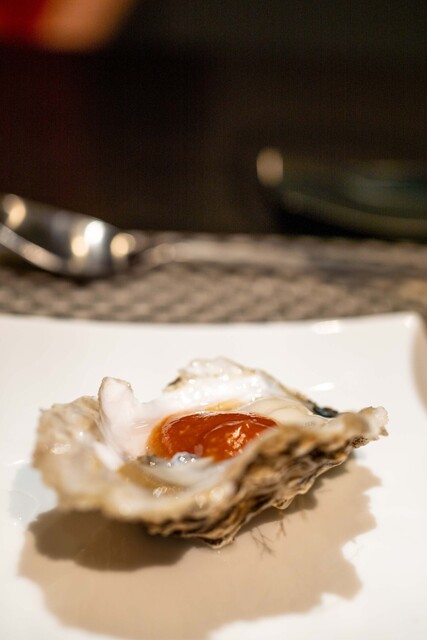
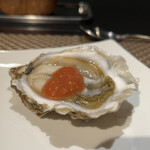
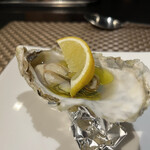
- Hokkaido Thick Oyster with Wasabi Chili Sauce
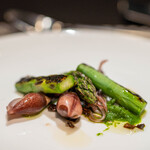
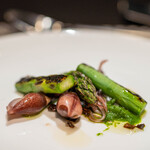
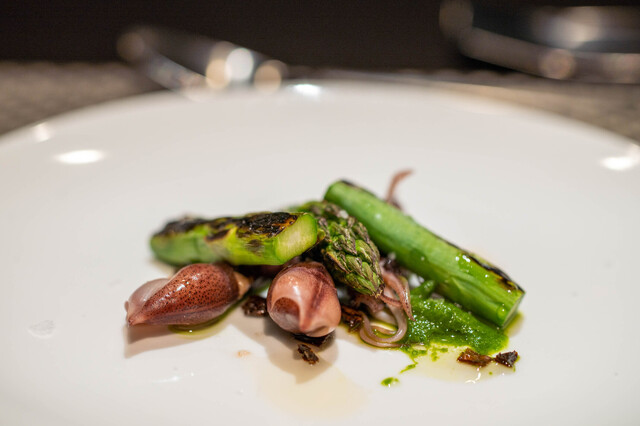
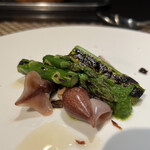
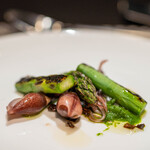
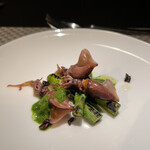
- Firefly Squid with Asparagus, Arugula, and Dried Tomato
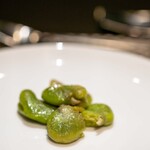
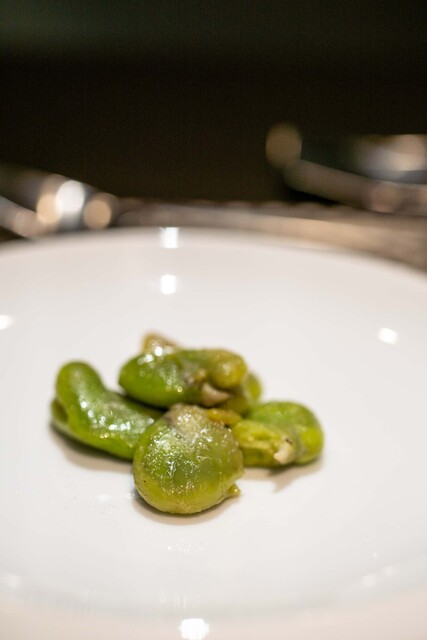
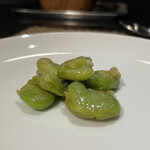
- Edamame with Fermented Butter, Chicken Broth, and Salt
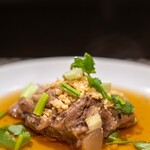
- Black Pork with 2-Year Aged Napa Cabbage, Sesame Oil, and Cilantro
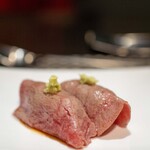
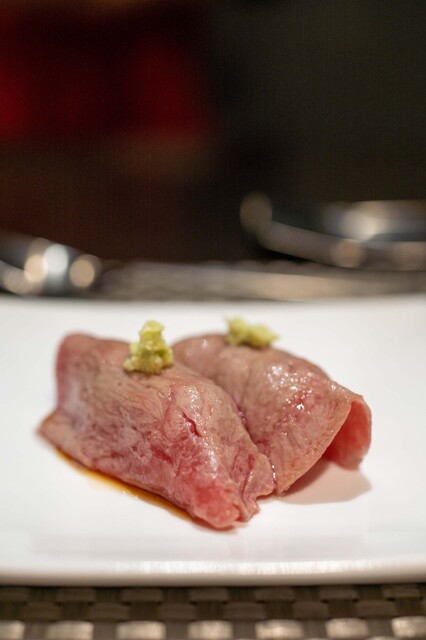
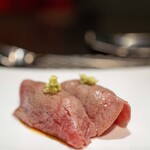
- Meat Sushi - Sirloin
- Soup - Turnip and Koshihikari Rice
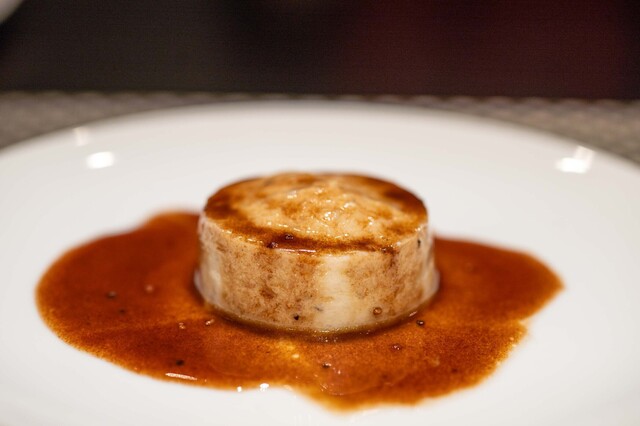
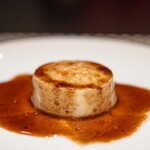
- Scallop Mousse with Madeira Wine Sauce
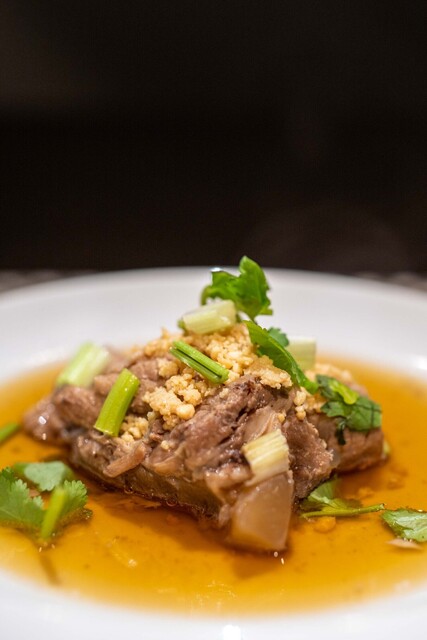
- Soy Sauce Braised Pork Spare Ribs with Cilantro and Peanut Powder
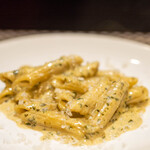
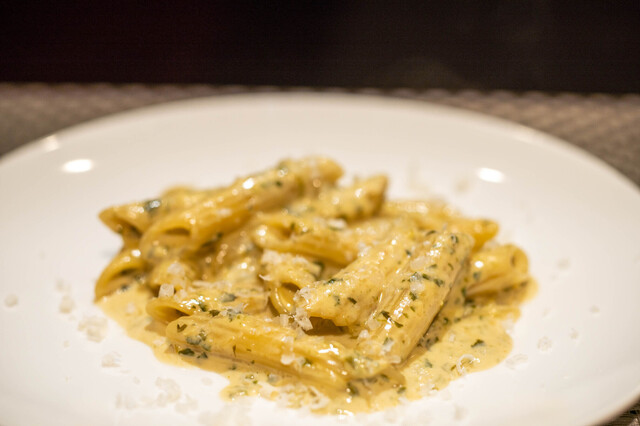
- Miso and Chrysanthemum Penne with Parmesan
- Panna Cotta with Pineapple Sauce
- Drink
- Financier
The menu changes monthly, so I'll skip detailed dish descriptions. Everything was delicious. I wish I could have eaten two more rounds!
◼️Interior
Counter and tables!
◼️Crowdedness
Strictly by reservation only!
◼️Service
The service was excellent! Both the owner and his assistant were friendly and likable!

やっぱりモツが好き
4.00
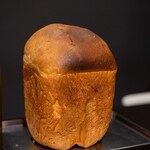
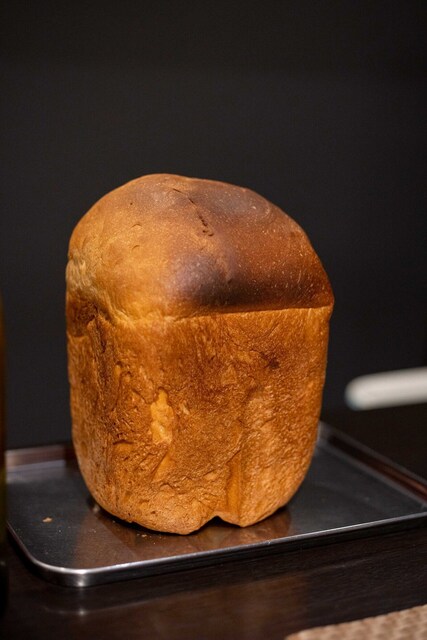
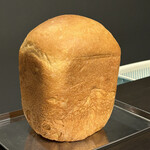
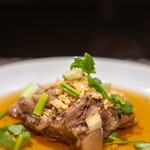
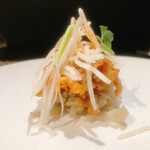
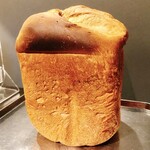
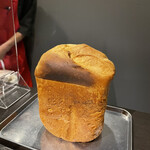
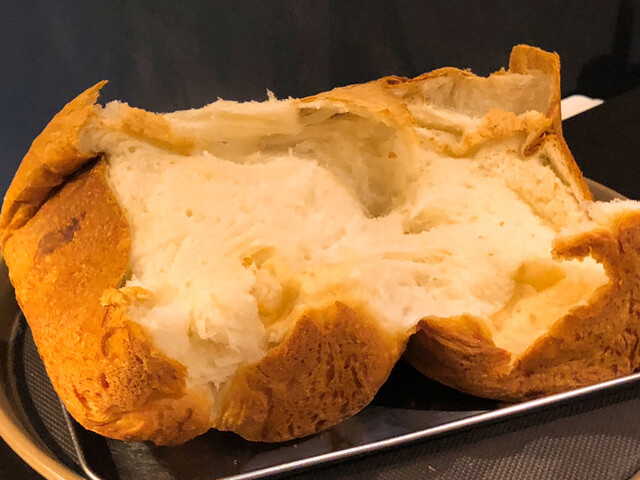
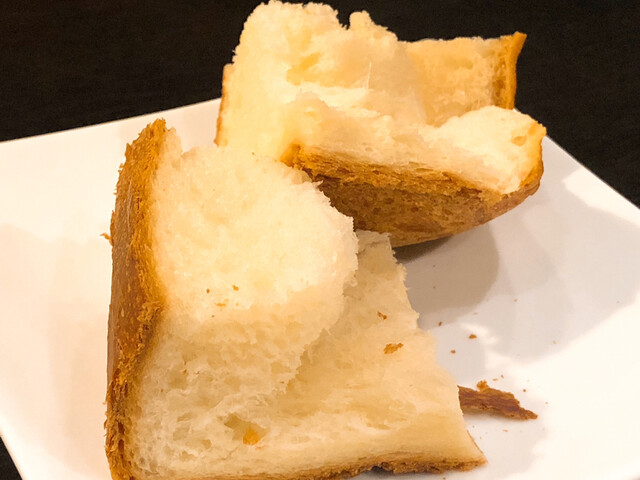
4,012 characters ★ Omakase (9,900 yen, tax included) Duration: about 1 hour and 50 minutes Chef Shuhei Murakami shows off his skills at this restaurant (3.71). It opened in 2006 and relocated from Takadanobaba to Asakusa in August 2022 (pre-relocation score 3.86). While honing his skills in French cuisine, it seems that he also has a deep understanding of Chinese cuisine, having conducted gourmet tours in Taiwan, allowing guests to enjoy his genre-less creative dishes. The interior has 5 seats at the straight counter in front of the kitchen (4 seats on this day) and 4 table seats (total of 9 seats). The owner and two male staff members, who have a connection from a previous job, run the restaurant. It operates on a reservation-only basis and does not accept walk-in customers (perhaps due to this, the lack of a sign makes the location of the restaurant hard to find). The business style is a single omakase course for 9,900 yen (tax included, no service charge). The only fixed menu item is the specialty "Beef Sushi." Other dishes change each time you visit. While they offer a variety of alcohol such as draft beer (Heartland), shochu, and sake, there is also a wide selection of New Zealand wines, reflecting the owner's experience working in New Zealand. I had the owner select a glass of wine that would go well with the dishes. I had the following food and drinks, with a total payment of 13,970 yen per person. Sherwood Estate Stratam Sauvignon Blanc 2022 White New Zealand Marlborough (Glass 990 yen) Oyster Bay Chardonnay Marlborough 2021 White New Zealand Marlborough (Glass 990 yen) Nautilus Estate Pinot Gris 2022 White New Zealand Marlborough (Glass 1,100 yen) Trapiche Oak Cask Malbec 2021 Red Argentina Mendoza (Glass 990 yen) Omakase (9,900 yen) 01. Live oyster (Kakinemon from Nakano Kiyoshi) with wasabi chili sauce 02. Hyogo firefly squid, Fukushima green asparagus, Italian sun-dried tomato, Chiba rocket and almond oil sauce 03. Stir-fried Soramame beans from Kagoshima 04. Steamed oysters (Kakinemon from Nakano Kiyoshi) with Croatian olive oil and pesticide-free lemon from Hiroshima 05. Sour cabbage and white meat hot pot (fermented Chinese cabbage, Kagoshima black pork belly, gochujang, black sesame oil) 06. Beef sushi (Hokkaido grade 4 sirloin, wasabi from Shizuoka) 07. Homemade bread dome (milk, cream, French fermented butter, Canadian wheat flour) 08. Chiba Sasai rice and turnip cold potage with croutons made from homemade bread dome and grated turnip 09. Hokkaido scallop mousse with Madeira wine sauce 10. Refreshing mouth refresher (strawberry and basil granita) 11. Soy sauce stewed pork spare ribs with coriander and peanut powder 12. Homemade miso and chrysanthemum penne with 24-month aged Parmigiano 13. Panna cotta with Papua New Guinea vanilla beans and dark rum, with fresh pineapple sauce from Taiwan 14. After-meal drink (Shibuya ROSTRO blend coffee brewed at 80°C or Taiwanese Assam black tea) 15. Homemade financier Souvenir: JJ dressing (Classic recipe from Seryna dressing) The reviews of the dishes I ate are as follows, with individual ratings in brackets, and the displayed prices include tax. [3.5] Live oyster (Kakinemon from Nakano Kiyoshi) with wasabi chili sauce First, let me introduce the freshly baked homemade bread dome (shokupan). Made without water, this "luxury bread" is finished with milk, cream, and French fermented butter. It is said to taste better when cooled than when eaten fresh from the oven, which I confirmed when I finally ate it as the 7th dish. The recipe is also available, so it can be reproduced at home with a bread maker. The first dish is like a cocktail sauce for eating raw oysters. These oysters are from the Kakinemon brand, specifically nurtured by a charismatic figure named Nakano Kiyoshi. It is said that 100% of the oysters in circulation are farmed (although there are occasional encounters with wild ones). Even though they are farmed, they are left in the sea, so they are often referred to as "wild."

*ももぷりん*
4.00
I visited a popular restaurant in Takadanobaba that has moved to Asakusa. The restaurant is located on a quiet street away from the hustle and bustle of Asakusa. It has been renovated into a long and narrow space with a counter. The restaurant seems to start serving dishes all at once, so you may need to wait for others to arrive before starting. The chef, who is a legend from the John Kanaya restaurant, skillfully combines seasonal ingredients to create dishes with a mix of Western, Asian, and Japanese influences. The teamwork between the two chefs is seamless and efficient. The menu offers a variety of dishes from basic hamburgers to international cuisine, all highlighting the quality of the ingredients. This is a recommended restaurant where you can enjoy unique dishes that you can't find anywhere else.

matu4
4.20
Murakami can recreate the taste of a dish exactly as imagined. His curiosity and passion for exploration are evident in his cooking. He is interested in all aspects of food and has deep knowledge of flavors, aromas, and textures. He respects each ingredient and its unique characteristics. Despite offering only omakase courses, the prices are surprisingly affordable. The dishes are simple yet incredibly well-executed. Murakami's attention to detail and dedication to each ingredient shine through in his creations. The restaurant has a chic, intimate atmosphere with a limited number of seats. Murakami engages with customers, building a unique dining experience. He prioritizes cost-effectiveness by using simple, practical tableware. The result is outstanding dishes at a reasonable price. Murakami's culinary roots trace back to Chef Hiroi, who worked at the legendary restaurant John Kanaya Azabu. Murakami's versatility and talent are reminiscent of his mentor. He can cater for up to 120 people with his team at LOOPTOKYO. His expertise in leading gourmet tours and passion for food make this restaurant a must-visit for food enthusiasts. It's a great spot for a date, but best enjoyed with someone who shares a strong interest in food.
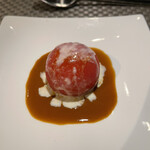
komomomomoo
3.90
~Time difference post Asakusa edition~ After the relocation, I couldn't go back for a while, but finally revisited! As soon as I entered the entrance, the cozy atmosphere was just as I remembered ✨ And the dishes were consistently delicious. Personally, I really liked the olive oil they use here, which made the food even more enjoyable. Thanks to that, the drinks were going down smoothly. Well, thank you for the feast! I'll be back soon. #Living with wine #Casual French #Creative French #Wine indulgence #Asakusa gourmet #Tokyo gourmet #wine #food #foodlover #foodlovers #Want to connect with people who love eating #Want to connect with people who love delicious food #Love sake #foodie #foodies #foodiegram #foodielife #delish
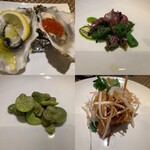
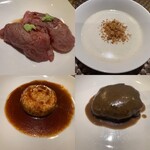
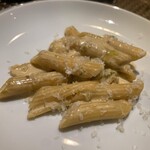
やっぱり蕎麦
4.60
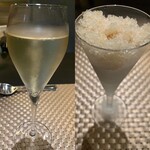
Second visit. The restaurant relocated from Takadanobaba to Asakusa and is about to celebrate its one-year anniversary. A place that serves delicious food of any genre. Chef Murakami's explanations of the dishes are easy to understand. The more you understand the thinking behind the dishes, the tastier they become.
- Clams Bourguignon
- Spinach and Crab XO Sauce
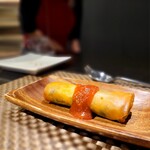
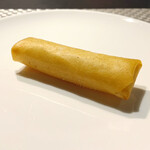
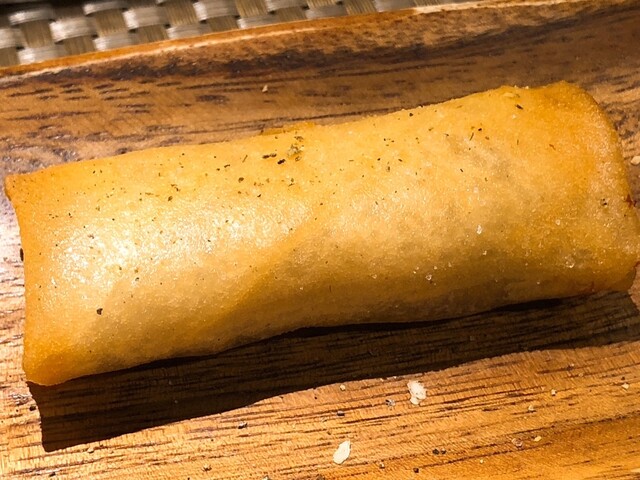
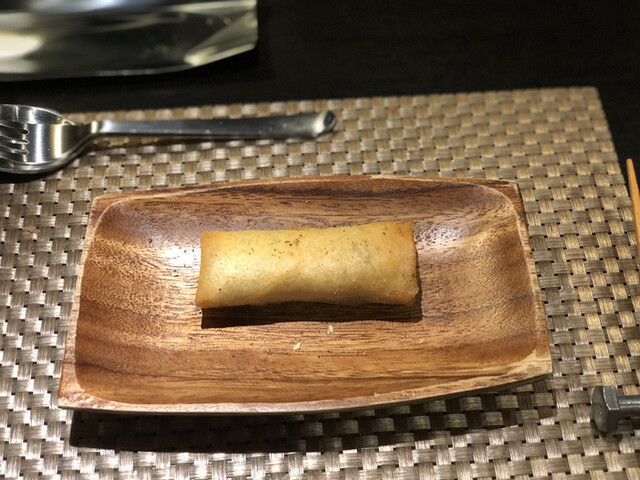
- Spring Rolls with Chives and Egg
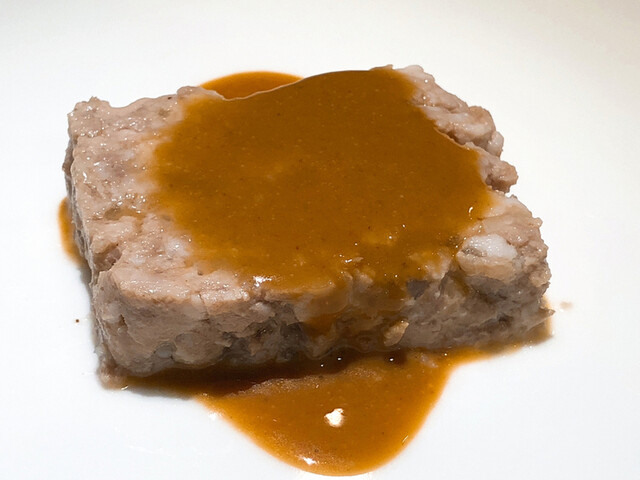
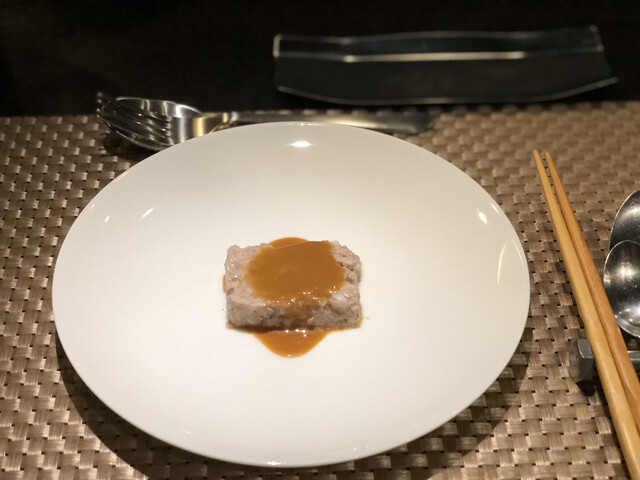
- Taiwanese-style Stuffed Sausage Pate
- Smoked Potato with Grilled Mackerel and Squid Ink
- Beef Sushi with Hitachi Beef Sirloin
- Brown Mushroom Potage with Blended Sansho Pepper
- Grilled Squid with Sand Tea Sauce
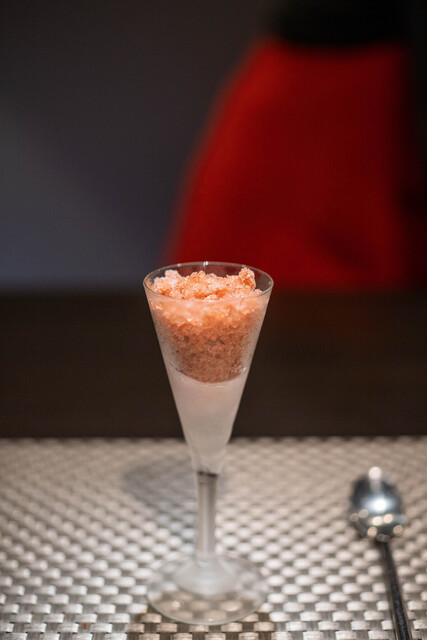
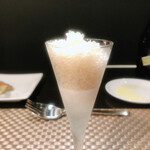
- Taiwanese Assam Tea and Ginger Granite
- Roasted Pork with Homemade Miso and Fuki No Tane Sauce
- Chicken Rice with Jirohan
- Crepe Alaska
- Creme Catalana
The dishes may come from different genres, but the menu is carefully thought out and easy to enjoy. The dishes change significantly with the seasons, so I want to visit as much as possible.
やっぱり蕎麦
4.60
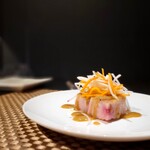
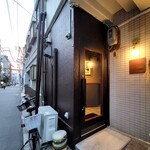
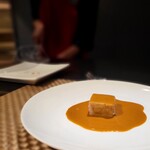
A restaurant that previously received a BRONZE in Takadanobaba has relocated to Nishi-Asakusa due to the demolition of the building. Chef Murakami, who has trained in various cuisines, serves dishes that are not confined to a specific genre. His attention to ingredients and clear explanations enhance the dining experience. The course menu, priced at 9900 yen including tax, offers surprising value. Highlights include fresh thick oysters from Akkeshi, chicken nuggets made with Kagoshima chicken, and turnips served with Parmigiano and olive oil. The steamed oysters with black pepper and soy sauce, as well as the beef sushi with lemon, are particularly enjoyable. The clouded shrimp soup and white wine sauce with butterfish are also impressive. The meal concludes with desserts like lemon granita, spare ribs with peanut powder and coriander, and walnut chocolate brownie. Each dish is a delight to the senses, and experiencing Chef Murakami's culinary story makes this dining experience truly unique.

目白ネーゼ
3.90
LOOP, a popular restaurant in Takadanobaba, has relocated to Asakusa due to rebuilding. It seems that even food enthusiasts are frequenting the new location. Personally, even though Takadanobaba is closer to my home (laughs), this time we are dining at a restaurant in Nishi Asakusa chosen by Gourmet Lady. The restaurant has a small setting with 5 counter seats and 2 table seats lined up vertically and horizontally. It's a live kitchen style, so sitting at the counter means being close to the chef, which might be a selling point. We prefer a bit of distance, so we chose the table seats. The only alcohol menu available includes champagne by the glass for 1320 yen and 4 types of white wine by the glass ranging from 990 yen to 1100 yen.
The restaurant offers a set course for 9900 yen, which is the only option available and focuses on creative dishes without sticking to a specific genre. We were excited to see what we would be eating.
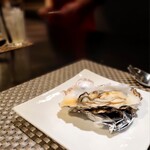
- Fresh oysters with shallots and red wine vinegar, presented in two different ways without any fishy smell.
- Pumpkin salad with cumin as an accent, sweet and fluffy.
- Ikura flan with a hint of saltiness and a popping texture.
- Tempura of turnips with a refreshing hint of sansho pepper.
- Soba risotto with freshly pressed olive oil from Croatia.
- Pinot Gris wine with a slight bitterness.
- Seared sushi using Hitachi beef sirloin, a classic dish that melts in your mouth.
- Miso soup with hiratake mushrooms.
- A bite of brand rice served as a palate cleanser.
- Grilled tai fish with breadcrumbs and tartar sauce, crispy outside and fluffy inside.
- Granita made with oranges.
- Pork rib roast with a very tender meat texture and porcini sauce for flavor.
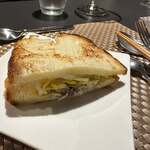
- Saba sandwich with juicy saba and crunchy onions sandwiched in milk bread.
- Sweet potato brulee with red haruka and fermented butter, lightly burnt with a torch.
- Coffee made with coffee beans from Cafe Rostro in Yoyogi Park, no bitterness and no sugar or milk added.
- Walnut brownie as a small dessert, made by an apprentice of the chef.
The chef passionately explains each dish, and there is a question time for those interested. The atmosphere is friendly but slightly quirky, so personal preferences may vary. Overall, it was an enjoyable and delicious dining experience at this restaurant.

恵ありてこそ
4.00
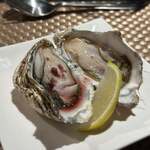
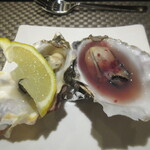
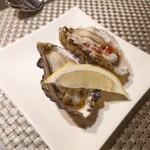
Before the corona pandemic, there were two restaurants in the Kanto region that I had been wanting to visit. One was our restaurant, and the other was Don Bravo in Tokyo Kokuryo. Both places gave me a good sense of being pleasantly eccentric. I had heard that the prices were reasonable as well. I had wanted to visit before they relocated, but due to the pandemic, it kept getting postponed, and I finally managed to visit at the end of last year. In conclusion, every dish was consistently above a certain level, and there were some dishes that made me go "wow," feeling like they were the result of deep thought. However, I felt that each dish seemed to be trying to excel individually, and some did not quite fit in terms of flow or overall coherence in the course menu. Nevertheless, I felt the intention to pursue better quality in each dish, and I appreciated the pleasantly eccentric atmosphere, making me glad that I visited. The prices were reasonable, and although there were some minor points that bothered me, overall, I was very satisfied. The course menu consisted of small portions of colorful dishes. It has been about three months since my visit, but I have all the information on each dish, so my memory is quite clear. Due to time constraints, I will limit my comments to some of the dishes, but I believe I can convey the general atmosphere. The first dish was fresh oysters from Akkeshi. They were served with lemon on the left and red wine vinegar on the right. The oysters had a straightforward, light taste that was easy to eat, more fresh than anything else. I found the lemon easier to eat, as the red wine vinegar tended to stand out a bit too much. Next was the turnip brûlée. This dish left a strong impression on me, and I wanted to try making it at home. It was not a dish with a strong broth, but rather a light one with mascarpone cheese. In my memory, it was thickened with rice, creating a delicious blend of Japanese and Western flavors. The presence of onions was not prominent, and the dish was very pleasant. The olive oil on top was from Croatia, and although I don't remember it well, I believe it was not a strongly flavored extra virgin oil. The careful sprinkling of pepper was noticeable, with the pepper not overpowering the dish but adding a natural flavor. Overall, I felt that the mascarpone cheese was the key to this dish, more so than the turnip itself. Skipping a dish, the next one that left an impression was the dish with Negi (Japanese leek) and Wagyu beef. Overall, it reminded me of sukiyaki. Despite Negi not being in season, cooking it brought out its sweet and delicious flavor, making the dish very enjoyable. The Wagyu beef did not leave a strong impression, but it was delicious in a comforting way. I believe there was shichimi pepper sprinkled on top, but it was not a very stimulating addition. The dish was centered around the delicious flavor of the Negi. Next was the Tsaiptaan, an omelet with dried radish. Although my mother used to make a similar dish, it had been a while since I had it. I learned that it is a common dish in Taiwan. The sweetness of the radish was present in the omelet, but personally, I did not find it very tasty. I had the impression that the eggs were cooked quite firm, which seems to be the norm. Next was the sushi with wasabi on top of Hitachi beef, which is considered a specialty. However, I did not taste the beef or the rich flavor of Wagyu. I believe that beef is best enjoyed when it is cooked. This dish left me feeling skeptical. The shari (sushi rice) was firm, and there was no salt or pepper, so I did not taste the meat. I remember having a similar sushi dish with Matsuzaka beef (probably A4 or A5 grade) near Ise Jingu Shrine about 20 years ago, and I distinctly remember tasting the meat, which left me impressed. I apologize for the lengthy review, and if I continue in this manner, it will never end.

ぺんたろ
4.10
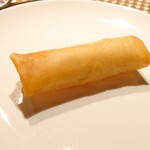
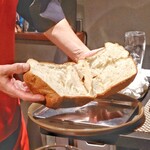
I was invited by a friend to this restaurant today. LOOP used to be a popular place in Takadanobaba, but they moved here due to the building being demolished. The location is closest to Asakusabashi station on the Tsukuba Express, about a 2-minute walk. It's also a 5-6 minute walk from Tawaramachi station on the Ginza line, and about 10 minutes from Kuramae station on the Toei Oedo line. The entrance to the restaurant is under the stairs leading up to the 2nd floor of the building. It may be a bit hard to find, but you'll see it soon enough. The seating consists of a counter with 5 seats and two tables for 2 people each, arranged in a theater-like setup where you can watch the food being served. The course menu costs 9900 yen, with drinks (around 1000 yen per glass) being additional. Here are the dishes and my impressions: Homemade ham and butter sandwich - incredibly delicious, the harmony of ham and butter is amazing. Shrimp spring roll - simple but tasty, with only shrimp inside. Braised cabbage - cooked in lard with potatoes and onions, very tasty. Homemade milk bread - very delicious bread with a good level of stickiness and great flavor. Albacore tuna carpaccio - simple but delicious. Taro and amberjack with karasumi - surprising and delicious, the taro is sweet and tasty, and making karasumi from amberjack eggs was a first for me. Wagyu beef sushi - delicious with good fat content. Soy milk soup with fermented bean paste - simple but delicious, great with the bread. Red sea bream curry - flavorful and delicious, a great surprise. Pork and lamb hamburger - small but juicy, with a great sauce. Pasta with fermented butter and 36-month Parmigiano - simple but delicious, the flavors of each ingredient are distinct. Papua New Guinea rum, panna cotta with kiwi sauce - a delicious dessert, the panna cotta was unexpectedly tasty. Walnut chocolate brownie - tasty with a perfect mix of walnut and chocolate flavors. Coffee from Cafe Rostro - not a fan of coffee, but this one was delicious. Overall, I was surprised by the owner's service spirit of providing only delicious dishes without being confined to a specific cuisine. It's great to be able to try tasty food from around the world. I would love to visit again if I have the chance.

ジゲンACE
0.00
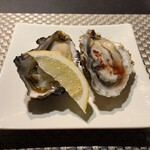
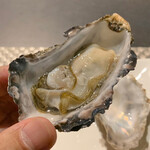
In the narrow backstreets of Asakusa Rock, there is a hidden gem called Loop. Previously located in Takadanobaba without a sign, Loop recently relocated to Asakusa and reopened as New Loop Tokyo. The restaurant has a small sign with no name on it, but it is easily recognizable. With a counter seating for 5 and two tables for 4, it feels more like a counter-style setup.
Their omakase course (9,900 yen including tax) includes Nakano Kiyoshi's fresh oysters from Akkeshi, which are highly recommended by the owner. Other dishes in the course include shrimp spring rolls, cabbage stew, homemade bread, miso with bincho (a type of fish), sashimi of buri and sardine, tofu soup, beef sushi made with Hitachi beef sirloin, sautéed medina fish, basil sorbet, lamb and pork hamburger, and cheese pasta. The dessert lineup features panna cotta with Fukushima kiwi sauce, gateau chocolat, and coffee from Cafe Rostro in Tomigaya.
Their highball, Nautilus, and Arboleda cocktails are also worth trying. The homemade bread is delicious, with a slightly sweet and chewy texture that pairs well with the tofu soup. Loop Tokyo has definitely evolved from its Takadanobaba days and offers a fun dining experience.

えこだねこ
4.10
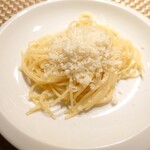
During my visit in November, the beef sushi that was a staple since the Takadanobaba era and the freshly made butter, cream, and milk homemade bread from Asakusa were both delicious. However, the highlight this time was the appearance of long pasta, a rarity that only happens once every ten years according to Chef Murakami himself. The fermented butter and 1-year aged Mimolette cheese linguine was exceptional!
Menu for this visit:
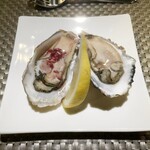
- Thick Oysters from Akkeshi with Shallot and Red Wine Vinegar
- Scallop Mousse with Bordier Seaweed Butter
- Homemade Bread with Butter, Cream, and Milk
- Braised Cabbage with Homemade Lard
- Sweet and Sour Ginger Marinated Yellowtail with Miso and Chrysanthemum Sauce
- Fried Taro with Grated Pollack Roe on Amberjack
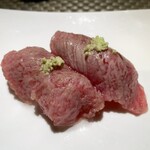
- Beef Sushi (Hitachi Beef Sirloin)
- Tofu Soup with Zassai, Dried Shrimp, and Spring Onion
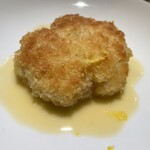
- Baked Cod Milt with Breadcrumbs and Beurre Blanc
- Basil Yogurt Sorbet
- Lamb Hamburg Steak with Sweet Vinegar Pickled Ginger
- Fermented Butter and 1-year Aged Mimolette Cheese Linguine
- Panna Cotta with Kiwi Sauce
- Gâteau Chocolat
- Medium Roast Coffee from Tomigaya Café Roastro with a Beer, 2 glasses of White Wine, and 1 glass of Red Wine (Night)
Price: 14,400 yen per person
This popular restaurant is run by Chef Shuhei Murakami, who has worked at renowned French restaurants including the now-closed Ricca in New Zealand. The restaurant moved from Takadanobaba to Nishi Asakusa in August 2022. The omakase course costs 9,900 yen per person, and drinks range from 990 yen for beer to 7,150 yen for wine bottles. The cozy atmosphere of the small restaurant with 5 counter seats and 2 tables, all facing the chef, adds a unique touch to the dining experience. Chef Murakami provides passionate explanations for each dish in one synchronized rotation.
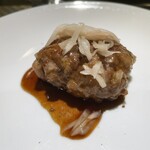

pateknautilus40
4.00
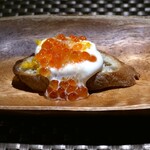
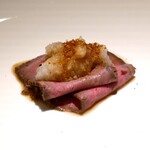
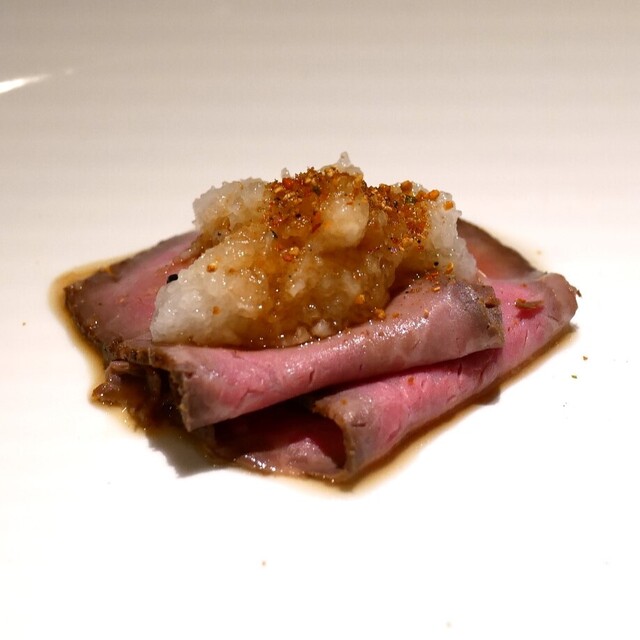
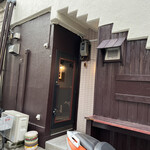
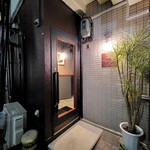
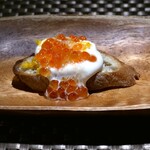
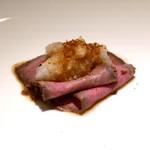
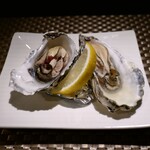
Thank you for visiting. I hope you can give me your 'likes', 'follows', and 'save the store'. I visited 'LOOP TOKYO', which just opened in August 8, 2022. The location is on the 1st floor of the Nikko-sha Building, a 2-minute walk from Asakusa Station and an 8-minute walk from Tawaramachi Station. There is no sign for the store. The entrance is on the left side facing the front of the building. The interior of the store is chic with a black color scheme and is cozy with 5 counter seats and two 2-seater tables facing forward. The chef, Shuhei Murakami, is known for his unique dishes and attention to detail. The service is friendly and very polite. The dishes are all delicious, with a focus on homemade ingredients and cooking methods. The dishes I tried that day were: Salted Salmon Roe and Sour Cream Tartine, Black Wagyu Beef Roast Beef with Turnip Grated Radish, Thick Oyster from Akkeshi, Cream Stewed White Cabbage and Homemade Bacon with Yuzu, Confit of Chicken from Miyazaki with Aged Plum Vinegar Sauce, Beef Sushi from Jōbō, Potage Parmentier, Stewed Itoyori from Nagasaki, Hibiscus Tea Granita from Yunnan Province, Spare Ribs of Pork with Homemade Yangnyeom, Yellowtail Amberjack Tea Pickles from Hokkaido, Apple Crème Brûlée, Coffee from Cafe ROSTRO (Basque), and Petit Fours with Pine Nuts and Walnut Chocolate Brownie. It was a very enjoyable experience and I would love to visit again. Thank you for the meal.
Email Login