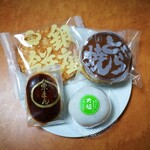
山田屋菓子舗
Yamadayakashiho
3.23
Matsumae, Kameda Area
「Japanese Sweets」
--
--
Opening hours: 8:30 - 20:00
Rest time: Sundays Business hours and holidays are subject to change, so please check with the store before visiting.
北海道檜山郡江差町姥神町79-1
Photos
(20)
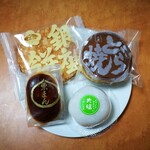
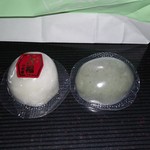
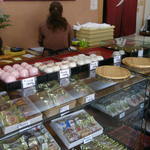
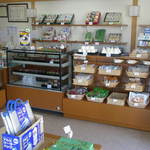
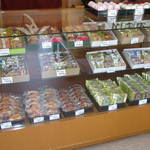
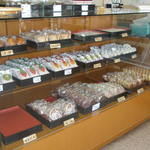
Details
Parking
having
Comments
(16)

higuma
3.30
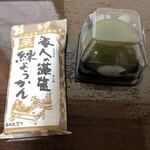
I bought plum and chestnut baked sweets as souvenirs for the tea classroom, along with a bite-sized yokan for a mountain snack, and water manju for tea sweets. I was drawn to the nerikiri and gyuuhimo, but had to give up as I was traveling. I enjoyed the water manju at the guesthouse. It has a moderate sweetness that goes well with light tea.

いるどん
3.30
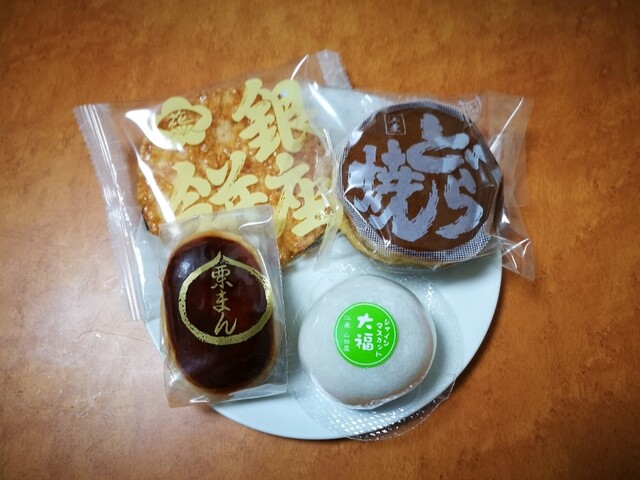
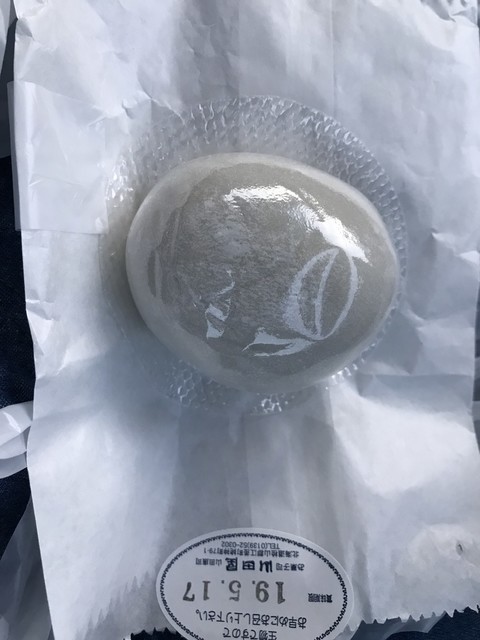
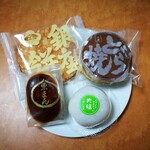
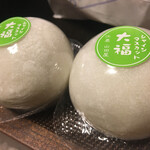
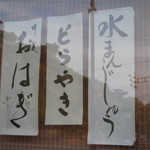
I visited Yamadaya Kashipan for the first time while visiting Esashi Town for the first time on November 16, 2021 to buy souvenirs for Hakodate. I feel the charm of a local confectionery shop. I selected a few different items to purchase. ・Shine Muscat Daifuku: I was intrigued by the name and purchased one for 230 yen. It's worth the price. The mild sweetness of the red bean paste combined with the flavor of muscat is very good. ・Dorayaki: The fluffy texture of the cake and the sweetness of the red bean paste soothe tiredness. It's delicious. The other sweets were also delicious. Thank you for the meal. I will come back to buy more.

知麻呂
3.80
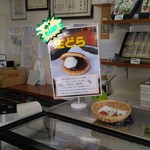
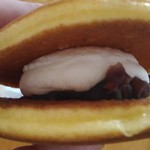
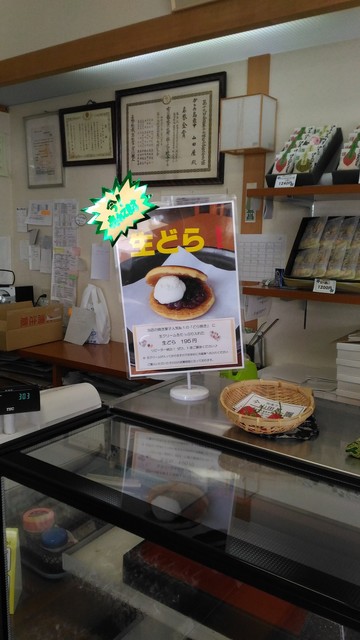
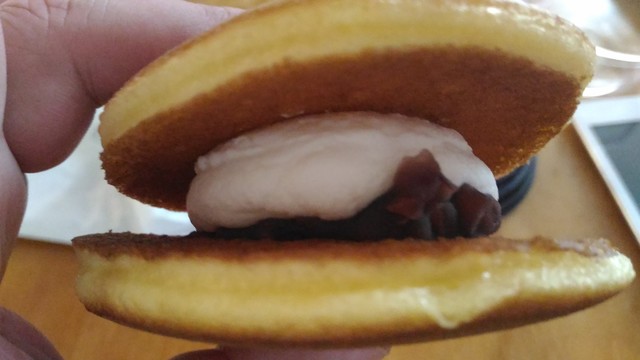
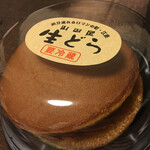
This is a famous traditional Japanese confectionery shop in the Donan area. The shop is well known for its strawberry daifuku, but due to difficulties in sourcing strawberries this year, I couldn't find any strawberry daifuku... (tears) Instead, I purchased the Shine Muscat daifuku that was newly added to the lineup, and also the freshly baked dorayaki that was being promoted outside. The Shine Muscat daifuku is delicious, but it somehow feels like... do we really need Shine Muscat? It lacks the punch when compared to the strawberry daifuku. The freshly baked dorayaki had a cream filling that exceeded my tolerance level, but it was still delicious.

綾鷹@茶々丸
3.50

良い方のB型
3.00

TAKASAN-BATACHAN
4.00
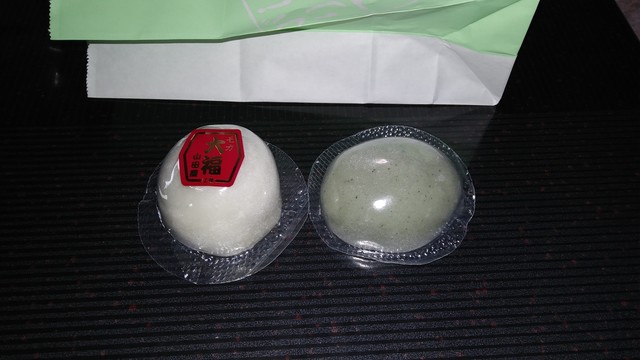
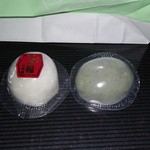
I visited an ancient street and took plenty of photos on May 4th, 2018. On my way back, I saw a sign for "strawberry daifuku" at this shop and remembered buying it around this time last year, so I decided to stop by. However, it was already sold out by the time I arrived around 3:30 PM. Nevertheless, this shop is known for having some of the best sweets in Esashi, so I was sure that other items would also be delicious. I bought a mocha daifuku for myself and a grass daifuku with sweet bean paste for my mother. Just as I was about to leave the shop, a sudden heavy rain started pouring down, and I realized that I didn't have my umbrella with me. I got drenched in the rain on my way home. After getting back home, taking a bath, and changing clothes, I handed the grass daifuku to my mother and we both enjoyed our treats. My mother loved the traditional mugwort flavor of the grass daifuku, while the mocha daifuku I had was flavored with drip coffee mixed in the sweet bean paste, giving it a coffee milk-like taste. Despite getting caught in the rain, it was a good day with great photos and delicious treats.

だいも
3.30
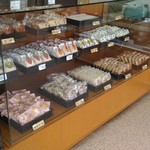
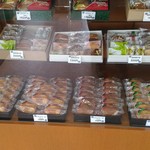
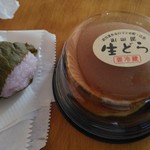
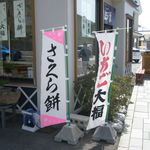
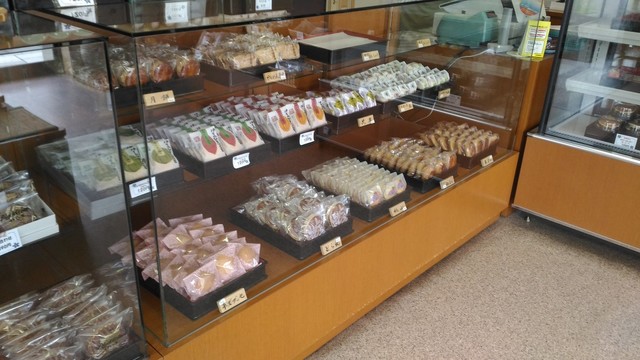
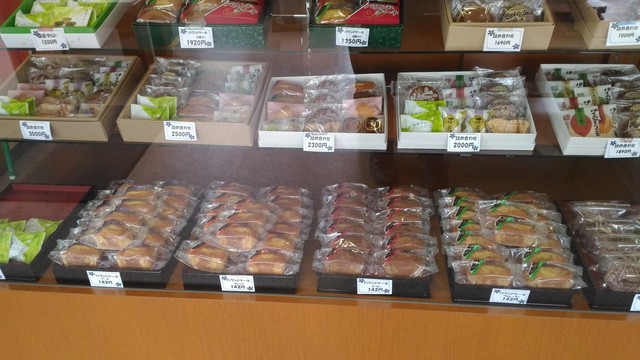
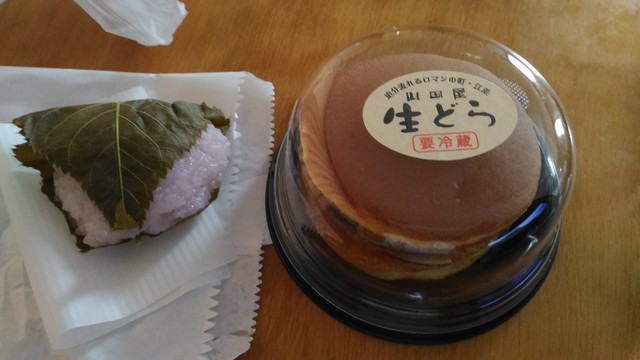
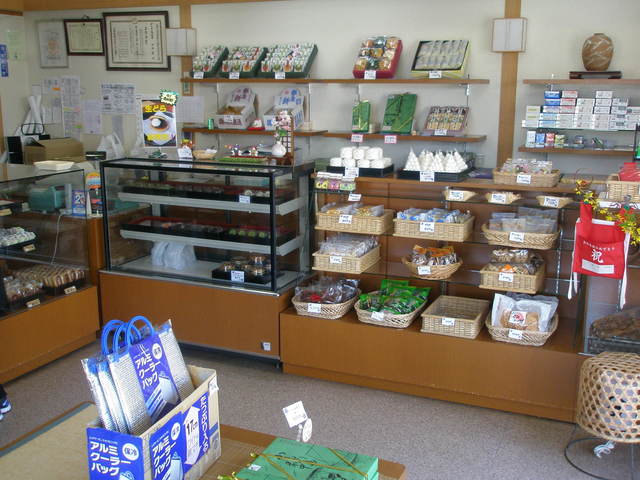
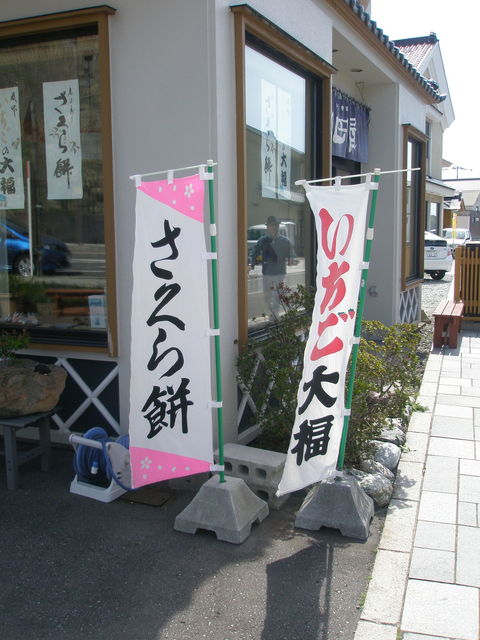
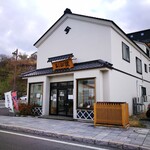
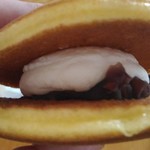
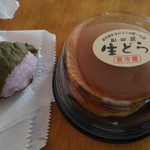
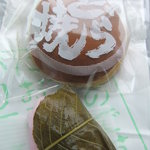
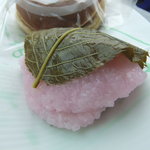
Descending from the high ground where the shopping street and government offices of Esashi are located, you will find Yamadaya Kashiya at the intersection of the ancient highway. After lunch, I visited the shop. Upon entering the clean store, I saw many products displayed in the window. Since I had just finished lunch, I ordered a fresh dorayaki with a sakura mochi for a taste of spring. I'm not a big fan of sweet bean paste, but the dorayaki had a good amount of fresh cream, making it enjoyable even for those who aren't fond of traditional Japanese sweets. The sakura mochi, a seasonal treat, really captures the essence of spring. They also offer boxed sets for souvenirs, making it a convenient gift option.
TAKASAN-BATACHAN
4.00
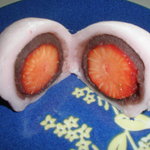
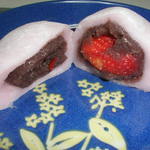
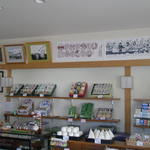
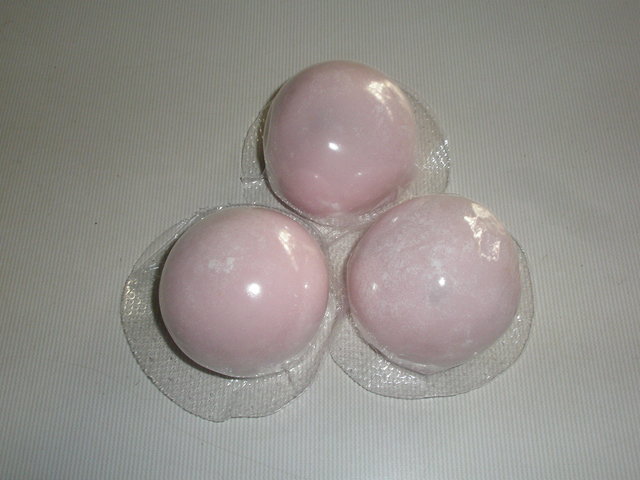
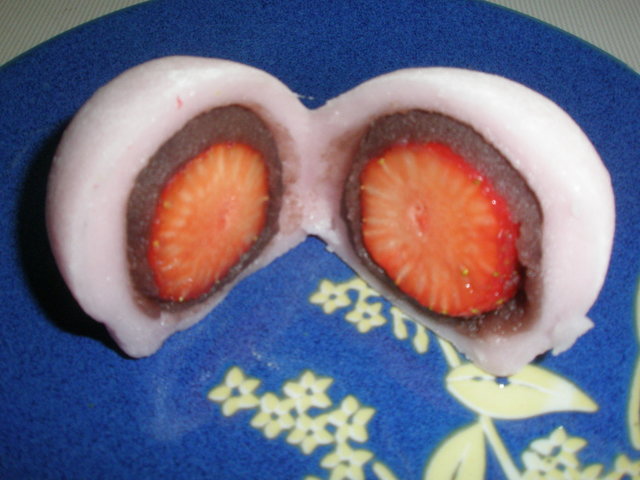
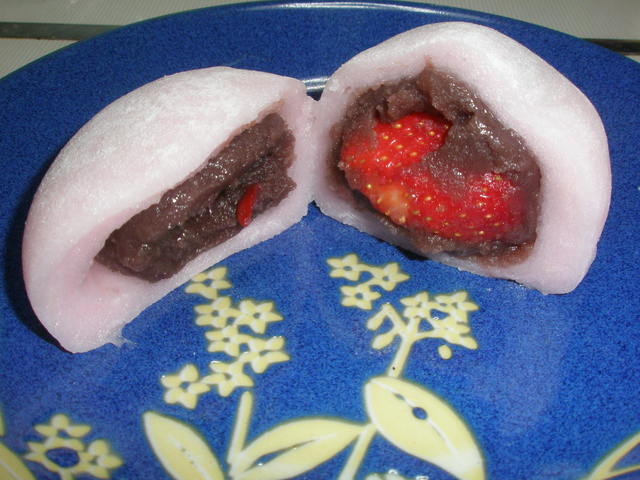
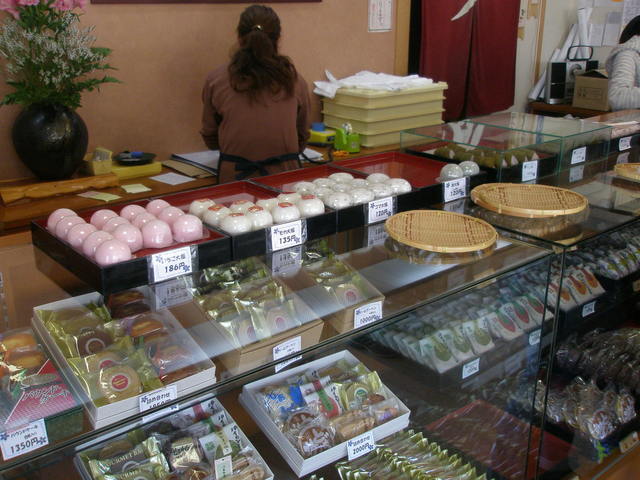
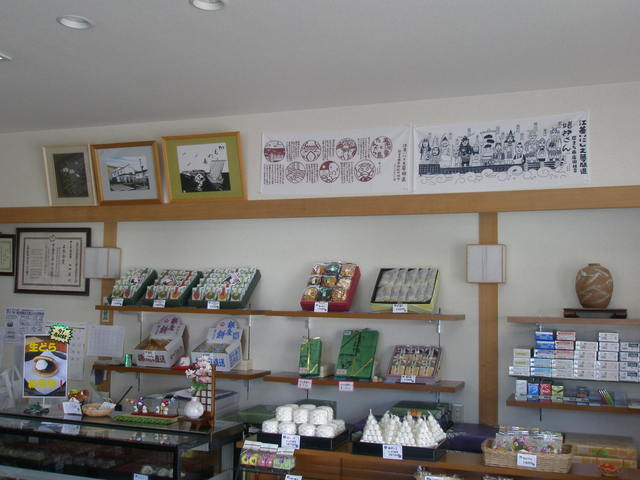
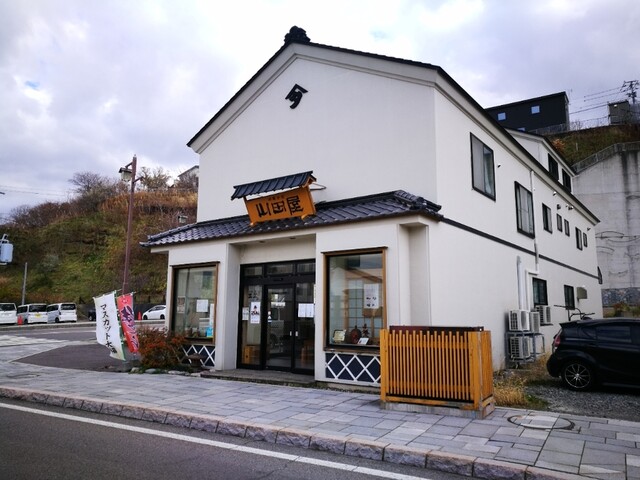
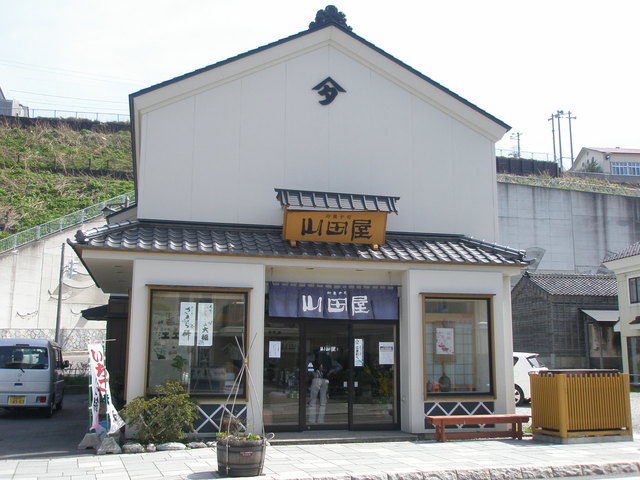
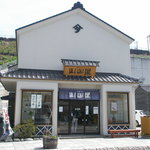
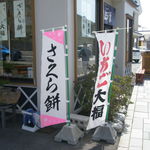
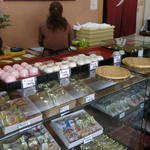
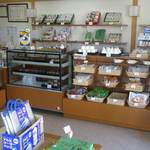
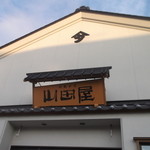
On my way back after finishing shooting at the "25th Haru no Esashi Ineji Yume Kaido" event on May 3, I noticed a sign for "strawberry daifuku" at the storefront of Yamadaya Kashiho. I remembered that it was strawberry season, and this shop only makes strawberry daifuku during the peak season, so I decided to buy some. I went inside and bought 3 pieces for myself and my parents. After that, I got permission to take photos inside the shop. The shop was relatively new as it was rebuilt to align with the expansion of the "Ineji Kaido," but the display of traditional Japanese sweets molds gave off a sense of tradition. When I got home, I immediately tried the strawberry daifuku. I first cut it in half to take a photo, but the image turned out blurry on my computer screen. Despite that, the daifuku was delicious, with a good balance of sweet red bean paste and slightly tangy strawberry flavor. This shop's skill was evident in the quality of the daifuku. I've tried other sweets from this shop before, and they were also delicious. In my opinion, this shop ranks among the top traditional Japanese sweet shops in Esashi. I highly recommend it, and I might visit again the next time I come back home.

うさのママ
3.30
My husband bought these snacks for me when he went to the Hiyama area for outdoor activities. The sesame mochi was not my favorite because the mochi was soft, but the red bean paste with sesame was flavorful and delicious. It wasn't too heavy on the sesame, which was nice. If the mochi had been made with sticky rice, it would have been even better. As for the sakura mochi, my husband found it too watery and soft when he ate it on the day of purchase. However, when I tried it the next day, the mochi was firm and tasty. The mochi dough itself was a bit lacking in saltiness (even for someone like me who doesn't like salt much). The salted sakura leaf topping seemed to have been soaked in water too much, as it lacked a bit of saltiness and I had to add a pinch of salt. The red bean paste was quite light. The Kamome Island monaka brought back memories of a trip to Esashi many years ago. I would love to visit Esashi again someday. (I've been saying this for over ten years now!)
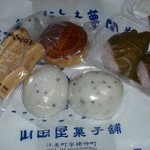
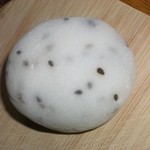
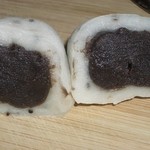

めえめえめえ
3.00
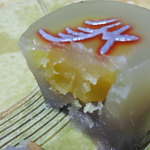
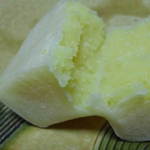
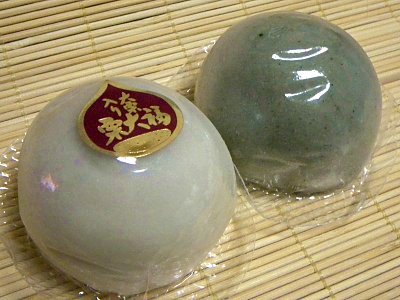
In November 2015, I haven't tried the sweet potato kin-tsuba here. When I stopped by, they had it, and I almost missed buying it this year. The kin-tsuba here is white, fluffy, and doesn't have a strong skin taste. I'm not sure if it's the perfect kin-tsuba, but it might be enjoyable to swallow the sweet bean paste in one gulp. I also didn't buy the fresh mochi here. Today, I found a gourd-shaped mochi with chestnuts inside that impressed me because it looked like the moon. This shop is closed on Sundays because the artisans take a day off. For tourists, this might be surprising, but I think it adds to the relaxed atmosphere. In February 2014, it's the season for strawberry daifuku. The shop was bustling with people coming for this treat. In Esashi, they are currently holding a festival called "Hinagatari" where hina dolls are displayed throughout the historic town until April 6th. Don't hesitate to visit, even though it's a bit cold in winter. The dolls at Yamadaya were small but very cute. They are not owned by this shop but are said to be very old. There are about 150 sets of hina dolls displayed in various shops, and I plan to see them all. The daifuku here is big and costs 116 yen. The receipt said "morning-made." These sweets are made in the morning to be sold on the same day, so they don't make many here. When I bought the grass daifuku, it was sold out. In 2013, the sweet potato kin-tsuba here had already finished for the year. I missed eating it, but I have accepted that traditional sweets are seasonal, and I look forward to next year. They had sweet potato sweets available. It was a crispy potato with hardly any cream, more like a traditional Japanese sweet. If I had to choose, the mocha daifuku was softer, with coffee bean paste and cream, giving it a Western touch. In November 2013, I was intrigued by the sweet potato kin-tsuba sign here. I wanted to buy some, but they weren't making it today, which was disappointing. Instead, I bought the sesame daifuku and a unique Orui manju. Orui manju is related to the legend of the old lady Orui in Esashi. It's a story about how herring flocked to the sea when the old lady poured water from a jar into it. This story dates back 500 years, and unfortunately, herring are no longer caught in Esashi today. The old lady's shrine, Ubagami Shrine, is still cherished by the townspeople. By eating the manju, I felt a little of what the people of Esashi hold dear. In April 2013, I walked quite a distance to the bank, so I decided to treat myself to a strawberry daifuku. It's big, and it costs 180 yen, while the grass daifuku is the same size and costs 116 yen, so the grass daifuku seems like a better deal. I was only focused on daifuku, but they also have Western sweets. I found a cheese buse, made of cheese and buttercream, which I bought for 137 yen. The strong cream in the middle gives it a presence. It wasn't crumbly but rather firm due to the buttercream. They also had baumkuchen and pound cake, but these were not made here, they were bought from elsewhere. The fact that items not made here are also sold is a characteristic of rural sweet shops. Strawberry daifuku is easy to eat, so I usually gobble it up without much thought, and I don't even remember what the mochi was like unless something really stands out. The freshness of the strawberry is what I notice the most.
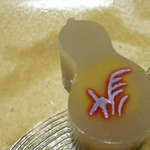

泡盛M
3.50
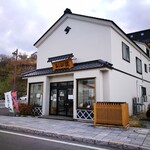
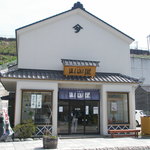
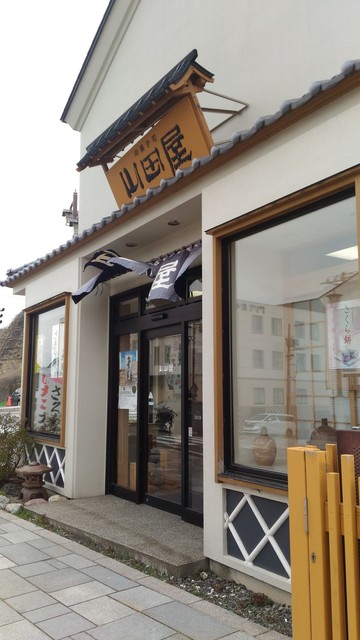
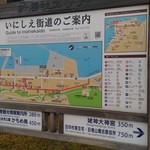
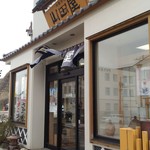
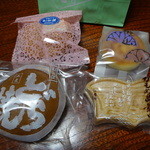
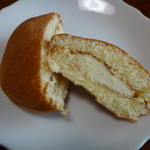
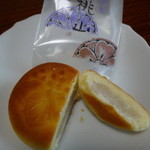
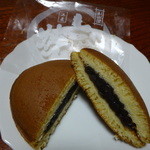
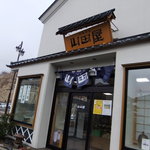
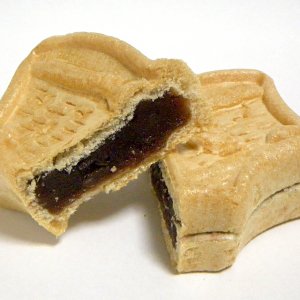
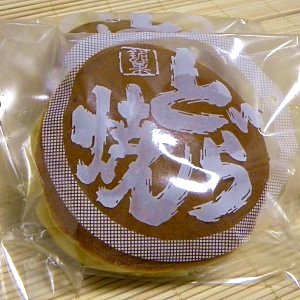
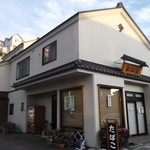
The ancient street is about 1 kilometer long and is a tourist spot in Esashi, with many historical buildings, temples, landmarks, warehouses, storehouses, merchant houses, and townhouses preserved. The buildings facing the street have exteriors that blend well with the townscape, like the white-walled store of Yamadaya Confectionery. I bought Cheese Busse, Momoyama, Dorayaki, and Kamome Island Monaka. Cheese Busse has a buttercream with a cheese flavor inside, Momoyama has a light sweetness with white bean paste in a fluffy dough, Dorayaki is small with a sweet red bean paste and a crispy outer layer, although it could be a bit more moist, and Kamome Island Monaka has a firm bean paste with a relatively sweet taste. The Monaka shell is shaped after Esashi at each store, so it's fun to try each one.

プラチナ7
0.00
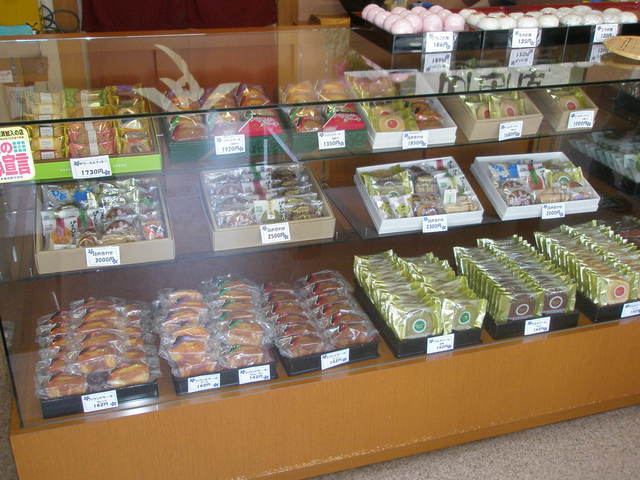
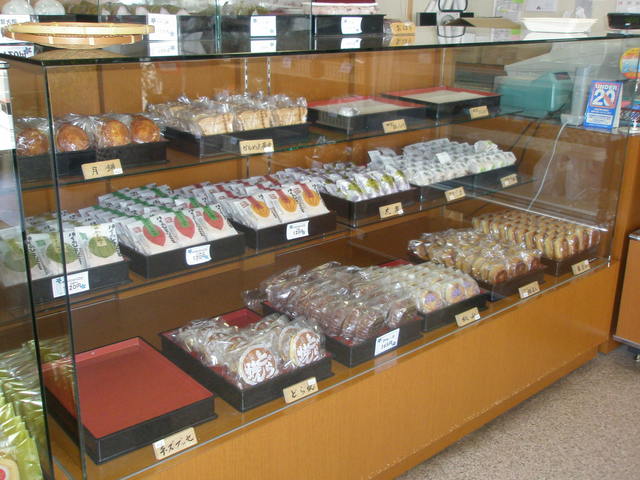
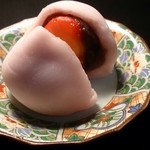
This is a well-known local Japanese confectionery shop. They have a variety of sweets, including traditional Japanese sweets and pie-like Western sweets, as well as vegetable chips. However, the large daifuku displayed on the showcase catches your eye. They have normal daifuku, grass mochi-style, sesame, mocha, chestnut, and more, but during this season, you'll want to get the pink strawberry daifuku. It has a soft mochi exterior, a modest sweet red bean paste filling, and a big sweet and sour strawberry in the center. So delicious! Everyone is aiming for the strawberries, so it's best to visit the shop before noon.

onikuma
3.00
While walking, I stumbled upon this shop by chance. I love Japanese sweets, so I couldn't resist going in. The shop looked very new. Inside, there was an old lady. Perhaps it's a long-established shop? Unfortunately, the strawberry daifuku was sold out. I bought some sakura mochi and my usual dorayaki. The sakura mochi was a bit too colored... I wish they had toned it down a bit. The leaf was a bit firm. The sweet red bean paste inside was smooth and on the sweeter side. The dorayaki was average. It seems like they receive a lot of orders for mochi used in celebratory and memorial occasions, as there were a lot of cardboard boxes stacked up.

くのっちょ
3.50
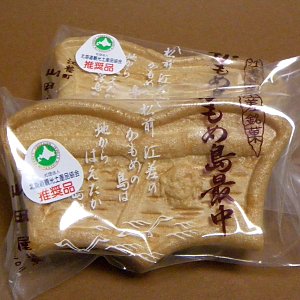
In Esashi Town, there is a traditional Japanese confectionery shop located in the tourist area "Inishie Kaido" that maintains an old-fashioned atmosphere. Esashi is known for its famous confectionery "Goshote-ya Yohkan", but when it comes to local sweets, the "Kamome Island Monaka" modeled after the famous spot "Kamome Island" in Esashi stands out. The monaka is relatively large in size, providing a satisfying eating experience. The shop's popular items are their daifuku, so this time I purchased the "Kusa Daifuku" and "Kuri Daifuku". The mochi itself is quite soft, which may not be highly rated by those who prefer a chewier texture. I personally felt that the "Kusa Daifuku" could use a bit more grassy flavor, but the "Kuri Daifuku" had whole chestnuts inside, making it very fulfilling. The classic "Dorayaki" was a bit small with a sweet red bean filling. Personally, I prefer a moister cake. Despite its convenient location for tourists, the shop seems to attract a lot of local customers as well. While Esashi is famous for "Goshote-ya Yohkan", it is worth exploring other confectionery shops in the area if you have the chance.

としま
5.00
During my vacation, I went back to my hometown and sent some strawberry and mocha daifuku to my workplace to arrive the next day. I ordered 15 pieces of each, with the strawberry ones costing 180 yen each and the mocha ones 150 yen each. The strawberry daifuku is supposedly only available from January to June. Every time I visit, I always send some daifuku later, but I've never been able to buy the strawberry ones in person because they're always sold out. However, this time, due to bad weather, there were 5 left, so I bought them for myself. It was my first time trying the strawberry daifuku, and it was just right - not too sweet, with a hint of sourness from the strawberries and the sweetness of the red bean paste. I ended up eating 3 in one go! The store is small and clean, making it easy to enter, but it's a bit hard to find for first-time visitors, which is a bit of a shame.

世界食堂
0.00
Email Login