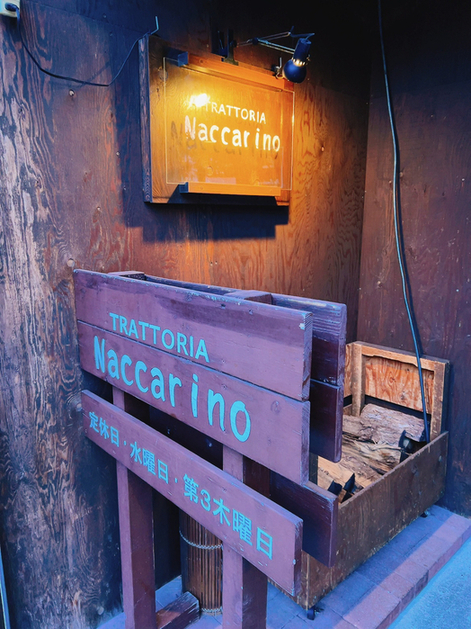
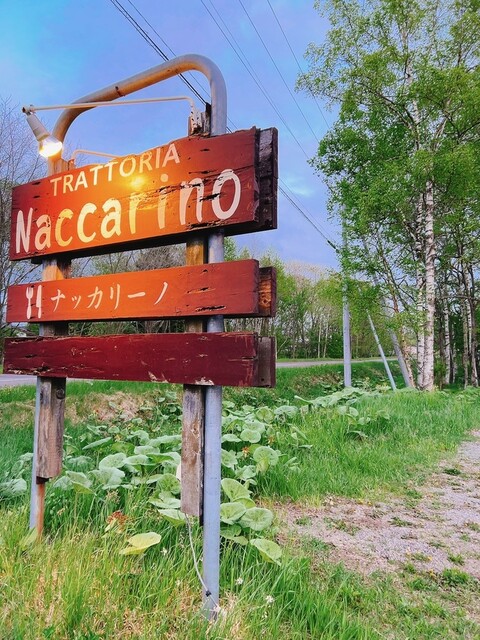
ナッカリーノ
Karino
3.09
Raus-Shiretoko Peninsula, Notsuke Peninsula, Konsen Plateau
「Italian Cuisine」
--
--
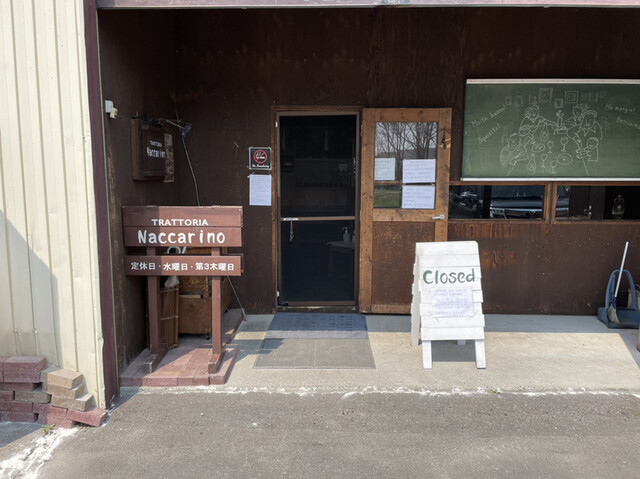
北海道標津郡中標津町東中2-10
Photos
(20)
Details
Payment Method
Electronic money not accepted
Private Dining Rooms
None
Smoking and Non-Smoking
Smoking restrictions The Law Concerning Measures Against Passive Smoking (Revised Health Promotion Law) has been in effect since April 1, 2020. Please check with the store before visiting as it may differ from the latest information.
Parking
having
Comments
(15)

ちょにき
3.30
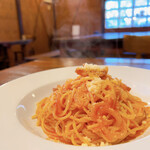
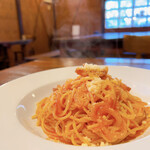
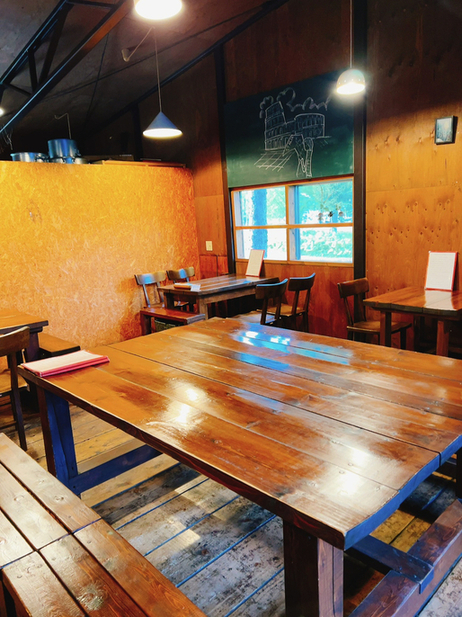
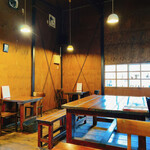
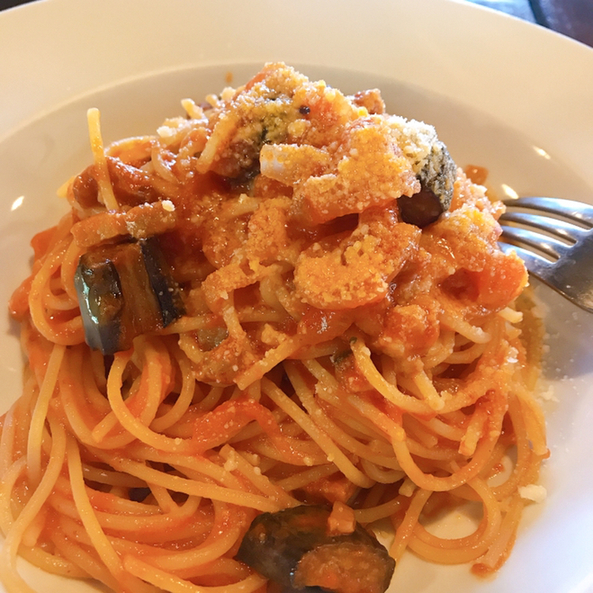
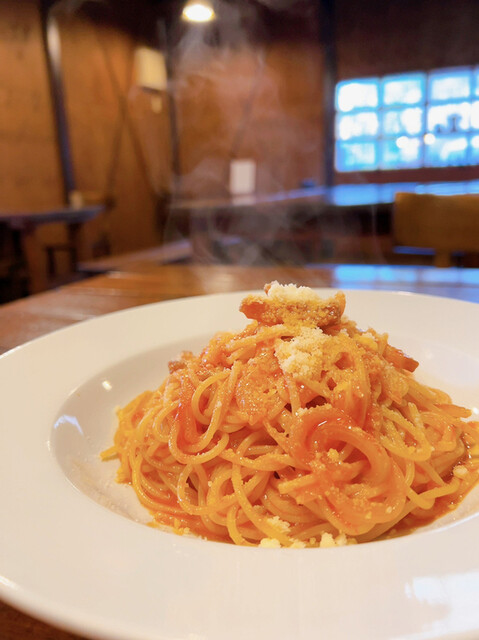
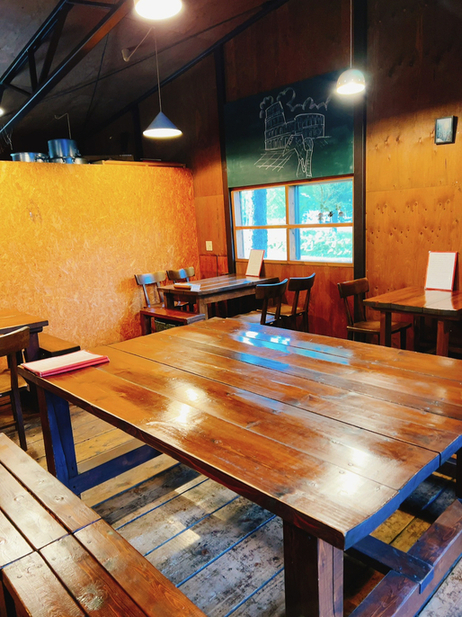
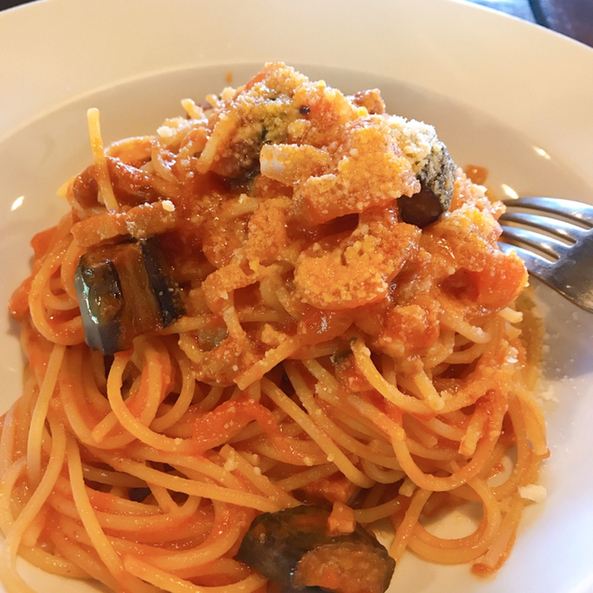
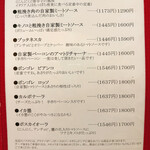
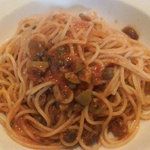
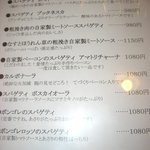
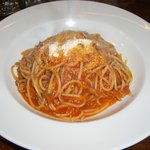
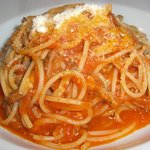
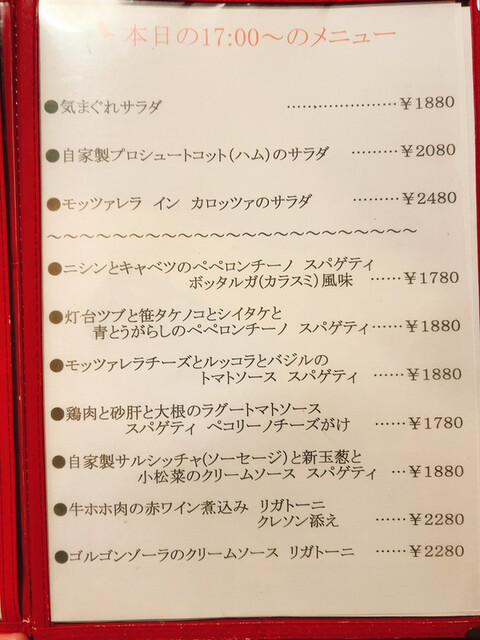
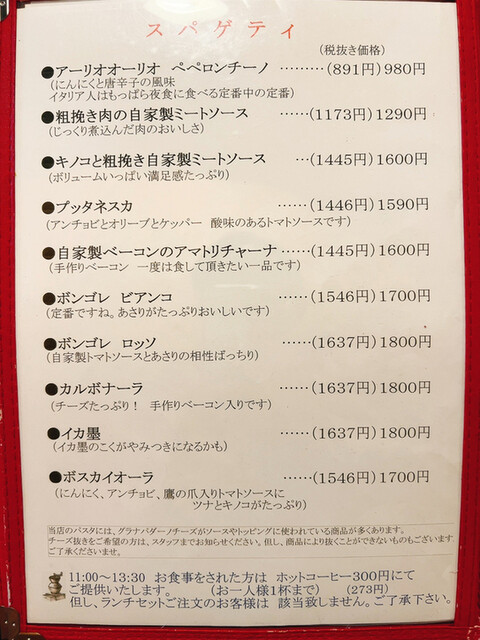
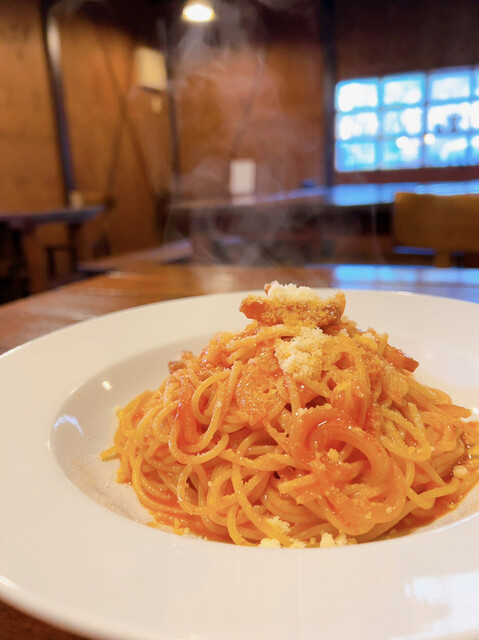
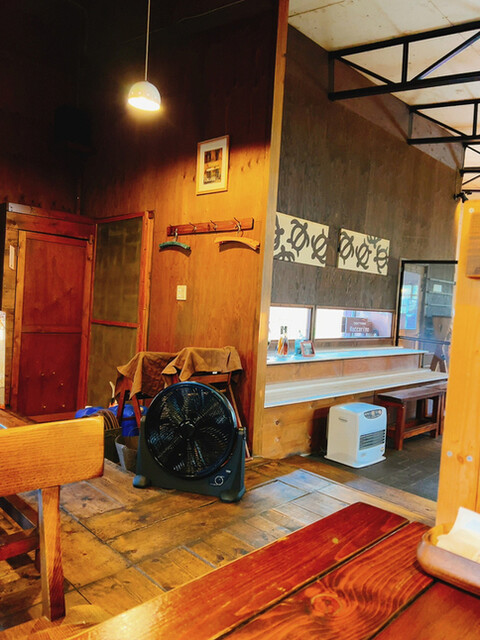
I noticed a shop while looking at the map. It is located next to Hokari Park in Nakashibetsu Town. Inside the shop, there are counter seats, table seats, and seats resembling a low table. The menu mainly consists of pasta and pizza. The price range is around 1,000 yen to 2,500 yen. I ordered the homemade Amatriciana for 1,600 yen, which is described as "Homemade bacon, a must-try dish". It was served in about 15 minutes. It was made with homemade bacon and onions, in a tomato-based sauce, resulting in a light and delicious dish. Although it was tasty, I felt that the prices were a bit high. I wanted to order more, but I didn't have room for another dish.

ひでみんみん
4.00
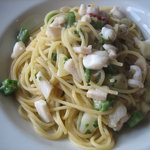
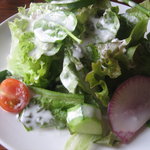
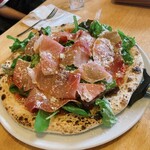
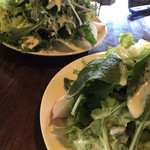
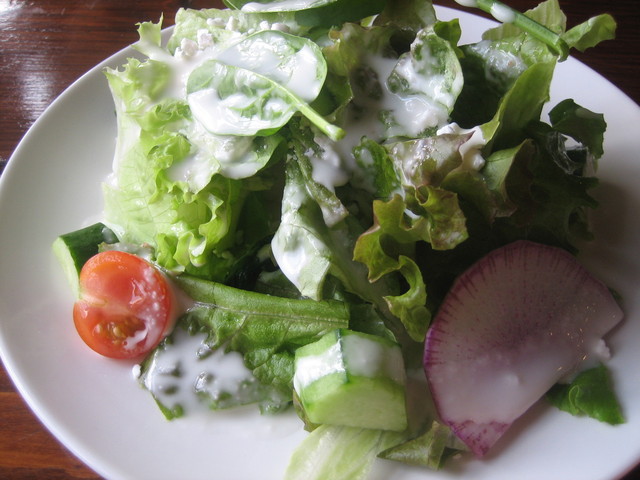
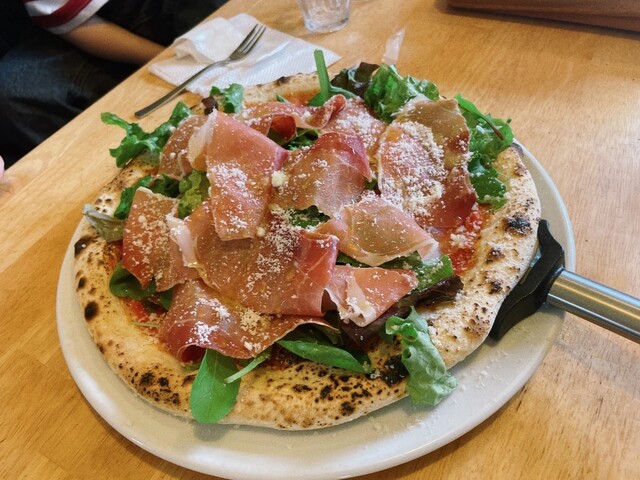
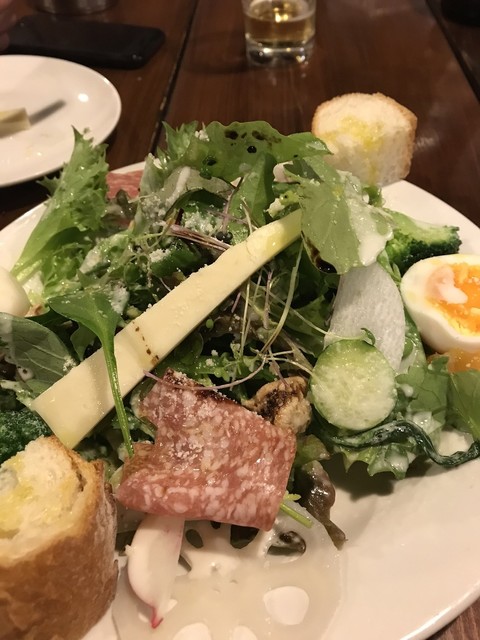
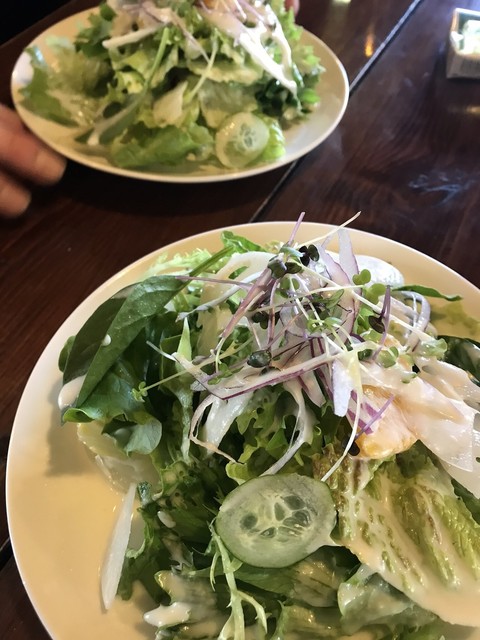
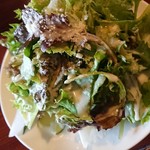
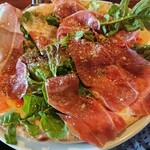
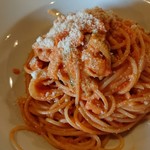
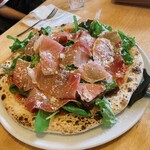
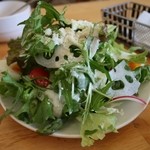
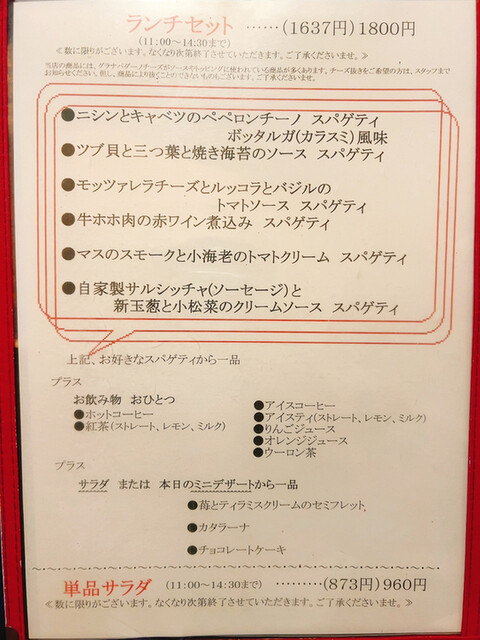
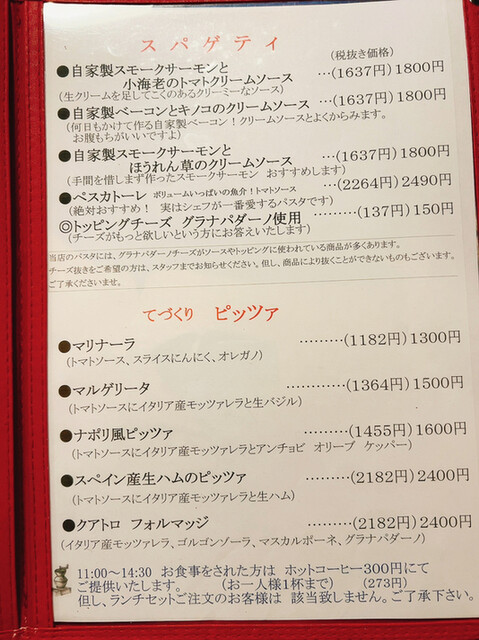
During my visit to Italy, I had lunch at a restaurant after seeing sunflowers at a sunflower field. They had a selection of about 4 pasta dishes to choose from, and I chose smoked salmon and zucchini in tomato cream sauce. For dessert or salad, I chose a salad. It was delicious. I was surprised to find such authentic pasta in a place like this. Following the recommendation of a local, I ordered just the salad. The lettuce was delicious, as was the dressing (a sweet creamy dressing), and there were various vegetables underneath the lettuce, which was enjoyable. My mother ordered the meat sauce pasta, which had a unique touch with cheese on top. My daughter had the prosciutto pizza and it was excellent! The long slices of prosciutto were generously placed on top, and the fresh vegetables made it even more delicious. It was truly delicious.
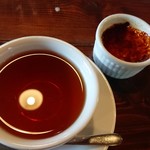

北の鉄人~炎のスクラム~
3.80
Summary:
1. This restaurant is one of the few authentic Italian places in the town.
2. The location may be easily overlooked at first glance.
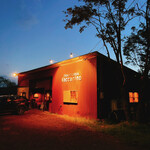
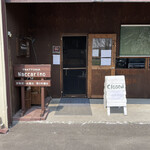
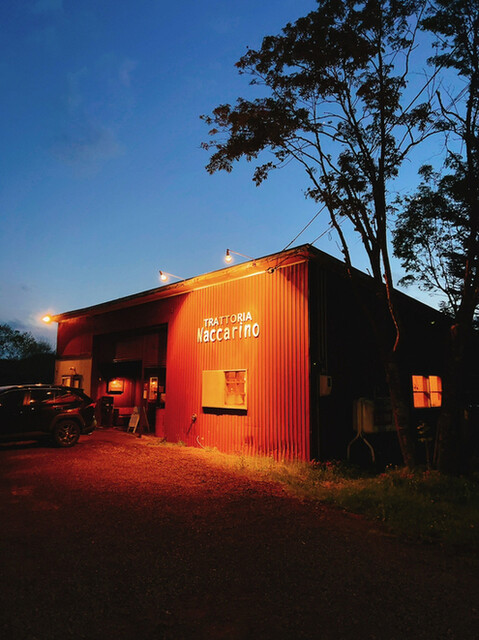
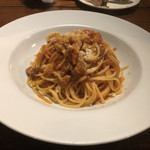
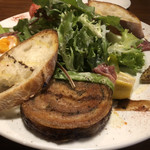
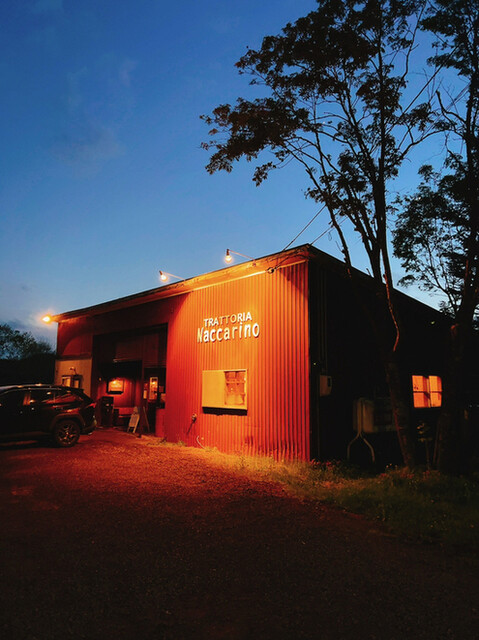
3. It is recommended for dates and girls' gatherings. The restaurant is located between the Moriata Ceremony Hall (funeral hall) and the pet cemetery. It is easily missed due to its brown exterior, especially for first-time visitors. The menu includes dishes like homemade bacon Amatriciana pasta and Margherita pizza, both priced reasonably. The salads, which change seasonally, are also worth trying, such as the Porketta salad with a delicious sauce. Note that during summer, the pizza oven may cause delays in pizza service.

たいむう♪
4.00
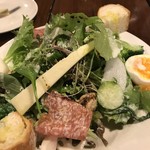
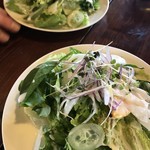
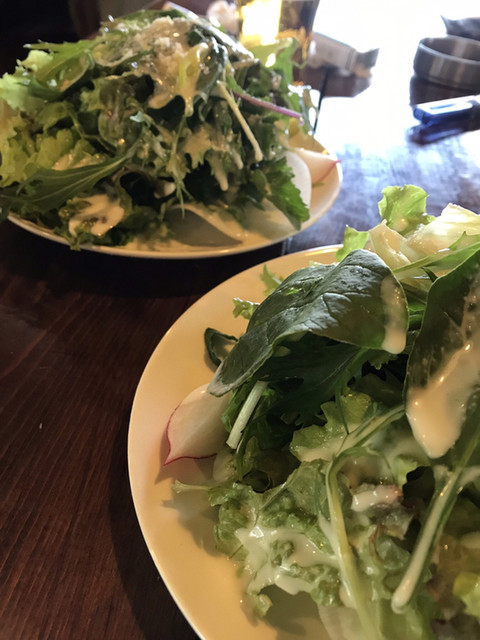
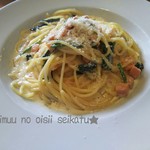
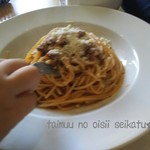
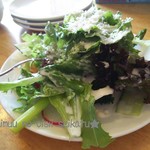
Today was a long-awaited visit to Nakkarino♪ It was crowded as always due to the year-end rush. Luckily, we were able to sit in a raised seating area, but the staff seemed very busy... It took quite some time for our order to be ready. Well, we weren't in a hurry and had a picture book to pass the time. We ordered two pasta dishes and a large salad for the twins and me, which turned out to be just right♪ The pasta was delicious - Nakkarino never disappoints! But what I really love is the salad. It's piled high on the plate with a variety of vegetables, and it's so tasty. Overall, we had a very satisfying meal.(*´-`)

Above the clouds
4.00
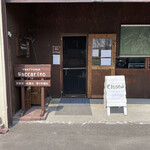
Whenever I go to Nakashibetsu, this is a must-visit restaurant. Everything I eat here is delicious!! I highly recommend this place.

同じ金額ならうまいほう
4.00
I want to come back again.
K 子
3.50
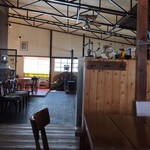
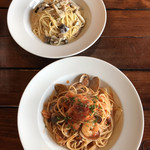
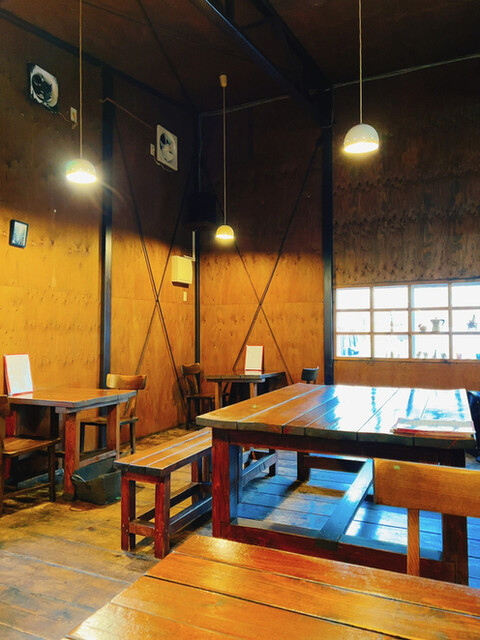
Lunch for 1400 yen includes pasta, dessert or salad, and a drink. The food is delicious, the atmosphere is great with high ceilings, and they have magazines like Polco and Hoh to read. It's a relaxing place to spend time.
kk.we
3.00
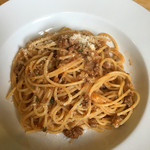
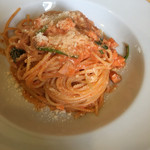
It is a shop located in a somewhat unnoticed area. The interior has a counter, chair table seats, and tatami seats. The menu includes pasta, pizza, drinks, and desserts. I ordered the meat sauce pasta for 980 yen, and my companion ordered the lunch set with smoked salmon and spinach pasta (with salad and drink) for 1400 yen. The dishes arrived quite quickly. The noodles had a strong salty taste, but they were delicious. However, considering the price, the portion size was a bit disappointing. I wish they had a pizza set as well!

たかyuki♪
3.50
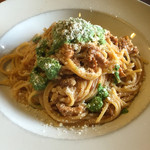
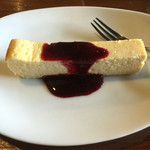
I visited this restaurant for the first time with the help of locals. The name of the restaurant seemed a bit strange, but it was easy to find as there was nothing else around. It seemed popular among local moms, as I saw a few groups with young children. I ordered the lunch set, which came with pasta, a drink, and dessert. The dessert was a small stick-sized cake, which was a bit disappointing, but everything tasted delicious. I was curious about the 1800 yen salad on the menu, but I'll save that for next time.
たいむう♪
4.00
☆☆☆Visited again in February 2015♪☆☆☆
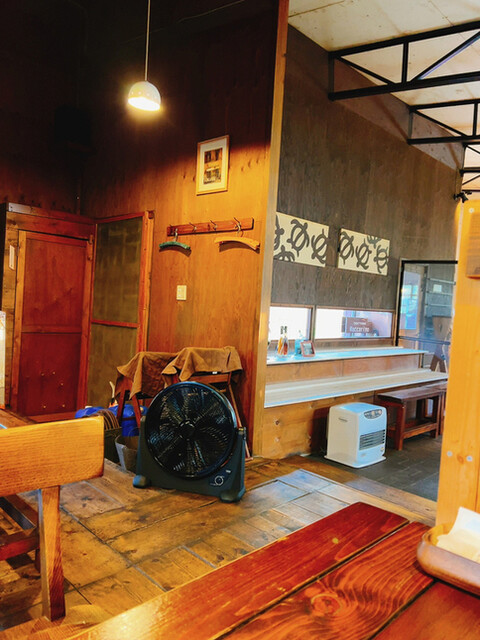
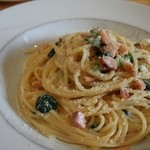
I went back to my hometown for a visit. Last year, during my winter visit, I encountered a severe blizzard and had a tough time. So, this time I decided to fly back home. Luckily, the weather was good on this day, and the plane safely landed at Nakashibetsu Airport in the early afternoon. I rented a car and headed straight to Nakkareeno. Since it was winter, the small raised seating area where I sat last time had a wood stove nearby. Thanks to that, the restaurant was warm and cozy. I ordered the salad again, which I enjoyed for its generous portion last time. This time, the crunchy lotus root in the salad was delicious. Also, considering my children, I decided to forgo the tomato sauce and ordered cabbage pasta and smoked salmon pasta. The cabbage pasta, with its white meat sauce, was delicious. And the cream pasta with homemade smoked salmon was so tasty that I couldn't help but praise it. It was really delicious. Once we finished our meal and left the restaurant, lunchtime was over, and the place was closing. I was relieved that we made it in time! I would have regretted not being able to eat here in Nakashibetsu. It was delicious. Thank you for the meal.
☆☆☆Visited for the first time in August 2014♪☆☆☆
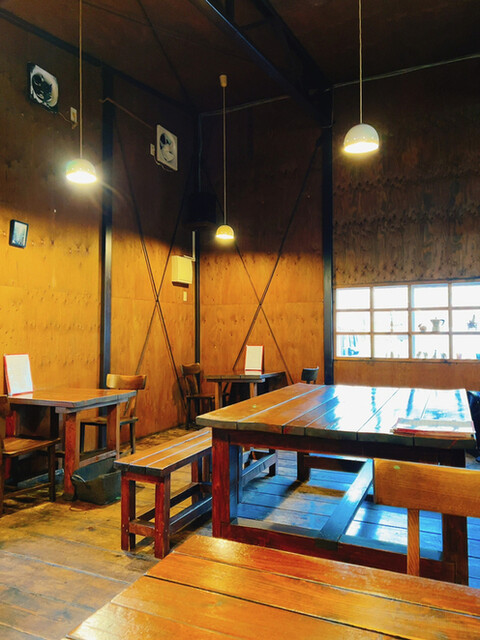
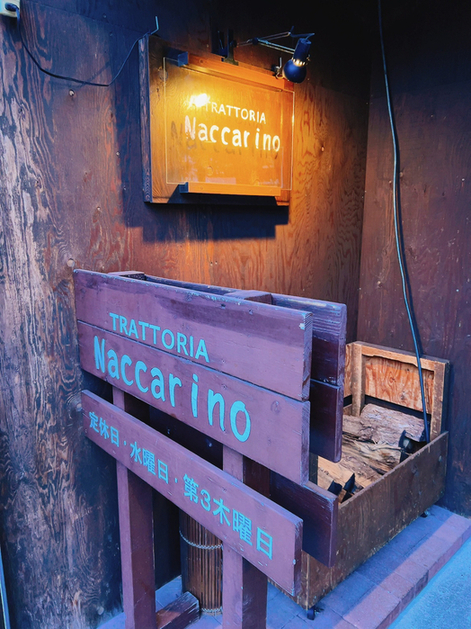
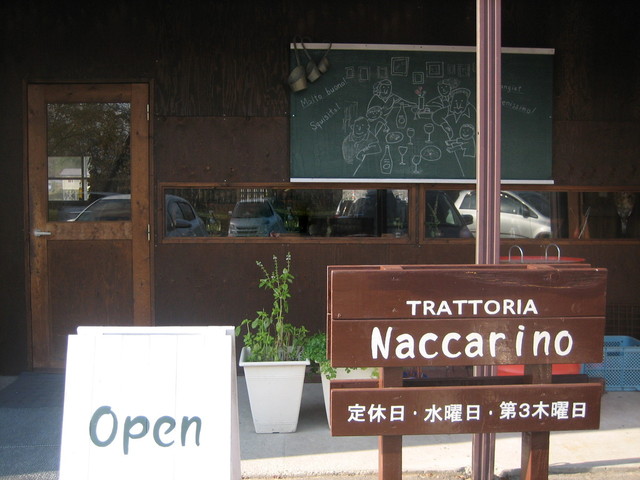
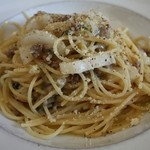
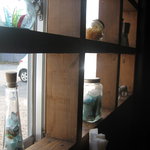
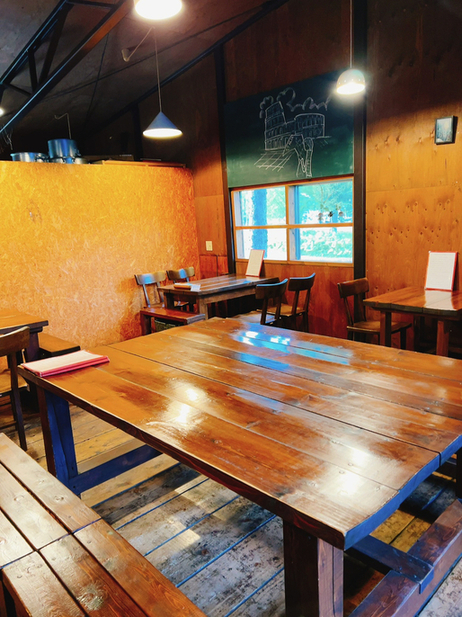
I was going to Nakashibetsu and found this restaurant on Tabelog while looking for places to eat in Nakashibetsu. I was drawn in by the appetizing photos and the information about the raised seating area. So, I decided to visit. The garage-style exterior and stylish interior of the restaurant were appealing. Despite that, there was a raised seating area, and to my surprise, there was even a child's chair. There were also high chairs at regular tables, making it a great place for families with children. There were other families with children besides us. This time, we ordered salad, Margherita pizza, and meat sauce pasta, the classic choices. The salad had a good portion and the creamy dressing was delicious. The meat sauce had large pieces of meat, making it a hearty sauce. I particularly liked the Margherita pizza. The thin, chewy crust that I've been into lately, with a really delicious tomato sauce. My kids enjoyed eating the pizza, especially the edges with tomato sauce. We arrived early after the opening, so we were able to have our meal quickly, but when we left, the parking lot was full, which was surprising. I recommend arriving early. I would love to visit again when I go to Nakashibetsu. It was delicious. Thank you for the meal.

チビプー
3.50
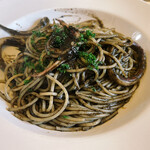
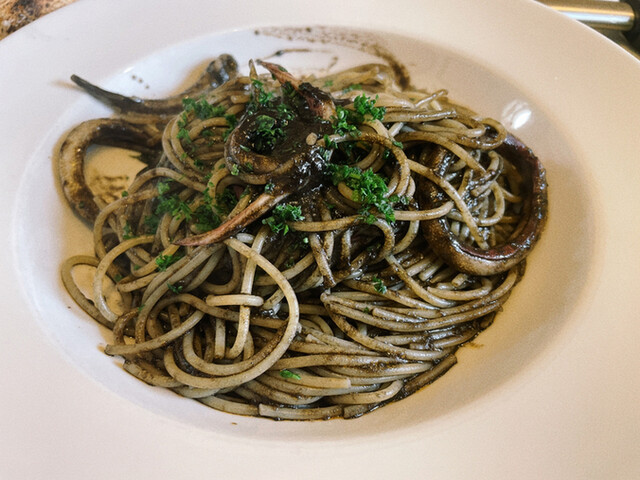
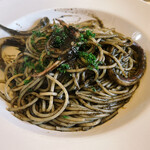
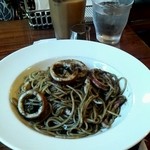
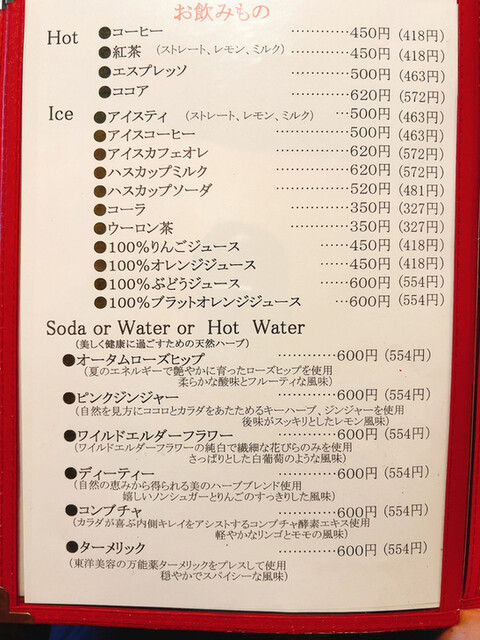
It is located a little away from the town of Nakashibetsu. It is always crowded, but it was surprisingly empty on this day, and the food also came out faster than usual. We ordered Margherita pizza, squid ink pasta, grape mojito, and iced coffee. This place has a great selection of drinks, especially cocktails and champagne. They also have drinks made with herbal cordials. It seems they use Illy coffee. The squid ink pasta was rich and the squid was tender, very satisfying in taste. The Margherita pizza is quite large for the price.

たにけい
3.50
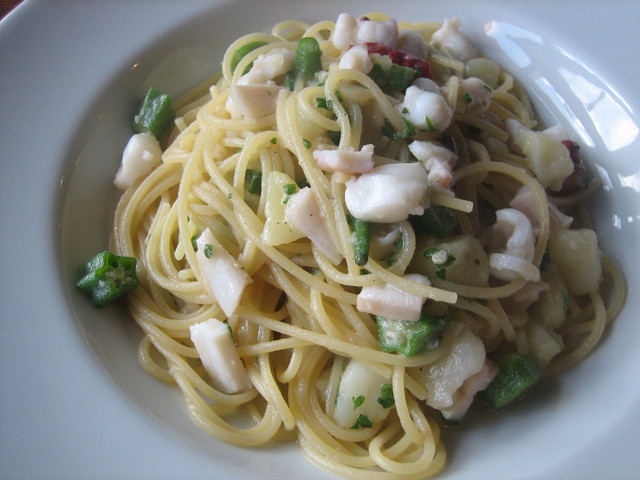
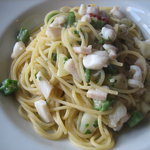
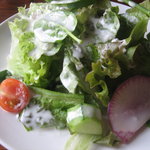
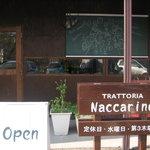
From Lake Mashu, passing through Kaitai-dai to the Notsuke Peninsula, feeling a bit hungry, we decided to have lunch and found ourselves at Nakkarino. The owner is Nakano-san (lol)? It was a bit past peak hours but there were quite a few customers. The interior was stylish, and there were many female customers. We ordered the salad, pasta, and coffee lunch set. First, the salad was really delicious. The vegetables were fresh and crunchy. The lunch dressing was creamier and tastier than usual. There were four pasta options for the day. Although tempted by the salted meat sauce pasta, I chose the octopus, potatoes, and okra spaghetti. The pasta had mashed potatoes mixed in, giving a light saltiness that was very delicious. Finally, we had a strong cup of coffee to finish the lunch. The lunch set with pasta, salad, and drink was 1350 yen. It was a bit pricey for lunch, but we were satisfied. It was delicious.

はらっこ
4.00
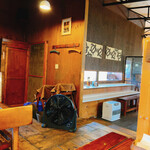
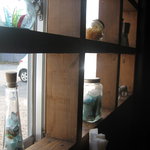
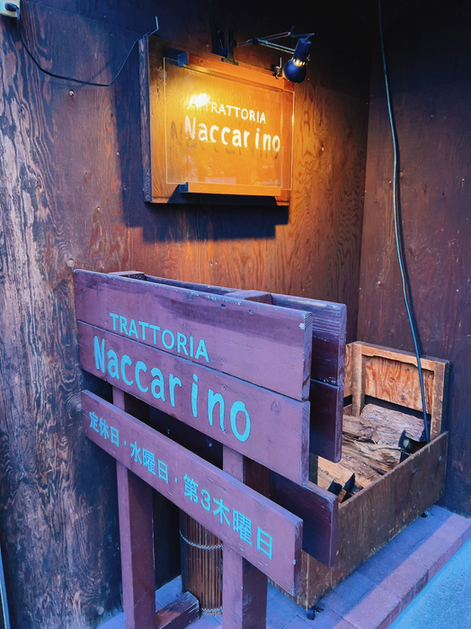
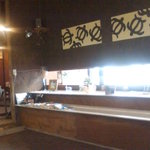
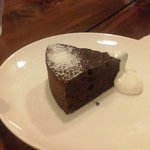
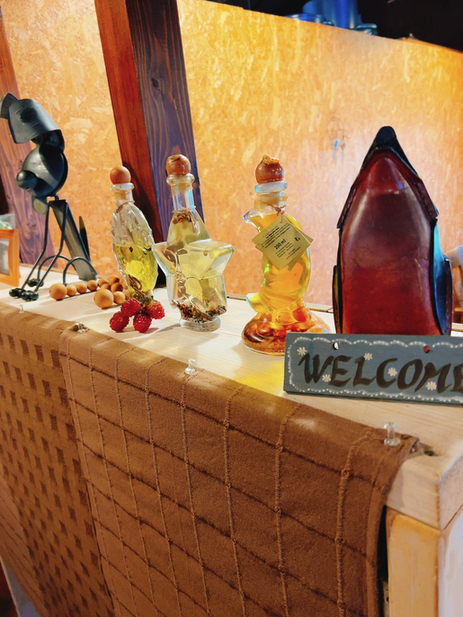
The restaurant is located a little away from the town center of Nakashibetsu. I went there on a weekday at lunchtime, but even before 12 o'clock, there were many cars parked and the inside was full of customers. There were also families with children as there were tatami mat seats. I chose between a large table where you can sit with others or the counter, and I chose the counter seat. I ordered Puttanesca and coffee, while my mother ordered Gateau Chocolat and just coffee, which may have seemed like an odd order, but it was fine to just have dessert. In front of the counter, there was a kitchen separated by a shelf where many bottles of alcohol and seasonings were placed, and we could only catch a glimpse of the cooking process. It seemed like the owner chef and his wife were running the restaurant, and they looked very busy. We arrived at the busiest time, so we had to wait quite a while for the food to come out, but since it was a relaxed and spacious Hokkaido-like restaurant, I think it's not a place for people with limited time. We read books, peeked into the kitchen, and chatted while waiting. I have a preconception that rural restaurants cannot compete with urban ones, but this restaurant was authentic. The flavors were straightforward and consistent. Don't underestimate it! It's no wonder it's crowded. There seemed to be different menus at night, so it seems like a good place for a date. I would like to try their pizza next time.

ふとP
4.50
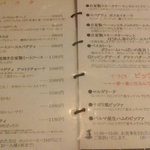
This was quite delicious. The atmosphere inside and outside the restaurant was rustic and somehow reminiscent of a foreign farm where you can enjoy pasta. I was introduced to this place by a friend and I would definitely visit again if I have the chance. By the way, Amatriciana is a pasta sauce made with a tomato base, pancetta, onions, and other ingredients. It originated from the town of Amatrice in the Lazio region of Italy. It is often served with bucatini pasta and uses Pecorino Romano cheese, which is a specialty of the region.

花鳥風月 山紫水明
3.50
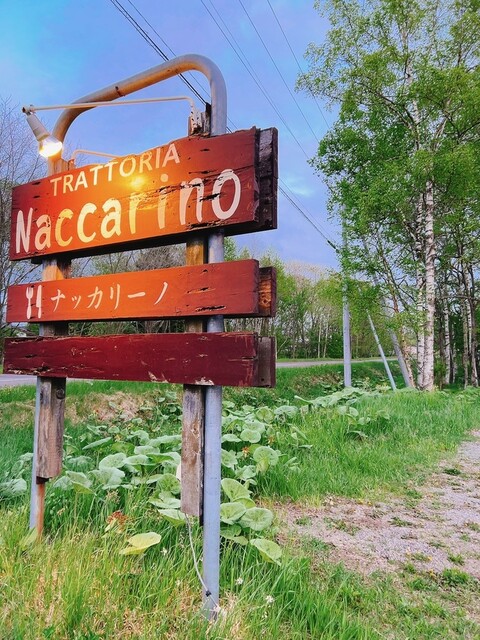
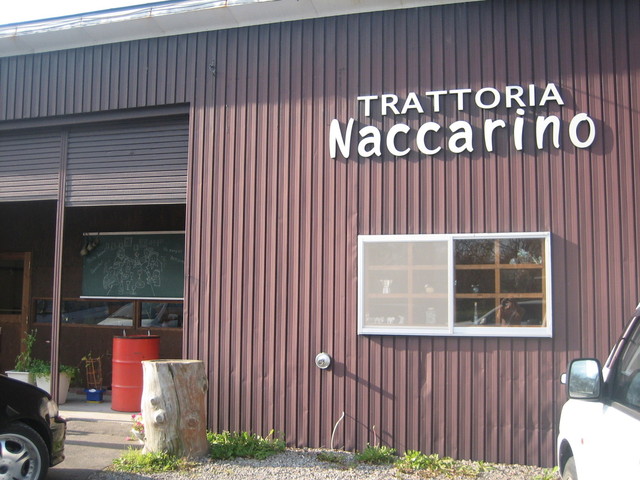
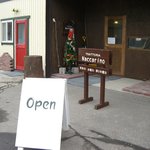
I relied on the navigation to get there, but the guidance ended in front of a stone shop. I looked around but couldn't find any other suitable shops, so I was suddenly at a loss. Just when I turned a corner, a shop appeared not long after, lucky me! The shop had a country-style vibe, like a barn or garage that had been converted. My first impression was that it didn't seem like they had spent much money on it. The seating area was dark, not really the atmosphere for a meal, but there were other seats that were somewhat brighter or more open, so maybe it depends on timing. I ordered the lunch set, and was surprised by the large portion of salad. As I ate the lettuce, I found various vegetables underneath, and wondered if this was the right way to serve it (laughs). Turnip, snow peas, okra, yam, and rolled omelette - ingredients that made me happy were included, and I think this changes depending on the season. I ordered pasta with pork belly and cabbage, while my companion ordered squid and mushrooms, and both dishes were excellently prepared, bringing out the flavors of the ingredients. Even in such a rural area, it's understandable why this place is so popular. By now, some of you may be thinking, "Isn't this a good restaurant?" It's not a bad restaurant, honestly. However, the following impression applies not only to this restaurant, but to pasta specialty shops and Italian restaurants in general. Is it appropriate to charge 900 to 1200 yen for a plate of spaghetti? After all, the noodles are just dried noodles, right? There is no waste in sourcing them, right? Is the cost of one plate 150 yen? 300 yen? I feel like it could be offered at a lower price. Moreover, this restaurant is in a remote location, and the ingredients don't really have a luxurious feel. The taste is okay, the price is okay... but still, in a region with no competitive edge, it's the most popular place.
Email Login