たねや 銀座三越店
Taneya
3.16
Ginza
「Japanese Sweets」
--
--
Opening hours: 10:00-20:00 Open Sundays
Rest time: Same as Ginza Mitsukoshi Business hours and holidays are subject to change, so please check with the store before visiting.
東京都中央区銀座4-6-16 銀座三越 B2F
Photos
(20)
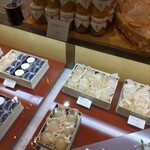
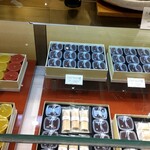
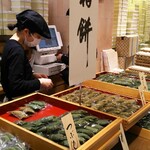
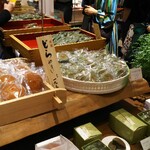
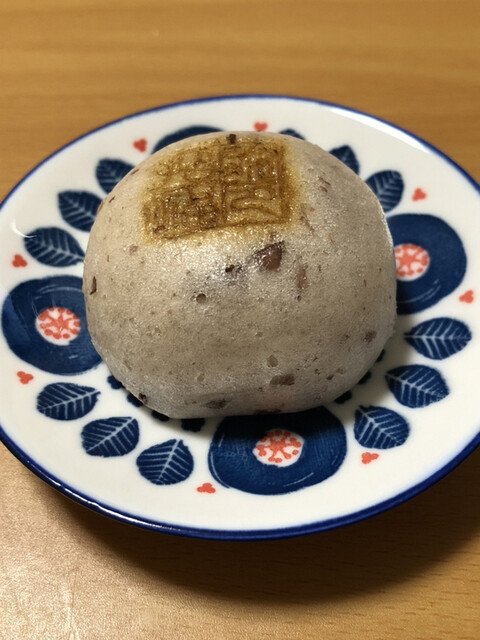
Details
Reservation Info
can be reserved
Children
child-friendly
Payment Method
Cards accepted
(Diners)
Electronic money is not accepted.
Private Dining Rooms
None
Smoking and Non-Smoking
No smoking at the table
Parking
Yes
Ginza Mitsukoshi Parking Lot
Comments
(20)

Termine
3.50
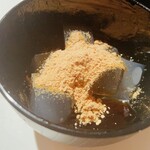
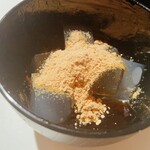
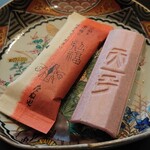
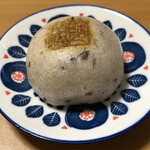
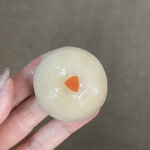
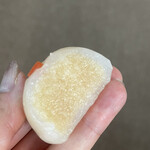
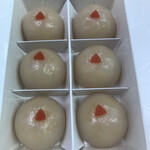
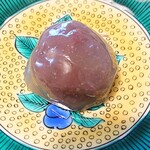
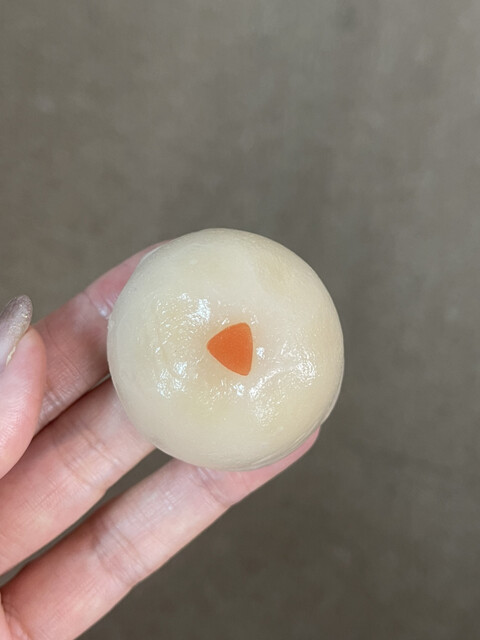
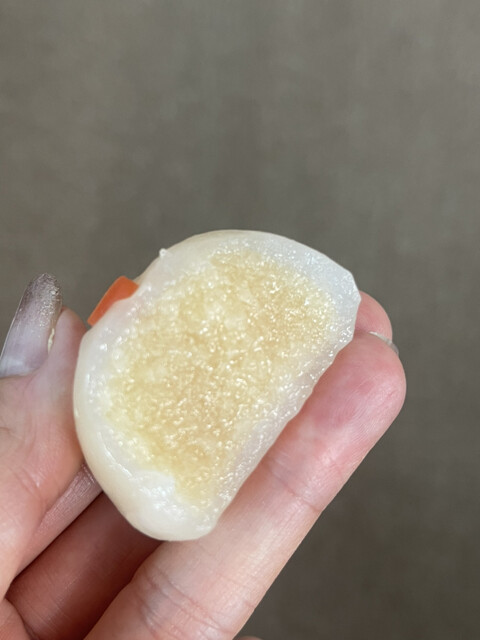
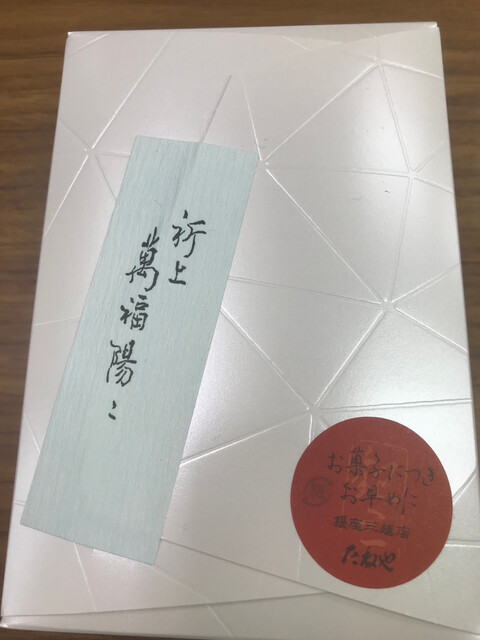
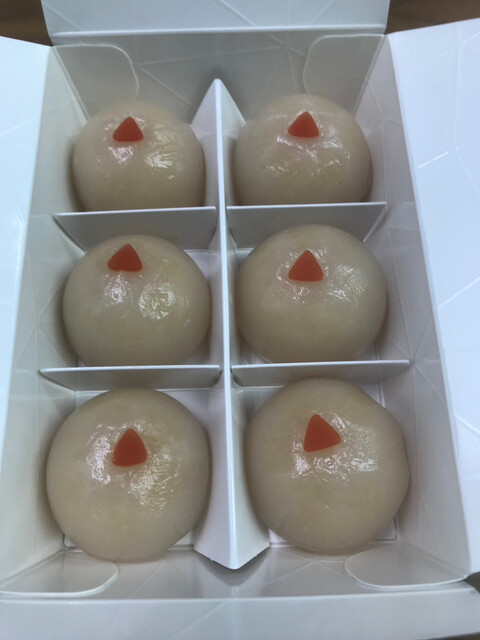
I went to Mitsukoshi's Taneya and they were selling "Hyoshitsu" for one day only. Hyoshitsu is a traditional Japanese sweet made with miso-flavored mochi wrapped in rice flour and topped with red yokan that resembles ice. It is said to convey the thoughts of ancient people towards ice. The appearance looked cool so I bought it. The miso-flavored mochi filling was refreshing and not too sweet, while the rice flour coating was plain in taste. Overall, it had a light and subtle flavor.

キャシーフェルナンデス
3.00
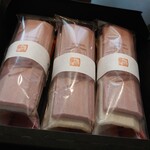
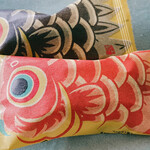
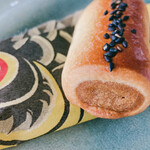
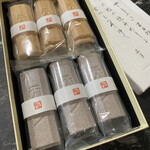
Even though it's Children's Day, I didn't have a kabuto helmet, so I bought this koinobori wagashi to make up for it. Even though it's meant for kids, I couldn't resist trying it myself (*≧∀≦*) This koinobori wagashi has flavors like black sugar, white bean paste, and egg yolk bean paste. I bought a box as a gift, and also got some for myself to try and use as decoration for Children's Day. I tried the black sugar flavor first, and it had a refined sweetness with a hint of black sugar that was really nice. The outer dough also had a soft texture that reminded me of Western sweets. I haven't tried the other flavors yet, but since it's from Taneya, I'm sure they'll be delicious. Being at Ginza Mitsukoshi, they provide reliable and consistent service with proper guidance.


ma-chank
3.70
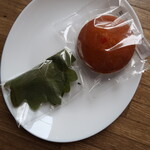
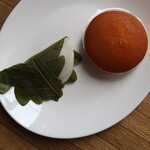
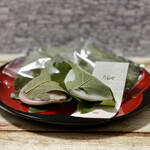
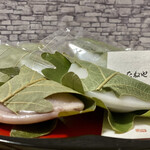
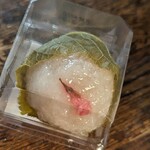
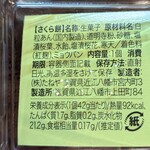
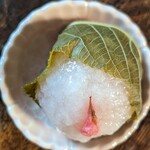
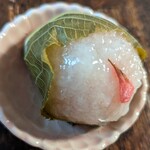
Lately, I've been into hot things. Curry, canelé, and daifuku. And, stemming from daifuku, this season it's kusa mochi. In the sweets section of Ginza Mitsukoshi, tucked away in the back of the Japanese confectionery area, Taneya and Sentaro stand side by side. While Sentaro is also appealing, on this day I was drawn to Taneya. In my field of vision, I saw green mochi. I don't love all Japanese sweets, but I'm drawn to daifuku. I prefer things like daifuku, but I also like kusa mochi that stems from it. That mugwort scent is irresistible. I also like the scent of sakura mochi, but I prefer to smell it rather than eat it. Mugwort is good. I like both smelling and eating it a lot. That unmistakably "grass" smell of mugwort is good. The items I purchased were sakura mochi, mugwort mochi, and kusa mochi. Sakura mochi and kusa mochi are very cute in size. Kusa mochi came with a separate side of kinako powder. Despite saying I prefer to smell it, I also bought sakura mochi. It was delicious too. It's seasonal and has a nice scent. The mugwort mochi was labeled "Omi Hira Mochi Mugwort Mochi." I wasn't quite sure of the difference between kusa mochi and mugwort mochi, so before eating, I checked the website. Below is the information from the website. ["Mugwort Mochi" * * * * * * * * Juicy grain anko wrapped in mugwort mochi and lightly baked. Enjoy the crispy texture unique to mochi and the fragrant flavor of mugwort to the fullest. The flat round shape ensures that you can taste the perfect balance of mochi and anko from any angle. By changing the ratio of mochi and anko, we have created a Hira Mochi where you can fully enjoy the flavor of mugwort. * * * * * * * * * * * * * * * * * * * * * * * * * * * * * * * * * * * * * * * * * * * * * * * Embarrassingly, I couldn't read the word "搗き餅" so I looked it up. Although I was supposed to be good at Japanese, I don't remember learning such characters. "搗き餅" means "tsukimochi." It seems that the Japanese confectionery world doesn't classify it very precisely. When it comes to "mochi," it can be made from rice flour or mochi rice, and to be precise, "mochi" is made from mochi rice, the kind of mochi you eat during New Year's. Looking at the ingredients, kusa mochi was made from rice flour. Sakura mochi was made from shiratamako flour. There are various types of "mochi" in the Japanese confectionery world. Mugwort mochi is made from mochi rice, and it still retains a slight mochi rice texture. You can really taste the mugwort. This is a must-try for those who love mugwort. The grassy taste of mugwort and the perfect sweetness of the anko are just right. Kusa mochi came with kinako powder, so I generously sprinkled it all over. It didn't quite blend in on its own, so as someone who loves kinako, I broke the kusa mochi on the plate with a fork, added plenty of anko, kusa mochi, and kinako, and tried it. This was quite delicious. It was my first time trying kusa mochi with kinako. It was delicious without any discomfort. The mugwort scent, the sweetness of the anko, and the fragrance of the kinako. Mugwort is indeed delicious. I think it's so delicious that I won't get tired of eating it all year round. [Bill] Sakura Mochi @210 Mugwort Mochi @180 Kusa Mochi @160 Total @594 (incl. tax) ===========

誰が顔面おにぎりや
3.00
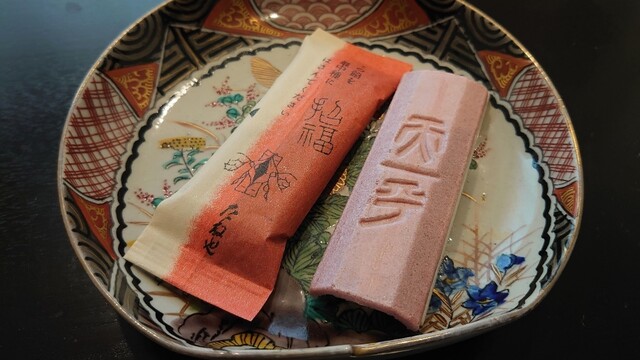
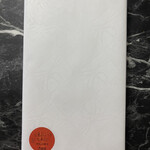
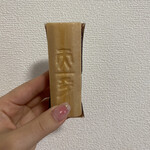
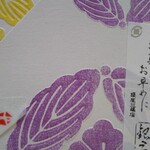
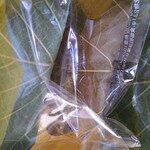
I learned about Fukumi Tenpei from a magazine and decided to try it before giving it to customers. The filling is chewy and delicious, while the skin is crispy and delicate. Be careful when opening the bag.

もりC
3.80
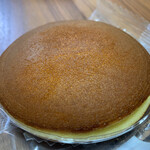
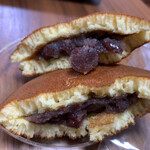
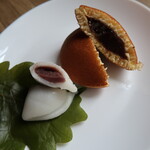
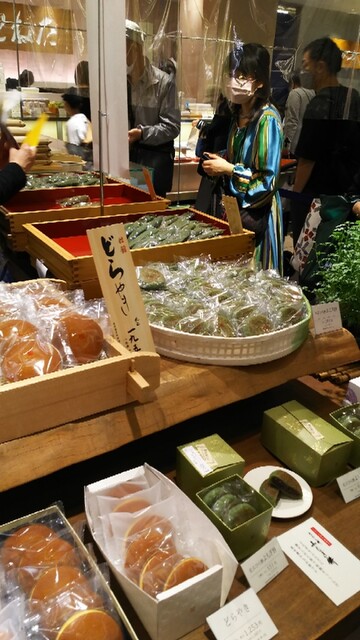
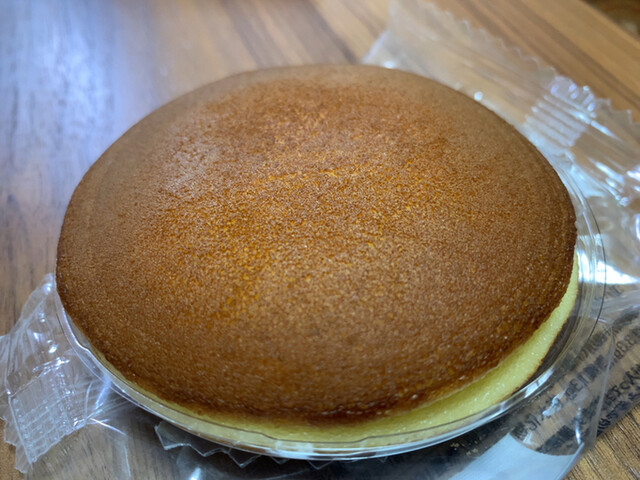
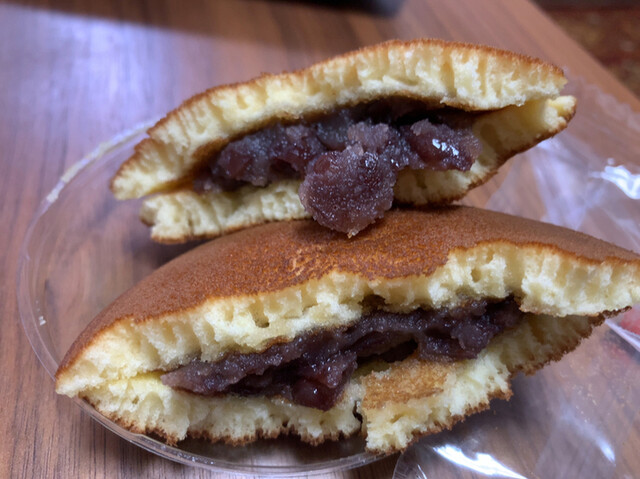
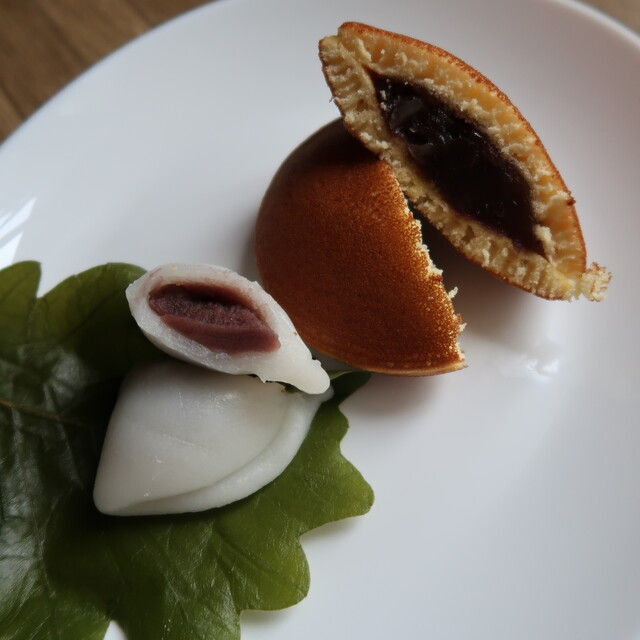
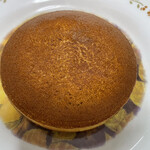
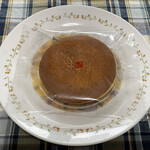
I bought some souvenirs at Taneya in Ginza and also bought a dorayaki for myself. The size of the dorayaki is smaller than those from other Japanese sweets shops, and it has a strong egg aroma. The soft dough and sweet red bean paste go well together, and the dough has a moist texture similar to Baumkuchen. It doesn't have the buttery richness of Baumkuchen, so there may be some special technique in making the dough. Since it's from the same Club Harie brand, I was satisfied with the deliciousness.

ろろすけ
3.30
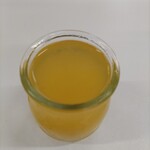
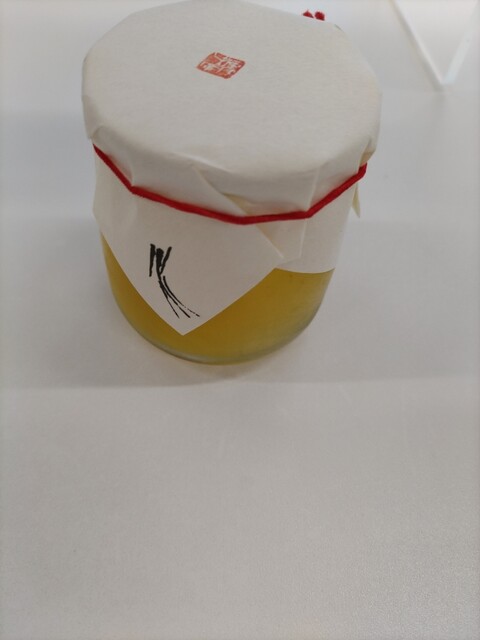
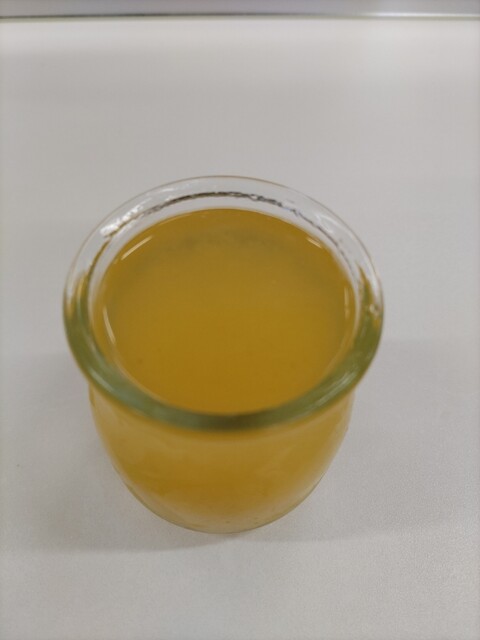
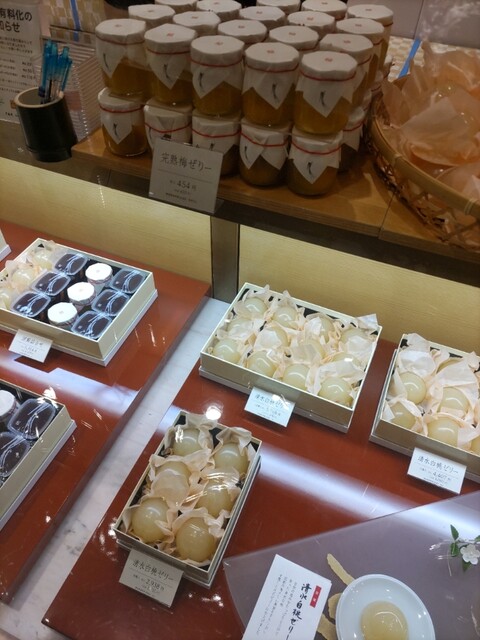
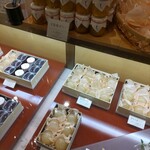
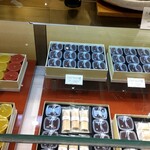
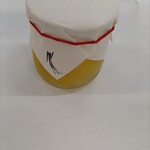
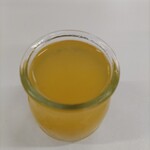
It was a heavy plum jelly bottle, I understand the reason now. I bought it because I could transport heavy bottles on the day of company jelly time when I went by car. I transported it on a day when I worked on a holiday and tried eating it. It's more like a drinkable level of jelly. It's almost like a liquid. So that's why it's in a bottle, I see. It has a deep plum flavor with a subtle sweetness and acidity. It might be good to eat it slightly frozen. I just ate it like drinking. I'll take the container back home because sorting is a hassle.

youkochan
3.30
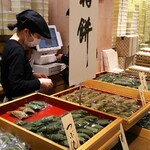
I bought three types of rice cakes: smooth red bean paste, chunky red bean paste, and miso paste. The miso paste was selling quickly. Both my husband and I wanted to try the miso paste, so we split it in half. We should have bought two originally. It was perfect with roasted green tea. Thank you for the meal.


味歩
3.00
After the harvest moon festival in 2020, I found out about this product from a reviewer I trust. It is only sold on the day of the harvest moon, once a year. I had to wait almost a year to finally make the purchase. If I missed buying it on that day, I would have to wait another year. Failure to buy it was not an option. I made a reservation.
I visited the store on the evening of the harvest moon day.
- Kinukatsugi: 900 yen (excluding tax)
- Note 1: Make a reservation and request for a hold.
- Note 2: By the evening of the day, there were no display products in the store. I had previously been told that they did not carry "Olive Daifuku" when I visited the Tane-ya Ginza Mitsukoshi store, so I thought maybe this store has a limited selection. However, since I often pass by Ginza Mitsukoshi on my way back from work, I made a reservation here. If you want to buy Kinukatsugi at the Ginza Mitsukoshi store after 2022, I recommend making a reservation. You will absolutely not be able to get the product by the evening.
- There is a charge for the shopping bag.
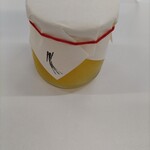
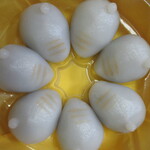
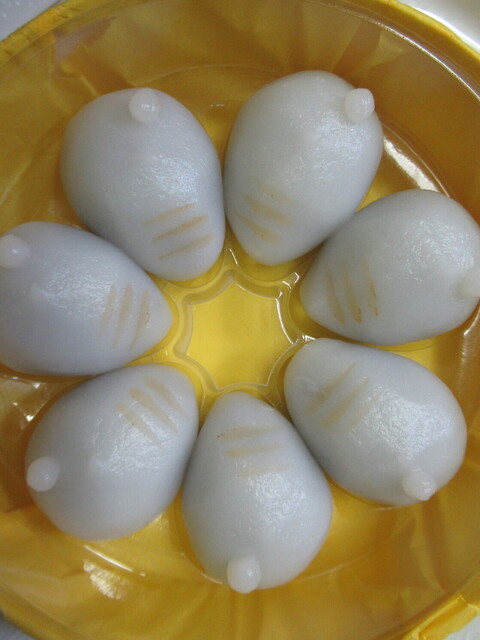
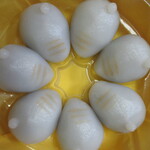
I brought it home and opened the round lunchbox-like lid that fits the palm of my hand. Inside, there were seven "rabbit-shaped" dumplings. Although they are described as shaped like taro, there is no mention of them being rabbit-shaped. However, my husband thought the mysterious protrusion on one of them might be the tail of a rabbit. The container is round with yellow paper resembling a full moon, filled with rabbit-shaped taro dumplings and the essence of the harvest moon. The dumplings are not on skewers but are individual, with red bean paste inside. The dumpling dough is light and fluffy, not sticky, and the paste inside is smooth and silky. It has a unique flavor due to the inclusion of cinnamon powder. The aroma of cinnamon gives it an elegant and refined taste, similar to sakura mochi. I couldn't think of any similar product. I waited almost a year for Kinukatsugi and enjoyed it.
Ingredients: sugar, glutinous rice flour, adzuki beans, corn syrup, cinnamon powder, etc.
Expiration date: September 21, 2021
Storage method: Store away from direct sunlight and high temperatures and humidity
Calories: 62 kcal per piece (27g)
- Fukumi Tenpei: 170 yen (excluding tax)
A representative confectionery of Fukumi Tenpei. I was impressed by how delicious it was the first time I tried this monaka. Even my elementary school child loves Fukumi Tenpei, so whenever we visit Tane-ya, we inevitably end up buying this classic item. The monaka shell is incredibly fragrant. The red bean paste contains agar, giving it a jelly-like texture similar to yokan. I wonder what it would taste like if it had a more solid paste... The individually wrapped, long-lasting, and easily consumable handmade monaka is a brilliant idea. It's as groundbreaking as the crispy seaweed rice balls from convenience stores.
The phone response during the reservation and the service at the store were polite and professional, making shopping a pleasant experience comparable to department stores.
It was truly a night of "Moon Viewing with Dumplings."
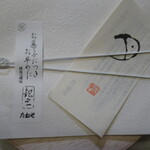

Schnitzel
3.50
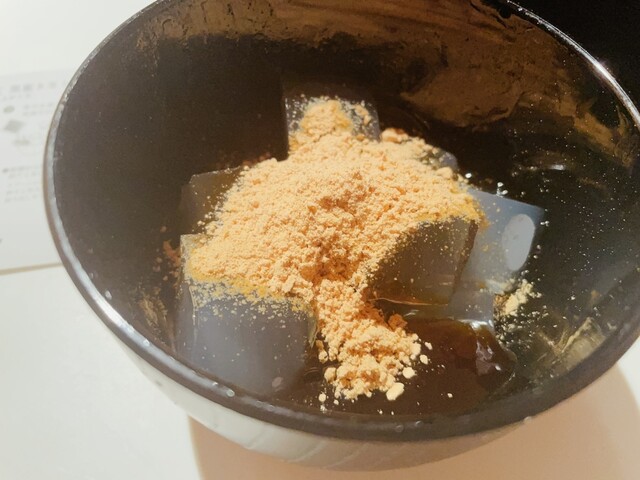
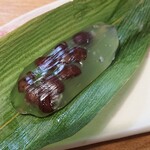
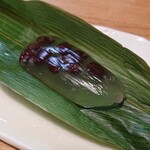
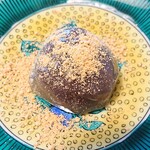
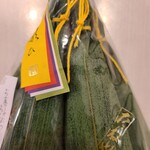
This is a review of a confectionery shop in Ginza Mitsukoshi located on the basement floor. They offer seasonal Japanese sweets that reflect the four seasons of Japan, such as the limited edition "Kinukatsugi" available only on the night of the full moon. I visited to purchase their new product "Hoshiakari," available from July 1st to July 7th in celebration of Tanabata. It is a kuzu mochi wrapped in bamboo leaves, with 5 pieces for 972 yen. I chose the red bean flavor. The kuzu mochi made from real kuzu powder is transparent with red bean grains inside, resembling stars in the Milky Way. The refreshing scent of the bamboo leaves is the first thing you notice, followed by the smooth and jelly-like texture of the kuzu mochi. The slight chewiness of the red beans adds a nice touch. It is a visually appealing, fragrant, and delicious treat. This shop is skilled at creating a seasonal atmosphere. I look forward to their next seasonal products. As a side note, when I visited Ginza Mitsukoshi the following week, there were no new seasonal products, so I purchased the "Warabi Mochi" that I saw the previous week. It is a limited edition product available from June 1st to late July, with 2 pieces for 411 yen. This "Warabi Mochi" has red bean paste inside, which was a new experience for me. Sprinkling the included kinako powder on top enhances the flavor. The thin warabi mochi skin and refined red bean paste make a great combination. I personally prefer this over eating it with kinako or black honey. This shop never fails to impress with their creations.

さるとびえっちゃん
3.10
This was a limited edition product for Tanabata. "Hoshiakari" is a kudzu sweet with azuki bean paste and hyuganatsu citrus flavor. It represents Orihime and Hikoboshi. It costs 972 yen for a pack of 5. The kudzu is transparent and refreshing, paired with the tangy and bitter taste of hyuganatsu. The bamboo leaves are real and have a very fragrant scent.

ゆっきょし
3.30
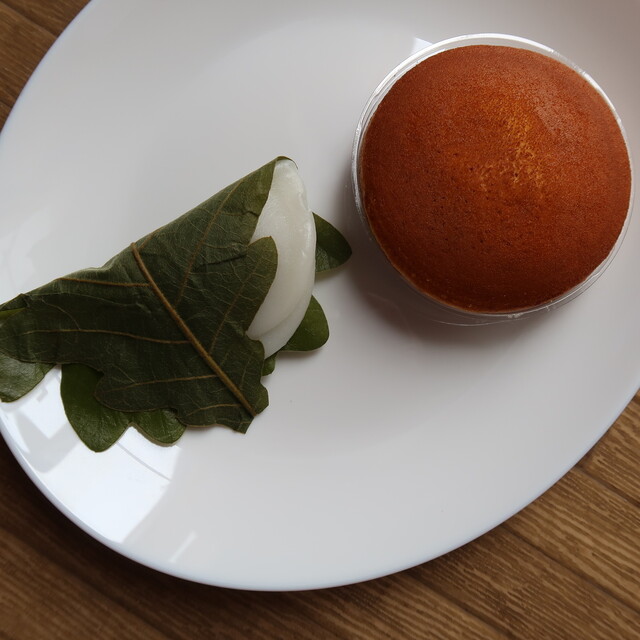
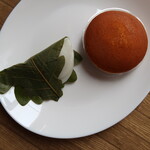
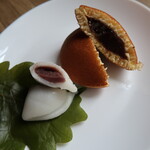
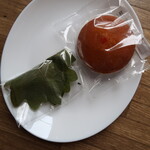
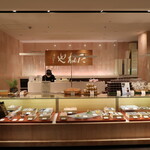
First visit in May 2021 (No.2694) It was a rainy day that made me think of the start of the rainy season, so I visited this place to minimize the distance traveled. This is a famous confectionery maker representing Shiga Prefecture, so I have used their group company, Club Harie, before, but this time I went back to the basics and bought the following Japanese sweets~♪ Kashiwa Mochi 195 yen & Dorayaki (with bean paste) 173 yen The store on the day of my visit was bustling with multiple customers buying these sweets, which are incredibly delicious and reliable. Thank you for the meal.

tomomin826
3.30
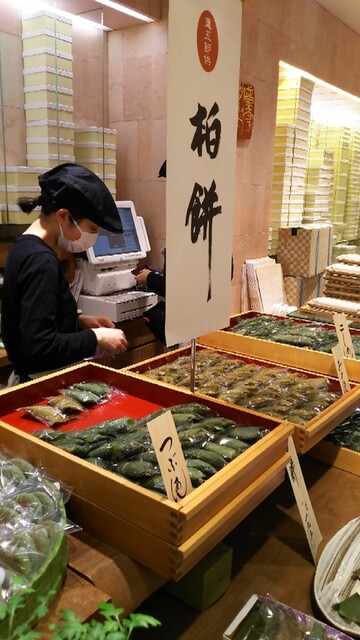
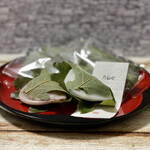
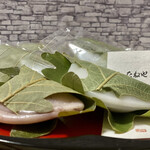
On Children's Day, I wanted to eat Kashiwa Mochi, so I went to "Taneya" in the basement food market of Ginza Mitsukoshi ⭐️
- Visit: Holiday (Takeout), no waiting
- Reservation: Not required
- Cost: Up to ¥1,000
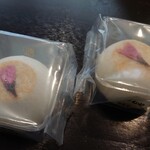
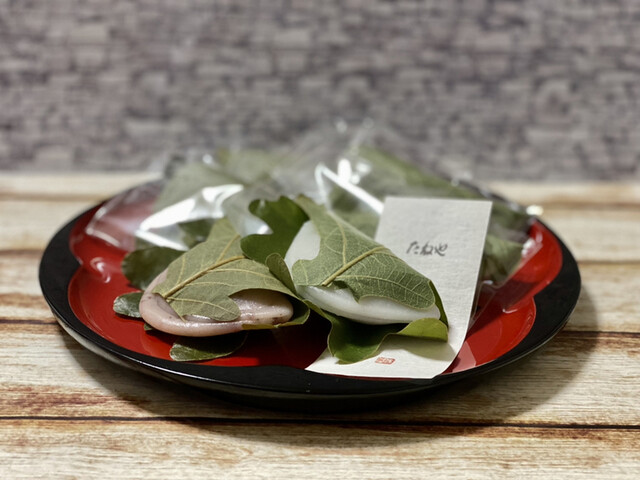
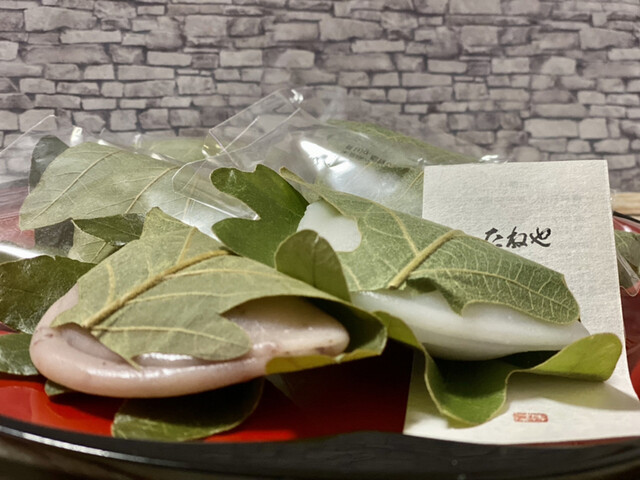
- Food: There are 3 types of Kashiwa Mochi: "Koshi-an" (smooth red bean paste), "Tsubu-an" (chunky red bean paste), and "Miso-an" (sweet miso paste). I chose "Tsubu-an".
- Review: The Tsubu-an in this Kashiwa Mochi is pink in color and made with ancient red rice mixed into the mochi dough. The mochi itself is soft and chewy, with a delightful texture from the red rice grains. The Tsubu-an filling is generous and not too sweet. The balance of flavors was excellent, and I enjoyed it very much.
- Menu:
- Kashiwa Mochi
- Revisit: ★★☆☆☆
- Good for souvenirs too!

あやかわれいれい
3.30
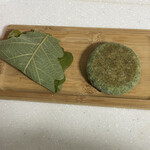
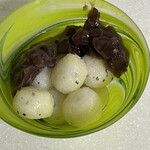
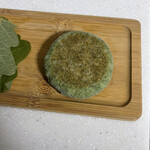
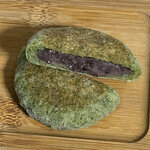
It's been a long time since I had sesame mochi, kashiwa mochi, and kusa mochi, priced at around 170 yen + tax and 180 yen + tax. I was drawn to them by the nice dryness of the mochi surface and the sweetness of the red bean paste. I also bought olive oil dumplings for 780 yen + tax, with the expectation of it being a weird food. Apparently, you're supposed to pour olive oil over it before eating. Surprisingly, it was delicious and didn't feel strange at all.

pinkmaro
3.60
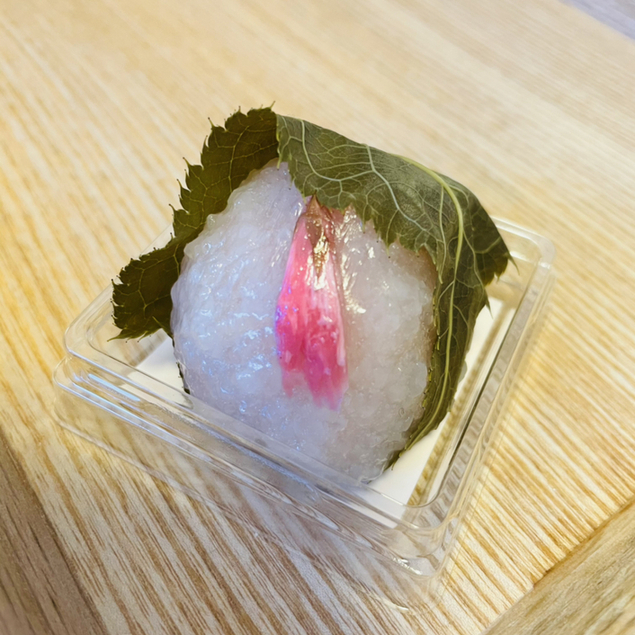
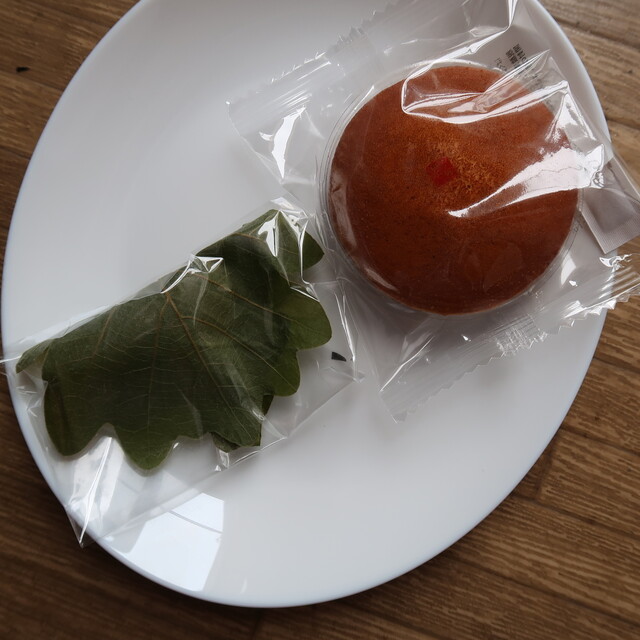
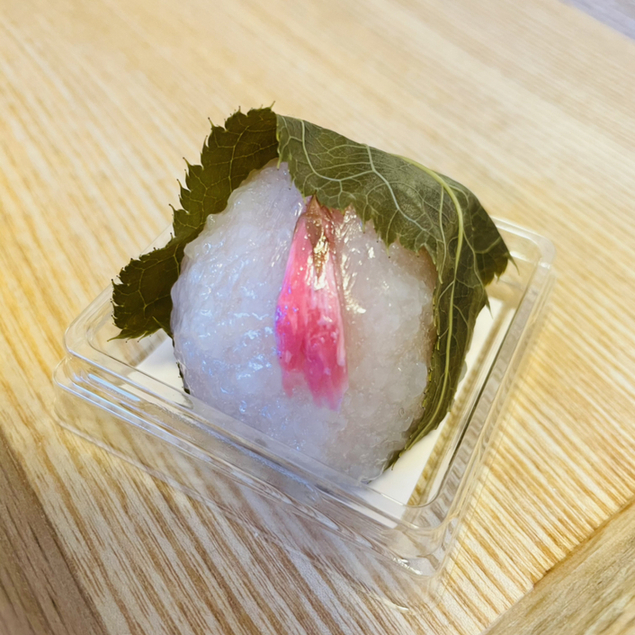
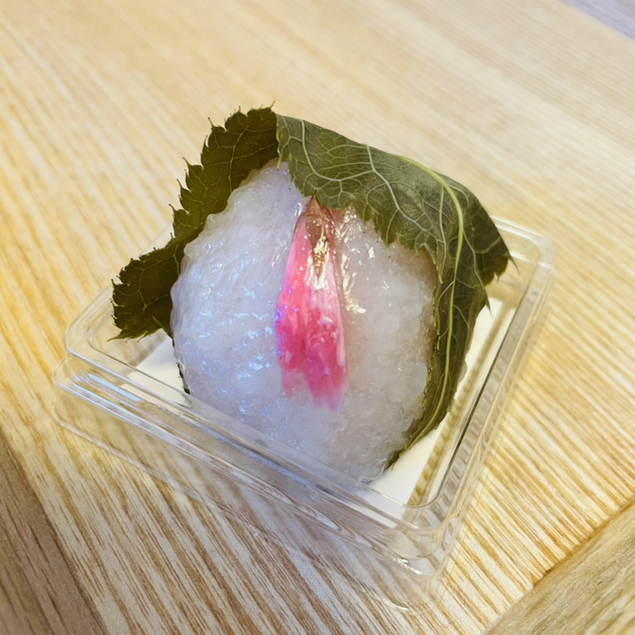
⭐️I tried Sakura Mochi from Sakura Mochi Taneya for the first time(^.^) It had just the right amount of sweetness, and the saltiness from the cherry blossom leaf wrapped around it was amazing! The combination of sweetness and saltiness was perfect. Oh, it was so delicious~(^.^) It looks elegant and would make a great souvenir♪ Although it's a bit small, it has a big presence. I definitely want to have it again when cherry blossom season comes around♪

あさんて
3.50
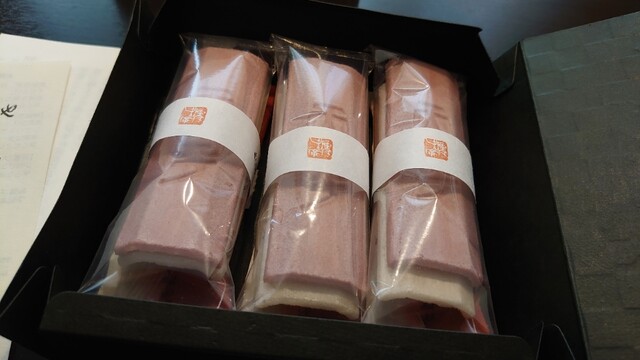
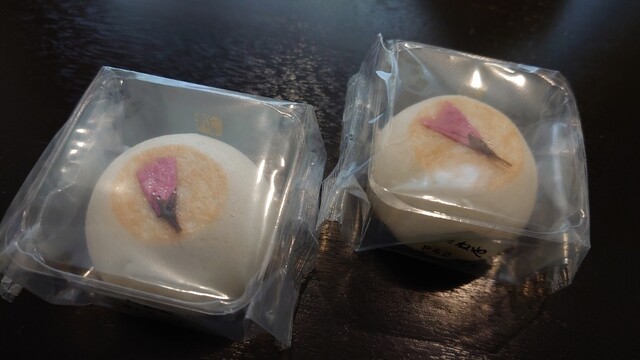
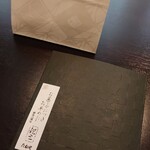
Blog "Tokyu Line, Food Walking" https://asante.blog/----Wandering around Ginza. Lately, my enjoyment is exploring the department store basements. Despite the ongoing pandemic and some concerns about crowds, I am also part of the reason for it. I strolled around, feeling overwhelmed, and stopped by Taneya, a shop that caught my eye. This time, for snacks at home, I bought: - Fukumi Tenpei (good luck charm) for 551 yen - Taneya Manju Sakura (cherry blossom) for 152 yen each x2, including tax. Back at home, I enjoyed them with tea. The Taneya Manju Sakura may be small, but it wraps delicious red bean paste with a perfect balance of pickled cherry blossom salt. The Fukumi Tenpei, with plenty of red bean paste and the fun of wrapping it yourself, had a satisfying crunchiness when encased in the crispy mochi shell. While Western sweets are tasty, Japanese sweets make me crave more. These treats fulfilled that expectation. Thank you for the meal.

ミノムッチ
3.50
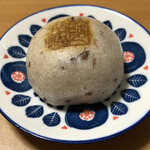
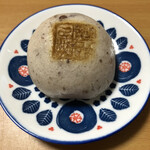
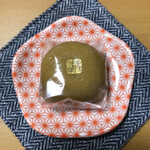
Due to the pandemic, there are concerns about how university entrance exams will be affected. Let's eat some yakuyoke manju (good luck charms for dispelling evil) sold at the Taneya shop on Setsubun and pray for the end of the epidemic. These one-bite sized manju have a light red bean color skin with a burnt mark pressed on them. The skin, mixed with yam, has a chewy texture and pairs well with the lightly sweet red bean paste inside. After eating, the refreshing taste of yam lingers, making you feel like the meaning of dispelling evil is understood. But just eating yakuyoke manju might not be enough, so let's also try the classic Suehiro manju. These are even smaller, bite-sized manju for children. They have a skin made of black sugar filled with smooth red bean paste. They are easy to chew and have a perfect balance of skin and paste. They go well with tea. Thank you for the meal and let's pray for the end of the epidemic.

mogmogchan7
4.50
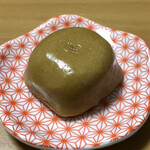
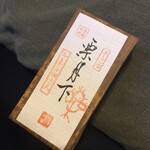
I went to Ginza after a long time because I wanted to eat the limited-time chestnut monaka at Taneya on the 2nd floor of Ginza Mitsukoshi. It is made from chestnuts and sugar, and the chestnut flavor is straightforward and easy to eat. It is recommended for those who like chestnuts.

ゆき(ゆきゆみりゅう)
3.50
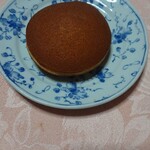
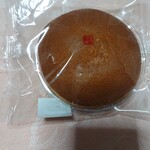
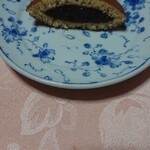
Taneya is a highly recommended shop where everything you buy is a hit and reasonably priced. It's always well received as a souvenir for girls' gatherings. After leaving the sushi restaurant, I went to Mitsukoshi to buy some snacks: Dorayaki for 160 yen, with moist skin and not too sweet red bean paste, and Chestnut Manju for 170 yen, with finely chopped chestnuts in white bean paste. I have a separate stomach for sweet treats, don't I?(((^^;)
ろろすけ
3.10
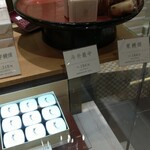
The season has come, I love autumn. I love sweet potatoes, chestnuts, and pumpkins, so I enjoy all the different sweets that come out during this season. Autumn pollen is tough, but I won't be defeated. I saw the new item at Taneya, it's heavy and looks promising, sweet potatoes are heavy. Taneya's Longevity Sweet Potato, I'll try it, it looks like a sweet potato cake. White bean paste with sweet potato, yes, it's smooth and delicious, it might go well with hojicha tea rather than green tea. The part that resembles the skin on the outside is called "nikki". Nikki is strong, so it overpowers the taste of the sweet potato. I like the inside, but the nikki is a bit impactful. It's a shame, because of this, I feel like people's preferences might be divided.

Yukino Nara
3.50
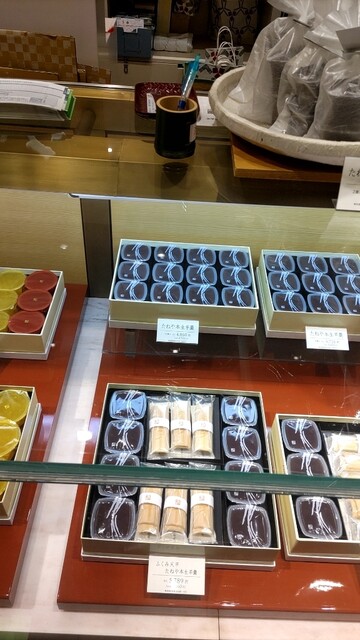
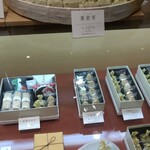
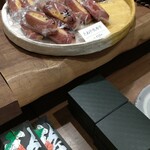
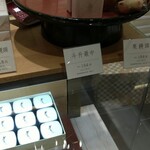
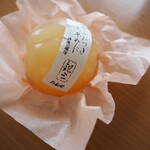
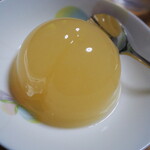
During the Bon festival, I decided to send a water yokan dessert to my parents' house, so I went to Ginza Mitsukoshi after a long time. My mother likes water yokan, so it was decided to send that, but I hadn't decided on which water yokan to choose, so I visited various traditional Japanese sweet shops. I personally don't like sending a lot of the same thing, so I was imagining a set of traditional Japanese sweets including water yokan, but surprisingly, they didn't have that option. Sometimes the water yokan was sold separately... Of course, I think that's more common because it appeals to a wider audience. However, for a small family like ours, having a lot of the same thing can be a bit boring. In the end, even though I wanted to try a different shop, I had no choice but to go with Taneya, as they had various sets available and I have used their services multiple times before. I ended up sending a set of water yokan and peach jelly (3540 yen) from Taneya. I also bought the peach jelly (420 yen) for myself. However, the shop mentioned that the direct shipping would take about three days, so I decided to send it myself. If it was through Mitsukoshi's delivery service, it could have been sent on the same day... This shows how popular Taneya is. The peach jelly was surprisingly expensive, but it was worth every penny as it was delicious. It made me realize that I wouldn't buy it for myself unless it was for a special occasion like this. This time, I felt that it was important to taste the product before sending it as a gift.
Email Login