加賀麩 不室屋 池袋西武店
Kagafufumuroya
3.03
Ikebukuro
「Regional Cuisine」
--
--
Opening hours: [Monday-Saturday] 10:00 - 21:00 [Sunday & Holidays] 10:00 - 20:00 Open Sundays
Rest time: Open irregularly (closed on Seibu Ikebukuro main store holidays)
東京都豊島区南池袋1-28-1 西武池袋本店 B1F
Photos
(20)
Details
Children
child-friendly
Payment Method
Credit cards accepted
(VISA, Master, JCB, AMEX, Diners)
Electronic money accepted
Number of Seats
(Take-out only)
Private Dining Rooms
None
Smoking and Non-Smoking
No smoking at the table
Parking
Yes
Free service based on the amount of purchases at Seibu Department Store
Comments
(11)

白いちごタルト
4.00
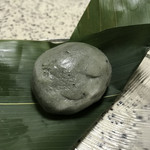
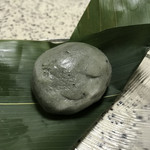
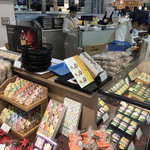
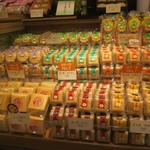
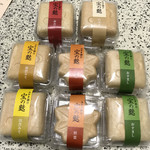
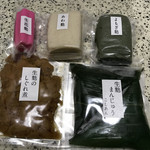
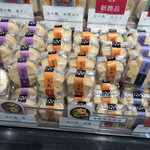
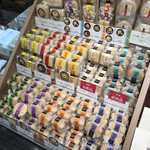
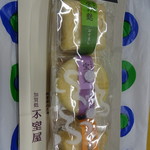
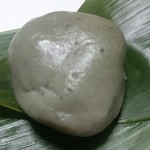
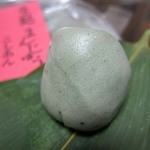
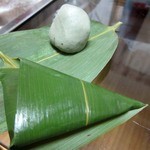
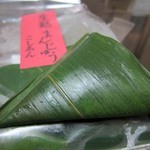
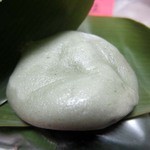
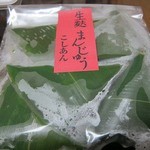
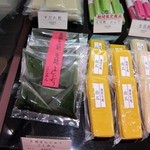
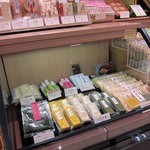
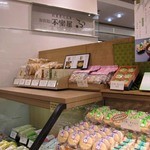
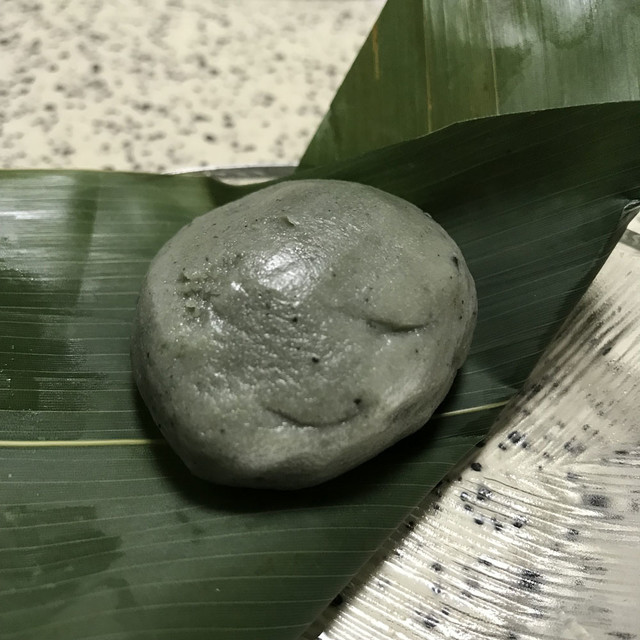
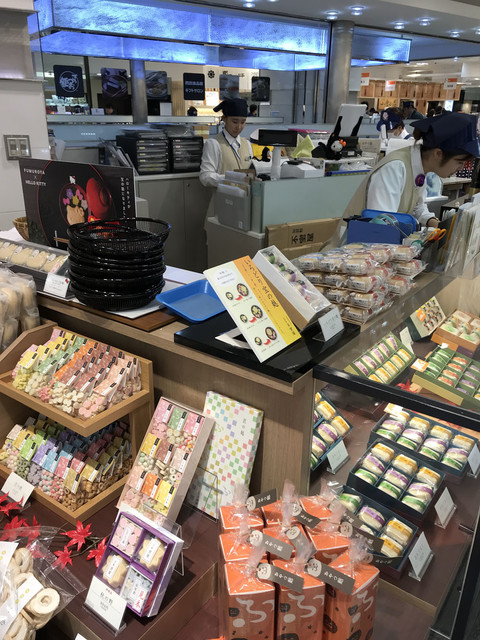
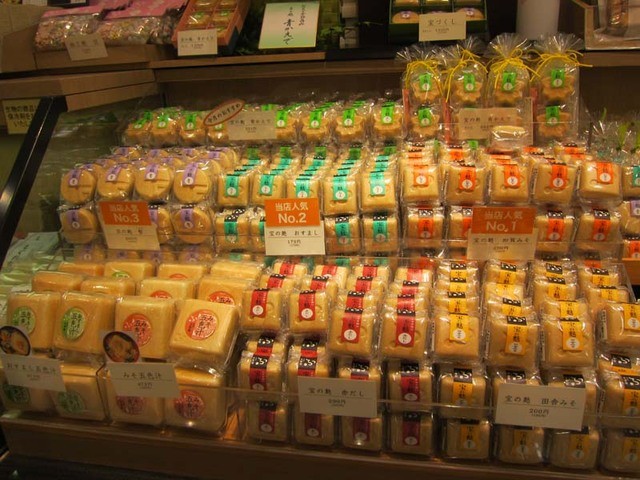
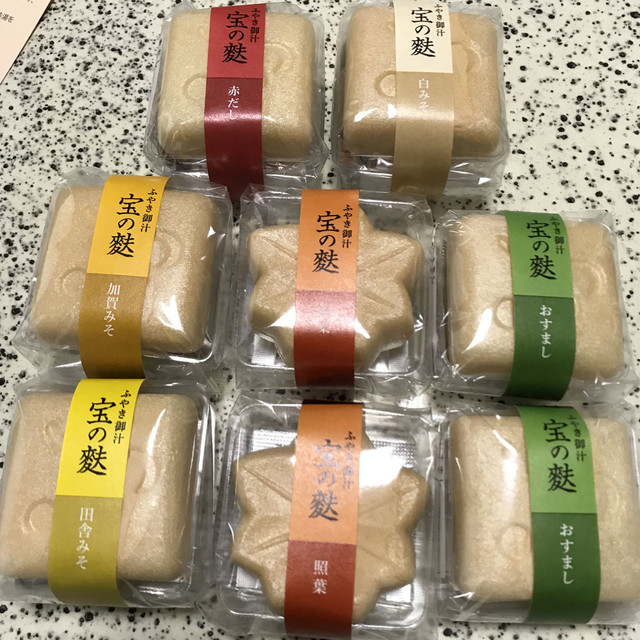
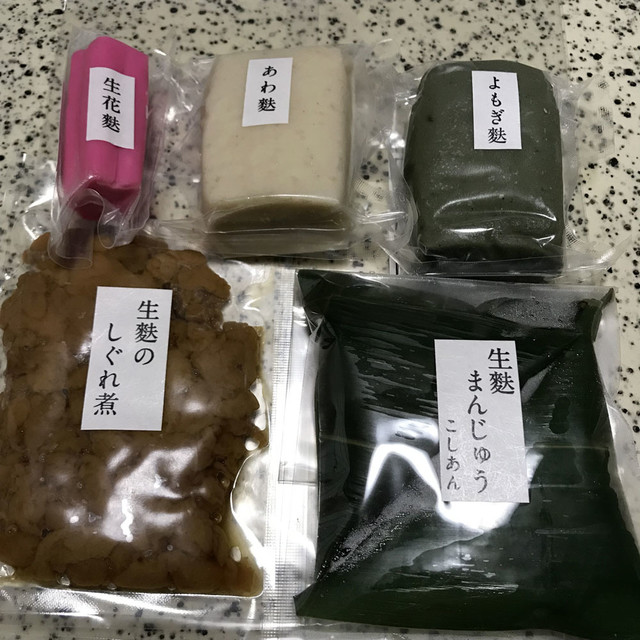
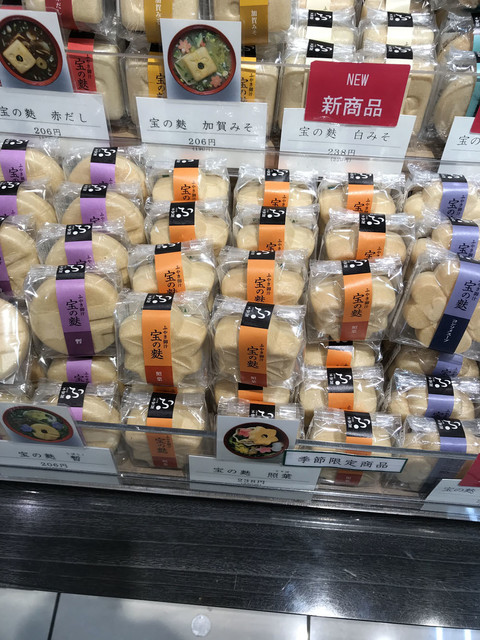
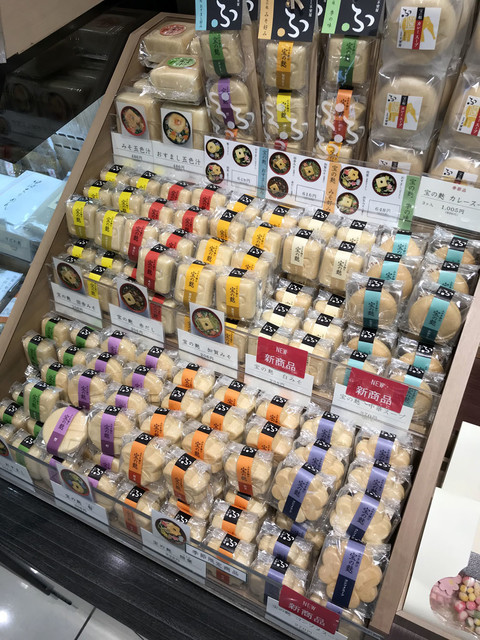
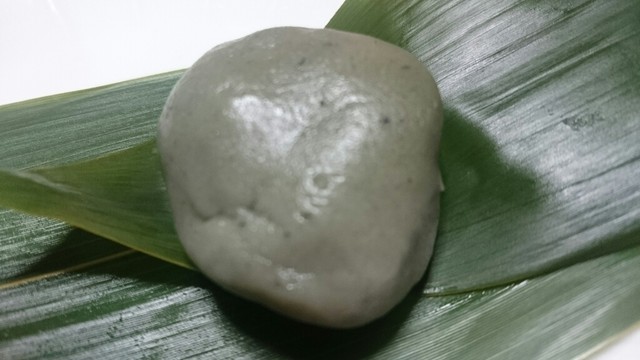
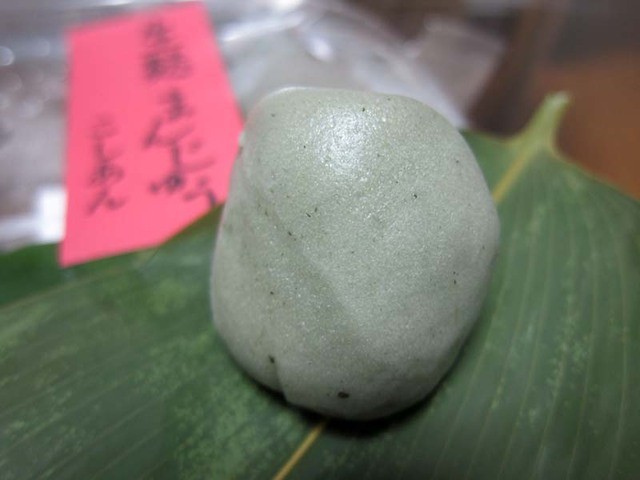
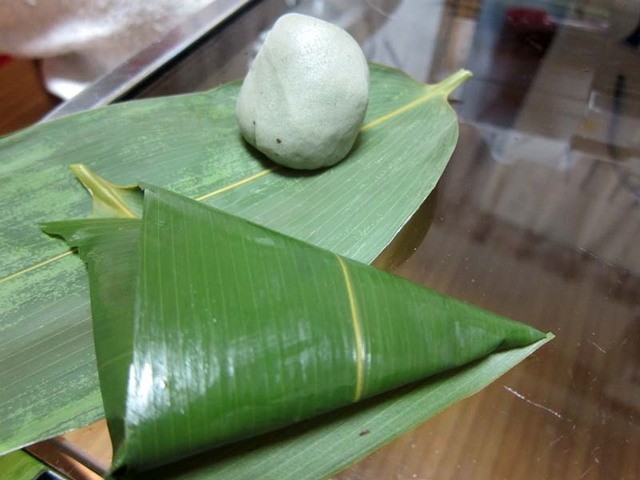
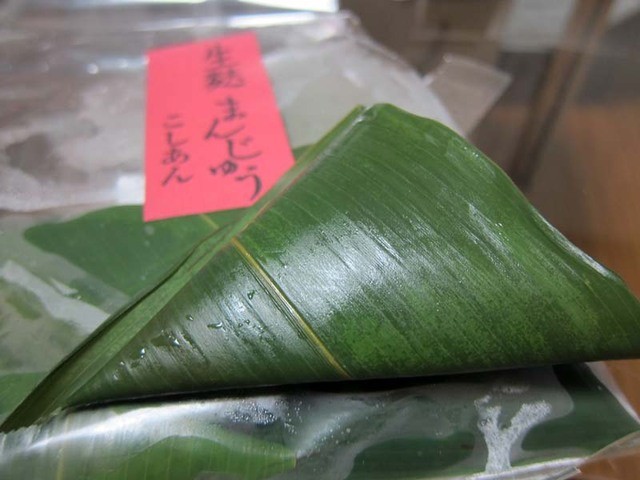
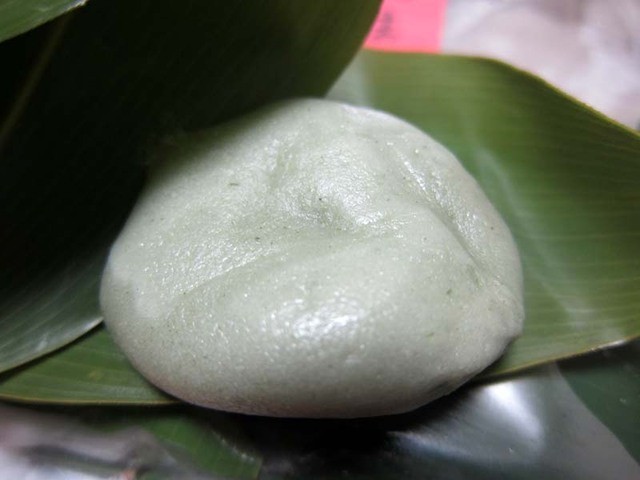
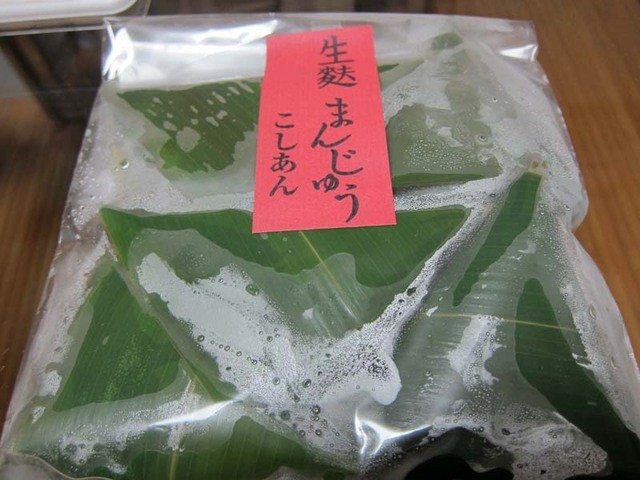
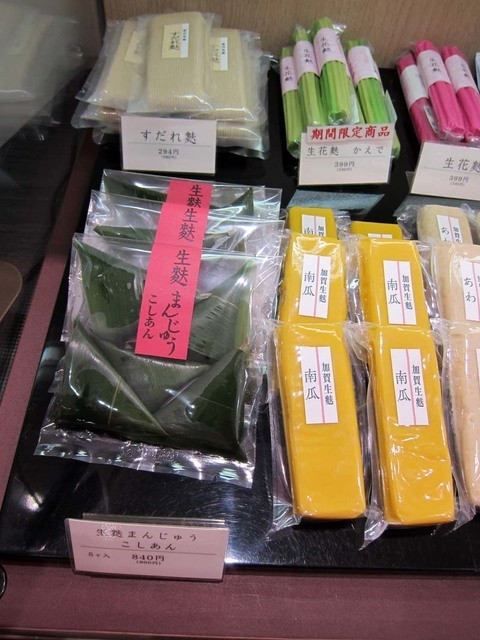
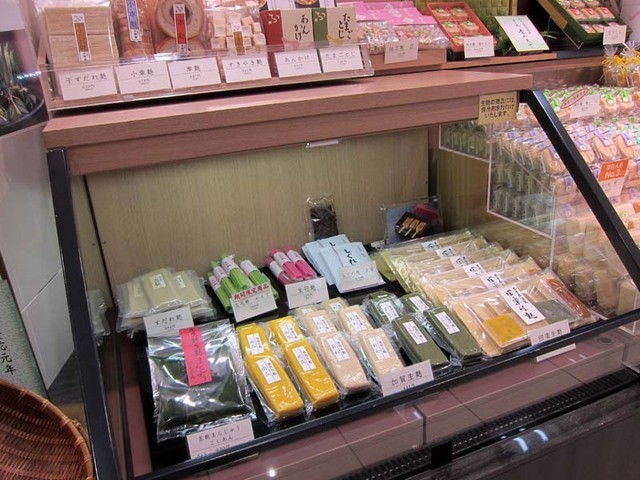
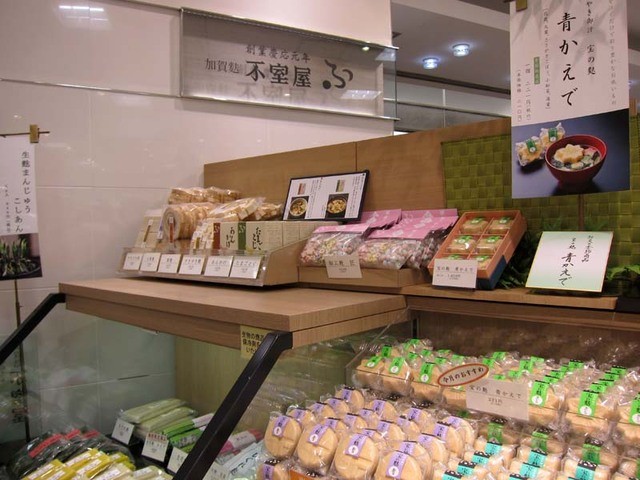
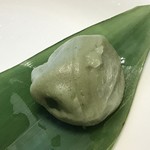
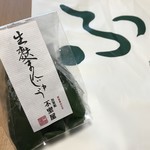
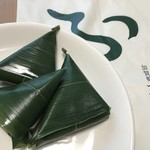
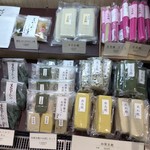
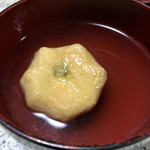
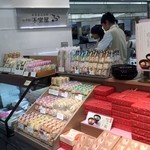
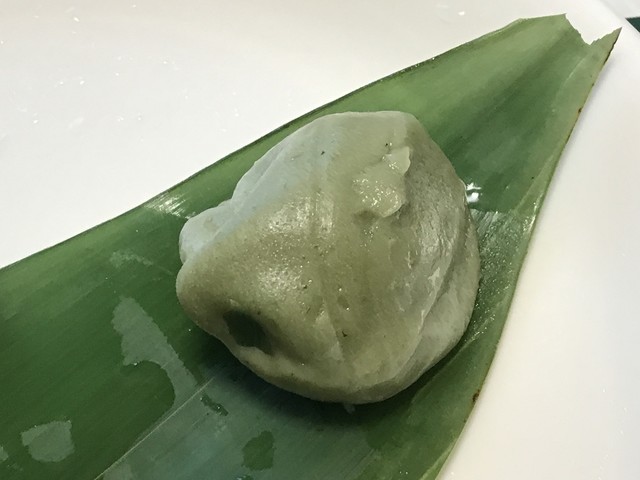
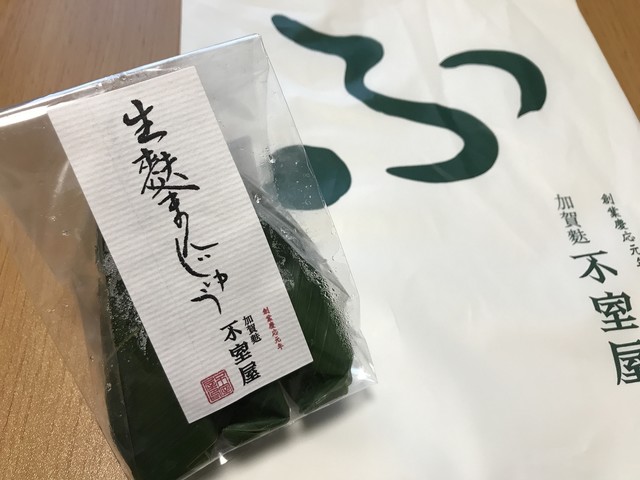
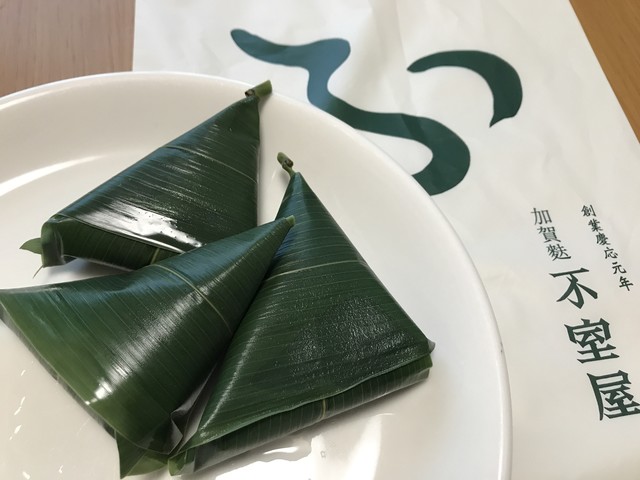
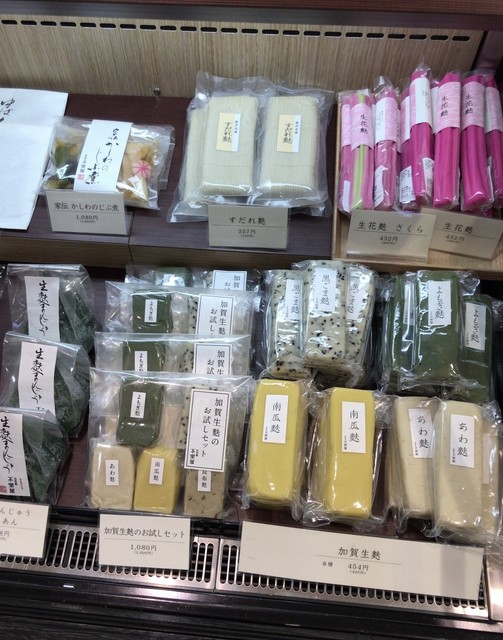
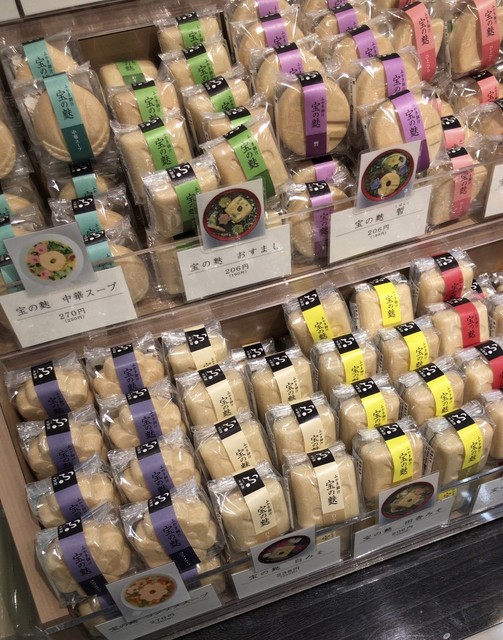
Futomura, a fu (wheat gluten) shop in Kanazawa, Ishikawa Prefecture. It is located near the sweets section in the Seibu Ikebukuro department store. They have a variety of "treasure fu" lined up, which look like small bowls. In the refrigerated section next to them, they also offer fresh fu and fu manju. I bought the fresh fu manju as I like fresh fu, but wasn't confident in using it at home. The package contained 3 pieces of fresh fu manju which were handed to me with a cooling pack. The fu manju were wrapped in bamboo leaves and were cold. They had a chewy texture and were filled with sweet and smooth red bean paste. They were delicious! They also had fu rusk-like snacks made from fu and "treasure fu" shaped like Hello Kitty.

カメさん7
4.20
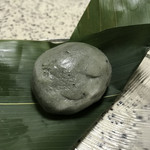
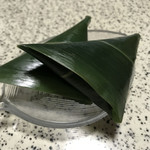
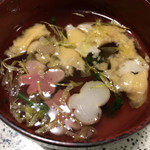
On October 24, 2018, I have been enjoying the easy-to-eat Kaga-fu and delicious Fuyaki Ojiru from Fumuroya for a while. In September of this year, I visited Kanazawa for the first time and once again recognized the goodness of Fumuroya. Lately, I have been using this shop several times a month. On this day, I tried various types of fresh fu and delicious Takara no fu. The fresh fu variety set included fresh fu manju, which had the usual elegant sweetness. Thank you for the delicious meal. In a way, the taste of fresh fu and Takara no fu is more Kyoto-like than in Kyoto itself. Although it is a bit pricey, I would love to try it again.

オリバーさん
3.20
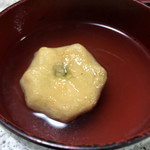
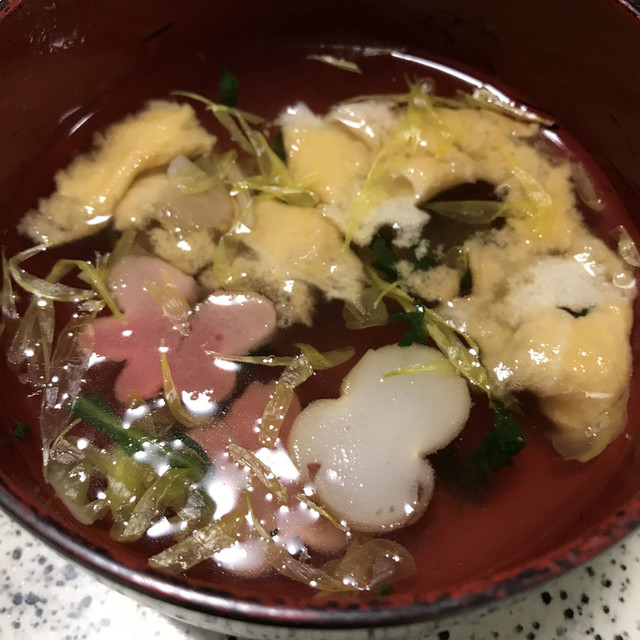
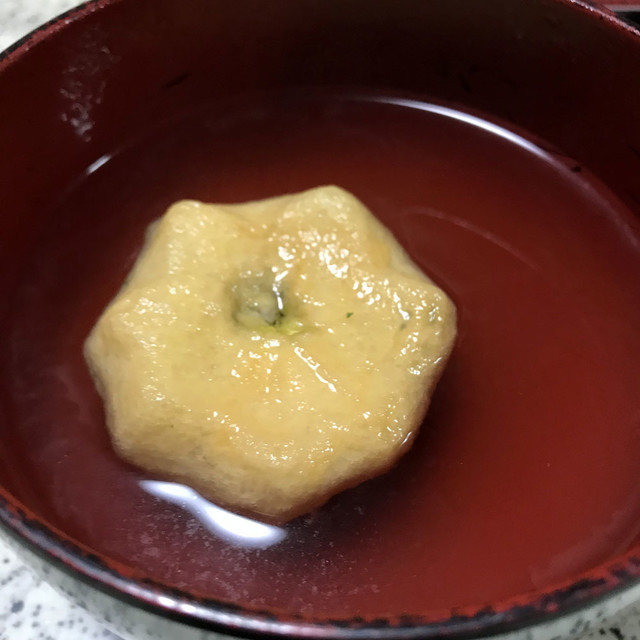
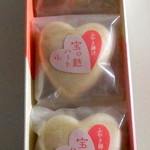
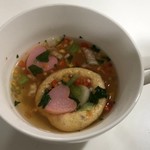
Kaga Fu No Muroya's February special "Treasure Fu" was "Heart Fu". It was like a Valentine's version. First, pour the attached kelp dashi into a bowl. Then, place the Fu with a hole in the center in the bowl. Gently pour about 150cc of hot water into the hole in the Fu. When the intricate Fu and vegetables come out from inside, gently mix them while loosening the ingredients, and you'll have a beautifully decorated soup. It's very delicious.

商品の審査員
3.20
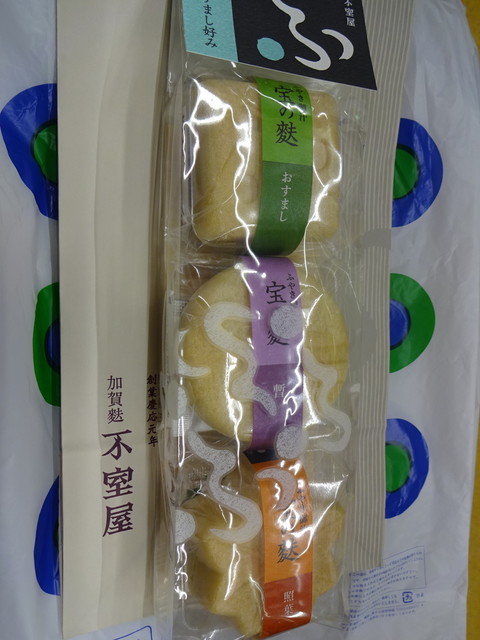
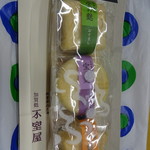
【Reason for visiting】I had some business in Ikebukuro, so I did some research beforehand.【Atmosphere】The store is located a 3-minute walk from the station on the B1 floor of Seibu Department Store. The store's name on the wall is the landmark, and it is a face-to-face sales style.【Taste】- Treasure Wheat Gluten Osumashi Style: 615 yen. I remembered trying a similar dish when I lived in Kyoto, so I decided to give it a try. When you pour hot water over it and cut the outer wheat gluten, you'll find beautifully colored star-shaped gluten inside. The taste is subtly different for each of the three varieties, with a mild flavor that I enjoyed to some extent. It's not quite like what you would get at a traditional Japanese restaurant, but it's still enjoyable. I would rate it 3.2 out of 5.【Overall】The presentation was beautiful and enjoyable.

☆kame☆
3.50
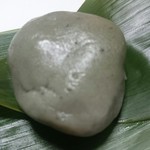
During the Bon festival the other day, it quickly turned into the equinoctial week... Time flies by so fast. So, here is another souvenir from my hometown visit. I found some fresh wheat gluten at a Kaga-fu shop in Seibu Ikebukuro, which my mother (and I) love! It's a set of 5 pieces of fresh wheat gluten wrapped in bamboo leaves (¥864), only filled with smooth red bean paste (we prefer smooth over chunky). The expiration date was today... I hesitated a bit before buying it, but the staff was so friendly that I felt refreshed after the purchase (lol). As expected, I ended up carrying it over to the next day, but the texture was incredibly soft and irresistible. The red bean paste inside was loose and not too sweet, although I personally felt it could use a bit more sweetness, my mother seemed to really enjoy it. I don't have a photo, but there was also this "Oyatsu-fu" sign, which are wheat gluten snack treats. I received them as a souvenir before, and the soft texture left a strong impression on me, so I bought them as well. A cute box with 3 pieces inside for ¥778, with a gentle maple flavor that is appealing to women in both appearance and taste. These snacks have a longer shelf life, making them a great choice for souvenirs!

キレートれもん
4.50
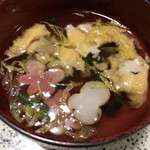
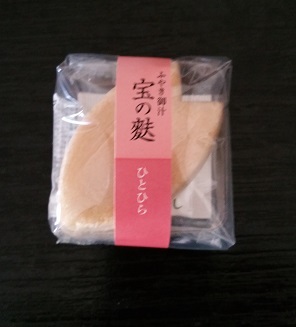
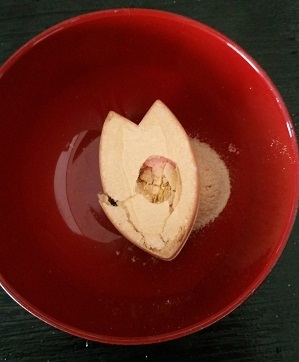
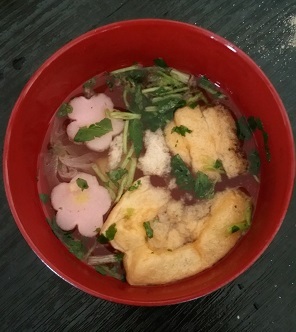
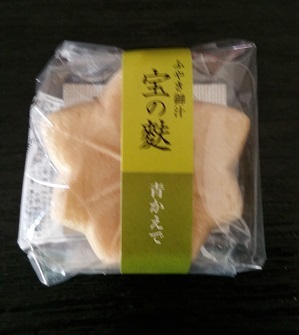
After seeing Mairebi's review, I hurried to Fumuroya. The sakura flower in the ohsumashi was so lovely! Luckily, it was the last day of the 227 yen single sakura petal, so I managed to get it. I also purchased the May limited edition aokaede at 227 yen. I actually don't like the skin of the manju. It's bitter, sticks to the roof of the mouth, and takes away the moisture. I also dislike the soggy, mushy feeling of some skins. This one is made of manju on the outside. I opened the package, admired the appearance, and then used my thumb to make a hole. The sound is so satisfying. Then I poured hot water into the hole. The aroma of the manju skin. I used to hate the smell of manju skin so much, but this rising aroma is something else. I want to inhale it all. I overcame my dislike of manju at the Wagashi no Tane and Fumuroya. As I enjoyed this, the filling popped out. The manju skin also became chewy, and when it floated up, I ate it. Mairebi's single petal had a splendid sakura flower, but mine was meager. There are hits and misses. But the pink flower wheat gluten reminds me of spring, and when I take a bite, I can't help but say "ahh." The aokaede had a refreshing feeling. The appearance with lots of green ingredients evokes fresh greenery. This one is from Kanazawa, but I can't help but take it as a souvenir from Tokyo. It's light, gives a sense of the season, appeals to all ages, and is convenient for housewives when they don't feel like making soup. It's a joy to peek into the season in a small world of a bowl.

(>w<)
3.20
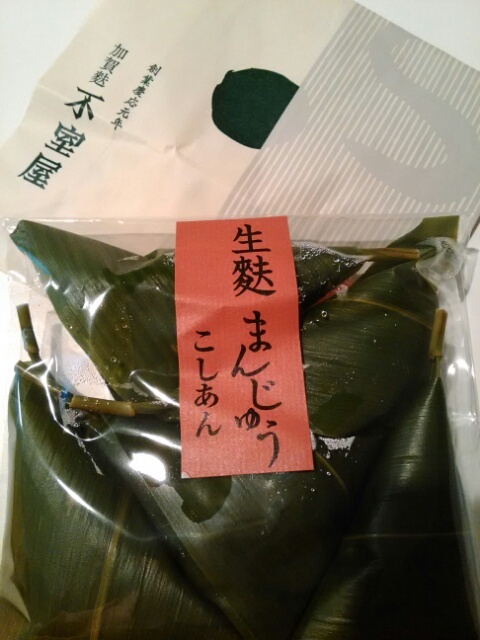
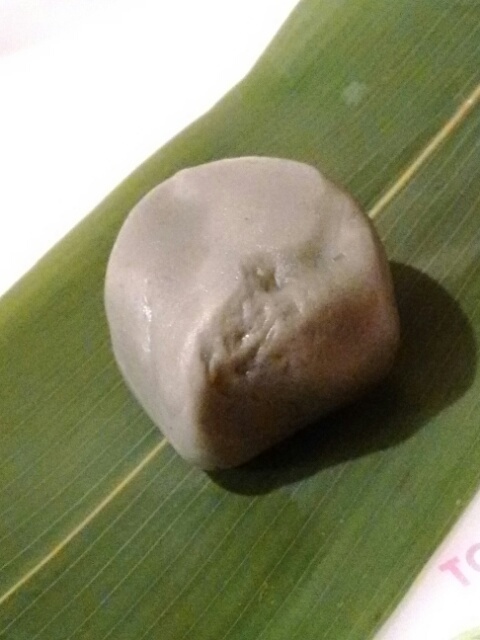
As a fan of chewy textures, I really love nama-fu (raw wheat gluten). I don't have many opportunities to eat it, but I also have a sweet tooth, so fu-manju (wheat gluten steamed buns) are the best! I went to buy some fu-manju last time I visited the shop, but they were sold out in the evening. The shop may not look like it sells sweets, but tucked away in a corner, I found them. It was a holiday, but since it was after 10:30 am, they still had some left. I purchased a pack of 5 for 800 yen. The fu-manju had a nice scent of bamboo leaves and a unique chewiness that was different from mochi or gyuhi. The elegant sweetness of the red bean paste made it delicious. It was a refreshing and tasty treat.

あやかわれいれい
3.30
Category: Deli, Takeout, Convenience Store
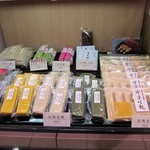
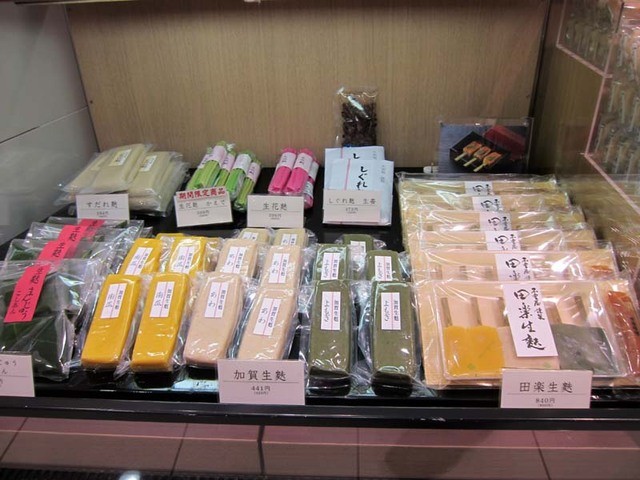
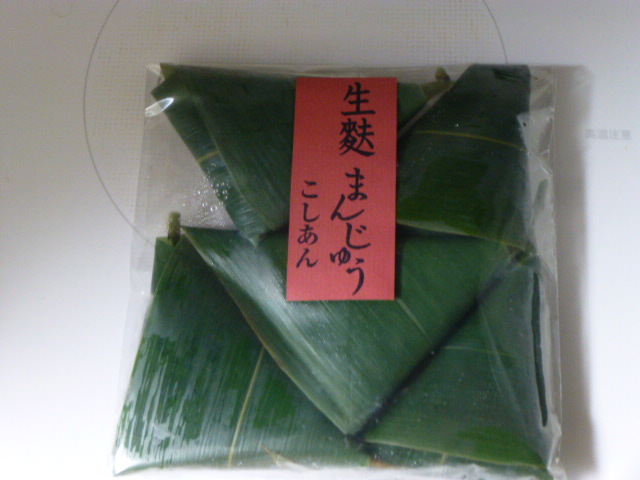
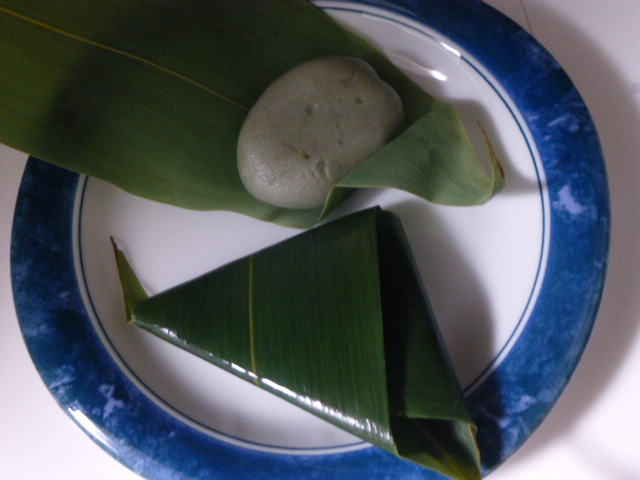
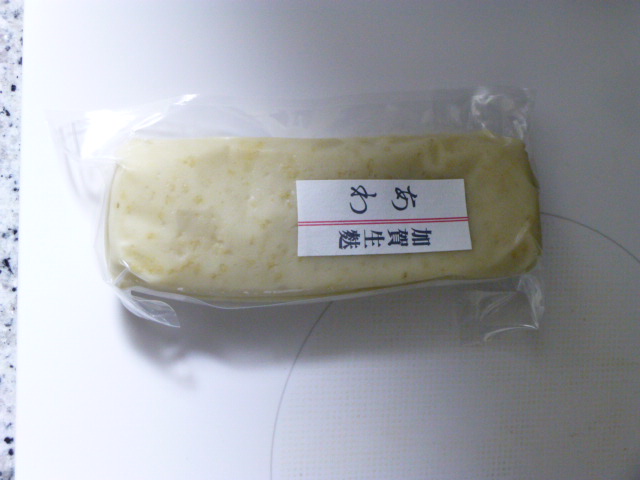
I heard that the famous Kaga-fu store, Fumuroya, is in Ikebukuro!! I thought it would be in the prepared foods section, but it was actually in the sweets section. I bought some sweet items like fresh fu manju and caramel-flavored fu that was cut and baked, but there were also several types of fresh fu and a large amount of gift-wrapped fu. I'm not interested in dried fu, so I only bought the fresh fu and fresh fu manju. The fresh fu manju only came in a pack of 5 for 840 yen, and it only had red bean paste inside... I hesitated, but purchased it because it had to be consumed on the same day. However, when I tried to eat it, the skin easily broke apart like jelly, lacking the chewy texture of fresh fu, which was disappointing. The red bean paste was too loose and sweet for my liking, so I considered throwing it away, but decided to keep it in the fridge overnight. The next day at lunch, I tried it again and surprisingly, it was a bit chewier!! I also tried baking the fresh fu and it was deliciously chewy. The fresh fu cost 420 yen plus tax. I also noticed that it's now available at Nihonbashi Mitsukoshi, but unfortunately, they only sell room temperature products there, so I was relieved that I didn't miss out on the discount they offer.
カメさん7
3.80
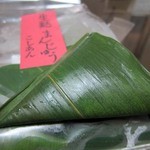
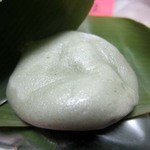
On May 22, 2013, I visited Fumuroya in Seibu Ikebukuro, a store that sells Kaga Fu. Fumuroya not only sells Kaga Fu but also offers a special dish called "Takara no Fu" and operates a shop×cafe at the Suntory Museum of Art, where they serve Fu dishes. I purchased the "Nama Fu Manju" for 840 yen and the "Takara no Fu" to try. The Nama Fu Manju, wrapped in bamboo leaves, had smooth anko inside and the Fu was soft like mochi, with a perfect balance of sweetness. It was delicious. I haven't tried the Takara no Fu yet, but I plan to make it soon. I will definitely visit the shop×cafe in Roppongi more often.

baila
3.00
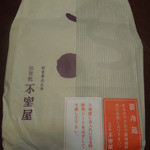
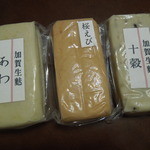
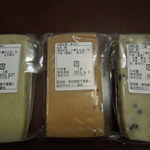
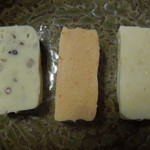
I was asked to meet a friend at Seibu Ikebukuro and arrived early, so I wandered around the store. I found a shop that sells my favorite nama-fu. Although I love nama-fu, I had only ever tried Kyoto nama-fu before. I had never tried Kaga nama-fu, and we had run out of our Kyoto nama-fu at home, so I decided to buy some. Unlike Kyoto nama-fu, which needs to be partially frozen to slice properly, the Kaga nama-fu sliced easily, except for the sakura shrimp. When I tried a slice of the Kaga nama-fu as is, it had no flavor and a clay-like, sticky texture. I thought to myself, "This texture isn't meant to be eaten raw." I also tasted the other two types as is, and they were similarly bland and sticky. I started to sweat, wondering if it was because I had accidentally left them out in the fridge overnight while drunk. I decided to pan-fry them with a little oil. After a few seconds of heat, the nama-fu became soft and springy. It seemed promising! I pan-fried them for about 1 minute on each side until they had a light sear. I tried one piece plain and another with miso paste. The springy texture was reminiscent of nama-fu, with a gentler mouthfeel compared to Kyoto nama-fu and a natural sweetness like mochi. The chewy texture blended well with the awa, so if you enjoy a slight crunch, I recommend the jukoku variety. The sakura shrimp added a fragrant, nutty flavor that became more pronounced after cooking. The nama-fu was delicious on its own, but if you want to dip it in something, salt or soy sauce would be a good choice. After eating, I found instructions in the bag on how to cook the nama-fu properly, including boiling, frying, and simmering. Tempura with sakura shrimp nama-fu sounds delicious! I feel embarrassed to reveal my ignorance, but I will leave it here as a memo. Please understand.

hoshi10
0.00
Email Login