崎陽軒 エキュート立川店
Kiyouken
3.01
Tachikawa
「Dimsum」
--
--
Opening hours: [Monday-Saturday] 9:00-22:00 [Sunday and holidays] 9:00-21:00
Rest time: Closed irregularly (same as Ecute Tachikawa) Business hours and holidays are subject to change, so please check with the store before visiting.
東京都立川市柴崎町3-1-1 エキュート立川 エキナカEAST
Photos
(20)
Details
Payment Method
Credit cards accepted
Electronic Money Accepted
Private Dining Rooms
None
Smoking and Non-Smoking
No smoking at the table
Parking
having
Comments
(19)

yasurino
3.50
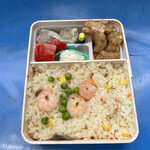
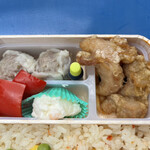
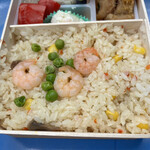
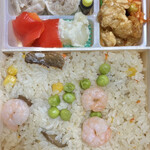
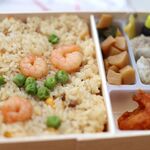
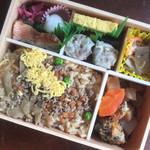
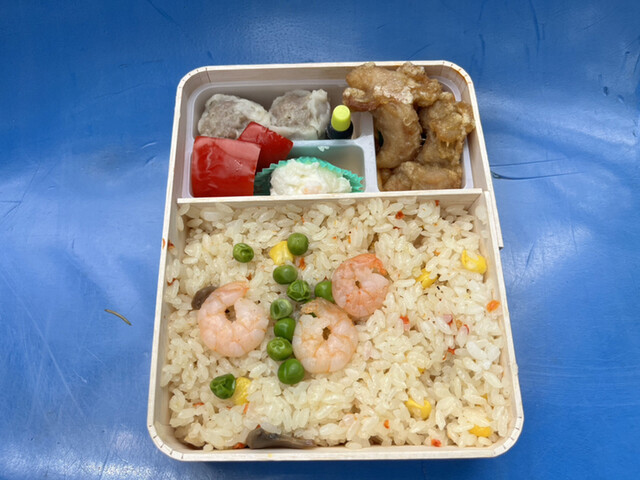
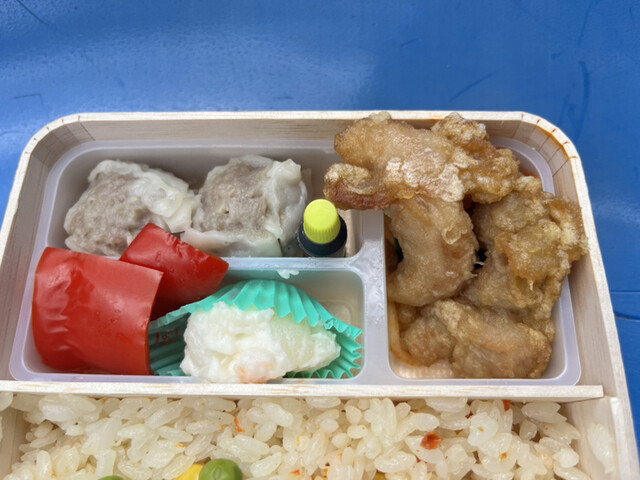
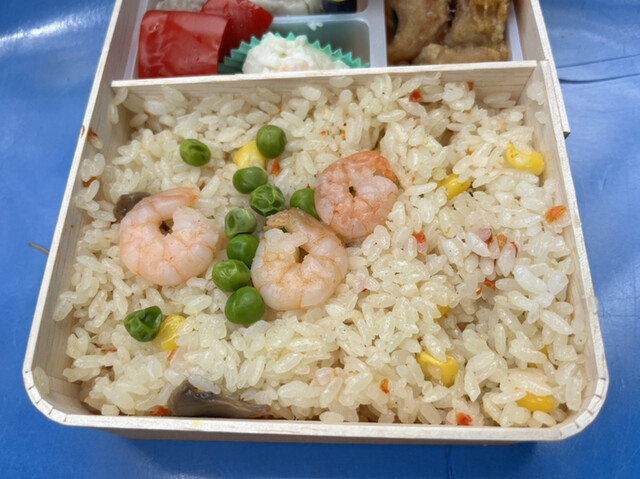
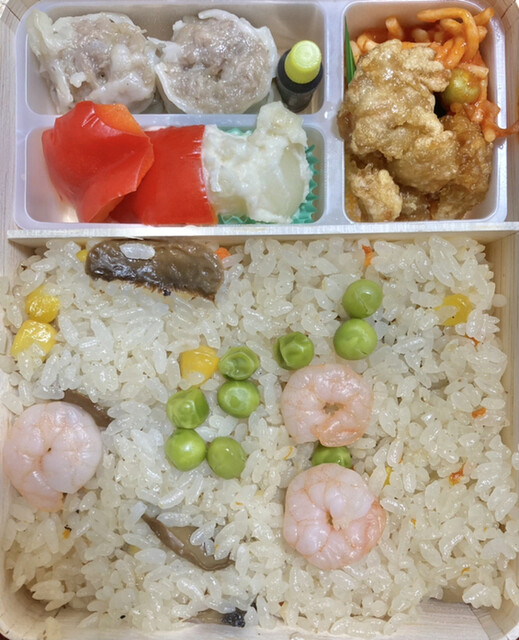
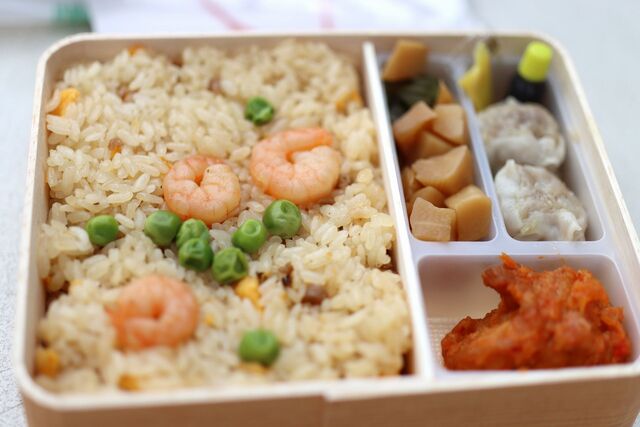
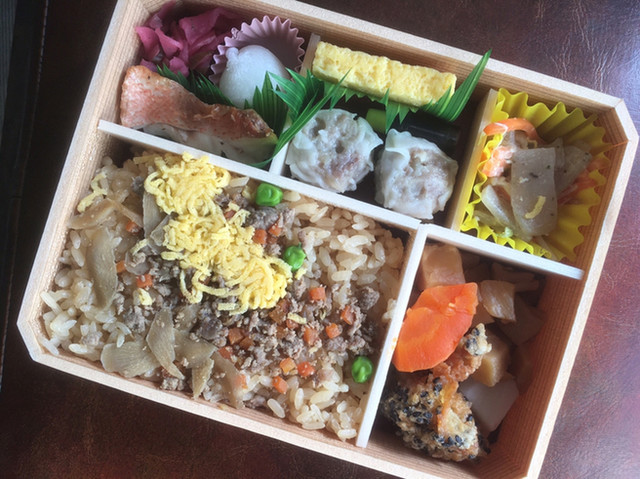
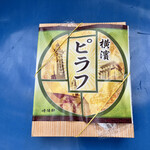
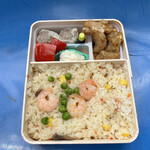
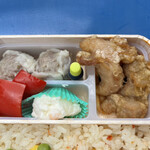
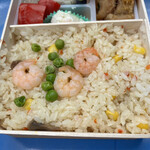
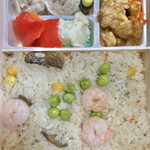
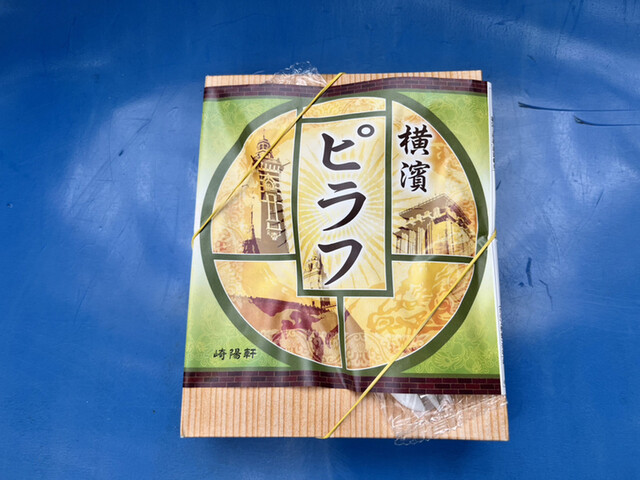
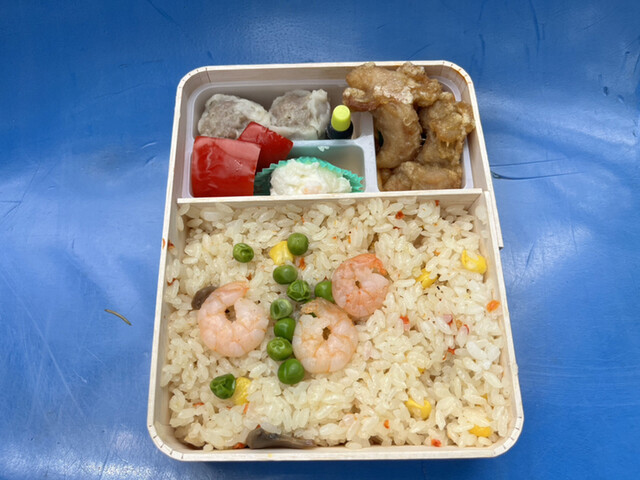
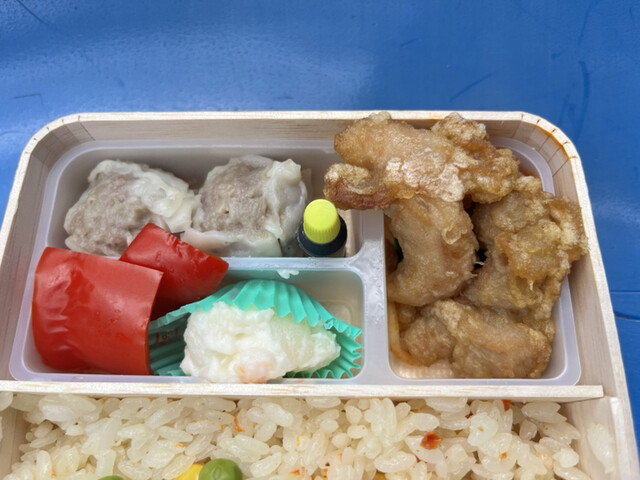
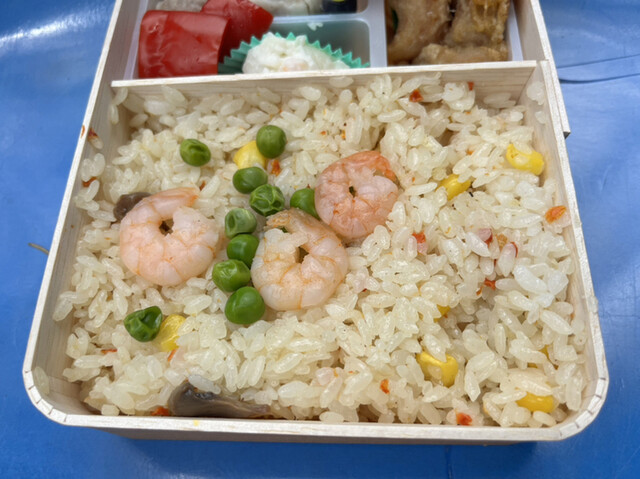
Continuing from last year, I went to watch the race live again! Last year I bet on Stars on Earth (lost), this year I wonder which girl will win! Today's race is a classic G1, which means the venue will be packed, lunch places will be crowded, and I might end up being a lunch refugee. So, I decided to buy a bento box on my way at Tachikawa station. It's convenient that you can buy them inside the ticket gate. I wanted a fried rice bento but it was sold out, so I got a pilaf bento instead. I arrived at the racetrack a little after 12 o'clock, and the Torisen line wasn't too long, so I bought a boneless chicken. It was delicious as always. It goes well with beer too! Then I opened the pilaf bento. First, I tried the main pilaf, and it was delicious. I don't usually eat pilaf, so it felt fresh. The side dishes were chicken tempura, two shumai, which were a safe choice! Surprisingly, the pickled paprika was delicious even though it was cold. It's delicious even when it's cold.

koba79713
3.00
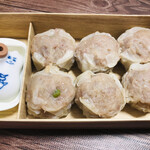
JR Tachikawa Station has a Sukiya store inside. I declared before that I would never buy Sukiya's shumai again, but here I am buying it again. Well, personally, I didn't buy it this time... I bought it for someone else at the store. The shumai bento has five pieces of shumai in it. The shape and taste are different from the old Sukiya shumai. Hmm, what comment should I make? Can you faintly taste the unique taste, texture, and aroma of scallop adductor? For old Sukiya fans like me, the current shumai is disappointing. If you keep eating this, it might become the new default.

tanuki747
3.60
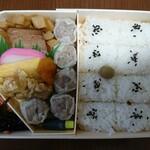
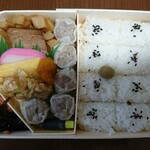
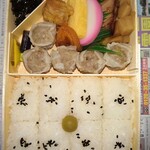
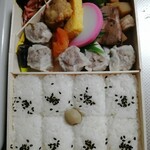
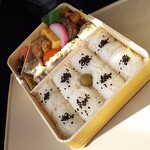
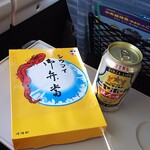
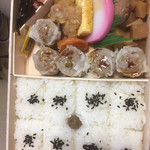
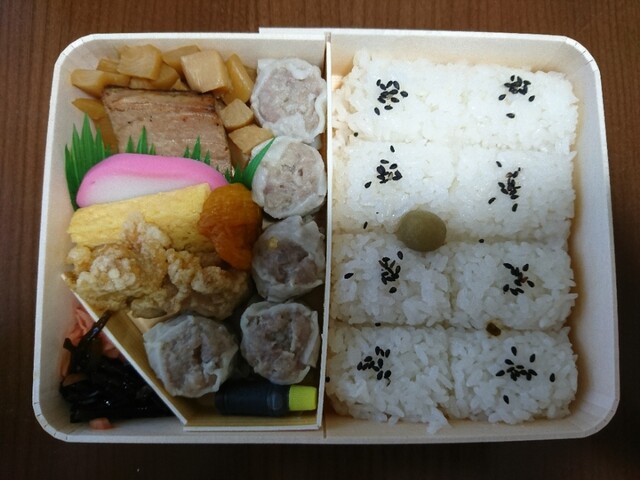
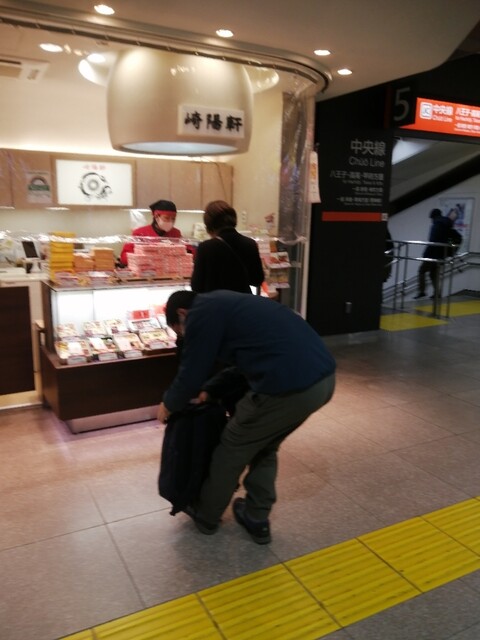
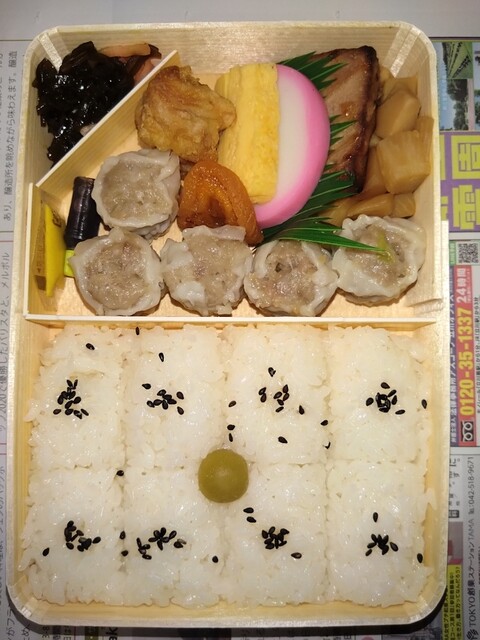
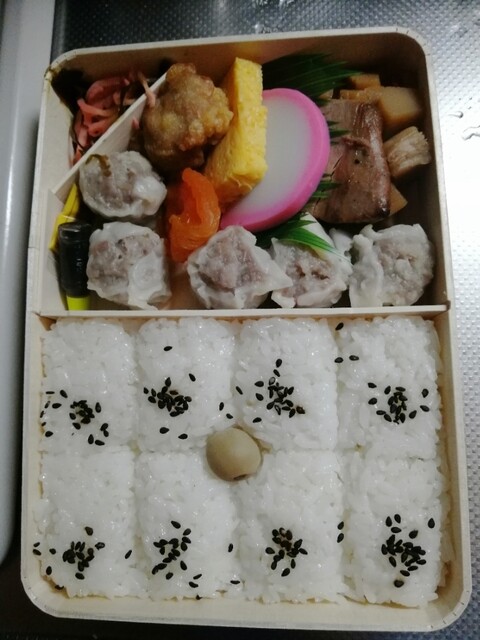
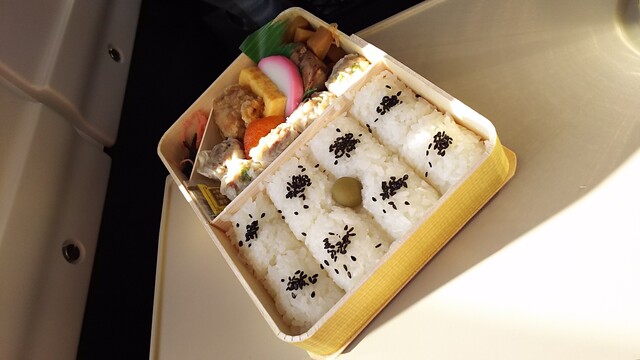
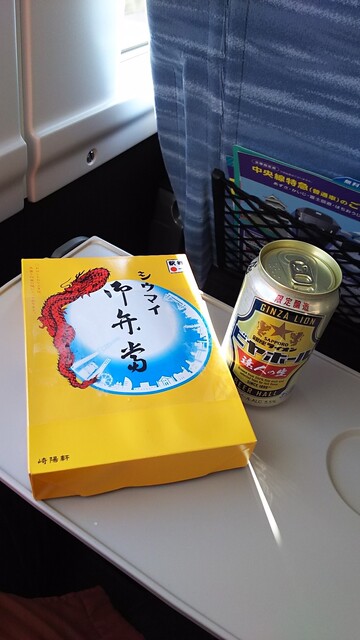
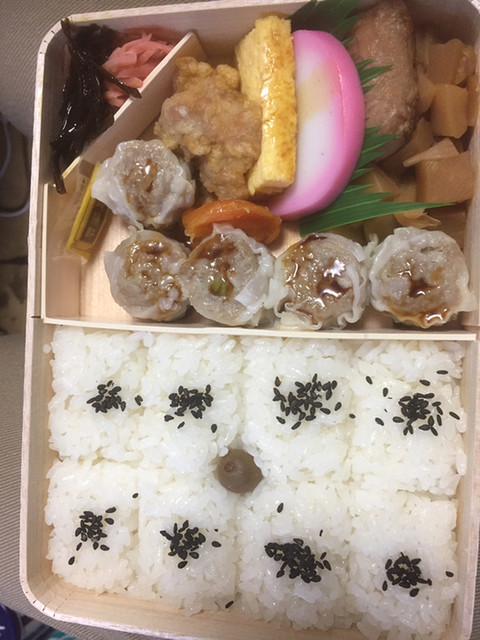
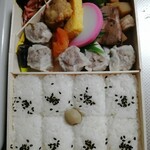
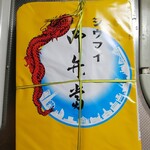
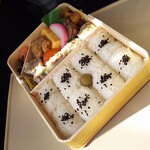
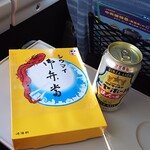
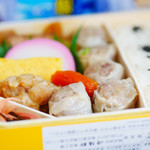
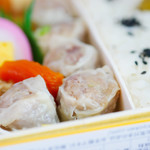
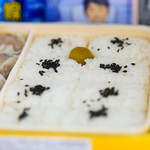
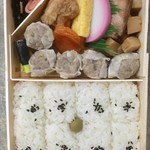
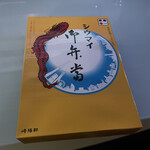
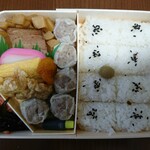
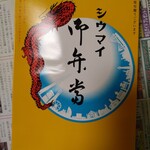
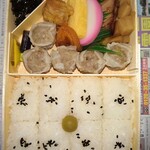
This time, I would like to introduce Sakai-ya-ken located inside JAF Tachikawa Station. To start off the New Year in Reiwa era, I took the Azusa limited express train to Matsumoto. Since last year in 2019, the sales of bento boxes, souvenirs, and hot coffee on the Azusa train have been discontinued, and only drinks and snacks are now available. In this situation, I decided to purchase a shumai bento from Sakai-ya-ken in Tachikawa Station to enhance my travel experience. I ordered the Shumai Bento for 860 yen. I boarded the Azusa No.7 train without a ticket, and once seated, I checked the arrival stations. The Azusa train I took this time had relatively few stops, departing from Tachikawa (09:26) and stopping at Hachioji, Kofu, Chino, and finally reaching Matsumoto (11:39). I started off with a beer to wet my throat after leaving Hachioji, marking the beginning of a small feast. The travel time between Hachioji and Kofu is about 1 hour, which is perfect timing for drinks and bento. Each seat on the train is equipped with a power outlet, and there is free Wi-Fi available. However, once we leave Hachioji and pass through Takao, the train enters mountainous areas with many tunnels, making it difficult to connect to the internet, allowing me to focus on my drinks and bento. Shumai Bento: First, let's take a look at the packaging. Have you noticed the difference in the packaging of the Shumai Bento? The bento boxes from the Yokohama main factory and Yokohama factory are tied with paper, while those from the Tokyo factory have a lid. I'm more accustomed to the paper-tied style, so the lidded style feels a bit strange to me. The bento consists of rice balls (with small plums and black sesame), shumai, grilled tuna, fish cake, fried chicken, rolled omelette, simmered bamboo shoots, apricot, shredded kelp & ginger, offering a fulfilling variety. This composition makes it a perfect accompaniment to drinks. The shumai, in particular, is an excellent dish, and the crunchy texture of the simmered bamboo shoots is also delightful. Rice: The rice balls have a chewy texture, as they are steamed instead of boiled in water, allowing each grain of rice to stand out. The bento box is made of antibacterial cypress wood, providing the same effect as a traditional wooden rice container, ensuring that the meal remains delicious even when cold. Fun fact: Why "Shumai"? The founder, Shokichi Nonami, who was from Tochigi Prefecture, mispronounced "Shumai" as "Shiumai," which was misheard by a Chinese person as being close to the authentic pronunciation. This led to the decision to spell it as "Shumai" to better match the original pronunciation. Since its release in 1928 (Showa 3), the Shumai has remained unchanged in recipe, using domestic pork, dried scallops from Okhotsk, onions from Hokkaido, and the soaking liquid of the scallops, all kneaded together to create Sakai-ya-ken's Shumai. It is truly delicious. In conclusion, at 860 yen, the 2-hour and 15-minute journey from Tachikawa to Matsumoto was a delightful experience with the Shumai Bento.

ベリータルト
3.30
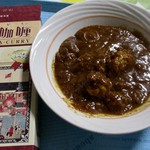
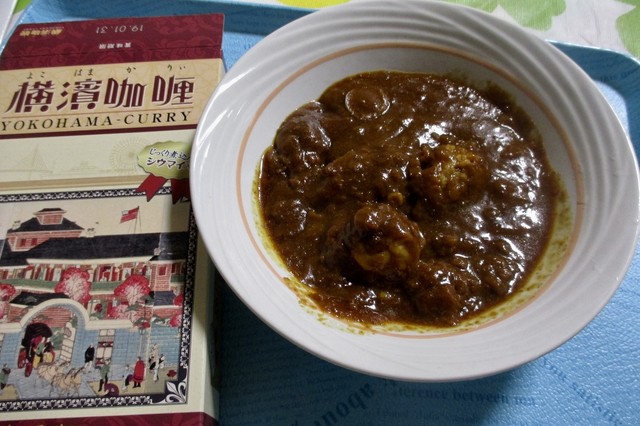
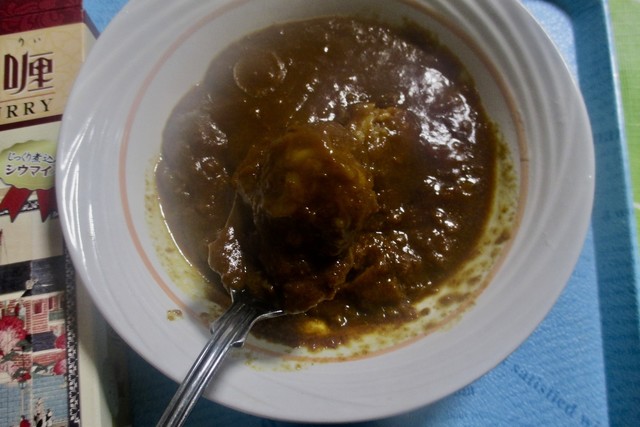
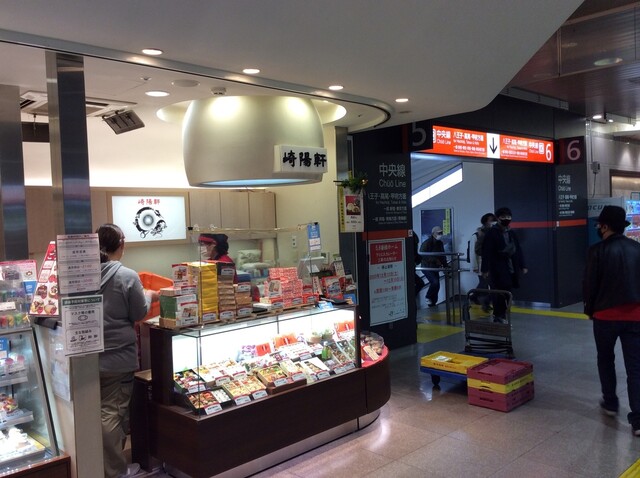
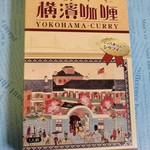
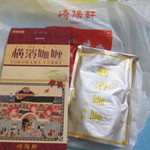
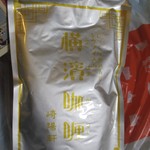
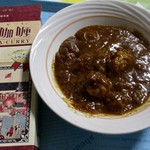
JR Tachikawa Station, inside the Grande Duo ticket gate & east ticket gate, near the staircase to the Chuo Line platform, there is a Sakai Koen store. Sakai Koen's station store is also located inside Takadanobaba Station on the Seibu Shinjuku Line, which is convenient for me as I can buy things while on the move without having to go to different places due to lack of time. This time, I bought the Yokohama Curry for 410 yen. I chose it because it can be stored at room temperature and the expiration date is January 31, 2019. I bought it as a stock for my home lunch. Since I didn't have time to eat out, I had it for lunch at home. It was really delicious with authentic curry flavor and not too spicy, so I could enjoy it without rice. It came with 3 pieces of siu mai, which I found to be better than oven-baked siu mai, even when cold. Although I appreciate Sakai Koen's effort in developing a siu mai curry product, I personally prefer their siu mai on its own. The Yokohama Curry was delicious with a rating of 4 stars, but the overall experience was affected by the texture of the siu mai, which didn't suit my taste, and the high calorie content. I didn't drink anything during or after the meal, which made me extremely thirsty at night, causing me to drink a lot of Suntory's black oolong tea and unexpectedly gain a significant amount of weight. Despite the deliciousness of the Yokohama Curry without rice, my weight didn't return to its normal level the next day or the day after. I am currently on a mini fasting diet to continue eating out for lunch (such as ramen) on Foodlog and to strengthen my diet.

ちー&りー
3.00
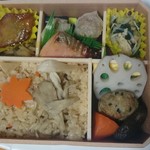
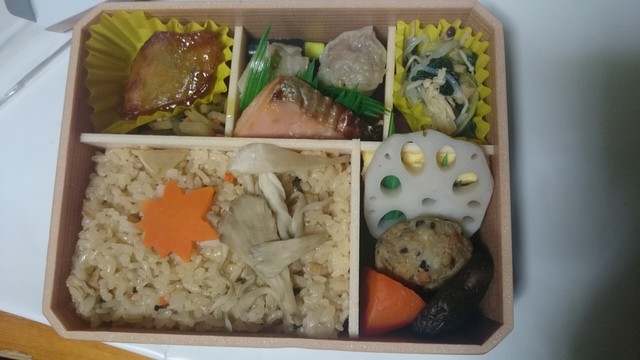
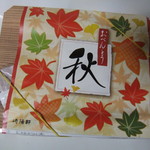
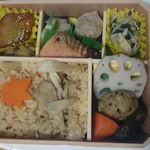
Um, I think it was on the way back from eating yakiniku with my coworkers at the office... I didn't eat the last dish at the restaurant, and even though my junior invited me to eat ramen, I didn't eat it... There are things I want to write about but can't. Please understand. Anyway, when I entered the ticket gate, this was in front of me, still open for closing preparations. I couldn't resist buying it. It might have passed the expiration date, but I thought if I put it in the fridge... but when I got home, I ended up eating it (laughs). The mixed rice was delicious, and the side dishes too, but one "shi-umai" (steamed pork dumpling) was a bit lonely. Can I have more, please?

オデ2005
3.00
On my way back, I purchased a shumai bento for dinner at this place near BAKE. The taste is nostalgic for those from Kanagawa Prefecture. Even when cold, the shumai from Sakurayokan is delicious.
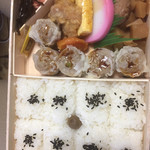

supur-binbo2
0.00
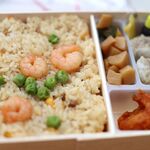

スマイルコレクター
3.00
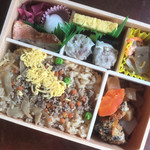

toshichimura
3.20
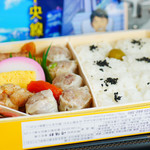
スマイルコレクター
2.50

MKかずや
3.60
【Order】Shumai bento 900 yen
【Review】I love the shumai bento from Sakai Kyouken. I've been buying it quite often since I found it at Tachikawa JR station's ticket gate about a month ago. In addition to the main shumai, it also includes bamboo shoots and marinated grilled tuna, making it a delicious bento that still tastes good even when cold. If it wasn't inside the ticket gate, it would be even more convenient to use...
Parking: Not available
Credit card: Accepted
Electronic money: Accepted
Visit date and time: Weekday 3:00 PM
Weather: Sunny
Wait time/line: None

go_lady_go
3.50
Let's buy dinner for the family. Today's choice is Sakuraya in the station building. I got a siu mai bento for my father, a summer bento for my mother, and a Yokohama pilaf for myself. I chose the pilaf over fried rice because I thought it would be less salty. When I got home, I warmed it up in the microwave and it was delicious. The pilaf was cooked slightly firm and the ingredients like corn, green peas, and shrimp were tasty. The red vegetable that I thought was tomato turned out to be pickled paprika, which was also delicious. The siu mai was even better than I remembered. Back in high school, a friend's mom bought us siu mai bentos before a band's live performance. My friends praised how delicious it was, but I thought it was just okay. But now, I appreciate its great taste. And all this for only 660 yen! Sakuraya was established in 1908 and I hope they continue to lead the Japanese bento world.

Leopard zwei
3.40
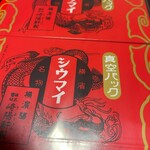
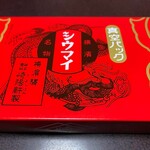
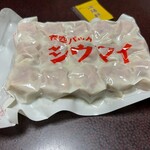
Around the 4th day of the 4th month of Reiwa 4... I went shopping in Tachikawa and Mom (the president) said she wanted to eat the shumai from Sakai Koen, so I bought the vacuum-packed ones that last for about half a year on the way back. Yay~!!! And so, as time passed, around the beginning of the 5th month... Mom (the president) remembered that she had forgotten to eat them (^q^;) ← silly me (lol) So, I decided to eat them (^p^) haha Oh... as expected, Sakai Koen's shumai is different from other shumai (^p^) Are "shumai" and "shu mai" different dishes? ← Shut up (lol)


らじヲ
3.30
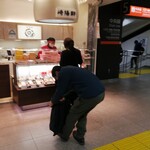
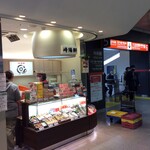
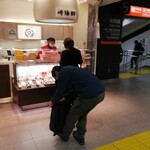
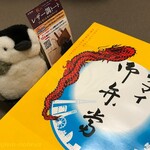
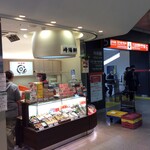
Inside JR Tachikawa Station, at the station's ticket gates. Tachikawa Station has central ticket gates located east and west, but this is on the east side. It's a directly managed store by Sakai Han, a small shop specializing in takeout. Since it's a directly managed store, you can receive a card for this year's autumn campaign. From October 15th to November 14th, if you spend over 600 yen including tax, you can get a card. The card has points ranging from 1 to 3, and collecting 10 points will get you a leather-like tote bag as a reward. I love Sakai Han's shumai bento, so I can't help but stop by during this time. The middle-aged women in my family tend to mistakenly think that the going rate for a shumai bento is around 600 yen, but now it's close to 900 yen for one. However, the "Yokohama Fried Rice" that I love is in the 600 yen range, so no problem! This year, I'm going to get that tote bag! Sakai Han's shumai has a unique taste, so I will continue to be a loyal customer. Someday, I'd like to try the more expensive shumai as well... (with a slightly dreamy look...)

KeiJi
3.50
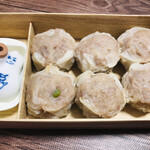
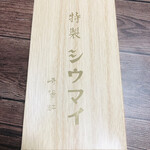
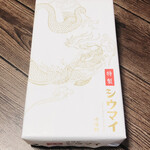
"Saying that buying Sakai-Tei is mostly here (´・Д・)" because it is inside the ticket gate, so it's easy to buy. Also, it's not too far from Tachikawa to the nearest Musashisakai, so the smell of shumai doesn't spread too much on the train? Surprisingly, the shumai from Sakai-Tei has a smell, right!? lol On this day, on the way back from Tama Zoo, I changed trains from the monorail at Tachikawa Station. I usually always go for the traditional shumai, but since it was past noon, there was a variety of options on display, so I decided to try something different this time (´・Д・)"
- Special Shumai (6 pieces for 740 yen)
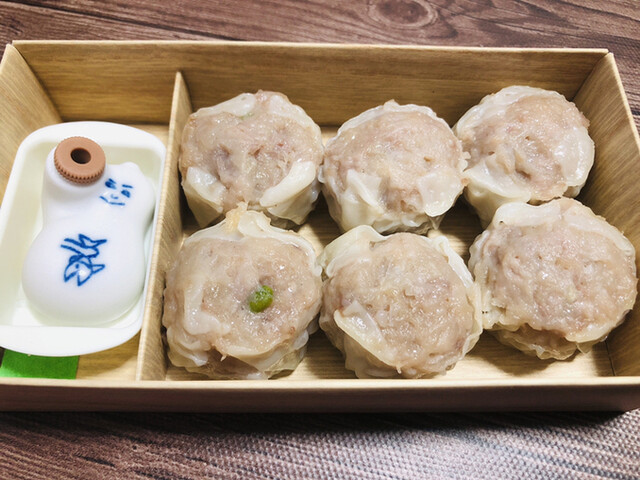
I was also curious about the limited-time mushroom shumai, but I went for the premium Special Shumai! It has a luxurious feel even from the packaging. There's a lot of gold lettering on the shumai, haha. The size is about twice as big as a regular small shumai, so the green pea ratio per piece is also high. The taste is quite strong in clam umami, making it totally different from the regular shumai. However, at around 123 yen per piece, it feels a bit expensive... you could buy a convenience store meat bun for that price, haha. But, for my first time trying Sakai-Tei's Special Shumai, if you have it occasionally, this one might be better! Thank you for the meal."

ラバウル飛曹長
3.70
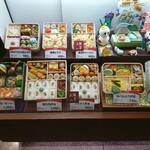
This is a shop of Sakai-ya located inside Tachikawa Station. It is very convenient as it is easily accessible, making it a great choice after enjoying your time at Tachikawa Station. The shop is quite small but offers classic bento boxes and shumai. I bought a shumai bento for dinner here. It was light yet satisfying, and very delicious. The shumai, tamagoyaki, and chicken were particularly tasty. They also go well with beer. I would like to try their summer limited edition bento next time.

ぷりんとうさん
3.70
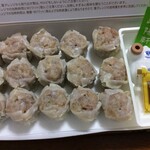
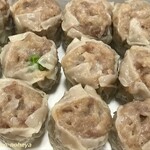
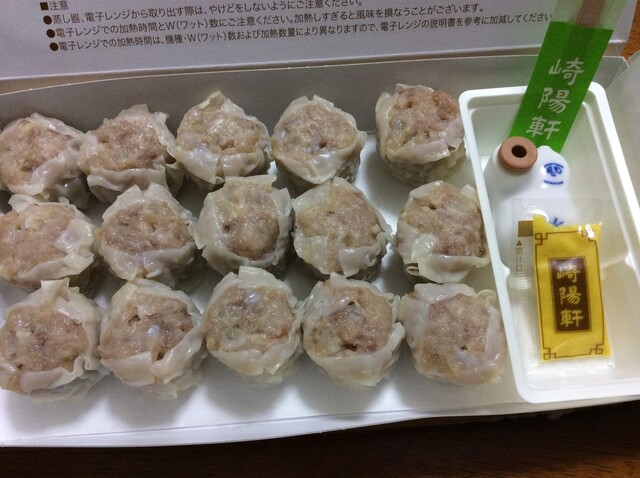
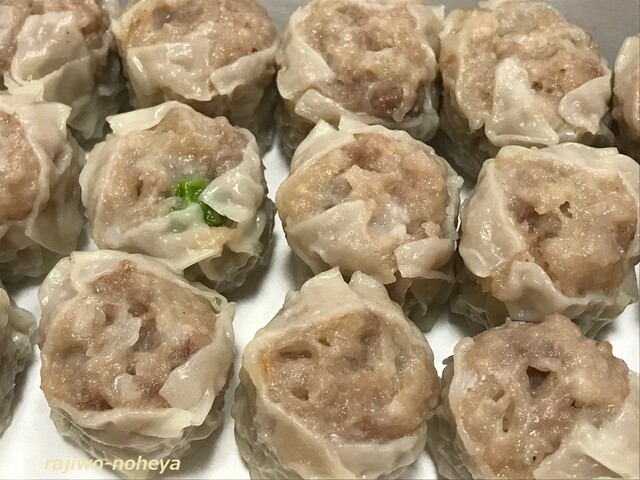
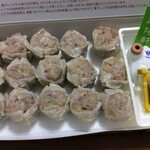
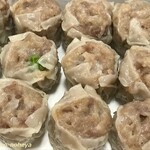
Sometimes, I suddenly crave the shumai from Sakai-ya. I bought a pack of 15 traditional shumai for 620 yen at the shop in Tachikawa Station. I had it for dinner that day. I used to collect the ceramic dishes with soy sauce in them. The crispy texture of the meat is really good. You can't see it from the outside, but there are green peas inside. It tastes great with mustard and soy sauce, and I feel like I could eat as many as I want.
らじヲ
3.30
JR Tachikawa Station has a real station inside. It's Sakai-Tei on the east side of the ticket gate floor. Since it's inside the ticket gate, you can quickly buy shumai during your transfer. It's take-out only. Sometimes I just crave Sakai-Tei's shumai. I like the fried rice bento, but this time I got a 15-piece shumai set! It was 620 yen including tax. When you get the 15-piece set, you also get the "hyochan" that you can't get with the pocket shumai. I casually collect them. By the way, now if you spend over 600 yen at the direct store, you get a point card. When you open it, you get 1-3 points, and when you collect 10 points, you get a tote bag. The actual bag was displayed in the store, and it seemed usable in autumn colors. It looks like I'll have more chances to eat shumai until November 15th (laughs). It was delicious as always. Thank you for the meal!




ぽん932051
3.00
Email Login