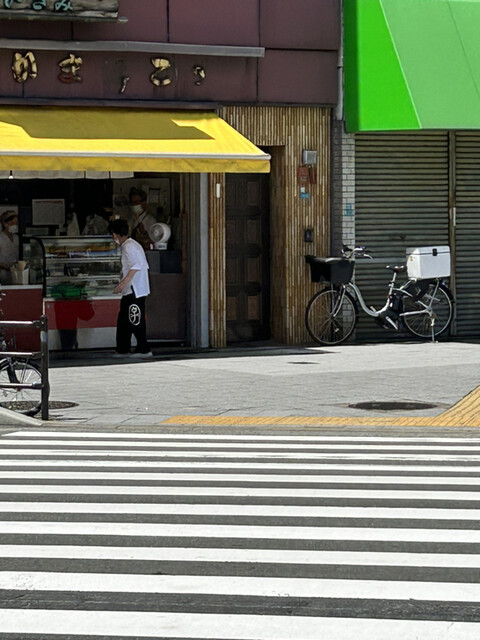
いさみ蒲鉾店
Isamikamabokoten
3.16
Ebisu, Imamiya, Ashihara
「Other」
--
--
Opening hours: 11:00 - 18:00 (The store opens after 10:00, but tempura is ready to be fried around 11:00)
Rest time: Sundays Business hours and holidays are subject to change, so please check with the store before visiting.
大阪府大阪市浪速区恵美須西1-2-6
Photos
(20)
Details
Payment Method
No credit cards
Electronic money is not accepted
Private Dining Rooms
None
Parking
None
Comments
(20)

たけぞう007
3.60
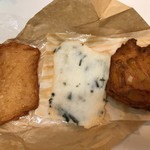
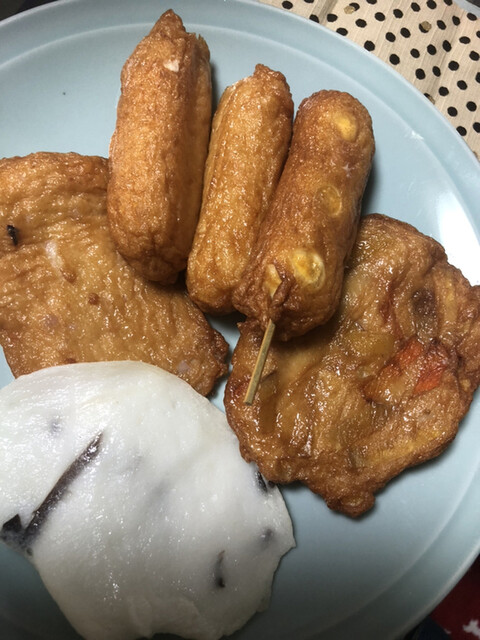
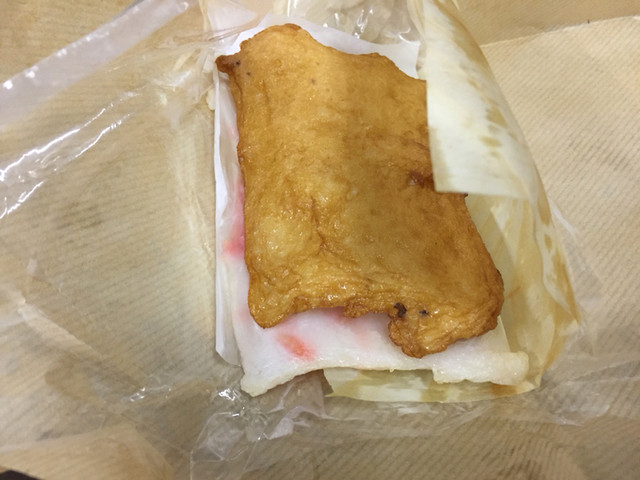
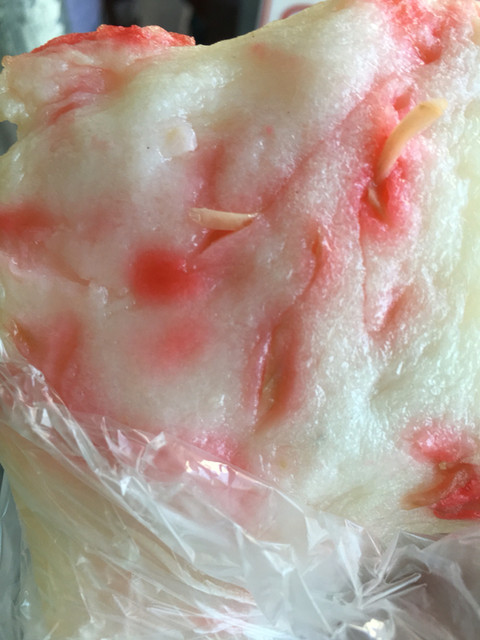
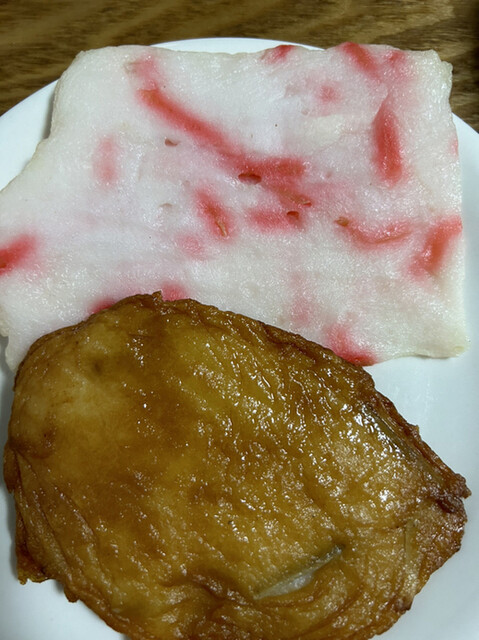
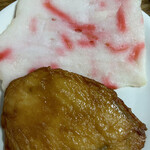
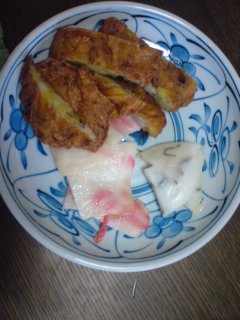
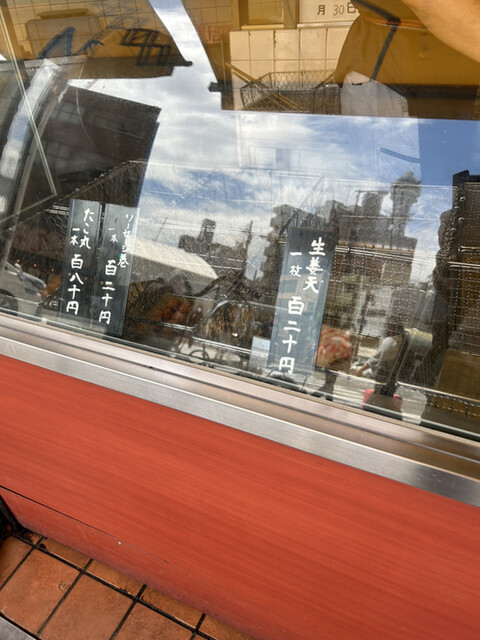
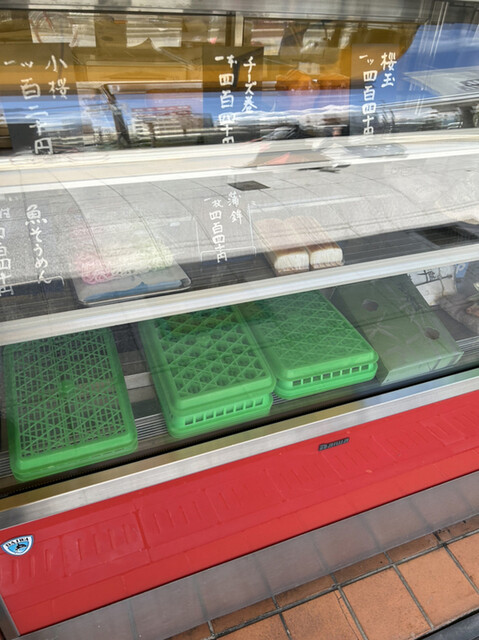
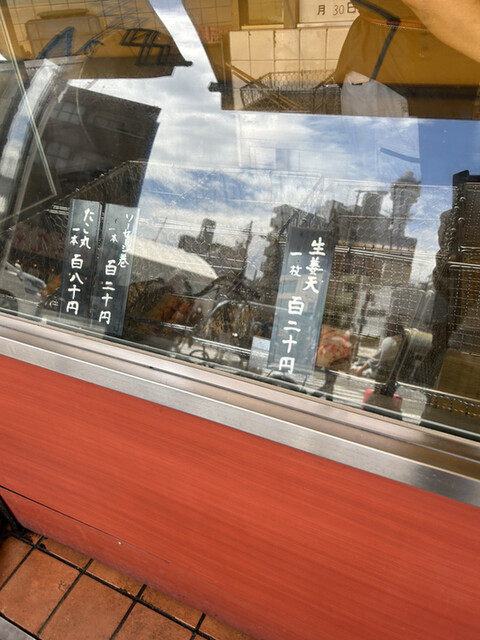
I visited an established fish cake shop near Tsutenkaku for the first time. The atmosphere of the shop is very traditional. It is located in a prime location near a busy intersection, so I had high expectations for its deliciousness. I had been passing by without going in because I never had the chance, but this time, after checking the reviews from people I follow, my expectations were raised as it seemed to be a good shop. It was very hot being close to the peak of summer, so I chose the ginger tempura first, and also bought the red tempura. The prices are all in the 100 yen range, very affordable. When I tried them, the ginger tempura was irresistible with the deliciousness of the fish not being overpowered by the ginger. The red tempura had the accent of burdock, making it a great side dish or snack. Since I visited right after a big purchase was made, the display case was a bit empty, but I believe they normally have a good selection. Thank you for the meal.

とこわかはる
3.90
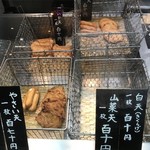
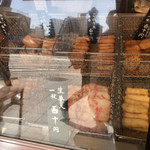
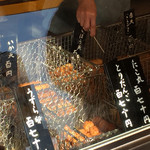
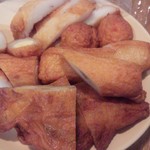
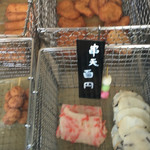
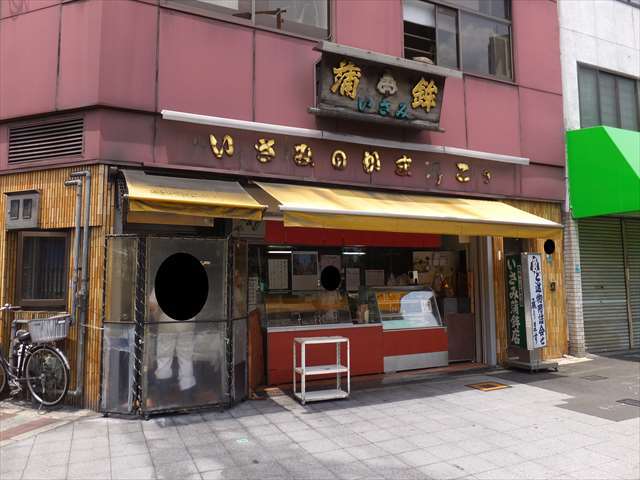
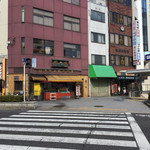
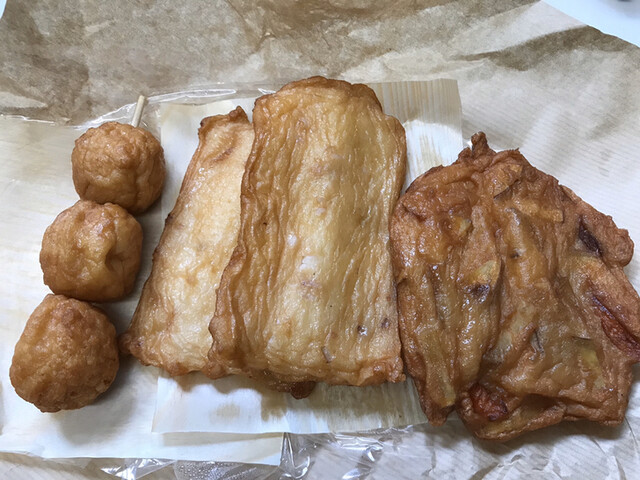
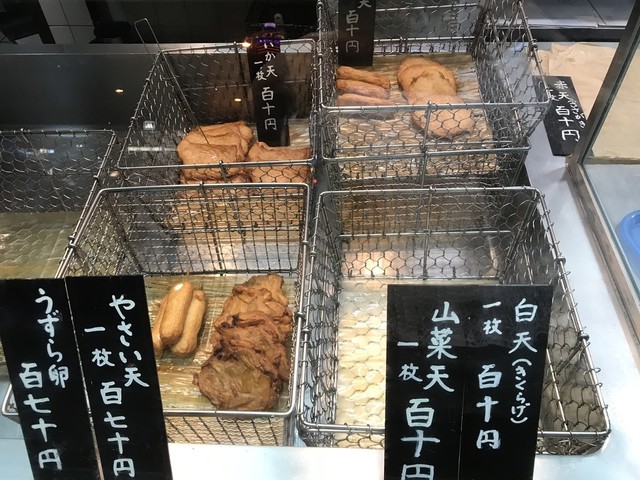
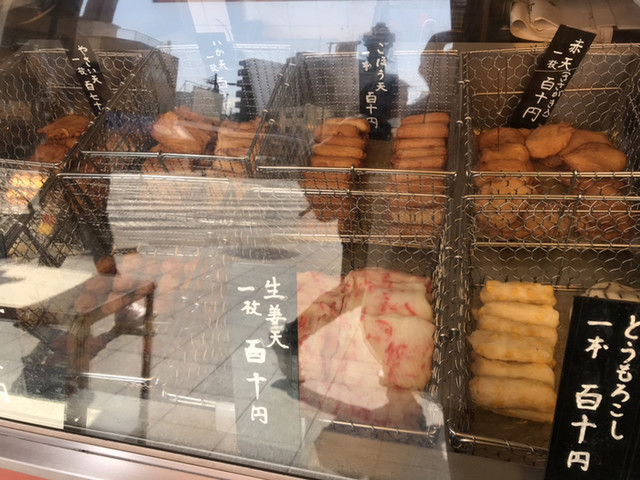
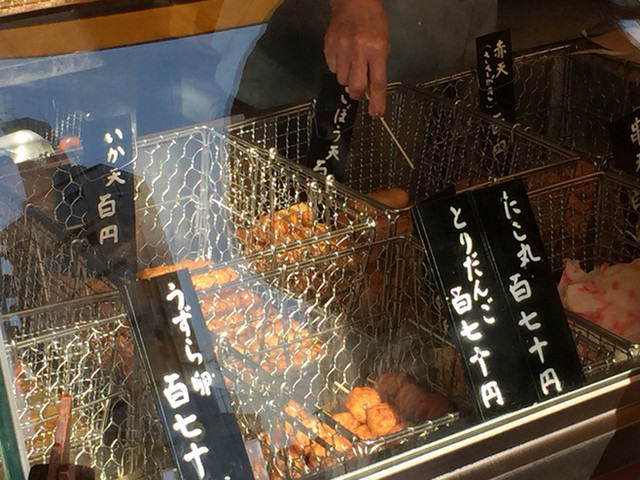
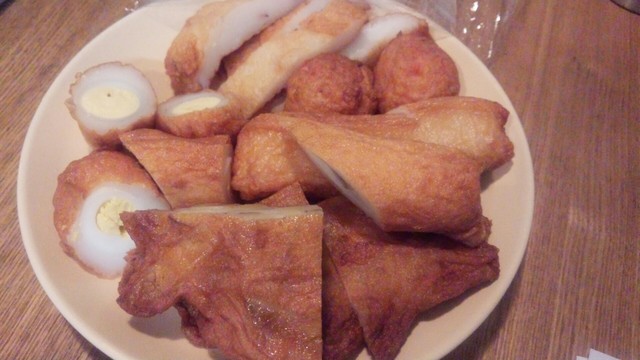
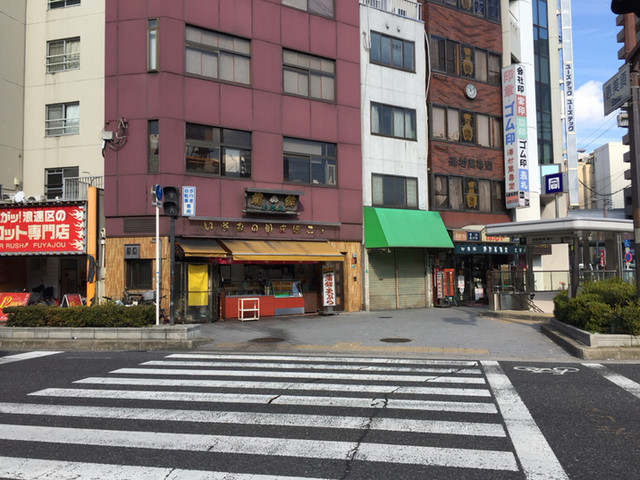
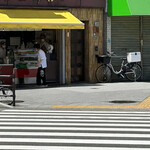
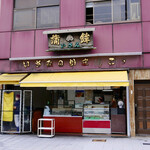
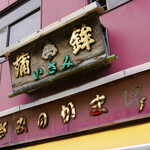
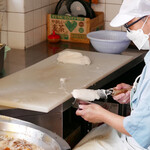
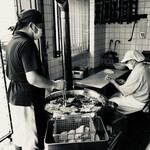
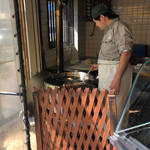
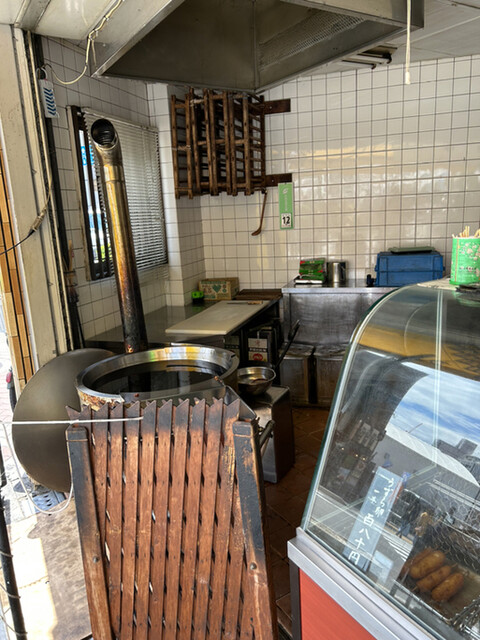
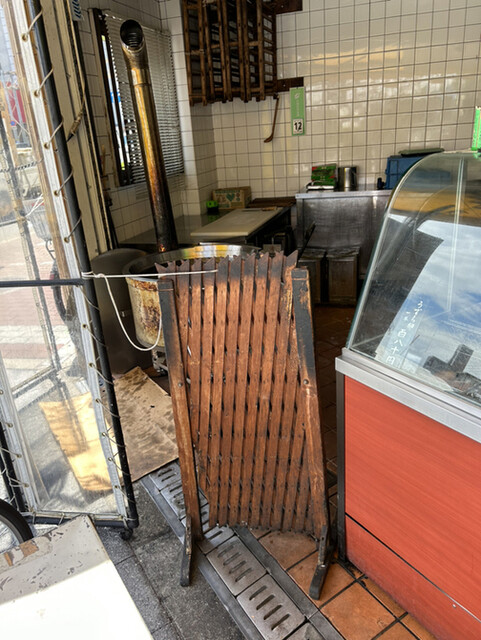
From Fukagawa, a 14-minute walk away, I heard about a restaurant called "Isami" for the first time from a regular customer. The lady at Fukagawa said, "You drink so much, but you've never tried 'Isami'?" I was surprised by the reaction, like "Seriously?" It seems to be a well-known tempura shop among the locals. I'm a big fan of fish paste products, so I was happy to learn about the shop and eagerly walked there. The location is at the corner of the Emisu intersection, right across from the Naniwa Police Station. At the storefront, an older man and his son (probably) were rhythmically and vigorously frying tempura. The display case had several types of tempura for sale, such as quail eggs, sausage rolls, octopus balls, chicken dumplings, red tempura, ginger tempura, vegetable tempura, and squid tempura, with 2 pieces each. I bought them as souvenirs for around 2,400 yen. Carrying the heavy bag in one hand, shall we go to my friend's place? Note: In Osaka, fried fish paste is simply called "tempura."

Ryoma3mi3
3.80
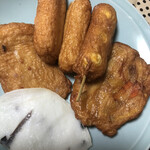
I had been interested in a restaurant based on Janku's review. I stopped by the ordinary dining hall Iwama-san while picking up my lunch bento that I had reserved. There was quite a line, so be careful not to get cut off if you are maintaining social distance. I got cut off by a few people and the staff at the store even apologized for it (laughs). The staff was very kind. The wood ear mushrooms were subtly sweet and particularly delicious. My son also said that cheese is always delicious. Since they fry it in the store, it was still slightly warm and delicious even when I got home.

じゃんく
3.30
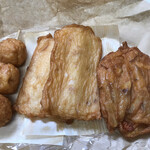
Probably my first time purchasing chicken balls. Although it's a store specializing in fish paste products, I thought these were chicken mince balls, but it turned out that the base is fish paste with a hint of chicken mixed in. It was just before lunchtime, so the showcase was full of freshly fried items. Eating them freshly fried, even the oil that oozes out is delicious ♬ Should have bought more since it's for two people ===========
じゃんく
3.30
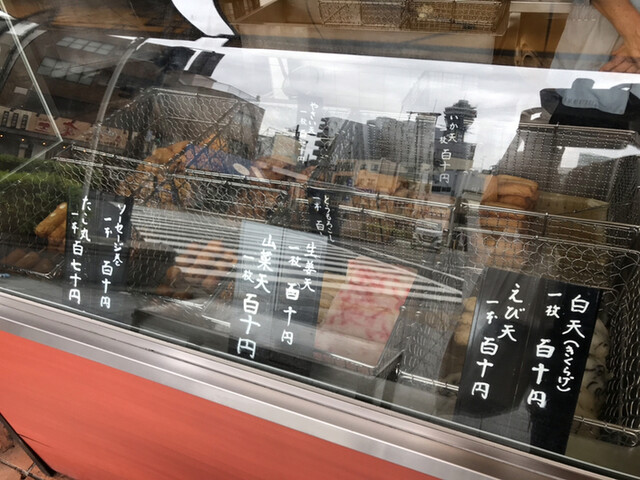
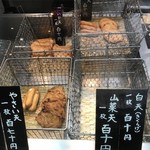
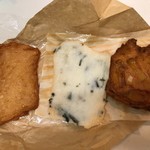
I returned at 6:00 pm, so production has ended. Only selling from stock now! Squid tempura 110 yen, mountain vegetable tempura 110 yen, vegetable tempura 170 yen. The vegetable tempura had a nice crunchy texture. Maybe it had lotus root in it? Onions? It was my first time trying mountain vegetable tempura. Surprisingly, it had a nice aroma.
じゃんく
3.30
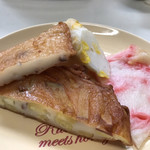
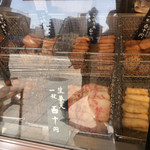
I have been using these tempura items for lunch dishes and as ingredients for oden in the evening. The squid tempura is my go-to choice. It is made from fish and squid paste with some squid legs mixed in. The vegetable tempura is also a favorite of mine. I never paid much attention to the ingredients since I eat it unconsciously, but upon closer inspection, I noticed that it contains bamboo shoots cut into thin slices, carrots, and... wait, was there anything else? Does it change depending on the season or ingredient costs? The ginger tempura is usually alternated with the wood ear mushroom tempura. The ginger tempura looks more visually appealing. The corn tempura is a new addition that started appearing in stores at some point... during the Heisei era maybe? It's sweet and snack-like. In the left case, there are always freshly fried tempura items, and I always struggle to choose, but end up ordering my usual favorites. In the Showa era, they used to make bamboo shoot tempura with a core, plum-shaped tempura (made to look like a plum), pink plum-shaped tempura, and several types of kamaboko (fish cake) on the right side of the case. I used to enjoy watching the machine making bamboo shoot tempura spinning around~♬

たける99
3.50
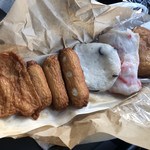
I went to pick up my daughter at Stofes, and while I was there, I tried the freshly fried mixed tempura. It was really delicious! 7 pieces for 830 yen. Isa Mi Kamaboko Shop, Osaka City, Naniwa Ward, Ebisunishi 1-2-6. Phone: 06-6641-7013.

みゅ〜みゅ〜
3.20
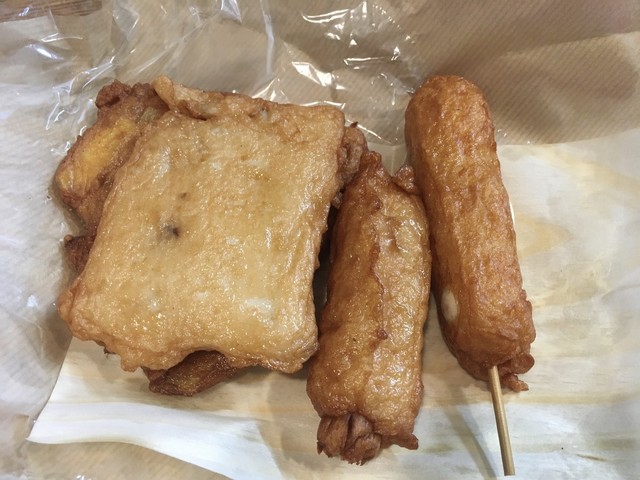
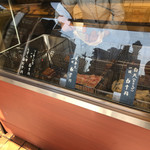
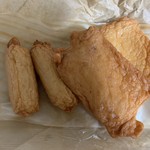
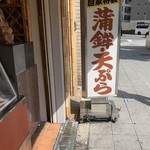
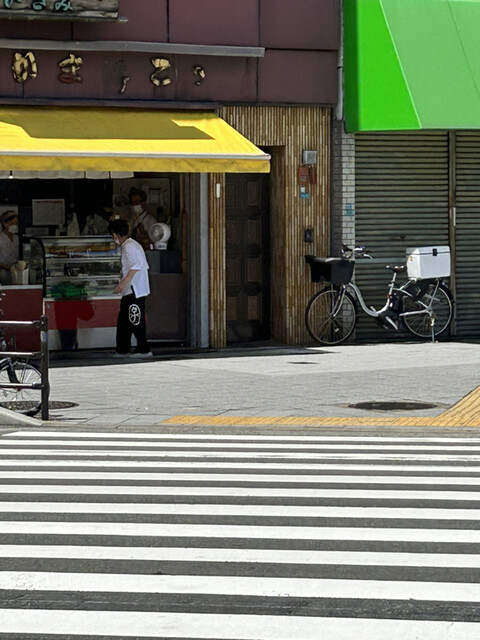
Osaka is Minami. It's right near Ebisucho Station on the Osaka Metro Sakaisuji Line. At the intersection of Sakaisuji and National Route 2566, on the northwest corner, there was this shop. After eating lunch at a nearby restaurant, when passing by this shop, the sweet smell of freshly fried tempura caught my attention. The tempura looked so delicious as it was being fried one after another. Approaching the shop, I gazed at the tempura lined up in the glass showcase, all looking incredibly appetizing. Which one should I choose? While pondering, an elderly lady among the customers bought a large amount of tempura, surprising everyone. This must be really delicious. So, I ended up buying the squid tempura, red point (with burdock), and sausage tempura that the customer had bought a lot of. When I got home and tried them, the batter was slightly sweet and gentle, bringing back nostalgic memories. This is how tempura used to taste like in the old days... a heartwarming flavor. Initially, it seemed ordinary, but as time passed, I found myself wanting more and thinking about how I wanted to eat a little more. It was a mysteriously delicious tempura. So, the next time I'm near Ebisucho... or close to Tsutenkaku, I will definitely end up buying some.

ぶるぼんの轍
3.50
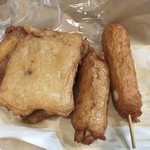
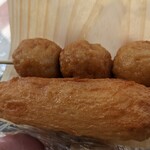
Quail egg skewers and chicken meatball skewers.

勝手きままに
0.00

olakenji
3.20
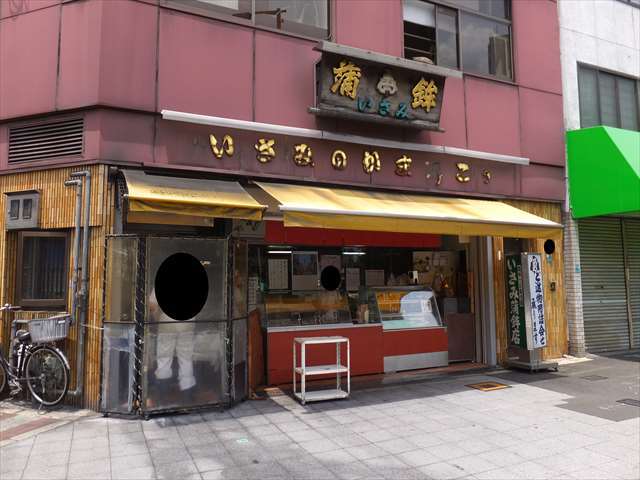
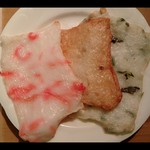
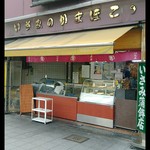
After patrolling around the new world, I visited the "Isami Kamaboko Shop" that I had been curious about before. It's located at the corner west of the Ebisu intersection, near the Naniwa Police Station. I got the "ginger tempura, squid tempura, and vegetable tempura" for ¥100 each for takeout. I brought them home and warmed them up a bit, and they were all chewy and had a good aroma of surimi. Next time, I want to try the burdock tempura, corn tempura, etc. If it's nearby, I would love to visit every day and try all the varieties. "It was delicious!"

さくっとさくさく
3.80
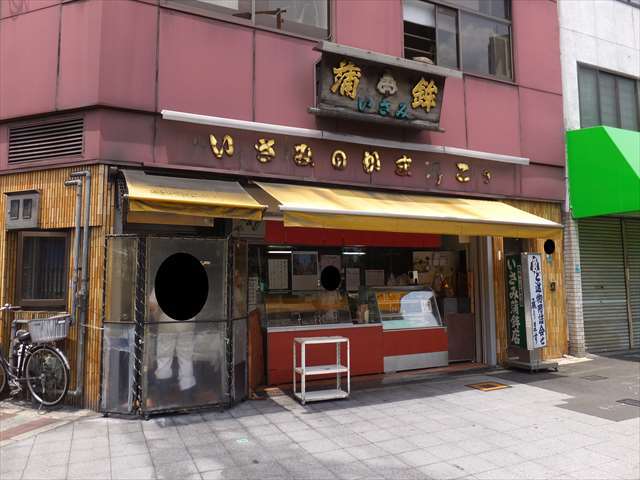
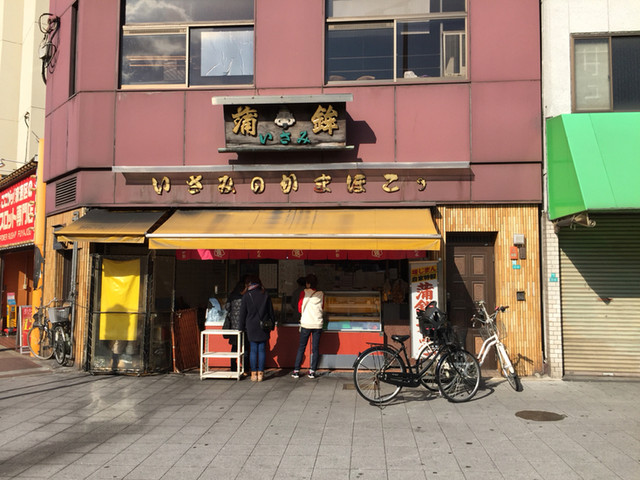
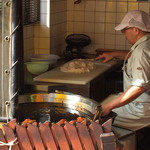
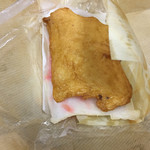
This is a kamaboko and tempura shop located near Tsutenkaku, right by the exit of Ebisucho Station on the Osaka Municipal Subway. It is slightly away from the tourist zone around Tsutenkaku, so it doesn't attract many tourists. From the exterior, it doesn't look like they sell freshly fried tempura, but rather gives off a vibe of being an old-established kamaboko shop. Luckily or unluckily, it's not easily noticed by tourists, so there are no long lines, but local regulars frequently come to buy their products. This time, I bought squid tempura and ginger tempura. The taste is amazing, freshly fried and very delicious! And the price is quite good too. If you happen to visit the area for sightseeing, I recommend trying their skewered cutlets and tempura. I would definitely want to buy again if I'm nearby.

ぶ-
0.00
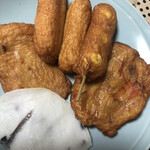
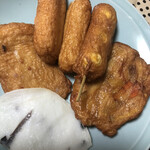
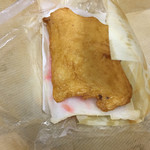
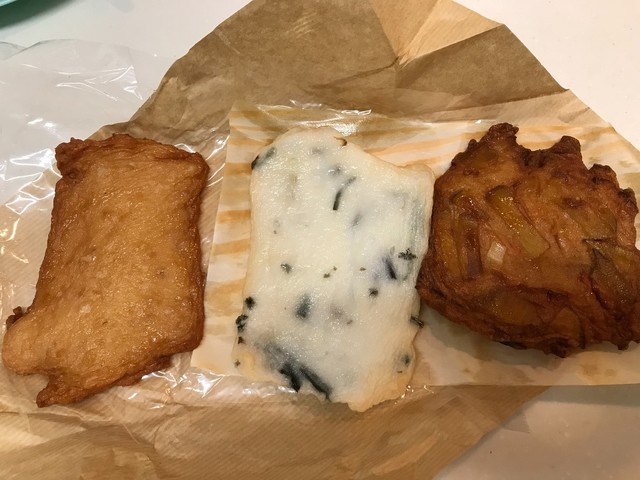
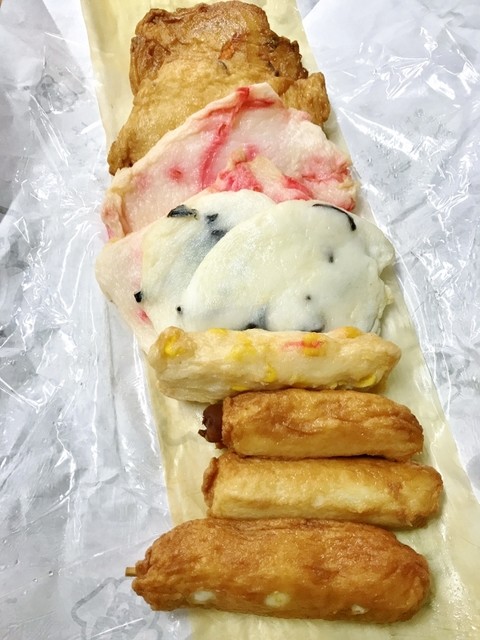
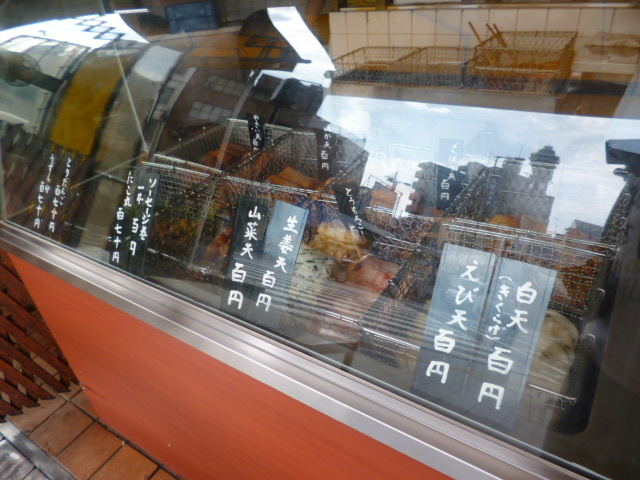
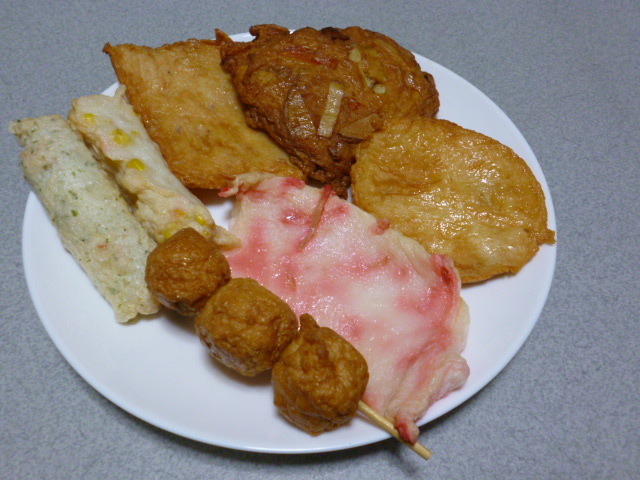
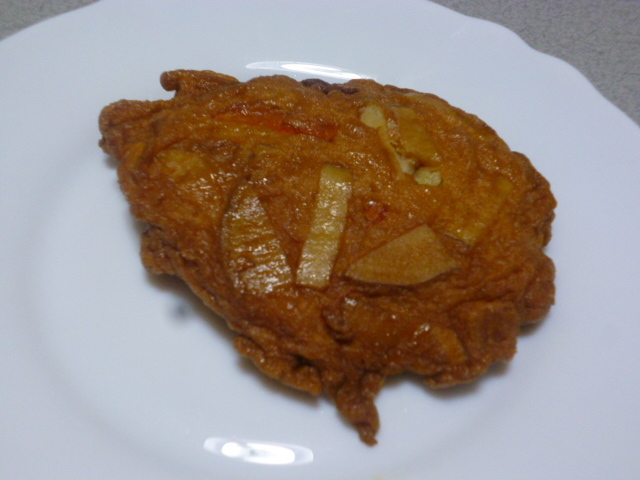
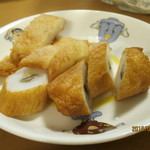
Ginger Tempura: The ginger is slightly spicy and delicious. Squid Tempura: The squid has a rich flavor and is delicious. Burdock Tempura: The aroma and texture of the burdock are great and tasty. Chicken Meatball Tempura: Lightly seasoned and delicious. Octopus Tempura: The octopus has a great flavor and is tasty. Vegetable Tempura: Sweet potatoes are plentiful and have a gentle sweetness, very delicious. Corn Tempura: The corn is sweet and delicious. White Tempura: Light and ordinary, while regular tempura is slightly sweet with a good umami flavor and delicious. The shop is located near Emisumachi Station on the Hankai-Sakai Line. The tempura was all delicious with a strong taste of the ingredients. There is a wide variety to choose from, making it difficult to decide what to buy. Many are priced at 100 yen each, making it easy to buy a variety. It's great as a side dish for beer or as a snack. For your information, I had a bowl of vegetable tempura. I will definitely come back to buy more.

あきぴあの
3.50
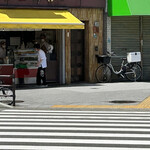
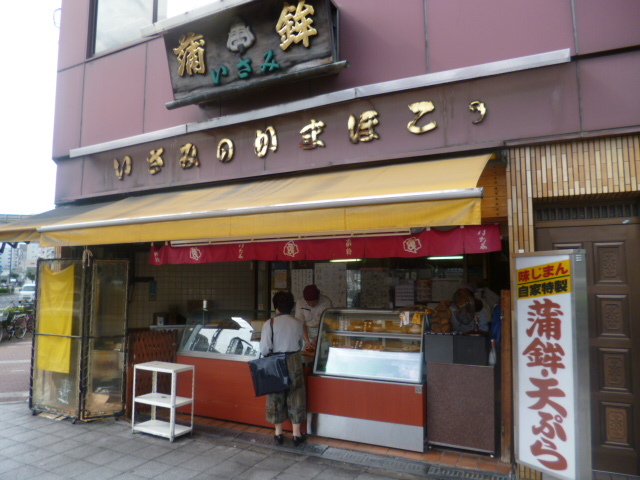
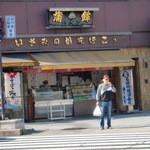
This shop located at the northwest corner of the intersection in Ebisucho has been selling kamaboko (fish cake) for a long time. Although they are known for their tempura, they fry it one after another at the storefront, so if you order it freshly fried, you can get hot tempura right away. It tastes so delicious when you eat it as it is at the storefront! It makes you want to have a beer. Since we live nearby, we take it home while it's still warm and have it as a side dish for beer or rice. It's already good enough to be a great side dish. It's also recommended to have it in oden because the broth comes out well.

くりみん
4.00
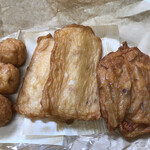
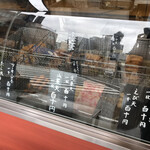
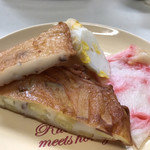
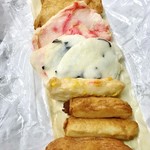
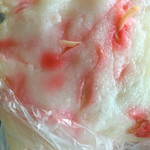
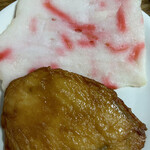
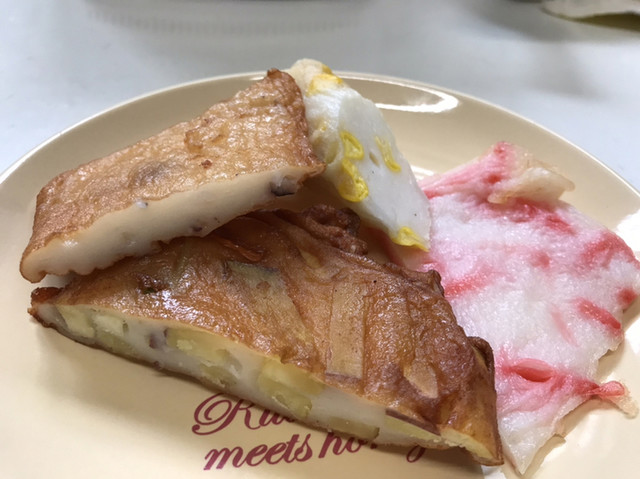
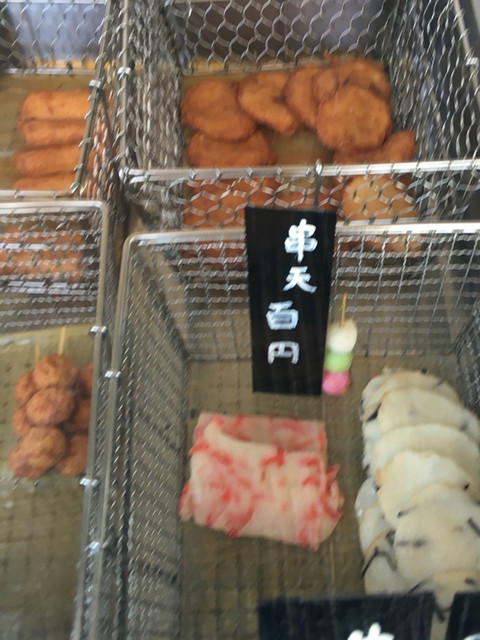
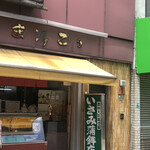
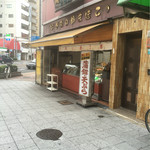
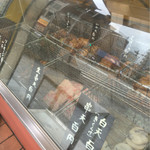
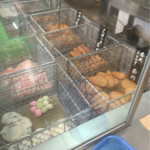
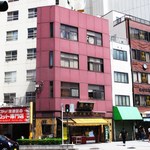
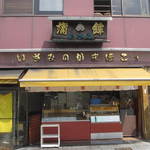
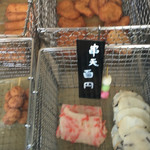
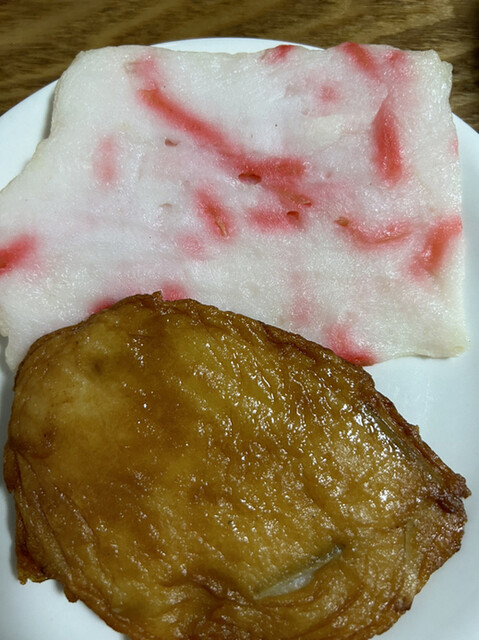
Located on the northwest side of the Ebisucho intersection, just outside exit 5 of the Sakaisuji Line Ebisucho Station, this shop is likely a long-established one judging by its appearance. The storefront gives off that vibe (laughs). Upon entering, I immediately started looking at the various types of tempura on display. The tempura items in the glass case included red tempura (with burdock), burdock tempura, squid tempura, white tempura, ginger tempura, skewered tempura (three colors), vegetable tempura, sausage-wrapped rice cakes, and quail tempura, among others. Prices ranged from 100 to 180 yen per piece. For my first round, I purchased white tempura, ginger tempura, red tempura, vegetable tempura, and squid tempura. For the second round, I bought white tempura, ginger tempura, vegetable tempura, sausage-wrapped rice cakes, and red tempura. My personal favorite is the "white tempura," which is really delicious. When lightly toasted in a toaster, it tastes great even without any additional seasoning. The pickled ginger also goes well with beer. The vegetable tempura has chunks of sweet potato and the crunchy texture of lotus root. The red tempura has a nice flavor of shredded burdock. The squid tempura is just delicious. All of them are tasty. Tempura lovers will definitely enjoy this place. How about picking up some tempura as a souvenir when you visit Shinsekai?

kiyosirou0915
4.00
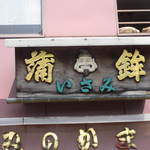
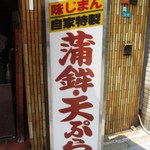
In Osaka, fish surimi tempura is simply referred to as "tempura." There are also tempura dishes where ingredients are coated in flour and deep-fried, and these are also called "tempura." There is no confusion in distinguishing between the two. This is evidence of the superior language ability of the people in Osaka. In other regions, it seems that there are various names like "fried kamaboko" or "hanpen" for this type of dish. I recently learned that "Satsuma-age" is not unique to Kagoshima Prefecture as I thought, but it actually refers to what is known as "tempura" in Osaka. Classic tempura dishes like "gobo tempura" and "hiraten" are also considered "Satsuma-age." A classmate from high school had a family business of making tempura. There used to be several tempura shops in the main shopping districts in Osaka. I used to buy tempura and eat it with grated daikon radish and soy sauce or ponzu, or put it in oden and eat it often. However, these shops have decreased in number recently, and tempura can now only be found in supermarkets or department stores. I find that the tempura sold there is not as delicious as before, whether eaten on its own or in oden. I don't know if it's just me, but it seems like the broth is not as good. Of course, I don't buy the high-end products sold in department stores, so I don't know (laughs). In early August, I found out about a tempura shop at the Ebisucho intersection while browsing through Tabelog. I was planning to go see a movie in Shinsekai, so it was perfect timing. "Alright! Tonight's side dish will be tempura! Mom, you don't have to cook tonight!" "Really!? Lucky!! Thank you so much!" On my weekly day off, instead of just doing what I like, drinking sake at lunch, and wandering around, it's important to sometimes buy a unique souvenir to bring back. "Isami Kamaboko Shop" was right in front of me when I came out of Exit 5 of Ebisucho Station on the Sakaisuji Line. It was just before 11 am, and there were 2-3 customers in front of the store. The products were not yet fully displayed when I looked. They were frying tempura in a large pot right next to me. This was so hearty. And above all, it was lucky because I could bite into freshly fried tempura later on. When it was my turn, I quickly placed my order. "Oh! What are you frying now?" "Vegetable tempura." "Alright, I'll have two of those, please." I went all out and bought a lot of tempura. After all, they were only 100 yen each. I could buy in bulk (laughs). The shopkeeper told me that they were almost reaching their 100th year since establishment. This relaxed attitude was charmingly down-to-earth. I was already a fan!! I packed the tempura I bought into a large shoulder bag and headed to Shinsekai. It took about 3 minutes to walk there. I arrived at Shinsekai Toei, where I eagerly went up to the second floor and bought tickets from the vending machine. It was 1300 yen for two feature films with no seat reservations. Of course, it was free seating. There were less than 80 seats in the theater. I was one of only 3 customers. The sound of the film projector running. This was a movie theater that was open year-round, showing mainly Toei period dramas and yakuza movies from the early Showa period. While watching Mitsuhiro Tsukigata as Mito Komon, I enjoyed the freshly fried "gobo tempura" and beer I had just bought. This was the ultimate and best "gobo tempura" experience. There was no more luxurious time than this. "I bought the best tempura in Japan! Let's all have it for dinner!" I returned home with great enthusiasm and unveiled the tempura from Isami Kamaboko Shop. "Oh! So this is what tempura is! I was going to have tempura soba for dinner, so I prepared soba noodles!" "Oh? Was that not okay?" "It's not bad, but... it's different from tempura." Oh no... My wife is from Tokyo!!

hawks-1
3.50
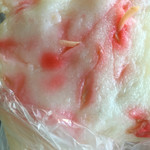
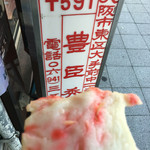
Well, I've come to Ebisucho and before, I used to come here after work to have some delicious fish tempura at Tsutenkaku. Today, I'm feeling nostalgic so I'll go for the red ginger tempura - it's only 100 yen and it's honestly displayed with tax included. It may be a bit oily, but the spiciness of the ginger really balances it out nicely. Just having this tempura alone makes me want a beer. The oily part here actually goes well with beer. I'll definitely come back here soon. Thank you for visiting and reading my review! Release 2016. Nankaihawks1's Gourmet Guide. Nankaihawks1's blog.

魯山人の愛弟子
3.50
Today, I came to Shinsaibashi to get my watch repaired. On the way back, I passed through Nihonbashi and headed to Tennoji Station. In the Emisucho area along the way, there is a place called "Isami Kamaboko." Their tempura is delicious. It really suits my taste. I ordered "two pieces of burdock tempura and squid tempura" and said, "I'll eat one piece of burdock tempura now." I walked under the Tsutenkaku Tower while eating. It's so sweet! The tempura here is sweet in a unique way. It's not the sweetness of sugar, but for some reason, it's sweet. Perfect for a snack. I usually enjoy it while walking with my second son, but today I'm alone. Most of the items are cheap at 100 yen. I made a good purchase.

tabitito
3.00
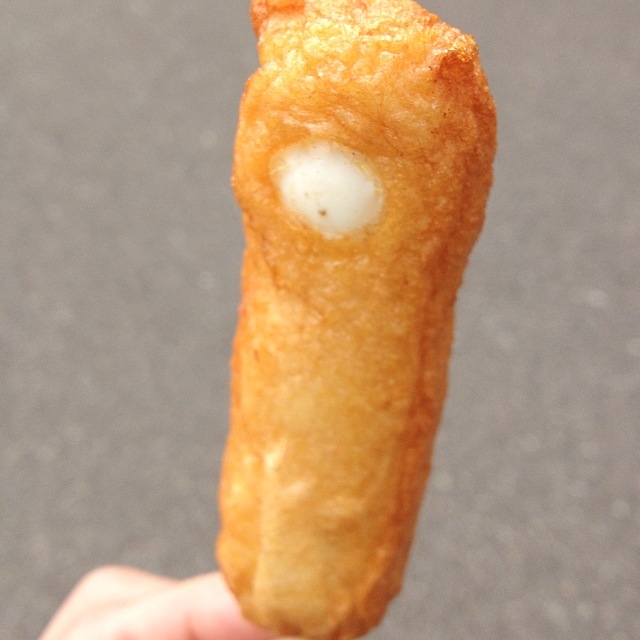
In front of Ebisucho Station, there is a tempura shop that specializes in fish surimi. I usually see it closed when I pass by, but it was open on this day, so I got one to eat while walking. I bought quail tempura, where three quails are skewered like dumplings. It's cute how their faces peek out a little. It wasn't too oily, which was great. The quail eggs inside were normal, but the combination of fish surimi and quail eggs was surprisingly good.

hanba72
3.40
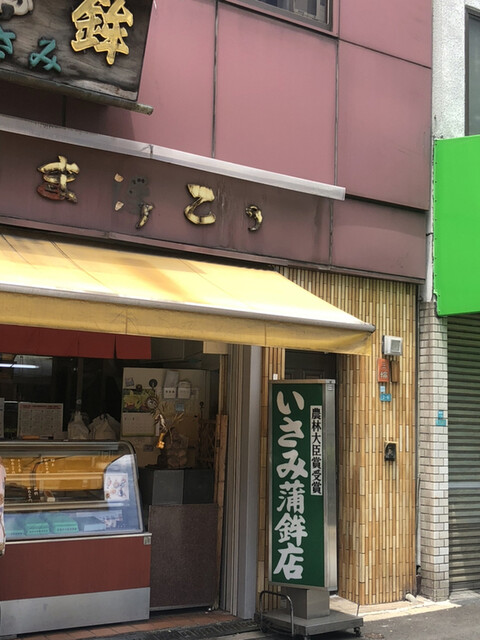
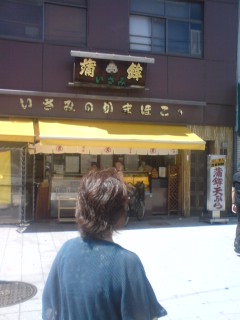
"Nipponbashi's Denden Town is located at the south entrance of the subway Sakaisuji Line Ebisucho station. While Nipponbashi used to be known as the 'electric town,' it has now become more of an 'AKB city'... In Osaka, we normally call it 'tempura,' but in other regions, it seems you have to say 'Satsuma-age' for people to understand. It's a type of fried fish paste. Although they are becoming less common now, in the past, every shopping street in Osaka would have a shop selling freshly fried homemade items. 'Isami Kamaboko Shop' has even won the Minister of Agriculture, Forestry, and Fisheries Award (they proudly display the certificate in the shop). Today, I bought white tempura for 90 yen, ginger tempura for 90 yen, squid tempura for 90 yen, and vegetable tempura for 120 yen to take home. Their tempura is quite sweet, and when I was a child, I would sometimes have it as a snack. When you buy it, they will skewer it on a bamboo stick for you to enjoy right away."
Email Login