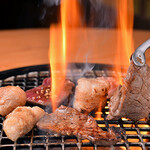
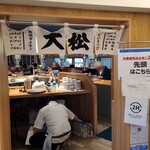
大衆 焼き肉ホルモン 大松 天王寺MIO店
Taishuuyakinikuhorumondaimatsu
3.25
Tennoji, Abeno
「BBQ Beef」
3,000-3,999円
3,000-3,999円
Opening hours: 11:00-23:00 Open Sundays
Rest time: Same as facilities (closed on December 31 and January 1)
大阪府大阪市天王寺区非田院町10-48 プラザ館 M2F M210
Photos
(20)

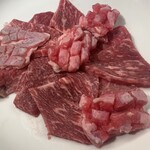
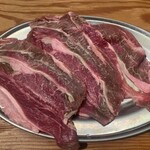
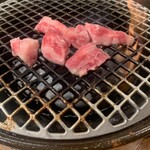
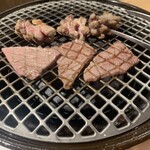
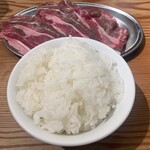
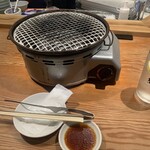
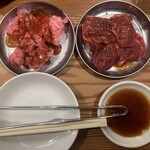
Details
Reservation Info
No Reservations
Children
Children (breastfeeding children, children not attending school, elementary school children)
Payment Method
Credit cards accepted
Electronic money accepted
QR code payment is not accepted
Number of Seats
70 seats
Private Dining Rooms
None
Smoking and Non-Smoking
No smoking at the table
Parking
None
Facilities
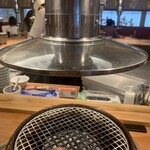
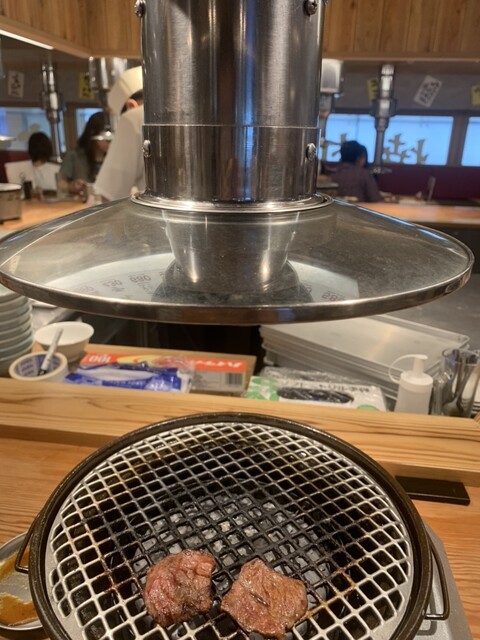
Stylish space, relaxed atmosphere, large seating area, counter seating available
Comments
(20)

えーくん 5858
3.30
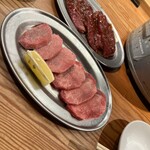
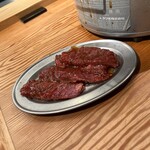
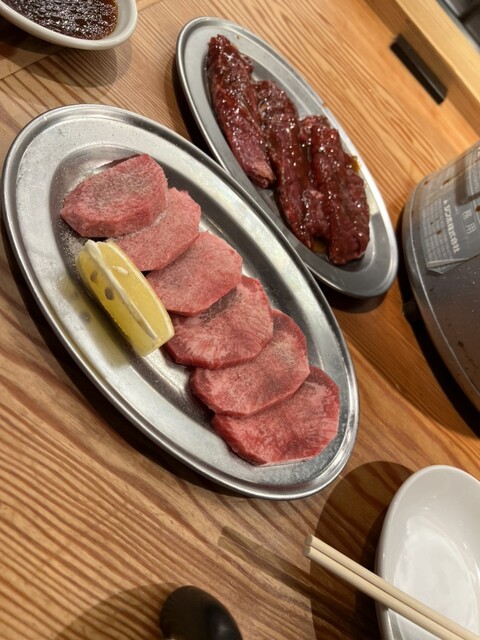
There are many seats available, so it's quite easy to get in. The salted tongue has a nice meaty texture and is delicious. The skirt steak is also delicious, whether paired with rice or with beer. It's a casual and tasty restaurant. Highly recommended.

とも〜ぬ
3.50
A restaurant with cheap alcohol and reasonably priced delicious meat.
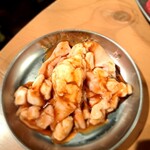
- Salted cabbage with sauce
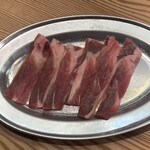
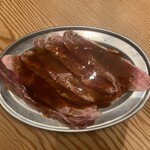
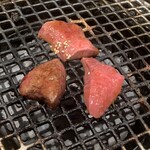
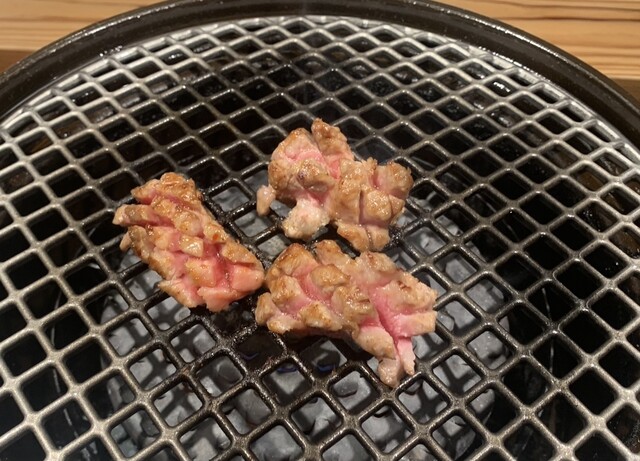
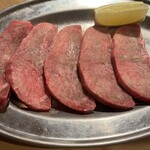
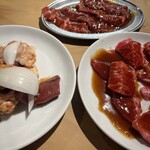
- Thickly sliced upper tongue with salt, 6 pieces. It is salty and has a strong flavor, but is satisfying to chew.
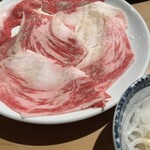
- Assorted lean cuts: hump, kalbi, and loin. The hump is tough and difficult to chew, while the loin is dry and tough. The kalbi is the most delicious and easy to eat among the three.
- Assorted hormone: only the husband ate it and said it was average.
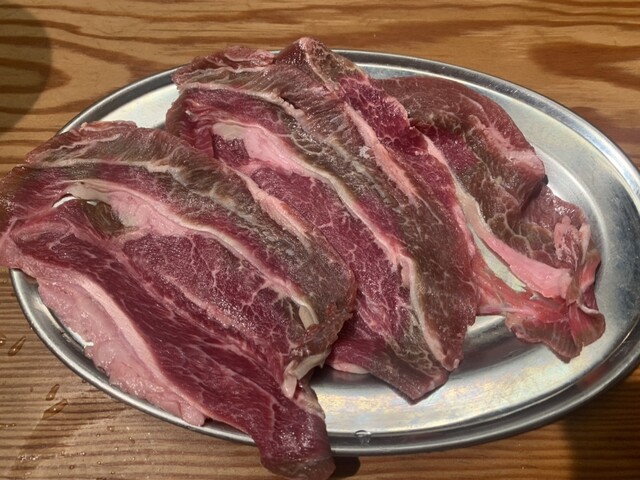
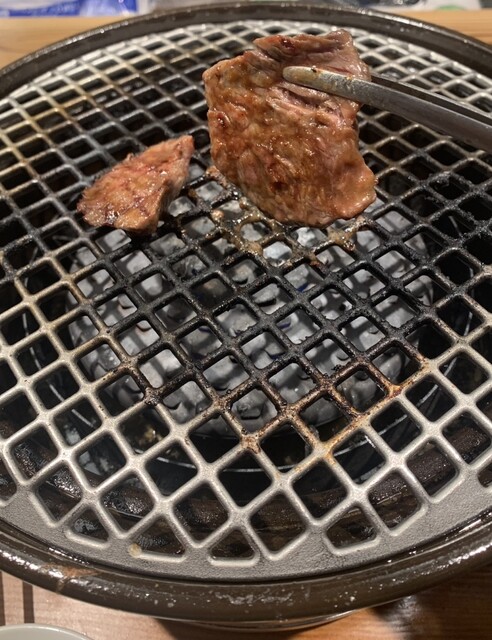
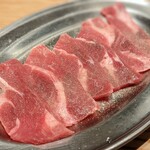
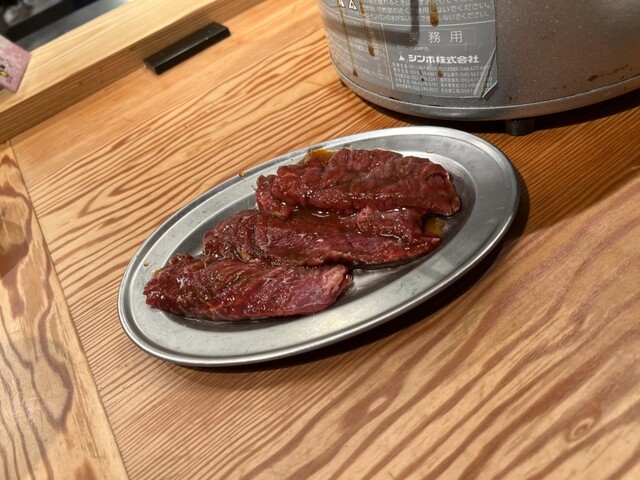
- Upper harami: long and thick, very delicious.
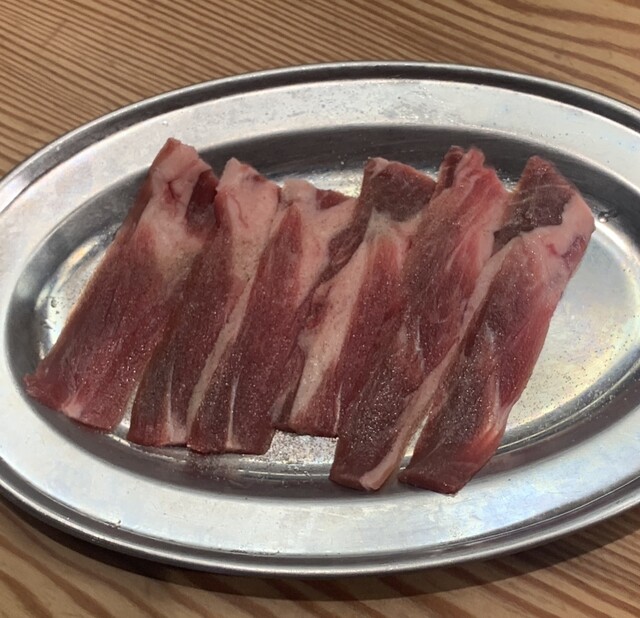
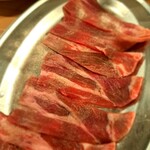
- Cow's tongue: thinly sliced meat with powder on top, delicious when wrapped in onion slices.
- Corn butter kalbi, 6 pieces
- Regular tongue with garlic butter, 5 pieces.
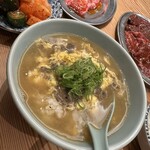
- Special soy sauce ramen: seaweed, bean sprouts, green onions, and chashu in regular soy sauce ramen.
The upper tongue, cow's tongue, and regular tongue were delicious. Personally, I prefer kalbi over harami, so I plan to order upper kalbi next time. I did not enjoy the loin and hump much, so I will avoid ordering the assorted cuts next time.

trjafami
1.00
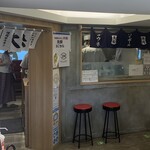
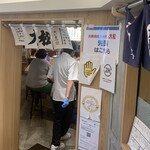
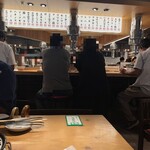
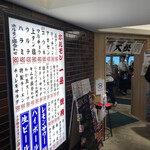
Tennoji Mio Plaza Building M2F has a floor full of casual standing bars and counter seating, creating a nice atmosphere. However, the lack of motivation in the part-time staff's customer service was disappointing. There were about three staff members whose voices were so low that it was hard to understand what they were saying. They seemed unenthusiastic when taking orders and bringing them to the table. But strangely, they were all smiles when chatting amongst themselves. Also, they had a condescending attitude towards customers. This was quite different from the lively atmosphere at the shops in Higashi Umeda and Nagai. Perhaps because I am from the Showa era, I may be paying too much attention to this. It might be better suited for solo customers or as a second or third stop after drinking, rather than for groups of two or more. This is just my personal impression.

のろのり1004
4.00
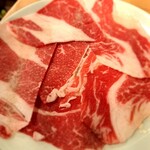
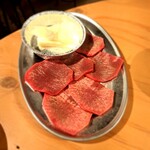
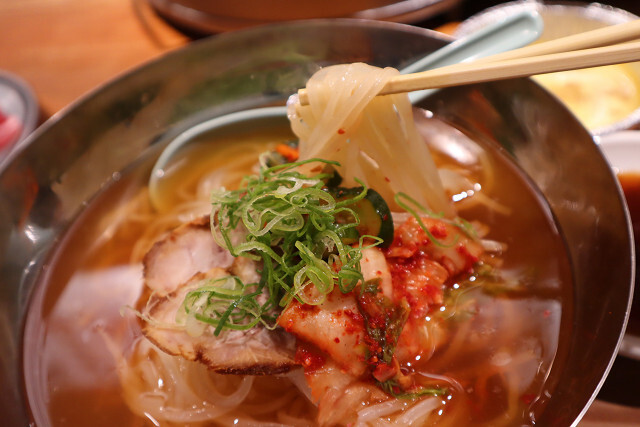
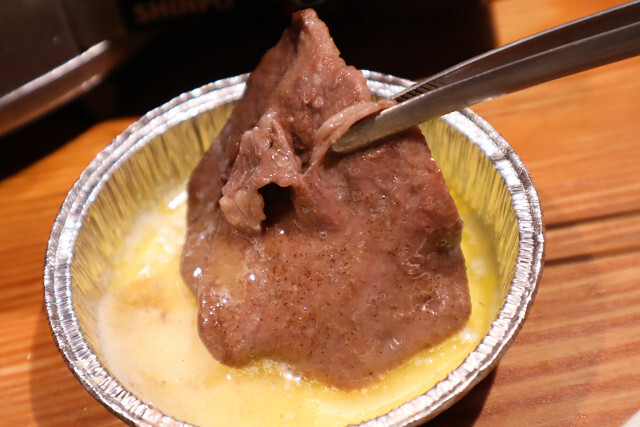
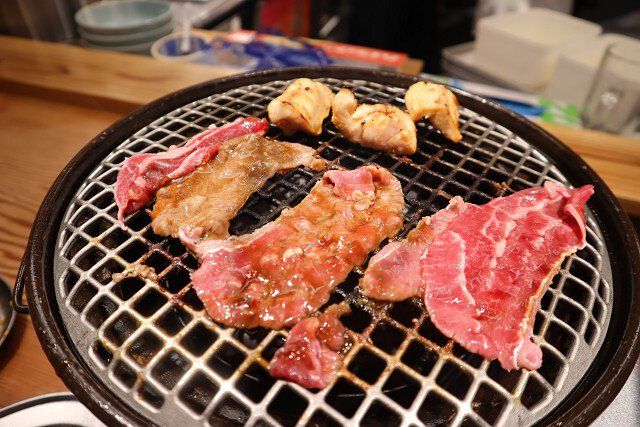
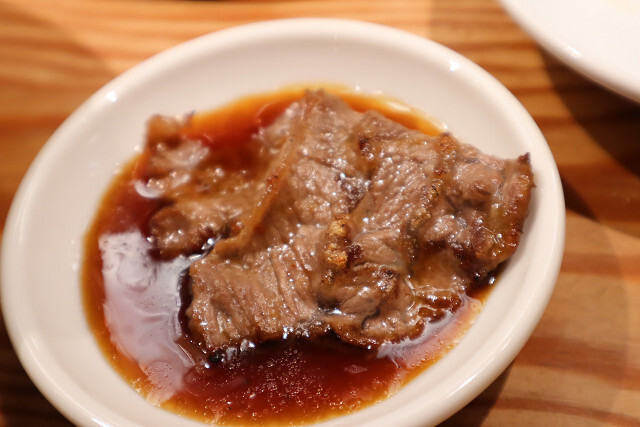
I am "Noronori," who mainly eats lunch around Sakai. The cute tables are nice, but I was seated at the counter. I wonder if the Koone is recommended? But when I asked the older brother, he said it's too fatty, so I passed on that. Let's have the regular beef tongue! I melted butter and dipped it in. The liver, tongue, and cold noodles were all served quickly, surprising me with their speed. Delicious, cheap, retro atmosphere, and wonderful satisfaction. Thank you for the meal.

A.Ricky
4.00
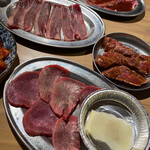
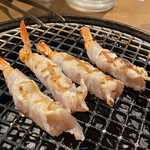
I went without a reservation at 6 o'clock on a weekday, but by 7 o'clock it was almost full! There were many seats for solo diners, and the atmosphere was great. The Tan (garlic butter) and Kouné were incredibly delicious! As someone who likes their meat well-done, the Mino sandwich and hachinosu were too big and ended up burnt, but they provide scissors for you! Personally, the pork shrimp? shrimp pork was too delicious haha I want to go again!

llamapolicias
3.50
- Beef tongue (garlic butter)
- Cow knee
- Pupu-gi
- Minosando
- Harami
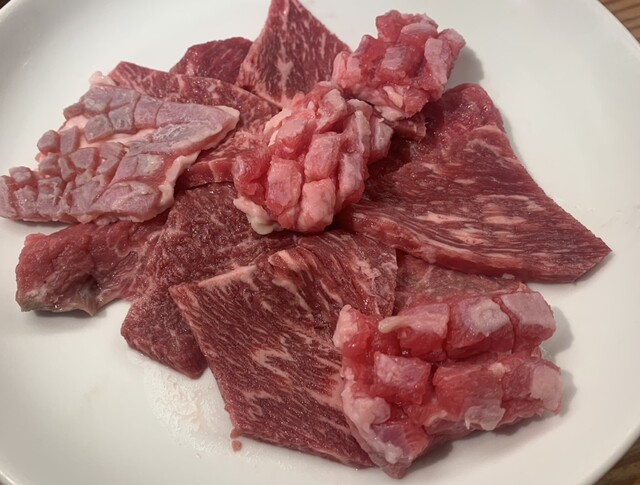
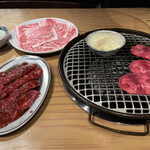
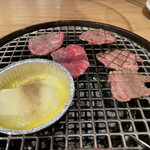
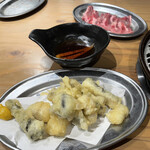
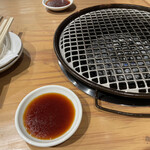
I changed the time of my expedition ticket to Tennoji Station and decided to have dinner here inside the station. They offer quite rare cuts of meat at reasonable prices, and being able to eat inside the station was convenient. It was the first day of the Golden Week holiday, so it was quite crowded. Being in Osaka, there were many rare cuts of meat available. The Cow knee, thinly sliced from the buttocks, was delicious with a good amount of oil. Pupu-gi had a soft, marshmallow-like texture with a hint of liver flavor, which was surprisingly tasty. I tried the hormone tempura for the first time, and although it had a unique taste, it paired well with alcohol.
えーくん 5858
3.30
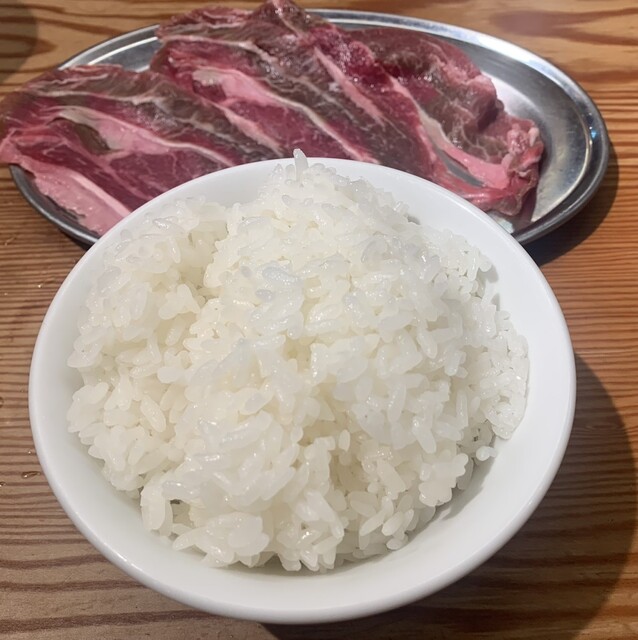
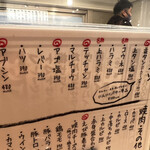
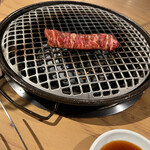
Due to its location, the restaurant is clean and even on weekends during the day, there may be a bit of a wait. The thick and chewy Upper Salted Tongue was good, but it started to feel greasy around the fourth piece, so sharing one serving between two people might be just right. The Upper Harami is large and delicious, about twice the size of a regular piece. As a finishing touch after drinking, Upper Harami, rice, and seaweed soup are the best.
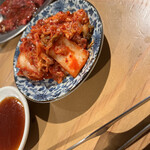
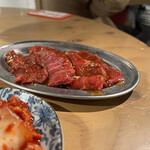

まさぴこ0084
3.50
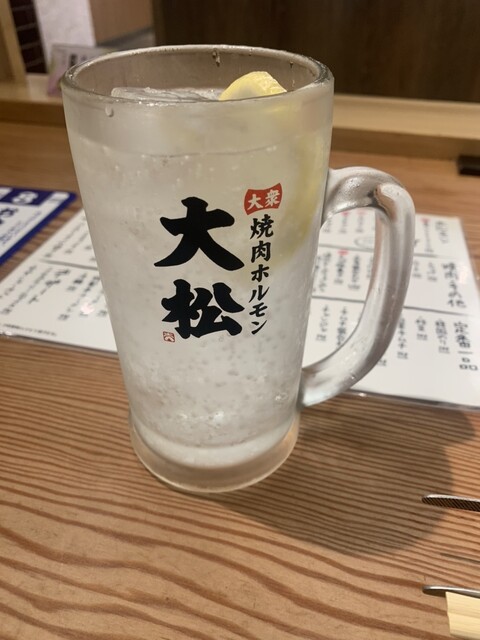
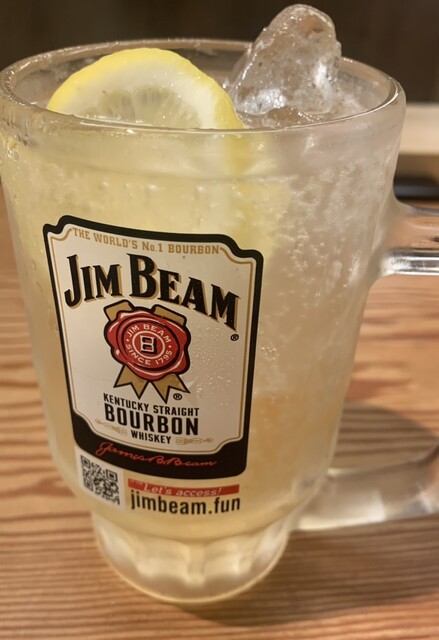
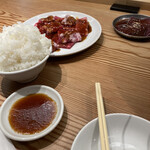
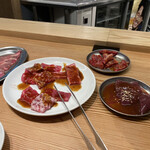
On a Sunday, after waiting in line with two other groups past 8 PM, we finally got in. As always, the cost performance is great. Two of us ordered a generous meat platter, large rice, and a few other dishes which were enough to satisfy us. The drinks, like highballs and lemon chu-hi, were cheap but of decent quality. In the end, we spent around 6000 yen for the two of us. We will definitely visit again!

べにしょうがさん
3.30
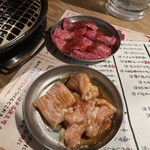
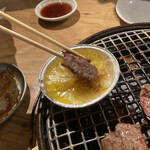
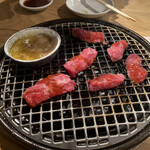
I visited Yakiniku Hormone Oomatsu~ for lunch drinks in Tennoji and the atmosphere was amazing! A friend mentioned wanting to go to Oomatsu after seeing it on TV, so we went! We tried the famous garlic butter shabu-shabu and it was so delicious! It felt like a guilty pleasure! It was high in calories but totally worth it! Definitely recommend trying it out!笑

かんみ♪
3.50
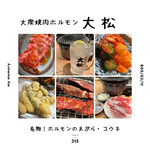
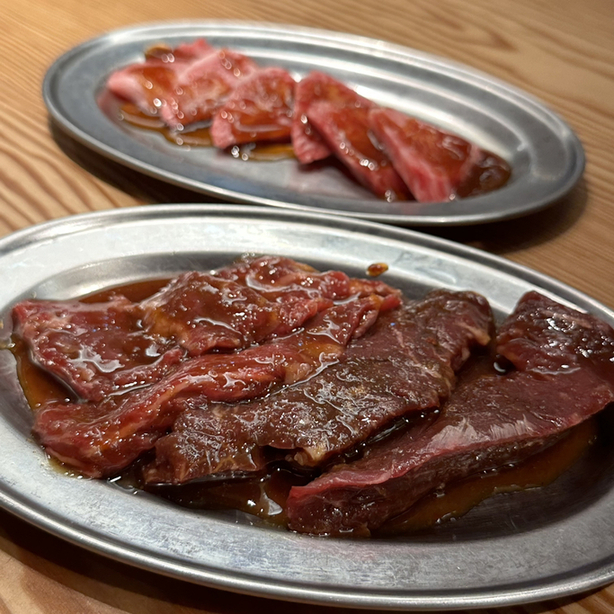
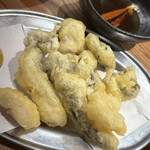
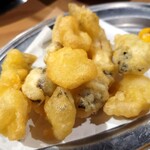
- Hormone Tempura: 638 yen
- Ultimate Hormone: 968 yen
- Specialty Koune: 748 yen
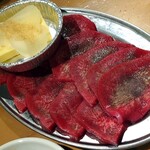
- Regular Tan (with garlic butter): 748 yen
- Top Tan Salt: 1,078 yen
- Harami: 528 yen
- Specialty Top Harami: 968 yen
- Tecchan: 429 yen
- Kimchi Assortment: 495 yen
- Top Kalbi: 968 yen
- Kalbi: 748 yen
- Rice: 220 yen
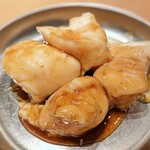
Daisu Yakiniku Horumon Oomatsu Tennoji MIO Store (Hormone Tempura, Koune)
050-5872-8198
10-48 Hinodein-cho, Tennoji-ku, Osaka, Osaka
Plaza Building 2F M210
https://tabelog.com/osaka/A2701/A270203/27128391/
2001あつ
4.00
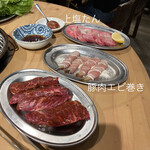
I was able to sit down without waiting in line around 1:30 on Sunday, which made me happy. I had been curious about this place for a while, so I was glad to be able to enter smoothly. I had top tongue, top harami, pork, shrimp rolls, and teppanyaki. I forgot to take photos of the pork and lemon sour x2, cola, oolong tea, rice, and sanché. The service seemed busy, but the food was served smoothly! The meat was delicious too. The smoke was being sucked away quickly, so it didn't smell bad. The staff were also nice. When I left, I saw people lining up, so I thought it must be popular.

ジョンあさあき
3.30
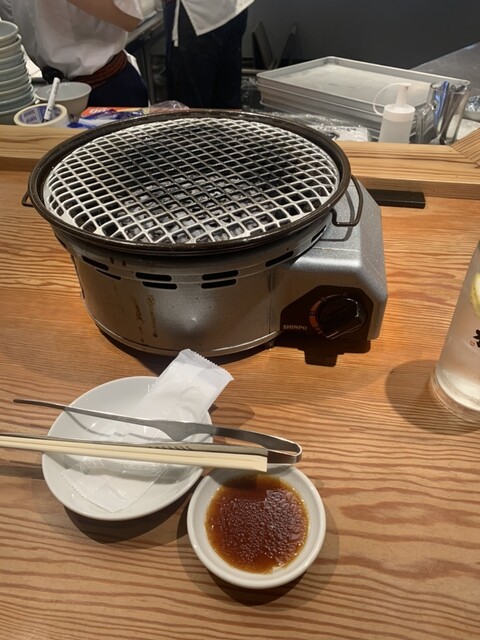
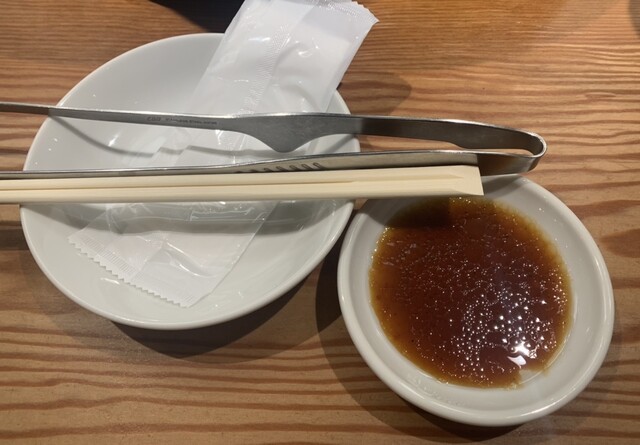
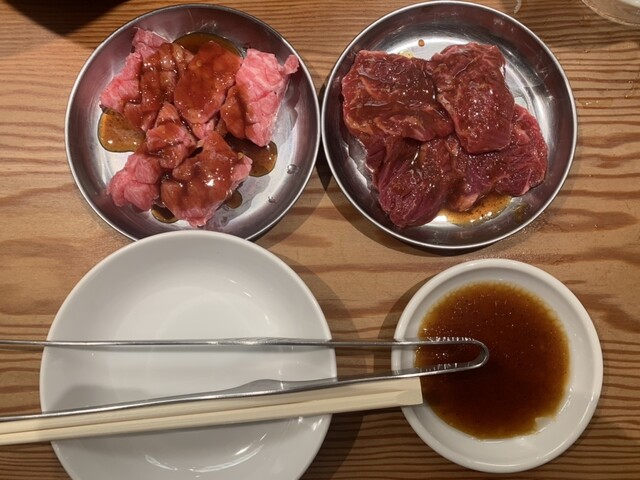
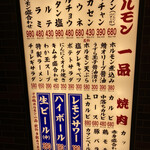
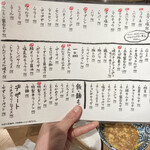
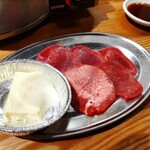
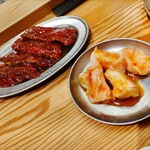
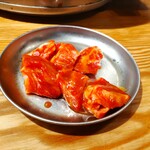
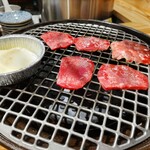
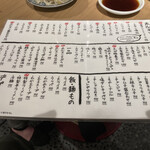
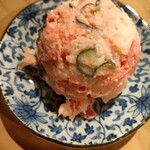
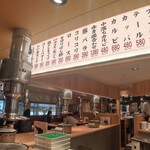
In late January, on a Friday, I met up with some former colleagues in Tennoji. To catch up and reconnect, we decided to have a drinking party in Tennoji. Since my companion was still working, we decided to meet at JR Tennoji Station at 7 PM and start off by going to a yakiniku restaurant called "Taishu Yakiniku Hormone Oomatsu" located on the 2nd floor of MIO Plaza building. As expected on a weekend night, there was a line outside the restaurant, with around 10 people waiting. We waited for about 20 minutes before being seated. The spacious restaurant was bustling with customers due to its good cost performance. We were seated at the counter in the center of the restaurant, which had enough space and partitions for privacy. There was a tabletop grill on the counter. Looking at the menu for the first time, the top row featured hormone dishes, the second row had yakiniku options, side dishes, the third row had popular dishes, rice/noodle dishes, and desserts. The drink menu was listed separately, with strong carbonated highball and lemon sour prominently displayed. We ordered Premium Malts draft beer (429 yen), regular tongue with garlic butter (748 yen), top harami (968 yen), and mino sandwich (638 yen). The regular tongue came with 5 pieces, while the top harami and mino sandwich each had 4 pieces. The portions were generous and the cost performance was good. The garlic butter was served in a small aluminum bowl to dip the meat in. It was versatile and great for changing up the flavors. We also ordered a lemon sour (medium - 209 yen), medium rib meat (528 yen), and potato salad (429 yen). The total bill came to 4,587 yen. The price and quality of the meat were somewhere between a chain restaurant and a high-end establishment. The lively atmosphere and the presence of many other restaurants on the same floor made it a good place to eat quickly and move on to the next spot. After a quick meal, we headed to the next restaurant next door. Thank you for the meal~.
ゆうちゃん之助
4.00
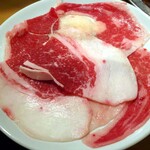
I went to "Oomatsu" in Tennoji! I had a refreshing beer and enjoyed a variety of dishes such as kimchi platter, upper harami, maruchou, mino sandwich, hormone tempura, tsurami, koune, garlic buttered ribeye, juicy upper kalbi, juicy upper tongue salt, abshin, and upper mino. Everything was delicious!
choco304977
3.80
Tennoji. The shops have changed a lot, haven't they? Even a corner of Mio has changed a lot. I was curious about Oomatsu but hadn't had a chance to go, so I went right after it opened. The first place of the day, highball, is cheap - happy (^3^)/ Medium rare tongue. Garlic butter included. You really should try this (^-^) It's so delicious that it made me excited. Yummy (*´ω`*) I unintentionally raised my voice a bit - I'm noisy in the afternoon. Yummy yummy, it's amazing \(^^)/ I'm happy with the flavor of butter. And I'm happy with my favorite meat and alcohol. The Chinese cabbage kimchi is not spicy, it's refreshing. My friend said the kimchi was delicious, but I thought it was just okay. Sorry. But the teppanyaki is delicious, it's firm, no smell, sweet, and firm. The liver was also delicious. Women need iron, right? Even though I'm already in my mid-30s (。-∀-) The price is cheap, the food is delicious, and it's easy for a woman to go alone. The portion size is just right. The interior is clean, there are counter seats, and the age range of customers is diverse. I want to stop by casually after work because I finish work late. I can only go on my days off, but I found my favorite restaurant \(^^)/.
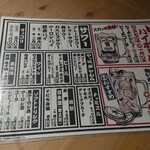
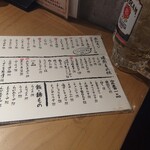
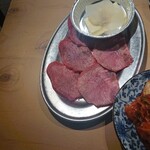

吟遊食人
3.20
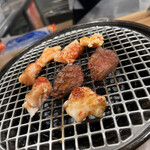
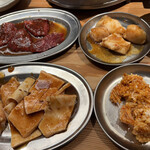
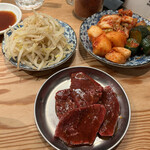
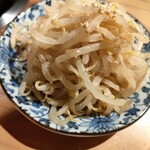
On Monday, I suddenly felt like eating hormone, so I went to the Yakiniku Horumon Omatsu Tennoji MIO store. It's a good place for hormone lovers with affordable prices and a wide variety of options. However, it may not be suitable for those looking for high-end, quality meat. The drinks are reasonably priced like at an izakaya, and the rice quality is okay for the price. It's a bit disappointing that they only offer bean sprout namul. I would definitely come back here if I ever crave hormone again.

izupon24
3.50
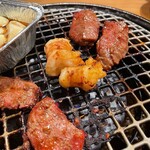
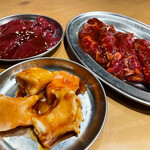
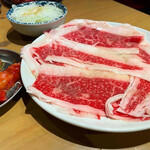
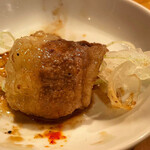
I love hormones, so I went to the newly opened Omatsu. The drinks and meat are cheap and delicious. It's a new and very clean restaurant. I arrived around 5 PM and there was already a line by 5:30 PM. I recommend trying the rare cut Koune grilled with onion. It's delicious. By 6:30 PM, there was a long line. This place is the best in terms of cost performance.

leon1967
3.20
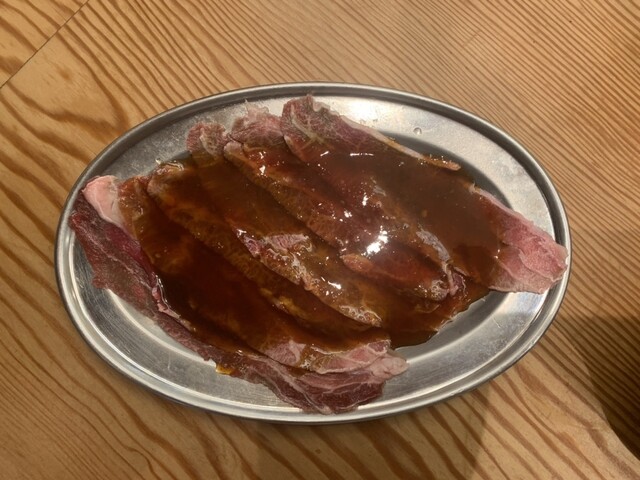
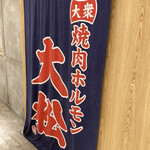
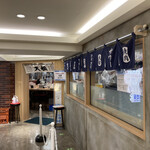
A yakiniku restaurant that opened in March 2022 at Tennoji MIO. It was almost full on Friday after 6 PM. The clientele seemed to be mostly in their 20s and 30s. The layout features a central counter in a U-shape surrounded by table seats. The portion size is small, making it suitable for solo diners or those who want to try a variety of dishes. The thick-cut upper skirt steak was marinated in a rich sauce. The shrimp-wrapped pork belly, a unique dish, was surprisingly delicious.

ママシズ
3.70
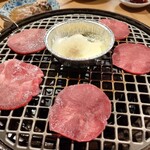
I wanted to eat delicious yakiniku, so I visited this place! In Tennoji, there is a delicious yakiniku restaurant! They have some unique menu items, so be sure to try them out! The tongue dipped in butter is amazing! It's so delicious! This restaurant is located on the second floor of Tennoji Mio, in a competitive area with many great restaurants! It's a popular yakiniku restaurant with tender and tasty meat! And the best part is the reasonable prices! This is a place you'll definitely want to visit again and again!

ゑつ
3.10
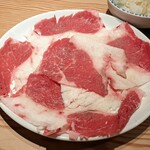
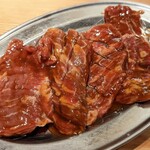
Hormone, Upper Harami, Maruchou, Agodashi, and Hachinosu were all delicious. Among them, Hachinosu stood out with its sweetness. The Koune was sliced a bit too thin, in my opinion. It would have been better with thicker slices for more satisfying bites. It had been a while since I enjoyed yakiniku, and I was completely satisfied. Thank you for the meal!

kuroda
3.70
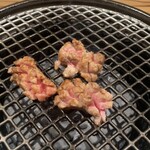
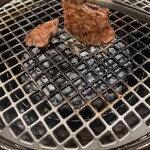
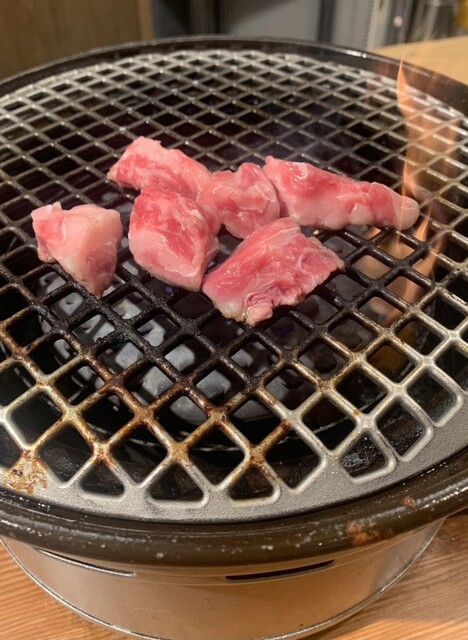
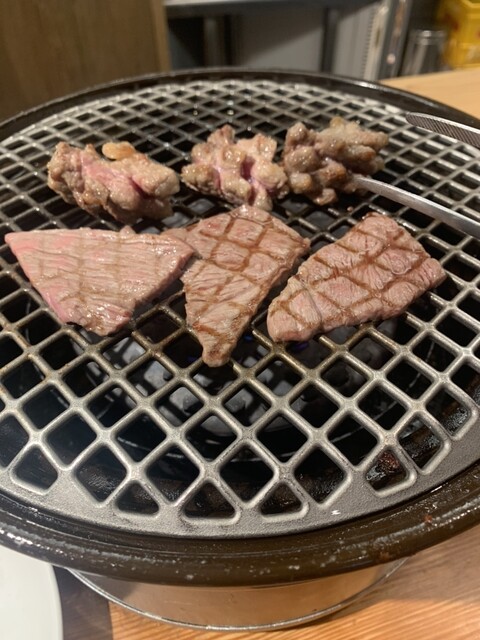
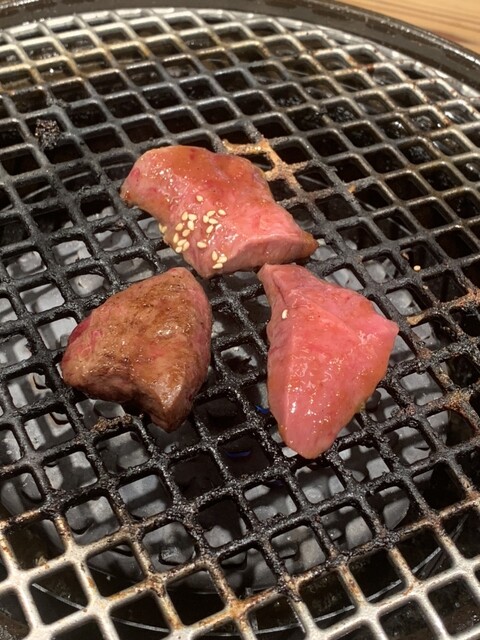
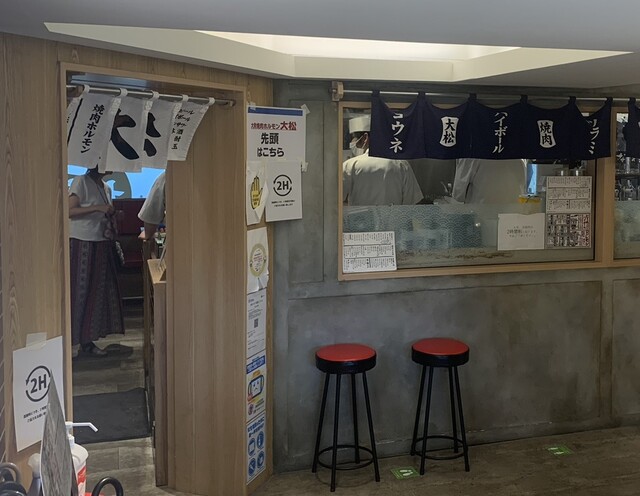
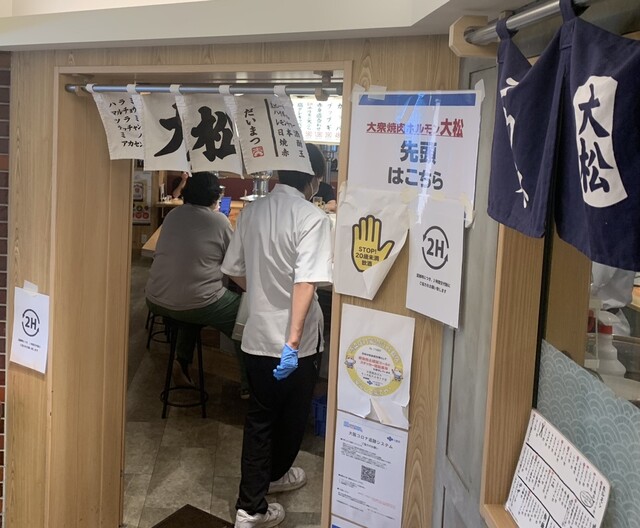
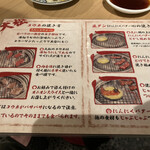
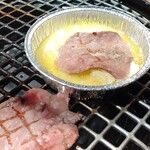
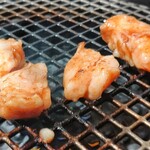
As a terminal building at JR Tennoji Station, "Tennoji Mio" is bustling with many customers. A yakiniku restaurant opened on March 29, 2022, on the 2nd floor of the Plaza building called "Mio Ekitchen." This restaurant, with its Showa retro-style appearance, has already expanded to four locations in Umeda and Nishinomiya, and has now opened in Tennoji to coincide with the minor change in "Mio Ekitchen." I visited for the first time this time. The restaurant has a total of 70 seats, including counter seats surrounding the open kitchen and table seats behind them. While exuding a Showa retro feel, it is still new, bright, and clean. Each counter seat and table seat are equipped with roasters, and strong ducts are installed. The abundance of counter seats is convenient for solo diners. The menu includes various cuts of yakiniku such as kalbi, loin, and rare cuts of horumon, as well as side dishes such as simmered dishes, tempura, and ramen, offering over 50 varieties to enjoy. As it was my first visit, I couldn't grasp the volume, so I ordered the "Nami Tan (with garlic butter)" (748 yen) advertised as a specialty and the recommended "Mino Sand" (638 yen), and also requested a "Lemon Sour" (large - 407 yen). The "Nami Tan" plate came with an aluminum cup containing butter and sliced garlic. First, I try grilling the tan. I place the aluminum cup on the grill to melt the garlic butter, lightly sear the thick-sliced tan until it changes color, and let it soak in the garlic butter. While tan is typically enjoyed with lemon and salt for a light taste, this is the opposite. It is incredibly rich, with a strong umami flavor hitting you. It's a forbidden taste far from healthy, but it's addictive. The Mino Sand is the thick part of the first stomach of a cow, known for its high fat content. After grilling it carefully to remove excess fat, you can enjoy the unique crunchy texture and the sweetness of the fat. Although it is fatty, it is easy to eat because it is not too strong. It is well-seasoned with the marinade, bringing out plenty of umami. Having a sense of the volume, I added the "Upper Harami" (968 yen) at this point. It was brought promptly, with unexpectedly large pieces of meat on the plate. The large size makes you want to cut it with scissors, but when you put a large piece in your mouth, it easily tears apart with tenderness. It has a moderate amount of fat, spreading umami and sweetness in your mouth. It is also free from any unpleasant smell. I thought the price was high for harami, but with this quality, it's worth it. In front of the counter seats, you can see the chefs cutting the meat in the kitchen, and all the meats look beautiful and high-quality. It's reassuring to see this, creating a sense of trust. This time, I only had three dishes of horumon, but they were enough to fill me up. It's easy to use for solo diners, so this is definitely a restaurant I would want to revisit.
Email Login