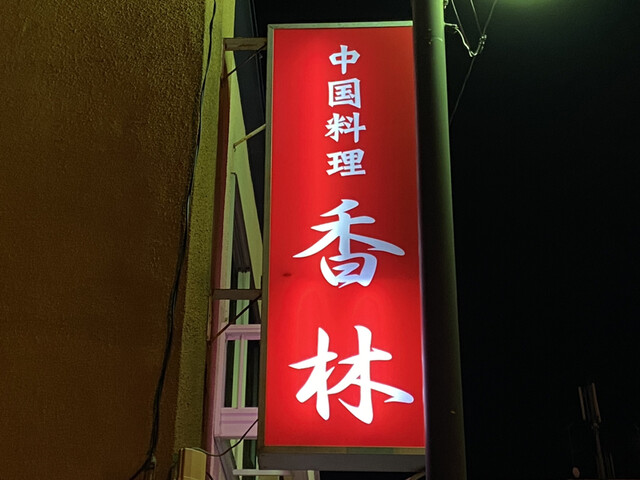
香林
Kourin
3.22
Kushiro
「Chinese Cuisine」
1,000-1,999円
--
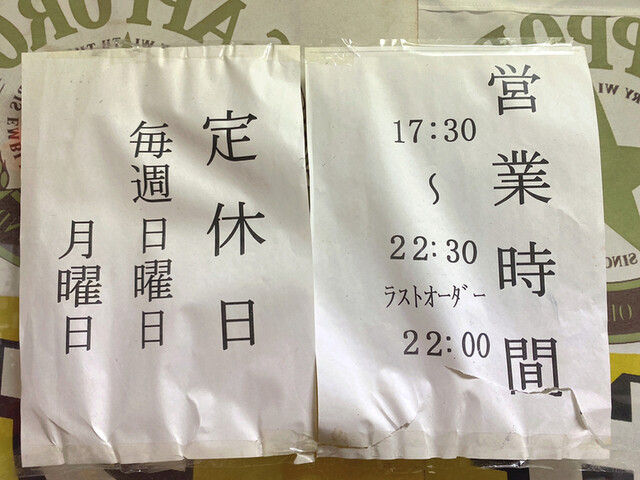
Opening hours: [Tue-Sat] 17:30-22:30 (L.O. 22:00)
Rest time: Sundays and Mondays Business hours and holidays are subject to change, so please check with the store before visiting.
北海道釧路市川上町4-1
Photos
(20)

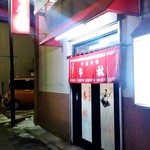
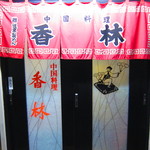
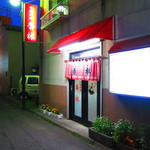
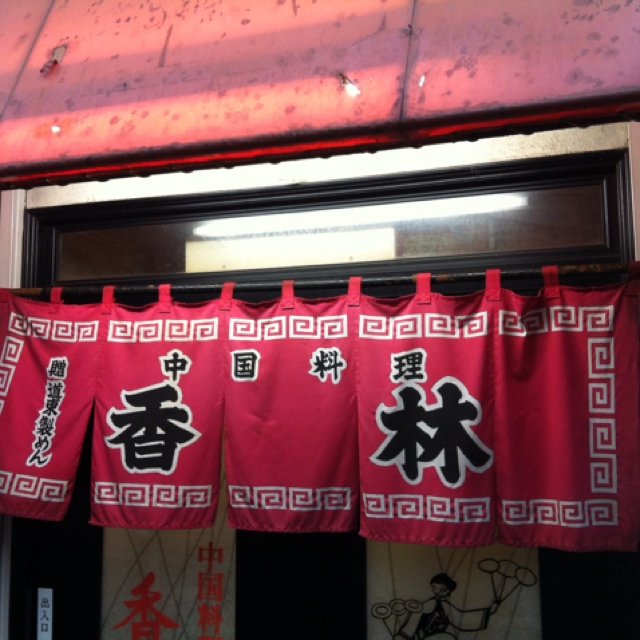
Details
Number of Seats
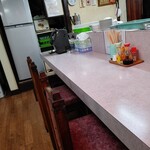
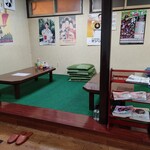
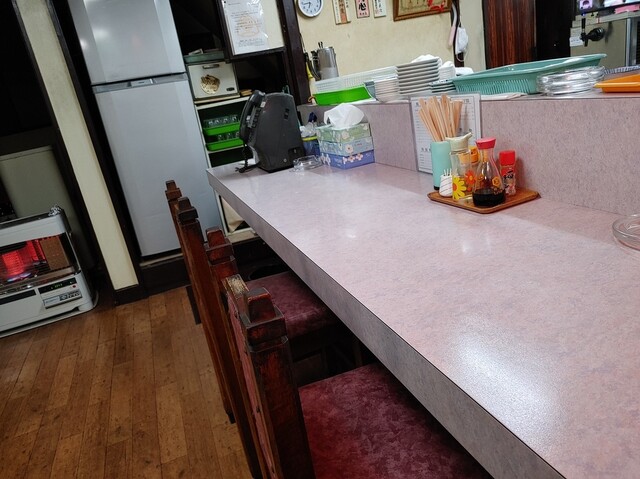
17 seats
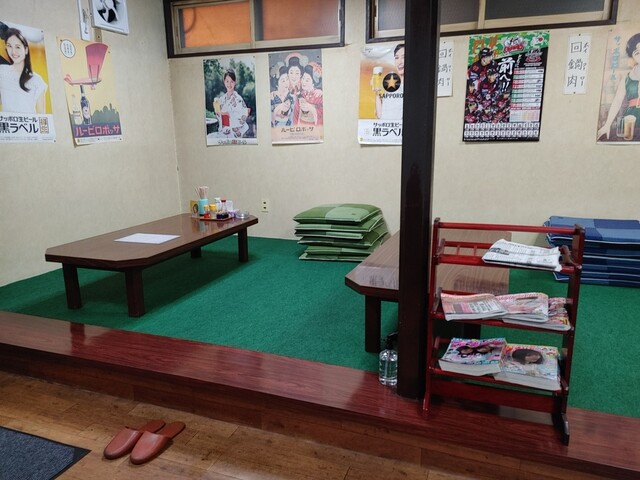
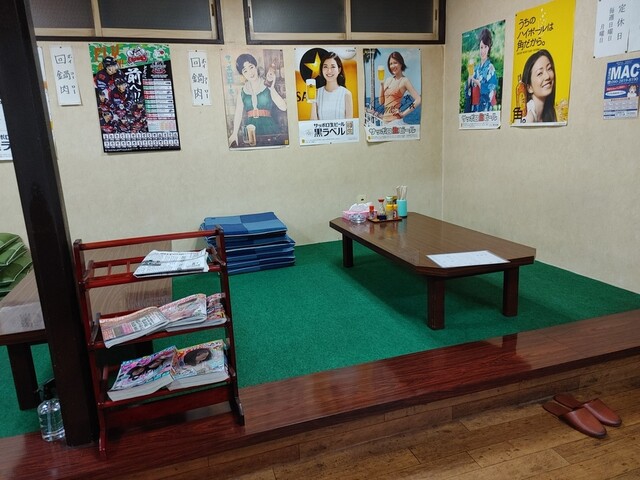
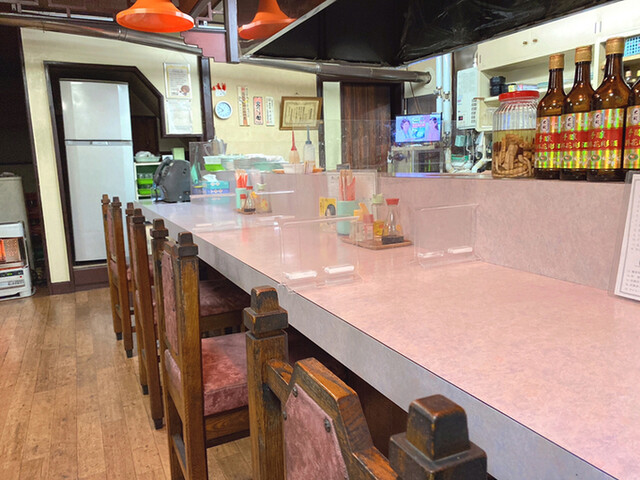
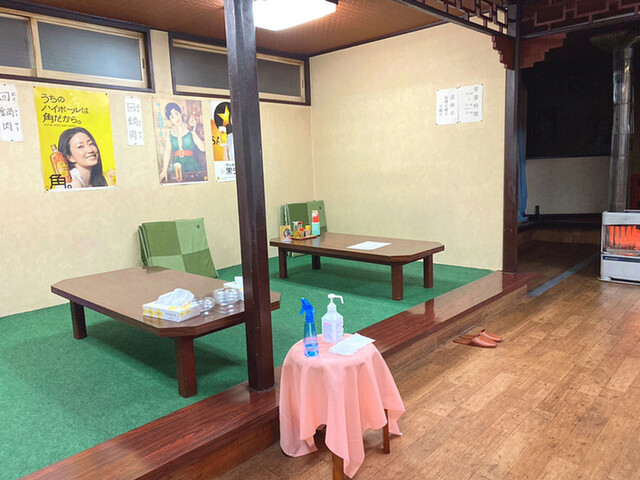
(5 seats at the counter and 12 seats at the small tatami room)
Comments
(15)

ぺんけ
3.30
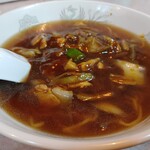
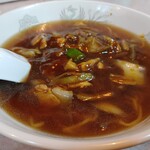
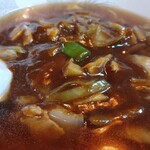
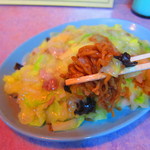
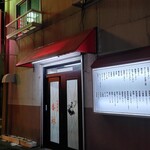
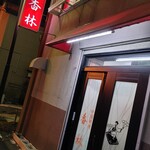
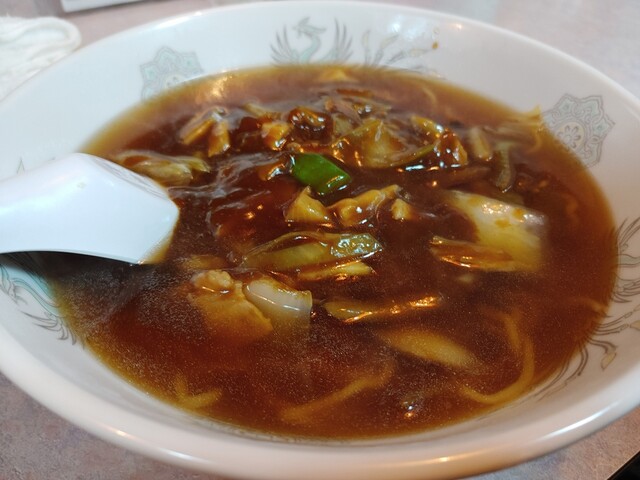
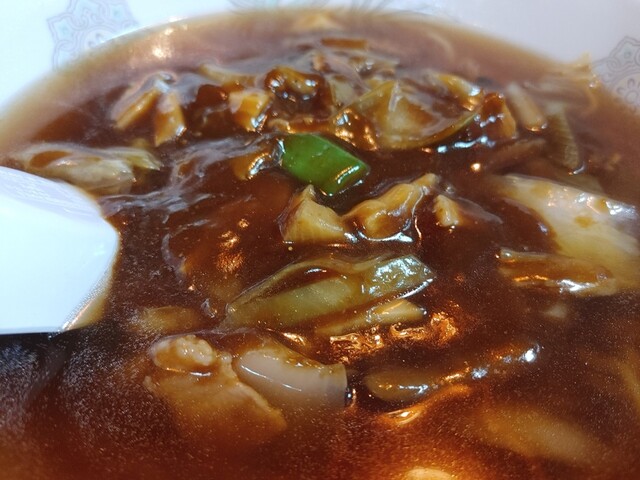
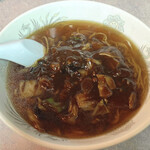
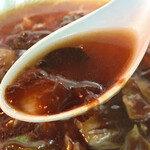
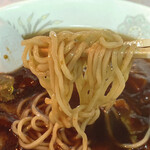
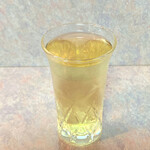
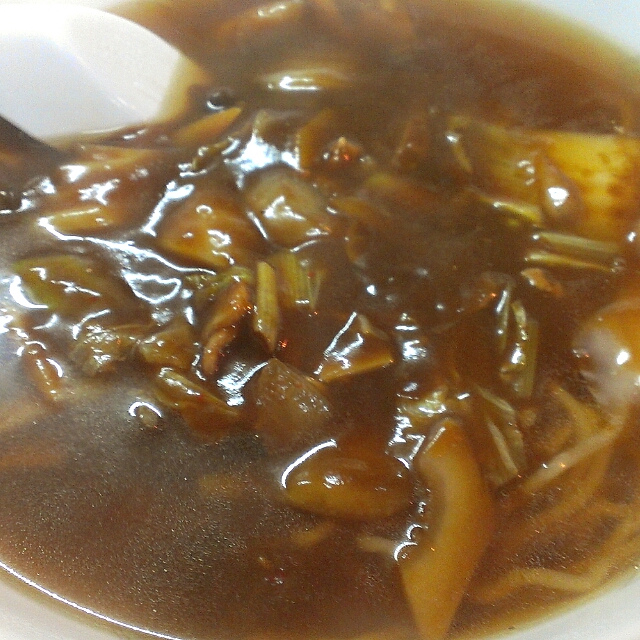
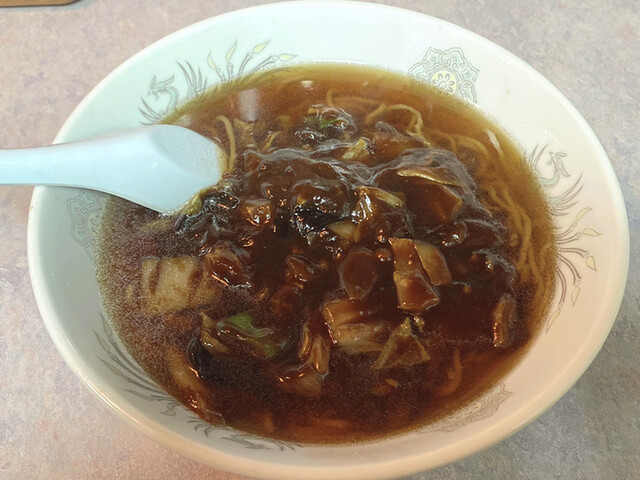
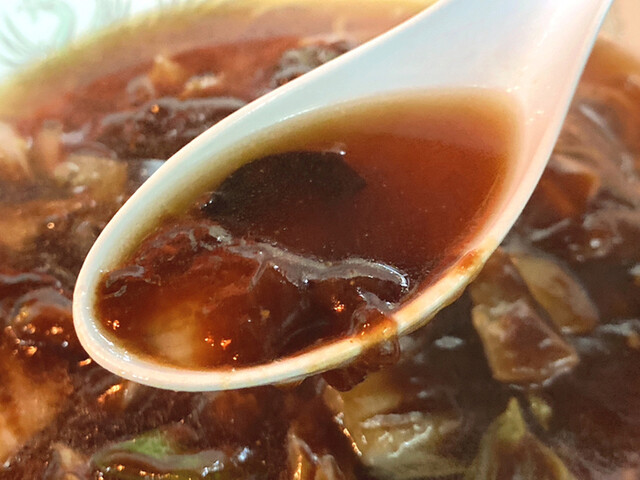
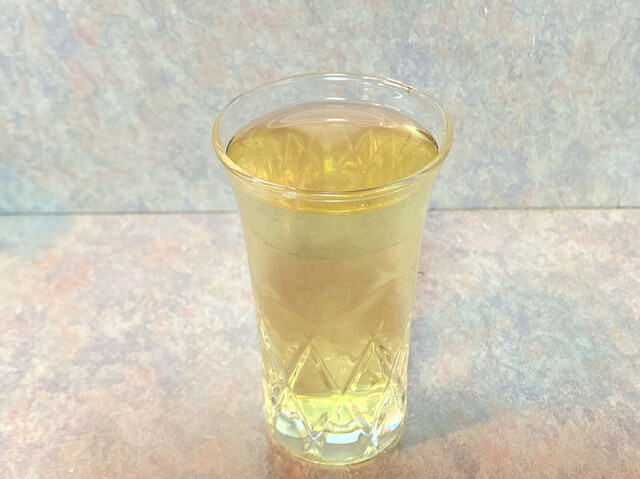
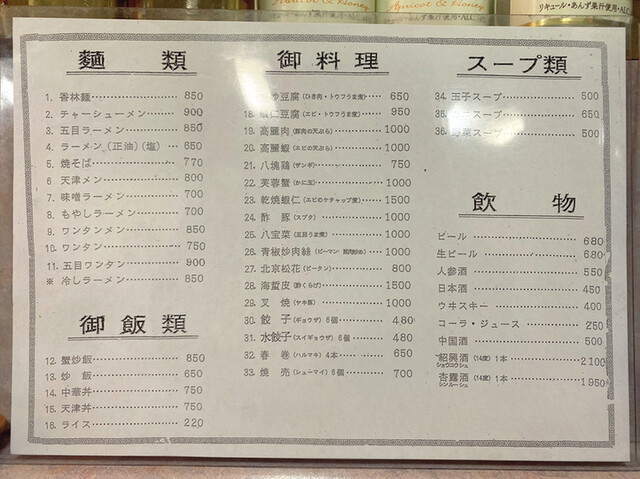
A Chinese restaurant located in the bustling district of Kushiro City. It may be a bit hard to find as it's tucked away in a side street, but once you muster up the courage to open the door, you'll be greeted by a charming and friendly couple who run the place. The atmosphere is truly reminiscent of a Showa-era Chinese restaurant, exuding a nostalgic charm. I couldn't help but feel delighted. They offer Carrot Liquor for 550 yen, a Korean ginseng liquor with a unique sweetness and herbal aroma that would pair well with Chinese cuisine. I also tried their signature dish, the "Kourin Ramen" for 850 yen. It had a striking appearance with a curry-like or mapo tofu-like sauce on top of the noodles. However, the taste was surprisingly light and not what I expected. When I asked the owner, he revealed that it was a blend of Haccho miso and white miso, seasoned with various ingredients like powdered caramel, soy sauce, and pepper. This unique flavor is something you can only experience at this restaurant. Despite having visited over 50 ramen shops in the city, this was a one-of-a-kind taste that I had never encountered before. It's moments like these that make dining out so enjoyable!

鼻毛男
3.30
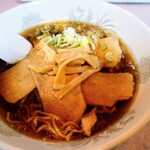
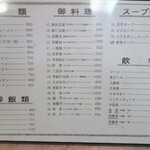
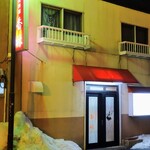
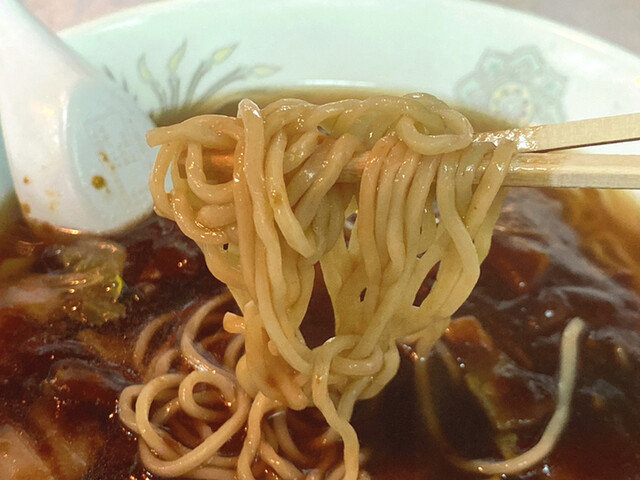
In February 2021, I went to my usual drinking spot and couldn't resist ordering the last bowl of ramen. I noticed that the curtain of Kourin was not displayed, but since it was bright inside, I decided to go in. There were two groups of customers in the raised seating area, but the place was spacious so it didn't bother me. Recently, I saw Emi and Moemi enjoying ramen, so I ordered the Char Siu Ramen. It arrived, and after taking a sip of the soup, I realized it was the kind I like. The soy sauce ramen at Chinese restaurants has a distinct bonito flavor, different from the Kushiro ramen, but I personally enjoy it. The soup has a familiar taste similar to Tenshinhan or Hoseuen, and the noodles have a nice texture - smooth yet chewy. The Char Siu was slightly sweet and overall, the ramen was light and delicious. I thoroughly enjoyed it. The owner seemed lively and it was reassuring to see. The only downside was that smoking was allowed in the restaurant, so the smoke from other customers made the place quite smoky, which was a bit tough for me.

エミと萌美路
3.20
Visit date: January 6, 2021
For dinner on this day, I visited Karin with a companion. We arrived around 18:40. There were no customers before us, one group of customers after us, and one group of take-out customers.
Our order was:
- Karin noodles for 850 yen
- Ramen (shoyu) for 650 yen
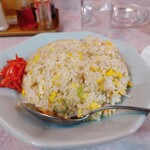
- Fried rice for 650 yen
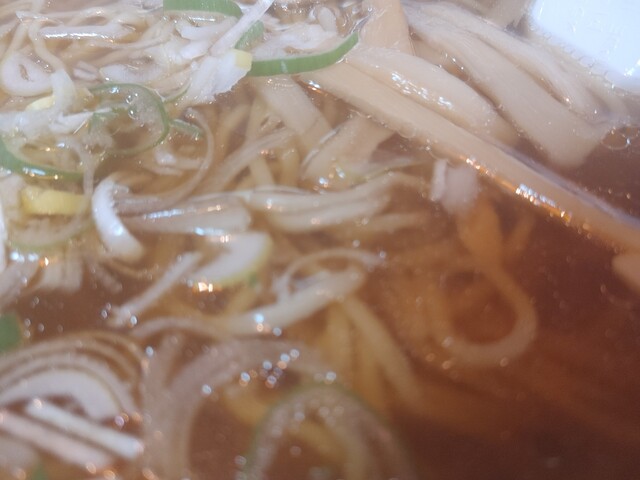
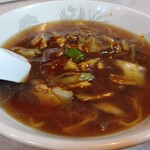
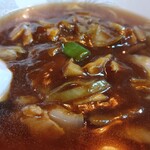
Our food was served in about 10 minutes. The Karin noodles seemed to be in a thick sauce, based on a shoyu ramen broth with a slightly thick texture. It had ingredients like Chinese cabbage, green onions, and bamboo shoots. The soup was delicious. The noodles were a cross between straight and curly noodles, allowing the soup to cling well to them.
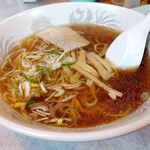
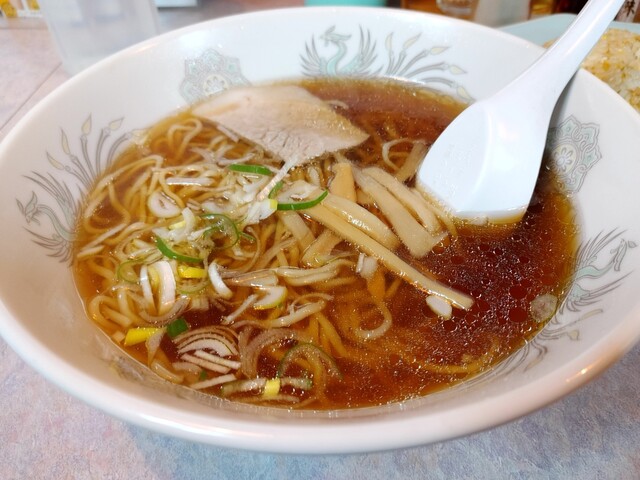
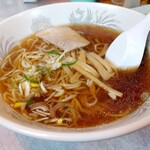
The Ramen (shoyu) had medium-thin, slightly firm noodles in a simple, light soup. It was a traditional Kushiro-style ramen and quite tasty. The chashu was more like boiled pork loin with salt seasoning.
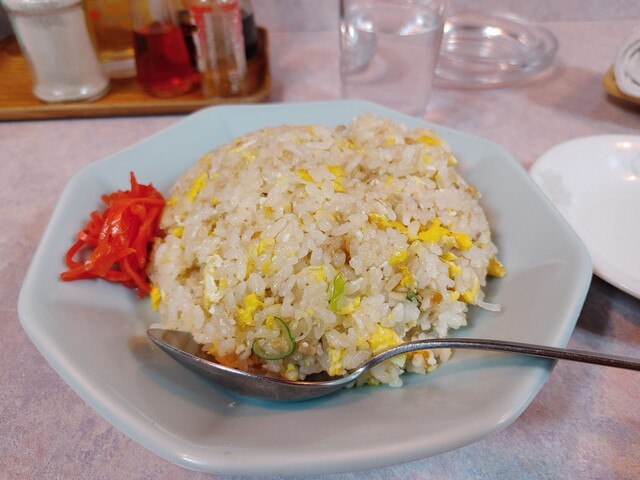
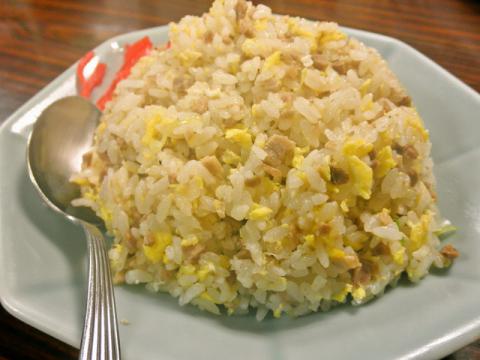
The fried rice was moist and flavorful, with tasty chashu and green onions. The restaurant had ashtrays on the counter and at the raised seating area, indicating that it was not a non-smoking establishment. However, the master asked the following customers about smoking preferences and directed them accordingly, so smoking and non-smoking areas may have been separated at the counter and raised seating area.
As we were leaving, I noticed that they also had a menu for mapo tofu, which I would have liked to try as I enjoy it. Overall, it was a satisfying meal.

Ryuman
4.00
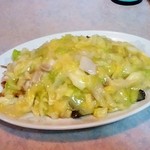
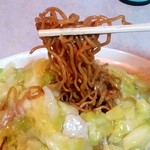
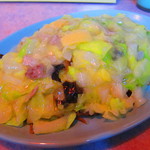
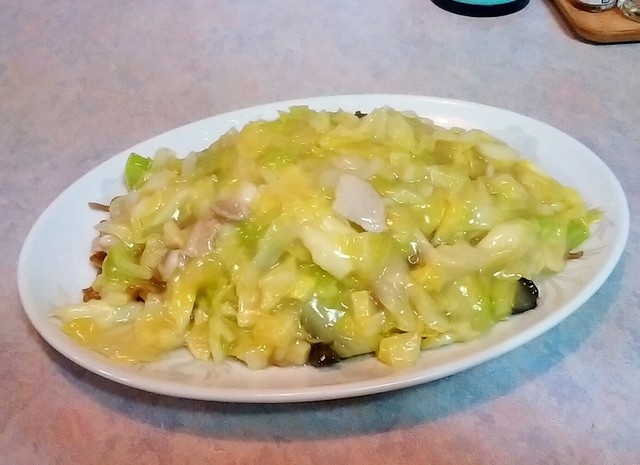
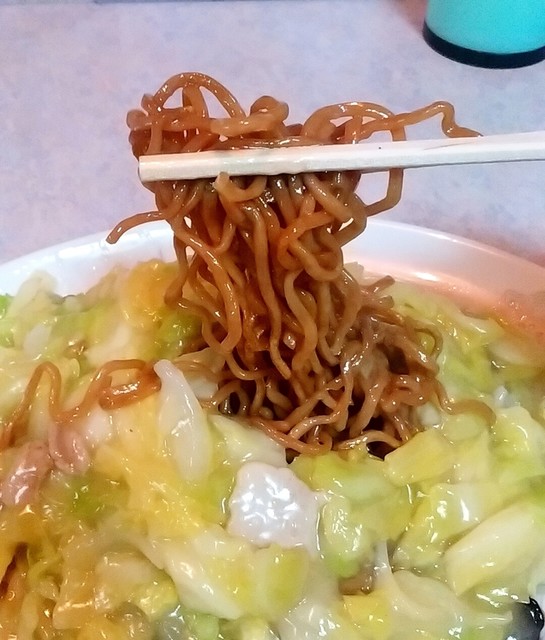
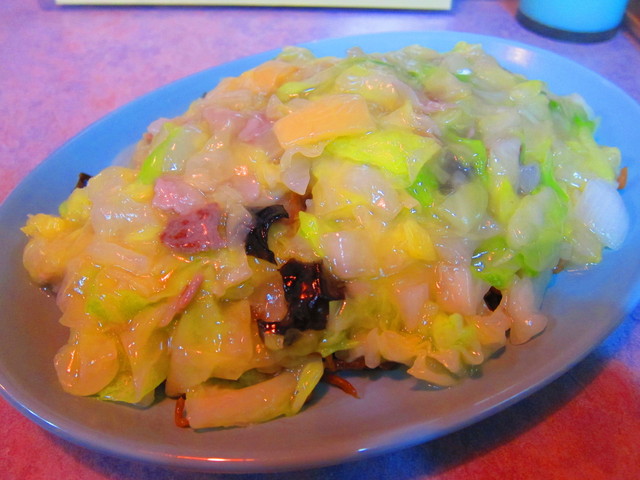
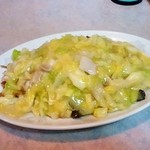
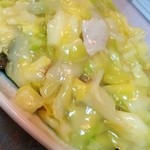
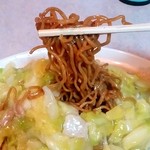
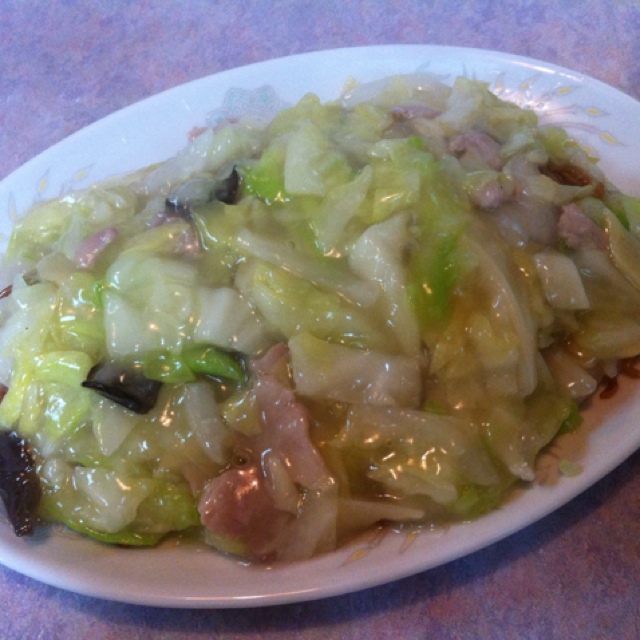
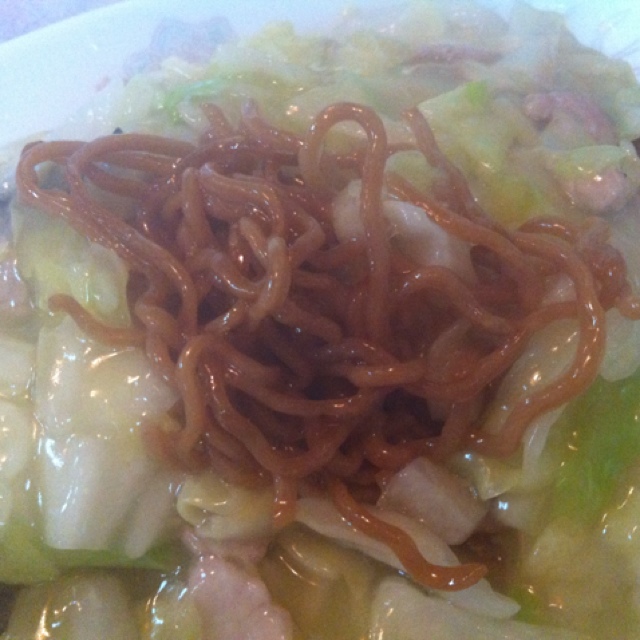
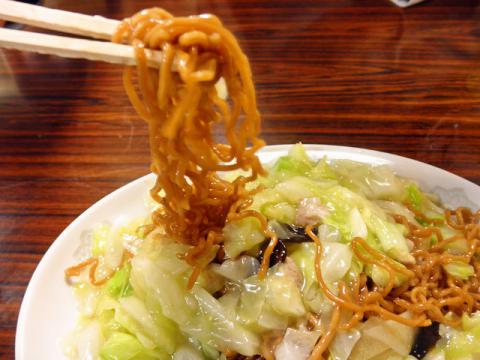
I visited this place after drinking at Shirakaba. It is located in a back alley off the Akachochin Yokocho. The atmosphere inside was lively, with two groups using the space for a party. I sat alone at the counter. I was interested in trying their yakisoba, although it wasn't particularly recommended. The menu simply listed "yakisoba." Without prior information, I would never have come across this unique yakisoba. To ensure I didn't make a mistake in my choice, I asked the owner if the yakisoba was topped with cabbage, to which she confirmed. The dish arrived, presenting a mound of cabbage with steamed brown noodles peeking out from underneath. The noodles had a rich flavor and a nice texture, likely stir-fried in a wok. The sauce was based on tonkotsu soup, with a light salty taste that left a pleasant aftertaste. Adding a touch of vinegar or pepper enhanced the dish even more. I couldn't help but smile to myself, feeling like the Lonely Gourmet. I could easily get hooked on this yakisoba, alongside Japan's traditional shoyu yakisoba.

wizar85
2.80
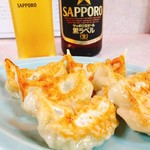
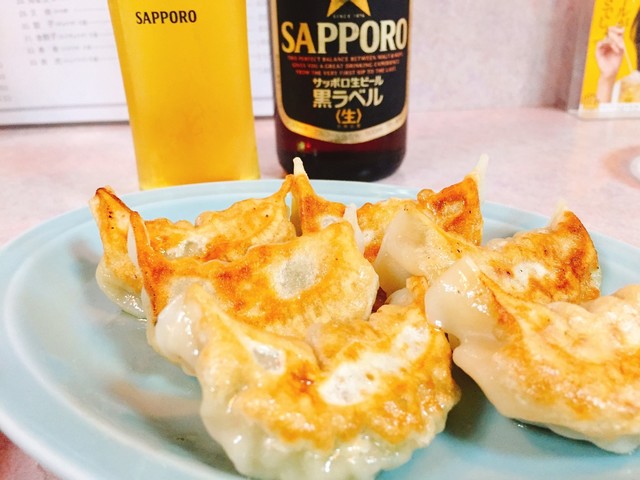
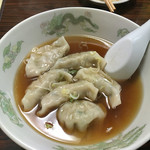
I was finally able to visit. It's quite nostalgic... I tried to come a few times before, but it was closed. The interior of the restaurant is actually larger than I imagined from the outside. There are spacious raised seating areas and counter seats, and the aisle width is sufficient. As someone with lower back pain, I appreciate the sunken kotatsu-style seating in the raised areas, but I guess it can't be helped. As for the food, my favorite is the gyoza. The pan-fried gyoza is delicious from the first bite! The filling is so tasty. I'm not sure of the details, but it's good. The water dumplings are also delicious! I think it's the ginger that gives it a pleasant aroma and flavor. It suits my taste perfectly. The yakisoba is also quite good here. It might be a matter of preference, but the slightly firm noodles and the light sauce coating were a great combination in my opinion. Next time, I want to try the fried rice. I was too full this time and couldn't make it to the rice. Thank you for the meal.

manabucchi
3.80
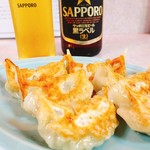
The soft and smooth texture of the perfectly cooked skin is delightful, followed by a juicy and flavorful filling that spreads in your mouth. It was a pleasure to encounter such delicious pan-fried dumplings after a long time. Thank you for the meal.

岩ログ
3.20
Ten minutes' walk from Kushiro Station, I arrived at Suehirocho. The outskirts are bustling with AEON MALL, but there is a sense of loneliness among the neon lights in this area. However, nearby is the famous scenic spot of Kushiro Port Heimai Bridge, known for its sunset views. The city is enveloped in mist after the sun sets, creating a nostalgic atmosphere that I can't help but love. If you have time, it's a place you'll find yourself wandering around.
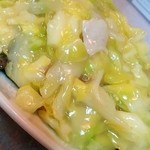
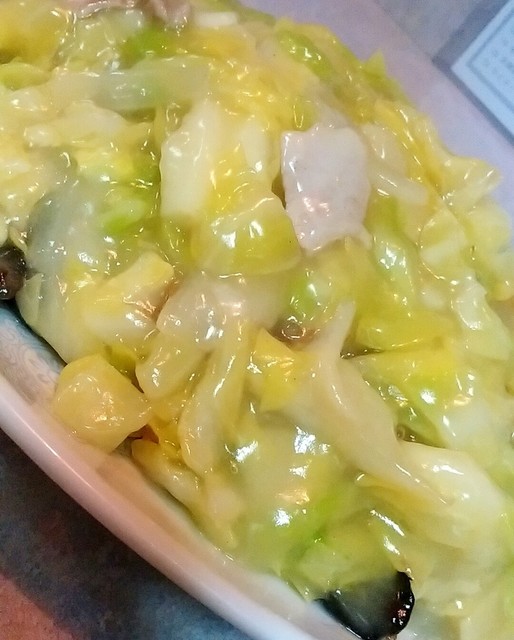
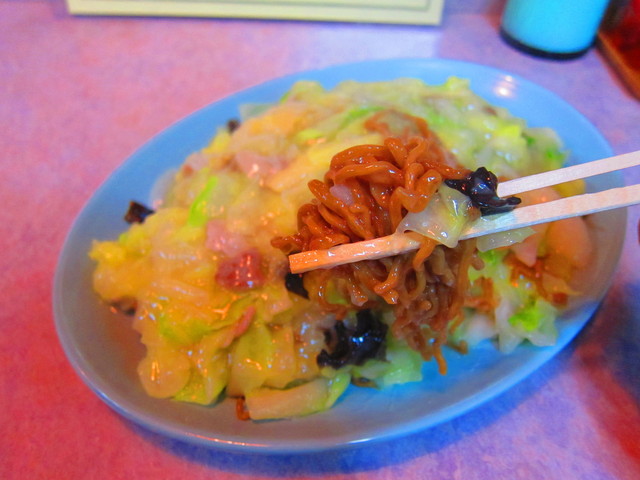
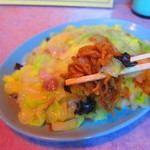
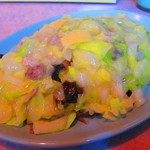
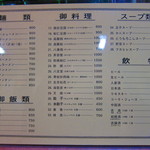
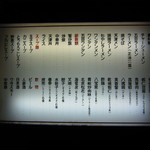
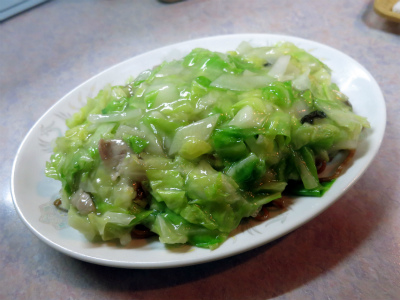
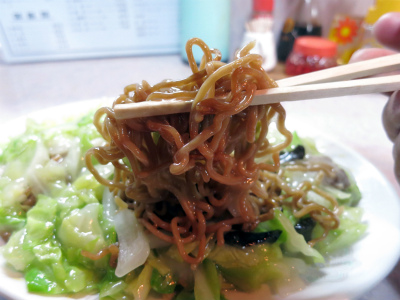
Heading deeper in, you'll find the oldest food stall village in Hokkaido, "Akachochin Yokocho." However, this time I visited the Chinese restaurant "Kourin" located behind it. Ever since seeing reviews and photos from SaltyDog and others, I've been wanting to try their yakisoba here! Yes! The unique feature of their yakisoba is the cabbage-filled sauce that resembles ankake style! I knew about it, but when it was placed in front of me, I couldn't help but think "Wow!" Well, it's more like plate udon, but let's be mature about it (bitter smile). However, unlike regular plate udon, there's no crispy texture to the noodles. Despite their wheat-colored appearance, the texture is soft. It seems like they were just steamed. I was a bit disappointed with the noodles, but once mixed with the sauce and all mushy, it turned out to be okay after some time. I added vinegar halfway through, my usual winning pattern. Well, it might become addictive.

tetsuji0811
3.50
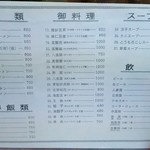
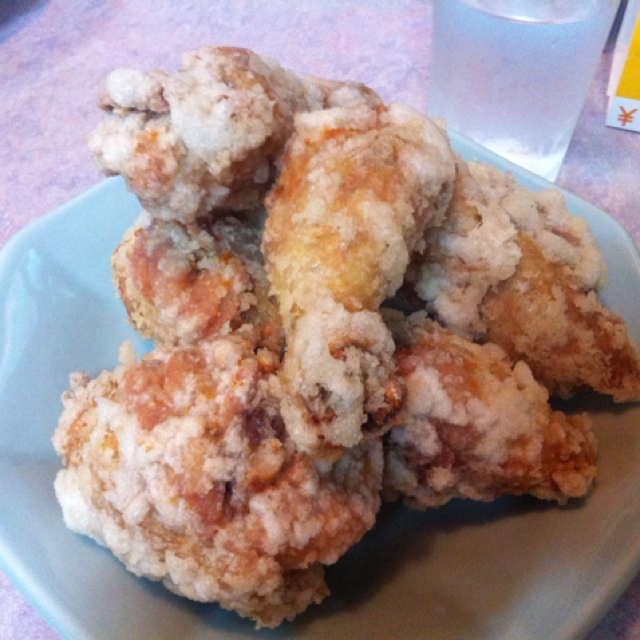
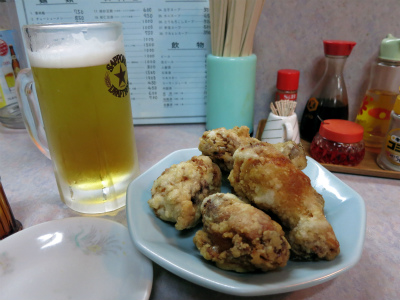
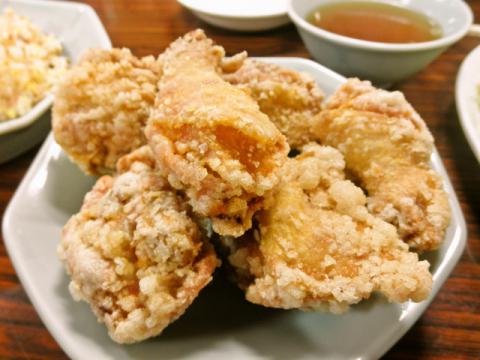
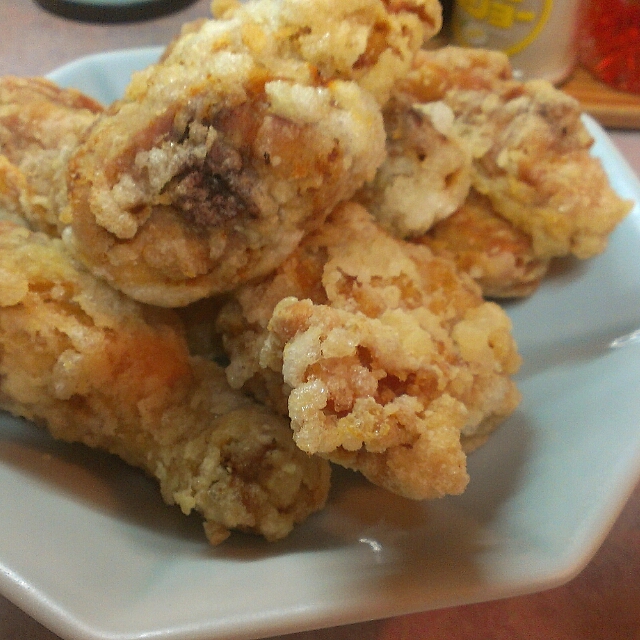
I heard there was a unique yakisoba at a Chinese restaurant in a back alley between Hotel Lasso Kushiro and Kushiro Akachouchin Yokocho, so I visited for the first time. On the menu, it simply says "yakisoba," but it is actually a yakisoba with thick sauce. By the way, the first item on the menu, "Kourin Men," seems to be a soy sauce ramen with thick sauce. I ordered the "yakisoba" for 750 yen and the "Yakara Chicken (Zangi)" for 750 yen. The "yakisoba" at Kourin is covered with cabbage almost entirely, with pork, wood ear mushrooms, and thinly sliced bamboo shoots here and there. The seasoning is a lightly salted thick sauce, but the sweetness of the cabbage surpasses it. The noodles are brown like the ones used at Hachibouen, but slightly thinner. The texture of the noodles, sauce, cabbage, and other ingredients mix well and taste delicious. The Zangi consists of 6 large pieces of bone-in fried chicken. At first glance, the amount may seem overwhelming, but since they are bone-in, it's fine for one person. The coating is not heavily seasoned, and they provide table salt, but I wish it was seasoned properly. Overall, I think Kourin's yakisoba is the best. I would like to try the large serving next time. I would consider revisiting.

SaltyDog
4.00
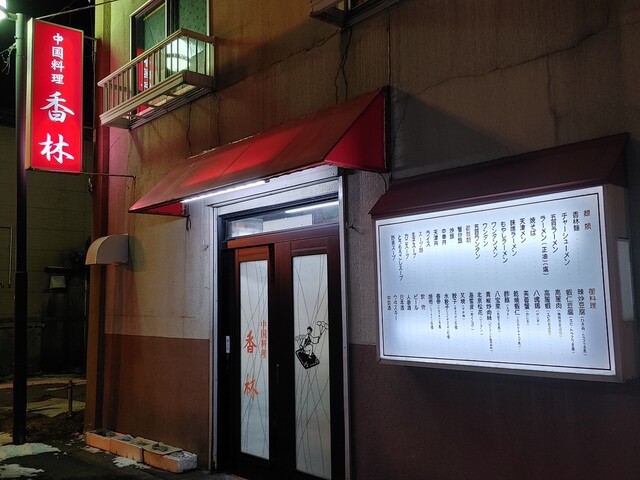
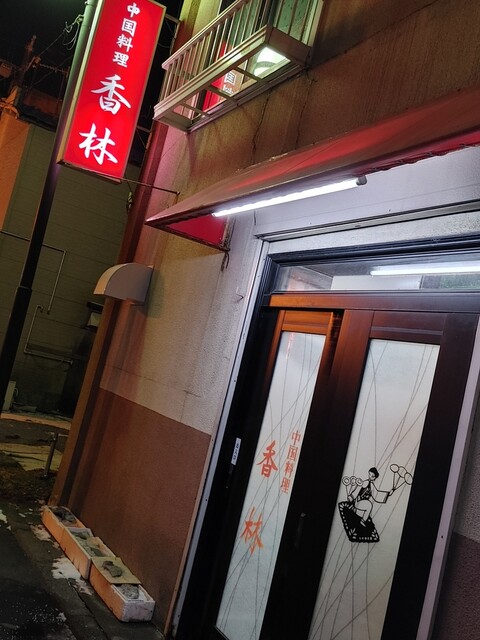
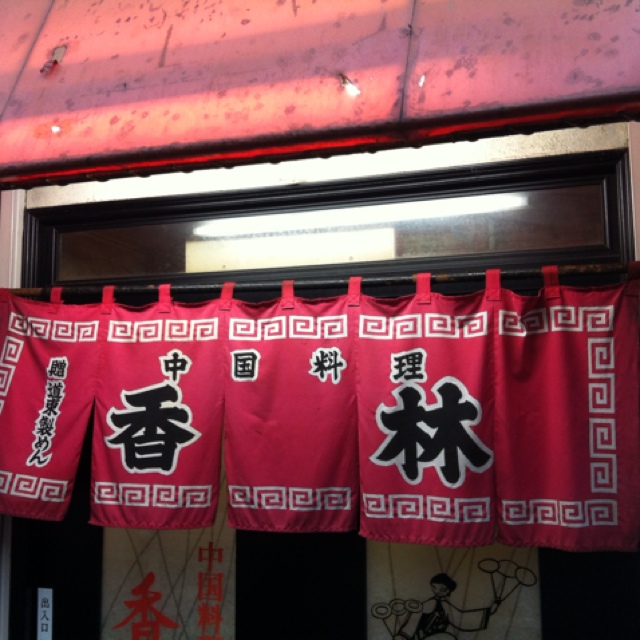
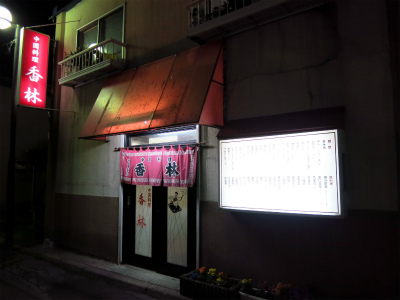
Flowing through the vast wetlands and passing through the city of Kushiro, the Kushiro River eventually empties into the sea. At night, the illuminated Nemuro Bridge adds a touch of color to the scene. In the bustling district of Kushiro, there is a narrow alley called Akachochin Yokocho, which is said to be the oldest surviving drinking alley in Kushiro. The alley is lined with small drinking establishments on both sides, exuding a post-war atmosphere. Literally filled with red lanterns, it is a charming little alley. Just beyond Akachochin Yokocho is a Chinese restaurant called Korin. Open only at night, it is said to be a popular spot for locals to end their night out, with their specialties being Zangi (fried chicken) and yakisoba. In mid-June, on a Saturday night, I visited the restaurant around 8 pm. I found the sign on the narrow street that you might not notice if you didn't know about it. The restaurant had a counter with 7 seats and 6 tables in a raised area. There was a couple finishing their meal as I arrived, and the place seemed to be run by a husband and wife. I checked the menu and first ordered a draft beer (600 yen) and Zangi (750 yen). The beer was Sapporo. Zangi is marinated, coated in batter, and fried slowly. While waiting and watching the baseball game, my beer ran out, so I ordered another one. Finally, the Zangi was ready. The Zangi at this restaurant comes with bones and is quite substantial. I decided to eat it with my hands. The batter was crispy, and the inside was juicy. It was delicious. As I enjoyed the Zangi, I chatted with the owners. They mentioned that the nightlife in this area has become quite quiet, especially since the opening of a shopping mall on the outskirts of the city. It seems to be a common trend across Japan. By the time the baseball game ended with a victory, I had finished the Zangi. I then ordered the yakisoba (750 yen). Other customers also arrived, so the orders overlapped. Until then, the husband had been mainly in charge of cooking, but now the wife was seen stirring the wok. "Sorry for the wait, here is your yakisoba." I was curious about what kind of yakisoba it would be, and it turned out to be a unique sauce-based yakisoba. The noodles were thin and had a chewy texture even before being cooked. The sauce was salt-based. The dish consisted mainly of vegetables such as cabbage, onions, bean sprouts, wood ear mushrooms, and sliced pork. The slightly salty sauce paired well with the sweetness of the vegetables. The texture of the noodles complemented the flavors perfectly. From the photos, it seemed similar to the Fukushotei style, but the seasoning was completely different. The portion was just right, not too much or too little. It seemed like a perfect way to end the meal. The total bill came to 2700 yen. I stayed at the hotel behind the restaurant that night, making it a convenient experience. I look forward to visiting again, perhaps combining it with a stroll through Akachochin Yokocho.
鼻毛男
3.30
This is a Chinese restaurant located near Akachochin Yokocho that has been around for a long time. Their "yakisoba" is a one-of-a-kind taste that you can't find anywhere else. It's a mysterious flavor that you can't experience with the usual Chinese restaurant stir-fried noodles. It's a gentle taste that is hard to put into words. But everyone loves the yakisoba here. By the way, their zangi and fried rice are also recommended and delicious. I hope that this kind of restaurant can continue for a long time.

sousou33
3.50
There is a quiet Chinese restaurant in Kawakami-cho, Kushiro. It's a bit hard to find because it's located in a narrow alley haha. It's run by an older couple and serves traditional Chinese dishes. The fried rice is neither good nor bad, just as expected. It's nice that they still serve soup with the meal, just like old times. I hope they continue to operate happily for a long time.

茶のしずく
4.50
Yakisoba is the best. When you're about halfway through eating, try pouring lots of vinegar on it - it's delicious.

admin777
4.00
I finally found a delicious restaurant in Kushiro. I visited with a friend around 10:00 p.m. on a Saturday. We had yakisoba, gyoza, spring rolls, and mapo tofu. The yakisoba was topped with a simple yet flavorful sauce made of cabbage, pork, and wood ear mushrooms. The mapo tofu had a slightly more soupy consistency compared to regular mapo tofu, which was labeled as "umani" on the menu. It wasn't spicy like Sichuan cuisine, but it would definitely go well with white rice. The spring rolls and gyoza were also very tasty. We also had 3 beers each and a cup of Shaoxing wine. Overall, it's a restaurant worth revisiting.
yakikomama
3.50
Kourin's Ankake Yakisoba is a very simple dish with no extra ingredients, just cabbage and white sauce on top. It looks lightly seasoned, but actually has a rich and satisfying flavor without any additives. The fried rice, zangi, and shumai were all delicious too! Even with kids, if you're not too busy, the owner of Kourin will take care of them, allowing you to enjoy your meal in a relaxed atmosphere. Thank you for the meal!
ちぇりた946
0.00
Email Login