北洋堂
Hokuyoudou
3.06
Matsumae, Kameda Area
「Japanese Sweets」
--
--
Opening hours: 8:30-19:30 Open Sundays
Rest time: Wednesdays Business hours and holidays are subject to change, so please check with the store before visiting.
北海道松前郡松前町松城64
Photos
(20)
Details
Parking
Yes
2 to 4 units
Comments
(5)

nifun
3.20
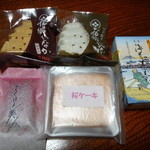
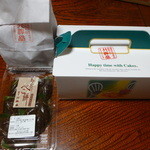
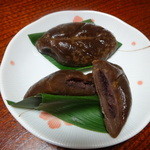
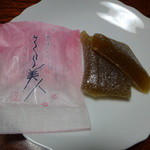
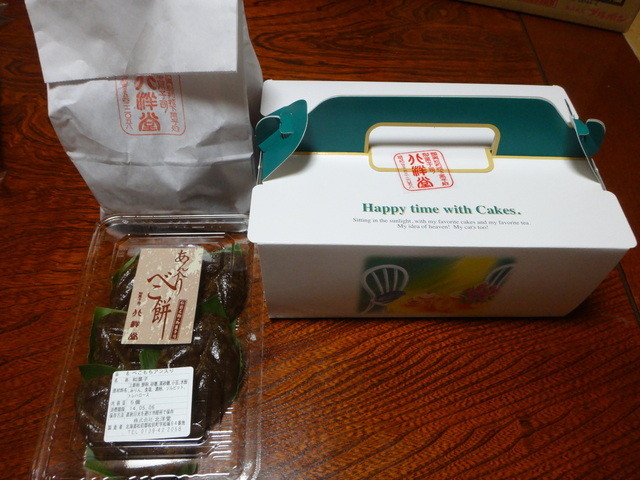
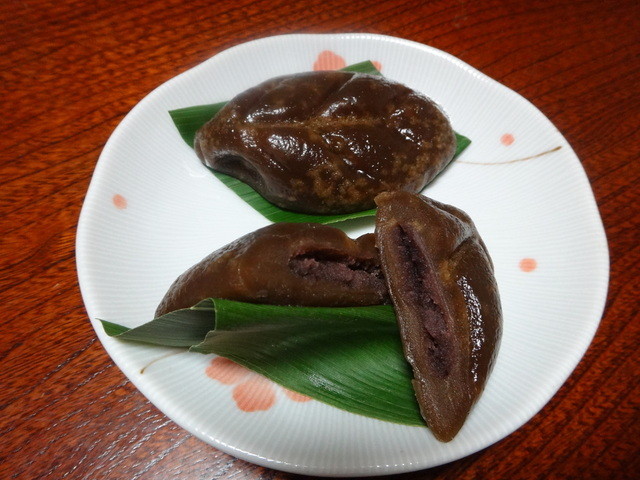
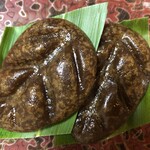
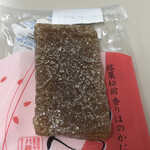
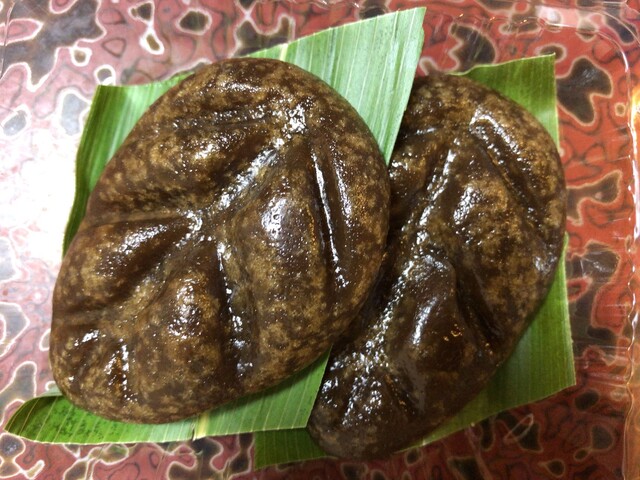
I stayed at a ryokan and found a Japanese sweets shop nearby, so I decided to go in. I bought something called "beko mochi" for 260 yen, which I had never seen before. It was in the shape of a leaf, black and shiny. It had a chewy texture and was moderately sweet. I think it was made with black sugar.

めえめえめえ
3.00
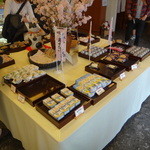
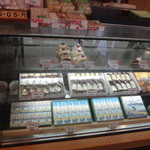
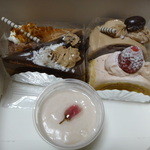
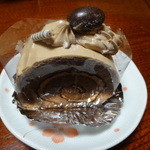
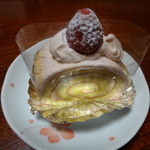
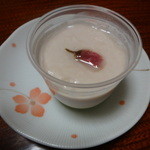
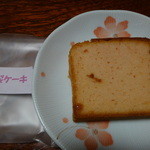
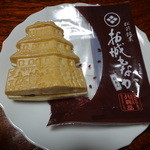
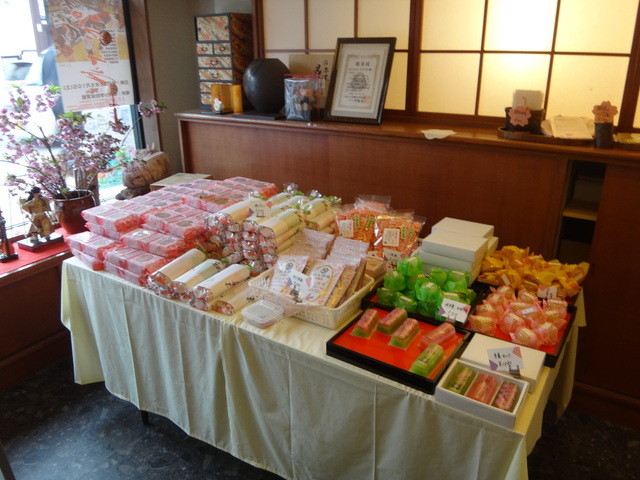
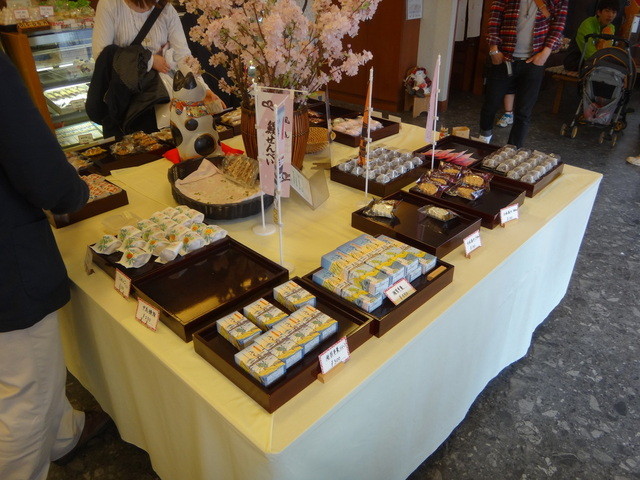
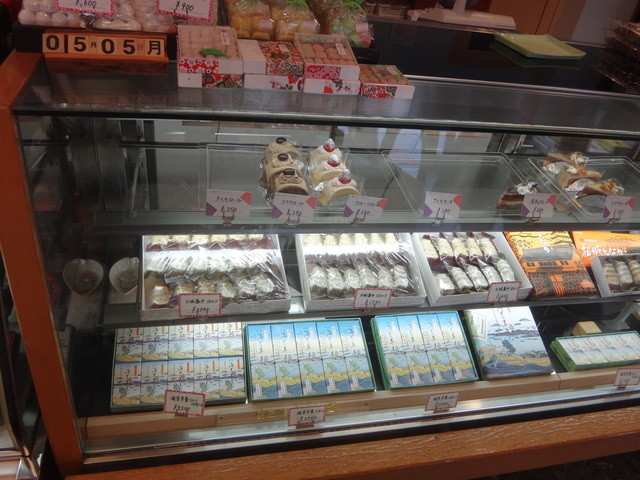
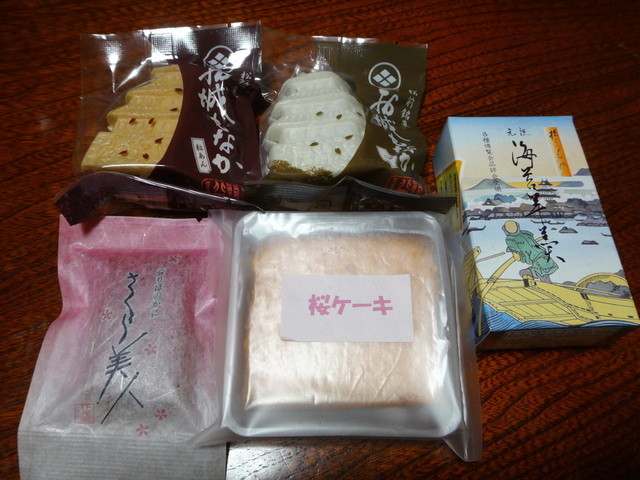
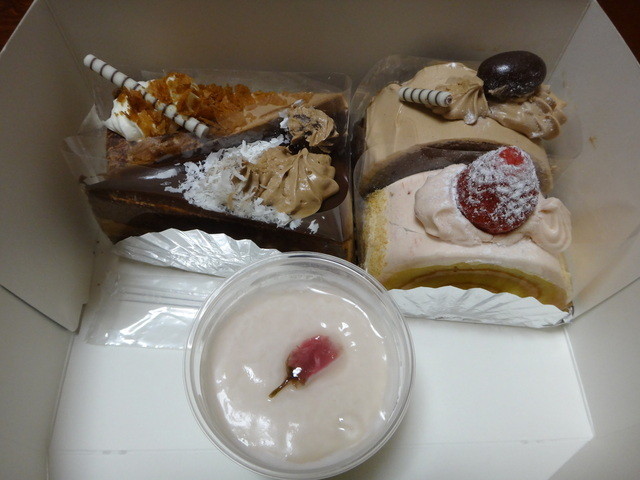
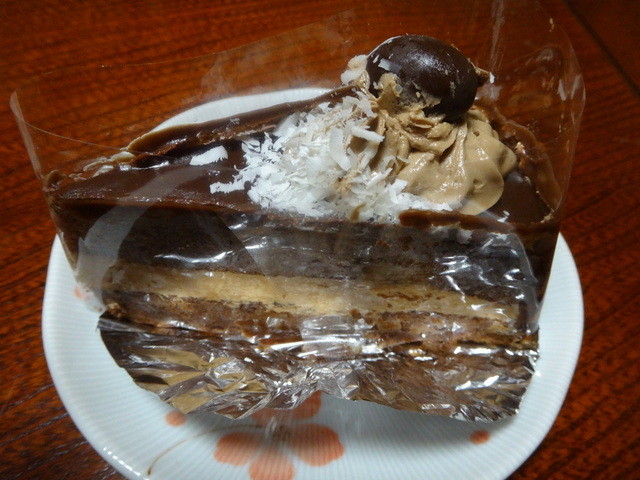
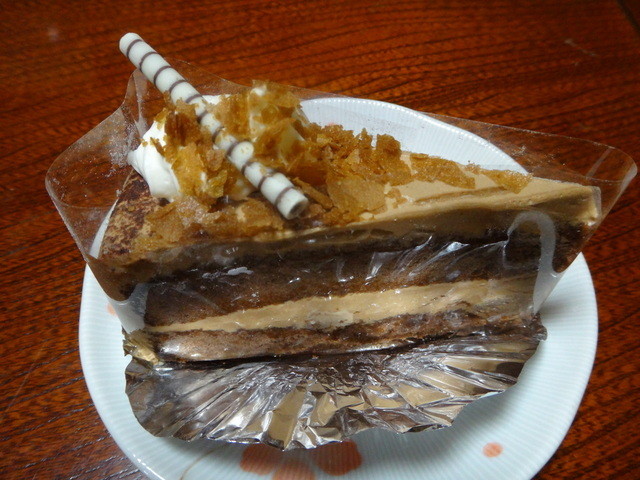
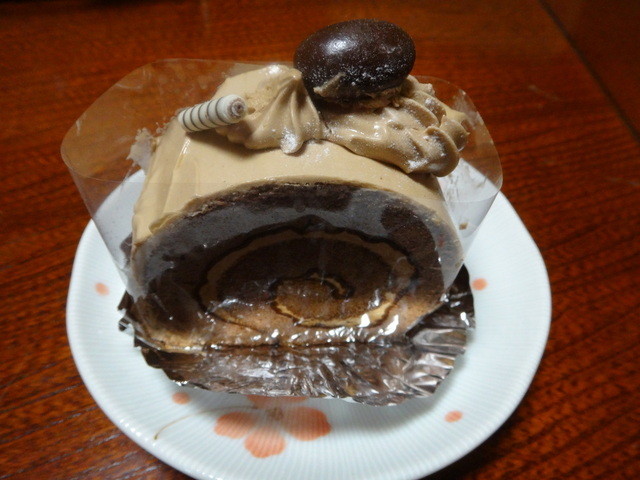
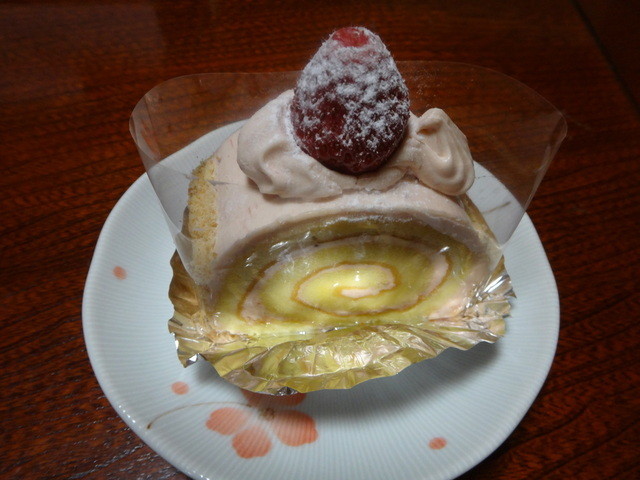
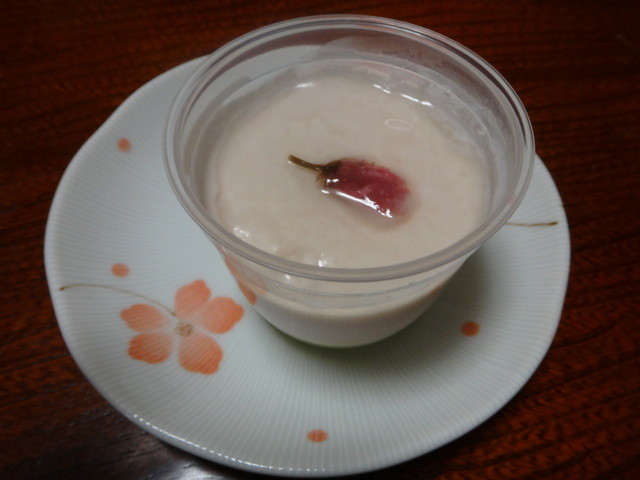
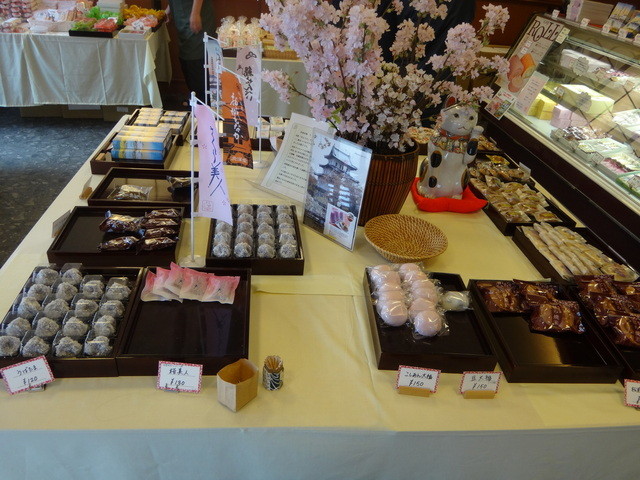
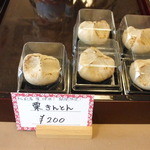
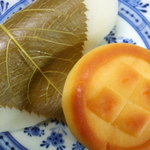
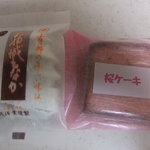
It was my first time visiting Matsumae since moving here in November 2014. Despite it not being cherry blossom season, the streets of Matsumae were quiet. However, the local sweet shop had seasonal chestnut sweets available. The chestnuts in Matsumae were not particularly special to me, as my husband often brought them home, but I could appreciate the sentiment of using local ingredients. When I visited the sweet shop in March 2013, I had not taken my daughter with me. I was thinking of buying a cake, but my daughter chose traditional Japanese sweets. She seemed to like the ones we bought in Hakodate, so she picked a peach-shaped sweet called Momoyama. The Momoyama from this shop was not as fluffy as others. The miso manju from another shop in Sapporo tasted much better. However, cherry blossom mochi was a treat that I could enjoy repeatedly regardless of the season. In February 2013, during Setsubun, there was a wide variety of sweets available, including plenty of cherry blossom mochi. The baked cherry blossom mochi seemed to be more popular here. They were only sold in packs of six for 600 yen. It was quite challenging for two people to finish five in one day, and it would have been more convenient if they were sold individually. I ended up taking responsibility for three pieces even though I had to cut back on my rice intake. Compared to Goshoteiya, the mochi here had a chewier skin, possibly due to a higher proportion of shiratamako flour. I wondered if the cherry blossom leaves were from Matsumae and if the taste of the leaves varied depending on the type of cherry tree. Rather than focusing on the taste, various questions came to mind. The initial excitement of eating baked cherry blossom mochi was not there. I realized that when you eat and how the store sells the mochi are crucial factors. If I had bought freshly baked ones in front of the shop during cherry blossom season, the experience might have been different. There were also Valentine's Day chocolate cookies and gateau chocolat available. In January 2013, there were baked cherry blossom mochi available here (crepe-style). I went, expecting them to be ready by now. They were available, but only sold in packs of five. I decided to wait until they were available in larger quantities. Today, there were plenty of cakes on display, which was a first for me. Each cake had a brief description, and I couldn't miss the words "buttercream." The chocolate roll for 230 yen was delicious, with almond chocolate similar to Meiji Almond Chocolate. It had a satisfying thickness to it. Instead of pigeonholing this shop for a specific type of sweets, I thought it would be nice to peek in occasionally. In May 2012, it was cherry blossom season again. I planned to buy cherry blossom sweets for offerings. The cherry blossom petal jelly looked appealing. The cherry blossoms from Hakodate also had a long shelf life and remained beautiful for a long time. They were more for admiring than eating. In May 2010, during cherry blossom season, the shop was very crowded. Sweets were displayed on tables, and you could buy them individually. I wanted to buy the castle-shaped monaka with sesame bean paste, but it was sold out. The bright pink cherry blossom roll, cherry blossom yokan, cherry blossom-shaped sweets, and cherry blossom petal ceramic chopstick rests made me wonder if this town only sold cherry blossom-themed items. I found the castle monaka at a roadside station, and it turned out to be different from what I had imagined. The white bean paste with sesame was not the sesame monaka I had in mind. At the roadside station, the Hokkaido Kaitaku Okaki Matsumae Ika flavor from Hokkaido Kaoru was popular, even though it wasn't a Matsumae sweet.

泡盛M
3.50
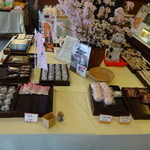
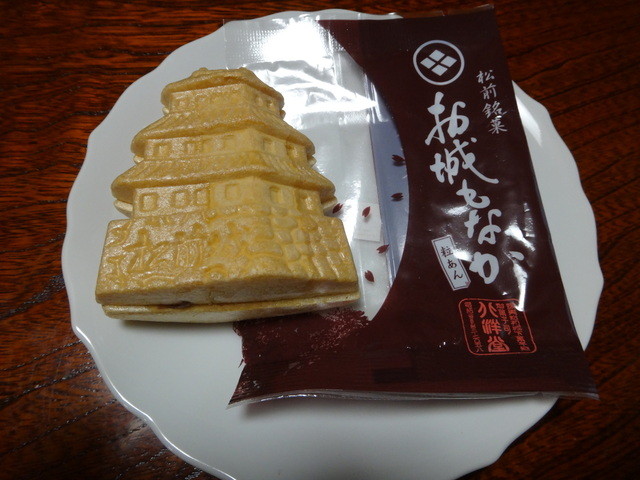
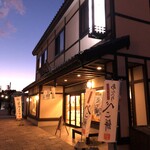
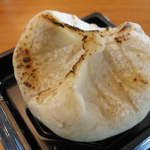
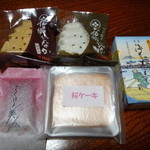
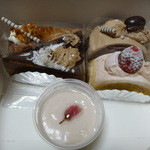
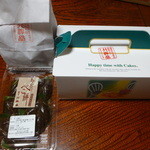
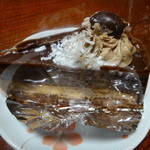
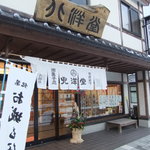
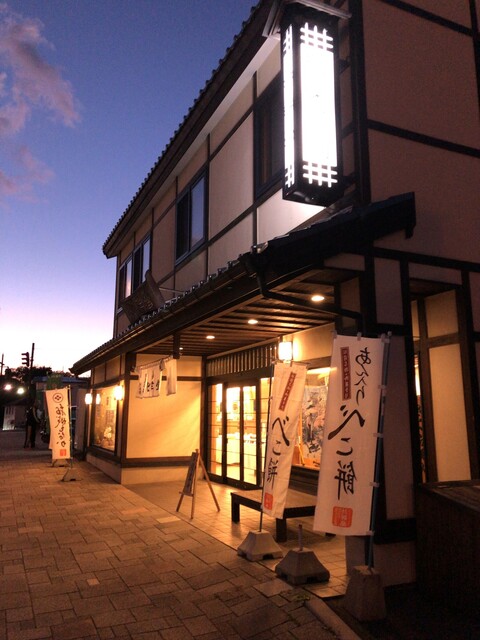
This is a confectionery shop located on the main street in Matsumae, near the entrance to Matsumae Castle Park. The shop has a splendid traditional Japanese exterior that blends well with the surrounding scenery. The interior is quite spacious and offers a wide variety of Japanese and Western sweets, as well as cakes. Currently, they have decorated the shop with cherry blossoms for the cherry blossom festival, creating a nice atmosphere. They also offer sweets inspired by the cherry blossoms, which I bought a lot of. The Matsumae Castle Monaka, with red bean and sesame fillings, was delicious with a light sweetness. I also bought four types of buttercream cakes, which were simply delicious as I love buttercream. I discovered a unique treat in Matsumae called "beko mochi" with red bean filling, which I tried for the first time. The black sugar flavor of the beko mochi pairs well with the red bean filling, making it a tasty treat.

onikuma
3.00
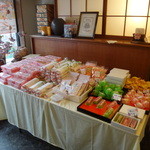
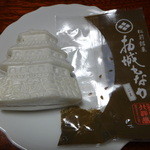
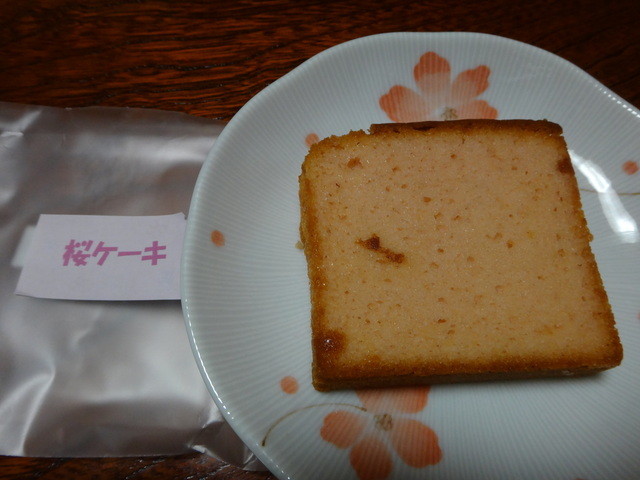
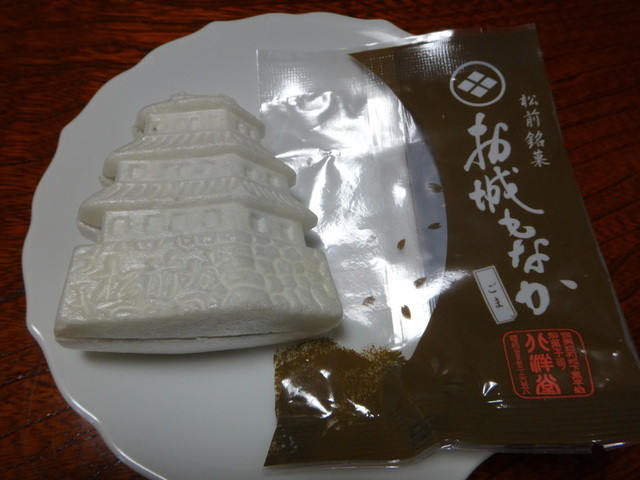
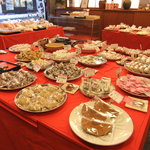
I went to a local sake shop next door, and next to it, there was a cool Japanese sweets shop so I decided to check it out. An old lady was manning the store. The back of the shop was surprisingly spacious. I was amazed by how large the factory was. The shop had an old-fashioned feel to it. There were many sweets displayed on red cloth-covered tables. The specialty here seemed to be "Oshiro mochi," so I bought some. They had sesame and grain bean paste, but I chose the sesame one. Inside the white mochi of the Oshiro mochi, there was a quite soft mochi. It was surrounded by sesame bean paste. It had a light texture and I finished it in no time. In addition to Japanese sweets, they also sold a few cakes and a sakura roll cake. I was surprised to see they sell sakura roll cakes even when it's not cherry blossom season.

ホーリーパパ
3.50
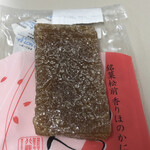
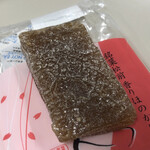
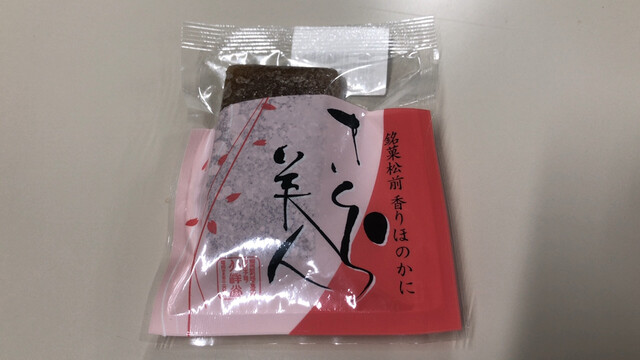
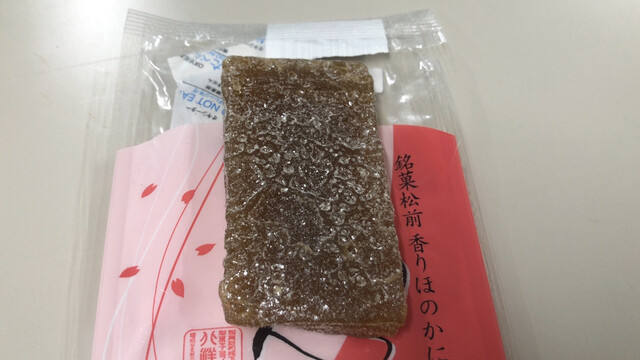
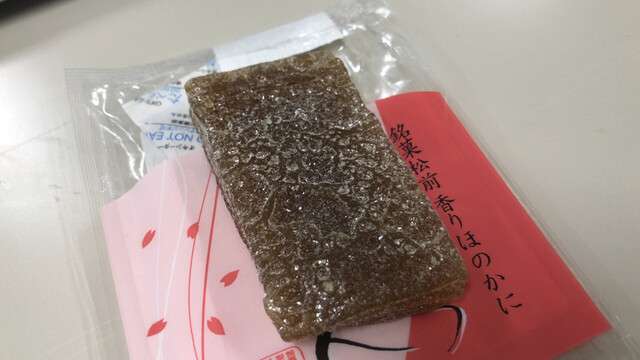
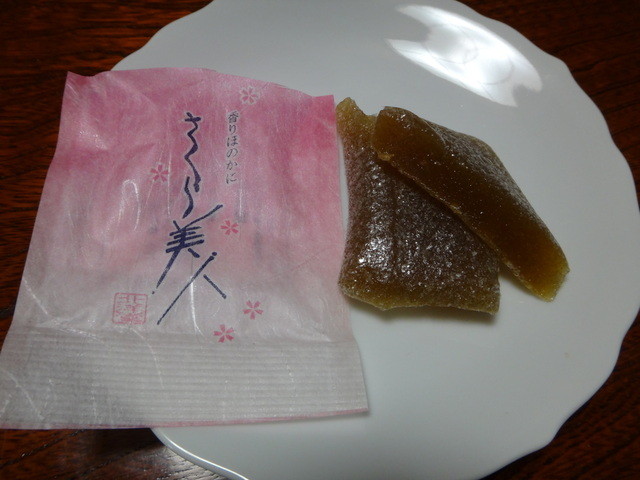
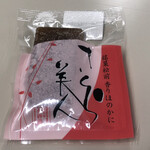
I found a snack from Matsumae Town ^_^ I think I bought it at Hokkaido Dosanko Plaza. I didn't take notes, so I'm not sure...σ(^_^;) I had it for my 3 o'clock snack ^_^ Sakura Bijin 162 yen including tax. A mochi snack with sakura leaves kneaded in. Other than sakura mochi, you don't usually eat sakura leaves, right? Let's savor it. This is delicious! It has a delicate sakura scent, slightly sweet, and a hint of soy sauce flavor. It's elegant and soft. It's a delightful taste that makes your mouth dance. Matsumae is not just about Matsumae-zuke! Even those who don't like sakura leaves can enjoy this! This is perfect as a companion for hot tea (´∀`) Thank you for the meal ^_^
Email Login