そば処 まるみなみ
sobadokoromaruminami ◆ 丸南本店
3.26
Hakodate
「Soba」
1,000-1,999円
--
Opening hours: 11:00-14:30(L.O14:00)17:00-21:00(L.O20:30)
Rest time: Sunday
北海道函館市若松町19-5
Photos
(20)
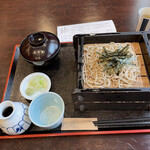
Details
Reservation Info
can be reserved
Children
Children are allowed (infants, preschoolers, elementary school students), children's menu available, baby strollers allowed
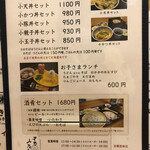
Children's lunch 600 yen (can be ordered for lunch or dinner), udon or soba noodles, omusubi, egg omelet, edamame, apple juice (with toys)
Payment Method
No credit cards
Electronic money is not accepted
QR Code Payment
(PayPay)
Number of Seats
28 seats
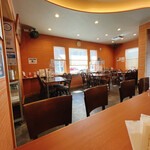
(10 seats at the counter, 14 seats at tables and 4 seats at a small table)
Private Dining Rooms
None
Smoking and Non-Smoking
No smoking at the table
Parking
Yes
Two parking spaces are available on the right side of the road facing the restaurant. If the parking lot is full, you can park in the "Paraca" multi-story parking garage on the opposite side of the street and receive a 100 yen discount coupon per car.
Facilities
Relaxed space, tatami room, sunken kotatsu, free Wi-Fi, wheelchair-accessible
Drink
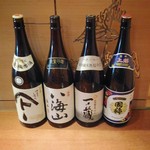
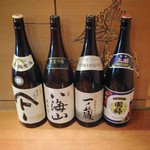
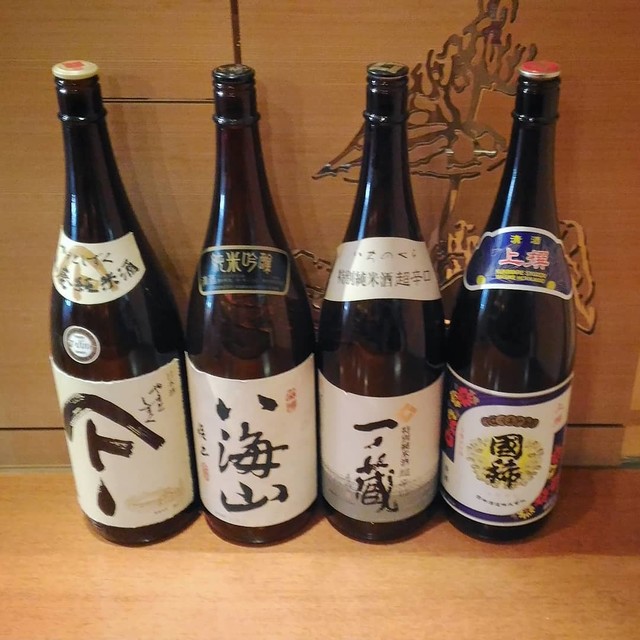
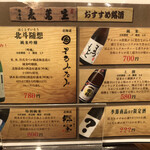
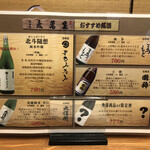
Sake available, shochu available, focus on sake
Dishes
English menu available
Comments
(20)

Mikiboo
3.70
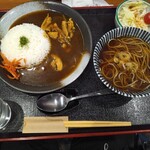
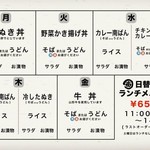
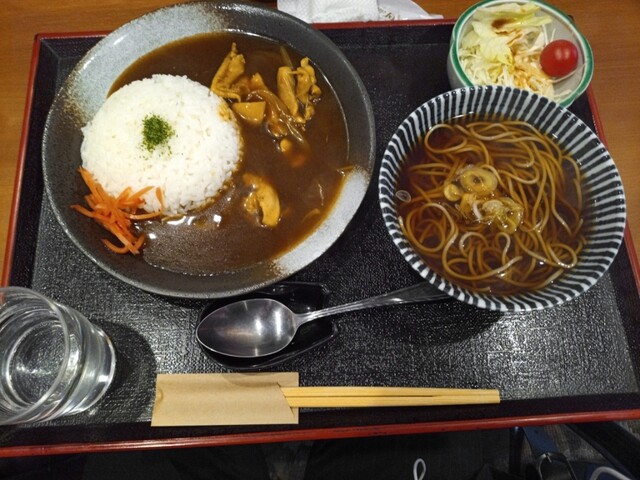
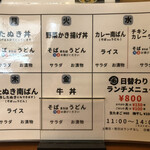
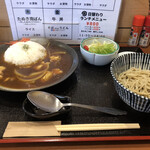
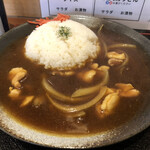
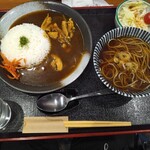
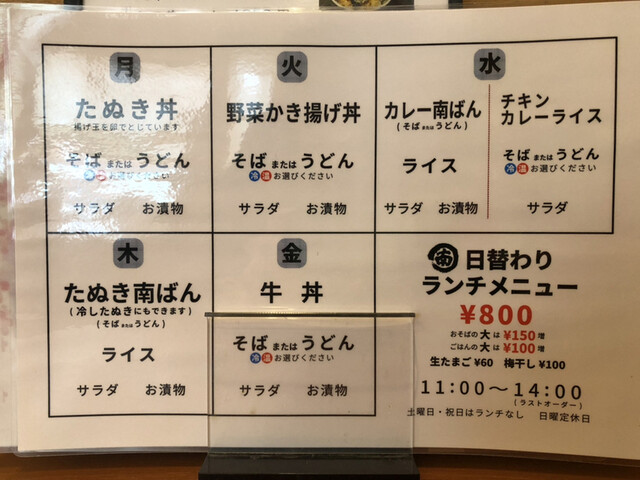
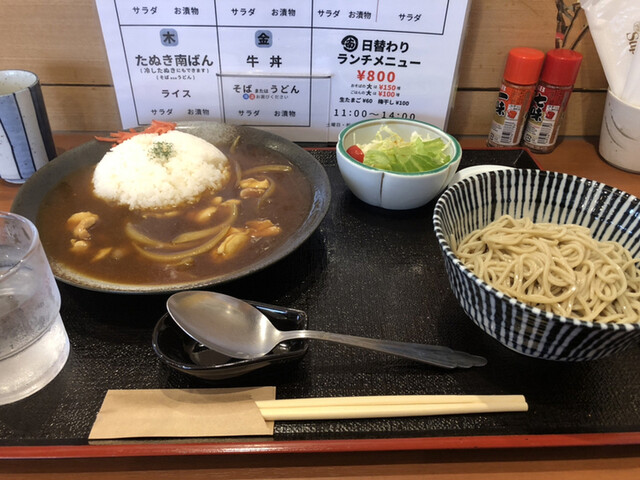
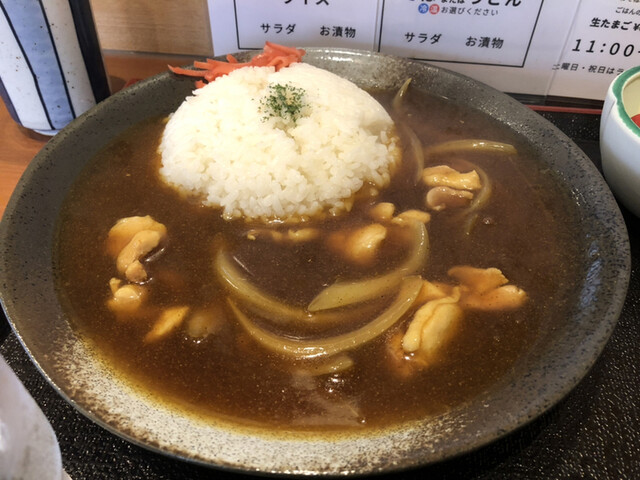
The daily lunch menu on Wednesday was a first for me. It was too hot for curry, so I opted for chicken curry with cold soba noodles. I watched enviously as the ladies at the table behind me ordered sake and beer, but I enjoyed my surprisingly spicy curry with rice and then cooled off with the cold soba noodles. If I didn't have to go back to work in the afternoon, I would have definitely had a cold beer.
Mikiboo
3.70
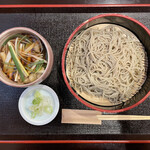
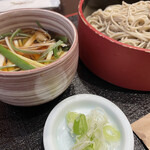
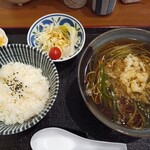
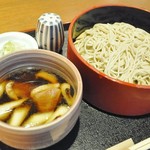
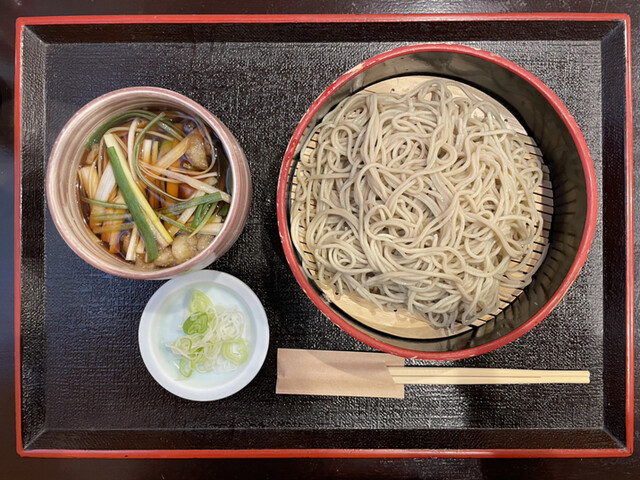
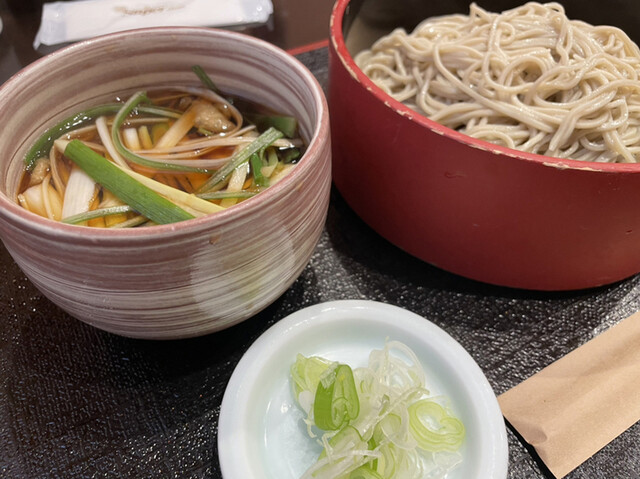
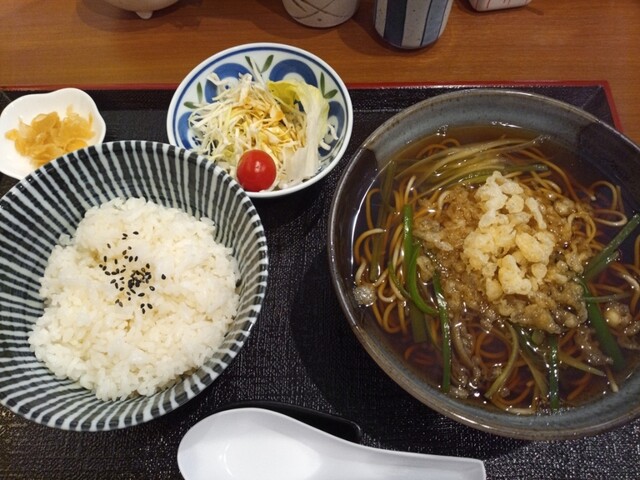
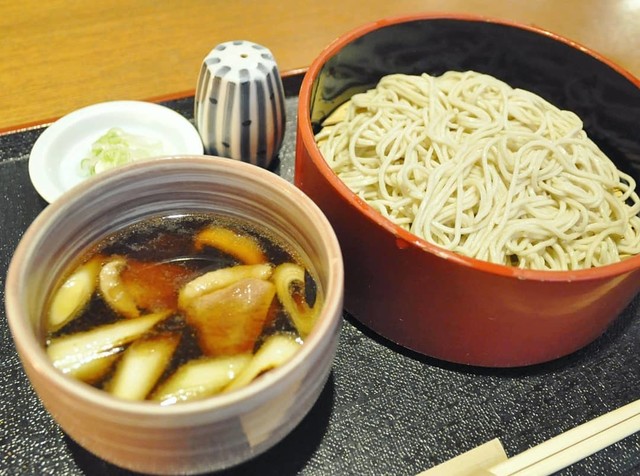
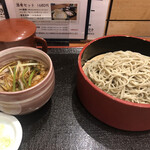
I wanted to try the "Negi Seiro" soba. I eat soba quite often, but this was my first time trying it with warm sauce. It had plenty of green onions and shrimp tempura, giving it a rich flavor. It was delicious. I wasn't sure how to drink the soba broth when served with warm sauce, so I ended up pouring it into the sauce and drinking it that way. Maybe it would have been better to have a soba cup?
Mikiboo
3.40
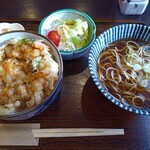
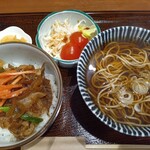
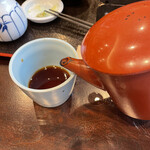
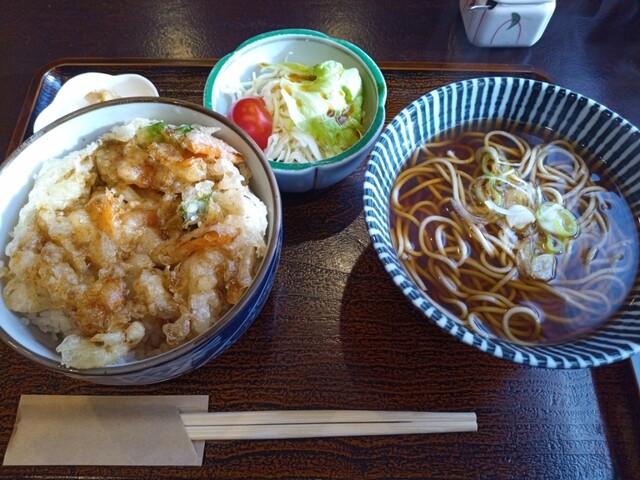
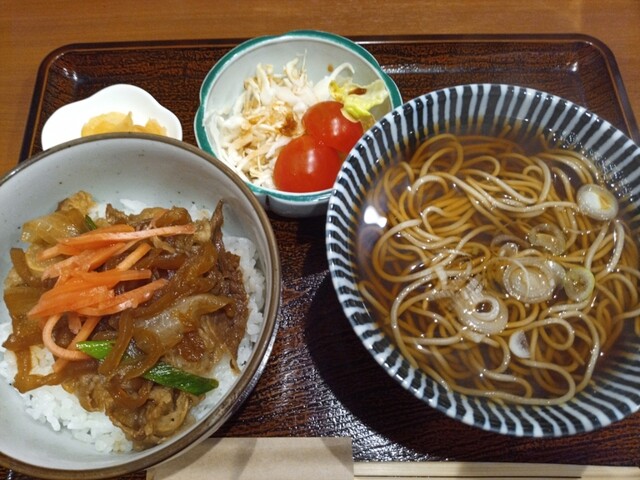
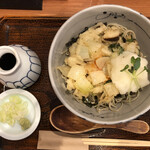
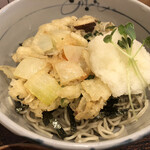
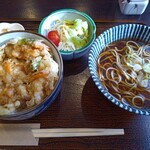
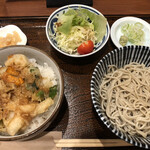
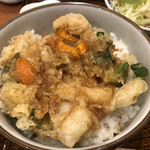
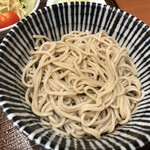
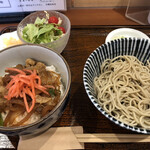
Had lunch at Maruminami-san. The daily lunch special was "Vegetable Tempura Donburi" with a choice of soba or udon, but I decided to go for the slightly more expensive option of "Tempura with grated daikon". The tempura was crispy with seaweed between the tempura and soba, making it easy to eat. The grated daikon was generously served, making the dish very enjoyable. Soba broth was served in a small cup later on.

Zaby
3.20
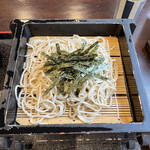
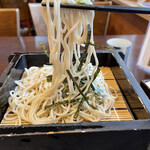
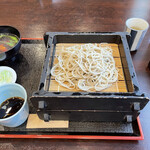
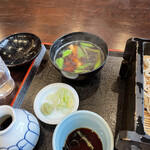
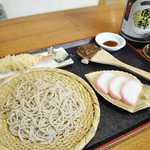
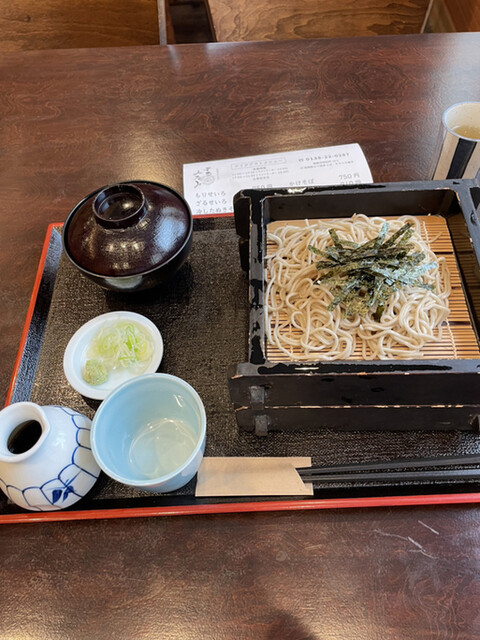
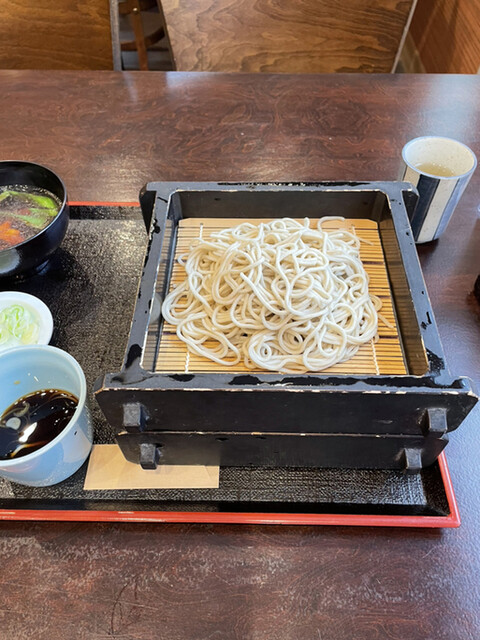
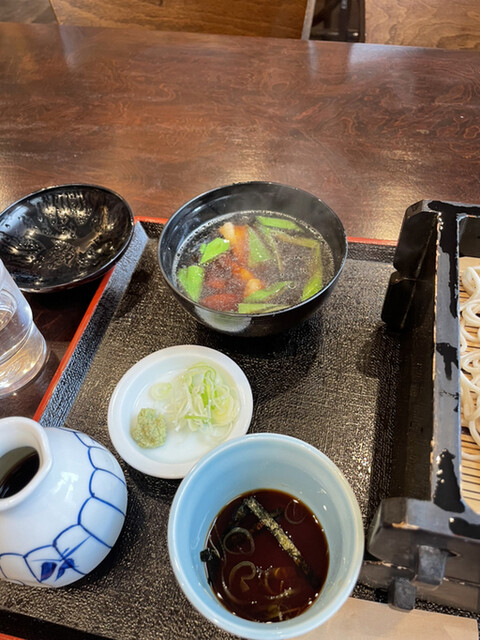
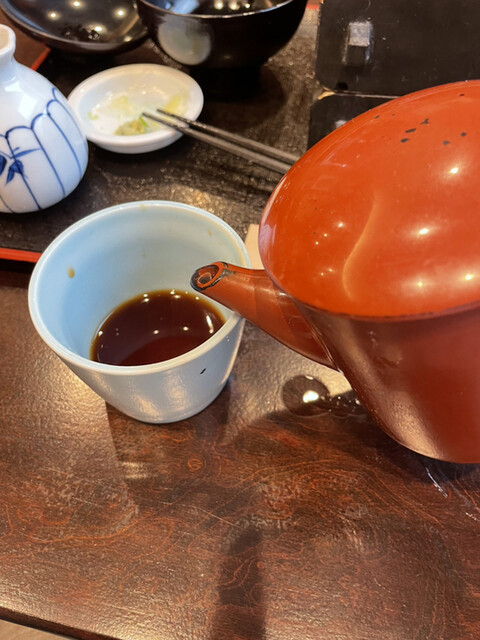
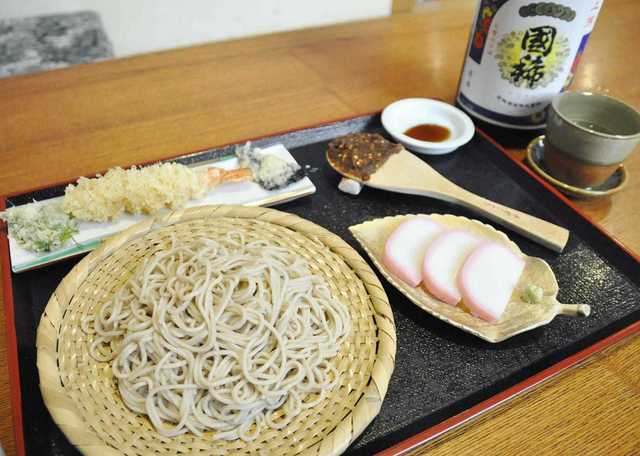
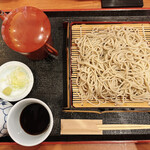
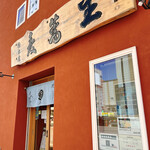
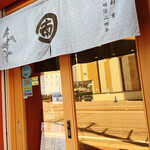
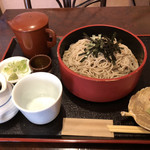
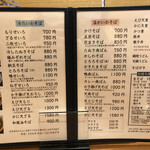
In front of Hakodate Station, after thinking about what to eat for about an hour, I decided on soba. I headed to "Soba Maruminami" which was only a 3-minute walk away. The shop had a warm sign with the words "Established in Meiji 24". It was 11:30 am, and there were no customers yet, just two groups of customers arrived later. The tables were for 4, 6, and 8 people, as well as a raised seating area. I ordered the "Mori Soba @700" without being swayed by the daily specials. It arrived in 6 minutes, served on a tray with soba, a decanter, a small cup, soba broth, and condiments (green onions, wasabi). The soba had good flavor and a smooth texture, but it was a bit too soft, possibly overcooked. The broth was flavorful, with a hint of spiciness typical of Edo-style soba. Overall, the atmosphere of the restaurant was pleasant, but the soba was not exceptional. I was curious about their rice bowl dishes. Thank you for the meal.

tecchi
5.00
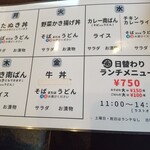
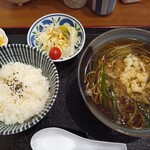
Mr. Minami Marumi said, "I only go to Maruminami for soba," so I decided to visit. The soba was so hot that I felt like I was going to burn myself, and the texture and aroma of the soba flour were amazing. The lunch deal was especially outstanding. Truly impressive, Hakodate. I ended up going there four days in a row, and next week I plan to complete a full week of lunches by trying the highly recommended negi soba.

鷲尾★ジロー
3.30
I usually write reviews about ramen, but occasionally I will review the "Hokkaido Centennial Dining Series". This is a record of visiting century-old restaurants in Hokkaido. The 9th installment of the Centennial Dining Series is "Soba Restaurant Maruminami" in Hakodate. It was founded in Meiji 24 (1891) and this year marks its 130th anniversary. It is the third oldest soba restaurant in Hokkaido, following "Higashiya" in Kushiro and "Maruki" in Sapporo, and the second oldest dining establishment in Hakodate after "Gotoen". The restaurant is known for being where Ito Takejiro, the second generation owner of the oldest soba restaurant in Hokkaido, "Higashiya", trained.
===============================
◎ Enjoying everyday soba in the historic city of Hakodate
In the fall of 2021, after the lifting of the state of emergency due to the new coronavirus, I finally made my long-awaited business trip to Hakodate. Hakodate, a city of history, is filled with charming shops and there are many places I want to visit. Furthermore, I recently discovered that my ancestors on my mother's side are from southern Hokkaido, which has further piqued my interest in the city of Hakodate.
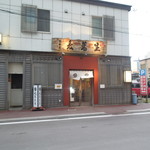
Among the soba restaurants in Hakodate that still exist, the one with the longest history is "Soba Restaurant Maruminami (Marunan Honten)". I decided to stop by this long-established restaurant for lunch today. The restaurant is located in the Odori Shopping Street in front of Hakodate Station. The parking lot is located nearby at "Paraka", with a fee of 200 yen for 60 minutes. You also receive a discount ticket worth 100 yen from the restaurant.
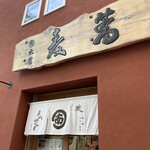
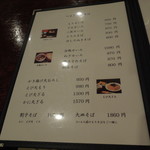
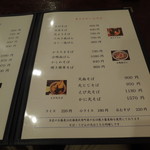
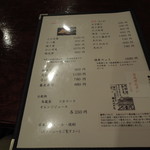
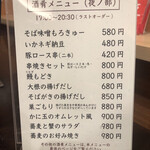
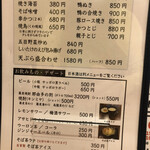
Just after 1:30 PM, I entered the restaurant while looking up at the wooden sign that read "Fresh Soba". I made it just in time for the last order at 2:00 PM. As I looked at the menu again, I noticed a wide range of dishes from traditional classics to creative cuisine, despite being an old-established restaurant. One item that caught my eye was the "Sake Appetizer Set", a set menu for the appetizers that come with soba. Since I came by car and have work afterwards, I decided to save this for another night.
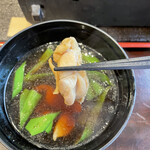
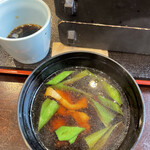
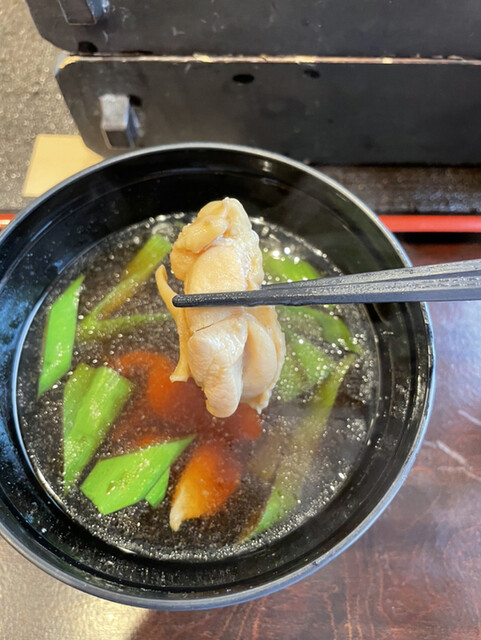
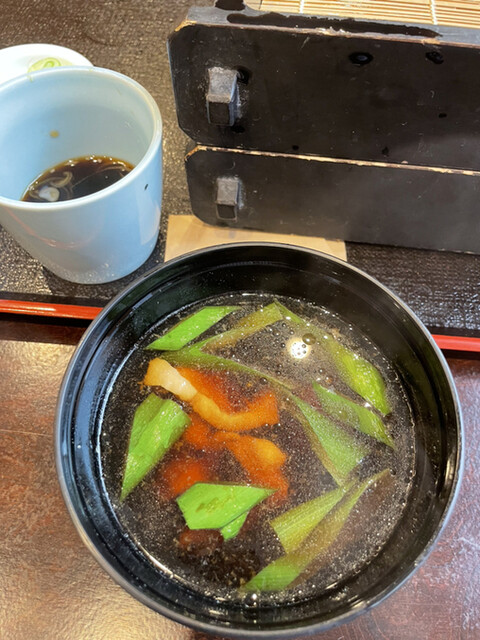
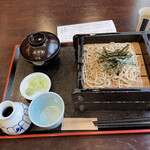
Today, I ordered the "Nimai Seiro" (920 yen). It comes with "Kashiwa Nuki" that has been passed down through generations at this restaurant. The "Nimai Seiro" includes both "Mori" (dipping soba) and "Zaru" (cold soba), and the "Kashiwa Nuki" is a dish where the soba is removed from the kashiwa (chicken and leek) soup. I recently learned that "Kashiwa Nuki" is a specialty of Kushiro. After ordering, it took about 7-8 minutes for the two seiro trays and kashiwa nuki to arrive.
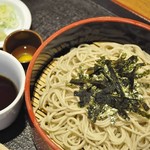
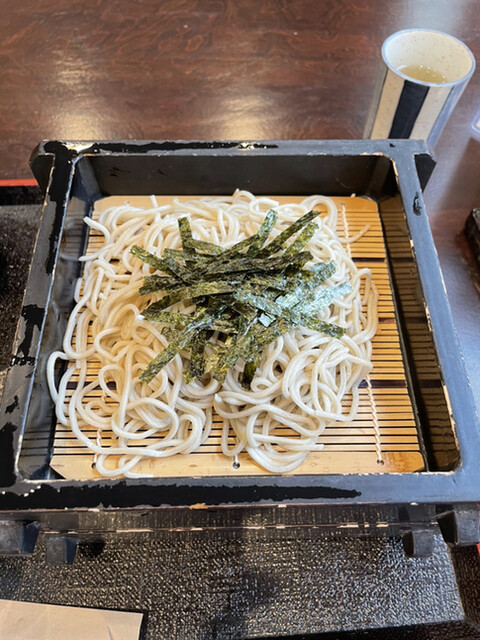
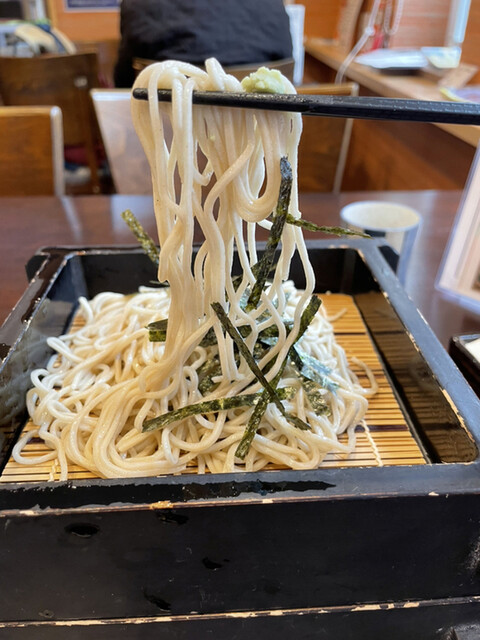
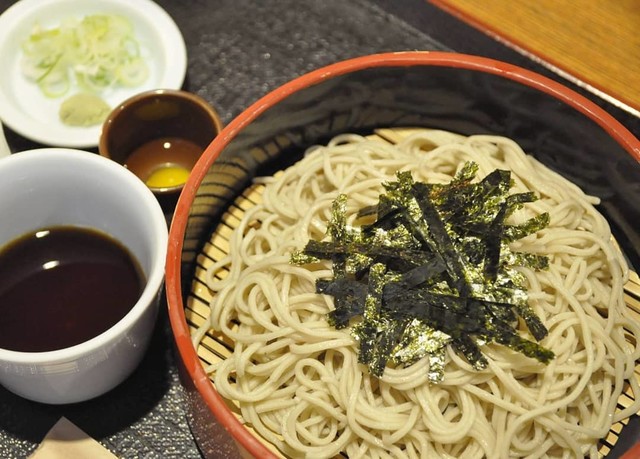
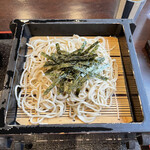
First, I tried the "Zaru" soba. I dipped the soba in wasabi, then in the soba broth, and slurped it up with nori. Slurp, slurp, slurp. Hmm, when I chewed a bit and swallowed, I could taste the sweetness of the soba. The soba flour here is from Kitami-cho in Sorachi, and it is ground with a stone mill. I believe it is a 20/80 blend. The soba broth, while rich, has a gentle flavor with a subtle taste of bonito. Next, I tried the "Kashiwa Nuki". Wow, this is delicious. It's my first time trying just the soup of "nuki", but the deliciousness of the broth quickly spreads through my stomach. The chicken in the kashiwa has a nice layer of fat and is easy to eat. Before I knew it, I had finished the "Zaru". Next, I tried the "Mori" on the lower tray. The only difference between "Zaru" and "Mori" is the presence of nori, and I heard that "Mori Soba" was originally created in the late Meiji era to add a touch of luxury by sprinkling nori on top of the soba. However, two trays of soba are quite a lot, and it's quite a volume. After finishing the soba, I enjoyed the soba-yu (soba water) to settle my slightly bloated stomach. Finally, I finished with fragrant soba tea.
Despite being the second oldest restaurant in Hakodate, it doesn't feel very traditional, both in taste and atmosphere. It's an impression of a restaurant that blends into daily life. The scene of casually stopping by, quickly eating, and leaving, that is the scenery of a town soba shop that has continued for 130 years. Thank you for the meal. (Visited on November 10, 2021)
===============================
<Addendum>
The history of Hokkaido soba cutting dates back to the late Edo period, when it was said that the Matsumae domain ===========

サロン札幌グルメ
3.80
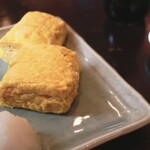
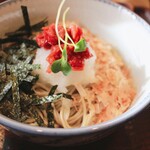
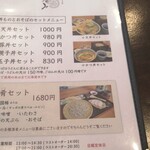
Established in the 23rd year of the Meiji era, this long-standing soba restaurant is a gem. The interior is calm and beautiful, and they offer a wide variety of delicious soba, sake, and appetizers. The tamagoyaki and "negi seiro" were incredibly tasty! I will definitely be coming back again. Check out more details here: [Hakodate Gourmet] The amazing flavor of the "negi seiro" at the long-standing soba restaurant "Maru Minami Honten" established in the 23rd year of the Meiji era.

モッチー2643
3.20
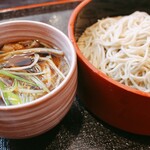
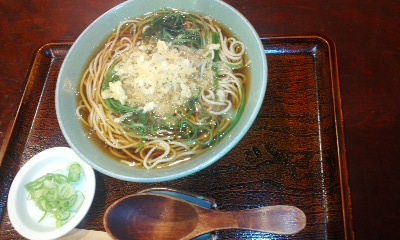
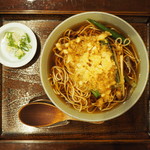
On the first day, on our way back to the hotel, we took a slight detour and ended up here for dinner. In Hakodate, there are some soba restaurants that are open on Saturday nights. We were served cold water here. My friend ordered some sake and fried daikon as a side dish. I ordered the "tanuki soba" (known as "tanuki nanban" here). First, the sake arrived with miso as a side dish. Then, the tanuki nanban arrived. The soba noodles were made of 80% buckwheat and 20% wheat flour, with tempura bits and green onions inside, and additional green onions on the side. The broth was flavorful, but the taste was more like a common soba dish you would find at a casual eatery. If I come back, I would like to try the curry soba next time.

コタちゃん
0.00
This shop is one that a blogger I often follow visits when in Hakodate, and I had been wanting to go there as well. I have tried their soba before, but this time I decided to challenge their sake and appetizer menu. The sake and appetizer set includes snacks, sake, and soba for a very convenient set. It seems to be cheaper than ordering them separately. Normally, I am drawn to the allure of the large portion, but this time I was enchanted by the elegant sake cup at the soba shop. One glass of sake is not enough, so I ordered an extra one.

masami☻
3.50
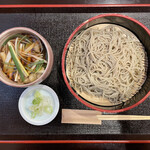
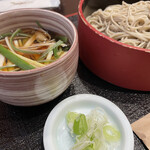
Usually it's a sake and appetizer set, but this time it was a first! The negi seiro with plump shrimp tempura was included and delicious ♡

kamaka_ryu
3.50
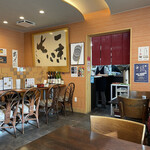
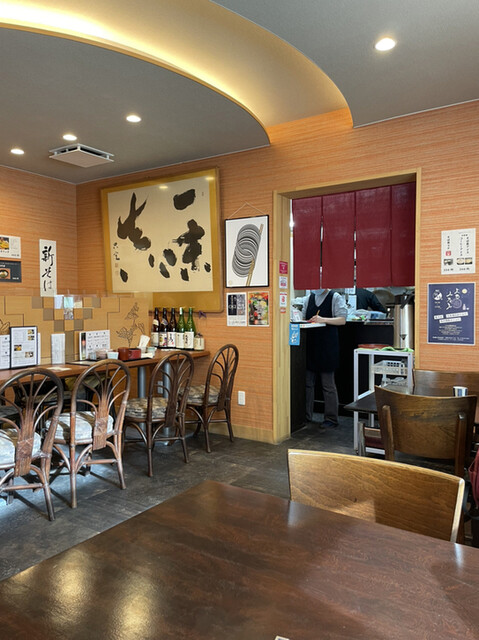
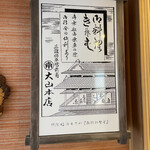
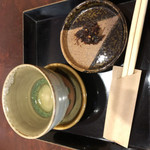
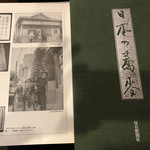
The soba noodles at this restaurant, prepared by the husband and wife team, were delicious. The length, firmness, and taste of the noodles were all up to par, and the dipping sauce was also decent. The interior of the restaurant had a traditional feel, with a noren curtain featuring soba flowers and a book on the history of soba noodles subtly placed on the shelf. It truly exuded the elegance of a long-standing establishment.
masami☻
3.30
This is a longstanding soba restaurant in Hakodate where women can feel comfortable dining alone.
Mikiboo
4.10
Mikiboo
3.30
Mikiboo
3.30
Mikiboo
3.30
Mikiboo
3.00

黒幕1972
3.30
黒幕1972
3.30
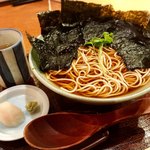
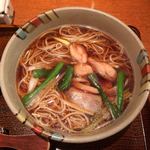
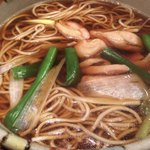
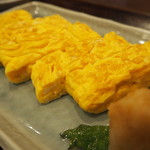
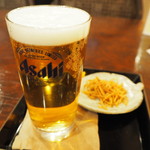
Tamagoyaki, beer, and tanuki nanban soba.

noshi440
4.00
Sweet and savory Edo-style dashi.
Email Login