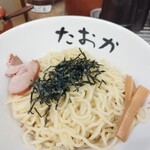
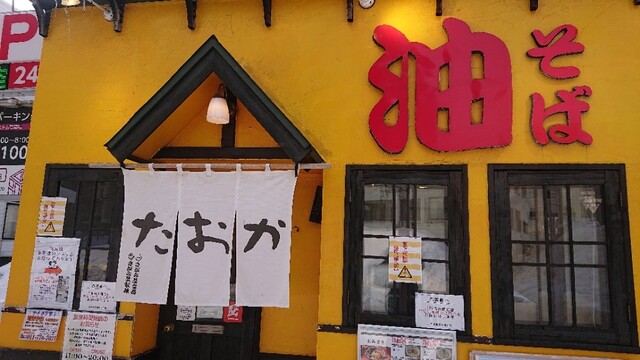
油そば専門店たおか 札幌駅北口店
aburasobasemmontentaoka
3.32
Sapporo Station Area
--
--
Opening hours: 11:00-23:00 Open Sundays
Rest time: Open irregular hours and closed days are subject to change, so please check with the store before visiting.
北海道札幌市北区北7条西7-6-19
Photos
(20)
Details
Reservation Info
No Reservations
Payment Method
No credit cards
Electronic money is not accepted
Number of Seats
26 seats
(8 seats at the counter, 2+4+4 seats at the tables, and a small room)
Private Dining Rooms
None
Smoking and Non-Smoking
No smoking at the table
Parking
None
Facilities
Counter seats available
Comments
(20)

キュンストレーキ
3.00
I tried Tokyo Aburasoba Sohonten Teine Group a while ago. The reviews were mixed, with some saying it was bad and others questioning if it could beat Taoka. I decided to try Taoka as well. They also had a ticket machine, which I'm not a fan of because you can't take your time to choose. But the large serving for ¥680 is cheap! This time, I'll go with that. There were many young staff members, but they seemed a bit lacking in energy. The waiting time was about 5 minutes before the food arrived. The presentation was fancier at Tokyo Aburasoba Sohonten. Well, it costs ¥880 there, so it's understandable. The way to eat Aburasoba seems the same everywhere - add vinegar and chili oil, mix, and eat! Huh? It's actually pretty good... It's just good, so I don't see how people can say the other place is bad. I learned that Aburasoba is just like this. I ordered a large serving, but it was still small... I can't be satisfied with a large serving of soupless ramen! But, I thought Taoka could use some chopped onions! For me, maybe I'll stick with Tokyo Aburasoba Sohonten. That's all for this review!

ジョウジクルゥニィ
2.50
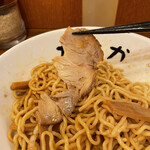
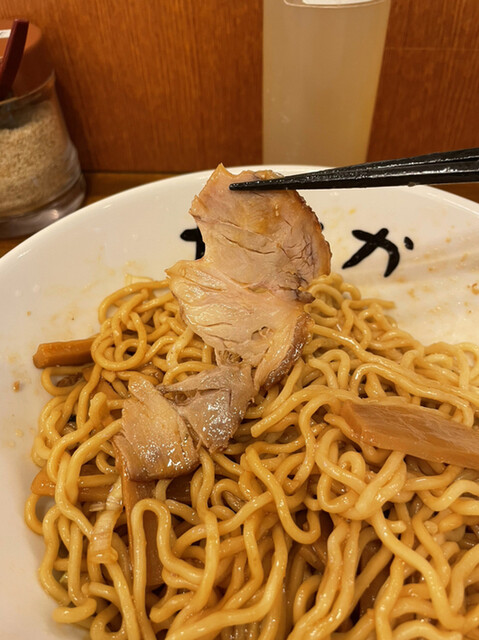
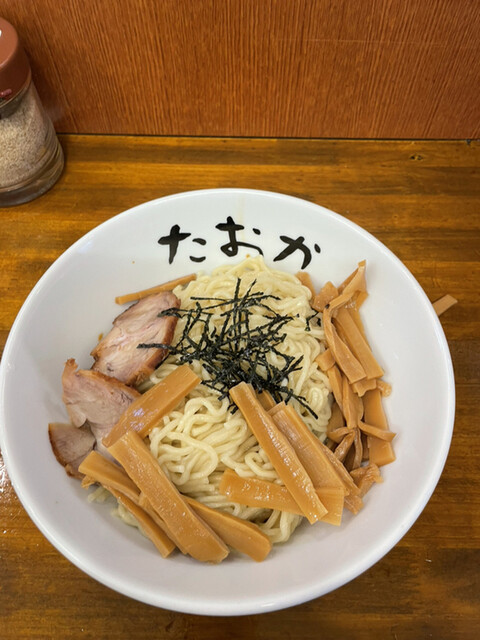
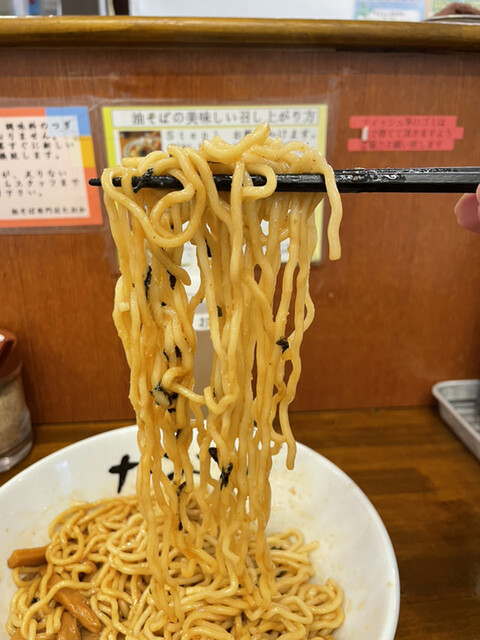
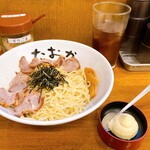
I ordered the meat topping with added mayonnaise and black oolong tea (total cost was 1210 yen). I opted for the free upgrade to a large portion when ordering, and even with the large portion, it was a manageable amount. The noodles were medium thick curly noodles that were quite soft and had a slightly mushy texture. They didn't seem to be overcooked but rather absorbed a lot of water. The sauce was soy sauce-based, not too salty or oily, but I found it a bit lacking in flavor. It was disappointing that there was no soy sauce available on the table. Adding mayonnaise significantly changed the taste to a more junk food-like flavor, which I personally enjoyed. I was glad I ordered it in advance. The chashu was quite thin and lacked substance. The way it was sliced and placed on the dish was not very neat, making me wonder if this was really the standard way of serving it. I ordered the meat topping, but what was served differed from what was listed on the menu. The menu stated that it would include green onions, chashu slices, menma, 6 pieces of chashu, and seaweed, but the actual dish did not have the green onions or chashu slices. When I asked the staff, they mentioned that they only include additional chashu slices when they run out of the regular chashu, which was not a satisfactory explanation. Overall, I was disappointed with the service and the quality of the ingredients considering the price. I will definitely not be revisiting this place.

スイーツ依存症
3.50
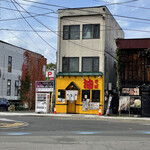
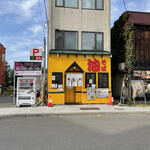
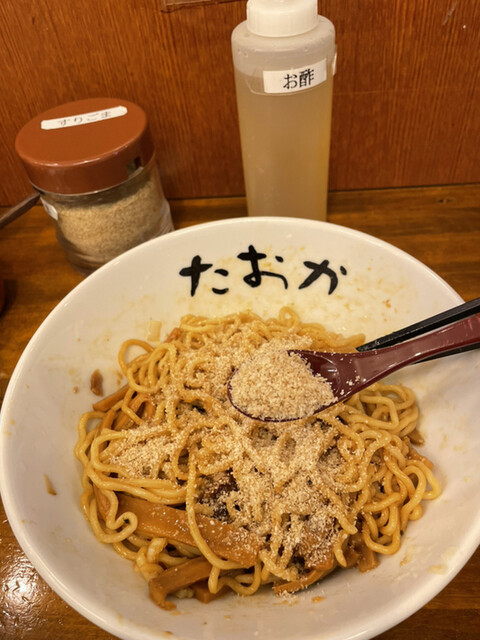
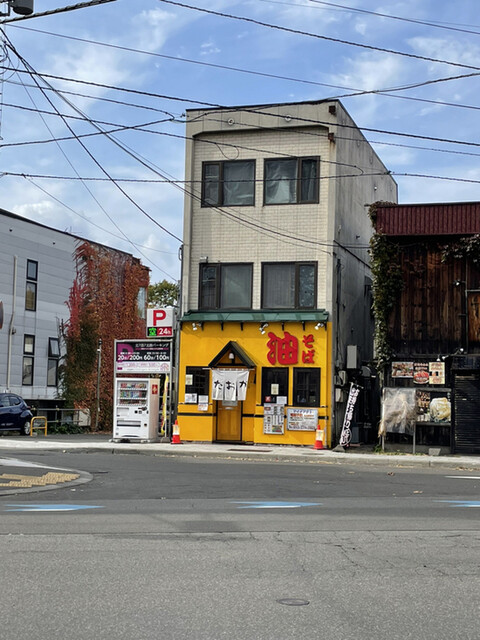
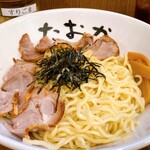
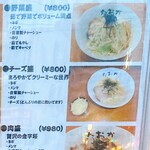
I came to Taoka after seeing a coupon like the one for Rampass in Poloco. It's a bit west of Sapporo Station, but you can see the yellow building just down the road, so it's easy to find. With the coupon, the cheese plate was 800 yen reduced to 550 yen. Of course, I got the large serving for free. The food comes out quickly after ordering, so it's reassuring for those on their lunch break. There's a guide on how to eat on the wall, but the real pleasure of oil noodles is customizing it to your taste. I like to add a lot of vinegar, chili oil, black pepper, and ground sesame. The noodles are plentiful and with cheese, so it's a bit rich in flavor. I haven't eaten oil noodles much, but at other places, it tends to be heavy and I get tired of the taste even when I change it up. Here, even with a large serving, it's so delicious that I finish it quickly. However, after eating, I feel so full that I think, "I don't need dinner..." I plan to come back next time after properly emptying my stomach. Thank you for the meal!

6de0d7
3.00
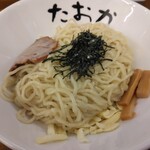
In winter, having free extra noodles with soup is so nice and the cost performance is great, really grateful for that. There are a lot of menu options but I can't imagine them, so in the end I just end up getting the regular oil noodles. I want to try other options and add toppings, but I just can't decide in front of the ticket machine. So, I end up getting the regular oil noodles.

あかり ʕ ◦`꒳´◦ʔ
4.00
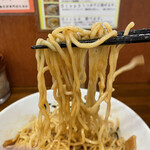
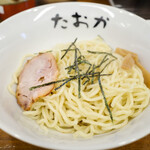
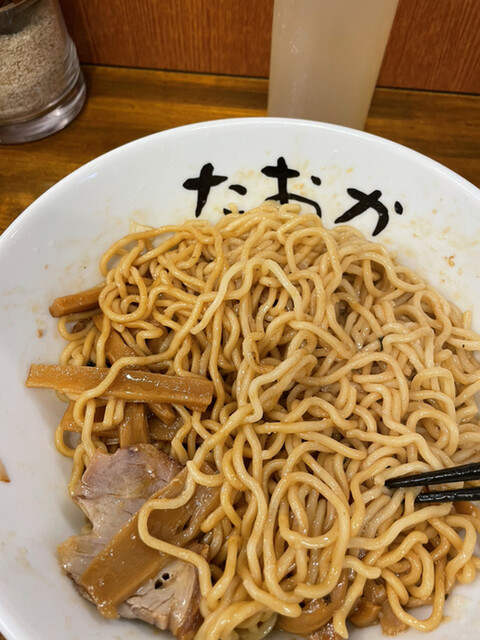
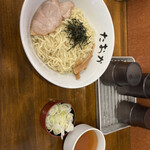
The noodles are just the right firmness and they mix well with the sauce. The slightly pungent chashu and menma add a nice touch. It's popular among students from cram schools and Hokkaido University because they offer free extra servings. It can get crowded at times, so you may have to wait outside.

鷲尾★ジロー
3.30
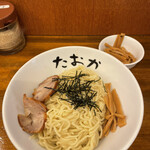
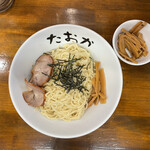
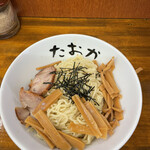
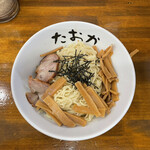
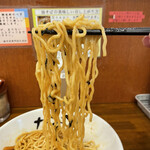
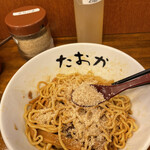
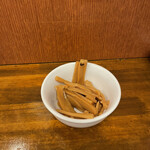
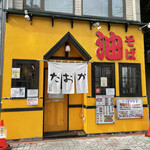
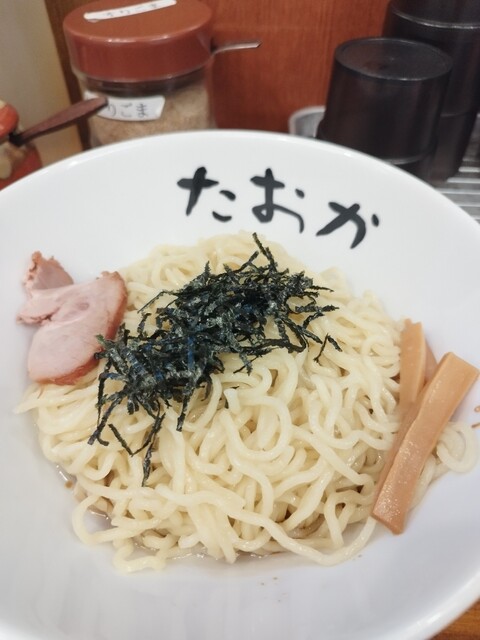
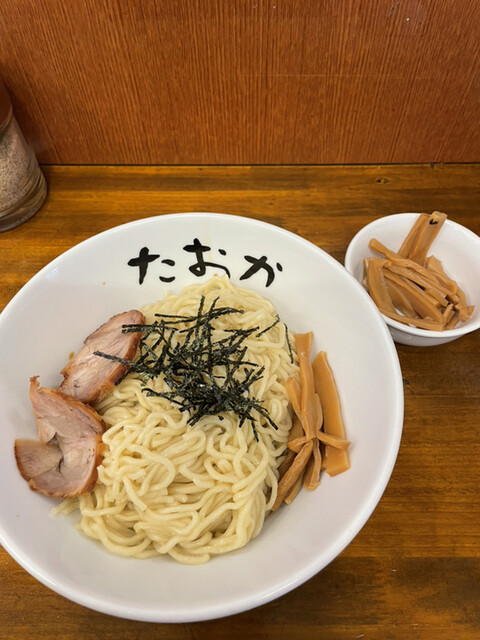
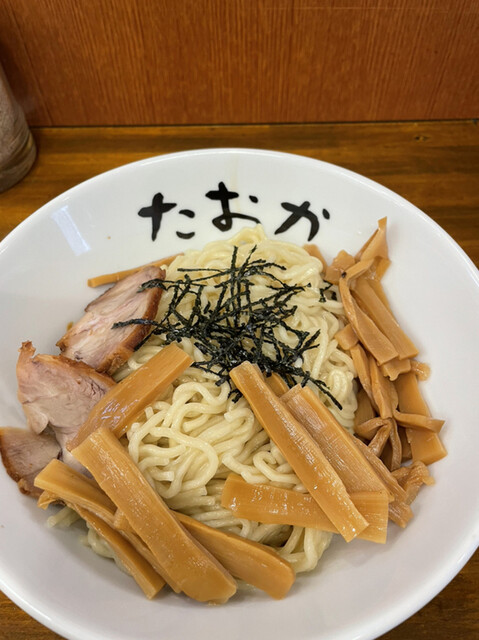
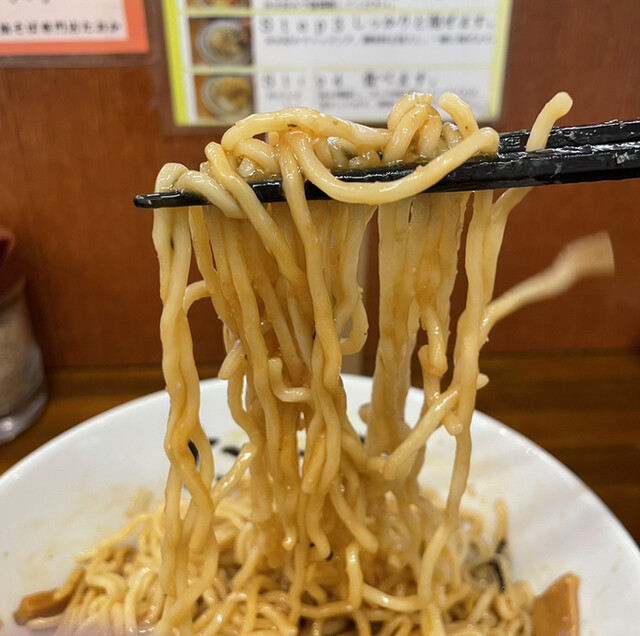
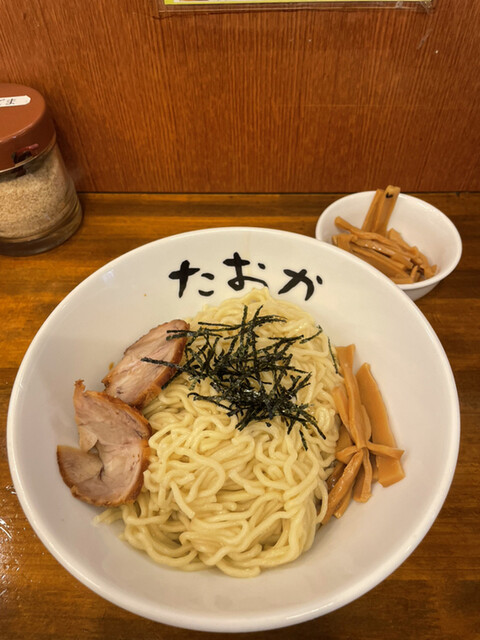
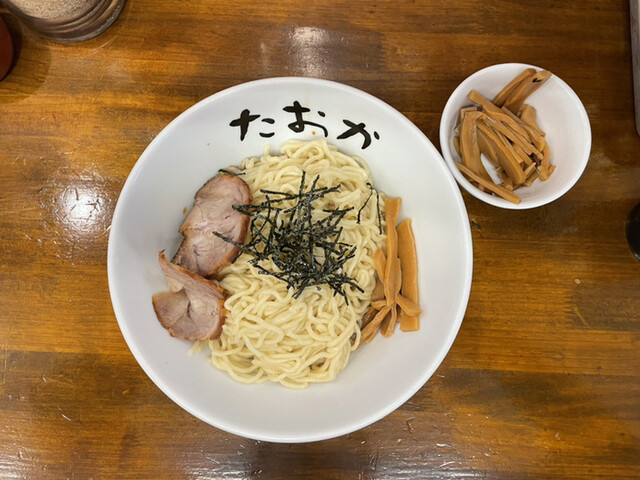
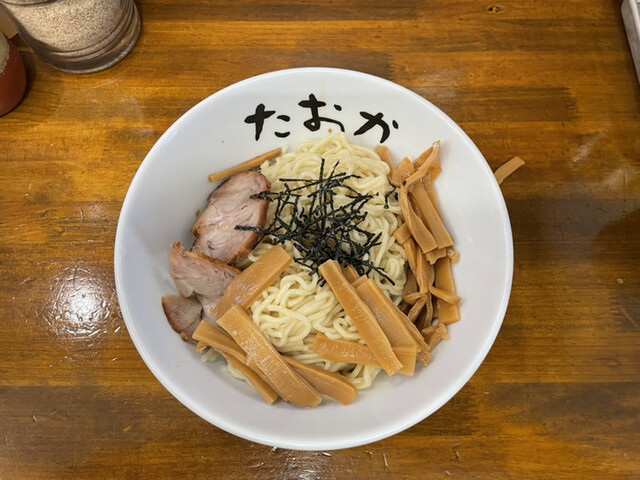
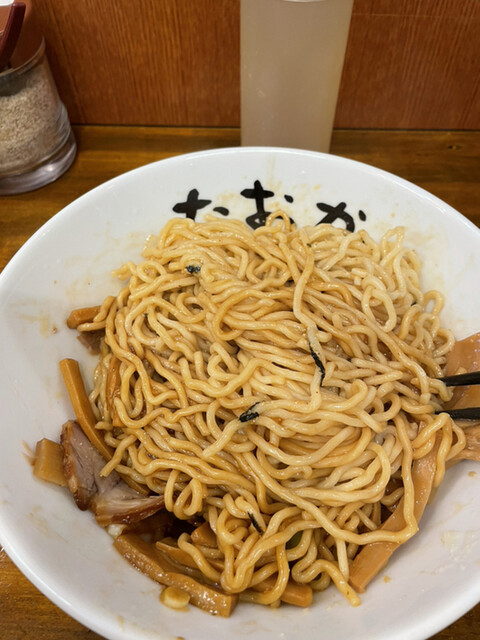
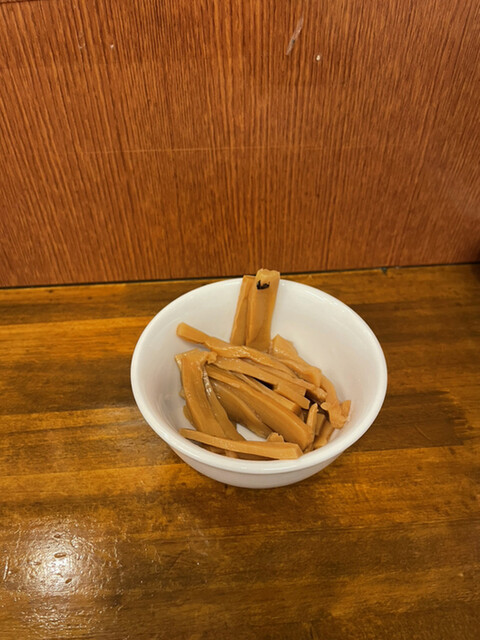
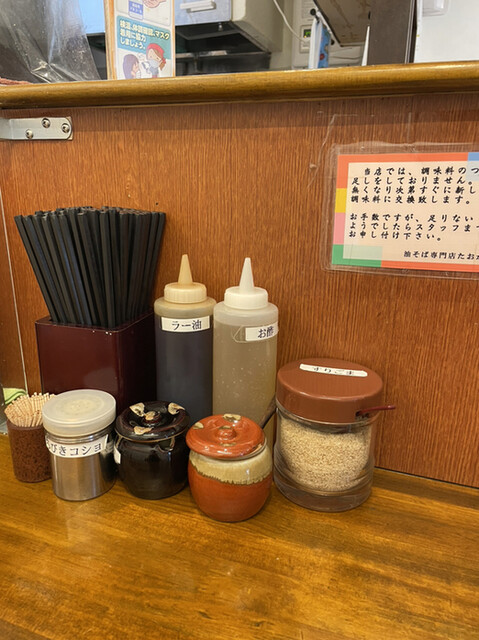
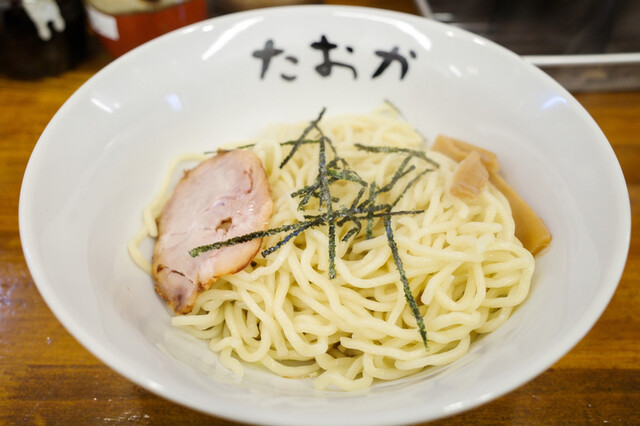
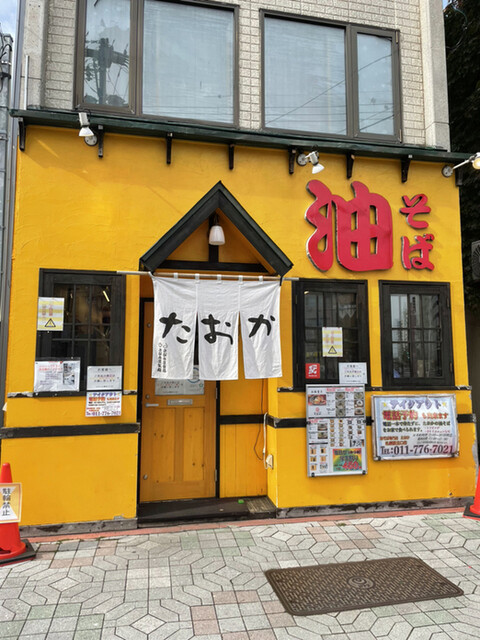
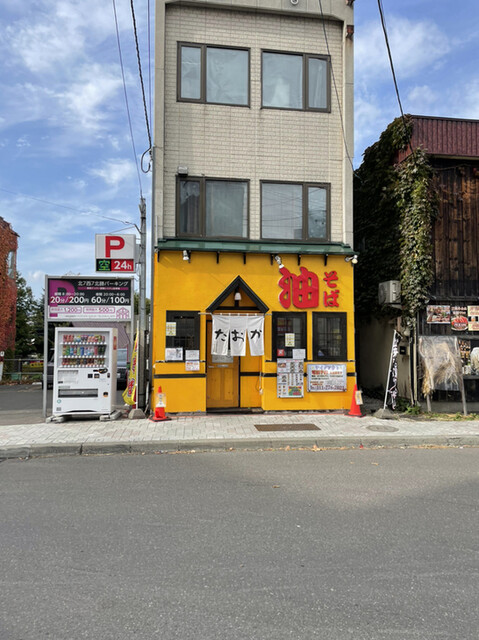
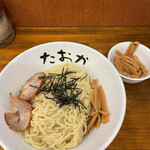
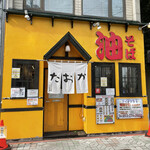
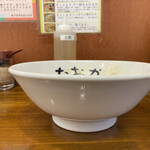
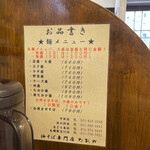
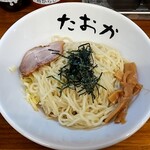
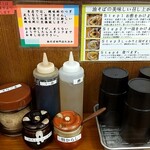
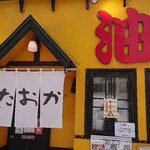
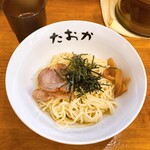
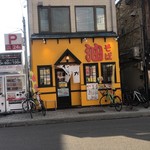
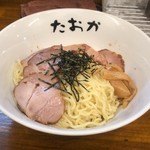
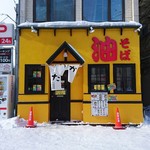
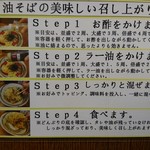
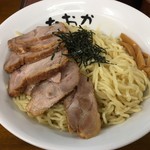
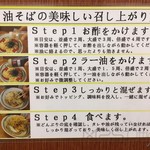
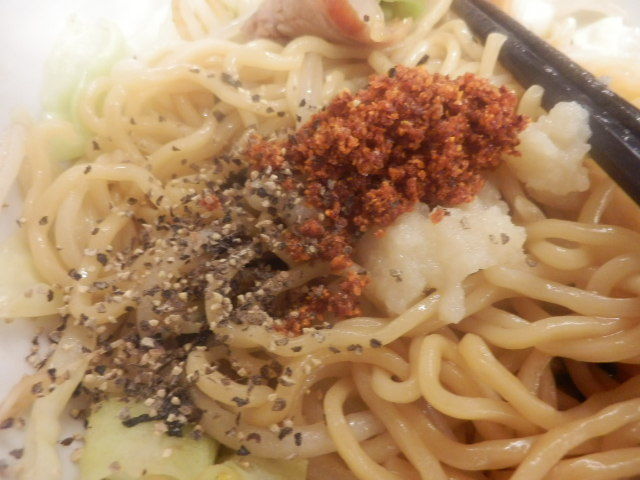
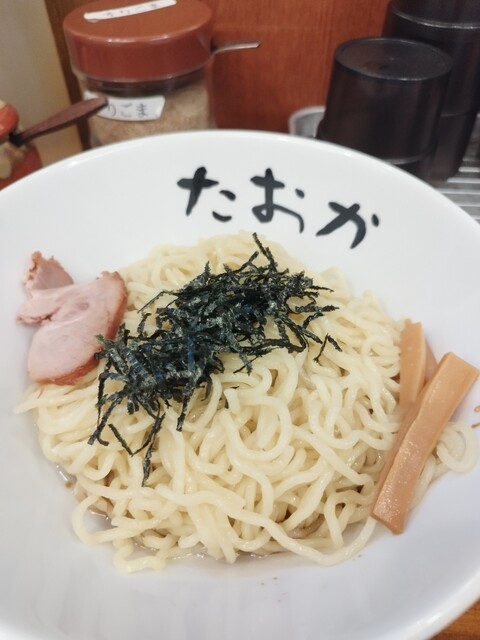
"Sapporo's pioneer of abura soba is 'Taoka'. I also used to be obsessed with abura soba, and my first bowl of ramen in my current record of 776 bowls was actually at 'Taoka'. At that time, I wrote explanatory comments about 'abura soba' on my Instagram, which sparked my interest in the origins of ramen and restaurants. The explanation text became too long, so I started posting on Tabelog instead of Instagram (;^ω^). For today's lunch, I will be going to 'Taoka' for the first time in 3 years. The restaurant is located at Kitaku, Sapporo, Kita 7 Nishi 7. From Sapporo Station North Exit, head west on Kita 7-jo Street in front of Yodobashi Camera. The yellow exterior with red letters of abura soba stands out. Unfortunately, there is no parking lot. I entered the restaurant at 11:30. I looked at the ticket machine. The menu here is divided into a normal version and an arranged version with toppings. The noodle portion, regular and large, are the same price, double portion (2 servings) is 100 yen extra, and triple portion (3 servings) is 200 yen extra. There are also various toppings available. It's been a while, but my personal standard menu, 'double portion' 740 yen + 'extra menma' 70 yen, I ordered, handed the ticket to the staff, and sat at the counter. (*Prices at the time of visit) Now, 'Taoka'. The shop that introduced the popular 'abura soba' from Tokyo to Sapporo. The Hiraishi main store opened in 2011. Gradually gaining popularity, as of this year (2023), they have a total of 4 stores including Miyanosawa, Kita 24-jo, and this Sapporo Station North Exit store. The Sapporo Station North Exit store opened 5 years ago in 2018. Over 10 years have passed since the opening of the 'Taoka' main store, and in Sapporo, abura soba specialty shops are popping up one after another, establishing abura soba as the third genre after ramen and tsukemen. By the way, in the 'Sanseido Japanese Dictionary', 'abura soba' is explained as 'Ramen without soup. Boiled Chinese noodles and ingredients with a small amount of soy sauce dressing and oil. Mix and eat it yourself.' It has become so popular that it is even listed in the dictionary. It's a food that has been loved for over 50 years and originated in Nishi Tokyo. Now it's a popular taste nationwide. In Sapporo, you can eat it normally. When talking about Hokkaido's abura soba, 'Taoka' and 'Komefutei' are indispensable shops. In about 5 minutes, first the 'menma' is served on a separate plate. Then the 'abura soba' arrives. A simple style with chashu, menma, and chopped seaweed on top of the noodles. The noodle bowl is a white porcelain high-footed bowl with the shop's logo. First, pour the 'vinegar' on the noodles on the table. About 3 rounds for the large portion. Next, pour the 'chili oil' for 2 rounds. Then mix it well with the sauce at the bottom of the bowl. Optionally, sprinkle plenty of 'ground sesame' on top, add 'garlic', and you're ready. Now, let's eat♪ First, the noodles. Yes, they are chewy and delicious. The hot abura soba noodles are a special type of medium-thick, high-water noodles. Since there is no soup, the taste comes through directly. The noodles are provided by Sachi-chan's Sagamiya Seimen. The unique dressing is sweet and savory. The combination of the dressing, vinegar, and chili oil creates a unique flavor. The chashu is the traditional type. The menma is crunchy and tasty. I eat it vigorously. Now, let's enjoy the noodles until the last one. Yum~ (*´∀`*) Finished it all again. This 'Taoka' is truly an 'orthodox, normal abura soba'. It's a bowl that I sometimes crave. Recently, there are more shops offering their own original flavors as 'soupless noodles', but here, it's strictly the 'normal abura soba'. It sets the standard for abura soba in Sapporo, with its orthodox taste. On the other hand, abura soba is a food that is difficult to differentiate, so it's quite an achievement to gather such popularity with just abura soba. They are definitely taking advantage of being the early bird ==========="

カフェ好きスイーツ好き
3.50
I used the Lampas app for Poloco (*'ω'*). I often use Taka-san for delivery, but this is my first time visiting the Kitaguchi store! If the price doesn't change between regular and large servings, might as well go for the large one, right? (*laughs*) There's cheese at the bottom of the bowl, so it's a bit mellow, but you might not feel the cheese's presence too much. I started by eating it as is, then gradually adjusting the taste with table condiments. I personally like it with lots of vinegar and garlic, and about one and a half rounds of chili oil. Since the base is simple, whether you can enjoy it or not depends on yourself (*laughs*). I'll continue to mainly use delivery in the future (*'ω'*).

なーこちゃん♡
3.50
2022♡♡ 15th bowl, 2/15 around 3 pm, I had the large serving of meat oil ramen (*^^*). I noticed that some places do not serve continuously, so I felt hesitant to enter as it closes at 3 pm, and I passed by a few places before coming here where I had been bookmarking. I really like oil ramen too. I was pondering in front of the ticket machine. I submitted a ticket for the meat option and then ordered the noodles to be regular or large serving. Since I was hungry, I opted for the large serving. The sound of the microwave heating up echoed throughout the place (lol). The chashu seemed to have been warmed up in the microwave. The noodles were more generous in the large serving than I had imagined, which was great for someone with a big appetite. The toppings were a bit sparse, and if you wanted more, you could add extras for an additional charge. The meat that had been microwaved was a bit dry, but the flavor was delicious. I added plenty of chili oil and enjoyed it! If I have time and feel like walking from the station again, I might come back here. Thank you for the meal! *(^o^)/*

takke995
3.10
The student discount was 450 yen, and you even get a free large serving! It was delicious! It's totally different from what you imagine when you think of strolling around Yokohama. While "burabura" has lots of onions and a refreshing taste, Taoka has a rich and hearty flavor. There were plenty of condiments available, which is the charm of oil noodles, right? The staff's atmosphere was very pleasant!
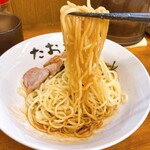
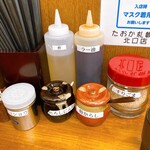

トム
3.70
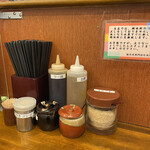
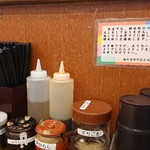
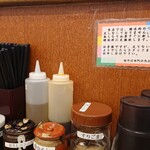
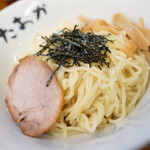
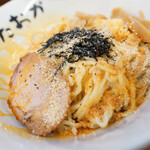
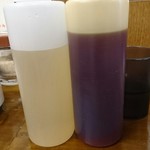
Welcome.---------- August 2020 ----------Located in the Satsueki area, a little north of 6 West 6 facing north, a ramen shop specializing in oil soba. |o| °д°)ノHelloThere is a counter and two tables layout at the counter. The counter is a bit dirty, but oh well...First, there is a ticket machine with a big main button at the top. The staff member is gesturing with their eyes saying, "Please come here."Not related to the article, but there was a staff member with really colorful hair. I wonder how they achieved that color (pink-purple?) I want to ask.I wonder if they are the Yoshida Brothers? (referring to the shamisen players)Background music is shamisen.Normal size and large size are the same price, so I got the large size. Customize the condiments on the table: ground sesame seeds, coarsely ground black pepper, chili oil, vinegar, mustard, grated garlic.I like to customize this type of food, so even though there were instructions, I just mixed everything together and it was done.The sauce was a bit lacking, but the chili oil and vinegar supported it. The chewy noodles intertwined with the sauce and condiments, creating a deep flavor. I didn't put too much chili oil because it was just spicy, but I added more later (contradictory).Adjust the flavor with grated garlic and black pepper. Remember that the chashu, menma, and green onions are just extras and don't eat them as the main part of the dish.After finishing the oil soba, the place was almost full with mostly young people. Everyone was eating "double portions," but it's almost 3 PM... There aren't many places to eat around this area at this time, so I guess time doesn't matter here.
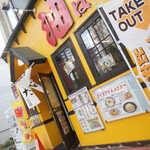
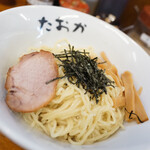

takko
3.00
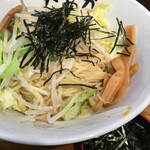
I often visit a ramen shop near my workplace where you can get a free extra large portion. The thick noodles provide a satisfying meal, and I always order the extra large size with added vegetables (bean sprouts and cabbage). One time, I accidentally selected cheese on the ticket machine, but they couldn't change it even though it was the same price. The cheese didn't melt well and I wasn't a fan of it. However, during the winter, they offer free soup that is usually 50 yen, which is a nice bonus. They also have a stamp card where you get a free bowl after collecting 10 stamps. I've already collected 10 stamps and have been back more than 10 times. ⭐︎

趣味は海外ドラマ
3.40
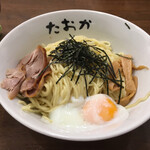
I visited the restaurant after work at night. It's very convenient because they are open until late. I ordered the large portion of Abura Soba with an egg on top using a food ticket. While waiting at my seat, I saw instructions on how to eat it, such as adding vinegar around the bowl and chili oil halfway through. The Abura Soba arrived in about 5 minutes, quicker than I expected. I was hesitant to add vinegar all around at first, fearing it would overpower the taste. But when I tried it, the flavor didn't change much. In fact, adding a little more vinegar made it refreshing and easy to eat. I then customized the taste further with chili oil and garlic available on the table. I used to think Abura Soba was heavy, but with the help of vinegar, it was surprisingly light and enjoyable to eat!

イチロウちゃん
3.60
I visited this restaurant with a friend after a long time. It was my first time at this location, as the previous one was in Teine. I bought a meal ticket at the entrance and handed it to the staff before being seated at a table for two. The clientele at this location seems to be mostly students, making the atmosphere lively. I ordered the Takoka Special, which came out quickly. I remember being asked about the noodle portion, and I believe the large size was free. I saw recommended ways to eat on the wall, so I mixed in chili oil and vinegar to customize the flavor. It was delicious being able to eat it just the way I like it.
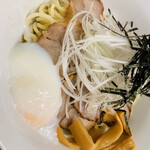

midori0303
3.80
After work, I really wanted to eat Abura Soba, so I went to TAOCA. I sometimes go to the Teine branch, but this was my first time here! I parked my car in the parking lot next door (which was paid) and entered the restaurant, which was filled with students! I was lucky to find a seat while buying a ticket at the machine. Today, I ordered the Taoka Mori Nami! It arrived at my table in no time. I added vinegar twice, chili oil once, and adjusted the taste to my liking with sesame seeds, garlic, and pepper! Delicious! However, I regret not getting the extra noodles right away, as they disappeared quickly. It was delicious again today!
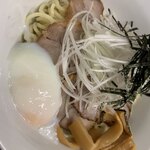

B'z@love.am
3.50
Located a little to the west of Sapporo Station North Exit area is a chain restaurant specializing in Abura Soba (oil noodles). I have visited their branch in Hiragishi before but this was my first time here. The interior is small with a few counter seats and tables. I visited during lunchtime and there were many students from Hokkaido University and prep schools nearby. First, you purchase a meal ticket from the machine and then enter. Since they specialize in Abura Soba, there are no other menu options but you can customize the noodle portion or toppings. This time, I ordered the "Large" size for 600 yen. By the way, the regular and large sizes are the same price so the large size is a better deal. After an 8-minute wait, the Abura Soba arrived. As instructed, I mixed in the chili oil and vinegar before eating. The medium-thick, chewy noodles paired well with the slightly spicy sauce and tasted delicious. The large portion was satisfying and the price felt reasonable. I recommend this place to Abura Soba lovers.
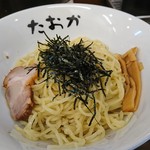
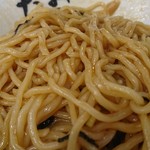

ホーリーパパ
3.50
I will be taking a 10-day vacation and will be traveling, so I will temporarily close the comments section. Thank you in advance!
I heard that oil noodles are healthier than ramen because they use oil instead of soup. I decided to try it at Taoka, located west of Sapporo Station North Exit. Since they offer a free upsize, I couldn't resist ordering a large portion. I always end up saying "regular size" too late!
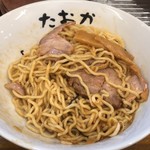
It's been a while since I had oil noodles. Following the instructions, I added vinegar, chili oil, mixed it, and tried it. It was delicious! But I quickly got bored. I added more vinegar and chili oil, but it didn't get too spicy. I added more toppings like Nanban, garlic, and black pepper. This made it even more delicious and I didn't get tired of it. Adding lots of toppings like Nanban enhances the flavor.
Overall, it was a good experience having oil noodles after a long time. If it's healthier than ramen, then it's a good choice! Thank you for the meal. This is my 69th review this year, consisting of 40 bowls of ramen, 13 soba dishes, and 16 rice dishes.

Rush_65
3.10
I targeted a ramen restaurant in Sapporo that is not commonly found there. It was a bit of a walk from my office. I thought there would be many students from Hokkaido University, but surprisingly there were also office workers. For my first time, I ordered the regular size for 600 yen. I had a bad experience with garlic in oil ramen before (during work), but this time it was fine, and I could enjoy it without any worries. Personally, I found it more delicious when I added more vinegar for a refreshing taste. The style here is to pour vinegar and chili oil, mix it, and then eat, but I'm lazy so I prefer it to be served that way from the start! I'll definitely come back if I have the chance. Thank you for the meal!

好きな食べ物はうどん!
3.20
When I tried to go to Ramen Jiro, the line was too long so I gave up. As I was walking around in the northern direction, I found a shop. I ordered a traditional oil soba. I had originally planned to go to Jiro, so I chose the massive portion. When it arrived, it had a delicious soy sauce aroma. When mixed, the sauce was a bit light on, unlike the greasy image. The taste was like a soup-less soy sauce ramen, quite light and easy to eat. However, if you add vinegar, oil, and garlic from the table condiments, it quickly turns into junk food. The amount and taste to my liking made me quite satisfied with the shop.

chibatan
3.60
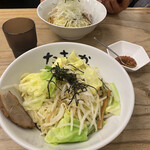
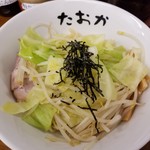
Oil soba vegetable topping (regular) 700 yen
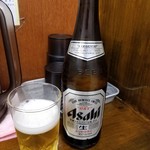
Bottled beer 450 yen
The "Taoka" oil soba specialty store at Sapporo Station North Exit... Wait, is this really the North Exit store? It's quite a walk from there ( ̄▽ ̄;)
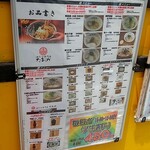
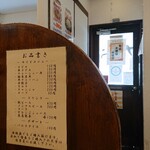
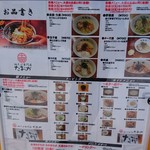
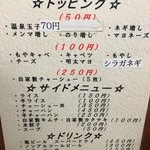
No parking available, but there is a reasonably priced coin parking lot next door. Purchase a meal ticket from the vending machine. The menu with photos is posted, but there is so much information that it takes time to understand, and there are too many buttons to search for (´・ω・`;)
Beer ( ゚Д゚)ノ
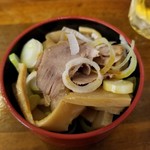
Sapporo Super Dry in a small bottle for 450 yen. A small dish of "chashu, green onions, and menma" is served as a complimentary side dish. A beer after work is delicious♡
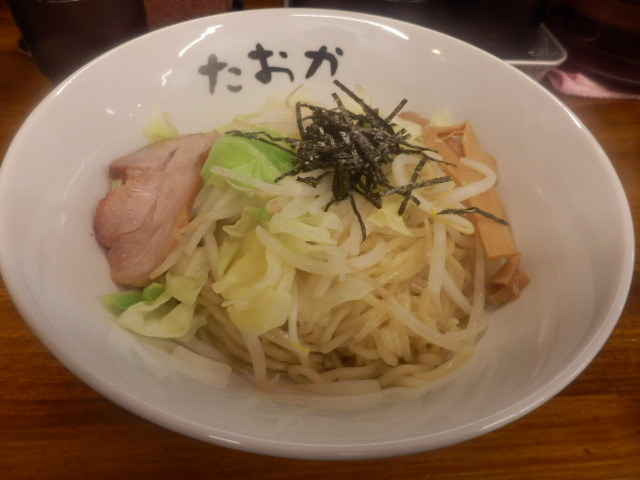
The "Oil Soba Vegetable Topping" with cabbage and bean sprouts topping in regular and large sizes are the same price. I ordered the regular size, but is this really a regular size...? It's a huge portion (;´Д`)
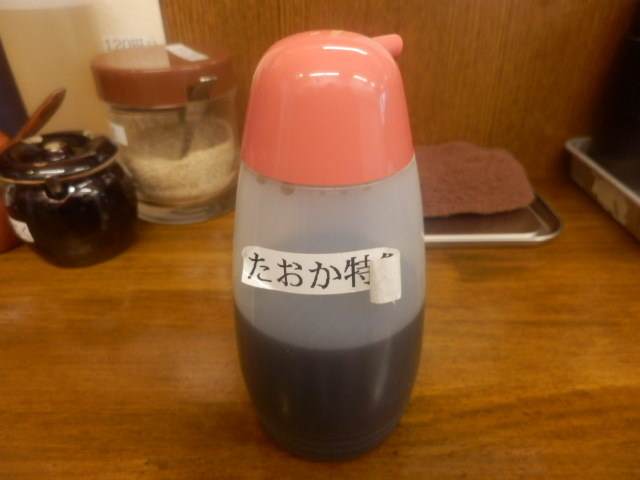
I don't need vinegar (-д- 三 -д-), just add chili oil and mix it up. The noodles are chewy and delicious♪ The vegetables are a bit overcooked and have a mushy texture... Not the best. I used the table seasonings to change the flavor! I wish they had mayonnaise, but it's an extra charge so I'll be frugal. Oh! I found something good (゚Д゚)!! The "special mustard" is spicy and tasty. I get tired of it as I eat, but sometimes I crave oil soba ( *´艸)
Thank you for the meal (^ω^)

辛い好きもぐたん
3.40
【Completely Smoke-Free】Opened in June 2018, this specialty shop for oil noodles is located in the area from Sapporo Station North Exit to Hokkaido University, the fourth store in a chain of shops in Sapporo. The noodles are made by Sagamiya Seimen. The location of the shop is around the corner from Yodobashi Camera in front of Sapporo Station, heading towards Kuwanon. They have a stamp card system!
2018/10/14 12:30 PM First Visit
On this day off from work, after cycling over 20 km in the morning for the first time in two weeks, I challenged myself to a high-intensity workout. After returning home, taking a refreshing shower, I decided to take the JR train to the downtown area for lunch. After a high-intensity workout, I have to eat a lot, right? So, for the first stop, I relied on the address and found this place.
I sat at a seat in the back of the counter and ordered the oil noodles with extra vegetables for 750 yen. Since the upsize was free, I of course chose the large size. After adding vinegar, chili oil, and various other toppings, I mixed it all up. Be careful not to splash the soup everywhere while mixing! The noodles from this shop are really delicious. The beloved yellow egg noodles of Sapporo with a chewy texture were devoured in no time with the large serving. I want to try adding various toppings next time!
Email Login