ピッツェリア ダ マッシモ
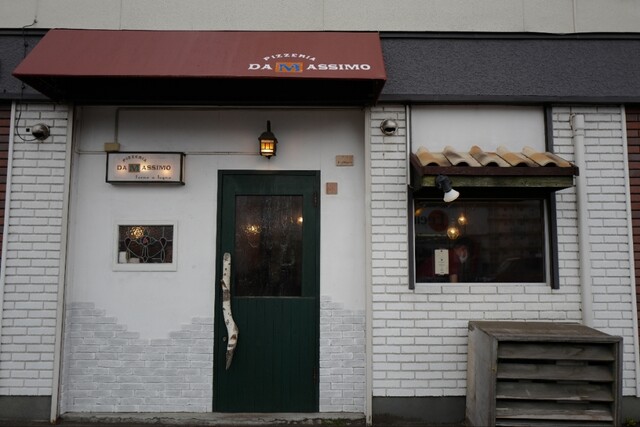
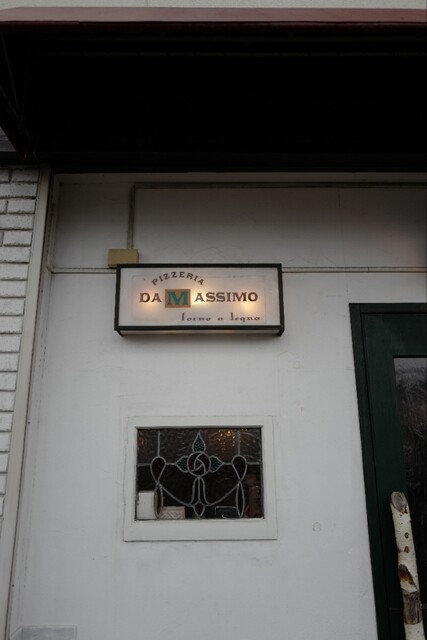
PIZZERIA DA MASSIMO
3.75
Shiroishi-ku Sapporo
「Pizza」
1,000-1,999円
1,000-1,999円
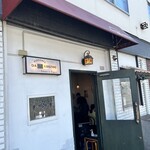
北海道札幌市白石区川下2条5丁目2-8
Photos
(20)
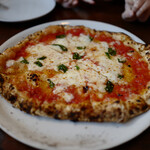
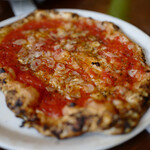
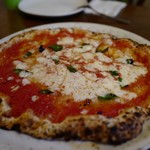
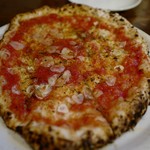
Details
Awards
Reservation Info
No Reservations
Children
Sub-supplies available (available for elementary school students)
Payment Method
No credit cards
Electronic money is not accepted
QR code payment is not available
Number of Seats
14 seats
(6 seats at counter, 2 x 4 seats at table)
Private Dining Rooms
None
Smoking and Non-Smoking
No smoking at the table
Parking
Yes
20 cars are available in the back of the store.
Facilities
Counter seats available
Comments
(21)

北のもみたろう
4.30
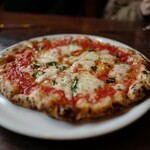
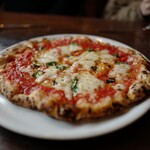
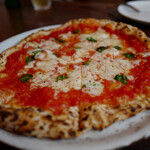
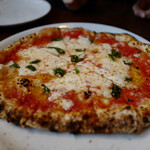
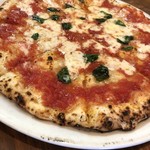
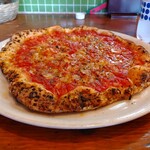
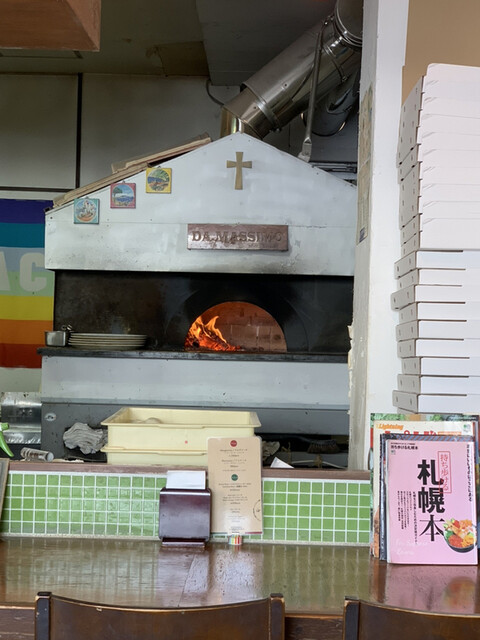
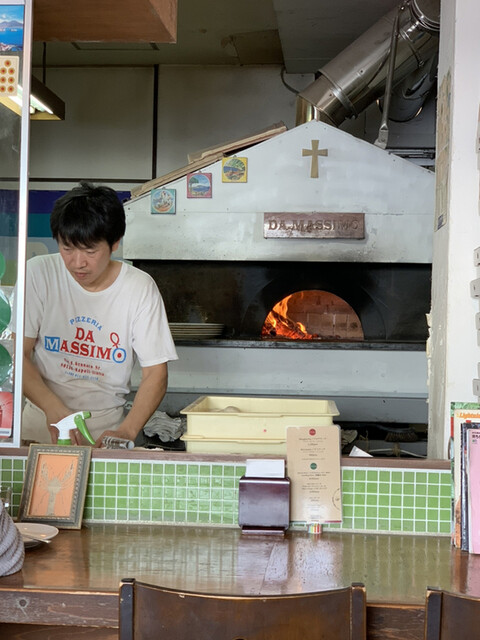
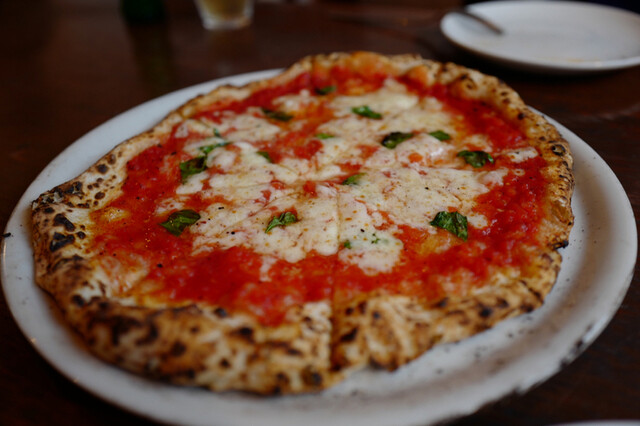
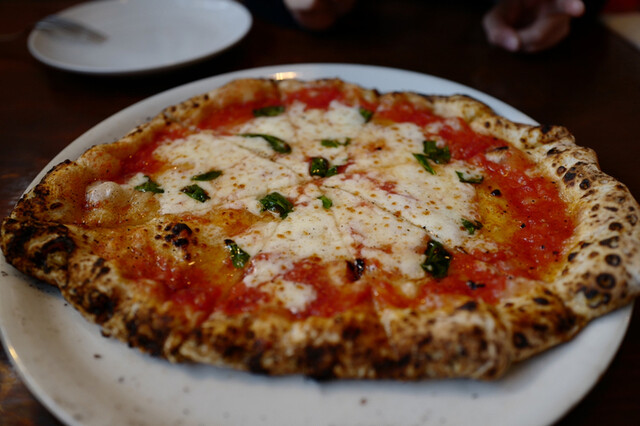
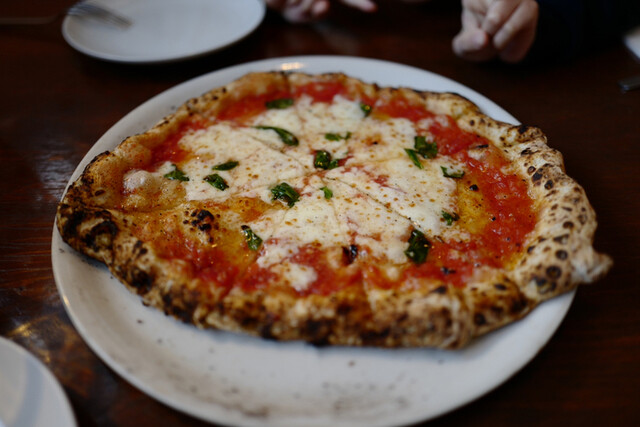
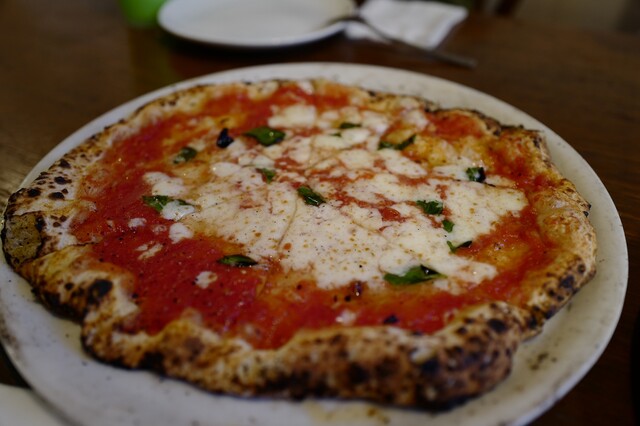
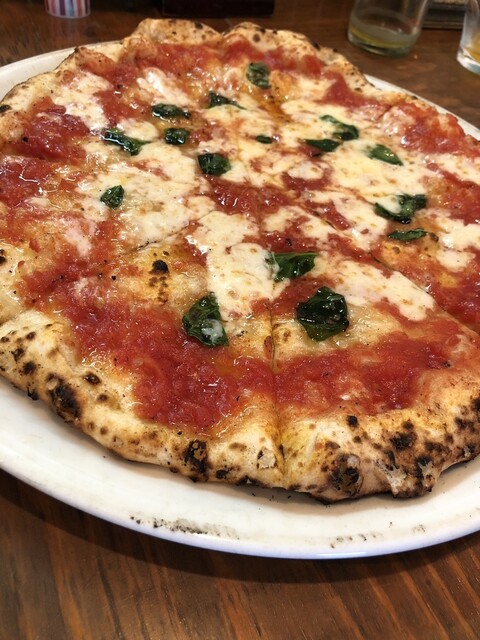
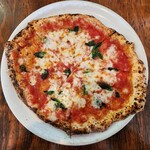
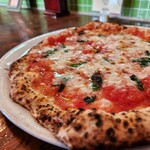
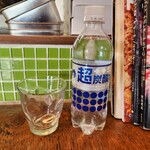
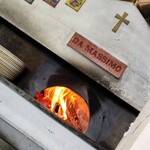
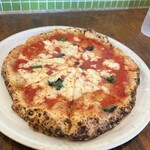
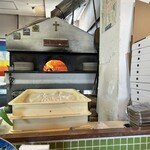
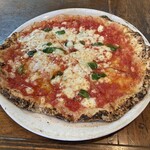
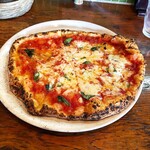
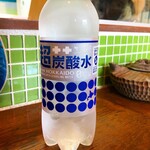
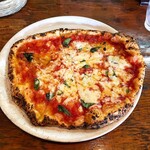
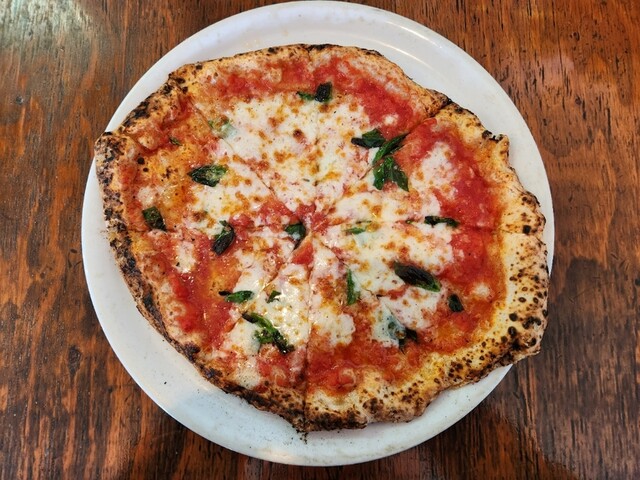
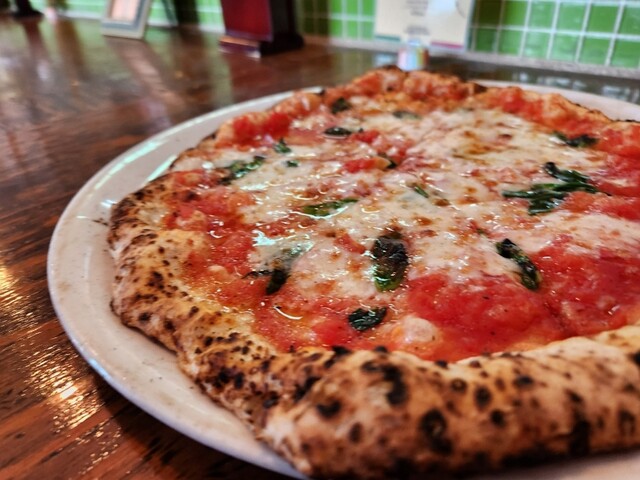
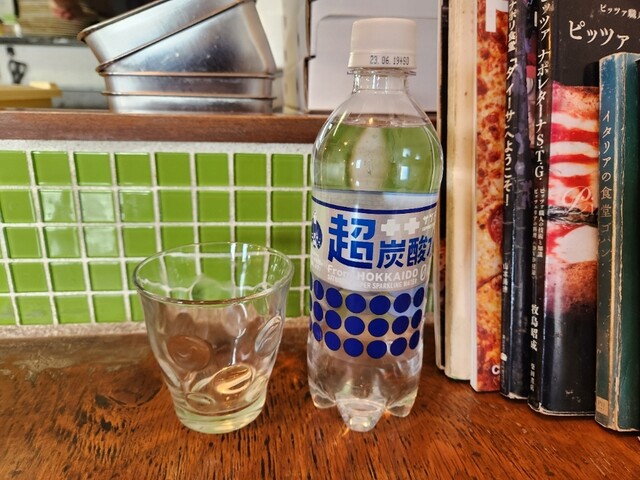
On a certain weekday, I found myself once again at the popular pizza restaurant in Kawashita, Shiraiishi-ku. I arrived early and managed to secure my usual seat. I noticed that the prices had gone up slightly since my last visit, but considering the current situation, I understand the impact on this type of business. I decided to order the "Margherita pizza (1200 yen)" and a "carbonated water (150 yen)" this time. The chef skillfully stretched the dough that had been carefully rested, sprinkled it lightly with flour, topped it with tomato sauce and mozzarella, and placed it on a wooden peel before sliding it into the wood-fired oven with a larger flame than other places. The warmth of the wood fire felt so nice and comforting. Ah! It's done! I took a bite... Ah, I still love it! The pizza may seem simple to make, but the effort and care put into it, as well as the selection of the perfect sauce and oil by the owner's good taste, truly impress me. Despite the challenges, I hope they continue to serve delicious pizzas in the future. Thank you for the meal.

佳まる
4.60
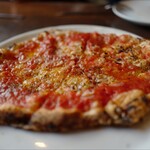
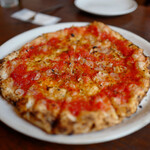
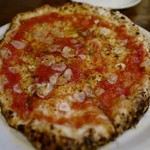
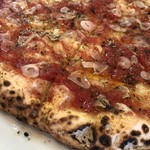
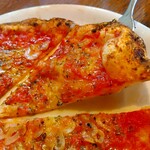
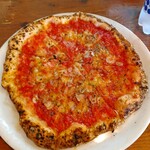
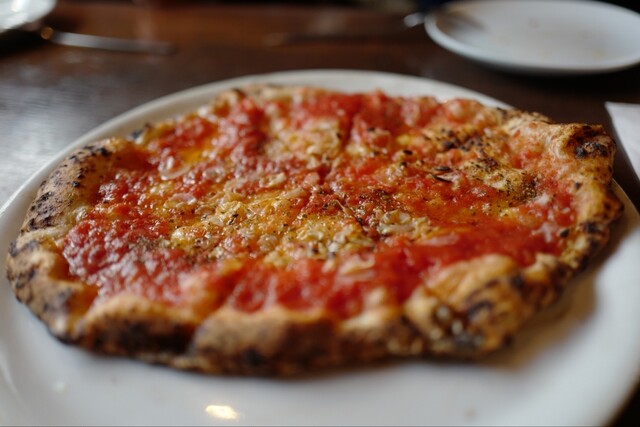
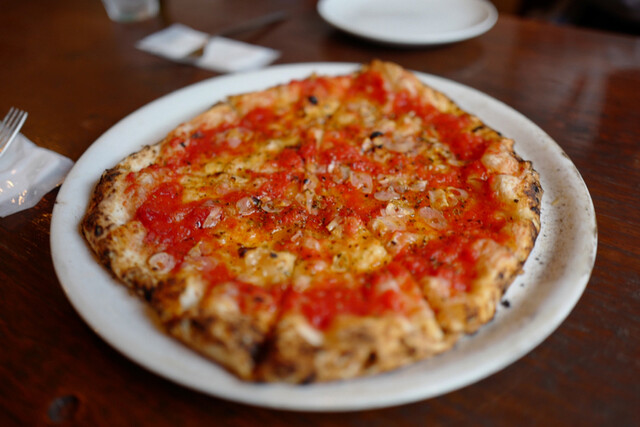
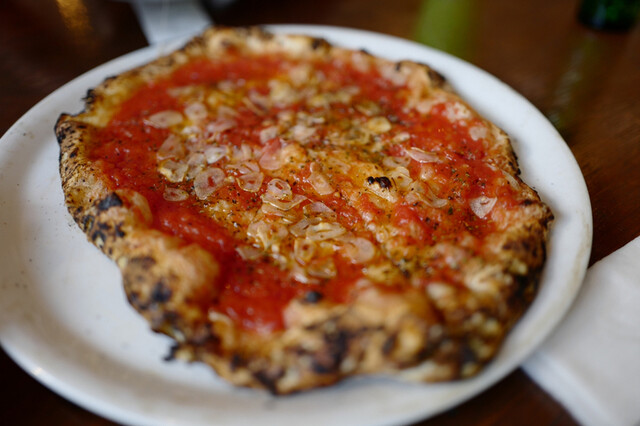
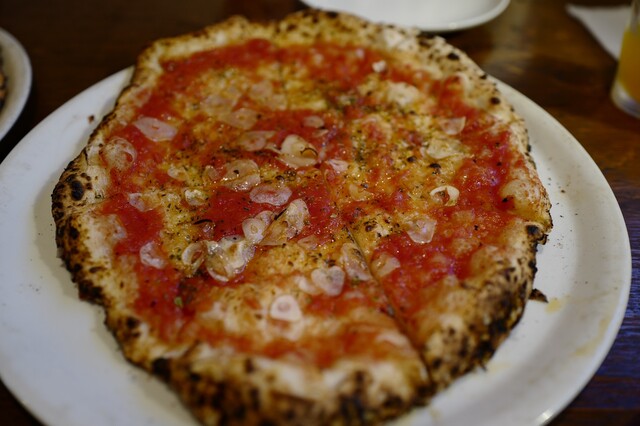
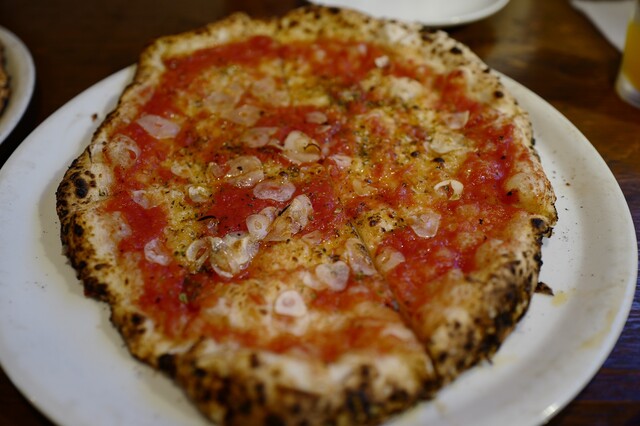
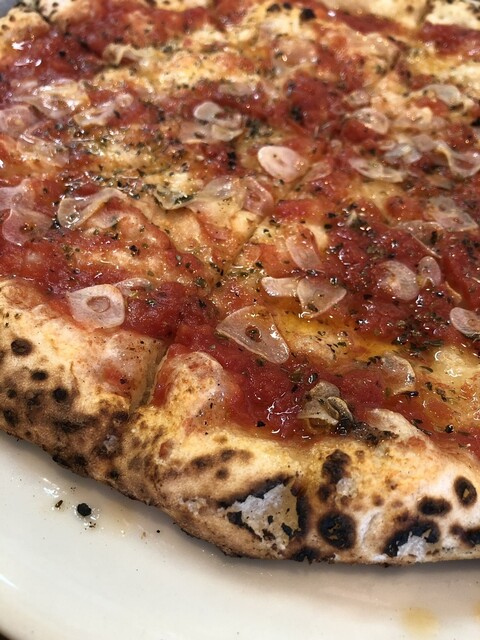
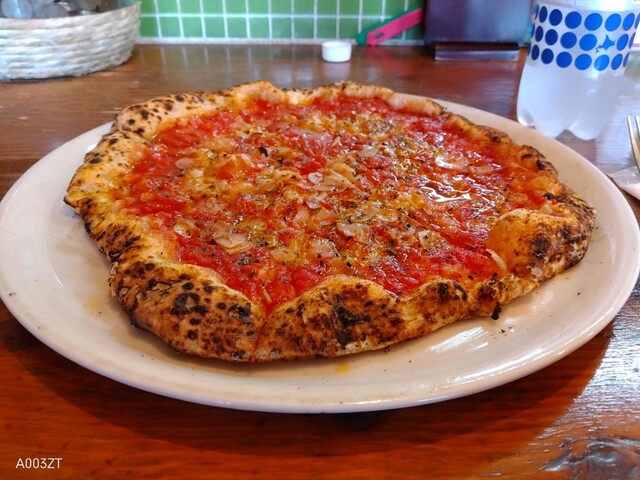
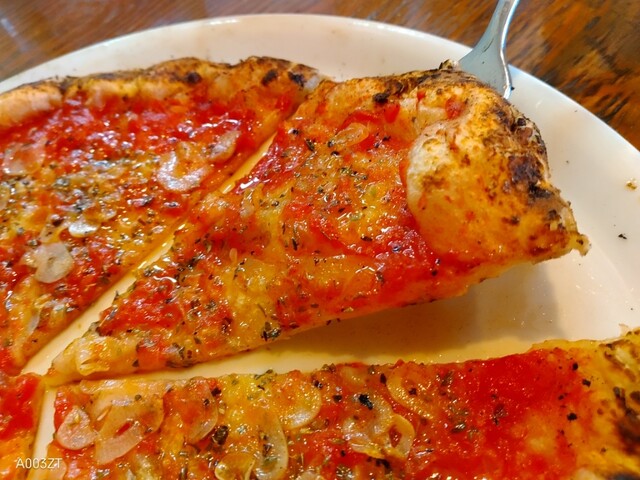
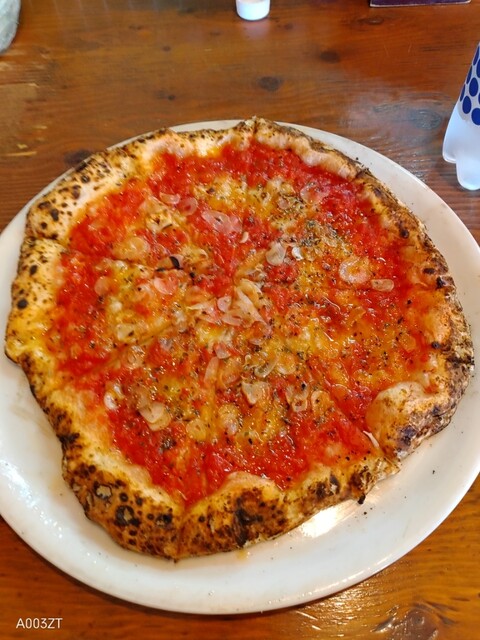
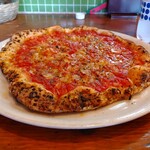
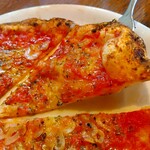
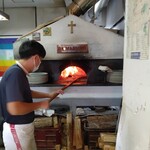
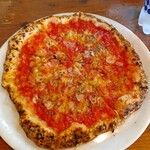
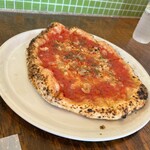
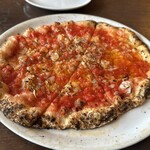
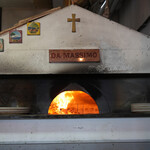
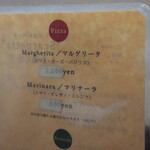
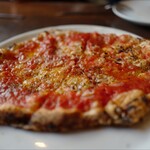
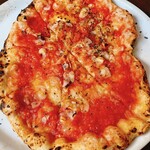
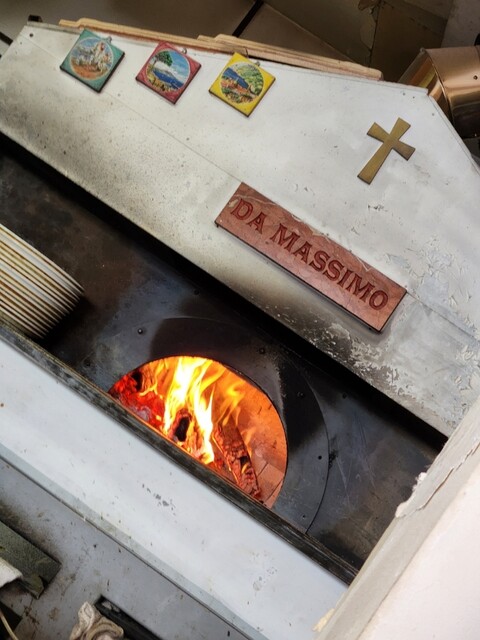
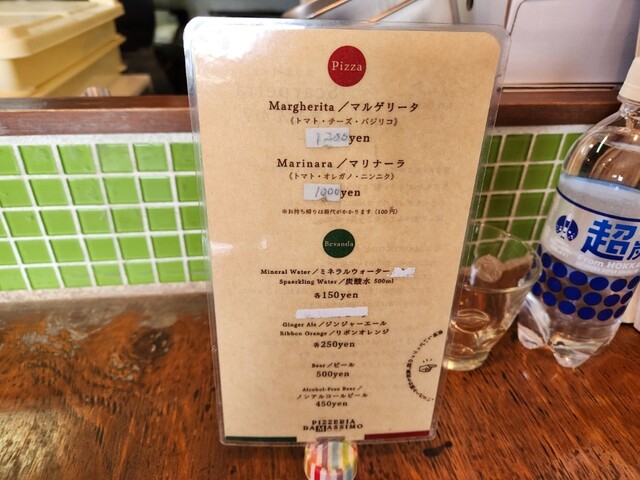
Hokkaido Wandering Journey 146 Sapporo City [Pizza Hyakumeiten] It was a wonderful pizza hyakumeiten. The pizza menu includes Margherita ¥1200 and Marinara ¥1000 only! The pizza baked in a stone oven in front of you is exquisite. Nearby there are Hyakumeiten such as Tonkatsu Hyakumeiten, Kunika Ramen Hyakumeiten, and Nanayae Pizza Hyakumeiten. I visited after being disappointed at Nanayae. There are plenty of parking spaces in the back. I entered as the first customer. Note that there is no free water, only mineral water or carbonated water for a fee. I ordered Marinara ¥1000 and carbonated water ¥150. The pizza dough was stretched, toppings were added, and it was put in the stone oven. The cooking scene was so cool that I felt like drinking. There were many takeout orders. Regular customers bring their own boxes. The delicious Marinara was baked perfectly. It's a simple pizza with only tomato, garlic, and oregano, but it's my favorite pizza. Olive oil and garlic go so well together! This place recommends the "scarpetta" style, wiping the plate with bread after soup or stew. The plate is generously filled with olive oil, which you can wipe with the pizza dough for scarpetta. It's delicious even when it's burnt. It was a truly wonderful pizza place. You can't leave a Hyakumeiten without being impressed.

ohanapon
3.80
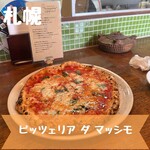
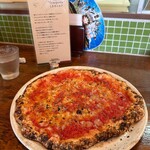
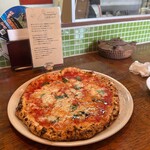
I visited "Pizzeria da Massimo" in Sapporo around 1pm on a weekday and there was no waiting time. The menu only had 2 types of pizza and drinks: Margherita for 1200 yen, Marinara for 1000 yen, and water. I ordered Margherita. The dough, which was sleeping in the case, came out. Since it's a counter seat, I could see the whole process of making the pizza. It was very delicious, but a bit oily so tastes may vary. I got the impression that there were many takeout customers. If you love pizza, definitely give it a try! #SapporoGourmet #Top100Pizza #WantToConnectWithFoodies

yuki226
5.00
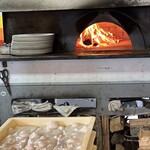
I had been curious about this place since it was featured on TV. I arrived around 11:30, shortly after they opened. I was seated at the counter, but it quickly filled up afterwards. I ordered one cheese pizza and one garlic pizza, both simple options on the menu. The dough, which had been resting in a case, was taken out and stretched into a circle, topped with tomato sauce and ingredients, then placed on a large peel and put into the wood-fired oven. I had a great view of this entire process from my seat, although it was quite hot with the heat from the oven. The pizza had a delicious crust and overall tasted amazing! It made sense that they only had two menu options. They also offered takeaway for an extra 100 yen. The restaurant had a spacious parking lot at the back, making it easy to access. I will definitely visit again. Thank you for the meal.

オーガ47545
3.30
I visited after 1pm and there were empty seats so I was able to easily get in. I ordered a Margherita pizza and sparkling water. When I sat at the counter, the owner told me various things about the pizza. The pizza was simple and delicious, but it was a bit oily so I got heartburn towards the end. The size was quite large, I think one pizza for two people is a good amount to enjoy. I want to go back next time to try the Marinara pizza.

チキチキバンバン0606
3.50
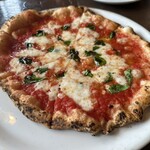
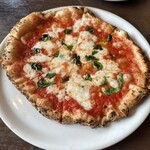
I came to Hokkaido and absolutely had to eat at the restaurant "Pizzaria Da Massimo"! This place only has two menu items: Margherita and Marinara. The owner's dedication is incredible! He is very kind and I had a little chat with him. His passion for pizza is immeasurable! He pays great attention to the pizza dough and oven temperature. He is a true master craftsman! It's really cool! The pizza is delicious too! I will definitely come back when I visit Hokkaido again! Thank you for the meal!

ただの主婦よ
4.10
I thought this pizza must be the real deal from Italy. It felt more like a snack than a meal. I could really sense the attention to detail in the dough. The aging process made it the best dough I've ever had. But maybe they don't put as much emphasis on the flour? That's why the dough's flavor is subtle... But I think this is how it should be in Italy. Perfect for a lunch pizza, not one to be paired with wine. The technique of burning it in the oven for 40 seconds is impressive. The oven is amazing, and so is the dough. And the price is surprisingly cheap... It makes sense that the phone was ringing off the hook the whole time they were open, and that there was a constant line of customers.

good♪san
4.00
Do you know the word "scarpetta"? Originally meaning "little shoe," it refers to the act of using small pieces of bread to wipe up leftover sauce on a plate. The pizza at DA MASSIMO tends to have a slightly burnt crust compared to other restaurants. This is due to the enzymatic action from long fermentation, which converts starch into sugars and triggers the Maillard reaction, giving the pizza its distinctive aroma. The burnt crust, when eaten with oil, helps balance the bitterness while preserving the aroma. So, be sure to use scarpetta to enjoy the oil and sauce left on the plate and savor every bit of the pizza, including the "cornicione" (crust).

Geric Plankton
4.30
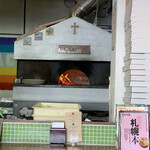
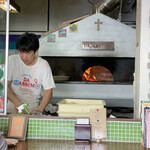
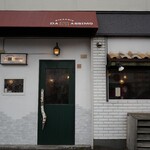
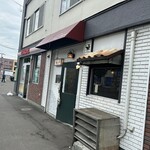
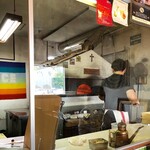
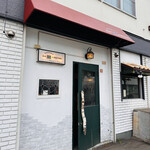
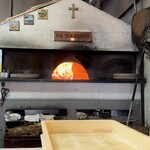
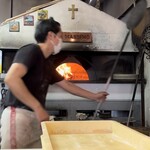
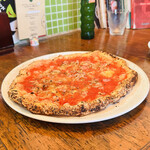
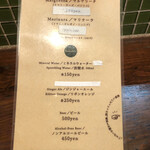
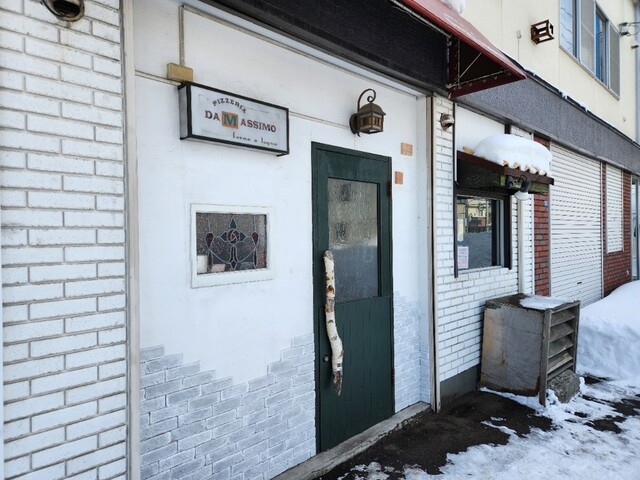
When it comes to the world's top three cuisines, it refers to China, France, and Turkey, but for Japanese people, the most familiar Western cuisine is probably Italian cuisine. Among them, pizza has been a part of our lives long before the Corona pandemic, with flyers often being inserted into our mailboxes, tempting us to order pizza at unexpected times. The lineup of flyers neatly arranged in the mailbox, tempting us to enter the maze of pizza, whether it be late at night or on a holiday. The pizza culture in Japan has probably spread in this way. Originally, pizza originated not in Italy but in ancient Egypt. The use of wheat and water in food culture developed by the Mesopotamian civilization gradually spread to various parts of the world and evolved into its own form in Italy in the 16th century. By using tomatoes and mozzarella cheese, pizza became established as an Italian dish, and that is how it has come down to us. My encounter with a pizza specialty shop that seemed to overturn this pizza culture was in the spring of 2023. The dilapidated walls of the closed shop. Cold raindrops falling from the heavy clouds. Such an atmosphere and weather enveloped the area where residential areas and factories were mixed, with a somewhat melancholic sense of loneliness. It was already past 1 p.m. In that setting, the door of a shop that exuded a somewhat elegant and quiet impression compared to other shops was slightly ajar. When I tried to peek inside, a young man and woman who looked like office workers came out of the shop with their wallets in hand. "It was really delicious!" The conversation passed by my ears like a breeze. Naturally, my expectations for pizza swelled. The counter seats and table seats were almost full, but it seemed certain that seats would soon become available. After waiting for about 10 minutes, a female staff member guided me to the counter seat furthest back. In front of me, a kiln with flickering flames and a chef kneading and working on the pizza in front of the kiln. I looked at the menu. There was no lunch menu, only a choice between "Margherita" and "Marinara." In terms of drinks, the only options were paid mineral water, carbonated water, ginger ale, and beer, with no coffee available. It seemed that there was a special commitment to this shop's pizza. In any case, I ordered the "Marinara" (1,000 yen) and mineral water. The chef immediately got to work. The delicate and meticulous handwork that was carried out from his slender body could be observed up close, which was a privilege. The pizza that was quickly put into the kiln was enveloped in an enchanting flame and gradually transformed. I watched the process, and of course, the chef wouldn't miss the timing to take it out of the kiln. On the plate placed on the table, it emitted a vivid crimson glow like a fiercely burning lava in an angry expression. I gazed at it for a moment, watching its whole appearance. The Marinara at this shop is a pizza that consists of only tomato sauce and garlic, with nothing else to be found, and it does not accept anything else. Leonardo da Vinci said, "Simplicity is the ultimate sophistication." In order to bring out the flavor of the ingredients themselves, it seems that they have reached the ultimate sophistication. As I ate it with relish, the chef spoke to me from the kitchen. "We don't use olive oil here." What does that mean? Before I could wonder, the chef continued, "Using olive oil would make the taste of the ingredients disappear, so we use salad oil instead." The reason why there was no Tabasco on the table was due to the chef's pursuit of the ideal pizza. I see, the burnt wheat crust, the acidity of the tomato sauce, and the flavor of garlic come together to form a harmonious unity, leading to a taste I have never experienced before.
kouta0611
4.00
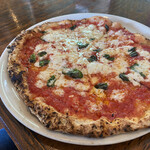
It's incredibly delicious. The owner's dedication to the dough is amazing. They focus on aging the dough, and explained the delicate differences in the baked dough. They ferment it naturally for several days to achieve a crispy surface. By minimizing the time in the oven, they prevent it from becoming too hard while still making the surface crispy. It was a great time with a friendly owner and delicious pizza.

ツナ缶0321
4.10
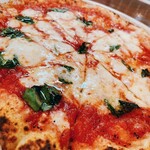
[Menu] Margherita [Price] 1,200 yen [Impression] I love this pizza place. If delivery chain stores are like addition pizzas, then this place feels like subtraction pizzas. The menu consists of only Margherita and Marinara, both simple but with a great combination of tomato sauce and chewy matured dough that keeps you coming back for more. Despite its not-so-great location, it has been full since opening. It really shows that good food can overcome any location challenges. If you want to try authentic pizza, be sure to visit. I will definitely come back.

keipon0414
4.00
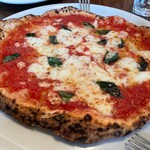
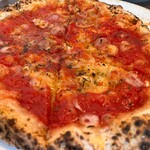
I was starting to forget about it, but when I saw the name of the restaurant, I immediately remembered. There are three of us in Sapporo, and we never think about going somewhere unless we are alone. The fact that the other person knows this is why they don't ask, "Where are we going?" It's actually quite nice for me. Of course, they don't tell me where we are going, so sometimes I arrive and think, "Oh!" and other times I think, "Ah..." This restaurant is top-notch. We waited for 30 minutes before entering. They said we couldn't order more, so we ordered extra. I didn't know that, but later when I asked, "Why did you order three?" that was the response. But I think two would have been enough, right? Even so, one each is plenty for us. They were served in about 10 minutes, so it was fast. We ordered Margherita and Marinara, two pizzas and water. It was 3550 yen, right? When I heard the price, I thought it would be small, but it was actually quite big, and if it's delicious like this, it's no wonder it's popular. The dough was thicker than I thought, soft and chewy, with a strong wheat flavor. The combination of tomato, olive oil, garlic, and basil created a variety of savory flavors. I'm not an expert on food, so all I can say is, is it delicious or not? It was truly delicious, I must admit. But there's no way I could eat a whole one, so I took the rest home.

レビューメーカー
3.70
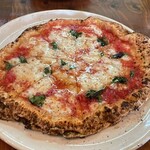
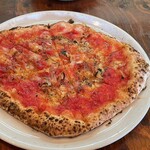
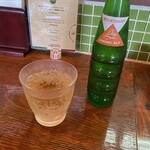
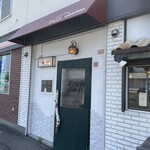
Waiting was easy because there is a Book Off nearby and they call you when your order is ready. I had Margherita and Marinara pizzas, both were very delicious. It's nice to have this place close to home. The pizza maker, who seemed to be the owner, was efficient and attentive to customers while cooking the pizzas. However, the rest of the staff seemed to lack coordination despite their numbers.

※こじろう※
4.20
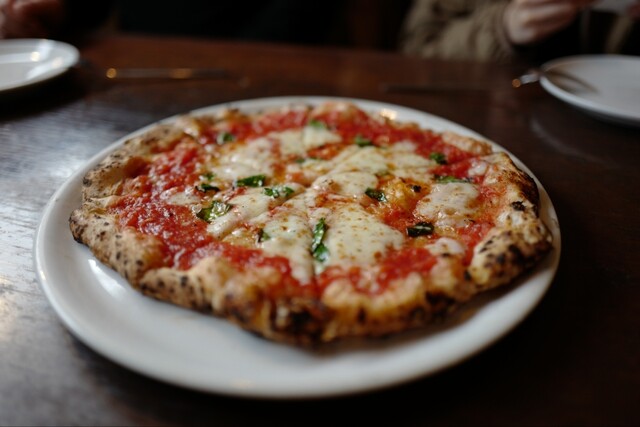
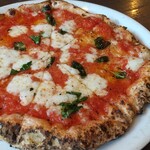
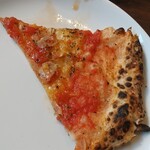
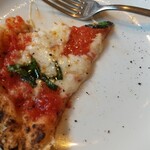
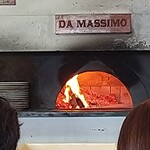
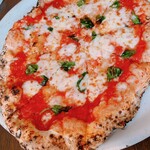
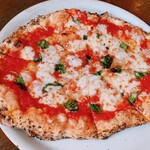
On the third day of our trip to Hokkaido (Sapporo and Otaru) as a couple, we chose to have lunch at the super popular pizzeria, Damassimo, in Sapporo. Despite being a bit difficult to get to as it is closest to Heiwa Station, the restaurant always has a long line of customers. We arrived thirty minutes before opening and managed to secure the first spot in line. Once it was time, we entered the restaurant. The menu only offers Margherita and Marinara pizzas! This time, we ordered Margherita (1200 yen) and Marinara (1000 yen). It's important to note that you cannot make any additional orders. It was enjoyable to watch the skilled craftsmen at work from our table. However, we could occasionally hear the strict instructions given to the apprentices. After taking our order, they stretched the dough, topped it with ingredients, and baked it in a super hot wood-fired oven for just a few seconds. Despite the long line, the turnover is quite fast, so the wait wasn't too bad. Both the Margherita and Marinara pizzas were classic and delicious. The Margherita had tomato sauce, mozzarella, and basil. The Marinara had tomato sauce, oregano, and garlic. These two pizzas, with their simple ingredients, truly showcased the quality of the ingredients and the craftsmanship. The dough had a strong wheat aroma, crispy on the outside, and chewy on the inside, simply perfect. The tomato sauce, cheese, and other ingredients were all delicious, and the quality was exceptionally high. However, the surprising part was the price. The Margherita, with such high quality, was priced at 1200 yen, while the Marinara was 1000 yen. No wonder there is always a long line. Hmm, it's not often you can find Margherita and Marinara pizzas this delicious. It was definitely worth the wait for these quality pizzas. Highly recommended.

ミトミえもん
4.00
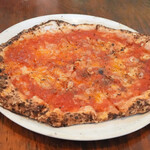
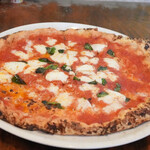
I started a gourmet site for Mitomi Emon. Homepage "https://blog.33inc.jp/" Instagram "@mitomi_emon" I visited Pizzeria Da Massimo in Sapporo. It is located in the suburbs away from the bustling city center. The nearest station is Heiwa Station, in a peaceful and tranquil town. Despite opening without much fanfare, the restaurant struggled to attract customers initially in 2010. However, their skills honed in Italy are truly impressive. They have earned recognition from Michelin's Bib Gourmand and Tabelog's Top 100, proving their excellence. The menu only offers Margherita and Marinara pizzas due to being a one-man operation. The common factor is the long-fermented dough, providing a chewy texture despite being thin. The high temperature baking process creates a unique charred flavor without bitterness. Marinara stands out with a strong garlic taste, achieved by adding garlic last. Massimo's pursuit of perfection in pizza is evident in their unconventional approach. Margherita follows the same philosophy. The charm of Massimo lies in their relentless quest for the ultimate pizza experience. Thank you for the meal.

キダログ
3.70
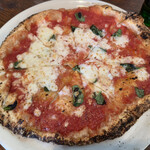
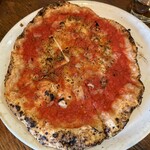
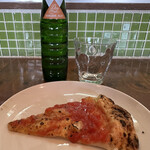
Sapporo residents may not often visit "Pizzeria Da Massimo" on the Tozai Line, starting from Hongo 7-chome and transferring by bus to get off right in front of the restaurant. There has been a long line since before the opening, making it a very popular place. You need to talk to the staff and write your name and phone number on the waiting board until you are called. Here are the rules: 1. Do not wait in front of the restaurant 2. If you came by car, wait in your car 3. Answer the phone and come within 2-3 minutes. The menu only has Margherita and Marinara pizzas, so the turnover rate is extremely fast and you don't have to wait long. After about 20 minutes, I was called and ordered one pizza each and a ginger ale. Here are some important notes: 1. Water is not free 2. You cannot make additional orders. The skilled craftsmanship of the chef involves stretching the dough after receiving the order, baking it in a high-temperature wood-fired oven for a few seconds, and it's done. The aged dough has just the right amount of saltiness, with a crispy and fragrant burnt exterior and a chewy interior that smells of wheat. The Marinara pizza has a lot of garlic and uses salad oil instead of olive oil. The simplicity of the tomato sauce and garlic really brings out the flavor of the dough. The Margherita pizza, with its sweet milky mozzarella, tangy tomato sauce, and strong basil aroma, creates a happy and overflowing sensation in your mouth. The popularity of this place is easy to understand. You can easily eat several slices of the light and crispy pizza. Despite being a bit hard to reach, it is definitely worth a visit. I've tried various pizzas from north to south, and if I had to choose, I would say Pizzeria Da Massimo in Hokkaido for the north and Bacar in Okinawa for the south.

fivli580
3.60
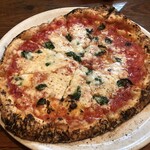
The secret lies in the strong Maillard reaction from long-term aging. They recommend eating the burnt part with oil. The owner loves chatting and sharing pizza trivia. The shop specializes in traditional Neapolitan pizza with a twist (long-term aging, burnt edges). The dough is thin but chewy, with a natural sweetness. The cheese is milky, enhancing the dough's sweetness. The burnt edges add a unique touch, but more olive oil could help balance it out. The size is generous for the price. Simple yet high-quality ingredients make for a delicious meal. The owner, originally from Urakawa, adds a ghost cherry blossom from Urakawa for a special touch.


Mark Ma
4.50
This place is one that you'll want to eat at regularly. It has become quite popular recently, so there is often a bit of a wait, but it's worth it. The reason for the fast turnover is the quick cooking time of the pizzas. The temperature inside the oven is high, and the cooking technique is excellent, so the pizzas only take about 40-50 seconds to cook. So, be patient and wait a little before entering the restaurant. The parking lot is spacious in the back, so you can park anywhere.
Typically, one adult (and even a child in elementary school) can easily finish one pizza. If you want to eat a lot, then one person can have two pizzas. If you want both garlic and cheese, then you'll need to order one of each, totaling two pizzas. When you order, the dough is taken out of the box, stretched, topped with ingredients, and then put into the pizza oven.
One of the main features of the pizza here is the deliciousness of the dough. Usually, the combination of toppings and dough creates the deliciousness of a pizza, but here, the dough alone is delicious. So, you'll enjoy every bite until the very end. The dedication of the owner is what makes these pizzas so amazing.
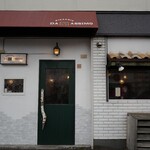

yy029
3.60
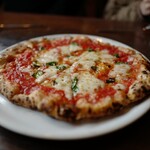
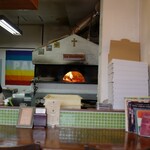
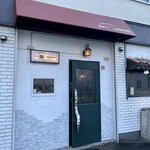
In Ainu language, I went to a pizza specialty restaurant called "Pizzeria Da Massimo" near Heiwa Station in Sapporo, Hokkaido to have Margherita pizza♪ Upon entering the restaurant, there were 6 counter seats and 2 four-person tables in this small individual shop☆ There was a big pizza oven in the open kitchen♪ I ordered a Margherita pizza for 1,200 yen (tax included). If you sit at the counter, you can see them making the pizza very well♪ It came out in just a few minutes after being put in the oven♪ The pizza arrived in about 6 minutes after ordering☆ It looked delicious with plenty of tomatoes, mozzarella cheese, and basil on the thin crust♪ Let's eat♪ The thin pizza crust was chewy and delicious♪ It was topped with plenty of olive oil♪ The sweetness of the tomatoes, mozzarella cheese, basil, and garlic accents made it delicious♪ Water was not free, but there was a charge for it☆ It was delicious☆ Thank you for the meal☆
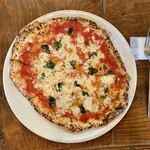
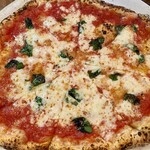
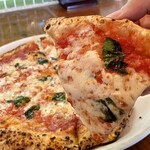

☆流れ星
5.00
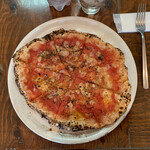
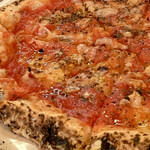
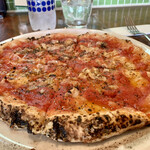
While savoring the Marinarra dish, observing the professional craftsmanship of the owner is truly amazing! The flavor and artisan aura seem to increase year by year. This restaurant, where I, as a shooting star, gave my first-ever perfect 5.0 rating in the past, is exceptional. The owner mentioned that he is currently into soup curry and pasta, recommending dishes like "34 for a refreshing taste." It turns out I had already visited the recommended places (laughs). I plan to message him later about my favorite spots. The Marinarra, priced at 1,000 yen, baked in a wood-fired oven for about 30 seconds, is a delight with its matured dough fragrance and charred flavor. The simple Marinarra with juicy sauce and garlic is delicious. The place was bustling with about 20 takeout orders shortly after opening. It's not easy to continue running a popular restaurant for over 10 years, preparing and cooking alone regardless of the cuisine genre. The owner and I, who are the same age and met as customers 10 years ago, are now stepping into the realistic "middle-aged man" phase in our 50s. We exchanged some negative words about health as we aim to become stylish middle-aged men before leaving the restaurant with a smirk.

kaaahoooy
4.50
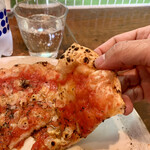
I visited Pizzeria Damassimo, known as the best pizza place in Sapporo, after a long time. I ordered one Margherita and one Marinara pizza, along with mineral water. The pizzas were overwhelmingly delicious! The crust was soft and chewy. Both Margherita and Marinara were delicious, but I preferred the Marinara. It had a strong garlic flavor and was amazing.
Email Login