龍栄堂 MEGAドン・キホーテ函館店
Ryuueidou
3.06
Hakodate
「Japanese Sweets」
--
--
Opening hours: 10:00-19:00
Rest time: Open year-round. Business hours and holidays are subject to change, so please check with the store before visiting.
北海道函館市美原1-7-1 MEGAドン・キホーテ函館店 B1F
Photos
(20)
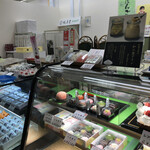
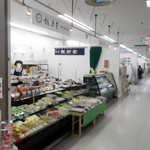
Details
Comments
(14)

めえめえめえ
3.50
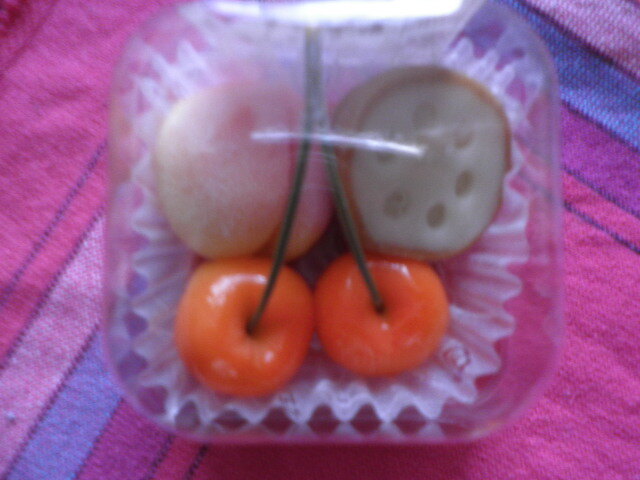
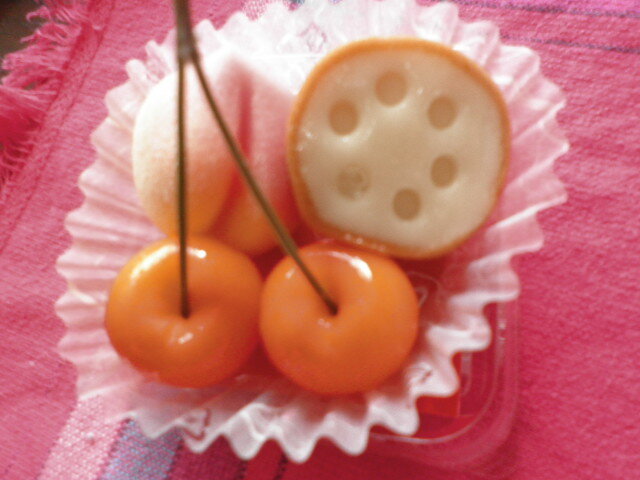
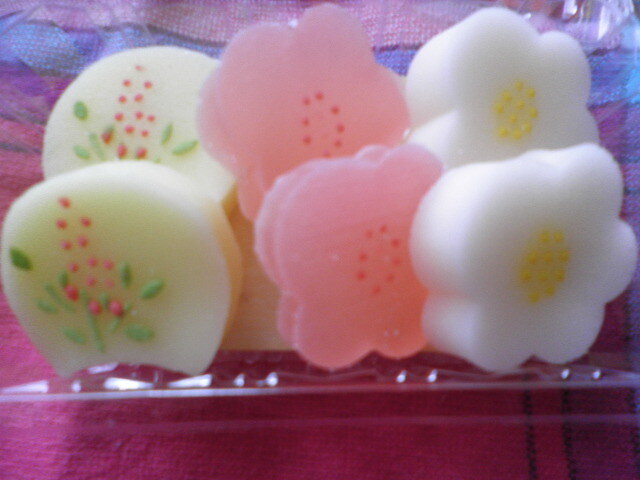
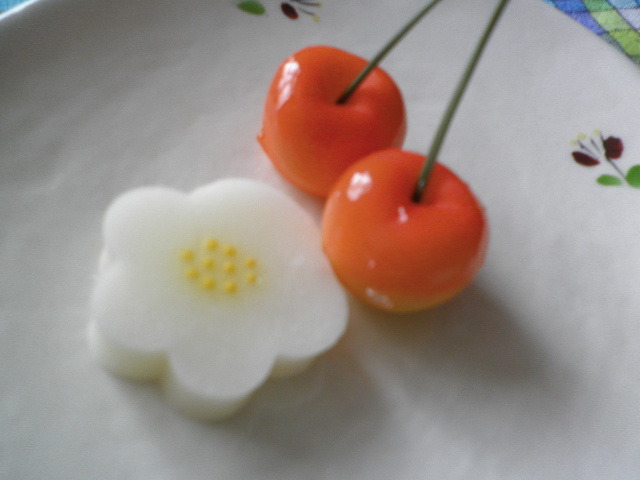
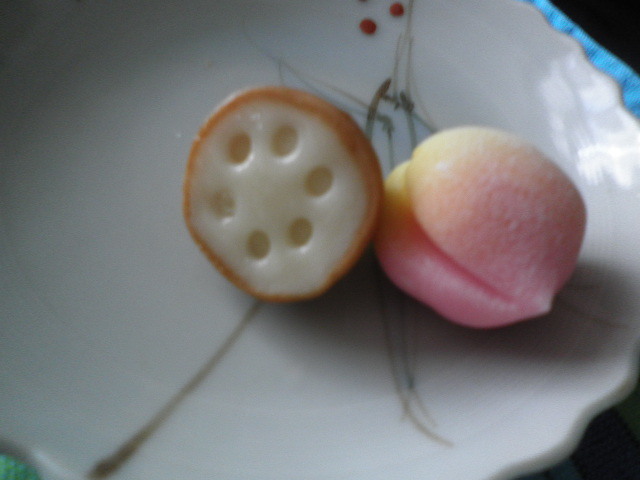
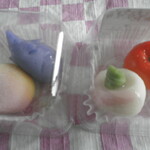
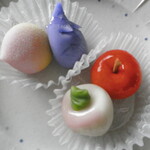
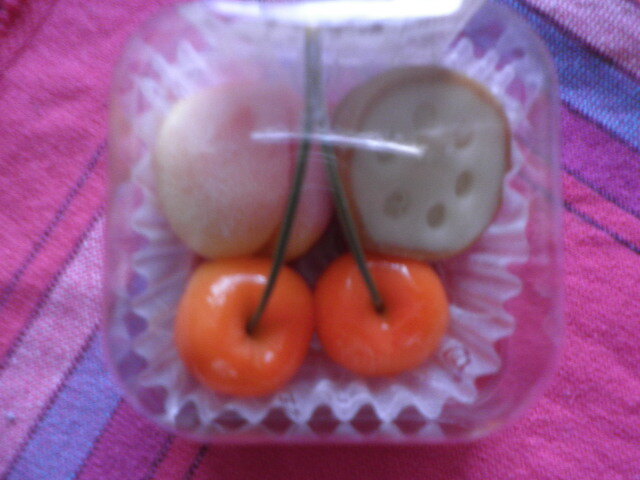
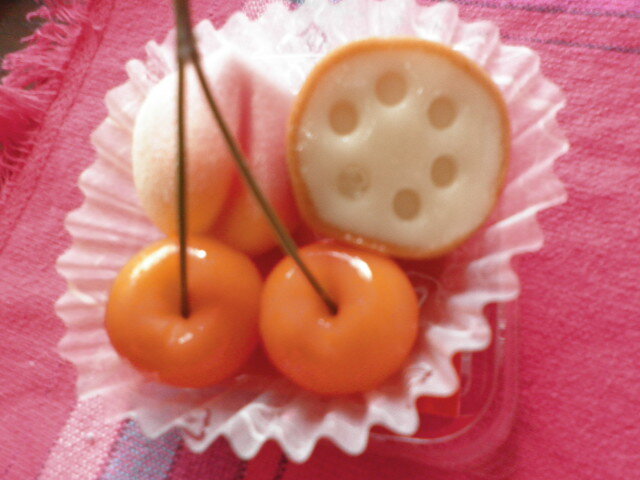
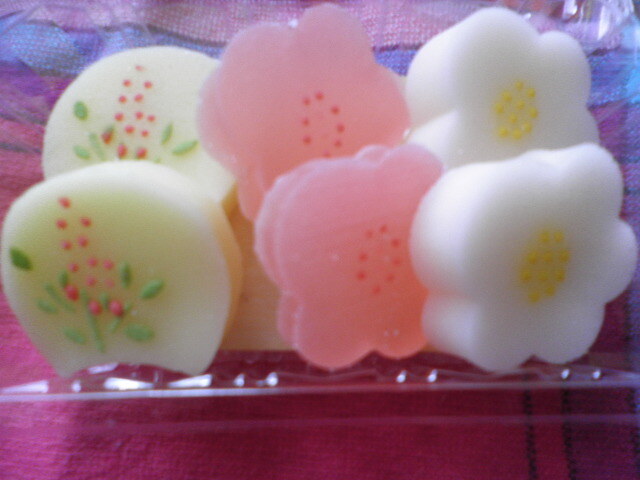
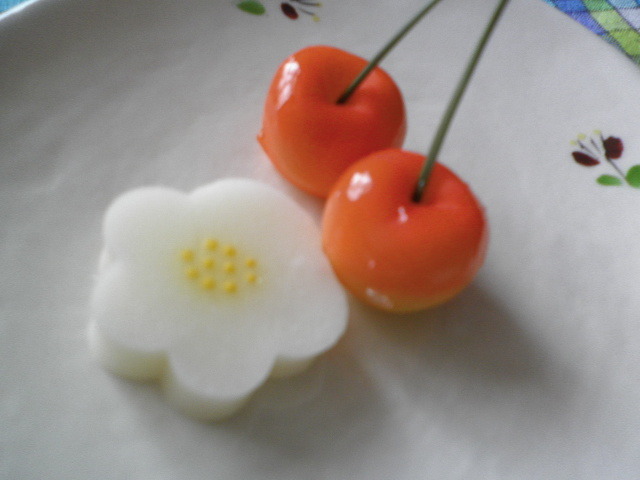
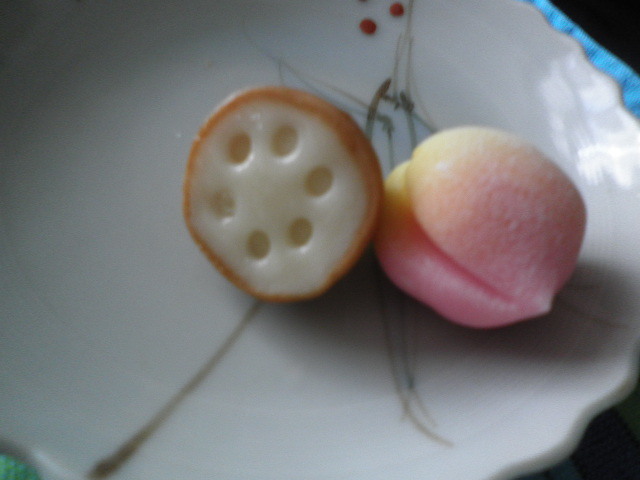
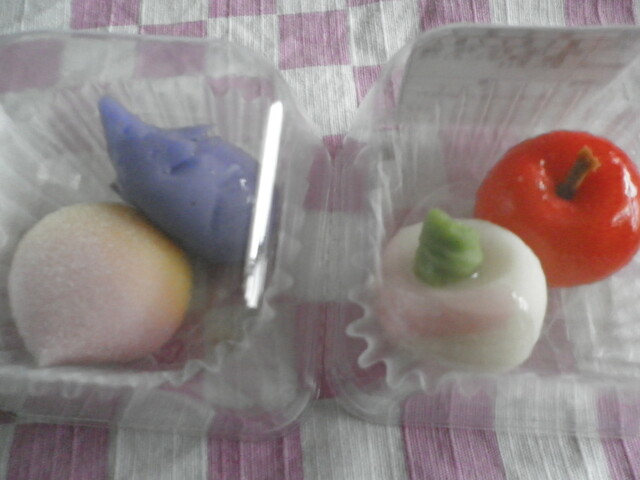
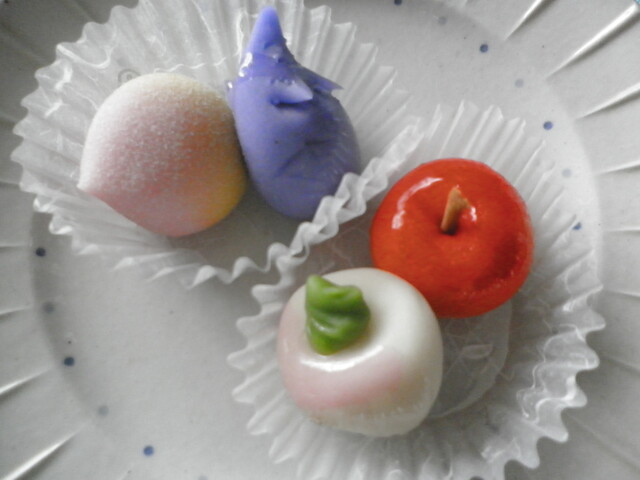
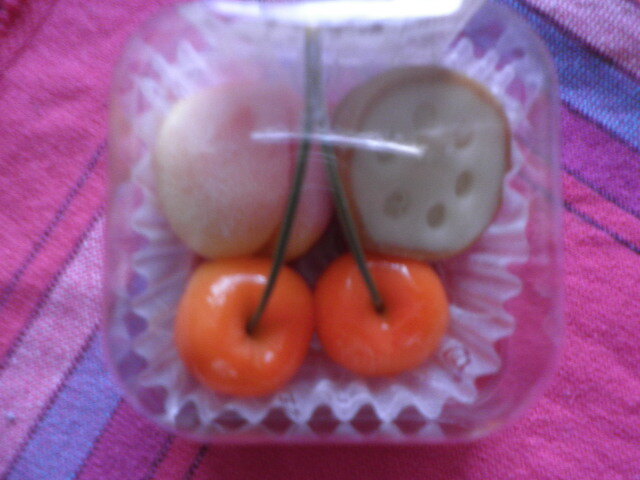
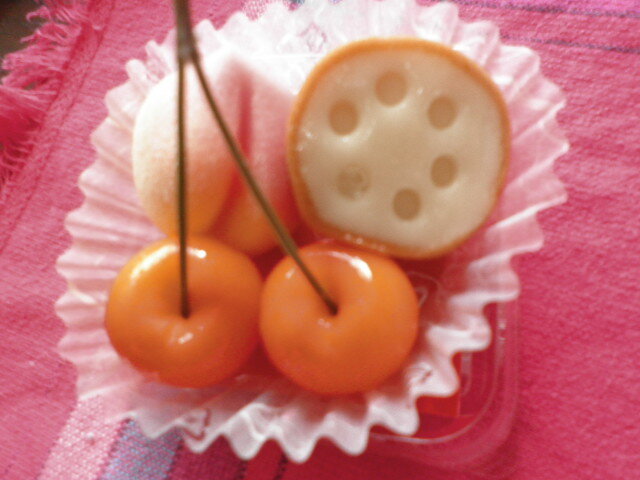
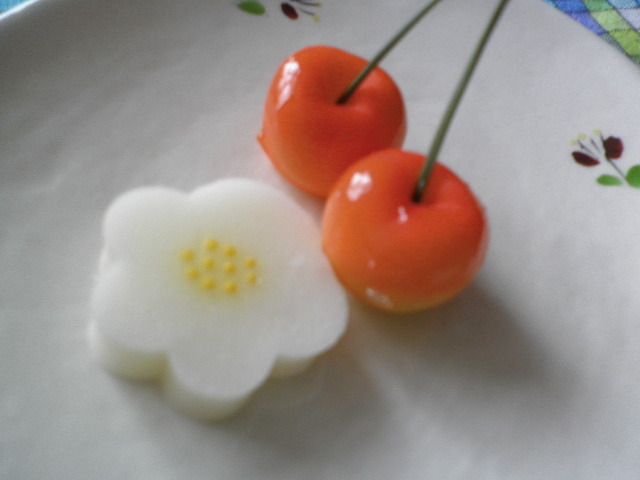
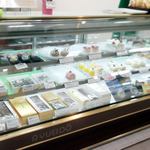
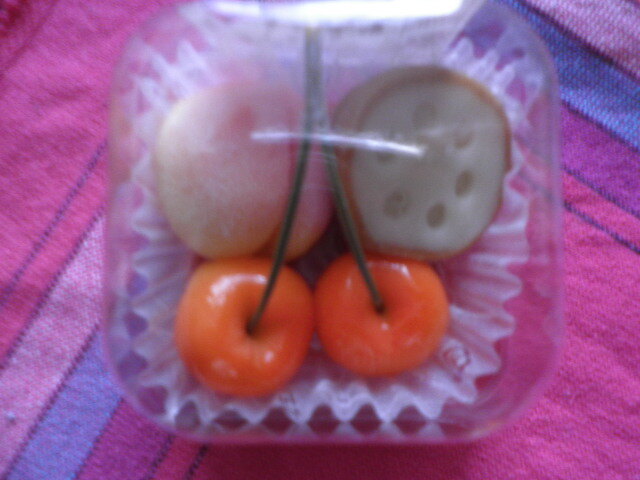
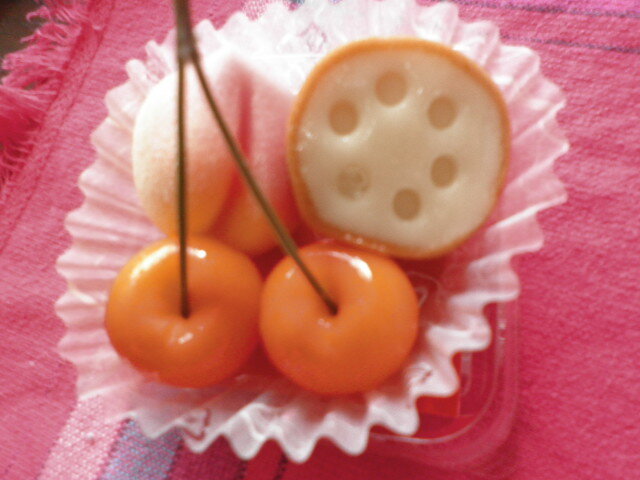
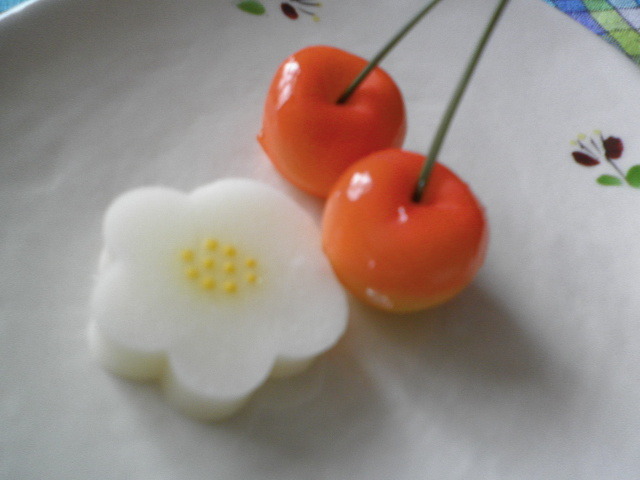
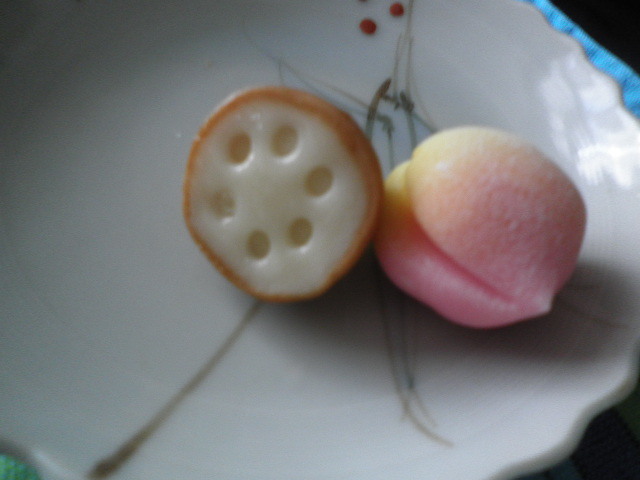
When I peeked into the store, I saw cute hina-matsuri sweets lined up. Oh, that's right, they had these kinds of sweets here. There was a set of fruits and vegetables that were very well made, and I couldn't decide which set to choose. I ended up picking the set with lotus root, peach, and cherries. I also like the dried sweets here, and sometimes I send them to people. This shop is precious to me.
めえめえめえ
3.50
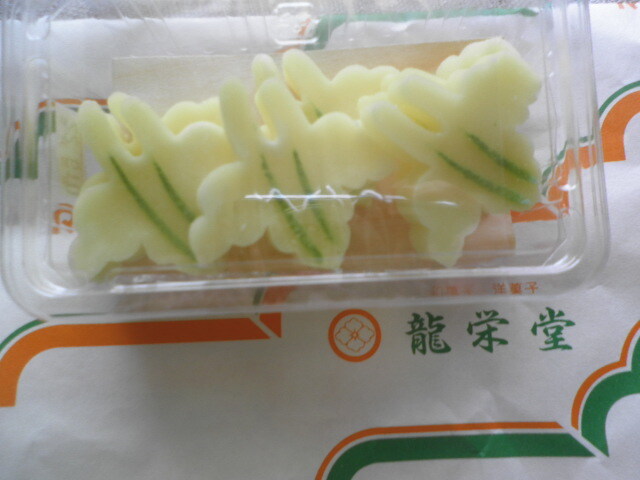
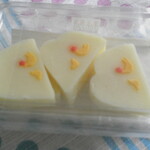
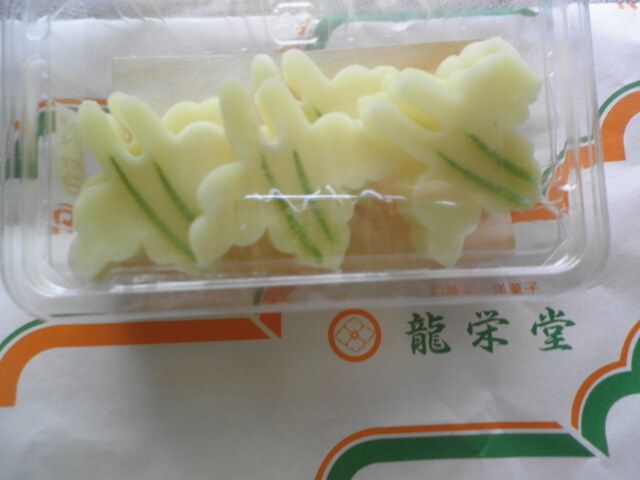
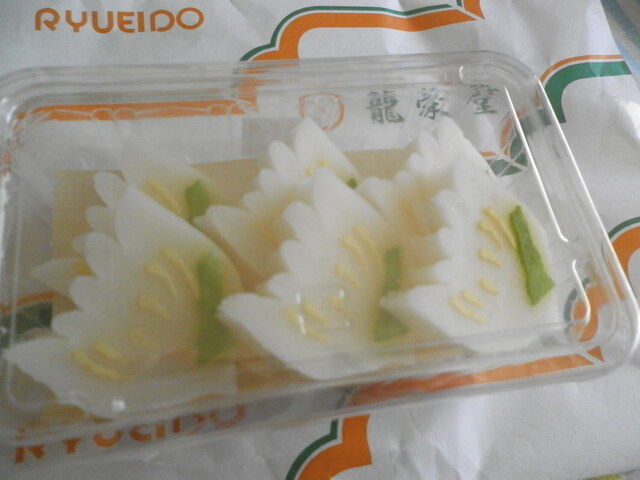
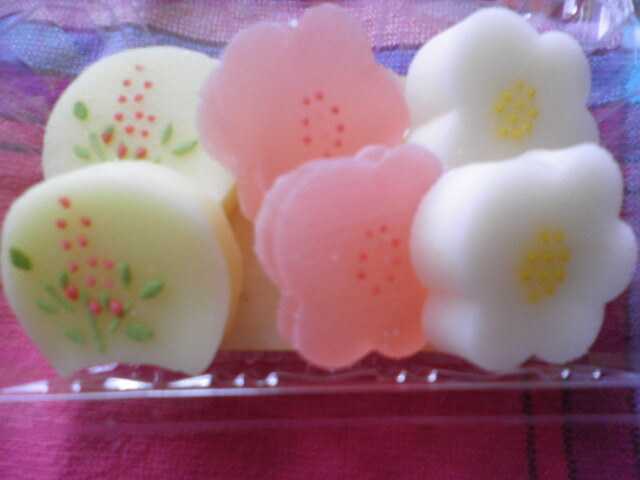
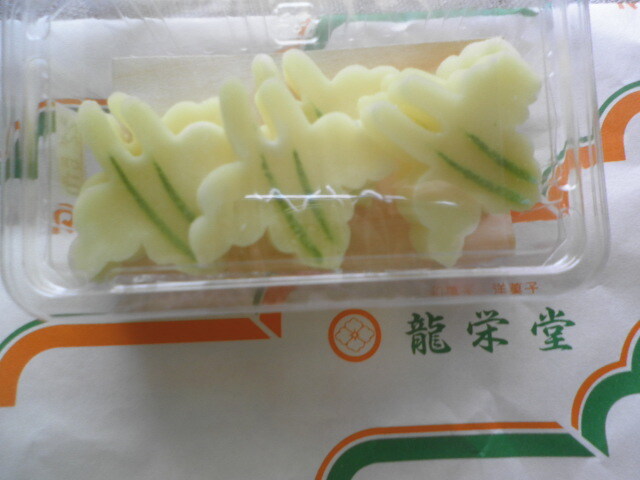
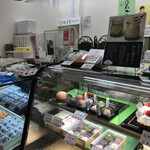
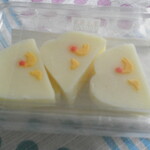
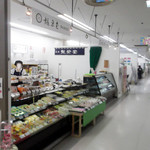
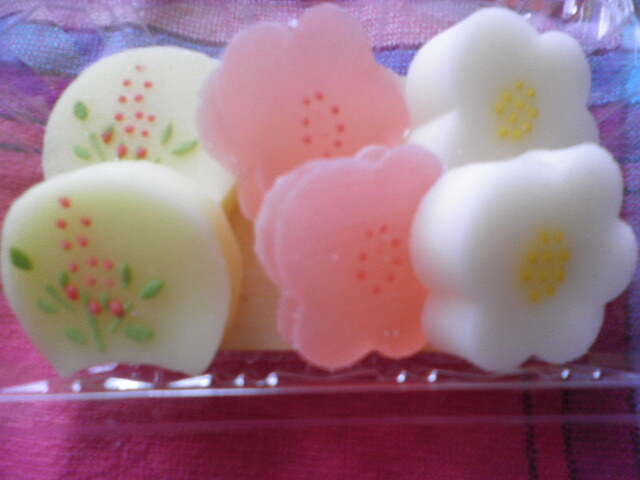
This is a nearby confectionery shop located inside Don Quijote, so it's easy to stop by on the way home from shopping if there's something you want to buy. They have dried sweets here, which are cute, sweet, and make you feel the season. I wonder if these are irises, they're cute. They are sweeter than I thought when I eat them, perfect with tea. And then I feel refreshed.
めえめえめえ
3.50
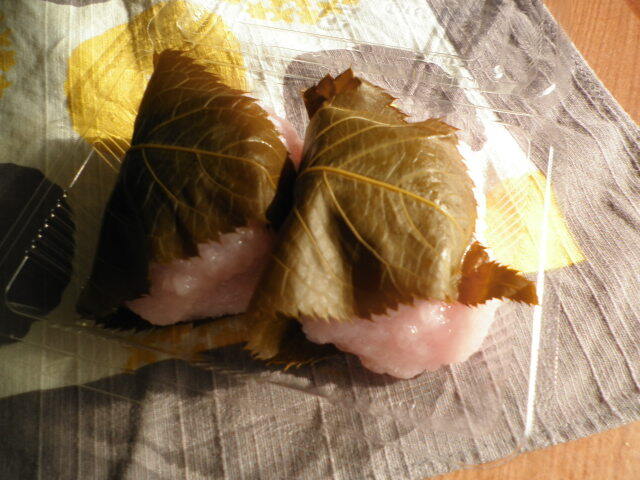
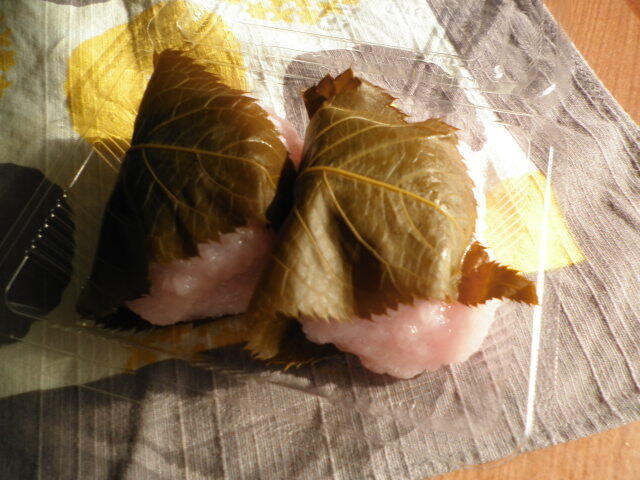
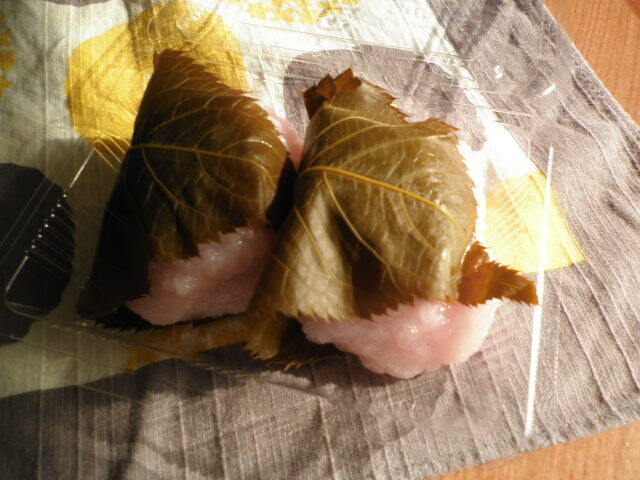
I will watch the Olympics while eating a snack. Today's snack will be sakura mochi. The sakura mochi here is big and satisfying to eat. It has a nice fragrance of the leaves and tastes delicious. It's convenient to have a shop nearby where you can always enjoy fresh and tasty sakura mochi.
めえめえめえ
3.50
I spent about two months at my parents' house and finally returned home yesterday. There's no cake for Christmas. Maybe I'll get some traditional Japanese sweets from Ryueido. The reindeer-shaped wagashi called "Seiya" puts me in the Christmas mood. The best gift of all was being able to come home.

しらす757
3.30
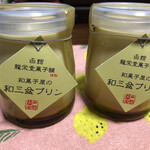
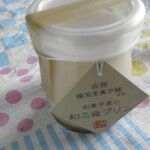
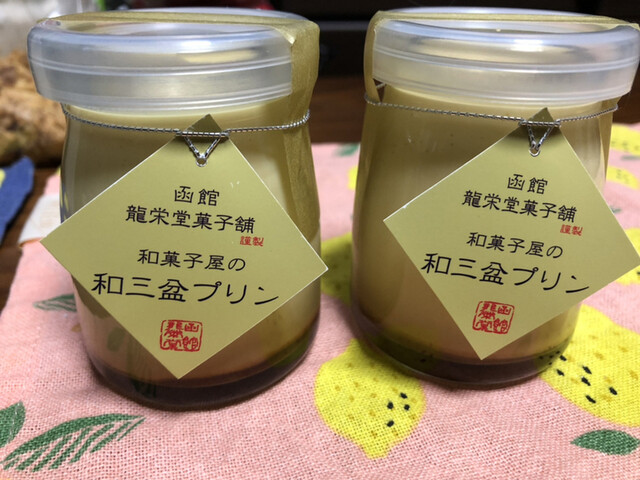
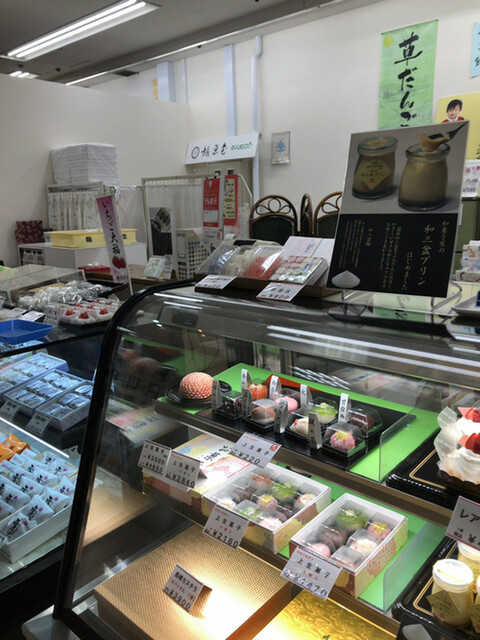
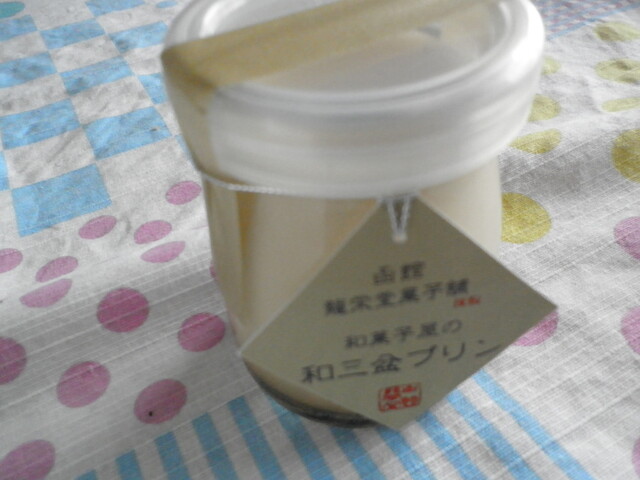
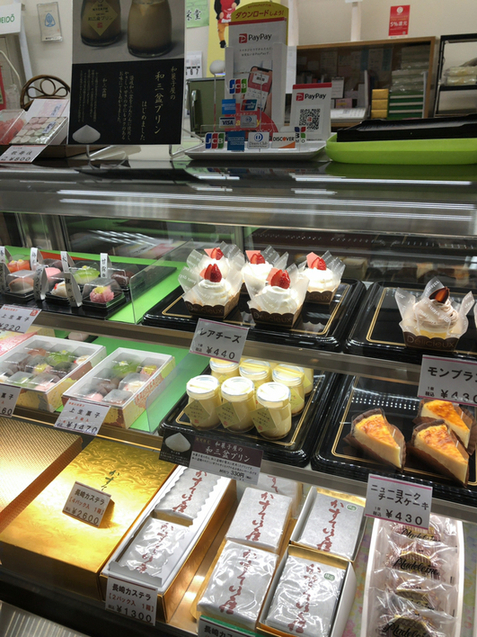
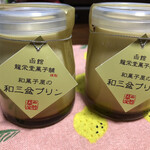
There are several branches of Ryueido in Hakodate city, including one inside Mega Don Quijote. I was intrigued by their Japanese sugar pudding, so I decided to try it. The texture was quite firm, and the taste was refreshing, with a distinct flavor of Japanese sugar. The caramel topping was delicious.
めえめえめえ
3.50
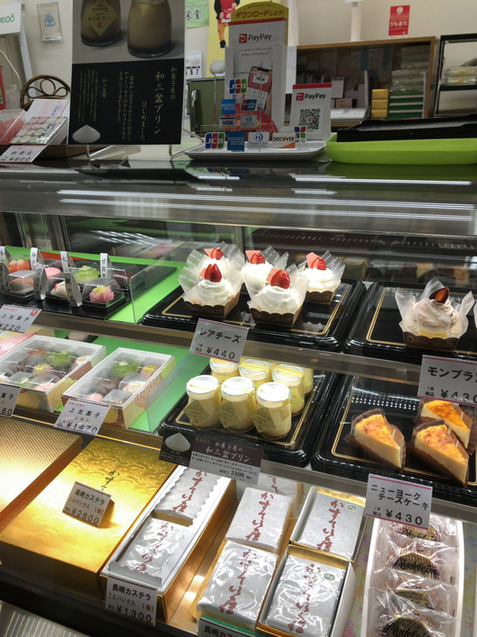
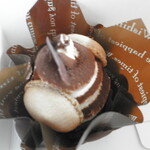
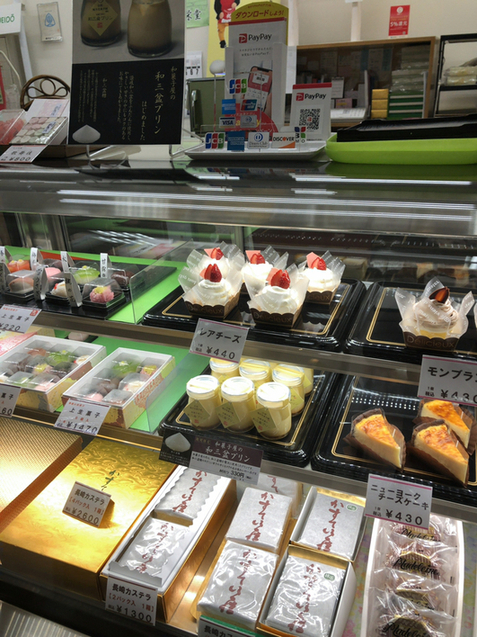
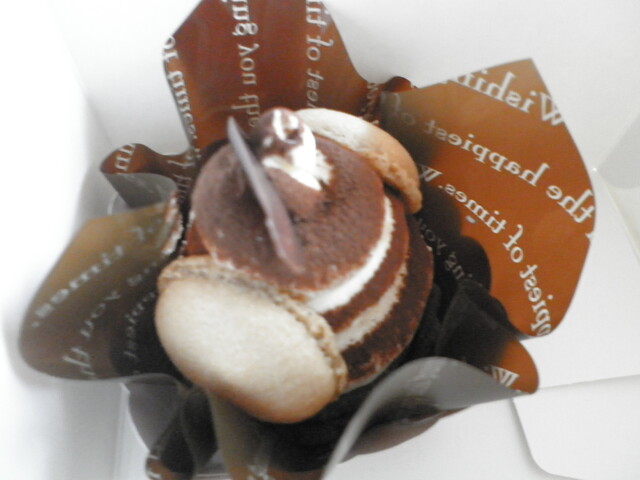
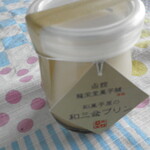
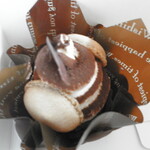
This is a sweet shop located in a walkable area, and it might be my favorite. It's delicious, with both Japanese and Western sweets, as well as dried fruits. Today is my husband's birthday, so I bought a cake. I think he likes tiramisu. There was also a tempting Japanese sugar pudding called "Washinbon Pudding." I'm a bit confused about the tiramisu here, which came with a macaron. The pudding has simple ingredients like milk, eggs, Japanese sugar, sugar, vanilla beans, and flavorings. It has a moderate firmness and the caramel sauce is delicious. The pudding from this Japanese sweet shop gives off a feeling of effort. When you return the pudding jar, you get a 30 yen refund, which is nice. The seasonal dried fruits are also cute.
めえめえめえ
3.50
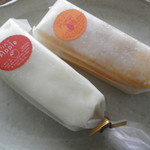
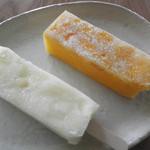
Hakodate is also hot, so I bought a fruit mochi bar while shopping. It seems to be made of fruit mixed with mochi powder. What's interesting is that it can be refrozen, which might be convenient for carrying around. They had samples of apple, strawberry, red bean, white peach, and mango bars, with the apple bar made from local apples. I chose the apple and mango bars. They were cold and chewy, which was different from the usual crunchy texture. It's more filling than ice, so it could be a good snack option.
めえめえめえ
3.50
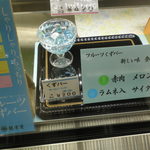
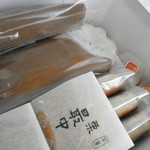
I went to buy traditional Japanese sweets for the Bon festival. In my hometown, Bon festival is in August, but in Hakodate, it is in July, so there might be offerings like yokan now. My mother loves eating yokan. While waiting for my purchase to be wrapped, I found out about a snack called kuzubar, which looks delicious. I am planning to go buy it on a hot day.
めえめえめえ
3.50
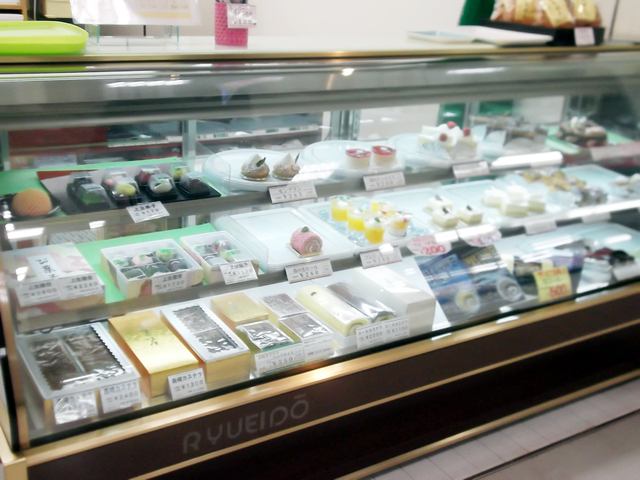
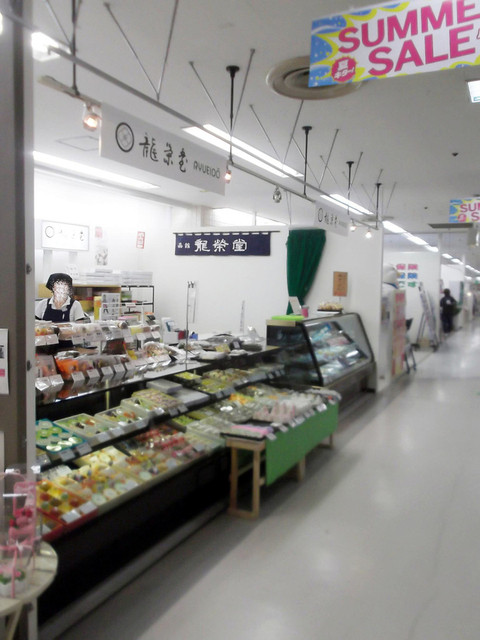
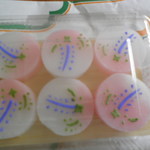
Ryoeido, which used to be Nagasakiya and later became Don Quijote, still remains. Although the location has changed, they have secured a proper sales floor with a lineup of Japanese and Western sweets all in one place. This time, I found dried sweets here. I think they must have been here before, but I didn't really like dried sweets that much. I now think that there is no other sweet that allows you to feel the season and is reasonably priced. In June, there were several types of dried sweets. The same type is 6 for 324 yen, 1 for 50 yen, and I was surprised that it was cheaper than in Muroran, at 60 yen. The ones with wisteria flowers are cute. They are carefully made and I enjoyed tasting them. I am happy to have decided on a sweet to buy every month from now on. My mother was delighted when I sent her Chinese steamed buns, mooncakes, and kintsuba.
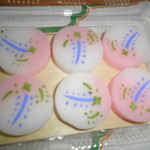
めえめえめえ
3.50
I sometimes peek into the sweet shop. On this day, dried sweets were on sale. I brewed some tea and nibbled on the dried sweets.
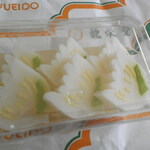
めえめえめえ
3.50
When I peeked into the shop, there were cute hina-matsuri sweets. They were shaped like fruits and vegetables. I thought the taste would be the same regardless of the shape, but the apple had a faint cinnamon scent. The sweets are meant to be eaten, not just for decoration.
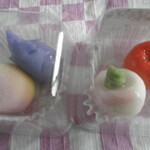
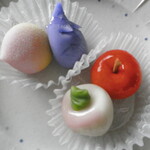

kabo-cha
3.50
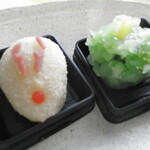
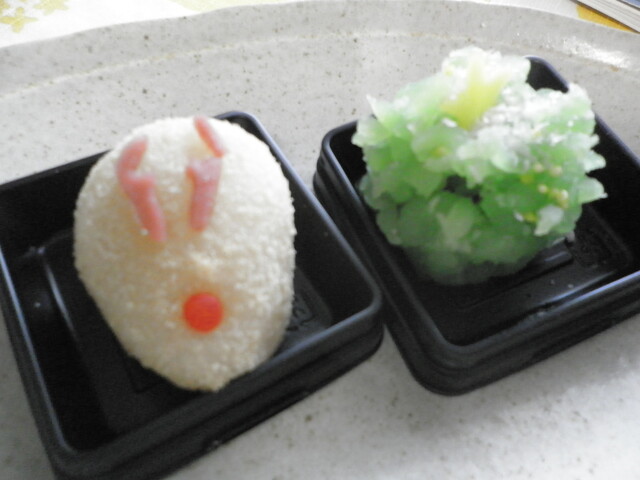
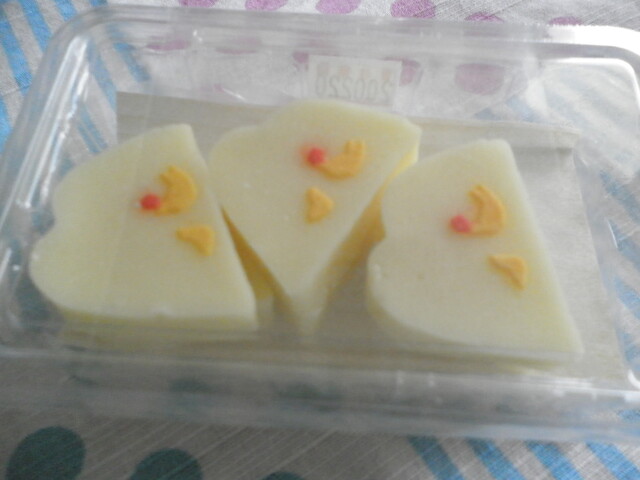
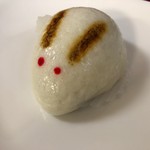
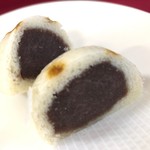
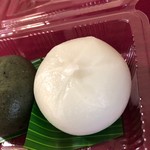
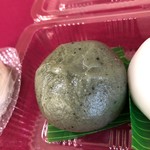
Today is the Mid-Autumn Festival, the night of the full moon! I went shopping at Mega Don Quijote and found some cute rabbit-shaped steamed buns at Ryoeido, one of the tenants, so I bought them! I felt bad just buying one bun, so I also got two moon-viewing dumplings. I had them for dessert after dinner. When I took the plastic off the rabbit bun, the skin peeled off a bit. Inside was a sweet red bean paste filling with a mild sweetness. The moon-viewing dumplings had one with white bean paste and one with mashed red bean paste, which was sweeter. They were delicious! Even though the weather wasn't great for moon-viewing, I couldn't resist enjoying these treats.
めえめえめえ
3.00
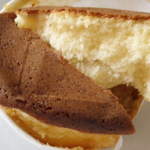
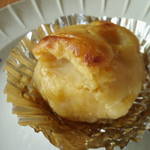
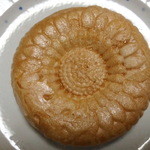
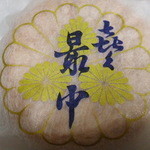
In September 2013, the featured wagashi (Japanese sweets) on the calendar was "Chrysanthemum Monaka." Looking at the photo, I felt like having this Chrysanthemum Monaka. It's no surprise that Ryueido, established in Taisho 15 (1926), had it. Not many people might think of buying this as a souvenir, but the fact that it's being sold means there are people who buy it. It could be for offering purposes, but I like to think that people buy it because it tastes good. It really tastes like chrysanthemum - the anko (sweet red bean paste) inside is firm, similar to kinako (soybean flour) mochi. It's more appealing to me than the popular Hakodate Dairi Daifuku, where the filling is not visible. When you open it, it has a Western touch - white anko inside a madeleine-like pastry. White anko goes well with Western-style sweets like chocolate manju. Another seasonal limited edition is the "Chestnut Monaka." It has sweet potato filling with chestnut pieces, and in the center, there's a whole chestnut. It feels luxurious. This is delicious, and I think my mother would like it. It's been a while since I felt like sending her some sweets.
In February 2013, even though Nagasakiya changed to Don Quijote, this place remains the same. The lady at the counter is probably the same person. While Misuzu is gone, it's sad to see the disappearance of cake shops with showcases in underground food markets. Everything is now packed wagashi and cakes, which feels less appealing. Amidst the chaos, this place is doing its best, and I admire that. So if I find something interesting, I want to buy it. When looking for Hina Matsuri (Doll Festival) sweets, I found cute "Suama" here. Last year's version was about twice the size and cost around 300 yen. This year's is the perfect size for 150 yen. This way, I can finish it even after Hina Matsuri is over. I used to buy cakes here, but I only bought sakuramochi as wagashi. I wonder what the signature product of this place is. They all look delicious in their own way. I bought the "Bugyosho Monaka," which is probably inspired by the Hakodate Bugyosho (Magistrates' Office) that was built later. When I think about it, Monaka often features famous landmarks. The Bugyosho Monaka has sweet red bean paste wrapped in mochi. It has a light and elegant taste. According to the Hakodate Sweets Association (members include Kitajima, Gotoken, Showa Seika, Joli Claire, Chishuian, Hanazono Masuya, Ryueido, Yanagiya), each shop uses the same Monaka mold to create their own unique Monaka. Not all shops may be making it, but it seems like they are. Here, it's filled with koshian (smooth red bean paste) wrapped in mochi. I'd like to try Kitajima's Castella-filled Monaka, Gotoken's French Caramel Monaka, and Joli Claire's Monasku and other unique variations.

世界食堂
0.00
Email Login