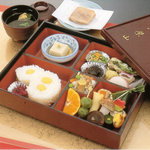
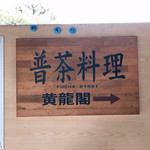
黄龍閣
ouryoukaku ◆ おうりょうかく
3.40
Uji, Ujitawara
「Japanese Cuisine」
--
3,000-3,999円
Opening hours: 11:30 - 14:30(L.O.13:00)(Reservations required)Shop closes at 16:00 Open Sundays
Rest time: non-scheduled holiday
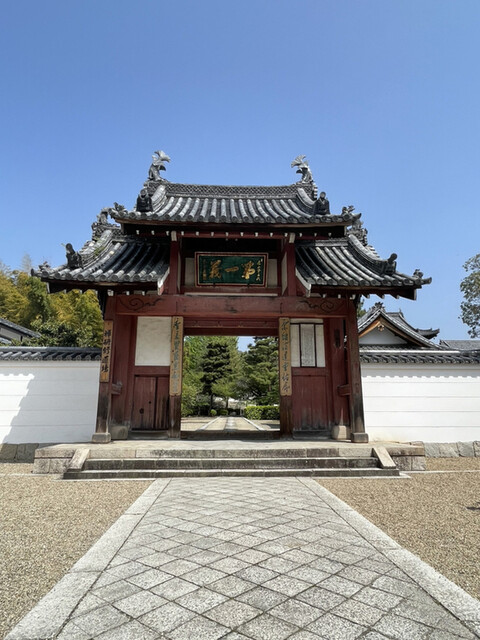
京都府宇治市五ケ圧三番割34 萬福寺
Photos
(20)
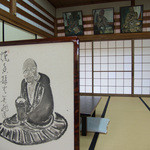
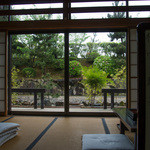
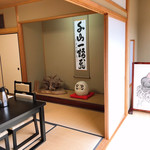
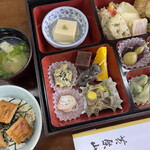
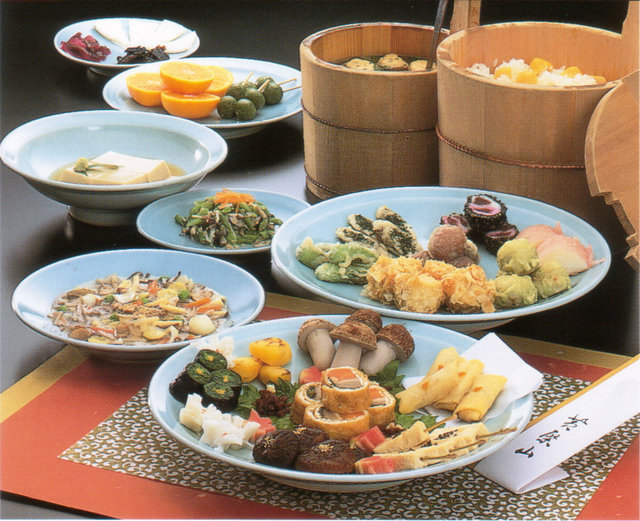
Details
Reservation Info
Full reservations are required. Individual customers who cancel on the day of the event or after 3:00 p.m. the day before will be charged the full amount. For groups, 50% of the fee will be charged if cancellations are made 3 to 2 days in advance. If cancellations are made from the day before to the day of the reservation, the full amount will be charged.
Payment Method
Credit cards not accepted
Number of Seats
350 seats
(300 people in tatami rooms and 50 people in chairs)
Private Dining Rooms
having
Smoking and Non-Smoking
No smoking at the table
Parking
having
Facilities
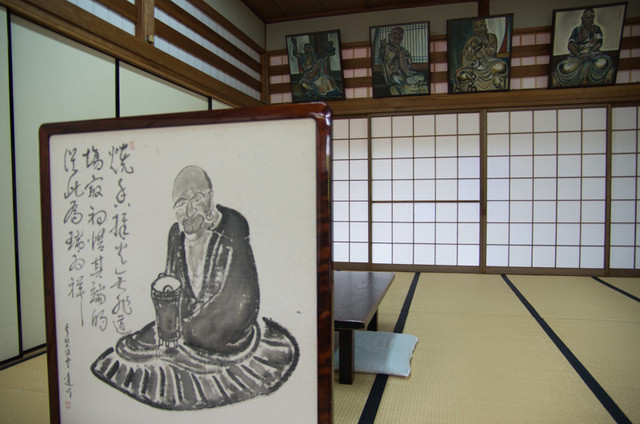
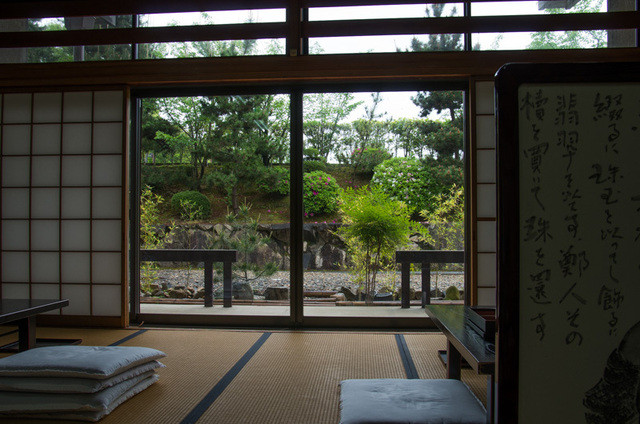
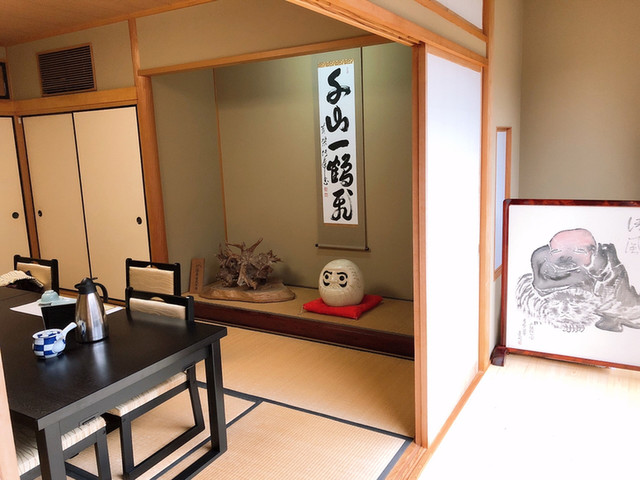
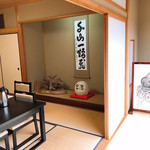
Calm space, tatami room available
Drink
Sake available
Dishes
Focus on vegetable dishes
Comments
(20)

ひろひろじゅん
3.50
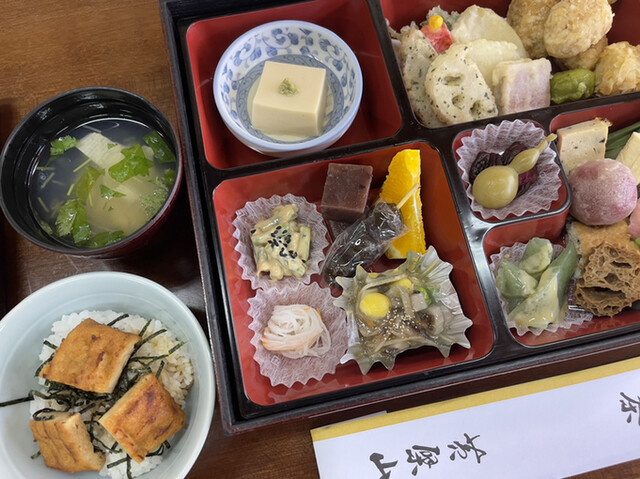
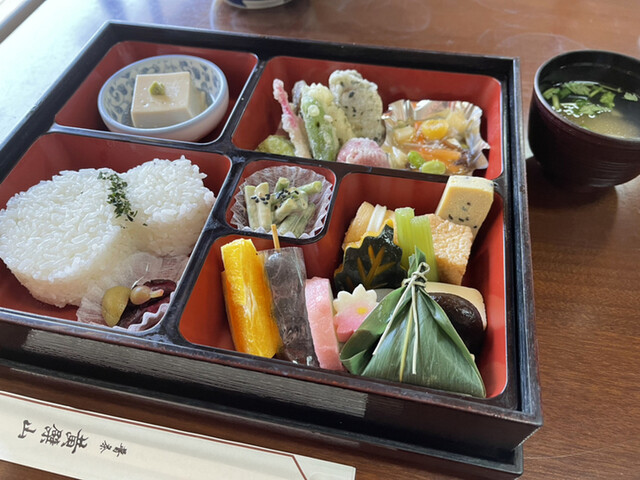
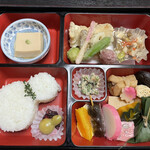
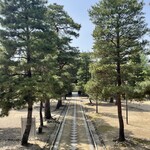
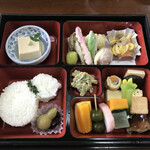
It had been a while since we had guests from afar, so we made a reservation for a lunch gathering. When it comes to Uji, you think of tea cuisine. This time, we had bento boxes from a shop inside Manpukuji Temple. It was a kind of vegetarian cuisine with unique dishes. Our elderly guests were pleased with the variety of easy-to-eat dishes. There were four of us, and we had a private room to enjoy a quiet lunch. It would have been nice to have some explanation about the dishes, but unfortunately, there was none. After lunch, we leisurely strolled around the temple grounds and felt satisfied.

ハヤブサ77
3.40
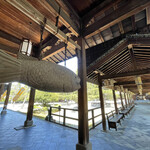
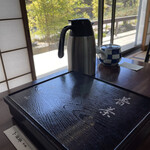
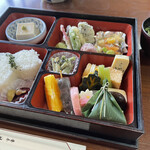
I was brought here by someone and didn't know anything about it, but I was told that this temple was started by a Chinese person in the 1700s (named Kugyo, which is said to be the origin of the name "kidney beans"). Currently, a 14th generation Japanese person is running the temple, and the cuisine served there is considered shojin ryori (Buddhist vegetarian cuisine). The dishes, which include yam and soybean-based items that resemble kamaboko and tamagoyaki, are gentle on the stomach, colorful, and enjoyable to eat. The peaceful surroundings and atmosphere made the meal very enjoyable. Thank you for the delicious meal.

miyom178
3.80
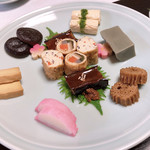
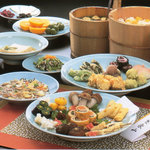
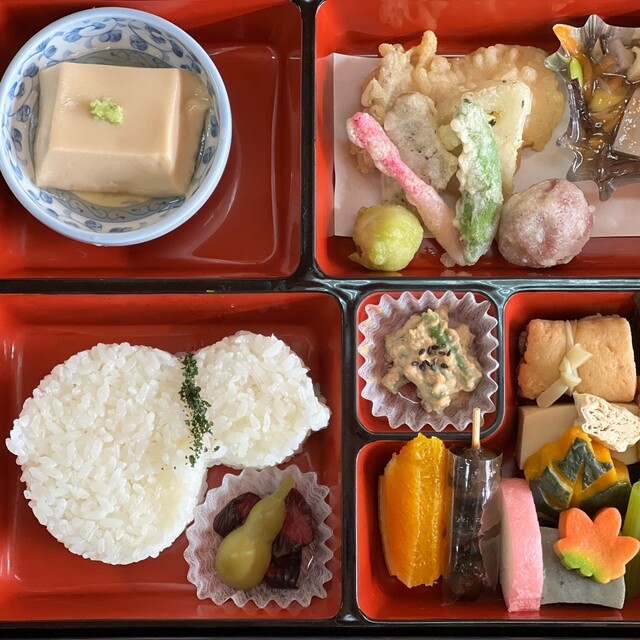
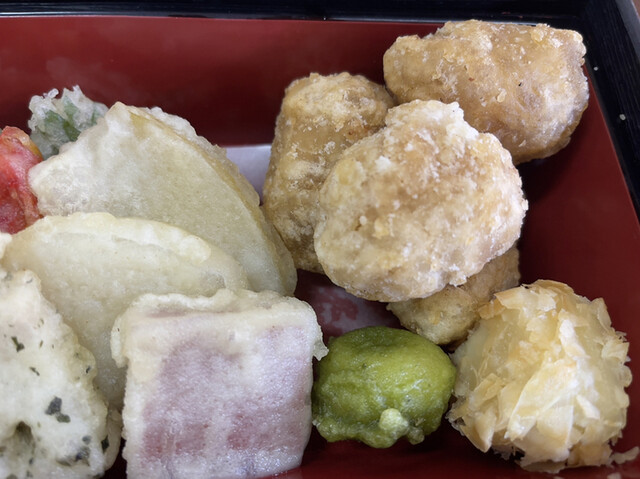
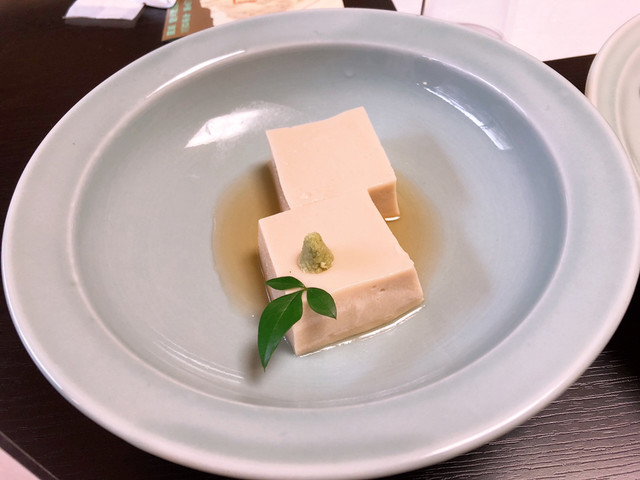
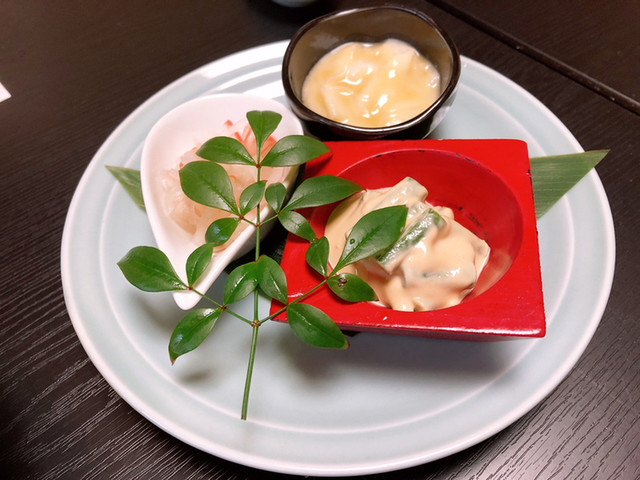
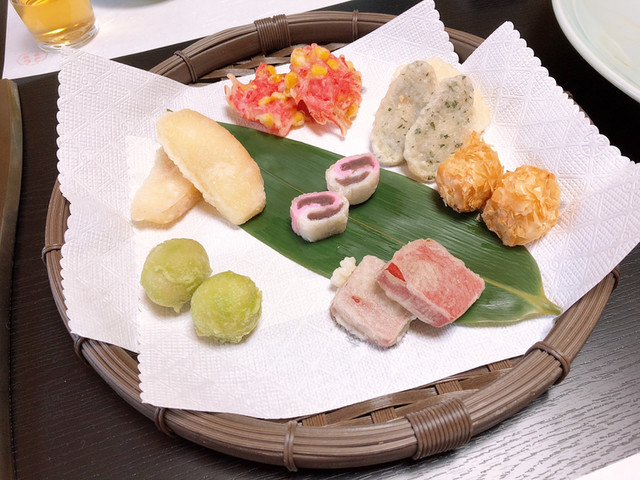
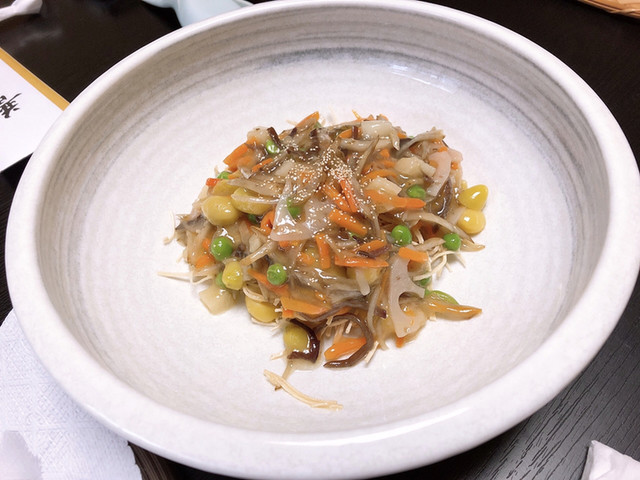
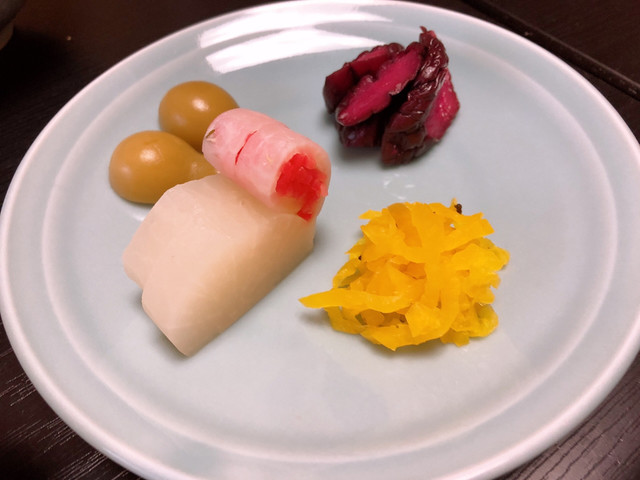
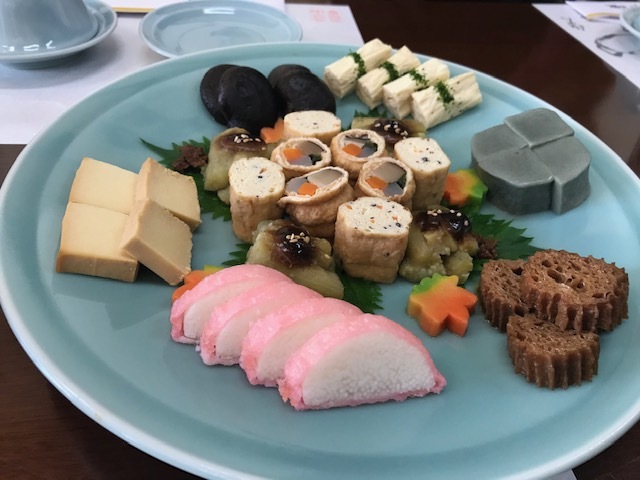
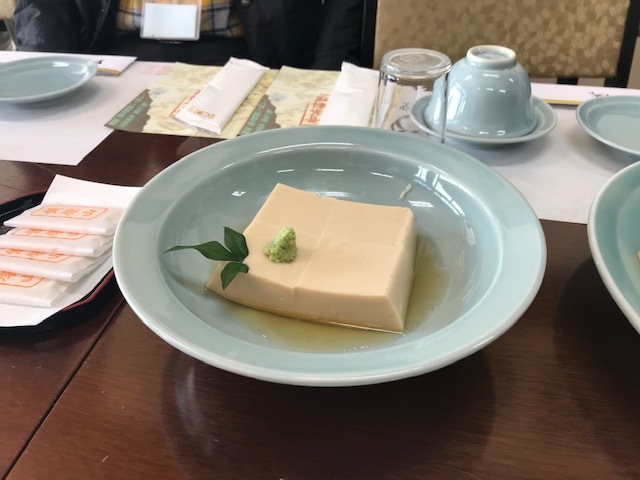
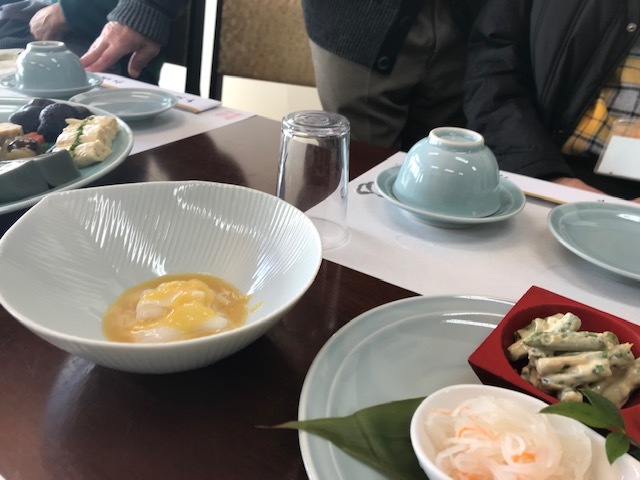
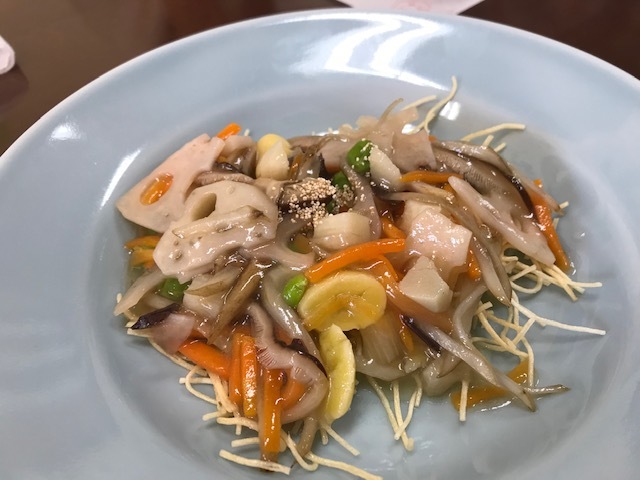
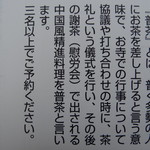
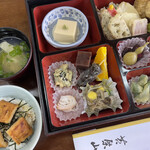
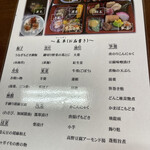
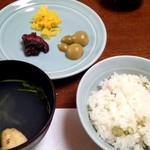
I tried Fucha cuisine (kaiseki cuisine) that I had been wanting to try for a long time today. The location was at Oubai-san Manpuku-ji, Kouryuukaku. It is located within the spacious grounds of a Chinese-style temple, Manpuku-ji. Fucha means "serving tea to the public" and refers to a type of cuisine that uses natural ingredients from Japanese mountains to express gratitude to Buddha. The meal is meant to be enjoyed with four people sitting at one table without any hierarchy, enjoying conversation and finishing all the food. The menu included various dishes such as soup, vegetable stew, sesame tofu, sesame tofu with miso, tempura, pickles, simmered vegetables, steamed dish, fried dish, rice, pickled vegetables, side dish, and fruit. The setting was in a large tatami room at Kouryuukaku, where we were served a variety of dishes including mountain yam, tofu skin, boiled eggs, vinegared squid, and more. The meal ended with chestnut rice, fried plum, and dessert. Overall, the meal was interesting and unique, more so than delicious. It was a special experience that I wouldn't necessarily go out of my way to try again individually, but it was enjoyable as part of a group tour.

ビッキー
3.70
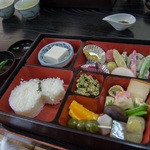
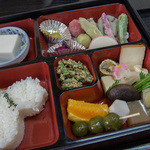
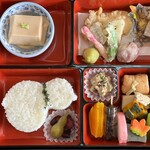
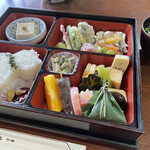
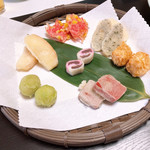
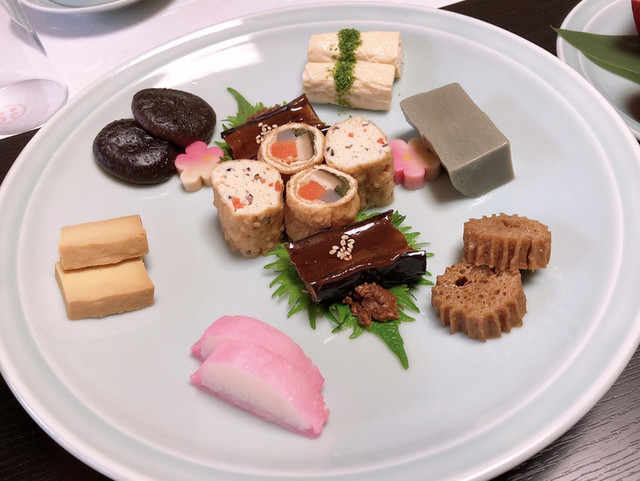
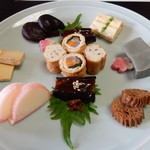
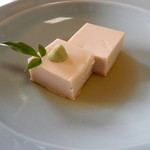
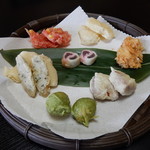
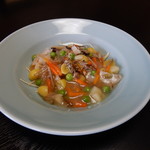
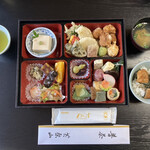
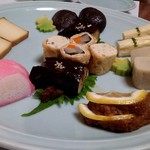
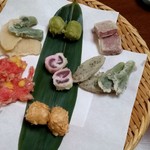
I had Fucha cuisine at the Yellow Dragon Pavilion in Manpuku-ji Temple. Fucha cuisine usually requires early reservations and a minimum of 4 people, but at Manpuku-ji Temple, even small groups can enjoy Fucha cuisine. There are also affordable Fucha bento boxes available. (The photo shows a course for 2 people, priced at 5000 yen excluding tax)

echigoya
3.00
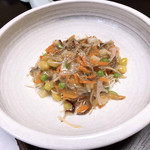
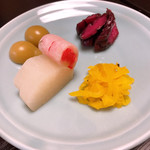
This is my first experience with Shojin cuisine. In the spirit of learning about food culture, I made a reservation for the luxurious course priced at 8060 yen. The course and dishes provided were as shown in the photos. This meal is not about sweetness or deliciousness being made from oil and sugar, but rather about appreciating and giving thanks for the food we receive. It was a peaceful time. Thank you for the feast.

ぺん_ぺん
3.10
I visited Manpuku-ji to learn about Fucha cuisine. Fucha cuisine is a type of vegetarian cuisine that does not include any animal protein. I was worried it might be bland, but the dishes are cleverly crafted with colorful presentation, shapes, and aromas to satisfy your appetite. Surprisingly, I got quite full. Thank you for the meal.

yamanoaki
2.50
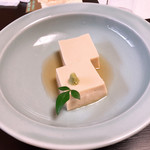
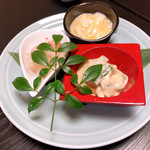
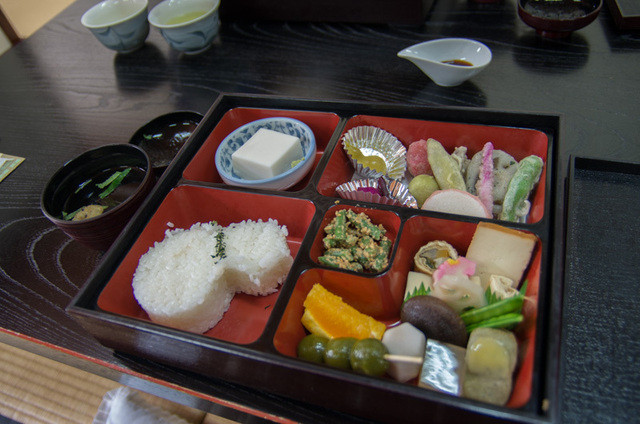
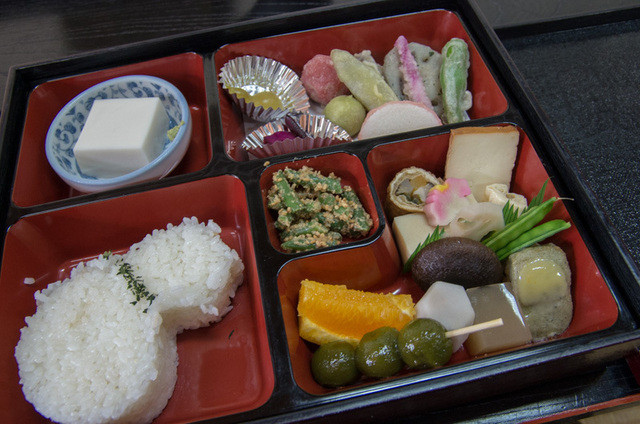
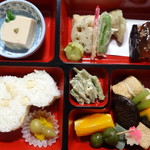
My husband and I, along with our friends, visited a temple in the ancient city and had a vegetarian meal at Manpuku-ji for lunch. It was a hot day, so the men wanted to have a beer, but we opted for hot tea to combat the heat. The vegetarian meal was Chinese-style, different from the traditional Japanese style, using ingredients like meat, fish, and oil. The rice was shaped like a gourd and had bamboo shoots in it. The rice texture was average, slightly firm, but tasted good. The sesame tofu was firm and satisfying, unlike the cheap tofu sold in supermarkets. We were served a hot pot with yuba, which is actually the same as yuba. It's better to see the photos of the other dishes to understand them rather than a lengthy explanation. The meal was on the expensive side, but the quality of the ingredients and the taste made it worth it.

miki33654
3.20
It was a unique shojin cuisine experience, with a variety of fried dishes, different from the typical shojin cuisine. It was a bit hard to evaluate because of the unusual flavors, but I definitely want to try it again with friends. The temple had a Chinese atmosphere, making me feel like I was in China even though I was in Kyoto. Make sure to make a reservation in advance as they can get busy. We enjoyed our meal in a room overlooking the garden of Manpuku-ji temple. Thank you for the meal! Note: There is a famous restaurant called Tamakitei nearby, so I recommend stopping by on your way back.
タロ~
4.50
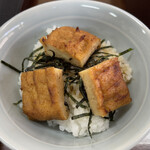
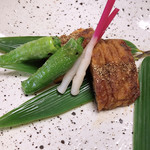
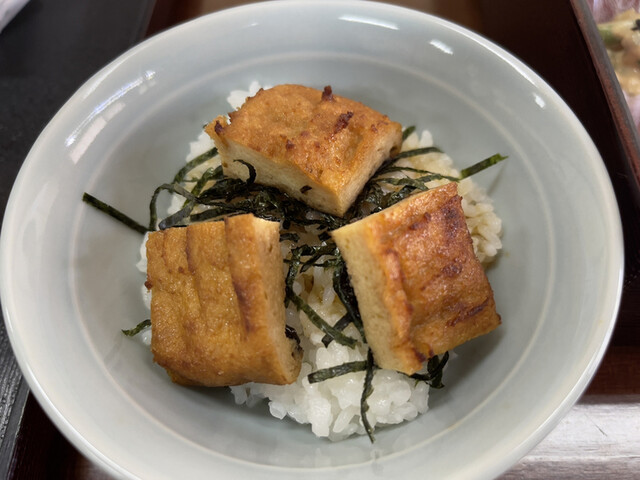
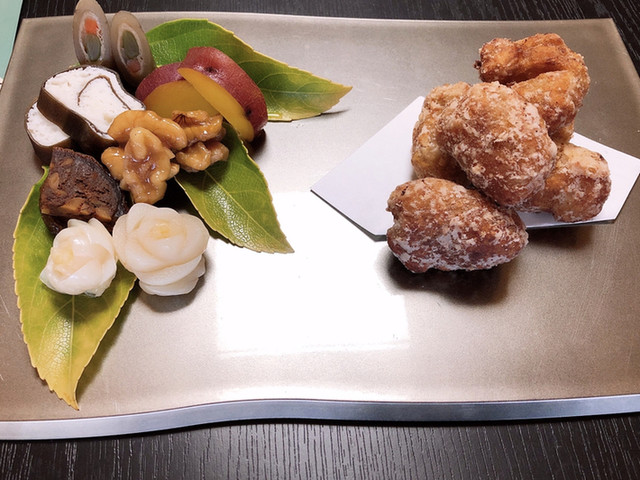
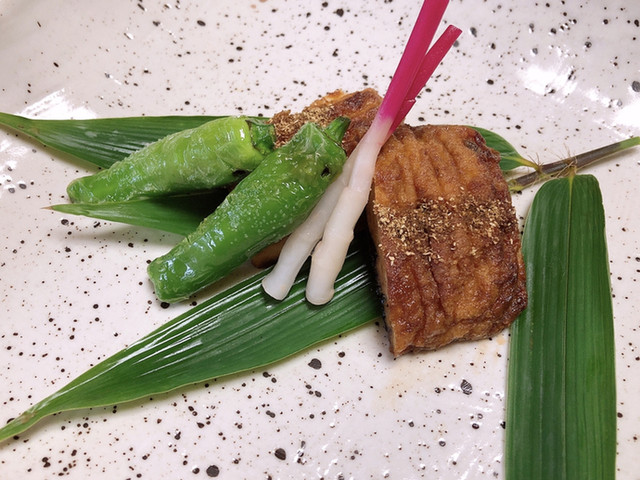
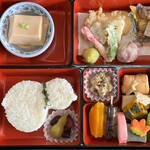
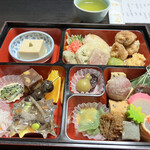
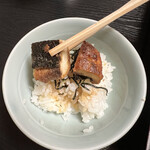
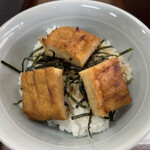
The imitation eel and mock fried chicken were delicious. The vegetarian dishes were low in calories, but there were also tempura options available for those who wanted something more filling. The temple was very large and impressive. While the food may seem a bit pricey based on taste alone, the unique experience made it completely satisfying.
真有口福
4.00
タロ~
4.00

juns7
3.50

u_une
0.00

renarin
3.50

おいちゃん24
3.50
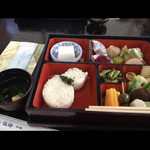
おいちゃん24
3.50
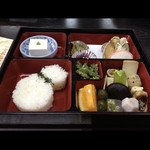
hisakori3103
3.00
After the tea party, we made a reservation to try out the traditional tea cuisine that we had always wanted to taste! It was quite interesting... I guess it might not be satisfying enough for young men, but we were happy with it. Thank you for the meal!

富士見酒
3.00
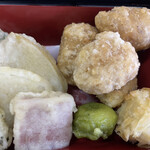
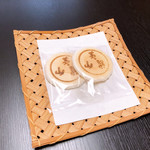
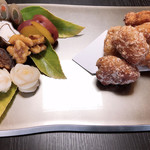
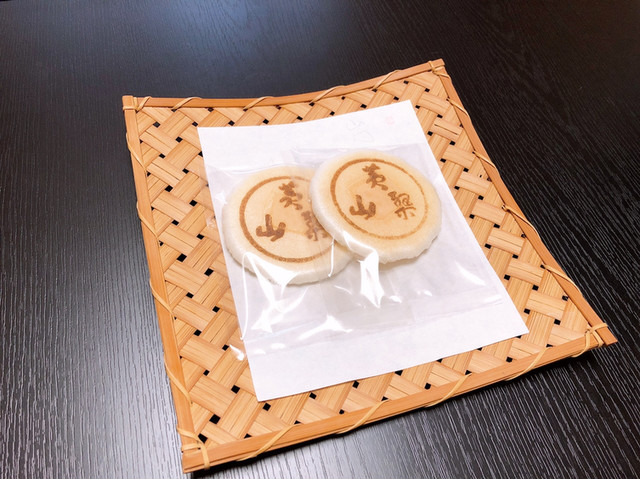
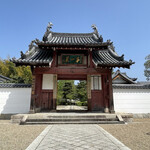
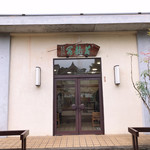
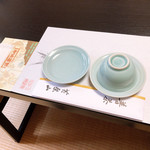
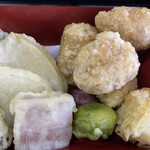
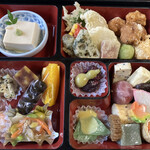
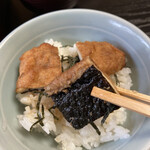
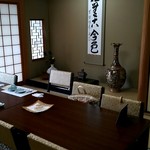
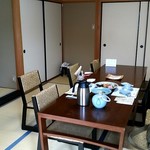
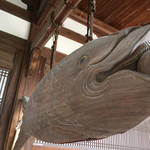
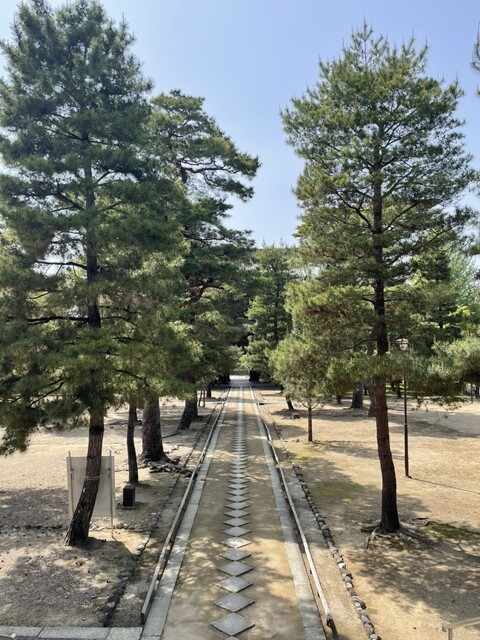
Manpuku-ji temple in Uji City, Kyoto Prefecture, is a temple of the Obaku sect founded by Ingen, who came to Japan from China during the Edo period. The Obaku sect is a branch of Zen Buddhism, known for accepting trainee monks and allowing the general public to participate in Zen meditation. What sets Manpuku-ji apart is its offering of Shojin Ryori, traditional vegetarian cuisine that originated from China. Reservations used to require a minimum of four people, but due to the recent trend of solo dining, the requirement has been relaxed to two people or more, and even walk-ins are accepted for the "Shokado" bento box. I made a reservation with a friend for the most expensive course priced at 7,000 yen. A week before our visit, a postcard serving as a ticket was sent to us, although there was an additional admission fee. The path from the designated parking lot to the main gate of the temple was long, taking about 10 minutes. The Chinese-style temple grounds were spacious and tranquil, a stark contrast to the bustling atmosphere of Byodoin Temple we visited earlier. The Shojin Ryori restaurant was located in a building called Koryu-kaku, hidden deep within the temple grounds. Despite its grand name, the building resembled a corporate training facility rather than a temple. Inside, the decor was traditional Japanese with tatami flooring, and there were chairs available for elderly visitors with weak legs. Shojin Ryori, being a branch of Chinese cuisine, was served on large platters and brought out one dish at a time. The tableware, however, seemed to be made of resin rather than the high-quality porcelain it appeared to be in photos. We were served a total of seven dishes, rice, and fruit, all made without meat. The unique aspect of this meal was the imitation dishes - fishcake that wasn't made of fish, fried chicken that was actually beans, and an eel dish that tasted like soybeans. Despite the surprises, the meal was satisfying, and my friend even left some fruit uneaten. While the food was likely beneficial for the body being Shojin Ryori, there were some questionable aspects. I had expected traditional Edo period Shojin Ryori, but dishes like nut-coated ingredients, apple tempura, and kiwi seemed out of place historically. The meal ended with a weak dessert selection, but finishing with a mooncake would have been a nice touch. Despite these quirks, I believe the value of experiencing this unique Shojin Ryori with its imitation dishes is worth a try.
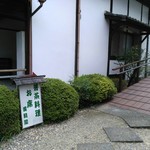
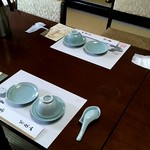

sly7777
3.50
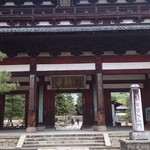
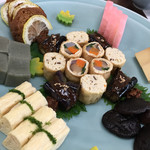
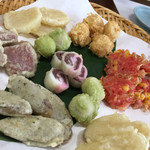
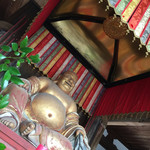
Shojin cuisine is now considered part of the cuisine category, but it is a category of cuisine that has expanded for specific reasons, so I don't think anyone would feel like saying, "I want to eat shojin cuisine!!" from the bottom of their heart. Nowadays, people tend to choose based on rarity or healthiness. I also went to this place thinking, "Wow, shojin cuisine at a temple!!" There is a huge statue sitting right in the middle of the temple, so I highly recommend going and seeing it with your own eyes. I chuckled at the thought that if I only ate shojin cuisine, I wouldn't have this stomach. It's irrelevant, but the restaurant is located at the back of the temple. Once you enter, you will be greeted by staff in regular clothes, and it feels like a normal restaurant. The pace of the dishes is a bit fast, but they are freshly made and very delicious. They explain each dish, which is educational and gives you new insights, making it enjoyable. Well, if asked if I would go again with the same group, I would hesitate, but if someone asked me to guide them to a core place in Kyoto, I think it would be quite nice.

ななしょう
3.40
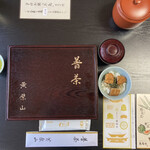
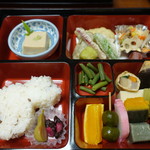
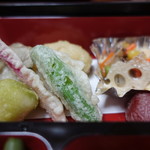
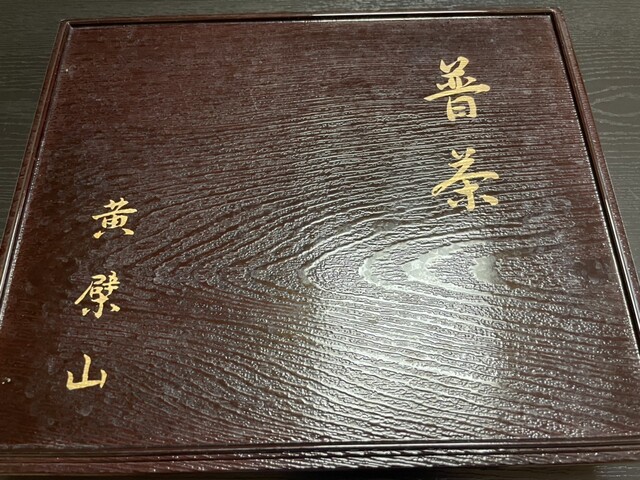
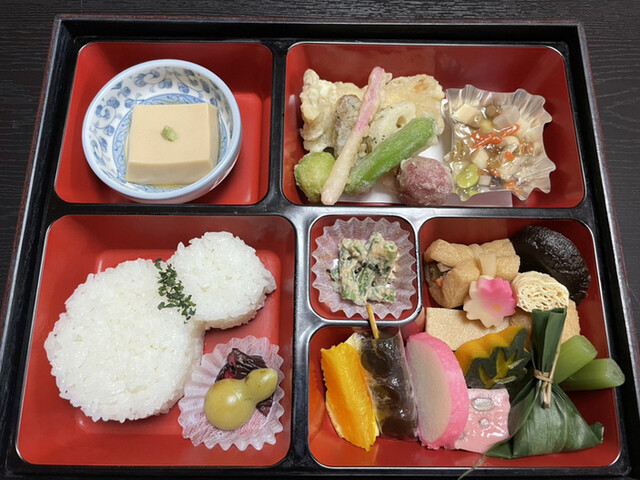
In Uji City, continuing the weekend food log activities. After buying the popular bread at "Tamakitei," I headed to have tea. However, when I arrived at the first shop, there was a 100-minute wait, and at the next shop, a 150-minute wait (*_*; I couldn't wait that long, so I decided to have lunch a little early. I had made a reservation for lunch in advance. However, as it was a last-minute reservation, popular restaurants were fully booked, but I managed to squeeze into this place somehow. I didn't know much about it from online information, but apparently, they serve "shojin ryori" (vegetarian cuisine) at the temple. When I made a reservation, I received a postcard or fax from them, which I had to show upon entering the temple. They also provided instructions for the parking lot, and the paper served as a free parking ticket. The reservation time was at 12:00 PM. I was guided at the reception and led through the temple grounds to a separate building where the meal was served. Each group had a private room reserved. The room was simple, likely used as lodging for practicing monks, with no extravagant decorations. However, the seating was modern with chairs, which was appreciated. The lunch was served promptly. I had reserved the "Fucha Bento @3,240" for that day, but an entrance fee of 500 yen was also required, making it a total of 3,724 yen per person. "Fucha Bento" is a Chinese-style shojin ryori passed down in Zen Buddhism. The term "Fucha" comes from the Zen term meaning "to serve tea widely to the masses." The dishes are meant as hospitality for guests rather than for the monks themselves. The meal consisted of many mock dishes, typically using only vegetables but different from traditional shojin ryori by using oil. When I opened the lid, I honestly had mixed feelings, but it was a grateful meal, so I shouldn't complain. The taste was light, typical of shojin ryori. The tempura lightly seasoned with salt was easy to eat. Afterwards, a monk gave a meaningful sermon, which was also good. After the meal, I toured the inside of the temple before heading to the next destination. Thank you for the meal. "Heart Sutra" 2017.06 Food Log rating: 3.20 points.
Email Login