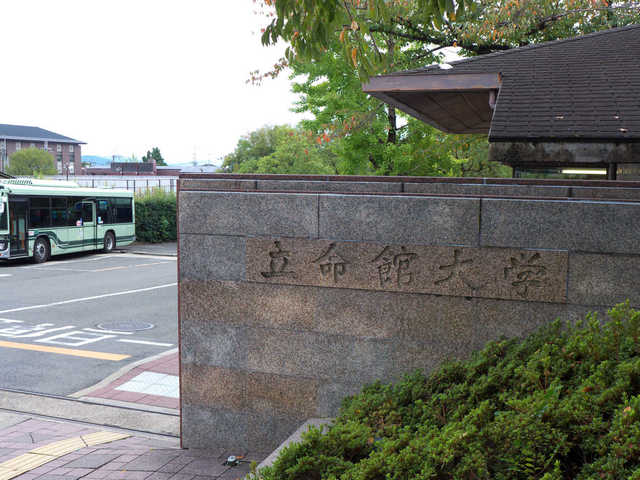
立命館大学 諒友館食堂
Ritsumeikandaigakuryouyuukanshokudou ◆ リツメイカンダイガク リョウユウカンショクドウ
3.05
Kinkaku-ji, Kitano-Tenmangu Area
「School cafeteria」
--
--
Opening hours: 10:30-17:00
Rest time: Saturdays, Sundays, and holidays Business hours and holidays are subject to change, so please check with the store before visiting.
京都府京都市北区等持院北町56-1 立命館大学 衣笠キャンパス
Photos
(15)
Details
Restaurant Service Fee
See Remarks.
This fee is charged by the restaurant, not related to our platform
Number of Seats
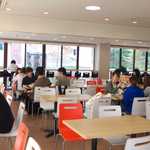
390 seats
Private Dining Rooms
None
Smoking and Non-Smoking
No smoking at the table
Parking
None
Facilities
Counter seats available
Comments
(3)

よい子
3.20
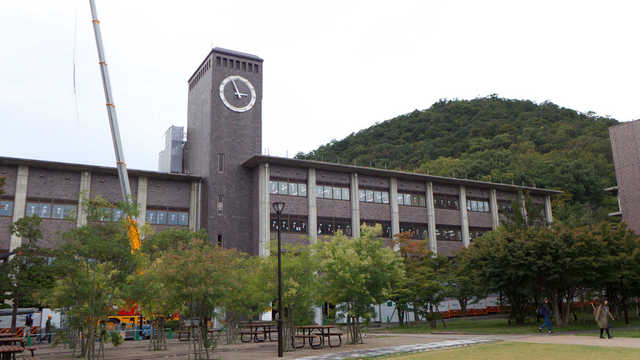
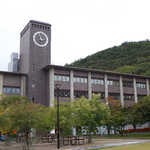
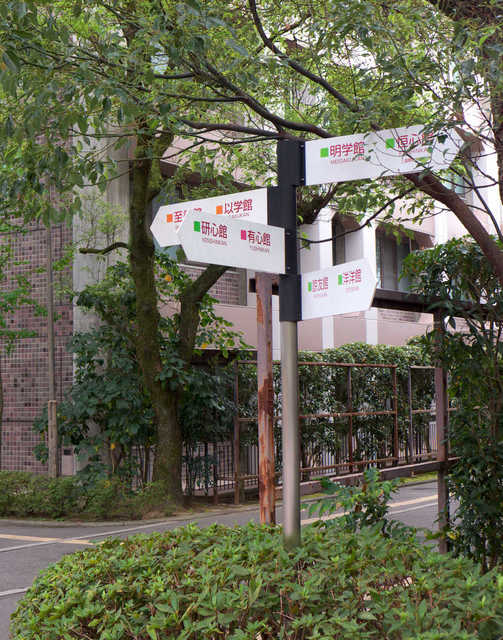
[Rakuto University, Kyoto] On October 14, 2017 (Saturday), I visited the co-op cafeteria at the Rakuto University, Imadegawa Campus. Established in 1869 by Prince Nijō, and reorganized as a night school in 1900, Rakuto University has a rich history. Located on the route for a stroll from Randen to Kinkaku-ji, I decided to stop by for a review. To get there, you can take the Randen train to Ryōan-ji Station, follow the signs with "R" to the university campus, about a 10-minute walk uphill towards the mountains. There are also buses from Kyoto Station, Omiya Station, and Nijo Station that are convenient for reaching the university.
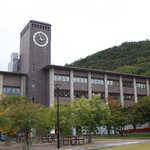
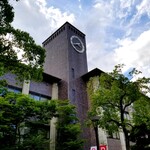
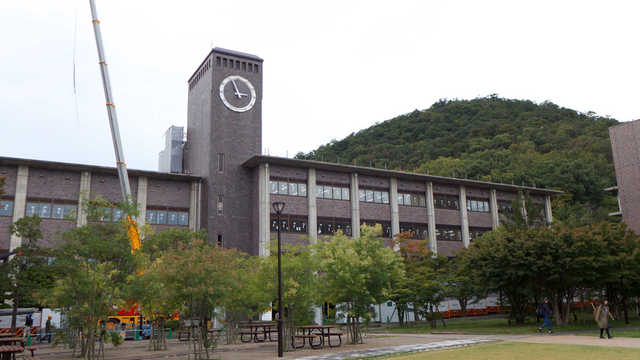
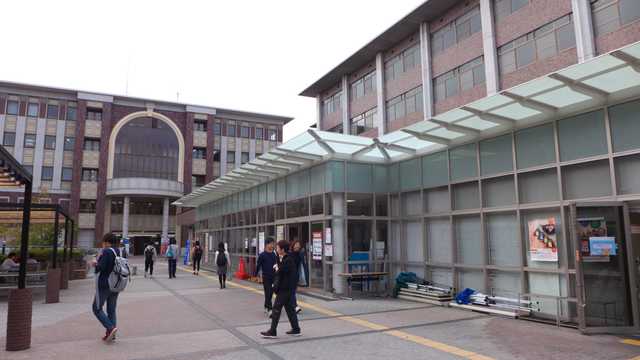
The Imadegawa Campus consists of 33 buildings, including the iconic Sonshin-kan Hall, donated by the last Emperor of Manchukuo, Puyi, and others. The campus houses six faculties, including the Faculty of Law, Faculty of Letters, and Faculty of International Relations. Each building has a unique name, adding to the charm of the campus. The co-op cafeterias, located in three different areas, play a significant role as there are few other dining options nearby.
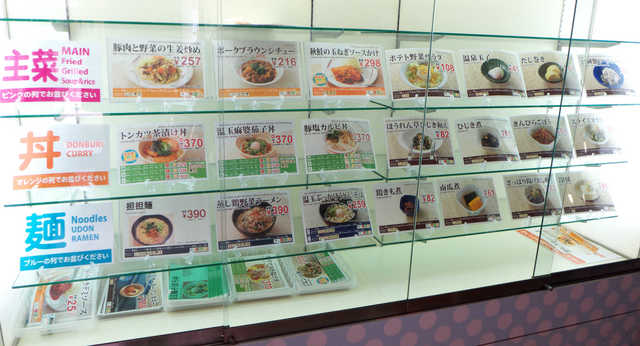
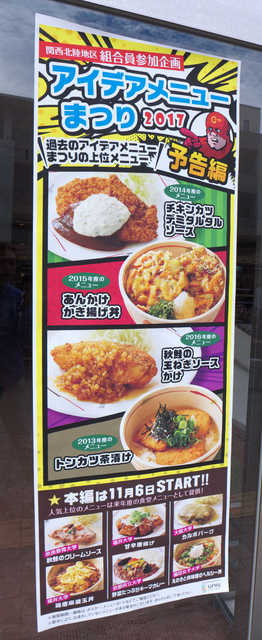
I visited the Ryōyū-kan cafeteria as the Sonshin-kan cafeteria was under construction. The cafeteria operates on a cafeteria-style system, where you pick your desired dishes and pay at the counter. The menu includes dishes like Salmon with Onion Sauce, Pork and Vegetable Stir-fry, Pork Brown Stew, Tonkatsu Tea-soaked Rice Bowl, Warm Egg Mapo Eggplant Bowl, and more. They also offer desserts to cater to the predominantly female student population.
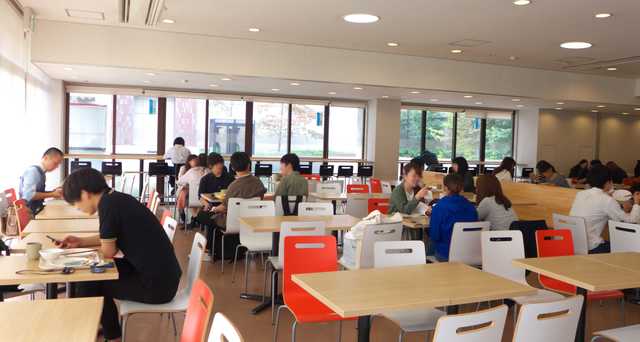
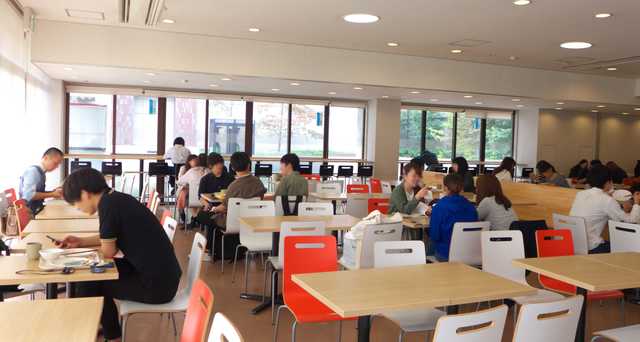
After selecting your meal, you proceed to the cashier for payment. While primarily for co-op members, non-members can dine by paying an additional fee. The spacious seating area mainly consists of counter seats, creating a bright and lively atmosphere for students to enjoy their meals and socialize. Despite it being close to closing time on a Saturday, the cafeteria was bustling with students.
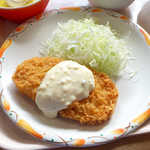
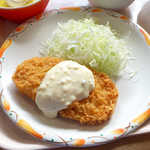
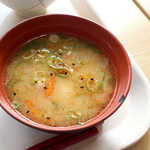
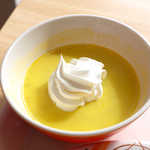
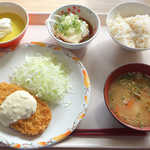
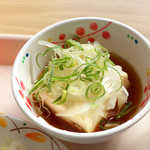
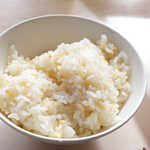
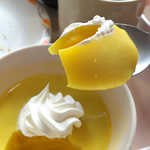
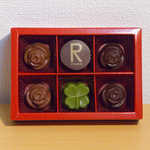
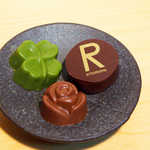
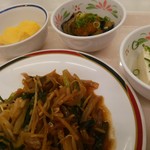
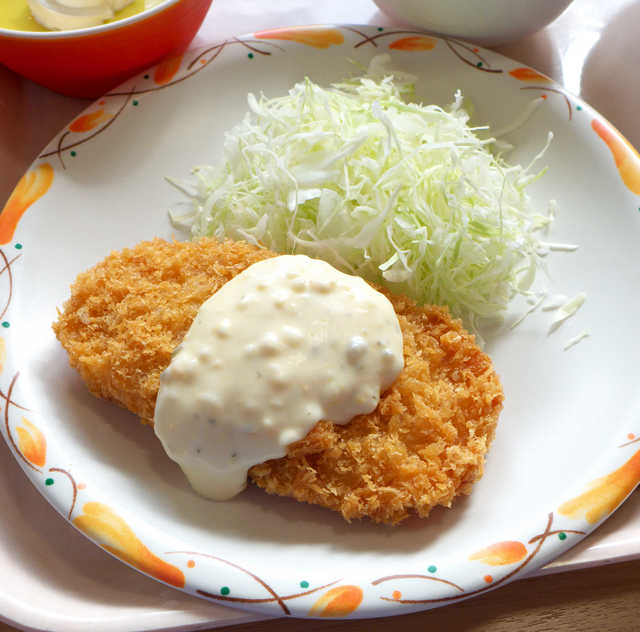
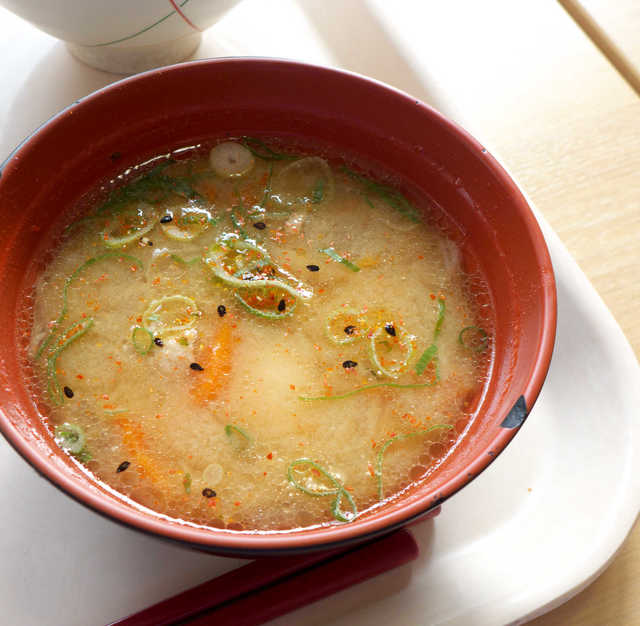
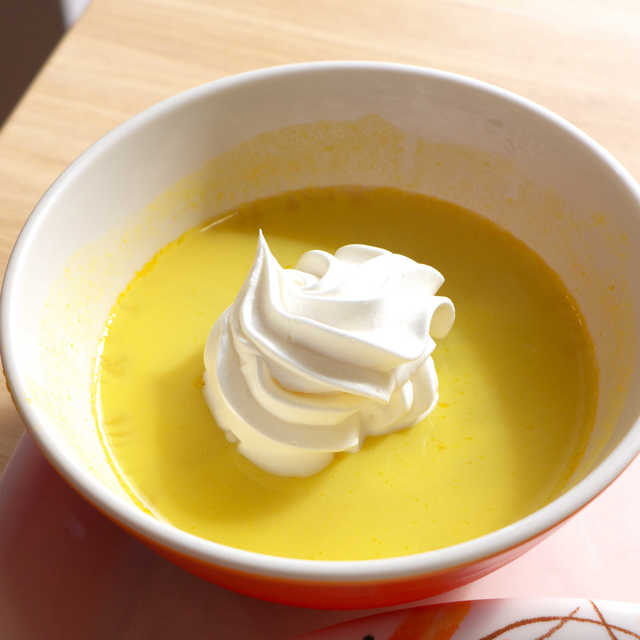
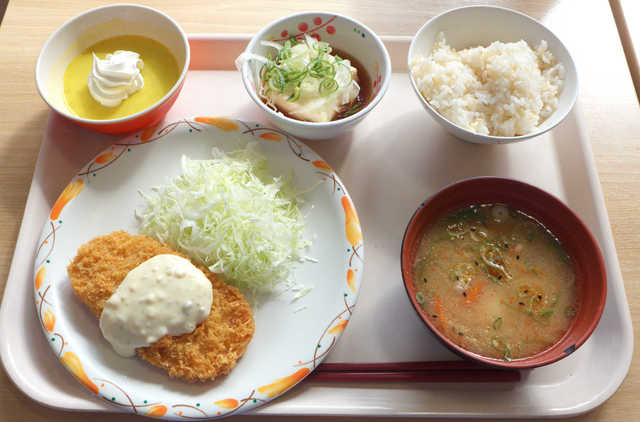
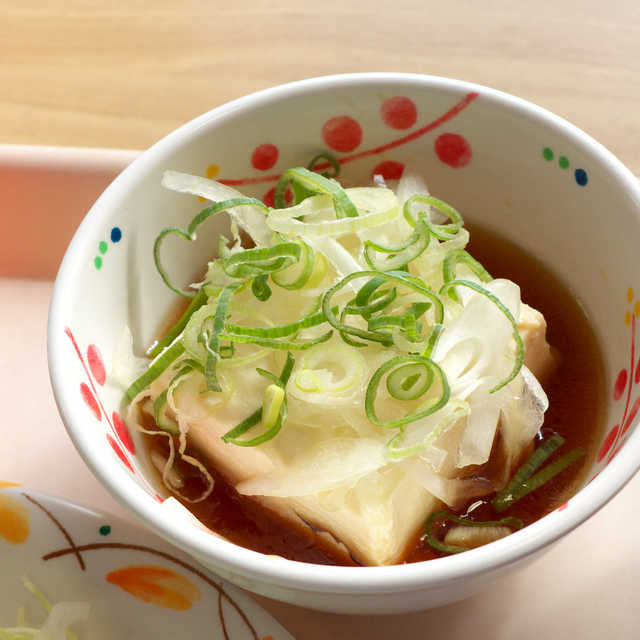
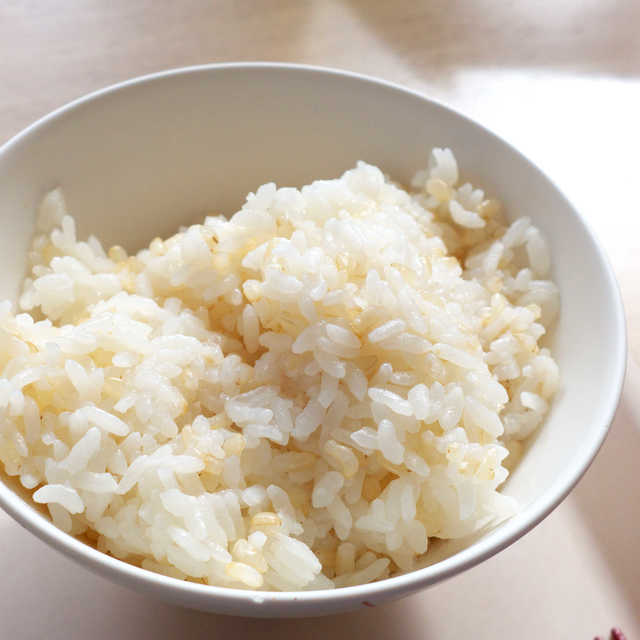
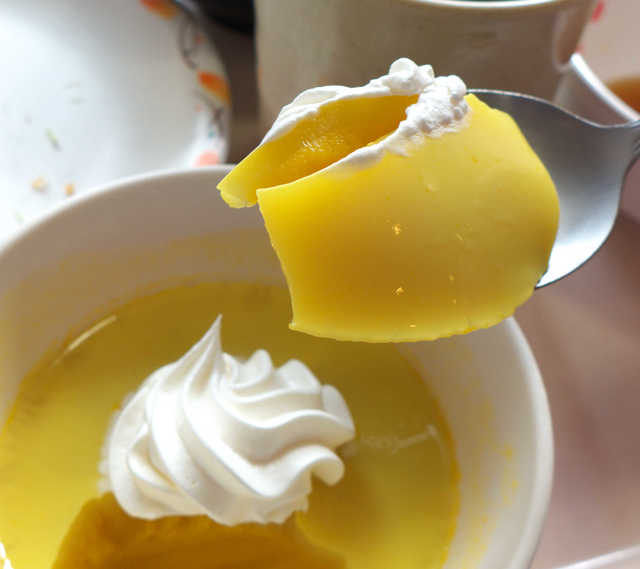
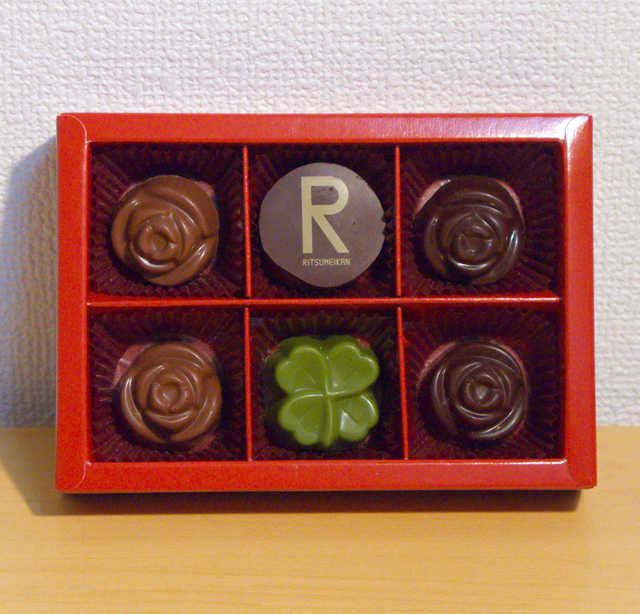
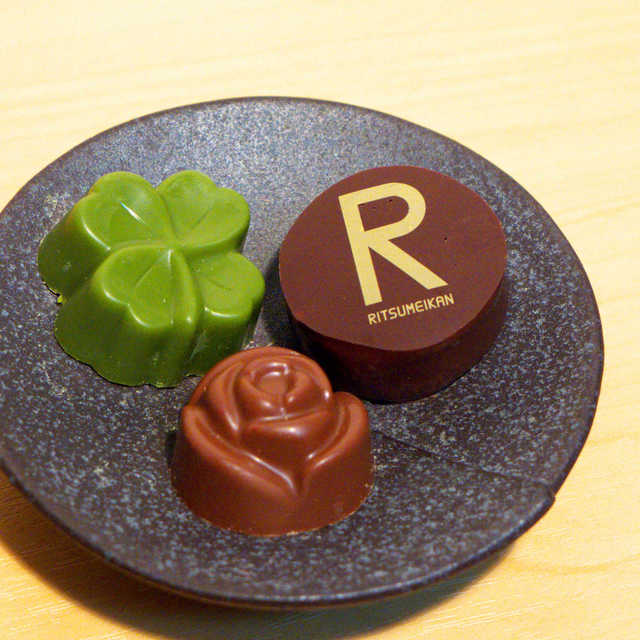
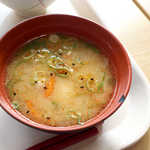
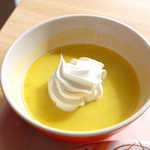
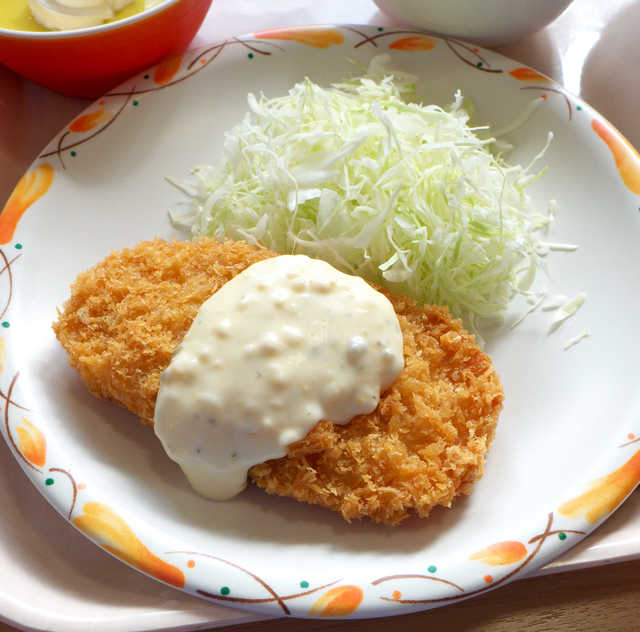
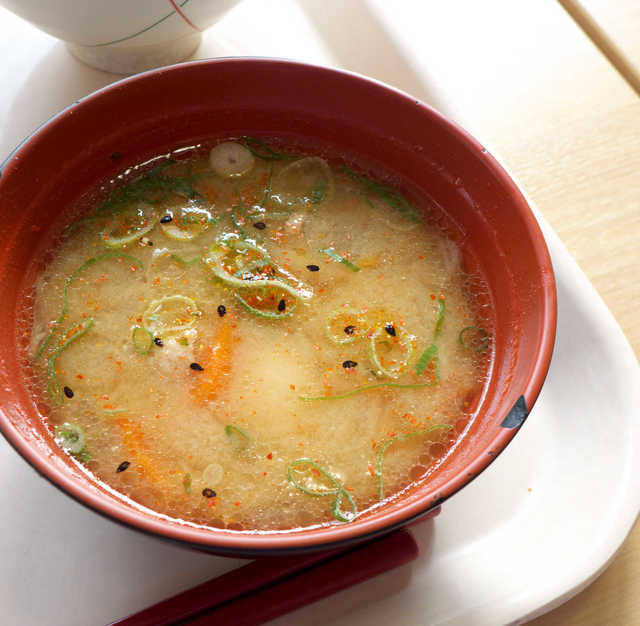
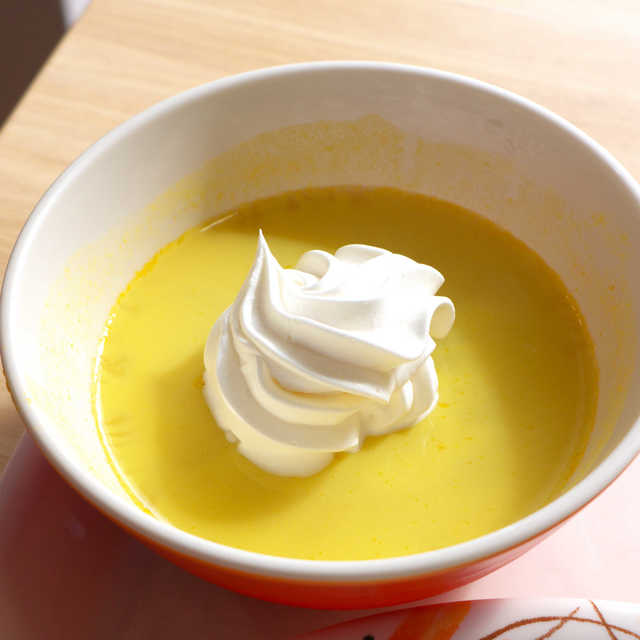
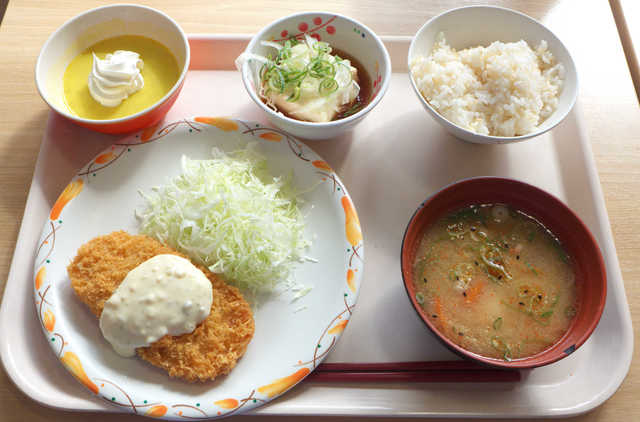
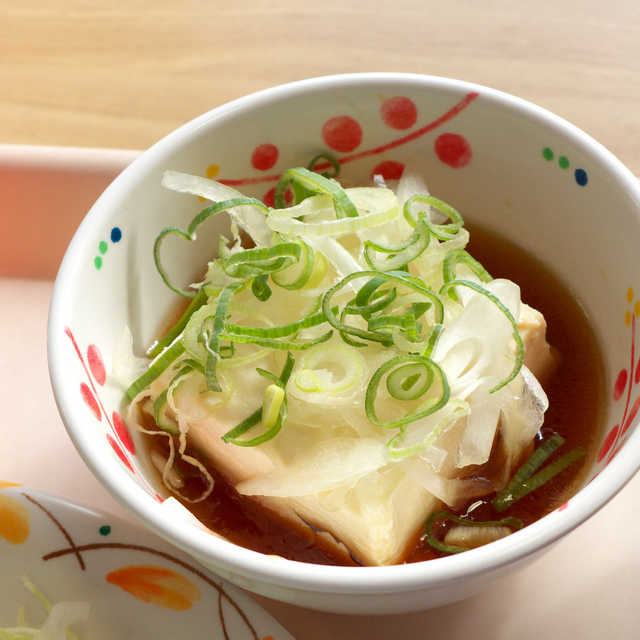
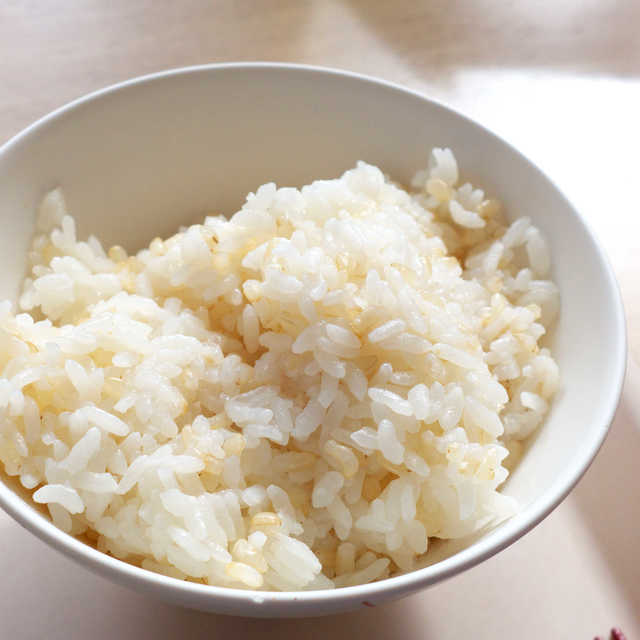
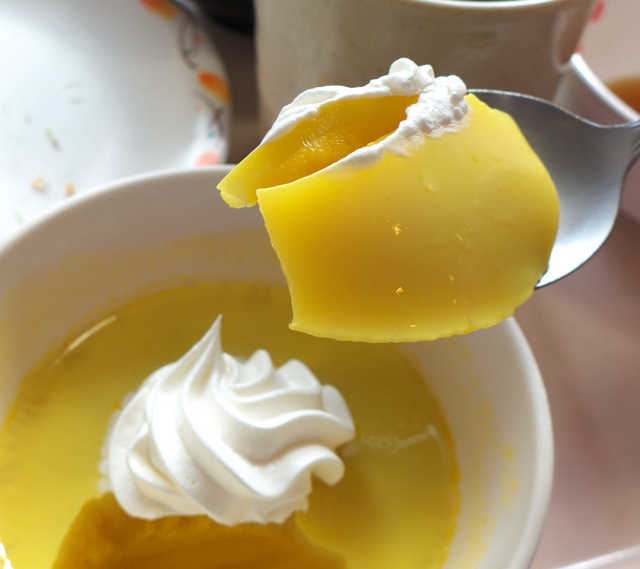
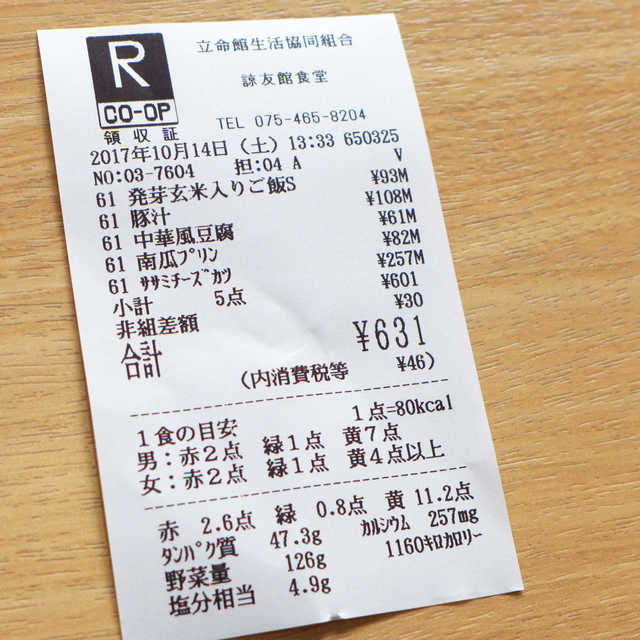
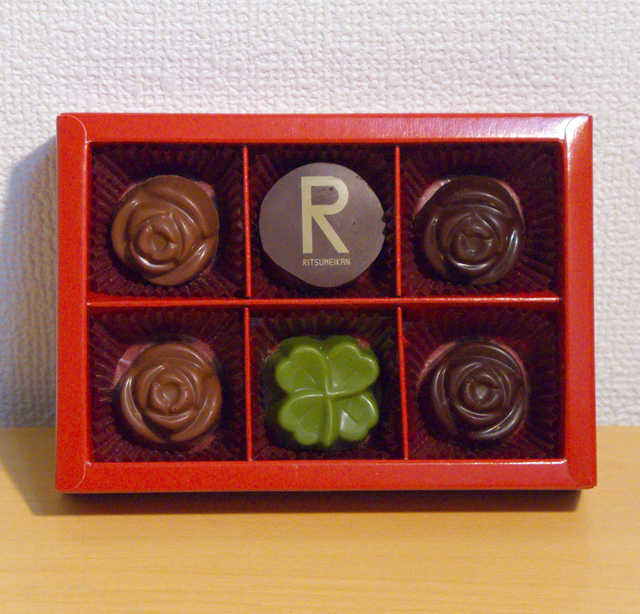
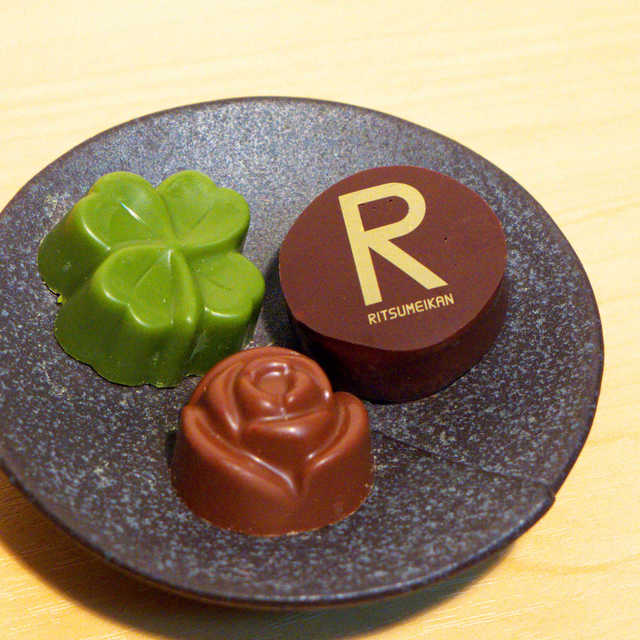
Overall, I had a satisfying lunch at the Ryōyū-kan cafeteria, including Sasami Cheese Cutlet, Pork Miso Soup, Chinese-style Tofu, Sprouted Brown Rice, and Pumpkin Pudding for dessert. I also checked out the co-op store in the basement of the Atsutoku-kan building, where they sell Rakuto University merchandise, including their original chocolates.

KひろN
3.50
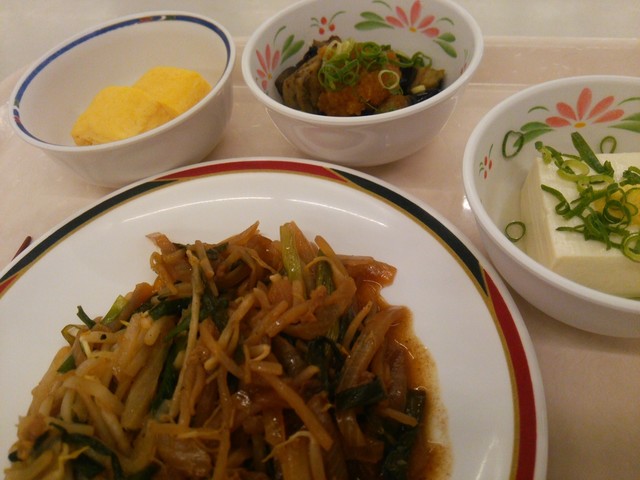
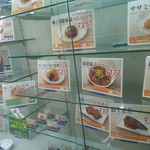
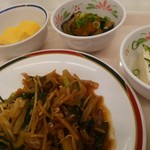
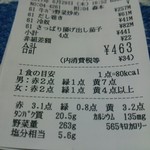
I tried the famous 100 yen breakfast at the university cafeteria during an event. Even non-students can use it (with a 5% surcharge). It's like a cafeteria where you can choose your main dish, carbohydrates, side dishes, soup, etc., and then pay at the end. I was planning to order mapo tofu as my main dish, but two students in front of me ordered beef and vegetable stir-fry in a row, so I quickly changed to beef stir-fry. I also got cold tofu, fried eggplant, and sweet rolled omelette, all for around 460 yen! The receipt even includes the necessary calorie information (although the accuracy is another issue). Foreign students, professors, and older students also use it, so I think even non-students can eat here without feeling out of place. There are not many notable restaurants around Ryoanji and Jingo-ji, so tourists should definitely give it a try.

京夏終空
3.60
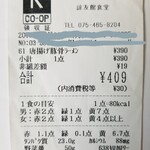
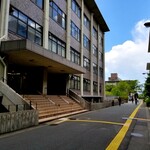
After about 30 years, I reunited with "tonkotsu ramen". This building called Ryo Yukan was not present when I was a student. I think it used to be the site where the health center was located. Well, after 30 years, the campus still retains some old memories, but there are also places where it has completely changed, making it hard to know where I am. Seeing the old gymnasium being demolished made me feel nostalgic. Last year, I had some business here and visited "Cafe Yunge", and the following is what I wrote at that time: "I often visit my local area, Ikebukuro in Tokyo, and spend time at the cafeterias like Daiichi Shokudo, No. 9 Building Snack Bar, Ivy, Tully's, etc. But coming back to my alma mater after a long time, there is even more tension. Actually, before coming here, I also stopped by the cafeteria in the basement of the old building, but I couldn't muster the courage to eat there and ended up leaving. I had planned to attack if the old "tonkotsu ramen" that I used to eat was still on the menu, but there was no such menu, and seeing names like "Hichinu Jidori Ramen" made me feel intimidated by the menu that our generation is not used to. I realized the difference in worlds. I can no longer eat that unique "tonkotsu ramen" with a soup like champon. "And yet, that" tonkotsu ramen "was here. "Karaage Tonkotsu Ramen" (¥409/non-union member price) - From the moment I saw the menu, I instinctively thought this was it. I faced it with a slightly tense expression. Slurping the noodles. Oh, this is the feeling. Drinking the soup. This is exactly it. The noodles have a texture close to the slightly curly medium-thick wheat noodles, reminiscent of champon noodles, but closer to the old days. The soup is almost the same taste. A white, slightly sweet and creamy tonkotsu soup that goes well with the bean sprouts in the toppings. Delicious. Strictly speaking, I have come to the basement cafeteria of the old building to eat before. It was a groundbreaking ramen in the days when there were not many nationwide tonkotsu ramen like this, almost 35 years ago. Probably, it was the first white, creamy tonkotsu ramen I had ever tasted. I savored the happiness of being able to eat again this ramen, which can be said to be the origin of my taste. Nostalgic, but purely delicious. I was moved. The karaage topping is like a bonus. There are three pieces. Adding a meaty texture, it enhances the feeling of fullness. Of course, there was also a normal tonkotsu ramen. Very satisfying. Thank you for the meal. This cafeteria has 390 seats, making it one of the largest cafeterias on campus, I think. There are many group-friendly table seats and high counter seats with partitions for one person. The menu is rich with set meals, rice bowls, noodles, light meals, etc. The cafeteria, for the students who spend their daily lives on this campus, will be a memory stored in a corner of just a casual page. If someday, a menu that becomes a memory of the past is created, I would be happy. (Responsibility for the text: Kyoka Shukuu, 2015.4.5) (※Photos will be posted later.)
Email Login