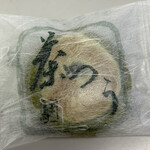
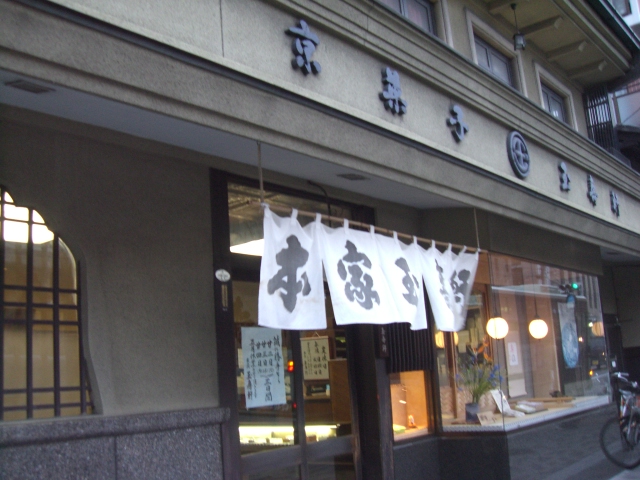
本家玉壽軒
Honketamajuken
3.32
Imperial Palace Area
「Japanese Sweets」
--
--
Opening hours: 8:30-17:00 Open Sundays
Rest time: Wednesdays Business hours and holidays are subject to change, so please check with the store before visiting.
京都府京都市上京区今出川通大宮東入元伊佐町262
Photos
(20)
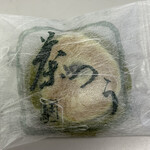
Details
Payment Method
Electronic money not accepted
Comments
(20)

a63bc9
3.10
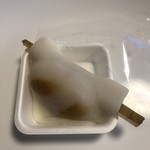
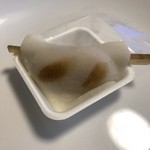
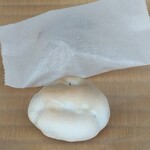
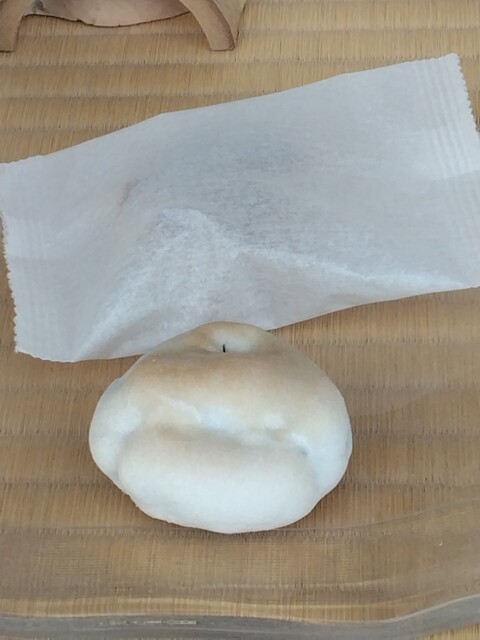
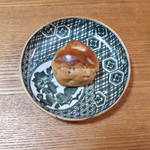
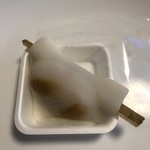
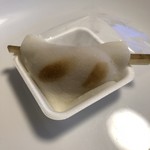
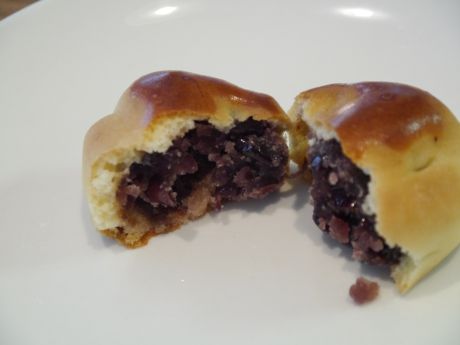
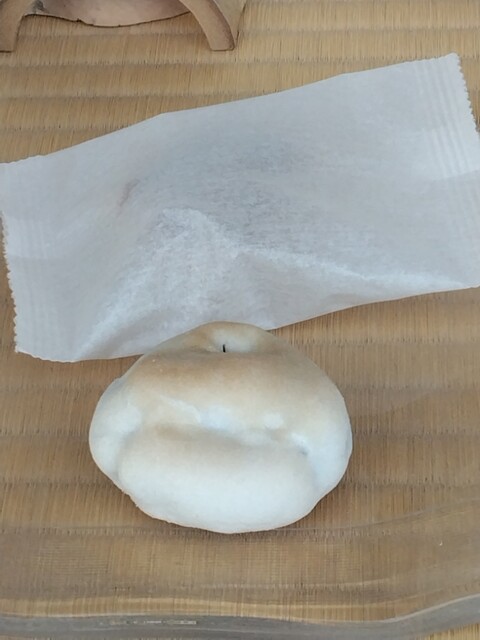
There is a long-established Japanese confectionery shop that also sells fresh sweets near the Imadegawa Omiya bus stop. I love fresh sweets, but it was a hot summer day when I visited. I bought "kuzuya," which has a smooth red bean paste filling and a chewy texture. It is shaped like a thatched roof and was a delicious baked confectionery.

WADA5
3.30
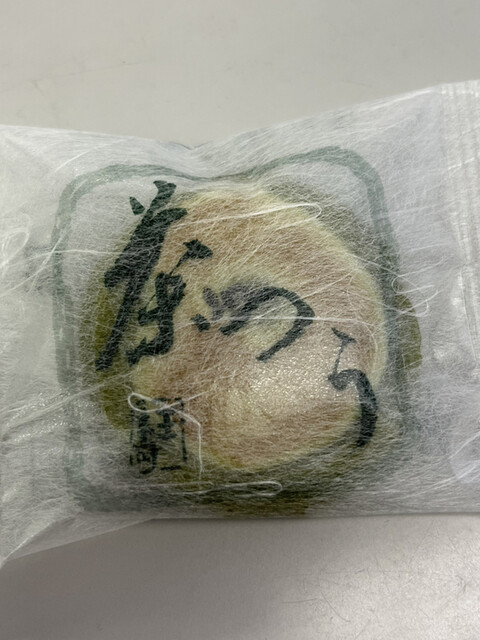
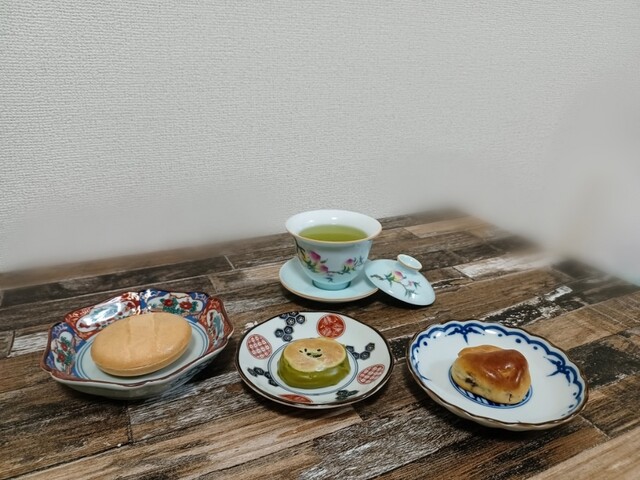
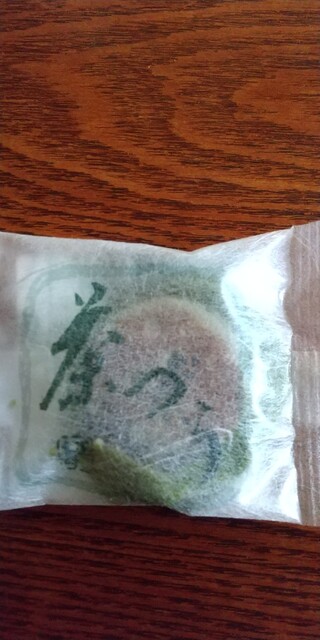
I received this souvenir from Kyoto. It seems to be from a shop in the city. It is individually wrapped sweets. The outer surface of the matcha-flavored snack is baked and has a bread-like texture. It is topped with sesame seeds. Inside, there is sweet red bean paste which was deliciously sweet.
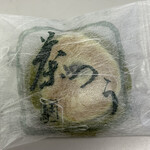

けいちゃん39960
4.20
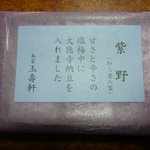
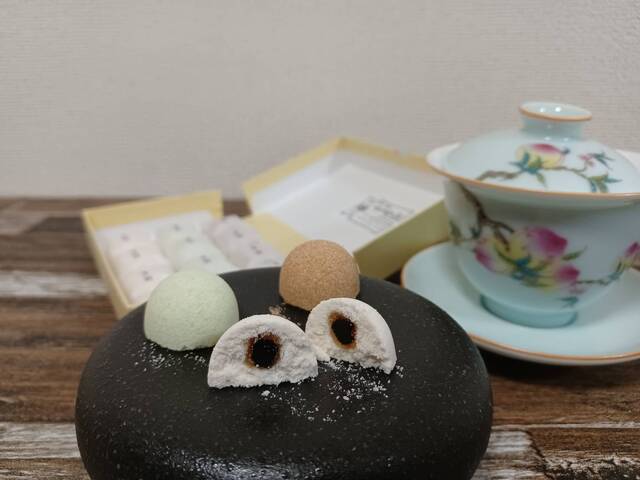
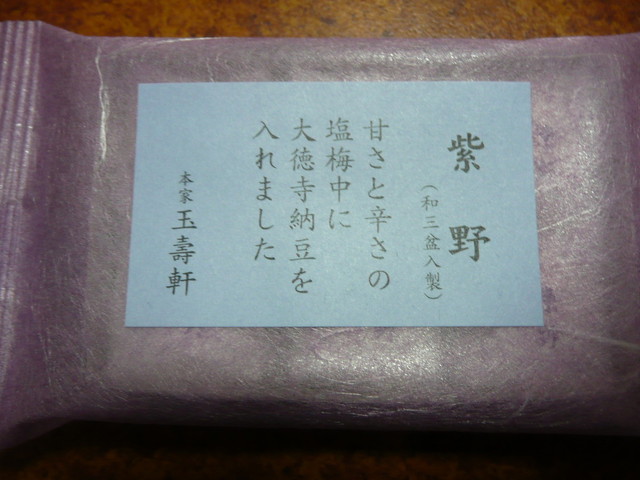
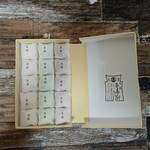
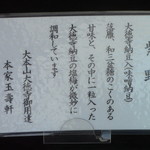
In Kyoto, there are many long-established shops, and this shop is also considered one of the oldest! It is currently run by the seventh generation. It was founded in 1865! The signature confectionery is called "Shino," named after the area of Shino at Daikaku-ji Temple. This confection is made by wrapping Daikaku-ji natto from Ikkyu in a coating of wasanbon sugar, creating a delicious treat with the unique saltiness and aroma of Daikaku-ji natto. Each piece may be small but packs a big impact in terms of flavor! And the prices are affordable, making it a great value for money! Thank you for the meal.
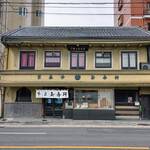
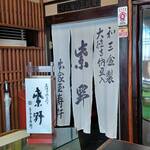
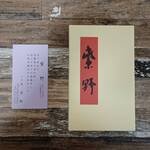

hoshi10
3.00
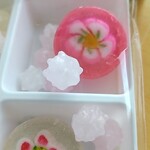
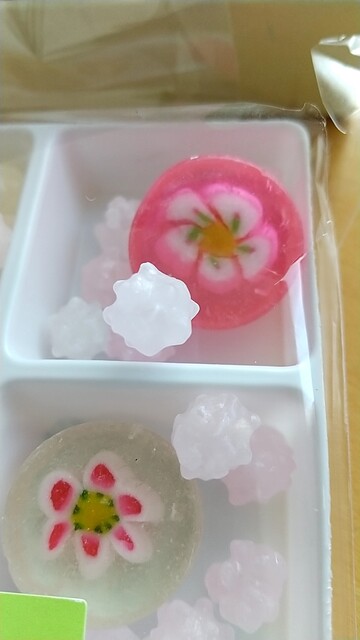
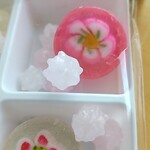
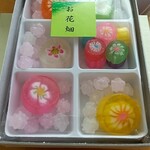
I received a souvenir from Kyoto called "Cute Candy Shop (Hana)". It is a set of colorful candy sculptures shaped like flowers and other designs, along with gold sugar candies. The taste is as simple and charming as the appearance. It's a candy sculpture that allows you to enjoy the Kyoto vibe visually.

hardrive
3.40
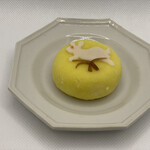
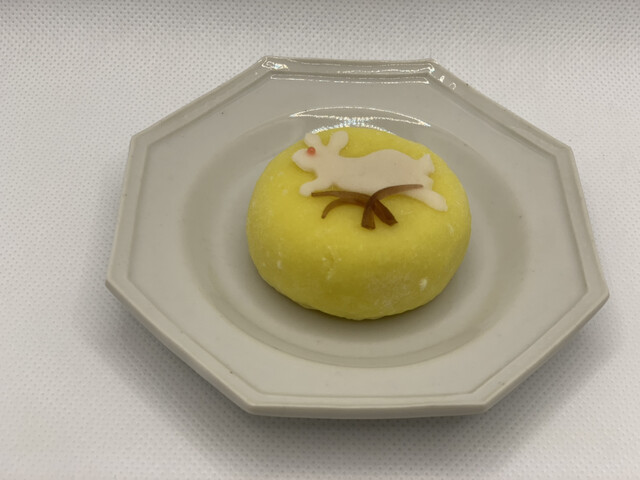
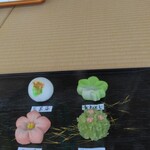
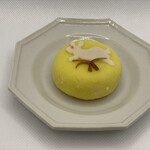
I bought the seasonal wagashi "Tsuki Usagi" because my daughter wanted it. The wagashi had a slightly firm texture, but it wasn't unpleasantly hard. The white anko filling inside had a nice level of sweetness.

たいき
4.00
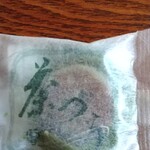
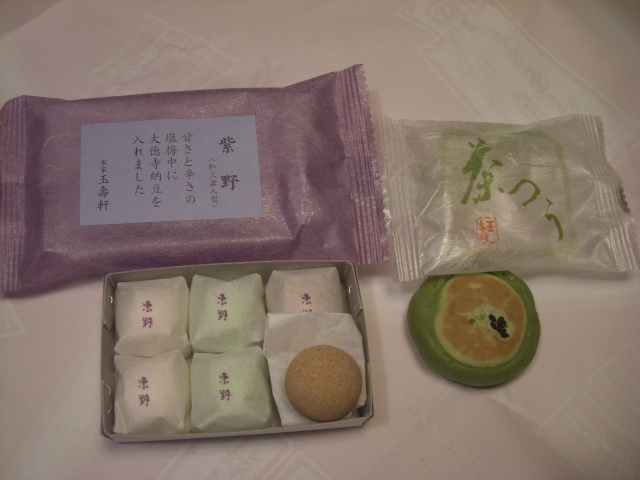
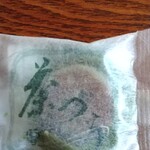
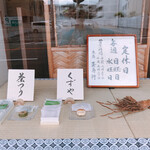
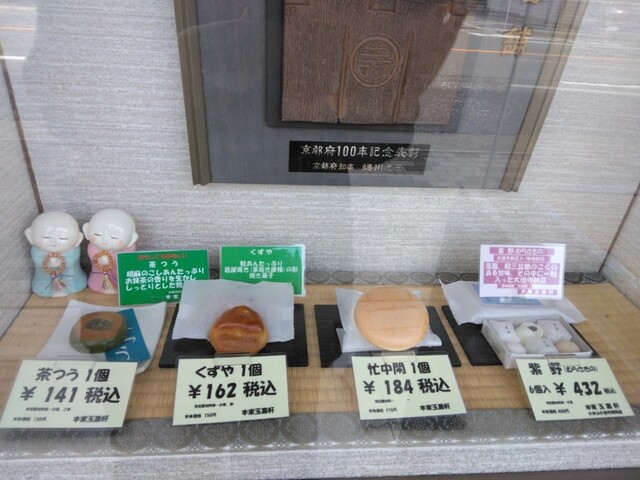
I visited Kyoto and went on a tour of traditional Japanese sweet shops. Just like in Matsue, there are a significant number of sweet shops in Kyoto. This shop offers a wide range of prices, and this time I tried a tea-flavored manju called "chatsuu" for around 120 yen. It was small but filled with plenty of sweet bean paste, and I could also taste the tea flavor. I think it's impressive that this shop maintains such quality even for products at this price point.

しめこのうさぎ
4.00
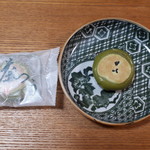
Gion is bustling, but Kyoto originally developed from Nishijin. Therefore, stores like Tsuruya Yoshinobu are quite old. The steamed bun at this store is delicious, and I used to eat it quite frequently when visiting Kyoto in the winter. While the matcha sweets are famous year-round, I feel they are not that special. Instead, the kuzuya made with adzuki beans is delicious. They also offer various fresh sweets. Additionally, Murasakino and Fuki-yose are tasty. These are often seen at Shinjuku Takashimaya in Tokyo. When you order fresh sweets or manju at this store, they make it on the spot. People have different preferences, with some liking the manju skin to crumble in their mouth and mix with the filling, while others prefer the skin to be crispy and the filling to be moist. By filling the filling on the spot, they can cater to both types of people. I haven't seen many places outside Kyoto that make fresh sweets or manju to order. It reminds me of the traditional way of making wagashi, where they would take orders at the front and make them in the back. This store does it as a matter of course.
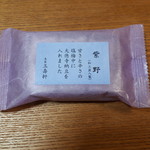
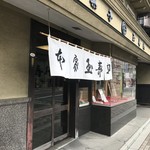

s.asa8080
4.30
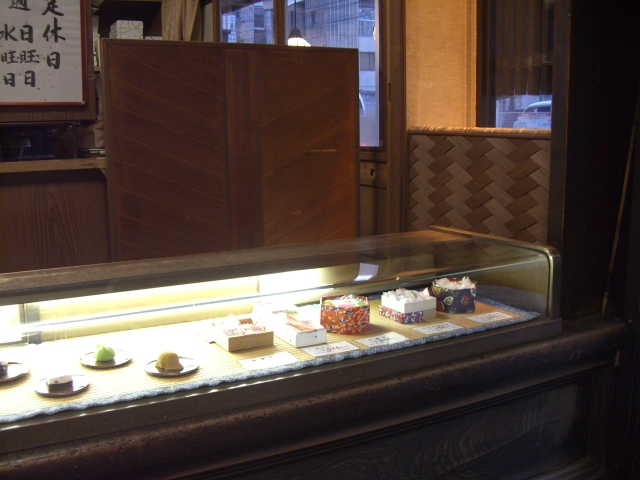
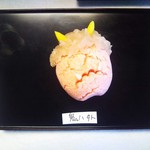
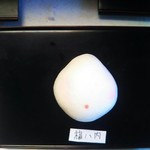
"Fushimi is written when dividing the node ❗ For some reason? A bamboo node is a complete division ❗ People are also a complete division ❗ The end of the old calendar year and the beginning of the new year. From now on, let's run beautifully and happily rendezvous ❗ Born and raised in Kyoto, Nishijin Dos ❗ I love Nishijin. It's good in the downtown area ❗ It's a craftsman's town, and they have a straightforward way of thinking. Crooked things are not good. Oni and Otakufuku ❗ Oniwanai, Fukawanai ❗ Kitano no haru early spring more and more more and more half tatami ❗ May you prosper more and more ❗ And with that wish Dos ❗ Oniisan, this way towards the clapping hands ❗ (*^-^) A traditional Japanese confectionery shop that has been passed down for seven generations in Kyoto. In Nishijin, traditional sweets are always served as hospitality. Of course, the contents vary from household to household, but ... Established shops are like a mark of reassurance and safety. This is a shop located on the east side of Omiya on Imadegawa Street. It's an inconspicuous shop that you might pass by if you're not paying attention. However, it is one of the oldest traditional Japanese confectionery shops. After all, there are few shops that have been passed down for seven generations ❗ The famous confectionery here is "Shino ❗" "Nama-gashi" Shino is a small dried confectionery. It's like a small dish. Round, white, with a little red. (*^-^) Also, five types of fresh sweets are prepared daily. Fresh sweets are a special treat that you should ideally reserve and visit. Both of the five types are attractive. However, during this season, there is a "demon" ⭕@367 yen including tax. A rose is not a rose painting ❗ (laughs) Oh baby baby bara bara ❗ ♪♪♪ For some reason, it sounds like I heard it in my mother's belly ❗ (laughs) In line with Setsubun, "oni" ⭕ @ 367 yen including tax. A rose is not a rose painting ❗ (laughs) Oh baby baby bara bara ❗ ♪♪♪ For some reason, it sounds like I heard it in my mother's belly ❗ (laughs) In line with Setsubun, "oni" ⭕ @ 367 yen including tax. An alcohol disinfection for warding off evil spirits. Oh, dear ❗ "Demon extermination" is not a night of ... catching butterflies ❗ Catching butterflies, catching butterflies, stop on this finger ❗ ✈✈✈✈✈✈✈✈✈✈✈✈✈✈✈❗ Fly, fly in the night in line with the airplane Dos ❗ (*^-^) Setsubun and the heart of Nishijin ❗ Various demons are the main events of today, tomorrow, and the day after tomorrow. Kyoto holds an event called Tsuina-shiki at Yoshida Shrine to exorcise demons. It is one of the customs that has remained unchanged over the years. Setsubun was a time to ward off evil spirits at the end of the old calendar year. So today is equivalent to the end of the old calendar year. Imadegawa Omiya is the former center of Nishijin weaving, and this area is said to have been the residence of Yamana Munetaka and the Oda family during the Onin War and the Sengoku period. The area was fortified around the residence of Yamana Munetaka, the supreme commander of the Western Army, so it is called Nishijin. The castle was built around the residence of Yamana Munetaka, the supreme commander of the Western Army, so it is called Nishijin. The castle was built around the residence of Yamana Munetaka, the supreme commander of the Western Army, so it is called Nishijin. The castle was built around the residence of Yamana Munetaka, the supreme commander of the Western Army, so it is called Nishijin. The castle was built around the residence of Yamana Munetaka, the supreme commander of the Western Army, so it is called Nishijin. The castle was built around the residence of Yamana Munetaka, the supreme commander of the Western Army, so it is called Nishijin. The castle was built around the residence of Yamana Munetaka, the supreme commander of the Western Army, so it is called Nishijin. The castle was built around the residence of Yamana Munetaka, the supreme commander of the Western Army, so it is called Nishijin. The castle was built around the residence of Yamana Munetaka, the supreme commander of the Western Army, so it is called Nishijin. The castle was built around the residence of Yamana Munetaka, the supreme commander of the Western Army, so it is called Nishijin. The castle was built around the residence of Yamana Munetaka, the supreme commander of the Western Army, so it is called Nishijin. The castle was built around the residence of Yamana Munetaka, the supreme commander of the Western Army, so it is called Nishijin. The castle was built around the residence of Yamana Munetaka, the supreme commander of the Western Army, so it is called Nishijin. The castle was built around the residence of Yamana Munetaka, the supreme commander of the Western Army, so it is called Nishijin. The castle was built around the residence of Yamana Munetaka, the supreme commander of the Western Army, so it is called Nishijin. The castle was built around the residence of Yamana Munetaka, the supreme commander of the Western Army, so it is called Nishijin. The castle was built around the residence of Yamana Munetaka, the supreme commander of the Western Army, so it is called Nishijin. The castle was built around the residence of Yamana Munetaka, the supreme commander of the Western Army, so it is called Nishijin. The castle was built around the residence of Yamana Munetaka, the supreme commander of the Western Army, so it is called Nishijin. The castle was built around the residence of Yamana Munetaka, the supreme commander of the Western Army, so it is called Nishijin. The castle was built around the residence of Yamana Munetaka, the supreme commander of the Western Army, so it is called Nishijin. The castle was built around the residence of Yamana Munetaka, the supreme commander of the Western Army, so it is called Nishijin. The castle was built around the residence of Yamana Munetaka, the supreme commander of the Western Army, so it is called Nishijin. The castle was built around the residence of Yamana Munetaka, the supreme commander of the Western Army, so it is called Nishijin. The castle was built around the residence of Yamana Munetaka, the supreme commander of the Western Army, so it is called Nishijin. The castle was built around the residence of Yamana Munetaka, the supreme commander of the Western Army, so it is called Nishijin. The castle was built around the residence of Yamana Munetaka, the supreme commander of the Western Army, so it is called Nishijin. The castle was built around the residence of Yamana Munetaka, the supreme commander of the Western Army, so it is called Nishijin. The castle was built around the residence of Yamana Munetaka, the supreme commander of the Western Army, so it is called Nishijin. The castle was built around the residence of Yamana Munetaka, the supreme commander of the Western Army, so it is called Nishijin. The castle was built around the residence of Yamana Munetaka, the supreme commander of the Western Army, so it is called Nishijin. The castle was built around the residence of Yamana Munetaka, the supreme commander of the Western Army, so it is called Nishijin. The castle was built around the residence of Yamana Munetaka, the supreme commander of the Western Army, so it is called Nishijin. The castle was built around the residence of Yamana Munetaka, the supreme commander of the Western Army, so it is called Nishijin. The castle was built around the residence of Yamana Munetaka, the supreme commander of the Western Army, so it is called Nishijin. The castle was built around the residence of Yamana Munetaka, the supreme commander of the Western Army, so it is called Nishijin. The castle was built around the residence of Yamana Munetaka, the supreme commander of the Western Army, so it is called Nishijin. The castle was built around the residence of Yamana Munetaka, the supreme commander of the Western Army, so it is called Nishijin. The castle was built around the residence of Yamana Munetaka, the supreme commander of the Western Army, so it is called Nishijin. The castle was built around the residence of Yamana Munetaka, the supreme commander of the Western Army, so it is called Nishijin. The castle was built around the residence of Yamana Munetaka, the supreme commander of the Western Army, so it is called Nishijin. The castle was built around the residence of Yamana Munetaka, the supreme commander of the Western Army, so it is called Nishijin. The castle was built around the residence of Yamana Munetaka, the supreme commander of the Western Army, so it is called Nishijin. The castle was built around the residence of Yamana Munetaka, the supreme commander of the Western Army, so it is called Nishijin. The castle was built around the residence of Yamana Munetaka, the supreme commander of the Western Army, so it is called Nishijin. The castle was built around the residence of Yamana Munetaka, the supreme commander of the Western Army, so it is called Nishijin. The castle was built around the residence of Yamana Munetaka, the supreme commander of the Western Army, so it is called Nishijin. The castle was built around the residence of Yamana Munetaka, the supreme commander of the Western Army, so it is called Nishijin. The castle was built around the residence of Yamana Munetaka, the supreme commander of the Western Army, so it is called Nishijin. The castle was built around the residence of Yamana Munetaka, the supreme commander of the Western Army, so it is called Nishijin. The castle was built around the residence of Yamana Munetaka, the supreme commander of the Western Army, so it is called Nishijin. The castle was built around the residence of Yamana Munetaka, the supreme commander of the Western Army, so it is called Nishijin. The castle was built around the residence of Yamana Munetaka, the supreme commander of the Western Army, so it is called Nishijin. The castle was built around the residence of Yamana Munetaka, the supreme commander of the Western Army, so it is called Nishijin. The castle was built around the residence of Yamana Munetaka, the supreme commander of the Western Army, so it is called Nishijin. The castle was built around the residence of Yamana Munetaka, the supreme commander of the Western Army, so it is called Nishijin. The castle was built around the residence of Yamana Munetaka, the supreme commander of the Western Army, so it is called Nishijin. The castle was built around the residence of Yamana Munetaka, the supreme commander of the Western Army, so it is called Nishijin. The castle was built around the residence of Yamana Munetaka, the supreme commander of the Western Army, so it is called Nishijin. The castle was built around the residence of Yamana Munetaka, the supreme commander of the Western Army, so it is called Nishijin. The castle was built around the residence of Yamana Munetaka, the supreme commander of the Western Army, so it is called Nishijin. The castle was built around the residence of Yamana Munetaka, the supreme commander of the Western Army, so it is called Nishijin. The castle was built around the residence of Yamana Munetaka, the supreme commander of the Western Army, so it is called Nishijin. The castle was built around the residence of Yamana Munetaka, the supreme commander of the Western Army, so it is called Nishijin. The castle was built around the residence of Yamana Munetaka, the supreme commander of the Western Army, so it is called Nishijin. The castle was built around the residence of Yamana Munetaka, the supreme commander of the Western Army, so it is called Nishijin. The castle was built around the residence of Yamana Munetaka, the supreme commander of the Western Army, so it is called Nishijin. The castle was built around the residence of Yamana Munetaka, the supreme commander of the Western Army, so it is called Nishijin. The castle was built around the residence of Yamana Munetaka, the supreme commander of the Western Army, so it is called Nishijin. The castle was built around the residence of Yamana Munetaka, the supreme commander of the Western Army, so it is called Nishijin. The castle was built around the residence of Yamana Munetaka, the supreme commander of the Western Army, so it is called Nishijin. The castle was built around the residence of Yamana Munetaka, the supreme commander of the Western Army, so it is called Nishijin. The castle was built around the residence of Yamana Munetaka, the supreme commander of the Western Army, so it is called Nishijin. The castle was built around the residence of Yamana Munetaka, the supreme commander of the Western Army, so it is called Nishijin. The castle was built around the residence of Yamana Munetaka, the supreme commander of the Western Army, so it is called Nishijin. The castle was built around the residence of Yamana Munetaka, the supreme commander of the Western Army, so it is called Nishijin. The castle was built around the residence of Yamana Munetaka, the supreme commander of the Western Army, so it is called Nishijin. The castle was built around the residence of Yamana Munetaka, the supreme commander of the Western Army, so it is called Nishijin. The castle was built around the residence of Yamana Munetaka, the supreme commander of the Western Army, so it is called Nishijin. The castle was built around the residence of Yamana Munetaka, the supreme commander of the Western Army, so it is called Nishijin. The castle was built around the residence of Yamana Munetaka, the supreme commander of the Western Army, so it is called Nishijin. The castle was built around the residence of Yamana Munetaka, the supreme commander of the Western Army, so it is called Nishijin. The castle was built around the residence of Yamana Munetaka, the supreme commander of the Western Army, so it is called Nishijin. The castle was built around the residence of Yamana Munetaka, the supreme commander of the Western Army, so it is called Nishijin. The castle was built around the residence of Yamana Munetaka, the supreme commander of the Western Army, so it is called Nishijin. The castle was built around the residence of Yamana Munetaka, the supreme commander of the Western Army, so it is called Nishijin. The castle was built around the residence of Yamana Munetaka, the supreme commander of the Western Army, so it is called Nishijin. The castle was built around the residence of Yamana Munetaka, the supreme commander of the Western Army, so it is called Nishijin. The castle was built around the residence of Yamana Munetaka, the supreme commander of the Western Army, so it is called Nishijin. The castle was built around the residence of Yamana Munetaka, the supreme commander of the Western Army, so it is called Nishijin. The castle was built around the residence of Yamana Munetaka, the supreme commander of the Western Army, so it is called Nishijin. The castle was built around the residence of Yamana Munetaka, the supreme commander of the Western Army, so it is called Nishijin. The castle was built around the residence of Yamana Munetaka, the supreme commander of the Western Army, so it is called Nishijin. The castle was built around the residence of Yamana Munetaka, the supreme commander of the Western Army, so it is called Nishijin. The castle was built around the residence of Yamana Munetaka, the supreme commander of the Western Army, so it is called Nishijin. The castle was built around the residence of Yamana Munetaka, the supreme commander of the Western Army, so it is called Nishijin. The castle was built around the residence of Yamana Munetaka, the supreme commander of the Western Army, so it is called Nishijin. The castle was built around the residence of Yamana Munetaka, the supreme commander of the Western Army, so it is called Nishijin. The castle was built around the residence of Yamana Munetaka, the supreme commander of the Western Army, so it is called Nishijin. The castle was built around the residence of Yamana Munetaka, the supreme commander of the Western Army, so it is called Nishijin. The castle was built around the residence of Yamana Munetaka, the supreme commander of the Western Army, so it is called Nishijin. The castle was built around the residence of Yamana Munetaka, the supreme commander of the Western Army, so it is called Nishijin. The castle was built around the residence of Yamana Munetaka, the supreme commander of the Western Army, so it is called Nishijin. The castle was built around the residence of Yamana Munetaka, the supreme commander of the Western Army, so it is called Nishijin. The castle was built around the residence of Yamana Munetaka, the supreme commander of the Western Army, so it is called Nishijin. The castle was built around the residence of Yamana Munetaka, the supreme commander of the Western Army, so it is called Nishijin. The castle was built around the residence of Yamana Munetaka, the supreme commander of the Western Army, so it is called N
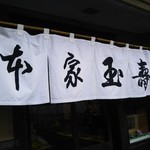
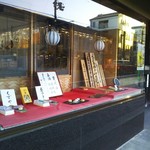

miyu5678
3.70
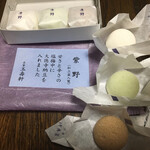
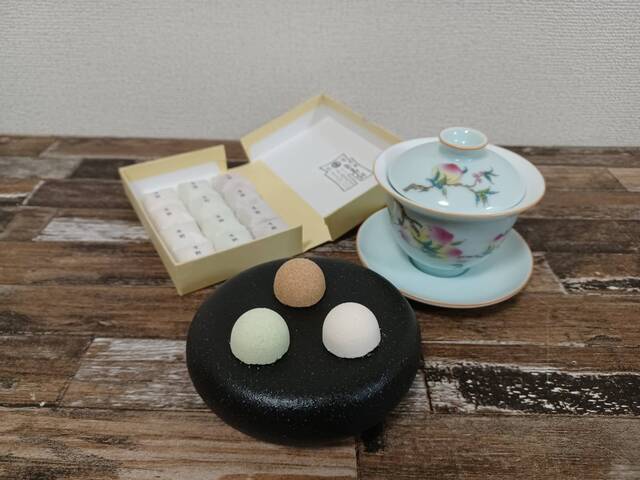
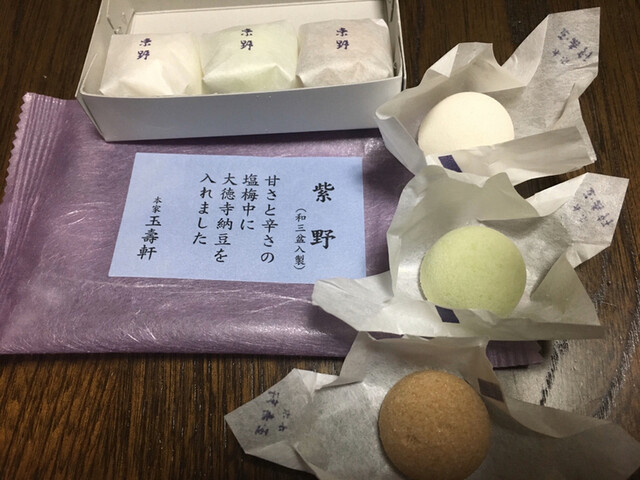
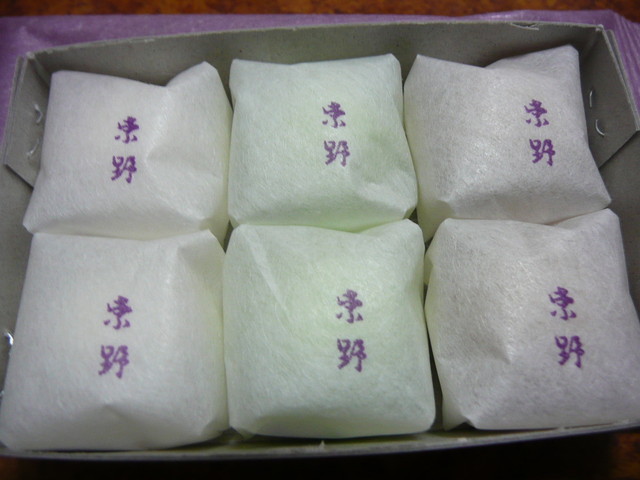
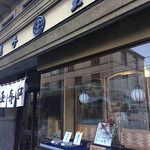
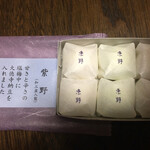
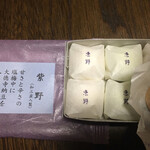
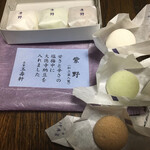
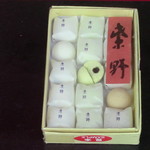
While waiting for the bus at Horikawa Imadegawa bus stop, I decided to buy some souvenirs at a traditional Nishijin confectionery shop right in front of me. I purchased a sweet treat called "Murasakino," which contains Daikokuji natto and was made with refined sugar. It had a cute appearance with three different colors, and the elegant sweetness of rakugan combined well with the astringency of Daikokuji natto. It's perfect as a souvenir from Kyoto's Nishijin area. Thank you for the delicious treat.

@あんでぃー
3.00
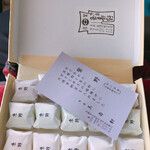
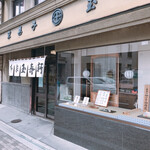
A long-established traditional Japanese confectionery shop. The simple flavors evoke a sense of tradition. It would make a great gift that will surely be appreciated.

mravinsky
0.00

津軽やすべー
3.30

ちっち84
4.00
I love the Daikakuji Natto in the Murasakino Rakugan, it's addictive! Goes well with matcha.

dc89ac
3.00
Murasaki-no-Rakugan: A taste I have been familiar with since I was a child.

mari.17
3.50
The staff was very polite and attentive.
cornk
4.10
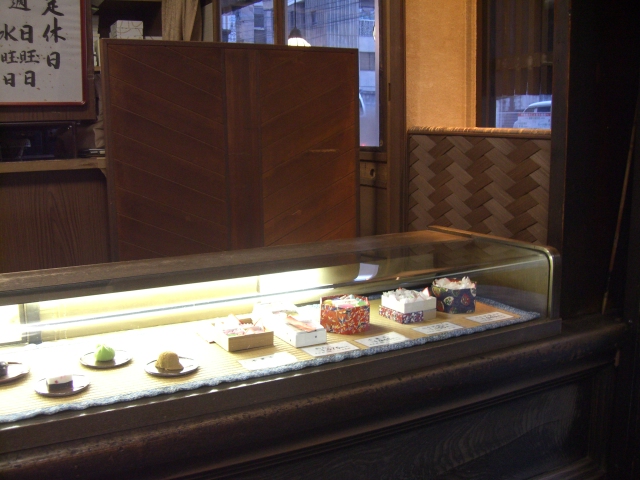
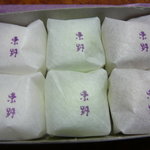
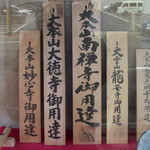
Looking for traditional Japanese sweets as souvenirs, I visited this place alone for the first time. They have Kuzuya for 140 yen each, Murasakino for 324 yen for a pack of 6, and beautiful gold sugar candies shaped like cosmos flowers. The total was around 1020 yen. They also have fresh wagashi available. The gold sugar candies have a stunning color and this shop is well-known as a supplier to many famous temples.

てんてんおめめ
0.00
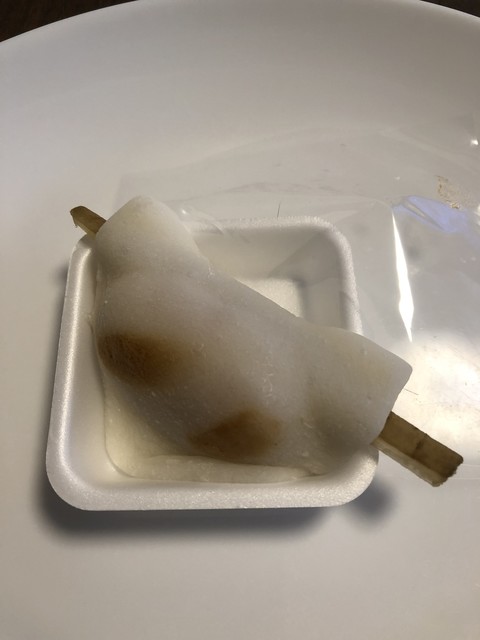
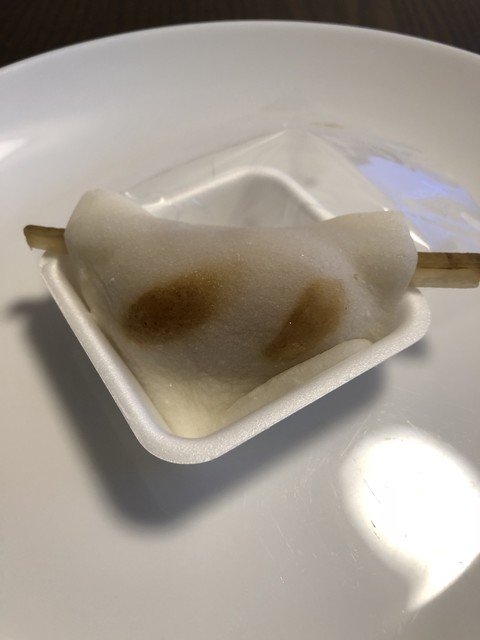
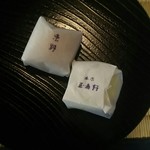
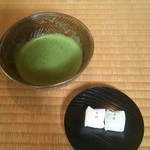
☆ Imamiya Shrine ~ Daitokuji Towards the end of October, I strolled around the Daitokuji area. I had lunch, ate grilled mochi on the approach to Imamiya Shrine, and then visited Soin-in, a sub-temple of Daitokuji known as the family temple of Oda Nobunaga. Soin-in was built by Toyotomi Hideyoshi for the repose of Nobunaga's soul. Inside, there is a wooden statue of Nobunaga, the Oda family graves, and a well carved out of a stone brought back by Kato Kiyomasa from Korea, which still springs water. You can listen to the guide's explanation while enjoying tea made with the well water. After that, I visited Daisen-in, where photography is not allowed, and the temple staff provided explanations throughout the visit. Here, too, you can enjoy matcha and sweets. Then I went to Zuifoin, where I enjoyed the garden view, matcha, and sweets in the tea room. The sweet served was "Shinono" from Tamajyoken, a delicious sweet with salty Daitokuji natto inside sweet rakugan, which goes well with matcha. I also tried the Daitokuji natto made by the temple's chief priest. Tamajyoken is a long-established Japanese confectionery shop, known for its delicious sweets with gold powder, including those at Kinkakuji. I look forward to visiting their shop next time! Thank you for the wonderful experience. ・About the shop Established: Keio 1st year (1865) Company name: Kabushiki Kaisha Honke Tamajyoken Location: Kyoto City, Kamigyo-ku, Imadegawa-dori, Omiya-higashi-iru Phone: 075-441-0319 Fax: 075-451-3274 Business hours: 8:30 am to 5:30 pm Closed: Sundays, Wednesdays Reservation: Required for Takasago Manju ・ Zuifoin Daitokuji sub-temple. Founded in 1535 by Otomo Sorin, known as a Christian daimyo, as a temple. The main hall, Tang gate, and front gate (all Important Cultural Properties) are original from the founding period. The garden is known as a famous dry landscape garden with a sand pattern (rough sea), moss, and stone, representing Mount Horai. Behind the main hall is a quiet sleeping garden with stone arrangements in the shape of a cross. The tea room Anshoken is usually open to visitors. Heisei Waitan requires a reservation. While admiring the garden, guests receive matcha hospitality, listen to sermons, and practice zazen. (Advance reservation required) [Official Name] Zuifoin [Address] Kitaku, Shino Daitokuji Mountain, [Phone Number] 075-491-1454 [FAX] 075-491-1858

NYMH
3.50
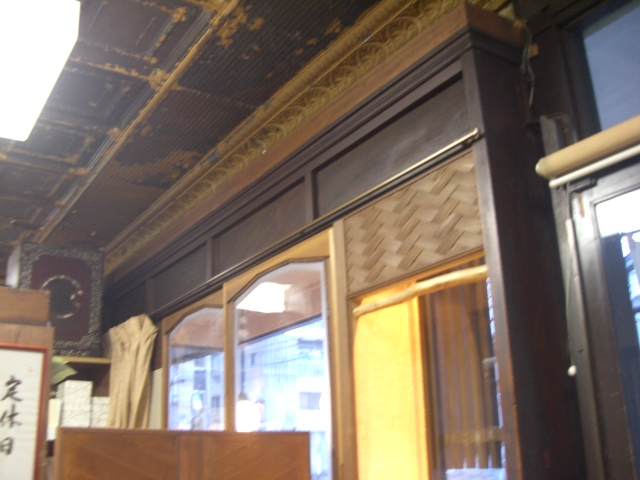
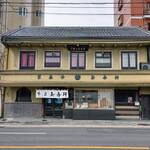
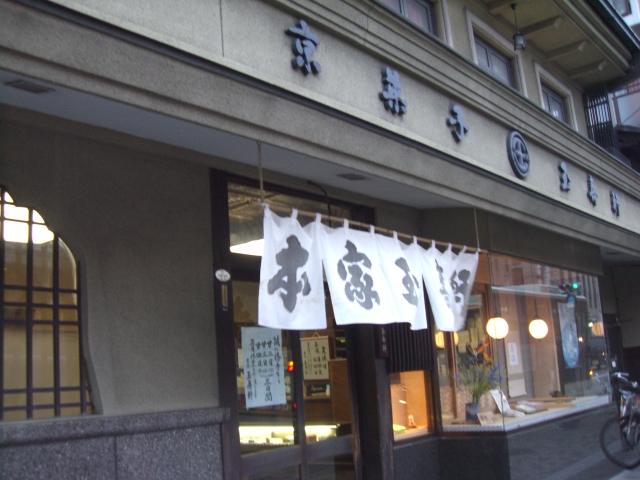
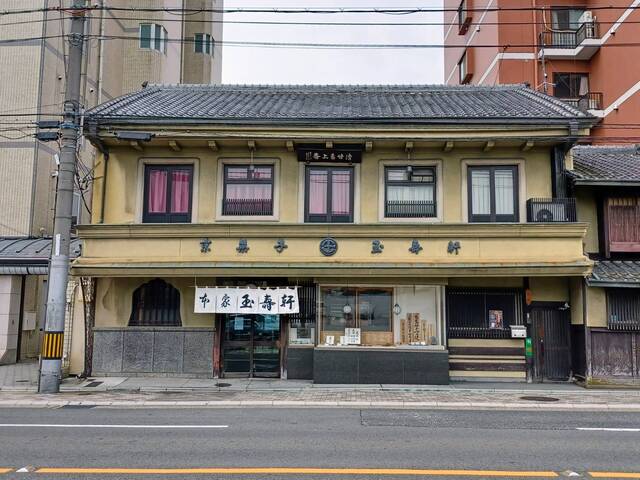
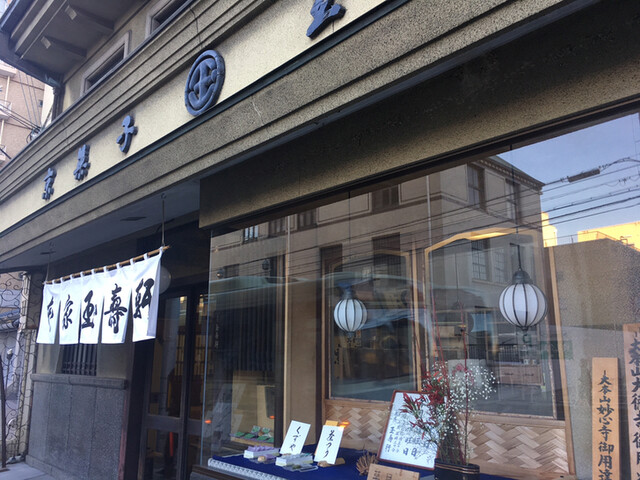
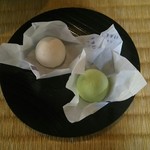
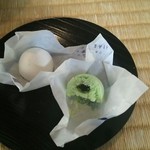
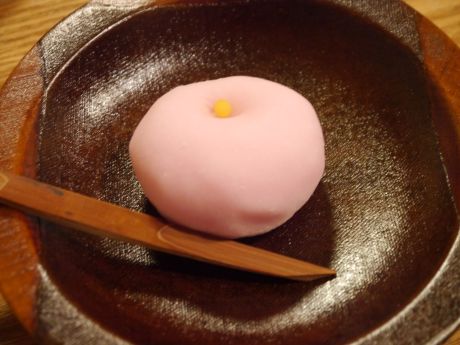
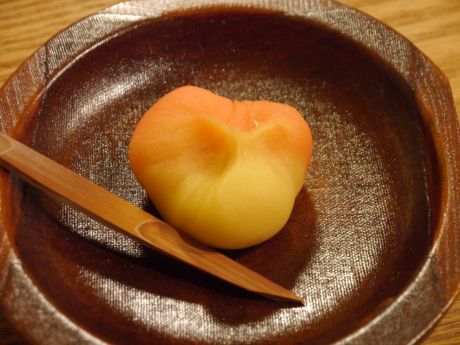
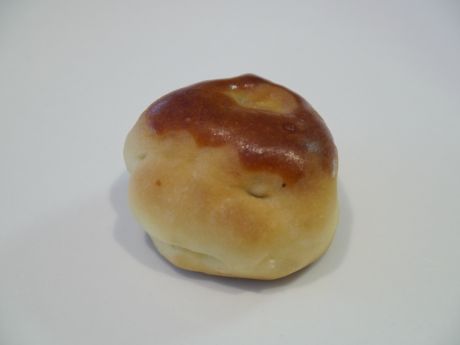
As I was walking along Imadegawa Street, I came across the traditional Japanese confectionery shop "Honke Tamasuke" and decided to stop by. This shop was established in the first year of Keio era (1865) under the name of Izutsuya Kahei, originally running a weaving workshop for Nishijin silk fabrics while also selling sweets. In the Meiji era, they focused solely on making confections. The original shop was located on Senbon Imadegawa, but it was relocated to its current location in the Taisho era. The building has a dignified atmosphere typical of a machiya townhouse built around the early Meiji period. The original shop is now run by Senbon Tamasuke as a separate branch. I initially wanted to buy their Takasago manju, but they said it would take about 15 to 20 minutes (to serve it freshly steamed), so I gave up. Instead, I purchased two types of tea confections and kuzuya. I forgot the names of the tea confections, but being a long-standing shop, they were delicious. It's a shame they didn't have matcha! The filling of the kuzuya manju was amazing. It was packed full of the flavor of the filling, slightly sweet but very well done. The interior of the shop has an old-fashioned charm that exudes history. I regret not being able to try the Takasago manju. Since it's located near Le Petit Mec, I hope to find another opportunity to revisit.

MIDBLUE
3.00
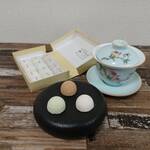
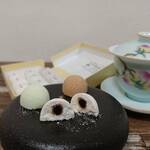
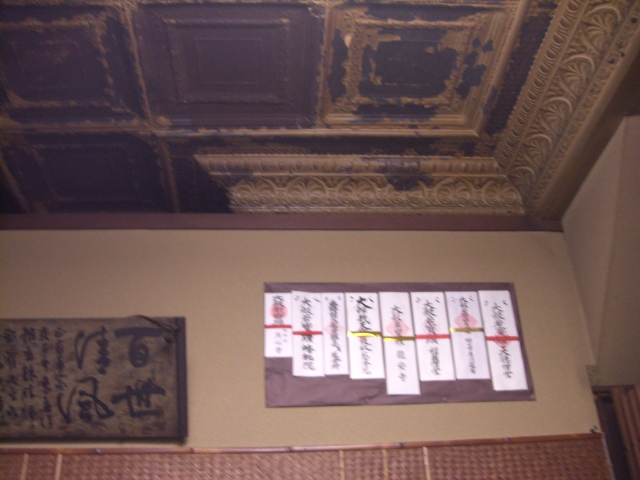
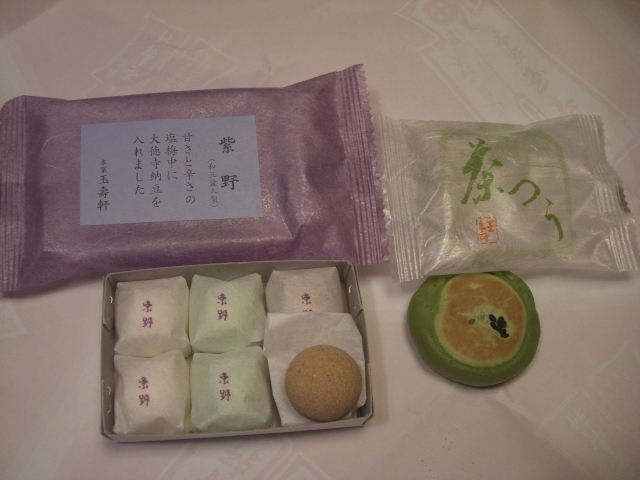
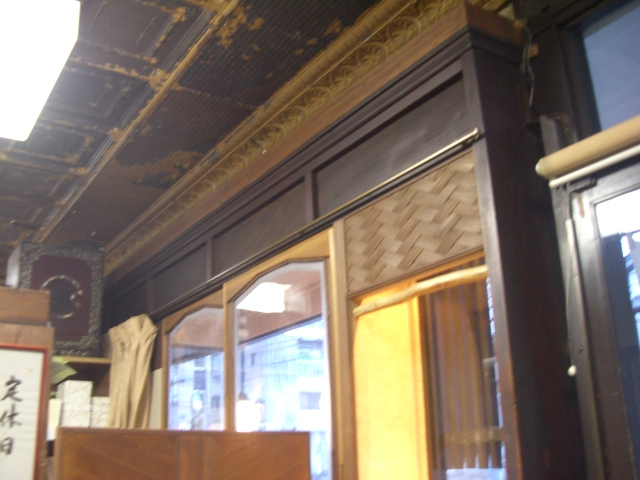
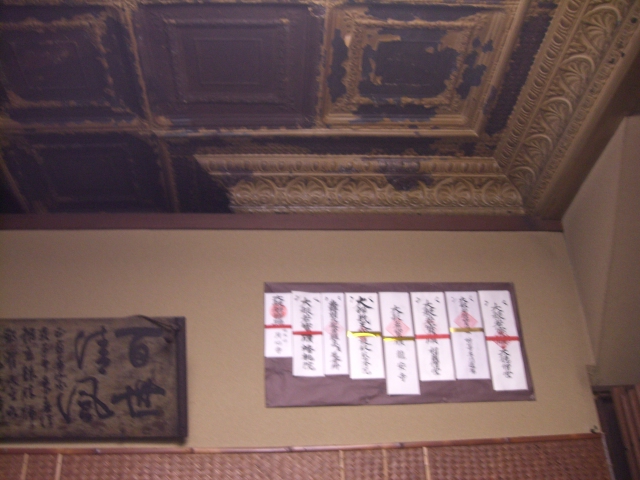
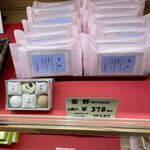
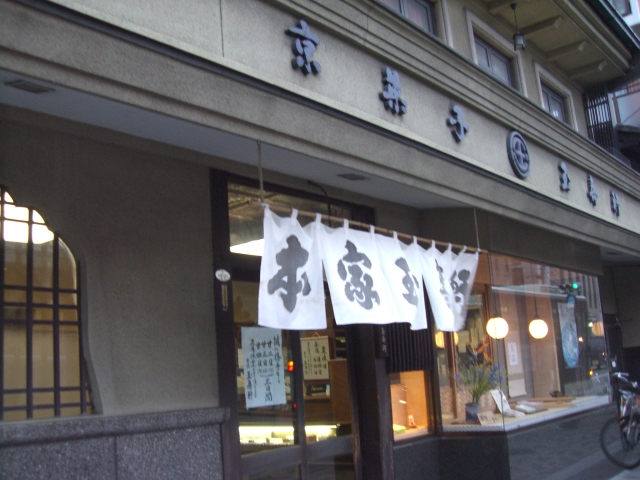
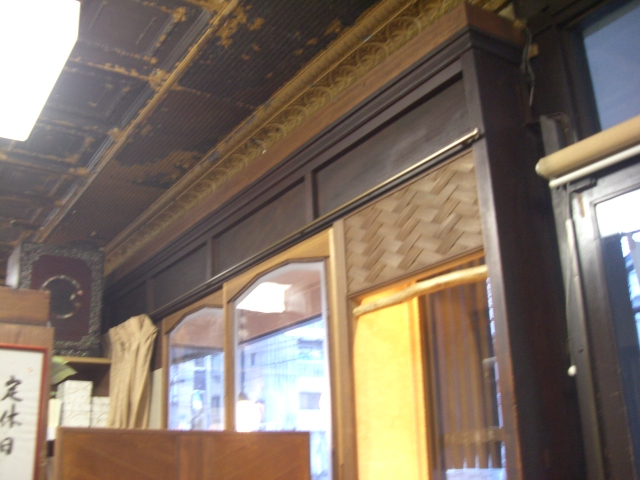
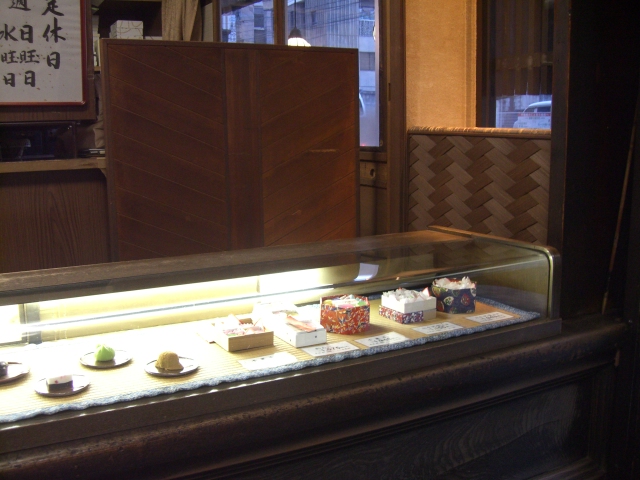
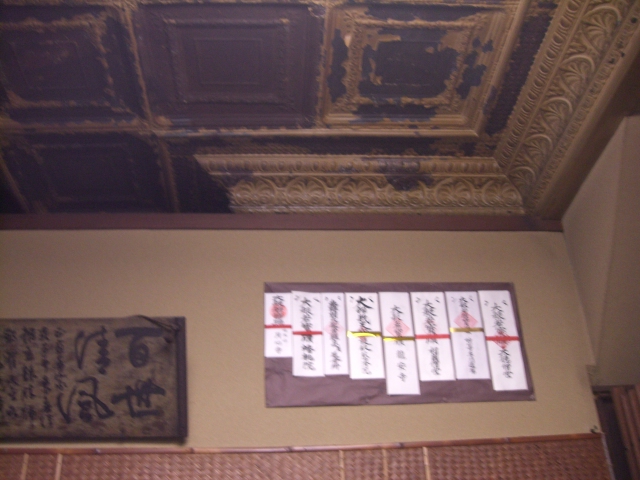
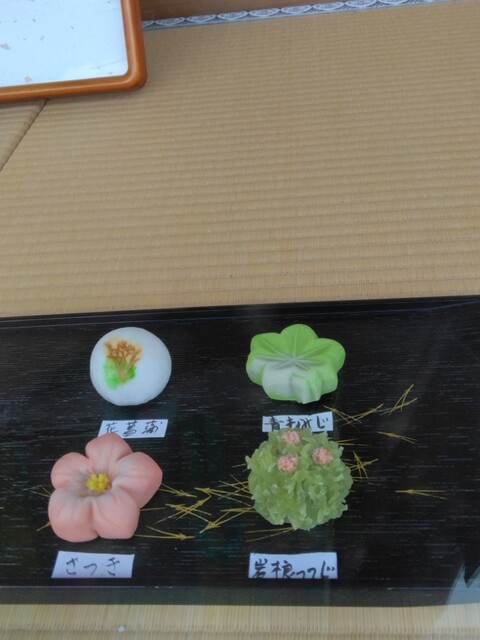
A long-established store in Nishijin that has served Daikokuji, Myoshinji, Nanzenji, and Hokongoin for five generations. The store has an impressive appearance, and the interior is also tastefully designed. In particular, the design in the corners of the ceiling gives off a Meiji-era architectural vibe. "Shino" is a dried confectionery about the size of a large candy (made with rice flour, bean flour, wasanbon sugar, water syrup, and Daikokuji natto inside). It comes in a trio of white, bean, and green colors mixed with roasted green tea and matcha. It is sold in sets of 6, as well as 12, 30, and other multiples of 3. The combination of the slightly sweet taste with the slight acidity of Daikokuji natto is intriguing. It is said to go well with matcha. The name "Shino" is derived from the area surrounding the temple. The "Chatsu" has sweet bean paste inside, but the skin is a bit different, resembling a matcha paste. The appearance and hardness of the cut surface are reminiscent of clay modeling from childhood, causing a slight aversion for those who disliked clay art (bitter smile). However, at 105 yen each, it is an affordable traditional Japanese sweet (albeit slightly small). In addition to several types of wagashi (priced at 315 yen each), the plates they are served on are also quite appealing. The dishes are so attractive that one might feel compelled to purchase them along with the sweets.

クロベ
3.50
The high-sasumandu from the original Tamajukken is really delicious, but this is "Chatsuu". Even though it's called a manju, the thin and moist green tea skin on the outside, and the red bean paste inside, are both moist. The top and bottom surfaces are baked, and black sesame seeds are sprinkled in the center, adding an accent. With a diameter of 5cm, thickness of 4mm, and weight of 30g, it seems like you can eat it in two bites, but both the green tea and the paste have concentrated flavors. You can purchase a pack of 6 for 787 yen, and they are available at Kyoto Station and other locations. It would make a great souvenir, don't you think?
Email Login