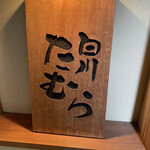
白川たむら
Shirakawatamura
3.39
Gion, Kiyomizu-dera, Higashiyama
「Japanese Cuisine」
10,000-14,999円
5,000-5,999円
Opening hours: 12:00-13:30(L.O) 18:00-20:00(L.O)
Rest time: Open irregular hours and closed days are subject to change, so please check with the store before visiting.
京都府京都市東山区祇園新門前通花見小路東入一筋目上ル
Photos
(20)
Details
Reservation Info
Reservations possible ■■Reservations required ■■■Reservations required
Children
Only the 4th Sunday is OK
Payment Method
No credit cards
Electronic money is not accepted
Number of Seats
31 seats
(9 seats at counter, 4 to 6 seats in private rooms, 10 to 16 seats in tatami rooms)
Private Dining Rooms
Yes
(6 persons allowed)
From 4 to 6 people
Smoking and Non-Smoking
No smoking at the table
Parking
None
Facilities
Calm space, counter seats available, tatami room available
Comments
(20)

9adde4
4.30
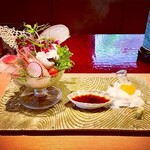
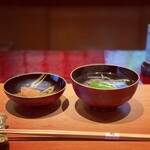
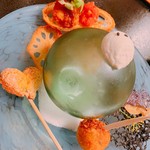
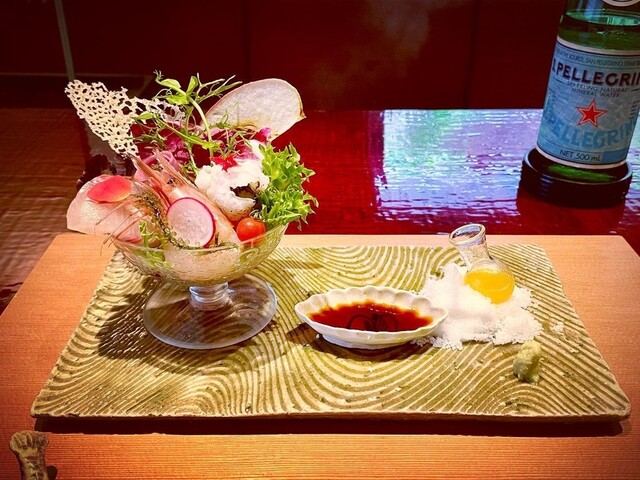
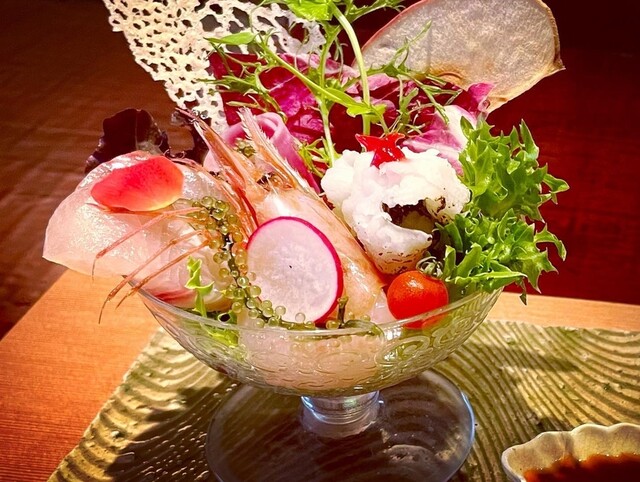
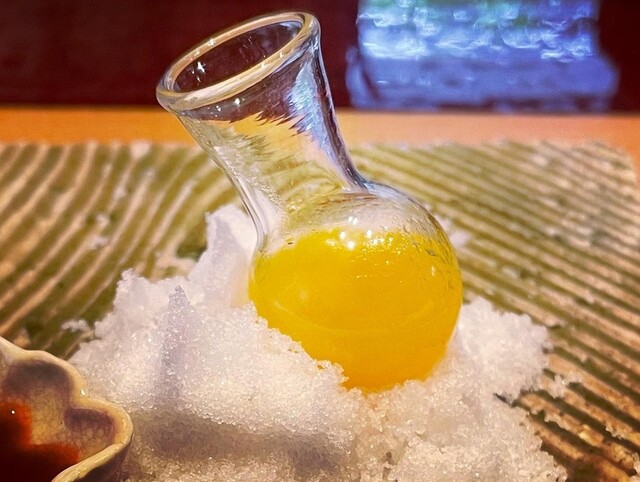
#Shirakawa Tamura #Otsukuri Parfait #Baccarat glass #Flask dressing #Gion #Gion lunch #Friendly head chef #Relaxing atmosphere #Japanese cuisine #Gion Shijo #Recommended for dates #Japanese food #Delicious dishes #Stylish interior #Foodie adventures #Eating until full #Exquisite Japanese cuisine #Japanese food lovers #Kyoto cafe #Kyoto sightseeing #Gourmet journey #Delicious meals #Stylish Kyoto #Happiness through food #Shirakawa Tamura #Otsukuri Parfait #Gion lunch

いきあたりバッタリーズ1号機
3.60
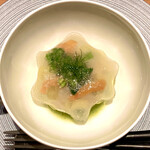
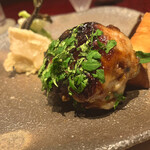
A shop run by a chef who has always done things differently from others since childhood, or rather, never followed the crowd. The menu always surprises me. I love how they mix in a few curveballs. They use Kyoto-specific ingredients and tweak the classics with creative cooking ideas. Highly recommended for those who love that kind of twist!

Kurumi95116
4.00
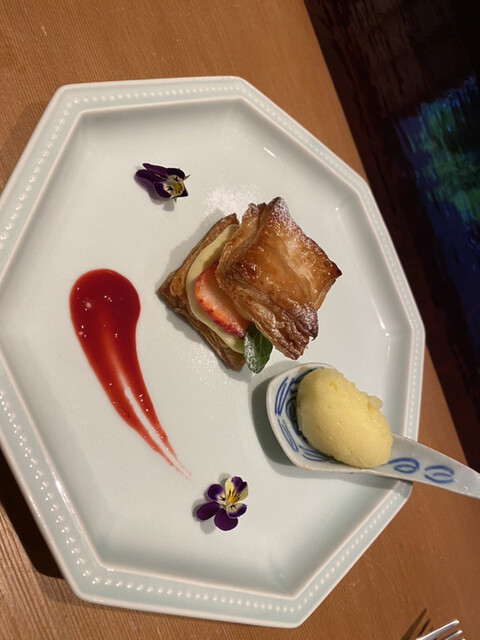
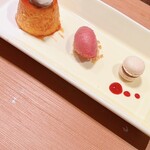
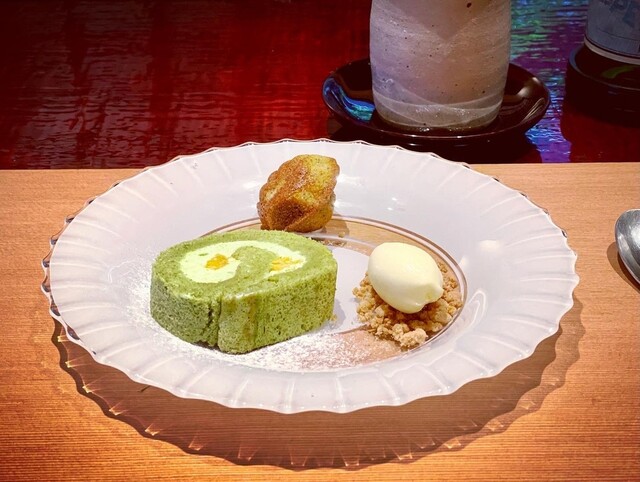
The shop owner is friendly and welcoming. Even if the weather is bad and you might not make it until the last minute, they will greet you warmly. The dishes look beautiful, are well thought out, delicious, and enjoyable! It seems they have a pastry chef, as the desserts are significantly more delicious compared to other traditional Japanese restaurants. I was completely satisfied until the end.

つよぽん333
3.40
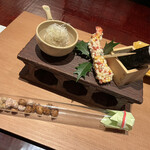
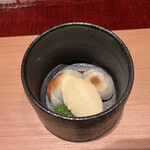
The appearance of the dishes is very cute and Instagrammable. I can feel the strong attention to detail in the presentation. Not only the appearance, but there is also a clear story or reason behind it, showing that they are really committed. The taste is delicious, and the staff's service is good, making it a pleasant experience.

スズ!
4.50
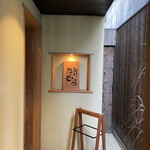
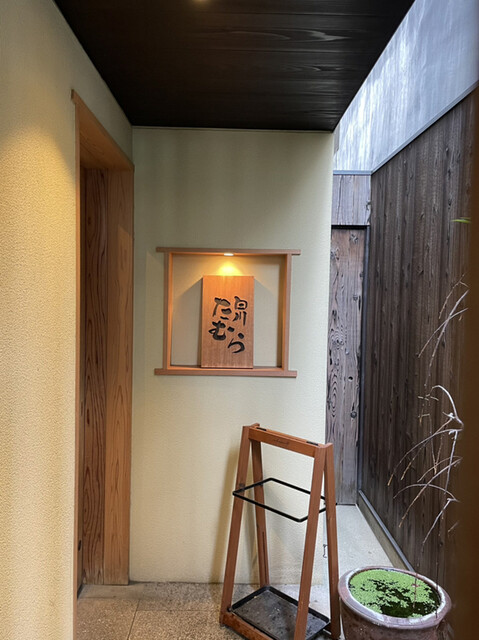
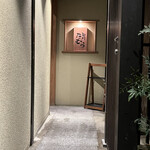
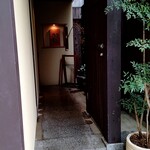
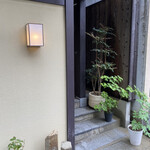
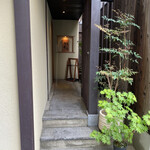
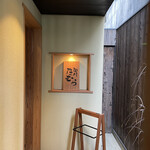
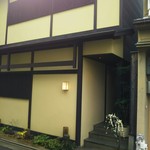
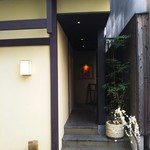
There is a shop in Gion, the entrance is designed like a narrow alley which lifts the mood. At the entrance, a waitress took our jackets and led us to a counter that appeared to be lacquered. The dishes had a strong New Year's atmosphere and included ingredients not commonly used in Tokyo. Additionally, the use of plum branches as chopstick holders added a Kyoto-like feel. The prices were also about 30-50% cheaper compared to Tokyo. Thank you for the meal, it was a great experience.

take log23
4.20
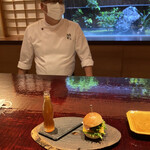
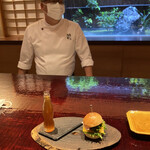
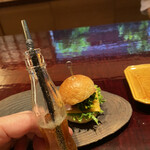
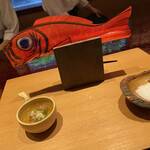
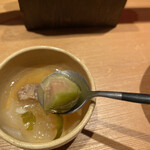
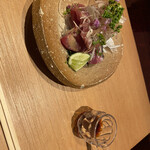
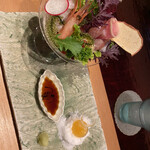
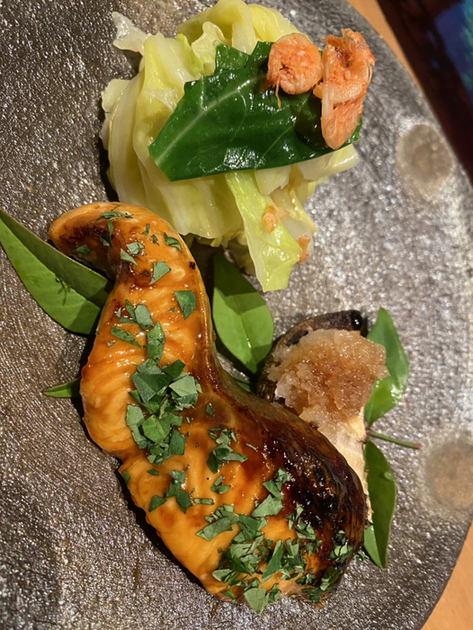
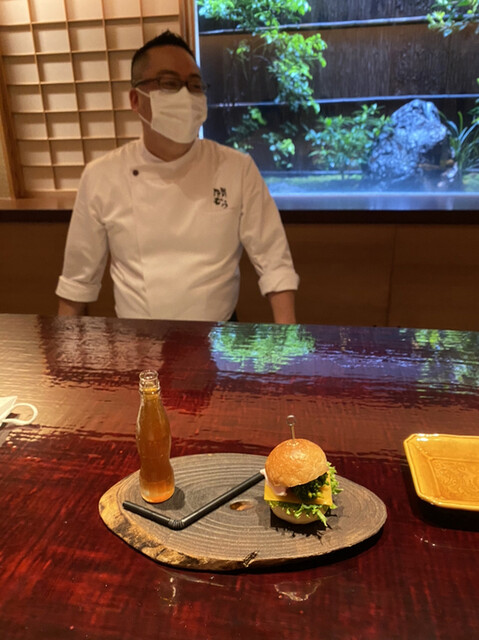
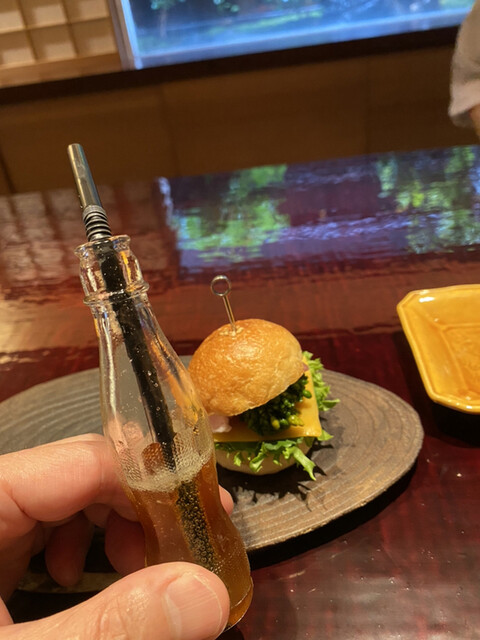
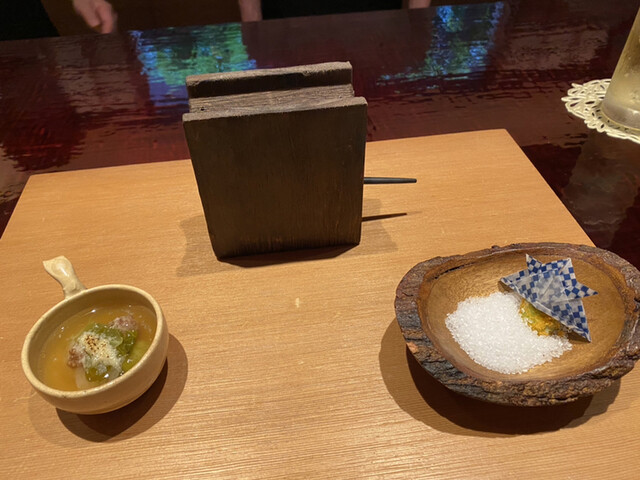
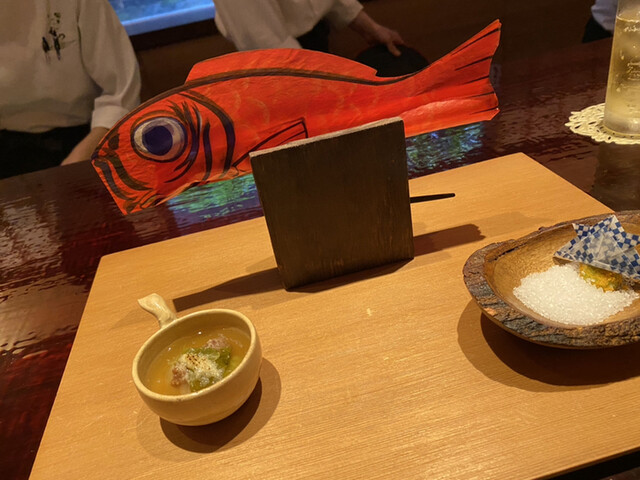
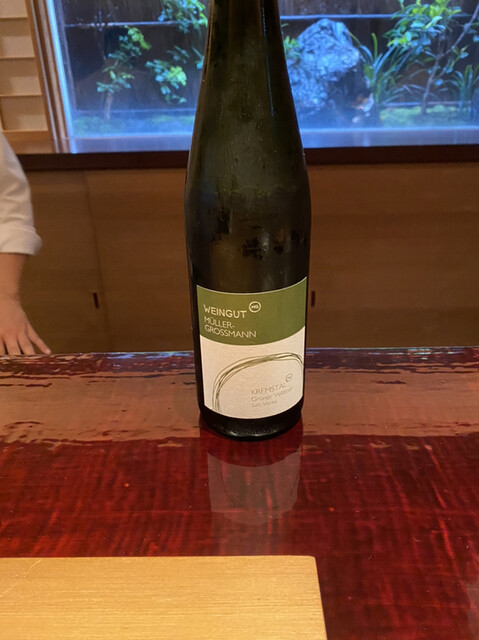
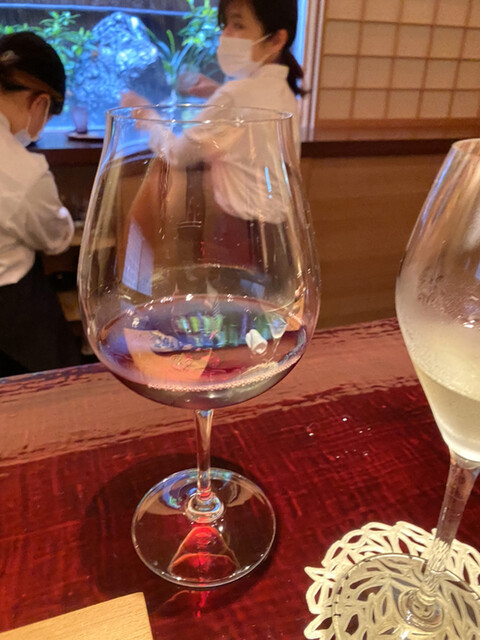
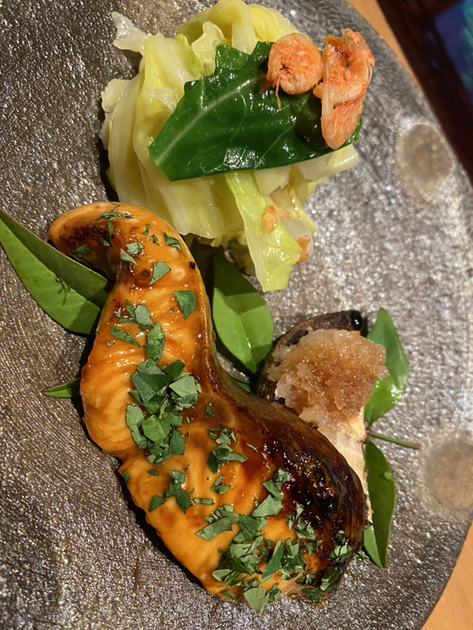
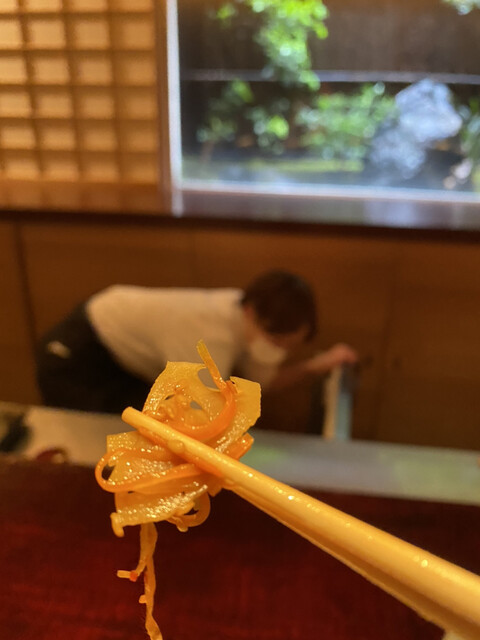
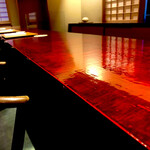
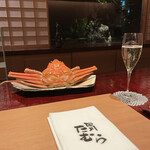
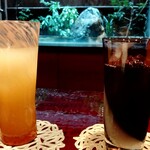
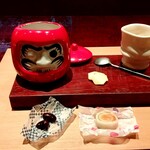
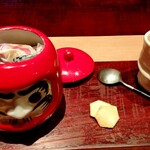
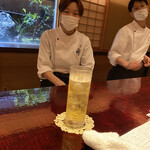
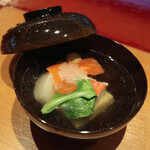
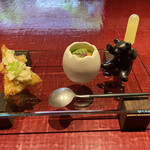
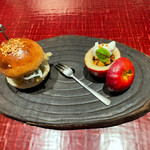
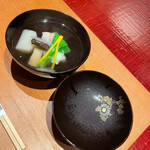
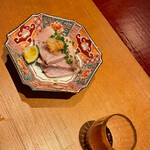
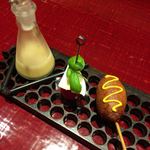
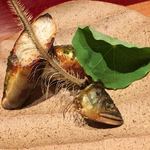
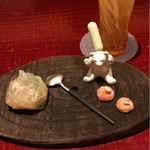
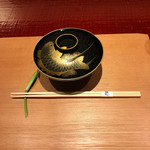
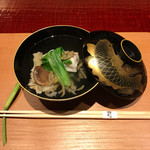
There was a shop in a place I don't usually go to. I made a reservation for lunch. The beautiful red counter and the garden were amazing. First, I had a Japanese-style hamburger and a cute cola. Next, I had a snack shaped like a koi carp and soup, which were very delicious. I had white wine from Wakayama, then red wine, sashimi and salad, grilled fish like trout and duck, freshly cooked rice, and delicious sautéed burdock. Finally, dessert was also delicious! Mr. Tamura and the female chef were very fun to talk to. It was a really good restaurant! They also serve Western food, which is said to be made by their cousin. There are private rooms available, but sitting at the counter is fun too!

hirono.qoo
3.50
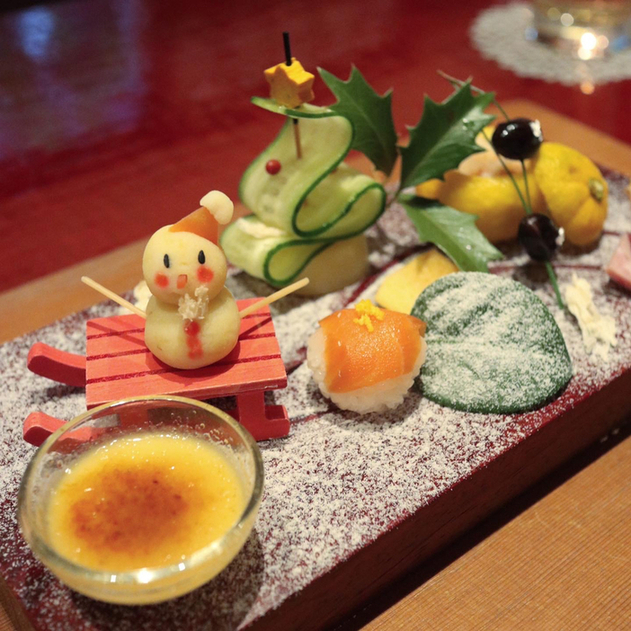
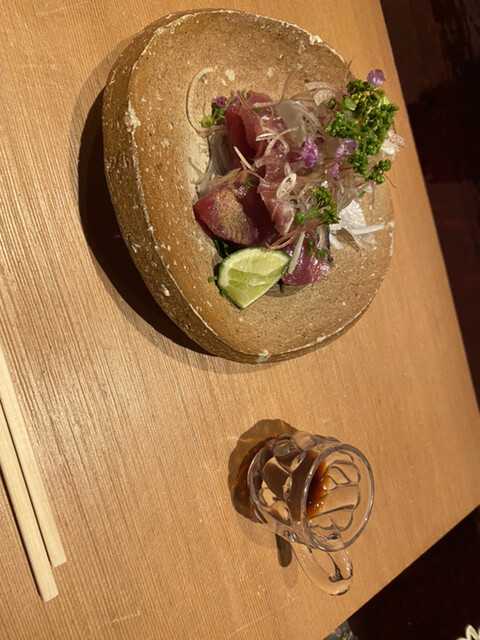
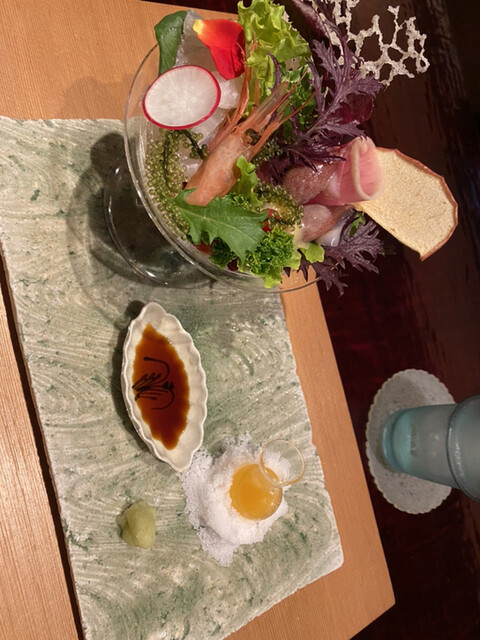
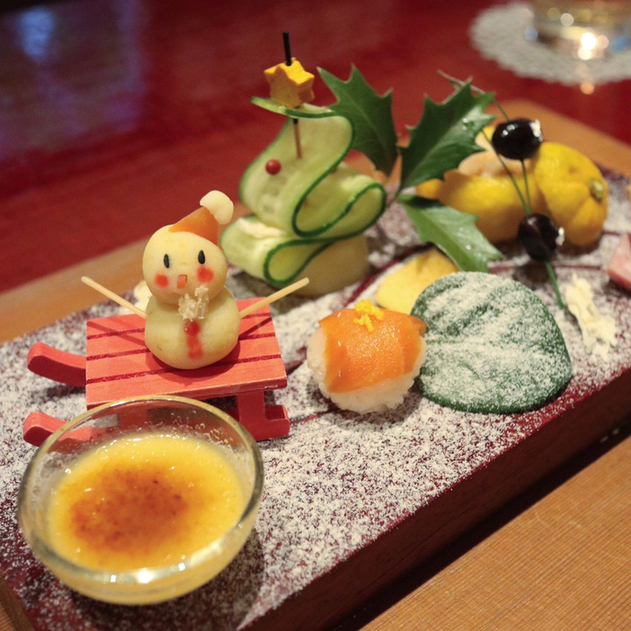
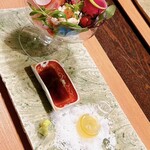
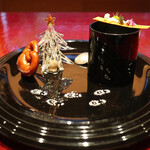
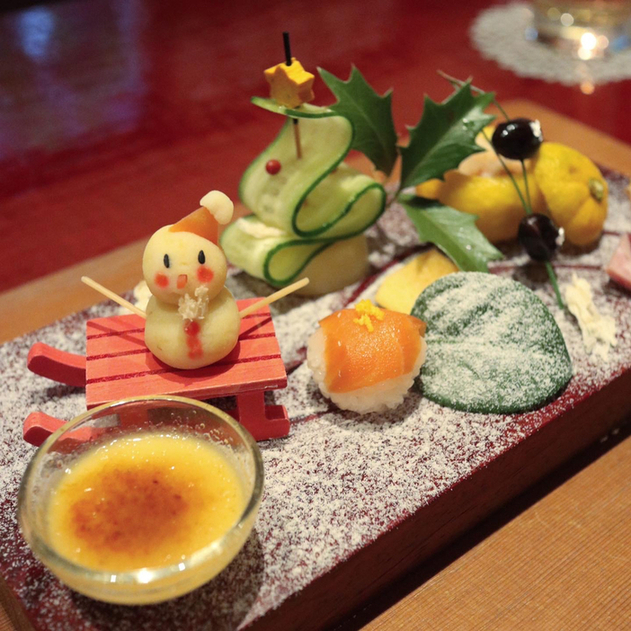
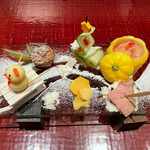
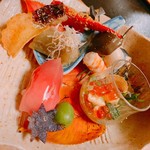
First visit was for a Christmas lunch, featuring a cute eight-piece dish with a snowman ⛄️. The specialty sashimi parfait was delightful. The main course was a vibrant green vegetable sauce-covered sukiyaki made with premium Omi beef. The delicate dishes prepared by the highly skilled female chef were not only delicious but also visually appealing. It's rare for a Japanese restaurant to focus on desserts, but they have a pastry chef who creates exceptional sweets. We indulged in some daytime drinking and the total bill came to around 10,000 yen.

TDAWG
4.60
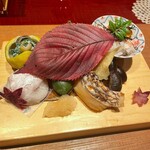
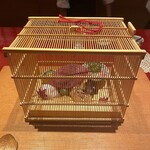
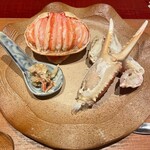
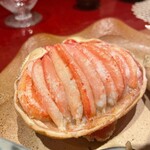
I visited "Shirakawa Tamura" in Gion, Kyoto. I made a reservation online and it was a great choice! The food was delicious, beautifully presented, and the service was excellent. Thanks to them, my Kyoto trip was wonderful. I will definitely visit again when I go to Kyoto.

見返り☆Drill
4.20
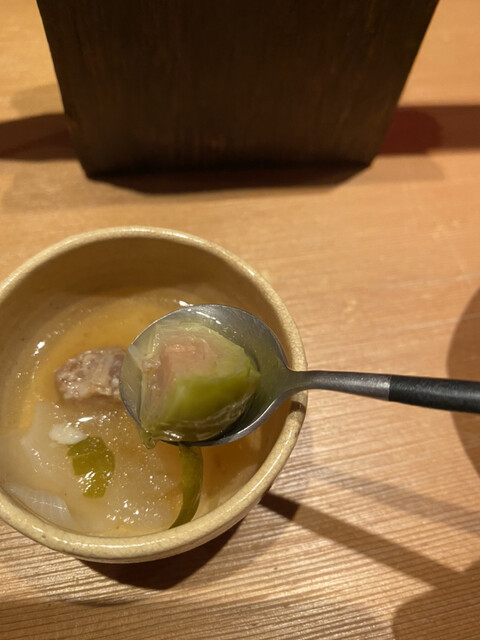
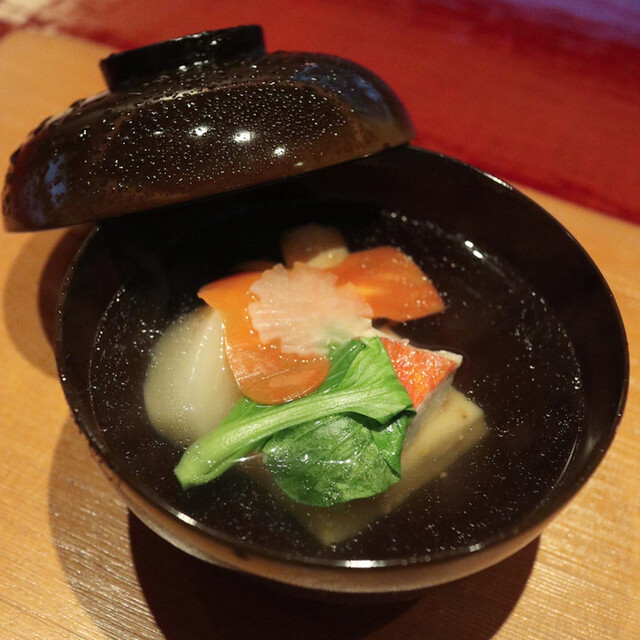
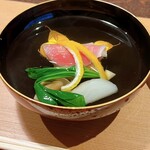
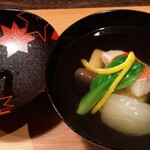
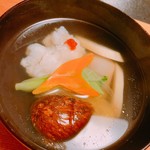
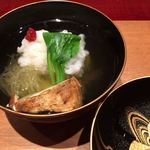
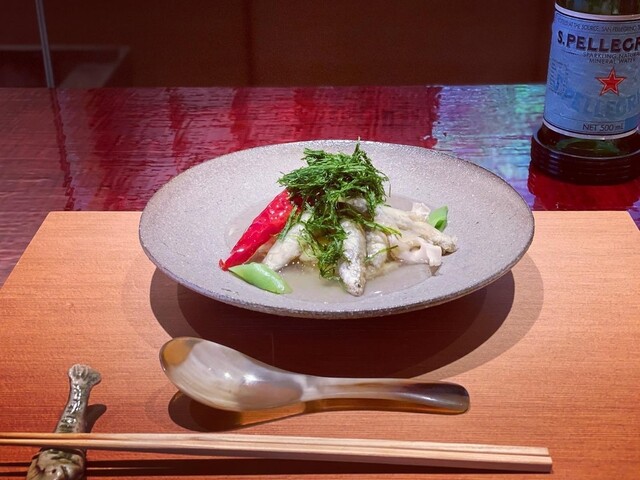
I was planning to have traditional Japanese cuisine in Kyoto, but my first dish made me anxious. However, all my worries disappeared with the delicious soup! The taste was great, and not only that, but the creative dishes, the use of beautiful tableware, everything came together to create a truly happy moment. We dined in a private room, and the timing of the dishes was perfect. The service was just right, with a comfortable distance. I would love to visit again.

t.hika0407
3.70
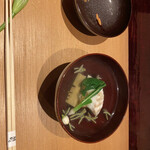
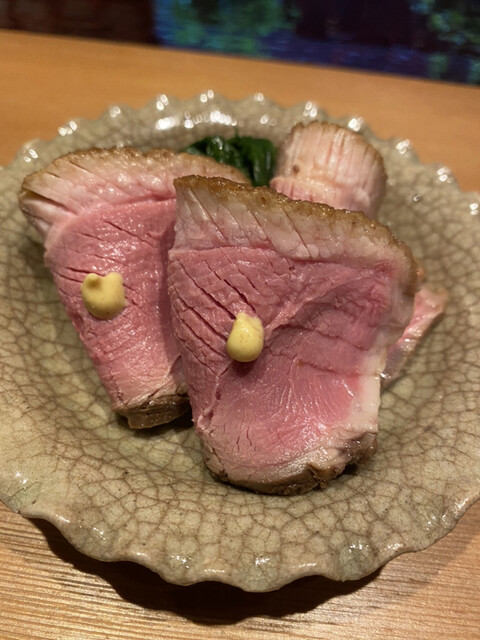
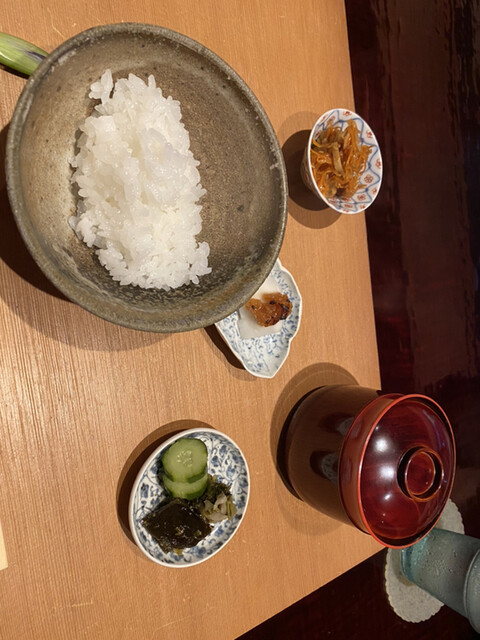
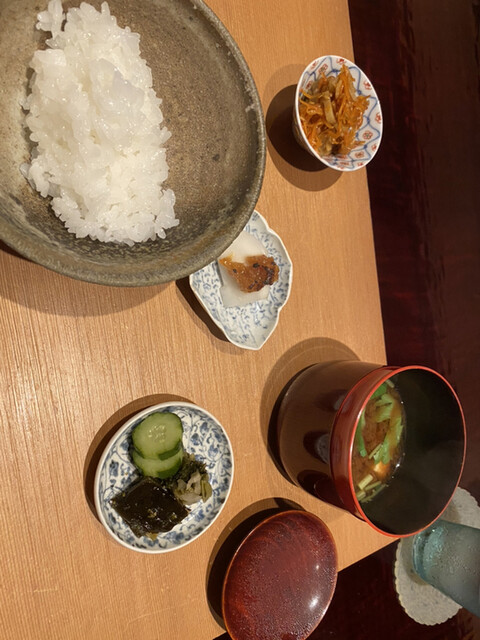
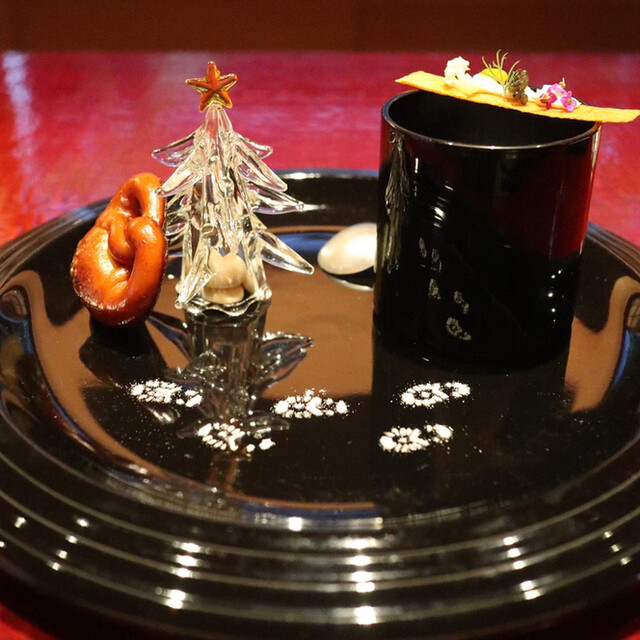
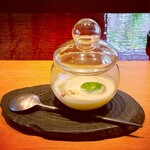
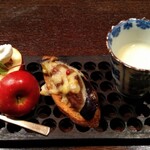
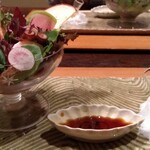
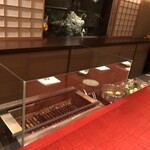
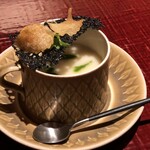
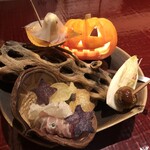
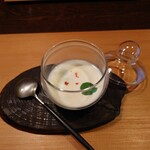
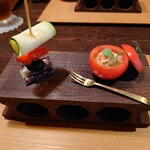
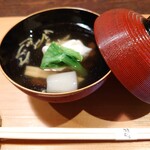
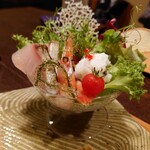
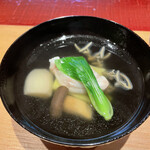
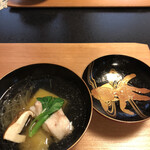
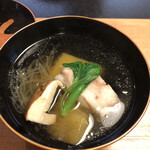
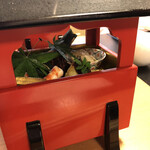
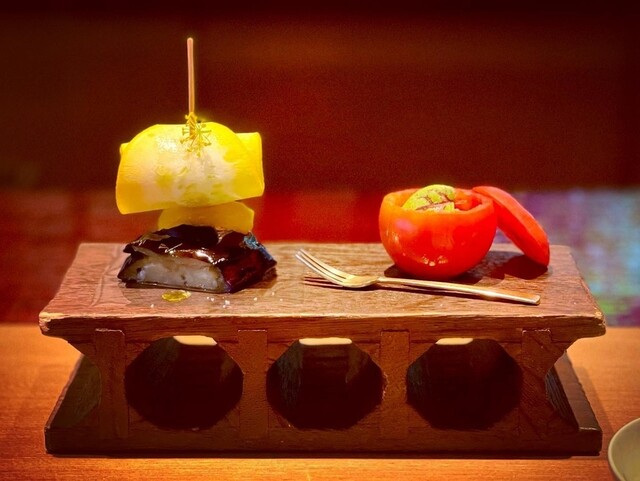
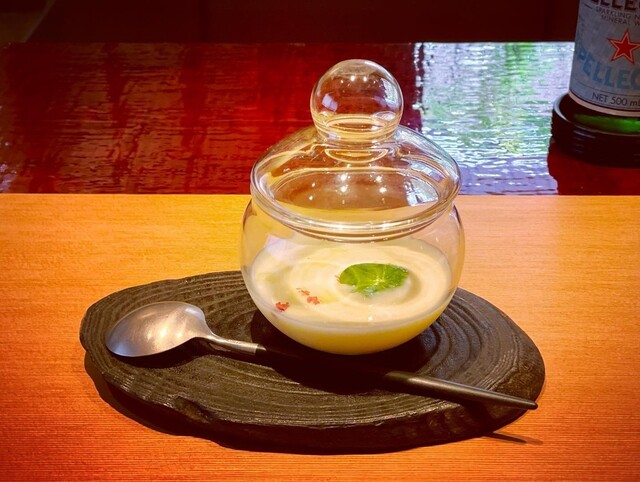
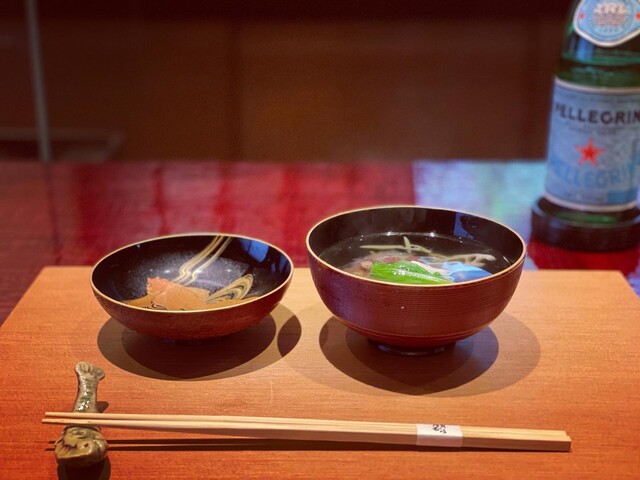
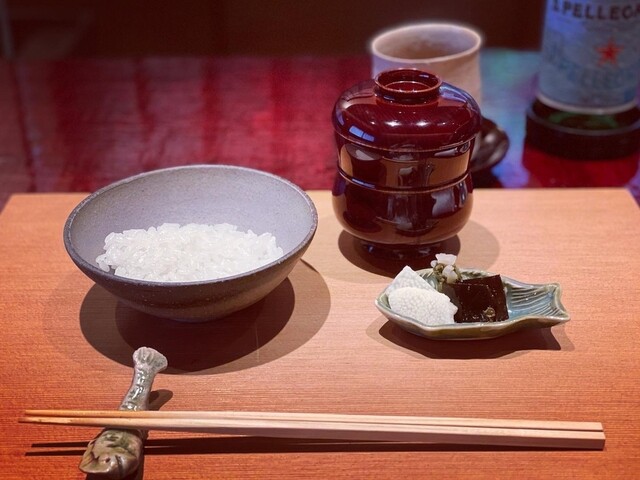
I had a hard time finding a hidden spot in the eastern part of the Hanami Shinkomonzen for a while. The atmosphere was very Gion-like, with a calm counter to start the meal. As it was getting colder, I enjoyed a warm potage and squid ink tuile that added to the excitement and novelty. The Halloween-themed appetizer and the assertive flavors of matsutake mushrooms and conger eel in the soup were wonderful. The signature cocktail salad? appetizer was also quite vibrant, with a creative use of colors and fusion of Japanese and French cuisine. They even pay attention to the water used to cook the rice, resulting in a shiny, perfectly cooked rice. The meal was delicious, especially the rare cuts of meat. The prices were also reasonable for Gion, so I would love to visit again!笑

SELUNO
4.00
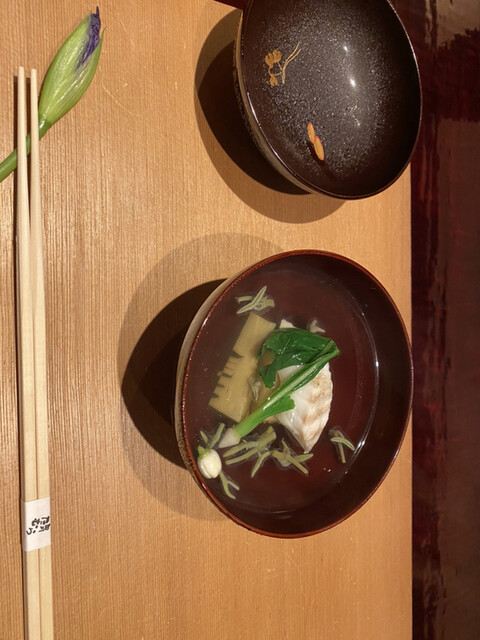
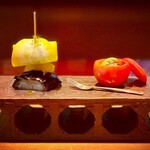
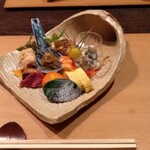
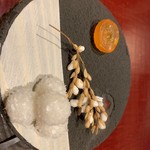
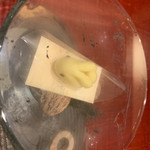
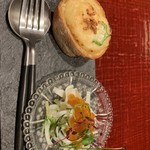
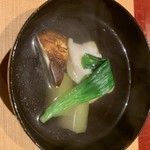
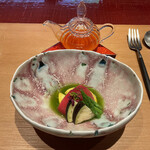
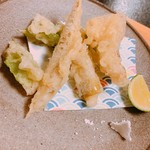
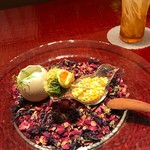
At a last-minute reservation at a hidden gem in Gion Shinmonzen, an amuse-bouche resembling a full moon with a yolk miso paste instead of susuki, and rice cakes sprinkled with soybean flour and charcoal. Underneath, a rabbit was waiting. A potato-made bucket with gratin somen topped with salmon roe. A soup of red snapper and matsutake mushrooms. Sashimi with mango sauce in parfait style. Tempura of shrimp, swordtip squid, tuna, and conger eel. Egg-topped rice and pickles, red miso soup. Dessert. Thank you for the feast. The host is 42 years old, with a positive heart that elevates hospitality.

s.asa8080
4.00
Tamura's cooking is truly exceptional, having trained at renowned places like Arashiyama Kichotei and Osaka FUJIYA for ten years. His refined sensibility and palate are top-notch, particularly excelling in soup dishes and grilled dishes. Located in Gion Shirakawa, the cozy new establishment is now celebrating its fifth year. The course meals, tailored towards middle-aged women, feature a traditional Japanese taste. The delightful dishes, showcasing seasonal ingredients, are always a pleasure to enjoy. It's a joy to savor the leisurely two-hour meal.
fuxtutou
5.00
I went to lunch with a friend on June 12th. The atmosphere of the restaurant was great and we were seated in a private room where we could enjoy our meal leisurely. The food was also excellent. It's definitely a restaurant I would like to visit again.
s.asa8080
4.00
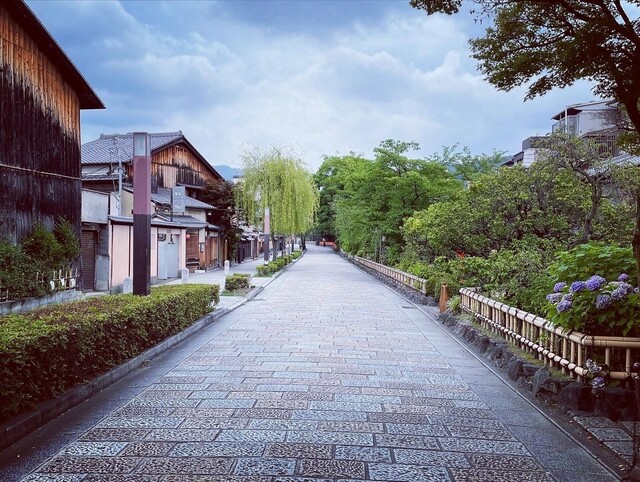
From 11:00 AM, the "Kani Kaku Ni Festival" will be held on the east side of the Gion Shirakawa Tsunemichi Bridge. This festival was created to celebrate the 70th birthday of Mr. Isamu Yoshii, who deeply loved Gion in Showa 30. This area is dyed in cherry blossom colors from late March to early April. The festival features geisha wearing Kyoto yuzen and Nishijin obi, offering flowers, which is a traditional sight in Kyoto's autumn. The poem by Isamu Yoshii goes, "Even when I sleep in Gion, water flows beneath my pillow." This is a wonderful poem. The area is a famous antique district near Shinmonzen and Komonzen. The owner of Shirakawa Tamura, Mr. Tamura, worked at Arashiyama Yoshitoyo for about 10 years and also at the Spanish restaurant Fujiya365 in Osaka. The restaurant has been open for about three years and is known for its reservation difficulty. The cuisine, created by the young owner who can feel the breath of Nishijin, is elegant Japanese cuisine loved by women. The appetizers use seasonal ingredients beautifully presented, and the grilled fish and soup are exquisite. The desserts, created by a female staff member, are served in small portions but with variety. The restaurant's cleanliness, along with a beautiful Japanese painting at the entrance, makes it a charming place. When in Gion, Shirakawa Tamura is a must-visit. Gion is a place where even when you sleep, sake flows under your sleeves. The lyrics of the song "Onna Hitori" by Eikichi Yazawa and Taku Izumi come to mind - a song about a woman tired of love wandering alone in Kyoto. The song mentions various locations in Kyoto, such as Ohara, Sanzenin, and Enryakuji, where the woman might realistically visit. Gion, Shirakawa, Hanamikoji, and Ichiriki Chaya seem most suitable. Other options could include Murasakino, Daitokuji, and Imamiya Shrine for a different atmosphere. In autumn, Takagamine's Genkoan and Komyoji would be nice, while in spring, Mimuro, Haradani, or Shimogamo to Matsugasaki could be fitting. For summer, Kibune, Takao, and Kiyotaki are good choices, and for winter, perhaps enjoying moon pot dishes at a place like Tsukinabe would be ideal.

spike7052
4.00
yoshi5545
4.00

TSUKIKA85
3.50

D子
3.50

奇跡のコース
3.00
Thank you for the delicious meal!

candy42
4.00
Email Login