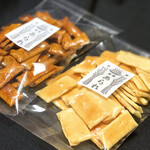
京あられ 東坂米菓
Kyouararetousakabeika ◆ 東坂米菓(有) ◆ きょうあられ とうさかべいか
3.10
Mibu, Nijo Castle Area
「Senbei (Rice Cracker)」
--
--
Rest time: Saturdays and Sundays Business hours and holidays are subject to change, so please check with the store before visiting.
京都府京都市中京区大宮通御池下ル三坊大宮町149
Photos
(20)
Details
Reservation Info
can be reserved
Payment Method
No credit cards
Electronic money is not accepted
Number of Seats
(Sales only)
Private Dining Rooms
None
Parking
None
Comments
(8)

fton
3.60
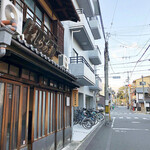
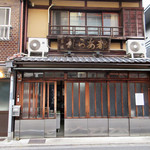
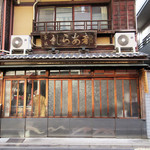
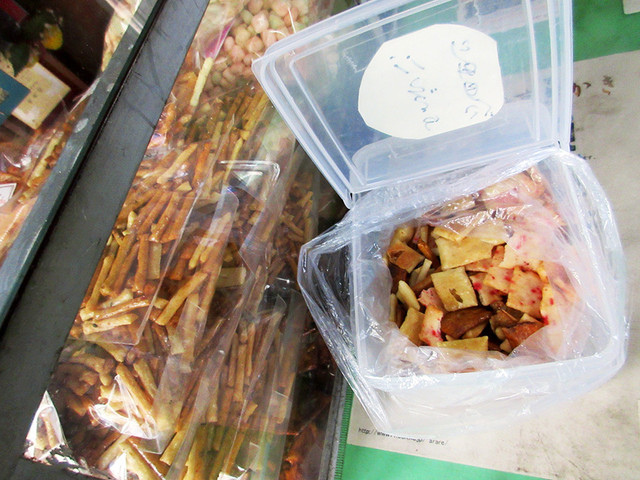
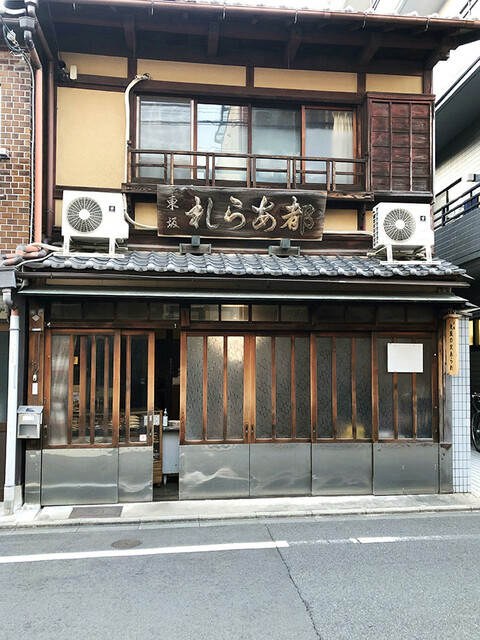
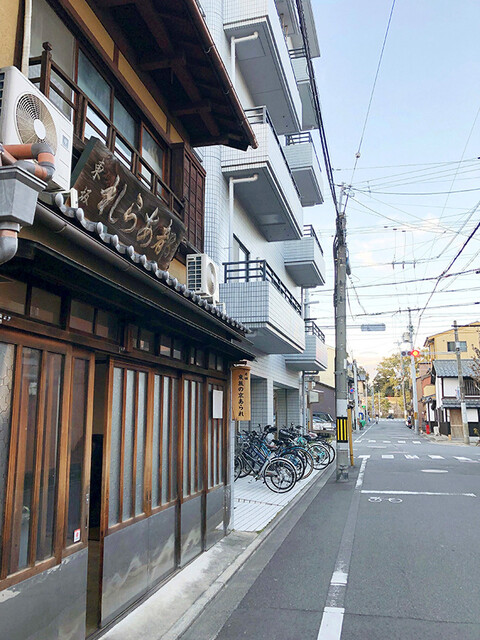
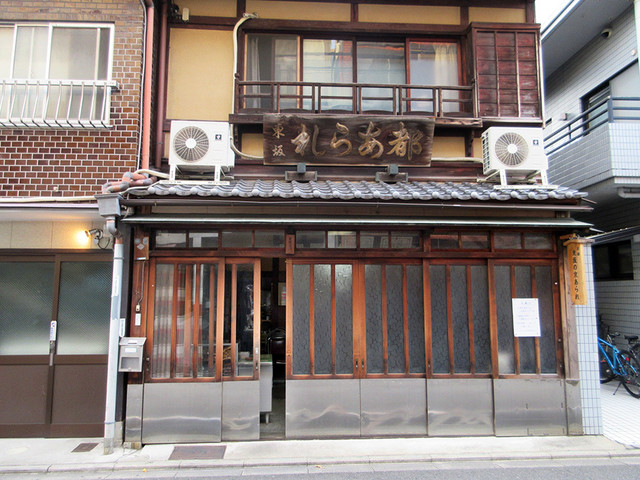
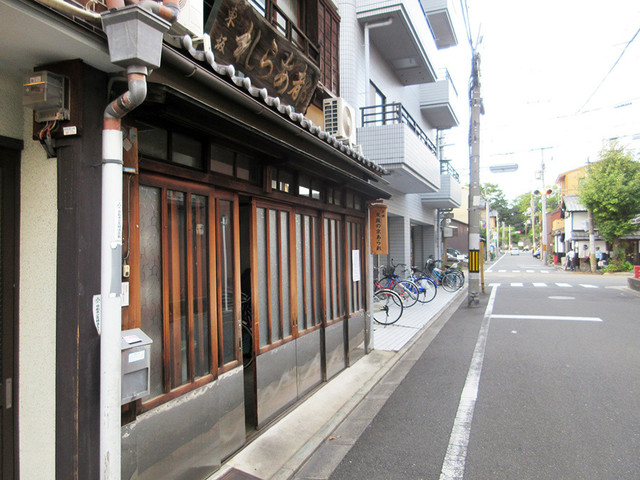
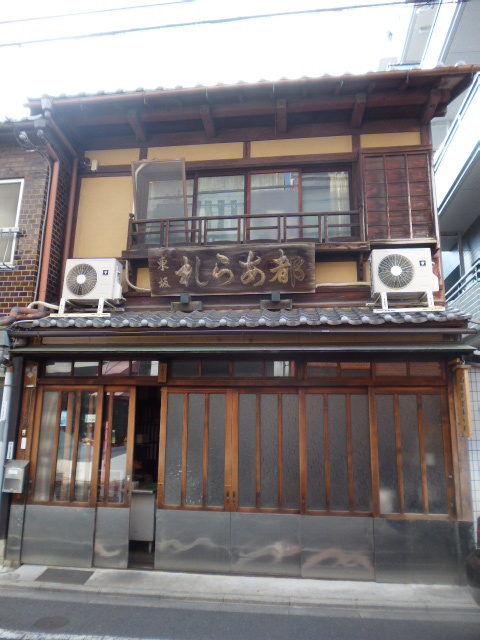
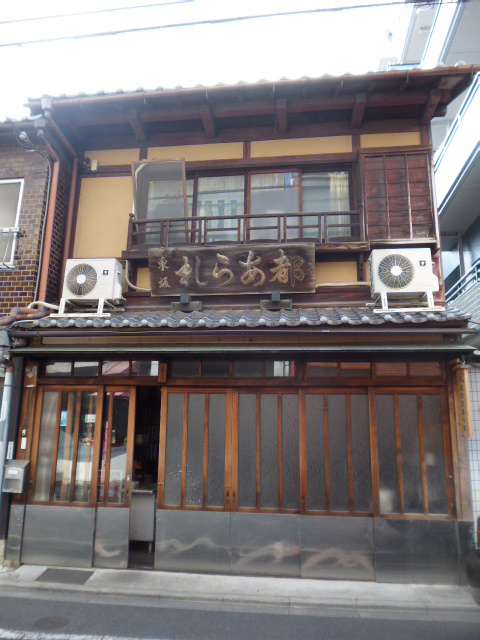
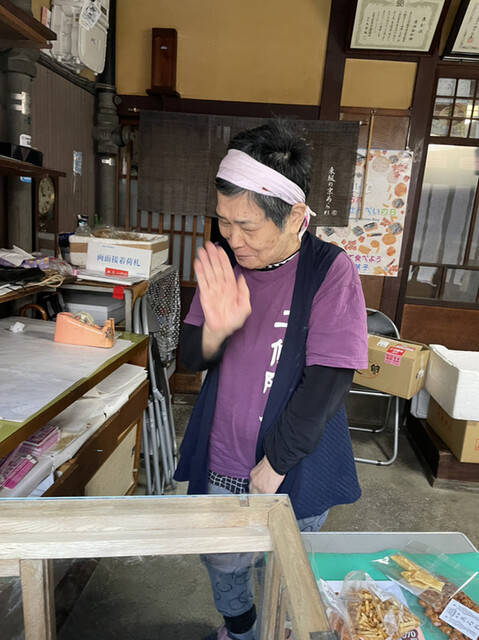
I visited Arare shop last fall at Shinzenen and stopped by near the coin parking lot. The shop had a very inconspicuous appearance, with a simple sign and looked like an ordinary house. The proprietress came out and told me that they make the Arare themselves. I tried some and got to taste various flavors. The Arare was of high quality and seemed like it would go well with sake, beer, or Japanese sake. The shop is facing difficulties as there is no successor, but I heard that the son will be returning, so I am relieved that it will not disappear. It was delicious, so I visited again in the spring, but they were sold out of shichimi togarashi. Since the son was there, I am happy that I can eat this Arare again.

アルボス
3.60
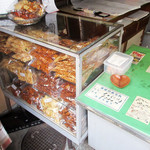
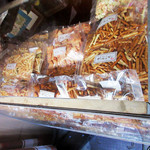
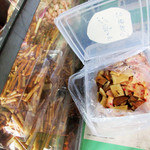
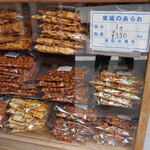
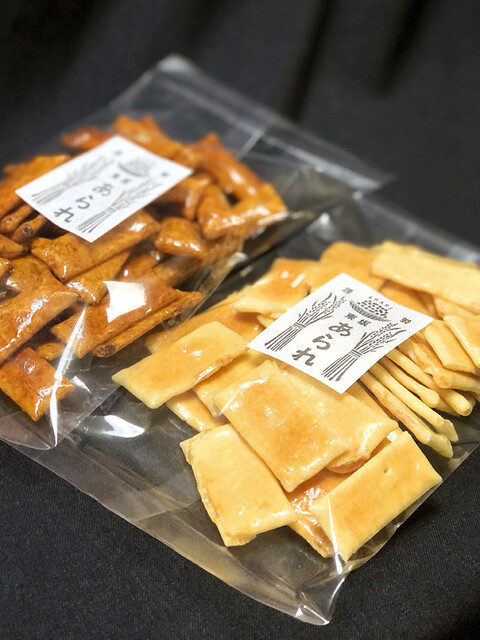
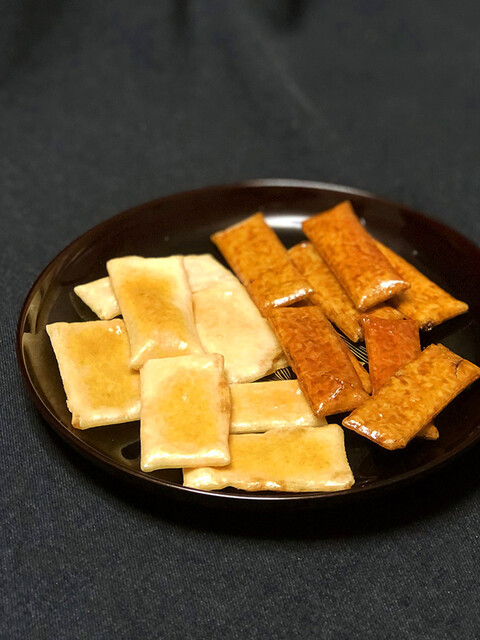
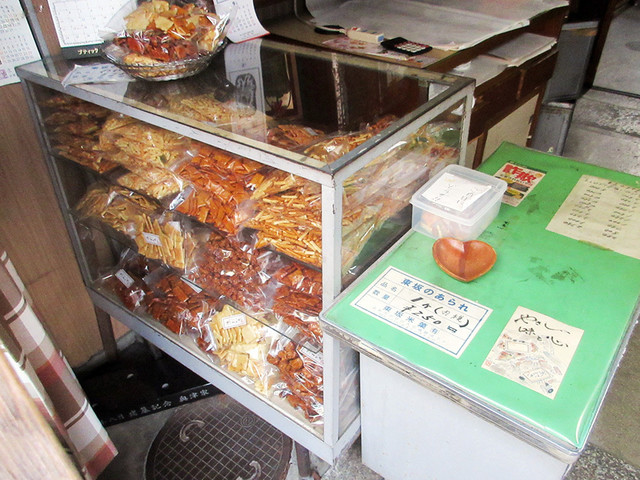
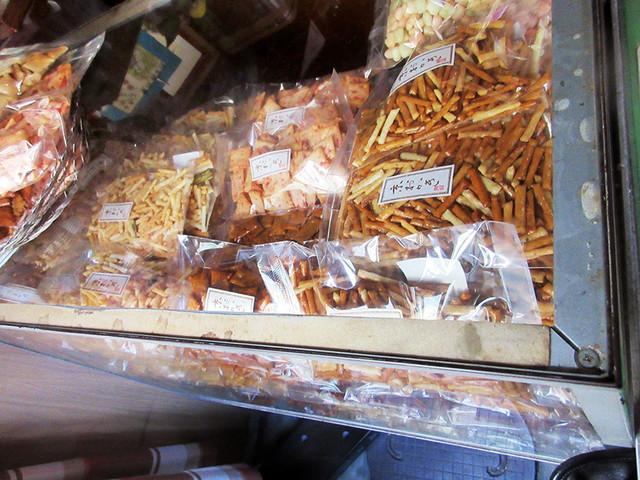
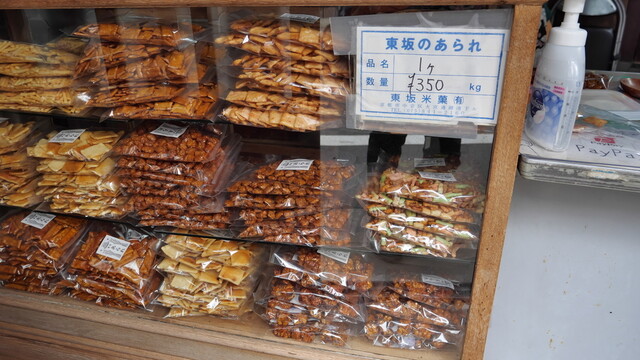
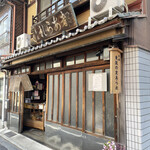
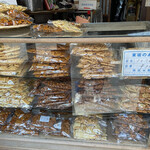
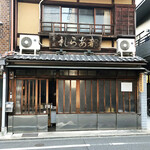
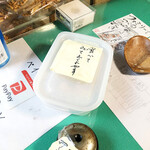
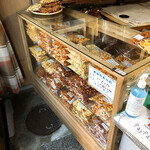
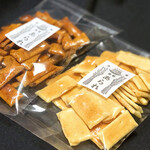
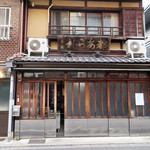
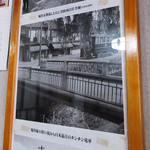
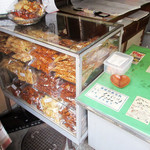
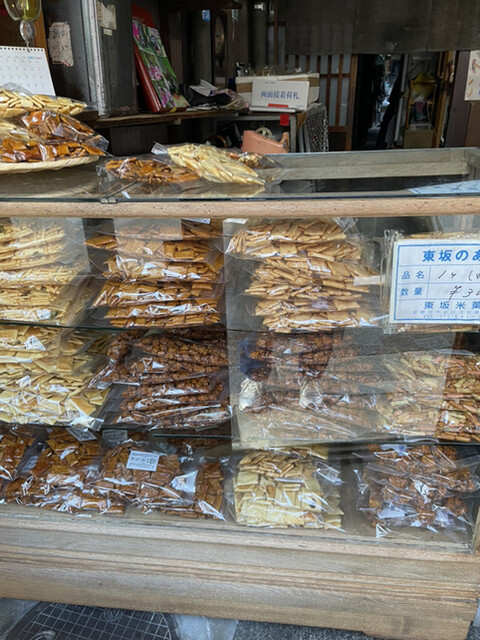
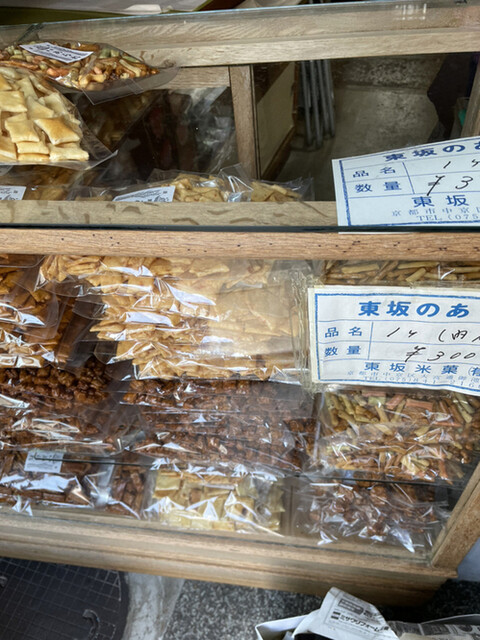
On this day, the clear winter air was refreshing as I made my way from the "Sanjo Kai Shotengai" shopping street to a quaint 100-year-old rice cracker shop hidden near Nijo Castle. As I entered the shop with its charming exterior, I was greeted by the friendly third-generation owner whom I had met before. The small display case was filled with various rice crackers and snacks, all made using a traditional technique dating back to the Taisho era. There were also old black-and-white photos of the original Chin Chin Densha train and certificates displayed, along with a sign inviting customers to try samples with the words "Please give it a taste." I noticed that they now have an official website, which the owner mentioned was set up by his son's wife, the fourth-generation owner. I purchased the "Takasegawa" (approximately 80g for 300 yen) and the "Oshiroyaki" (approximately 80g for 300 yen). The Takasegawa had a distinctive flavor of aged soy sauce and a deliciously crispy texture, while the Oshiroyaki had a classic taste seasoned with white soy sauce that would satisfy anyone. According to their website, they use pesticide-free glutinous rice and additive-free soy sauce, and they carefully preserve the flavor of the rice through sun drying, distinguishing their products from mass-produced snacks. Once again, I enjoyed their snacks and left the shop feeling satisfied. Inside the shop, there were various certificates and plaques displayed, including one from 1928, as well as a new product label design. The shop has maintained its traditional charm, with the exception of the updated labels. The address of their official website mentioned at the beginning is http://www.tousakaarare.com, where you can also purchase their products online. Just a short walk south from here, near the Sanjo Kai Shotengai, you'll find the valuable historical site of Nijo Jinya, and to the north are the tranquil gardens of Jinsen-en and Nijo Castle. Visit this charming shop with a rich tradition and rustic charm, and don't hesitate to ring the bell for service if no one is around.

ぴっこらあい
3.50
アルボス
3.60
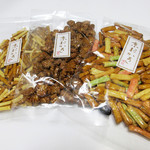
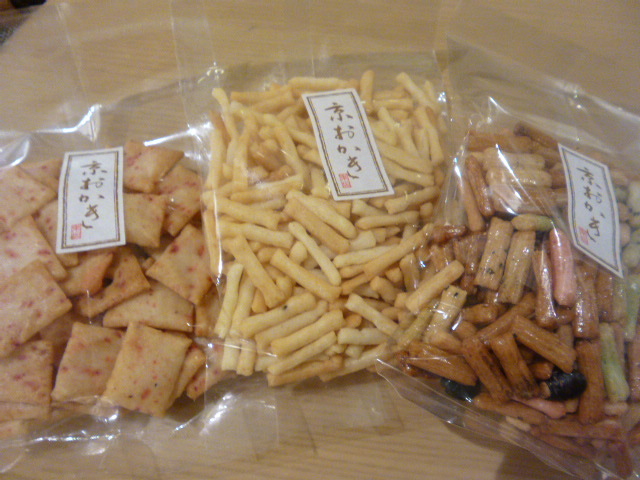
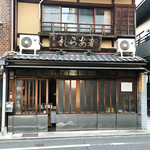
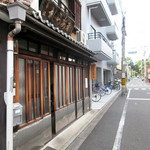
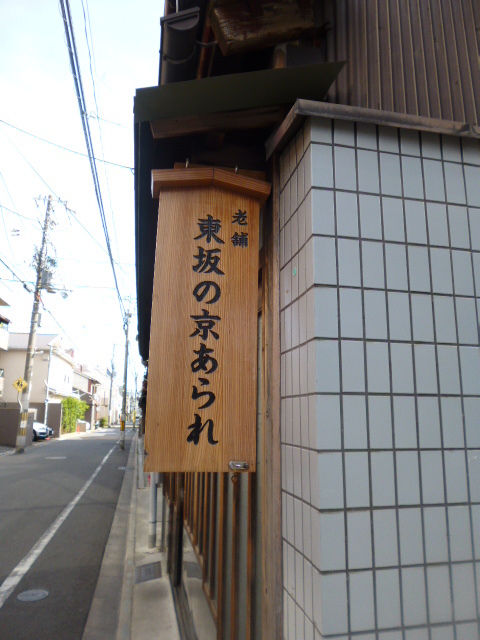
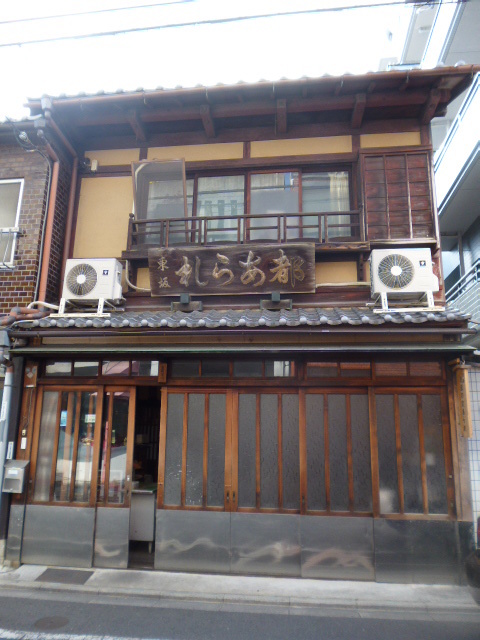
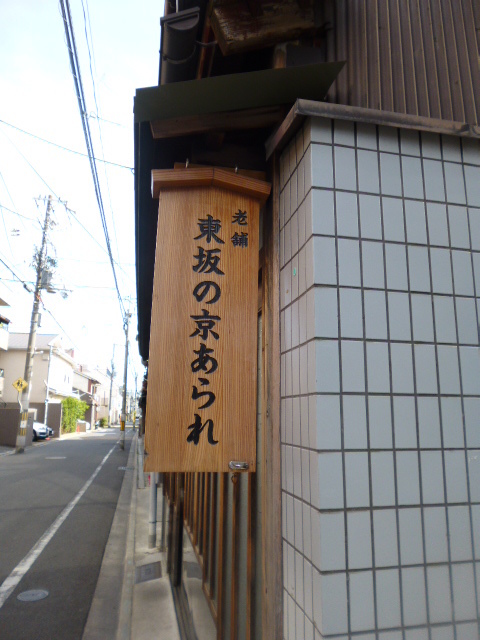
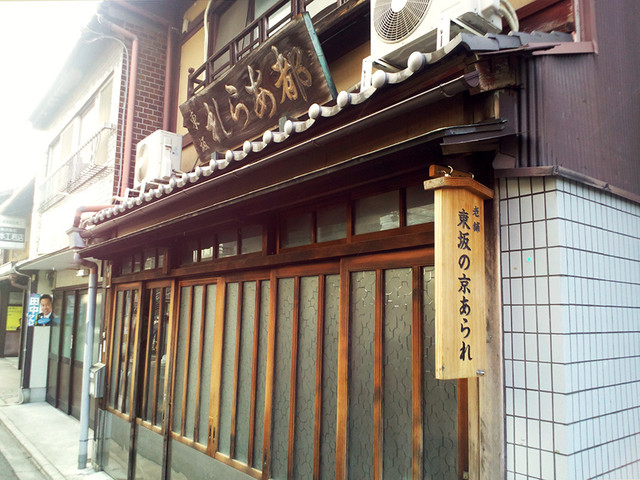
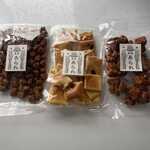
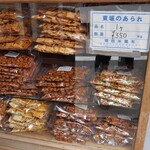
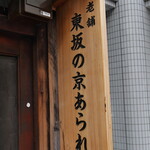
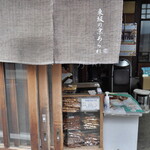
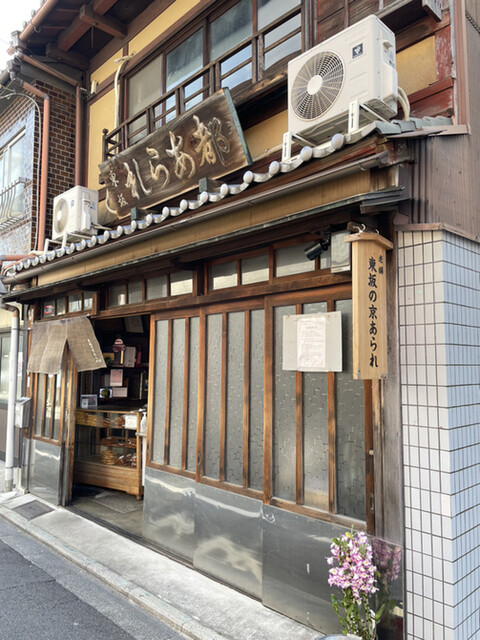
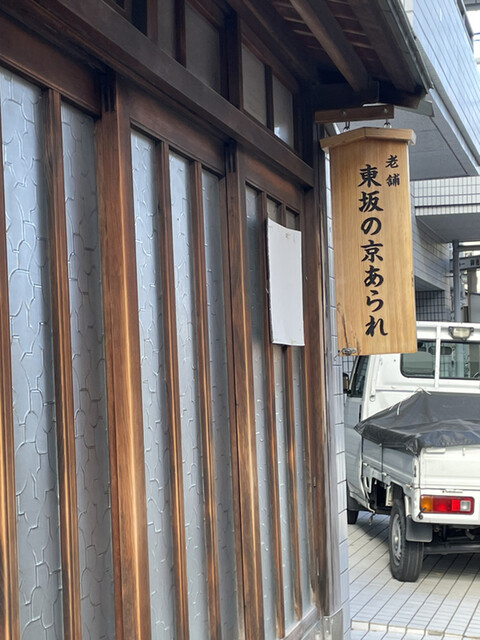
In the lingering heat of September 2017, once again. Although it is easy to overlook, there is a subtle signboard on the tiled roof that says "Higashizaka Reraa Miyako". The sleeve signboard reads "Long-established Higashizaka Kyoto Arare". Sales are face-to-face only in a small glass case. Last time, I heard from an old lady that they have been hand-baking since Taisho 5. This time, there was a kind-looking old man, and I got the following rice crackers to go:
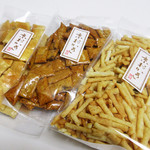
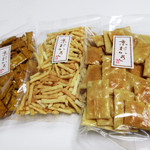
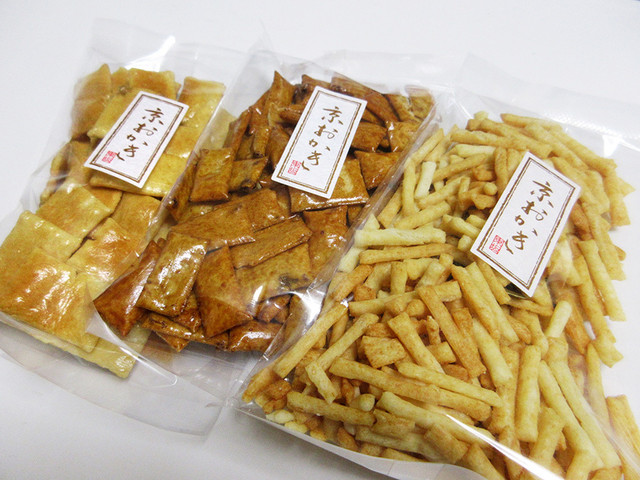
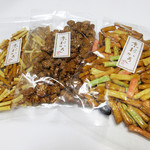
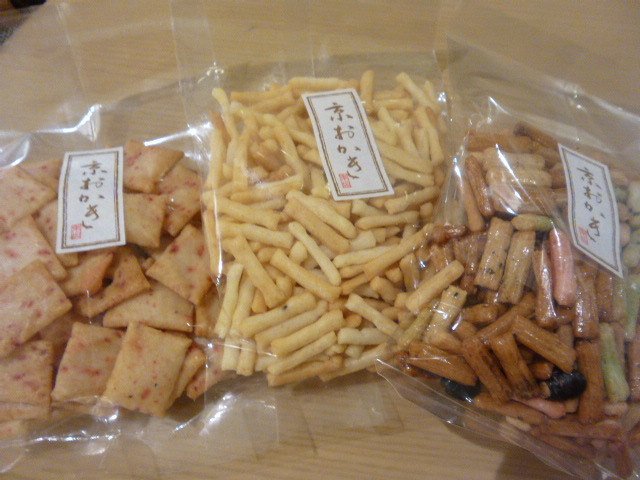
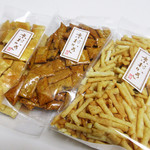
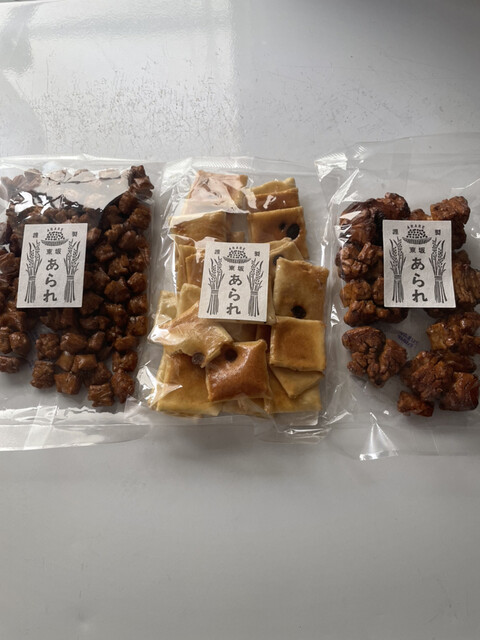
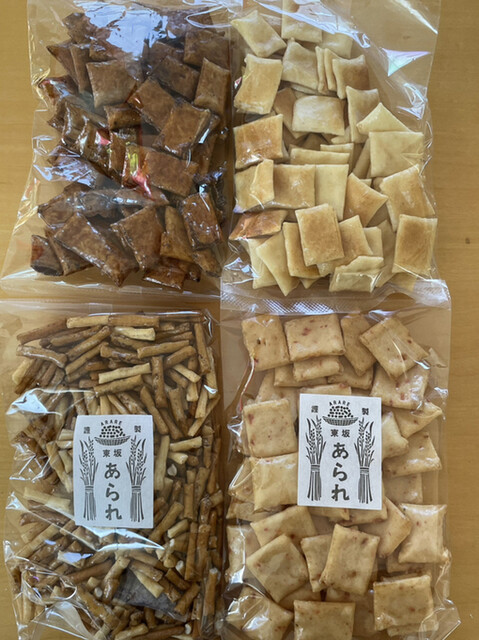
- Nanami-iri Ajimatsuba (80g, tax included 250 yen) - Long and thin, with two types of flavors: Nanami and Uwabara with soy sauce.
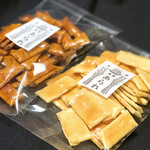
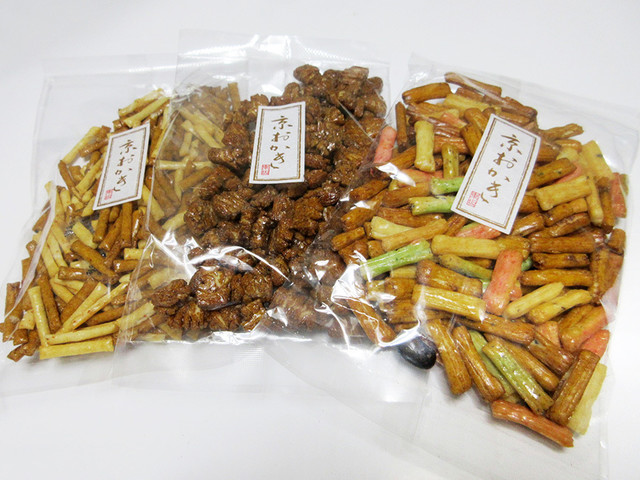
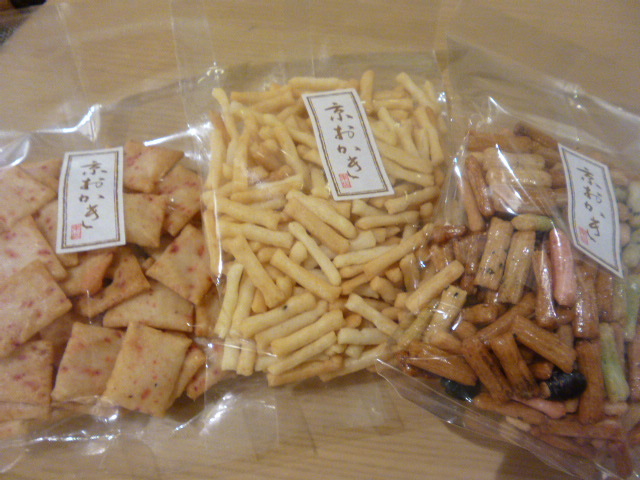
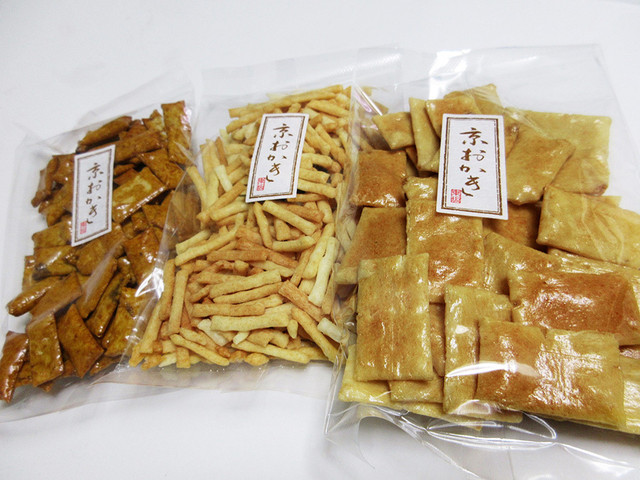
- Oni Arare (80g, tax included 250 yen) - The bag in the middle of the image is Oni Arare. Made with domestic mochi rice, soy sauce, and sansho pepper flavor.
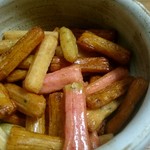
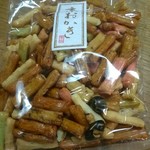
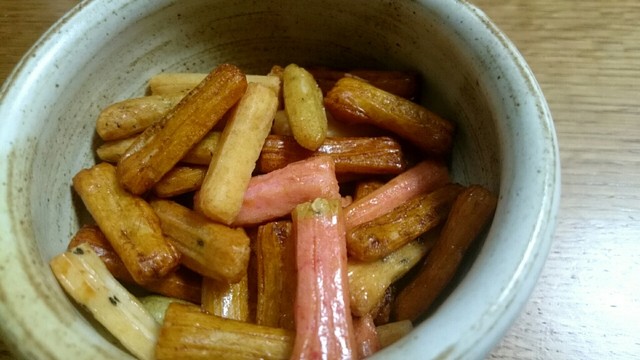
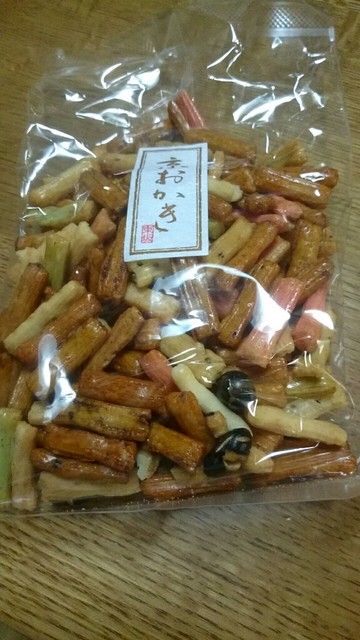
- Kyoto Komachi (80g, tax included 250 yen) - In addition to soy sauce, shrimp flavor, and nori flavor, it also contains sesame, kombu, and black beans.
All of them are characterized by the rustic simplicity that sets them apart from mass-produced products by major companies, following the traditional hand-baking style. I enjoyed them all and am satisfied. Inside the store, there are many certificates of commendation, including one presented in Showa 3, and a black-and-white photo of Japan's oldest Chinchin Densha (a type of tram) is also displayed. Although there are no prominent signs, the store has a hidden charm of continuing a tradition of around 100 years. The modest appearance is in contrast to the flashy PR of stores selling one bag of 80g rice crackers or arare for 250 yen. Nearby, there is the famous traditional garden "Jisho-en", and a few doors down is the valuable historical site "Nijo Jinya", just a few minutes from Nijo Castle Station on the subway. Tourists should definitely check it out.

あかかもめ
3.50
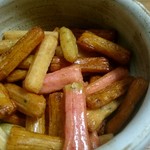
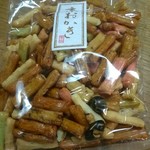
After leaving Sanjo Wakasa-ya, I returned to the back alley and headed north towards Nijo Castle. As I approached Oike Street, I noticed a shop that seemed to be a senbei (rice cracker) shop. It looked familiar, I think I heard about it from one of my followers who visited here. So, I decided to stop by and try some senbei. The shop owner kindly let me sample "Kyoto arare" and "Kyoto okaki", which I ended up buying. I enjoyed them at home later. The flavor was excellent - not too strong, not too salty, and no unpleasant aftertaste. This is truly delicious. I realized once again that Kyoto is full of hidden gems like this. This is why I can't stop visiting Kyoto. The continuation of my 2017 summer trip to Kyoto, Day 2, will follow.

京夏終空
3.50
Established in the 5th year of Taisho era, this popular local shop specializes in "Miyako arare" (Kyoto-style rice crackers). I'm not exactly sure about the definitions of "Miyako arare" and "Kyoto arare," but I remember trying the arare from this shop for the first time over 40 years ago. As a resident of Uzumasa, I would pass by this shop on Oike Street when taking the bus to Sanjo Keihan. The memories are vivid, especially with the bus stop "Kensenen" nearby. I heard that this shop used to make arare using water from Kensenen, which added a sacred touch to the sweets. The classic white soy sauce "Oshiroyaki" is a must-try. The "Takasegawa" with premium soy sauce is also delicious. And don't forget the "Oni Sansho" with premium soy sauce and sansho pepper. The "Ameshoyaki" and "Nori Maki" are also delightful. But the real gems are the "Ajimatsuba" and "Ebi Salad." Despite being considered unconventional, they surpass the mayonnaise and shrimp salt flavors. These are true confections. If we were to categorize them, the former could be called "Kyoto okaki" and the latter "Kyoto sweets." However, we don't eat based on names or classifications. We eat based on our emotions and desires. The "Kyoto" label may complicate things. Wait, my name is... (-_-;) (Written by Kyonatsu Shuusora, August 13, 2017)

forever friends
3.70
I visited Higashi-Saka Senbei, a traditional rice cracker shop, after visiting another shop called Tirol. I was attracted to this place after reading Albo's review. While I usually review sweet Western and Japanese sweets, I actually prefer rice crackers over sweet treats. This shop has been around for about 100 years, so I was eager to visit. I called ahead to confirm their opening hours since they have irregular hours. An elderly lady answered the phone and let me sample some rice crackers while I made my selection. Most of the rice crackers were priced at 250 yen per bag, which was quite reasonable. I ended up buying three bags: shrimp, mayonnaise, and a mix. The shrimp flavor was subtly salty and had a nice shrimp aroma. The mix included soy sauce, seaweed-wrapped crackers, sesame crackers, and ones with blended seaweed. My favorite was the mayonnaise flavor, which had a delightful aroma and a slightly Western twist. While I enjoy sweet treats, I still prefer rice crackers. When I visit Kyoto, I will make sure to stop by more traditional rice cracker shops like this one. Thank you for the delicious treats!
アルボス
3.60
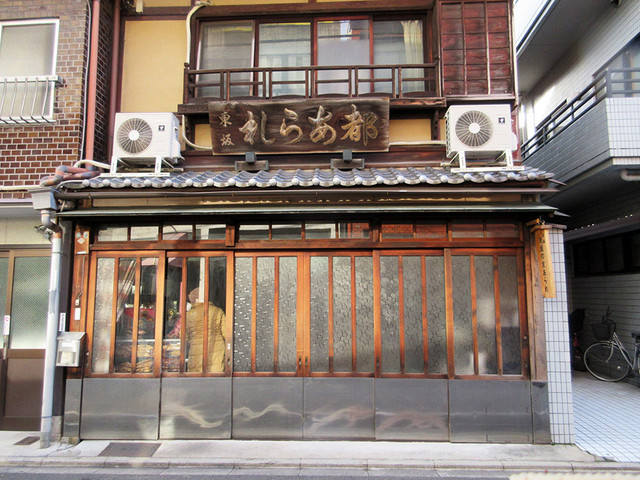
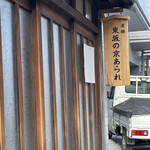
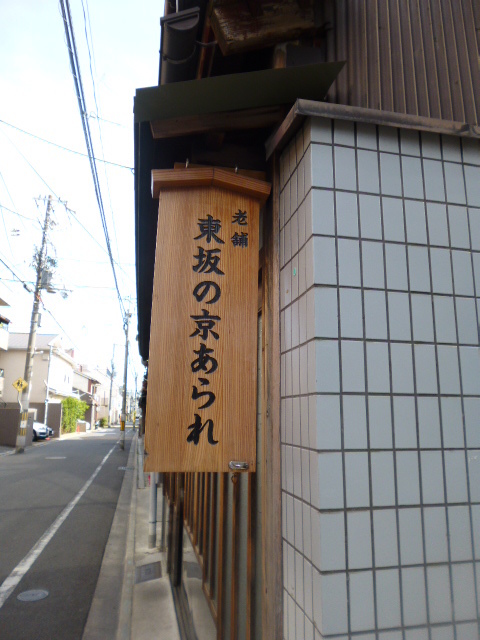
On a cold January afternoon, I came across a traditional townhouse near the famous arcade shopping street of Sanjo-kai in Kyoto, heading towards Nijo Castle. The house had a signboard that read "東坂 れらあ都" on the tile roof, and "老舗 東坂の京あられ" on the noren curtain. Intrigued, I decided to enter the shop, where an elderly lady greeted me and offered some delicious samples of rice crackers. I ended up buying three different types of rice crackers, which exceeded my expectations in terms of taste.
The shop, which has been operating since 1916, follows a traditional hand-baked style for making their Kyoto-style rice crackers. The sales are done face-to-face through a small glass case, giving it a nostalgic charm. I purchased the following rice crackers for takeout:
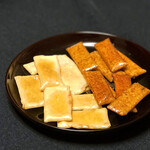
- Castle Baked (approx. 80g for 250 yen): A light rice cracker seasoned with white soy sauce, showcasing the quality of the soy sauce and rice used.
- Flavored Matsuba (approx. 80g for 250 yen): A unique mayonnaise-flavored rice cracker recommended by a local lady, with a perfect balance of mayonnaise and salt.
- Senmai (approx. 80g for 250 yen): A soy sauce version of the Castle Baked rice cracker, with a rich soy sauce flavor that pairs well with beer.
Each rice cracker is hand-baked with a focus on preserving tradition, distinguishing them from mass-produced products. The shop is adorned with numerous awards, reflecting the high praise for their rice crackers. With reasonable prices and a rich history dating back to 1916, this hidden gem is worth a visit for those exploring the area near Nijo Castle and the famous Sanjo-kai shopping street.
Email Login