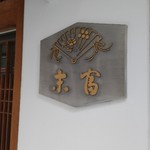
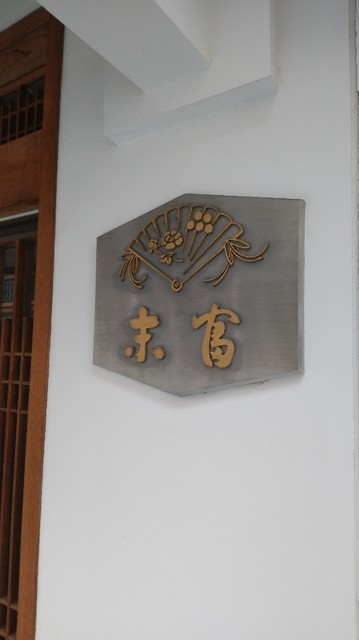
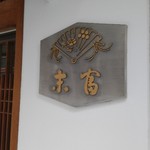
末富
Suetomi ◆ スエトミ
3.37
Kawaramachi, Kiyamachi, Ponto-cho
「Japanese Sweets」
--
--
Opening hours: 9:00-17:00
Rest time: Sundays and holidays Business hours and holidays are subject to change, so please check with the store before visiting.
京都府京都市下京区松原通室町東入ル
Photos
(20)
Details
Reservation Info
can be reserved
Payment Method
(credit) card accepted
Comments
(20)

mio_wagashi_love
4.60
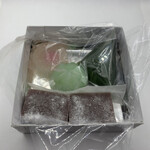
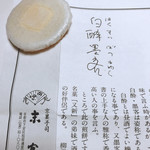
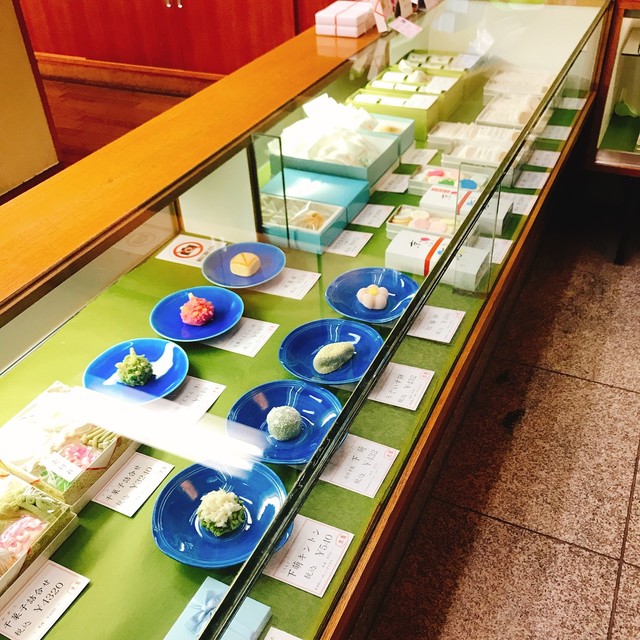
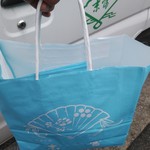
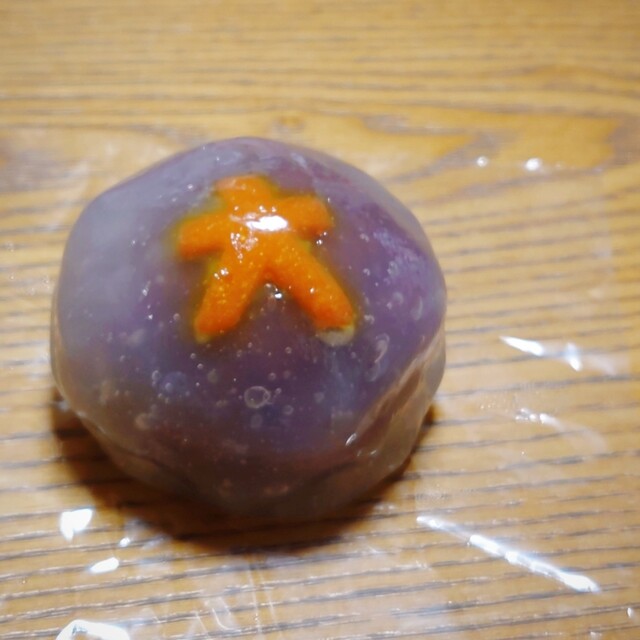
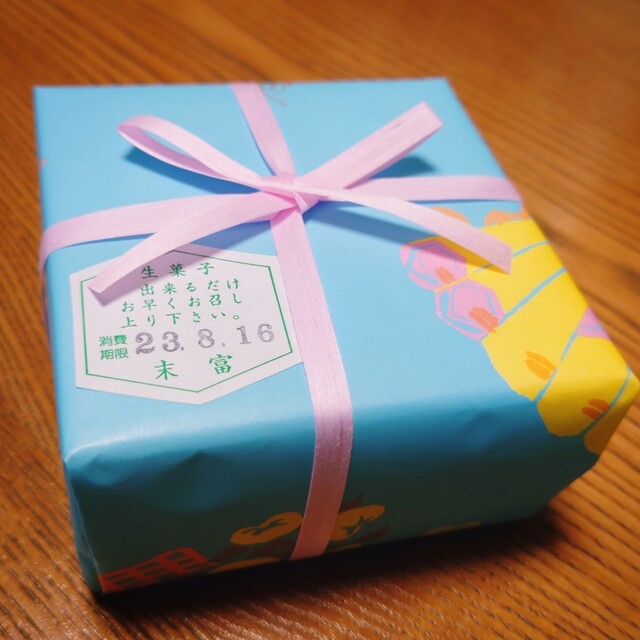
In Kyoto, the Gozan no Okuribi event is taking place. I decided to get some Japanese sweets from Suetomi to enjoy the occasion. I have posted more details on my Ameblo blog, so please check it out here: "Kyoto - Enjoying the Gozan no Okuribi with Japanese Sweets | mio's Food Diary +α" The packaging is famous for its "Suetomi Blue." I tried the Japanese sweet called "Okuribi," which had a subtle and elegant taste. Their sweets are always truly wonderful. It seems they have recently opened a new café as well. It's nice to see Japanese sweets evolving.

時刻表2万キロ
4.00
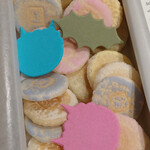
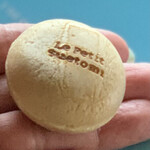
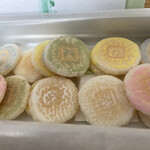
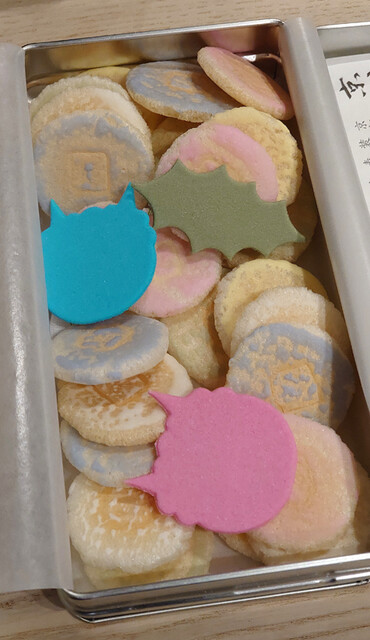
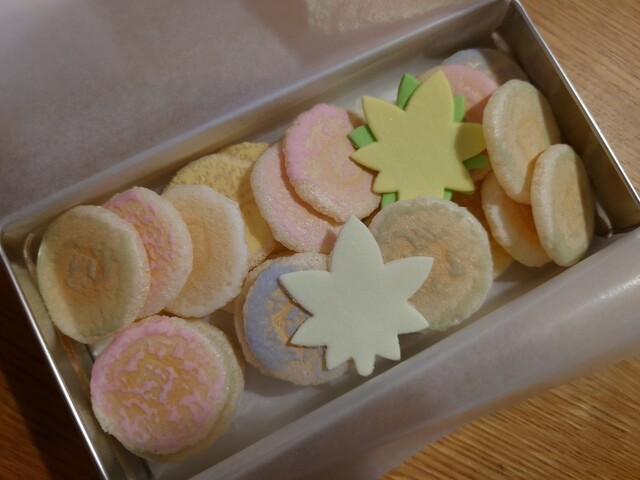
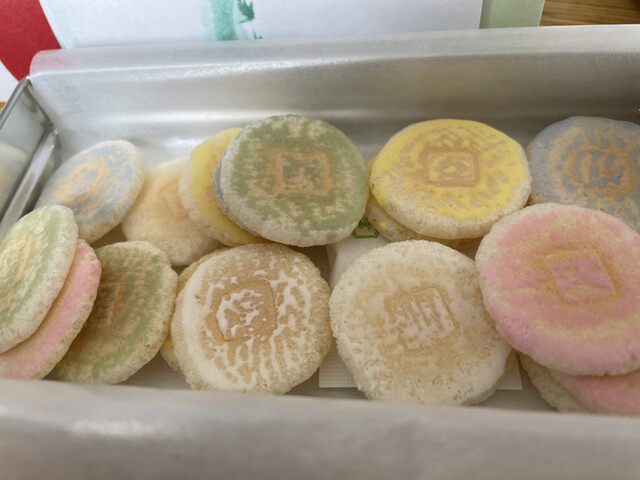
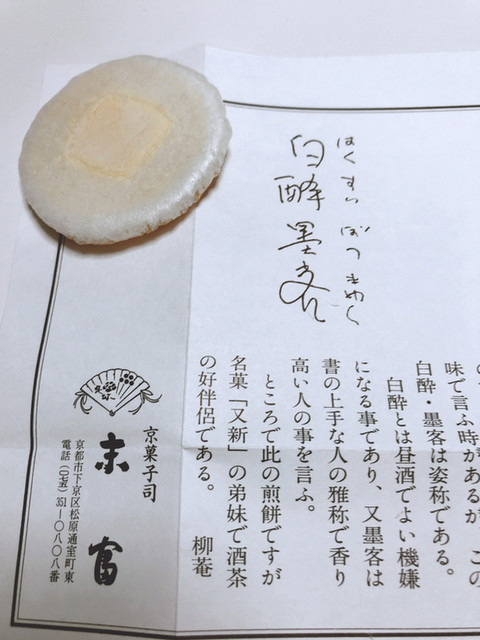
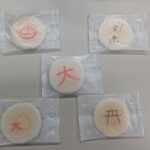
Endowed with a reputation as a prestigious traditional Japanese confectionery shop, Suetomi-san has elevated its status in the industry by incorporating the innovative "Suetomi Blue" wrapping paper designed by the renowned Japanese painter Ikeda Haruson, due to a close relationship with the previous generation. Visiting the main store on Matsubara Street, I purchased a 5-piece mini senbei and a baked fu featuring the Gion Festival fireworks motif. Even though they are mini, you can choose between smooth red bean paste and coarse red bean paste, and mix and match. The carefully selected bean paste flavor spreads in the mouth along with the crispy texture. The baked fu has a subtly sweet taste, with cute designs of boat shapes and torii gates.

いけずな京男
3.70
In three days, I plan to go on my annual trip to Tohoku by car, with the first destination being Akita Prefecture. I am thinking about what kind of gift to bring for a close elderly couple who are farmers. The old man thought about it, drawing on all the experiences in his life. I thought about bringing Kyoto-style sweets like Mizu Yokan, but it might be too heavy in this heat. On the other hand, Western-style sweets might not be suitable. I saw some light Senbei rice crackers at the famous store Matsutomi, with a cool Matsutomi blue packaging. There was a small Senbei rice cracker with the characters of Gion Festival on it displayed at the store. This might be a good match for a countryside tea snack. I will also add some Wambo sugar and matcha pudding from Yoshinaga as the main gift. Bringing gifts can be difficult.

mio_wagashi_love
4.60
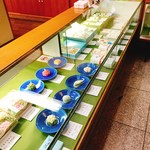
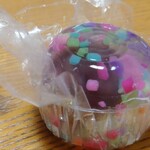
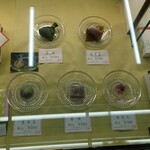
I had been curious about Suetomi for a while, and miraculously happened to pass by it, so I decided to go in! This time, I tried their fresh sweets. The texture was jelly-like and firm, not too sweet, and had a very elegant and refined taste. At Takashimaya, you can only buy fresh sweets in sets, but here I could buy just one! The price is a bit high, but it is definitely worth it for the quality of this traditional Japanese sweets shop. (*¯꒳¯*)

京きのこ
3.70
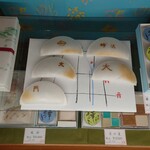
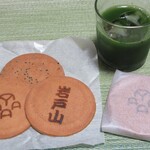
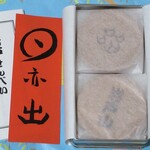
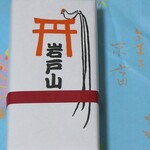
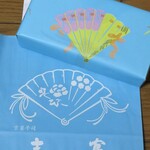
At the Iwatoyama pre-festival of the Gion Festival, some of the floats prepare confectionery as gifts. One of these is the elegant-tasting egg senbei, where three pieces come in a bag and there are four bags for 1500 yen. Although I thought it was a bit pricey, it is a limited edition item. When I checked the label on the candy tin later, I found out that it is sold by Matsumi, but manufactured by a senbei shop near my house, which made me feel a bit surprised. It seems like Matsumi also has this kind of consignment manufacturing.

Apple Pink
3.70
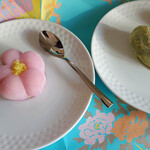
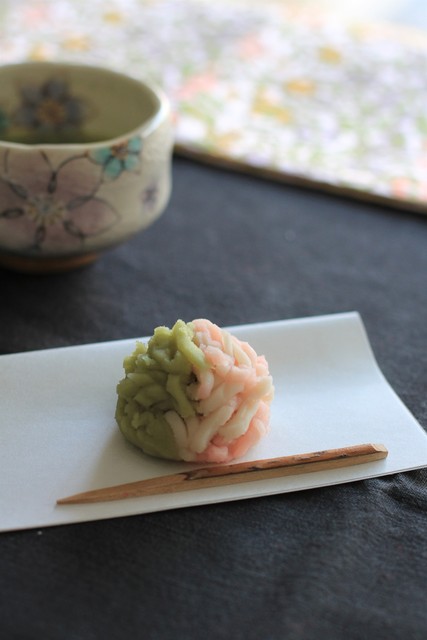
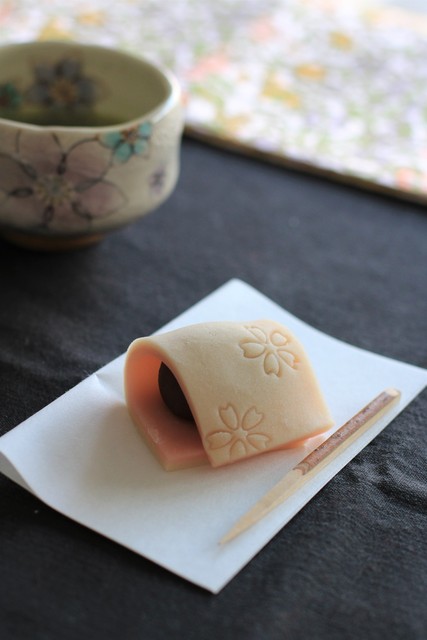
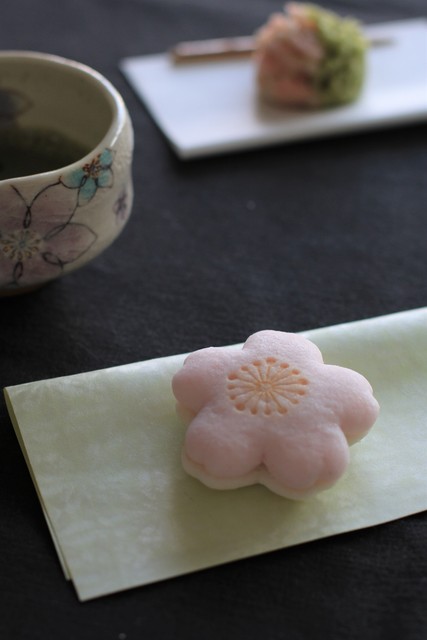
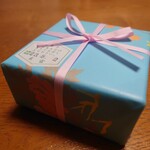
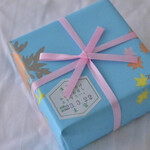
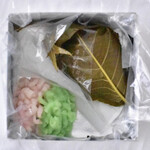
I received this from a friend. Speaking of Suetomi, it is known for its beautiful wrapping paper called "Suetomi Blue," which has now become the trademark of the store. The seasonal wagashi that expresses the "changing seasons" of Kyoto changes with the seasons. The wagashi that was perfect for spring was chewy and very delicious.

dulce1994
3.90
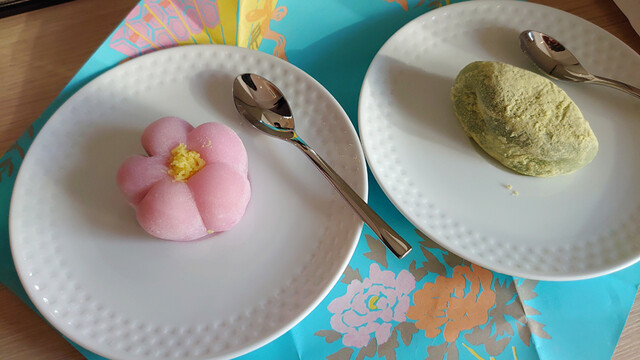
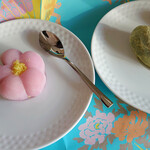
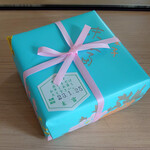
I found Mr. Suetomi right near my hotel, so I took the opportunity to buy some traditional Japanese sweets. I got the Red Plum Rice Cake for 540 yen and the Nightingale Rice Cake for 486 yen. They were packed in cute boxes and I enjoyed them in my hotel room. They were a bit bigger than I expected, but they were so delicious that I finished them quickly. For souvenirs, I bought the Kyoto-exclusive Kyoto Fuusen for 1,620 yen and the Usubeni (6 pieces) for 1,296 yen.
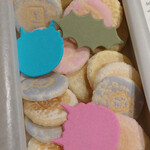

hardrive
3.50
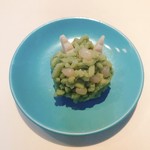
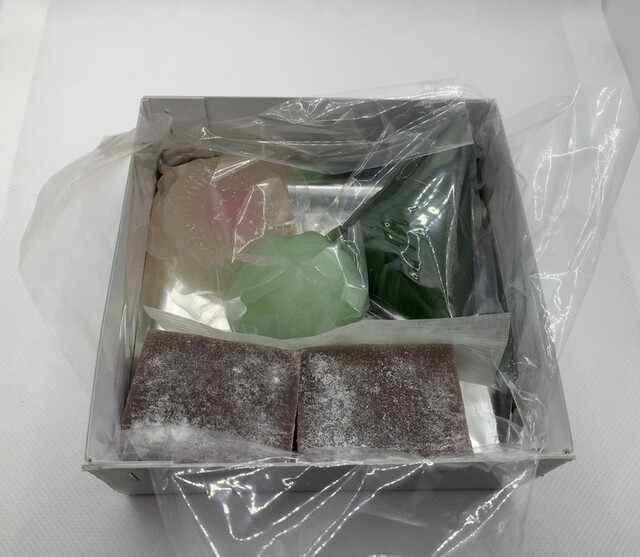
This time, I purchased the following four items: 1) Sasa-tsutsumi: Dojoji 2) Kuzuyaki: Kuzu 3) Nadeshiko: Kuzu 4) Koke-shimizu: Kuzu. Perhaps due to the season, there are many Japanese sweets using "kuzu." However, each of items 2) to 4) has a different texture, allowing you to enjoy the unique qualities of each one.
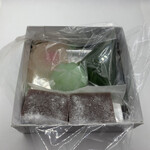
nishi786610
3.80
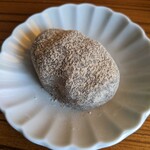
- The Tangyuan has a chewy outer layer with sweet red bean paste inside. The purple color is light and beautiful.
- The Mochi with wheat flour has a fragrant taste of roasted soybean flour. The mochi is soft.
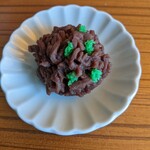
- The Sanae Kinton has black sugar sweet potato paste with white azuki bean paste inside. The sweet potato paste is moist and soft.
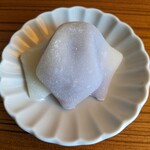
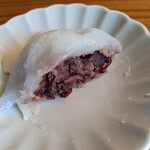
hardrive
3.70
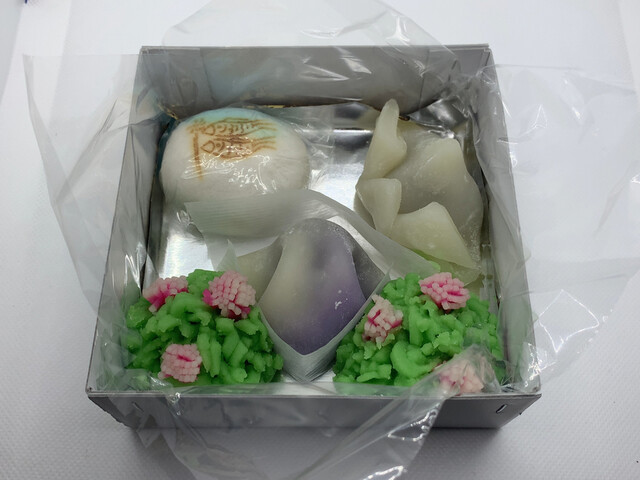
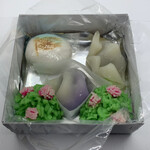
I bought and ate "sakuramochi" in early April and really liked the taste of the sweet white bean paste. So this time, I purchased ① kashiwamochi (sweet white bean paste), ② karaumi (mochi skin), ③ kabuto mochi (mochi skin), ④ tsutsuji (sweet potato paste), ⑤ koinobori (taro). Following sakuramochi, I also enjoyed the taste of kashiwamochi's sweet white bean paste.

SELUNO
0.00
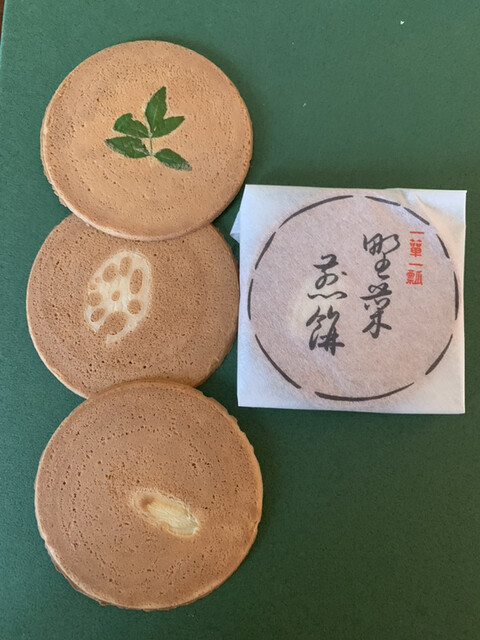
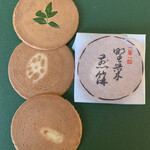
I had a set of three types of senbei crackers: burdock, sansho pepper, and lotus root. It cost 3996 yen and is a flagship product from the Meiji era established in 26th year. The senbei crackers are filled with sweet and salty plum paste and are crispy and delicious. The plum paste adds a nice sweetness to the slightly salty senbei crackers. It's a traditional snack from the old days when people craved sweetness. The texture of the senbei crackers was crunchy and tasty.

ごろごろはっちゃん
3.30
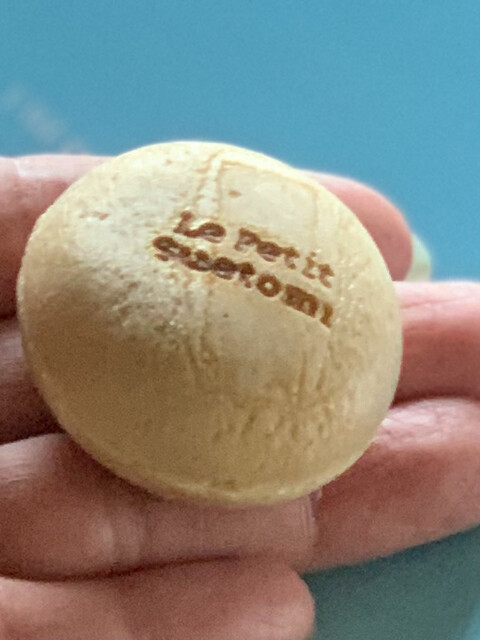
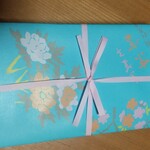
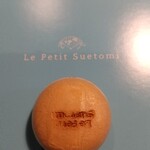
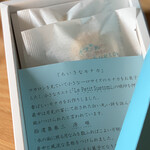
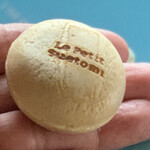
Mr. Suetomi's sweets are often received as souvenirs. Probably because, despite the shop's name value, they are small, light, have a slightly long shelf life, look beautiful, and are reasonably priced, making them suitable for souvenirs. Usubeni or Kyoto-style balloons. They all have a light, fragrant texture like fu-yaki. In a way, they are truly Kyoto. The vivid blue packaging paper with floral patterns and pink string makes them look cute and Kyoto-like, which alone makes you happy. This time it's "Small Monaka". They are truly small, bite-sized. A pack of 5 individually wrapped pieces for 972 yen. It's nice that three out of the five are smooth red bean paste and two are coarse red bean paste. The Le Suetomi logo is playfully engraved, and when you eat it, the rich aroma of fu-yaki spreads throughout your mouth. The red bean paste is delicious, but the aroma of fu-yaki is so strong that it feels like this sweet is meant to savor that. Despite being small, it's satisfying. It would be nice to have it with coffee, not Japanese tea. Just meeting the conditions for a good souvenir is impressive, but Mr. Suetomi manages to express the Kyoto essence while maintaining a certain level of taste. I feel like they have a strength in that.

名古屋の食いしん坊
3.50
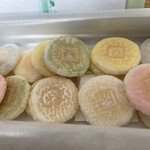
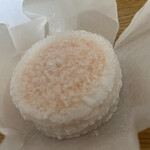
I received a souvenir from Kyoto. It was a sophisticated sweet that goes well with matcha and strong green tea. It might have been a bit too sophisticated for me. It contained both usubeni, double-layered, and dorayaki with smooth and chunky red bean paste. The packaging was beautiful, and the can can containing usubeni could be useful for something else. I really enjoyed the delicious treats.

美味しい林檎
3.50
I visited Mr. Suetomi after a long time and was looking forward to what they had. I wanted to eat manju. I bought three types:
- Hagi Manju (400 yen excluding tax): Made with green-colored Do-Myouji and red beans sprinkled on top, resembling hagi flowers. It was delicious and had a beautiful color.
- Naruko (430 yen excluding tax): It was a delicious manju.
- Dorayaki (350 yen excluding tax): Surprisingly, the anko filling is delicious. The price is reasonable, and the packaging is cute. Visitors from other prefectures would be pleased.
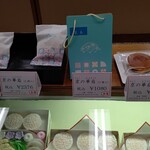
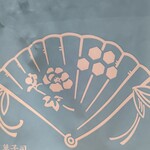

Akio I
3.80
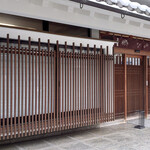
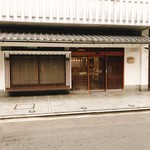
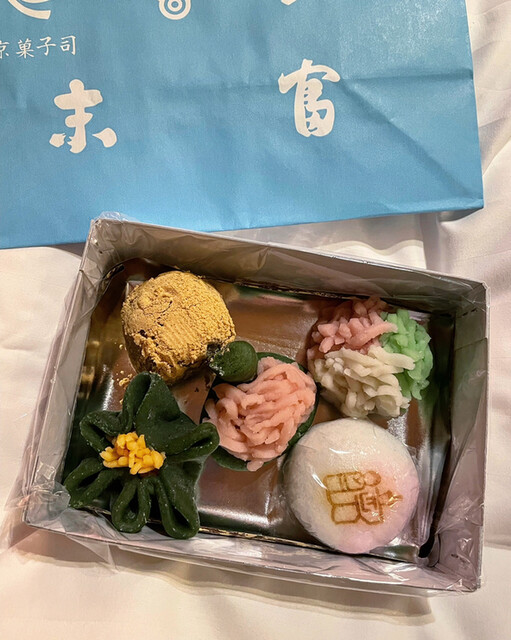
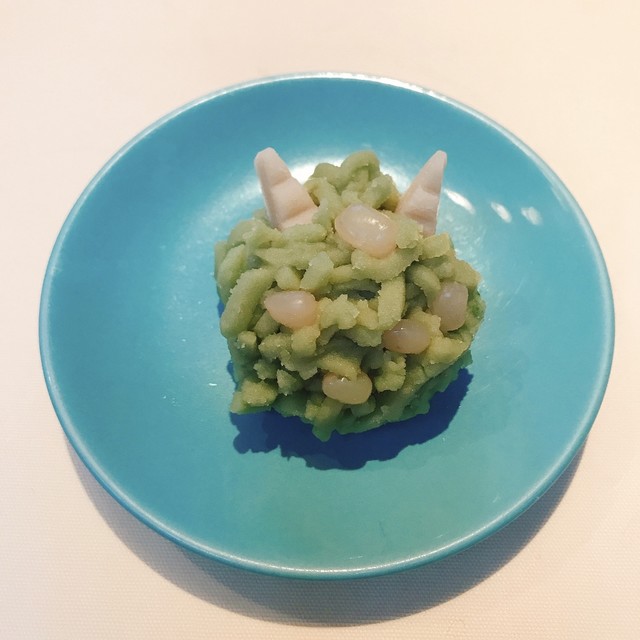
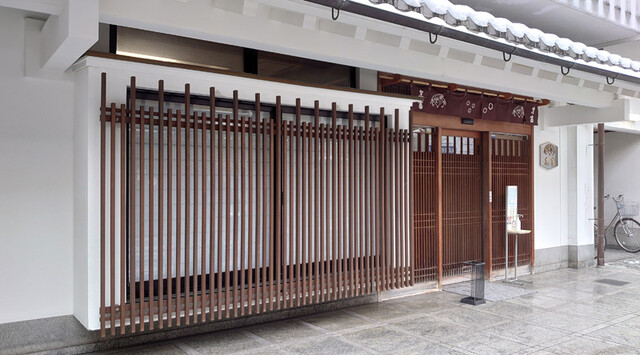
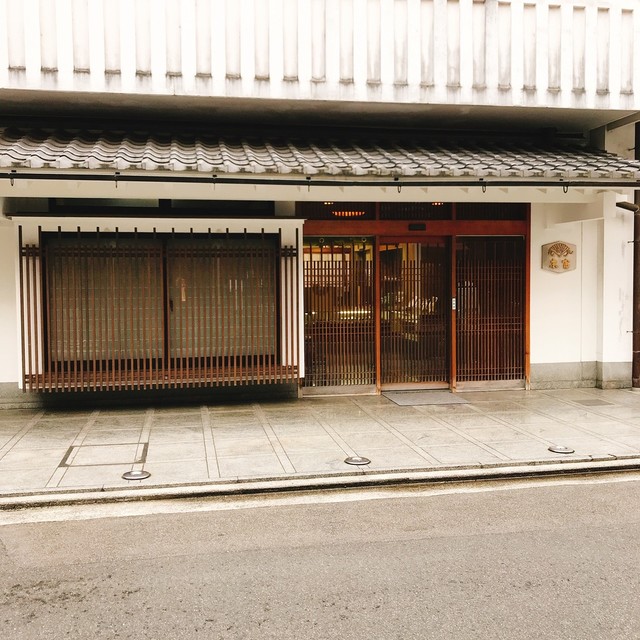
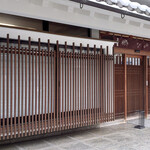
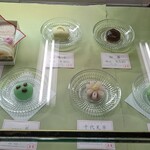
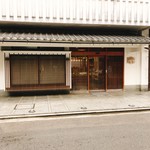
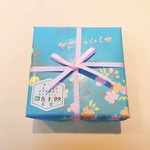
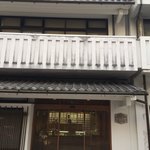
Located a little west of Karasuma on Matsubara Street, this shop is on the first floor of a building. Despite its imposing appearance, I mustered up the courage to enter. I asked the staff for their recommended sweets and ended up buying four. The service was very polite. Back at home, I carefully examined the wrapping. The famous light blue wrapping paper was very lovely. Upon opening it, my family and I each chose one to eat. I chose the "Oni no Kinton" (demon's sweet potato) in preparation for Setsubun, which is just around the corner. The green demon even has horns growing out of its head, making it look like it's been hit by beans, which made me laugh. The taste was elegantly sweet.

risotada
3.40
I received this souvenir from Kyoto. First of all, it looks really cute. It's the kind of thing that would make a woman's heart flutter (lol). As for the taste, it's truly Kyoto-like, with a gentle flavor. It's light, so you can keep eating more and more. There are many shops like this in Kyoto.

black631650
3.80
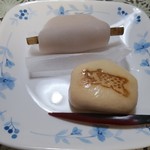
"In a word, elegant" - that is the impression I have of the New Year's wagashi (traditional Japanese sweets) from "Suetomi" that I received this time. "Suetomi" is considered one of the finest wagashi served at tea ceremonies in Kyoto. Personally, I have used the stores in Kyoto and Takashimaya before, but this was my first time at the main store. Additionally, this was my first time purchasing fresh wagashi. The New Year's sweets I purchased this time were "Hanabiramochi" and "Jyonya Manju." Hanabiramochi is a traditional New Year's sweet in Kyoto, filled with white miso and sweetened burdock. The flavor of miso varies depending on the store, but here, the miso was not overpowering and had a very elegant taste. Among all the wagashi I have tried, this is definitely top-notch. On the other hand, Jyonya Manju is a manju shaped like an ema (wooden plaque) with a boar brand. The skin and filling are delicate and have a gentle flavor. The sweets at this store are among the most expensive in Kyoto confectionery shops, and they do not usually sell individual pieces, making it difficult to use them frequently (I am the same). However, for those who want to indulge a few times a year or those looking for truly delicious Japanese sweets, please give it a try.

mocopan
3.00
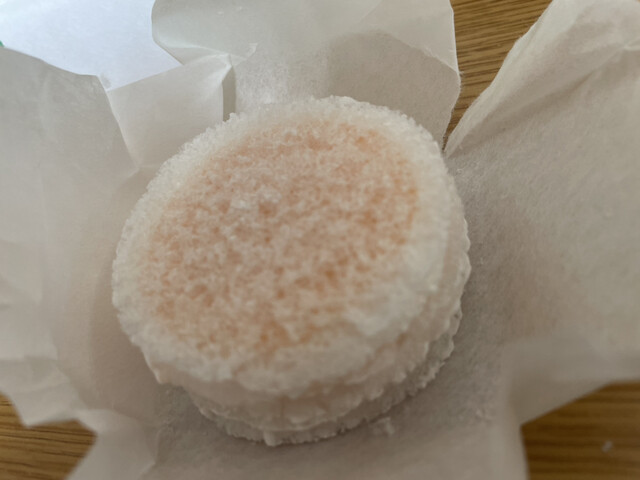
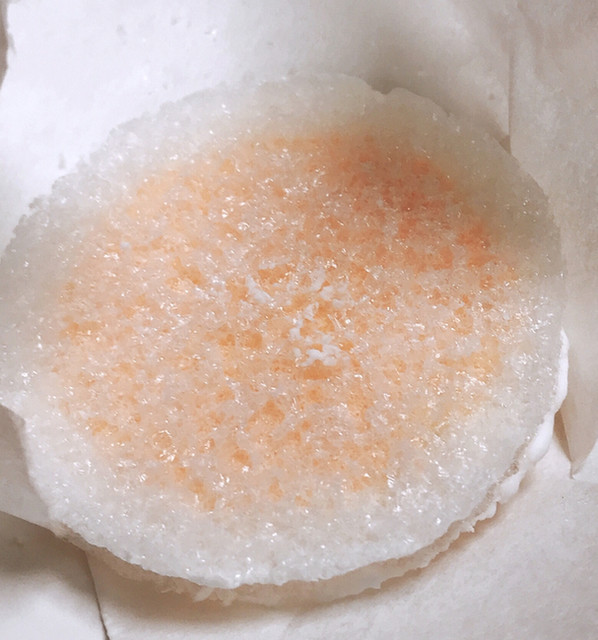
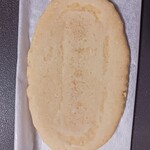
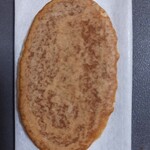
I received a souvenir of 22 pieces of "ryo-han" senbei for 3240 yen (tax included). They were light, sweet, and elegant. However, considering the price, they may be a bit expensive for the amount you get.

スーパーホワイト
5.00
Oh, it's been 2 or maybe 3 years since I last wrote a review on Tabelog. I'm planning to restart slowly and casually. Speaking of Kyoto, you can't miss traditional Japanese sweets, and when it comes to that, Suetomi is the best. Sure, there are other famous shops too. What? Kawabata Douki? Well, that's good too, but you need a reservation, right? In my mind, Suetomi is the ultimate choice for Japanese sweets. So, after the New Year, feeling the fresh start of the year, I tried their Hanabiramochi. It's a unique combination of burdock root and miso paste that may be hard to understand for some people, even modern Japanese. But trust me, it's delicious. The soft and elegant mochi with the refined white miso and cooked burdock root creates a sophisticated flavor. It's a bit pricey at over 700 yen per piece, but totally worth it. I looked up the origin, and it seems to come from a New Year's celebratory meal called Hishihanabira, and Kawabata Douki, the prestigious confectioner, is said to have originated it. So, I might make a reservation for next year's New Year. What? 1500 yen per piece? Maybe I'll stick with Suetomi after all (laughs).

tetsu295219
3.50
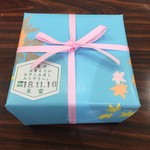
The cute color scheme of Meisai sweets, with a refreshing packaging paper called "Matsutomi Blue," exudes the essence of traditional Japanese aesthetics.
Email Login