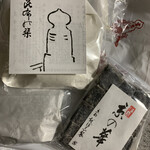
ぎぼし
Giboshi
3.39
Kawaramachi, Kiyamachi, Ponto-cho
「Japanese Sweets」
--
--
Opening hours: 9:00-17:30
Rest time: Sundays and holidays Business hours and holidays are subject to change, so please check with the store before visiting.
京都府京都市下京区柳馬場通四条上ル
Photos
(20)
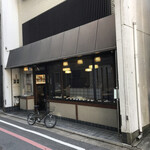
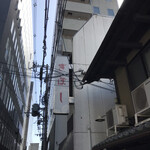
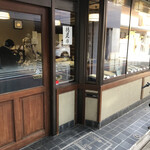
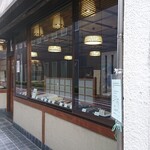
Details
Reservation Info
No Reservations
Payment Method
Credit cards accepted
Electronic money not accepted
Private Dining Rooms
None
Smoking and Non-Smoking
No smoking at the table
Parking
None
Comments
(20)

Schnitzel
3.70
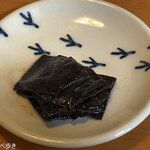
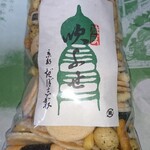
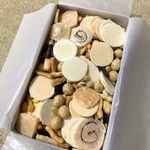
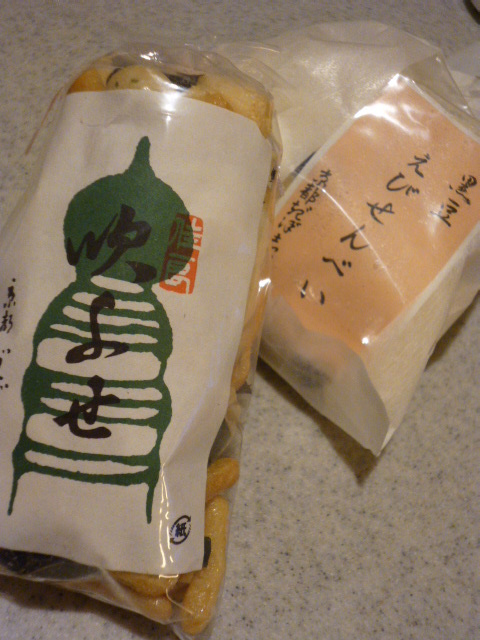
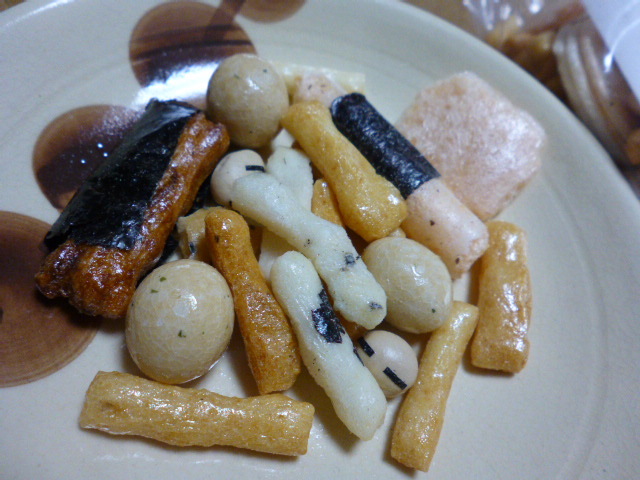
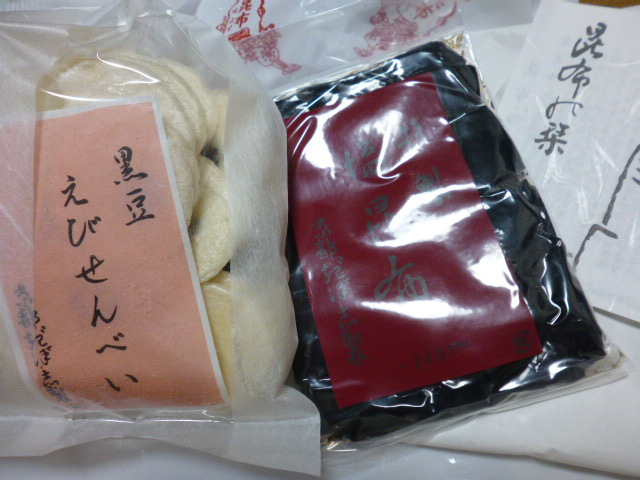
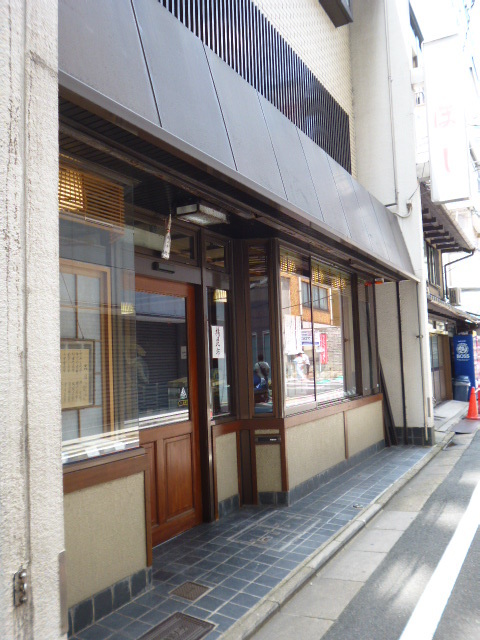
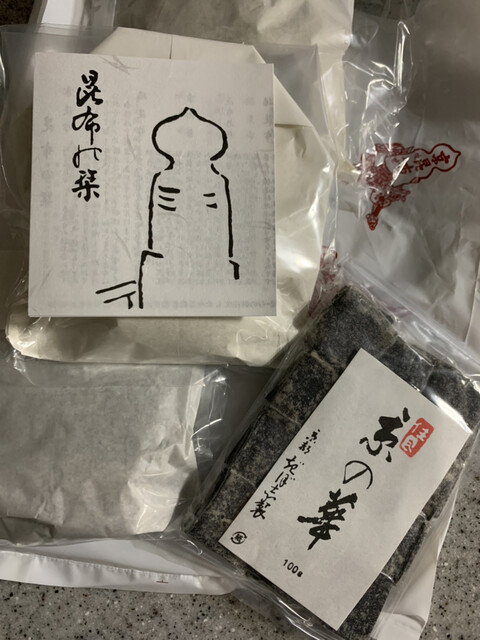
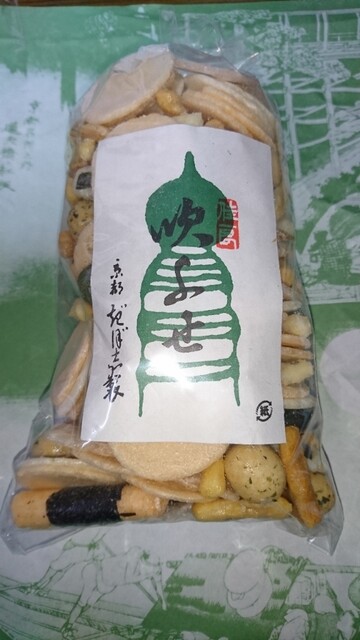
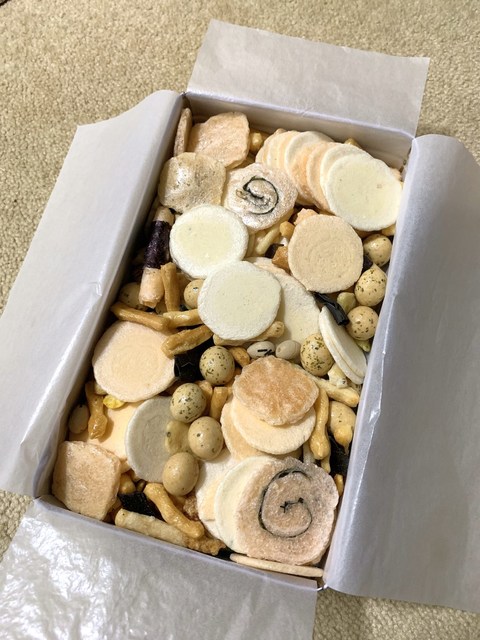
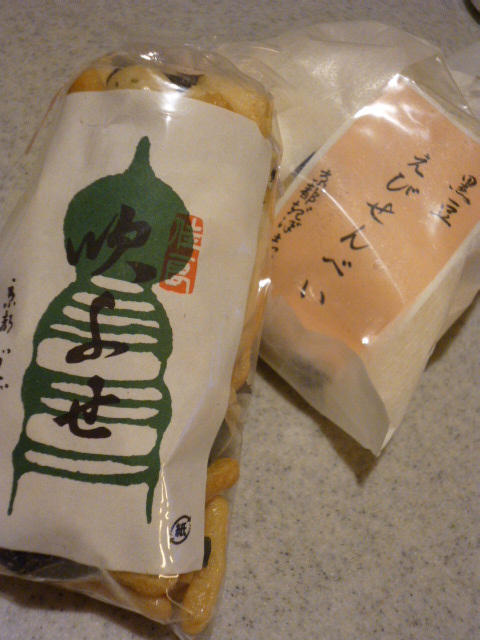
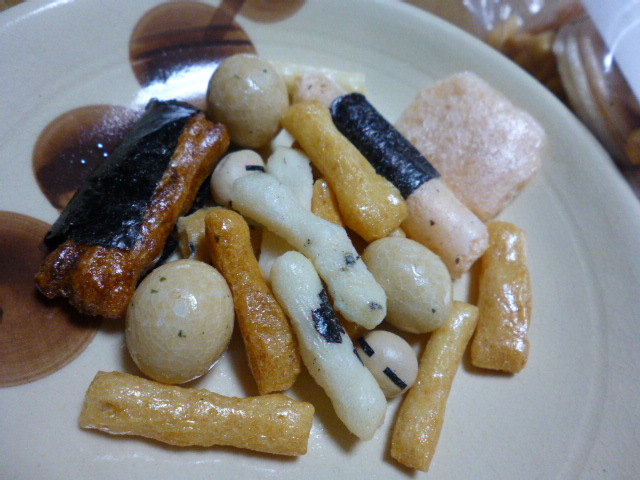
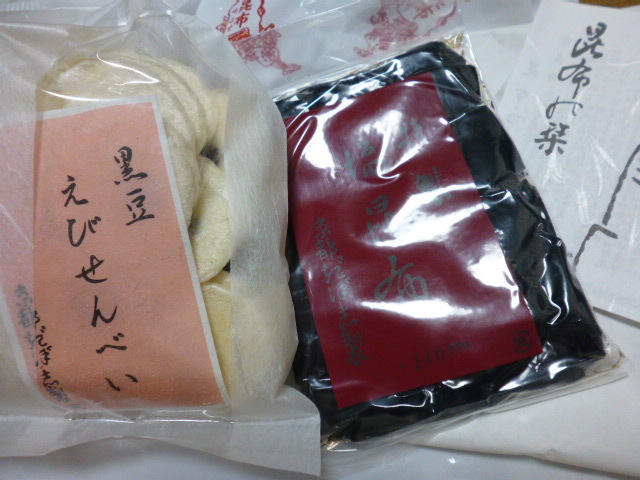
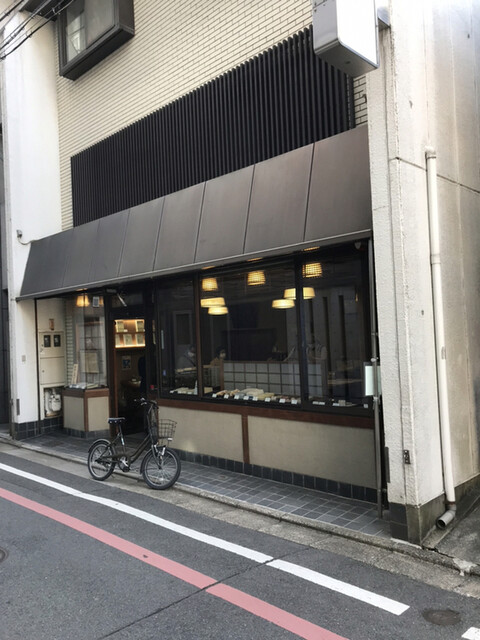
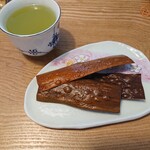
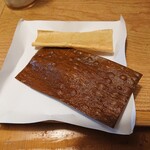
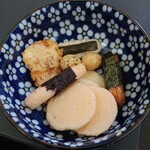
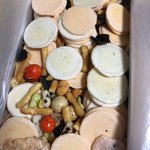
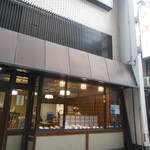
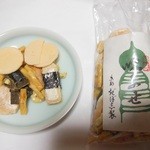
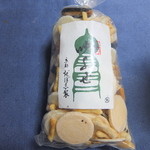
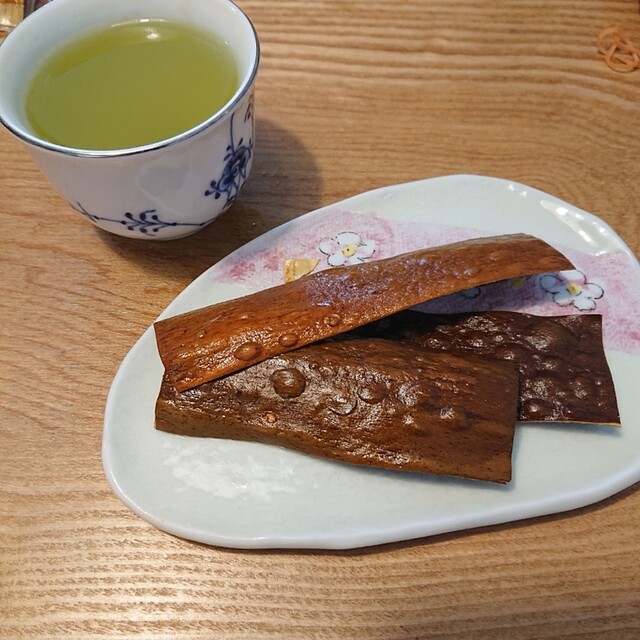
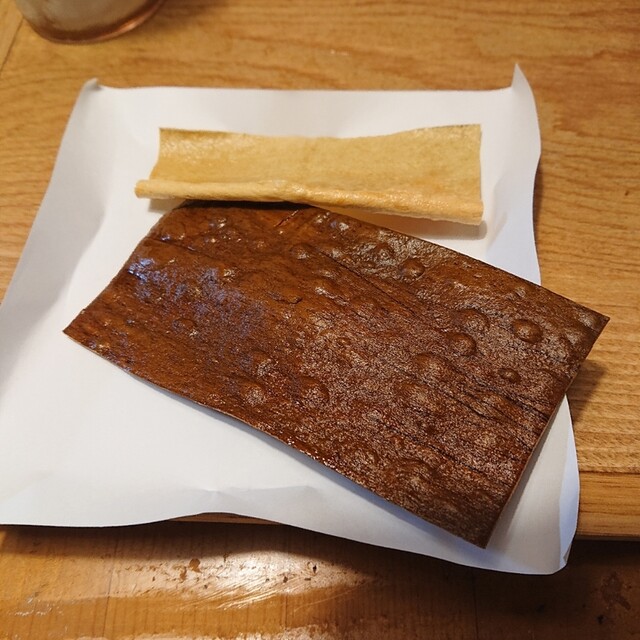
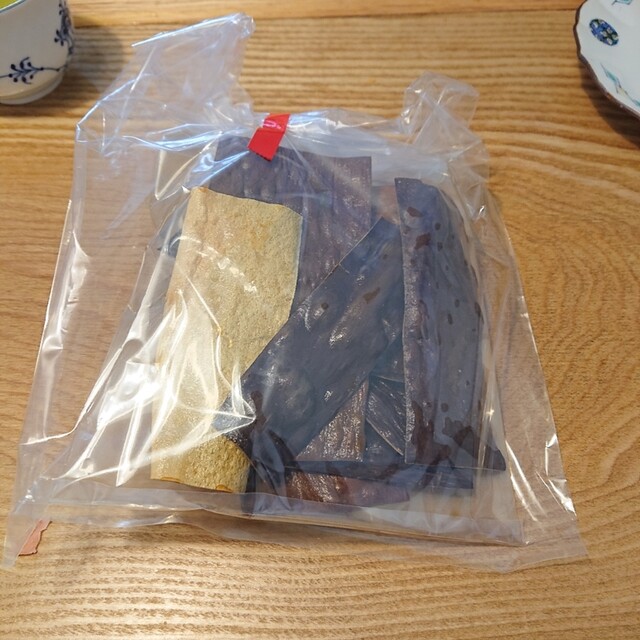
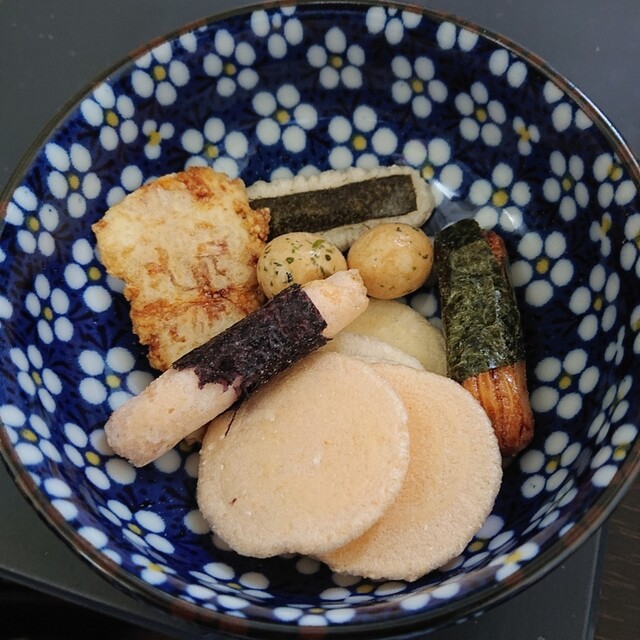
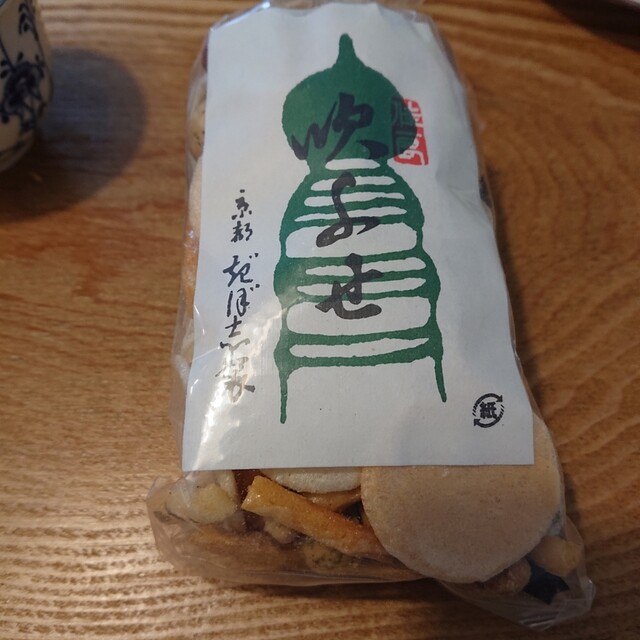
The fourth stop on the food sourcing and grave visit trip in Kyoto after visiting the pickle shop in Gion, sushi restaurant in Shin Kyogoku, and tofu shop in Nishi Kiya-cho is this seaweed specialty store established in the early Meiji era located between Shijo-dori and Nishiki Market on Yanagimachi-dori. They offer various types of seaweed such as shredded seaweed, powdered seaweed, dashi seaweed, salted seaweed, and finely cut seaweed, as well as a specialty snack called "fukiyose" which is a mix of over 20 ingredients including shrimp senbei, seaweed, and beans. The fried seaweed, which I have purchased before, is a delicious treat with a crispy texture and rich umami flavor. The fried seaweed comes in various thicknesses and colors, each offering a unique taste. During this visit, I was specifically looking for the fried seaweed, and although there was a limit of two bags per person, I decided to purchase two bags and also bought the famous "fukiyose" snack. The fried seaweed was as delicious as I remembered, offering a variety of textures and flavors. The "fukiyose" snack, similar to Niigata's Kamada Seika's "Tsumami Tane," was more refined and included subtle accents like one or two pieces of shrimp senbei, squid tempura, and curry-flavored beans. It was a mystery why a seaweed shop would produce such a snack, but it was definitely a good purchase. This time, I visited Kyoto for a day trip on a Saturday, and fortunately, none of the places I visited were closed. It seems like Saturdays are the best days to visit Kyoto.

tabe-aruki
3.50
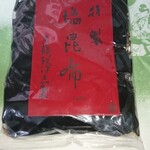
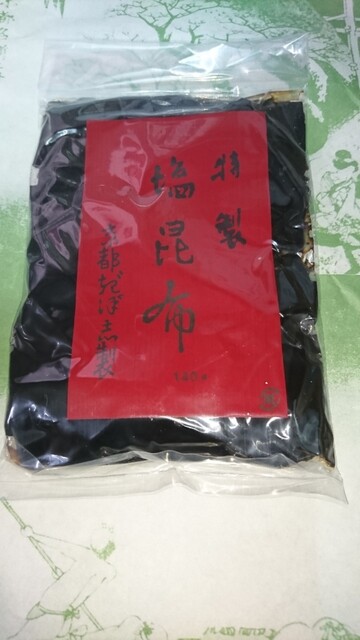
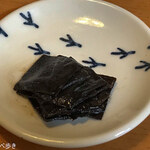
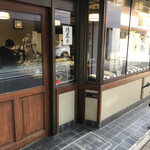
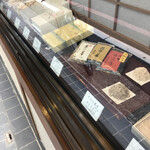
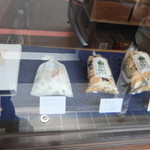
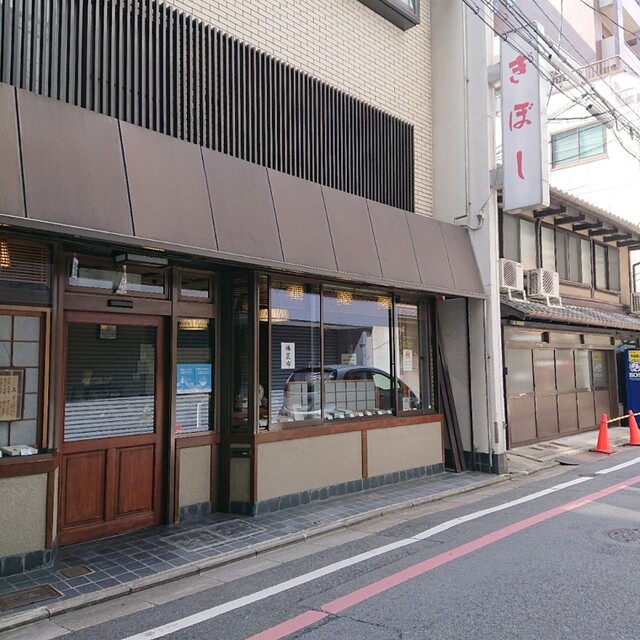
The shop might be closer to Shijo or Karasuma Station than Kawaramachi Station. I stopped by because I saw "Shin Sansho" displayed at the storefront and wanted to buy a souvenir. The shop has a grand appearance that may seem intimidating, but it is actually very friendly. I bought salted kelp and vinegar kelp. The vinegar kelp had a soft acidity and the umami seeped out as I chewed. A gentle acidity that even my daughter, who doesn't like sourness, enjoyed. And the salted kelp. They carefully wrapped it even though it was displayed in small packages at the storefront. It's a 140g package, so it's quite substantial. The prickling sensation of the mountain pepper and salt, as a side dish for rice, there may be nothing better. You can see the mountain pepper in the gaps of the kelp, giving a refreshing feeling. I initially thought the salt might be too strong, but as I ate it with rice, I started to taste the umami of the kelp and the sweetness of the rice. This kelp might also go well with Japanese sake.

びっくりジャンボ
3.60
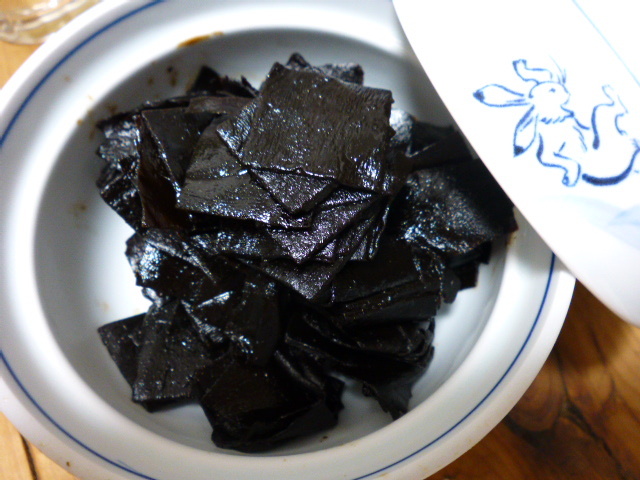
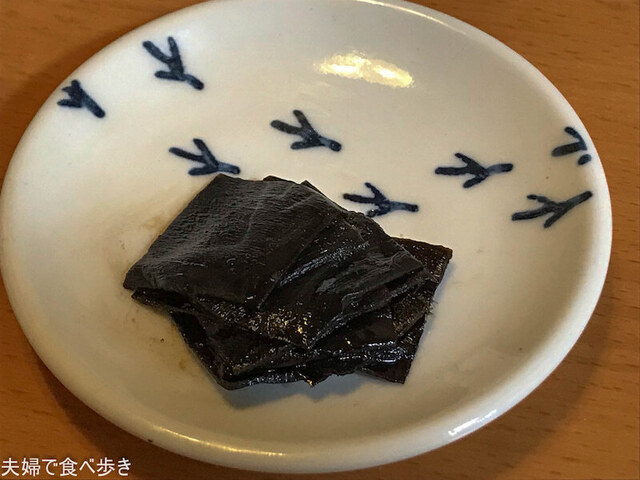
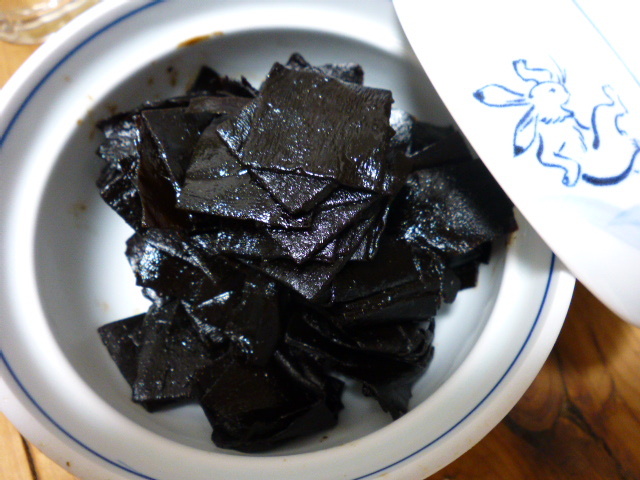
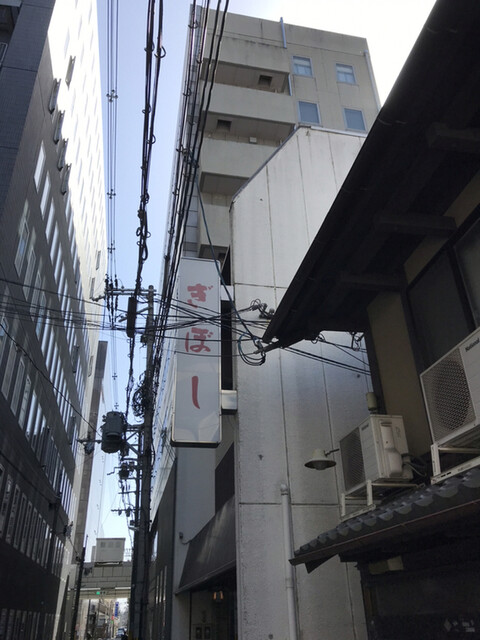
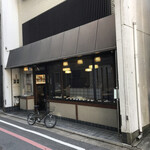
Located a 6-minute walk from Shijo Station on the Kyoto Municipal Subway, this shop has no parking lot. Established in the early Meiji era, it is a long-established specialty shop for kelp in Kyoto. Tucked away between buildings, the shop is always bustling with customers. Despite the small number of products, the shop exudes elegance. A great item to try at this shop is the fried kelp for 500 yen (excluding tax). Kelp fried in sesame oil, it is surprisingly delicious. It can be enjoyed on its own or as a snack with alcohol. It's like kelp potato chips. If you haven't tried it yet, be sure to give it a try.

紫陽花の朝
3.50
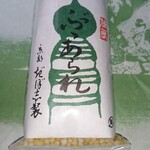
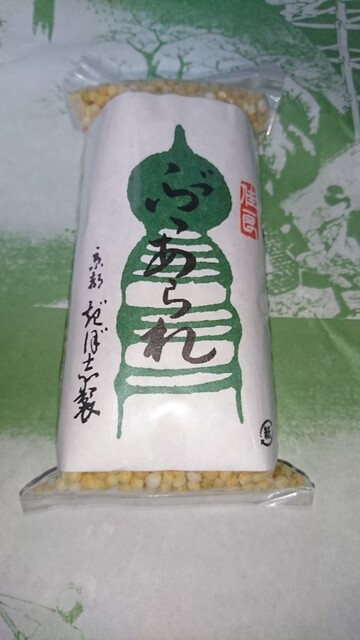
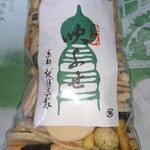
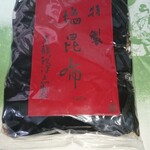
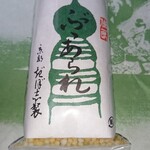
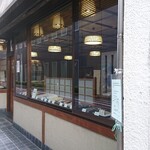
On the way back from the parking lot, I also stopped by here. I have passed by many times before, but it was my first time inside the store. I tried the 180g Bubu Arare with a little salted kelp. The Bubu Arare includes senbei and arare, so you don't get tired of eating it. The salted kelp was also just right in terms of saltiness. It's a hidden gem of a store, but definitely a good one!

tohei582
4.00
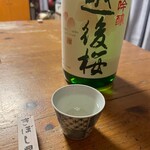
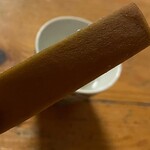
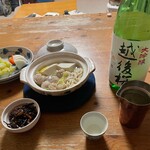
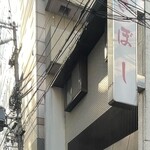
At Giboshi on Gionmachi Shijo, the vinegar kelp is not ordinary kelp, it's Giboshi! Enjoying it with a glass of Daiginjo Echigo Sakura. Oh, and they also serve chicken dumplings. #Giboshi #Kyoto #Kelp #DaiginjoEchigoSakura

京とっ子
4.10
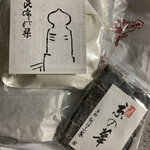
You can buy delicious tororo kombu in grams. I received it as a gift before and it was so delicious that I went to buy it for home use. When I eat this tororo kombu, I find that store-bought ones are not satisfying anymore.

choco0129
3.50
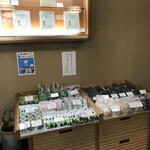
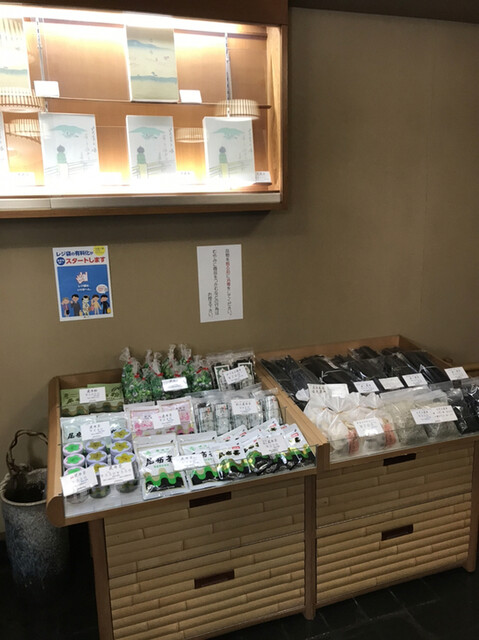
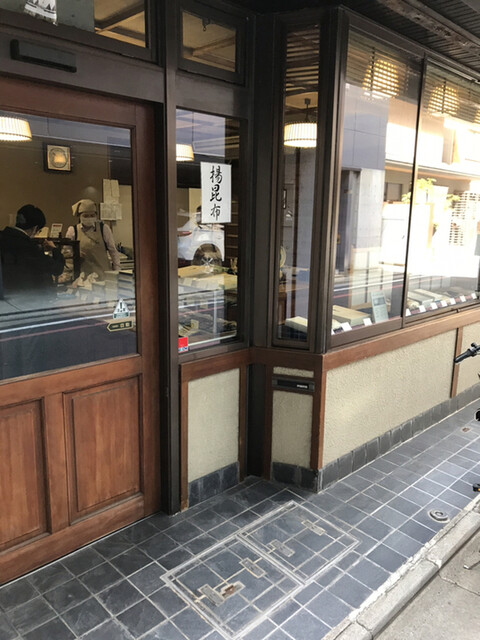
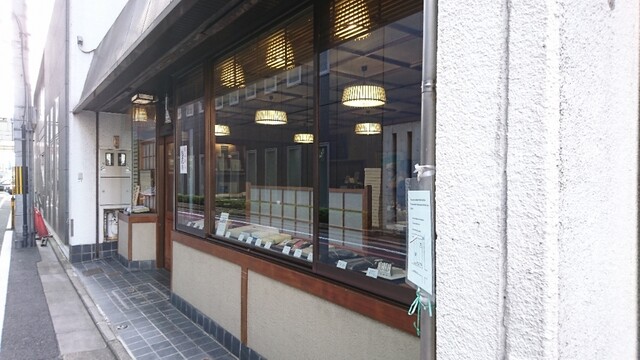
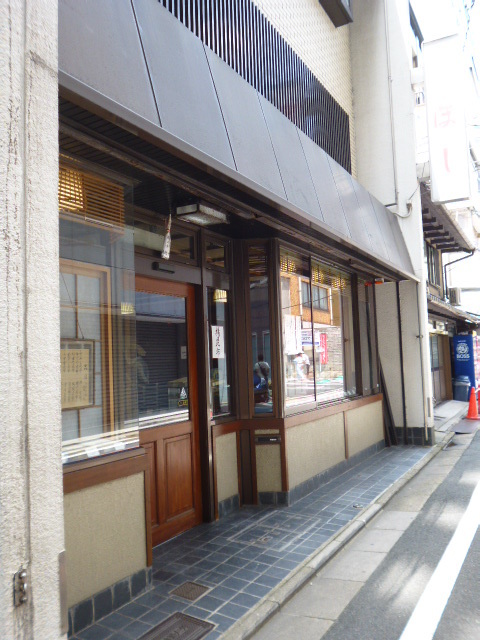
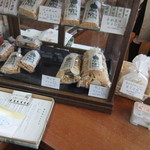
I went to buy home-use dried seaweed and fried seaweed. The shop had a traditional look, which made me a little hesitant to enter. They had cooking seaweed, seaweed candy, seaweed tea neatly displayed, making me think it would be great for someone skilled in cooking. The dried seaweed had plenty of dried shrimp. It had a shelf life of one week, so I decided to buy the small pack since I could finish it in a week. I wish there were more seaweed scraps in it because I like them. As for the fried seaweed, it had a strong umami flavor, almost bitter! I realized you shouldn't rush when eating it. You should take your time breaking it into small pieces and savoring it. I couldn't stop eating it, especially when paired with the dried seaweed. However, be careful not to overeat as it can make you feel a bit sick due to the oil content. Both snacks have a shelf life of one week, and I hope they are enjoyed by adults who can enjoy them without overeating.

matti8000
3.50
It's more like a dry goods store that deals with kelp rather than a traditional Japanese confectionery shop. You enter by sliding open the door and inside, they sell kelp and grated yam. Among them, there are snacks that are a mix of arare and kelp. They come in a can with old-fashioned illustrations, suitable for gifts or for home use. They also have individually packaged bags in various sizes, from mini to large. The packaging may seem plain, but I find it beautiful in its simplicity. It's a modest shop, but when I stayed near Shijo, I would stop by as they open at 9 am. I think it's a store that is closely connected to the local community.

大納言トマト
3.00
I went to the shop for "Fukiyose". The shop has a traditional atmosphere with various kombu products on display. "Fukiyose" is a mix of arare, beans, and finely crafted kombu, with about 20 different varieties to choose from. The small can of "Fukiyose" is elegant and delicious. It would make a great souvenir. The salted kombu (with sansho pepper) is a traditional flavor made by simmering true kombu in soy sauce. It's a taste for connoisseurs. The vinegar kombu has a light and elegant flavor. There are other items like fried kombu that caught my interest. I'll come back to try them next time. Thank you for the meal.

tmgfc347
3.50
896aa6
3.30
I bought fried kelp, mixed rice crackers, and grated white yam. The staff was kind and the shop had a good atmosphere. Everything had a nice kelp flavor without being too strong. I wish I had asked for a good way to enjoy the fried kelp.

リストランテ団地
4.00
I received "Fukiage" as a gift. When I opened the can, the contents were not individually wrapped and were just piled in, which was impressive and delicious when opened. This is definitely going on my list of souvenirs!
sakura987654
3.80
The mixed seafood and vegetable dish is really delicious. The kelp is also tasty, but next time I will order the largest size for takeout. Also, the round rice crackers in the mixed dish are delicious, so I might add some extra of those as well.

forever friends
3.80
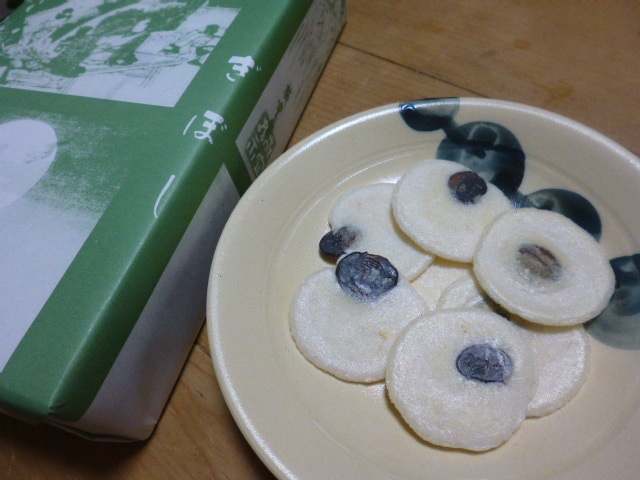
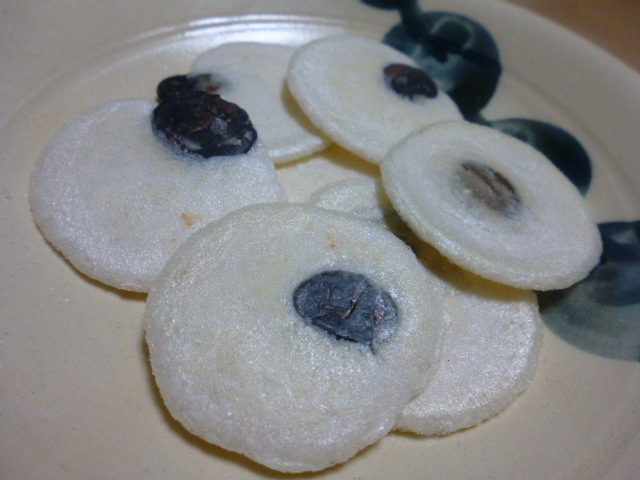
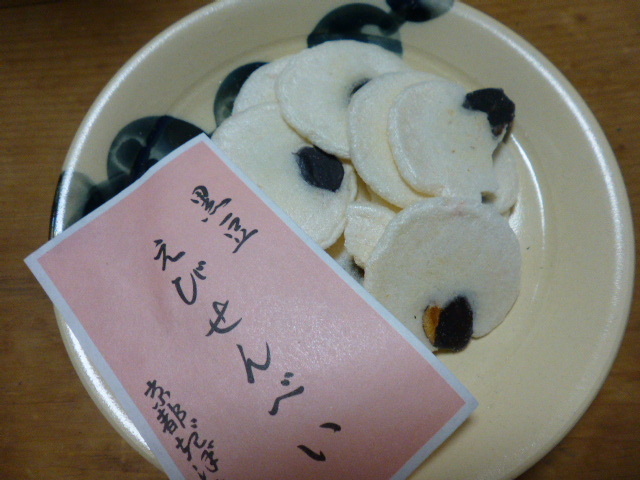
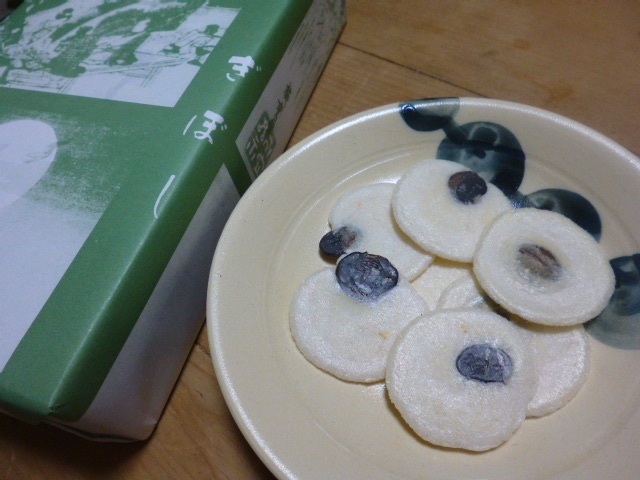
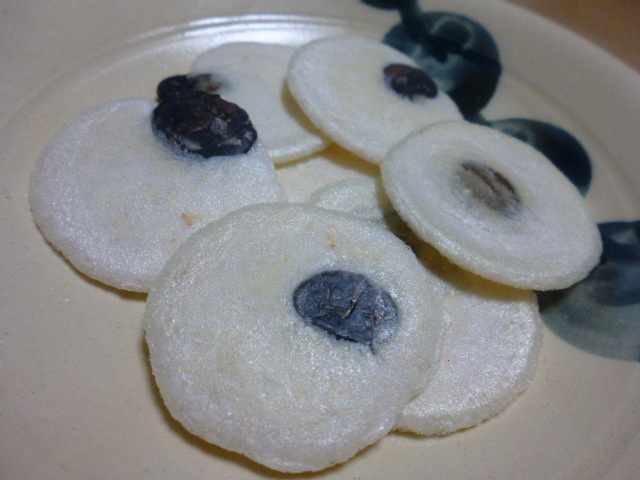
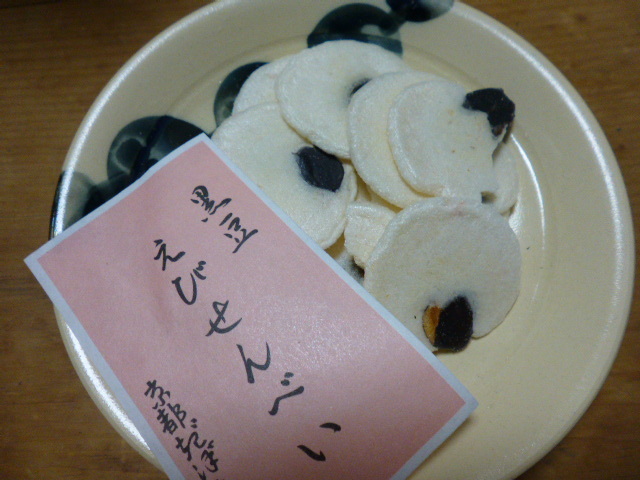
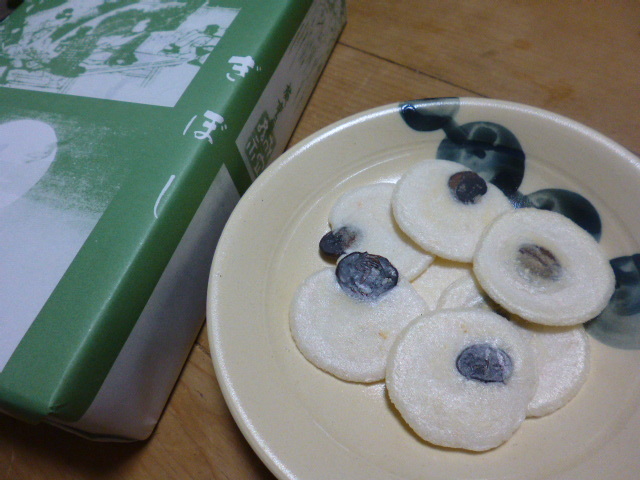
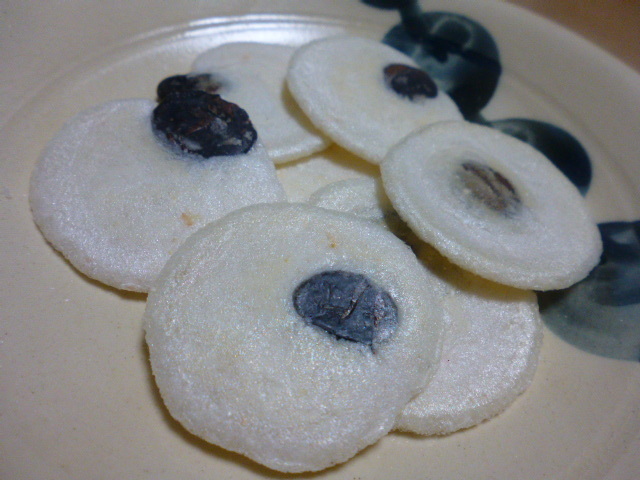
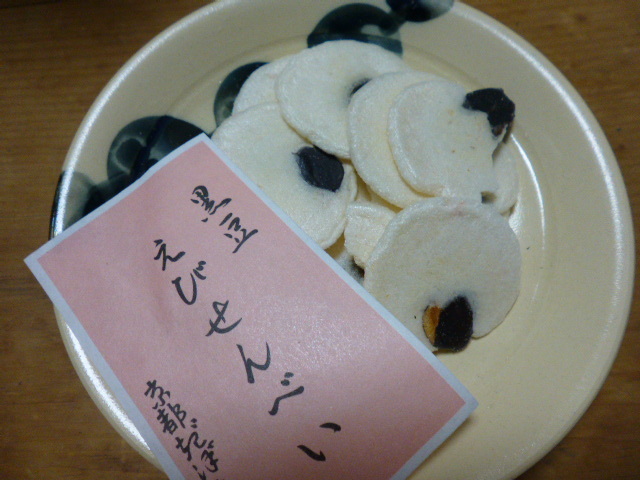
We love the blowfish and black bean senbei here, they have become a staple souvenir from Kyoto for our home. We usually buy the black bean senbei for ourselves, the bagged blowfish for friends, and the canned blowfish for our family. The bagged blowfish has a shelf life of one week from purchase, while the canned blowfish can last for a month. The senbei has a light salty taste and a fragrant black bean aroma that makes it irresistible once you open the bag. We love to enjoy it with a hot cup of tea. The shop is closed on Sundays and holidays, but last year they were open on Sundays in July during the Gion Festival, so it's best to check in advance. They offer samples inside the store, so be sure to visit when you're in Kyoto. Thank you for the delicious meal.
forever friends
3.80
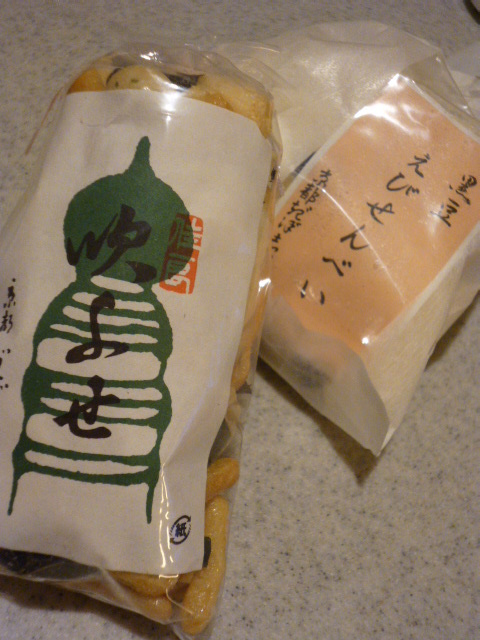
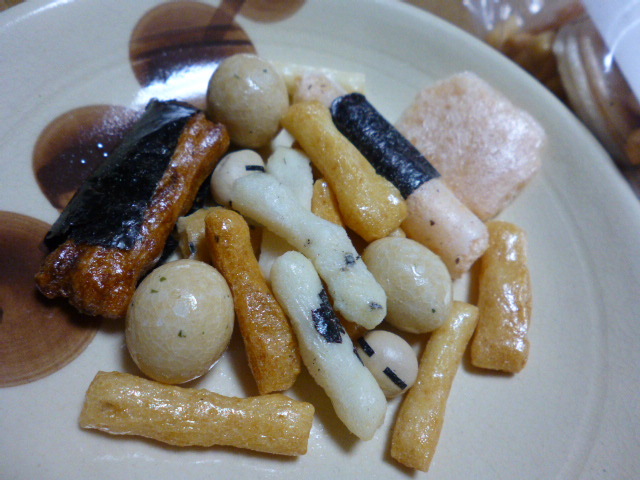
I revisited this place because I really liked the black bean shrimp rice cracker last time. I found out from reviews that "Fukiyose" is popular, so I decided to buy that as well this time. When I asked the staff, they said that the black bean shrimp rice cracker is not included in the Fukiyose. I was planning to buy some as souvenirs this time, so I was torn between the two, but ended up choosing Fukiyose. I also got both for myself (laughs). Fukiyose contains over 20 different ingredients such as seaweed, rice crackers, beans, shrimp crackers, etc. When served on a plate, you can enjoy the light, crispy, crunchy, and fragrant textures. The expiration date is not very long, but the small bags are affordable. It's great for a small gift! I enjoyed it again this time. It seems to be becoming one of the classic souvenirs from Kyoto. Thank you for the meal!
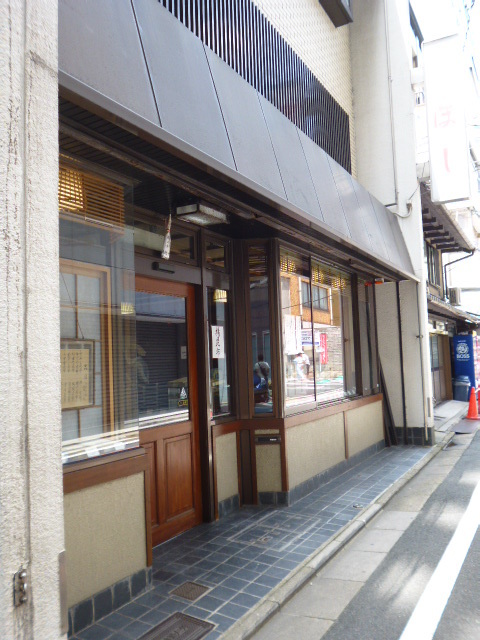
On the way from Shijo Street to Nishiki Market via Yanaginobanba Street, I happened to see this shop. I had no prior knowledge about it, but I was very curious and decided to stop by. I passed by on a Sunday. It seems like it's usually a regular holiday, but in July, it was open due to the Gion Festival, so I was lucky! I thought it was a specialty store for "kombu," but the store had a lot of rice crackers as well. As a big fan of rice crackers, I couldn't miss this opportunity (laughs). I decided to try the black bean shrimp rice cracker (700 yen) and salted kombu (1000 yen). When I got home, I first tried the salted kombu with rice. The salted kombu was even more flavorful and salty than I expected! When I checked the website, I found out that they cook the kombu with soy sauce only, which explains the intense flavor. It seems like it would be good to chop it finely and mix it with rice or just put it on top of rice for "bubuzuke." The black bean shrimp rice cracker was even more delicious than I imagined! The crispy shrimp cracker aroma and the fragrant black bean flavor are a perfect match! The light texture of the dough and the right amount of saltiness made it irresistible. I should have bought more. When I opened the page to post a review after returning home, I saw that some reviewers had written about "Fukiyose," which is a variety of flavored rice crackers and black bean shrimp rice crackers, not kombu. I guess that's what it was (laughs). Next time, I will buy the black bean shrimp rice cracker and Fukiyose together. Thank you for the meal! The rice crackers were really delicious.
Schnitzel
3.70
Visited on a Saturday morning in November 2015, decided to go to Kyoto on a whim. Upon arrival, the first place I headed to was this shop near Kyoto Daimaru, a long-established kombu (kelp) shop. Inside the shop, a couple who seemed to be from a Chinese-speaking country were struggling to communicate with customers. They were offering several types of dried kombu for tasting and explaining how to eat them. They mentioned that it's okay to wrap them in rice, but I wondered if they understood me (as only "rice" was in English and the rest was in Japanese with gestures). It was surprising to see foreign tourists coming to such a place. My main goal was to get the fried kombu that I had bought two bags of in February and finished quickly because it was so delicious. This time, I got two more bags. I also bought a bag of their famous "fukiyose," which is a mix of various senbei (rice crackers), arare (bite-sized Japanese rice crackers), and beans snacks. Back in Tokyo, I first tried the fried kombu. The crispy and dry Tamamaruya's hoiron kombu was delicious, but the fried kombu here with a little bit of oil was still delicious. It had plenty of kombu umami flavor and the aroma was outstanding. As for the fukiyose, I wonder how many different types are in there. I counted at least ten different types. There were round and thin pink shrimp senbei, white ones of the same shape, long arare, curry-flavored soramame (broad beans), and more. They all had a refined Kyoto-like quality but didn't feel too high-end, which I liked. Since they are closed on Sundays and holidays, it's a bit hard to visit, but it's a shop I always want to stop by when I'm in Kyoto.
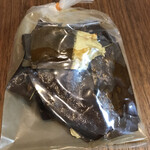
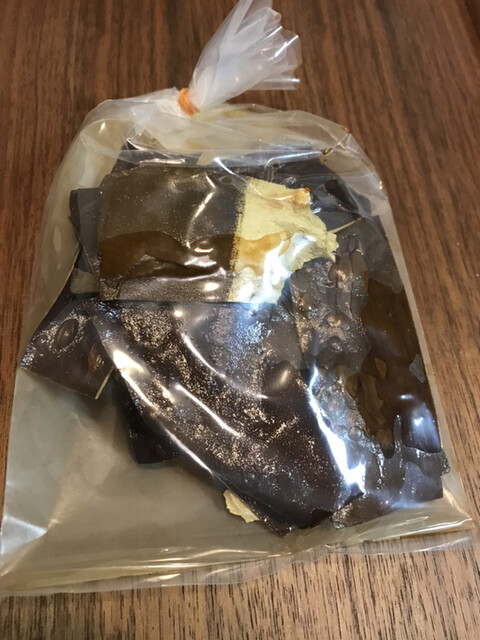
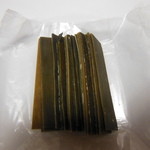
Visited in February 2015, I love the fried kombu that sometimes comes in the arare bags, and I sometimes buy arare just to get a little bit of kombu. Like a child who buys snacks just to get a bonus. But about three years ago when I came to Kyoto, I happened to find a shop that sells fried kombu individually. That shop is here. A kombu specialty shop located in an area between Yanaginobanba Street and Shijo Street and Nishiki Koji. Unfortunately, they were closed that time. The next time I came, they were closed again, and on my third attempt this time, I finally managed to visit when they were open. When I entered the shop, it was indeed a specialty shop. Various kombu products such as tororo kombu and salted kombu were lined up. I also found the fried kombu. A whole bag of fried kombu for only 400 yen. I almost cried. I decided to get two bags, and the shopkeeper asked if it was okay since they would last for about two weeks. If it meant whether I could finish them quickly, it was absolutely no problem. I purchased two bags without hesitation. I was more afraid of the feeling of loss after finishing them. Back in Tokyo, I tried them. When I opened the bag, I saw a mix of black and white, thick and thin pieces. It seemed like they were fried scraps from the manufacturing process. As for the taste, it was amazing. The glutamic acid, which is the umami component of kombu, was condensed in high concentration. This fried kombu might be the most direct way to feel the umami of glutamic acid in any food. Moreover, because it was fried, it was fragrant. The thick pieces were crispy, the thin ones were crunchy, and each had a different texture. With this, I wouldn't need anything else as a snack with my drink. It is said that Asian food culture is divided into the fish sauce culture, where fish is fermented, and the grain sauce culture, where soybeans and grains are fermented. Both fish sauce and grain sauce have glutamic acid as the base of umami. While Westerners prefer the umami of nucleotide-based inosinic acid in meat, Asian people love the umami of glutamic acid. I realized that I am definitely an Asian person.

大きなやまちゃん
3.20
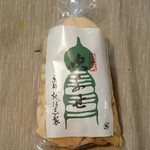
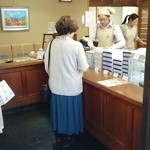
After finishing shopping at Nishiki Market, I head to "Giboshi" that I found on Tabelog. It seems to be a specialized store for kelp. It was my wife's request. I wonder why suddenly kelp? I thought about it. Kelp... kelp... kelp... Oh! Come to think of it, didn't they say kelp is good for thinning hair? My wife often says things like that lately because my hair has been getting thinner. I see, so that's why kelp. My wife must be sad to see her husband deteriorating. From having thick hair to becoming thin, and eventually bald. She must be worried about that. I bought a snack filled with thinly baked senbei. Most of it is like a snack, with only a small amount of kelp inside. I paid as instructed. Back at home, my wife opened a bag and started eating the senbei. I also had a piece of thinly baked senbei. It tasted quite elegant and delicious. My wife put a small piece of kelp on my hand. She told me to eat it. I wonder if such a small piece of kelp can have any effect? When I ate it, it tasted exactly like kelp. The taste of the sea spread throughout my mouth. Can such a small piece of kelp have any effect... Can it make my thinning hair a bit more lively? Lively? No way. With such a small amount... it's impossible!
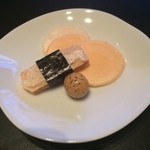
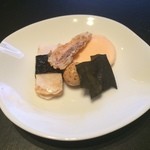

covakazu
3.80
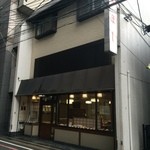
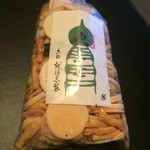
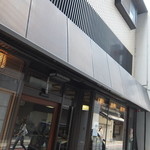
I have written about it in my diary, but I will be transferred to Bangladesh from April. I won't be able to experience the Japanese atmosphere for a while. Not to mention meals, I will be faced with significant inconvenience. Therefore, I decided to take a two-night, three-day trip to Kyoto using my accumulated mileage. I flew to Itami and took a bus from there. I had a reservation at "Jiki Miyazawa" in Kawaramachi for lunch at 1:30. I arrived at Kyoto Station before noon, so I still had some time to spare. I took the subway to Karasuma Oike Station, strolled around Nishiki Market, and a little further ahead, I bought some "fukiyose" at this long-established store. Fukiyose is a mix of various rice crackers, but what sets this store's fukiyose apart is its gentle taste. It has a mild saltiness and feels like you can eat as much as you want. It is also light. The store, established in the Meiji era, has a traditional Japanese house with a sense of shadow and light. Originally a specialty store for kelp, they are famous for products like tororo kelp and oboro kelp. So, I purchased stick packs of kelp tea and plum kelp tea to bring with me to Bangladesh. It seems that I will miss these flavors when I am there. The food I grew up with is hard to change. Even with the bare minimum, I need to incorporate some Japanese items, or I feel like I might get sick. But it seems that it will be difficult to find most Japanese items over there. I am making some preparations now, just a little bit. I visited this store six years ago, and it hasn't changed at all. The "fukiyose" from this store is also excellent as a gift.
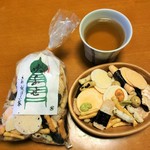
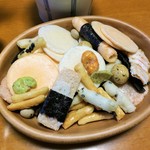

薫美
3.50
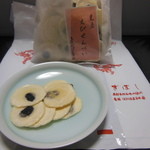
I went there for the first time in 2 months. I had the kombu with sweet bean paste (432 yen) and black bean shrimp senbei (756 yen). The kombu with sweet bean paste tasted similar to vinegar kombu. On April 3rd, on my way back from Umekoji Cafe BOSSCHE, I suddenly felt like going to GIBOSHI, so I arrived just before closing time. It's a shop that specializes in kombu. I had the vinegar kombu (400 yen) and the smallest size of Fuki Yose (500 yen). Initially, I was going to get the 1200 yen can of Fuki Yose, but since I was going to eat it at home, I thought the 180g bag would be enough. However, the expiration date was April 10th, so I opted for the smallest size. I also tried the vinegar kombu because it caught my eye. It was really delicious, but a bit pricey. I have only had vinegar kombu that costs in the 100 yen range, so it was a bit of a shock.

オカデンチ
3.50
This shop is located a little south of Nishiki Market shopping street. It is a shop that sells kombu (kelp) but also has rice crackers and senbei (rice crackers) available. I visited the shop specifically for the rice crackers. The shop was quiet with only the staff present. I was able to sample the black bean shrimp crackers, which were quite delicious. I ended up purchasing a variety pack called "Fukiyose" which contained a mix of rice crackers and senbei. I was glad that they accepted credit cards. When I returned home and tried them, I couldn't stop eating because they were so addictive. They were really delicious.
Email Login