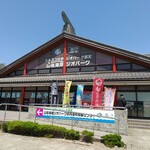
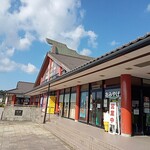
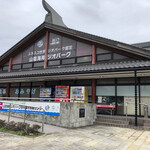
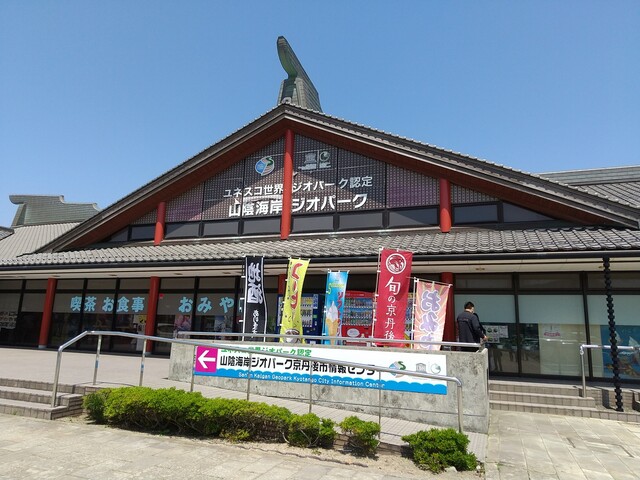
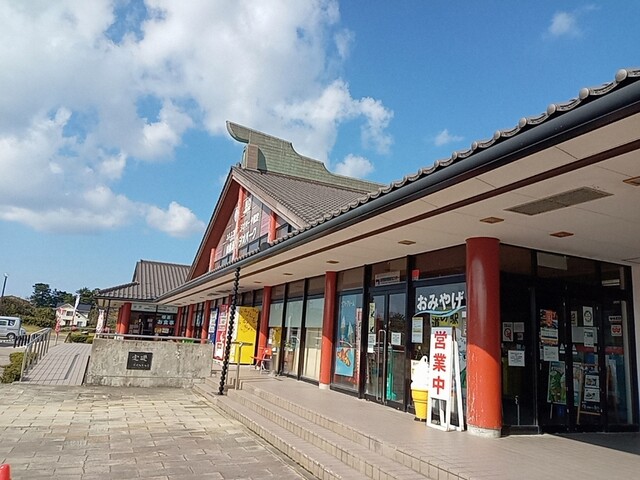
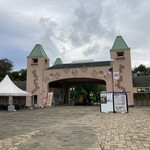
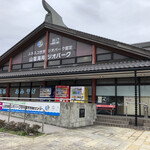
道の駅てんきてんき丹後
Michinoekitenkitenkitango ◆ ミチノエキテンキテンキタンゴ 【旧店名】ら・めーる
3.32
Kyotango
「Seafood」
--
--
Opening hours: 11:00-18:00
Rest time: Tuesdays Business hours and holidays are subject to change, so please check with the store before visiting.
京都府京丹後市丹後町竹野313番地 駅の道内
Photos
(20)
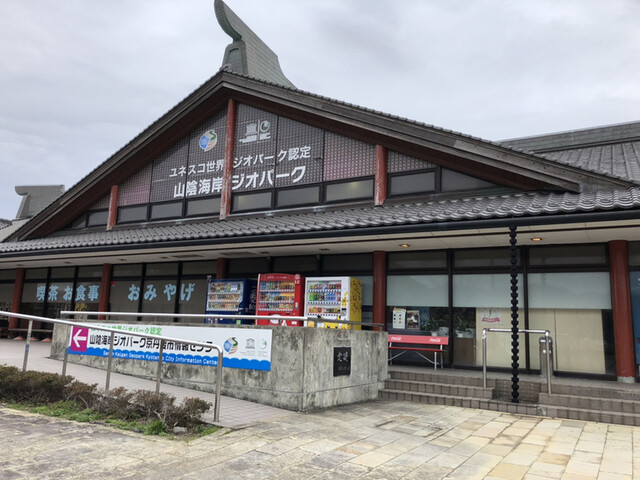
Details
Payment Method
Electronic Money Accepted
Private Dining Rooms
None
Comments
(20)

ダイエット中看護師
3.40
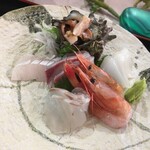
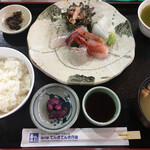
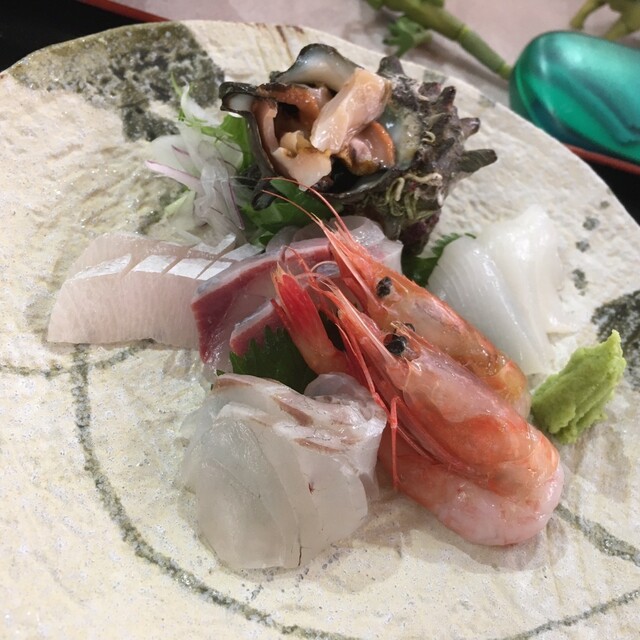
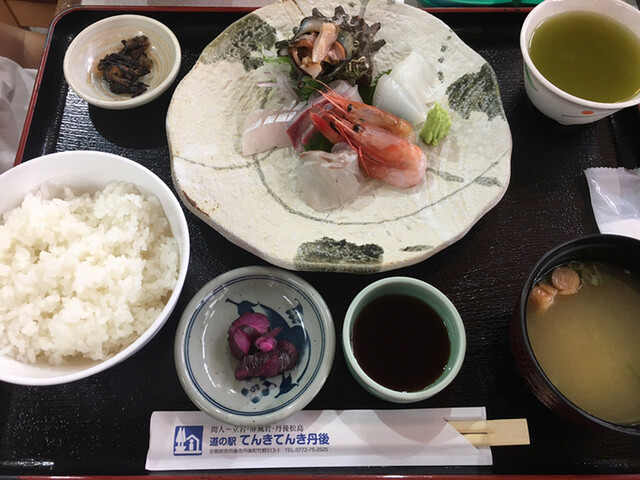
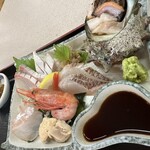
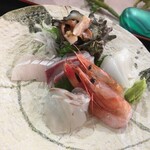
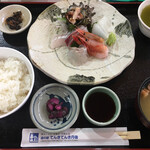
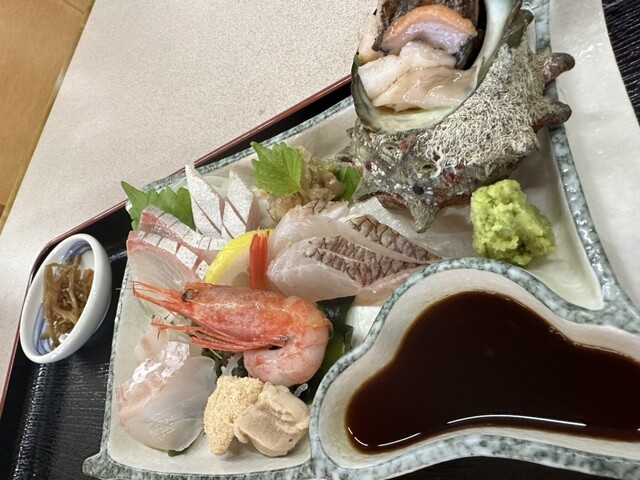
After visiting Ine no Funaya, we stopped by a roadside station for lunch. It was already past noon, so nearby restaurants were not crowded. I didn't have high expectations because it was just a roadside station, but I was pleasantly surprised by the sashimi set meal I had. It was delicious and satisfying. However, in terms of the quality of the roadside station, there were not many vegetables or other items available besides souvenirs, so I couldn't say I was completely satisfied.

食いしん坊のんち
2.90
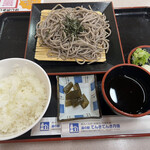
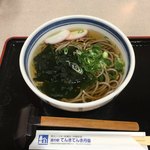
I had been looking for souvenirs several times before, but I felt like having soba for lunch and stopped by. Most of the surrounding shops stop serving lunch after 2 o'clock. This place serves continuously, so I ordered the Tsutsukawa soba set. The set comes with more rice than soba and a side of pickles. I don't know why I ordered the set now, haha. Tsutsukawa soba is firm with a chewy texture. I recommend ordering it a la carte, haha. Due to the time, many people seemed to be ordering soft serve ice cream around me. Thank you for the meal.

Νοrι
3.30
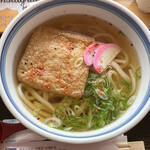
The first drive in the Tango Peninsula was unfortunately rainy, so I couldn't enjoy the scenic drive. However, we unexpectedly came across a roadside station. It was crowded, but we decided to stop and have a simple meal since we had a luxurious dinner waiting for us at our accommodation. We had to wait for our food for a long time, but when it finally arrived, we tried the kitsune udon. The soup was gentle and had a nice dashi flavor. The noodles were chewy and smooth, blending well with the soup. Surprisingly, the food exceeded our expectations and was delicious!

suiton
3.30
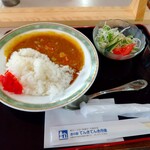
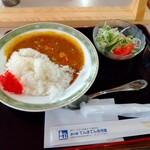
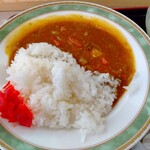
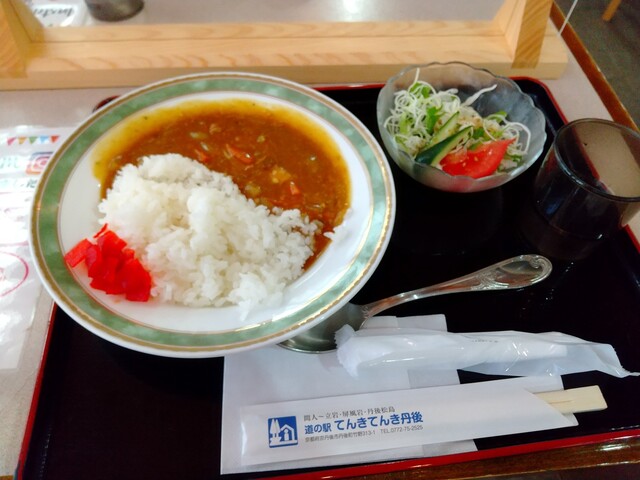
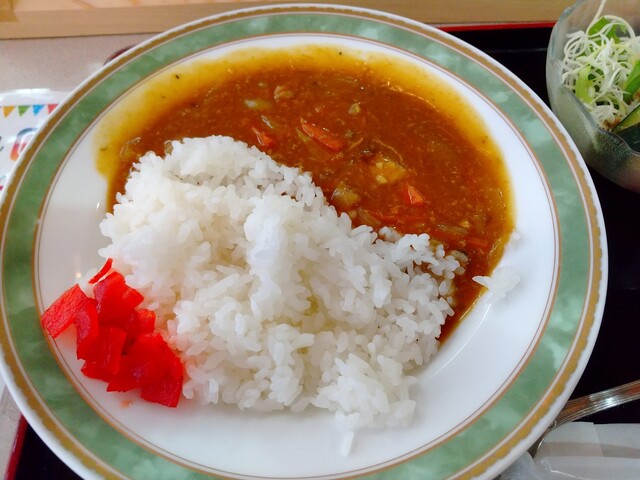
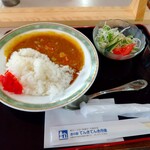
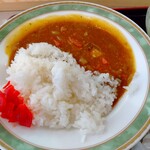
Heading north along the Tango Peninsula. After experiencing the singing sand, we head towards Ine. Stopped at a roadside station for a meal. Discovered something called "mackerel curry". When it comes to fish from the Sea of Japan, mackerel comes to mind. This curry contains mackerel simmered in water. The fishy smell is hardly noticeable and it goes well with the curry. It seems like a dish that could be easily tried at home.

スーパーチアミン
3.30
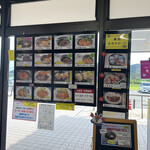
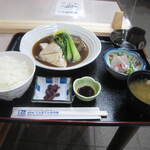
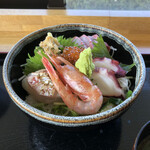
I came to the Japan Sea side and felt like eating seafood, so I was looking at the menu of a vending machine. In addition to seafood bowls and sashimi set meals, there was also a simmered fish head set meal. It was written as "Kanpachi" for 1000 yen today. I thought the simmered fish head looked good, so I decided to try it. The flavor of the fish and seasoning was good, and there was a decent amount, so I was satisfied. Thank you for the meal.

2りんだー
3.50
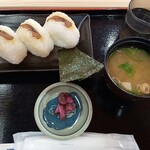
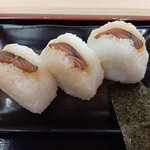
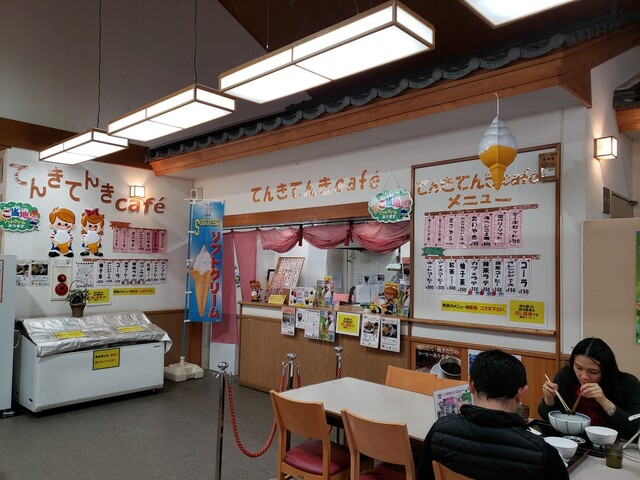
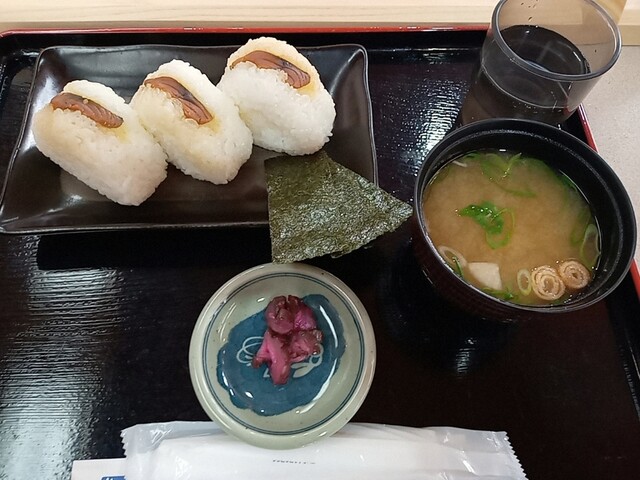
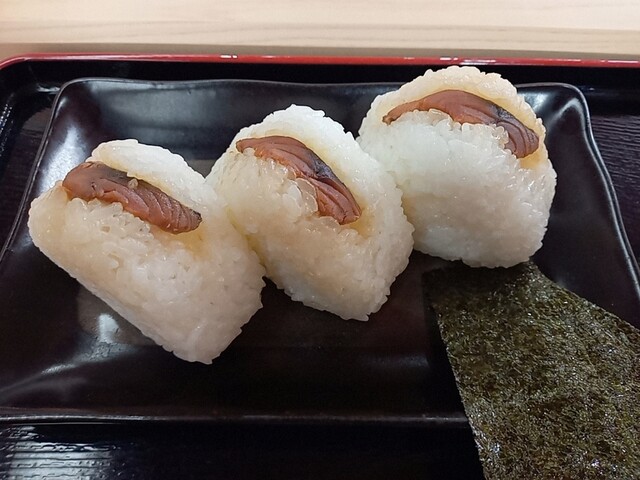
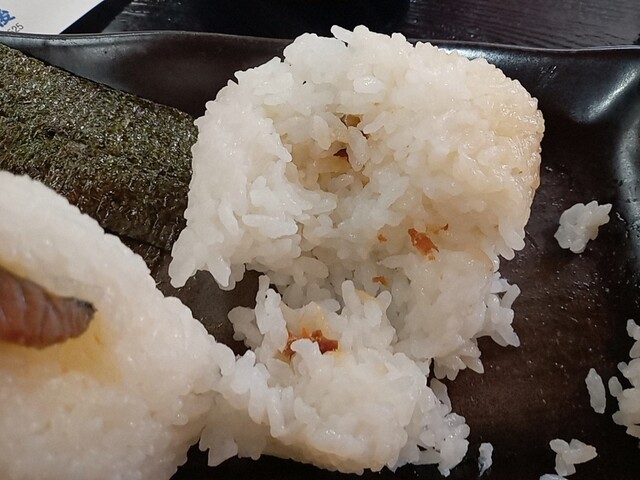
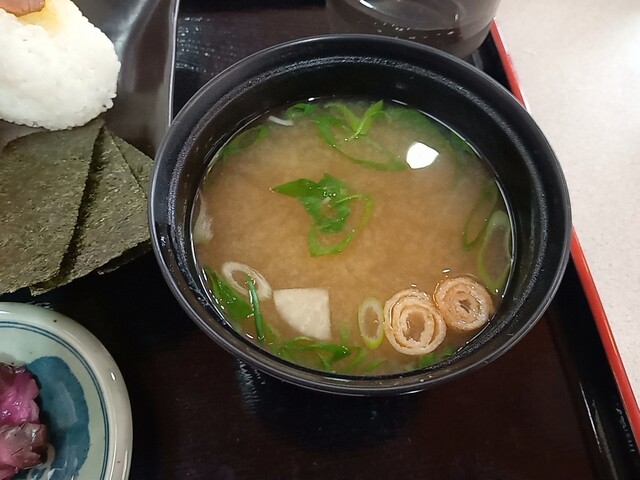
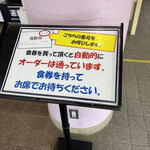
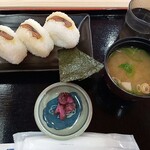
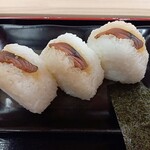
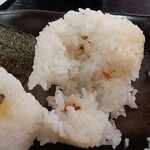
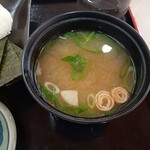
I stopped by for lunch at a food court at a roadside station. There were quite a few menu options available. You order by selecting items on a ticket machine, which automatically places your order. This time, I got the Oni-Heshiko Set with Heshiko rice balls. The Heshiko is placed on top and also inside the rice ball. The delicious Heshiko flavor and saltiness make the rice taste great. It's probably made with Tango Heshiko, with just the right amount of saltiness. The Heshiko rice ball set comes with miso soup and pickles, making it a simple but recommended choice.

tintontanton
2.50
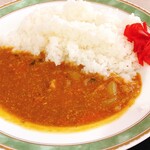
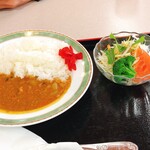
Mackerel curry for 650 yen ⭐️ Had lunch at a restaurant in a roadside station. It was quite crowded, being a holiday, even though we arrived in the middle of lunchtime. They use a food ticket system, so you buy your ticket from a machine. There was a variety of options from seafood to set meals, so it was a bit hard to decide. I chose the unusual mackerel curry since fried dishes were said to take a bit longer. Once you buy your ticket, your order is automatically sent to the kitchen, so we waited at the table and after about 5 minutes, our number was called over the microphone. I hurried to pick up the tray and saw a slightly yellowish, watery curry. As I carried it to the table, the smell of mackerel was strong. The smell of the mackerel overpowered the curry smell! It made me a bit nervous... When I started eating, I could see that the finely shredded mackerel was mixed throughout the watery curry. They used "Kyoto mackerel" from a can and the roux was made from rice flour. First of all, the mackerel taste was strong! The smell of mackerel spread throughout the curry, which might be a bit intense for those who are not big fans of fish. The mackerel flavor was distinct, but the smell was a bit of a concern. It's impressive how the mackerel can overpower the spices in the curry. When the mackerel wins, it smells too fishy, and when the curry wins, the mackerel taste is lost. It's a challenging dish! Thank you for the meal!

パーティールーム
4.00
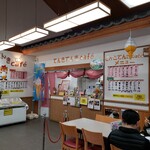
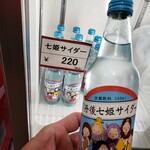
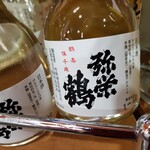
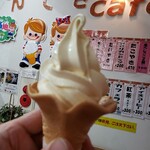
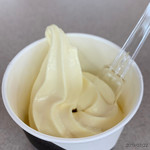
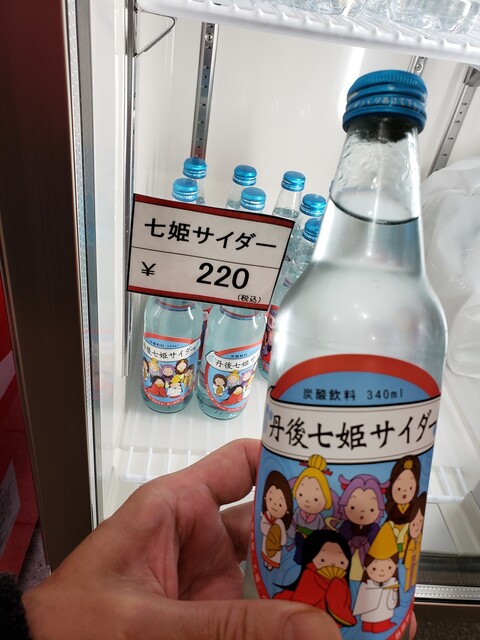
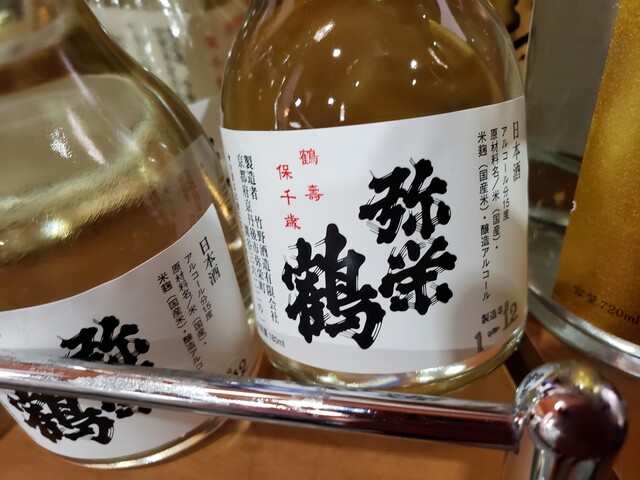
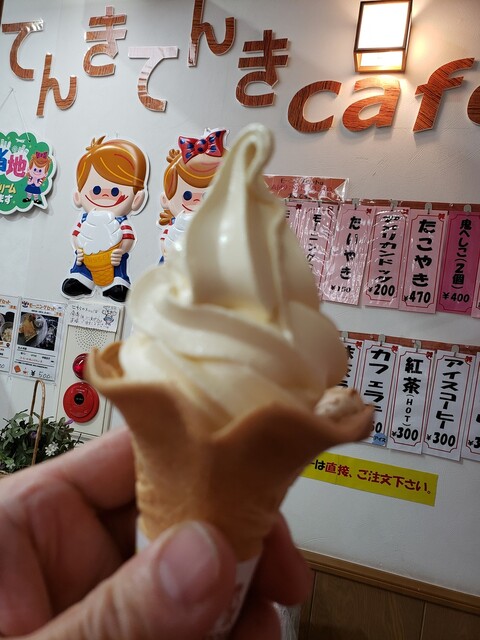
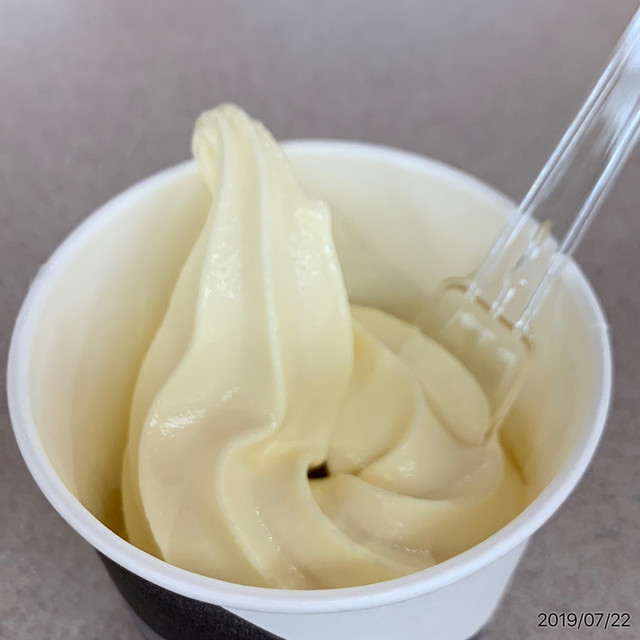
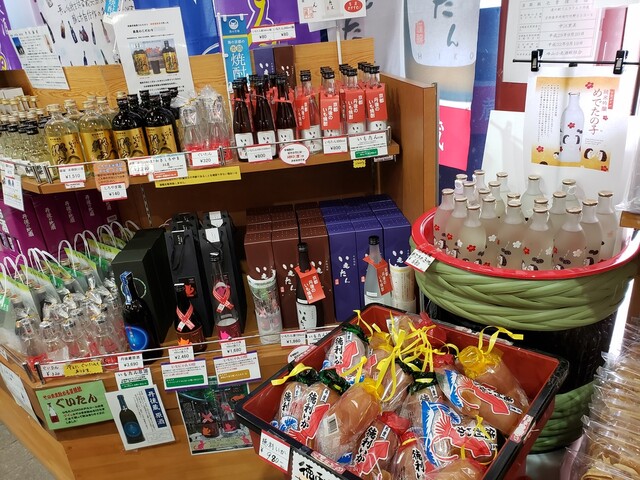
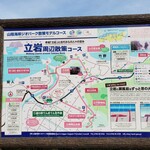
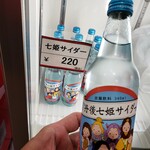
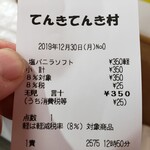
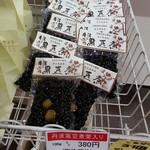
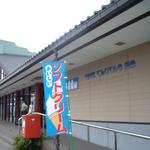
On December 30, 2019 (Monday) at 12:50 (according to the receipt), I visited this shop while walking around the Tachi-iwa area. I took a walk to the sandy beach coast while looking at Tachi-iwa. I had the Kotohiki Salt Blend Vanilla Soft Serve for 350 yen. The amount of soft serve was small but it was delicious. It was strange that it was yellow soft serve. I also had the Tango Shichihime Cider for 220 yen, which was refreshing and tasty. I enjoyed the Medetanoko (Junmai Ginjo) for 680 yen chilled. It was a refreshing drink. The Yaezuru for 270 yen was slightly sweet but still tasty. The Tanba Black Bean and Chestnut Stew for 380 yen had large beans and a delicious traditional flavor. The Sazae (Horned Turban) Tsukudani for 780 yen had a generous portion and was a tasty snack to enjoy with alcohol. I received the receipt at exactly 1:00.

hiro355
3.60
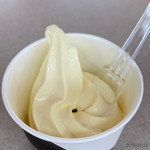
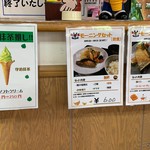
The weather is holding up, but it's really humid. Hot. I stopped by a roadside station and discovered salted vanilla. I tried it right away. I wasn't expecting much, but it was surprisingly delicious. The vanilla flavor itself is good, but the slight hint of salt is exquisite. It's so subtle that you wouldn't notice it if you weren't paying attention. Fantastic.

ごんぼさん
3.00
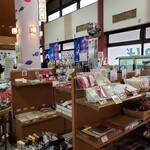
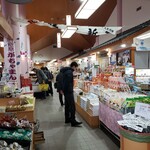
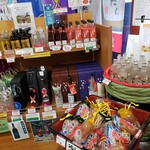
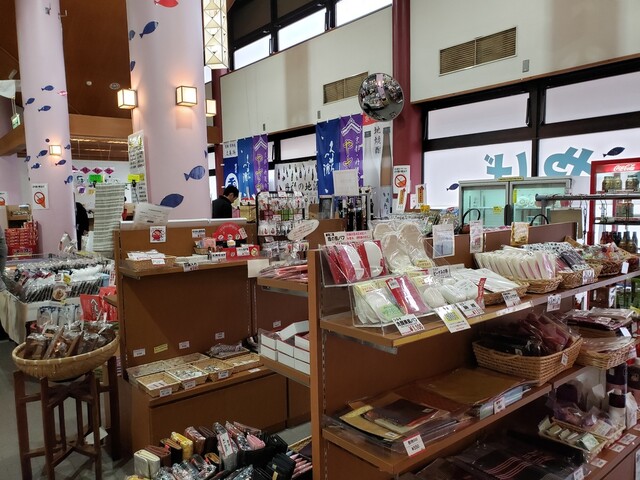
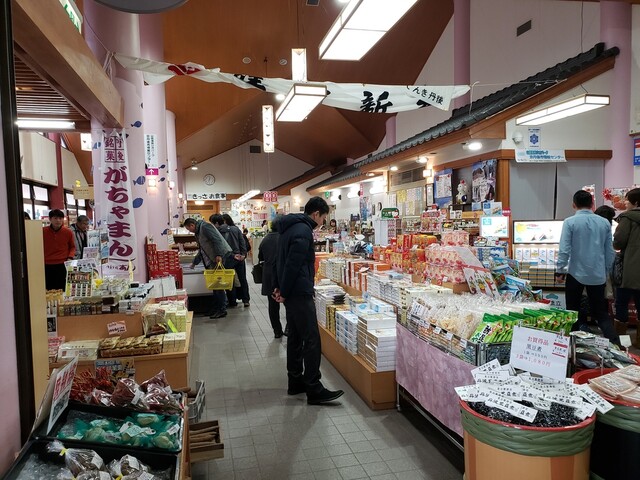
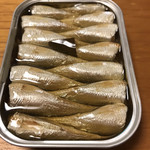
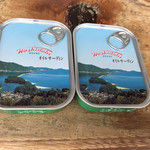
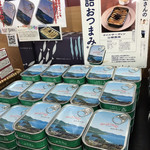
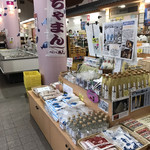
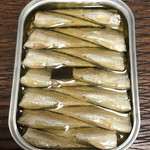
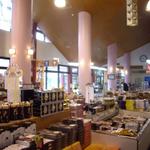
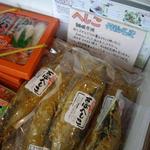
On the way to the drive, a roadside station is a must٩(^‿^)۶ Tenkitenki Tango... It's quite a big roadside station! The variety of souvenirs is impressive... It's hard to decide. There are quite a few boxed sweets... I wonder if there's something good... I think maybe the canned sardines... The most popular one with the packaging of Amanohashidate is perfect as a souvenir(^^)♬ My partner and I each picked one as a snack for ourselves... When you open it with a pop, you see neatly arranged sardines... Picking them with a toothpick... Yum~(((o(*゚▽゚*)o)))♡ The flavor of the fish itself and the oil are just right! The tender flesh... Bite after bite, one after another... My first time trying canned sardines... I feel like I've missed out on something in life?! So delicious! I discovered another tasty treat! Definitely a recommended item to buy as a souvenir! There is also a huge rock called Tachi-iwa nearby, where you can enjoy magnificent and beautiful scenery at this roadside station( ^∀^)

eb2002621
3.60
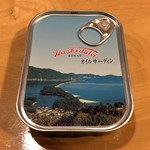
In January 2019, I arrived at Amanohashidate Station on the Tango Peninsula and took the shuttle bus to the ryokan where I would be staying. After checking in, I visited the Michi-no-Eki Tenkitenki Tango in Kyotango City, Tango Town. It seems to consist of a shop and a food court. This time, I purchased two items at the shop: oil sardines and Tomoyaki (a souvenir for a friend). When I got home, I immediately tried them. I heated the canned oil sardines, topped them with ginger and green onions, and enjoyed them. The bones were soft and you can eat them whole, which is great. I ate them as they were this time, but I think they would also be delicious on toast. Thank you for the meal!

kinako-anko
3.80
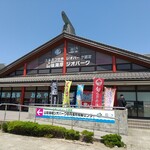
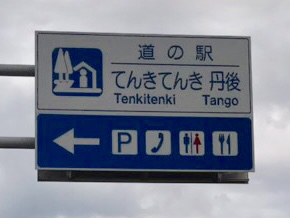
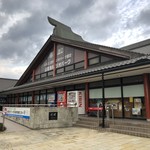
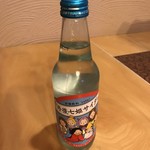
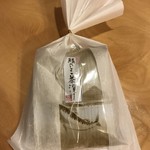
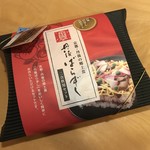
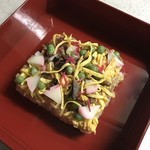
On the first day of my trip on January 19, I left Osaka Station at 9:10 and arrived at Amanohashidate Station at 11:30 after transferring trains. After finishing a 3-hour sightseeing tour of Amanohashidate, I boarded the Kyoto Tango Railway "Limited Express Hashidate 5" departing at 15:33. This train, known for its design by Eiji Mitooka, who is famous for trains such as JR Kyushu's "Nanatsuboshi," features a beautiful 4-car formation with the theme of the azure sea of Kyoto. The interior is designed with white birch for the ceiling and walls, oak for the floor, and maple for the seats, creating a warm and comfortable space. We arrived at Amino Station in just 30 minutes, and then took a microbus from the ryokan for a 20-minute ride to today's accommodation, the ryokan "Taiza Onsen Sumihei." We arrived at the ryokan at 15:30. The full-course dinner featuring the legendary "Taiza crab" is scheduled for 20:00, so we plan to relax and enjoy the semi-outdoor jacuzzi in our room and the private baths in 5 different locations before that. Before that, I found out that there is a michi-no-eki (roadside station) near the ryokan, so as soon as we put our luggage in the room, we decided to call a taxi. However, the taxi would take 20 minutes to arrive from Amino Station, so the ryokan kindly offered to provide us with a ride in their private car. We rode in a stylish Toyota classic car called "Toyoda AA-type sedan" painted in black and purple for about 2.5km north until we reached the michi-no-eki "Tenki Tenki Tango" in Tango-cho, Kyoto Tango City. This michi-no-eki is built on top of the Yayoi archaeological site, with monuments such as pottery excavated from there installed in the grassy park. There is a "product hall" and a restaurant called "La Mail" at the back, and an auto-campsite is also available. The ryokan car was waiting in the parking lot, so we hurried to start shopping at the "product hall." We bought the following items, all tax-inclusive: - Tango Seven Princess Cider: 220 yen - Mackerel Heshiko Chazuke (5 servings): 620 yen - Tango Barazushi (2 servings): 1,080 yen After finishing shopping in 10 minutes, we returned in the private car, and I am grateful for the thoughtfulness of the ryokan (^o^)/ I chilled the "Tango Seven Princess Cider" in the room refrigerator and drank it when I woke up in the middle of the night feeling thirsty from being drunk. The label of this cider bottle features cute illustrations of seven princesses, known as the "Tango Seven Princesses," including Yasuhime, Otohime, Ono no Komachi, Hagi Tennyo, Taiza Empress, Shizuka Gozen, and Hosokawa Garasha, who have connections to Tango. Oh, aren't Otohime and Hagi Tennyo legends found in various parts of Japan? This cider, with a strong sweetness and refreshing taste, is perfect for a slightly naughty father who has been drinking champon all day and feels sick from being drunk. It helped me regain some sobriety. The "Mackerel Heshiko Chazuke" with 5 servings is made by salting fresh mackerel while in season, then marinating it with rice bran. It is a fermented food and a preserved food. Breaking the highly salty "heshiko" into small pieces and mixing it with sesame, seaweed, dried trefoil, and combining the umami of bonito flakes, dried sardines, shiitake mushrooms, and kelp in chazuke base brings out the deliciousness. The "Tango Barazushi," a local dish in Tango, included in the "2-serving set," comes with seasoned vinegar, shredded mackerel, seasoned shiitake mushrooms, and pickled ginger. The "shredded mackerel" uses mackerel canned by students from Kyoto Prefectural Marine High School in Miyazu City. I cooked 2 cups of Yamagata rice "Tsuyahime" in a sushi rice cooker, mixed in the seasoned vinegar, and easily made sushi rice. I filled half of the jubako (tiered lunch box) with it, spread half of the shredded mackerel on top, and pressed the remaining half of the sushi rice on top. For the ingredients I prepared myself, I added fish cakes, kinshi tamago (shredded omelet), and green peas along with half of the shredded mackerel, seasoned shiitake mushrooms, and pickled ginger to the sushi rice, creating the "Tango Barazushi."

轟のトドログ
3.00
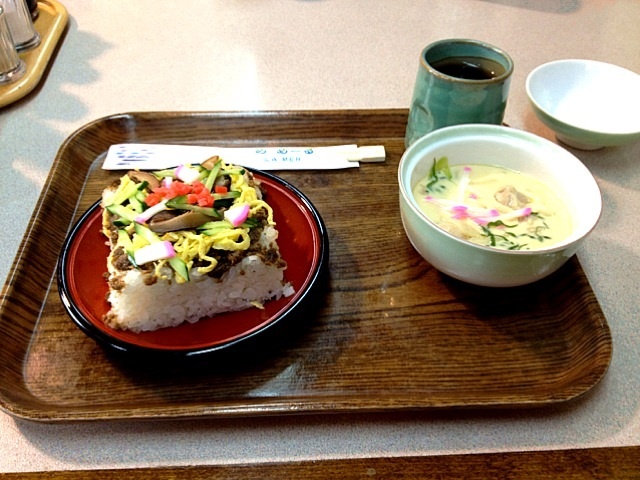
I had bara sushi at a roadside station. Roadside stations are great because you can get local food at reasonable prices. ・Tango's bara sushi set: 800 yen ◆I mainly post my food adventures in Kansai and beyond. These records started in 2012 when I began documenting my personal gourmet reports. For restaurants without ratings, my memory is a bit fuzzy, so the records are based on what I remember. All the restaurants I visited were personally visited by me, and there are no conflicts of interest with any of them. ◇◆Rating Criteria◇ Ratings are given in increments of 0.5, with an average score of 3 points 1 point: A restaurant I never want to visit again 2 points: A restaurant I would prefer to avoid 3 points: A restaurant I would like to visit again 4 points: A restaurant I would visit multiple times 5 points: A restaurant that touched my soul

dogdays1978
3.50
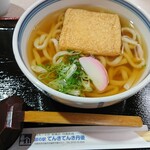
I stopped by a local roadside station shop that I had been curious about for lunch during work. They have set meals and seafood bowls, but I decided to go with a simple kitsune udon! It didn't have any Tango region vibes, but it was delicious.

petaporu
3.30

showhey
4.00

タク675
3.50
The seafood bowl was delicious.

onikuma
0.00

いぬと湘南。
3.30

モノノフ
3.50
Email Login