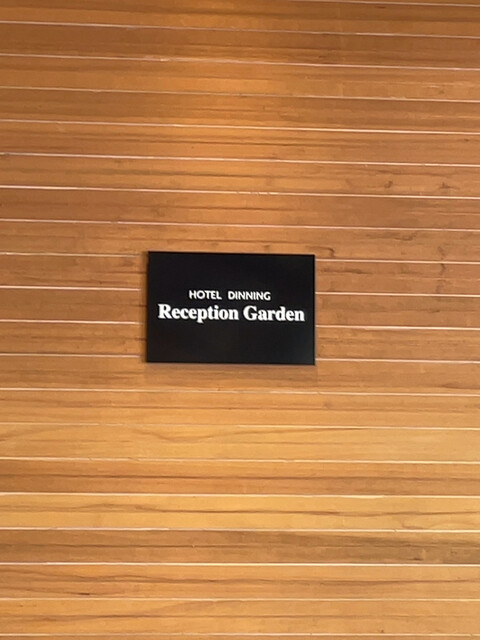
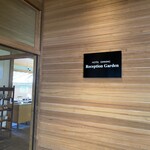
レセプションガーデン
Reception Garden
3.46
Kyotango
「Italian Cuisine」
5,000-5,999円
3,000-3,999円
Opening hours: 11:30 - 21:00Lunch time 11:30 - 15:00Tea time 11:30 - 21:00Dinner time 18:00 - 21:00 (last order at 20:00) Open Sunday
Rest time: Open daily Open hours and holidays are subject to change, so please check with the store before visiting.
京都府京丹後市久美浜町向磯2575 ホテルホリデーホーム
Photos
(20)

Details
Reservation Info
can be reserved
Payment Method
Credit cards accepted
(VISA, Master, AMEX, JCB)
Electronic money is not accepted.
Number of Seats
48 seats
(12 tables for 4 persons.)
Private Dining Rooms
None
Smoking and Non-Smoking
No smoking. Ashtrays are available outside.
Parking
having
Facilities
Stylish space, calm space, open terrace available
Drink
Wine available
Comments
(20)

easyn73
3.00
I visited after 20 years and found that the place had been renovated. The atmosphere was very nice, the interior of the restaurant was clean and bustling, but the cost performance was not great. I guess it's because it's a stylish cafe in a tourist area. It's recommended if you're going for a drive.

2りんだー
3.80
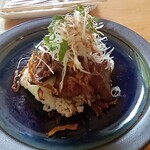
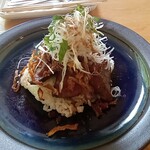
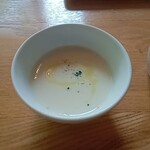
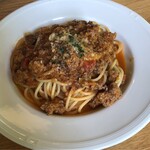
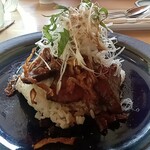
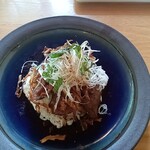
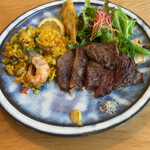
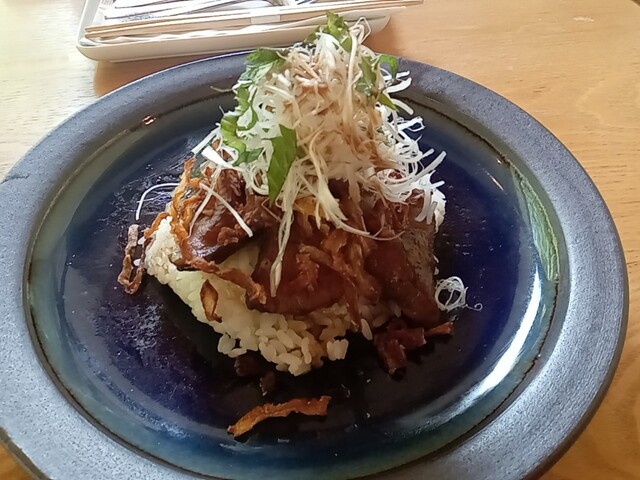
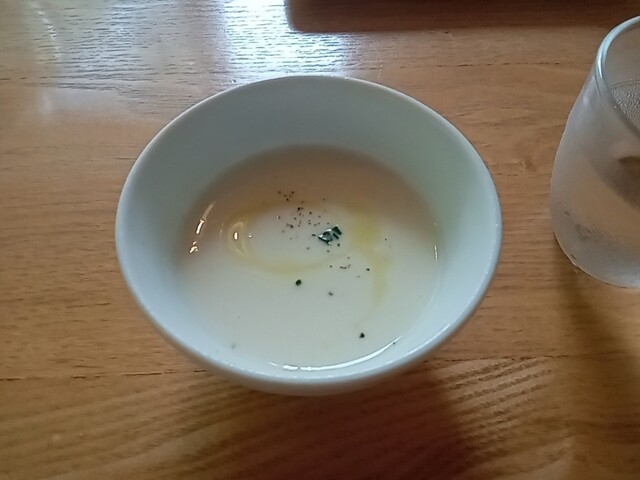
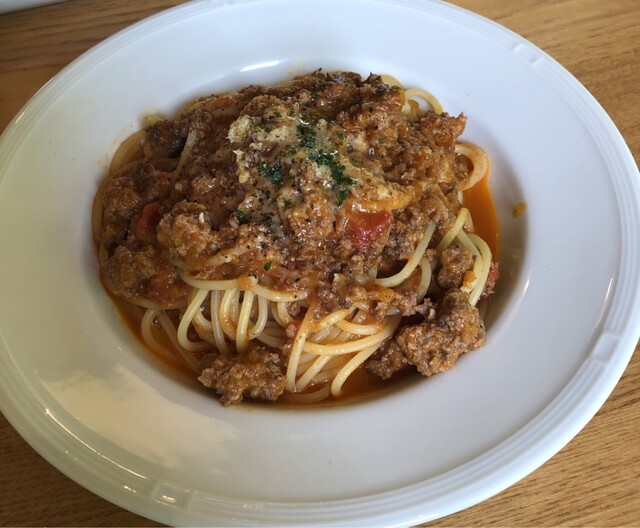
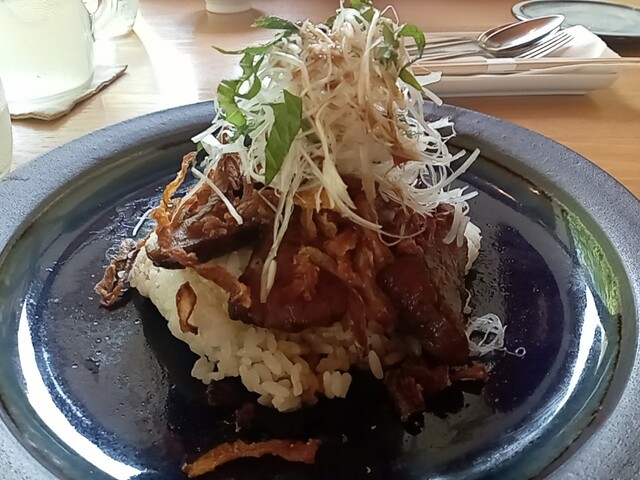
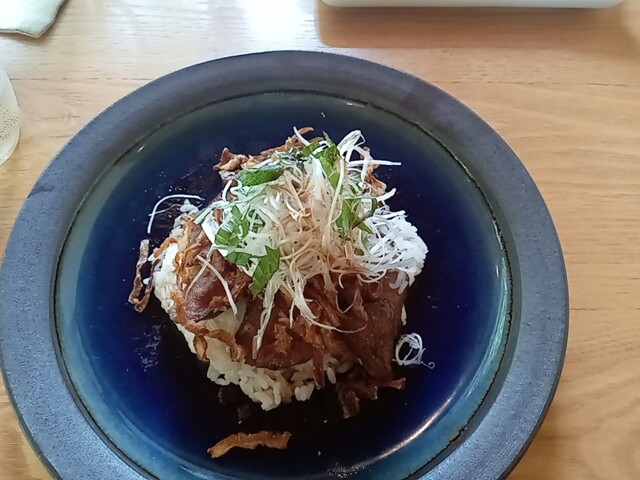
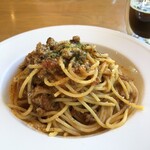
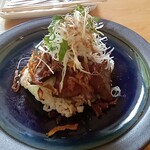
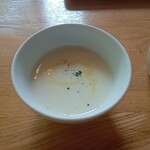
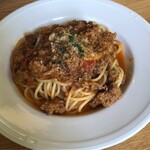
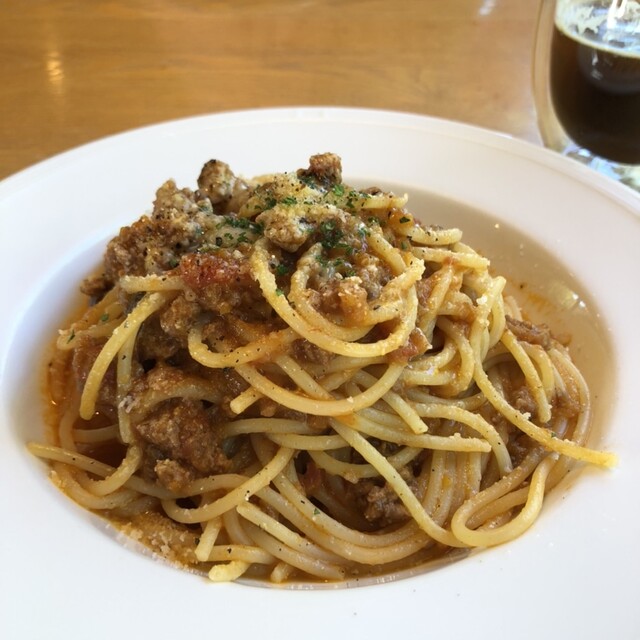
The restaurant is located in the Kabuto mountains, surrounded by nature. The parking lot is across the road. This time, we tried the Black Wagyu Steak Rice with special Bolognese. The appearance is delicious and the meat is tender and full of flavor. The sauce is not too strong, allowing the taste of the meat to shine through. The shiso leaf adds a nice touch and freshness. The cold soup was also delicious. My partner tried the special Bolognese, and the minced meat was large and very meaty. The flavor was rich and delicious. The service was also excellent.


ゴンタ(^_^)
3.40
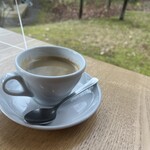
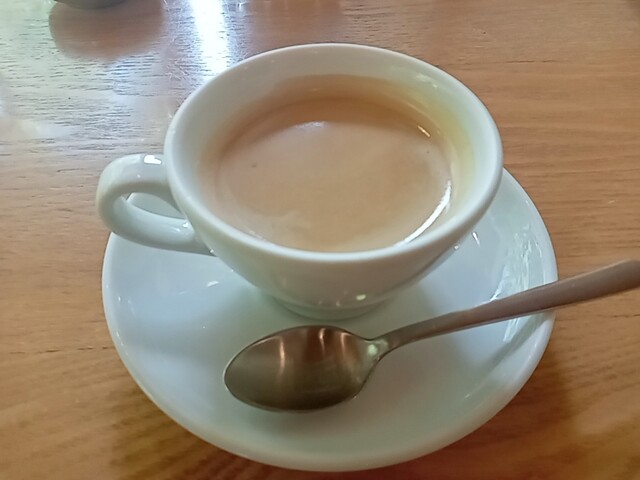
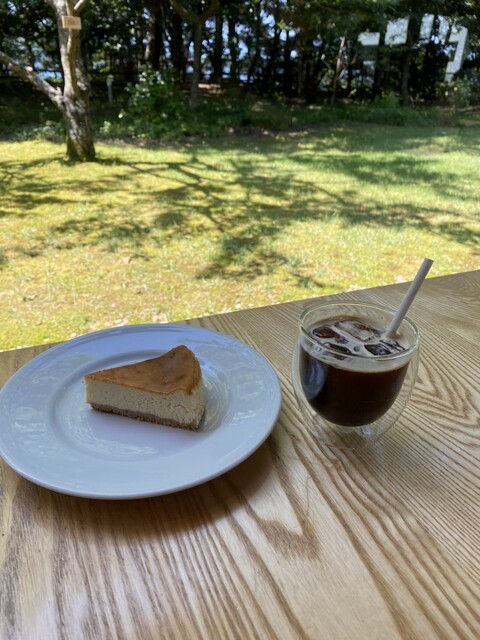
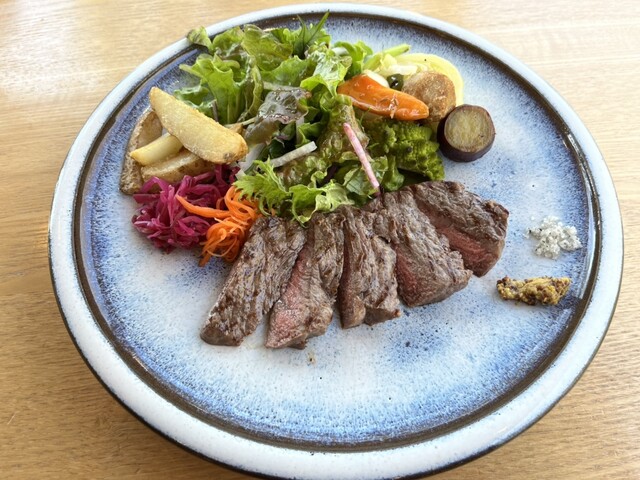
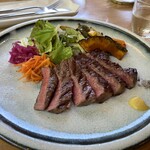
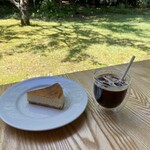
I came across this restaurant while driving to Kyotango, and I was looking for a nice place to eat. The location was great, and the food did not disappoint. The main meat dish was as delicious as it looked. The iced coffee that came with dessert was served in a Bodum insulated glass, showing the attention to detail at this restaurant. I would like to stay overnight and dine here next time. ^_^

4961ef
3.50
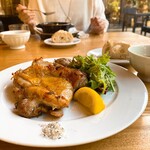
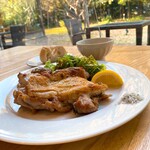
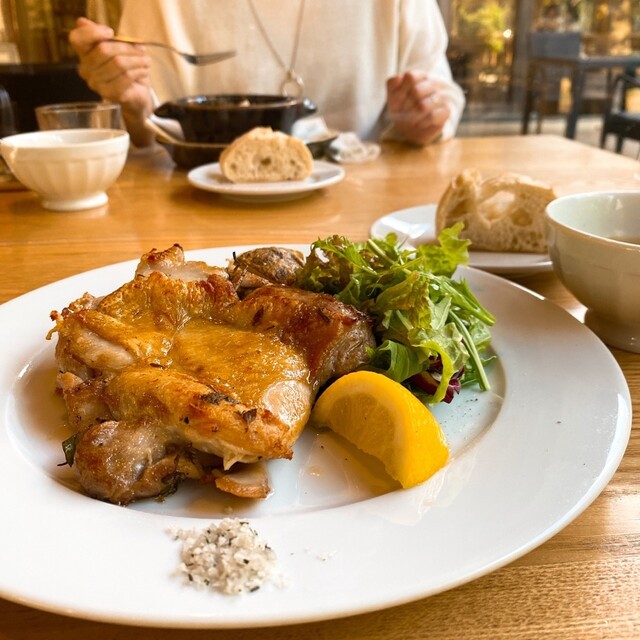
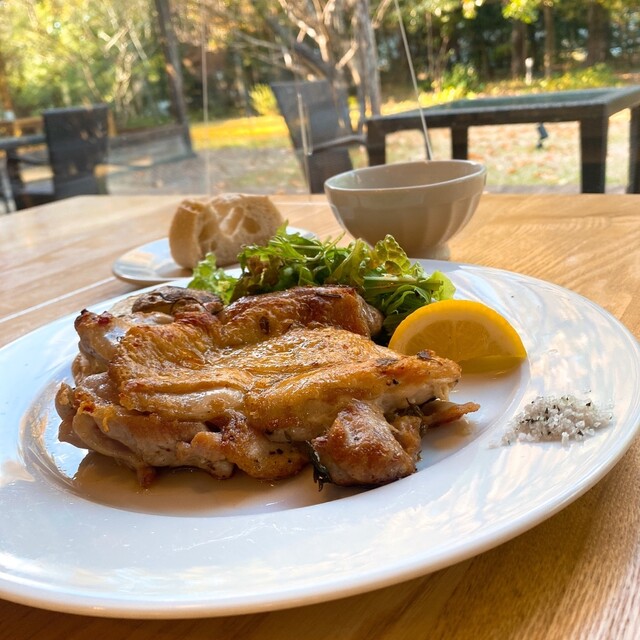
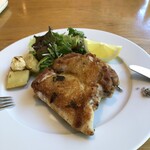
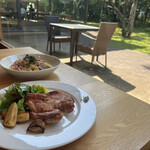
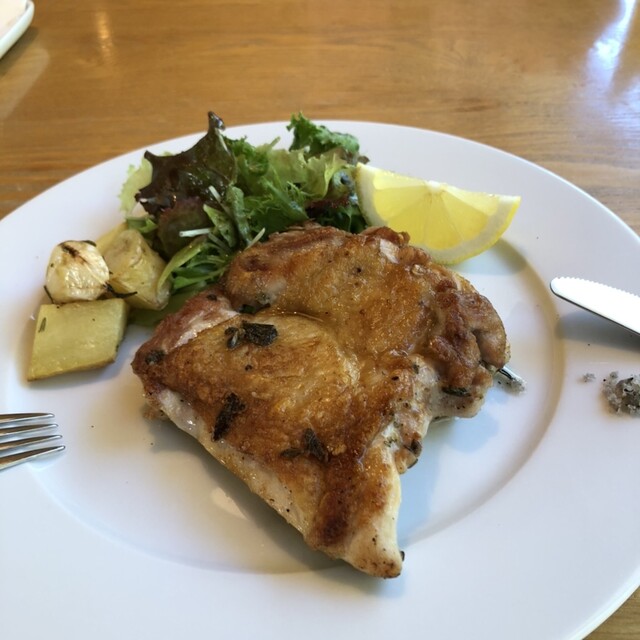
It was a nice atmosphere at the restaurant. There were two staff members, but the place was spacious so it was a bit difficult to get their attention to place an order. I ordered the chicken, and it was delicious with crispy skin. I would like to visit again when I'm in the area.

NoFuture
3.50
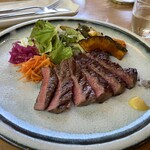
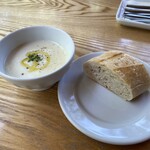
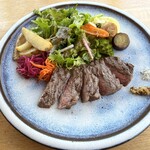
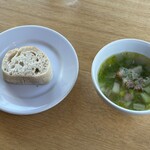
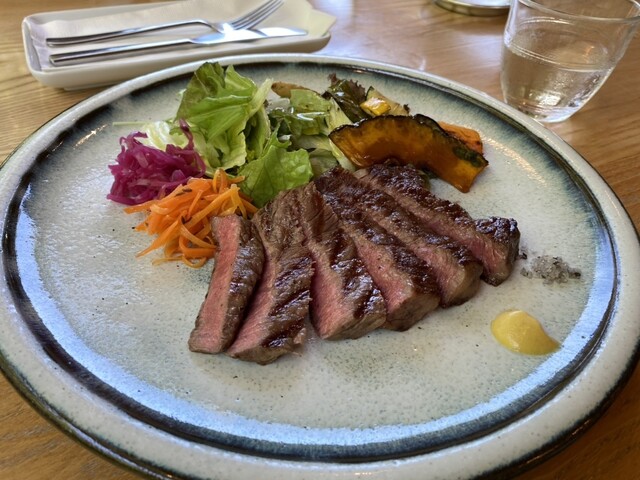
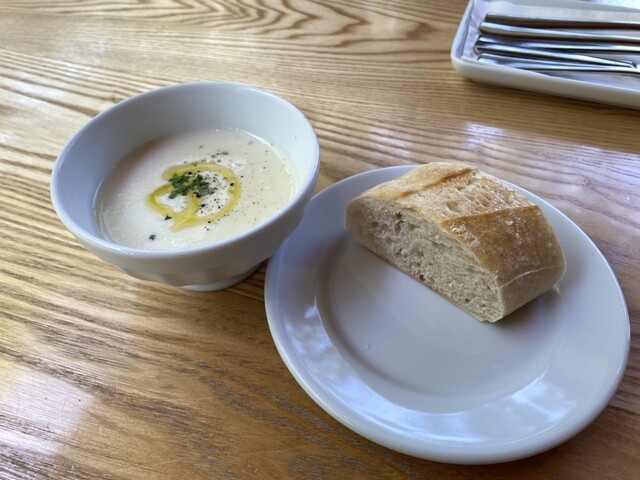
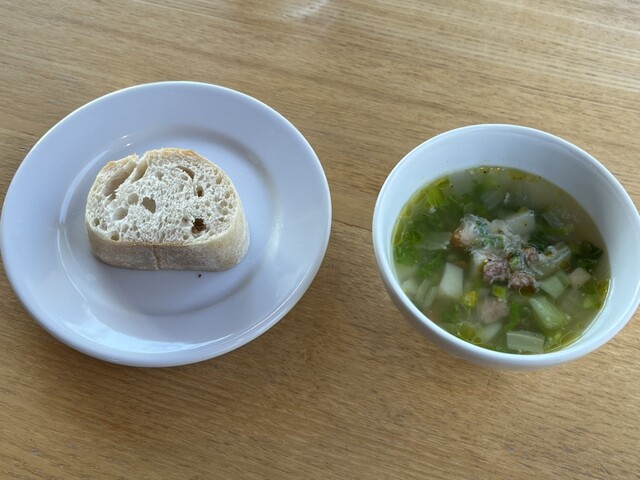
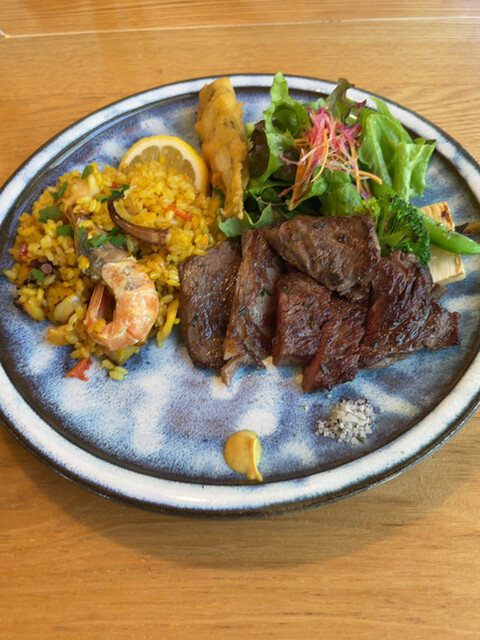
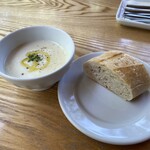
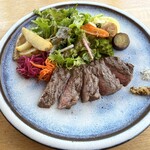
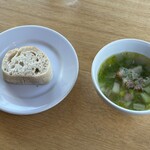
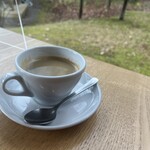
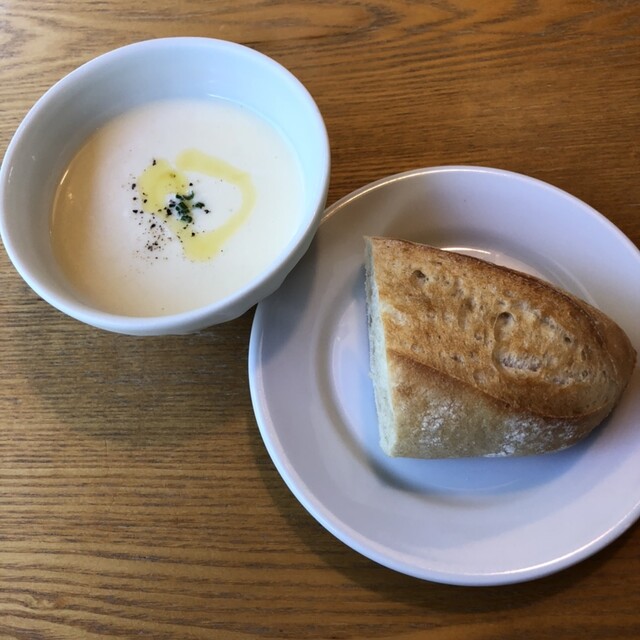
Kabutoyama towers by the shore of Kumihama Bay. The park at the foot of the mountain is a popular spot, offering stunning views from the mid-slope and the summit observatory. Reception Garden, a restaurant at Kabutoyama Park, has a nice glass window where you can enjoy the surrounding scenery. I ordered the black wagyu sirloin steak, which had excellent quality and was cooked to perfection with a hint of redness. The set with bread and soup was also good. After eating, we took a drive around Kumihama Bay, enjoying the beautiful views. Encountering a herd of deer was a surprising but memorable experience.

がっそー
4.00
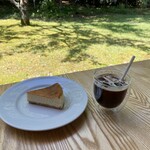
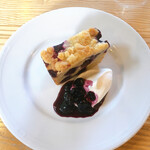
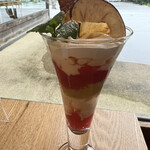
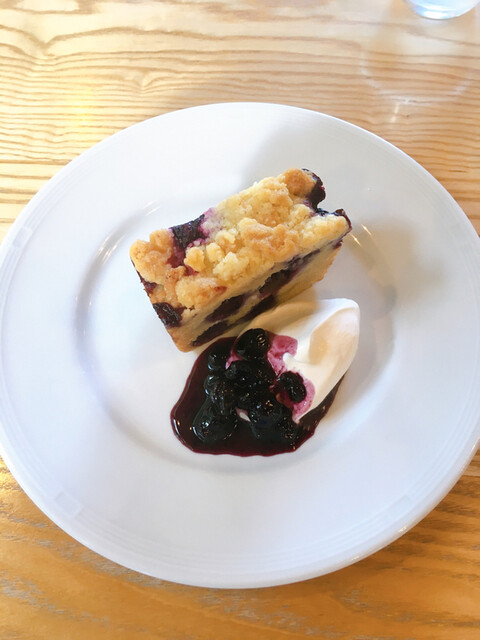
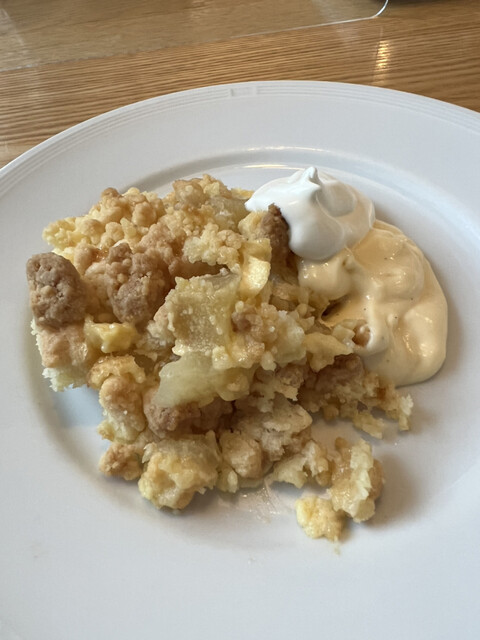
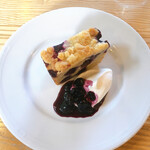
In the stylish hotel Holiday Home located in Kumiham, I tried the Blueberry Clam and Coffee set at "Reception Garden," which is known for its popular parfaits. The coffee had a hint of acidity and paired well with the clam. It was delicious! I look forward to trying the Bolognese for lunch next time. Thank you for the meal!

guchy808
3.20
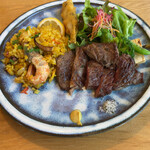
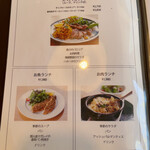
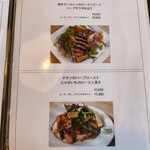
The restaurant at the hotel in Kumiham was fully booked when we arrived, but we were able to get a table in about 5 minutes. The atmosphere inside was bright and calm, with plenty of natural light which was nice. I ordered the special lunch, but the meat was just average. The paella was dry and the rice was hard. Since there was only this dish and soup, the men did not feel satisfied. The prices were not cheap either, so overall, I don't think I will visit again.

りえちゃん0099
3.80
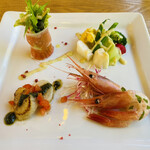
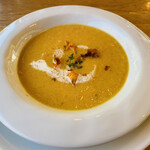
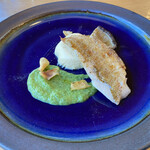
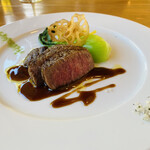
During lunchtime, I made a reservation for a table only by phone, but when I arrived, it turned out they were starting their Christmas course...I was recommended it so I made a reservation and visited. The narrow, winding road I'm not good at...but a beautiful view was waiting for me. I arrived earlier than the reservation time, but they welcomed me warmly. First, I had a non-alcoholic sparkling drink...cheers! Vegetable salmon and prosciutto rolls, warm vegetable salad, marinated sweet shrimp, seared scallops - all had gentle flavors...you could feel the natural sweetness of the vegetables. The potage had a nice texture with the sweetness of carrots. The grilled blackthroat sea perch had a lovely aroma. The crispy skin, tasty fat on the flesh, and turnip sauce were a perfect match. The grilled beef fillet was tender with a sweet flavor. I liked it with the blended salt. The dessert was cute and put me in the Christmas mood. The food was very delicious, the staff were very friendly, and I had a great time. Thank you for the meal!

Yummy29600
3.70
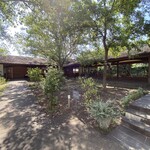
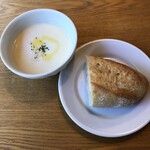
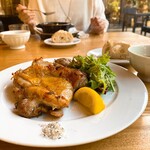
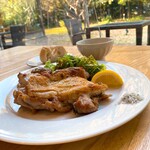
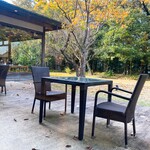
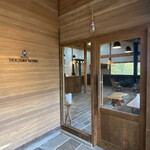
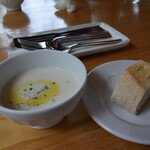
A hidden gem of a restaurant located a little up the mountain. The building looks like it came straight out of a Ghibli movie, surrounded by greenery. It's a hotel as well, serving as a dining area for dinner and breakfast. I ordered the meat lunch set for 1800 yen. It came with grilled chicken soup and bread. The chicken skin was crispy and the meat juicy and perfectly cooked. It was delicious on its own, but even better with a sprinkle of salt or a squeeze of lemon juice. I really enjoyed it!

ちゃーしゅー1号
4.00
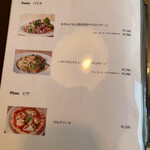
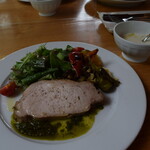
Visited in August 2021. This day, I traveled to Tango and Kumihama. We hadn't decided on a lunch spot, but we ended up choosing this place. I've been to Kumihama many times, but I didn't know there was such a lovely restaurant and hotel tucked away in a bay. It's right by Kabutoyama Park. Surrounded by greenery, it's a cool and nice location. I visited the restaurant on a weekday afternoon. It's the summer vacation season, so there were several families as customers. The restaurant is all glass and has a fantastic atmosphere. Now, let's order. ● Meat Lunch Set @ 1,800 yen ● Fish Lunch Set @ 1,800 yen ● Margherita Pizza @ I forgot the price, maybe around 1,200 yen? The lunch sets were simple, consisting of: - Seasonal soup - Bread - Main dish: Roasted meat and seasonal vegetables - Coffee. The best part was the seasonal vegetables, so delicious. Truly, Kumihama. Local ingredients are tasty. With the lush green scenery and a leisurely meal, it was a very good lunch to escape the hustle and bustle of everyday life. The hotel on the premises also had a calm atmosphere and seemed very nice, so I'd like to come back again. Thank you for the meal ☆



kuroda
4.10
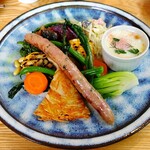
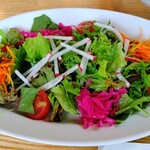
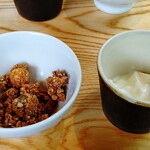
Located about a 10-minute drive from Kabutoyama Station on the Kyoto Tango Railway, this resort hotel is situated at the foot of Kabutoyama, a distinctive bell-shaped mountain that faces Kumihamabay. The Standard Twin rooms consist of two rooms in one building. The rooms feature high ceilings with skylights that let in natural light, and are furnished with two beds and a sofa facing a window, creating a simple yet tastefully designed space. The beds, with a warm wooden feel, are covered with natural linen duvets and soft pillows, inviting a comfortable rest. A book light is provided by the bedside for reading in bed. Meals are served at the restaurant "Reception Garden" located beyond the reception area. The restaurant has a narrow, elongated space with tables set up for less than 50 seats. Breakfast is also served at this restaurant. On this occasion, we were guided to a table in the spacious hall closer to the kitchen. The large windows overlooking the garden were slightly fogged up due to the temperature difference between indoors and outdoors. A salad bowl filled with plenty of vegetables and a dressing made of olive oil and vinegar were served promptly. I ordered a cafe au lait for my drink. Additionally, homemade granola and local Kumihamabay "Hiraya Milk" yogurt were provided. Baguettes, croissants, rye bread with herb butter, and homemade jams were served. Shortly after, a platter of grilled local vegetables, herb sausages, and egg dishes in a cocotte arrived. The variety of vegetables included corn, beets, Chinese broccoli, among others. There was also coleslaw. The sausages had a rich herb flavor, and the egg dish was a perfectly cooked soft-boiled egg with a firm yolk - a true onsen tamago. The unique addition of mozzarella made it even more delightful. A plate of fruits including Kumihamabay melon, peaches, American cherries, oranges, and kiwi was served. It was a delightful start to the day with a generous portion of fruits for a vitamin boost. After such a satisfying meal, I decided to skip lunch that day. The friendly and approachable hotel staff added to the overall satisfaction of the experience. I was able to enjoy a leisurely holiday while admiring the view of Kumihamabay from the lush mixed forest surroundings.

kuroda
4.20
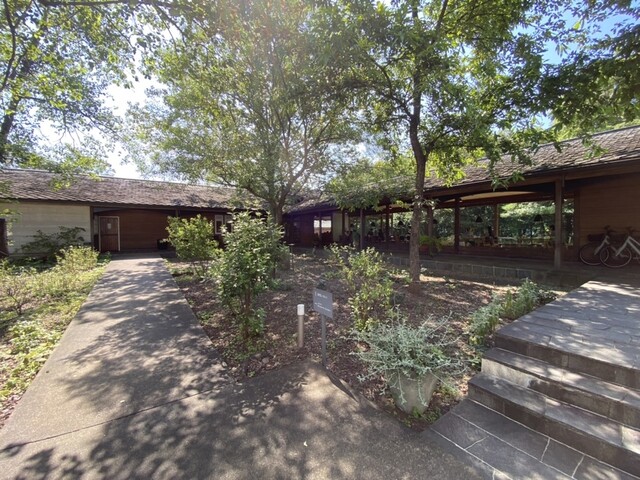
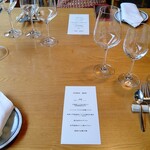
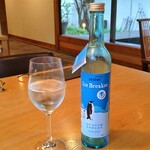
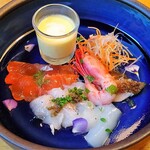
About 10 minutes by car from Kyoto Tango Railway Kabutoyama Station, located at the foot of Kabutoyama, a distinctive bell-shaped mountain that borders Kumihama Bay, is a restaurant at a hotel in Kabutoyama Park. After the lifting of the state of emergency in July, my wife and I decided to enjoy a little luxurious vacation by staying at this hotel. The building to the left of the well-maintained garden is the hotel reception, which is integrated with the restaurant building. We checked in here. There is a wood-burning fireplace here, which is actually used in winter. A short walk from the hotel reception through the door at the back leads to a one-story building with two standard twin rooms. We will be staying here tonight. The hotel accommodation is detailed in the blog post. As for the meal, it is served at the restaurant "Reception Garden" located beyond the reception. The restaurant has a wide hall and a long narrow space with tables set up for fewer than 50 seats. Tonight, we were guided to the long narrow space. The sides are made of glass, offering a fantastic view as if dining in the garden while indoors. We had requested the "Summer Special Plan" featuring luxury ingredients from Tango for tonight. We started with an appetizer assortment. Normally, we would order wine, but since this is Tango, known for sake, we decided to pair the meal with Japanese sake. We had a pre-dinner drink with "Ice Breaker" from Kinoshita Shuzo, known for the "Tamagawa" brand, which is located nearby. This "Ice Breaker" is recommended on the rocks. It has a crisp taste that is perfect as an aperitif. The appetizer consisted of a cold corn soup with seasonal vegetables and sashimi of seasonal fish. The sashimi included rainbow trout, red sea bream, grunt, cuttlefish, and sweet shrimp. The texture of the rainbow trout was superb, and the cuttlefish and sweet shrimp were incredibly sweet. The cold corn soup had a strong flavor and sweetness of corn, which was also locally sourced from Kumihama. It was a memorable dish. Next, we had seared Turban shell and live oysters from Ine. The Turban shell, known as a specialty of Tango, had a deep sweetness that spread in the mouth with each bite. The liver was surprisingly delicious. The live oysters from Ine had a meaty and creamy texture, thanks to the unique conditions of Ine Bay with plant plankton from the mountains and minerals from the Tsushima Current. We paired this with "Time Machine" also from Kinoshita Shuzo. This sake, made using the brewing method from the Edo period, has a pale amber color and a rich taste. My wife discovered the trick of squeezing lemon over the oysters, which enhanced the flavor. Next was a cold pasta with tomatoes and basil. The sweet tomatoes were mixed with a Genovese-style sauce, creating a fragrant and refreshing dish. The pasta had a crisp texture, perfect for a cold dish. We then had a paper-wrapped grilled seasonal fish and locally sourced black abalone from Tango. The cooking paper was carefully unwrapped to reveal a herb aroma and the scent of escargot butter. The black abalone, along with rockfish, shrimp, octopus, and more, was a true fruit of the sea. We paired this with a Junmai Ginjo called "Otomachi," which is made from the "Otomachi" rice variety known as the "legendary sake rice." It had a rich taste typical of Japanese sake, perfect for a meal. The main course was a grilled black wagyu beef. The rose-pink fillet with a perfect sear was tender and juicy, with a rich umami flavor and sweet fat. For dessert, we had a hojicha (roasted green tea) pudding from Kyoto Tango, topped with a walnut cookie. The hojicha-flavored pudding had a delightful aroma, complemented by the nutty cookie on top.

euro_pokkei
3.50
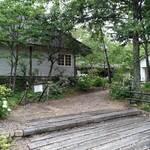
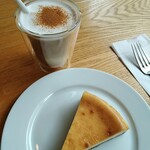
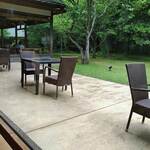
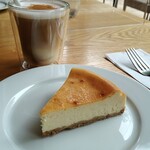
I found a unique space in Kyotango's Kumihama that you can go around in less than 30 minutes by car... "HOTEL HOLIDAY HOME" has a restaurant that is integrated with the surrounding trees, creating a quiet atmosphere. At this time of year, the hydrangeas add a nice touch of color. They offer Italian-centered lunch menus and cafe menus where you can also enjoy baked cakes. Although it's not a city restaurant, being a hotel restaurant, you can't go wrong with the taste. It turned out to be a nice spot for a slightly longer break.

くろよん
3.50
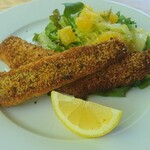
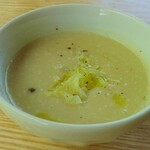
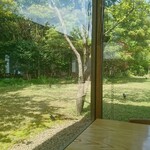
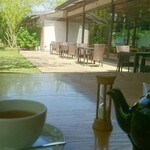
I arrived at the restaurant looking for soba with anko sauce, only to find it closed. So, I decided to have the fish lunch set at the neighboring hotel restaurant, Reception Garden, for the first time in five years. I enjoyed breaded flounder, herb salad, potato soup, and tea at a table overlooking the garden surrounded by fresh greenery. Unfortunately, they didn't have any oyster dishes available at the time, but I still enjoyed the delicious flounder.

りかとも
4.10
I stayed at my dream hotel using GoTo Travel and here is my review of the restaurant at the hotel. I booked the luxurious "Matsuba crab feast dinner" which is even more extravagant than the regular plan thanks to the campaign♡ The course included mini bouillabaisse with crab and seafood, assorted appetizers, bread, crab risotto, roast beef of black-haired wagyu, yuzu sorbet, herb sautéed local crab, burdock panna cotta, and a drink after the meal. I also ordered sparkling wine and local sake from a nearby brewery. My husband, who initially said "I just want regular crab dishes," was impressed from the start with the bouillabaisse, saying "Delicious!! I want to make this at home^_^" He was also full of praise for the crab and nagaimo fritters and snow crab, saying "I could eat this forever♡" (lol). Despite the focus on crab, the thick roast beef was also incredibly delicious♡. The luxurious herb sautéed local crab with the tag was served with frequent refills of finger bowls and hot towels, allowing us to fully enjoy it. The refreshing burdock panna cotta for dessert was also delicious^_^. For breakfast, we started with granola and yogurt, followed by a salad, assorted bread, grilled vegetables in a cocotte, fruits, and all-you-can-drink beverages, making it a luxurious meal. The staff came by multiple times to check on us, and my husband kept saying "Simply the milk is delicious" as he had multiple refills (lol). Eating so many vegetables in the morning made us feel refreshed and rejuvenated. The location was wonderful with abundant nature, making it feel like we were at a hotel overseas♡. I would love to visit again in the middle of summer or another time!

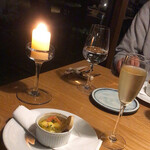
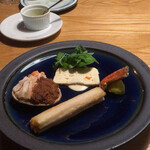
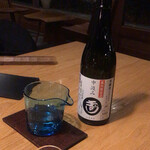
フェミニスト
3.50
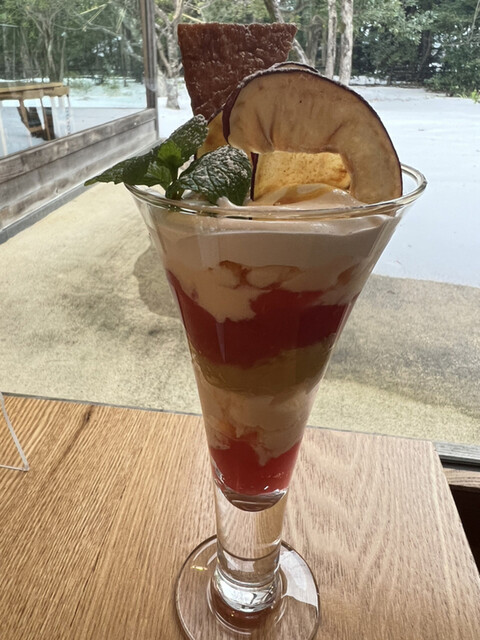
The pizza with four types of cheese and plenty of honey was delicious. It would have been even better if either the cheese or honey had a more distinctive flavor. My partner's curry was also delicious. However, the parfait we ordered for dessert could use some improvement.
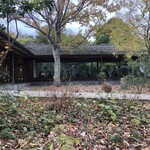
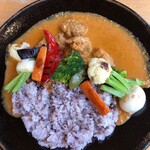
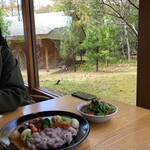
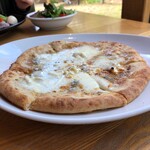

rmbsh
4.00
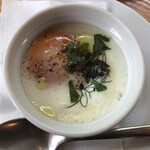
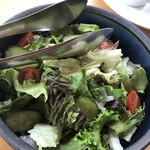
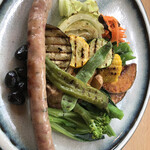
This is the breakfast at the holiday home. A hearty breakfast with lots of vegetables. It includes sausages, mozzarella cheese and tomato cocotte, bread including croissants, yogurt, fruits, and unlimited drinks including juice. Enjoying breakfast while looking at the well-maintained garden was very satisfying. The service provided by the staff was also excellent. Thank you very much for the meal.
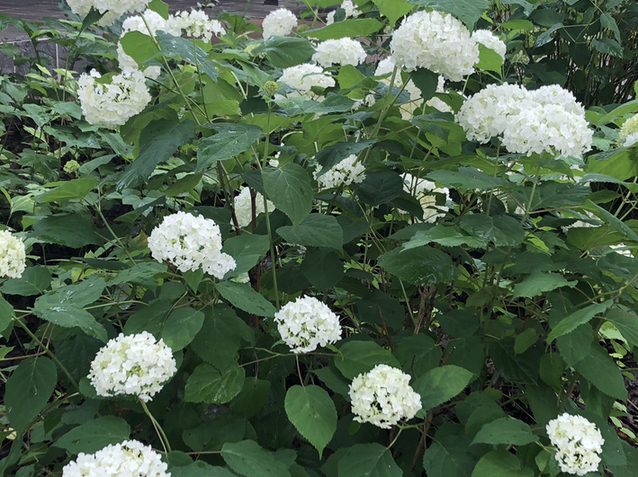
rmbsh
4.50
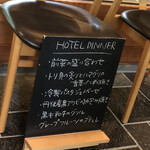
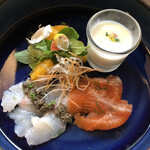
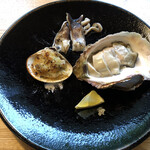
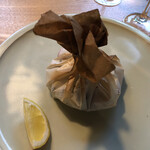
Dinner at the holiday home was amazing. It was my first time trying seared chicken and shellfish, and it was thick, sweet, and delicious. I was surprised because I had only ever had it at sushi restaurants before. The carpaccio was not only beautiful to look at but incredibly tasty, and the seafood dishes with abalone and other fish were also too delicious. Also, although I don't have a photo, the cold pasta with tomato Genovese was cooked perfectly, with just the right amount of tomato and refreshing basil. The dessert was also delicious, but I had to give up halfway due to the previous courses being so filling. I'm sorry. However, the staff at this hotel were really kind. It was a very comfortable stay. Thank you very much!

食いしん坊のんち
3.70
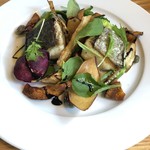
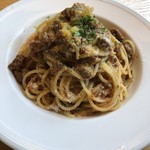
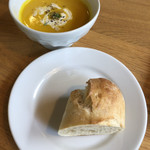
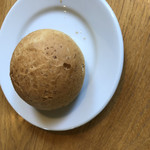
I had lunch at Kabuto-yama in Kumejima near Kumihama Station, not at the Kabuto-yama in Nishinomiya City. The restaurant is located inside Kabuto-yama Holiday House, and it is a lovely place where you can feel the attention to detail in everything from the exterior, interior, staff, and food. Today, I visited for lunch and the approach from the parking lot to the restaurant already got me excited. Inside the restaurant, the atmosphere is relaxed, the view from the window is beautiful, and the staff are very knowledgeable about the menu, ingredients, and cooking methods. The fish dish featured mackerel, and the flesh was firm with a rich umami flavor. The presentation was stylish, and the taste of the fish really stood out. The vegetables also had a strong presence with a gentle but flavorful vegetable sauce. Although it's not shown in the photo, the chestnut parfait is a must-order. It's truly amazing. The parfait is filled with delicious chestnuts and is a must-try. I definitely want to visit again next year. Thank you for the wonderful meal.

soso_239
3.00
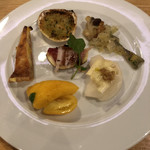
I dined at the restaurant of Bshop's hotel! The service was very polite, and I had a comfortable dinner. The cuisine seemed to be Italian? I enjoyed appetizers such as prosciutto with figs, quiche, Brie cheese with pear escabeche, etc., ordered a la carte style, and had a great time chatting with friends over wine. The restaurant offers fresh ingredients served in a simple way, and I would like to stay at the hotel next time to enjoy it again!
Email Login