走井餅老舗 石清水八幡宮境内店
Hashiriimochirouhoiwashimizuhachimanguuteidaiten ◆ はしりいもちろうほ
3.14
Mukou, Yawata, Kumiyama
「Japanese Sweets」
--
--
Opening hours: 10:00-16:00 Open Sundays
Rest time: Monday, Tuesday, Wednesday, Thursday, Friday (open on national holidays) Business hours and holidays are subject to change, so please check with the store before visiting.
京都府八幡市八幡高坊30 石清水八幡宮
Photos
(20)
Details
Payment Method
Credit cards not accepted
Smoking and Non-Smoking
No smoking at the table
Parking
having
Comments
(10)

a63bc9
3.10
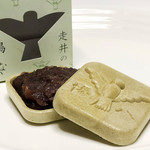
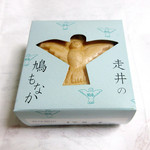
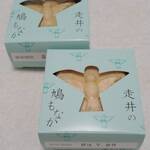
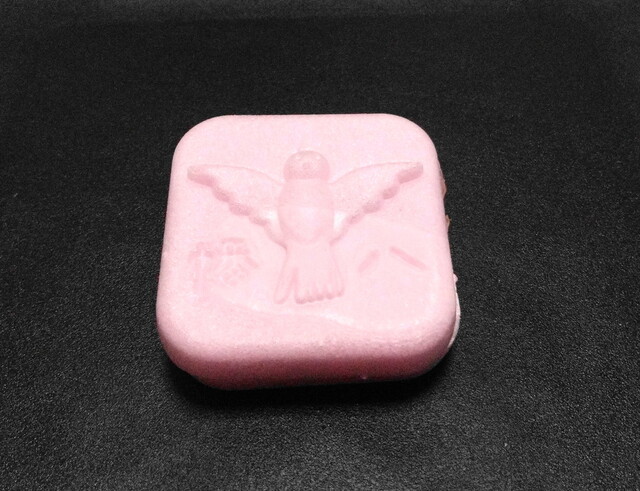
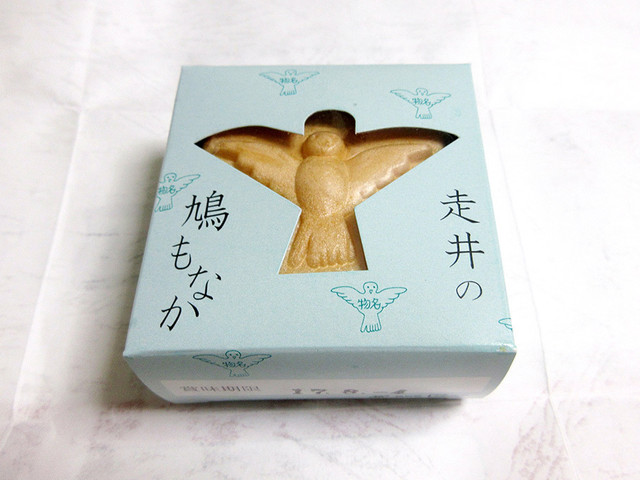
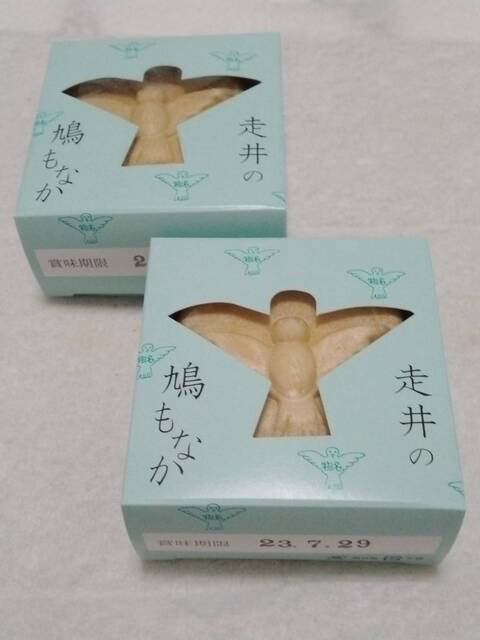
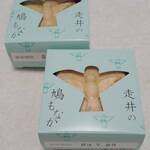
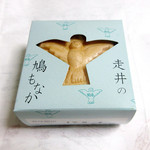
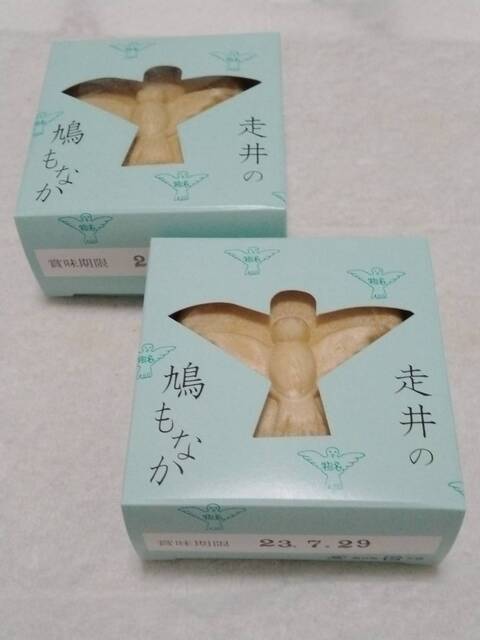
The "Ayui Mochi" is a well-known local specialty. The "Hatonomonaka" is also famous in the area. It contains 35 grams of sweet bean paste. The crispy outer shell is made with domestically produced rice flour. Doves have been considered special beings and treated with care as messengers of the Ishikiri Hachimangu Shrine since ancient times. The "Ha" in "hatto" is associated with the auspicious "hachi" (eight), making doves a symbol of good luck that has been cherished for a long time.

夏ミカン
3.60
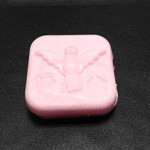
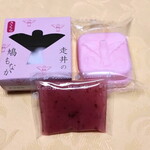
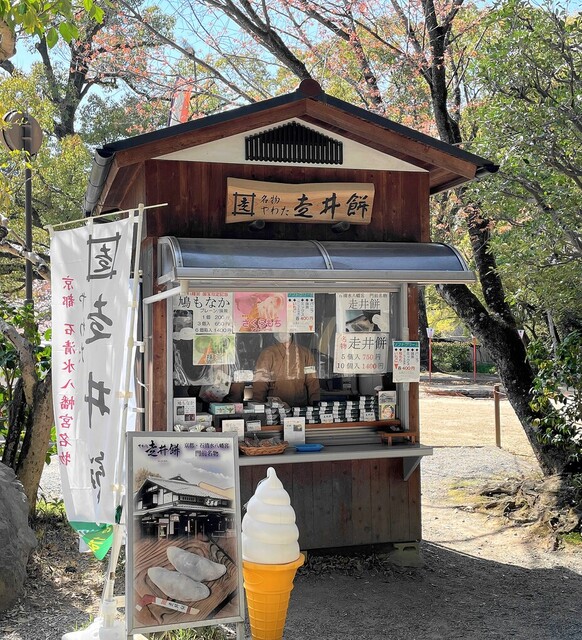
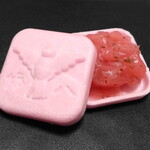
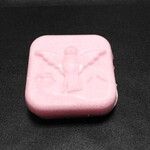
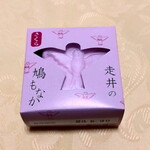
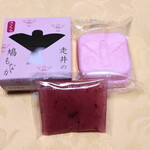
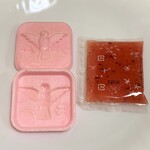
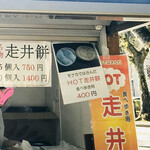
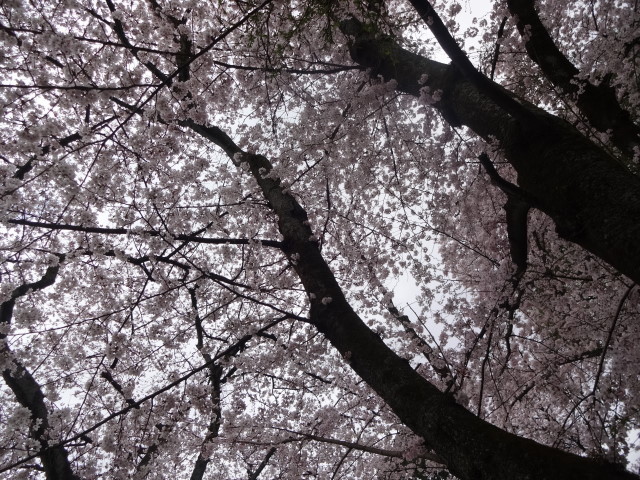
I went to see the cherry blossoms at the Sakai River Park Sewarimatsu in full bloom. On the way back, I visited the Ishizumi Hachimangu Shrine, where the "Oyama Cherry Blossom Festival" was being held. The Oyama area has been known as a famous cherry blossom spot since the Heian period. I bought souvenirs at the Soui Mochi Shop inside the Ishizumi Hachimangu Shrine. The Soui Hato Monaka was created to commemorate the designation of the Ishizumi Hachimangu Shrine as a national treasure in Heisei 28. The monaka is made with a pigeon motif on the skin, representing the divine messenger of the Ishizumi Hachimangu Shrine. I purchased the Sakura-flavored monaka with a light pink skin (200 yen), which had a delicious filling of sakura leaf pickles and liqueur-infused sakura bean paste. The famous Soui Mochi set of 5 pieces (750 yen) is recommended for takeout, but be careful not to place them sideways as they may lose their shape. Enjoy the soft texture and homemade taste of these mochi.

たけち02
4.00
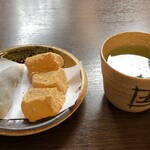
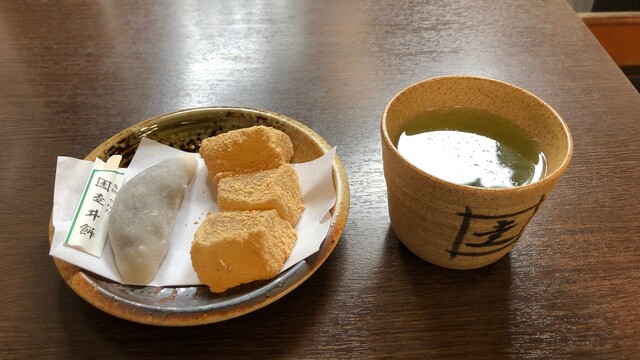
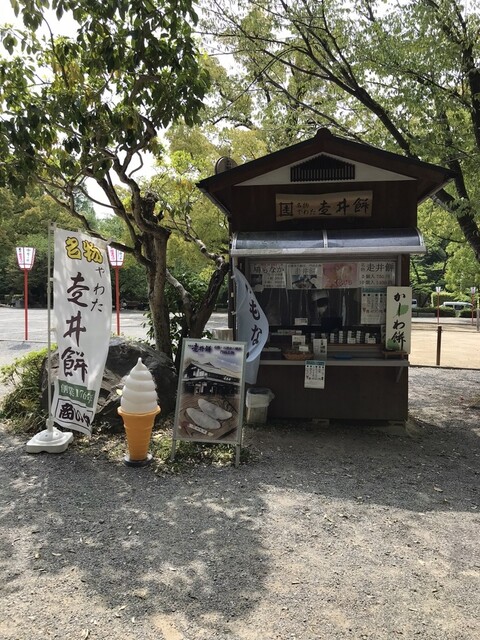
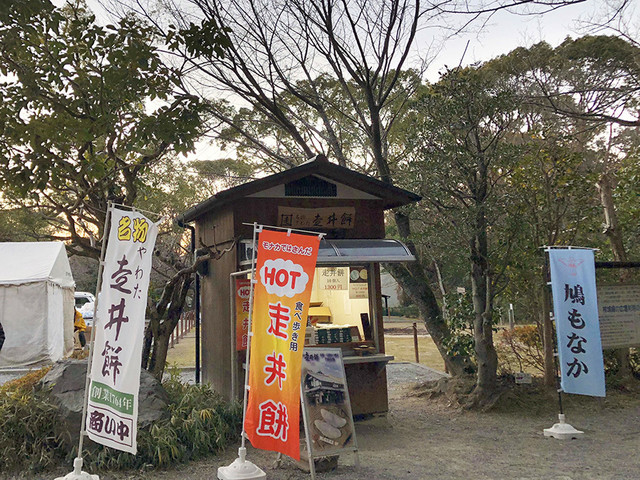
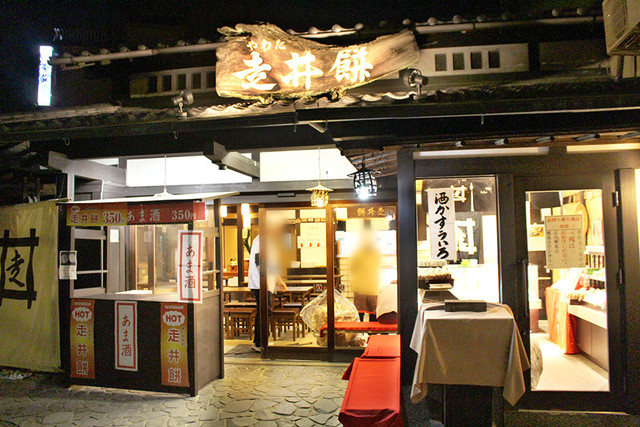
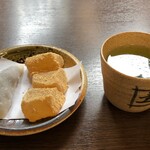
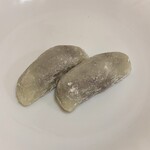
The Soining Mochi is a specialty sweet of the Ishizumi Hachimangu Shrine. You can buy it at the food stalls near the shrine and at the main store at the foot of Mt. Otoko. It is a soft mochi in the shape of a crescent moon. The store at the shrine is for takeout only, but at the main store, you can also eat in like in the picture.

Hannibal Barca
3.20
One of the shrines in the Sanja Hachimangu Shrine, a traditional Japanese confectionery shop located within the premises of Ishikiri Hachimangu Shrine.
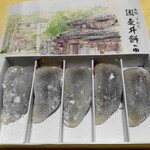
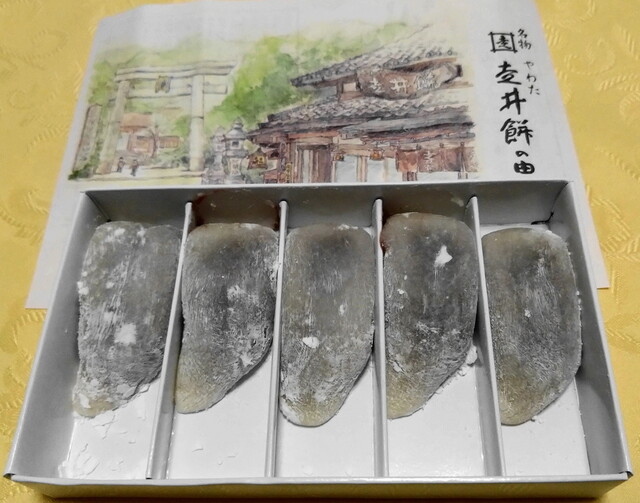
Sohai Mochi (5 pieces for 750 yen): A soft and flavorful pounded rice cake. Established in the first year of Meiwa (1764), this mochi has a long and slender shape representing the roughness of a sword blade.
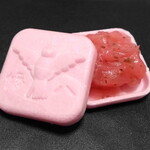
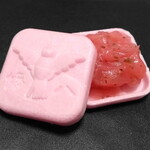
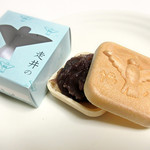
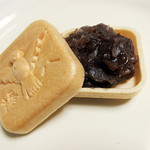
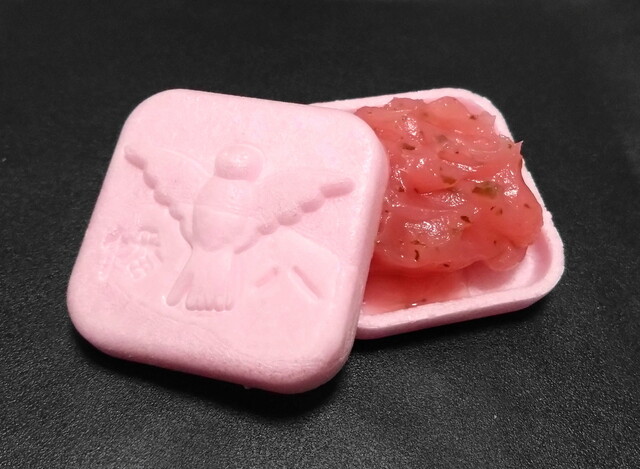
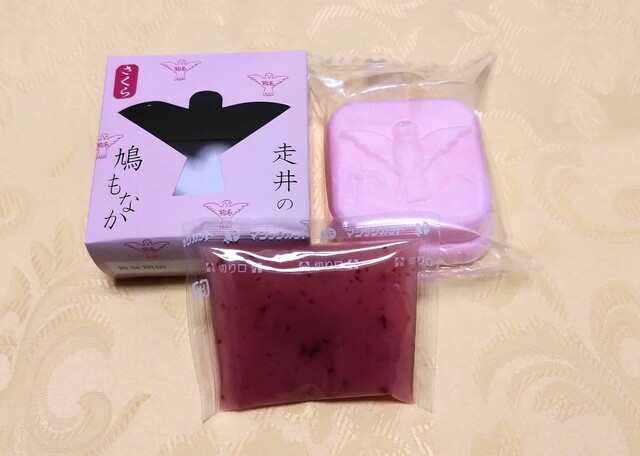
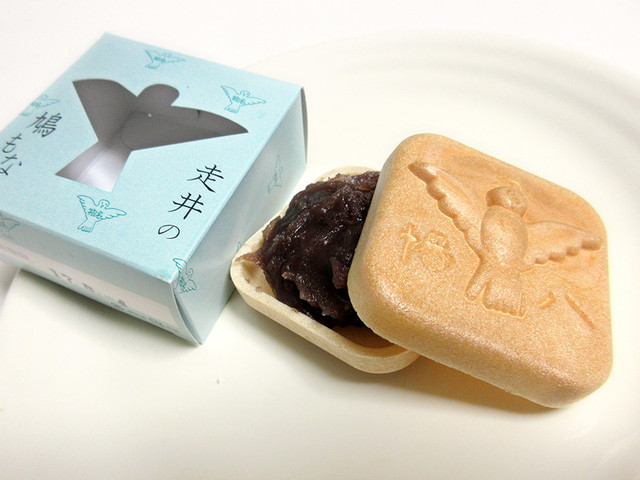
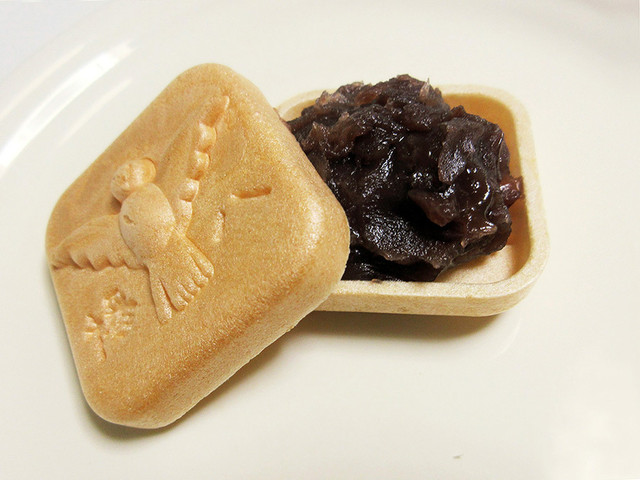
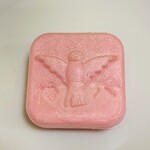
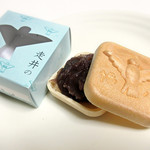
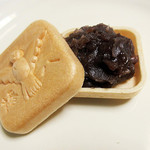
Hatonomonaka Sakura (200 yen): Handmade manju with the outer shell and red bean paste separated, allowing you to combine them yourself before eating. It may take a little extra effort, but the shell is incredibly crispy as it is not moist.
It is worth noting that the Sanja Hachimangu Shrine consists of Usa Shrine (Oita), Tsurugaoka Hachimangu Shrine (Kanagawa), Hakozaki Shrine (Fukuoka), and Ishikiri Hachimangu Shrine. There are four in total, with the third one being multiple, as is customary.

ミッフィーーーー
3.00
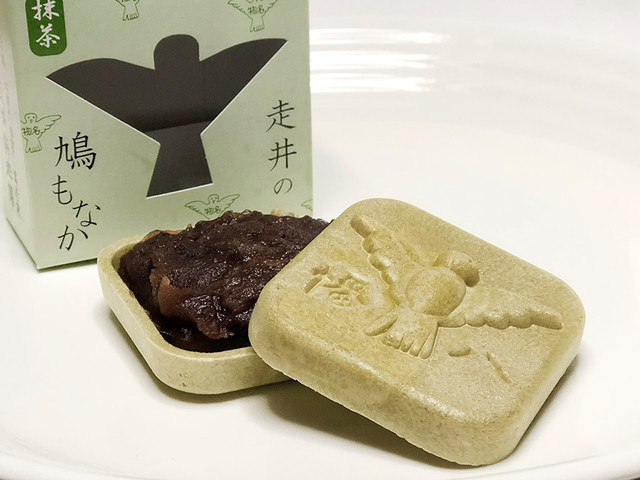
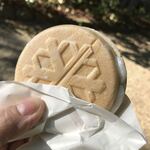
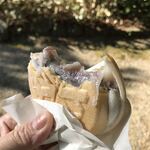
I visited my local shrine for the first time this year. Even though it's already 10 days into the new year, there were still many visitors, making it quite lively. The shrine I have been visiting since I was a child is Iwashimizu Hachimangu, where the messenger of the god is a dove. After paying my respects and greeting the new year, I found a shop selling Iwashimizu Hachimangu's specialty, Iwashimizu mochi, at a rest area just off the approach to the shrine. Iwashimizu mochi is a soft mochi made of sweet bean paste wrapped in a gentle sweetness. It's a specialty of Hachiman. I couldn't resist buying some to enjoy after my jog, but I was worried it might get squished in my pouch because it's so soft! Luckily, they were also selling warm monaka made with the same mochi. I ordered some, but realized I only had a 10,000 yen bill and no change! I panicked, but the staff reassured me it was okay. I also bought some matcha-flavored dove-shaped monaka, symbolizing the shrine's messenger, the dove. I sat on a nearby bench and tried the monaka. The white mochi peeking out was so cute, and when I took a bite, the warm mochi stretched and the crispy monaka shell paired perfectly with the soft, subtly sweet mochi. It was delicious! The dove monaka is a souvenir for my mom. It was really tasty. Thank you for the meal!

アルボス
3.30
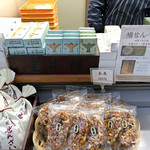
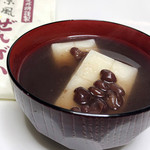
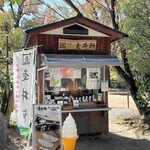
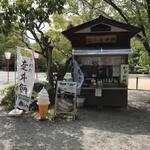
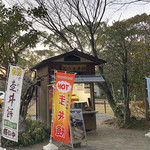
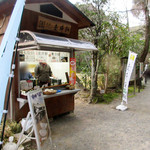
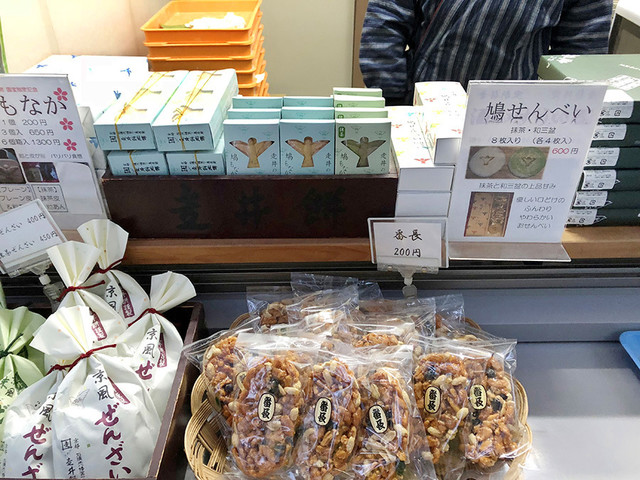
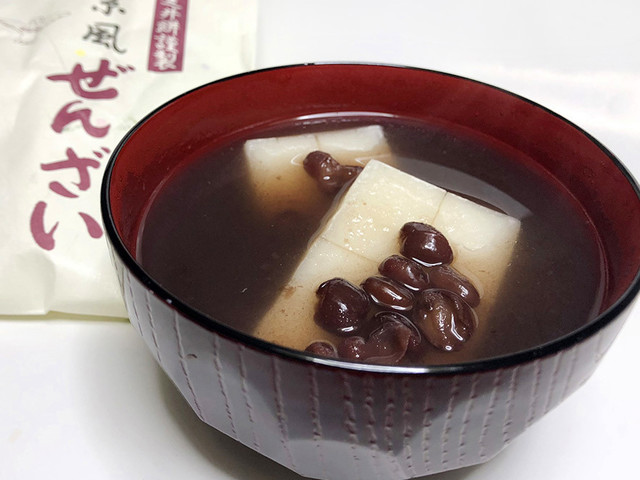
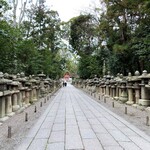
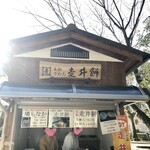
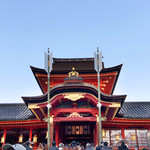
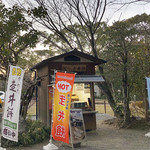
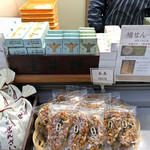
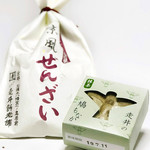
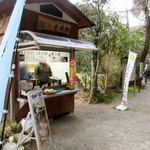
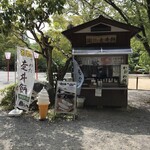
One of the three major Hachiman shrines in Japan, considered as one of the two main shrines along with Ise Jingu, is the national treasure "Iwashimizu Hachimangu Shrine" located on the mountain top of Mt. Otokoyama, on the border with Osaka. Apart from New Year and event days, the shrine is usually quiet and offers a serene landscape. This is a sales point within the grounds of Iwashimizu Hachimangu Shrine, open only on Saturdays, Sundays, and holidays, as well as during major events. The main store originated in the mid-Edo period in Otsu and is now located in front of the "Ichino Torii" at the foot of Mt. Otokoyama. With a history of over 250 years, it is a traditional Japanese confectionery store. At the storefront of the shrine shop, there are famous "Sohi Mochi," pigeon-shaped monaka, Kyoto-style zenzai, and matcha zenzai. I purchased one of each for takeout. Pigeon-shaped monaka with matcha costs 200 yen per piece. It is named after the shrine's divine messenger "pigeon," and the red bean paste inside is the same as the regular type, with only the outer skin flavored with matcha. It was delicious with a crispy outer skin and a well-matched grainy red bean paste. The texture is also crispy and very tasty. The Kyoto-style zenzai costs 400 yen. I heated the retort pouch in hot water and added store-bought cut rice cakes. It may not be suitable for those who prefer a rich zenzai, as this one is light and elegant. The main store of Sohi Mochi is located in front of the Ichino Torii at the foot of Mt. Otokoyama, with a spacious tea house and a wide range of products. This shrine shop is open only on Saturdays, Sundays, holidays, and during major events. It is likely to be open daily until mid-January for the New Year period.

はむりんぷりん
3.50
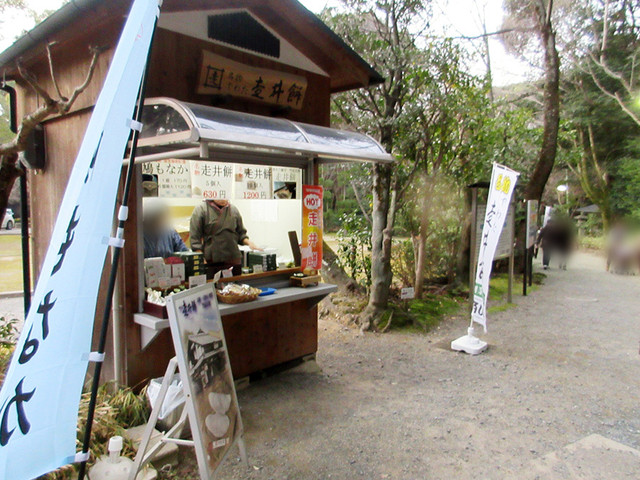
Since buying this mochi at the main store in front of the station last time, I have become a big fan. I decided in my heart that I would definitely buy it when I visit the Ise Grand Shrine this time. Actually, there is a store selling Soi Mochi inside the Ise Grand Shrine grounds, where you can purchase it. Three elderly ladies were selling them in the cold weather. They said warm words like "Thank you for coming in this cold weather," which warmed my heart as I made my purchase.
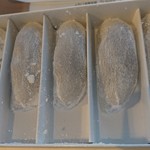
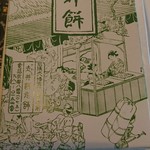
Soi Mochi 5 pieces (750 yen): Last time, I didn't read the instructions and ate them all without realizing something. That is... there is starch sprinkled on the surface of the mochi to maintain its quality, and the instruction sheet says to brush off the starch before eating. I didn't know about brushing it off last time and just ate it happily, but this time I followed the recommendation and brushed off the starch before eating. I felt like the mochi was softer this time compared to last time, and it tasted even better. The mochi has a firm texture and a delicious taste, with the not-too-sweet filling inside. I think it would make a great gift, so when you visit the shrine, be sure to buy some for yourself and for those you are grateful to.
アルボス
3.30
"Iwakura Hachimangu Shrine" is counted as one of the three major Hachimangu shrines in Japan and has recently been designated as a national treasure. It is located on the top of Mt. Otokoyama, which is the closest to Osaka in Kyoto Prefecture. The shrine is only open on weekends, holidays, and during major events. The main store originally started in Otsu in the mid-Edo period and is now located at the foot of Mt. Otokoyama in front of the "Ichinotorii" gate. It is a traditional Japanese confectionery shop with a history of over 250 years. In front of the shrine's store, there are the famous "Hashiri Mochi" that I have bought several times, and this time I tried the special edition "Hato Monaka" for the first time, which was designated as a national treasure. Each piece costs 170 yen (as of January 2017). The name "Hato Monaka" is derived from the messenger doves of the Ise Grand Shrine. The box contains the Monaka shell and sweet bean paste separately, and you fill the Monaka with the paste yourself. Both the Monaka shell and the sweet bean paste were from other companies, but the crispy outer shell and the sweetness of the bean paste matched well. The crunchy texture is also very delicious. The shrine store is open only on weekends, holidays, and during major events. In 2017, it will be open every day until January 19th. The main store at the foot of the mountain also has a tea space and a wider range of products available."

Yukino Nara
3.00
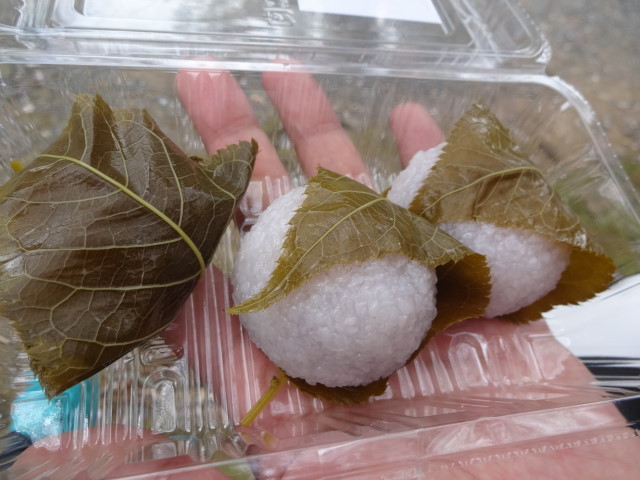
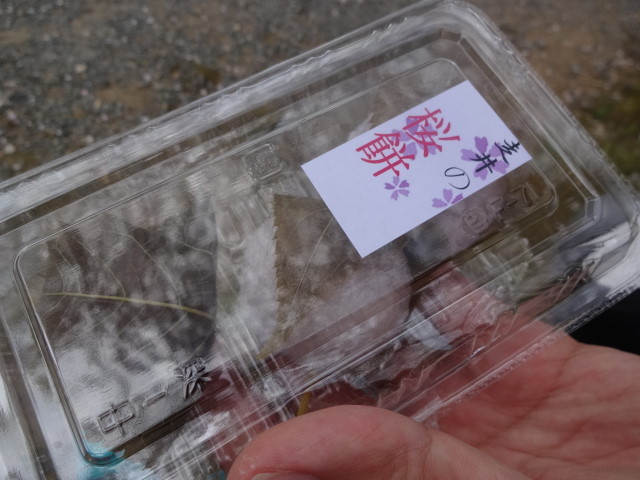
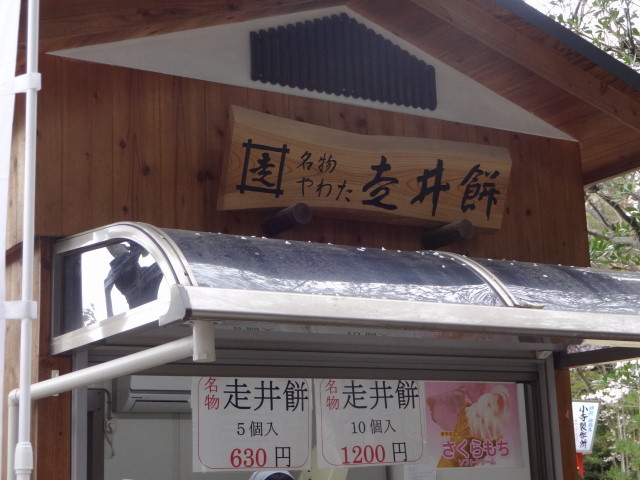
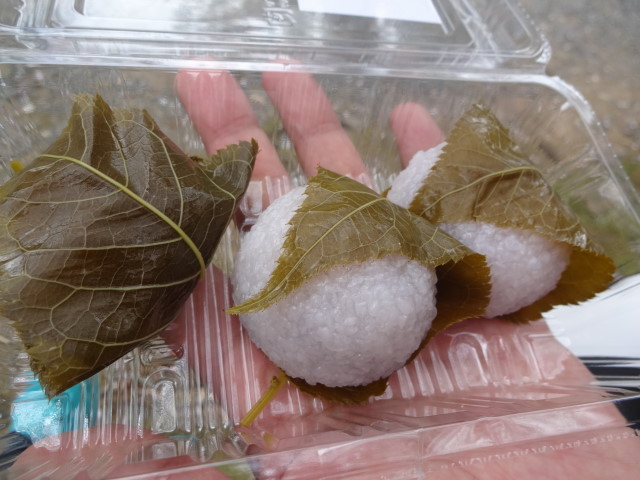
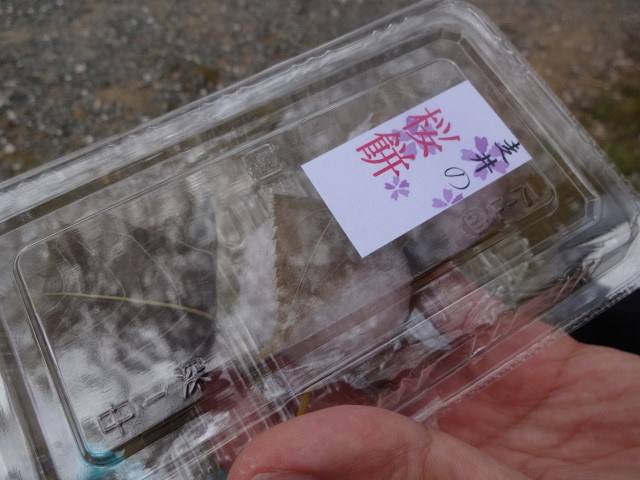
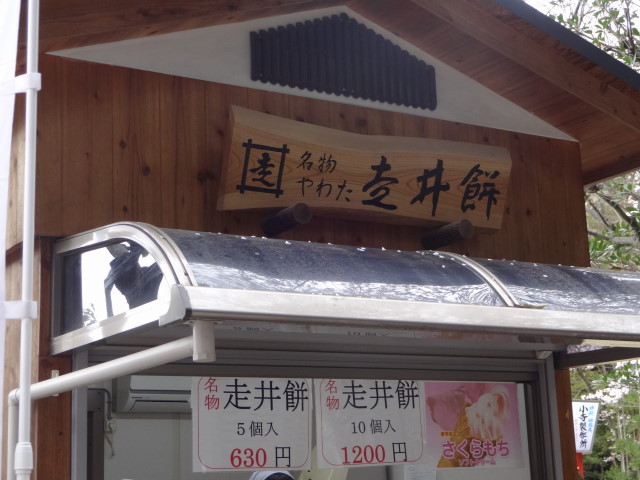
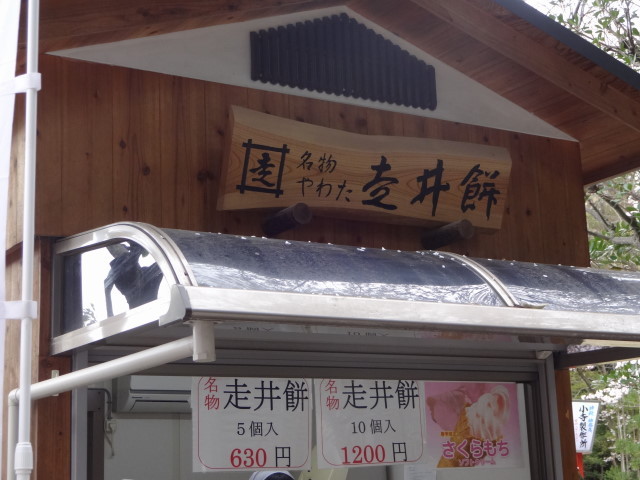
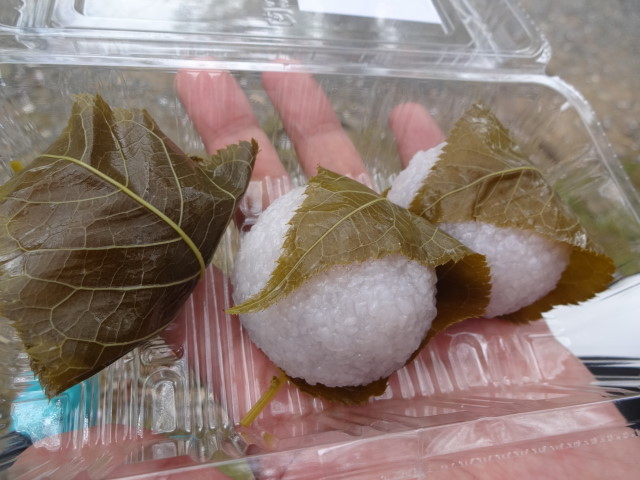
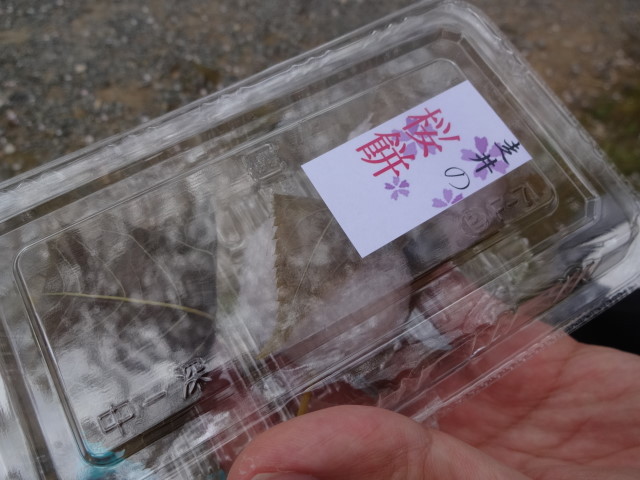
I visited the prestigious Iwashimizu Hachimangu Shrine in April for cherry blossom viewing, which also appears in The Tale of Genji. It felt amazing to be in the same place as the people of the Heian period. The famous treat here is the Sakura Mochi, with options of 5 pieces for 630 yen or 10 pieces for 1200 yen. It seemed like too much for two people, especially since my husband doesn't like red beans. I was also interested in the Sakura Mochi soft serve ice cream, but the weather was cold and I didn't feel like eating it. Instead, I bought a pack of 3 Sakura Mochi, but I forgot the price. They were delicious with a nice salty flavor, and had a traditional taste which I liked.

inlineski
0.00
Email Login