紫野源水
Murasakinogensui ◆ むらさきのげんすい
3.49
Takaragaike, Kitayama
「Japanese Sweets」
--
--
Opening hours: 10:00~17:00
Rest time: Sundays, holidays, and Mondays Business hours and holidays are subject to change, so please check with the store before visiting.
京都府京都市北区小山西大野町78-1
Photos
(20)
Details
Reservation Info
can be reserved
Payment Method
No credit cards
Electronic money is not accepted
Private Dining Rooms
None
Smoking and Non-Smoking
No smoking at the table
Parking
None
Comments
(20)

hardrive
3.70
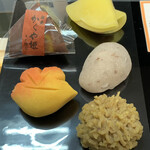
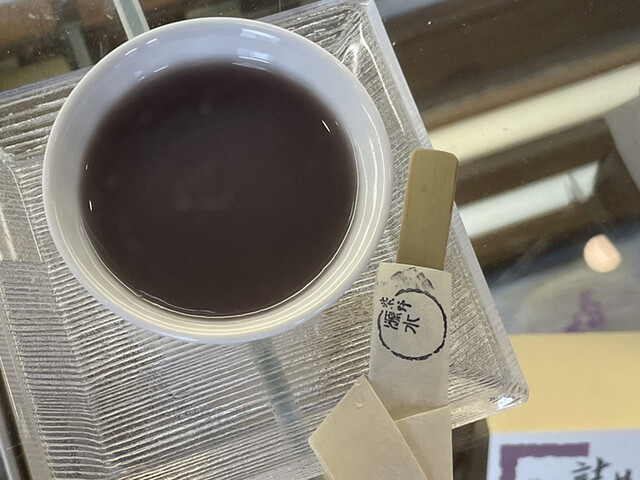
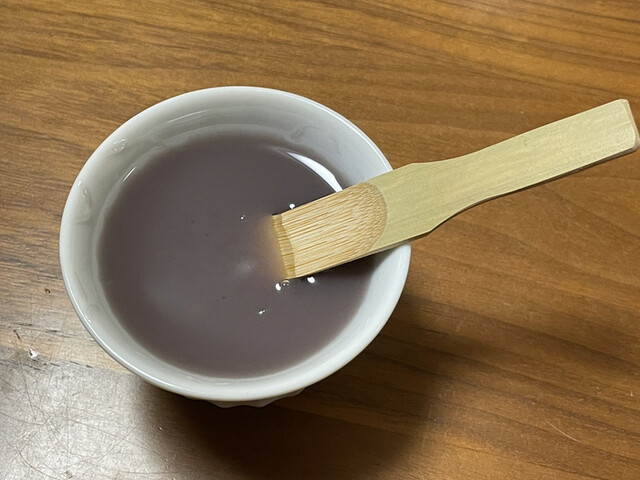
This time, I purchased the following: ① Ryo Itteki ② Ryo Itteki (sesame) ③ Kikyo: crushed, white bean paste ④ Mizumenotsuki: chestnut, red bean, agar ⑤ Susukino: yam, coarse red bean paste ⑥ ??? : sweet potato, whole bean paste. The texture of "Mizumenotsuki" was good. "Ryo Itteki" is almost over for this year. Looking forward to it again next year.

ktosh893
3.60
I visited to pick up the water yuzu (a type of Japanese confectionery made from kudzu starch) that I had reserved for the beginning of the week. The base of the water yuzu is usually made with gyuhi (a type of soft rice cake) but since this one is made with kudzu starch, the texture is smooth and the appearance is transparent and cool. Of course, the taste is different from gyuhi, a bit on the sweeter side. I also recommend the flower petal mochi they offer for New Year's.

殴られ兎
3.90
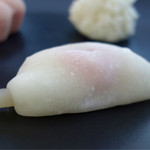
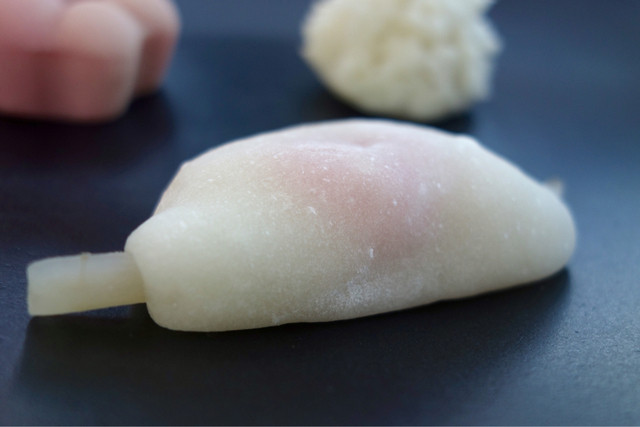
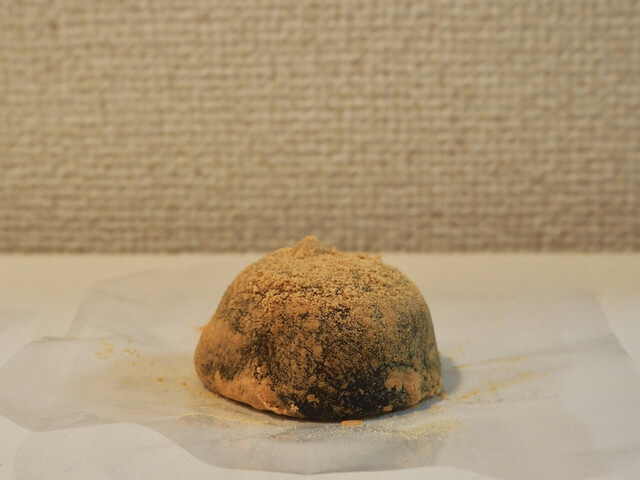
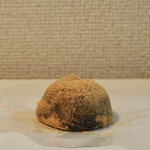
Visited the traditional Japanese confectionery shop "Shinagen Mizumi" in Nishijin. A foodie acquaintance wanted to go there. Although it has an old-established feel, it was actually founded in 1984. The Warabi Mochi is unique, with a thin layer of mochi filled with sweet red bean paste. Similar to the style of "Yoshimitsu" in Nagoya. The inside red bean paste is a vivid green color, smooth and creamy. The Warabi Mochi itself is chewy and bouncy. It was delicious. Some sweets were sold out, so I'll have to go back again soon.
hardrive
3.90
"I really enjoyed the texture of the 'Inokomochi' with its layered mochi and red bean paste."
hardrive
3.90
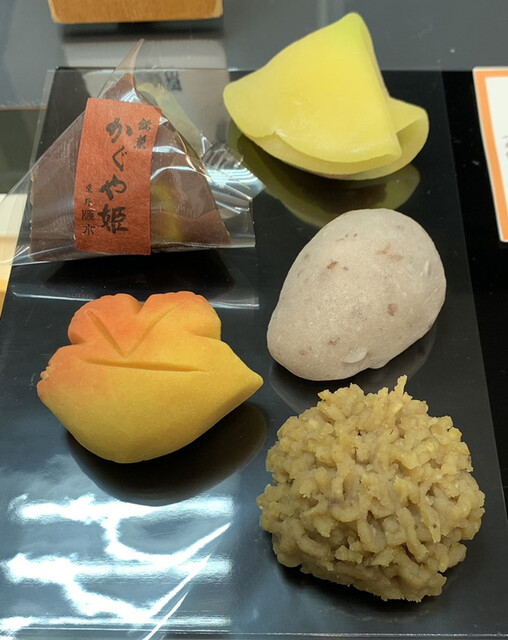
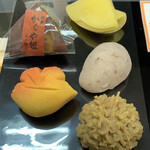
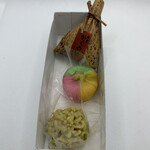
- Autumn Sounds: Chestnut Nerikiri (made with Kyoto Tanba chestnuts), White Azuki Bean Paste
- Kaguya-hime: Red Bean Paste, Kyoto Tanba Chestnut Sweetened Chestnuts
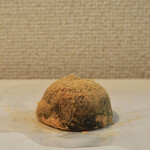
- Chestnut Kinako: Kyoto Tanba Chestnut Kinako, Red Bean Paste
All of them are delicious, but among them, the "Chestnut Kinako" is outstanding.

ししくん
4.00
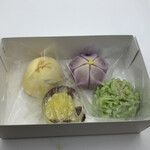
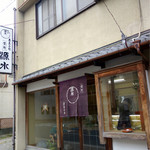
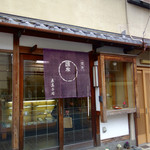
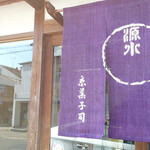
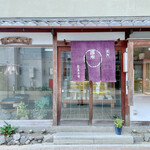
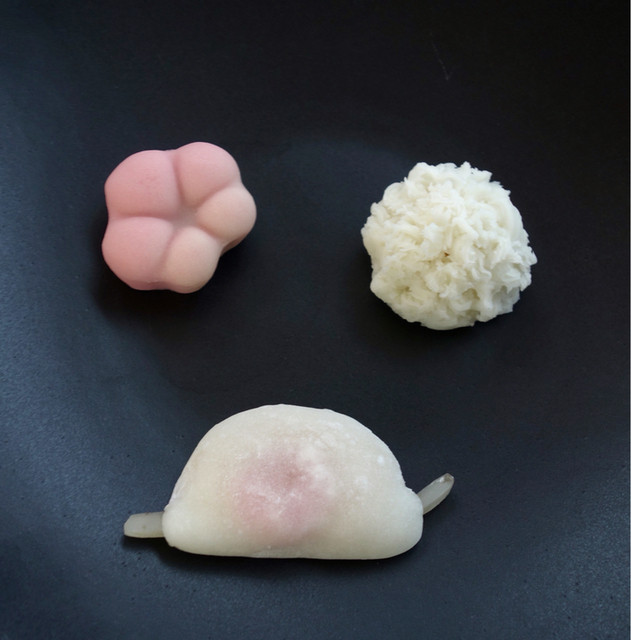
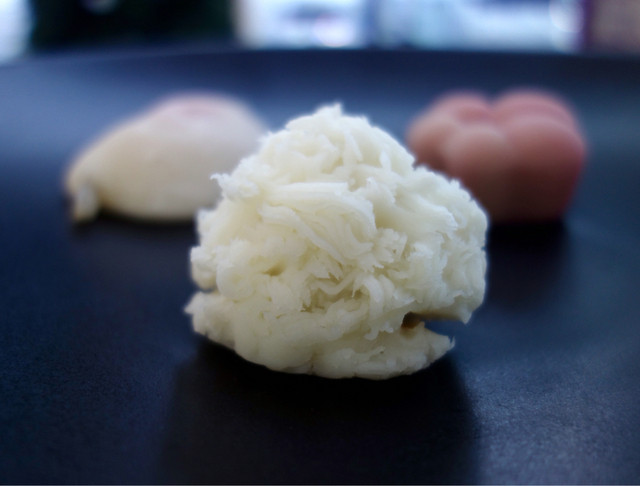
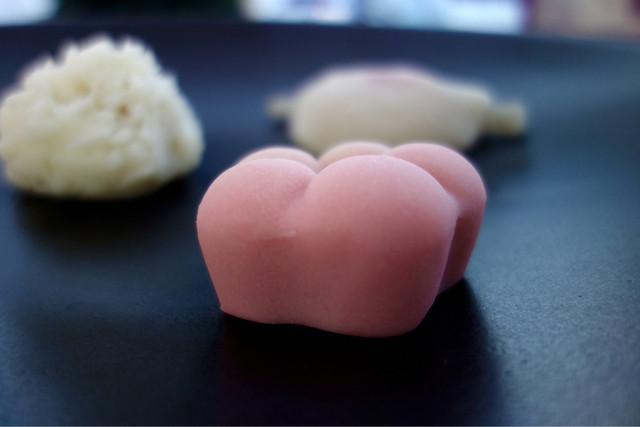
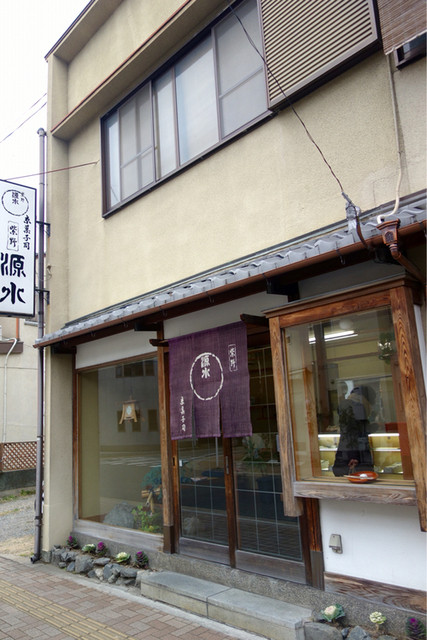
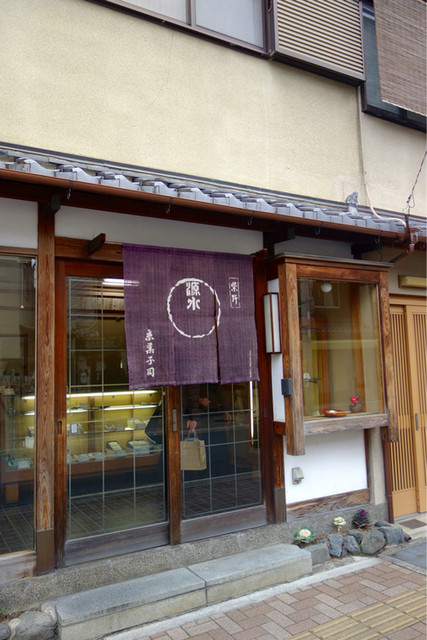
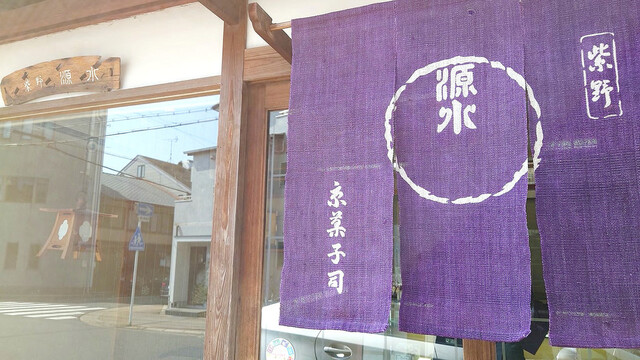
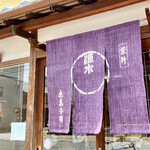
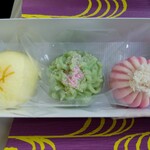
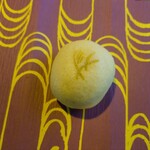
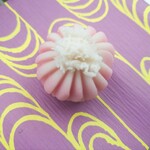
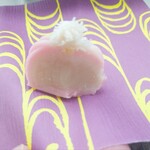
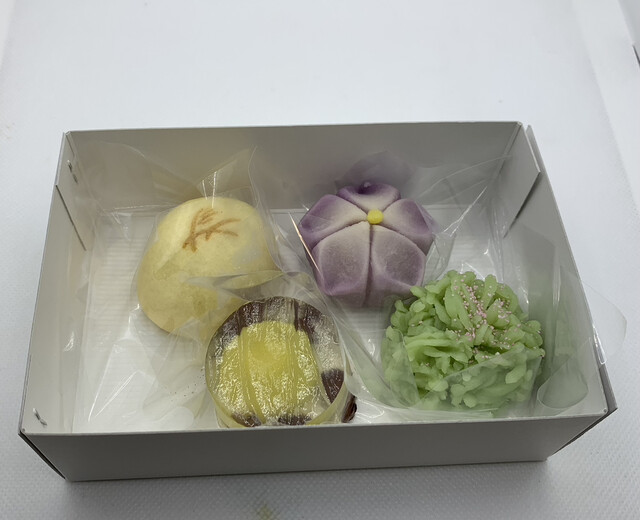
Located a little way down from the main street of Kitaoji Shinmachi, this shop may not stand out much with its small entrance curtain and discreet sign, but it has been highly praised for its delicious treats. On my first visit, I purchased a set of three wagashi: Susuki-no-Susukiya, which is a type of manju with a thinly yellow-colored skin and a susuki grass pattern, filled with a basic sweet bean paste (I enjoyed it under the moonlight, hence the dark image); Hagi-no-Hana, a moist and fresh kinton with whole beans in the sweet bean paste, offering a delightful combination of textures; and Kise-Nishiki, a white bean paste delicacy shaped like a chrysanthemum in a delicate pink color, providing a smooth and enjoyable experience. I used to have the preconception that Kyoto wagashi shops might be intimidating for those unfamiliar with tea ceremony culture, but I found the service here to be polite and welcoming, making it easy to step inside. Thank you for the delicious treats.

lop9940
3.50
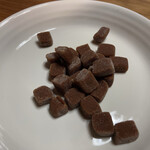
Weekend date in Kyoto with my wife. At my wife's request, we visited a traditional Japanese confectionery shop in Kitaoji. Here is a summary of the treats we tried:
1. Kuroshu-hama - $6.50
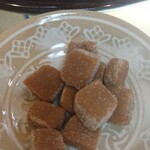
A cube-shaped confection, about 10mm in size. It has a subtle roasted soybean aroma similar to roasted soybean flour. The texture is moist and crumbly, almost like pressing together moist roasted soybean flour. The gentle yet rich sweetness from soybeans and rice syrup spreads softly in the mouth, leaving a lingering taste that makes you crave for matcha or sake. It can last for about two weeks.
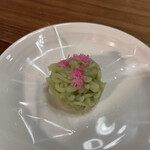
2. Iwane no tsuji - $4.50
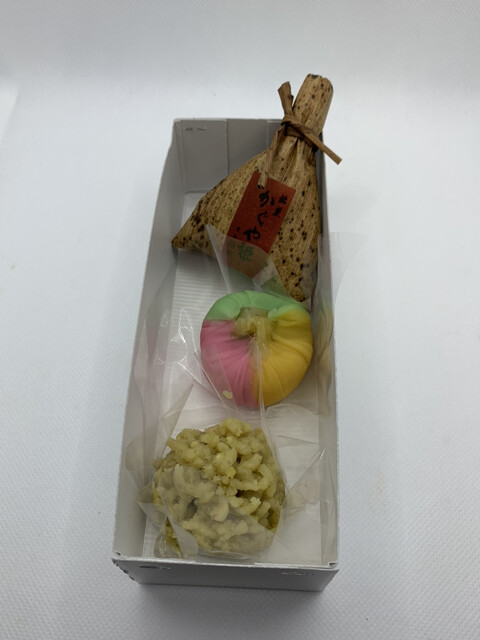
A green kinton with white sweet bean paste, about 35mm in diameter and 25mm in height. It has a unique sweetness and flavor, possibly from green beans or some leafy vegetable that gives it its green color. It may be a matter of personal preference, but it was delicious. Best consumed on the same day.
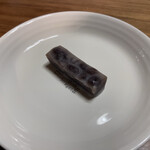
3. Matsunomisui - $1.50
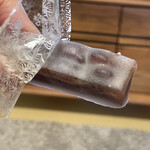
A rectangular confection, about 10x10mm in size and 40mm in length. It has a texture similar to sugar-coated grains of sweet bean paste. A combination of crunchy jelly-like texture and a moist, mochi-like texture. The sweet bean paste provides the sweetness of red beans. It can last for about two weeks.

comotan
3.70
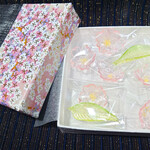
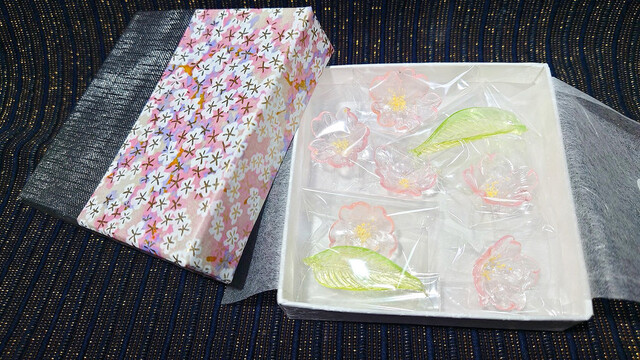
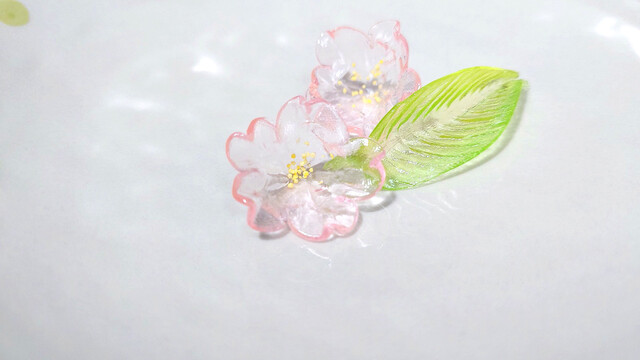
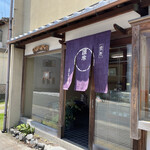
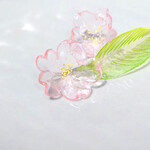
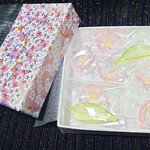
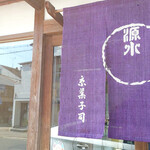
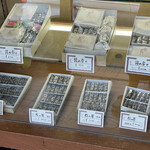
I visited a famous traditional Japanese confectionery shop in Kyoto's Kita Ward today. The shop is called Kyogashi-shi Shigeno Gensui, known for its Aritsugu sugar candies. It was just a few minutes' walk from Kitaoji Station. The shop had a charming traditional Japanese atmosphere, with beautifully crafted sugar candies on display. I purchased a set of Aritsugu sugar candies, which came in a lovely gift box. The set included six cherry blossom-shaped candies and two leaf-shaped candies. The Aritsugu sugar candies have a crispy texture and are said to have originated from Portugal, brought to Japan as nanban-gashi. They are perfect for enjoying at a tea ceremony. I found them to be elegant and delightful, a true representation of Kyoto's traditional confectionery.

S.Y Nのグルメ日記
3.50
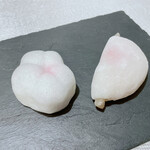
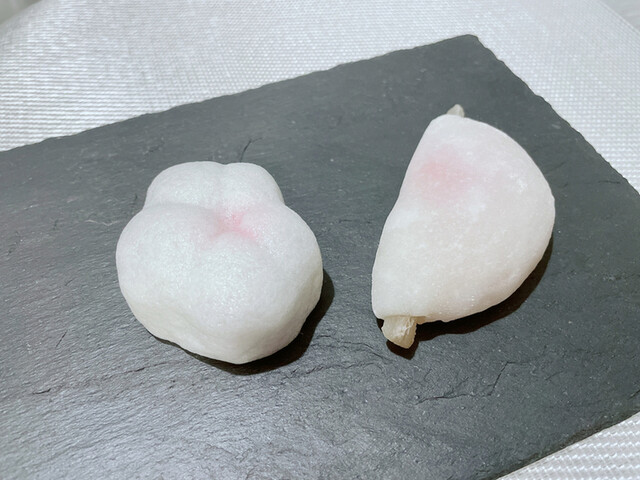
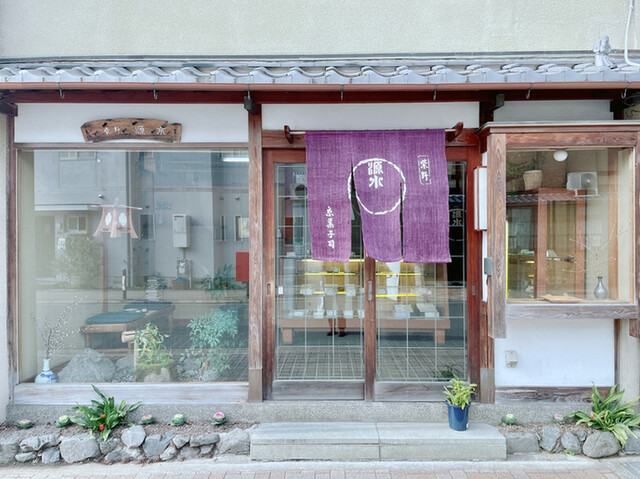
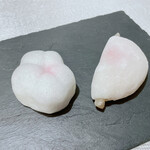
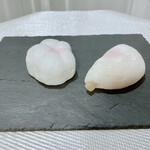
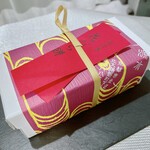
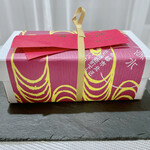
Located 8-10 minutes on foot from Kitaoji Station is the traditional Japanese confectionery shop, Murasakino Gensui. Established in 1984, this shop is approaching its 40th anniversary and is known for its popularity, with some of their fresh sweets selling out by early afternoon. They also offer reservations for those interested in securing their favorite confections in advance. During my visit, I purchased the popular Fukume and Hanabiramochi. The Hanabiramochi is a unique sweet containing burdock root and miso paste, originating from the Heian period as a substitute for traditional New Year's soup. This modern version has a salty miso flavor followed by a subtle sweetness, creating a delicious and distinctive taste. The Fukume, filled with sweet bean paste, was also delightful. If you're looking to purchase Japanese sweets around the Kitaoji area, I highly recommend visiting this shop. Bon appétit!

tak98002
3.60
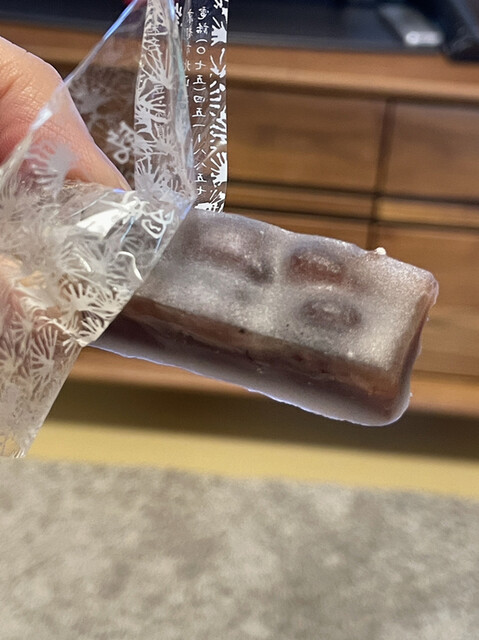
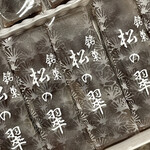
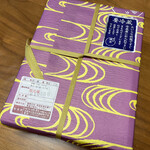
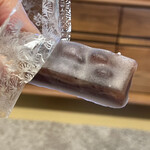
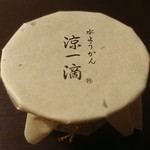
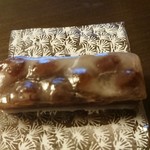
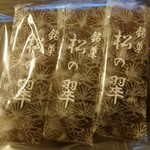
Matsu no Midori is a delicious sweet treat with a hint of pine, made with red beans and sugar on top of a piece of yokan. It has a decent shelf life and is compact, making it a great gift for those with discerning tastes. Another good option is Ryui Shitetsu, a water yokan with a refined flavor. If choosing between the two, I recommend starting with Ryui Shitetsu. Both are highly recommended.

ANNY
4.10
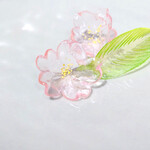
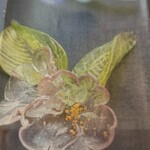
The rain decoration with cherry blossom pattern was cute and lovely. I asked them to add black wrapping and put it in a box since it's a special gift. In Kyoto, when giving a gift, they usually wrap it nicely and add a plain wrapping paper inside. It's a tradition to show care and hospitality. I wonder if the wife of the politician understands the goodness of Japanese traditions.

ANNY
4.10
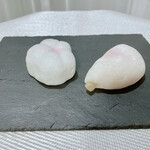
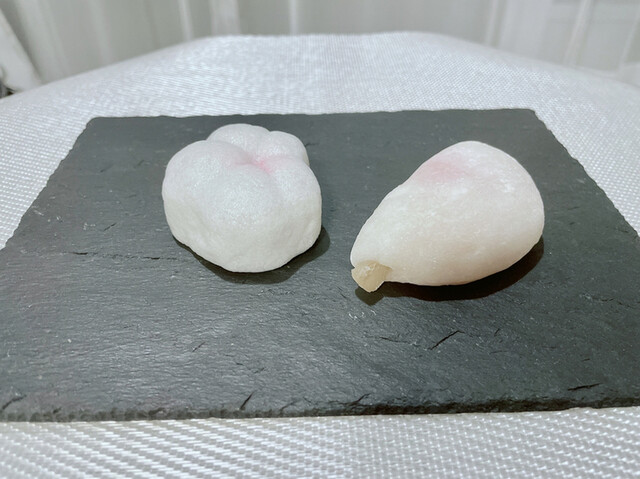
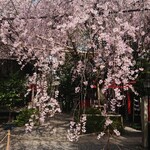
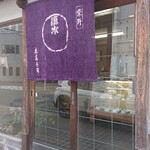
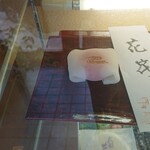
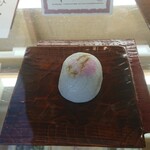
Yes, when spring comes, I remember a special shop, with delicate cherry blossom rain confectionery that looks like Cinderella's glass slipper. It's so wonderful, just looking at it makes my heart dance with excitement. I want to keep it forever. That's right, in Kyoto there is a place called Murasakino Genmizu, with this cherry blossom rain confectionery. It's such a fantastic sweet treat, don't you think, in this age when sensitivity is so high? It's a mysterious confectionery. If it were the Azuchi-Momoyama period, it would surely have won a grand prize. Yes, let's go to Oyama Ono-cho. It's a little close to Murasakino, but what's the connection with Murasakino Genmizu? It's a mysterious confectionery, the rain confectionery. It's like something out of a song about cherry blossoms. Kyoto has places like this too. You'll definitely want to buy it as soon as you see it. But you can only buy this sweet treat once a year. Yes, Kyoto has many sweets like this. Yes, let's go to Kyoto. It's not a parody. It's a serious traditional Japanese confectionery shop run by a couple with a small storefront. It has a lovely atmosphere, a true Made in Kyoto charm. The weeping cherry blossoms in nearby Shinmeino are in full bloom. It's perfect for stopping by before the shop opens. Yes, let's go to Kyoto. The rain confectionery needs a bit of time before you can open it for takeout.

Yulika
3.50
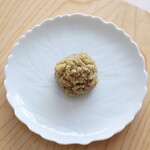
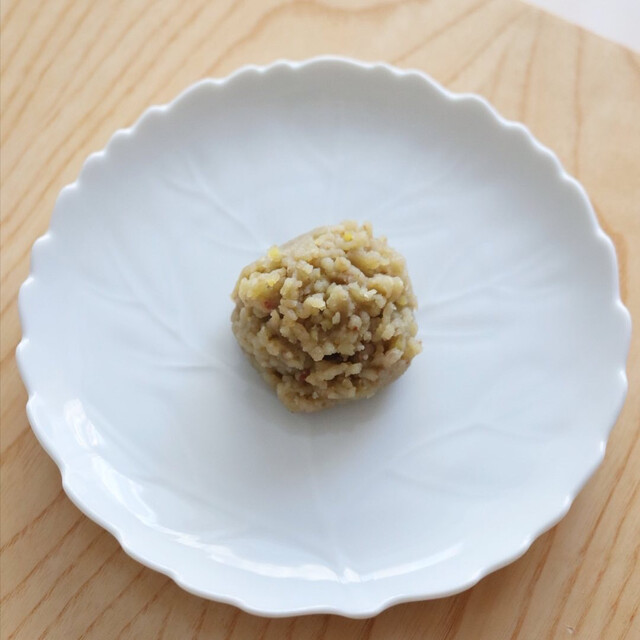
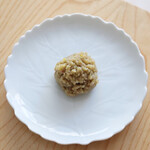
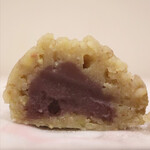
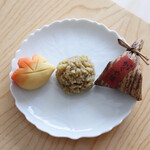
Purple Water Source / Chestnut Sweet ☑︎ 83 kcal
I purchased this at Futako Tamagawa Takashimaya, a renowned confectionery selection, through a Kyoto air delivery service. It's great to be able to enjoy the top-quality sweets of Murasakino Gensui while in Tokyo. The chestnut sweet has a crumbly appearance but is not overly firm, allowing you to savor the richness of the chestnut rather than just the sweetness. It is soft, cool, and delicious. The red bean paste inside is smooth and moist, perfectly complementing the chestnut without overpowering it. The flavor of the red bean paste is also strong, allowing you to enjoy both flavors distinctly. Overall, it's a fantastic combination!
hardrive
3.70
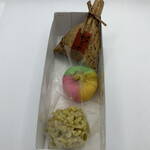
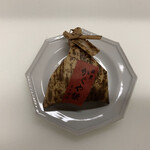
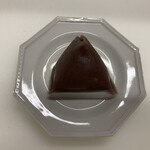
This is a traditional Japanese confectionery that I want to repeat every year. The product description says, "A chestnut confection wrapped in bamboo skin, gently hiding Tamba-grown fresh chestnuts inside...". While there are chestnut confections like steamed chestnut yokan available during this season, the use of chestnut paste instead of yokan showcases the high sensitivity of the Gensui-san.
hardrive
3.50
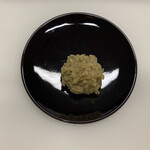
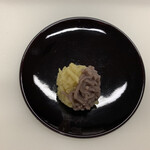
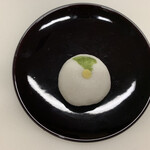
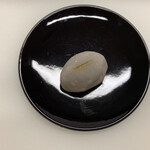
I bought this month's wagashi from Minamizuki. I purchased five items: chestnut paste, autumn field, chrysanthemum day, quail rice cake, and autumn thoughts. The chestnut paste from Minamizuki has a slight grainy texture from the chestnut pieces, which adds a nice touch. The subtle sweetness and chestnut flavor blend perfectly, making it delicious. I definitely want to come back for more before the season ends!
hardrive
3.40
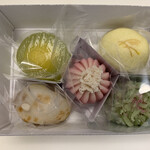
In September, Gensui's wagashi (Japanese sweets) included "Susuki Field" with sweet potato paste, "Kise Wata" with white azuki bean paste, "Kobore Hagi" with sweet potato and red bean paste, "Osawa no Tsuki" with half-kanten jelly and red bean paste, and "Imo Meigetsu" with white azuki bean paste. Among these, "Imo Meigetsu" stood out for its deliciousness, at least in my opinion because I simply love white azuki bean paste. (laughs)
hardrive
3.70
Hanatangerine: Kin-ton, Azuki bean paste
Hanayukumo: Nerikiri, White bean paste
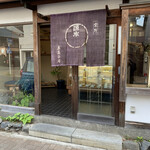
Rakubun: Gyorou, White bean paste (colored green bean paste)
Issei: Hanejuu, White bean paste (Otodera Natto)
Yamafuji: Jouyo manju, Azuki bean paste
Personally, I like Rakubun and Issei. Also, I like Yamafuji.

ほっこりまったり
3.90
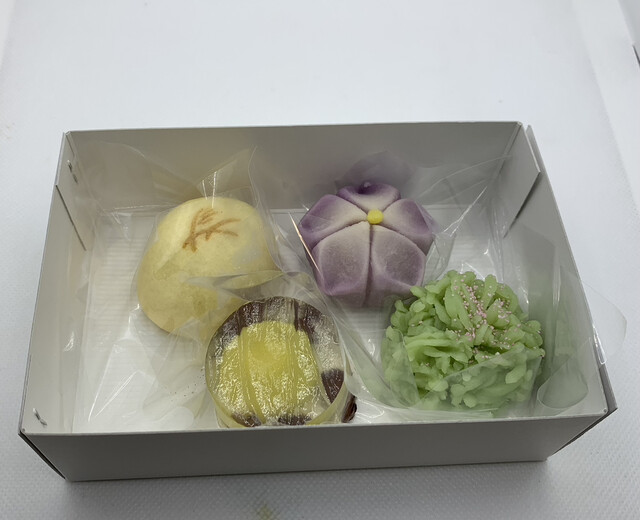
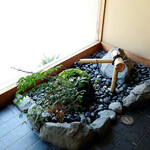
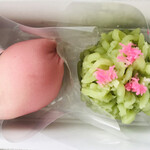
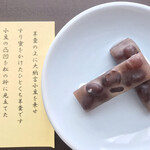
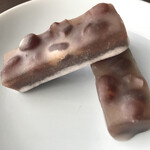
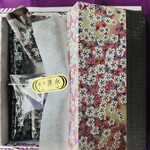
Located in Shime-akari, this time I tried the azalea of Iwane, Hitohira, and the emerald of pine for the first time. I enjoyed them after watching the water dripping from the bamboo water pipe for about 10 minutes. The azalea of Iwane has fine grain an inside the nightingale-colored sweet bean paste, while the Hitohira has white sweet bean paste inside the petal-shaped sweet bean paste. They were delicious. When I visited the next month, the products had changed according to the changing seasons, and I tried the blue maple and iris. The blue maple had green sweet bean paste wrapped in a rice cake with a hint of cinnamon flavor. The iris had a rich white sweet bean paste inside the purple and yellow confection. Enjoying these delicate Japanese sweets along with tea in a tranquil setting was a truly peaceful experience.

白犬のしっぽ
3.60
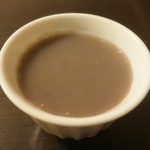
Today, the summer heat has made a comeback. Despite the heat, my family, who has been lacking exercise, decided to take a walk to this shop. Located a little away from Kitaoji Station, as you walk a bit into Kitaoji Street, you will find a small shop. It had a cozy, family-run atmosphere, and the owner kindly answered our questions. We bought the "Ryoichiten" water yokan (450 yen) to enjoy different sweet bean pastes, and the "Matsu no Midori" (150 yen per piece). The water yokan was not too sweet, with the flavor of the sweet bean paste lingering from the mouth to the nose, making it a refreshing Japanese sweet perfect for the hot summer. The "Matsu no Midori" allowed us to savor the sweet bean paste itself, with a strong flavor. For our family, buying in bulk in a box might be a bit difficult. Also, both items were priced at a decent size.

Kamonokamo
3.50
I went to buy sweets for the first tea ceremony of the year at a tea ceremony class. I could choose from options like wasanbon sugar, suhama sugar, and uchidane sugar. The staff at the shop helped me with combinations, which was very helpful. Uchidane sugar is famous, but they also have fresh sweets. The staff was kind and helpful, so I would like to go back to buy sweets in a different season.
Email Login