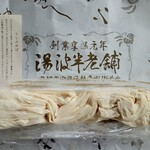
湯波半老舗
Yubahanshinise ◆ ゆばはんしにせ
3.12
Imperial Palace Area
「Tofu」
--
--
Opening hours: Open on Sunday
Rest time: Thursday Business hours and holidays are subject to change, so please check with the store before visiting.
京都府京都市中京区麩屋町通御池上ル上白山町250
Photos
(17)

Details
Payment Method
No credit cards
Electronic money is not accepted
Private Dining Rooms
None
Comments
(10)

辣油は飲み物
0.00
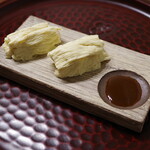
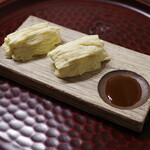
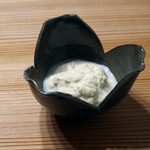
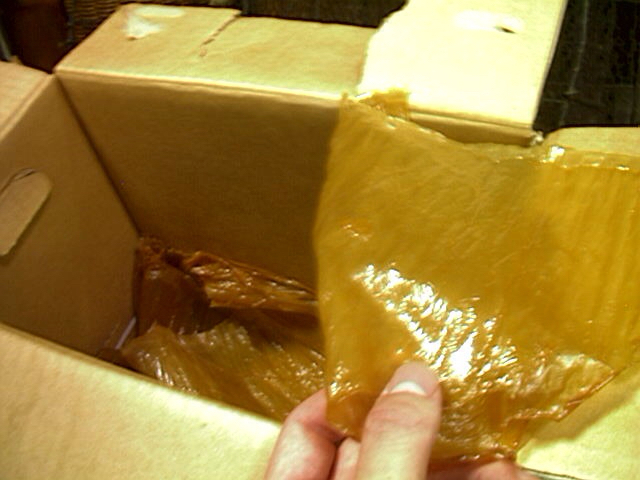
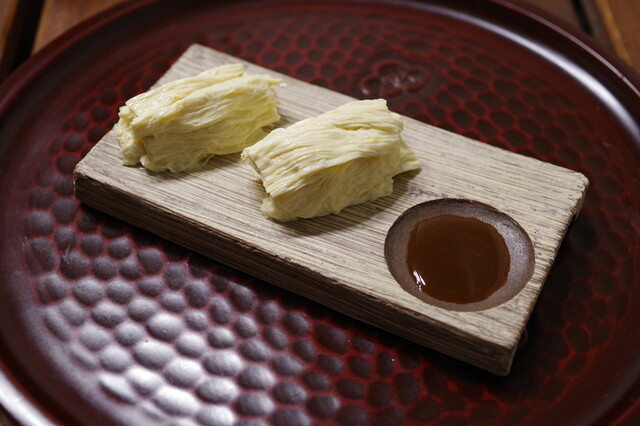
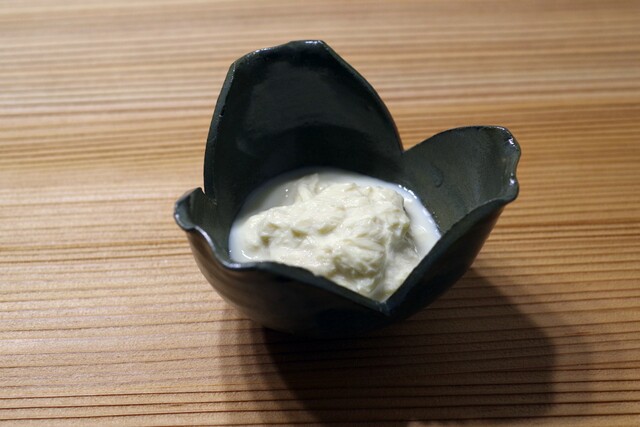
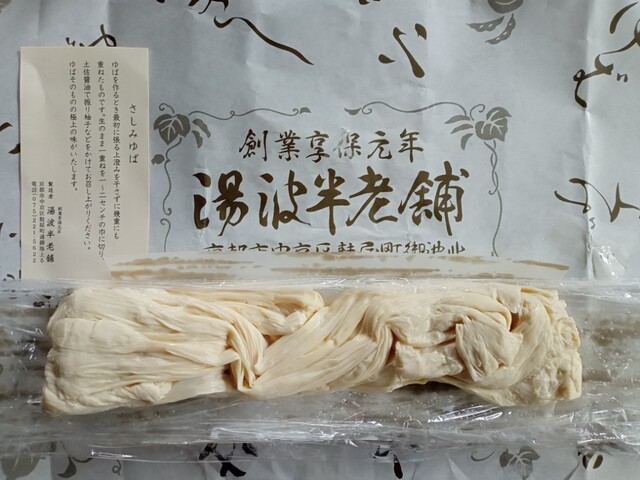
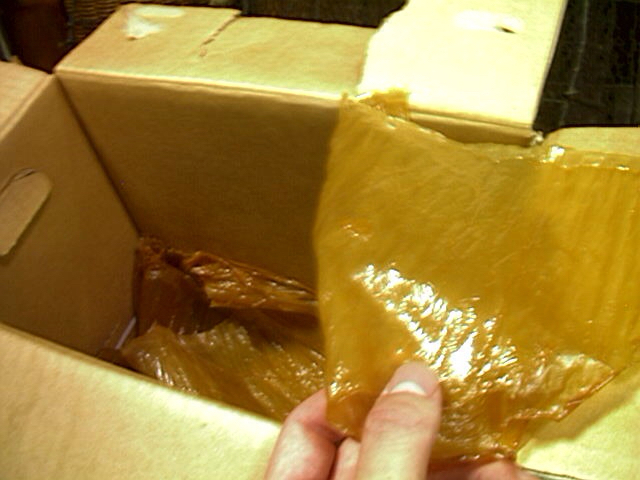
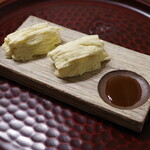
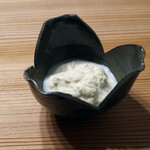
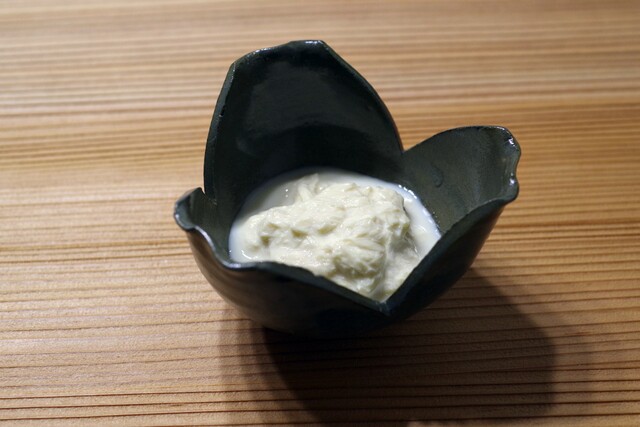
Founded in 1716, this renowned Kyoto establishment offers a unique delicacy called "tsumami-age yuba." Yuba is a type of tofu skin typically used by high-end restaurants, but here you can take it home with you. The "tsumami-age yuba" is a creamy, white substance that forms before the yuba broth solidifies, offering a rich sweetness and aroma of soybeans. Another specialty is the "sashimi yuba," which consists of layers of the top skim of the yuba without drying it out. The texture is exceptional, and the flavor is profound. If purchasing as a souvenir, make sure to bring a cooler bag and ice packs for the journey, especially if traveling on the Shinkansen.

tetsu295219
3.80
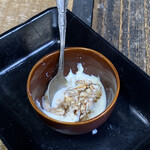
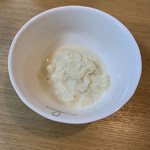
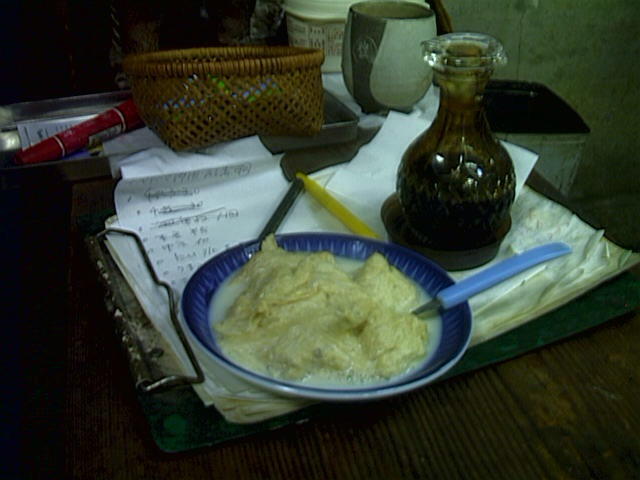
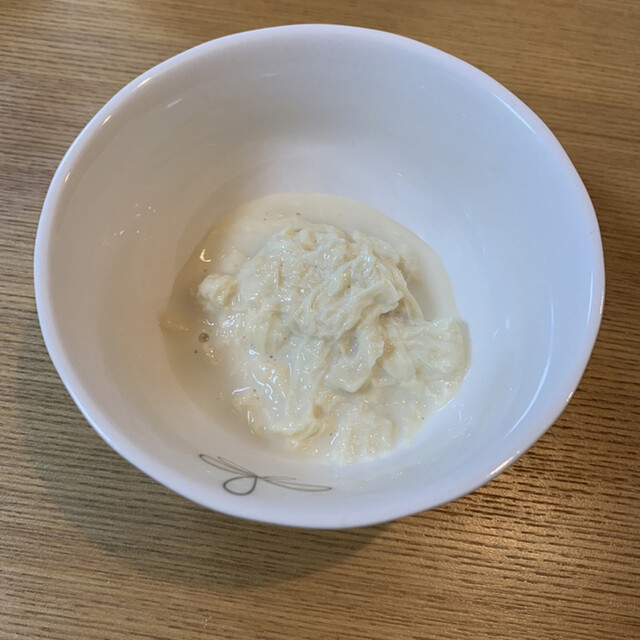
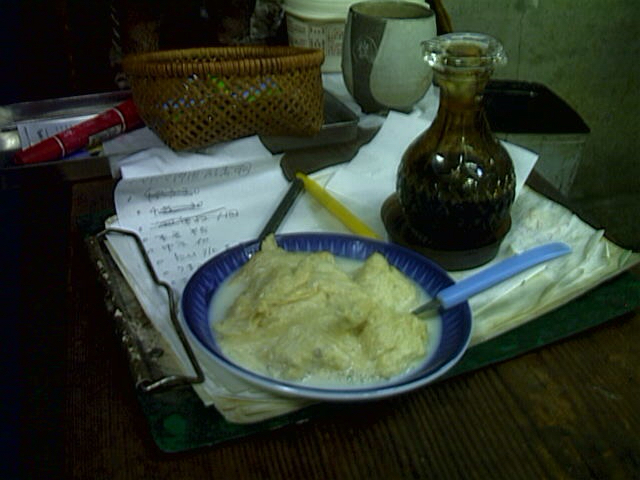
I heard that this place is not visited by many people on Tabelog, but it is a traditional long-established inn in Kyoto loved by Kawabata Yasunari, and has been featured in magazines such as Umai or Kaden Hozon and adult gourmet magazines. It is considered one of Japan's leading long-established shops. When you open the door, it is not a typical retail store, but a workshop where elderly women greet you with a smile. You can also try their freshly made yuba and when you add a little soy sauce to it, the taste is truly profound. Everything from the water, soybeans, to the love put into making it is top-notch. It is a taste that is in a league of its own. Even when you eat it at home, you can't help but smile. It is a moment where you truly feel grateful to be Japanese. It is a taste that deeply touches your heart.

ブンロク
5.00
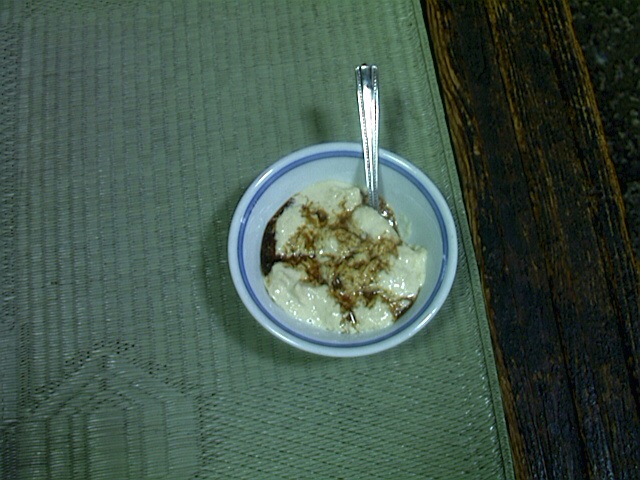
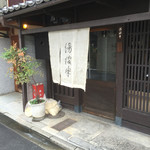
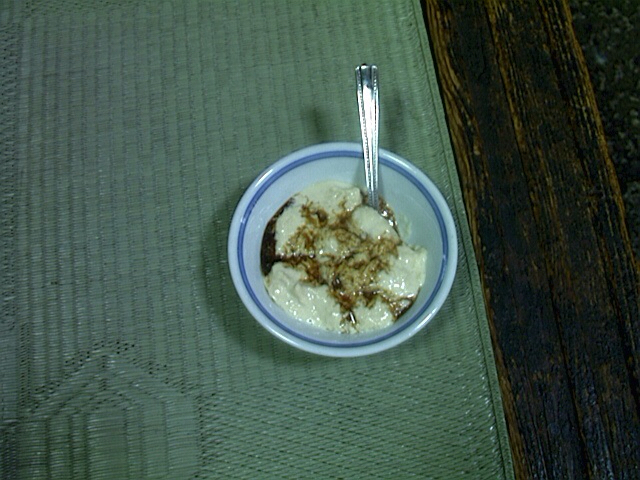
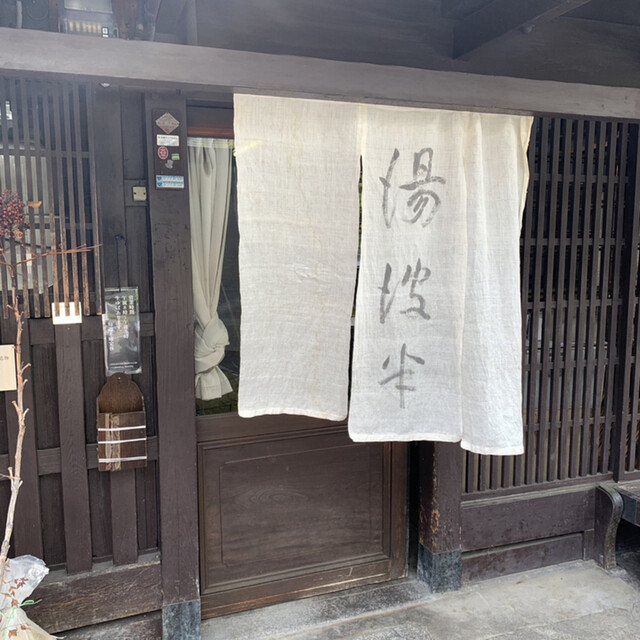
There is not much big advertising, and the location is a bit hard to find, but that's the real Kyoto for you. The shop has a traditional, old-fashioned feel to it, which is charming. But once you step inside, it feels more like a workshop! They may be making it for commercial use, but I wonder if it's okay for the general public to enter? It has that kind of atmosphere where you might feel like you shouldn't go in! But let's gather our courage! A voice calls out from the back, and an elderly lady appears. When you ask for yuba, she tells you there are two types: one for sashimi and one for scooping. Then, you get a small sample to taste. It's like a chawanmushi cup, with a bit of soy sauce drizzled on top. Let's try it! Wow...this is...it's so simple, just water and soybeans, but the pure umami flavor comes through so clearly. It's delicious, without any frills. It's been a while since I've felt the taste of good water like this. Of course it's delicious, it's so straightforward. I'm happy, let's enjoy it! I bought one of each for souvenirs, and had them at home. We had them both as sashimi, fresh. It was a luxurious experience, turning our plain and somewhat dreary home into a high-class restaurant. It's a bit pricey, but that's understandable. Each one costs around 1,200 yen, but they are handmade. While you can find fresh yuba at supermarkets these days, there's no comparison. It's so delicious, of course it's fresh and handmade. No online shopping or anything! But I'll definitely go back to buy more! If it becomes too well-known, the elderly lady might not be able to keep up with production. I hope she stays healthy and keeps making delicious yuba. Thank you for the meal!

ふれでぃふじかわ
4.00
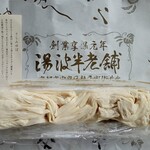
I received the sashimi yuba for 1620 yen. A cooling bag is necessary.

A-B
5.00
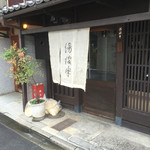
This seems to be a shop that also serves yuba at Tawaraya.

たろすけちゃん
3.40
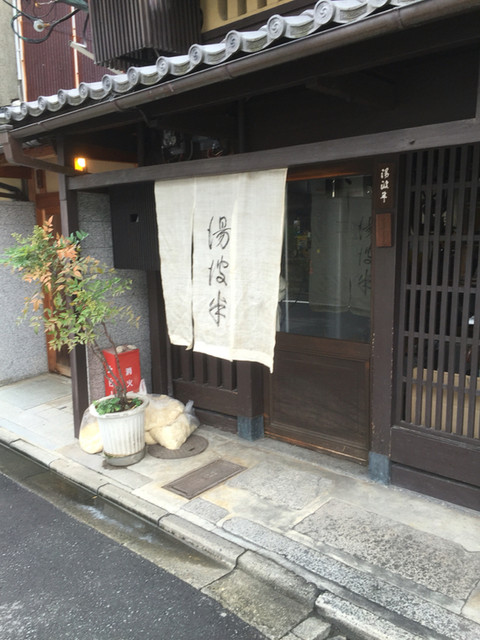
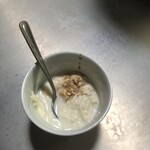
The shop was located up from Oike Street on Fuyacho Street. After having lunch, I took a leisurely walk for some exercise, and I saw a slightly elderly woman chatting with a neighbor in front of the shop while exchanging some yuba. When I looked at the shop curtain, it said "Yubahan". I asked, "Could I have some too?" and the woman replied, "Sure, please come inside." I went in and was able to buy some yuba. The items I purchased this time were sashimi yuba and yuba for snacking. When I tried them at home, the aroma of soybeans spread in my mouth so much when I tasted them. Yuba is really delicious. It turned out to be a great souvenir.

超力招来
0.00
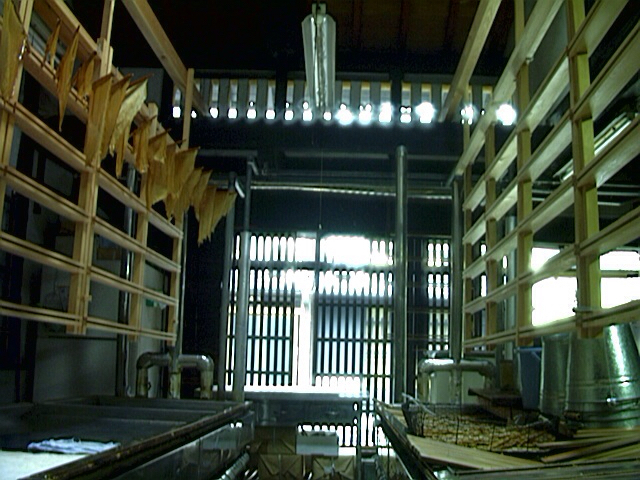
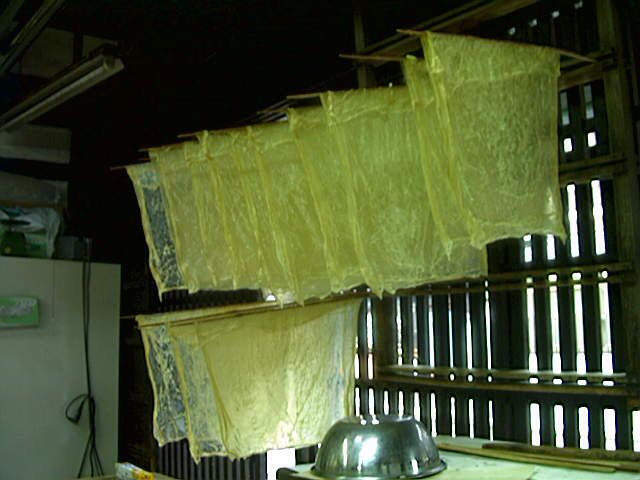
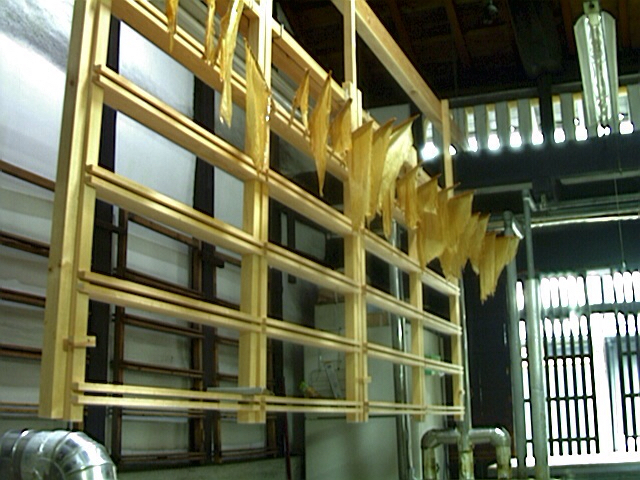
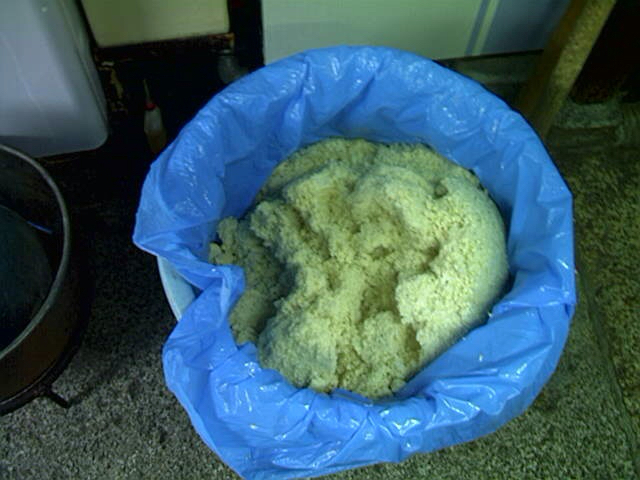
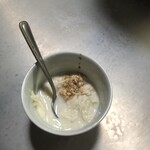
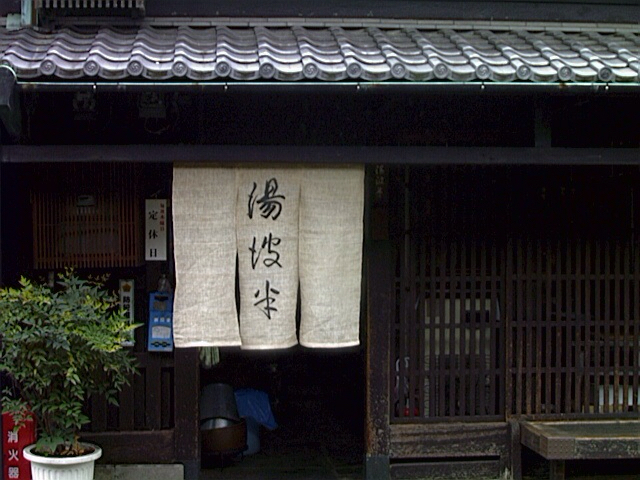
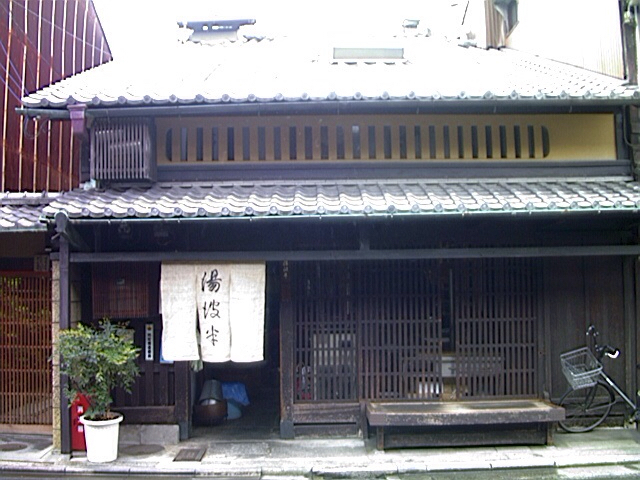
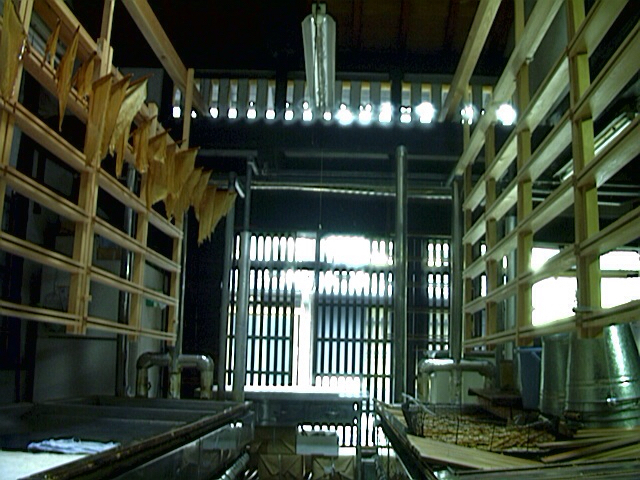
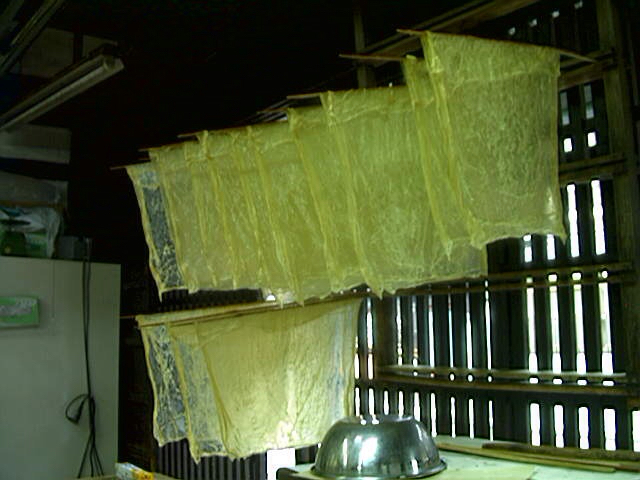
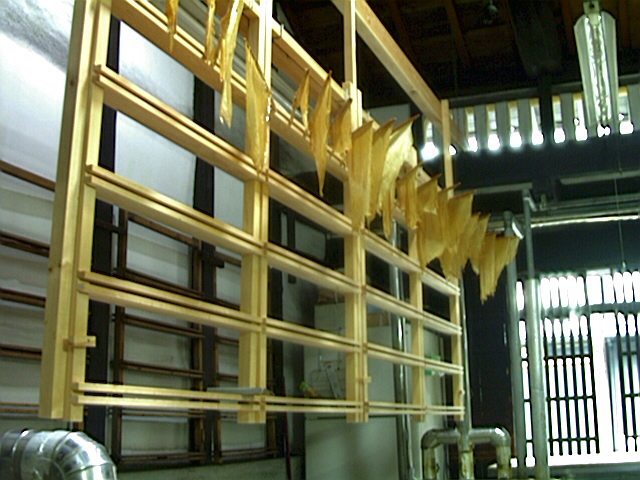
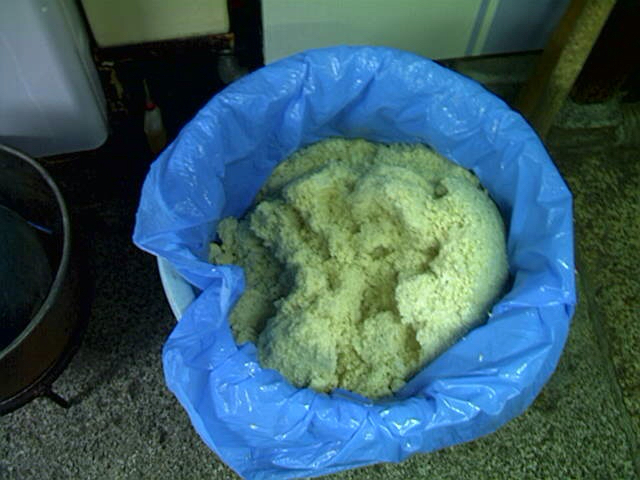
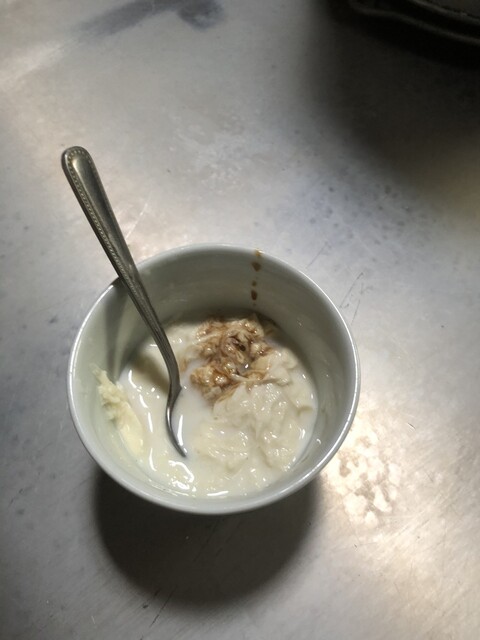
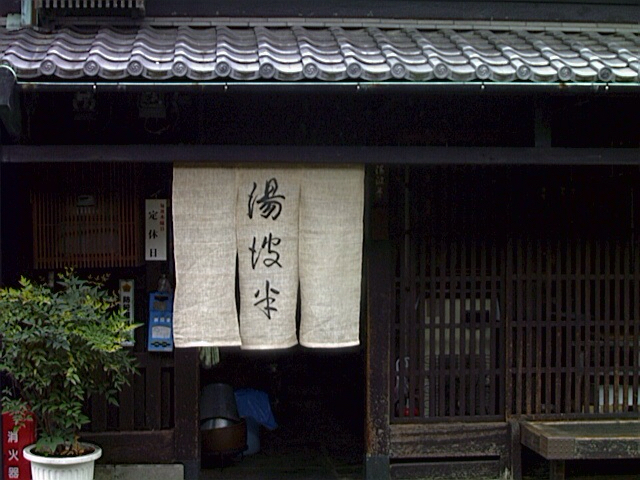
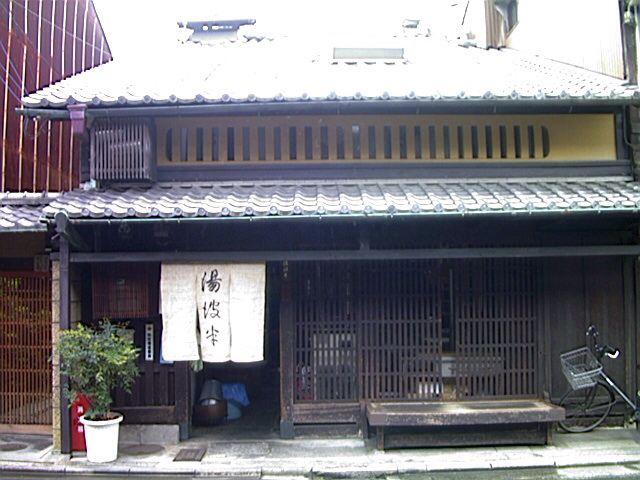
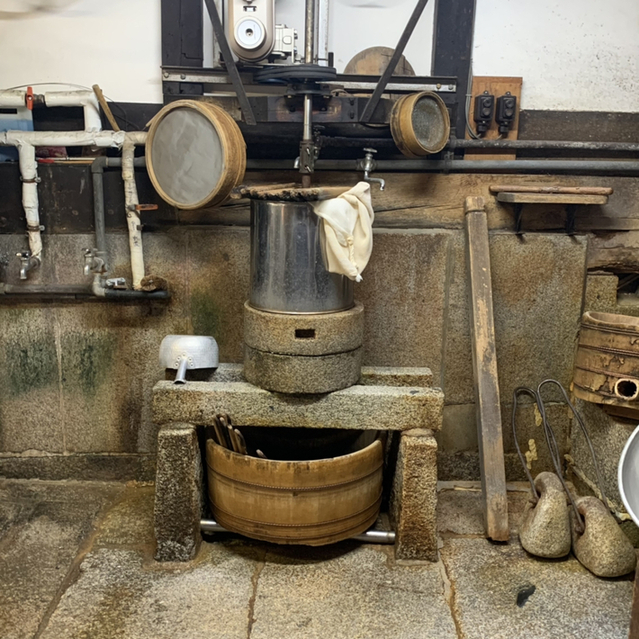
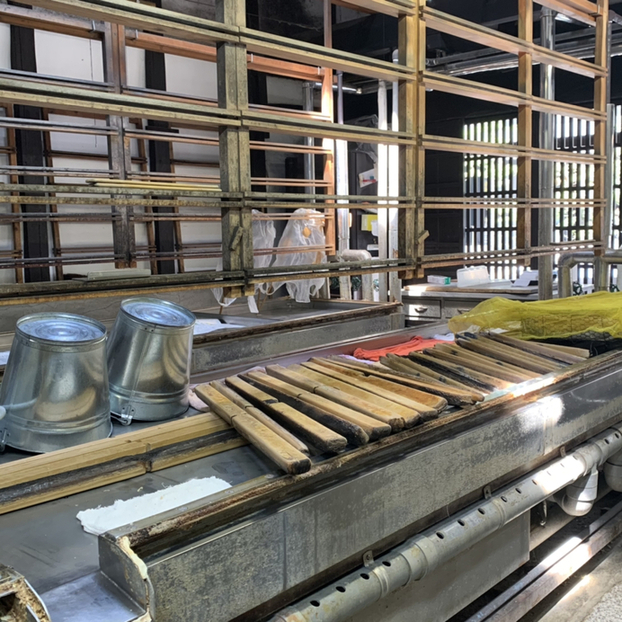
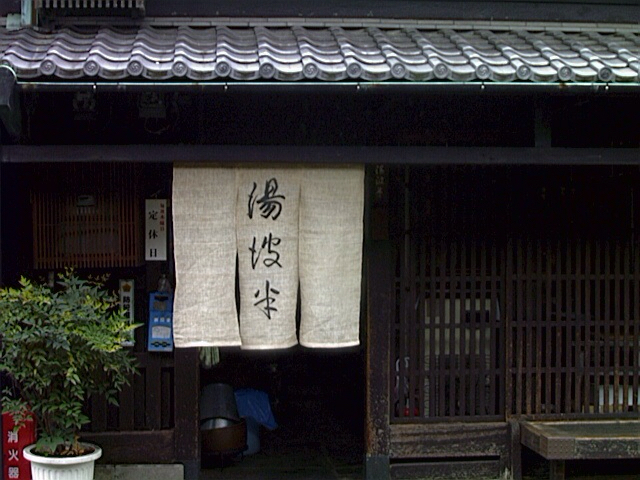
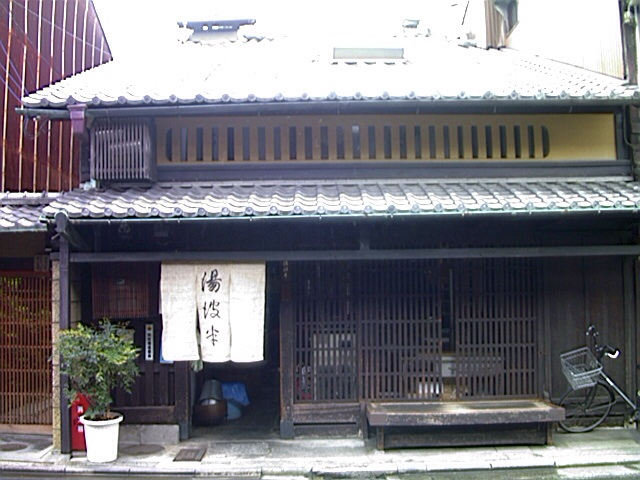
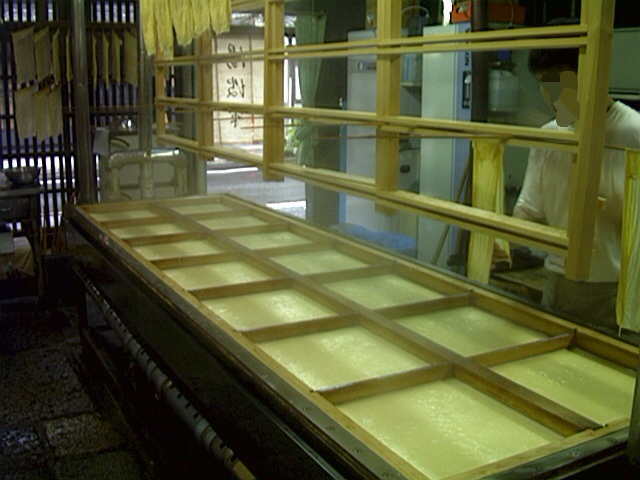
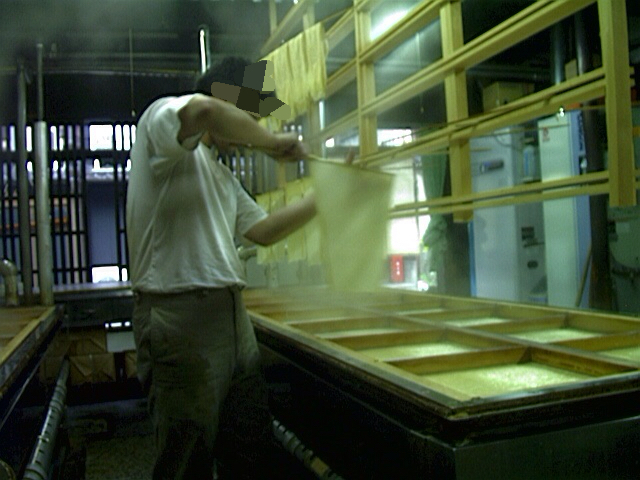
Established in 1716, this tofu skin specialty store is a well-known and long-standing establishment in Kyoto. The traditional townhouse architecture with plaster walls, lattice windows, and low tables adds a charming atmosphere to the place. The area around the store is famous for its natural spring water, which is still used for making tofu skin here. But what is the difference between "yuba" and "yuba"? The store's name is "Yuba Han," but the products sold here are actually yuba, so it's a bit confusing. One commonly mentioned difference is the way the film is lifted between Nikko and Kyoto. A double-layered film is "Nikko yuba," while a single-layered film is "Kyoto yuba." Nikko yuba tends to be thicker. Another theory is that the original term was "yuba," and "yuba" and "yuba" are both phonetic approximations. It is said that "yuba" was named after the wrinkled surface of "yuba," which eventually changed to "yuba" and "yuba." In the end, it's best not to worry too much and use whichever term you prefer. I was very interested in Kyoto at one point and visited here without having breakfast. According to the landlady, they start work at 3 am and begin the process at 4 am. I usually left around 8-9 am to observe the process of making yuba. While they sell their products in the store, there is no formal dining area. I once had the opportunity to taste freshly made yuba, and it was indescribably delicious. When you add a little soy sauce, the flavor intensifies and becomes incredibly delicious. The freshly made yuba is like yogurt, still soft and not fully set. They use top-quality domestic soybeans soaked in well water gushing from the well. The abundance of snowflake vegetables (okara) is evidence of this. Since they use a large amount of soybeans, the flavor, richness, and smoothness are different. You can enjoy various flavors such as "tsunamagari yuba," "sashimi yuba," "hikiage yuba," and "kanso yuba." However, the best one is the freshly made yuba. Since freshness is crucial for non-dried yuba, I always make sure to bring it back as a souvenir on the last day of my trip. They sometimes offer frozen well water in a bottle for cooling, but don't assume it's a given - it's a kind gesture from the staff.

ododU
4.70
Yuba specialty shop that also appears in Yasunari Kawabata's "The Old Capital". This shop is highly praised by Chef Yamanaka from Kuishinbo Yamanaka and ever since he recommended it to me, whenever I visit Kyoto, I make sure to stop by if their curtain is up. Making a reservation and trying their hand-pulled yuba or scooped yuba is great, but if you prefer a soft and chewy texture over a gooey one, I recommend their raw yuba. When I'm short on time, I get the raw yuba to go. It has a refined soybean aroma, a delicate and soft texture, and an elegant taste that spreads on the tongue. It's completely different from the rubbery texture of regular yuba you can find elsewhere. Don't pour soy sauce on it, just dip it in a little bit of noodle soup base to enhance the flavor of the yuba. This eating method was taught to me by the grandma at Yubahan. By the way, Hanaokacho Street has a special atmosphere with old ryokans like Tawaraya and Hinokiya. I wonder if it's related to the "underground water" in the area?

PriPriGo
0.00
I went to a restaurant where I had made a reservation to try their boiled and scooped yuba. The restaurant had a worth-seeing atmosphere. The boiled yuba, before it solidifies, was creamy with a rich flavor and smooth texture. It was especially delicious when eaten with yuzu soy sauce. On the other hand, the scooped yuba had a delicate flavor and soft texture with an elegant aroma. Both were delicious, but I realized that the flavor deteriorates rapidly within a few hours. The spring water they served with the meal was also delicious.

夜明けのみゅう
3.50
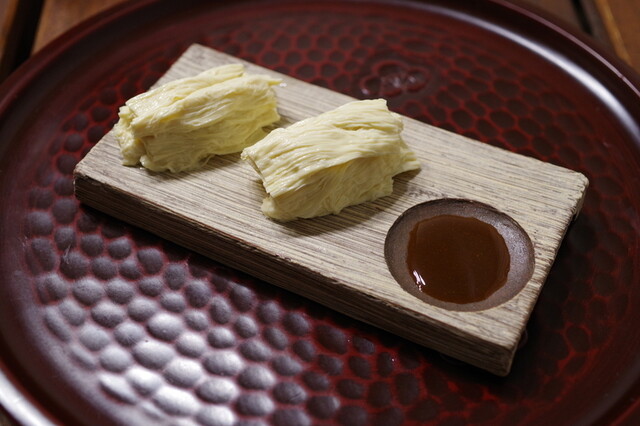
Yuba sashimi, super delicious♪ When I mentioned that I was heading back to Kyoto, they even put in ice packs to keep it fresh.
Email Login