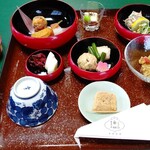
泉仙 大慈院店
Izusen ◆ いずせん
3.44
Takaragaike, Kitayama
「Japanese Cuisine」
--
4,000-4,999円
Opening hours: 11:00-16:00 Open Sundays
Rest time: A few days at the end of the year Business hours and holidays are subject to change, so please check with the store before visiting.
京都府京都市北区柴野大徳寺町4 大慈院内
Photos
(20)
Details
Reservation Info
can be reserved
Children
child-friendly
Payment Method
Cards accepted
(AMEX, JCB)
Electronic money accepted
Number of Seats
160 seats
Private Dining Rooms
Yes
(30 or more available)
Smoking and Non-Smoking
No smoking at the table
Parking
None
Use the toll parking lot of Daitokuji Temple
Facilities
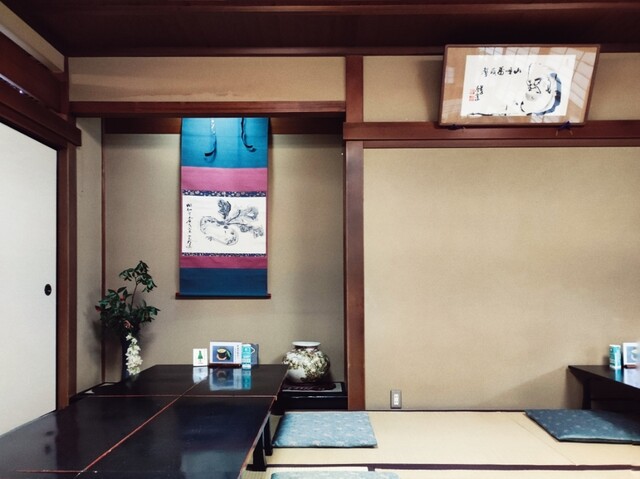
Calm space, tatami room available
Drink
Sake available
Dishes
Focus on vegetable dishes
Comments
(20)

black631650
3.50
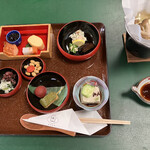
"I feel like it tastes better than it did back then." That's what I thought after enjoying the shojin cuisine at 'Sensen' for the first time in 10 years. The first time I had shojin cuisine was when I was taken by relatives who came from afar to Kyoto, to this restaurant located on the grounds of Daikakuji. Ten years later on this day, when I visited the Daikakuji area with my parents, we decided to have lunch and visited this place again after a long time. I ordered the same course meal as last time, called 'Yuri'. The dishes were served in the following order:
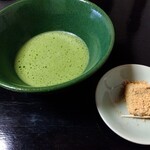
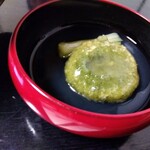
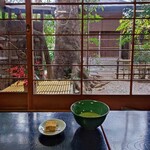
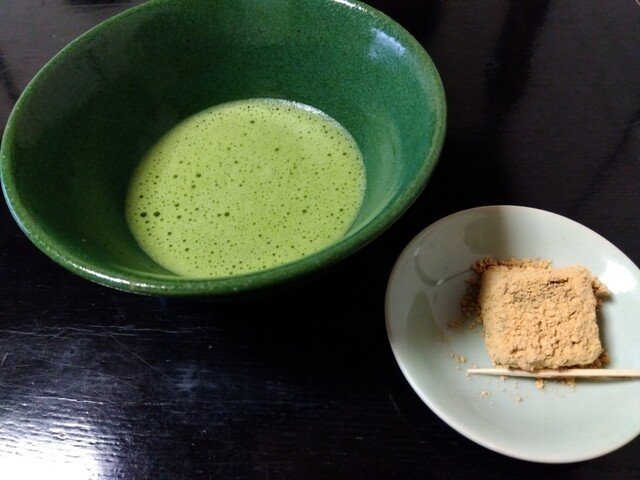
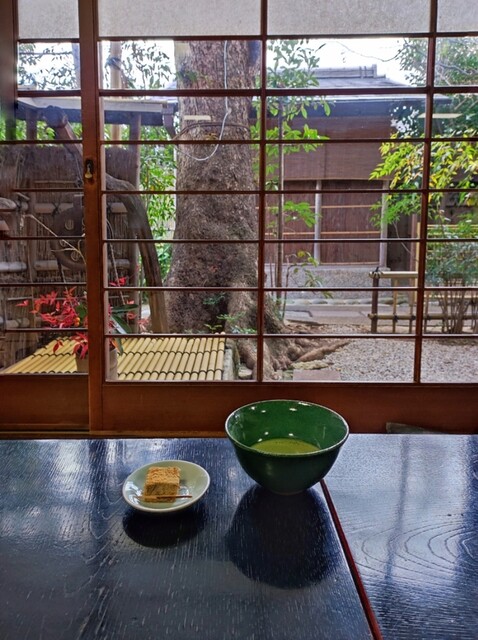
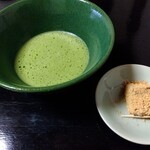
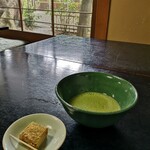
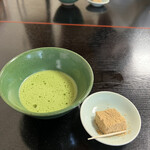
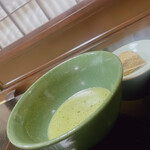
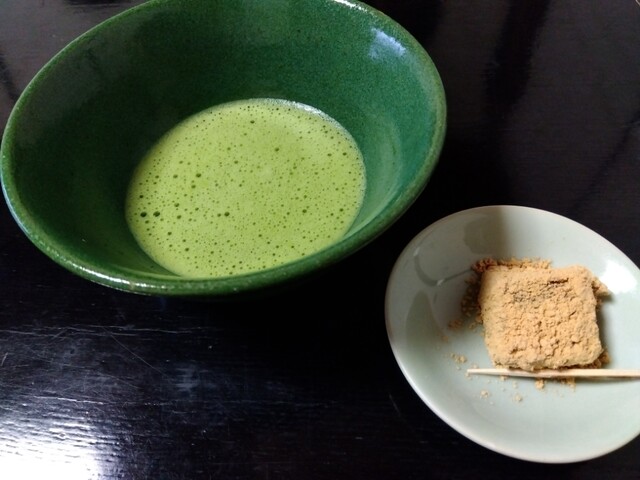
- Warabi mochi and matcha: Served at the beginning of the course, not as a dessert. It had a simple and slightly sweet taste.
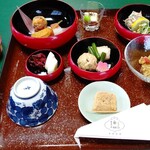
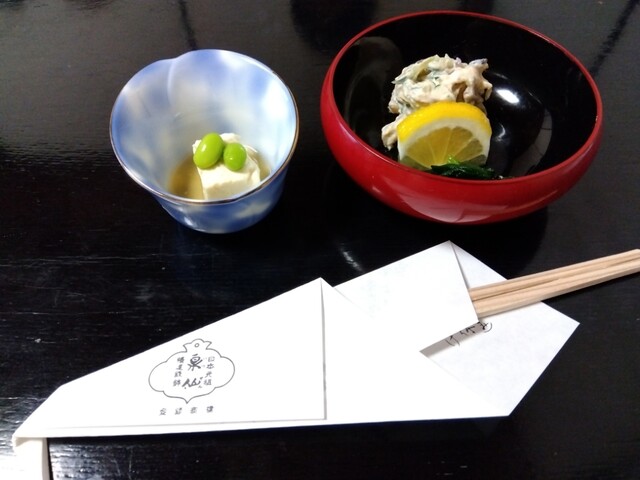
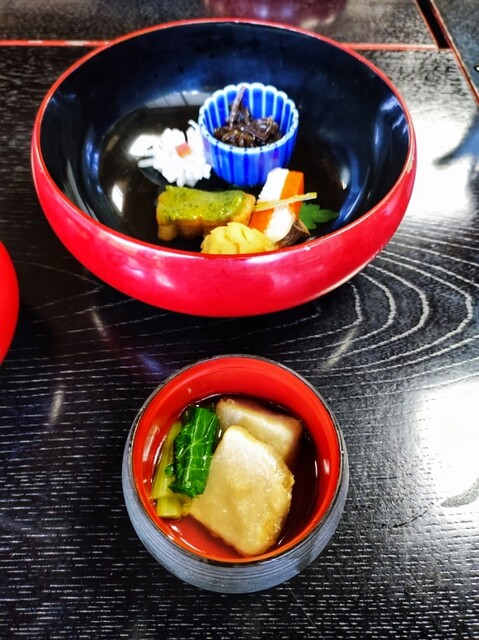
- Hassun: The contents vary depending on the season, but the white miso was a staple that seemed to be available all year round. The white miso, which is also available for takeout, felt particularly elegant.
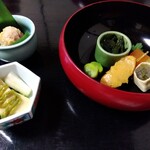
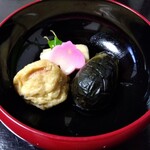
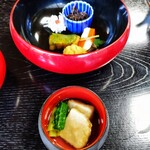
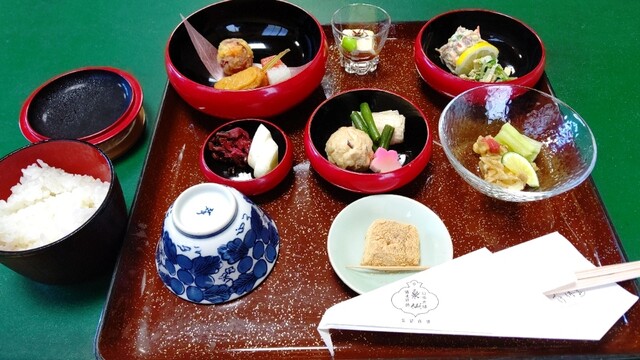
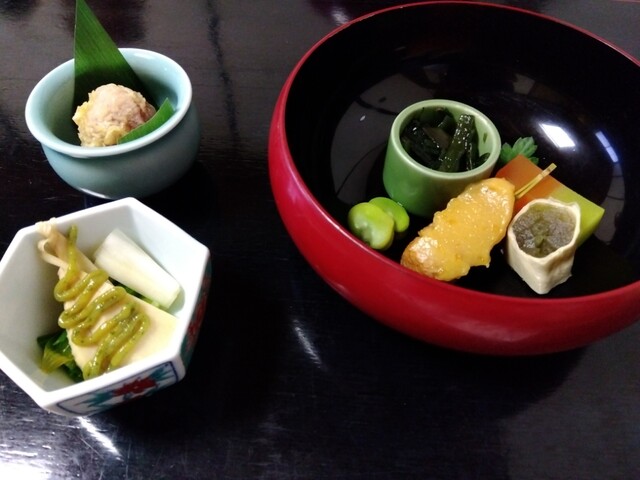
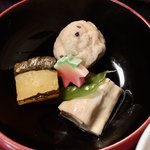
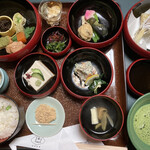
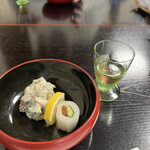
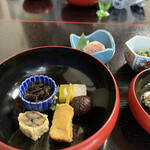
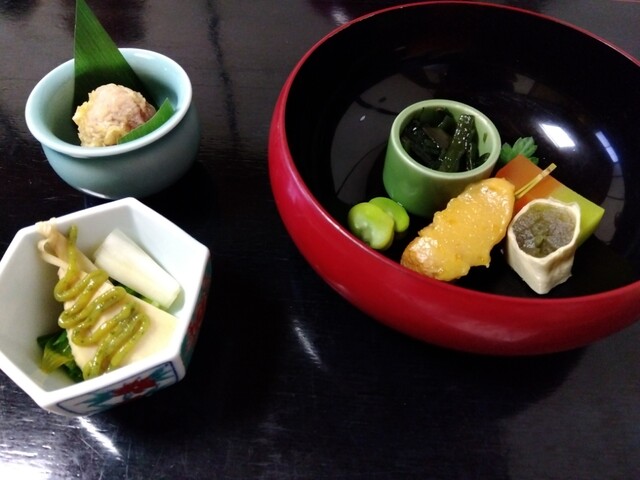
- Appetizers: Consisting of plum tempura, salad with bamboo shoots and wood sorrel miso, carrot and green pea suri-nagashi yokan, deep-fried tofu with miso, syrup-soaked broad beans, yuba rolls with butterbur sprouts, and simmered seaweed (or something similar). The plum tempura seemed to be a staple available all year round, and the red plums were surprisingly sweet, unlike regular umeboshi.
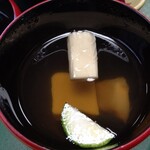
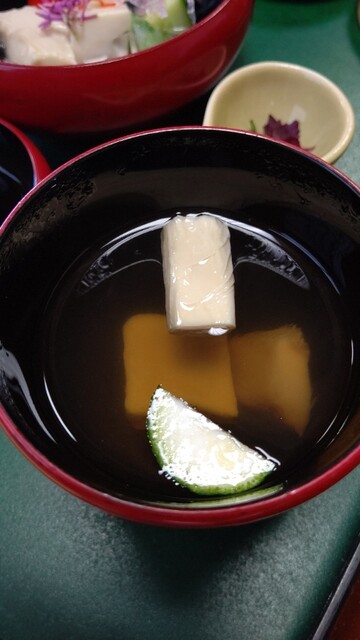
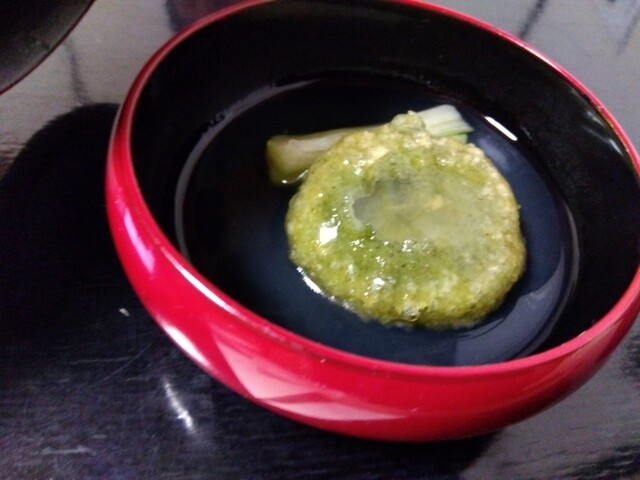
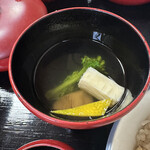
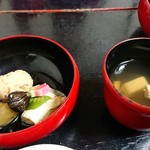
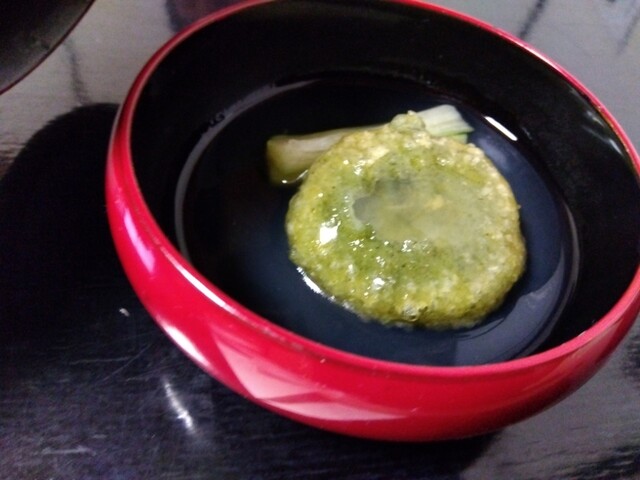
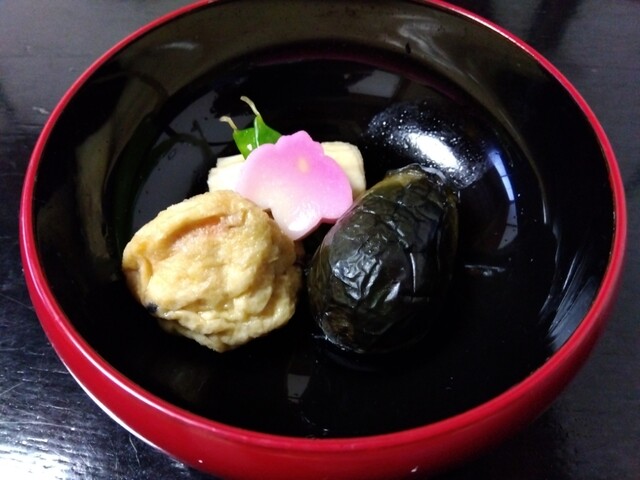
- Wanmono: The type was probably fried fu, which had a light taste with a hint of the richness of the frying oil.
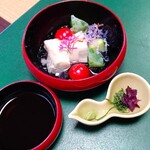
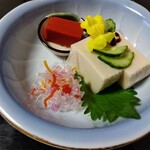
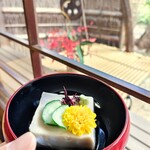
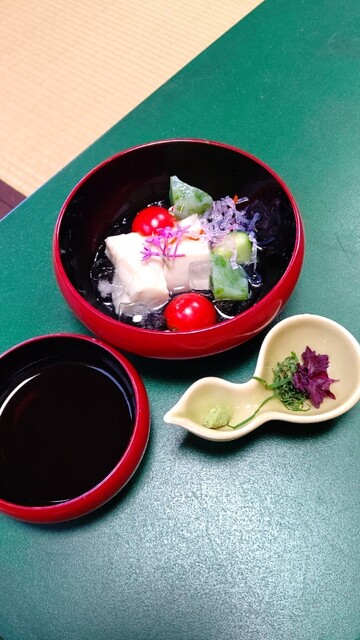
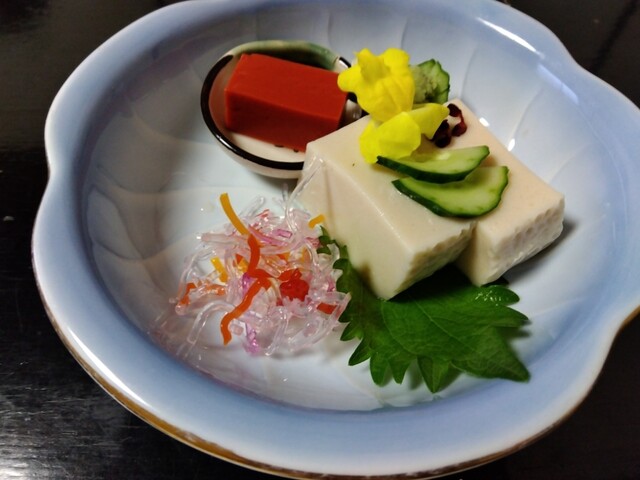
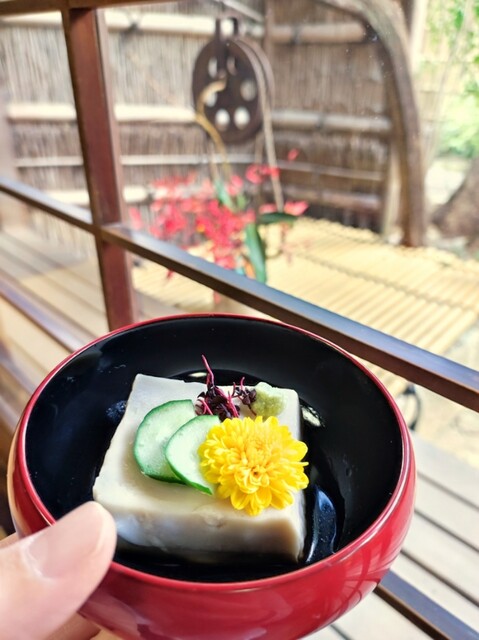
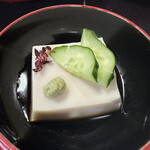
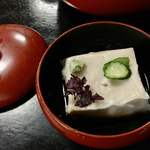
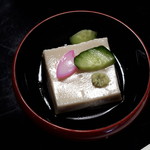
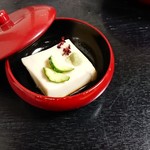
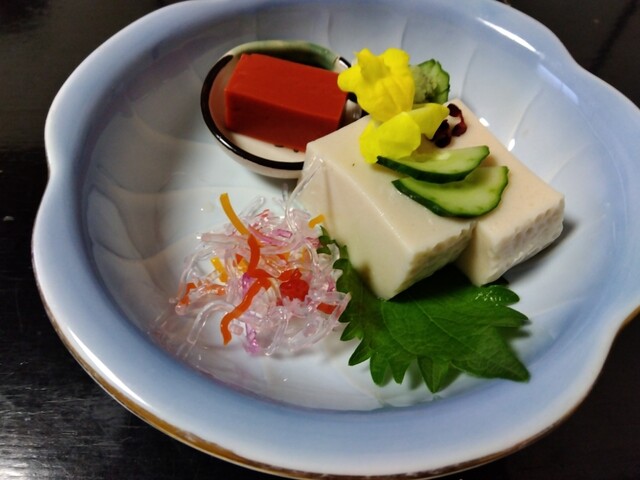
- Sesame tofu and red konjac: The sesame tofu, considered a representative of shojin cuisine, had a very elegant taste.
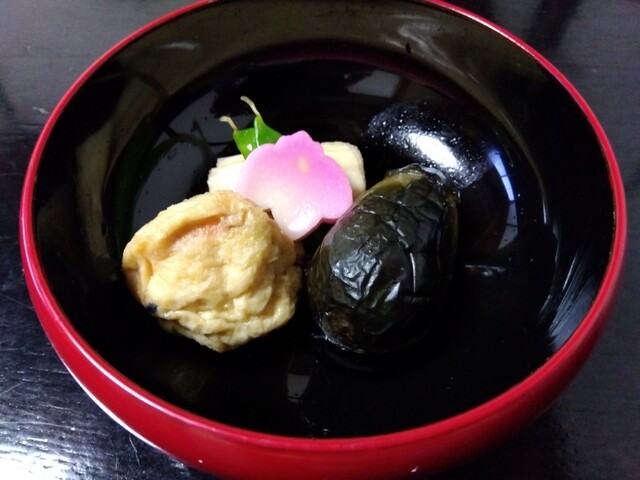
- Nimono: A Kyoto-style home-cooked dish, the simmered vegetables were simple yet refined.
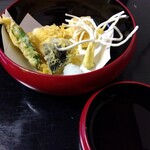
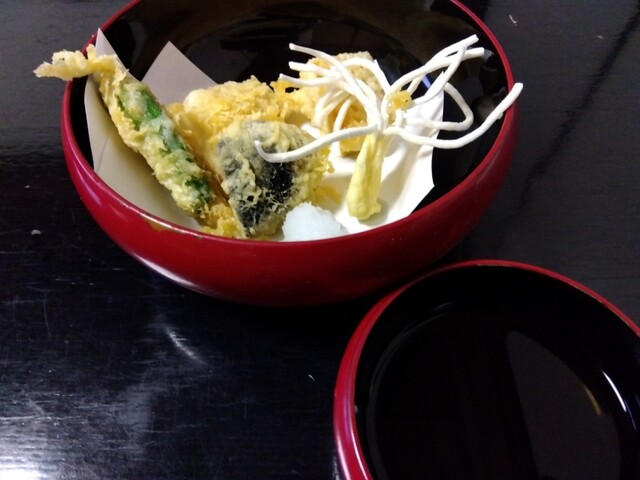
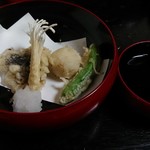
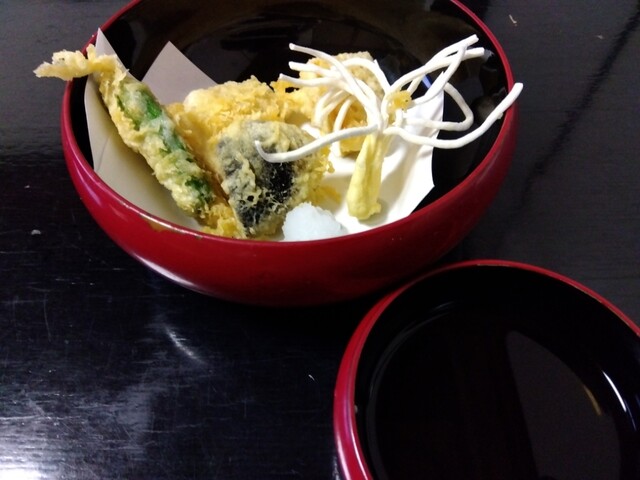
- Shojin-age: Deep-fried using only flour and water-based batter without eggs, made from plant-based ingredients. Although I often have tempura at udon shops, trying shojin-age occasionally made me appreciate its simple yet delicious taste.
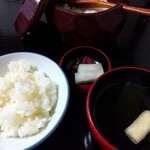
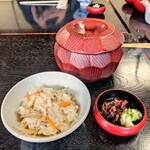
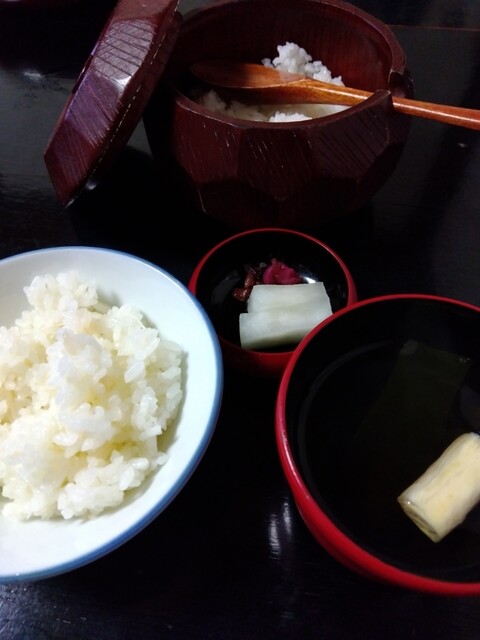
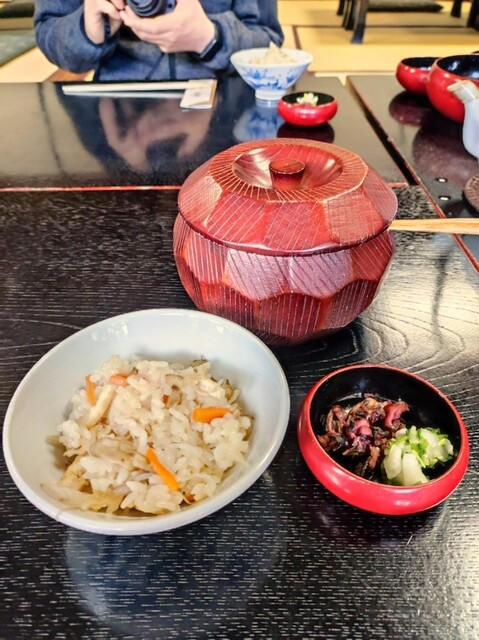
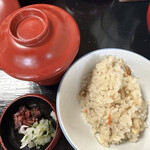
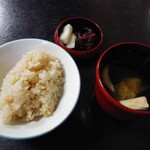
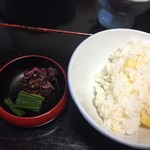
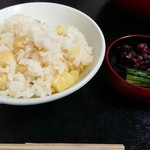
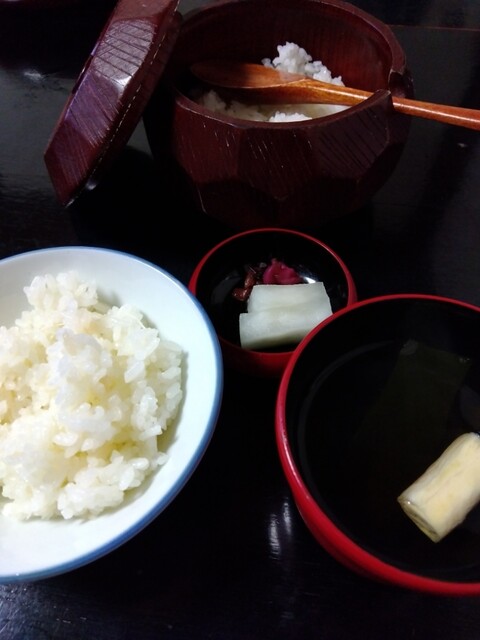
- Rice, pickles, and clear soup: The rice was ginger rice, with a deep and complex flavor different from mixed rice or chicken rice.
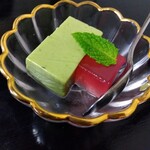
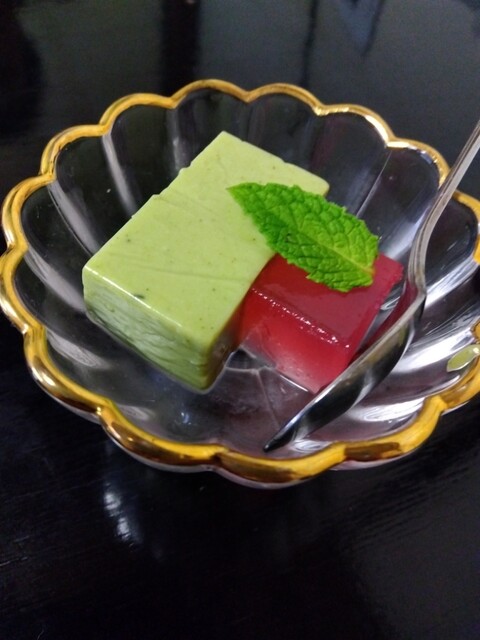
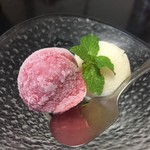
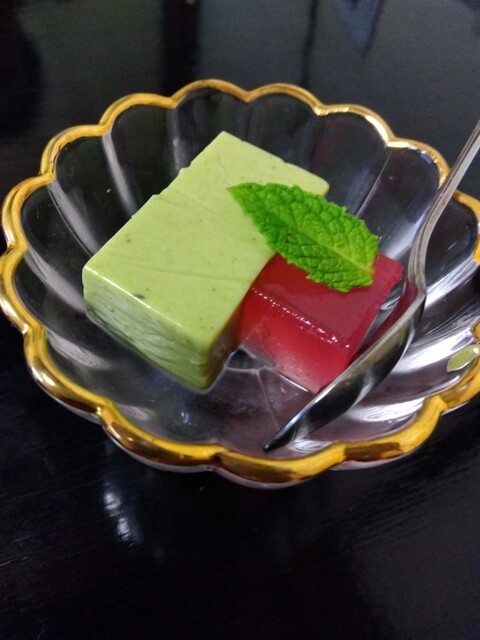
- Mizumono: A dessert similar to amber jelly with matcha and plum flavors. It had an elegant taste that I personally found much more delicious than the warabi mochi I had at the beginning. Of course, tastes vary from person to person, but personally, I felt that shojin cuisine has become more attractive compared to 10 years ago. Whether you have never tried traditional shojin cuisine or have not had it in years, when you visit the Daikakuji area in Kyoto, consider visiting this place.

かんしゃ
3.50
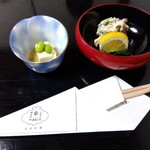
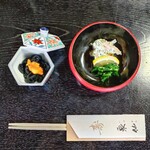
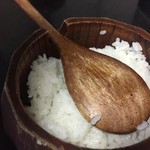
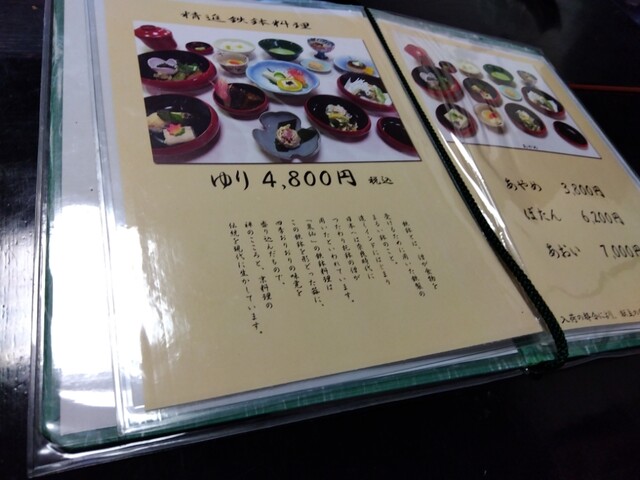
It is located within the grounds of Daikaku-ji. It is not Yakuroku, so there are no cedar leaves. It is a vegetarian meal. I had a reservation for 12:15, but arrived around 11:45. I had decided to order the "Ayame 3240 yen" based on the menu photos on Tabelog, but here the same menu was 3800 yen due to a price increase. We sit directly on the tatami mats, which is uncomfortable because I am not used to sitting on the floor for too long. Other customers seemed to feel the same way, and some were provided with low chairs, but then it was more difficult to reach the food. Along with the menu, a thin tea was served. Expectations were high. When you open the chopstick case, there was a Zen quote. The dishes are brought out little by little after ordering. Each dish seemed to require a lot of preparation. Since it is a vegetarian meal, there is no meat or fish. The flavors are subtle. The dishes keep coming. There is no feeling of fullness. Tempura was also served. I encountered tempura made with somen noodles for the first time. It was like a yakisoba bun. Finally, vegetable rice was served, but the rice in the refillable container was white rice. After paying, the entrance was crowded. There were many group tourists, and tour guides were leading them. It is unique to a tourist temple. The grounds are vast, and entrance fees are required at each sub-temple. I wonder how much it would cost to visit them all? The meal consisted of labor-intensive dishes, and I thoroughly enjoyed it. Thank you.

ピアラ226
4.00
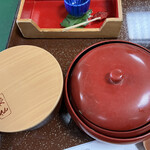
I chose to go on a winter sightseeing bus in Kyoto, and picked a place I had never been to before for lunch. However, when I arrived, I realized it was the same place where I had enjoyed Shojin cuisine before. This time, since we were in a group, we were seated on the second floor and enjoyed a delicious meal. We had dashimaki tamago (rolled omelette) and grilled salmon, which were not typically served in Shojin cuisine. Everything was very tasty and satisfying. The dishes were all nested together, so when we finished eating, we could stack them neatly.

ナチュラリストYOU
4.00
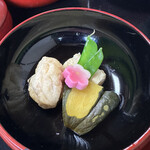
I visited this restaurant when things had calmed down after the New Year. It is located within the grounds of Daikaku-ji Temple, so you can enjoy the unique tranquility and atmosphere of the temple at the same time. You can enjoy Shojin cuisine without a reservation, so please stop by when you visit Daikaku-ji Temple. I ordered the "Yuri" for 4500 yen. The difference between the 3500 yen option seems to be the soup and dessert. However, the soup was so delicious that I might go for the 4500 yen option again next time. This is a favorite restaurant that I want to recommend to my friends, so I will give it 5 stars on Instagram. I only post 5-star reviews on IG for restaurants that I truly love and want to visit again with friends. Follow me on IG: taiwan_natural_you

ひまじろう16357
3.80
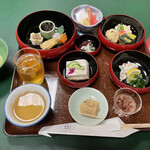
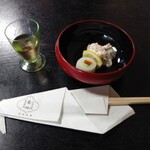
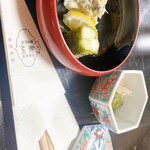
I visited Daikakuji Temple and had lunch there. The meal was a vegetarian cuisine, so it did not include meat, fish, or eggs. However, there were plenty of dishes like gluten, sesame tofu, salad, tempura, which made me feel satisfied. I was served matcha tea and warabi mochi at the beginning. The warabi mochi can be purchased as a souvenir. Before eating, there was a brief explanation about the vegetarian cuisine and a reminder to finish all the food even if something doesn't suit your taste. I enjoyed every dish and neatly stacked the empty plates as instructed. Inside the chopstick holder, there was a printed quote from Ikkyu-san.

がばちゃん
4.00
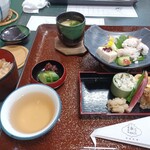
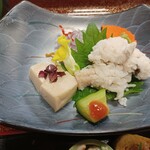
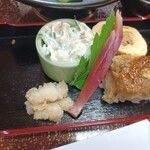
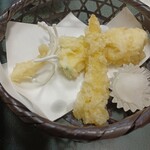
♪ Harmonize ~ Harmonize ~ Hamo-ondo ♪ (Song: "Nakatsu Hamo-ondo") I enjoyed a kaiseki meal full of pike conger at the beautifully maintained Daikokuji temple! The service staff were very polite and friendly. Enjoying a slightly pricey beer, I indulged in dishes like pike conger sushi, tempura, and steamed egg custard with pike conger. The flavors were exquisite, and the pike conger rice with pickles was especially delicious. It was a truly enjoyable experience savoring the pike conger in various dishes!

ほいほい824
3.50
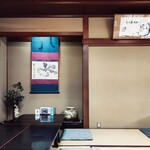
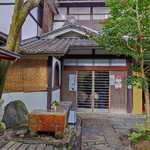
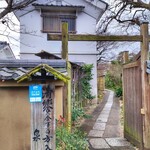
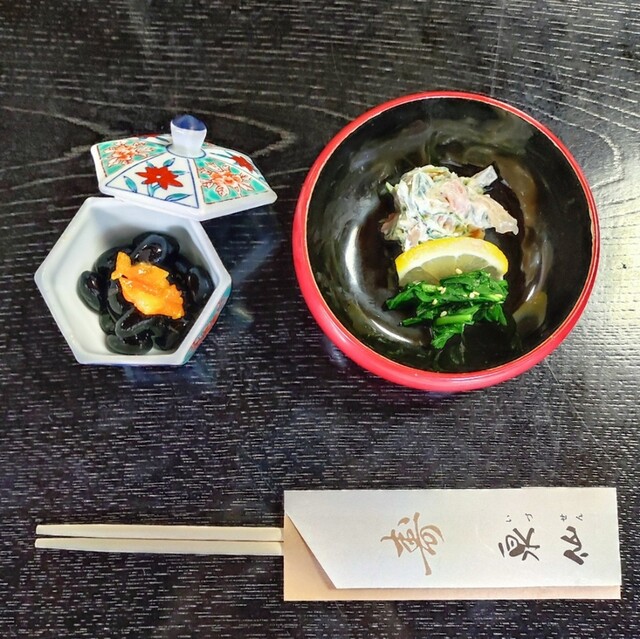
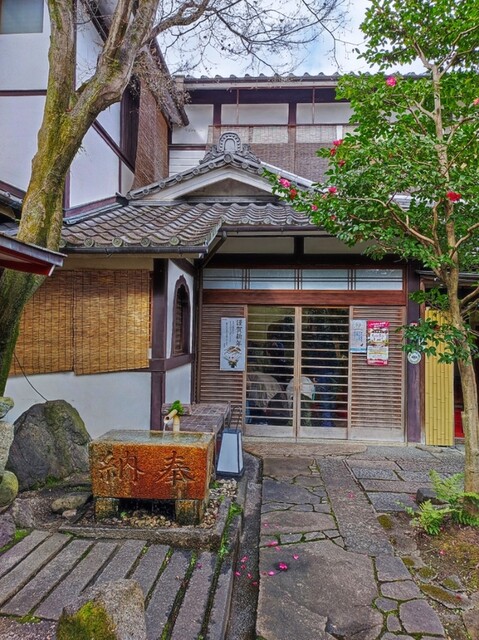
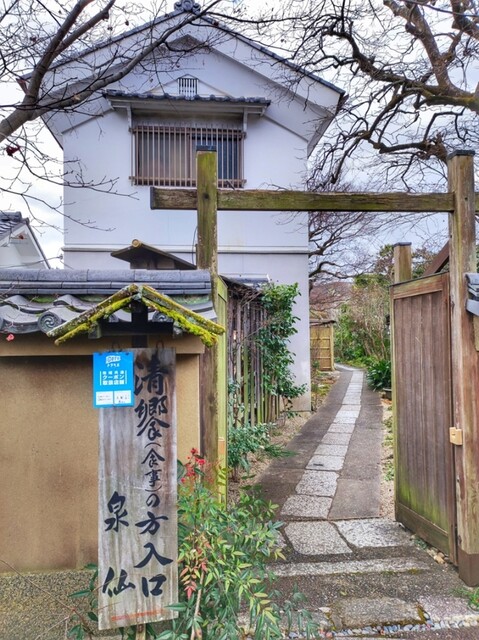
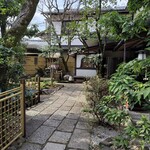
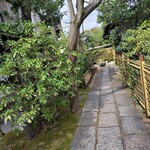
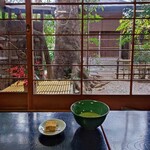
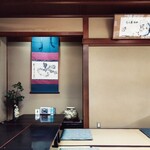
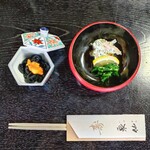
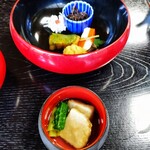
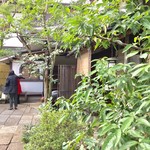
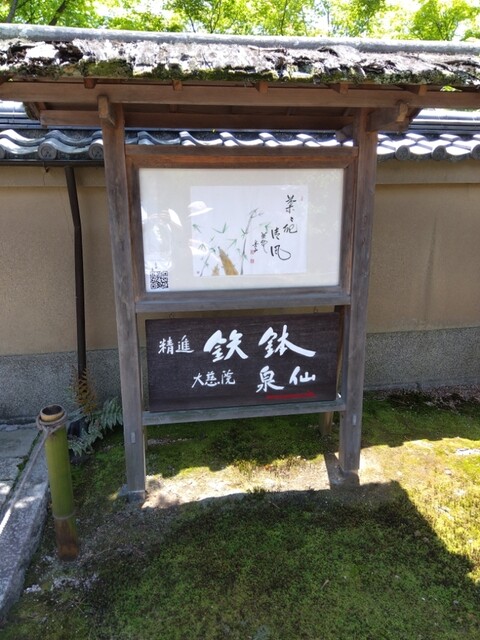
Today's restaurant is "Sensen (Daishiin-ten)," a vegetarian restaurant. I didn't specifically aim for this place, but I stumbled upon it while strolling through the grounds of Daikoku-ji. Oh, there's a restaurant in such a place in Kyoto! Truly Kyoto! So, I decided to give it a try as it was lunchtime. Following the sign that said "The restaurant is this way," I found myself taking pictures of the lovely atmosphere and gardens, which delayed my progress a bit (I'm impatient). The well-maintained garden led to the quietly standing restaurant. Despite feeling a bit hesitant to enter, I was determined to dine here. Welcomed by staff in kimono with smiles, I was seated at a spacious tatami room with a great view of the garden. It was fortunate to secure the brightest and best seat after lunchtime. The restaurant only serves lunch, with three course options. The higher the price, the more dishes are served. We ordered the most affordable "Ayame" course (3500 yen) with seven small dishes. Everything was amazing! The food, the tableware, the staff's stories - everything sparkled like magic in this atmosphere (from my perspective). As it was shortly after the new year, the vegetarian dishes were surprisingly festive. Black beans and red and white namasu were special. The white miso and sesame tofu were delicious, along with the classic small dishes. Although I've only had vegetarian meals a handful of times in my life, this was the best I've ever had. The staff's friendly service made us feel relaxed as we lounged in the tatami room. In between meals, I impulsively took photos, being a somewhat unruly guest. However, the staff kindly shared anecdotes about the hanging scrolls and the tableware, adding to the enjoyable experience. Soon, even on a weekday, the large hall filled up with guests. Everyone knows about this great restaurant. I'm so glad I stumbled upon it!

tyatyamaru
0.00
For lunch, I was looking for a place to eat near Daikaku-ji in Kyoto, but the soba restaurant I wanted to go to was closed after the holiday. While walking around Daikaku-ji, I found a dining place and decided to check it out since it had a charming atmosphere. They offered three different courses, with more dishes added as you upgraded the rank. I chose the most cost-effective option. Strangely, they served me matcha and sweets at the beginning for reasons unknown. Maybe because there was only one other group of customers, the dishes kept coming without pause, which was great since I was hungry. Each dish was carefully seasoned and I couldn't stop eating. Everything was delicious and I enjoyed my meal. I overheard the customer next to me mentioning a delicious plum dish that wasn't included in my course, but it seems they change the courses monthly so I might not have a chance to try it next time.
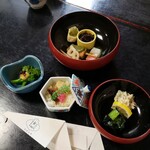
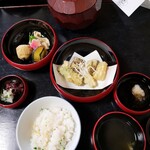
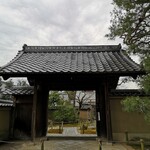

e-シュン
0.00
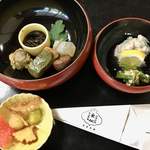
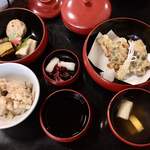
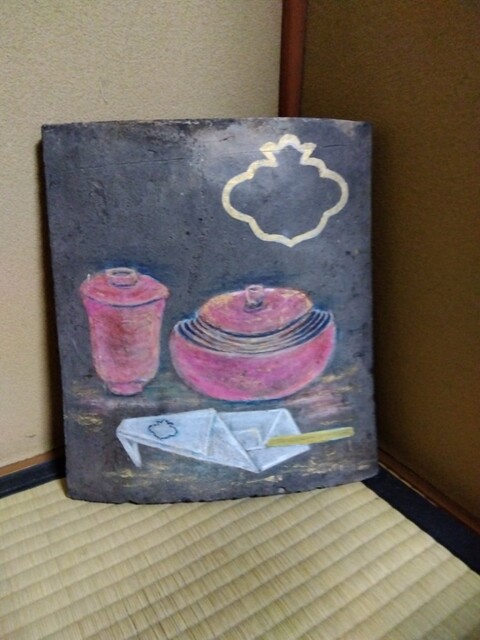
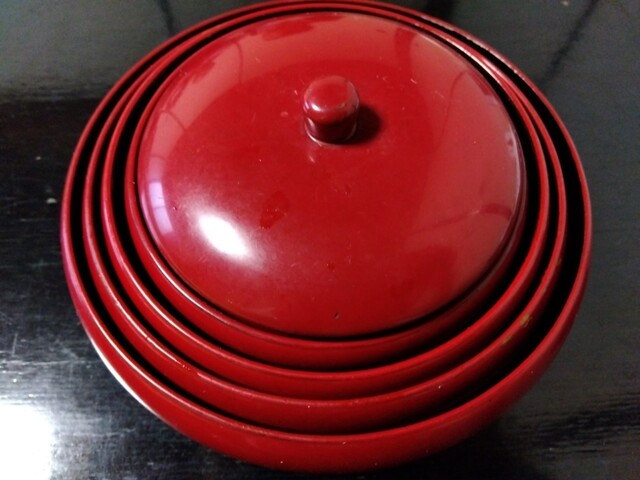
Visited Daikakuji with my wife in Kyoto. During this season, some sub-temples are open to the public for autumn special exhibitions. The serene grounds are home to over 20 sub-temples, but tourists like us are few and far between. We decided to try the famous "Tetsubachi cuisine" at one of the sub-temples, Daishijiin. According to the book "Kyoto Flavors" by Motoko Iwaki, "Tetsubachi" is a container that Zen monks used for alms, originally made of iron. (Omitted) The Daishijiin Tetsubachi cuisine consists of serving shojin (vegetarian) dishes in seven different-sized iron bowls. We made a reservation in advance for our visit. Upon being seated, we were served matcha tea and warabi mochi. Then, dishes in red bowls were brought to us one after another. Just as the book mentioned, there were 7 bowls in total. The shojin dishes had a gentle flavor. After finishing the meal, it is proper etiquette to stack the bowls. Ah, such an elegant atmosphere. It truly feels like Kyoto.

ちゃご
3.50
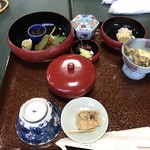
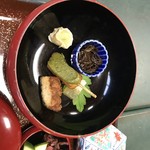
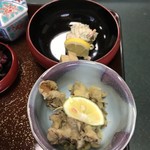
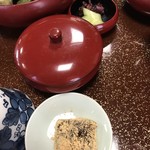
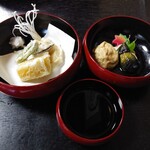
I joined a temple bus tour and this is the lunch location. It is located inside Daikakuji. The approach from the bus parking lot to the restaurant is long, so it may not be wheelchair accessible. However, it is worth walking while looking at the moss-covered garden. The dining area was on the second floor. There were dishes lined up from the beginning and others that came later. Green tea was served right away, cold and strong. A teapot was placed on the table with roasted green tea inside. The green tea sweets were warabi mochi made with real bracken starch. They were promoting the warabi mochi here and were taking orders for it. Sesame tofu was served in ice water with three condiments like wasabi. It was sesame tofu to dip in the sauce. Shibazuke pickles with eggplant and turnip. It was made by Izu Sen. The taste was different from regular shibazuke pickles. If you eat all 7 dishes, the plates stack up into one. Yes, they stacked up nicely. The rice was bean rice, delicious with just the right amount of saltiness. You could have seconds of the bean rice, but I was too full for seconds. Overall, the food was okay. Thank you for the meal.

pfeq
3.50
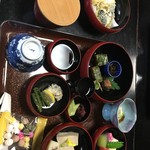
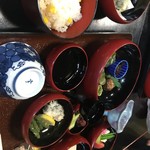
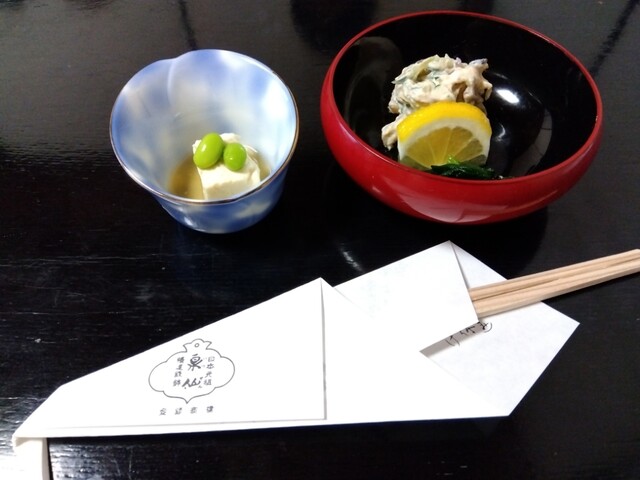
The shojin ryori (Buddhist vegetarian cuisine) at Daikakuji is delicious even without fish or meat. The dishes pile up into one in the end, so you can't help but eat everything. While in kaiseki cuisine you are expected to finish everything, in shojin ryori there seems to be no such rule. I left things like lemon peels that came with the dish. I wonder if shojin ryori doesn't use fish for the broth.

cielo7
3.80
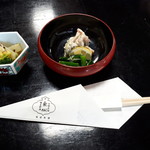
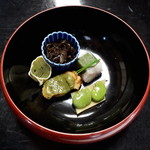
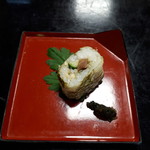
Located within the Daikakuji Temple, this restaurant is hidden away down a narrow path, making it a hidden gem known to those in the know. Unlike the bustling tourist spots in the city, this place attracts a mix of locals and just the right amount of tourists, allowing for a leisurely dining experience surrounded by nature. Each dish is served individually, allowing you to enjoy your meal at your own pace and savor the warm dishes. While the menu consists of vegetarian dishes, the satisfaction level is high and the prices are reasonable. Overall, highly recommended.

オグリジェーン
3.00
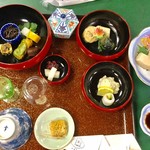
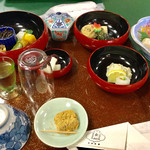
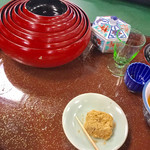
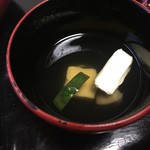
Passing through the lined temples, going through the gate and down a narrow path, you will find a restaurant. It's surprising to find a restaurant in such a place. The vegetarian cuisine focuses on vegetables and beans, with dishes like sesame tofu and yuba, all prepared with a light touch to highlight the ingredients. Even the tempura was made with only vegetables, but it was crispy and delicious. There was also a dish of sweetened fried plums. The clear soup had a strong kelp flavor. For dessert, there was warabi mochi at first, but then a fruit dessert was served as well. The iron pot can be compactly stacked after eating, showing an old wisdom. You can purchase sesame tofu and warabi mochi as souvenirs.

AMA-NATSU
3.00
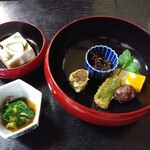
After returning from a business trip, I went to Kyoto! I had a late lunch at a shojin ryori (Buddhist vegetarian cuisine) restaurant called "Sensen" in Daikakuji Temple. Shojin ryori is delicious~ Even without meat, I was satisfied. The Kinoko (mushroom) and Sansho (Japanese pepper) salad was so tasty that I bought it as a souvenir.

helihop
3.50
When you come to Kyoto in 2018, you might feel like you want to experience something from the old times. This time, I tried shojin cuisine, and there are several shops that offer it, but this one is highly recommended if you want to feel the atmosphere of Kyoto! However, you cannot park your car right next to it, so it may not be suitable for elderly or those with difficulty walking. For lunch, you can choose from three different courses priced at 3,000, 4,000, and 5,000 yen. There are other places where you can enjoy a meal for a more reasonable price, so you might want to consider that as well. This time, I tried the 4,280 yen course, which is usually enough to fill you up. Each dish was carefully prepared and very enjoyable.

katsu.k
3.50
Yesterday, my partner and I stopped by while exploring Kyoto. It's located within the grounds of Daikakuji, and we enjoyed the meal despite feeling a bit nervous. The food is traditional vegetarian cuisine, but the presentation is skillful. It felt like we were being served with care, from the dishes to the restaurant itself.

ガアタ
3.80
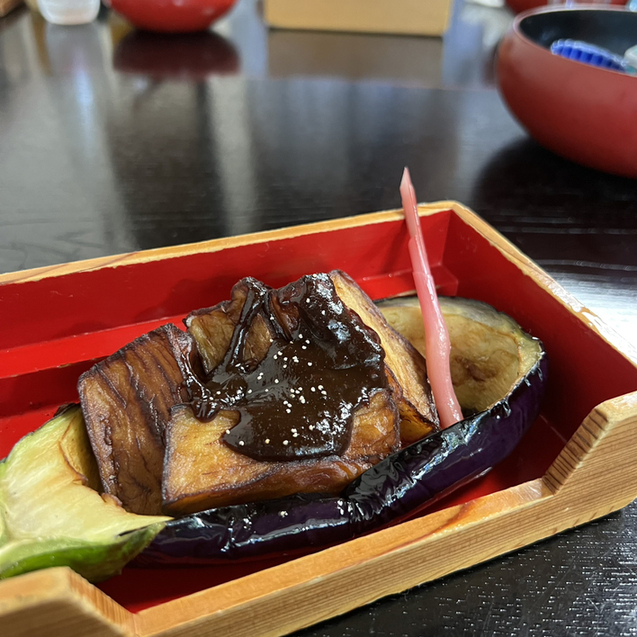
I had the cheapest course priced at 3800 yen, and also ordered the eggplant dish for 600 yen. Before the main course, they served warabi mochi and matcha tea. The price of the course includes these as well. You can also order dishes like the eggplant dish or chawanmushi individually. The eggplant dish was delicious, with a good combination of flavors. The course dishes were all tasty, but the tempura and rapeseed flower rice stood out the most. The course prices range from 3800 yen to 8000 yen, with larger portions as the price goes up. However, only the 3800 yen and 4600 yen course examples were shown in the menu, so you'll need to ask about higher-priced courses. I considered the 4600 yen course, but opted for the 3800 yen one since the 4600 yen course had pudding as dessert, which I felt was unnecessary for a vegetarian meal. The restaurant is popular among small groups of 2-3 people, but solo diners are also common. It has a casual and welcoming atmosphere.

ジョニー3915
0.00
yhmmmmy
0.00

rudorufu0824
4.50
Email Login