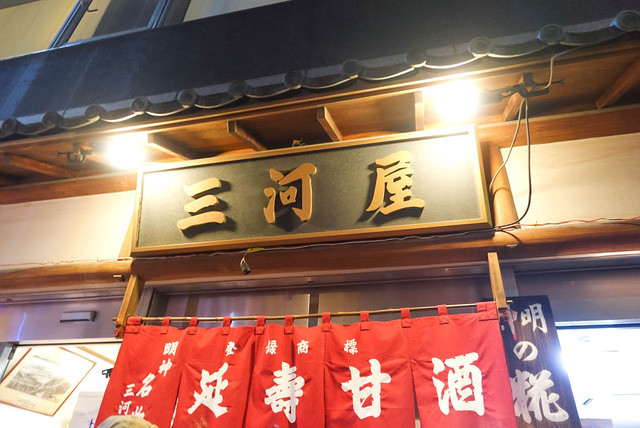
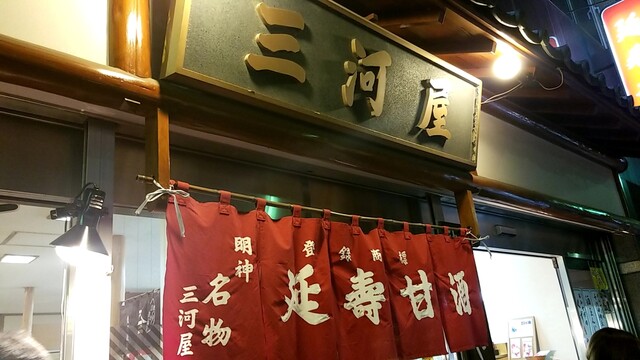
三河屋綾部商店
Mikawayaayabeshouten
3.51
Kanda, Ochanomizu
「Café」
--
--
Opening hours: [Monday-Saturday 9:00-18:00 (coffee shop open until 17:00)
Rest time: Sundays (Closed on Wednesdays in February and March, open on Sundays) Business hours and holidays are subject to change, so please check with the store before visiting.
東京都千代田区外神田2-17-3
Photos
(20)

Details
Reservation Info
No Reservations
Payment Method
No credit cards
Electronic money is not accepted
Number of Seats
20 seats
Private Dining Rooms
None
Smoking and Non-Smoking
No smoking at the table
Parking
None
Comments
(20)

やぎけん7
3.40
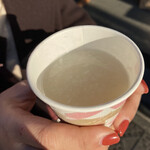
I bought some amazake from a shop on the approach to Kanda Shrine, about a 10-minute walk from Ochanomizu Station, while waiting in line for my first shrine visit of the year. It was delicious and warming, which was perfect for the cold weather.


無芸小食
3.40
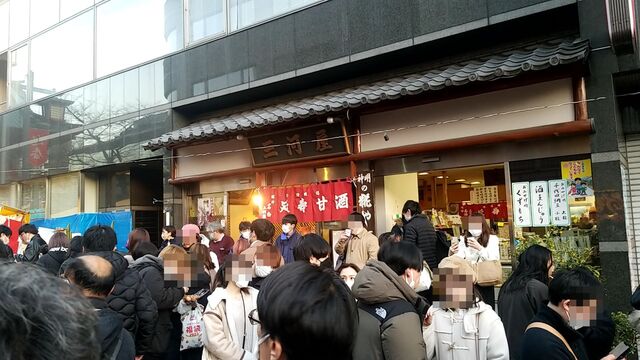
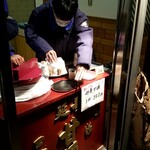
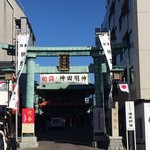
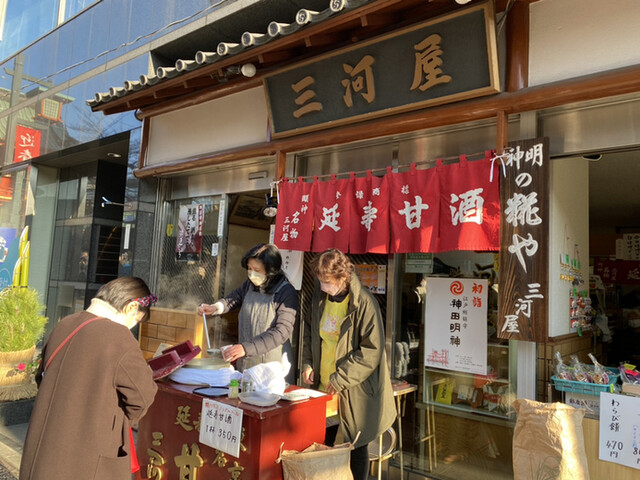
Kanda Shrine (also known as Kanda Myojin) is located on the right side after passing through the main gate. The store, Sanpoya Ayabe Shoten, was established in 1616, the same year Kanda Myojin was founded in its current location. Originally a merchant for the Tokugawa Shogunate, the first generation of Sanpoya Ayabe Shoten moved from Mikawa Province (present-day Gamagori City, Aichi Prefecture) to Edo along with the Shogunate. They opened the store near Kanda Myojin, which was built to protect Edo Castle's demon gate. This year, I visited Kanda Shrine for Hatsumode (first shrine visit of the year). It is ranked 8th in the popular Hatsumode spots in Tokyo, with Meiji Shrine at 1st place and Senso-ji Temple at 2nd place. It was quite crowded on New Year's Day, with traffic restrictions on Nakasendo in front of the main gate and long lines of people. It was a one-way street from Kanda Myojin to Sanpoya Ayabe Shoten, so I couldn't go from the main gate to the store. On the way back after praying, I had Enju Amazake at Sanpoya Ayabe Shoten. Amazake can be non-alcoholic made with malt or alcoholic made with sake lees, but Enju Amazake is a non-alcoholic version made with malt. It was nice to warm up with a cup of sweet amazake on New Year's night.

きこ1293
3.50
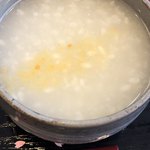
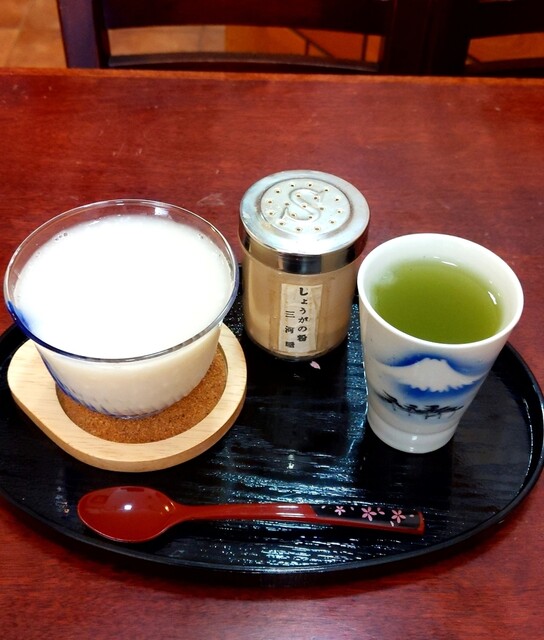
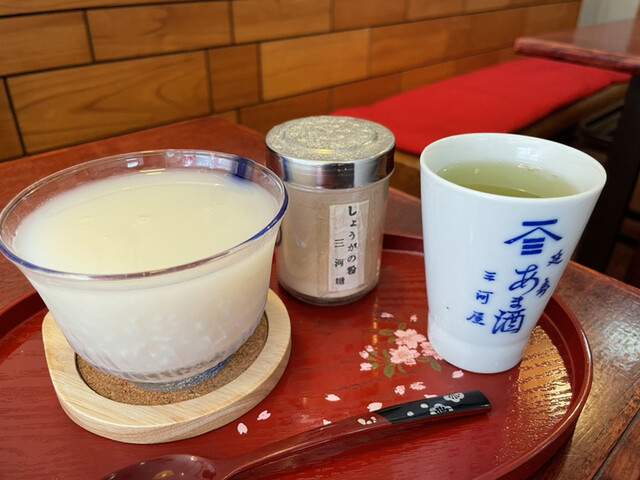
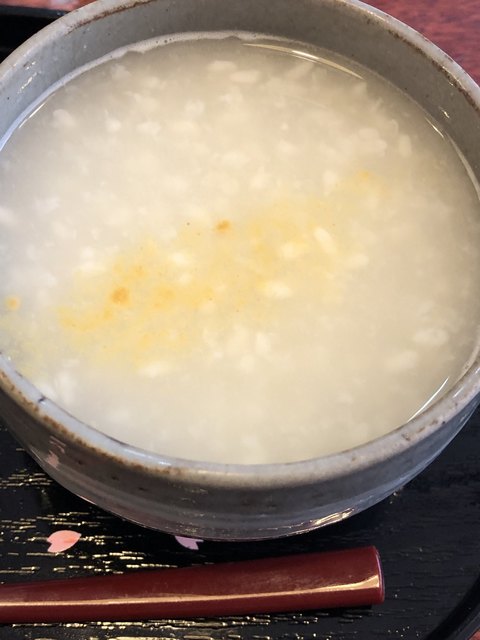
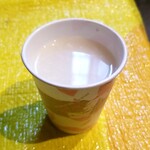
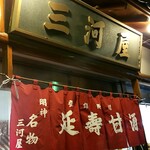
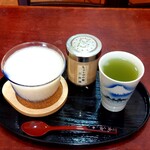
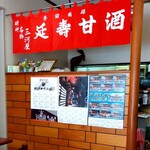
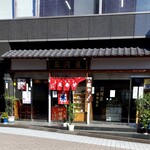
I stayed in Tokyo for 2 nights and 3 days. On the final day, I had lunch at Matsuya in Akihabara and then visited Kanda Shrine. After walking in the heat, I finished my prayers and went to this shop. I had sweet sake made from rice malt. It came with ginger powder. The sweet sake itself had an elegant sweetness, but when you add the ginger, it becomes a different kind of deliciousness. I was planning to compare it with another sweet sake at a different shop, but that shop closed suddenly, so I only visited this one. They call it a "drinkable IV drip," and indeed, it revived my tired body in the heat.

kyoko544
3.50
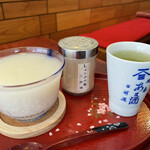
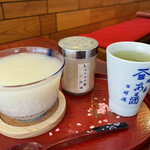
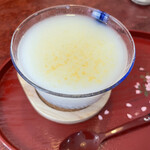
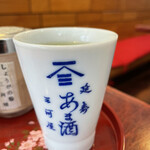
The shop is located to the right after passing through the main torii gate of Kanda Myojin Shrine. Originally, I was planning to go for Amanoya's sweet sake shaved ice, but due to my lack of research, they were closed. I came all the way from Ochanomizu Station to Kanda Myojin Shrine in the scorching heat, so I was drawn to Mikawa-ya's chilled sweet sake instead. (Bitter smile) Well, it turned out to be the right choice! ★Time of entry: Around 3 pm on a holiday, with only one customer ahead of me. There were few visitors in the first place due to the unbearable heat... (Bitter smile) ★What I ordered this time: Chilled sweet sake 350 yen. This sweet sake made from rice koji is very easy to drink. It was my second time here, but I finally felt relieved after walking in the scorching heat and reaching this place. When you drink it, it feels like it spreads throughout your body, and after a while, I feel like my energy has somewhat recovered. Truly a drinkable IV drip! This sweet sake comes with ginger powder. I sprinkled it on as I liked, but the ginger flavor wasn't too strong, and I felt refreshed drinking it. Amanoya's sweet sake is also made from rice koji, so I'd like to compare the two next time. I wonder which one is more to my liking. Thank you for the meal~

食れぽヒットマン
3.60
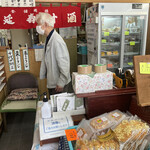
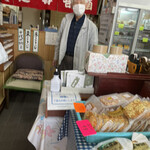
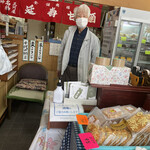
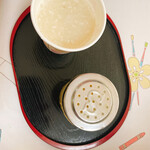
In front of Kanda Myojin Shrine is a long-established sweet sake shop. The sweet sake is delicious! It used to be common to drink hot sweet sake as a way to cool down before summer. The shop owner explains that sweet sake is associated with summer in haiku season words. There are no artificial compounds, everything is homemade. The shop exudes a traditional Japanese atmosphere, making it a comforting place with a sense of nostalgia.

クラウド
3.50
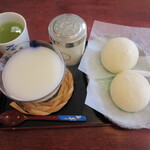
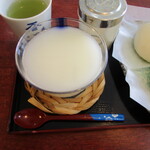
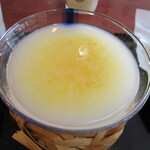
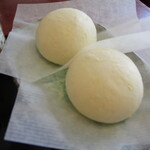
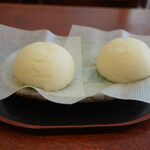
I left Ochanomizu Station on the Marunouchi Line and transferred to JR Ochanomizu Station. It was hot and humid, so I decided to take a break. I remembered that there was a famous amazake (sweet sake) shop in the precincts of Kanda Shrine, so I decided to make a detour and visit. Instead of the familiar "Amanoya," I chose to visit "Mikawa-ya" today. The shop had a retail section on the right and a dining area on the left. Since it wasn't the New Year's season, the shop was quite empty. There were only three other customers inside, enjoying cream soda and anmitsu. However, I was in the mood for amazake. I ordered the "Enju Amasake" (350 yen) and a "Sake Manju" (300 yen). The amazake was served cold. Time seemed to slow down in this unexpected oasis in the city. Outside, more people were starting to visit Kanda Shrine. The amazake was brought to me, and it looked delicious. I tried it as is first, and it was indeed delicious. Then, I sprinkled some ginger powder on top. Oh, this is fantastic! I couldn't believe how delicious amazake could be. The sake manju didn't have a strong smell, but it was moist and had sweet red bean paste inside. It tasted even better in this unique atmosphere. These would make perfect Tokyo souvenirs. Oh, they also sold natto. Maybe I should buy some to take with me.

しまたか.
3.40
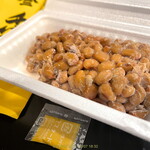
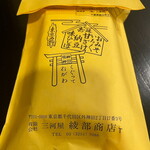
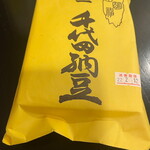
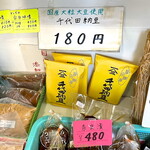
I stopped by on my way to Kanda Myojin to visit and my goal was to try the "Chiyoda Natto" (180 yen) made by this store. The natto at this store is made with domestically-produced large soybeans, so it is not smelly and not too sticky, making it light and easy to eat. I would like to try the bracken rice cake next time.

かとまさ
3.30
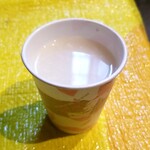
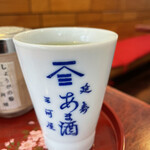
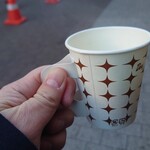
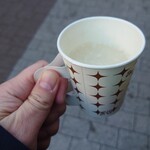
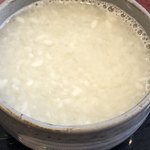
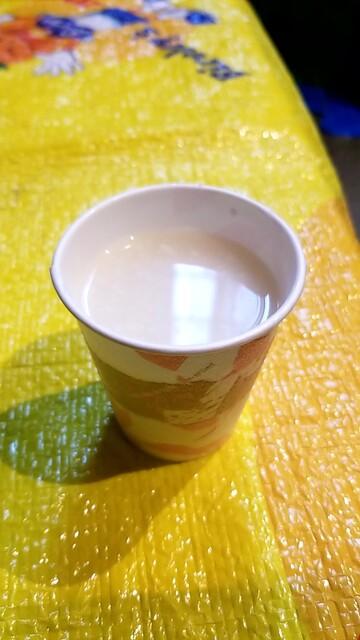
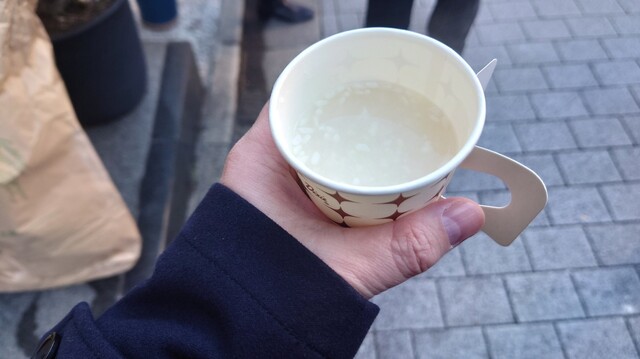
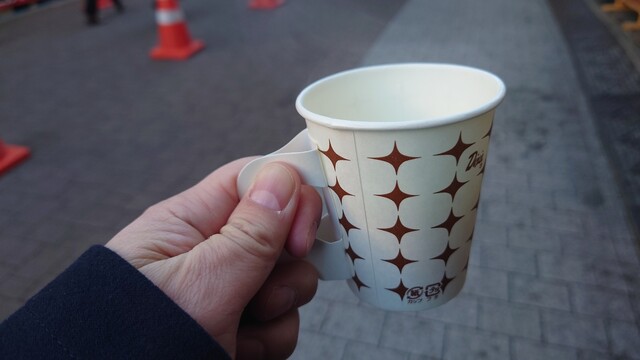
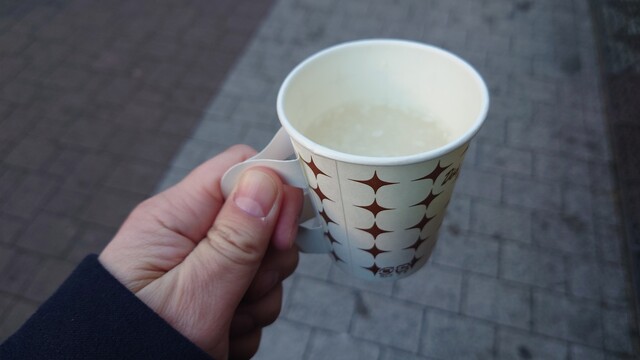
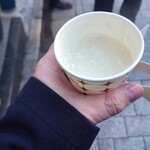
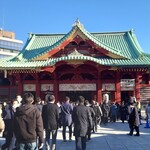
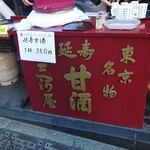
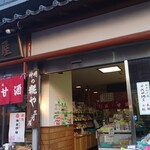
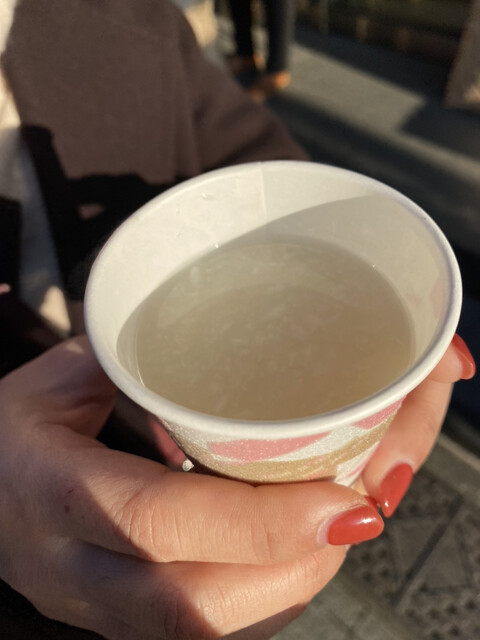
Starting work with a visit to Kanda Myojin Shrine. I went for Hatsumode (first shrine visit of the year) and got a new amulet. On the way back, there were food stalls for the New Year period. I usually just pass by them, but this year I decided to take a look. There were various stalls, including one selling sweet sake. Next to the torii gate, Amanoya was not open yet, but Mikawa-ya Ayabe Shoten had set up tables outside and was already open at 9 am. It's not a food stall, but I decided to try it. "I'll have some sweet sake, please." "Sure. That'll be 350 yen." They served it in a paper cup, piping hot but perfect for the winter cold. The cup even had a handle. I took it and sipped the sweet sake slowly. Made from koji, it had a subtle sweetness. As I drank, I noticed a lot of koji settled at the bottom. I should have stirred it while drinking. I tapped the cup to get rid of the koji, and I think I got most of it. It was a delicious treat.

スズ!
3.90
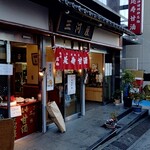
On January 3rd, I visited Kanda Myojin for Hatsumode (first shrine visit of the year) a little before 8:00 AM and found many people already there to pray. After making my offering, I stopped by a shop on the way back and had a cup of "amazake." It was a comforting drink on a cold day. Thank you for the meal, and thank you very much.

ハラミ串
3.70
[Overall Impression] Located about a 4-minute walk from Ochanomizu Station, this famous sweet shop is known for its amazake (sweet sake) and has a history dating back to 1616! They specialize in homemade koji, but also produce fermented foods such as natto and miso, and have been supplying the shogunate family since the Edo period. They continue to offer a variety of fermented foods, and you can enjoy amazake and sake manju (sweet buns) in the store. The amazake I tried had a gentle sweetness that slowly spread throughout my body. It truly is a timeless masterpiece.
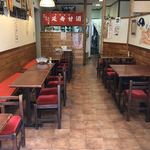
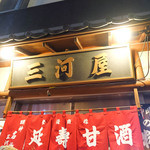
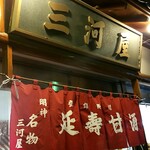
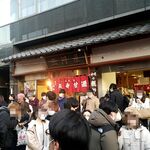
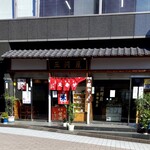
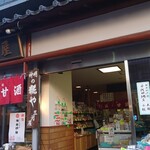
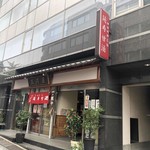
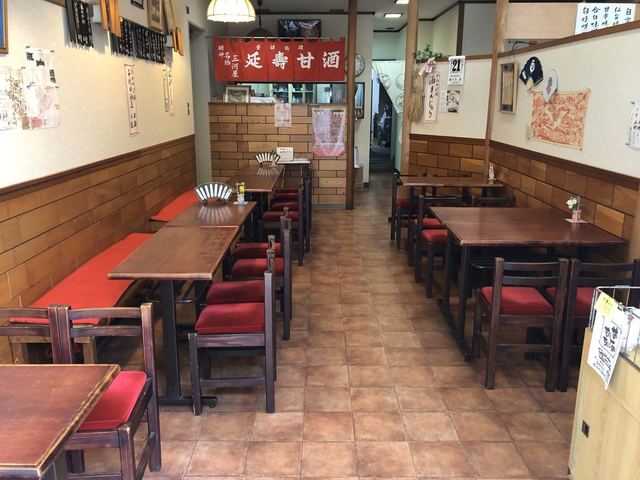
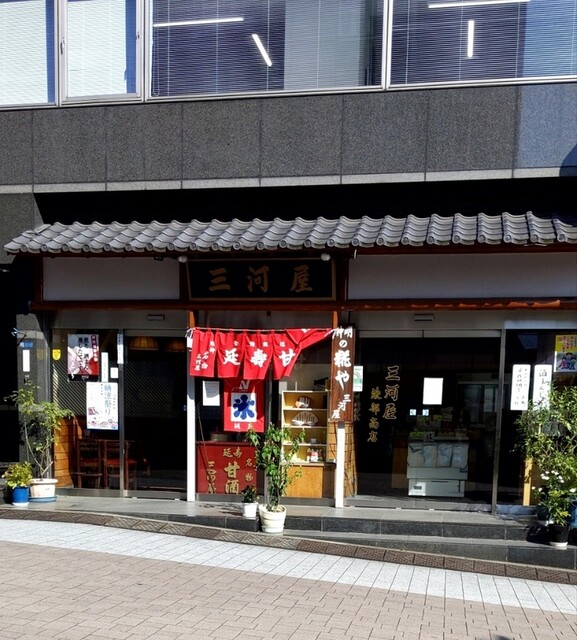
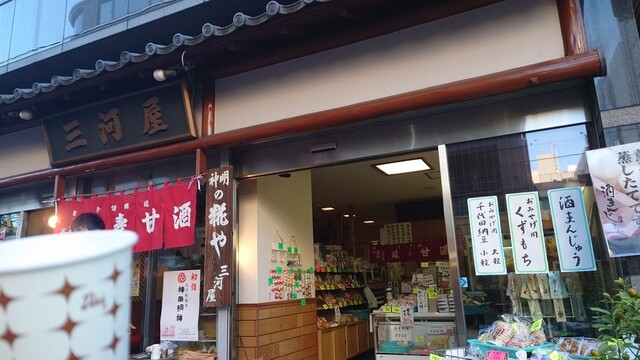
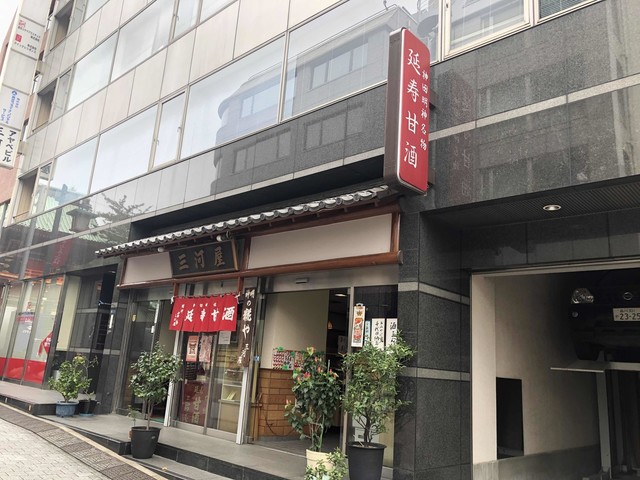
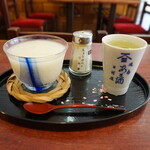
After enjoying a sushi lunch at Ogawamachi Kan Sushi, I extended my visit to Kanda Shrine. My destination was a sweet shop along the approach to the shrine. Located just to the right after passing through the torii gate of Kanda Shrine is Mikawaya Ayabe Shoten. Surprisingly, this is an ultra-long-established shop founded in 1616. Although it is located along the approach, I only recently learned about its long history. The building has a quaint charm, but at first glance, it looks like a typical sweet shop and store near a shrine. The interior has a cafe space on the left and a store on the right, with a folk craft-style decor and about 18 seats at the tables. As a shop specializing in fermented foods, their specialty is amazake. Their food items include sake manju, tokoroten (jelly noodles), sweetened beans, and anmitsu (jelly dessert). This time, I decided to try the most popular combination in the store, amazake and sake manju.
- Enju Amazake (Sweet Sake) 350 yen
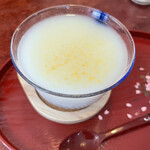
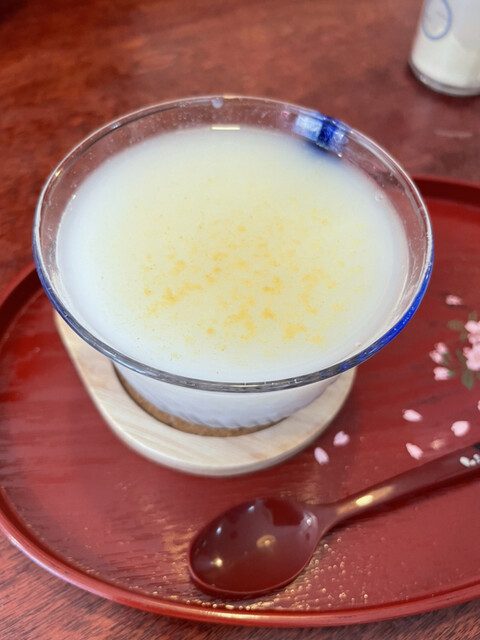
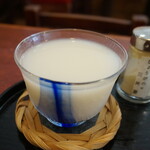
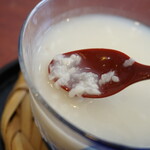
I had always associated amazake with being warm, but they also offered a cold version. Since it was quite hot that day, I opted for the cold one. It had a soft and gentle sweetness that slowly melted in my mouth. It had a light and slightly thick water syrup-like taste. It may be a type of sake, but I did not taste any alcohol. Sprinkling ginger powder enhanced the sweetness.
- Sake Manju (Sweet Bun) 300 yen
A steamed bun made using koji to ferment the dough. Despite the name "sake," it does not contain alcohol. The fermentation process is similar to that of sake. The fluffy dough had a moderately sweet red bean paste filling. It was quite similar to Chinese anman, almost identical.
[Final Thoughts] I don't usually drink amazake, but I had never tasted one with such a gentle flavor before. It's amazing that this taste and technique were perfected over 400 years ago. When it comes to fermentation, the Japanese are truly the best in the world. The bill for today's meal came to a total of 650 yen. Thank you for the wonderful meal.

たべっ子小どうぶつ
3.50
I came on a rainy day with heavy rain. I was visiting shrines from Korakuen, so I was already cold. I wasn't sure if I could relax at the entrance of the approach, so I came to this spacious place. I had received a paper cup when I visited before. I was alone, but I was able to relax comfortably. The amazake was not strong in alcohol and delicious...!! Is it because of the rain? Is it because it's cold? I didn't know amazake could be this delicious. They also provided ginger powder, which is good for those who find it too sweet. It was a great relief and the best.

トントンマン
3.40
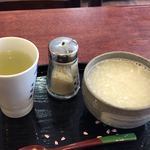
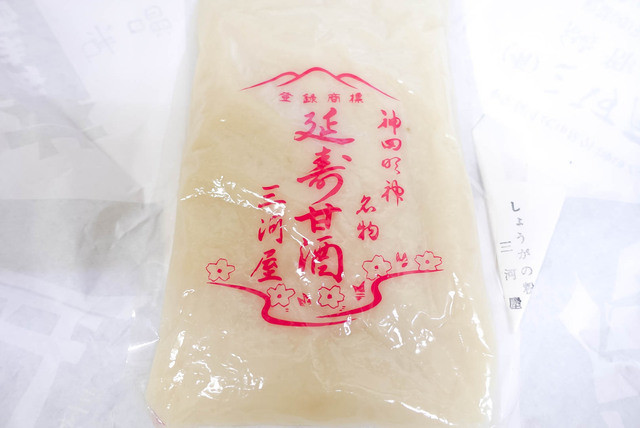
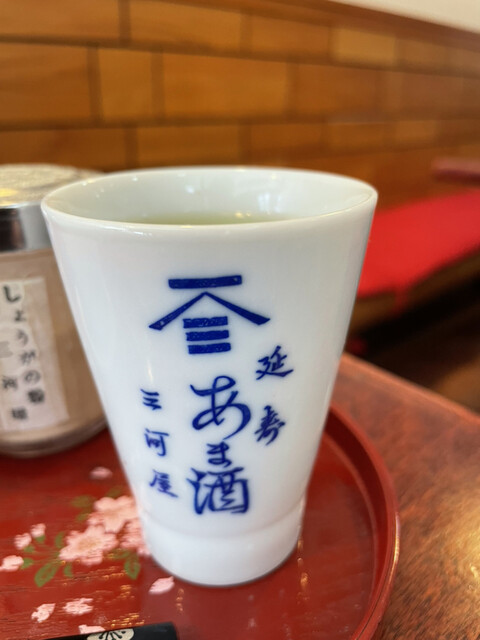
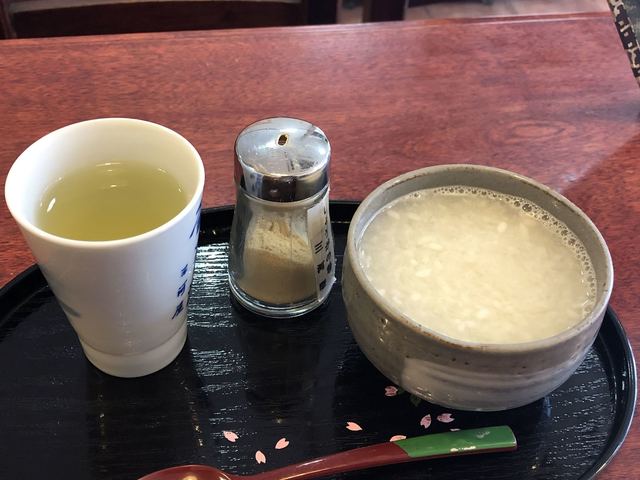
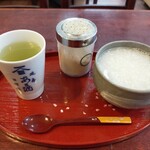
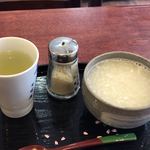
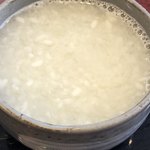
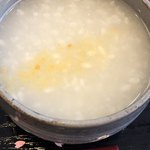
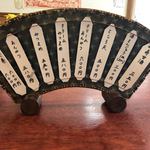
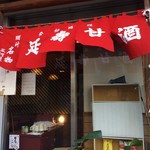
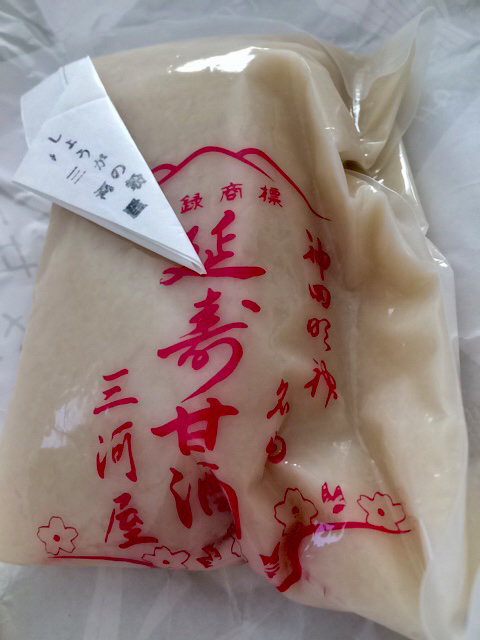
There are two longstanding shops selling sweet sake at Kanda Myojin Shrine. One is Amanoya, established in 1846 (Keio 3). I visited the shop recently and enjoyed sweet sake and Japanese sweets. The other shop is even older than Amanoya. Our shop was founded in 1602 (Keicho 7) in Mikawa by the first generation Kameyama Jihei. In 1616 (Genwa 2), we moved from Mikawa to Edo as official merchants of the Tokugawa shogunate. We have a history of producing koji (rice and barley) and supplying handmade sweet sake, miso, and natto to the shogun family for generations. In the Meiji era, we started supplying Kujyuu Shiramiso to the Imperial Household Agency due to the demand for white miso in the palace. We have operated under the name "Mikawa-ya Kameyama Jihei Shoten" for generations, but the Kameyama family ended with the 10th generation, and the Ayabe family took over as the 11th generation in 1895 (Meiji 28), leading to the current name. My ancestors were also official Japanese confectionery merchants, with the same name Mikawa-ya, so there may be some connection between our shop and yours. I wanted to compare the sweet sake between Amanoya and our shop, so I visited this time. I had lunch in Ogawamachi, then had tea on Hongo Street before heading to Kanda Myojin Shrine. I received a recommendation for "Shibazaki Natto" in addition to sweet sake at your shop, so I stopped by Amanoya first to get it before heading to your shop. I will also post a review of Amanoya later. Your shop is located about 30 meters down the approach after passing through the main gate of the shrine. There is a conspicuous red signboard with white characters that says "Enju Sweet Sake". The shop has a sales corner on the right and a cafe corner on the left. I decided to sit and enjoy sweet sake, so I entered the cafe corner. When I entered around 12:30, there were no other customers inside. There are 7 tables with 4 seats each, totaling 28 seats, but they are quite close together, so it might be a bit tight for 4 adult men. I found a seat at one of the tables. The shop is run by the 15th generation owner and what seems to be his wife. There is a cafe menu on the table, with Enju Sweet Sake priced at 350 yen as well as other items such as sake manju at 300 yen, tokoroten at 500 yen, cream anmitsu at 600 yen, isobemaki at 600 yen, and abekawa at 600 yen. They are all quite expensive. Let's call it the Kanda Myojin Shrine market price. I ordered the Enju Sweet Sake. After about 3 minutes, the Enju Sweet Sake was served with green tea and ginger powder. Enju Sweet Sake is made only with rice, koji, and water, without any additives, so it is non-alcoholic. The previous 14th generation owner once said, "If you get drunk on our sweet sake, you should go to the hospital," as the story goes. The koji is produced in a room called "muro," which used to be a vast underground room measuring 120 meters long in the Edo period, but now it is produced in a land-based room.

kinako-anko
3.60
On the first day of my trip on April 27, I visited Kanda Shrine near my accommodation after admiring the Imperial Palace from Nijubashi. I passed through the "Zuishinmon" gate, built in 1975 to commemorate the 50th anniversary of the reign of Emperor Showa, and prayed for better work luck at the shrine. Then, I went shopping at the "Kanda Myojin Cultural Exchange Center" on the shrine grounds. Next, I stopped by "Mikawa-ya Ayabe Shoten" on the approach. This historic shop, established in 1616, moved from Mikawa to Edo and has been supplying handmade amazake, miso, and natto to the shogun family and the Imperial Household Agency for generations. I purchased the following items, all tax included:
- Amazake: 350 yen
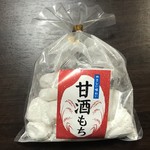
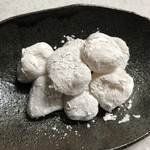
- Amazake Mochi: 350 yen
- Enju Amazake (5 cups worth): 700 yen
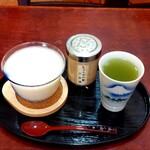
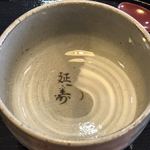
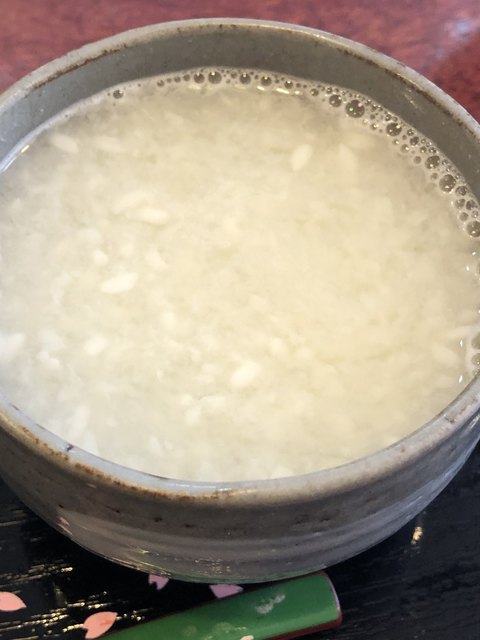
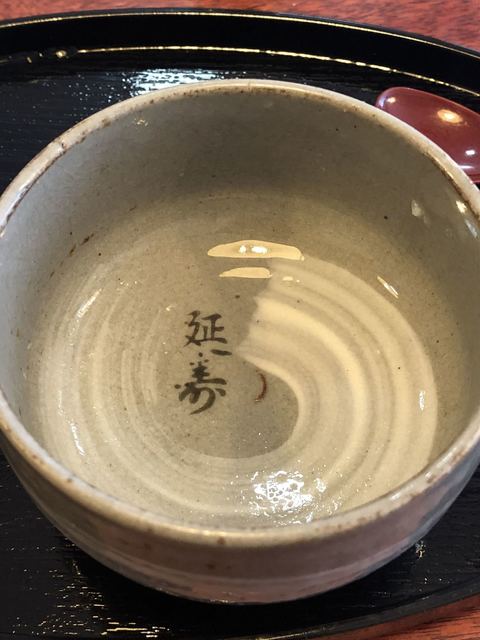
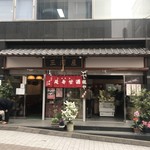
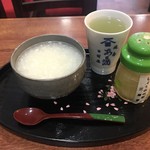
I enjoyed the amazake at the table inside the shop. It was served in a bowl-like cup with tea and ginger powder on the side. This traditional amazake, made only with rice, koji, and water without any additives, provided a comforting blend of sweetness and ginger aroma when sprinkled with ginger powder. This nutritious drink, passed down from ancient times, helped me relax and recover from the fatigue of traveling. The "Amazake Mochi" I brought back to Osaka was actually made by a company called "Seoki" in Iyo City, Ehime Prefecture, as indicated on the label. I realized that I didn't need to buy it as a souvenir from Kanda Myojin, but upon opening the package, the strong scent of amazake filled the air. The mochi, made with water candy, sugar, mochi rice flour, starch, amazake, and sake lees, was soft and had a gentle taste of alcohol. After stopping by one more shop on the approach, I headed back to my accommodation. Thank you for the delicious meal!

松ちゃん印
3.50
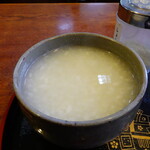
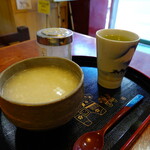
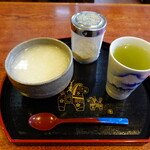
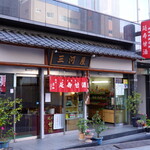
Amazake. Not too sweet, delicious. You can also add powdered ginger to your liking.
kazuma02ssp
4.00
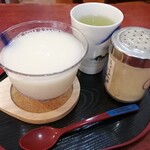
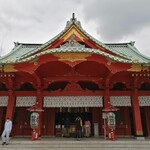
In front of Kanda Myojin Shrine. It's really delicious. You sprinkle powdered ginger on it and eat it.

ayu3☆LDH
3.50
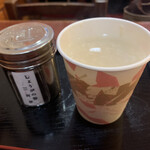
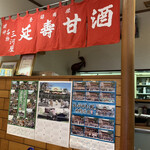

栗柿田んぼ
4.00
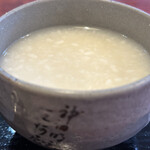
Original Ganjuku Amazake Teahouse ==========

takafumiaoki000
4.40
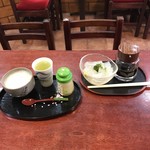
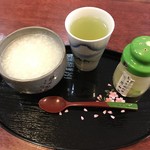
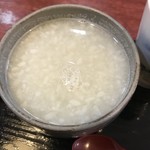
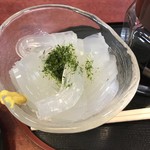
Sanpoya Ayabe Shoten is located near Kanda Myojin in Chiyoda-ku, Tokyo. The nearest station is Ochanomizu Station. The blessings of Kanda Myojin include prosperity in business. Around Kanda Myojin, there are cafes like Oto Coffee, soba restaurants like Kiyari Kanda Myojin-mae, and Japanese restaurants like Kanda Myojin-shita Miyabi Honten near Myojin Otokozaka. Inside the shrine grounds, there is Kanda Myojin Baitei selling items like Masakado Senbei and Myojin Katsumochi. I visited Sanpoya Ayabe Shoten for the first time on March 10, 2018 (Saturday). The layout of the shop mainly consists of table seats. It is compact but feels spacious. I was the only customer there. There was no background music playing. I had Enju Amasake and Tokoroten. Enju Amasake was 350 yen including tax, and Tokoroten was 450 yen including tax, totaling 800 yen including tax. Warm green tea was also served. The green tea had a fragrant aroma. Tokoroten was topped with seaweed and served with mustard. Eating Tokoroten without adding vinegar soy sauce first brings out a good flavor. Adding vinegar soy sauce makes it refreshing with the kick of mustard, and it was delicious. Enju Amasake was recommended to be enjoyed with ginger. It had a refreshing sweetness and a fragrant taste. Adding ginger brought a refreshing ginger flavor, making it delicious.

ゆきほっこ
3.10
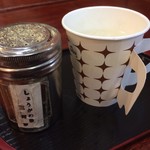
I went to a shop that serves amazake on my way back from Kanda Shrine♪ It was the last Friday of January, a few days after it had snowed in Tokyo, with some snow still lingering in places. Despite the strong cold wave, it was still very cold during the day ('_') There are several shops on the street leading to Kanda Shrine where you can drink amazake, and I went to this shop where you can drink inside~☆ Amazake for 350 yen. When you enter the shop, you pay at the entrance and then you are shown to your seat. The staff will bring you the amazake. The amazake comes in a paper cup, but it is filled with plenty of sake lees. It also comes with ginger powder. A sprinkle or two of ginger powder gives it a subtle ginger flavor and warms you up even more♪ Since it's hot, you can't drink it all at once, so it's a shame to leave the sake lees behind at the end (^_^;) Drinking amazake inside the shop warmed both my body and soul♪ It was a heartwarming experience. Having some auspicious food nearby after visiting the shrine helped boost my luck even more☆

美味B級
3.20
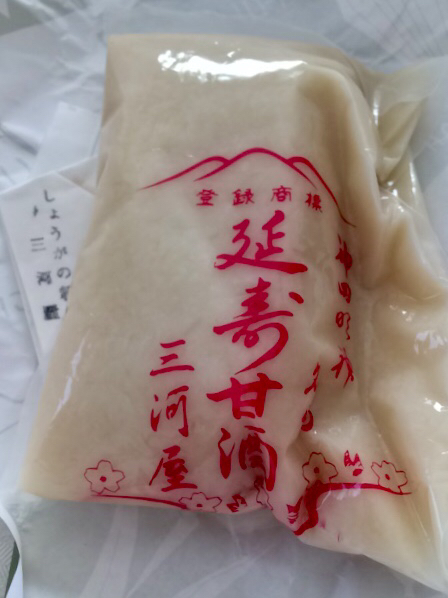
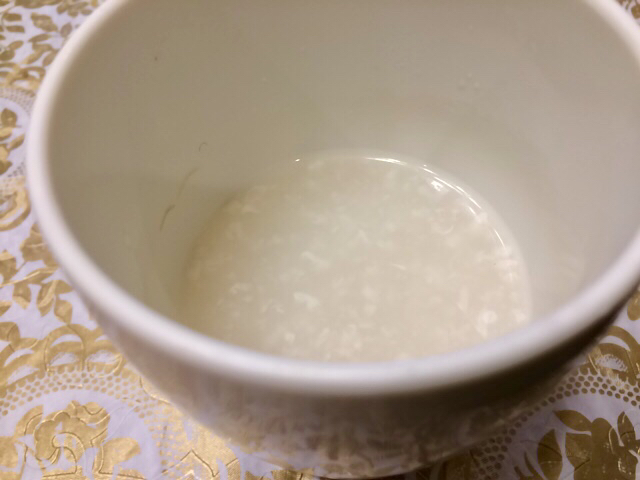
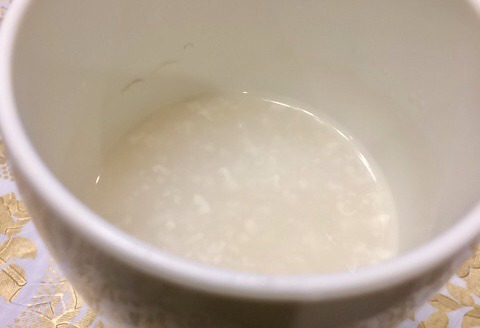
I bought the famous sweet sake from Kanda Myojin on November 13th. Enju sweet sake with ginger powder for 350 yen. It's so warming in this cold season~~ When it comes to sweet sake, I remember drinking it before the Mukashi, Aotome Marathon, and it was delicious. Sweet sake is best enjoyed while sipping it in the cold. This time, I had it indoors, but it was a bit weak when I followed the instructions and added twice the amount of water. So I added oligosaccharides to adjust the sweetness. Personally, I think using the same amount or less water than sweet sake is enough. Thank you for the meal.
Email Login