良心館食堂
Ryoushinkanshokudou
3.05
Imperial Palace Area
「School cafeteria」
--
--
Opening hours: [Monday-Friday] 8:30-20:30 [Saturday] 10:00-18:30
Rest time: Sundays and holidays (plus irregular holidays) Business hours and holidays are subject to change, so please check with the store before visiting.
京都府京都市上京区今出川通烏丸東入 同志社大学今出川キャンパス
Photos
(20)
Details
Reservation Info
No Reservations
Children
child-friendly
Payment Method
Credit cards are not accepted
Electronic Money Accepted
Number of Seats
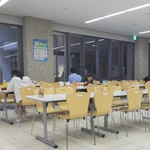
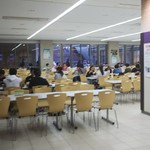
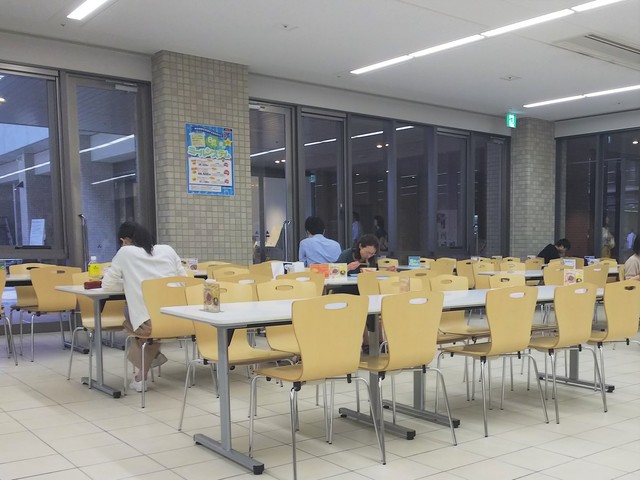
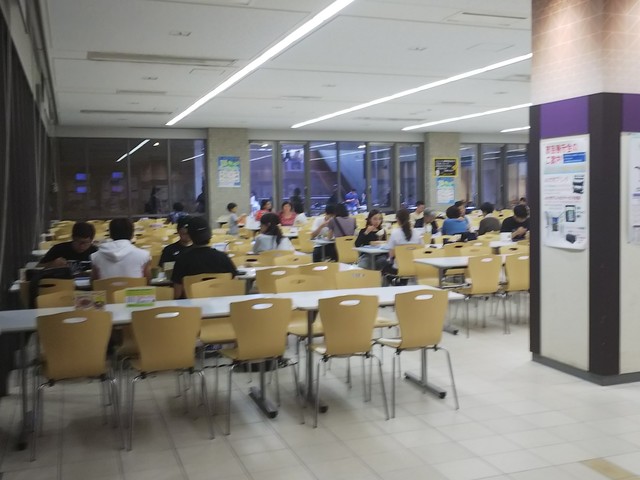
450 seats
Private Dining Rooms
None
Smoking and Non-Smoking
No smoking at the table
Parking
None
Facilities
Barrier-free, wheelchair accessible
Dishes
Vegetarian menu available, calorie labeling available
Comments
(15)

なつき1020
3.50
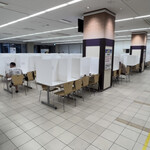
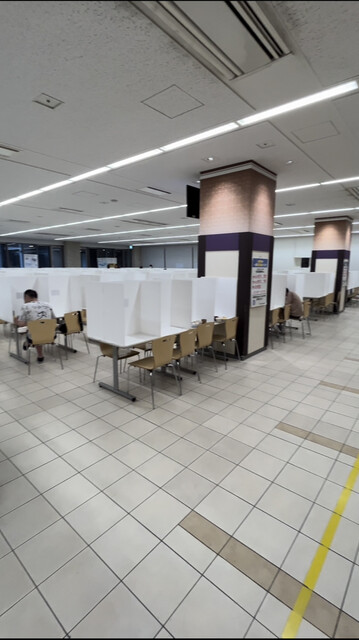
The school cafeteria is surprisingly cheap. I was able to eat to my heart's content for 600 yen. I had hoikoro. The rice served by the co-op mothers is so delicious. However, the partitions due to COVID-19 were disappointing.

さすらい講師
0.00
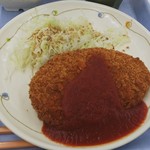
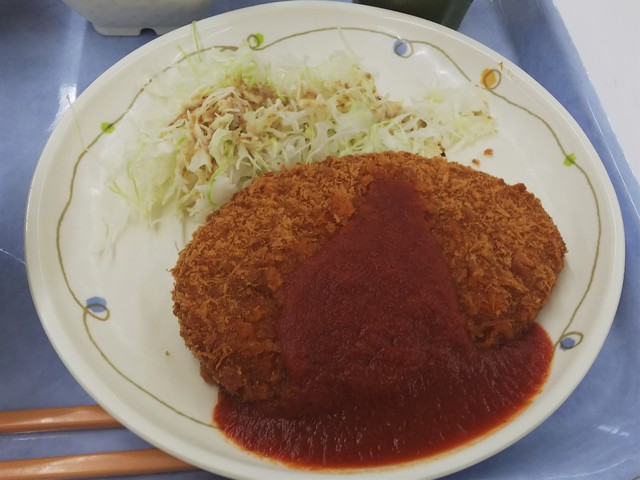
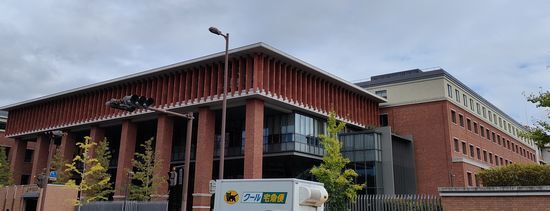
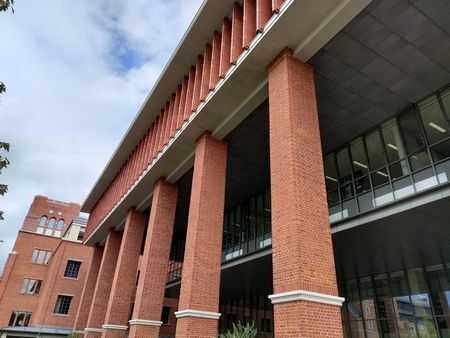
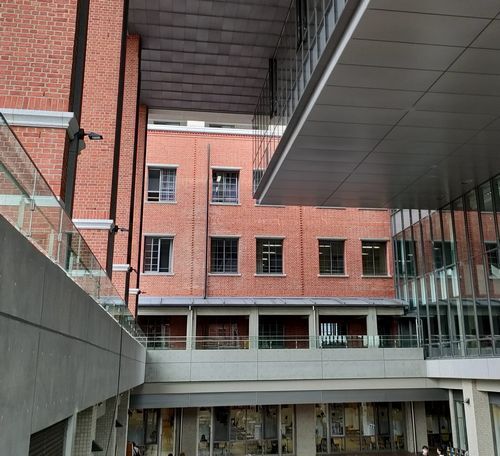
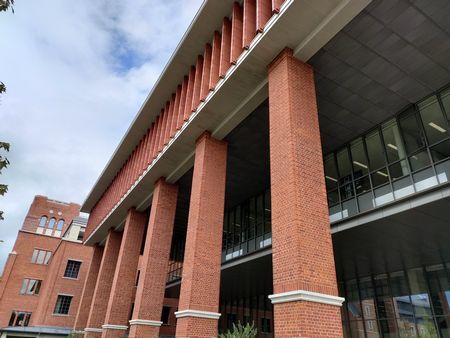
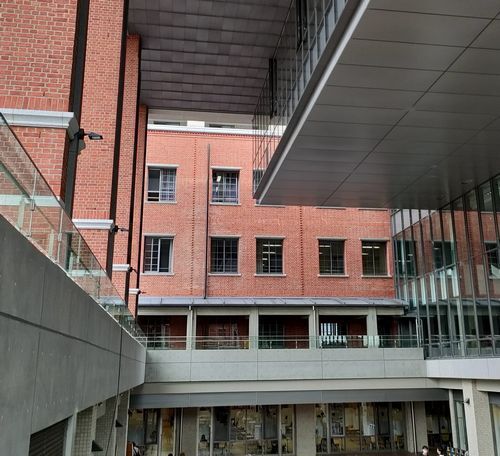
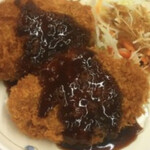
For the October monthly project, I will be running two series almost simultaneously: "GoTo Government Cafeteria" and "500 Yen Lunch." These two can also be used interchangeably. "GoTo Government Cafeteria" will focus on cafeteria dining in government buildings, hospitals, and universities, while "500 Yen Lunch" will feature affordable lunch options. Today's review is on the cafeteria at Ryoshinkan in Doshisha University, which offers a delicious hamburger with pepper sauce for 264 yen. The cafeteria is located in the Sunken Mall area in the underground space of Ryoshinkan, a modern building completed in 2012.

クロ(雄)
3.50
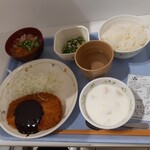
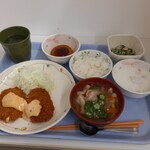
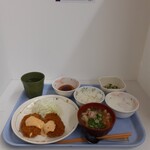
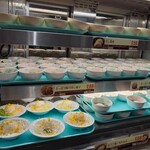
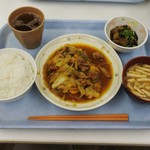
Exiting Imadegawa Station on the subway, you can immediately go to the Ryoshin-kan building at Doshisha University, and the student cafeteria on the basement floor of this building is open to the general public. COVID-19 measures are in place, with reduced hours and seating capacity. Currently open on weekdays and Saturdays during the day. For non-members of the cooperative, there is a 5% surcharge on the displayed prices. When entering the cafeteria, it is recommended to check the menu beforehand and decide what to order before lining up. There are various options such as rice bowls, noodles, and customizable mains, as well as side dishes and miso soup to choose from. I had chicken cutlet with seven spice mayo for 264 yen, a small rice for 73 yen, chicken and okra with yuzu pepper for 88 yen, refreshing pork soup for summer for 110 yen, fruit yogurt for 110 yen, and Hokkaido sweet potato mochi for 88 yen. With the surcharge, the total for 6 items was 769 yen including tax. My companion had roast pork cutlet with miso sauce for 308 yen, a medium rice for 115 yen, fruit yogurt, and refreshing pork soup, among other similar choices. Their total for 5 items was 767 yen including tax. It was a nostalgic experience of eating at a university cafeteria after a long time. The freshly made mains, customizable rice, soup, and pre-made side dishes were all very affordable. I was careful not to take too much, but still ended up overeating. The chicken cutlet with spicy mayo went well with the rice. The okra dish was refreshing with both chicken and enoki mushrooms. The pork soup was designed for summer with okra and had a rich western-style flavor, surprisingly delicious. The fruit yogurt was a nice way to finish the meal, but I couldn't resist the Hokkaido sweet potato mochi, which was sticky and delicious. The calorie information on the receipt was a reminder of my overindulgence. After finishing the meal, it is required to leave promptly and return the dishes to the designated area. Seating is spaced out with dividers, creating a solitary dining experience. Overall, it was a good value for freshly made home-style food. Thank you for the meal.
さすらい講師
0.00
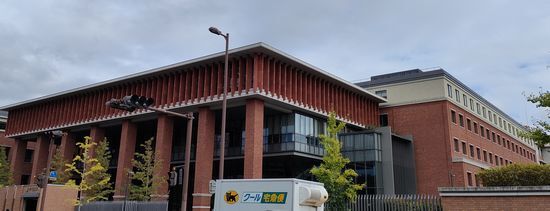
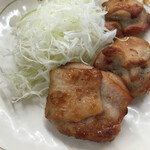
For October's monthly project, I will be running two series almost simultaneously: "GoTo Government Cafeteria 30 Match" and "2021 500 Yen Lunch 30 Match Part 3." In addition to these, I will also be starting a new series called "Ramen 20 Match" halfway through. The focus of "GoTo Government Cafeteria" will be on cafeteria dining in government buildings, city halls, hospitals, and also including student cafeterias. It will be a broad project that seems easy for anyone to do but is actually quite challenging, typical of my style. Good conscience hall. Good conscience hall was built on the site of Doshisha Junior High School and completed in 2012, filled with important cultural properties. In the midst of Doshisha's school buildings, which are full of important cultural properties, it is a relatively new building. The underground space called Sunken Mall is a zone where various shops such as cafeterias and convenience stores are gathered. "Good Conscience Hall Cafeteria" (Kyoto, Imadegawa) Nakatsu-style fried chicken 308 yen Rice L 136 yen Non-members are subject to a 5% increase.

comotan
3.10
Today's lunch took me to Doshisha University in Imadegawa. The campus was bustling with young people, full of youthful energy.
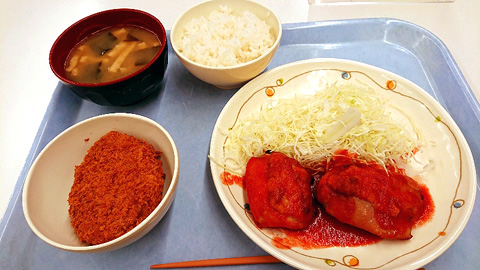
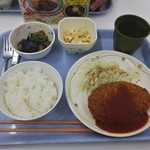
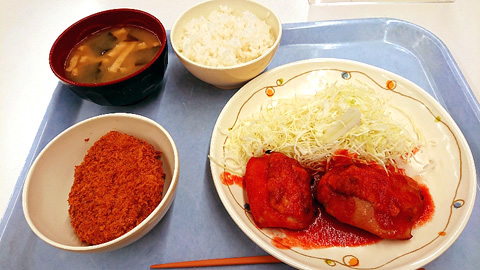
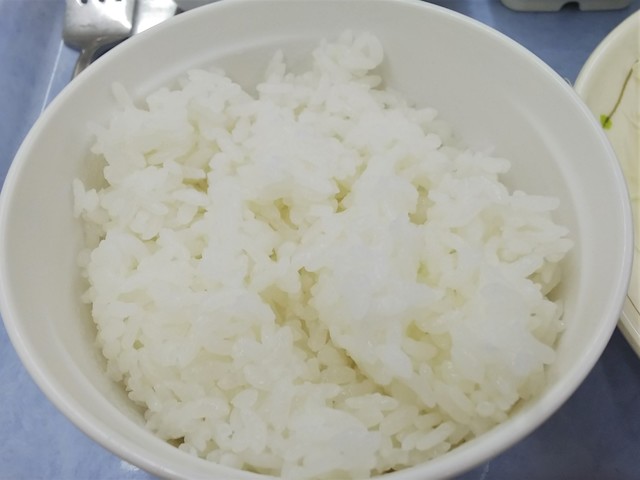
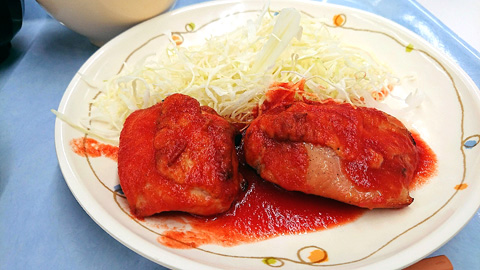
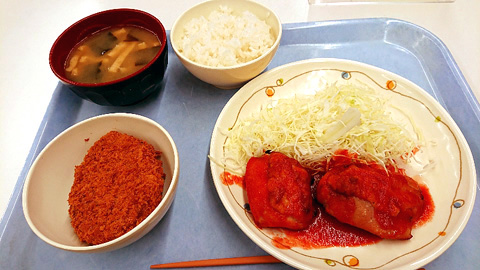
I headed to the cafeteria called "Ryoshinkan Shokudo" located in the basement of a building called Ryoshinkan. It seemed like a self-service system where you choose the dishes you want, place them on a tray, and pay at the register. I chose rice, miso soup, croquette, and Italian chicken.
During lunchtime, the register was quite crowded. I found an empty seat and sat down.
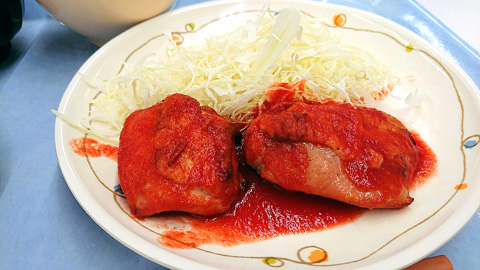
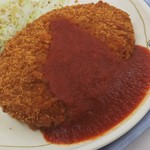
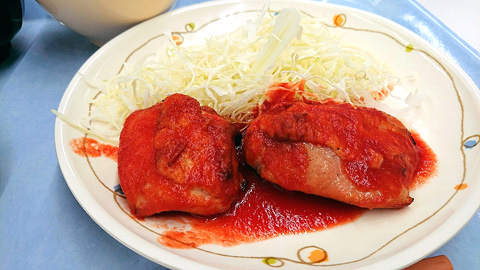
The Italian chicken dish consisted of two chicken pieces with plenty of tomato sauce. It was quite filling and satisfying. After eating, I returned the tray on the automatic conveyor belt.
It was a cafeteria where you could feel like a student. Lunchtime was busy, but I was able to eat affordably.

tomoseipapa
3.20
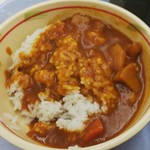
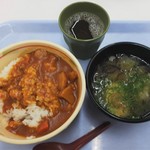
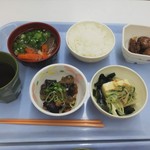
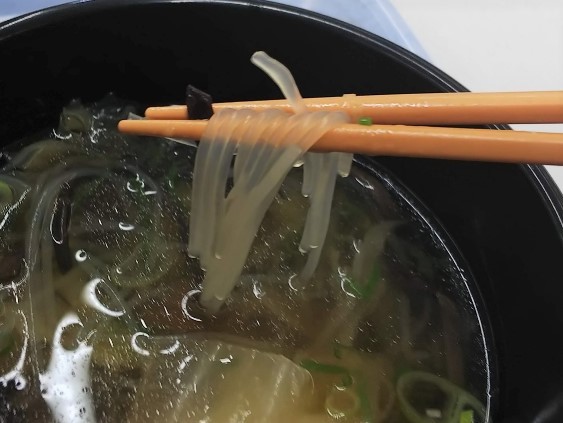
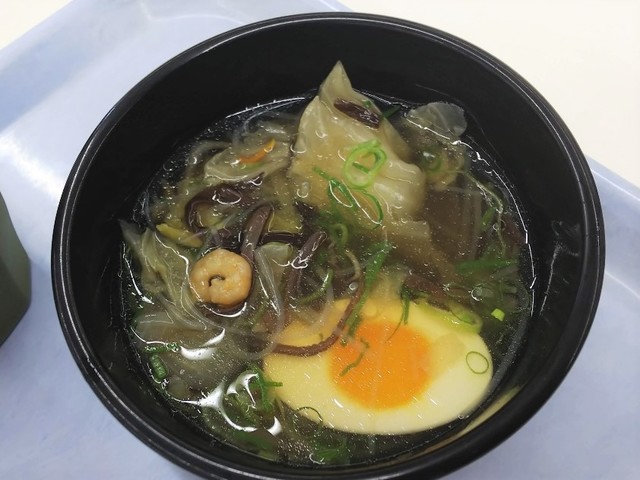
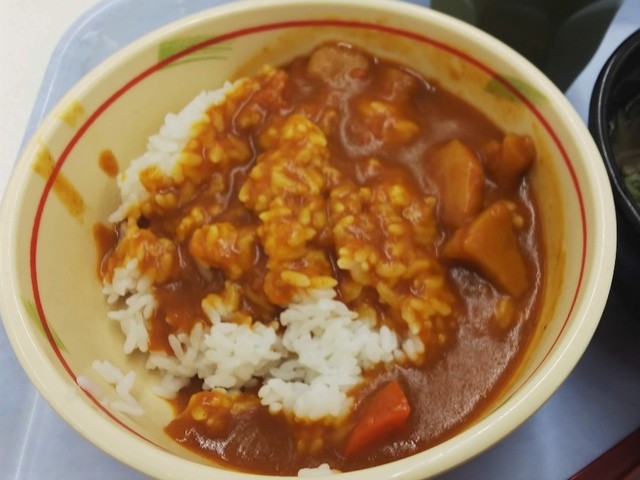
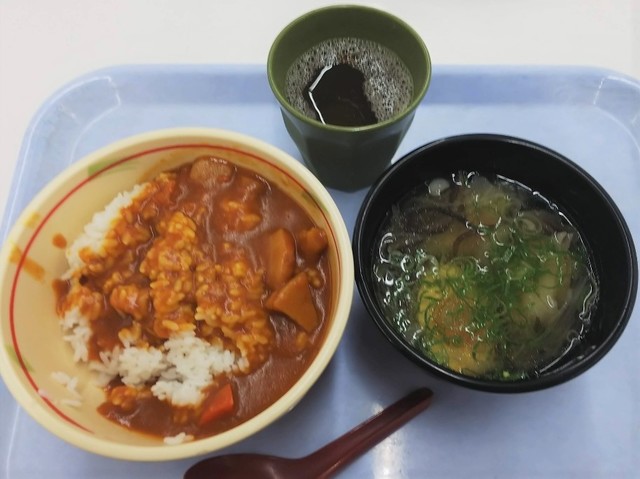
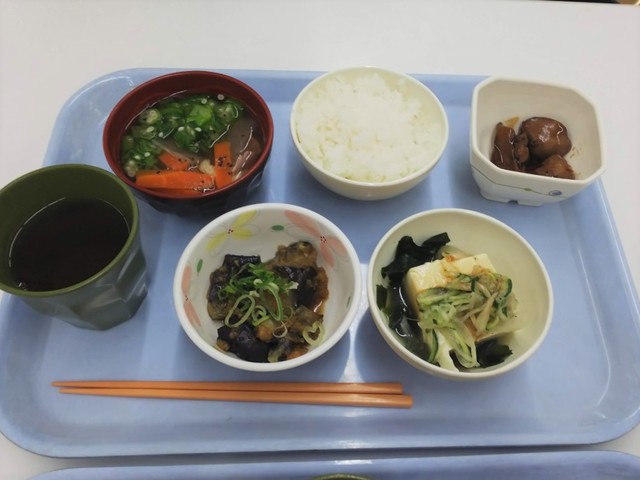
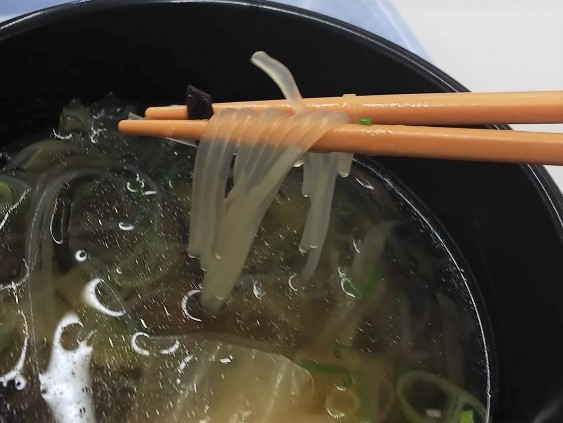
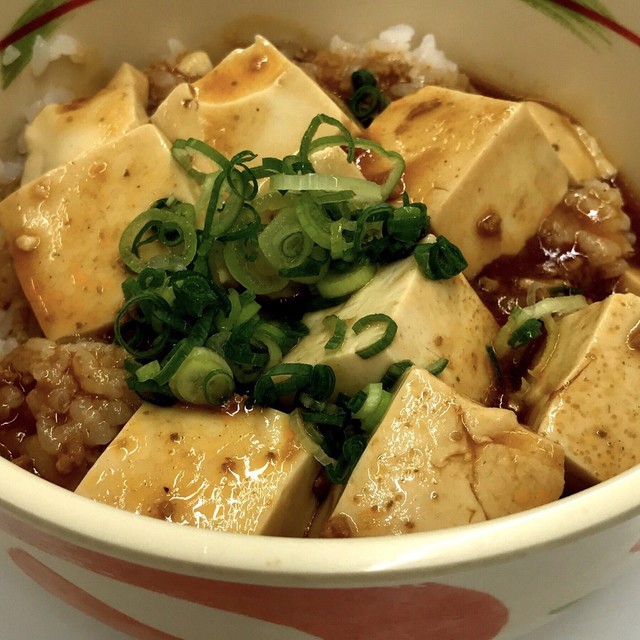
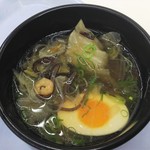
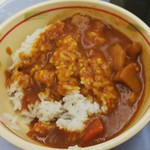
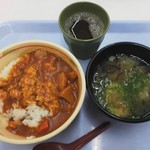
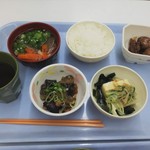
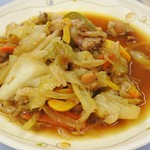
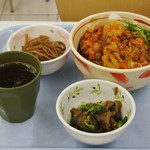
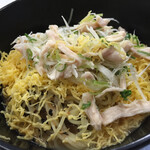
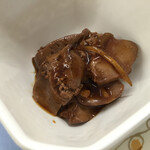
This is the cafeteria of the student cooperative located on the basement floor of Ryoshinkan on the Imadegawa campus of Doshisha University. This is my third time using it, following last year. It is very convenient as it is directly connected to the subway station. This time, there was a parent-teacher meeting where we could hear detailed explanations about law school and job hunting. It was very meaningful to hear some enjoyable stories that we hadn't heard before. However, compared to before, there were fewer main menu options that I wanted to eat, and the combinations were a bit strange. The vegetable curry was surprisingly spicy, and it was served in a bowl for heat retention. The Thai-style glass noodles were cut into small pieces, which was surprising. The soup was tasty but the portion was small and more like a broth. My wife had chicken liver stew, refreshing fried eggplant, cucumber salad tofu, refreshing summer pork miso soup, and a small bowl of rice. She also couldn't choose a main dish. Overall, it seems that the main purpose of coming here to eat is to savor the atmosphere rather than the food itself.

ひこっぺ
3.00
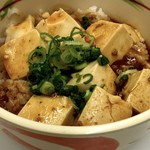
ひこっぺ
3.00
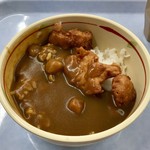
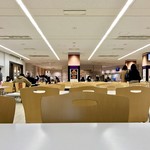

avakun
3.40
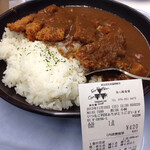

炎のDF
3.50
The cost performance is good. I went on the open campus day. So the menu was different from usual, but it was delicious. I would like to visit again to try the regular menu next time.

からあげポテトフライ
3.00
Breakfast is buffet style. It is also available to the public. However, there is a 5% surcharge on the price.
tomoseipapa
3.20
This is a review of the student cafeteria at the Ryoshinkan Building, located on the basement floor 1 of the Imadegawa Campus of Tohoshisha University. It was my second time visiting, and the convenience of being directly connected to the subway station was greatly appreciated due to the unpredictable weather. On this day, there was a parent-teacher meeting where various explanations about law school, job hunting, and other topics were provided. The way grades and credits are handled nowadays seems quite different and flexible, which is helpful. Additionally, there are lecture packs available for other departments, such as the Economics Department, which can be counted towards graduation requirements for the Law Department. It's strange for me to participate in such events, as back in my day, parents never attended university events, but I see it as a way of showing filial piety to my family.
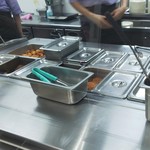
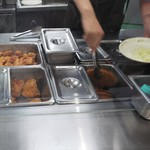
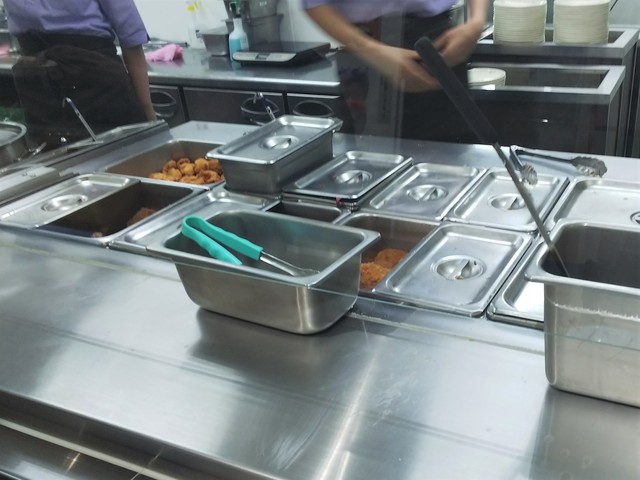
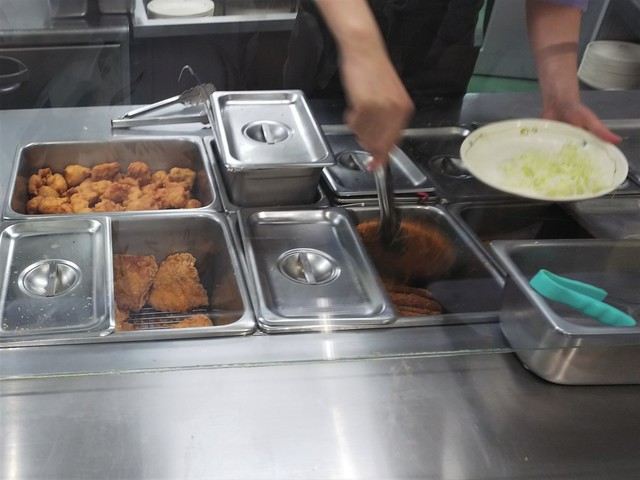
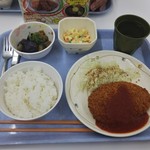
I had a late lunch around 3:30 PM, at my wife's request, we opted for the "cafeteria lunch." Upon entering, a large menu board with photos and nutritional information was displayed. We chose our items and proceeded to the tray with our selections. For rice bowls, you need to take a plastic tag before proceeding. We picked our main dishes, rice, and soup, then moved to the side dishes section to choose our favorites. After that, we paid at the register and then filled our cups with tea or water before taking a seat. Once finished, we returned our dishes to the return slot without stacking them, placing them on the rubber conveyor belt.
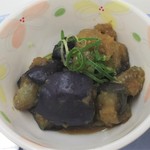
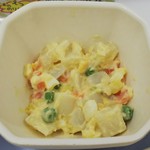
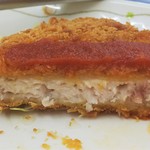
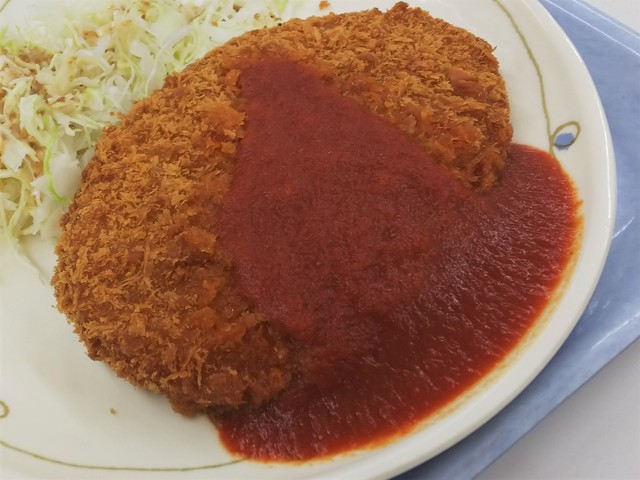
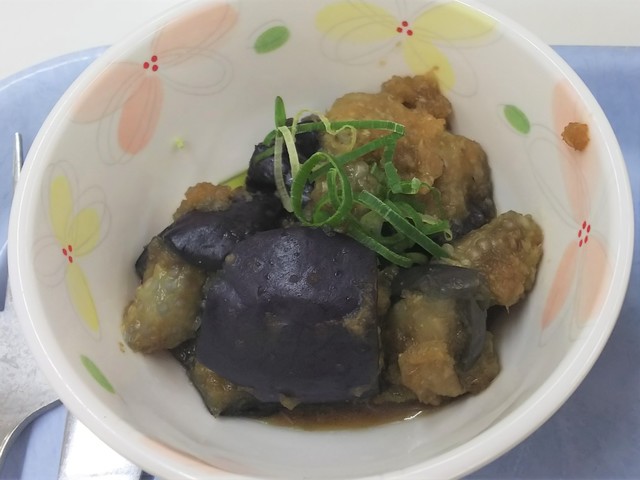
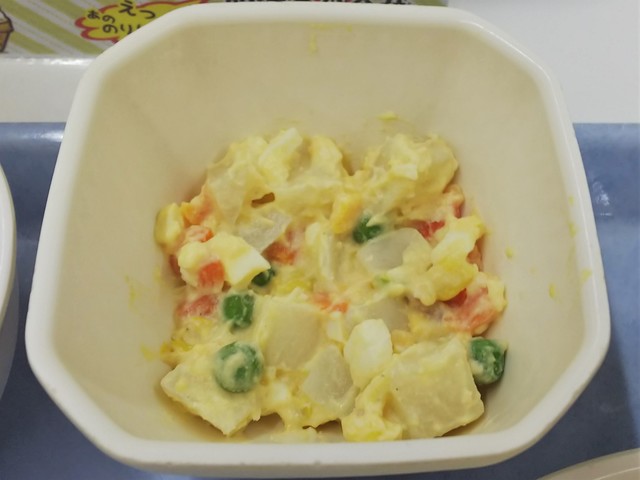
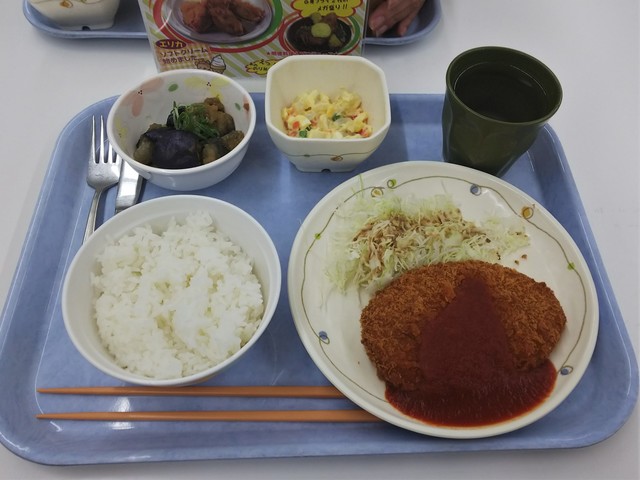
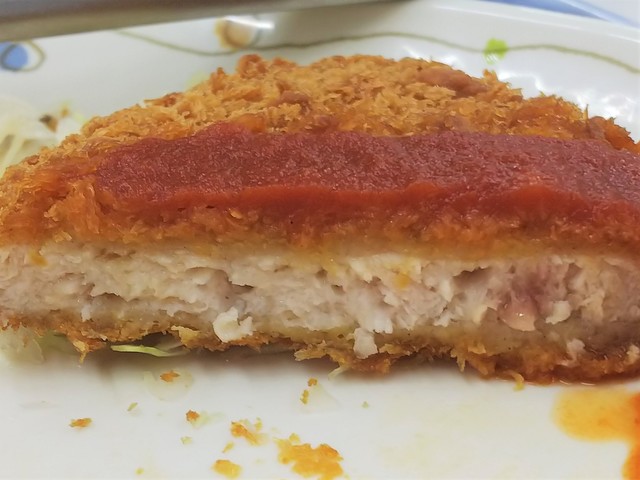
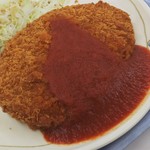
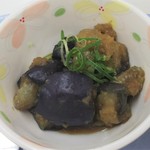
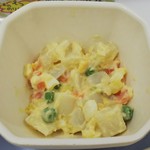
I had 4 items, while my wife had 5, all prices including tax. I had chicken cutlet with tomato sauce for 259 yen, a potato salad for 86 yen, fried eggplant for 86 yen, and a medium-sized rice for 113 yen. My wife had soy sauce fried chicken for 172 yen, potato salad for 86 yen, chicken liver stew for 86 yen, fried eggplant for 86 yen, and a small rice for 92 yen. Despite choosing separately, our selections were surprisingly similar. As non-union members, we paid an additional 53 yen each, totaling 1,119 yen for both of us. It's still quite affordable. The ability to consider balance in our meals and the nutritional information provided on the receipt is particularly helpful for students involved in sports. My eldest son, unlike me, is a dedicated athlete and pays close attention to his diet and self-management.
June 30, 2018
tomoseipapa
3.20
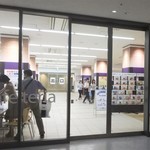
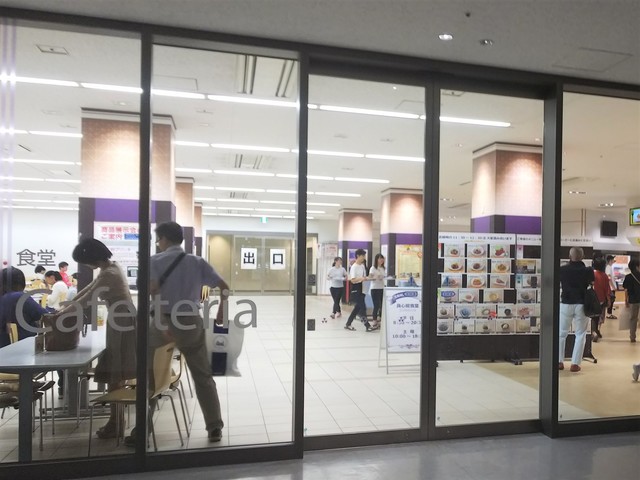
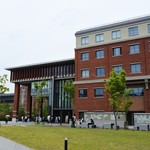
This is the cafeteria of the Co-op located on the basement 1st floor of the "Ryoshinkan" building at Doshisha University's Imadegawa Campus. It is impressive that it is directly connected underground to the Imadegawa Station on the Kyoto Municipal Subway Karasuma Line. "Ryoshinkan" opened in April 2013 on the site where Doshisha Middle School relocated, and it features Japan's largest Learning Commons (2,550 square meters). The name "Ryoshinkan" is derived from Doshisha's educational philosophy of "education of conscience." My wife and I visited this campus and decided to have lunch here as it seemed like a good opportunity. This cafeteria is open to the general public, not just students. However, non-members will have to pay 5% more than the displayed prices. My wife enjoyed her time at the Shionkan cafeteria at the Kyoto Tanabe Campus in April, experiencing her student days once again. As we descended the large staircase at Ryoshinkan, we saw the glass-walled cafeteria in front of us. The entrance is located at the end of a right-hand turn. This cafeteria operates a cafeteria-style service for students, serving breakfast and dinner as well. As soon as you enter, you will see a large menu displayed. The prices, including tax, calories, allergens, and color-coded balance, are all listed with photos. What surprised us even more was that two items on the menu, Roast Chicken for 257 yen and Vegetable Curry for 280 yen, are Halal-certified dishes. Truly fitting for Doshisha University, a true global university. I chose Chicken Curry Stir-Fry for 257 yen, Lightly Fried Eggplant for 82 yen, Miso Soup for 30 yen, and Rice (M size) for 102 yen. However, as a non-member, I had to pay 5% more, making the total 494 yen. But it's still cheap! My wife ordered An Ankake Tempura Bowl (M) for 370 yen, Kinpira Gobo for 61 yen, and Lightly Fried Eggplant for 82 yen. With the 5% surcharge, the total came to 539 yen. Our total bill was 1,033 yen. First, we picked up trays and lined up in one of the two lanes that split off to the right. The right lane offers set meals, while the left lane has rice bowl dishes, and at the back, you can find side dishes and desserts. After making a U-turn, you reach the cashier. Once you pay, you can fill up a cup with water or tea and choose a seat. After finishing your meal, you return the tray to the designated lane next to the entrance. As for the taste, the dishes were not heavily seasoned but rather light and delicious. The Lightly Fried Eggplant was truly refreshing with a mild flavor. The Miso Soup was filled with diced fried tofu, making it a delightful treat. The Chicken Curry Stir-Fry had a rich flavor but not overwhelmingly so, just a bit on the strong side. It was still tasty. The side dishes and desserts were also varied, allowing you to create your ideal set meal. Just like at the Shionkan cafeteria, you can check the nutritional information and calories on the receipt. Afterward, we visited the Amakud de Paradis Kanbai-kan for a café experience. I recommend occasionally reminiscing about your student days and enjoying a cost-effective lunch in the same space as young people. Just make sure to avoid the peak lunch hours.

PRICK1969
3.20
PRICK1969
3.20
Email Login