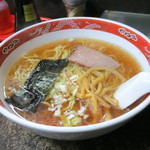
マルナカ
Marunaka
3.64
Iidabashi, Kagurazaka
「Ramen」
--
--
Opening hours: 11:00-14:30 17:30-20:00
Rest time: Saturdays, Sundays, and holidays Business hours and holidays are subject to change, so please check with the store before visiting.
東京都新宿区新小川町8-4
Photos
(20)
Details
Reservation Info
No Reservations
Children
child-friendly
Payment Method
No credit cards
Electronic money is not accepted
Number of Seats
14 seats
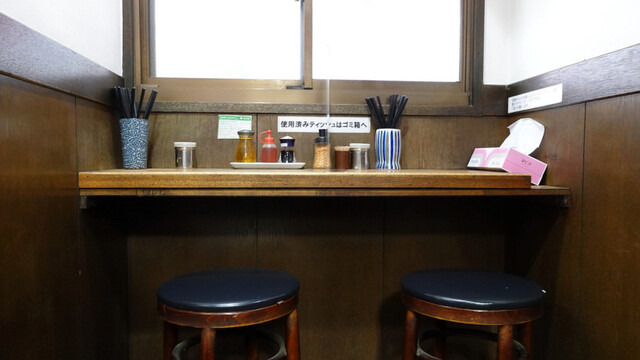
(L-shaped counter seats 12 + 2 booths to the left of the entrance)
Private Dining Rooms
None
Smoking and Non-Smoking
No smoking at the table
Parking
None
Facilities
Counter seats available
Comments
(21)

出挙
5.00
Marunaka @ Arakawa-ku
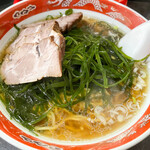
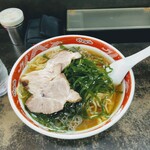
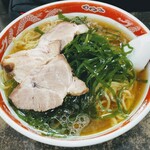
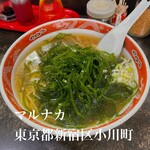
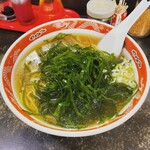
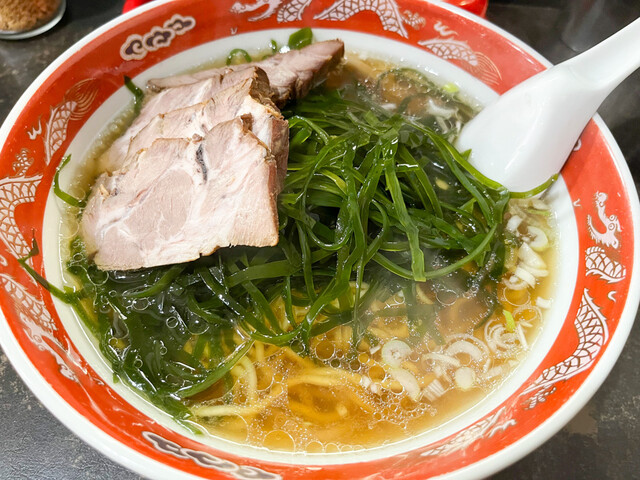
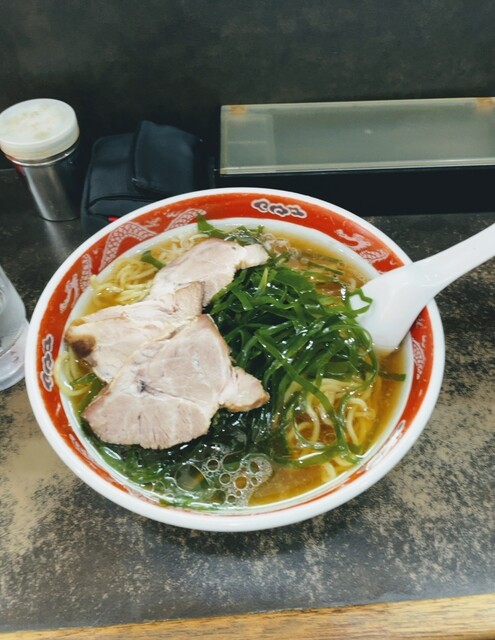
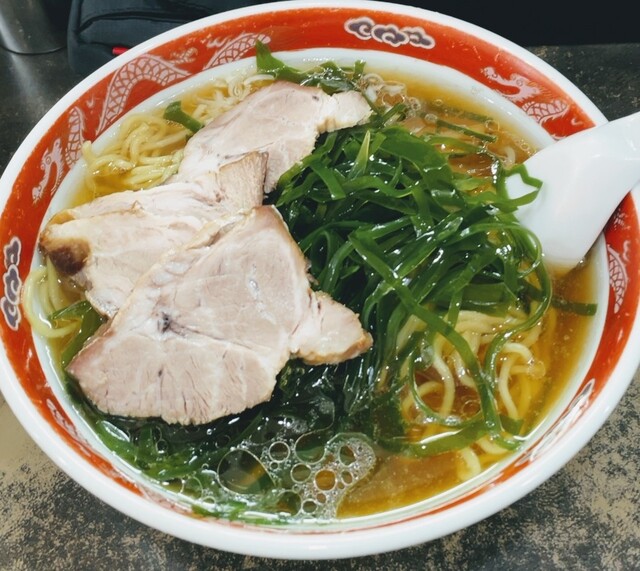
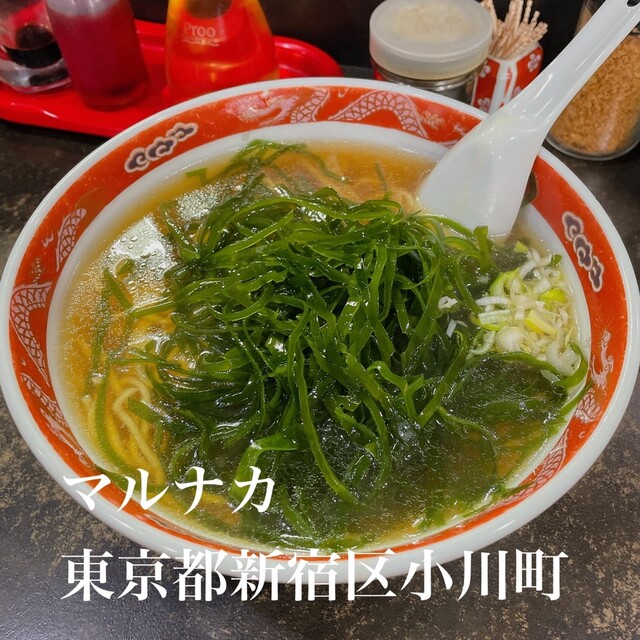
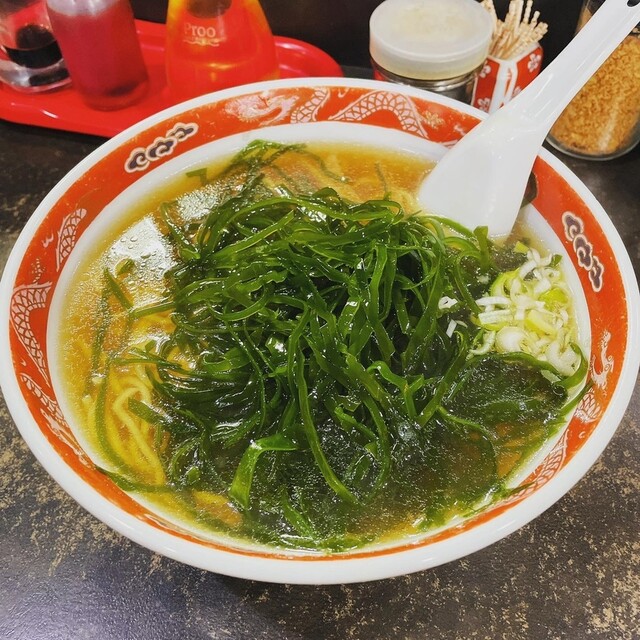
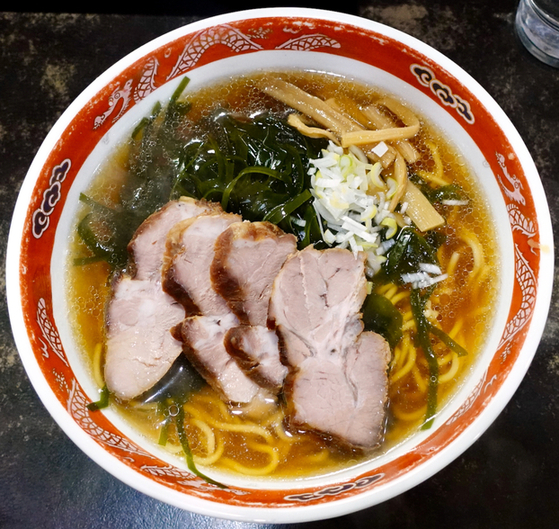
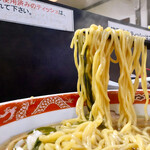
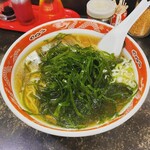
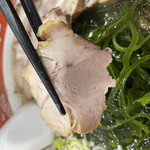
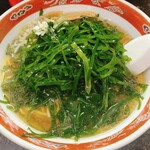
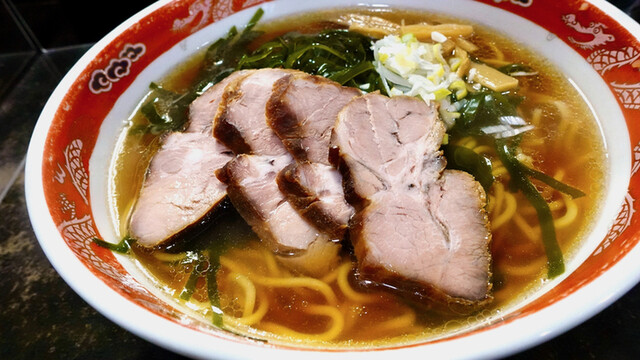
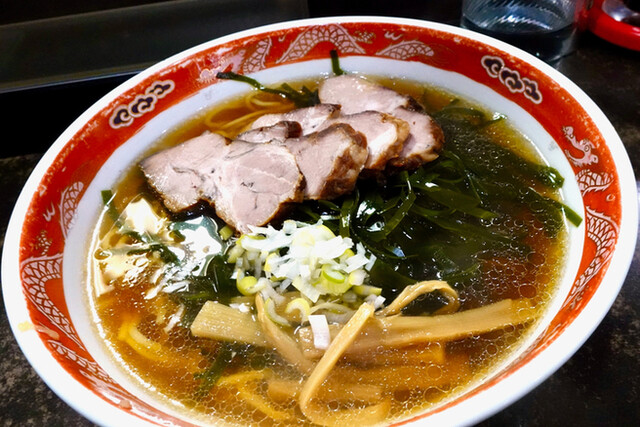
When you want to feel calm, this place has been supporting the stomachs of the locals for a long time. I came here to be healed by its unique and gentle taste. I ordered the Konbu Chashu Ramen, which has been the only choice for the past thirty years. The vibrant green konbu in this bowl is something you won't see anywhere else. The chashu with its unique aroma is also a specialty here. The moist texture of the meat brings a sensual feeling to the palate, creating a blissful moment. But above all, what sets Marunaka apart is the gentle flavor of the broth. For those who are tired of the overly savory ramen these days, I highly recommend trying this one. Ah, it was delicious! Most importantly, this bowl helped release the stress of daily life. If you feel a knot in your heart, be sure to try this bowl!

oroleone.tokyo
3.40
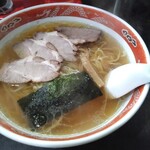
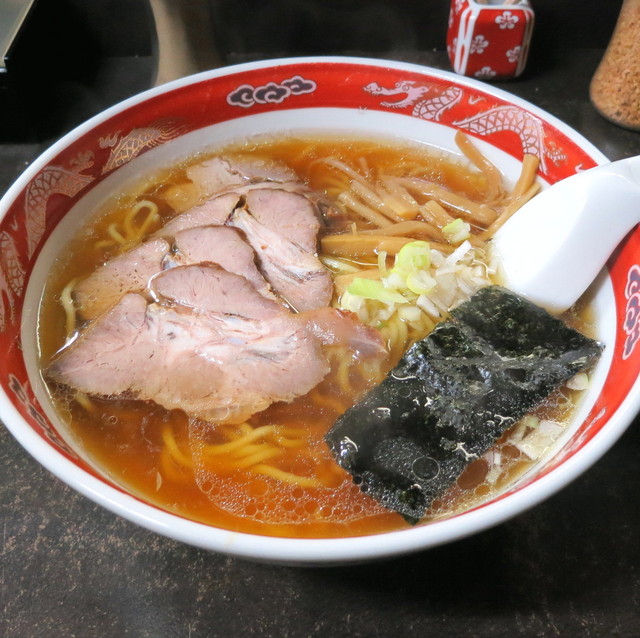
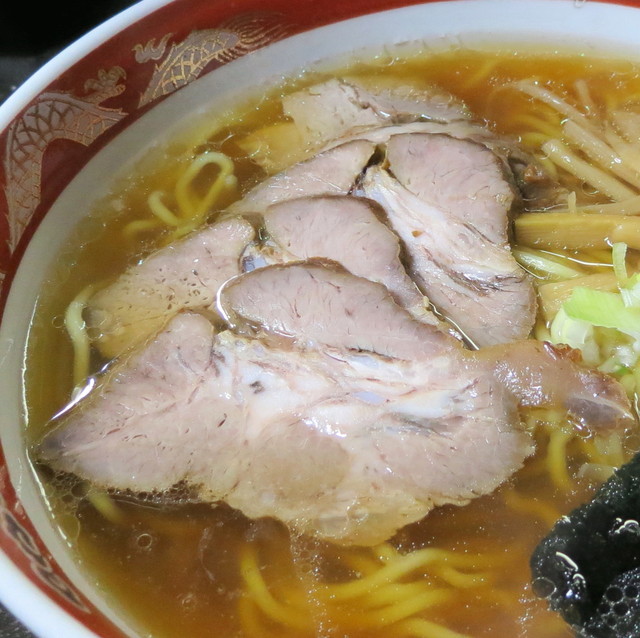
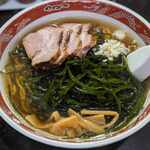
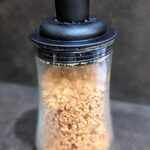
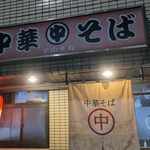
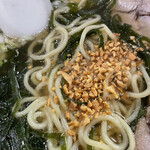
I was impressed by the "Kombu Chashu Ramen" priced at 850 yen, which came with a generous amount of finely sliced kombu chashu, almost as much as the noodles. It included four thick slices of chashu, which seemed like a great deal for the price. Additionally, there was coarse ground fried garlic provided for flavor enhancement. This ramen seemed like it could become addictive to some people. #Iidabashi #Kagurazaka #Ramen

atsushisaito
3.30
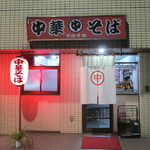
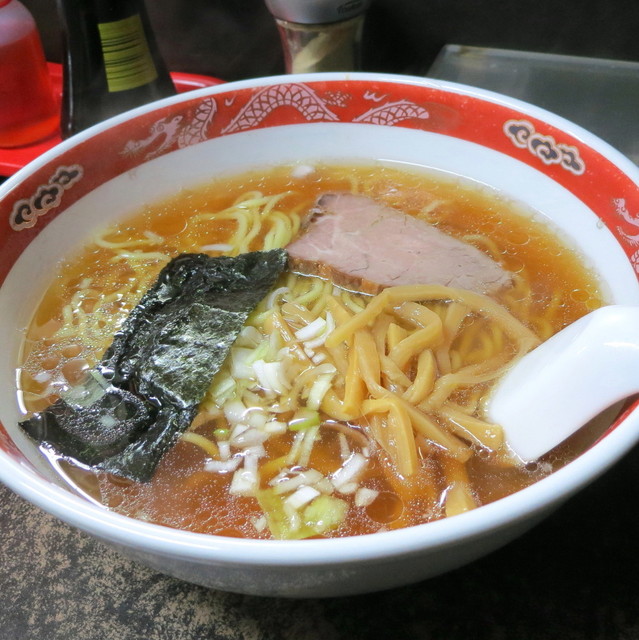
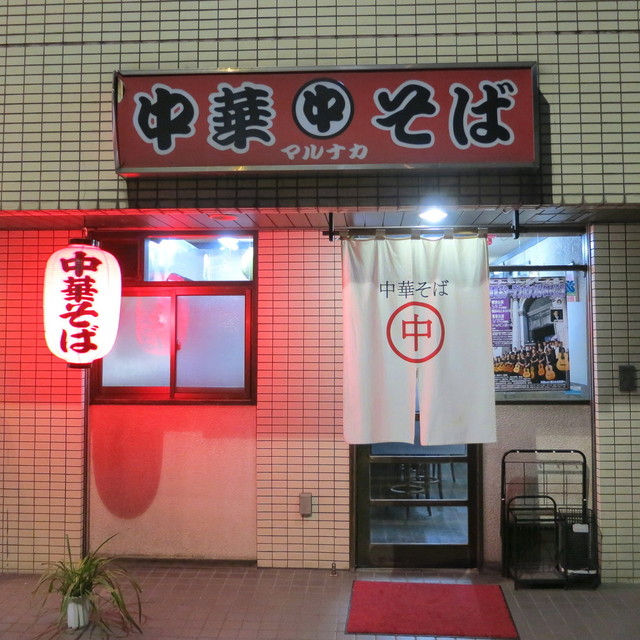
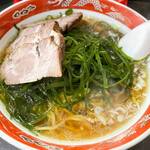
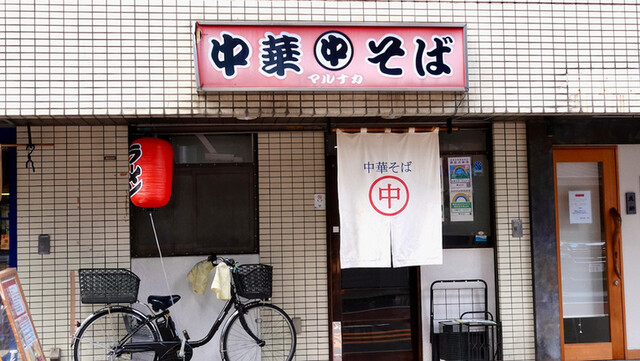
I had ramen for breakfast near the hotel, even though it was already 11 am. The restaurant had a somewhat old-fashioned look to it. The regular ramen was 550 yen. Feeling like I should try their specialty, I ordered the kombu ramen with extra chashu. The kombu ramen had plenty of sliced kombu on top. The soup was a light soy sauce flavor, nothing too flashy, just as you would expect for the price of 550 yen. It was surprisingly delicious and not cheap-tasting at all. Before eating, I thought they might have reused the kombu used for the broth as part of the toppings, but it didn't have a strong kombu flavor. It seemed like it was chosen as a substitute for menma. It was more than I needed, but it was still a good addition to the meal.

ズッコのズ
4.00
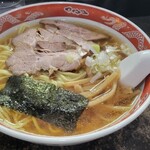
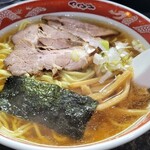
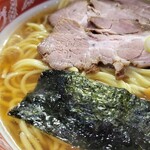
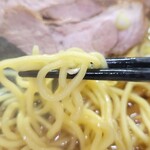
This is a mysteriously enticing ramen that I find myself craving regularly. It's not trendy nowadays, but it reminds me of the ramen from the past. I prefer this kind of ramen over the modern, artisanal ones. I had the extra-large serving of chashu ramen. It's been around for 37 years now and although it's showing its age a bit, I hope it continues to do well. Thank you for the meal. It was delicious.

エマール
3.50
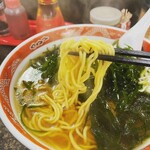
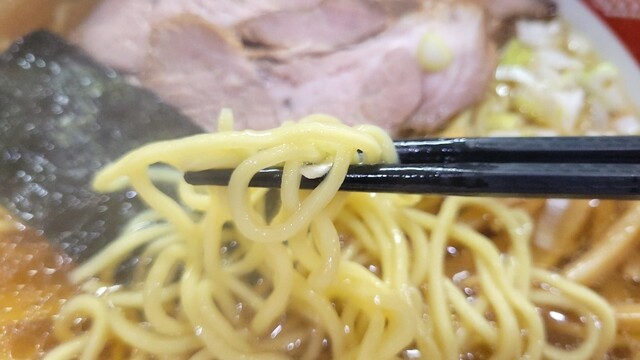
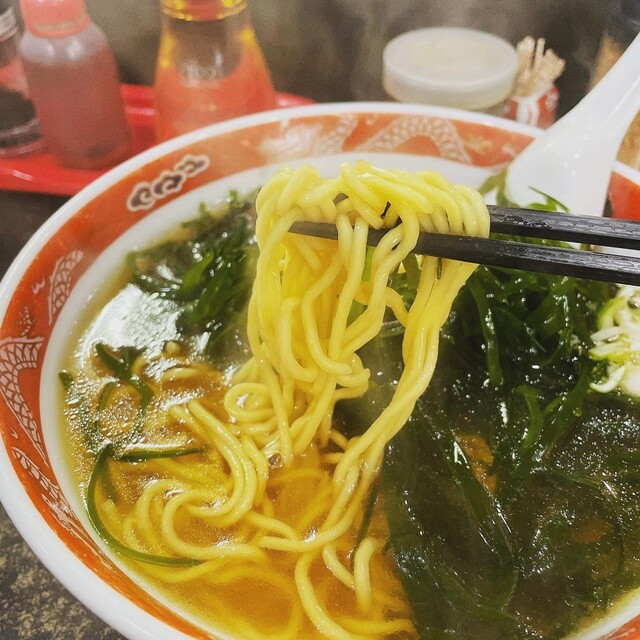
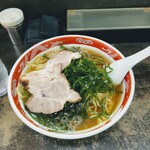
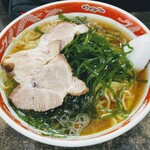
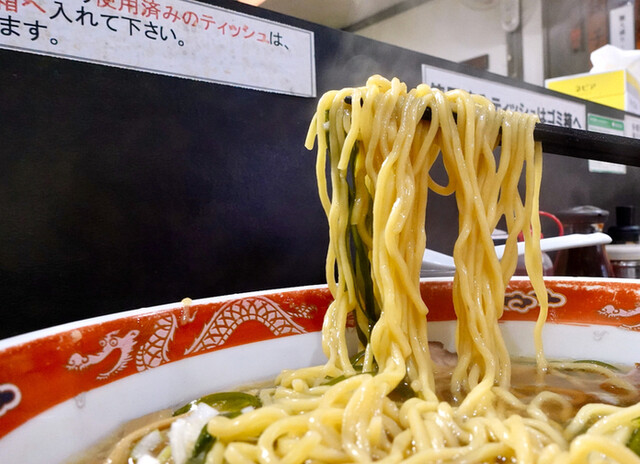
The ramen I had was shocking in appearance. It was called Konbu Chashu Ramen. It had a large amount of finely chopped konbu seaweed on top, which was delicious. The medium-thick noodles had a nice texture that paired well with the konbu. The light soup was also delicious, and I finished it all. I added extra chashu for 100 yen, making the total 950 yen, which was a great deal. I was very satisfied.

とんとん14900
3.50
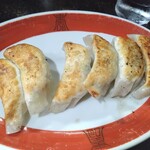
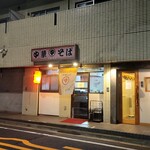
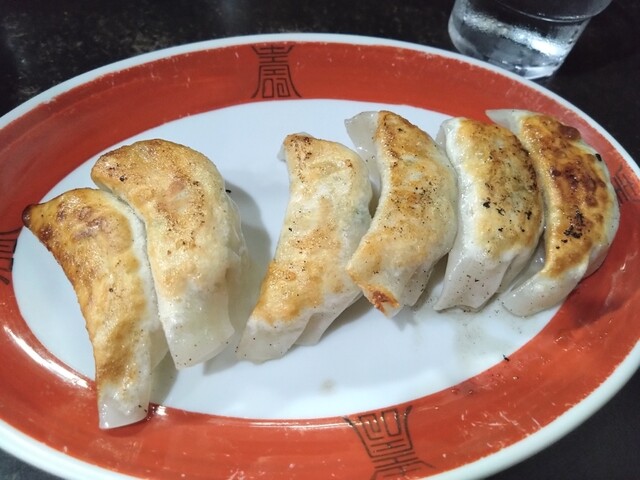
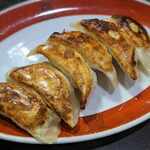
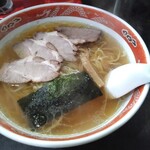
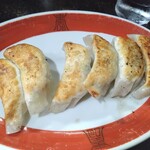
Today I visited this restaurant. Char siu ramen 750 yen, Gyoza 400 yen. It's a nostalgic place with a Showa era atmosphere. The soup is very clear and has a rich dashi flavor, and the char siu gets more flavorful the more you chew. It's a wonderfully delicious ramen. The gyoza has a well-seasoned filling and a crispy skin, providing a satisfying bite.

けけけもときっちん
2.50
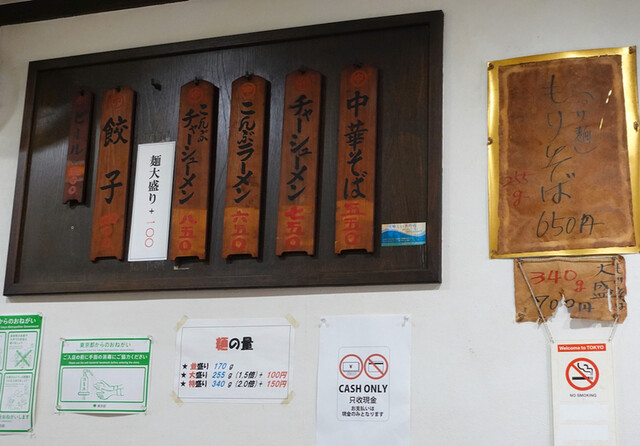
I enjoyed the soup noodles, but I couldn't relax. The atmosphere was off. Maybe they were in a bad mood!? The menu had Ramen with Char Siu and Kombu, Char Siu with Kombu Ramen, and Gyoza. The toppings were Kombu and Menma. There wasn't even a slice of Char Siu, but I wonder if it's included in the Ramen?

相模彦十
3.70
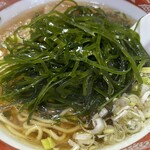
After some hesitation, I came here for the first time in a few years. I usually only had regular ramen, so I decided to try the famous kombu ramen. It's a gentle soup without the sharpness of soy sauce that is common in Tokyo's long-established ramen shops. It goes well with the medium-thick, smooth noodles. I thought the soup would have a dashi flavor from the kombu, but it didn't. The texture of the kombu adds a nice touch. However, the portion was too much for me, about 80% would have been just right. The price of 550 yen (650 yen for kombu ramen) is really impressive in this day and age. The mother's natural and kind service is always a delight. Today, she kindly suggested, "It's hot, so it's better to sit here," and let me sit in front of the air conditioner.

takuma0416
4.00
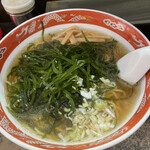
Personal opinion for reference only. Ordered menu (price): Kombu Chashu Ramen (850 yen) Soup [5/5] - Overwhelming kombu flavor - Gentle yet full of umami - Soy sauce base Noodles [5/5] - Medium-thin straight noodles - Springy Toppings [4/5] - Plenty of kombu - Chashu Seating: Counter: about 10 seats Table: about 0 seats - Crowdedness Visit date/time: Thursday 12:10 Waiting time: about 0 people Time from entering to being seated: about 0 minutes Time from being seated to served: about 5 minutes Notes: 1 point: hmm 2 points: well 3 points: okay 4 points: hmm! 5 points: wow!

kinako0923
3.90
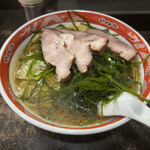
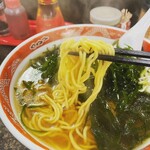
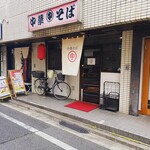
Marunaka is located between Iidabashi in Chiyoda Ward and Ogawamachi in Shinjuku Ward, and I had been curious about this ramen shop for a while. I dropped my cash card and had to go to the Lost and Found Center in Iidabashi, so I decided to extend my trip a bit and check out the shop. The star of the show here is definitely the kelp. It's a soy sauce chicken broth, but with a salty taste as well, giving it a unique flavor. The kelp ramen is priced at 600 yen without chashu, and 850 yen with chashu, making it the most expensive item on the menu. The shredded kelp has a satisfying texture and is piled high on top of the noodles, almost making it seem like you're eating more kelp than ramen. The soup is light and not greasy, making it easy to finish till the last drop. The kelp and soup complement each other perfectly. However, eating too much kelp can be tiring on the jaw towards the end. This ramen, with kelp as the main ingredient, is unique and probably only found in Japan. I have recently grown tired of the typical clear broth ramen, so I really enjoyed this different style of ramen. I highly recommend this unique ramen to all ramen lovers out there. #ramen #ramenlover #ramenpatrol #delicious #noodles #foodporn #foodie #yummy #soysauce #chashu #ramenreview #tokyo #shinjuku #foodgasm

リンダ リンダ
3.70
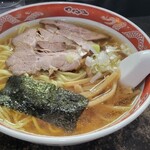
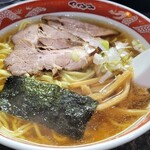
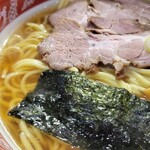
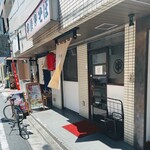
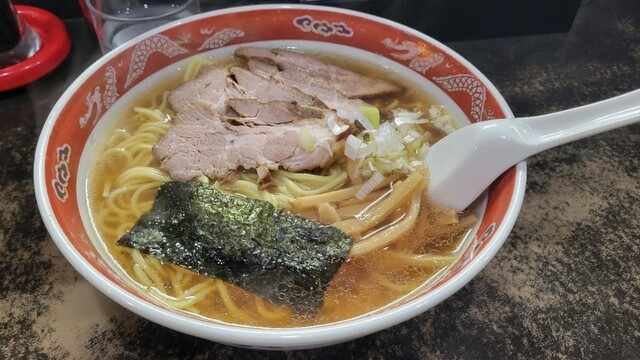
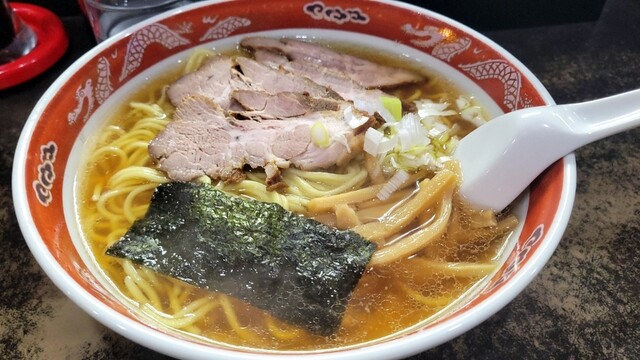
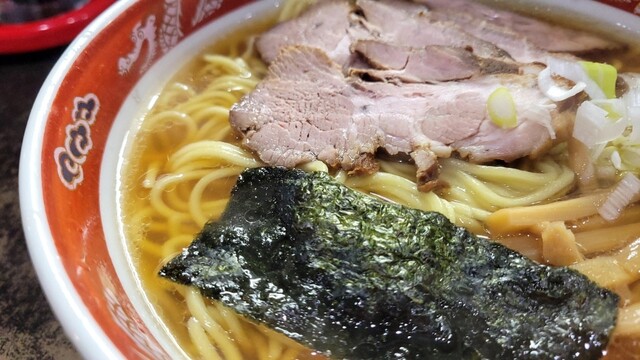
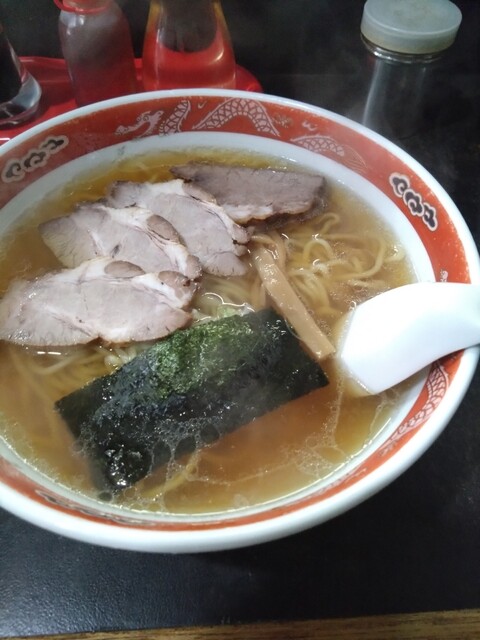
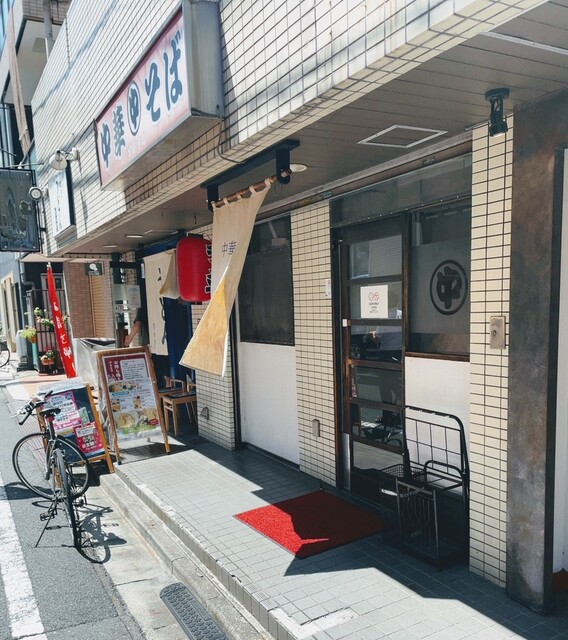
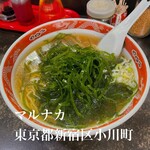
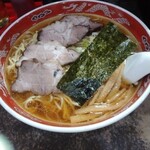
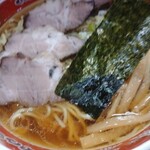
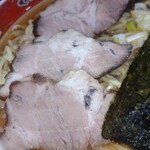
The shop had a nostalgic Showa era atmosphere, which was very nice. When I entered the shop and was looking for the menu, the owner told me it was posted behind me. I ordered the Chashu Ramen special. It came with 4 slices of chashu, grilled seaweed, green onions, and the noodles were firm to the end, allowing me to enjoy the texture. The soup had a good balance of kombu and chicken broth, and the flavor with the green onions was just right. Next time, I would like to try the gyoza as well. Thank you for the meal.

maru5585
3.70
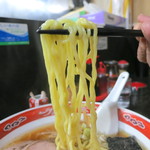
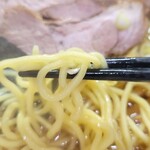
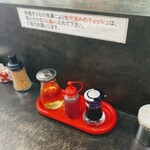
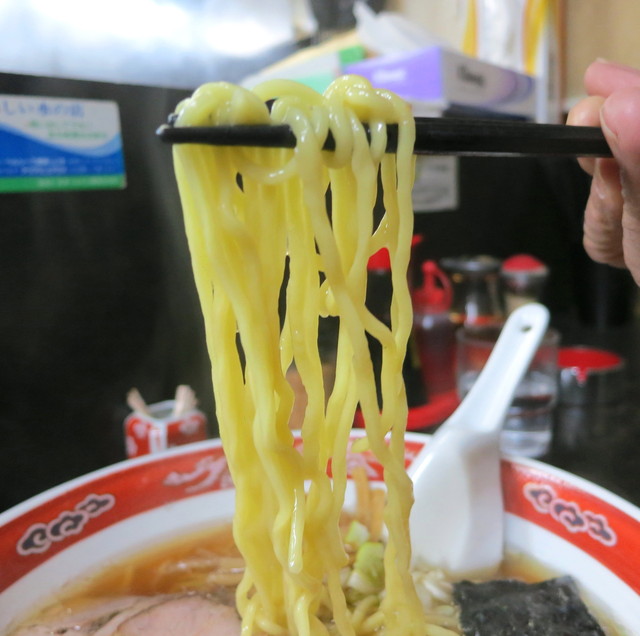
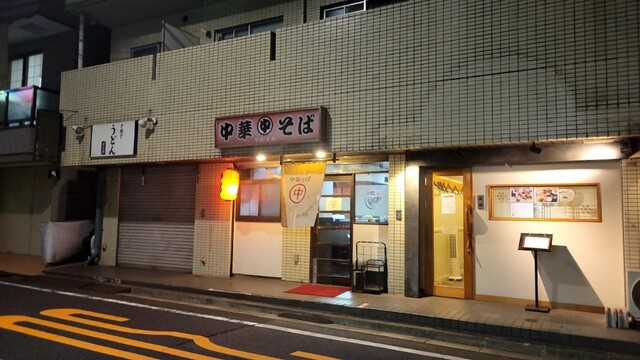
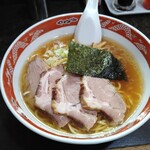
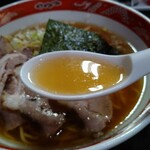
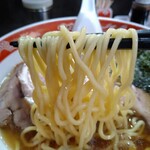
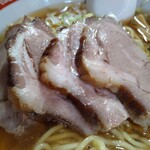
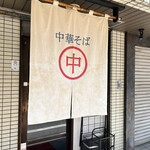
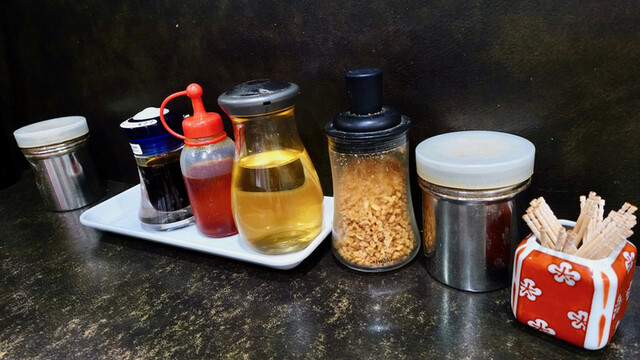
It is not certain when this place was established, but it is rumored to have been founded in the 1980s and has been in business for over 30 years. In the Iidabashi area, a famous long-standing restaurant called "Bizentei" closed its doors in March after a long 46-year history, which may not be comparable, but this place has also been supported for a long time and is considered a top-notch establishment. Feeling a sudden craving for the "Chinese soba" from this old-fashioned restaurant, I visited for the first time in about 15 years. When I arrived at 12:35 on a weekday, there was no line, and there were about 5 customers already seated in the 11-seat counter area. Perhaps due to its not-so-great location, it seems like a place known only to a select few. Orders are taken verbally and payment is made afterwards. I hesitated a bit on the popular "konbu ramen," so I opted for the "chashu ramen" priced at 750 yen. The default "Chinese soba" at 550 yen is incredibly cheap even for a non-central location. The husband and wife who run the place maintain a perfect balance - the reserved husband and the friendly wife. Customers come and go continuously, and more than half of the seats are always occupied. In about 5 minutes, the "chashu ramen" was served. While it looks like a typical "Chinese soba," it features four thick slices of pork shoulder chashu that immediately catch the eye. Other toppings include seaweed, bamboo shoots, and chopped green onions, making for an extremely simple composition. The clear soup, made with a base of chicken bones and vegetables like onions and even apples, is full of deep umami flavor that you wouldn't find in just any local Chinese restaurant. Though likely using some seasonings, the soup is made with a meticulous attention to extracting flavors that is characteristic of a specialized "Chinese soba" shop. The soup is not oily, probably derived solely from the soup itself, and while the soy sauce flavor is strong, it is smooth and easy to drink without any sharp edges. The saltiness may be a bit on the stronger side, but it's not distracting. The noodles are from "Sanmatsuya Seimen," a noodle maker in Minami-Senju, and are slightly thick and wavy, with a light color. They are boiled quite firm, more on the chewy side than the soft and chewy side, presenting a unique and delicious texture. I remember the noodles being more soft and chewy in the past, and I'm not sure if they changed the water content or the boiling process. For those used to noodles that blend well with modern soups, this may feel a bit off, but the slightly crispy texture is refreshing and pairs well with the soup. The chashu is made from thick slices of pork shoulder that are tender and mildly seasoned, simply delicious. The bamboo shoots are also tender and visually ordinary but taste delicious. This "Chinese soba" is like the original form you should return to when you're tired of modern ramen, but the noodles, soup, and chashu each slightly exceed the level of "ordinary," creating a unique and cohesive dish. While I usually don't use table condiments, I found that adding pepper to this ramen enhanced the flavor remarkably in the second half. For those who are not particularly fond of ramen, this may be lumped together with the "ordinary" ramen from local Chinese restaurants, but ramen enthusiasts will appreciate the difference between "ordinary" and "extraordinary." It's completely different from the "Shina soba" at "Bizentei," and I appreciate the unique qualities of each. Ramen is truly deep and complex, I realized.

pipingtom
3.20
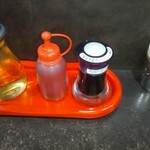
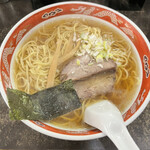
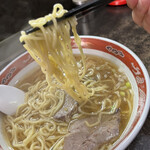
The soup was very delicious. I finished the clear soup completely. It had a Chinese ramen feel to it. Adding a little vinegar at the end made it even more delicious. The noodles were a firm type with a slight chew, I would have preferred straight noodles for Chinese ramen. The kitchen staff, two older men, had a conversation that felt like a Kanto dialect, which reminded me of Tokyo. I ordered a large serving of Chinese ramen. One of the men said, "Next up is a large serving of Chinese ramen." The other replied, "Then after that, it's Kamata, right?"

h〜o
3.70
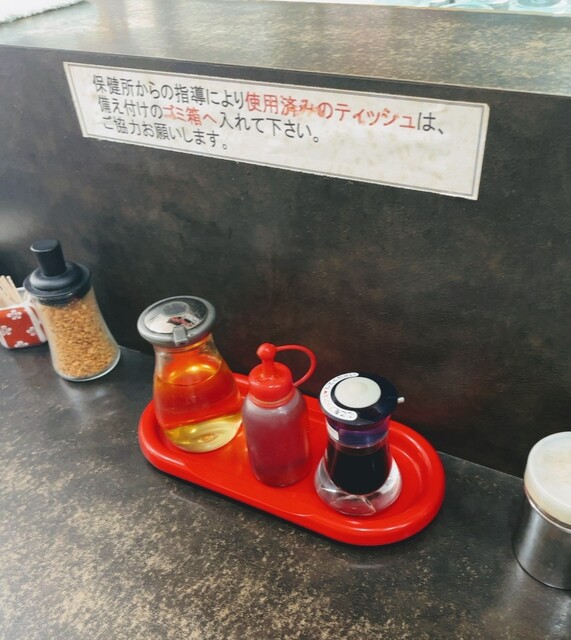
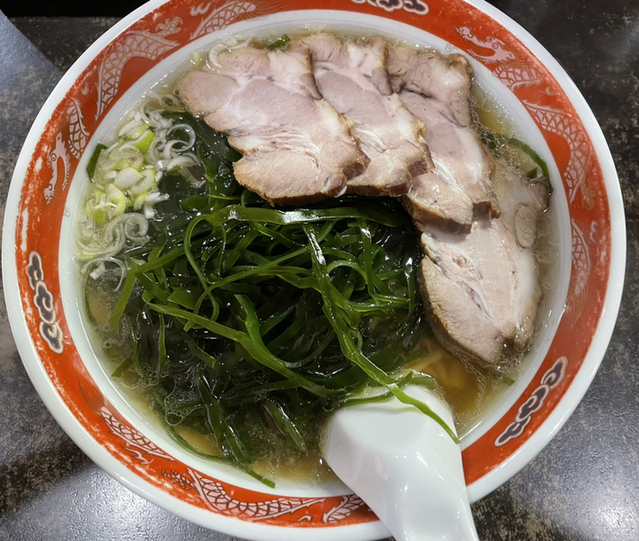
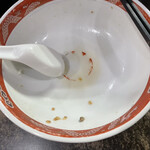
I've been wanting to visit this ramen shop in my neighborhood for a while now. I often go to the bakery next door, the Chinese restaurant in the next town, and the laundromat across the street, but I always miss out on coming here. I was drawn to the ramen with a large amount of kelp, so I ordered the Chashu Kombu ramen. Initially, I was going to order just the Kombu, but after remembering a senior reviewer's comment about getting tired of too much kelp towards the end, I decided to go with Chashu Kombu instead. And it was the right choice. At first, just the kelp and then the kelp and noodles together didn't excite me much, but when I had a bite of the meat, the flavor deepened instantly. As I continued eating, the kelp sank into the soup and the taste of the soup changed (or so it seemed). I was curious if there was a category for ramen with a large amount of kelp, so I googled it after returning home, but it seems like the only place that puts kelp as an ingredient is this place in Iidabashi. I also added some fried garlic from the table, and it paired perfectly. The alginate in the kelp helps to excrete salt from the body, so finishing the soup was guilt-free (my personal interpretation). Thank you for the delicious meal.

トモサク
3.30
When I ordered what seemed to be a specialty dish, the "Kombu Ramen," there was an excessive amount of kelp, which made me laugh. The ramen, with its noodles and soup described as "traditional," had a comforting Chinese soba taste. It was properly delicious. However, the abundance of kelp might be irresistible to those who like it, but the slightly crunchy texture was too much for me, and I got tired of it towards the end. So, I tried changing the flavor with what seemed to be garlic chips on the table. It was delicious. There was an option for char siu ramen, but unfortunately, there was not a single slice of char siu in the regular ramen, which was a bit disappointing.
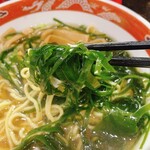
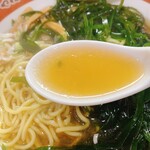
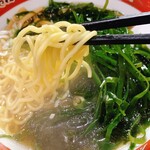

keny123
3.50
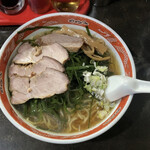
First visit to Marunaka-san. I was intrigued by the idea of seaweed in ramen. I've seen tororo konbu before, but never in ramen. The restaurant has an old-fashioned, cool vibe, but it's clean and well-maintained. I arrived at 12:20 and there was no wait to be seated. I was led to a seat at the back of the counter, but there were no menus on the table or in clear view. The menu was hanging on the wall, but it was hard to see from where I was sitting due to the angle and the worn-out menu board. If you visit for the first time without doing any research, you might feel a bit lost. I decided to try the Konbu Chashu Ramen (large portion). I was surprised to see that not many people were ordering the konbu ramen. The couple running the place efficiently served me my dish in no time. The light and gentle soup paired well with the generous amount of konbu! It was delicious. Nowadays, at other places, ordering a large portion of chashu ramen could cost around 1300 yen, but here, with the large amount of konbu included, it was only 950 yen!! Truly great value for money. I would definitely visit again if I'm in the area. Thank you for the meal!

tokorotennnn
3.60
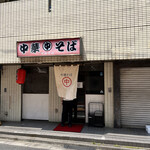
This place is simple but stands out in terms of cost performance. The Chinese noodles are priced at 550 yen, which is a steal. The husband and wife who run the shop are cool for being able to offer such prices without being a chain. The atmosphere is calm and has a retro vibe, making it a recommended spot even if you're not eating ramen. They also serve a unique seaweed ramen, so I want to try that next time.
fagmi
4.50
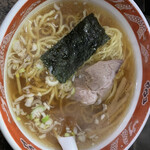
This is true Chinese ramen! Delicious! I visited around 13:00, just after the lunch rush, and despite it being almost full, I was seated right away as I was dining alone. The soup was gentle yet rich, with a soy sauce flavor that makes you want to eat it again the next day. It was delicious! Thank you for the meal ☺️

C.R.O
3.60
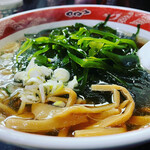
The visual of the kelp ramen caught my attention and as soon as I entered, another customer arrived almost at the same time. The background music was nothing like the typical ramen shops in Shinjuku, it felt like a traditional ramen shop that has been around for a long time. The ramen was served in just 5 minutes. The soup had no distinct flavor, but it had a large amount of kelp! It looked a bit unusual, but the taste was surprisingly simple. It's hard to dislike this kind of taste. Seeing such a large amount of kelp reminded me of Shirakawa Soba on Okubo Street. I think I'll visit there again after a long time.
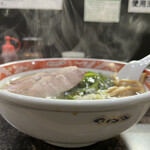
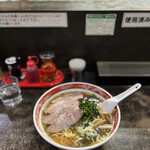

motoh698
4.10
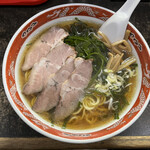
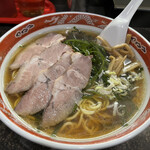
Today, I had a meeting in Iidabashi in the afternoon! It's rare for me to have a meeting in Tokyo. I did a quick search near the parking lot where I parked my car and decided to go to this cozy Chinese noodle shop nearby. The atmosphere was nice, and it seemed like a husband and wife were running the place. I ordered the "Kombu Chashu Ramen" in a large serving. The soup was light and soothing, and the kombu added a great texture. The chashu was delicious, and the noodles were chewy. I finished the whole bowl, including the soup. It was so good! I'll definitely come back again. Thank you for the meal!
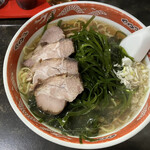
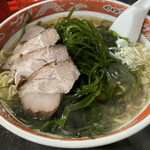

M!
2.50
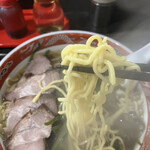
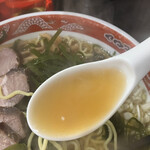
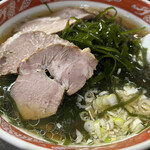
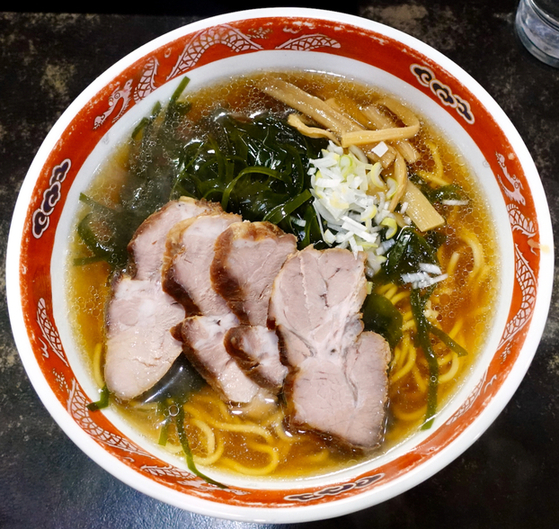
Kombu Chashu for 850 yen. I thought it would be kombu broth, but it turned out to be ramen with sliced kombu. There was a lot of kombu, almost hiding the noodles. The soup had a traditional soy sauce taste and the noodles were medium thickness. Overall, it was just average with no standout points. Personally, I would have preferred wakame instead of so much kombu. The price was reasonable for Shinjuku area, but the smell in the restaurant was off-putting and the service was not great, so overall it was just average.
Email Login