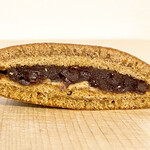
松屋
Matsuya
3.26
Akihabara
「Japanese Sweets」
--
--
Opening hours: 8:30-18:30
Rest time: Saturdays, Sundays, and holidays Business hours and holidays are subject to change, so please check with the store before visiting.
東京都千代田区神田松永町1
Photos
(20)
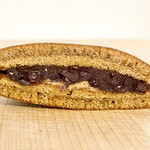
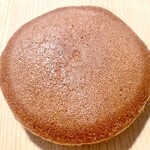
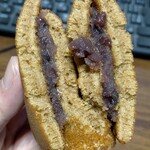
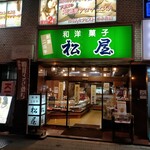
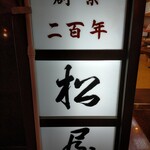
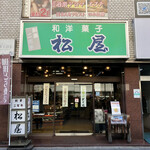
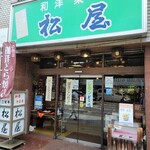
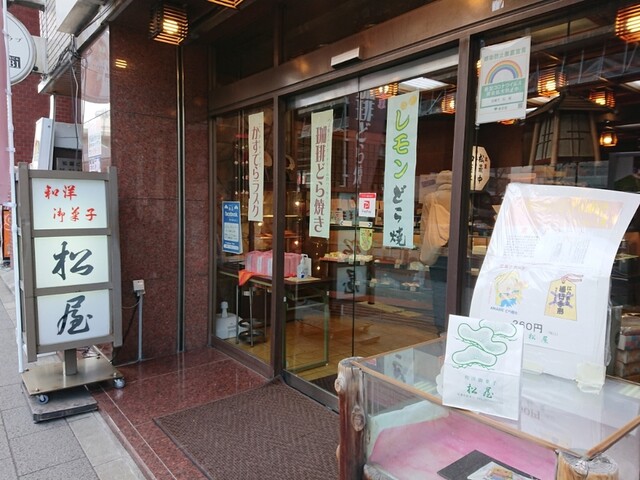
Details
Payment Method
Credit cards accepted
(VISA, Master, JCB, AMEX, Diners)
Electronic money accepted
QR code payment available
(PayPay, d-payment, Rakuten Pay, au PAY)
Private Dining Rooms
None
Parking
None
Comments
(20)

taityo2009
3.10
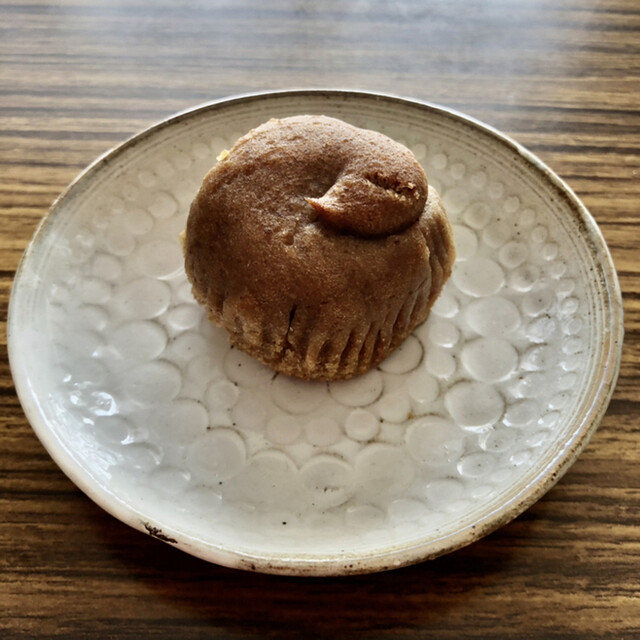
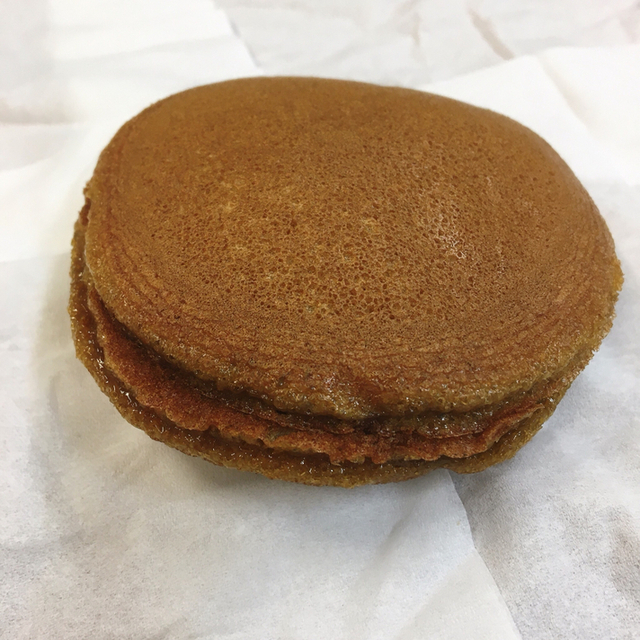
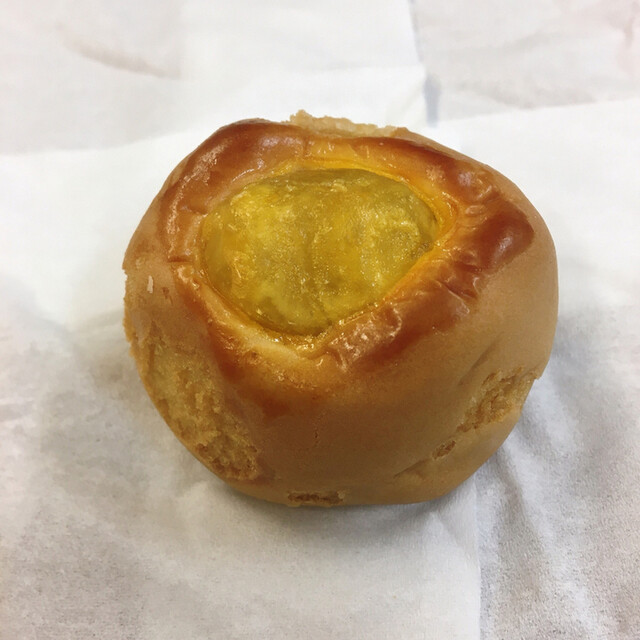
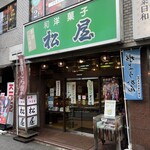
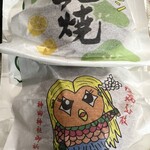
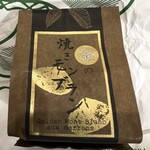
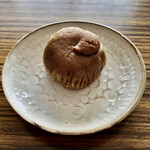
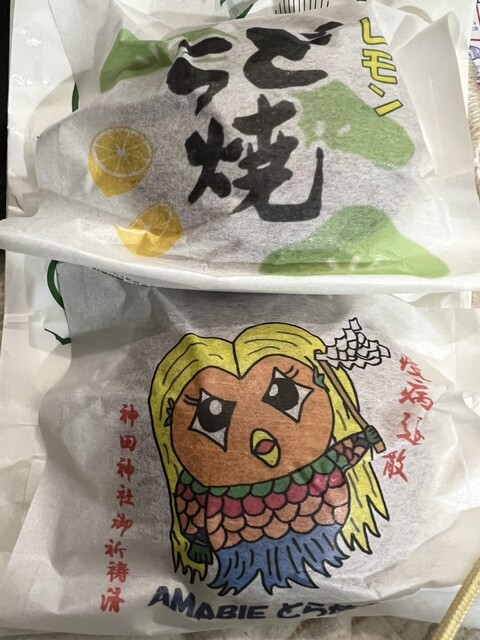
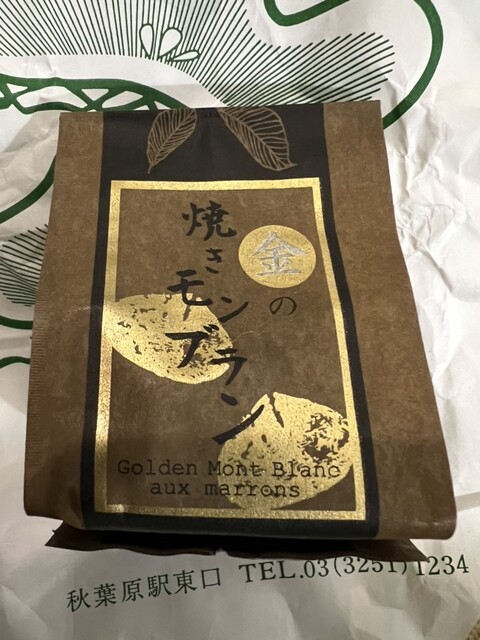
I bought dorayaki and baked Mont Blanc at a store on Showa Street in Akihabara. The seasonal lemon dorayaki had a subtle sourness and was delicious. The baked Mont Blanc was indeed Mont Blanc, but made as a Japanese confectionery, which I thought was very good.

nemocco
3.00
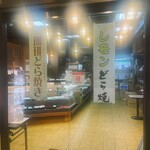
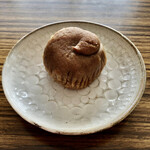
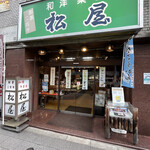
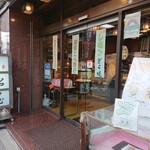
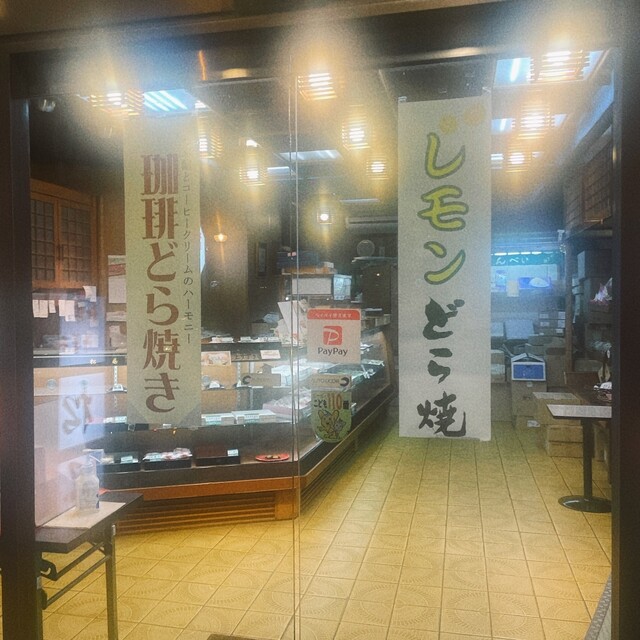
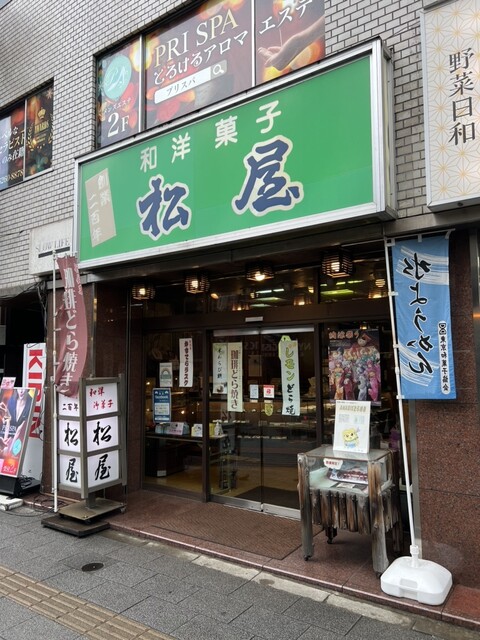
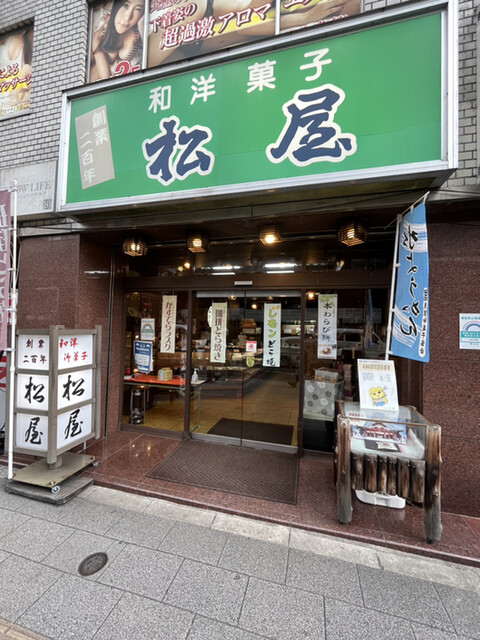
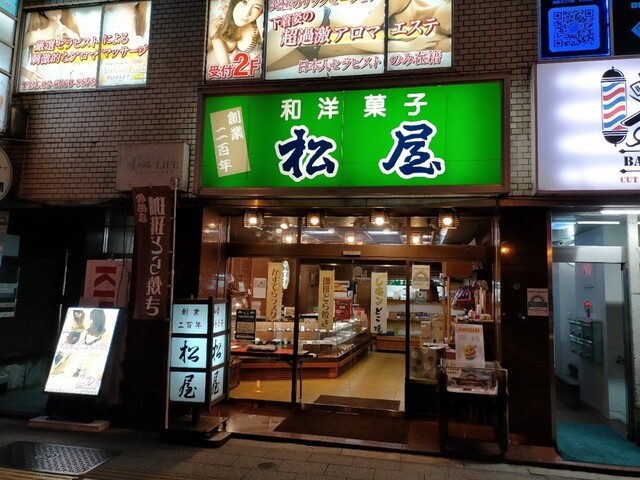
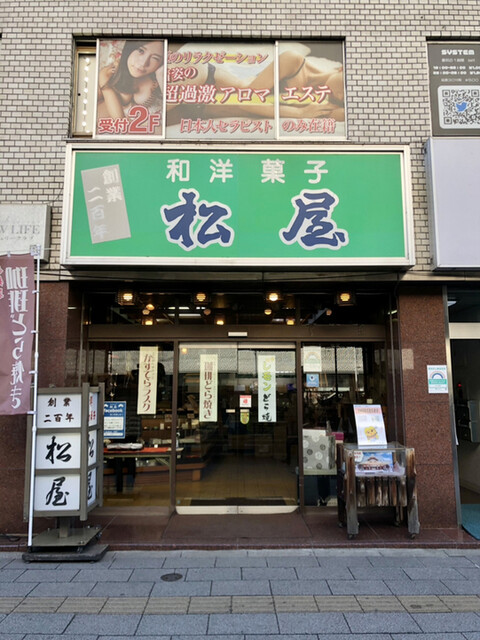
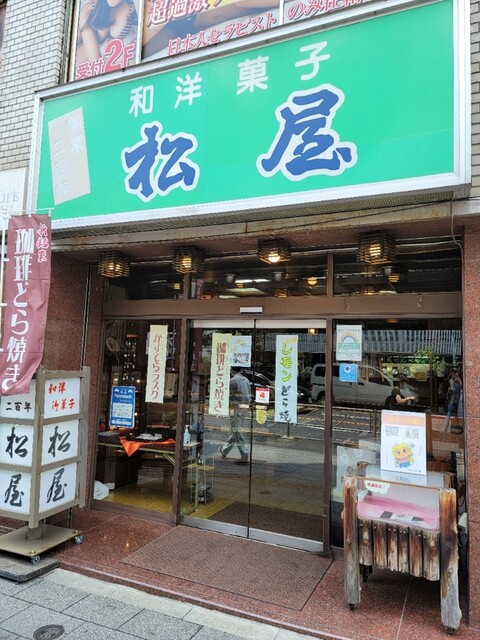
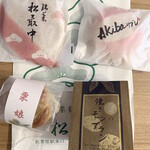
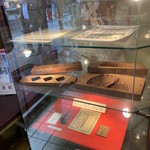
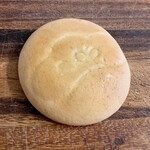
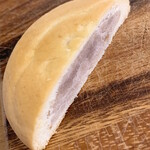
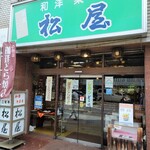
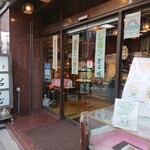
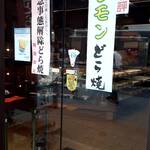
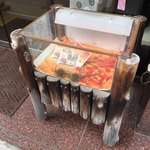
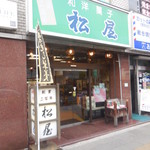
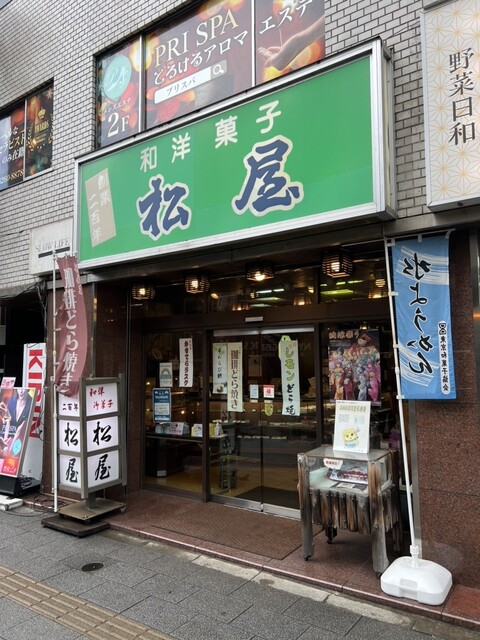
I visited this traditional Japanese confectionery shop when I went to Akihabara. I had never noticed that there was a long-established wagashi shop in Akihabara, even though I had visited the area during my student days. The shop may not stand out at first glance, so you might pass by without noticing it. The entrance had advertisements for lemon dorayaki and coffee dorayaki, and there were several dorayaki lined up on the showcase. I chose a few items, including what seemed to be a traditional pine needle-shaped sweet called "Matsunaka," Akiba Sablé made with red bean paste, and another sweet made with chestnuts. Inside the shop, there was a corner displaying historical items like wooden molds that were once used in the shop, which I found fascinating. I brought the sweets home and enjoyed them with my husband. We tried the Golden Baked Mont Blanc, a wagashi version of the popular Mont Blanc dessert. It had a smooth chestnut-flavored filling with a whole chestnut inside, offering a rich and delicious taste that I would recommend to chestnut lovers. We also tried the Akiba Sablé, a unique sweet with red bean paste inside a slightly moist cookie-like crust, mixed with white bean paste and walnuts. It was an interesting fusion of Japanese and Western flavors. Lastly, we tried the Matsunaka, a traditional sweet with a sweet filling inside a soft, chewy rice cake. It's a classic and sweet treat that would appeal to those who enjoy traditional Japanese sweets. I didn't try the Chestnut Girl dorayaki, so I would like to visit again and explore their other products in the future.

こまめ2017
3.50
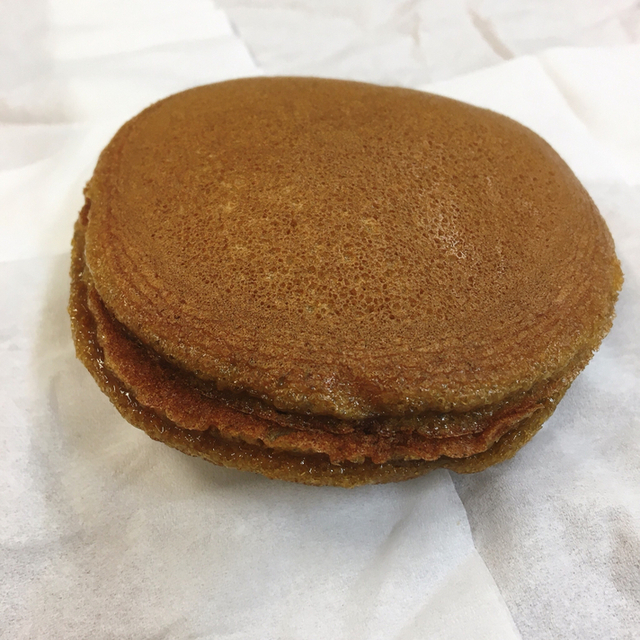
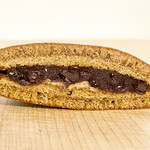
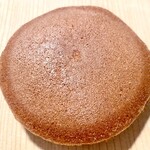
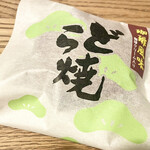
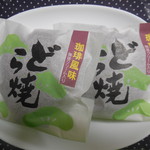
*Waiting time* No wait before 6pm on Tuesdays *Order & Price* Coffee Dorayaki for 291 yen *Atmosphere* Full of a sense of tradition *Service* Accepts PayPay and other payment methods *Impression* I was intrigued by its mention on a TV show and decided to try it. The texture of the dorayaki was not too chewy, more on the soft side. The coffee flavor was noticeable, especially in the aftertaste, without overpowering the red bean flavor. *Expectations* It didn't leave me speechless, but it was delicious with a simple and natural taste.

厚太
3.00
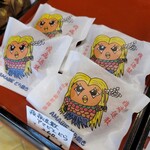
I didn't know there was a Japanese sweets shop in front of the station until I used Tabelog. It was good to use it. This shop doesn't have fresh sweets, but mainly sells baked sweets. There was a big sign in front of the shop. I bought coffee dorayaki, baked Mont Blanc, and chestnut manju. The most delicious was the chestnut manju. They also had Amabie-chan's manju, which was delicious too. Thank you for the meal.

夢を掘る人
3.00
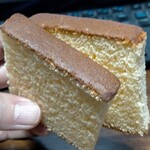
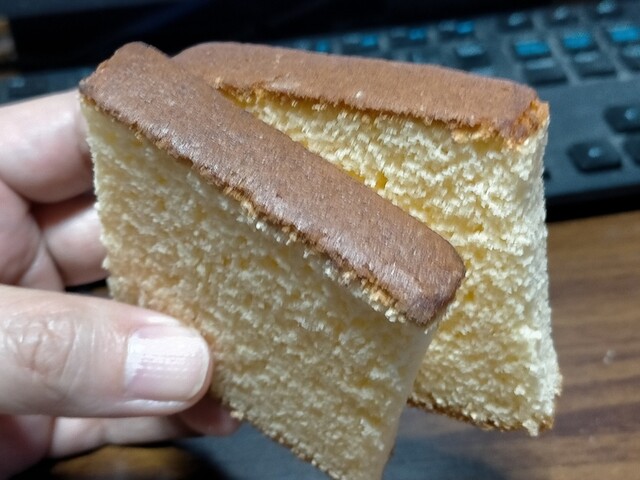
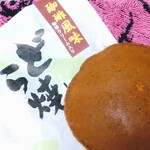
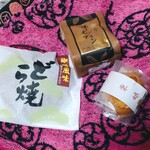
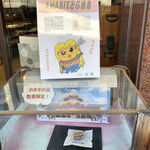
Amabie dorayaki and lemon dorayaki are being sold, which are unique dorayaki flavors. The Amabie dorayaki is a regular dorayaki with a strong honey flavor and a high level of sweetness, making it a good match for tea. The lemon dorayaki has a standard firmness in the dough, but the filling has a simple sweetness with a strong lemon flavor. It's not like a traditional dorayaki specialty shop, but it's still good in its own way. The castella is sold in large chunks, with a strong sweetness packed tightly and a firm texture, giving off a solid impression when baked.

hymurock
3.50
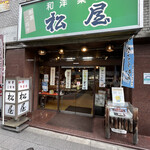
This is a traditional Japanese sweets shop located near Akihabara Station, on Showa Street. They mainly offer individually packaged fresh sweets. The coffee-flavored dorayaki costs around 250 yen. It doesn't have a strong coffee flavor, but it's still tasty. The castella rusk, also around 250 yen, comes with two slices. It's crispy but not dry, with a smooth texture. It's light and easy to eat.
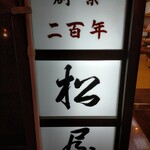
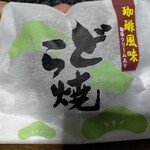
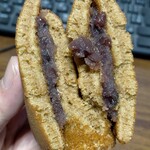

イチゴ☆
3.70
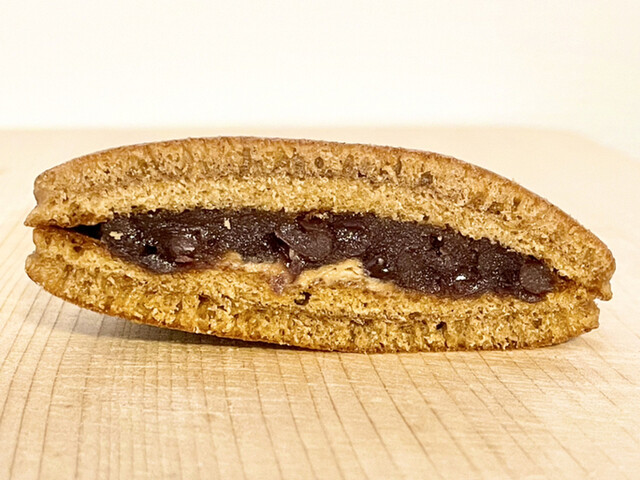
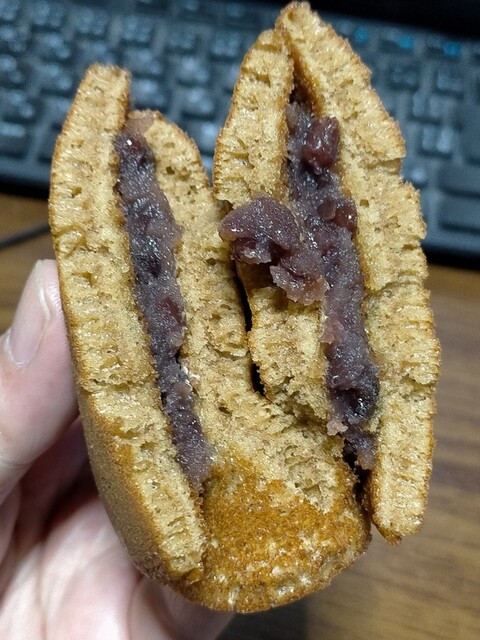
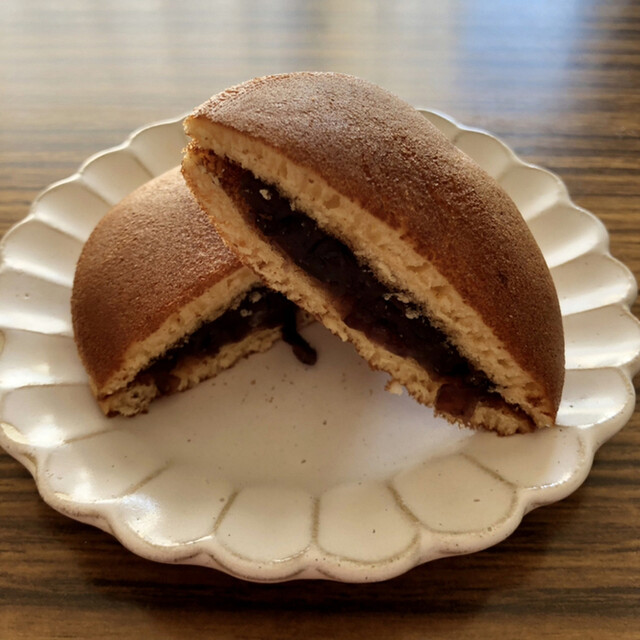
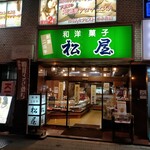
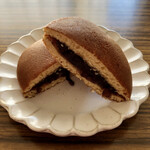
I had some errands in Akihabara, and when I got off the station, I noticed a shop. So I decided to buy dorayaki and gold baked Mont Blanc. The dorayaki was moist and had chunky red bean paste, very delicious. The baked Mont Blanc was also moist and tasty. It seems like a traditional Japanese confectionery shop with a 200-year history. Thank you for the delicious treats!
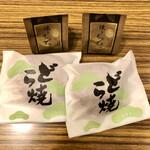

美味しくたべよう
4.00
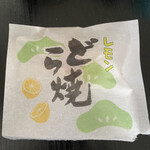
I was surprised to learn that this is the fourth oldest traditional Japanese confectionery shop in Japan, even though it is such a familiar shop. My favorite is the lemon dorayaki, where lemon pulp is mixed into the white bean paste, creating a delicious flavor beyond imagination.

daiju0505
3.00
I purchased it because it was introduced on Ad-machi. Coffee dorayaki for 260 yen. The dough is hard and not delicious. Inside, there is a little red bean and coffee cream. It has the scent and taste of coffee, but it is not delicious. It's disappointing.

Vanilla13
3.20
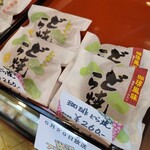
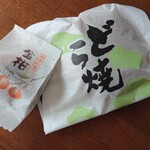
This is an old-fashioned Japanese confectionery shop in Akihabara. Located along Showa Street, it stands among nationwide chain izakayas and curry shops, but the store has a charming traditional feel. I particularly liked the small seasonal baked sweets like Momoyama. I bought them as snacks for my family at home. I tried dorayaki and kumquat. The dorayaki had a light texture with a not-too-sweet castella-like dough. On the other hand, the kumquat was my favorite. In March, they had plum and kumquat available, but the selection changes with the seasons. The Momoyama is a baked sweet with a white bean paste filling that is easy to imagine. The sweetness of the bean paste is mild, and I enjoyed the sweetness, bitterness, and astringency of the kumquat. Additionally, they seem to have a partnership with Toyama Kakiyama, as they were selling their rice crackers. Sometimes, they have limited edition items like Sasaraya's "Shiroebi Kikou" sold at station booths, so I'll come here when I feel like having it. Thank you for the delicious treats! I'll visit again soon!

letsgoswallows
3.40
I visited this shop located near Akihabara Station. It may be a bit difficult to find as it is off the main street. I purchased dorayaki, coffee dorayaki, and original Japanese sweets. The impression after trying them was that all the Japanese sweets did not have a traditional feel, but rather a more modern impression. The dorayaki had a light and fluffy texture, unlike the traditional ones which are usually sweeter and heavier. The coffee dorayaki was not just about the bean paste, but the dough was also well thought out to balance the coffee flavor. The coffee bean paste had a hint of creaminess, showing the effort put into it. The original Japanese sweets were moist and not too sweet, also not typical of a traditional Japanese sweet shop. Overall, the Japanese sweets had a modern twist and would be enjoyed by younger people as well.

八坂牛太
3.60
Yodobashi Akiba's hidden traditional Japanese confectionery shop with a normal exterior, but with a history of over 250 years and being the fourth oldest in Tokyo. They offer a wide range of products from seasonal fresh sweets to dorayaki and senbei, and the shop remains unchanged despite the passage of time.
Purchased items (tax included):
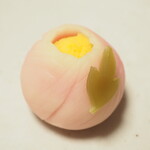
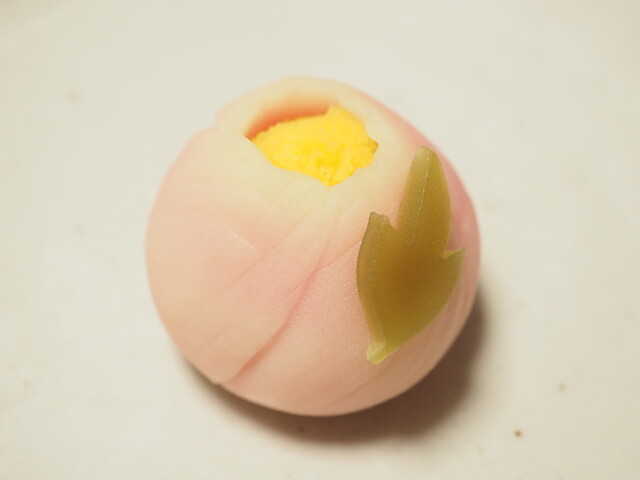
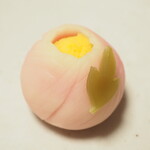
- Botan (300 yen) Rating: 3.7
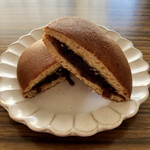
Smooth red bean paste with a moderate sweetness and a good texture. The paste is not too watery, leaning towards sweetness, making it easy to enjoy without thinking too much. The fine texture enhances the melt-in-your-mouth experience.
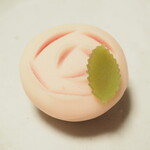
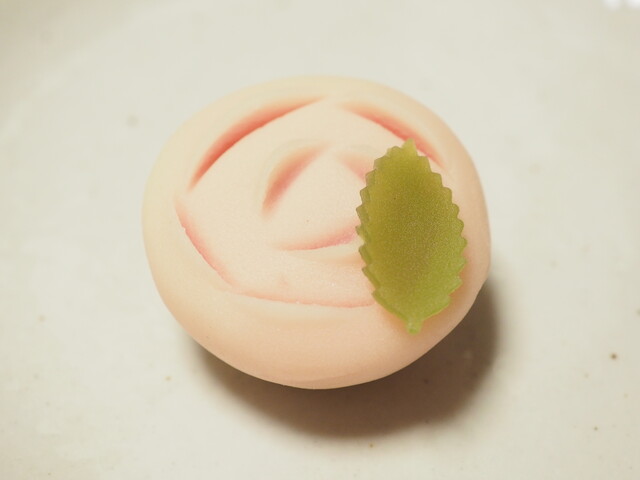
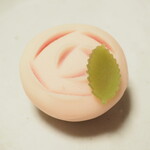
- Bara (300 yen) Rating: 3.7
Similar to Botan, Bara is also a smooth red bean paste confectionery. While the taste is almost the same, the visual appeal of different shapes adds another layer of enjoyment to traditional Japanese sweets.
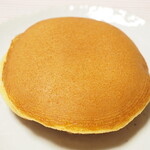
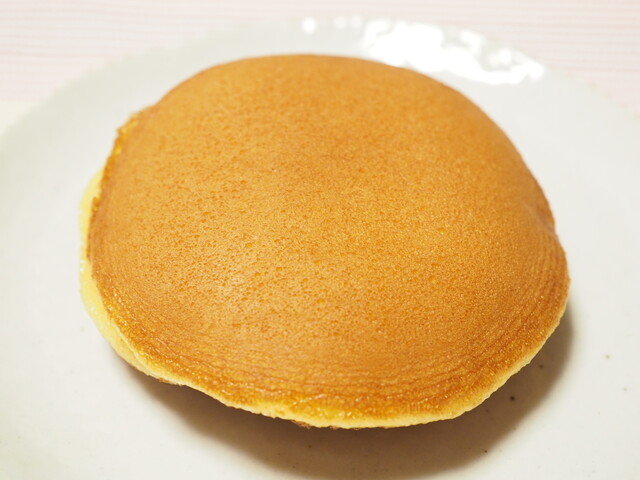
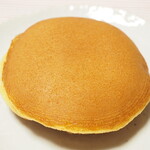
- Dorayaki (237 yen) Rating: 3.6
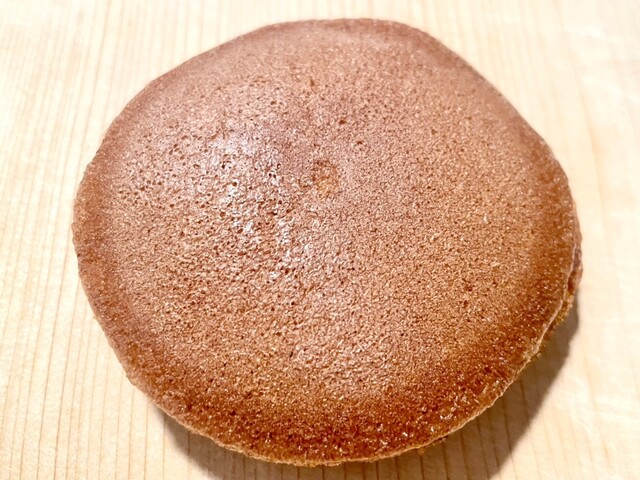
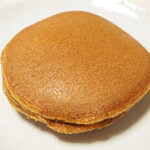
The moist pancake skin with a hint of honey sweetness complements the slightly less watery azuki bean paste. The overall sweetness is on the strong side, but the texture of the small red beans and the mild taste create a satisfying balance.
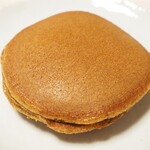
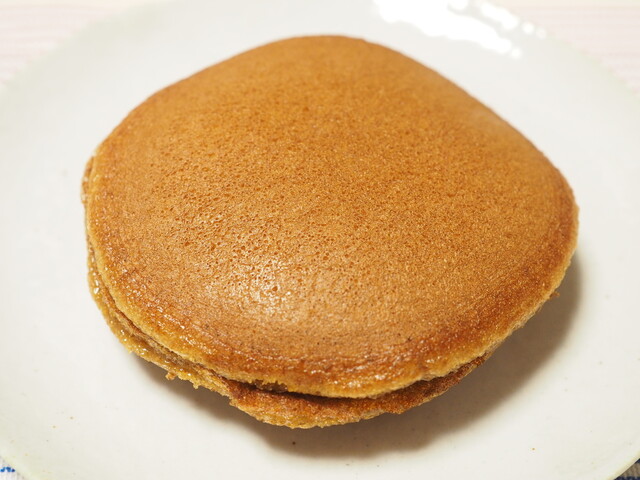
- Coffee Dorayaki (260 yen) Rating: 3.5
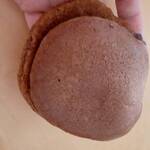
Different from the regular dorayaki, the coffee-flavored version has a distinct appearance and aroma. The strong buttery taste sets it apart, making it an interesting twist on the classic treat.
This ultra-long-established confectionery shop, which does not expand to other locations, is known for its traditional treats while maintaining a conservative approach. However, this shop stands out for offering common yet delicious confections that cater to the general public. Despite its exceptional taste and long history, it seems to be somewhat overlooked, which is a mystery. As Akihabara Station lacks sweet options, this shop is a valuable find, and I look forward to revisiting it.

あてるい
3.30
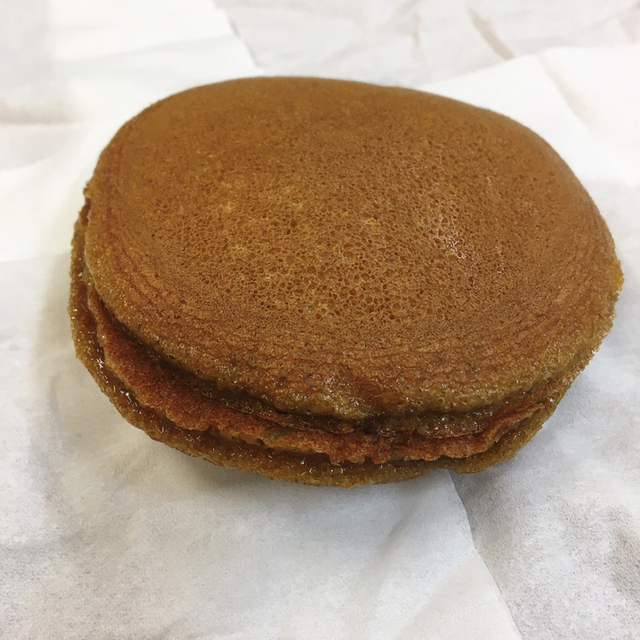
Near Akihabara Station, after experiencing the limited lunch biryani at Indian Restaurant Aarti, a curry restaurant with a hundred famous names near Kanda Sakuma Riverside, I headed to the well-established Japanese confectionery shop Matsuya, also near Akihabara Station. When people hear "Matsuya," they often think of the Gyudon chain Matsuya for weekend takeout lunches, but this Matsuya is completely unrelated. In fact, with a history dating back to 1769 (Meiwa 6), over 250 years ago, this Matsuya is overwhelmingly senior as a shop bearing the Matsuya name. Among the Japanese confectionery shops I have visited, this shop is one of the oldest, following closely behind Kameya Yamato in Higashi-Kanda, which I visited about a month ago. Just to note, in terms of shops originating from Kyoto, Tamayodo Hikokuro in Ningyocho, dating back to 1576 (Tensho 4), is the oldest among the shops I have visited. Shiose Sohonten in Tsukiji Akashicho, founded in 1349 (Shohei 4), is exceptionally ancient among the shops I have yet to visit. Leaving Aarti, I turned right onto Showa-dori. Crossing over to the station side at the JR Akihabara Station Showa-dori exit signal, I continued along the street and found the shop on the left. The quiet and calm atmosphere inside the shop is a stark contrast to the hustle and bustle of Akihabara's streets, which are gradually returning to normalcy amidst the COVID-19 pandemic.

kuidouraku11
3.40
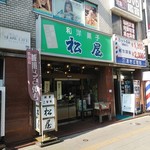
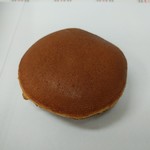
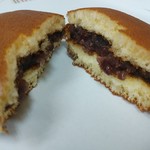
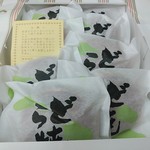
Recently, I have been interested in long-established shops. I have always enjoyed exploring history from ancient ruins, looking at old maps, and taking walks in the city. Since I started using food review websites like Tabelog, I have been able to learn a lot about the history of restaurants through people's reviews. When I hear about the first of something in Japan, like the origin of the famous chain restaurant Matsuya, it makes me excited and eager to learn more. So this time, I went to a well-known traditional Japanese confectionery shop called "Matsuya". It is located in Kanda Matsunagacho. If you head north on Showa Street from Akihabara Station, you will see the sign for "Matsuya" before the traffic light. Yes, it's the traditional Japanese confectionery "Matsuya", not the Matsuya beef bowl chain. The shop was founded in the sixth year of Meio, which is around the mid-Edo period... 1769. Although they claim to have been in business for 200 years, in reality, it's closer to 250 years. In Tokyo, the oldest traditional confectionery shop is said to be Toraya, which was founded in the Muromachi period in Kyoto and expanded to Tokyo during the Meiji Restoration. However, our shop is the fourth oldest traditional confectionery shop in Tokyo. The fifth oldest in Tokyo is the famous Gontanda Dango in Mukojima, showing how rare Matsuya is. Unfortunately, the original shop was located in Nihonbashi Motoishicho, but it was relocated due to reconstruction in the 27th year of Meiji (still 120 years!). It is now located in Kanda Matsunagacho. The shop has faced disasters such as earthquakes (presumably the Kanto Earthquake) and war damage (presumably the Tokyo air raids), resulting in the loss of traditional tools and materials. Some recent traditional signs and molds were on display. When I entered the shop, the seventh-generation owner, a gentle and kind man, came out from the back to assist me. His wife also appeared briefly. It seems to be a simple family-run business. When I mentioned my budget and purpose of purchase, I was recommended the freshly made dorayaki. I was told that it is handmade without any additives and was advised to eat it as soon as possible. I hesitated to buy some fresh wagashi as well, but I decided to pass for today as it would be opened after an evening gathering. As someone who doesn't usually eat sweets, I will keep my impression of the taste brief. The pancake part of the dorayaki is quite like castella cake, with a strong taste of honey, brown sugar, and sake. The red bean paste was sweet enough but had a simple sweetness and flavor. Nowadays, dorayaki often have cream or butter flavors, but personally, I really liked this one. With a history of 250 years and the name "Matsuya", this super old traditional Japanese confectionery shop is a great conversation starter. I would like to try their daifuku next time.

shin_tokyo
2.00
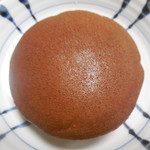
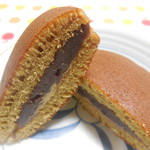
This time, I used it for lunch. I was unsure of what to get, but this time I bought a coffee-flavored dorayaki. Purchase content: Coffee-flavored dorayaki 291 yen. The coffee-flavored dorayaki looks like a traditional dorayaki. Inside the moist coffee-flavored brown dough, there is sweet red bean paste. The taste was delicious with just the right amount of sweetness. The shop has a Showa-era atmosphere, with cardboard boxes stacked haphazardly which was a bit concerning. I would appreciate it if the staff's customer service was a little more polite. It is a Japanese confectionery shop near Akihabara Station.

ILEACH
3.00
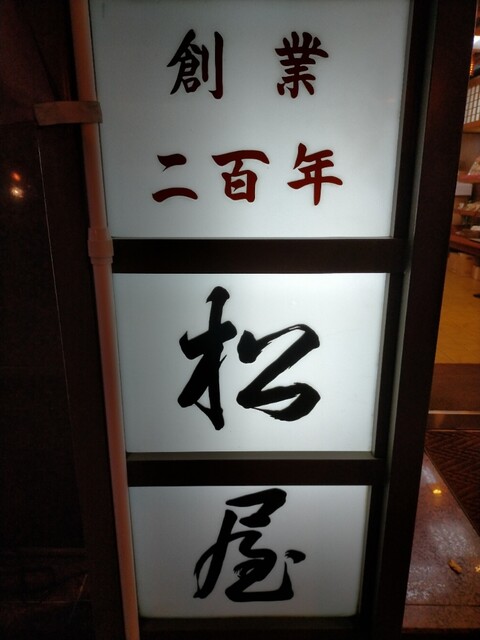
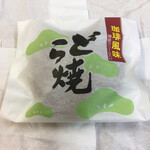
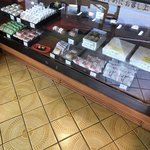
This is a long-established Japanese confectionery shop in Akihabara. I had always known about it as I often passed by, but after seeing it on TV as a super long-established shop dating back to the Edo period, I became interested and decided to visit. The shop is located along Showa Street in Akihabara, about a 2-minute walk from Akihabara Station. When you exit from the Showa Street exit of the station and walk to the left (towards Ueno) for a while, you will find it. There is a FamilyMart and Hanamaru Udon in front. The shop has a casual atmosphere typical of a popular street confectionery shop, and although it doesn't look like a long-established shop from the Edo period, there was a sign indicating that it was founded 200 years ago. In the showcase inside the shop, there were dorayaki, mochi, and other fresh sweets displayed, and there were also senbei at the back. I bought the following three items that seemed to be the coffee dorayaki and pine-flavored mochi, which looked like the shop's signature products: - Dorayaki for 237 yen - Coffee Dorayaki for 260 yen - Pine-flavored mochi for 237 yen The regular dorayaki was nothing special, but the coffee dorayaki had a dark brown dough mixed with coffee, with red bean paste and coffee cream sandwiched inside, which was quite interesting. The pine-flavored mochi seemed to be a signature menu item from the past, as the image of a pine tree depicted on the shop's sign and wrapping paper was used as a motif. It was a typical round mochi of a common size, with no particularly notable taste. It was an interesting shop that, despite being a super long-established one, also tries new things. I pass by often, so I think I'll buy from them again.

aotora
3.00

ひでぴん
3.00
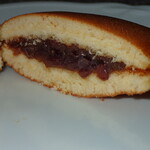
Coffee dorayaki for 260 yen.

一老太
3.30
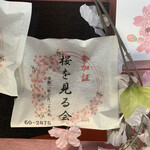
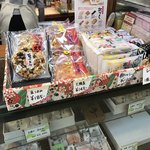
I discovered a cafe named Matsuya a little away from Akihabara Station. After having coffee there and exploring the area, I found a traditional Japanese sweet shop called Matsuya, followed by a chain of gyudon restaurant also named Matsuya a few shops down. To complete my personal Akihabara "Matsuya" trilogy, I visited this shop. They seem to focus on dorayaki here, with unique flavors like lemon and coffee available for 237 yen each, which is a bit pricey. I opted for a more affordable option, the original product being a thick hand-baked senbei for 145 yen. It wasn't the shop's original product, but it might as well have been (laughs). The senbei had a good thickness, a soy sauce flavor that wasn't too spicy, and a slight sweetness. It had a nice chewy texture, good flavor, and you could tell it was carefully baked.

つ・よ・き・ち
3.20
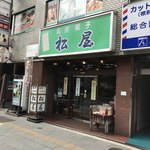
Akihabara Station, about 100 meters from the Showa-dori exit towards Ueno. In a corner where chain stores line up, there is a shop that exudes a sense of tradition. Matsuya-san! They have coffee dorayaki at the storefront! Should I buy some (laughs) There was a wooden sign with a long history inside the shop! Coffee dorayaki @ ¥227- purchased 2 (@^^)/~~~ Red bean paste with coffee cream, you can feel the weight of tradition amidst the bitterness. The dorayaki dough is so unique and creative, beyond what you would expect from the traditional appearance of the shop!
Email Login