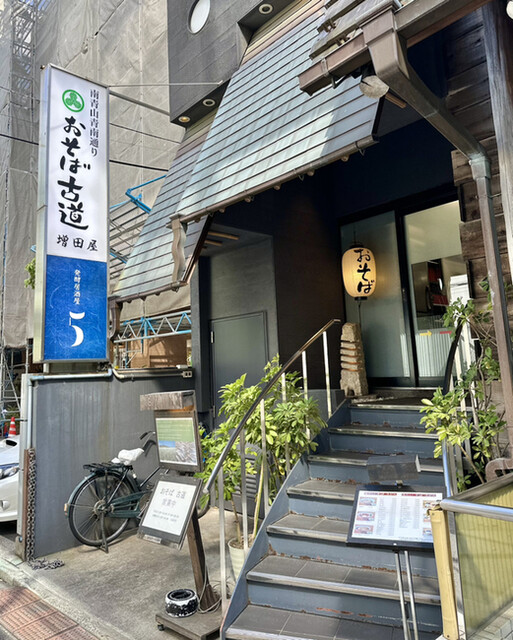
おそば 古道
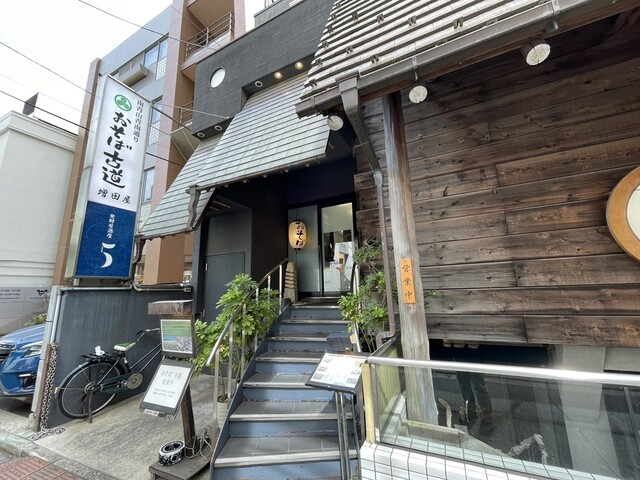
Osobakodou ◆ 増田屋
3.48
Omotesando
「Soba」
1,000-1,999円
--
東京都港区南青山3-18-3 M2F
Photos
(20)
Details
Reservation Info
can be reserved
Children
child-friendly
Payment Method
No credit cards
Electronic money is not accepted
Number of Seats
60 seats
Private Dining Rooms
None
Smoking and Non-Smoking
No smoking at the table
Parking
None
Drink
Sake and shochu available
Comments
(20)

たくバター
3.50
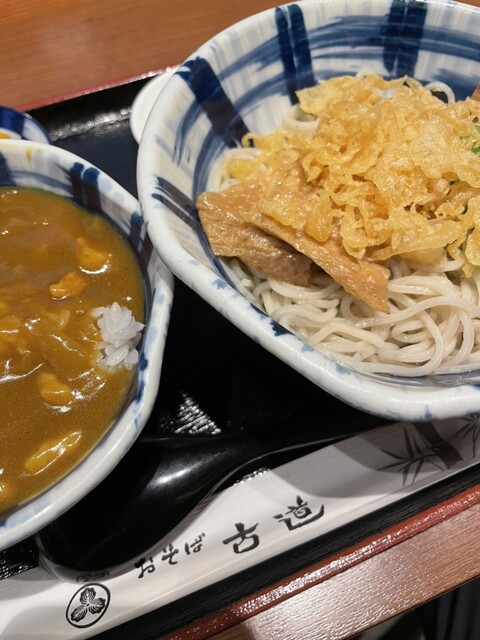
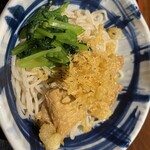
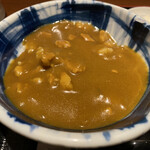
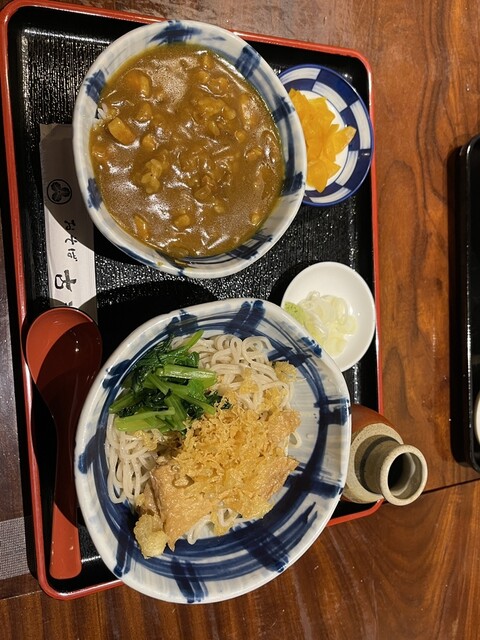
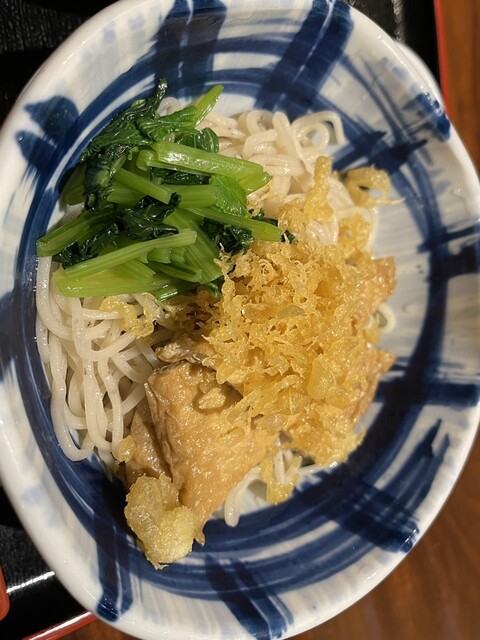
I tried the Soba Mujina soba after a long time. It's soba with fried tofu and tempura bits. I chose the cold option. The flavor of the dipping sauce was strong and delicious. The curry was average. Next time, I want to try the tempura and soba set meal.

サイドウォーカーズ
3.20
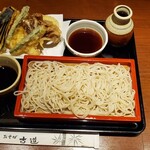
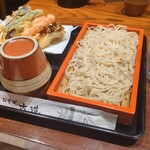
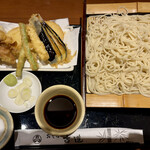
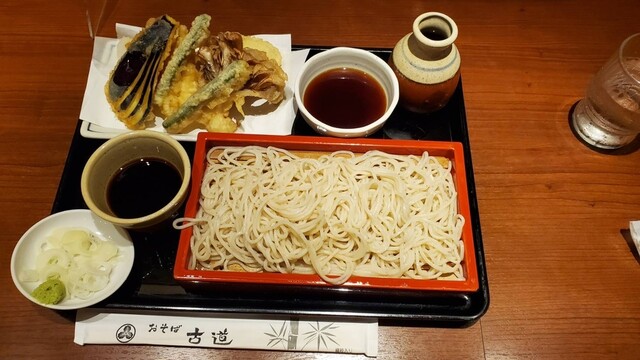
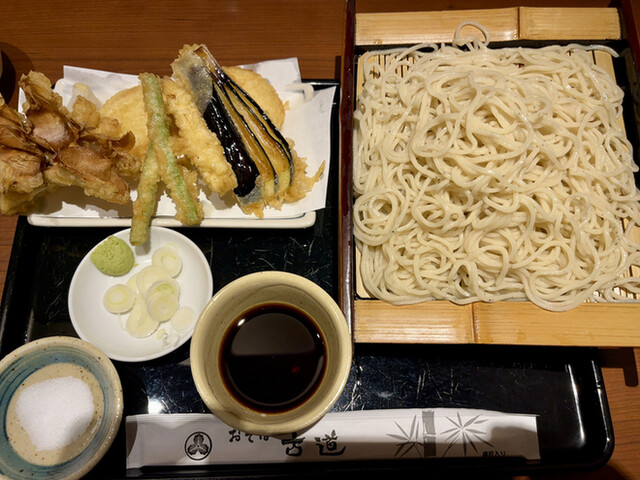
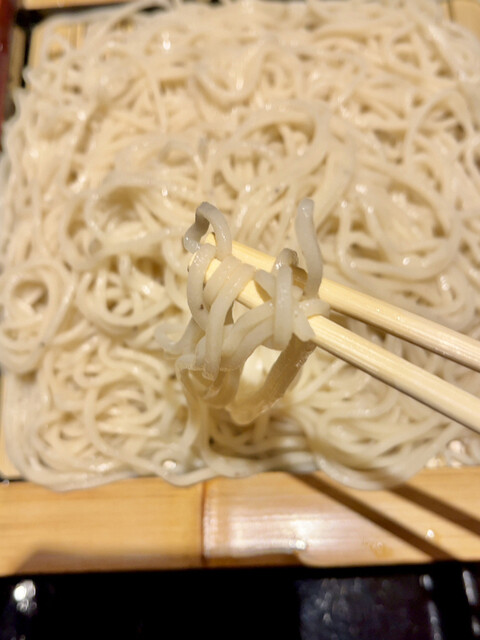
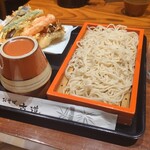
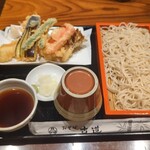
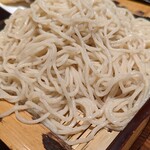
The other day, after finishing my errands in Omotesando at lunchtime, everywhere was packed and there were long lines! It was unbearable in this heat, so I decided to go to the usual place. I lined up a bit at Sobadokoro Furumichi, but the turnover rate is good and it's a spacious restaurant, so I didn't have to wait too long. Since it was a special dining out opportunity, I splurged on zaru soba and tempura. It was around 1800 yen. The soba was a white-colored variety. The tempura was all fried well and delicious. I really wanted to have tempura with my zaru soba! The portion of soba was a bit small, and the flavor was lighter compared to the rougher, grayish noodles, but it had a refreshing texture and was perfect for summer. They also served soba-yu, but it wasn't too rich. It's perfect as a finisher after cold soba. I used the soba-yu to satisfy my slightly unsatisfied post-meal feeling. The soba was delicate and stylish, so it made me crave for some strong-flavored soba-yu and rough black hand-cut noodles. The sophistication, maybe also due to the location, was definitely there. It's a quick and delicious soba restaurant, so it seems like it will become a regular spot for me in the future.

みきよえ
3.80
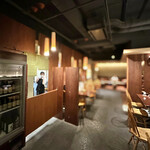
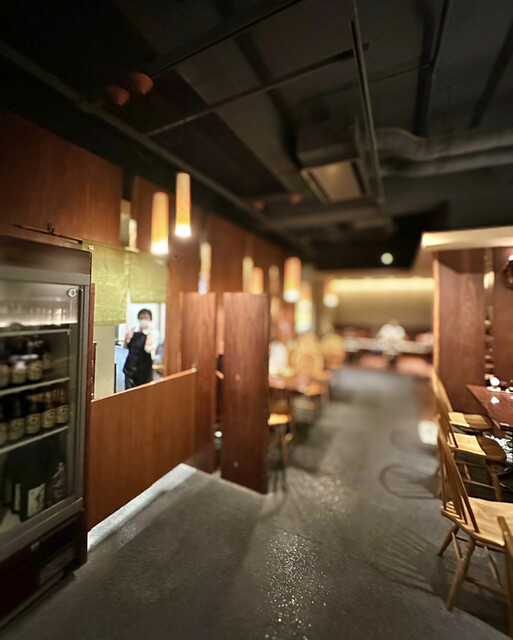
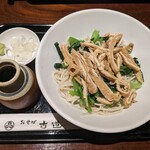
It's June but it's as hot as midsummer, perfect weather for eating soba noodles. Normally I would choose tempura, but I wasn't feeling very hungry, so I opted for chilled kitsune soba which seemed refreshing. Instead of the usual thick slice of fried tofu, it was a more elegant version with diced fried tofu and greens on top. The noodles were chewy and delicious. I ordered a regular size and it was just the right amount, not too much. I went with my husband this time, but I liked that there were spacious counter seats for solo diners at the back of the restaurant. I would like to visit this soba restaurant again.

happyねこママ
3.70
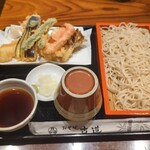
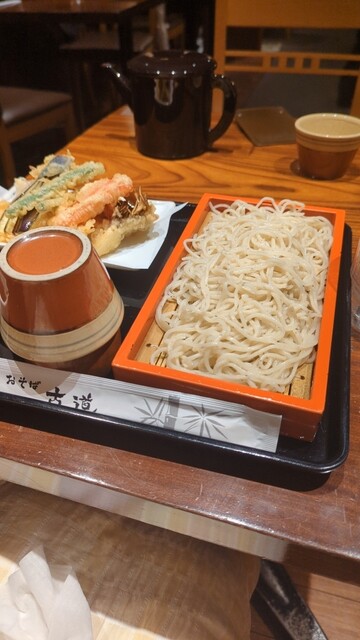
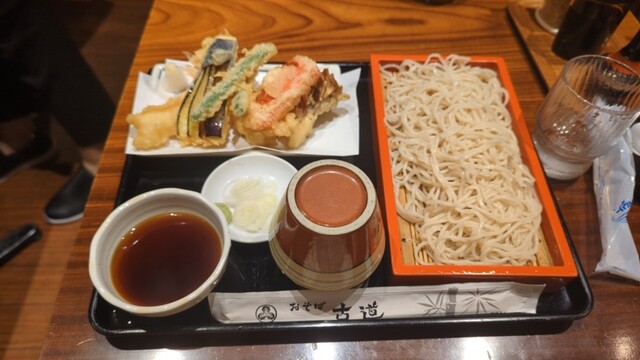
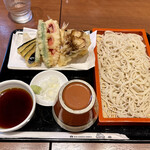
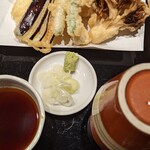
On a hot day, there's nothing like cold soba noodles. (Udon is good too though). I've been passing by the Kilfebon nearby for a while now, and finally had the chance to stop by on my way back from shopping. It was lunchtime and the place was packed, but I was seated at the counter within 5 minutes. I ordered the Ten Seiro for 1,900 yen. A bit of a luxurious choice for lunch. The soba noodles were light and easy to like, with a good texture that wasn't too firm or too soft. I like to put wasabi on the soba and dip it lightly in the sauce. The tempura included 2 green beans, red bell pepper, eggplant, shiitake mushroom, and 2 shrimp tempura. The green beans were vibrant and seemed to be of good quality. The bell pepper was thick and juicy, very delicious. Just as I finished eating, they brought me soba water at the perfect timing. The service was great even though the place was busy. At first, the portion seemed small, but after finishing everything and pouring the soba water into the sauce, I was pleasantly full. Thank you for the meal.

yoshimurakei
3.40
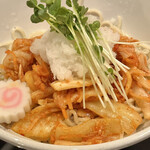
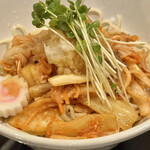
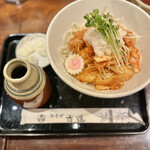
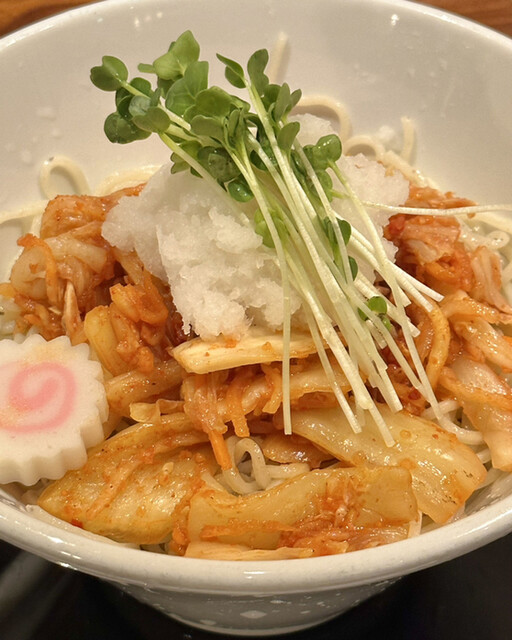
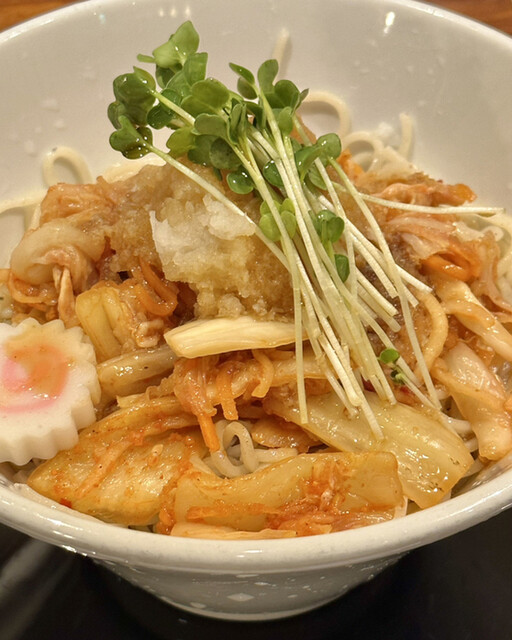
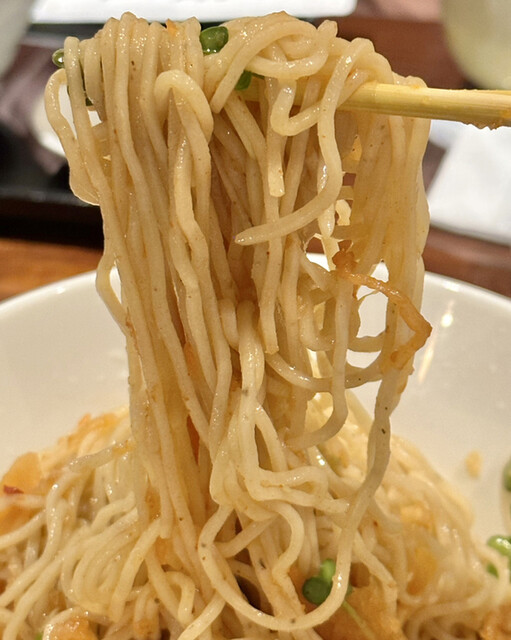
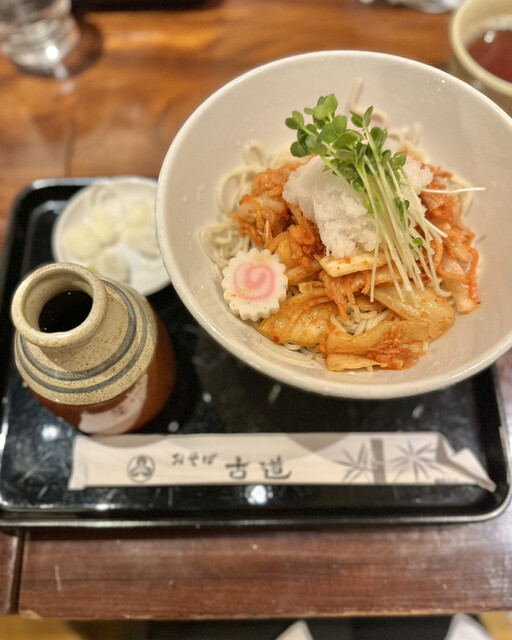
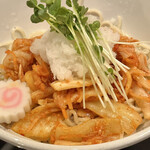
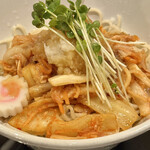
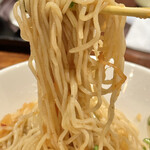
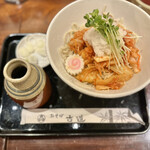
I visited 【Soba Kodou】 located a 2-minute walk from Omotesando Station. This restaurant was established in 1912 as the first branch of the renowned soba restaurant "Masudaya". The founder, Kodou Bunji, and his relatives have continued the tradition. The restaurant has about 60 seats, mainly tables with a counter and private rooms. For lunch, I tried the unique dish "Chilled Kimchi Oroshi Soba" for ¥1,200. The soba noodles were firm, topped with sweet kimchi and refreshing grated daikon, making it a perfect choice for the hot season. You can pour the sauce directly over the noodles. While the kimchi combination may not appeal to everyone, it's a great option for those looking for a light and refreshing soba experience. I would love to visit again in the future. Thank you for the meal.

Jens Manabu
3.80
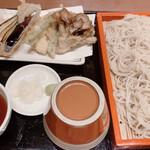
I went to Omotesando for work. On a day after heavy drinking, warm soba noodles for lunch is a must. I arrived before 12pm and when I left at 12:30pm, there was already a long line... I'm glad I went early. I looked at the menu and ordered the zaru soba with vegetable tempura. The tempura dipped in tempura sauce and the soba dipping sauce were just right. It was a very satisfying lunch!

イベリコ親父
3.60
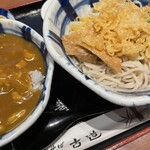
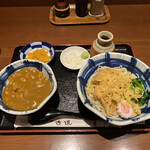
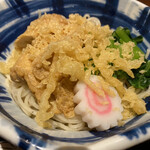
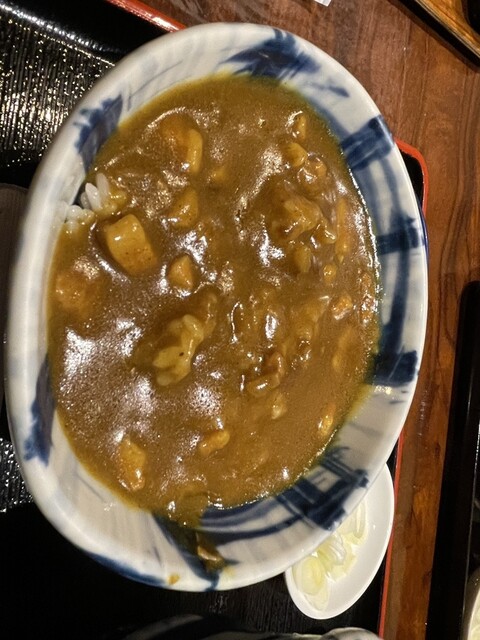
Near Omotesando Station, for lunch, head to this place - a branch of the long-established Masudaya shop. You'll be seated at the counter in the back and order the popular lunch set, the Curry Kake Teishoku for 1,200 yen. It consists of a small curry bowl and a side of buckwheat noodles. Pour the dipping sauce over the noodles and enjoy the combination of the firm noodles, crispy tempura flakes, and flavorful curry. The curry is mildly spiced with a hint of sweetness, made with chicken instead of pork. Despite the small portion, when paired with the noodles, it's a satisfying meal that leaves you feeling full. Next time, I'll try the tempura set or perhaps the vegetable tempura soba with extra noodles.

spica35
4.00
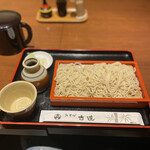
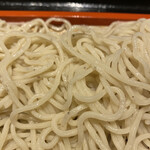
This soba restaurant is very convenient for me. To be honest, it's just average. It looks nice and appetizing, but lacks in aroma and flavor. So I recommend trying the duck soup or something like that. However, the soba broth is incredibly delicious. Seriously!

むちきち
5.00
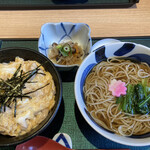
I invited my friend S to visit this restaurant for the first time. It is located right by Gaienmae Station and has a very beautiful exterior, which got me excited. The interior is also very clean and nice! I wanted to try the katsudon, but unfortunately it was not available. Instead, we ordered the oyakodon and soba set. The flavors were gentle and comforting. They seem to have a variety of creative soba dishes, so I will definitely come back again. Thank you for the meal!

海老もちもち
5.00
I have been using this restaurant for 5.6 years now, and personally, it is my favorite soba restaurant in Tokyo. The noodles are firm with a good texture, and very satisfying to eat. Also, since the pandemic, they have added counter seats in the back, making it easier to use even when dining alone. If you are going to wait in line to enter Kawakami-an, I highly recommend going to Furumichi instead for a more satisfying experience.
hiro972
3.30
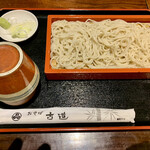
I had lunch at a soba restaurant on Omotesando where the Mori Soba costs 800 yen. The soba had a nice texture and was very delicious. The restaurant was crowded with businessmen and women. Many customers seemed to be ordering tempura as well, so the tempura might be tasty too. I wanted to enjoy the simple flavor of soba, so I just ordered the Mori Soba.

かきんちゅ
3.60
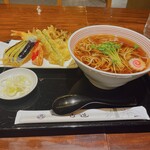
I visited the restaurant right before closing time on a regular day. It was cold, so I ordered warm tempura soba. The soba noodles were smooth and not too firm. The best part was the delicious broth that I wanted to drink all of. The closing time is early, but it seems like a good place to enjoy soba and drinks. The restaurant was spacious and easy to use.

kebi-ishi
3.40
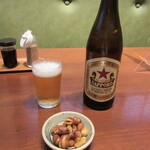
Red Star Nakano 650 yen
- Tempura assorted 1400 yen
- Curry Nanban 1400 yen
Total: 3450 yen
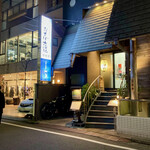
This soba restaurant in Omotesando has a bit of a trendy vibe, but it doesn't stand out too much because the surrounding area is so amazing. The prices are reasonable for a city soba restaurant.
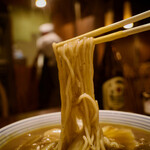
- Tempura assorted: The freshly fried tempura with salt seasoning is delicious. The batter may be a bit thick, but it's only on one side, so it looks nice. The paprika is thick and flavorful, the shiitake mushrooms have a nice aroma, the maitake mushrooms are crispy and tasty, the eggplant is nothing special, and the two shrimp are plump and bouncy.
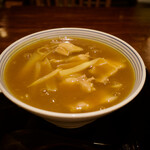
- Curry Nanban: On a cold day, eating hot Curry Nanban is the best! The soba noodles are firm with a good bite. The soba restaurant's curry has hardly any spiciness and is mild, with the traditional flavor of dashi coming through. Sprinkle some shichimi pepper for an extra kick and it's delicious.
Thanks for the meal!

suimo118
3.30
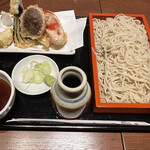
I remembered a time when I wanted to eat soba noodles around the end of the year and went to a restaurant. I thought it might be difficult to get in because soba noodles are in high demand during that season, but I was able to get a table easily. I ordered the soba noodles with tempura, but the taste was quite ordinary. The soba noodles were delicious, but the tempura was a bit soggy, which was disappointing. If I were to visit again, I would not choose the tempura.

Tk1S10
3.40
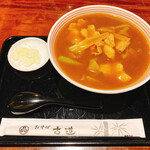
Soba restaurant in Omotesando, a long-established establishment. I visited for a late lunch. Although I was interested in the set meals, it was a cold day so I ordered the curry soba. It came with green onions as a topping, but the curry was so thick that the noodles were hardly visible (laughs). However, the thick curry sauce made the dish warm and the combination of the broth and curry was very nice. If I visit again, I might try the set meal.

フードブロガー アカヌマカズヤ
3.50
It was like I had been there before... or maybe not... Anyway, there is a soba restaurant located a little off the beaten path in Omotesando. I stumbled upon it and decided to give it a try, and I must say the soba was quite delicious. The vegetable tempura was also very tasty, and I left feeling completely satisfied.
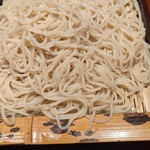

しんやの食事処
3.50
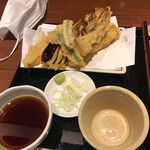
[3.5 rating] Visited a restaurant located about a 5-minute walk from Omotesando Station. Arrived for lunch. There were about 2 groups waiting outside, with customers of all ages. The interior of the restaurant had mostly 4-person tables, with some counter seats in the back. It was more spacious than expected, with no music playing. I ordered the Vegetable Tempura Soba Set for 1200 yen. I added a large portion for an extra 200 yen (tax included). Positive points: The service was polite. The soba noodles were thin and had a firm texture. The broth was not too heavy and had a slightly spicy taste. The tempura included green beans, eggplant, baby corn, onion, pumpkin, and shiitake mushrooms. The shiitake mushrooms were firm and flavorful. Negative points: The soba noodles were a bit long, and although not bad, there was a slight feeling that something was missing. The tempura batter tasted slightly too oily. Thank you for the meal.

蓼喰人
3.50
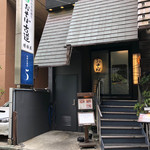
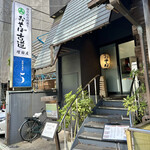
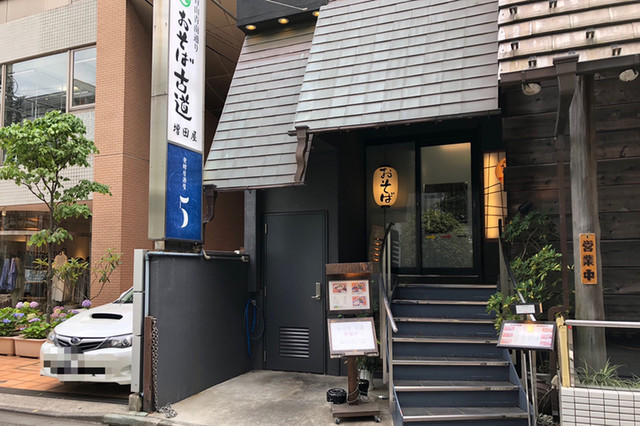
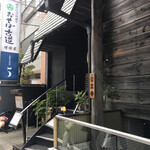
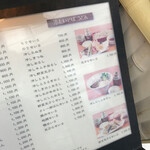
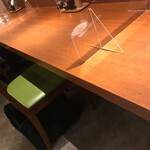
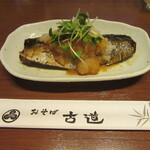
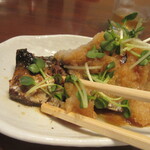
On this day, I had some errands in Harajuku and was planning to stop by a certain soba restaurant on my way back, but when I arrived, I found out that it was closed for renovations. So I decided to walk a little further and head to this place near Omotesando Crossing. The original name of this place is "Masudaya," which, along with "Chojuan," is a synonymous with casual soba restaurants and can still be found in various locations in Tokyo. Masudaya dates back to the mid-Edo period, but the actual appearance of a soba restaurant with this name was in 1890, in front of the Nichiren Hospital in Hiroo. It was founded by a man named Furumichi, who had trained there, and opened as the first branch as a part of the Masudaya in 1912, making it over 100 years old. It is unclear when the name was changed from Masudaya to Furumichi, but the restaurant has now been rebuilt in a stylish building and operates on the second floor, up a few steps. When I arrived, it was almost 1:30 pm, and I was surprised to see four or five people waiting in front of the entrance. This area seems to have a later working hours than the typical business district. I decided to join the line, assuming the wait wouldn't be too long, and was seated within about 5 minutes. The interior of the restaurant is stylish and has a traditional Japanese dining atmosphere. Looking at the menu, it seems to have a mix of old-fashioned soba restaurant style and more modern dishes. I ordered the "Stick Herring with Grated Daikon" as an appetizer, which was a dish of herring simmered in a sweet sauce with plenty of grated daikon radish topped with wakame seaweed. The herring was slightly sweet and firm, and the grated daikon radish didn't seem to match well. For the main dish, I ordered the "Vegetable Tempura Soba." The tempura consisted of shiitake mushrooms, baby corn, eggplant, squash, spring onions, and kamaboko fish cake, and while the oil seemed a bit tired, the tempura was surprisingly crispy. It paired well with the slightly salty tempura dipping sauce. The large shiitake mushrooms and sweet spring onions left a lasting impression. The soba noodles were machine-made, medium-thick with a pale color, but reminded me of the soba noodles I used to order for delivery as a child. The broth was well-balanced, slightly spicy, and served generously in a tokkuri, allowing you to mix it with the tempura sauce and slurp it up. I poured the natural soba broth from the hot water pot into my small dish and drank it all to savor all the flavors. While the restaurant offers more elaborate dishes for dinner, it was a satisfying experience of traditional soba restaurant fare. I left after 2 pm, and even then, there were still a few young people waiting outside. The ambiance and name of the restaurant may seem a bit pretentious, but it's nice to see that the traditional flavors and style are being embraced by the younger generation. On the other hand, it seems that they offer more elaborate dishes for dinner, but the lack of reviews focusing on drinking may indicate that there is not much demand for it in this area.
イベリコ親父
3.60
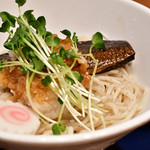
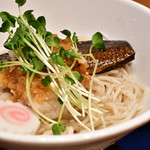
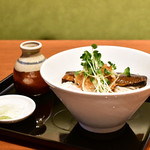
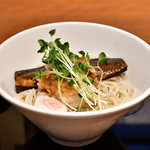
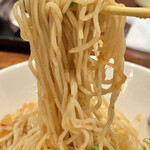
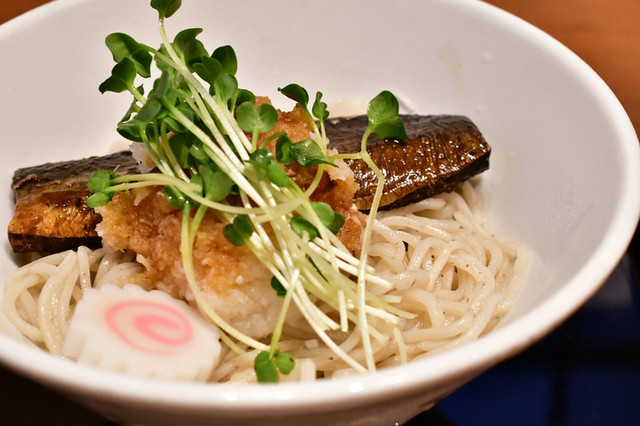
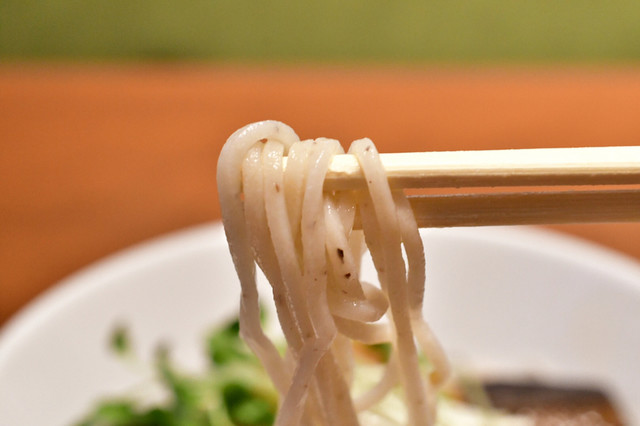
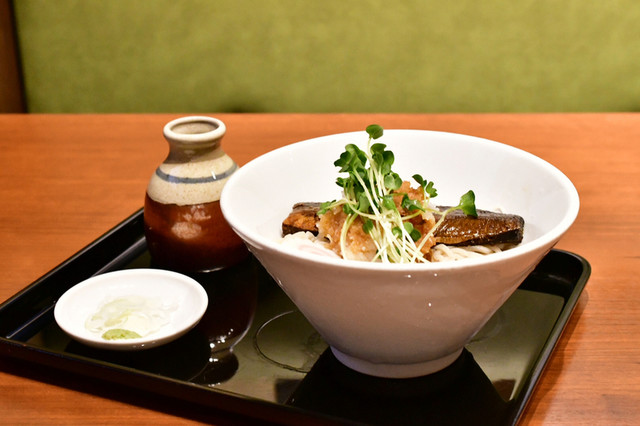
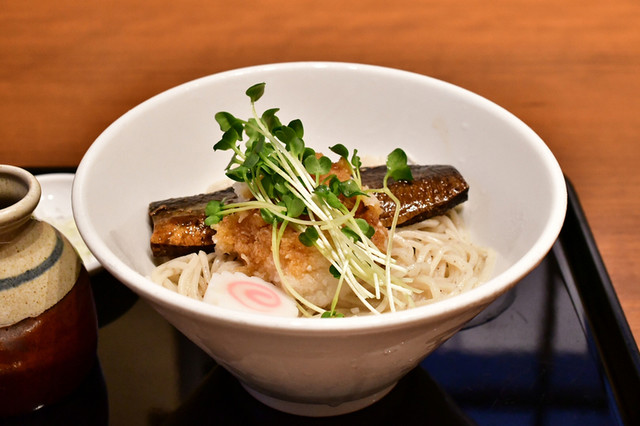
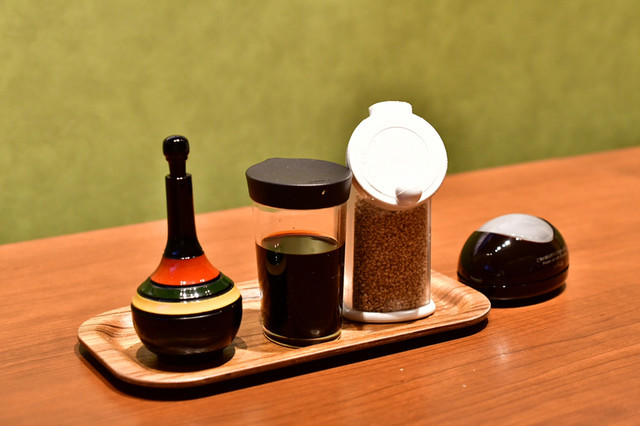
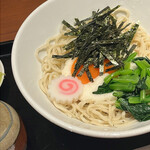
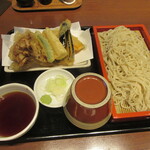
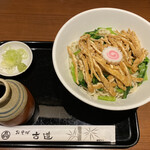
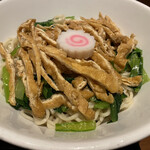
Around the intersection near Omotesando before noon, I was experiencing a severe hangover after a long time, so I decided to have some soba noodles. Although this popular restaurant often has long lines, when I peeked into the alley from Aoyama Street, there was no line and I was able to smoothly enter and be seated at the counter in the back. Normally, I would order the tempura soba or the small curry rice bowl set, but due to my condition, those options didn't seem appealing. So, I decided to go with a slightly milder option - the cold kitsune soba for 800 yen. After a wait of about 5 minutes, the cold kitsune soba arrived, topped with sliced fried tofu and greens. I poured the chilled dipping sauce from the decanter and started eating. The soba noodles had a refreshing texture and were as delicious as ever. The sweet and savory fried tofu was cooked to perfection, and the crunchy greens and thickly sliced naruto added an interesting touch. After finishing the soba noodles, I enjoyed the rich soba broth. It was just the right amount of food to satisfy my hangover. Next time, I'll try the tempura soba or the small curry rice bowl set when I'm feeling more energetic.

ほん★だま
3.50
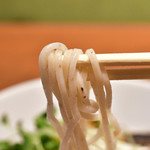
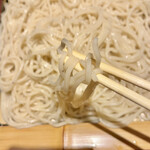
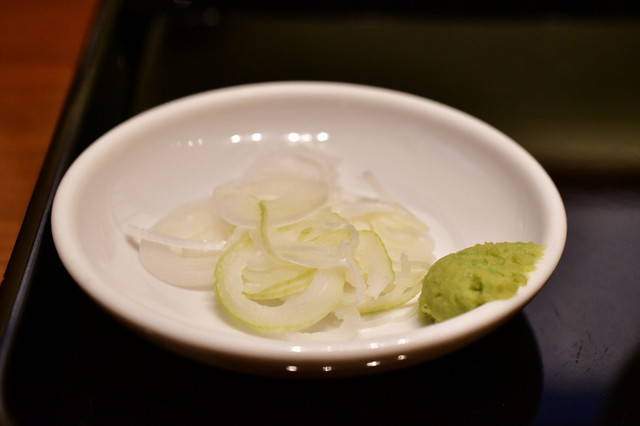
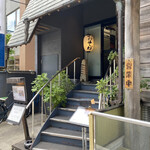
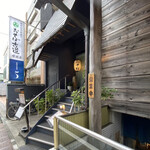
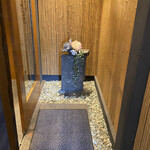
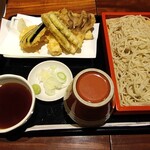
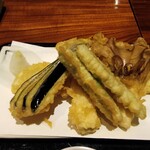
Located about a 2-minute walk from Omotesando Station A4 exit, this soba restaurant was visited around 6:30 pm on a weekday. There were about 3 groups of customers already, but there were plenty of empty seats, and we were guided to a table for 4 people. The spacious and clean interior had a calm atmosphere suitable for a relaxing meal. There were many 4-person table seats, suggesting a large seating capacity. The service staff were polite and provided a pleasant experience. The menu offered various types of hot and cold soba, with the option to change to udon. There were also side dishes available, but alcohol was not being served, possibly due to the current COVID-19 restrictions. We ordered the "Vegetable Tempura Soba". It was served in just over 5 minutes, perhaps because it wasn't too crowded. The soba had a firm texture, slightly chewy, and a moderate thickness. It had a subtle aroma, sweetness, and freshness, making it quite delicious. The soba had a pale color with visible stars, presenting a beautiful appearance. The portion was just right. The dipping sauce was slightly spicy with a hint of sweetness, which suited our taste, and the portion was sufficient. The condiments included green onions and wasabi, which were decent in quality. The tempura consisted of eggplant, green beans, baby corn, onion, shiitake mushrooms, and pumpkin. They were freshly fried and delicious, especially the shiitake mushrooms and unique baby corn left a strong impression. They were enjoyed with tempura dipping sauce, grated daikon radish, and ginger. The hot soba broth served at the right time was hot, lightly thickened, and had a natural aroma. It was enjoyed by either mixing it with the dipping sauce or sipping it alone. The meal was delicious until the last bite, and we finished everything. The bill came to 1,200 yen, with prices inclusive of tax as indicated on the menu. My initial impression of Masuda-ya was a casual local soba restaurant, but the soba and tempura exceeded expectations in taste, and the atmosphere and service were also good. It's conveniently located near my workplace, so there may be a revisit in the future. Thank you for the meal.
Email Login