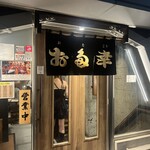
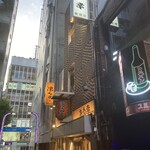
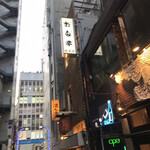
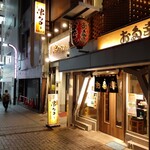
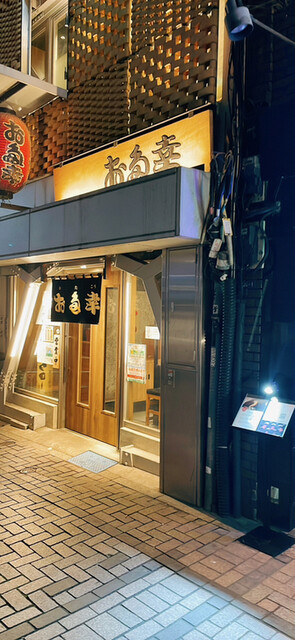
お多幸 新宿店
Otakou ◆ おたこう
3.49
Shinjuku
「Oden」
3,000-3,999円
--
Opening hours: [Monday-Saturday] 15:30-22:50 (L.O. 22:15) [Sunday & Holidays] 15:00-22:30 (L.O. 21:45) Open on Sunday
Rest time: Wednesdays from October to April, Sundays from May to September, New Year's holidays, Golden Week in May, Marine Day, Mountain Day, Bon Festival (3 days including Sunday)
東京都新宿区新宿3-20-1
Photos
(20)
Details
Reservation Info
Reservations possible Reservations can only be made for a minimum of 4 people. Reservations are not possible from B1F to B2F. Reservations can only be made for 3F and 4F.
Payment Method
Credit cards accepted
(VISA, Master, JCB, AMEX, Diners)
Electronic money is not accepted
QR code payment is not accepted.
Restaurant Service Fee
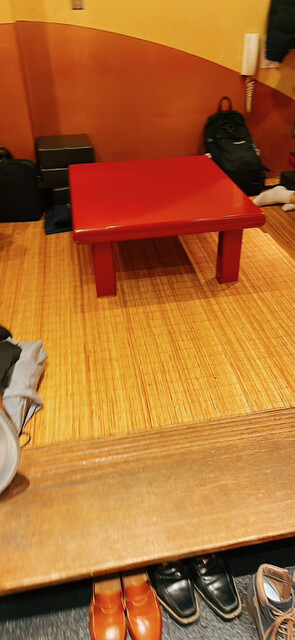
The tatami room will cost 400 yen for an appetizer.
This fee is charged by the restaurant, not related to our platform
Number of Seats
120 seats
(Seating available to the 4th floor)
Private Dining Rooms
Not available
Not a private room, but there is a tatami room that can be partitioned off.
Smoking and Non-Smoking
All smoking is prohibited. There is a smoking room in B1.
Parking
None
Facilities
Counter seating available, tatami room available
Drink
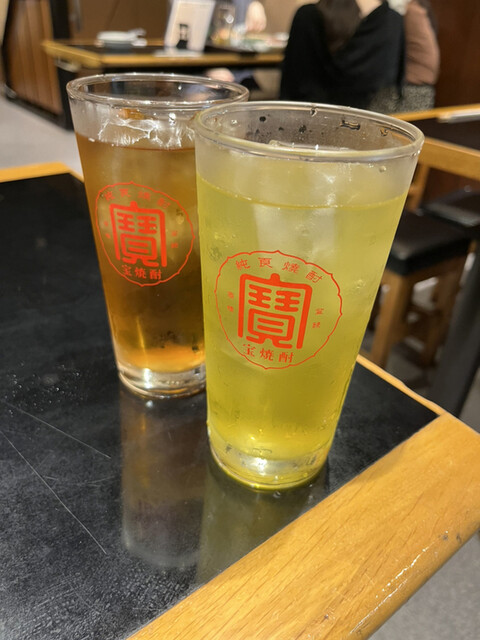
Sake and shochu available
Comments
(21)

スガフキン
4.00
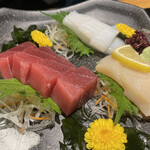
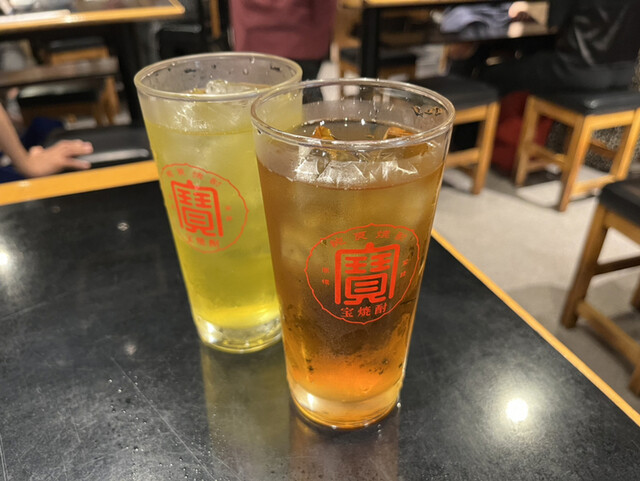
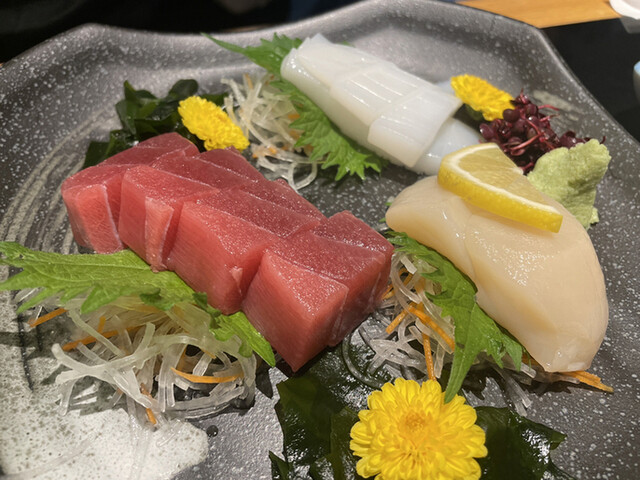
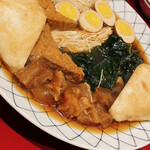
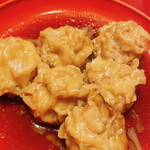
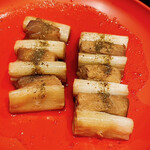
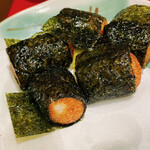
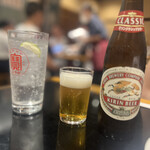
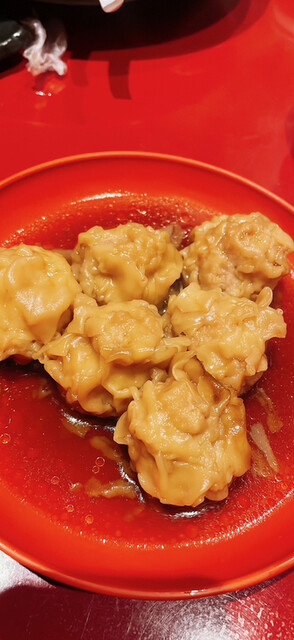
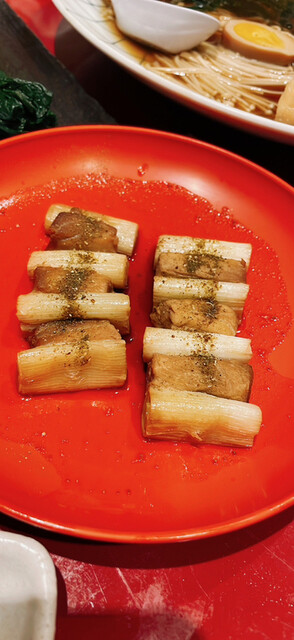
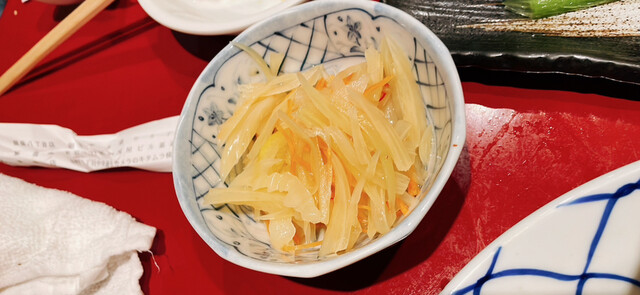
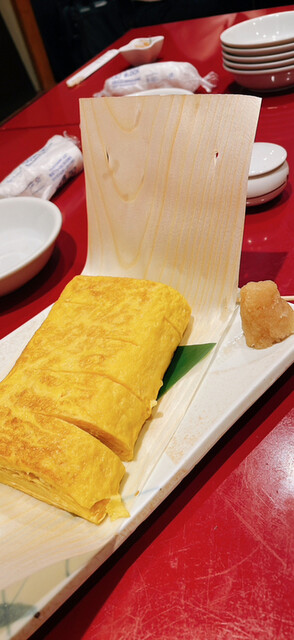
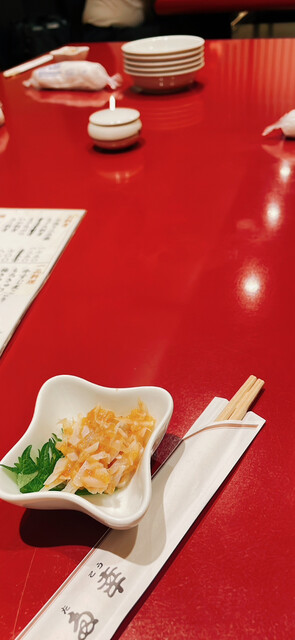
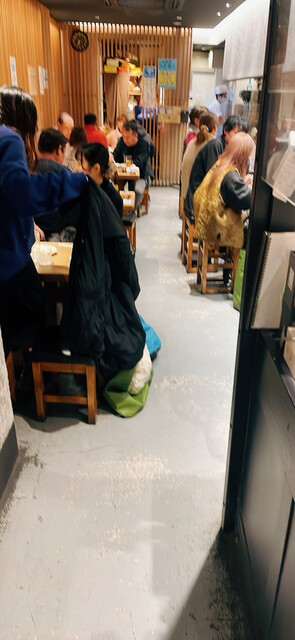
I visited the restaurant at 7:00 PM on a weekday. I made a reservation and it was a good decision. The first to fourth floors of the restaurant were already almost full. I entered the restaurant and climbed up the steep stairs to the fourth floor. This floor had sunken tables where you take off your shoes to sit. I looked at the menu and placed my order using the intercom. The alcohol, like beer, was a bit pricey, but I opted for highball and shochu with hot water, which was more affordable. The menu had a decent variety, similar to a regular izakaya. Besides oden, there were plenty of appetizers at reasonable prices. The complimentary dish was umesu, which was acidic and good for digestion. The oden had a sweet taste, and everything I tried had a rich flavor. The negima had no fishy smell, and the hanpen was surprisingly large. The shumai was filling, and the wakame in oden was delicious without any unpleasant smell. The thick rolled omelette was sweet and dense, while the dried sazae had a good balance of saltiness and texture. I ended the meal with roasted green tea, enjoying tofu, rice, and oden broth. The prices were reasonable, the staff was friendly, and the variety of appetizers was great. I especially enjoyed dipping the sweet oden in mustard. Highly recommended!

tomozomot
3.50
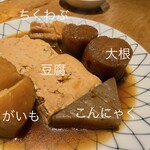
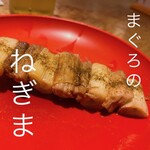
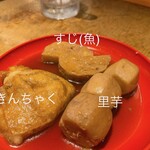
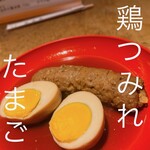
The broth is quite sweet. I couldn't help but be intrigued by the movements of the oden chef haha. The daikon, tofu, potatoes, and fish cakes were delicious. I also like taro. I'd like to come back again for a light snack and some drinks while enjoying oden. Thank you for the meal! ^_^

hama1018xxx
3.60
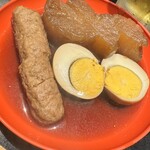
I thought oden might be good in the summer and entered the shop without hesitation. I blame myself for not knowing about this place before, it's that good. The slightly sweet taste of the oden broth caught my attention, but I guess that's part of the flavor. From entering to leaving the shop in 20 minutes, it was a quick and amazing meal.


肉男優
3.80
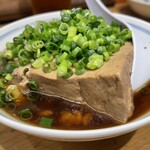
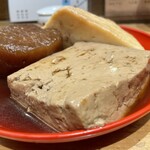
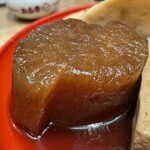
Ohtako's tofu is delicious as always. The dashi in the tsumire is different from the main store, but I like it. The hanpen is big like a pyramid, giving off a powerful vibe. The male staff making oden are energetic, and it lifted my spirits. I like the loud male staff at Miyamoto in Kamata. #ShinjukuOtaku #ShiruOtaku

たい焼き大使
4.00
I really wanted to go to Otakou-san, so I finally visited! I arrived around 8:00 PM and the restaurant was bustling! The oden all looked delicious. When I ordered, it arrived in seconds, so I was excited! When I took a bite, it was delicious! It had a slightly sweet taste. The flavors were really rich! There are so many different types, I want to keep going back until I've tried them all! The fish was also delicious, and with the sake and sashimi oden, I felt like I had become more of an adult. I think it's a great restaurant. It was really delicious! Thank you for the meal!

矢萩久登
5.00
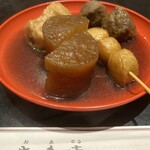
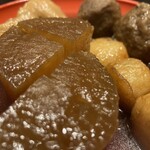
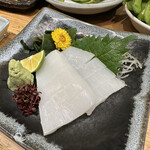
When it comes to Tokyo-style oden, I had heard about "Otakosan" for a while, so I decided to visit the restaurant alone. With 40 different types of oden to choose from, I couldn't decide, so I ordered the "chef's selection" (1,150 yen per serving). That day, I got daikon, chikuwa, and 4 other items. The secret broth that has been simmering since 1923 is sweet and rich, but not too sweet, making it easy to drink. The daikon that has absorbed the broth is particularly delicious. The menu also offers a variety of other dishes. This month, they recommended the yellowtail sashimi, which was not only tasty and fresh, but also beautifully presented. Lastly, I had salmon ochazuke as a closer, and I left feeling very satisfied. I would love to come back with a larger group next time to try more dishes. Highly recommended.

バカ舌3等兵
3.70
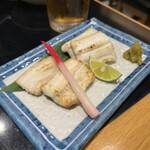
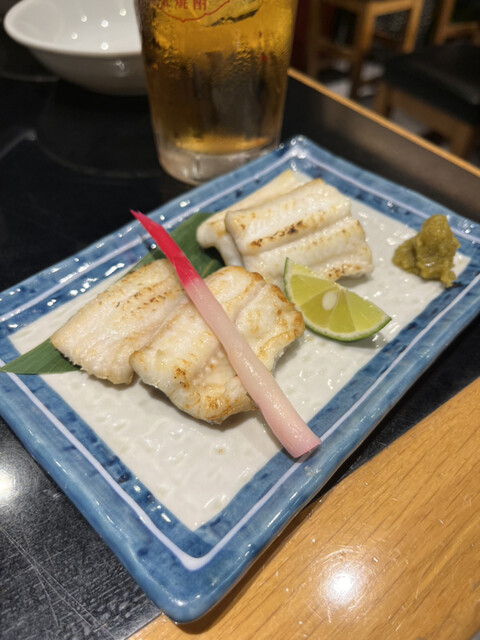
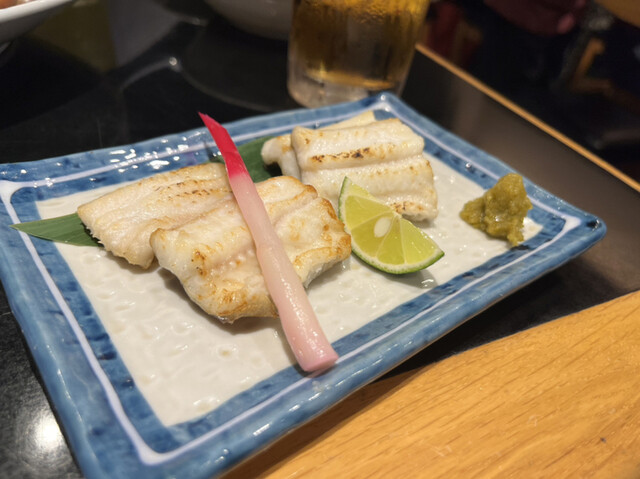
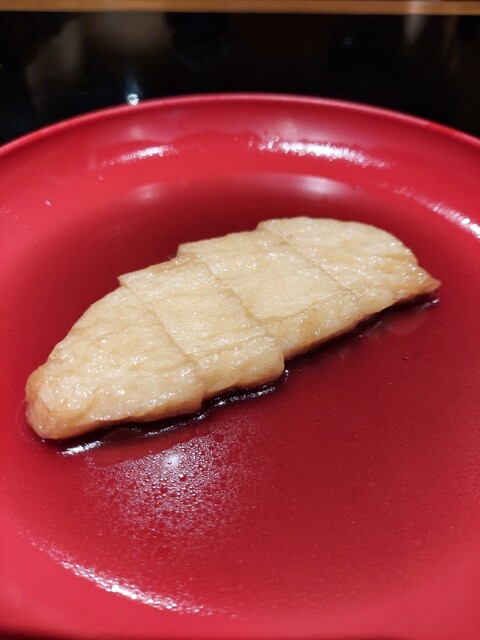
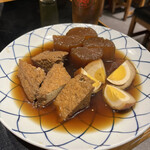
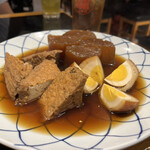
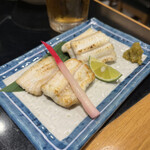
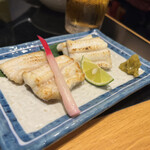
This is the second oden izakaya I visited. The daikon radish was incredibly delicious and the oden was amazing. The oolong highball went down smoothly. The grilled conger eel was fluffy and tasty. I wish I had more room in my stomach to try more varieties of oden. I will definitely come back again! Thank you for the meal!

のぶ59
3.20
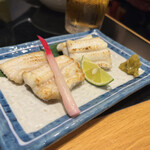
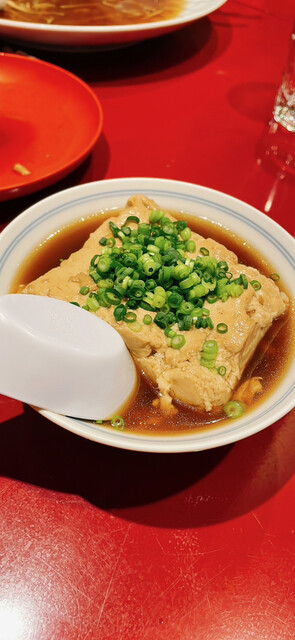
At this time of year, I usually don't feel like making and eating oden at home, but Otafuku has the power to make me crave it. It's a long-established oden shop in the Kanto region! I love the suji (beef tendon), kenchaku (deep-fried tofu pouch), tamago (boiled egg), ganmo (fried tofu), and especially the kenchaku which has various fillings inside, making it my favorite oden ingredient. Otafuku not only serves oden but also offers a variety of sashimi and appetizers, making it a really great restaurant. In fact, I've known about the Shinjuku branch since my student days and occasionally drop by this reliable restaurant. And when you visit Otafuku, it's a must to end the meal with "tofu chameshi" - rice topped with oden tofu and plenty of oden broth. Ah, so delicious. Thank you for the meal.

元魚屋さん
3.60
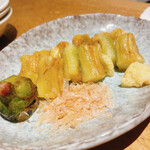
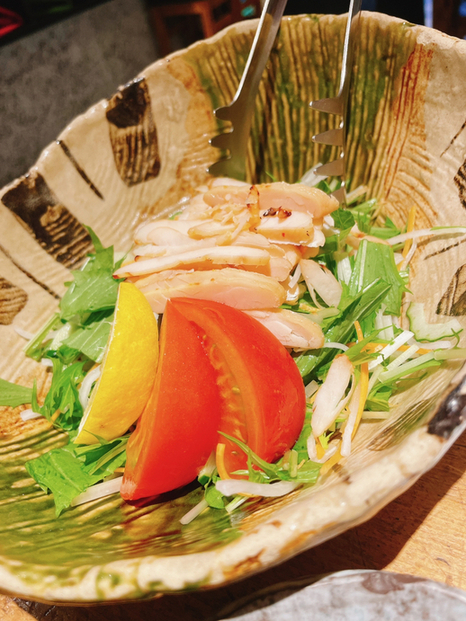
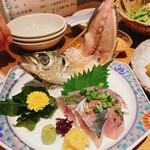
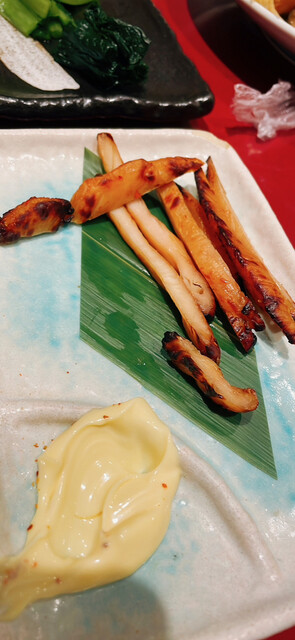
Oh, it's been 15 years since I last visited Shinjuku. I felt a bit hungry, so I thought I'd grab a bite at Otakou. It's perfect since I'm on a diet. I had a cold grilled eggplant and sasami salad, horse mackerel sashimi, white grilled salmon, harami (skirt steak), cucumber sunomono, marinated squid, bonito tataki. This is low in calories! And I also had 5 highballs. In the oden section, I had tofu, seaweed, leek, minced fish, and others. It turned out to be a cheat day with 8 highballs. Everything was so delicious. Day drinking is the best. I'll do my best with my diet again starting tomorrow.

NCEC1965
3.40
Otaiko was a rare treat after ten years. And it was my first time at the Shinjuku branch. Also my first time visiting at night. It was a farewell party with 10 people. "Your table is on the 4th floor," they said. Stairs? Really? And they were quite steep. If we drink too much, there might be casualties on the way down the stairs. We ordered horse mackerel sashimi, assorted oden, and tofu pouches. We washed it all down with beer, highballs, and shochu. The oden was sweeter than I remembered. I don't recall it being this sweet. Thanks to that, I felt full earlier than usual. It's delicious with the flavors soaked in, but eating it every day might be dangerous because of the sweetness. The table next to us was a group of Chinese people. Oden is becoming international, huh? The Chinese people who come here must be quite knowledgeable about Japan. As a finale, I treated everyone to "toumushi." But this place doesn't have "toumushi," they have "tofu chameshi" instead. I looked it up and found out it's a branch restaurant. Otaiko has various branches, it seems. The chameshi, with tofu on top of rice, is as the name suggests, but it's soaked in sauce. It's different from the one in Nihonbashi. But the participants gave it great reviews. Tofu on rice, just that alone was a hit. And the fact that we ate and drank a lot for around 5,000 yen was also appreciated. This place is worth coming back to. Thank you for the meal. I will definitely visit again.
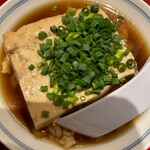

休日係長
3.50
I visited on a Sunday night. It was quite crowded with customers, but we were seated right away. The restaurant has 3 floors, so it has a good number of seats. It's a bit cluttered, so those who are cautious about COVID-19 may want to wait a bit longer. The ingredients soaked in the broth were delicious.

augdec26
3.60
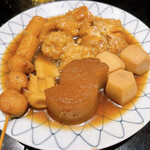
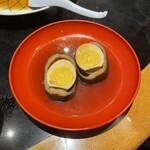
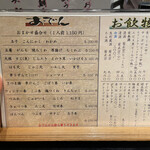
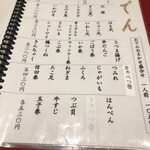
Assorted Oden (for 2 people) ¥1150 (×2)
Satsuma Age ¥400
Hanpen ¥550
Satoimo (taro) ¥350
Konnyaku ¥200
Tamagoyaki (rolled omelette) ¥550
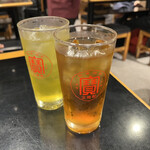
Ume Sour ×3 ¥530 (×3)
Lemon Sour ¥530
Total ¥6470
As you can see, it was really delicious♡ I love Oden!
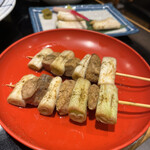
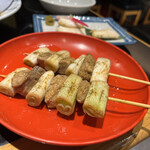
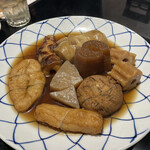
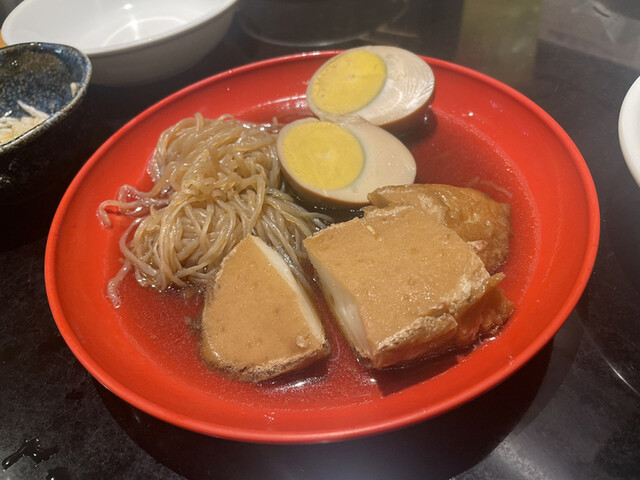
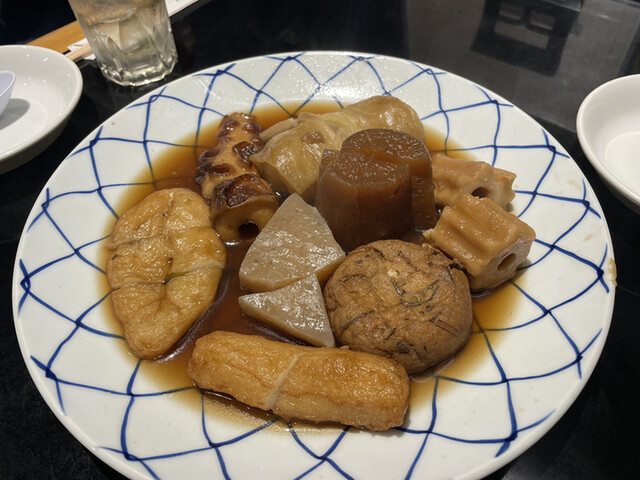
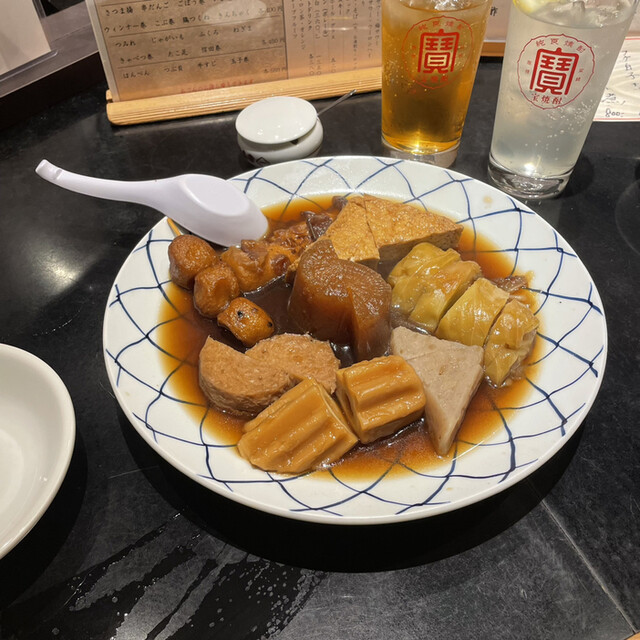
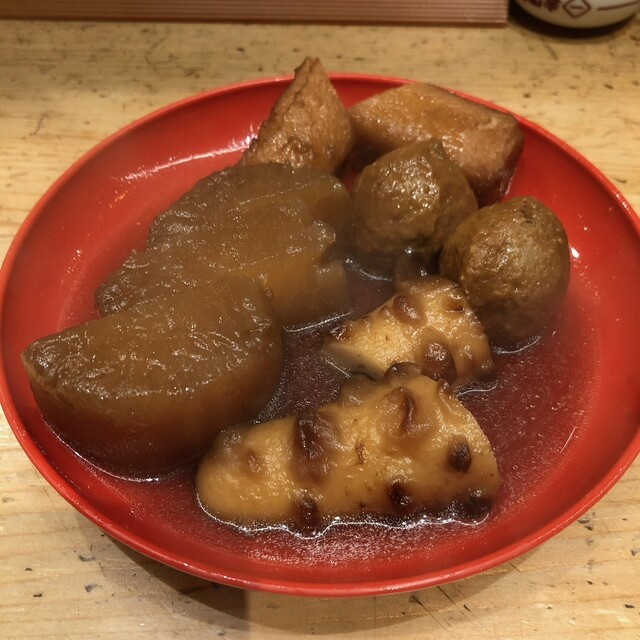
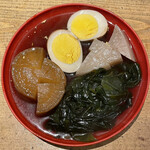
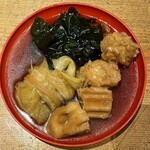
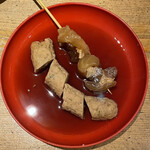
The assorted Oden includes: skewered dango, thick fried tofu, daikon radish, cabbage roll, grilled chikuwa, chikuwabu, konnyaku, and fish tendon.
We arrived smoothly at 6 pm, but by the time we left, there were many people waiting outside! In addition to Oden, there are other menu items available as well. Everything was delicious on average, but there wasn't anything that stood out as exceptionally delicious.

erinko0602
0.00
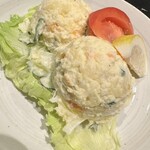
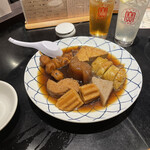
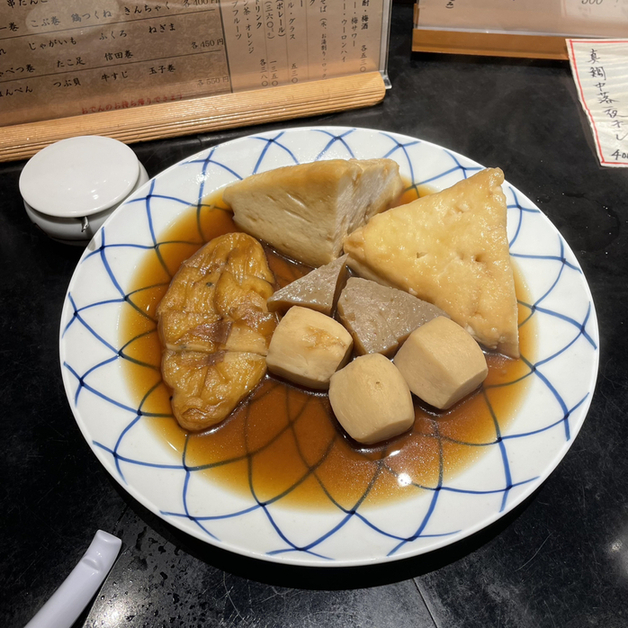
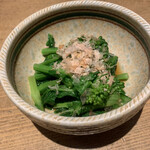
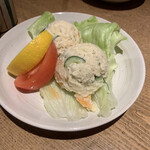
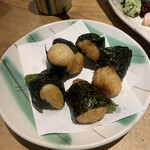
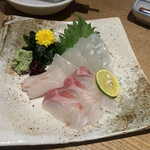
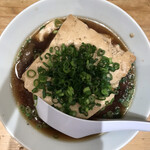
One dish meal eaten - Tai (sea bream) Shirako Tempura, Tai sashimi, Yamaimo Isobeage, Nanohana ohitashi, Potato Salad, Mozuku vinegar oden, Wakame, Daikon, Quail and cherry tomato skewers, Tsubugai, Beef tendon, Potatoes, Hanpen (fish cake) to finish, Tofu chazuke. The menu changes depending on the season, using seasonal ingredients! The Tai sashimi is delicious. The Shirako Tempura has a thick batter. The Potato Salad is like the old-fashioned kind. The Mozuku vinegar and ohitashi are refreshing and tasty. Although we didn't order it this time, the rolled omelette is quite large, so it might be better to skip it when going with two people. The Yamaimo Isobeage is delicious! Instead of frying cut yamaimo, they fry grated yamaimo! It's fluffy and has a unique texture compared to others! A must-try among the one-dish meals. Among the oden, the daikon, hanpen, potatoes, and beef tendon were particularly delicious. The daikon is well flavored. The hanpen is fluffy and melts in your mouth. The potatoes are not just soft but also moist and sweet. The beef tendon is well stewed. The tofu chazuke to finish has a large portion, so it's best to ask for a half portion with plenty of broth and chopped green onions on top! (It's not on the menu, but they will do it for you.) In other restaurants outside Shinjuku, rice and tofu are sometimes listed separately on the menu.

nzak0
3.40
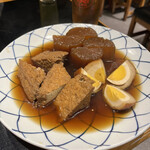
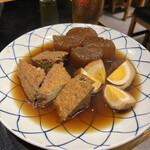
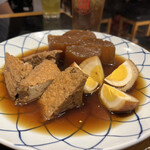
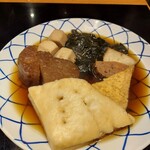
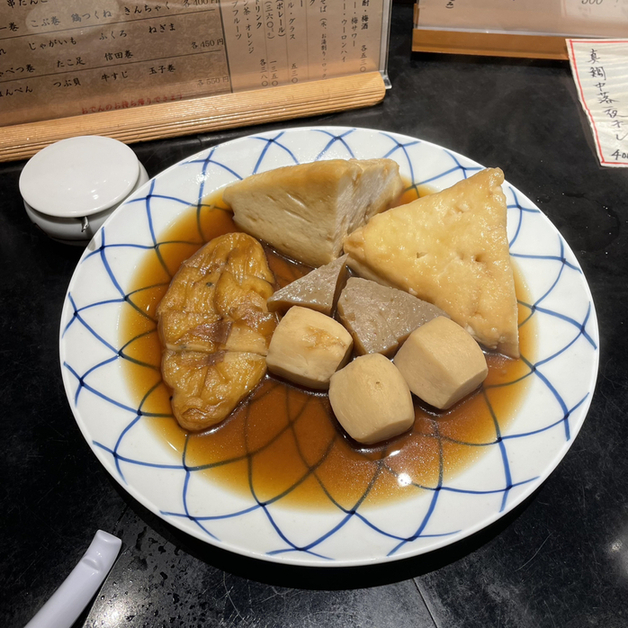
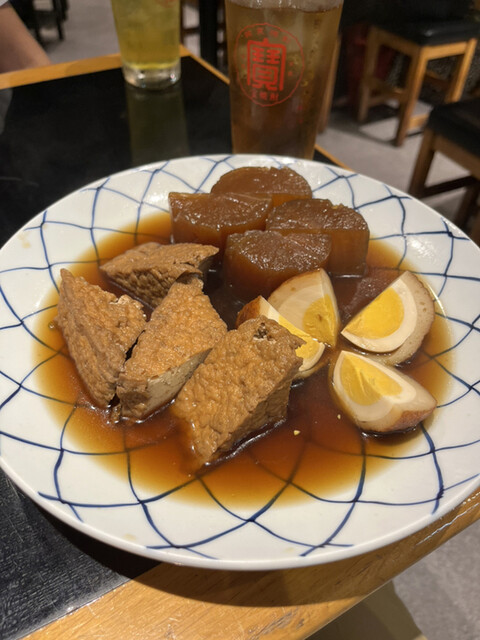
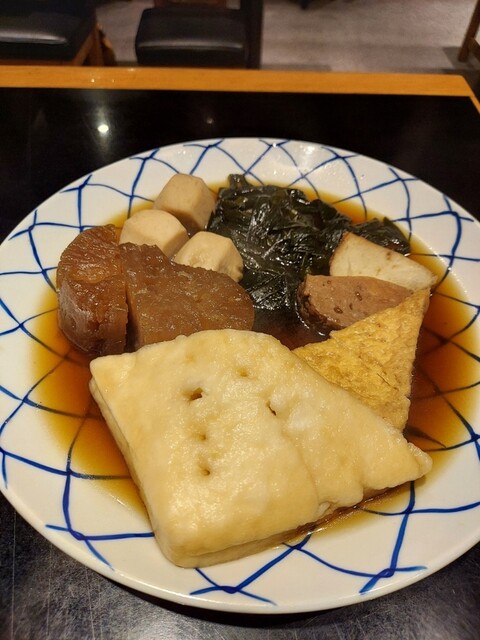
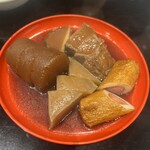
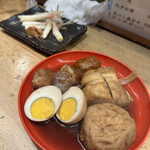
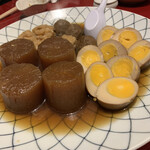
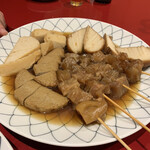
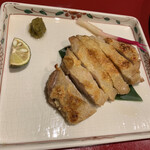
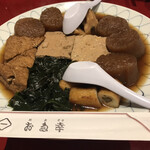
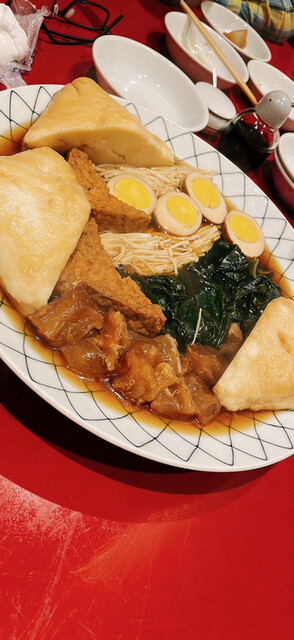
I had a New Year's gathering with five friends and luckily we were able to reserve a tatami room on the fourth floor. When we arrived at the restaurant before 6:00, there were many people waiting in line. I'm glad we made a reservation. Instead of the usual assorted oden, we decided to each choose our favorite items. Whenever someone said "daikon," everyone raised their hands. When someone said "egg," everyone raised their hands. It turned out that we ended up with a platter like the one in the photo, with overlapping choices. The shintamaki, a type of kamaboko wrapped in fried tofu, was quite unique. The shumai oden was also delicious. We started with beer but soon switched to hot water mixed with shochu. We also ordered grilled chicken with rock salt. There were many other dishes besides oden. I would like to go back and try more. I think I'll make this a regular spot to visit.

gozeera
3.70
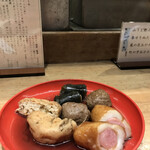
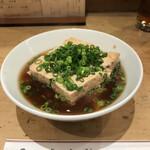
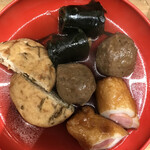
"Otaiko" was founded in 1923. While there are various "Otaiko" locations throughout Japan, this particular one manages the Ginza Hacchome and Shinjuku stores. Have you ever heard about the origin of oden? There was an interesting article on their website, which I will include at the end of this text. Oden originated in the Kanto region, but it is also distinguished as "Kanto-style" from the lighter-colored broth known as "Kansai-style." The dark broth used in Kanto-style oden is made from a secret recipe that has been passed down since the establishment of the restaurant. You can order various individual items, but we opted for the value set. It included four items: ganmo (230 yen), kobumaki (380 yen), tsumire (380 yen), and wiener maki (430 yen). Ordering the set was definitely more cost-effective than ordering each item separately. The lineup may not be the typical oden choices, but that's part of the fun of trying different oden varieties. The dashi made from bonito and kelp, combined with a mixture of dark and light soy sauce, gives the oden ingredients a delicious flavor. The wiener maki, with its crispy and flavorful wiener sausage wrapped in a fish cake, was particularly tasty. The hanpen, fish suji, and shinoda maki are sourced from "Nihonbashi Shinmo," while the rest are homemade. And then, there's the "tofu chameshi"! This was the highlight! It consists of rice topped with plenty of oden broth and tofu soaked in the flavorful broth. It's a simple yet incredibly delicious dish! Tofu on rice may not be a common combination, but the soft tofu, when mixed with the broth and rice, creates a perfect harmony. Oden is definitely a must-have during the winter months, as the broth warms both the body and the soul. It was a delightful oden experience. Thank you for the meal! [Oden's Origin] The word "oden" originally referred to a dish called "mitaraku," written as "御田." It was said to have originated from skewered tofu dipped in miso and grilled. Over time, the same method was applied to ingredients like konjac, taro, eggplant, sweetfish, loach, and mountain trout, which were also referred to as "oden." Eventually, the grilling method was replaced by simmering, and the simmered dish with fish and vegetables was named "oden" and became popular among the common people in the Tokyo region during the late Edo period (1848-1859). As simmered oden became more popular, ingredients like daikon radish and chikuwa were also used, and by the early Meiji period, it had become a beloved dish among the common people in Tokyo. Originally, grilled mitaraku had no seasoning, so it was eaten with miso. However, the simmered version was already seasoned, so miso was not necessary, and mustard was used instead. Mustard, being a powerful antibacterial agent among spices, was a practical choice in times when hygiene was not as advanced. This dish later spread to the Kansai region, where it was distinguished from the grilled mitaraku and called "Kanto-ni" or "Kanto-style oden." Therefore, "Kanto-ni" refers to simmered oden. To differentiate, it is called "Kanto-style" and "Kansai-style." The Kanto-style oden, represented by Otaiko, has a darker color and is seasoned mainly with soy sauce and sugar, while the Kansai-style is seasoned with salt and light soy sauce.

mic39
3.70
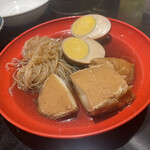
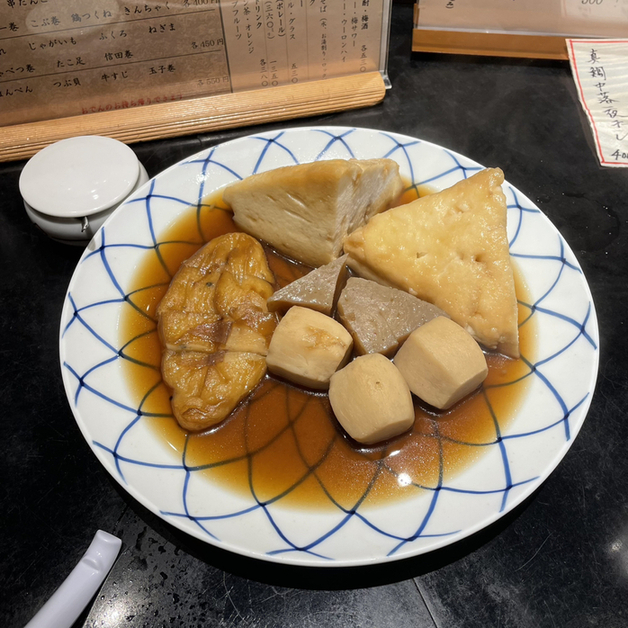
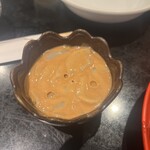
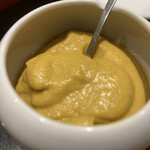
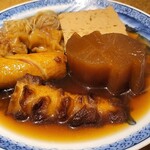
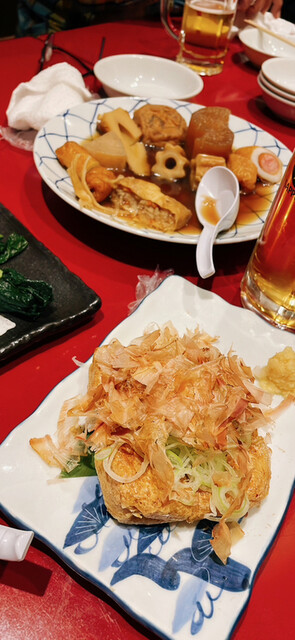
I skipped the long waiting line and made a reservation for 17:00 on a holiday. If you have 4 or more people, you can reserve a private room, which is a great option. We had to climb stairs to get to the 4th floor (tough for those who don't exercise much). Once we were seated, there was a call button to call the staff. Popular items like shirataki noodles, potatoes, and tofu can sell out, so we ordered early. We also ordered daikon radish, seaweed, thick fried tofu, beef tendon, egg, fish cake, chikuwa, shin-damaki, cherry tomatoes, and quail eggs. The oden served in large plates was impressive, and we all took pictures! Everything was already cut, making it easy to share. The broth was flavorful and sweet, seeping into the ingredients. The mustard was strong, so you need to be careful with it, but it paired well with the sweet flavors. At first, I thought the draft beer at 720 yen was expensive, but it was enjoyable with the oden. Hot sake and oden are the best combination for a cold winter night. The friendly older waiter was also great. Next time, I want to try more side dishes.

馬事公苑
0.00
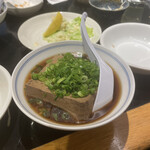
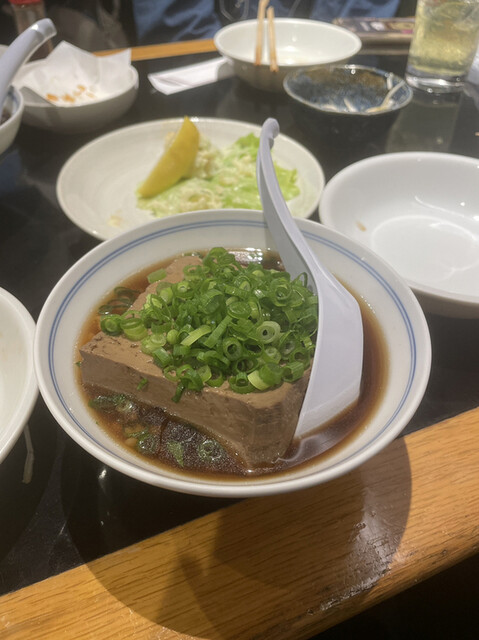
I arrived at this bar while looking for a place to go before my regular bar opens. I was guided to the second floor, which is more spacious than the first floor. I sat at a shared table that was partitioned off. I ordered konjac tofu, tempura udon, and Kikumasamune sake (hot). Konjac tofu is a specialty dish here, and I opted for it without rice. The oden soup was on the sweeter side. The udon I ordered was not the typical oden soup udon, but it had a flavorful broth like an oden shop. The tempura was similar to the negi tempura on the menu, but instead of onions, it had green onions.

s_8190
3.30
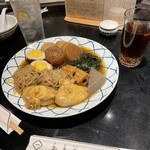
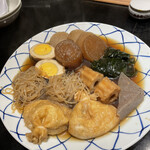
On a cold Friday night, our second stop was a full house from the basement to the 4th floor! We had to wait about 10 minutes even though there were already two groups waiting. We ordered our favorite ingredients as much as we wanted, but ended up with plates filled with konjac and daikon radish. That's okay, I still love you guys now that I'm an adult and can spend money freely! When I cook at home, I use white dashi, but the brown dashi at the restaurant is impossible to replicate. It was a great way to end the night.
ウーロンぱいせん
3.50
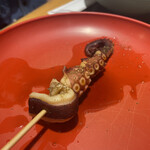
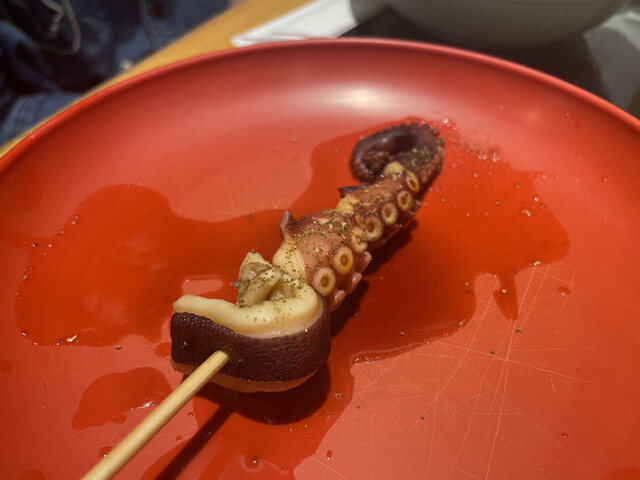
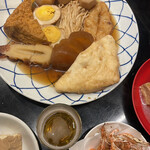
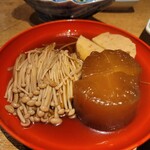
The taste is outstandingly good. The processed fish cakes are recommended, but enoki mushrooms are also recommended. Octopus is also a must-try. The broth is incredibly delicious. Personally, I highly recommend pouring it over rice and having as many bowls as you want. Another recommendation is the off-menu item, the broth-based dish. This is definitely a winner.

samurai5599890
3.50
At 3:30 pm on a holiday when you can't wait until evening to drink in Shinjuku, a good place to go is "Okotaro". You can enter as soon as it opens and enjoy a quiet drink with your companion in the fragrant broth-filled interior. If it's not too crowded, the oden arrives soon after you order. They cut it into portions for two people, which is nice. It's a fine oden restaurant with a good selection of side dishes and drinks. I've visited many times, and the slightly sweet broth leaves a lasting impression. Thank you for the delicious meal.

それいけ!こきんちゃん!
3.40
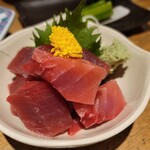
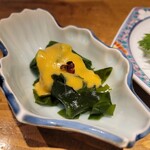
I was curious about Otakou, but the reservation requirement of at least four people made it difficult for me to go (it's tough for someone who finds it hard to invite people). I managed to slip in just before last order. Of course, no waiting in line. I ordered a few dishes that were still available. The oden wasn't as overly salty as it looked, and it was delicious. It was just a bit too sweet maybe? I couldn't order a single dish, so I'll come back again when I have the chance to take my time.
Email Login