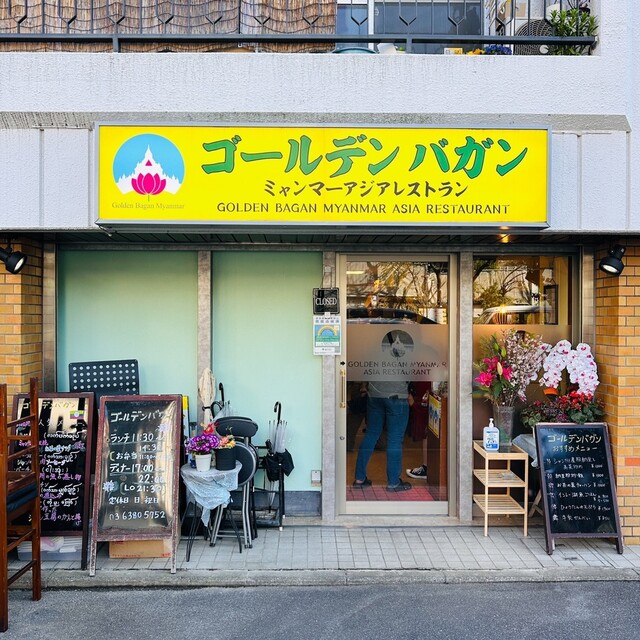
ゴールデン バガン
GOLDEN BAGAN
3.38
Akebonobashi, Yotsuya-Sanchome
「Asian Cuisine, Ethnic Cuisine」
3,000-3,999円
1,000-1,999円
Opening hours: [Monday-Saturday]Lunch 11:00-14:30Dinner 17:00-22:00(L.O.21:30)[Sunday & Holidays]Open Sunday
Rest time: Open daily Open hours and holidays are subject to change, so please check with the store before visiting.
東京都新宿区富久町8-20 カーサ富久町 1F
Photos
(20)
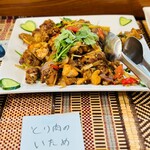
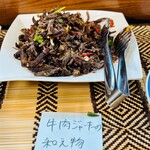
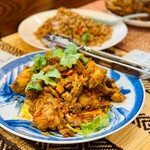
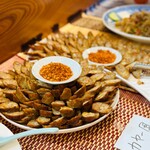
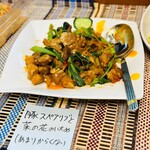
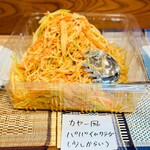
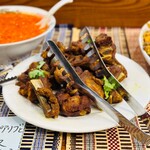
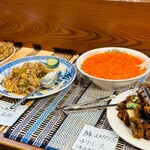
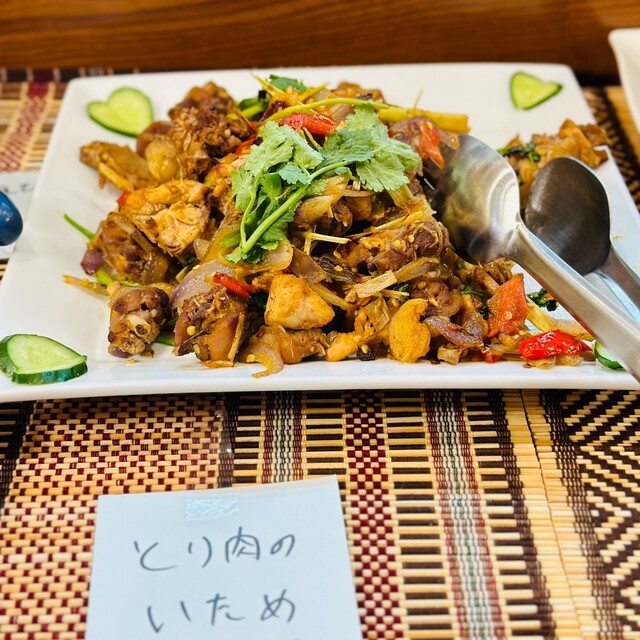
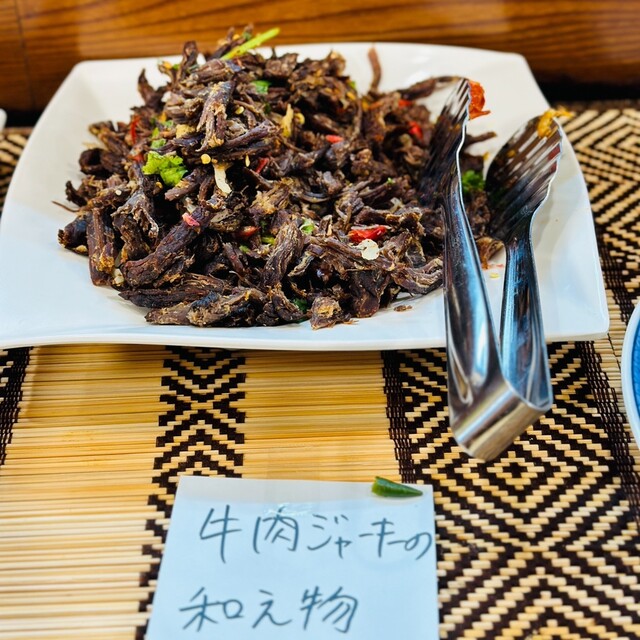
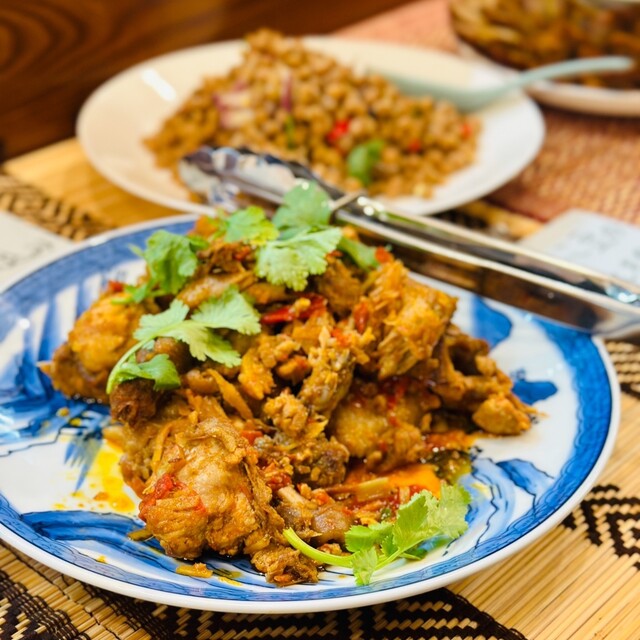
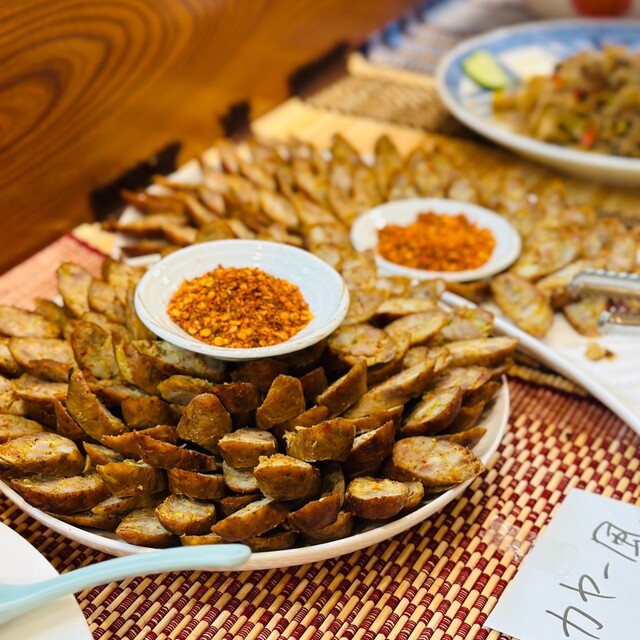
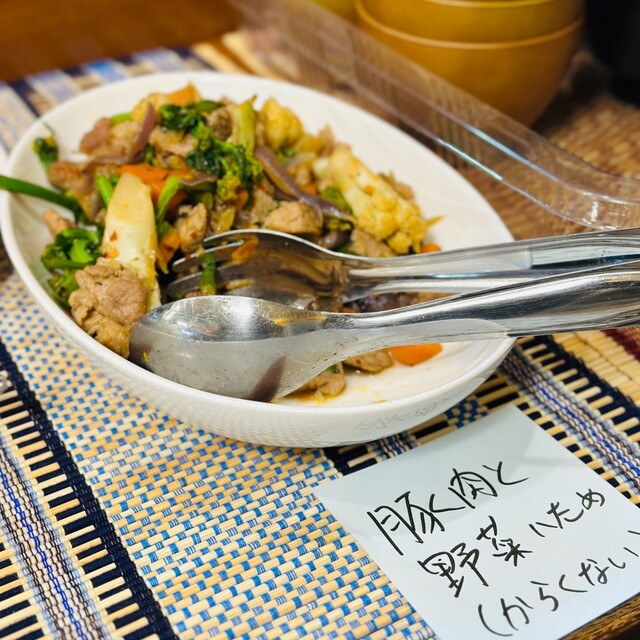
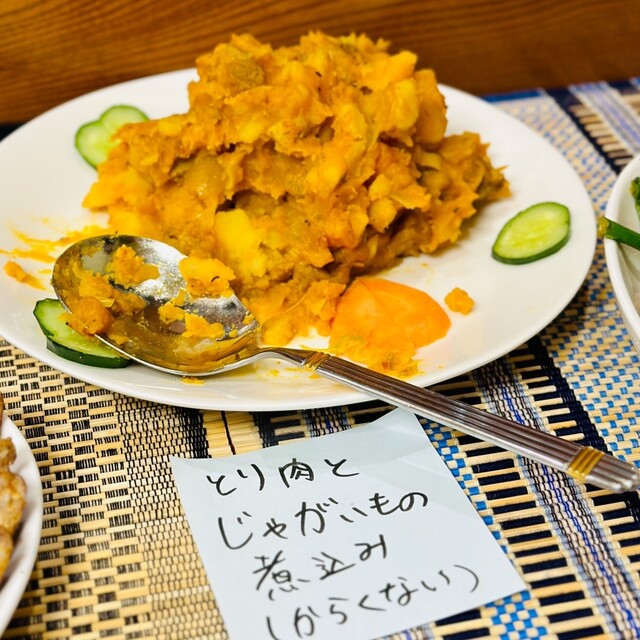
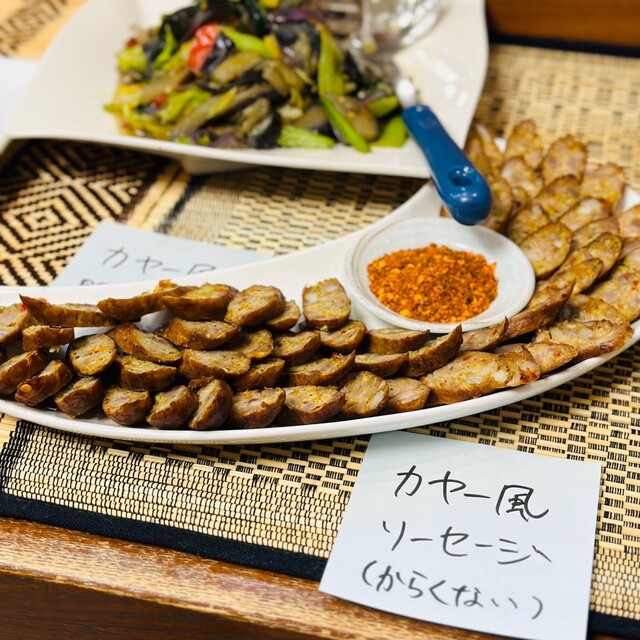
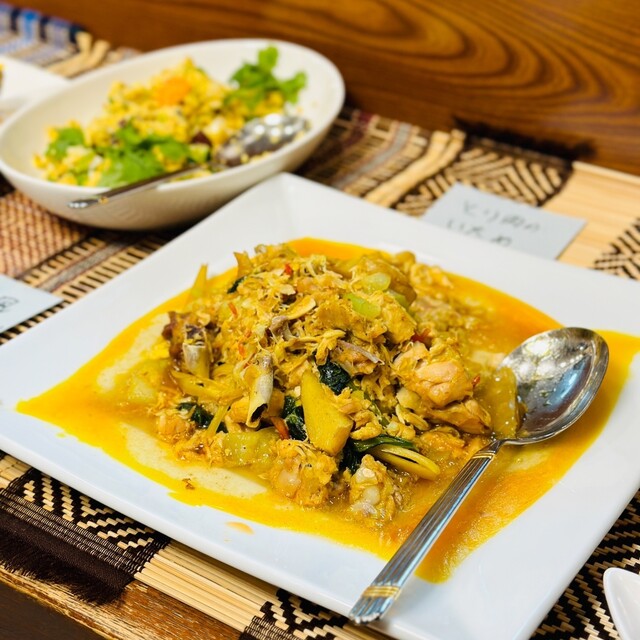
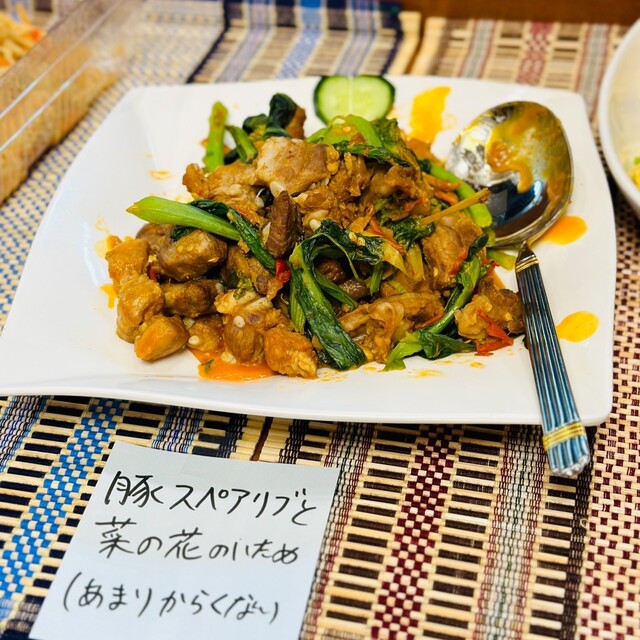
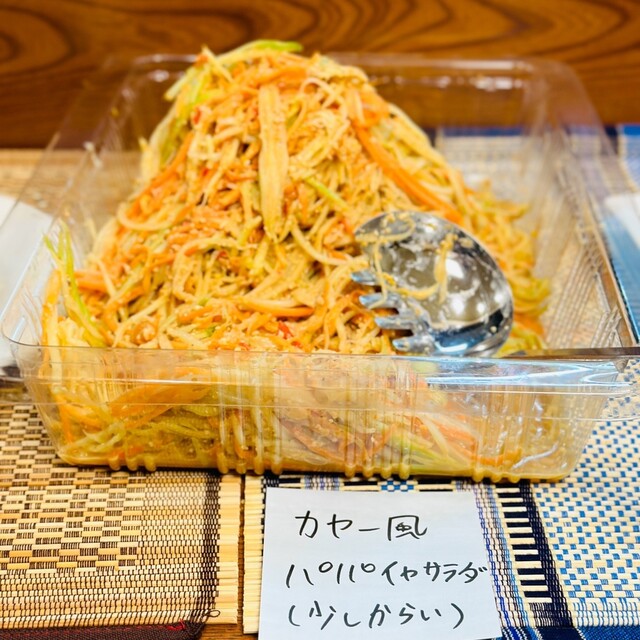
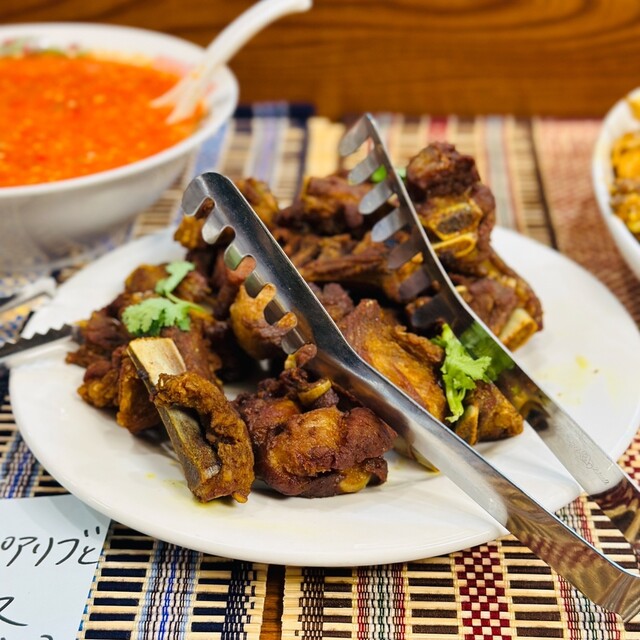
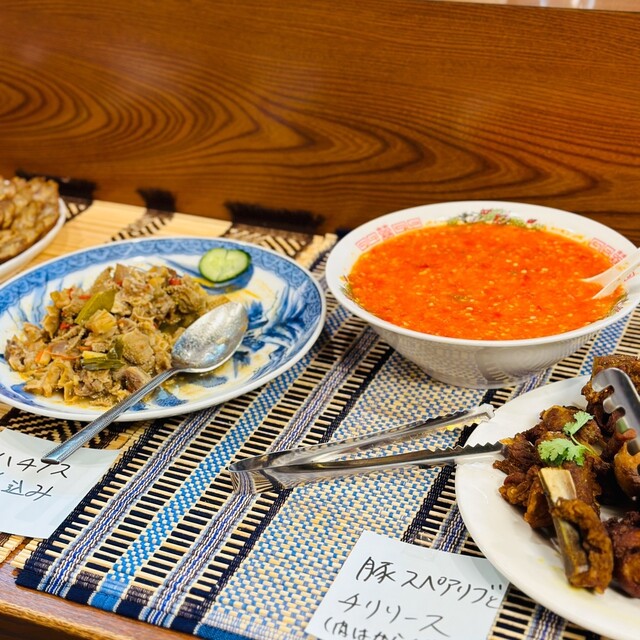
Details
Reservation Info
can be reserved
Payment Method
Cards accepted
(JCB, AMEX, Diners)
Electronic money accepted
Number of Seats
28 seats
(10 seats at the counter, 8 seats at 2 tables for 4 persons, and seats in a private tatami room (usually 2 tables for 4 persons, maximum capacity of 10 persons))
Private Dining Rooms
having
Smoking and Non-Smoking
No smoking at the table
Parking
None
Comments
(20)

namik700
3.50
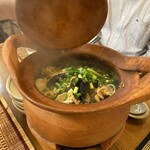
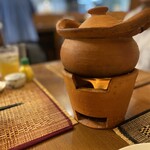
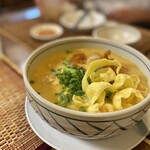
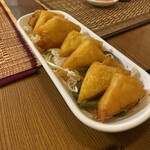
I easily got used to Myanmar cuisine for the first time. It was very delicious!! Despite having many fried dishes, they were light and easy to eat with chopsticks. The menu was extensive, almost overwhelming. I don't drink much alcohol, so I opted for a soft drink, which was a juice I had never tried before (I forgot the name), and it was also delicious.

NaaaaaaO
3.40
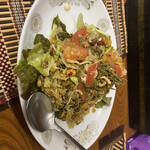
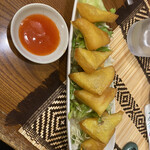
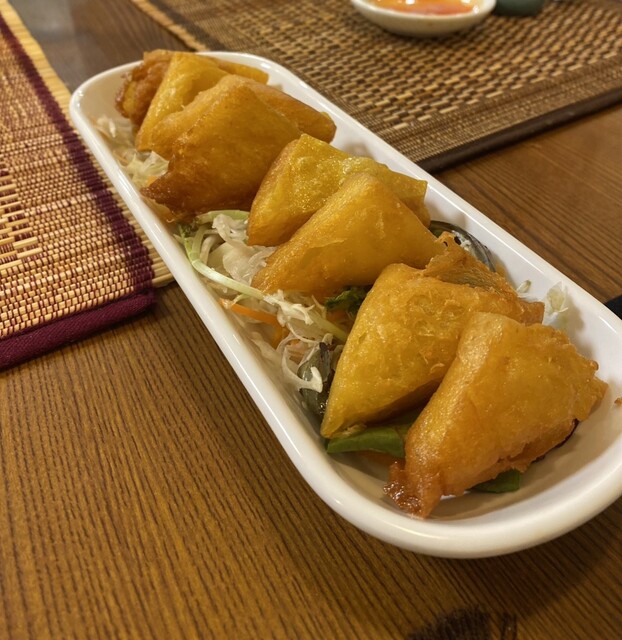
I have never been to Myanmar, but I tried some dishes that were delicious! Especially the fried tofu-like dish was very tasty! The soups were also recommended. However, I personally didn't like the drinks much - maybe because I imagined the milk tea to be like chai.

makysuke
3.30
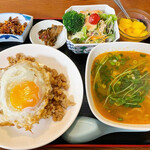
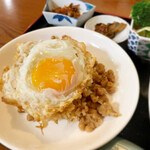
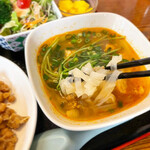
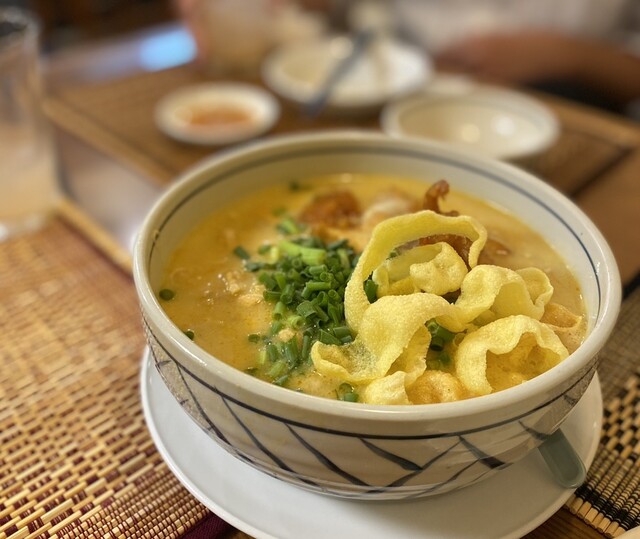
Visited with children for lunch on the weekend. It was empty around this area on weekends, and we had the place to ourselves the whole time. The owner was the only one working, but when we mentioned it was our first time, he kindly explained the dishes to us. We ordered Shankaosue and Chickpea Fried Rice. The Chickpea Fried Rice had sweet beans mixed in and served on the side. The taste was addictive!

kooon5
3.40
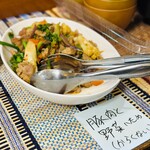
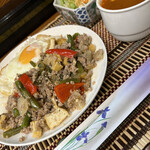
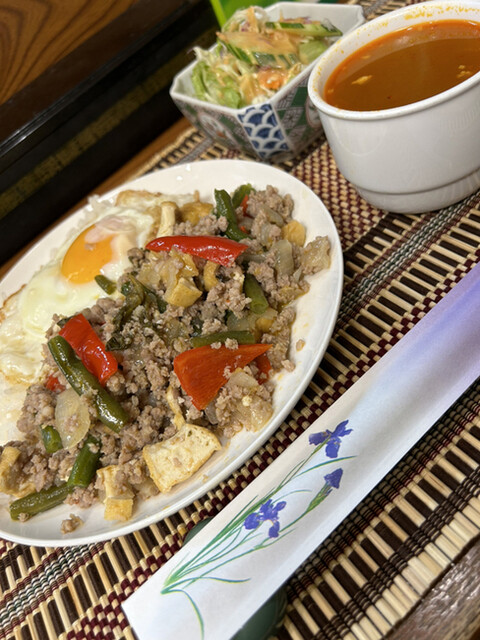
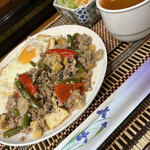
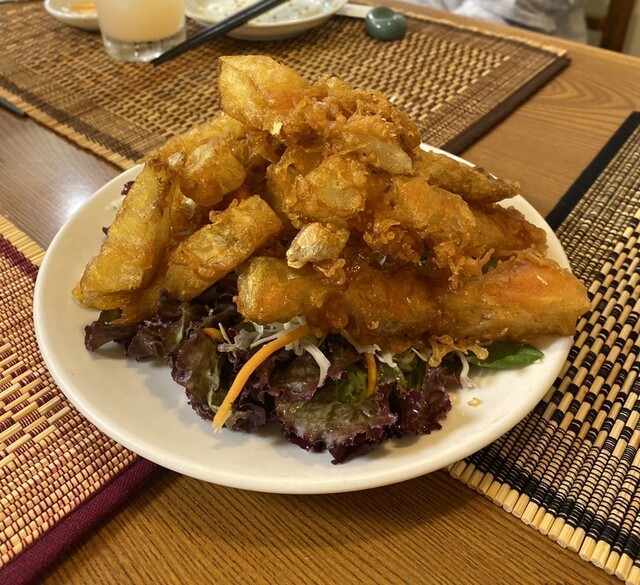
The family's cooking was delicious but a little cold. It was my first time trying Myanmar cuisine and the restaurant had a very unique smell. There were only a few options available, such as Gapao and Green Curry, so I chose Gapao. It was served with chicken and thick fried tofu with bell peppers, and it was delicious. I was curious about what everyone else was eating, as they had soup and vegetables on the side. Thank you for the meal!

S.K IRE
3.50
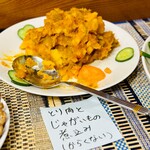
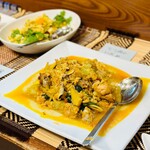
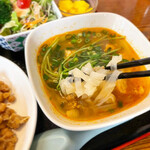
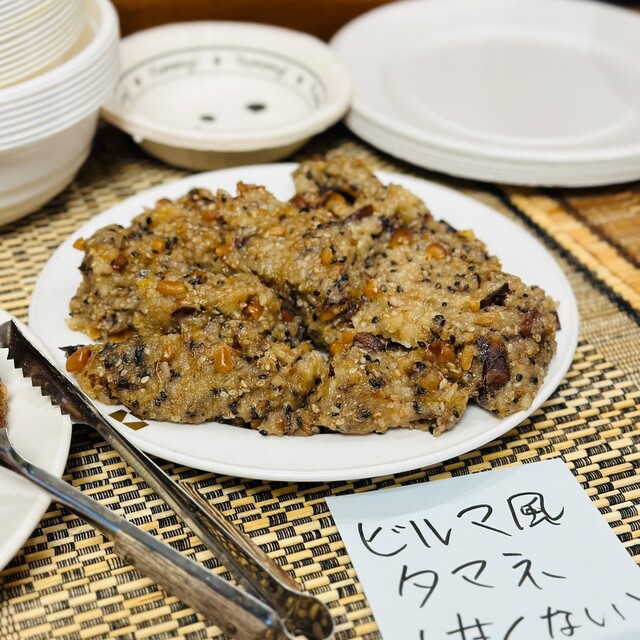
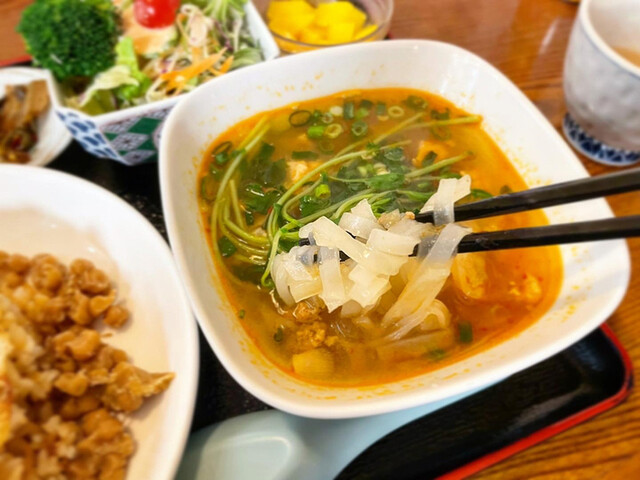
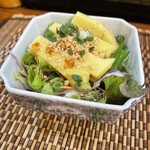
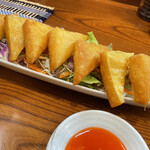
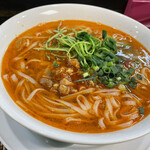
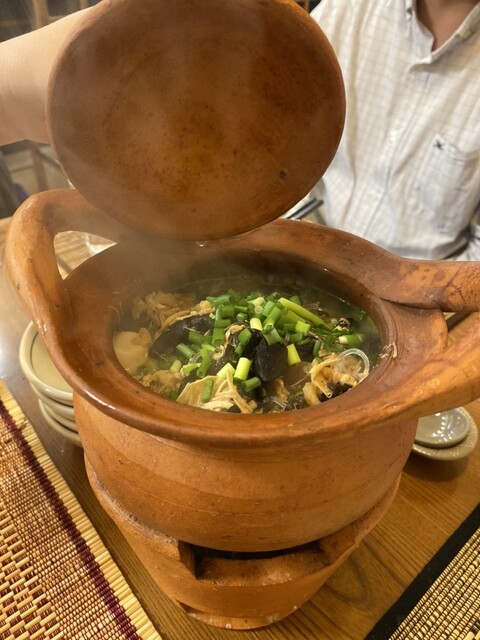
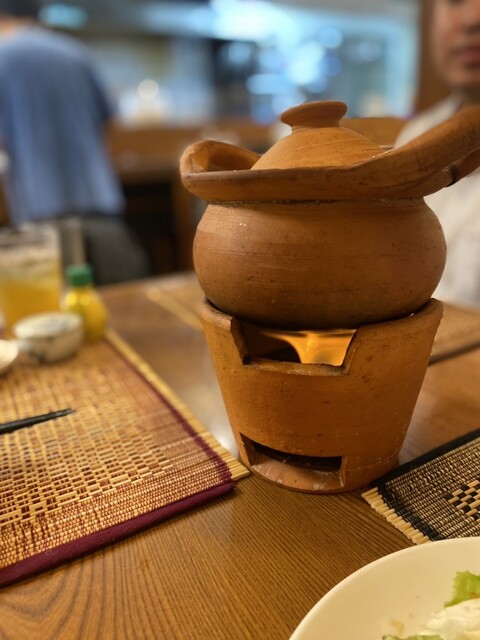
This is a shop that is visited by many people from Myanmar. I visited it recently after its renewal. There are various menus, but what caught my attention was Tofu Jo (a dish made with chickpea tofu fried). When I tried it, it melted in my mouth like Camembert cheese, with a unique texture and delicious taste. Next, I tried Shan Khao Sue (Shan noodles), which is rice noodles served in a spicy soup. Despite being spicy, it was light and easy to eat. Overall, I thought there were a lot of vegetables, making it healthy. It seems like many other customers are ordering hot pot dishes, so I would like to try that next time!

ichiroid03
3.60
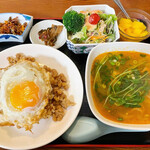
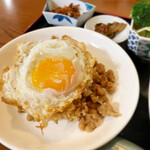
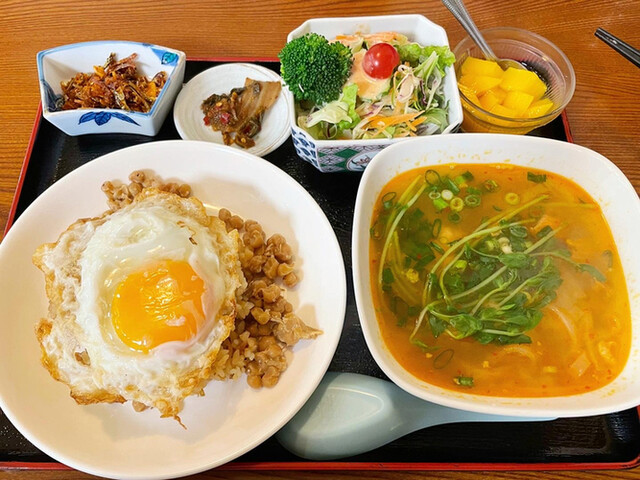
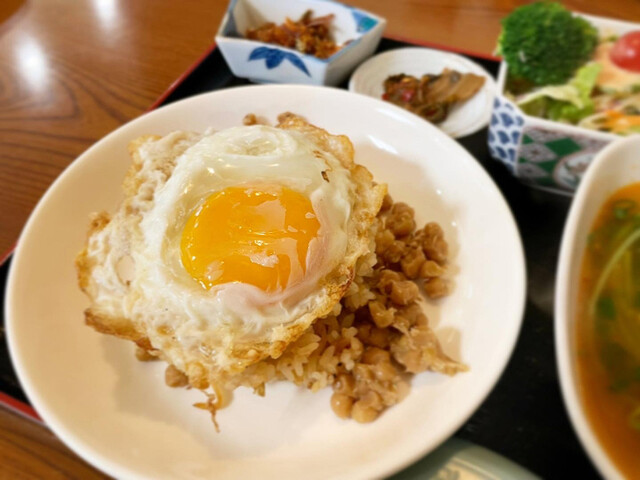
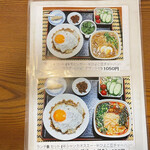
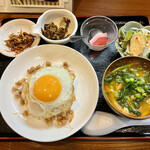
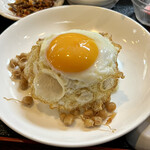
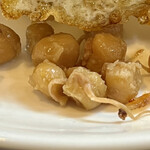
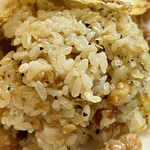
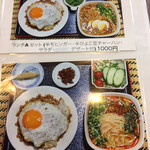
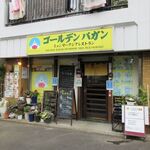
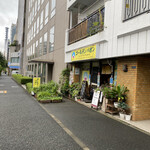
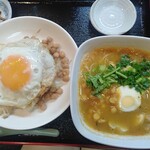
5 minutes' walk from Araiyakushi-mae Station on the Toei Shinjuku Line. Exit from A1 and walk west on Yasukuni Street for about 400 meters. It's on the left side of the first floor of a yellow apartment building with a large yellow sign. This is a Myanmar cuisine restaurant opened in 2015. The owner and his wife are from Northern Shan State in Myanmar. The cuisine mainly focuses on Shan ethnic cuisine, which spans Myanmar, Thailand, Laos, and China. Shan cuisine is also famous at Nong Inlay in Takadanobaba. The owner has been interviewed by the media during the Myanmar political upheaval and featured on variety shows for insect-eating menus. This restaurant serves similar cuisine but probably does not offer insect-eating options. I was interested in their Chickpea Fried Rice and decided to visit around 13:40. There were 8 customers already seated, with 2 having lunch and a lively group of 4 and another couple that seemed to be acquaintances of the owner. I was guided to an available counter seat by a female staff member (maybe the wife?). Orders are taken verbally while payment is made later. The lunch menu had two sets, A and B, both including a half portion of Chickpea Fried Rice. Set A had Mohinga, but it was sold out, so I chose Set B with Shan Khao Suey noodles. There were also individual items and Thai dishes like Green Curry and Khao Man Gai available. Since it was my first visit, I opted for the set to try multiple dishes. The food took about 7 minutes to arrive. The tray included Chickpea Fried Rice, Shan Khao Suey, a sprinkle of small fish, pickled greens, dessert jelly, and a mini salad. The Shan Khao Suey was served in a miso soup bowl, much smaller than in the menu photo. The Chickpea Fried Rice had a robust flavor despite being vegetarian, with a good balance of salt and pepper seasoning. Mixing in the egg yolk made it even more flavorful. The sprouted chickpeas added a nice texture. The small fish sprinkle added a spicy kick. The Shan Khao Suey had noodles in a tomato soup with vegetables and chicken. The noodles were chewy and had a unique texture, making it quite delicious.

緑川たつ江
2.30
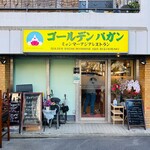
Golden Bagan is a Myanmar cuisine restaurant located along Yasukuni Street, in front of the Tomihisa-machi intersection near Seijo Gakuen.
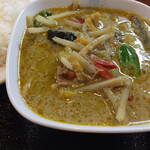
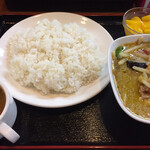
Items tried: Green Curry
Taste/Food: Myanmar cuisine and Thai cuisine may have slightly different seasonings. I might not be a fan of Myanmar cuisine's Green Curry. The unique taste of coconut milk didn't really suit my taste.
Service: The master was cooking, and the employees were in charge of the floor.
Atmosphere: When I entered, there were no other customers, just me. I was seated at the counter.
Cost Performance: I think it's average.

romai343
3.30
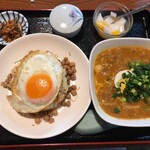
Yotsuya-Sanchome Station and Akebonobashi Station are about the same distance away. This restaurant serves rare Myanmar cuisine. I remember receiving flowers from Akie (Shinzo Abe's wife) here. Akie is involved in a project to build schools in Myanmar. For lunch, they had green curry and nasi goreng, but I decided to try something new. I had a half-size set of mohinga (noodle dish) and chickpea fried rice. Both dishes had a gentle flavor that was easy for Japanese people to enjoy. Cost: 1,000 yen Rating: 3 stars 5 stars: Definitely want to visit again!! 4 stars: Would like to revisit if given the chance! 3 stars: Would consider revisiting. 2 stars: Once is enough. 1 star: No need to go.
怪傑丸
4.00
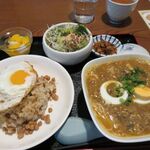
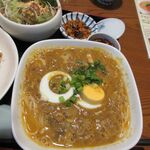
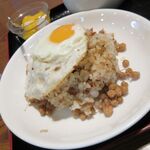
I found out that there is a Myanmar restaurant in Fukumachi and decided to go there. The nearest station is Akebonobashi, but it's a bit of a walk. I ordered the lunch set which includes half Mohinga and half chickpea fried rice for 1000 yen. The interior of the restaurant has a map of Myanmar on the wall, it seems like it used to be an izakaya. The Mohinga was easy to eat with no strong flavors, and the thick soup doesn't cool down easily but it mixes well with the noodles. The chickpea fried rice portion was a bit more than a regular serving, topped with a half-cooked egg that you mix into the rice. The chickpeas are soft and don't get in the way in your mouth, with just the right amount of saltiness, it was very delicious.

PMOS
3.40
Located about a 5-minute walk from A1 exit of Toei Shinjuku Line Arakawa Bridge Station, near the Yasukuni-dori Tomisaka-cho intersection, is the Myanmar cuisine restaurant "Golden Bagan". I visited for lunch in early October for the first time. The interior, which seemed to have been an izakaya or ramen shop before, had a total of 28 seats including counter seats and table seats. Although I was dining alone, I was guided to a 4-person table seat. I looked at the lunch menu on the table. The lunch menu consisted of two types of half-sized Myanmar-style noodles and half fried rice, and on this day, I ordered the "Set A" (1000 yen).
《Set A contents》
- Half Mohinga
- Half chickpea fried rice
- Salad
- Soup
- Dessert
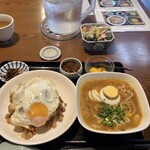
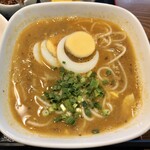
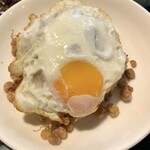
Shortly after, Set A was brought to me. "Mohinga" is a classic Myanmar breakfast dish that can be called the soul food of the Myanmar people. The noodles are thin rice noodles, and the ingredients include boiled eggs, onions, and scallions. The "chickpea fried rice (Taminjo)" contains fried garlic and chickpeas. A half-cooked fried egg is placed on top of the rice. I tried it right away. I added a bit more powdered chili pepper to the "Mohinga," which made it quite spicy, and when I slurped the soup, the spiciness intensified. However, the broth, made from catfish? base with ingredients like banana stems, lemongrass, garlic, etc., produced an indescribable richness and a unique deliciousness that was addicting. The rice in the "chickpea fried rice" was moist. The chickpeas had a chewy texture similar to sweet potatoes or chestnuts, making it enjoyable to eat. Even when eaten with the separately provided spicy seasoned small fish, it was delicious. After finishing the meal, I was fully satisfied with the Myanmar lunch. Thank you for the meal.

あてるい
3.40
When I went out for lunch towards Shinjuku Gyoen last December, I happened to come across a Myanmar cuisine restaurant near the Fukumachi intersection on Yasukuni Street. I bookmarked it on my phone, but this year I had been focusing more on lunches in Ichigaya and Iidabashi areas since the beginning of the year, so today I finally decided to visit this place as the first lunch in the Akebonobashi area. I had checked out the lunch menu on Tabelog beforehand, and found that the Myanmar cuisine only had noodle dishes, while Thai cuisine dishes like Gapao Rice and Kaomankai were also available. Although I was tempted to try the Myanmar noodles since the restaurant was run by a Myanmar person, I ended up going for the daily set menu limited to 10 servings per day.
Upon entering the restaurant, the owner greeted me. I was told that his wife had left before the opening, so it was a bit disappointing. However, the owner was very kind and gentle. Although it may be a coincidence, he somehow resembled a Myanmar man who had come for training at my workplace before. The seating arrangement included a counter with 10 seats facing towards the back, and two 4-person table seats along the wall on the right side. There was also a small tatami room in the back, which the owner mentioned could accommodate up to 10 people. Since I was alone, I chose to sit at the counter.
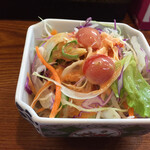
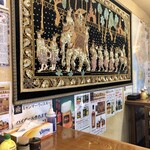
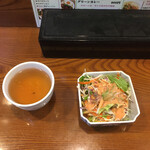
The Myanmar-themed metal pots were lined up in front of me, and the restaurant was decorated with photos and ornaments from Myanmar, evoking the ancient land of Myanmar that I had yet to visit. When I ordered the Kaomankai lunch set, I was served tea and salad first. The tea was Japanese hojicha, and the salad consisted of finely chopped lettuce, cabbage, watercress, and carrots with a slightly spicy dressing similar to Thousand Island dressing but with chili peppers, giving it a Southeast Asian touch. As I waited while eating the salad, the owner brought the lunch set on a tray after 4-5 minutes.
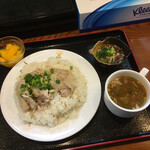
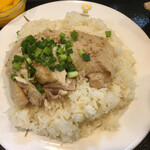
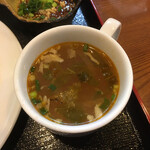
The Kaomankai main dish was served with a sweet and savory sauce, soup, and mango pudding for dessert. The main dish featured Jasmine rice from Thailand, but it seemed to be simply cooked in water without much flavor from the chicken broth. The chicken on top also appeared to be simply boiled or steamed without much seasoning. So, I poured all the sauce generously over the chicken and rice, which turned out to be sweet, sour, and slightly spicy with a hint of cilantro-like herb flavor, very delicious. The soup was a slightly milder version of Tom Yum Kung, with a sour and spicy taste based on chicken broth. The mango pudding was a typical one that you can find in Japan.
Although I don't particularly have a preference for Thai cuisine, so it didn't bother me, those who are more familiar with authentic Kaomankai might find it different. Perhaps the restaurant offers other Southeast Asian cuisines like Thai to survive, but since there are many other specialized restaurants in Tokyo, it might be better to focus more on promoting Myanmar cuisine. If I have the opportunity to visit again, I would definitely like to try the Myanmar noodles. As a side note, while eating, I noticed a golden emblem on the edge of the white plate that the Kaomankai was served on. I squinted my eyes to see if it was a Myanmar emblem, but it turned out to be the name of a certain major Japanese non-life insurance company.

ゆ~すけ
0.00
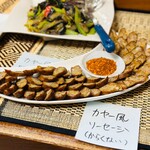
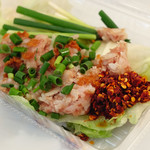
This weekend, I enjoyed Sri Lankan cuisine for an early lunch near Tokyo Tower at the Myanmar Festival 2019 held at Zojoji Temple. In the afternoon, I indulged in a snack at the festival, opting for sausages made by the Shan tribe wrapped in banana leaves and fermented. The sausages were similar to Thai sausages, with a tangy flavor and spiciness typical of Myanmar cuisine, paired with green onions. I also enjoyed a strong beer called "DAGON EXTRA STRONG" with it.

ropefish
4.00
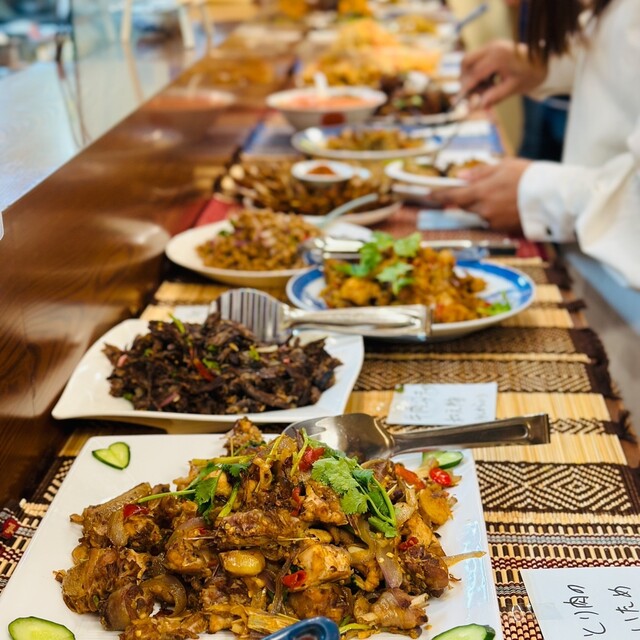
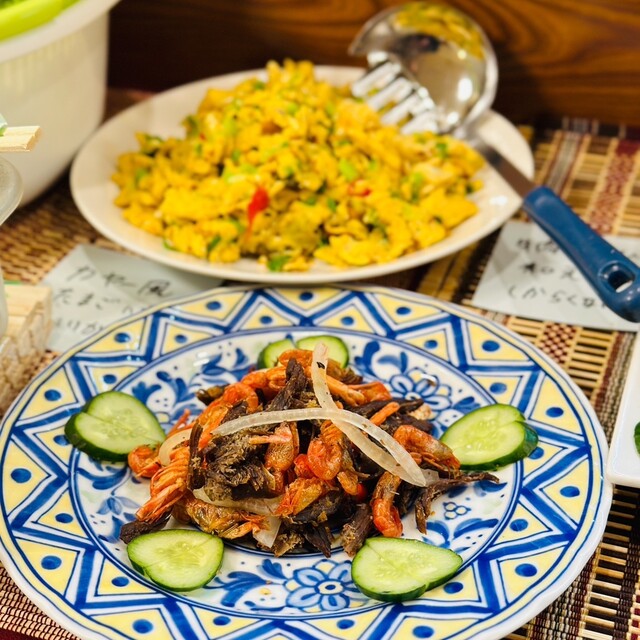
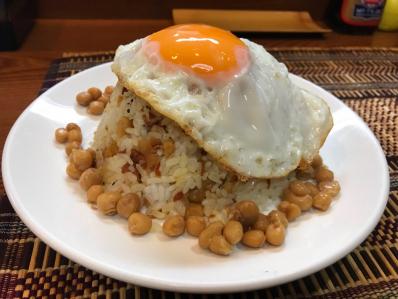
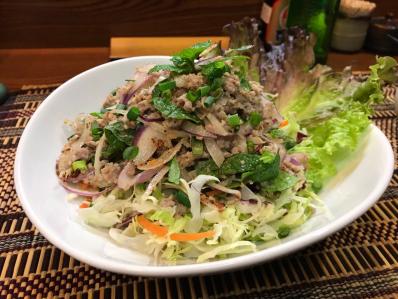
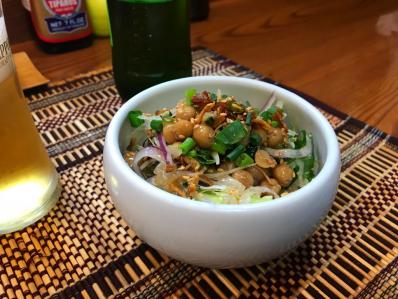
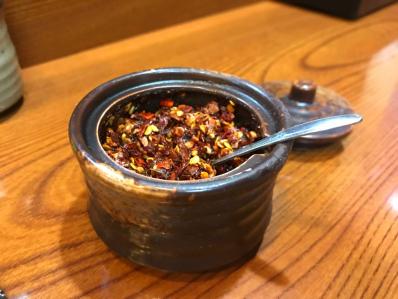
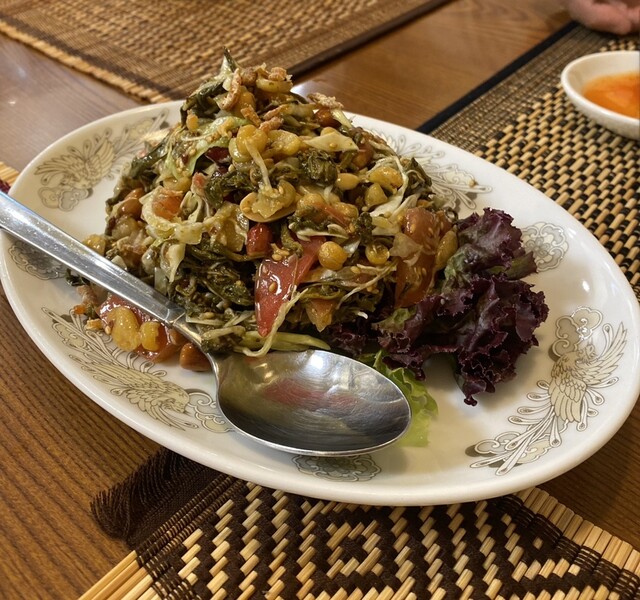
Myanmar cuisine in Tokyo is not limited to Takadanobaba and Otsuka. Just a 5-minute walk from Akebonobashi Station and Yotsuya-sanchome Station, there is a Myanmar Shan ethnic cuisine restaurant called "Golden Pagan". Shan cuisine shares roots with the Thai ethnic group, and the culinary culture is similar to that of northern Thailand and Laos. The restaurant offers a variety of fermented foods like tofu, natto, fermented bamboo shoots, and matured sushi, which show connections to Yunnan and Japan. "Golden Pagan" aims to blend the food cultures of Myanmar and Japan by sourcing key ingredients from Myanmar and combining them with Japanese ingredients. The owners, Mr. Sai and Mrs. Momo, are from northern Shan State and provide authentic local flavors. The restaurant even plays a cover of "Spring in the North" in Myanmar language, creating a cozy atmosphere. The menu includes Myanmar beer for ¥600, with chickpea salad as an appetizer. The "Shan-style Tofu" for ¥600 is similar to stinky tofu, made from soybeans rather than chickpeas. It has a salty taste and is a great accompaniment to drinks. The "Nu Sar" for ¥850 is a Shan-style minced pork mint salad, which is less spicy but rich in meaty flavor and fragrance. The "Myanmar Soba Shochu" for ¥650 symbolizes the friendship between Myanmar and Japan, best enjoyed on the rocks. The "Pe Pyo Ta Min Jo" for ¥1100 is chickpea fried rice, with a generous amount of garlic, chickpeas for a soft texture and sweetness, and a half-cooked egg. It's a delicious dish, especially when sprinkled with the spicy topping provided on the table. The restaurant's Myanmar cuisine is low in oil and moderate in spiciness compared to Thai cuisine, but the richness from fermentation makes it stand out. It won't be long before Shan cuisine becomes a hot trend, as it offers many elements that appeal to Japanese diners.

カレーおじさん\(^o^)/
3.50
When it comes to Myanmar cuisine, Takadanobaba is a highly competitive area, but there is also a Myanmar restaurant on the way from Akebonobashi to Shinjuku Gyoenmae. That's Golden Bagan. You can enjoy traditional Myanmar dishes such as Laphet Thoke and Tofu Jho, as well as more unique dishes. They offer curries like Green Curry, Red Curry, and even Sand Liver Curry. I tried the Green Curry and Sand Liver Curry. The Green Curry is coconut milk-based and similar to Thai curry, but it's Myanmar curry. It's a dish from a region in Myanmar close to Thailand, so it's positioned a bit closer to Thai curry than Myanmar curry. This is a menu not commonly found in Myanmar restaurants in Takadanobaba. And the sand liver, officially called Chet A Myit Hin. Hin means curry in Myanmar. When you taste it, it really has the flavor of Myanmar curry. The sand liver is cooked until tender, so if you're looking for the unique texture of sand liver, you may be a bit disappointed, but personally, I prefer this finished version. Both dishes have a simple and delicious taste, truly representing Myanmar cuisine. It's great to know that there are good restaurants outside of Takadanobaba.

馬事公苑
0.00
1/31 Sunny → Cloudy? I decided to work remotely outside and went for a little outing. I thought about going to the office, but it seemed too physically demanding. I went to a Myanmar restaurant that I had been curious about. It's located down the hill towards Akasaka. It was right at lunchtime. Can I order a beer? I asked, and they said OK. Then they brought me the full menu. This casual lunch drink is turning into a full-on lunch drink.
☆Ordered:
- Draft beer
- Shan fermented sausage
Since it's a Myanmar restaurant, and apparently a Shan one, I had to go with Shan.
☆Appetizer:
- Shan tofu salad
The appetizer was Shan. Is this tofu? It says chickpeas. I love these interesting dishes. The sausage is steamed in banana leaves. It's sour at first. And wait, it's not just ground meat, but mixed with rice. The sourness is milder when you dip it in the dressing that the appetizer was soaked in. They probably don't intend for it to be milder.
☆Additional order:
- Myanmar buckwheat shochu soda
I didn't know Myanmar had buckwheat shochu too. Since they gave me the full menu, I could order drinks from there as well. What should I order as another dish? I was hesitating, but since the sausage had rice in it, I might be full already.

fantomdelucifer
5.00
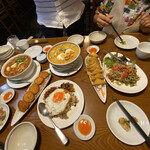
My dad, who has worked overseas, also highly praised it. The dish that looks like fried rice has an amazing balance of sourness and spiciness, reminding me of a familiar taste from somewhere.

AmiK
4.00
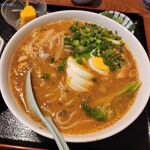
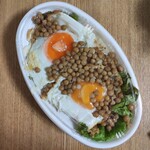
I came back after 3 and a half years since my workplace changed, and it's a comforting taste. I wasn't satisfied with the hearty Mohinga, so I got bean fried rice for dinner takeout.
☆にゃ~☆
0.00
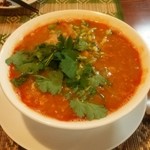
Shankausue, which had a smell of Myanmar, is a dried noodle dish, so the chewy texture is weaker than what you would find locally.

オレンジバス
2.50
It was quite challenging to eat each item, especially the sausage, which was a bit undercooked and seemed more suitable for advanced eaters.

俊太朗
0.00
Email Login