京華閣
Keikakaku ◆ 京华阁
3.39
Ikebukuro
「Chinese Cuisine」
3,000-3,999円
--
Opening hours: 11:00 - 23:00 Open year round, open Sundays
Rest time: open every day of the year
東京都豊島区池袋1-1-4 プリモビル B1F
Photos
(20)
Details
Reservation Info
Reservations possible. Please understand this in advance.
Payment Method
Credit cards accepted
(VISA, Master, JCB, AMEX)
Electronic money is not accepted
QR code payment accepted
(PayPay)
Number of Seats
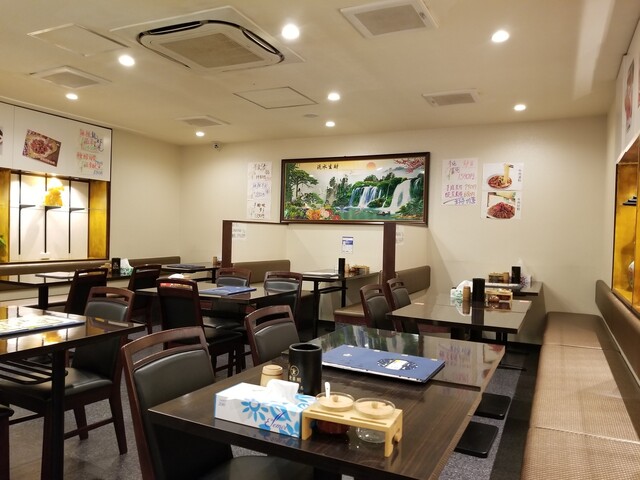
56 seats
Private Dining Rooms
None
Smoking and Non-Smoking
No smoking. Smoking area available.
Parking
None
Facilities
Large seating area, sofa seating, power supply, free Wi-Fi
Dishes
English menu available
Comments
(22)

Fisher.Lion
4.50
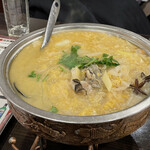
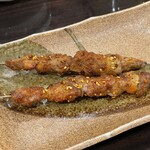
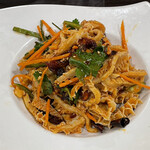
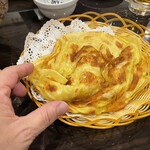
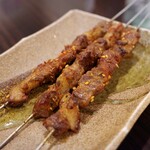
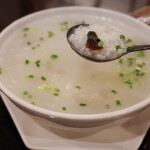
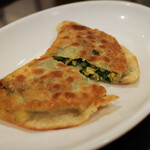
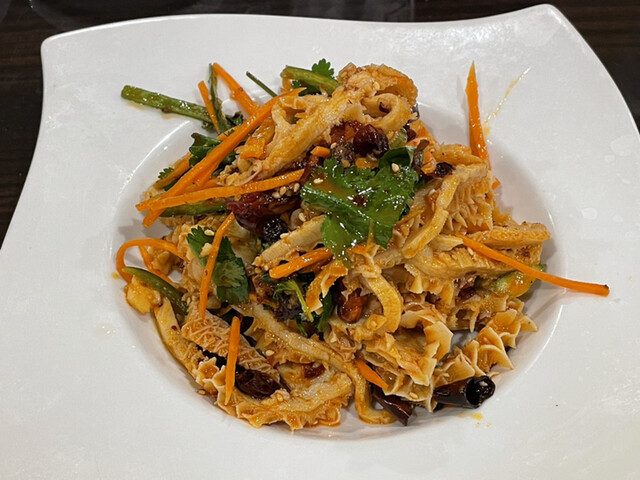
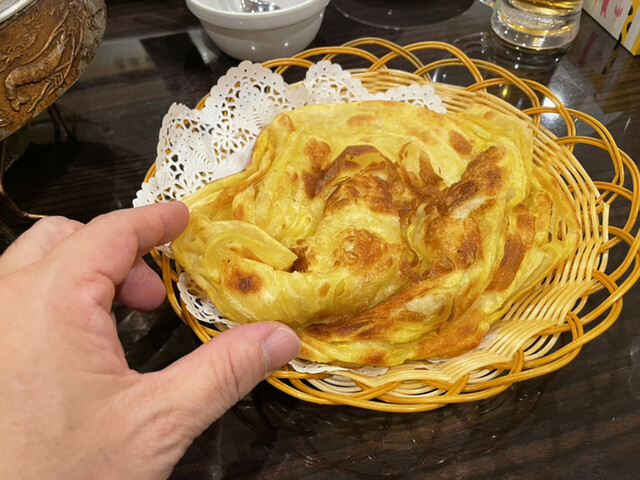
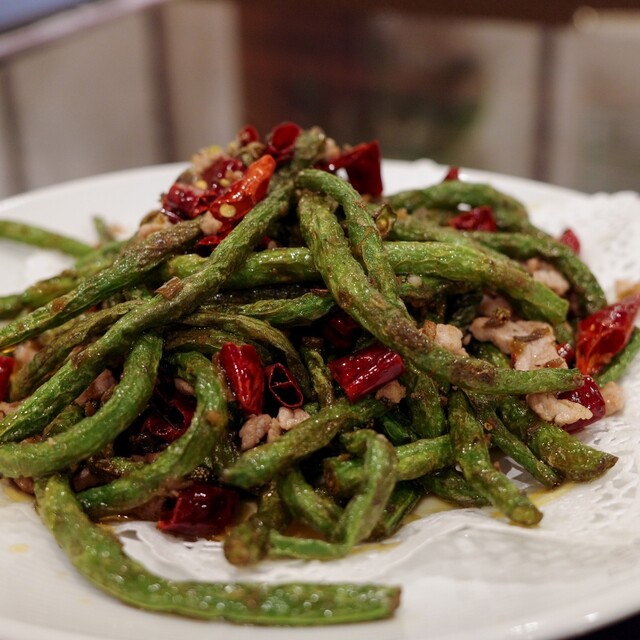
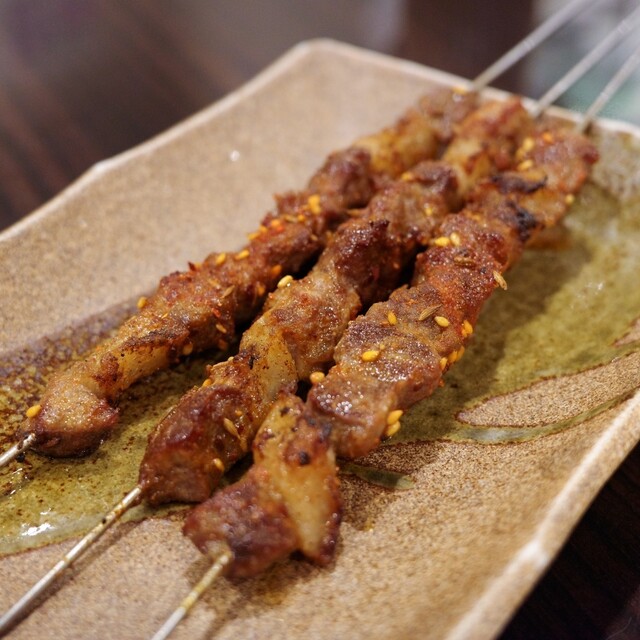
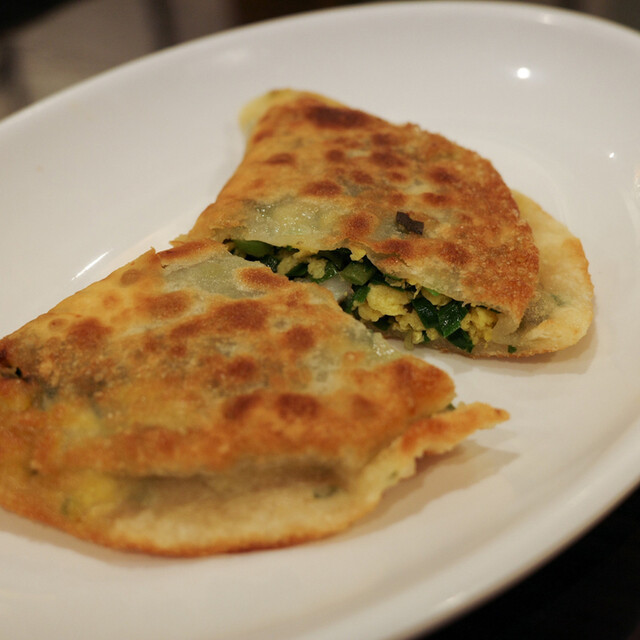
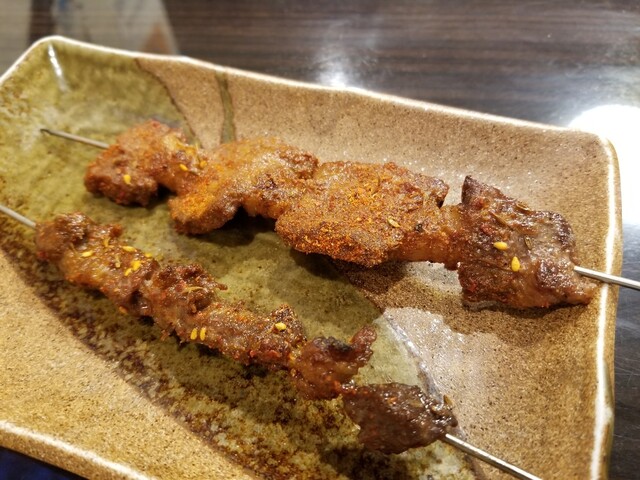
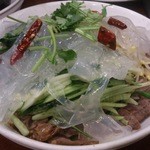
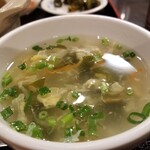
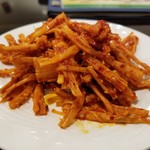
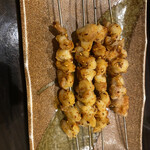
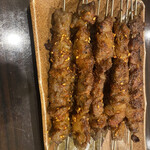
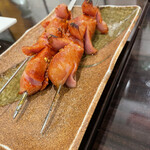
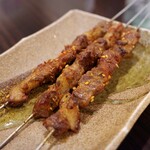
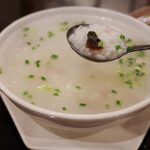
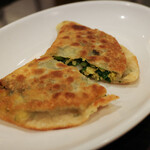
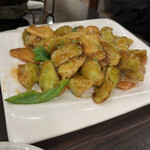
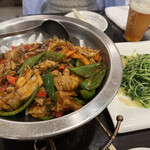
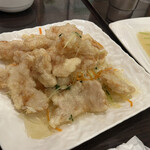
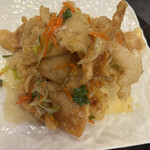
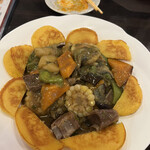
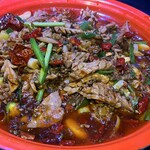
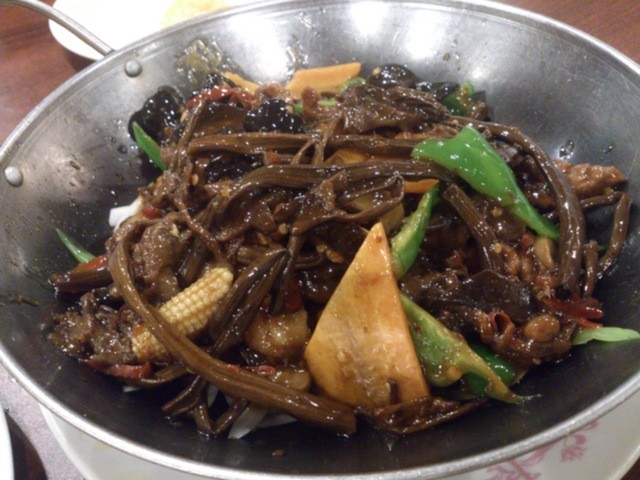
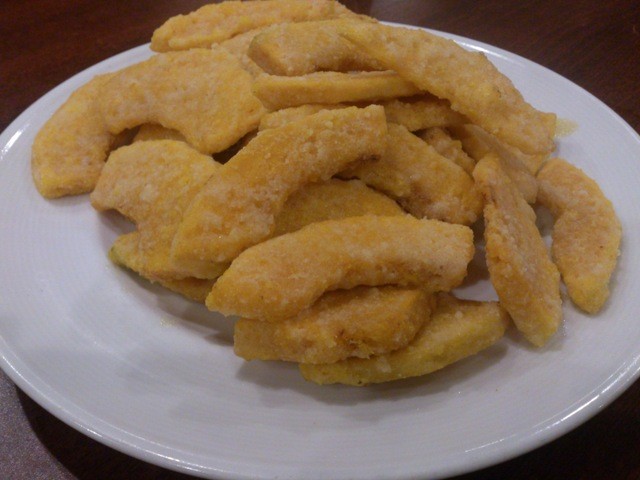
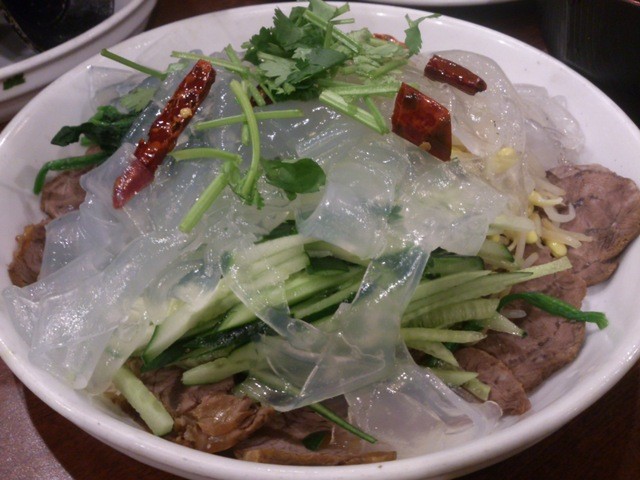
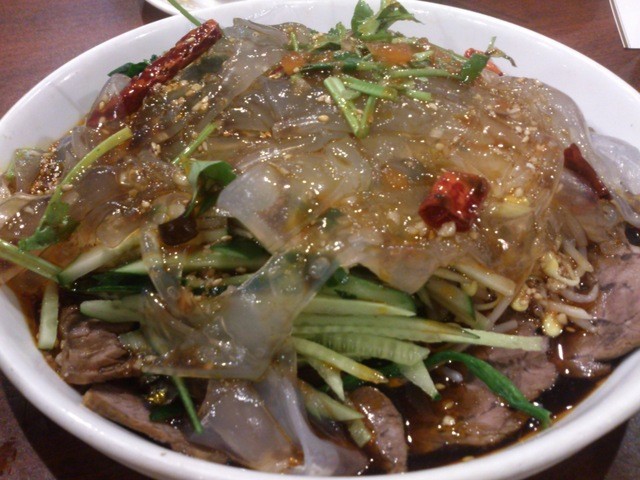
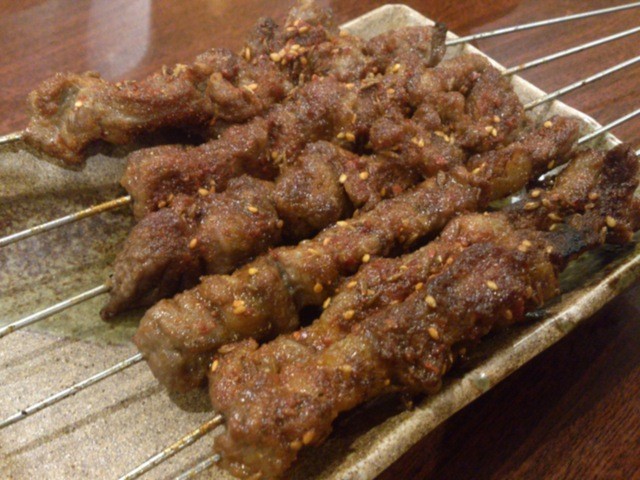
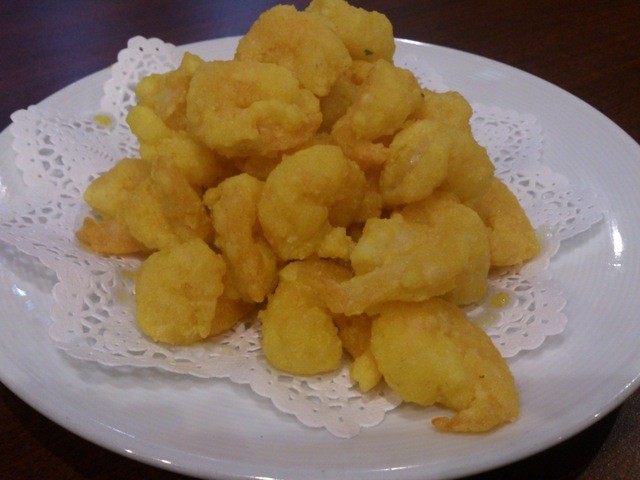
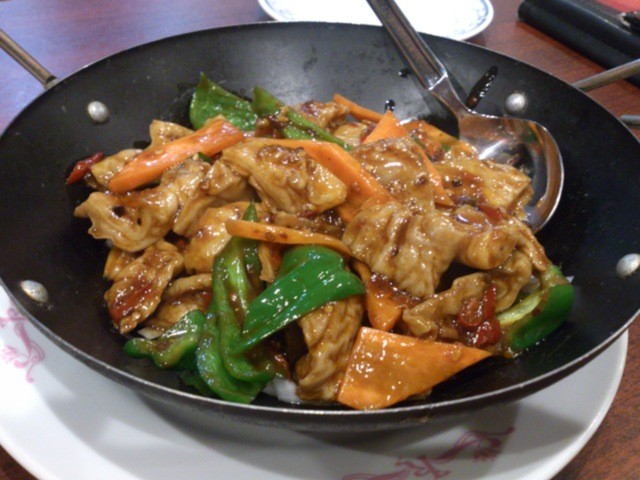
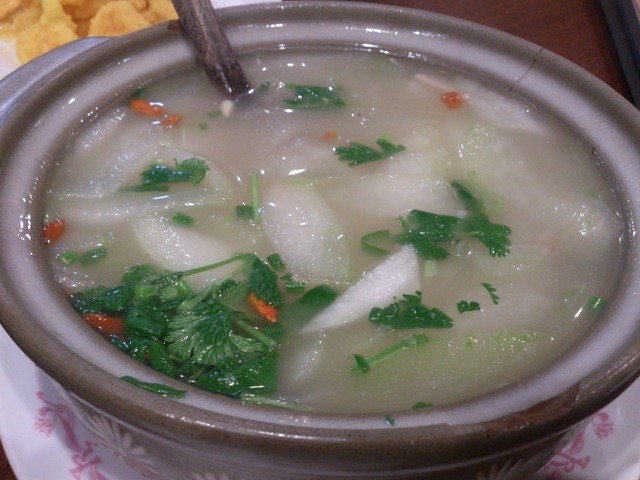
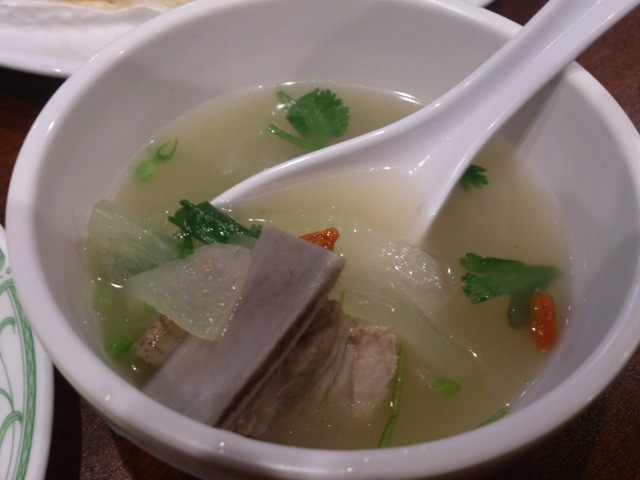
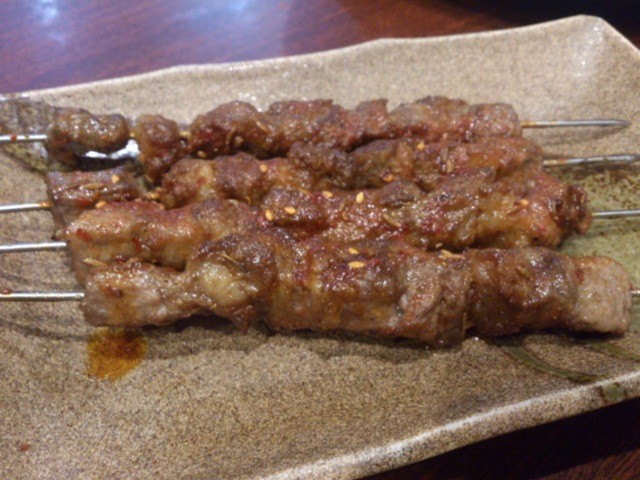
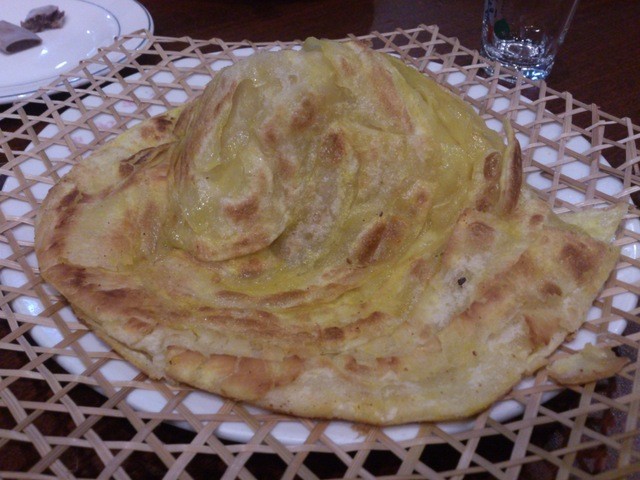
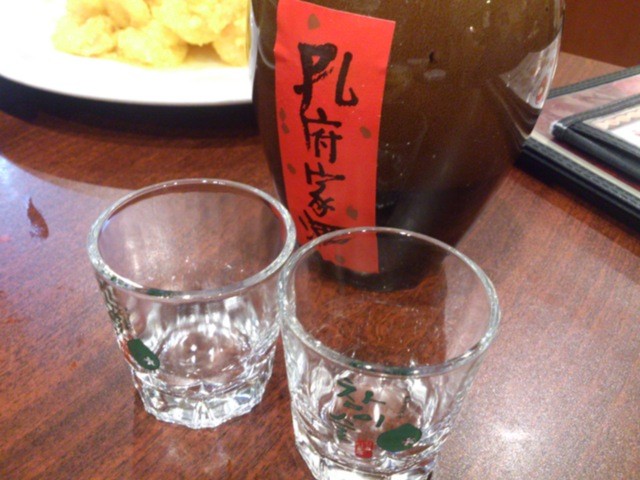
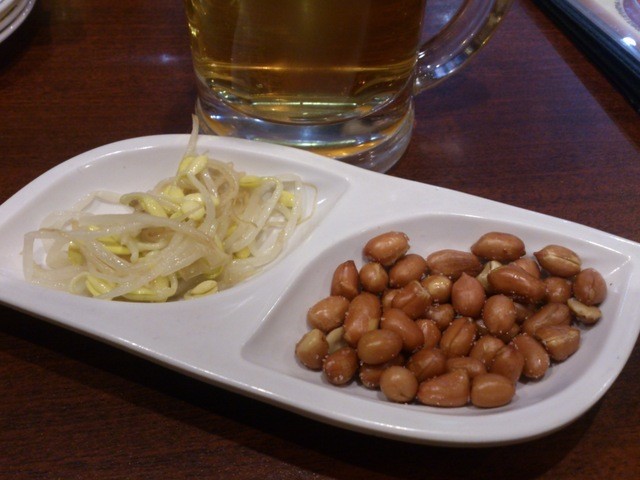
Local Rating ★★★★★(5) Chinese Customer Rating ☆☆☆☆☆(0) Not dependent on Japanese customers Restaurant 2015.03 Night 21st visit Per person 3985 yen・Egg Yolk Baked Shrimp 1380 yen・Pork Rib and Winter Melon Soup 1080 yen・Dry Pot Intestines 1180 yen・Straw Hat Pancake 380 yen・Lamb Skewers 90 yen x 4・Kongfu House Wine 2000 yen・Draft Beer (Malt) 500 yen x 2 Total 7970 yen Second visit Per person around 2900 yen・Beef La Pi 1000 yen・Dry Pot Tea-flavored Beef Fillet 1380 yen・Sour Cabbage and Vermicelli Pot 1280 yen・Egg Yolk Baked Pumpkin 1000 yen・Lamb Skewers 90 yen・Lamb Tendon 130 yen・Kongfu House Wine 2000 yen・Draft Beer (Malt) 500 yen x 2・Oolong Tea 300 yen Total 9309 yen (500 yen discount with coupon) A Chinese restaurant in eastern Tokyo recommended by a staff member from Harbin. They said they only go here, so I had high expectations. I went with someone who appreciates authentic Chinese cuisine and can understand its deliciousness. There are many delicious things in China that may not be familiar to Japanese people but are enjoyed by the locals. To truly appreciate the food, you need an adventurous palate and open mind. The restaurant was crowded, mainly with Chinese customers. Reservations are a must. If a Chinese person says it's delicious, you can't go wrong. Let's order something typical of Harbin. Northeastern cuisine focuses on meat and vegetables, unlike seafood-heavy dishes from Dalian. They offer a variety of fried, grilled, and stewed dishes, balancing meat and vegetables. They also have dog meat, but a Northeastern person I know said it's not tasty in Japan. The breed and freezing process make a difference. I've tried it before, and it didn't taste like food. So, dog meat is a no-go for me. The first visit included a complimentary snack of peanuts and bean sprout namul. The namul had a unique star anise flavor, different from Korean dishes, setting high expectations. On the second visit, we didn't receive a complimentary snack. That's typical of mainland China.・Egg Yolk Baked Shrimp (4.0) Shrimp with egg yolk coating. A popular dish among women in China. If you didn't know, you might think it's coated in curry powder. Originally made with duck egg yolks, now commonly made with chicken. The shrimp was well-cooked, and the egg yolk added a nice flavor. The quality of the shrimp was quite good. In Dalian, they serve whole mantis shrimp, which I love.・Pork Rib and Winter Melon Soup (4.8) Spare rib and winter melon soup. In the Northeast region, winter melon and spare ribs are commonly eaten. This soup was excellent. The familiar taste in China is not easily found in Japan. The soup was almost finished, showcasing the well-cooked spare ribs and winter melon. Goji berries and cilantro added a refreshing touch. Initially salty, but you quickly adapt to the flavor. I ended up finishing the whole soup, it was that good.・Dry Pot Intestines (4.0) Spicy intestine pot. A Sichuan dish loved by Northeasterners. Slightly spicy with fresh chili peppers and a rich flavor from fermented black beans. The quality of the intestines was surprisingly good, tender with a sweet taste. Goes well with beer or white wine.・Straw Hat Pancake (3.7) Maize straw hat pancake.

メタボトレーダー
4.20
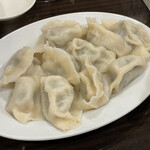
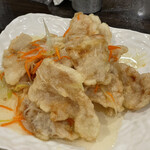
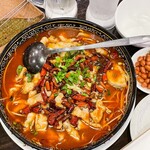
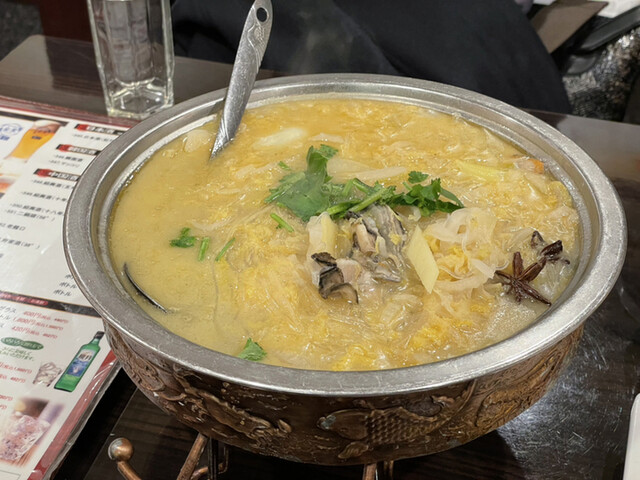
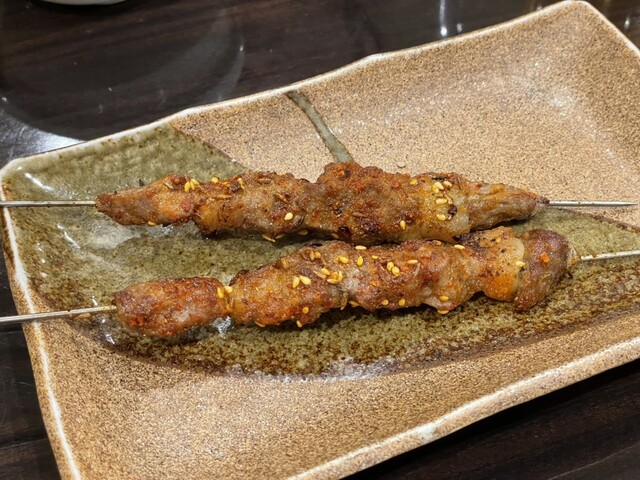
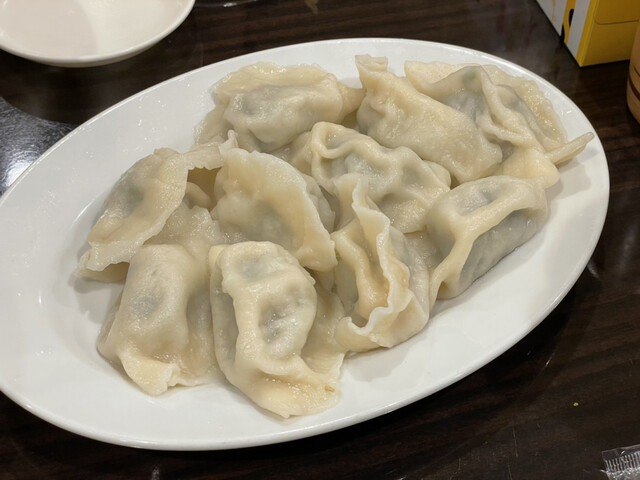
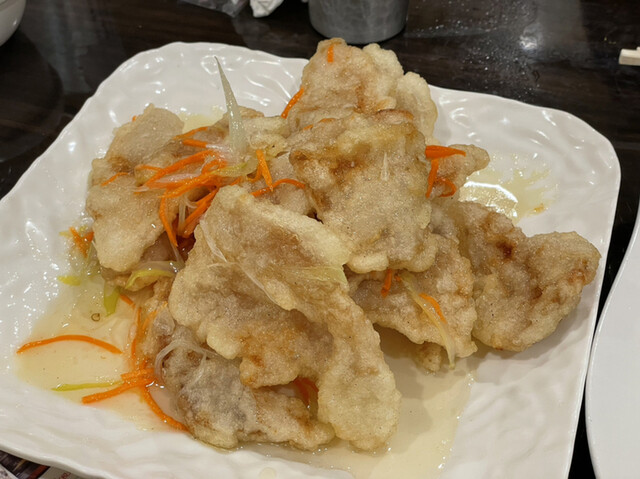
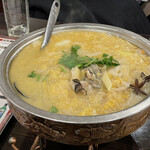
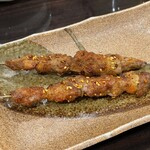
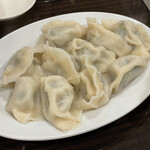
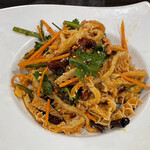
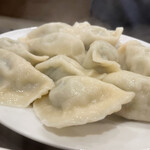
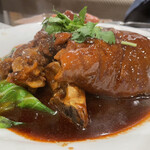
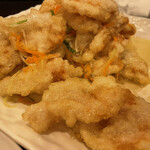
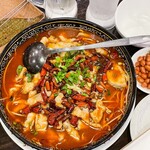
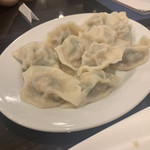
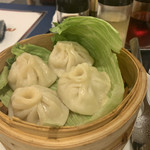
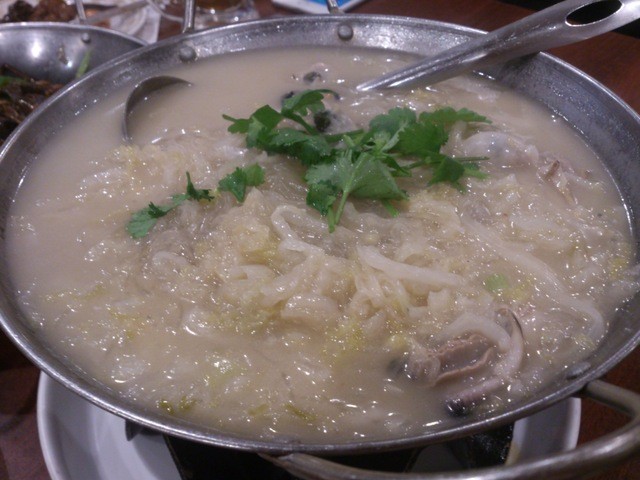
I visited the restaurant on a regular night. The place was bustling with many Chinese customers, and Chinese language was being spoken all around. This time, I tried dishes mainly from the northeastern region of China. The sour cabbage and pork hot pot, with plenty of fermented sour cabbage, glass noodles, and oysters, was delicious. The refreshing sourness of the sour cabbage and the aroma of star anise were just right, making the meal very enjoyable and warming. The deep-fried pork with sweet and sour sauce was tender and had a nice tangy flavor, perfect for pairing with alcohol. The boiled dumplings had chewy skin and were filled with lots of ingredients, very tasty. The lamb skewers had a strong lamb flavor and were seasoned with cumin spice. The prices were reasonable, which was also nice. Every dish I tried was delicious, and I ended up eating too much. They carefully packed the leftovers for me to take home. I was very satisfied and full after enjoying the Chinese cuisine.

tomokichi1980
3.10
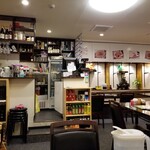
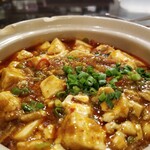
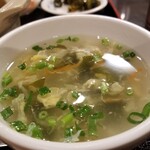
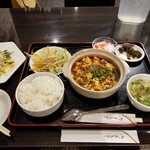
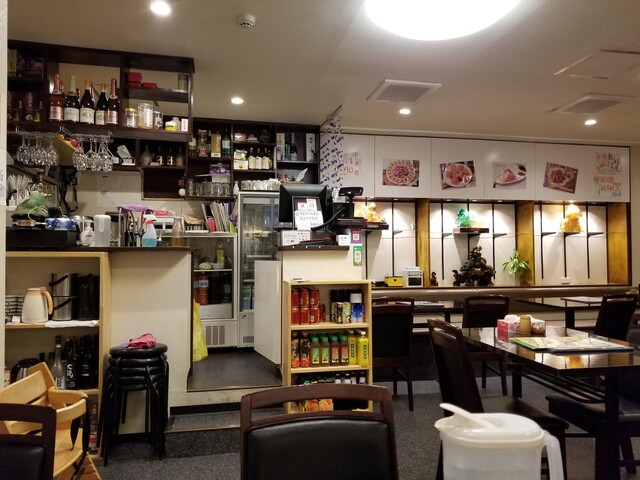
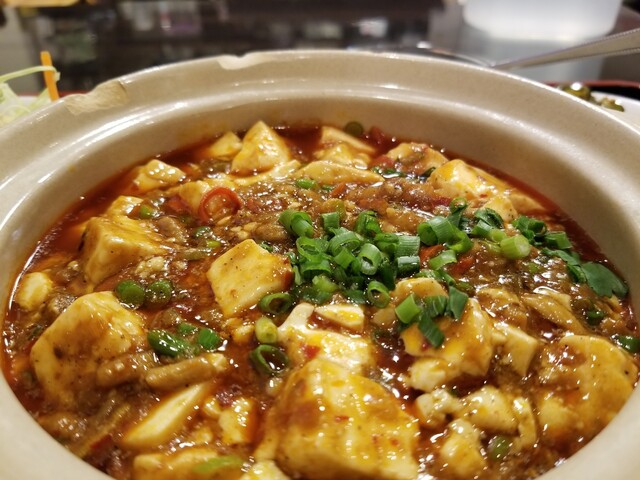
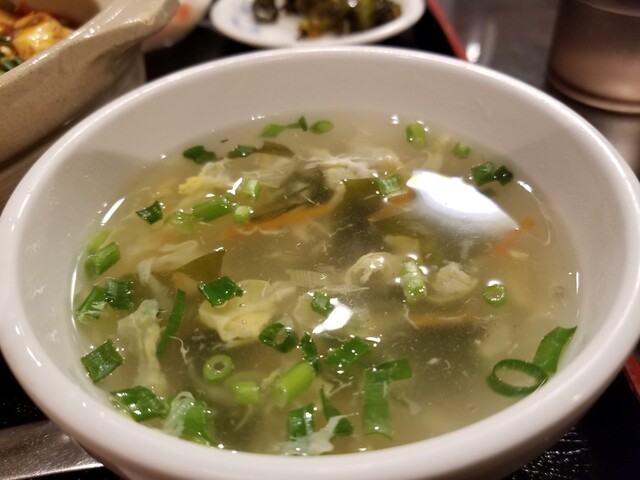
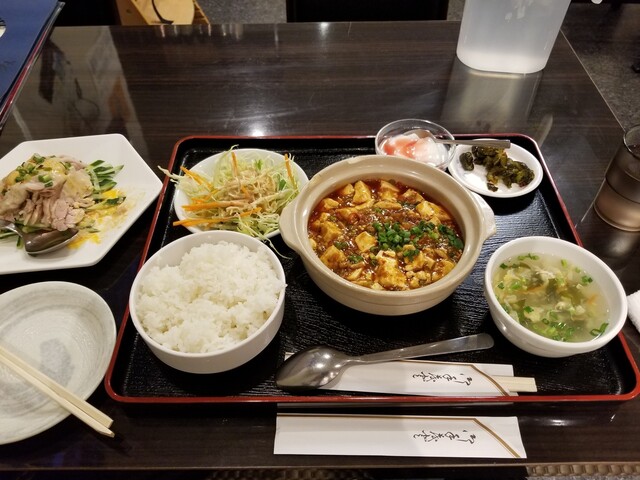
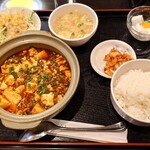
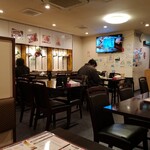
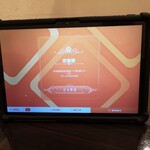
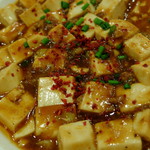
A Chinese restaurant located on the north side of Ikebukuro Station, a bit further back. It is located in the basement of a building. When I visited on a holiday afternoon, there were a fair number of customers. It seemed like there were many Chinese customers based on the conversations. It is rare for a personal business to use tablets for ordering. I ordered the mapo tofu. It came in a hot pot, bubbling away. Surprisingly, it was quite authentic. It wasn't very spicy, but had decent flavor. I added some chili peppers from the table, which added more flavor than heat. The salad had sesame dressing. The soup was a light egg drop soup. The dessert was a kind of almond jelly with agar. It was quite a satisfying meal in terms of portion size.

飲むぞ!おら!
3.30
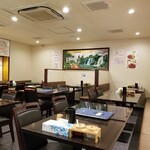
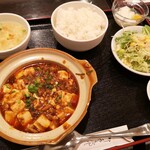
Located just a little past the Don Quijote at Ikebukuro North Exit, Kyoto Kagaku is a bit hard to notice from the outside. However, once inside, you'll find a spacious and clean environment. Orders are placed using a tablet. I ordered the Mapo Tofu set meal for 880 yen. It had a nice kick to it and was delicious. It would have been perfect with a beer, but I was working at the time. Thank you for the meal!

京夏終空
3.50
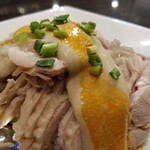
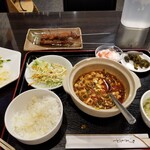
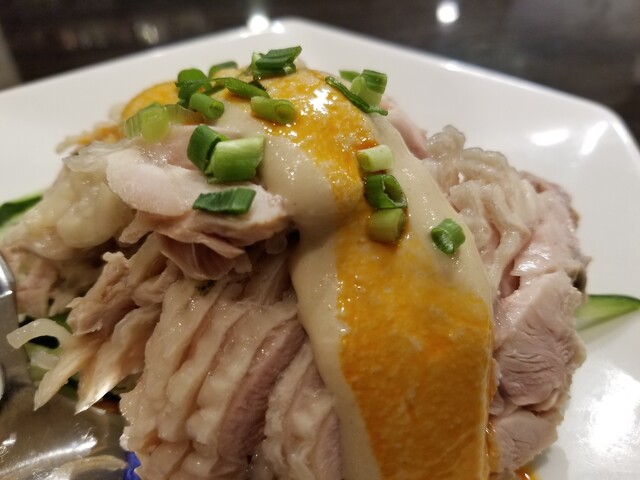
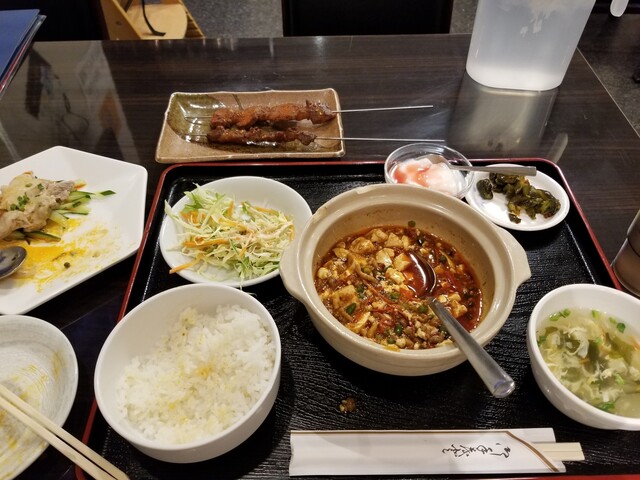
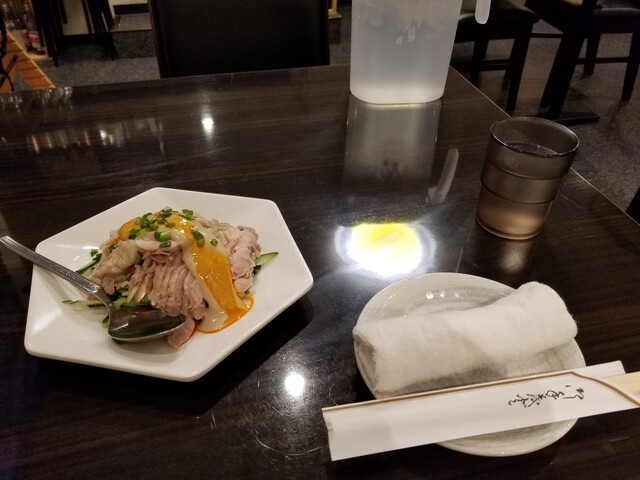
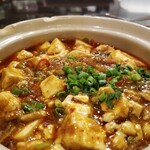
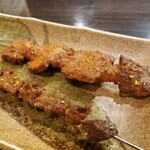
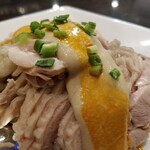
In the future, I want to revisit this restaurant. According to a prominent Asian food reviewer on Tabelog, it is said that the winds of Harbin are blowing in this place. The reviewer's analysis is so deep and thoughtful, almost like reading a historical critique, exploring the origins of each dish and prompting admiration. The reviews delve not only into the geographical and climatic characteristics of present-day China, but also touch upon racial and historical political considerations. As for me, I intended to revisit with a conscious effort to ponder my feelings, but as soon as I sat down, my simple hunger took over. In the realm of human desires, the immediate urge of hunger always trumps intellectual curiosity. I am not a scholar, so my physiological cravings always win. I reflect on how my menu choices are solely based on how hearty the meal is. I have no idea if Harbin has mapo tofu, but it seemed like a good white rice option as a side dish, and the affordability of the lunch set was appealing at the time. I added something that matched my mood. I arrived around 11:30 am when the restaurant was empty, and later it filled up with lunch customers. Sometimes when I enter a native-style restaurant in Ikebukuro's Chinatown, I am greeted with a wet towel on a small plate, a sensation that might be uncommon in Japan. Whether it's a packaged wet tissue or a cloth towel, it doesn't bother me much. I ordered the mapo tofu set meal, beef skewers, lamb skewers, and bang bang chicken. The bang bang chicken arrived as an appetizer, with thinly sliced steamed chicken drizzled with a sesame sauce and chili oil. It was tasty, with a gradual numbing sensation, likely from the chili oil infused with Sichuan peppercorns. The mapo tofu set meal included mapo tofu, rice, soup, salad, pickles, and almond jelly. The mapo tofu was hot and quite spicy, on a level slightly milder than a level 4 from a typical Chinese restaurant. It was spicy but delicious, with a rich flavor of miso paste and chili peppers. The minced meat was coarsely ground and plentiful, providing a meaty texture. The white rice was a perfect match. The additional skewers were decent, with the lamb skewers having a strong taste of lamb, unlike other places. Although small in size, at 99 yen per skewer, it was a great deal. The spices on the skewers had a unique, somewhat dusty flavor, reminiscent of the Mongolian desert. The soup was tasty, and the pickles were similar to what you might find in a convenience store. I enjoyed the almond jelly, with its intense cherry syrup-like flavor. Overall, I felt this visit was better than the previous one. Thank you for the meal. I hope to truly feel the essence of Harbin next time.

ジュリアス・スージー
4.10
Kyokakaku restaurant serves cuisine from Harbin, a city in northeast China. The city was once a desolate place by the Songhua River, but transformed into a Russian-influenced city in the late 19th century. The menu at Kyokakaku offers dishes that are different from traditional Chinese cuisine. The history of Chinese cuisine dates back to the Mongol Empire, where Mongolians introduced new flavors to the Chinese. The Qing Dynasty further developed a luxurious and diverse culinary world. Understanding Mongolian and Manchu cuisine is essential to fully grasp Chinese cuisine. Additionally, Korean cuisine has been influenced by Mongolian cuisine, despite some differences in ingredients and flavors. Korea's long history of Mongol and Manchu rule has left a lasting impact on its culinary traditions.

ジュリアス・スージー
3.70
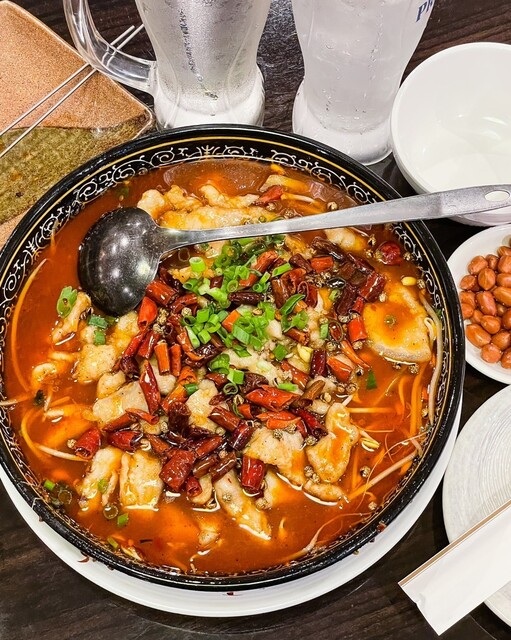
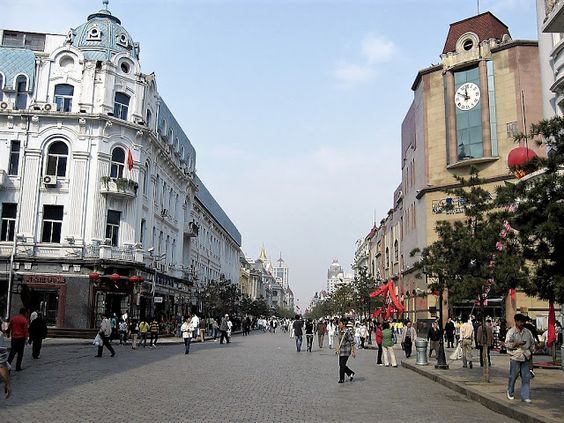
The green onion-shaped dome, the cross on top, the Byzantine-style decorations different from the West, and its exoticism... You find yourself in a trance, thinking you are in St. Petersburg while looking at the cathedral. Not just the cathedral, many buildings and the streets in the central city give off a Russian vibe. It's almost like a Disneyland city. The fact that Chinese is spoken here adds to the dream-like feeling. The Songhua River, a major tributary of the Heilongjiang River, flows through this city. The land along the river is fertile, growing soybeans, corn, sorghum, and wheat. People also farm carp, herring, bora, and salmon in the river. Despite the short summers and long, harsh winters, people live happily in this mysterious city. Why is this Chinese city so influenced by Russian culture? Being on the border and having a port, Russia wanted Harbin. The border of Harbin was pushed back by Russia during the Qing Dynasty. After the Russo-Japanese War and the Three-country Intervention, Russia leased Port Arthur and Dalian. The railway from Siberia to this city made things convenient. When the Russian Revolution hit, the nobles escaped to Paris, Berlin, or this city for a short period, but they soon realized it was a one-way journey away from their homeland. After the establishment of Manchukuo, the Soviet battles over Manchuria intensified. After the end of World War II, the Japanese living in Manchukuo suffered greatly. Due to this history, Manchuria is heavily influenced by Russian culture. This city, Harbin, has synagogues, an old Chinatown, and likely traces of Mongolian culture. The name of this city is Harbin, or Harbin, or Harbin. In a new Chinatown near Ikebukuro, past Don Quijote, at the entrance of Heiwa Street, there is a restaurant called "Shinkaikaku." A relatively affordable restaurant with a down-to-earth, neat atmosphere. The walls are decorated with agate-made legendary beasts and cabbage, resembling Chinese Art Nouveau. The dining area has a large projector, making it a somewhat unpretentious place. The lunch menu ranges from 680 yen to 780 yen, offering dishes like tomato and egg stir-fry, pork and garlic sprout stir-fry, sweet and sour pork, twice-cooked pork, mixed vegetables, various fried rice, and dan dan noodles. However, you don't need to be confused by these menus if you are not a local. Fortunately, Shinkaikaku allows you to order a la carte even during lunchtime. This piques the curiosity of food enthusiasts. Thinly sliced kelp with garlic sauce for 590 yen. Spicy stir-fried pig's feet for 1390 yen. Frog stir-fry for 1590 yen. Sazae (turban shell) with special sauce for 1290 yen. There is a variety of offal dishes, probably Harbin cuisine, as well as Sichuan cuisine options, such as Sichuan-style stir-fried silkworm pupae for 1290 yen. How about that? Sounds intriguing, right? I randomly ordered the "Pickled Cabbage, Oyster, and Vermicelli Stew" for 1190 yen. I'll taste it first and if I feel like trying more, I'll order something else. Now, after a while, the dish arrived, and to my surprise, it easily serves three people.

ありす。。
3.70
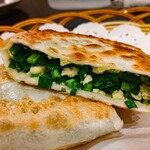
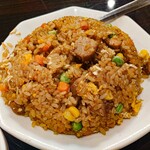
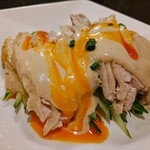
Draft beer (199), lamb skewers (90), Bang Bang Chicken (390), Cucumber and Enoki Mushroom Salad (390), Chive Dumplings (200), Beef Thick Soup (590), Char Siu Fried Rice (790).
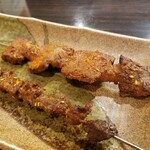
- I'm happy that you can order just one lamb skewer. The meat is soft with a good bounce and juicy, no unpleasant smell. It's so delicious, I could easily eat about 30 of these.
- Bang Bang Chicken has a rich sesame sauce that isn't too sweet. The chicken is moist and the portion is generous, a great appetizer.
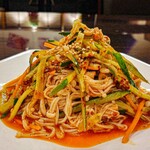
- Cucumber and Enoki Mushroom Salad has crunchy enoki mushrooms and crisp cucumbers, a fun texture to enjoy. Not too spicy, but it does have a nice kick. Affordable, delicious, and generous portions. Drinks are cheap and they are open all day, making it convenient. The service is good too, I'll definitely come back.
京夏終空
3.20
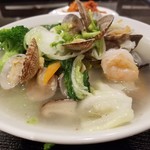
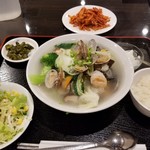
The restaurant serves dog meat (canine meat) dishes and is located on Mizuki Street, alongside Senrika, which has been known for a similar concept. The restaurant is celebrating its 12th anniversary. It used to occupy both the first floor and the basement, but now only the basement is in use. The basement used to be a pub, while the first floor was a popular ramen shop. Located near Ikebukuro West Exit (North Exit), the restaurant offers a lunch set consisting of Seafood Tanmen with a generous amount of seafood such as shrimp, squid, oysters, and clams. The dish also includes a variety of vegetables. However, the flavor of the soup lacks depth and richness despite the abundance of ingredients. The set comes with a small rice, salad, pickles, and almond jelly, all for a reasonable price of 780 yen. Additionally, the reviewer tried the Beef Tendon side dish, which had a unique texture and a slightly sweet taste. Overall, the dining experience was satisfactory. The review also touches on the trend of exotic meats and the subjective nature of taste preferences when it comes to unique or rare dishes.

Jackie_m
3.00
Finally, the typhoon has passed and Tokyo is back to rainy weather. I brought a folding umbrella just in case, but when I got off the Toei bus, I realized that I was just within the range where I had to open the umbrella. Without learning my lesson from being dumped yesterday at Ikebukuro West Exit, I headed straight to the Rosa Kaikan for a movie ticket for one adult (no complaints from anyone). This is not due to a sense of loss from my favorite manga series, "Baron Wani," ending in Weekly Morning a while back, but rather because I have always had a soft spot for crocodile and shark movies.
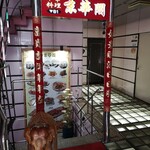
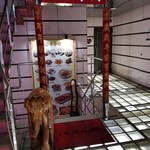
It was past 2 p.m. when I arrived at "Kyoka-kan." I held my trusty FUJIFILM camera in one hand and decided to go with autofocus instead of manual mode to save myself from the hassle, all while feeling the inconvenience of holding an umbrella in one hand. Suddenly, I remembered that I should eat first! So, I reluctantly abandoned my initial plan and found a staircase leading to a Chinese restaurant at the entrance of a deserted shopping street. An elephant was guarding the entrance. While elephants may be considered gods in India, pandas are supposed to be the gods in China. Will it work here? Despite my resistance, I was eventually drawn in by my own laziness and found myself descending the stairs towards the restaurant.
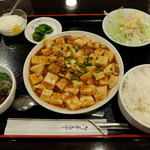
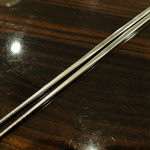
What if I were alone and had to sit alone at a table, surrounded by Chinese staff, fiddling with my phone while having a meal as the only customer on the floor? Such thoughts raced through my mind as I nervously descended the stairs, but fortunately, a waitress opened the door and welcomed me in. Though the floor was already occupied by several other customers, the fact that they all seemed to be Chinese only added to my anxiety (laughs). I ordered the weekly set meal, "Mapo Tofu" for 650 yen. The chopsticks provided were metal ones in a regular chopstick bag. I immediately discarded the sheath and tested the feel of the chopsticks. It felt lighter than SUS304, so I wondered if it could be stainless steel. I later found out through a search that the commonly available metal chopsticks are indeed made of SUS or titanium. As I was searching, the first result that came up was "Top 9 Recommended and Popular Metal Chopsticks." If there were people in this world who genuinely believed that using metal chopsticks would elevate their status, I would honestly think they were being quite foolish (laughs).
Setting the chopsticks aside, I began eating the Mapo Tofu with a metal spoon, as it seemed easier to eat with than chopsticks (laughs). The dish, though not visually appealing or authentic-looking, tasted pretty much as it looked. However, eating this mild Mapo Tofu gave me a hint that while the dish seems to be heading towards authentic Sichuan cuisine, a sincere Japanese-style adaptation could lead to a more complete version. I strongly feel that this dish could become a standard like pan-fried dumplings. And the key to achieving that could be the pre-made Mapo Tofu from "Kodote." I know I'm just talking nonsense again, but I can't help but think that focusing on the genuine Japanese-style adaptation of this dish could take it to another level.

西郷丼831
3.00
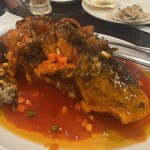
The all-you-can-drink course had a huge amount of food, it was overwhelming and made me feel sick.

sayak612
3.30
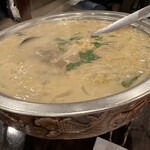
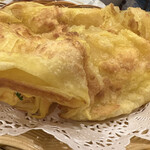
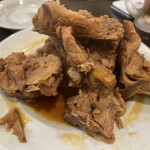
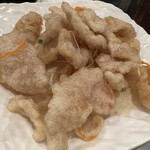
The grass hat cookies and pickled white cabbage hot pot were quite delicious. The other two dishes were so-so. It's a bit of a challenge to find parking in Ikebukuro because it's always crowded, but I would like to go again sometime.

食欲こそ生命
3.30
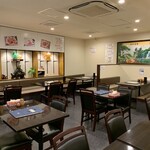
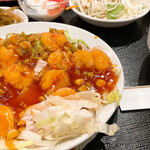
Located a 5-minute walk from the north exit of Ikebukuro Station West, this Chinese restaurant on the basement floor offers classic dishes such as shrimp chili and fried rice. The shrimp chili was a bit on the sweet side, but overall the seasoning was not bad. If you miss the sign, you might walk past it. It's right after you cross the pedestrian crossing.

kuma8282
3.00
I went to Kyoka Gaku, a Chinese specialty restaurant located at the north exit of Ikebukuro. It was a place where you can fully enjoy Chinese cuisine. With a course menu for 2000 yen, you can enjoy rice until you are quite full. The combination of beer and Chinese food was excellent, and the alcohol went down smoothly. The sweet and sour pork was so delicious that I ended up ordering seconds. I definitely want to go again.
ka3asagi
3.60

猫頭人
4.00
toshi_k
4.50
It's seriously delicious.
Yuri Shen
3.50
a4739973229
3.60

ミーザンプラス
3.50

YukiRhythmatist
4.00

さすらいのおはる
3.20
Email Login