神田三原堂
kandamiharadou
3.40
Kanda, Ochanomizu
「Japanese Sweets」
--
--
Opening hours: 9:30-18:00 (subject to change)
Rest time: Saturday, Sunday, Holidays
東京都千代田区鍛冶町2-2-7
Photos
(20)
Details
Reservation Info
Reservations available FAX: 03-3256-3750Email address: info@kandamiharado.com
Payment Method
Credit cards accepted
(VISA, Master, JCB, AMEX, Diners)
Electronic money is not accepted.
Number of Seats
(No eat-in)
Private Dining Rooms
None
Smoking and Non-Smoking
No smoking at the table
Parking
None
Comments
(21)

slm-mtu
4.20
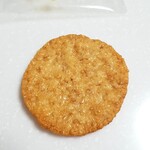
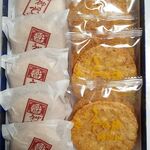
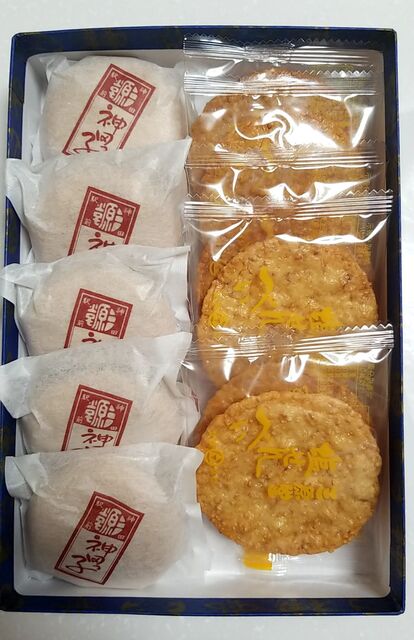
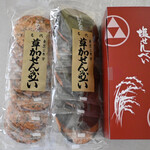
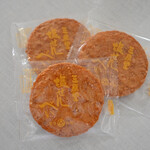
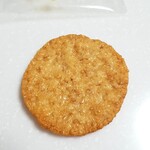
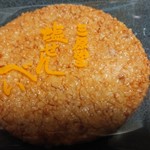
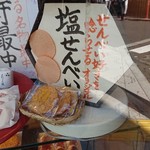
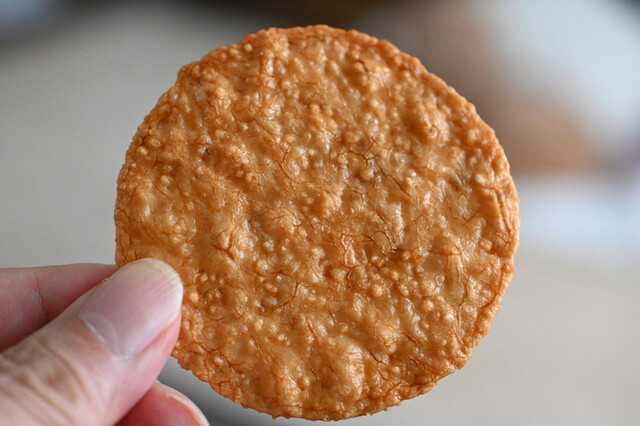
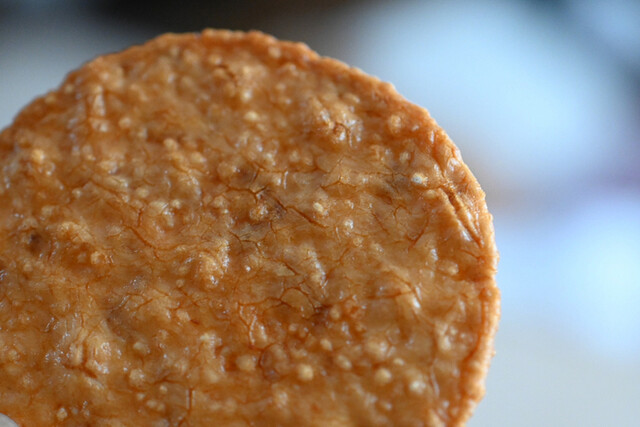
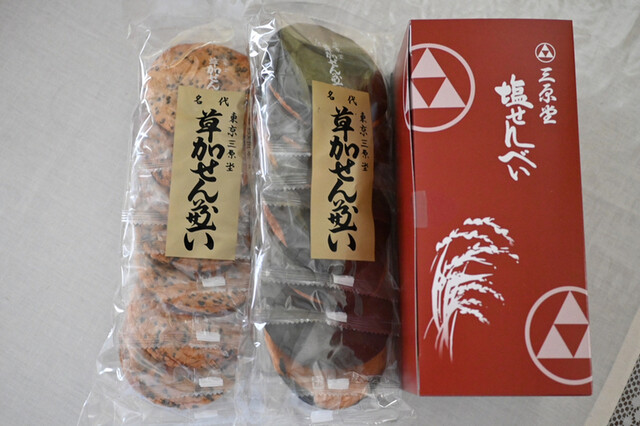
In August 2022, I went to a store to buy senbei without doing any prior research. My wife requested something salty after a series of cookies, so I ended up buying three types of senbei: salted senbei, sesame senbei, and nori (seaweed) senbei. The salted senbei had a soy sauce flavor, which was unexpected but delicious. It was made with domestically grown rice, giving it a great texture and flavor. The nori senbei had a rich seaweed flavor, while the sesame senbei had a balanced sesame taste. Both were excellent in taste and texture, and I could easily eat more of them. The senbei were thin and crispy, making them a delightful snack. Overall, it was a delicious experience.

とあるお鮨の禁書目録-食べログ-
3.50
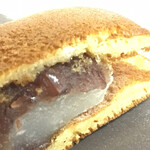
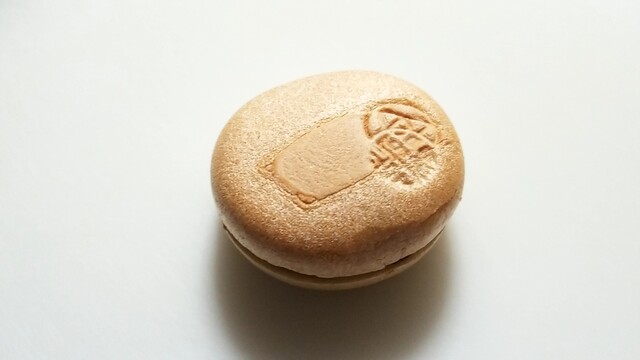
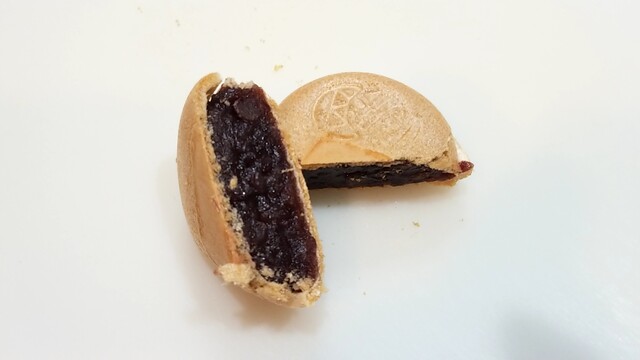
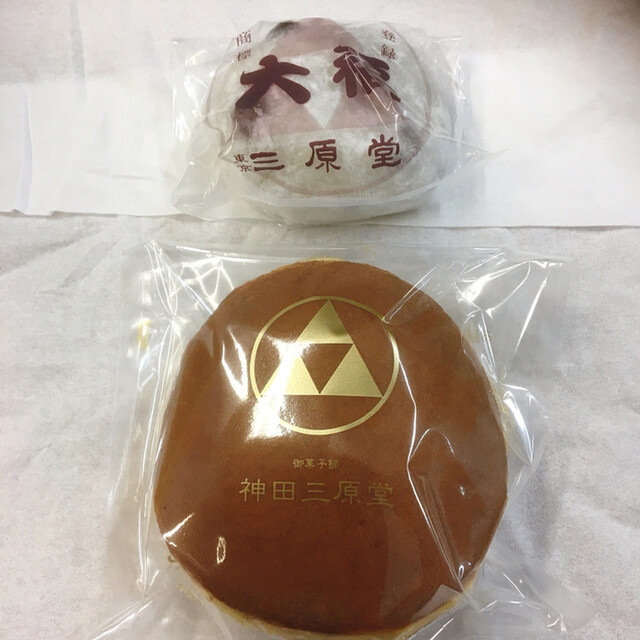
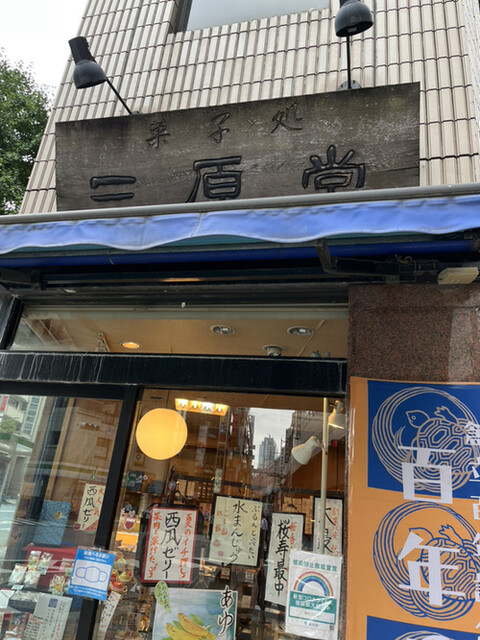
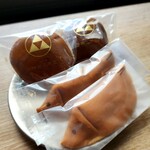
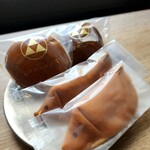
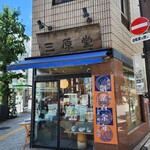
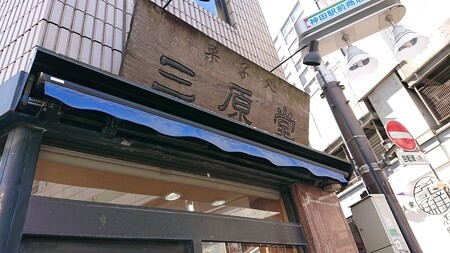
A traditional Japanese confectionery shop in front of Kanda Station, established in the Taisho era. With over a hundred years of history, they offer Ayu, a soft sweetfish wrapped in moist mochi, and Dorayaki, a firm pancake with a rich and hearty Edo-style red bean paste filling.

マルひ
3.80
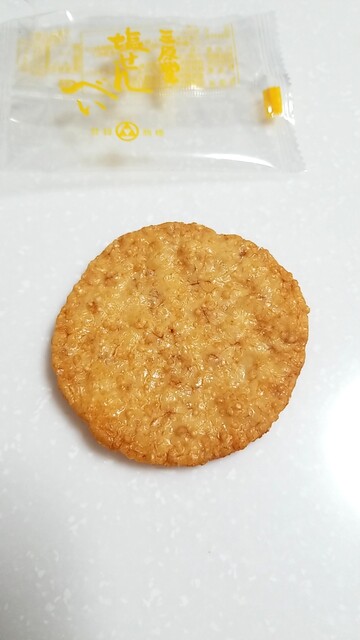
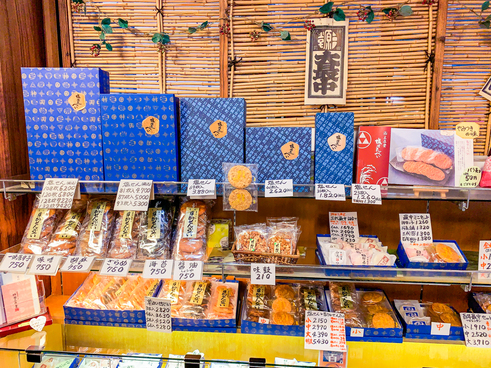
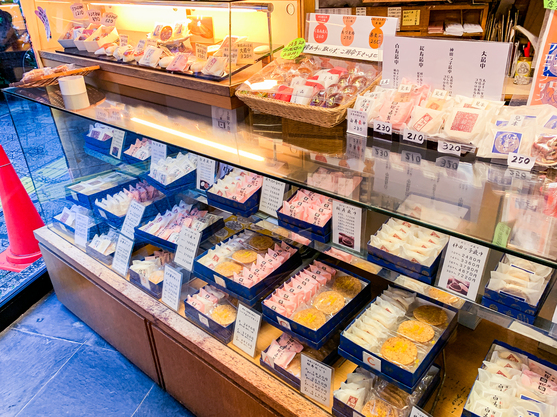
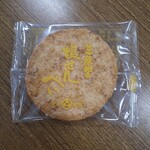
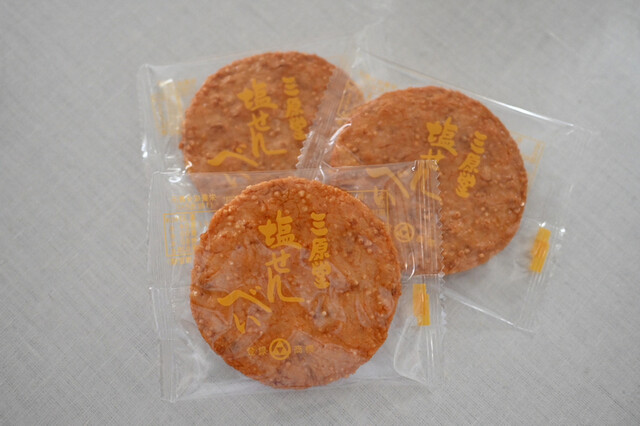
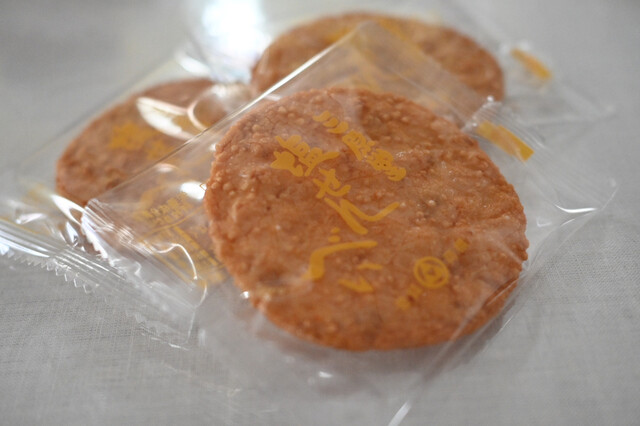
When thinking about a suitable souvenir to bring to a business visit, I remembered this store. Although I had passed by it many times before, this was my first time actually going inside. Upon entering, I saw various types of rice crackers and senbei lined up. Before deciding on a souvenir, I decided to try the salted senbei. When I tasted it at home, it was thinner and crispier than I had imagined. It had a strong soy sauce aroma and salty taste, making it a great choice for a summer souvenir. Each piece is individually wrapped and costs 50 yen per piece. I found a really good item.

夢を掘る人
3.50
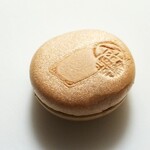
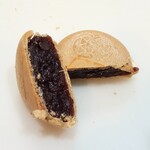
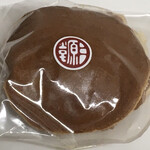
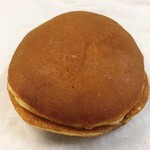
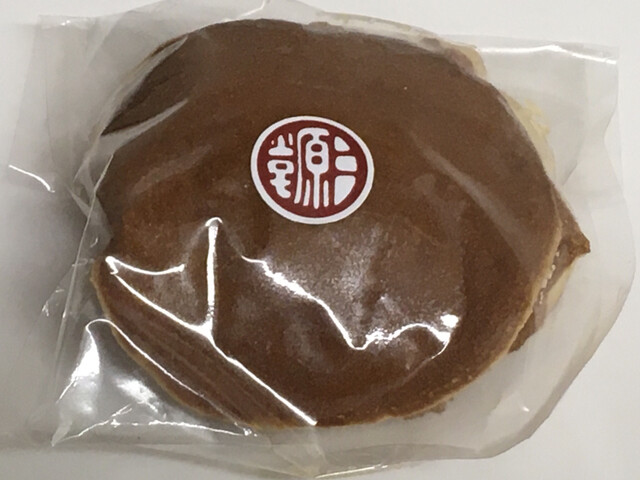
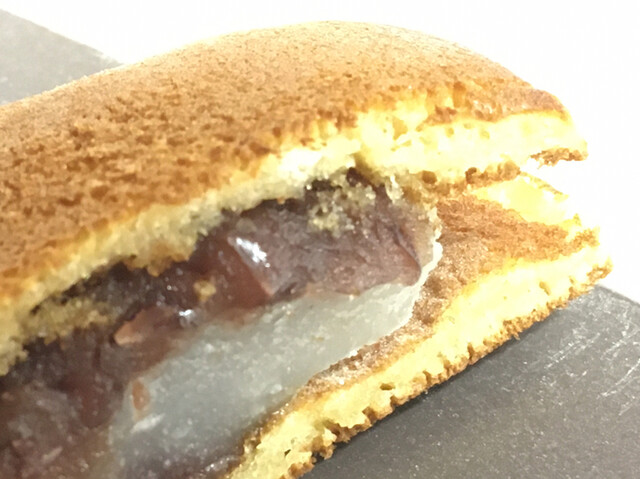
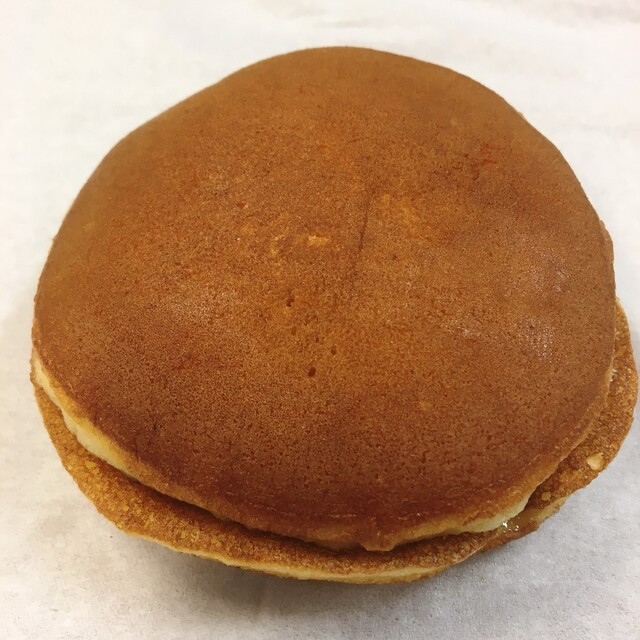
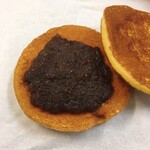
The journey of trying dorayaki led me to Kanda. This place is famous for its monaka, but I had high hopes for their dorayaki as well. The cake had a strong bake, thin in thickness, and the filling was on the sweeter side, typical of Edo-style dorayaki. Since the filling had a strong flavor, the cake tended to be overshadowed. Increasing the thickness of the cake could potentially improve the balance even further.

ビール党の人好きさん
3.50
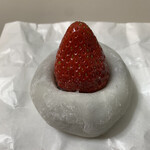
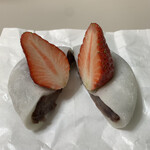
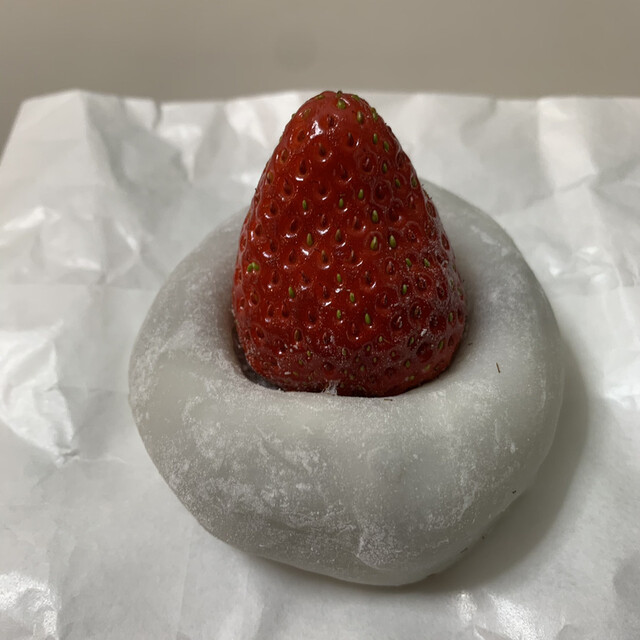
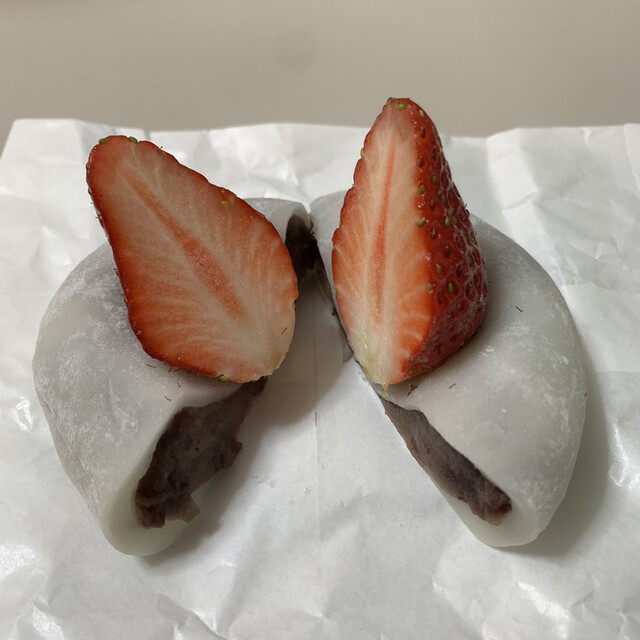
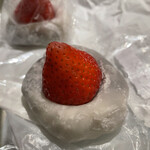
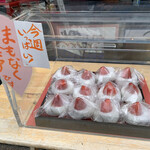
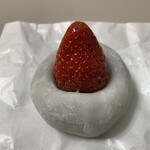
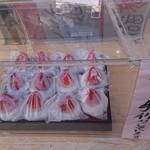
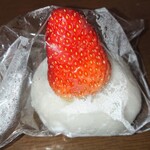
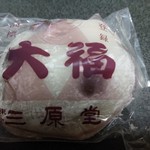
Sweet strawberry daifuku with a large strawberry on top ❤️ I've always wanted to try strawberry daifuku, so I was very happy to receive it. I got it as a souvenir and had it as a dessert at night! The daifuku was elegant and I could eat as much as I wanted. The red bean paste inside was shiny and beautiful... Thank you for the meal!

無芸小食
3.40
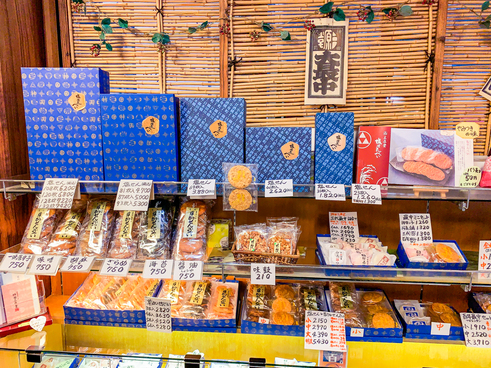
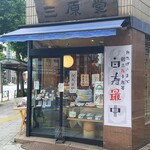
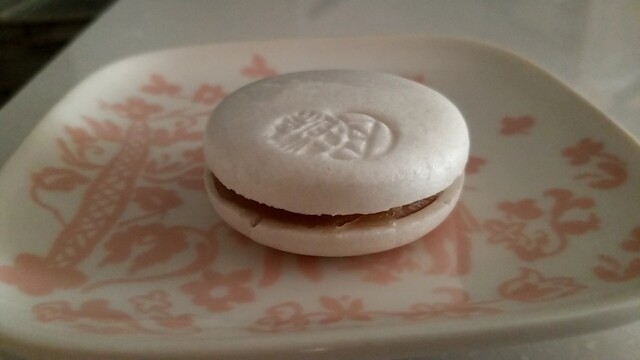
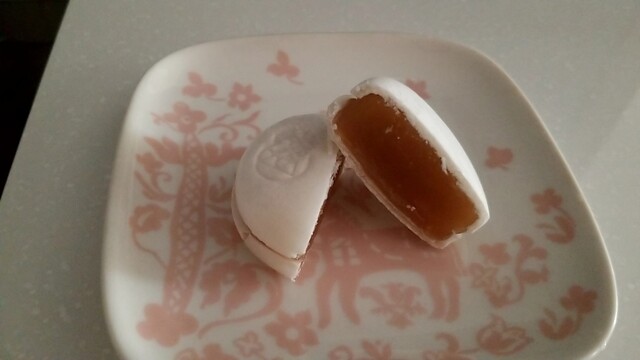
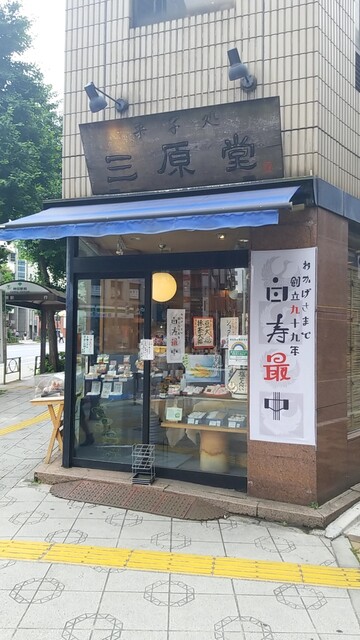
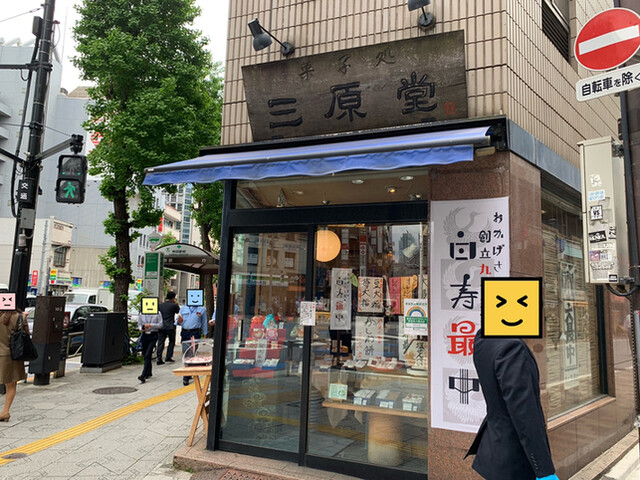
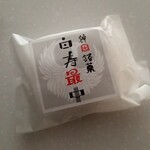
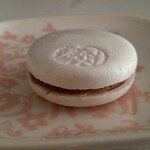
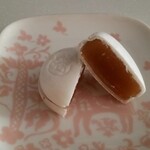
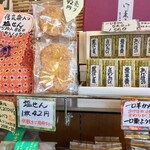
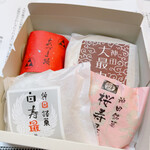
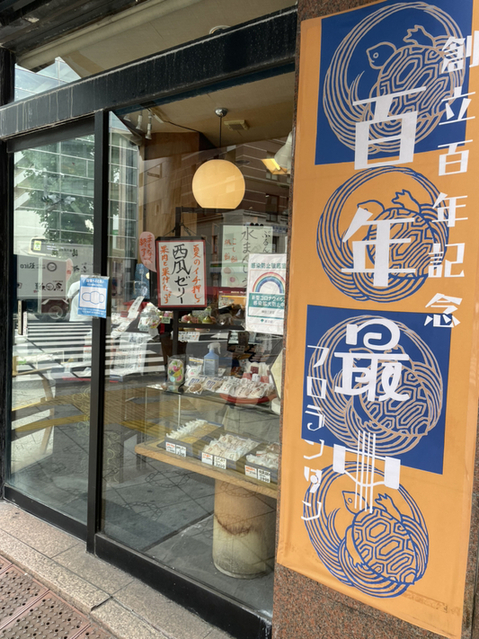
JR Kanda Station East Exit, right at the sharp corner of Chuo Street and Kanda Fureai Street, stands Kanda Sanyodo. According to Kanda Sanyodo's website, the first generation Iwasaki Nishitaro received a branch from Ningyocho Sanyodo main store and established the business here in 1922. This was just three years after the opening of Kanda Station in 1915. Nishitaro, born in the Meiji era, was a passionate man who also enjoyed playing the violin as a hobby. The shop started in the modern atmosphere of the Taisho era and was one of the first in Kanda to rebuild into a reinforced concrete building in 1930. Despite facing challenges such as the Great Kanto Earthquake in 1923 and World War II, the shop has continued to strive in making sweets loved by all. Sanyodo main store in Nihonbashi Ningyocho was established in 1877. From there, branches were established such as Kanda Sanyodo (1922), Hongosanyodo (1932), Nishiogikubo Sanyodo (1935), and Ikebukuro Sanyodo (1937). The Sanyodo Myogadani store is a branch of Hongosanyodo, while the shops in Gransta Tokyo, Atre Shin-Urayasu, Chapeau Honjo, and Atre Kameido are operated by the main store. Speaking of Sanyodo, they are known for their "Salt Senbei"! Salt Senbei can also be found in branch stores. Each branch store offers its own unique Japanese sweets in addition to Salt Senbei. Hongosanyodo offers University Manju, Daddy Bear Dorayaki, and Manju Love*Panda, while Ikebukuro Sanyodo offers Ikebukuro Manju, Ranpo's Warehouse, and Imo Manju, and Kanda Sanyodo offers Kanda Kid Manju and Sakura Ju Manju. Kanda Sanyodo, the oldest branch store, is celebrating its 99th anniversary this year and is selling a commemorative "Shiroju Manju". I decided to purchase the Shiroju Manju as it may not be available next year. Shiroju Manju: ¥210 - Comes in a bag decorated with a white crane. It is a white Manju with a brownish white bean paste inside. It has the taste of white kidney beans. Kanda Kid Manju: ¥2,310 (10 pieces) - This is a bite-sized version of the traditional large Manju. It is filled with plenty of firm bean paste. I prefer this one as I like chunky bean paste. Salt Senbei: ¥42 - A must-try when visiting Sanyodo. Their original Salt Senbei will impress Senbei lovers with its crunchy texture. It is made with uruchi rice, leaving a grainy texture and a crispy finish. It is seasoned with soy sauce and salt, giving it a fragrant and crispy taste. They use natural salt from Hakata with retained bitterness and German rock salt. This is a Senbei that will make you want another piece after you eat it. Will they release new products to commemorate their 100th anniversary next year?

のらねこk
3.50
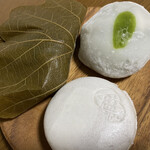
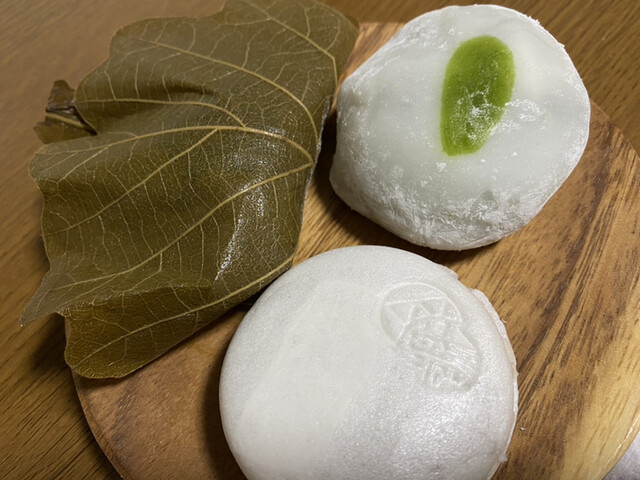
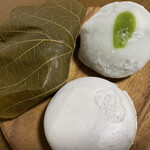
Located shortly from the east exit of Kanda Station. Established in 1922, almost reaching its 100th anniversary. It has overcome earthquakes and wars along with Tokyo's history. At 99 years old, they are selling a special type of mochi to celebrate their longevity. I purchased the mochi, dorayaki, matcha daifuku, and kusa mochi. I was surprised by the richness of the matcha daifuku.

ショーグンレーシング
3.50
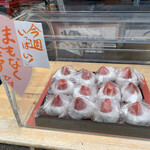
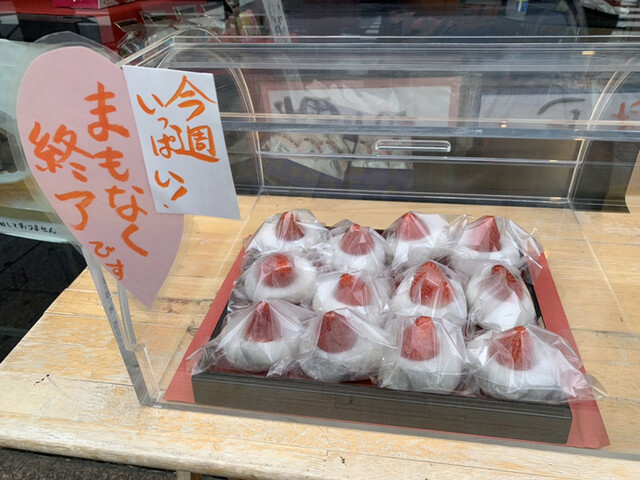
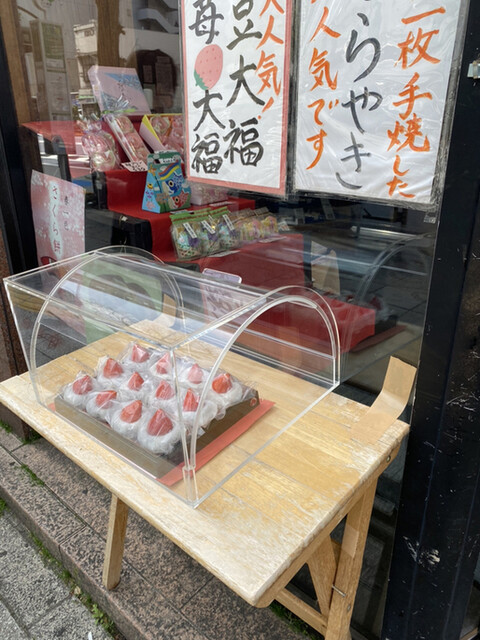
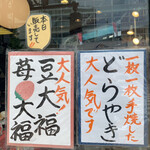
Today, after finishing my lunch in Kanda, on my way home I spotted a sign saying "Only until the end of this week!" and "Ending soon". I realized that the strawberry daifuku for 2021 was coming to an end! I bought one as a snack and ate it at home. It cost 360 yen per piece! Looking at reviews from 2017, it was 300 yen back then, but I guess with the increase in consumption tax, prices have gone up. Time sure flies. Anyway, I cut it in half and took a bite. The sweet red bean paste and chewy texture were nice, but since the strawberry was placed on top, it was a bit difficult to eat. It requires some skill to eat it together. Maybe I should just take big bites instead of trying to eat it delicately. It was delicious though. *I generally rate sweets as ★3.5.

接待の狼
3.20
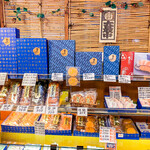
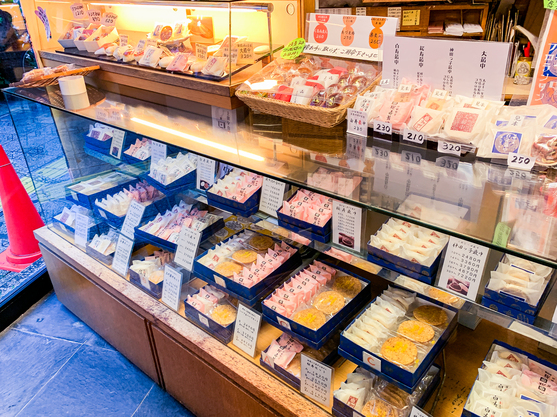
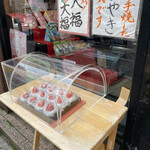
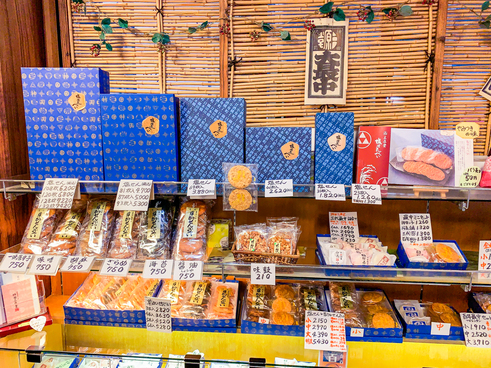
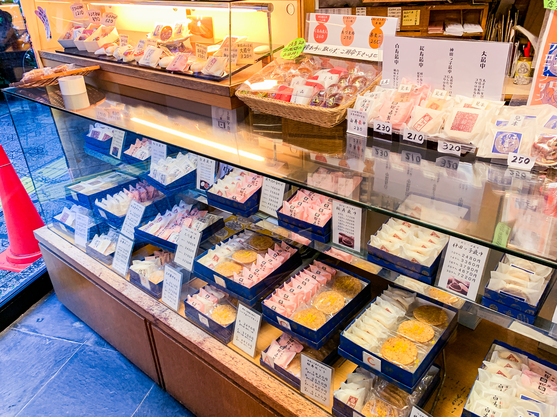
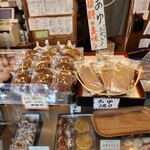
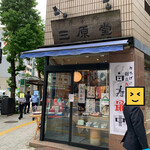
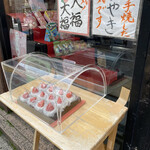
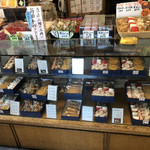
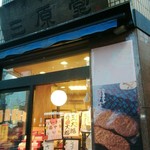
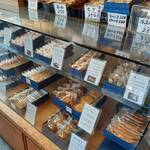
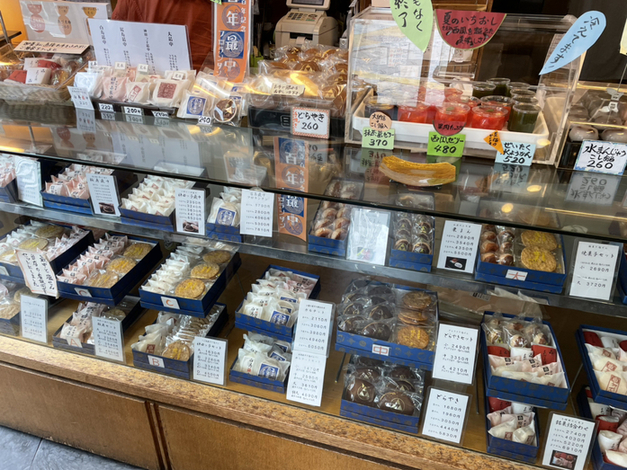
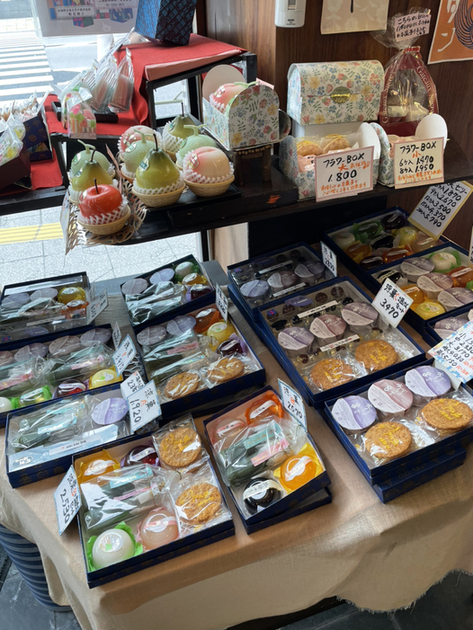
A shop located in a prime location in front of Kanda Station. Inside, the store has a traditional Japanese confectionery feel, with various treats such as strawberry daifuku, bean daifuku, kusa mochi, wasanbon sugar, and rice crackers packed tightly. Today, I was drawn to the strawberry daifuku but ended up changing my mind to kusa mochi. Looking forward to enjoying it as a snack.

aotora
2.50
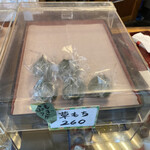
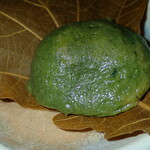
The kashiwa mochi (270 yen) had only chunky red bean paste available, not smooth paste or miso paste. It had a strong scent of oak leaves and mugwort. The mochi was firm and dense, like the old-fashioned kind. The paste was sweeter than modern tastes prefer, but it complemented the strong mugwort flavor well. However, there were too many fibers in the paste, like fish bones, which was a downside.

あてるい
3.50
On this day, I was looking forward to enjoying the Omurice at the Western-style restaurant "Bimi Tamago-ya" under the elevated structure at the east exit of Kanda Station. However, due to operational issues on the JR Chuo Line, I had to take a detour, and when I finally arrived, I found out that the restaurant was unexpectedly closed. It's been a trend lately that my important lunch plans are often thwarted by unforeseen circumstances, which is a bit disheartening. Nevertheless, I decided not to be discouraged and instead visited Kanda Sankaido, located right across from Bimi Tamago-ya, after lunch.
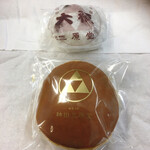
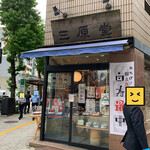
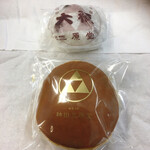
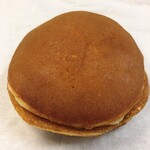
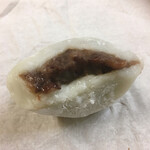
The shop is very compact as it is located on the ground floor of a small building on a corner. An older lady who appeared to be in her forties was behind the showcase. After lunch, I had plans to visit two more Japanese sweets shops, making it a bit of a greedy plan. The third stop, Fukuo Shouten, specializes in agar and kuzumochi, so there was no issue there. However, the second stop, Shono-suke, focuses on fresh Japanese sweets, which may overlap significantly with the offerings at Kanda Sankaido. Nevertheless, I decided to purchase the Mame Daifuku for 240 yen and Dorayaki for 250 yen (both including tax) that caught my eye in the showcase at Kanda Sankaido.
After completing the three-stop tour, I selected the sweets with an expiration date of the same day and enjoyed them with hojicha right away. The Mame Daifuku from Kanda Sankaido was delicious. The mochi skin was slightly thick but very fine, soft, and stretchy. The edamame beans inside were fewer compared to Gyorin-do in Gokokuji, but they were large and firm, providing a satisfying taste. The red bean paste inside had a good color and texture, with whole red beans remaining and a mild sweetness that allowed the natural flavor of the red beans to shine through. Honestly, even compared to well-known Mame Daifuku from places like Gyorin-do and Okano Eisei, the quality was outstanding. When considering the customer service aspect as well, Kanda Sankaido's Mame Daifuku was far superior.
I saved the Dorayaki for two days later since it has a longer shelf life. However, when I finally tried it, I found the texture of the dorayaki cake to be lacking in moisture and softness, as it was hard and dry. The red bean paste inside was overly sweet, overpowering the natural flavor of the red beans. Considering these factors, I felt that the price of 250 yen was somewhat high.

910ta693
3.30
First stop in Kanda: Delicious Tamago-ya
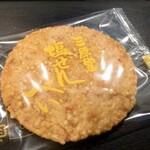
Second stop: I visited here. I received salt senbei. It has a simple, traditional senbei feel to it. The taste is not too strong, so it's good for a quick snack. Thank you for the meal.

miyabi7777
3.10
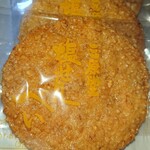
While walking towards Tokyo from Kanda Station, I encountered an incredible strawberry daifuku. They claim to make it fresh every day. I'm not a huge fan of strawberry daifuku, but I was drawn in by its appearance. The strawberry was towering on top of the daifuku, making it visually stunning from every angle. However, when I tried to eat it, the strawberry and daifuku separated, making it difficult to eat. I think it would be better if the strawberry was inside the daifuku. I ended up paying 360 yen for this, which felt a bit disappointing. On the bright side, the shop's original salt senbei was thin, crispy, and delicious. They were sold individually for 42 or 45 yen each, so I bought about 5 pieces. I thought these senbei would make a nice souvenir.

めた坊shige
3.20
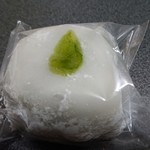
After enjoying a delicious tonkatsu, I headed back towards Kanda Station. I decided to take a break and have some coffee, so I crossed the street and noticed a sign for "Original Salt Senbei that will make senbei lovers groan" at a traditional Japanese sweets shop. Intrigued, I entered the shop called "Kanda Sanguendo" and bought 10 pieces of the salt senbei which were being sold individually for 42 yen each. I also couldn't resist getting the daifuku that caught my eye earlier. When I got home in the evening and tried them, both the red bean daifuku and matcha daifuku were delicious! The salt senbei, while not mind-blowing, was tasty with its thin and crispy texture. I could see myself getting addicted to these! They may not be cheap at 42 yen per piece, but I believe they would make a great gift that anyone would appreciate. I might just have to buy more when I go back (*^^*) Thank you for the meal.

トントンマン
3.30
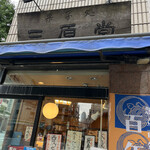
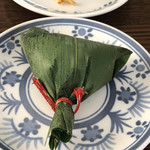
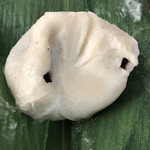
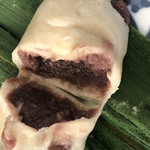
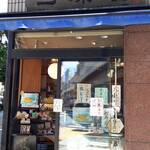
My family roots are said to be in the traditional Japanese confectionery business, a fact that I have been hearing about since I was a child. Originally, it seems that we were official merchants since the Edo period, but the business was closed before the war, and the shop curtain was burned down during the war. Furthermore, my grandmother, who was a living encyclopedia, passed away about 30 years ago, so now there is no evidence or witnesses, just stories being passed down. However, due to this heritage, our family temple is located in Azabu, so since starting using Tabelog, I have consciously visited and reviewed traditional Japanese confectionery shops in the Azabu-Akasaka-Roppongi area. I enjoyed asking the shop owners about their history and trying to see if there were any discoveries that could be made by following my DNA. Although I didn't come across any significant information, I still hope that one day my DNA will guide me to a discovery while exploring traditional Japanese confectionery shops, not limited to the same area. On this day, during my Tabelog activities in the Kanda area, I took the opportunity to visit this shop located in front of Kanda Station. Kanda Sambondou was founded in Taisho 11 by the first generation, Mr. Iwasaki Nishitaro, who received a branch from the main store of Sambondou in Ningyocho (used and reviewed in December of Heisei 29). The current location is where they started their business. Kanda Station opened in Taisho 8, just three years before that. The current owner seems to be Mrs. Nozomi Akiko, the third generation of the shop, who was previously Ms. Iwasaki. I visited the shop around half past twelve, after completing my Tabelog activities. It was lunchtime, but it seemed like there were fewer people around, perhaps because it was close to the Obon holiday. Normally, it's a place where it's quite difficult to take a photo of the exterior (right in front of the east exit of Kanda Station), but on this day, I was able to take a photo easily. I entered the shop. The storefront is narrow, and the inside of the shop is also quite small. The workshop seems to be on the second floor, but the site itself seems small. Still, considering this prime location, it must have considerable asset value... I digress, but the shop was managed by two female staff members, one of whom seemed to be the owner. The showcase mainly displayed baked sweets such as dorayaki, manju, and chestnut manju, as well as senbei. I couldn't see the daifuku that I was looking for, so I asked, and I was told that they don't sell daifuku during the summer. It was a shame, but there were several summer sweets available, so I purchased a wheat gluten manju for 240 yen. However, the price was quite high. By the way, dorayaki is also priced at 250 yen, so it's expensive. I took it home and enjoyed it as a snack with my wife. Our daughters were at work and school. The wheat gluten manju is individually wrapped in a large bamboo leaf. When you open the package, the scent of the bamboo leaf fills the air. When you spread the bamboo leaf, the scent spreads even more, and inside, small-sized wheat gluten manju sits. I put it in the refrigerator immediately after returning home, but maybe carrying it around in the extreme heat for about an hour wasn't good, as the wheat gluten stuck to the bamboo leaf and was not easy to remove. We managed to peel it off slowly and enjoyed it. Although it's called manju, the surface is made of raw wheat gluten instead of the typical wheat flour skin, and it is filled with sweet bean paste. The sticking was probably due to the raw wheat gluten. The sweet bean paste has a gentle sweetness with a good balance of saltiness, and the cool and refreshing texture when chilled is very delicious. The natural flavor of the wheat gluten also pairs well with it. It truly tasted like the traditional flavor of a long-established shop, but due to its small size, we quickly finished it. At 240 yen, is this it? That's honestly how I felt. When I looked it up, wheat gluten manju is...
ひろ・すこーるず
3.10
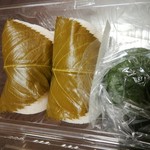
On March 2, 2018, on my way home, I saw sakuramochi being sold outside the store. I decided to buy some as I hadn't had it in a while. I purchased two pieces of sakuramochi and a set of kusamochi, each priced at 280 yen. When I got home, I ate them with my companion. Surprisingly, it was my companion's first time trying the Chomeiji type. The sweet red bean paste was quite strong in sweetness, which can be a matter of personal preference. Overall, we were satisfied and full. Thank you for the meal.

letsgoswallows
3.20
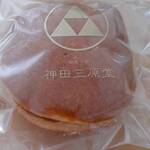
I used this shop near Kanda Station. They have a wide range of Japanese sweets, from snacks like senbei and dorayaki to perishable items that need to be consumed on the same day. This time, I bought dorayaki, ayu, and Mizu Daifuku. Upon tasting them, I found that they were all moist and had a strong sweetness. The dorayaki had a moist skin with a sweet red bean paste filling. The soybean flavor was subtle, leaving a lingering sweetness. The ayu also had a moist skin and sweet filling, with a substantial texture. The Mizu Daifuku had a memorable red bean paste filling, with a soft outer layer. These moist and slightly unconventional Japanese sweets are recommended for those who enjoy them.
ぽん014
3.50
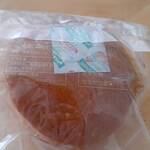
Basic deliciousness. Personally, I recommend the salted rice crackers and large manju the most.

Nakajoko
3.50
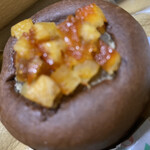
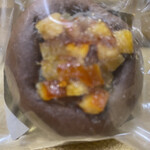
I received orange chocolate buns as a souvenir. They were delicious.

都鳥1008
3.20
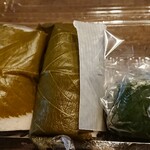
Sakura mochi, with a large sakura leaf and sweet bean paste that isn't too sweet. It was delicious.

DENさん
3.50
Email Login