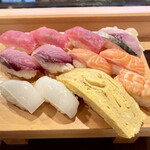
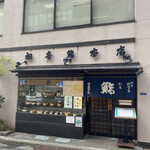
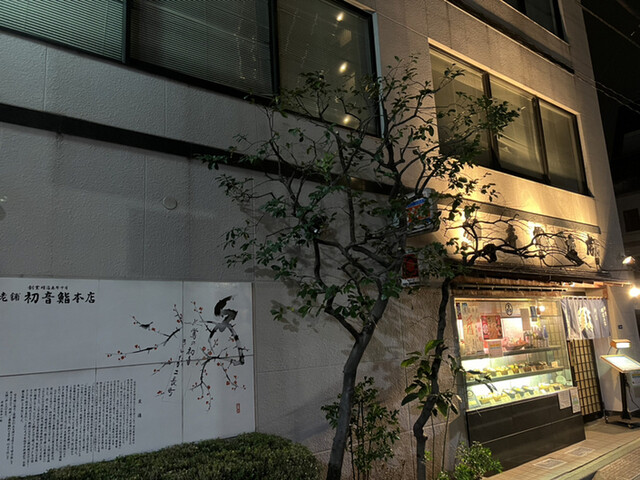
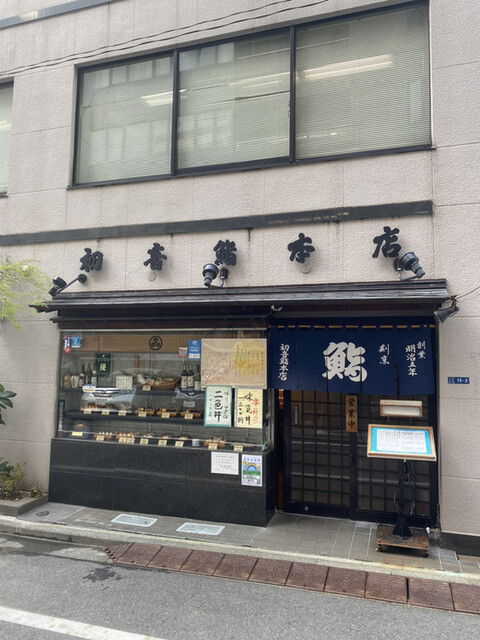
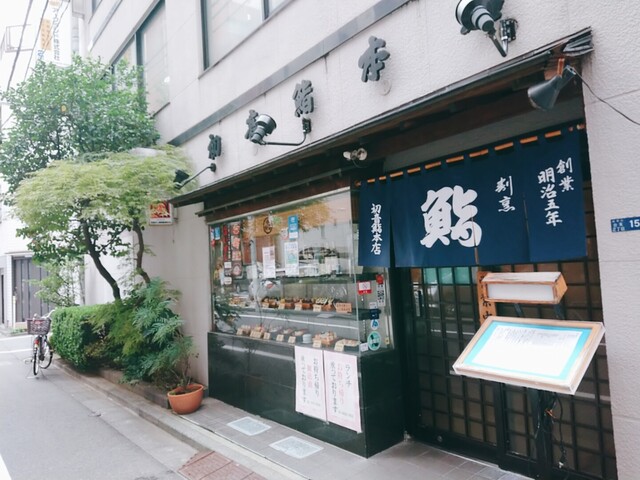
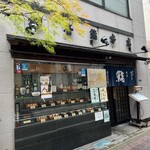
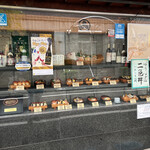
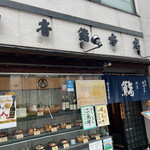
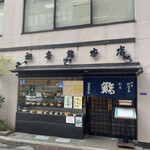
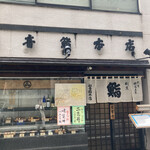
初音鮨本店
Hatsunezushihonten
3.33
Asakusa-Bashi, Kuramae
「Sushi」
--
1,000-1,999円
Opening hours: 11:30-13:30 17:00-22:30
Rest time: Sundays Business hours and holidays are subject to change, so please check with the store before visiting.
東京都台東区台東2-15-2 Lプレイス初音 1F
Photos
(20)
Details
Reservation Info
can be reserved
Payment Method
Credit cards accepted
(VISA, Master, JCB, AMEX, Diners)
Electronic money is not accepted.
Number of Seats
(13 seats at counter, 2 tables, 3 tatami rooms)
Private Dining Rooms
Yes (Can accommodate 2, 4, 6, 8 persons)
(Can accommodate 2, 4, 6, or 8 people)
Smoking and Non-Smoking
No smoking at the table
Parking
None
Facilities
Counter seating available, tatami room available
Drink
Sake available, shochu available, wine available
Comments
(20)

910ta693
3.40
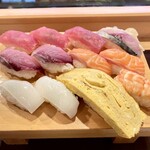
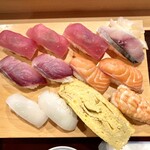
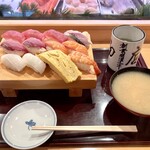
Established in the 5th year of the Meiji era! This sushi restaurant has a history of 150 years since 1872. I had the lunch service, which included a sushi set for one and a half people for 2,100 yen. The rice portion was generous and the toppings included multiple pieces of the same type. This is probably because it was a lunch service. It was delicious. Thank you for the meal.

koooj840
3.00
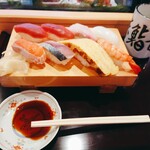
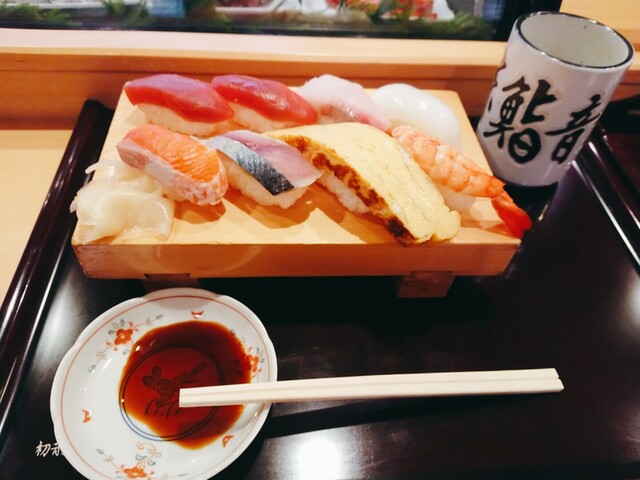
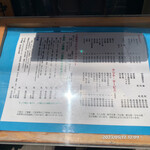
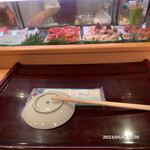
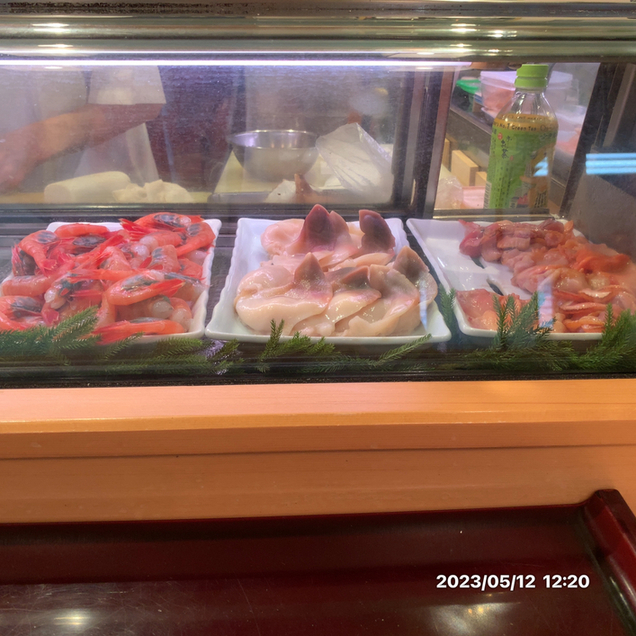
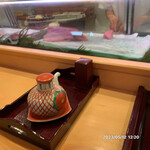
I discovered the restaurant where I had sashimi yesterday in an alley next to it. Upon researching, I found out that it was established 150 years ago. I arrived at 12:10 and it was full. I had to wait for 10 minutes, and I ordered a lunch sushi set for 1,500 yen and a piece of conger eel. The gentle female proprietor in a kimono recommended waiting inside the restaurant. This was my first time at a long-established sushi restaurant in the city. I heard that the rice balls were big. I'm looking forward to seeing how they turn out. Inside the counter, there were probably the 6th and 7th generation. The 6th generation was preparing the ingredients and making the sushi, while the 7th generation was handling the bowls and additional sushi. The ingredients available were tuna, sweet shrimp, scallop, and ark shell. The head chef's sushi-making seemed a bit clumsy. After making the sushi, he would reshape it on a cutting board. The rumored large rice balls looked tightly packed. The conger eel that I ordered separately was wrapped in plastic wrap in the ingredient case, and the head chef cut it and placed it on a small plate before taking it to the kitchen. It was probably microwaved. Soon, the sushi was served on a wooden plate without any gaps. The conger eel was served on a small plate separately. There was salmon, which I don't like, among the ingredients. It seemed like they didn't have the traditional Edo-style sushi focus. I saw a video of salmon being fed salmon oil to fatten it up to toro-like quality, which made me dislike it. I'll try the salmon, which I don't like. Today, I'll use chopsticks because the rice is not falling apart. I took a bite. Oh no, the rice is too wet and sticky. The vinegared rice didn't have any distinctive flavor. If this is the taste of a 150-year-old establishment, are the customers satisfied with this rice? It's giving me a headache. I'll refrain from commenting on the sushi today. However, the female proprietor's service was excellent. She was dressed in a kimono, attentive, and even made sure I wouldn't be late getting back to work. The bill came to 2,050 yen for the lunch sushi set at 1,500 yen and the conger eel at 550 yen. When I paid with a 10,000 yen bill, I received all the change neatly arranged in a tray in a beautiful fan shape. I felt a sense of pride from this long-standing establishment, even if it was just a small gesture. She saw me off outside the restaurant. The female proprietor gets a perfect score.

ミルコくん
3.40
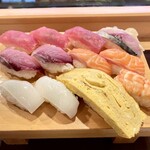
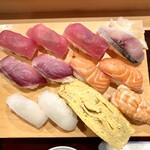
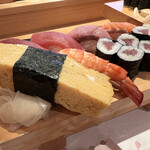
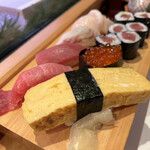
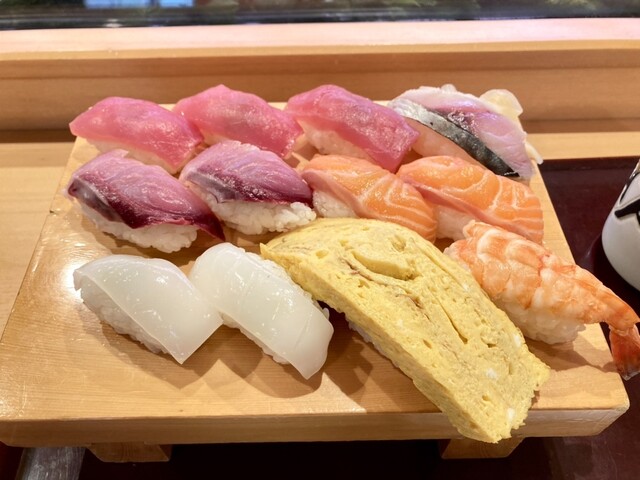
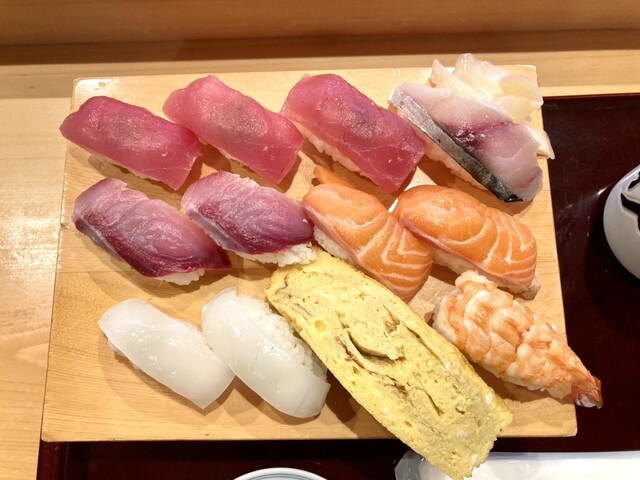
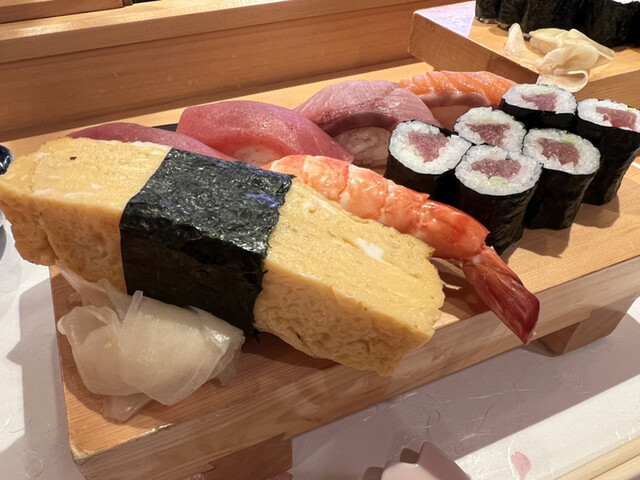
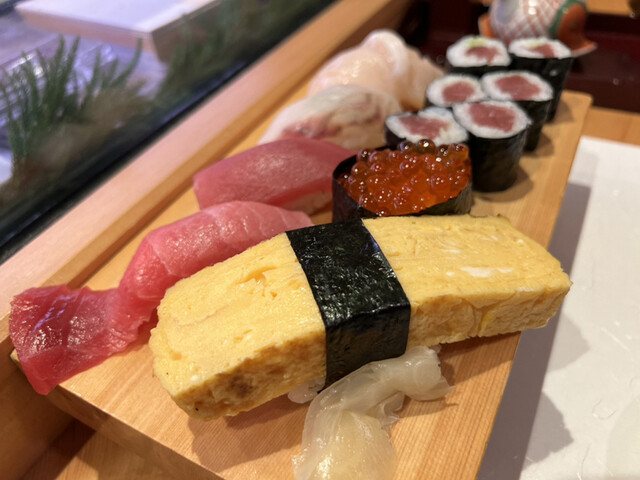
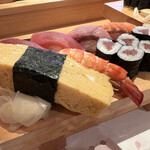
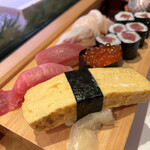
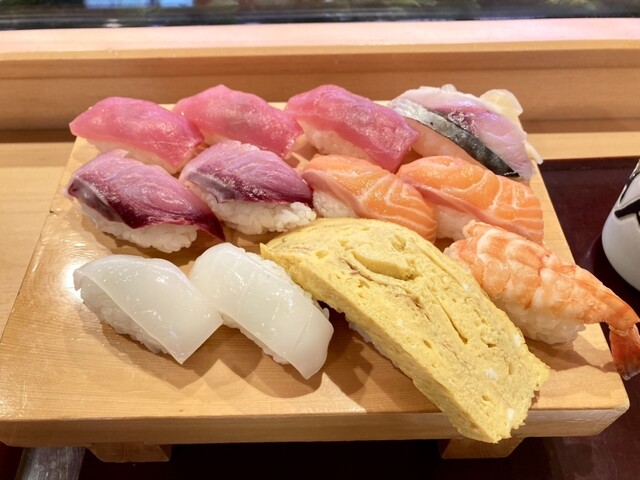
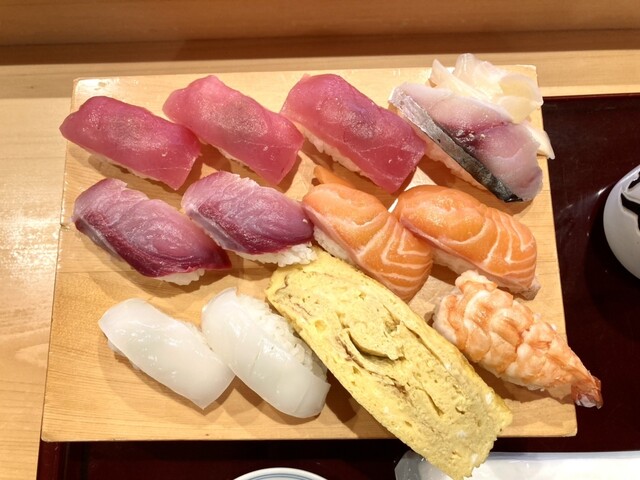
The main store of Hatsune Sushi in Taito, Taito Ward, was established in the fifth year of the Meiji era, making it 150 years old in human years. It is much older than the Hatsune Sushi in Kamata that you can find online. Despite its long history, the atmosphere is not intimidating at all. Even as beginners sitting at the counter, we were treated kindly and felt relaxed. The most surprising thing was the size of the Tamago (egg sushi) they served.

TOMIT
3.10
Had lunch at Hatsune Sushi main branch. A sushi restaurant that I had never noticed before. Even on Saturdays, they offer the same lunch menu. They don't seem to focus on traditional Edo-style sushi as there was salmon in the selection. Without thinking, I ordered the "Nigiri for one and a half" (1800 yen). Soon after, I regretted my decision. The nigiri sushi had huge rice portions. I remembered a popular sushi restaurant in NYC called TOMOE SUSHI, known for its large sushi rice portions and big cuts of fish. That experience made me question the reliability of Zagat ratings. This place had normal-sized fish but huge rice portions. I was served 12 pieces of tightly packed nigiri with big rice portions. The rice was firmer compared to another nearby sushi place, Toyosushi. The quality of the fish was decent for the price. I felt like my stomach was going to burst. I should have just ordered a regular portion. The variety of fish wasn't that different either. They accept credit cards.

七福神になりたい♡
3.50
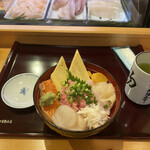
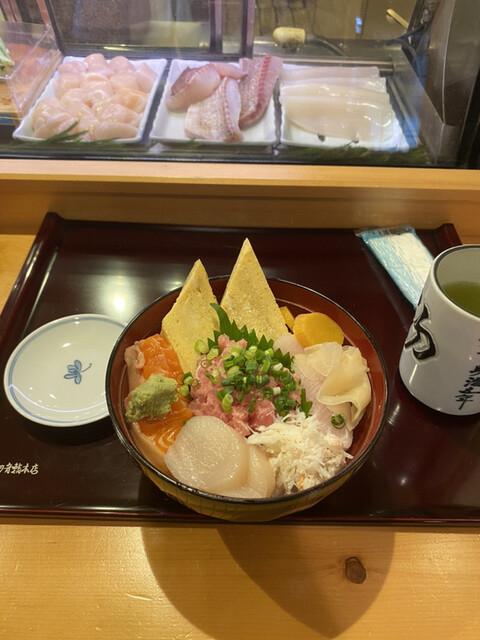
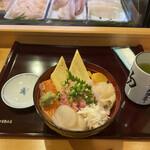
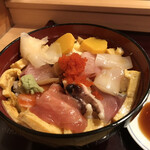
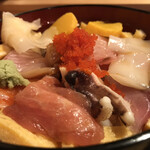
I went to a sushi restaurant in the neighborhood that I had been curious about for lunch on this day. Despite many options, I ordered the seasonal donburi which had crab and fatty tuna among other ingredients. It was only 1300 yen, which is cheap! The tamagoyaki (Japanese rolled omelette) was also delicious with my favorite flavor.

mightycomet
3.30
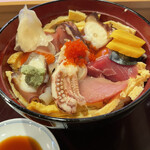
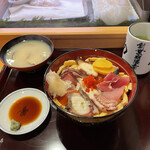
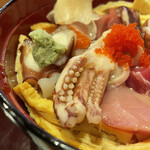
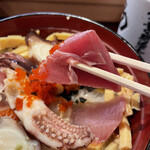
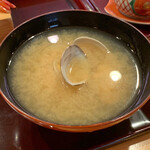
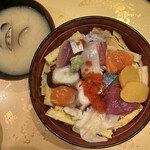
Seafood bara chirashi for 1,000 yen. Today, I had lunch with a colleague at a long-established sushi restaurant founded in the 5th year of the Meiji era. We arrived at 11:39 AM, with no other customers before us and 10 customers coming in after. Despite being a well-established sushi restaurant, they offer reasonably priced lunch menus. After some hesitation, I ordered the seafood bara chirashi. The dish was served in about 7 minutes. It was a generous assortment of octopus, tuna, squid, tamago, tobiko, salmon, mackerel, squid, and yellowtail sashimi. The fish slices were cut larger, providing a satisfying eating experience. The clam miso soup was not overpowering and complemented the bara chirashi well. The sushi rice was properly cooled, not affecting the sashimi, and the portion was just right. Overall, it was delicious. Utilized for lunch on June 8, 2022. Rated 3.33.

まぁCLUB
4.50
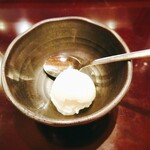
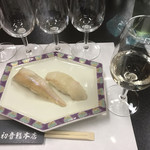
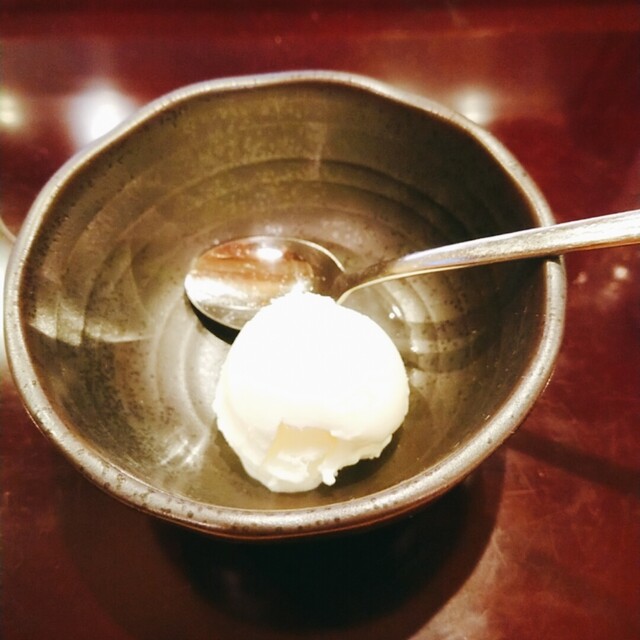
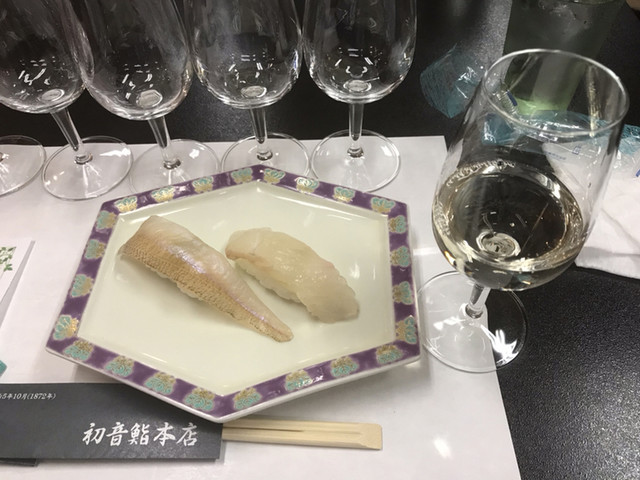
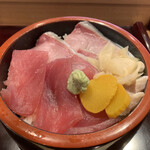
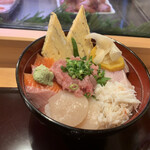
Highly recommended traditional sushi restaurant! Located near Shin-Okachimachi, a little off from Kiyosu Bridge Street towards Kuramae Bridge Street. This restaurant was recommended by a follower, and it was my first visit. Upon entering, I noticed the upscale sushi restaurant atmosphere with a counter, suitable for formal occasions. Despite the seemingly high threshold, I opted for the lunch menu. I had the 2-piece rice bowl for ¥1,000, which included tuna and yellowtail. The yellowtail was incredibly tender and delicious, perhaps the best I've ever had. The owner mentioned that they only serve fresh ingredients and never use frozen ones. I also tried the Taste Sensation Bowl for ¥1,300, which included salmon, yellowtail, scallop, crab, negitoro, tamagoyaki, and clam soup, with ice cream for female customers. The owner mentioned that their predecessor used to run a restaurant in Nihonbashi, which was destroyed during the war, and they have now settled in this location. Overall, it was a fantastic sushi restaurant with fresh and delicious offerings.

cinnamon-☆
3.60
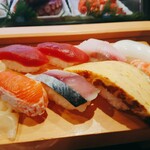
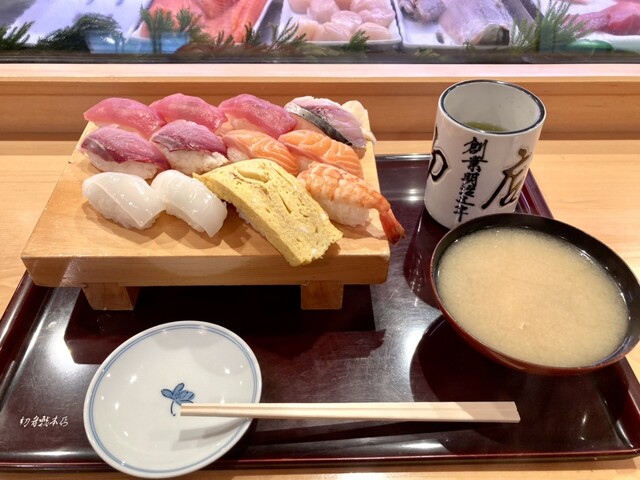
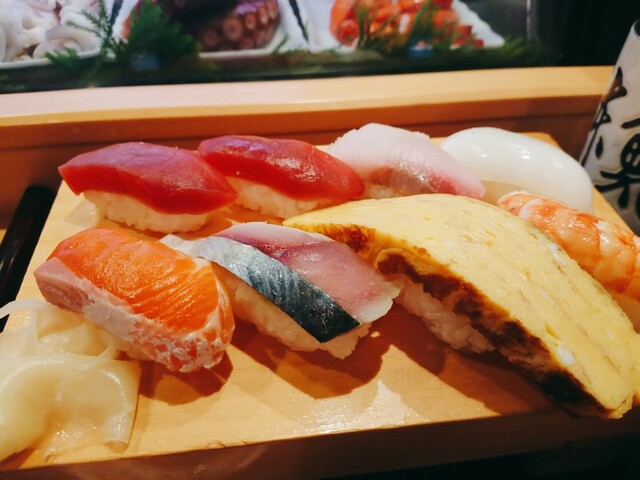
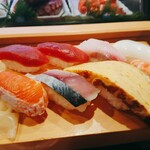
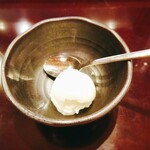
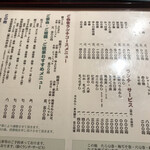
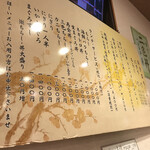
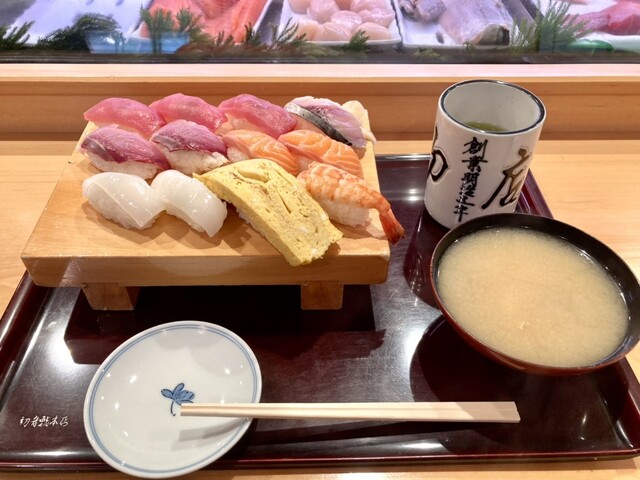
At the entrance, you can't see inside the store, so it's a bit intimidating to enter, but the landlady welcomed us kindly. The surprisingly spacious interior has table seats and tatami mats, and it was almost full. The lunch menu includes not only sushi but also chirashi, a two-color bowl of yellowtail and tuna, and a reunion bowl of salmon and salmon roe, all for around 1000 yen. There are also menu options for business meetings, making it suitable for various occasions. This was my first visit, so I ordered a portion of sushi for 1300 yen. It included 2 pieces of tuna, yellowtail, squid, shrimp, salmon, mackerel, and egg, and was quite filling. The sweet egg was delicious. As a special offer for female customers, we received complimentary ice cream. Many people were ordering the bowl, so next time I would like to try the two-color bowl for 1000 yen.

ジゲンACE
0.00
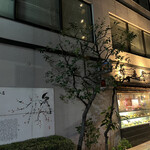
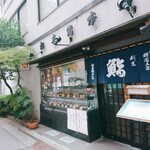
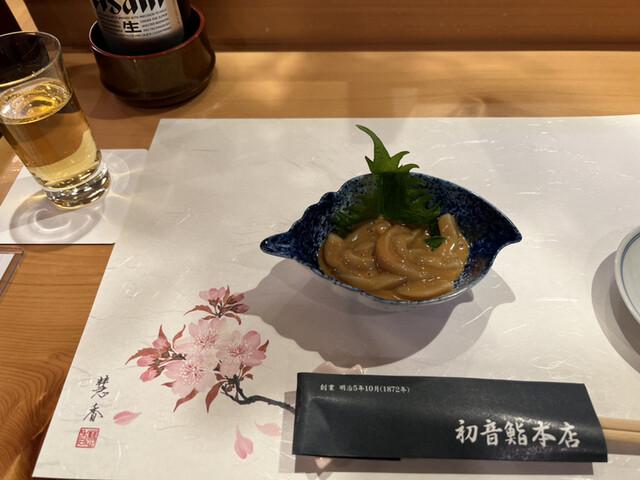
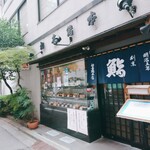
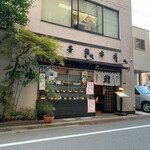
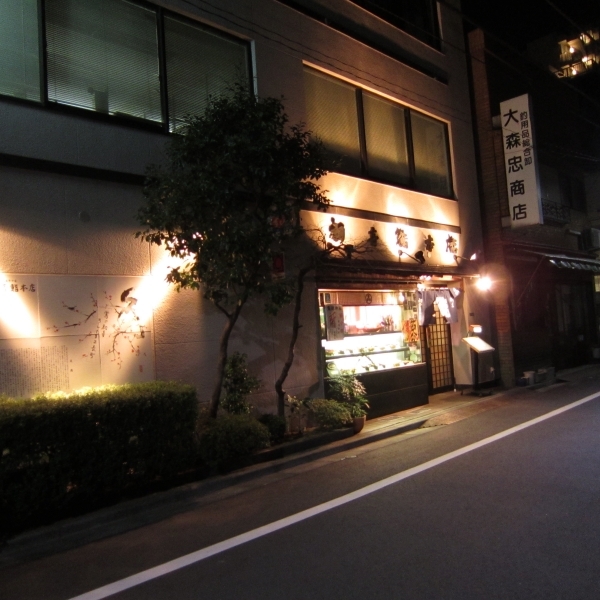
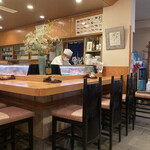
Between Ueno and Akihabara, there are two sushi restaurants that were founded during the Edo and Meiji periods. They are Asahi Sushi Main Store and Hatsune Sushi Main Store. Both have been turned into buildings, so there is no trace of their original appearance. There are several shops that have been opened as branches of Hatsune Sushi Main Store, but the one founded in 1893 in Kamata is not related. The current owner of our store is the fifth generation. The moderately sized interior has an L-shaped counter, as well as tables and chairs in the tatami room, giving it a Taisho Romantic atmosphere. I visited during lunchtime on this day.
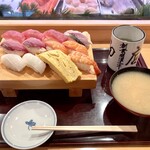
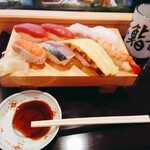
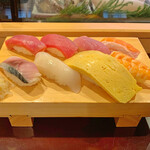
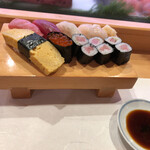
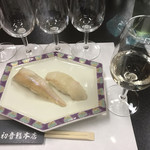
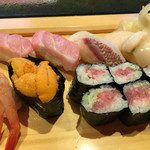
Lunch Nigiri (1,300 yen including tax) with 8 pieces and a soup. The pieces are quite large. It's said that "Edo-style sushi is like a small geisha eating sushi," and this traditional style of nigiri reflects that. The vinegar used is slightly sticky, leaving a sweet and sour aftertaste. In terms of price and quality, it's reasonable for a lunch set. Salmon is used as one of the toppings, which is a modern trend. I personally like salmon, but I am not very fond of it, so it had been a while since I last tasted it.
Considering the history of our store, it seems that we were creating the prototype of gunkan-maki before it was officially made in 1941 by Kyubei. Also, it appears that we may have been the origin of the chirashi style as well.
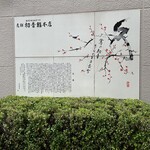
The history of our store is as follows: The first owner, Moriyasutaro, opened a shop near the fish market in 1872, and later moved to Nibancho, Shitaya-ku in the 1920s. During the time of the second owner, Yutaro, he interacted with people from Kansai and invented the "chirashi" sushi. The third owner, Koshitaro, created the prototype of gunkan-maki by placing "konowata" on top of vinegar rice wrapped in seaweed. The fourth owner, Toyozo, operated a stall in the famous "Shamisen Yokocho" from the Taisho era to the 1930s, and his wife, Hanako, continued to make sushi at the stall. After the war, the stall disappeared due to GHQ's occupation, and the fourth owner restored the shop in 1947. The business faced challenges due to the post-war situation, but survived through the "rice processing commission" permitted by GHQ. The business evolved over the years, adapting to modern times with a counter, tables, and chairs, attracting more female and family customers.
(Explanation from the store)

moritanee
3.20
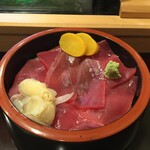
During the filming of the drama "Akametaka," they served Tekka-don (tuna sashimi rice bowl) at a Chinese restaurant. The chef role was played by Masashi Sada. The taste of the don was neither good nor bad, but the atmosphere of the restaurant was nice. It makes me want to reread "Kozue no Kamisama" after a long time.

ショウ@旅人
5.00
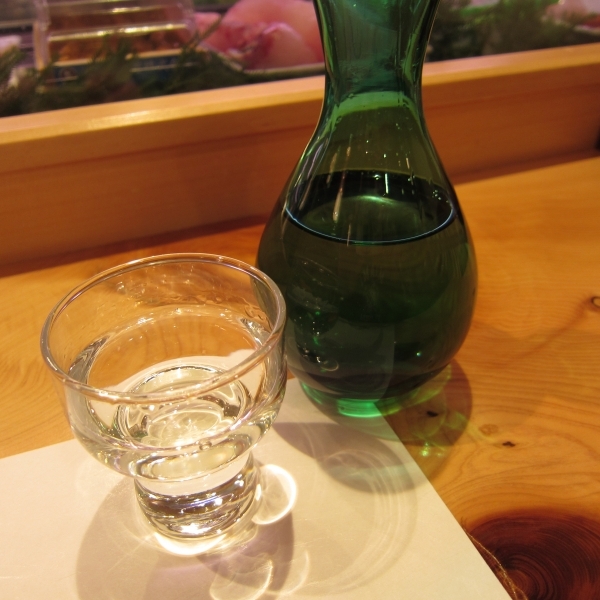
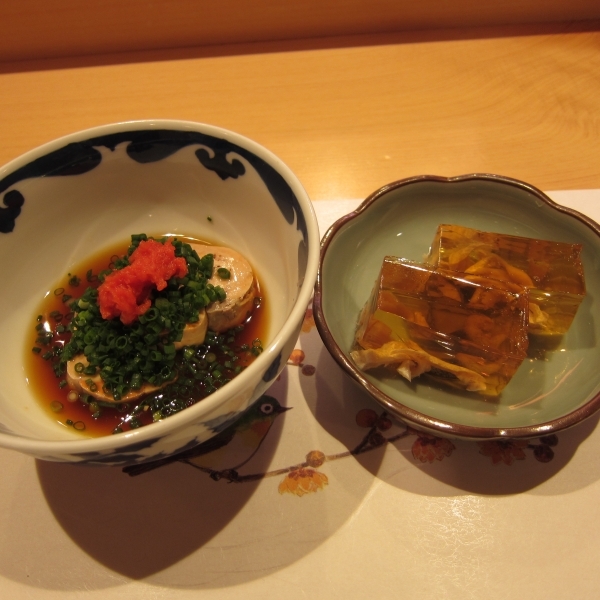
Last night, I went to Ueno in Tokyo. I visited Hatsune Sushi main store. The atmosphere was lively with two groups in the tatami room. The owner and staff greeted me warmly. We caught up on recent events, and I enjoyed a delicious meal of various sushi dishes and sashimi. The sake was also excellent. After dinner, I tried to visit another restaurant but it was full, so I returned to my hotel. Overall, it was a pleasant dining experience at Hatsune Sushi.
パン屋色
3.60
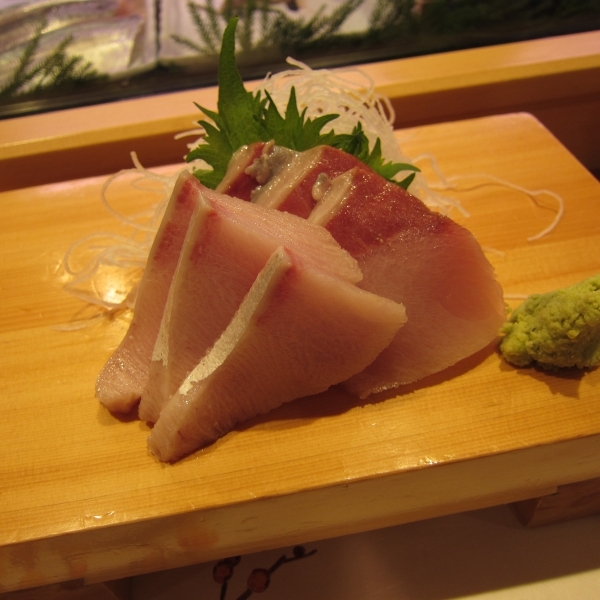
I think the lunch set for 1.5 people at 1800 yen would be even more delicious if the amount of rice decreased to 5-7 portions.
おとんです
3.20
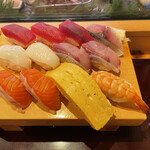
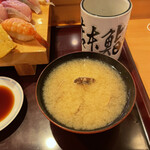
Yesterday, I found a sushi restaurant while looking for a vending machine for tea after having a delicious pickled fish for lunch. I couldn't see the lunch menu well, so I ended up ordering the Chirashi instead. It was quite a generous portion with three pieces of tuna, squid, scallop, white fish, eel, and red clam. There was also chicken mince with sakura denbu. It was a rare find to come across a sushi restaurant like this. The tamago was on the sweeter side and rolled like a castella cake. The seating space was narrow, and I'm not sure if it's the same in the evening. The service was decent, so I'll definitely go back to try it again.
motomiyo
3.60
パンドイッチ
0.00
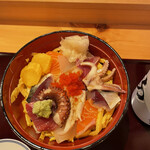
Tsukedon is a type of rice bowl dish.

ボン55
0.00
aran.
3.00
It's not bad, but the cost performance is not great.

カケフの弟
3.60

レバ刺メソ子
3.20

mickey_a
4.50
Email Login