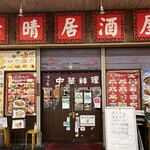
晴晴居酒屋
Seiseiizakaya ◆ 中華料理 晴晴居酒屋
3.28
Asakusa
「Chinese Cuisine」
1,000-1,999円
--
Opening hours: [Weekday]11:00-15:0017:00-20:00[Saturday & Sunday]11:00-20:00 Open Sunday
Rest time: Wednesdays Business hours and holidays are subject to change, so please check with the store before visiting.
東京都台東区浅草2-23-4
Photos
(20)
Details
Reservation Info
can be reserved
Payment Method
Cards accepted
(AMEX, JCB)
Electronic money accepted
Restaurant Service Fee
nashi (Pyrus pyrifolia, esp. var. culta)
This fee is charged by the restaurant, not related to our platform
Number of Seats
25 seats
(Table seating only)
Private Dining Rooms
None
Smoking and Non-Smoking
All seats smoking permitted Smoking was still permitted in all areas as of September 2020 The Law Concerning Measures Against Passive Smoking (Revised Health Promotion Law) has been in effect since April 1, 2020, and may differ from the latest information, so please check with the restaurant before visiting.
Parking
None
Facilities
have a large seating capacity
Drink
Sake and shochu available
Comments
(20)

soleil_5791
3.40
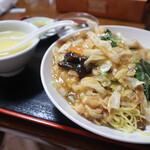
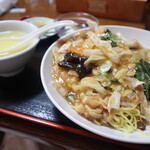
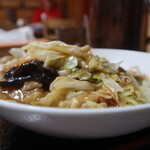
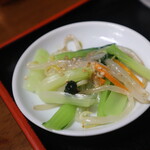
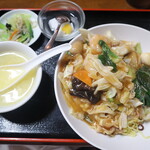
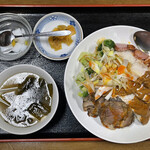
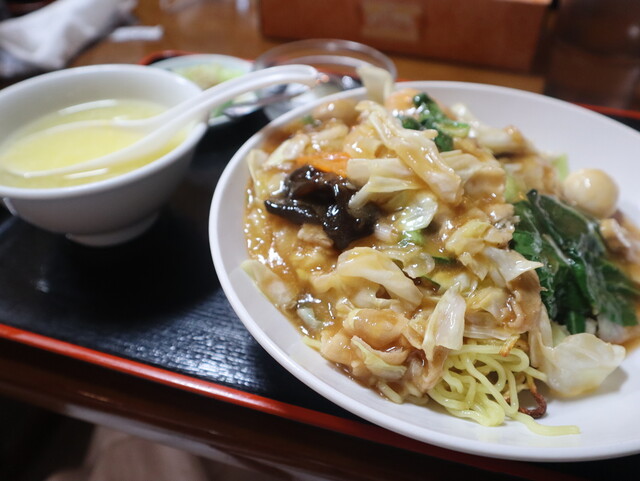
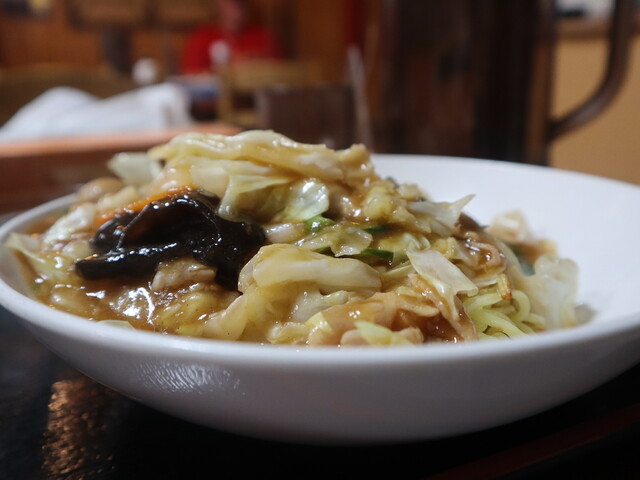
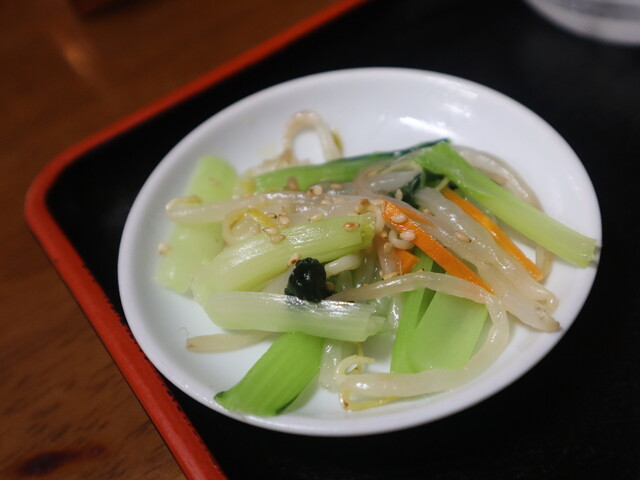
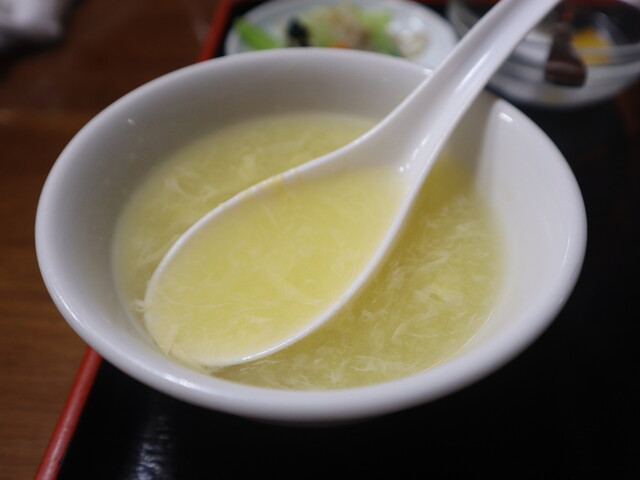
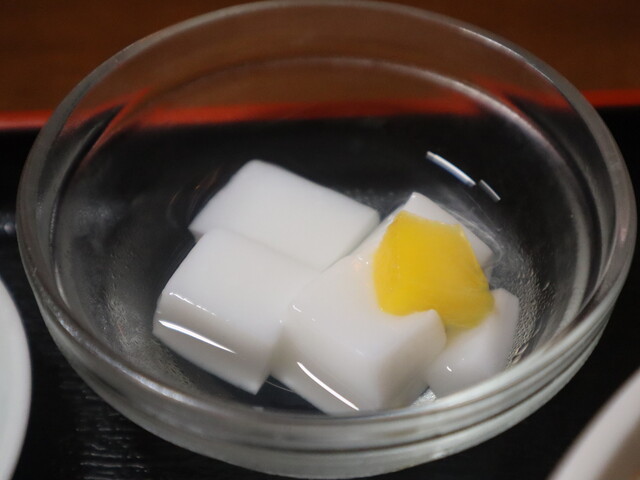
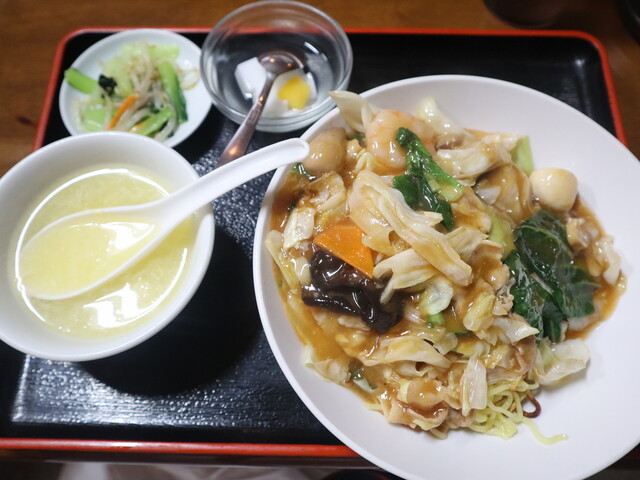
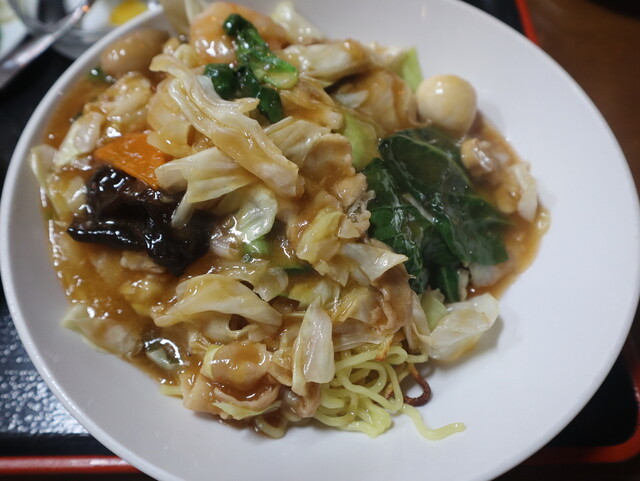
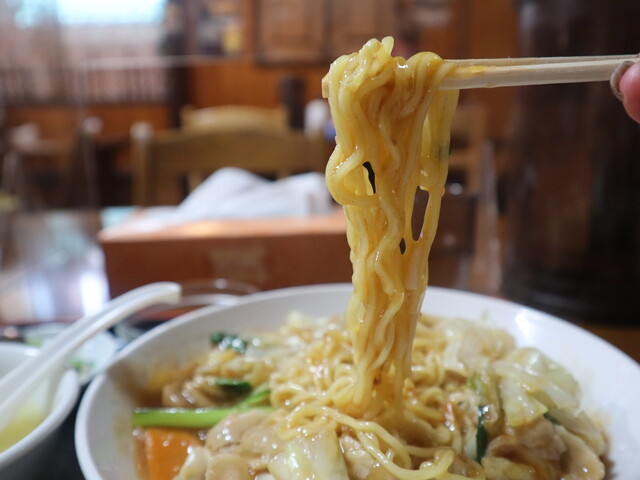
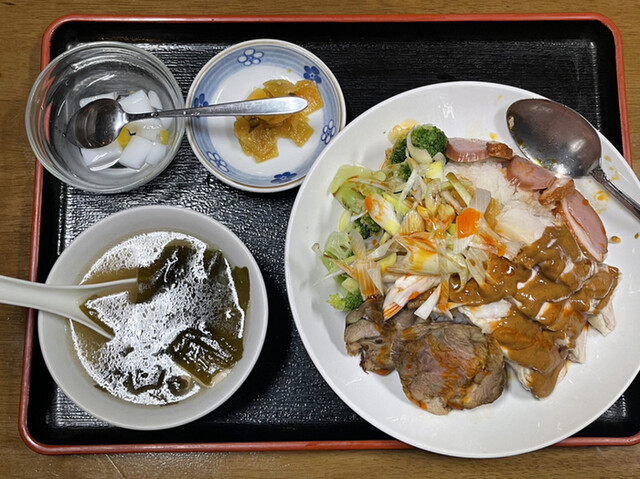
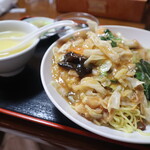
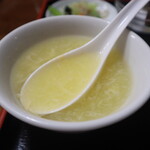
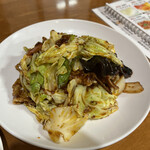
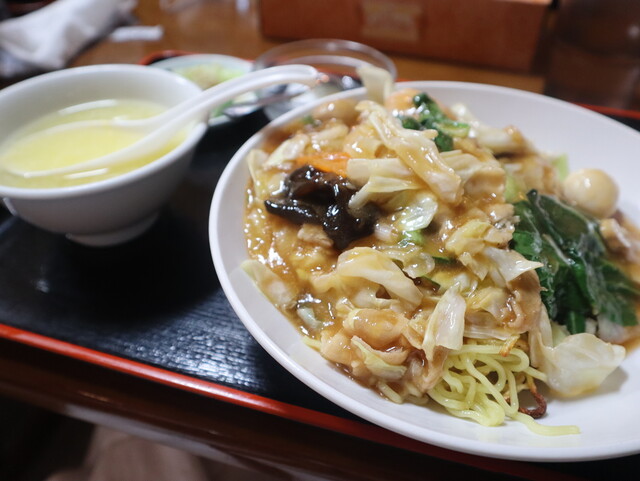
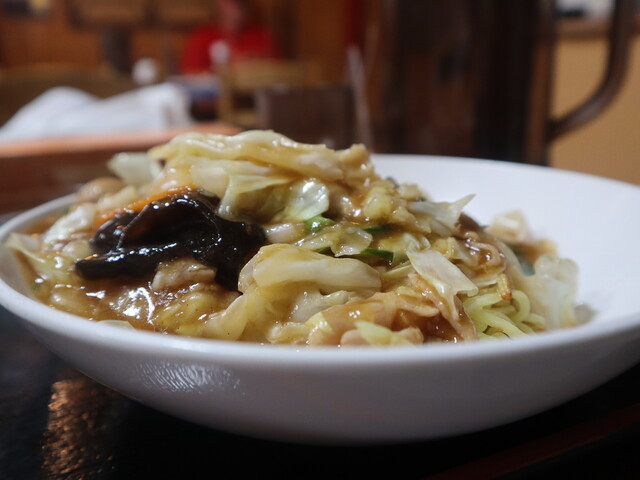
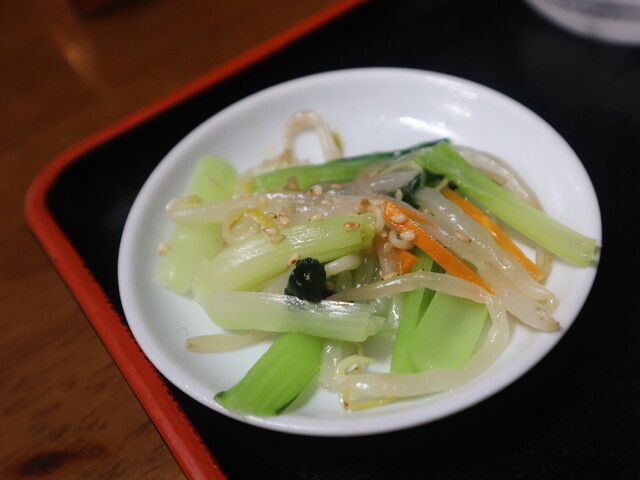
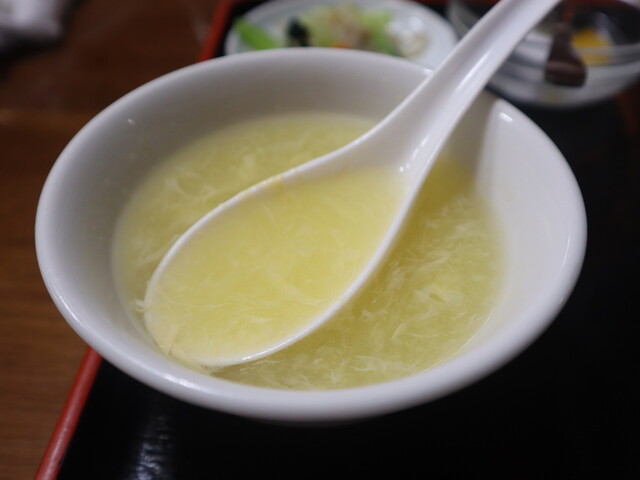
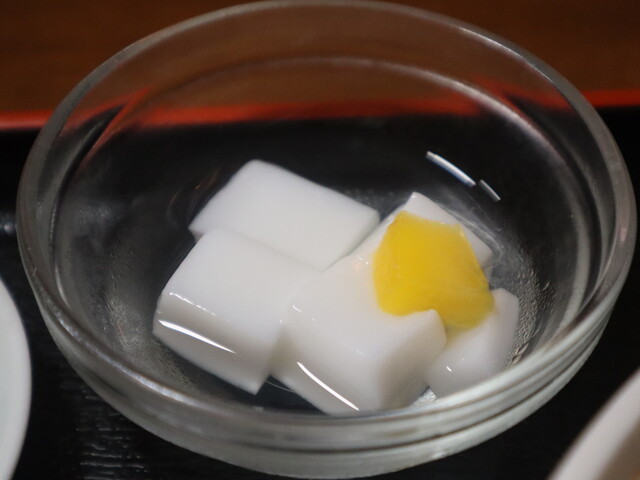
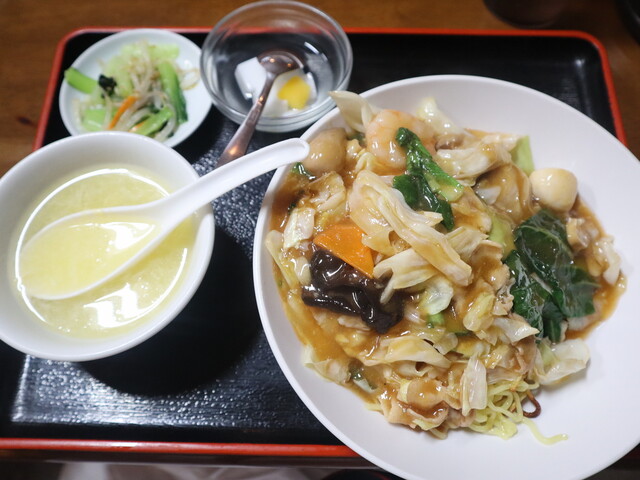
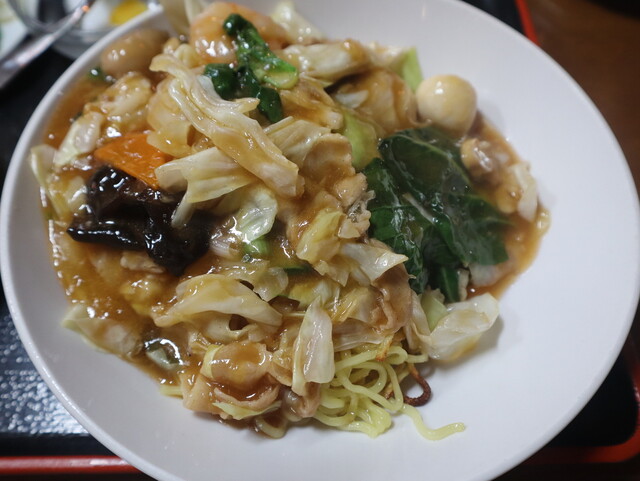
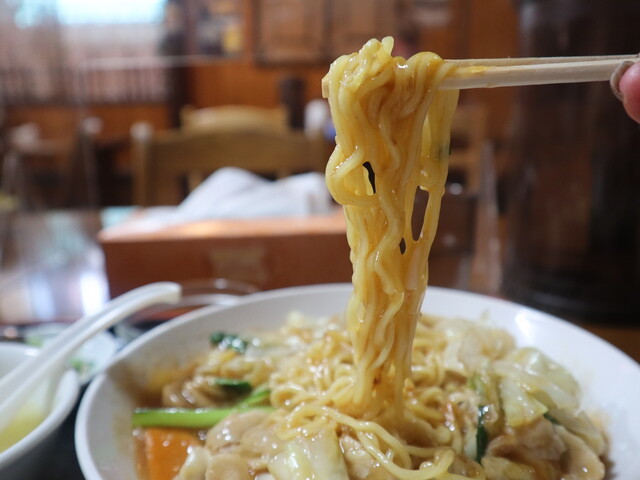
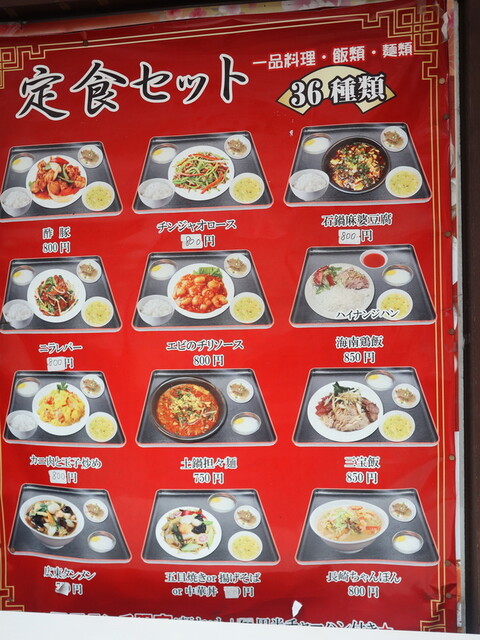
On this day, I came to Asakusa for the first time in a few days for the eviction of a property. For lunch, I went to a restaurant on Hisago Street. The restaurant has outdoor seating, and I had checked it out with the intention of bringing my beloved dogs here someday. Although my dream did not come true, I came alone for my final lunch. I arrived at 12:30, right in the peak of lunchtime. To my surprise, there were no salarymen or office ladies as customers. Instead, there were either foreign tourists or local old men enjoying a midday drink. It seems like this is the vibe of dining in Asakusa on a weekday. Even though there were empty tables, solo diners were seated together. The customer in front of me was already in a good mood after having some alcohol. I ordered the "Gomoku Yakisoba" (800 yen). While waiting, I observed what others were eating, but it seemed like nobody was ordering from the lunch menu. It's quite a laid-back atmosphere for a weekday lunch in Asakusa. After a while, my order arrived on a tray. The Gomoku Yakisoba was made with curly Chinese noodles and a variety of ingredients such as pork, shrimp, squid, cabbage, greens, shiitake mushrooms, carrots, wood ear mushrooms, and quail eggs. The seasoning of the sauce was good, and the noodles were well-cooked, surprisingly delicious. The soup was corn soup, sweet and tasty. I haven't had corn soup in a Chinese restaurant recently, so it was a nice change. The side dish was a simple salad of greens, carrots, and bean sprouts. It was refreshing and easy to eat. The almond jelly dessert was pre-made, but it would have been perfect if it was homemade. Now, I should head to the property soon. When I went to pay at the register, I noticed a PayPay QR code, but unfortunately, they only accepted cash for lunch (*_*). The meal was delicious, and I still wish I could have brought my dogs here. Keep up the good work. Thank you for the meal.

かおり5868
3.40
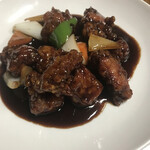
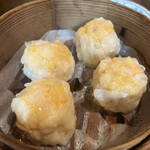
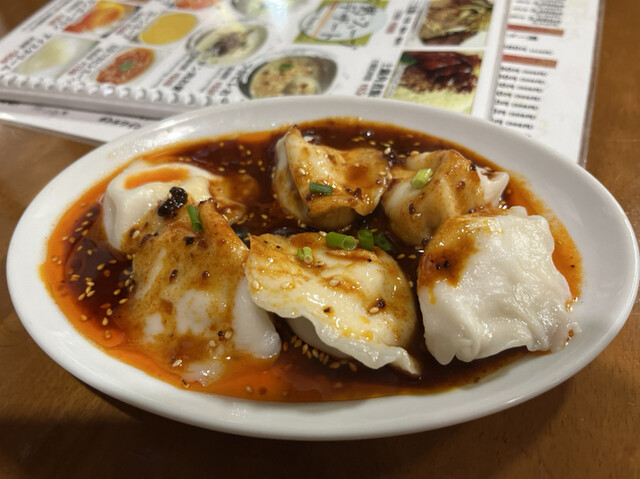
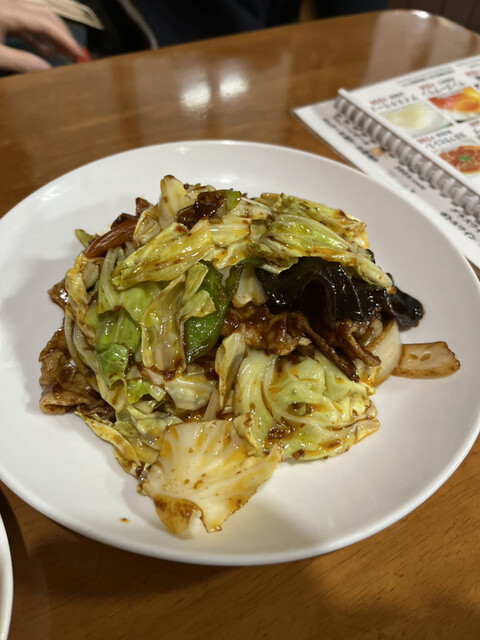
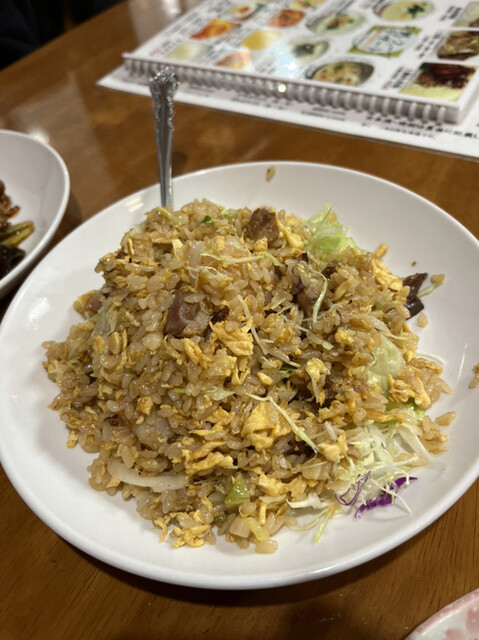
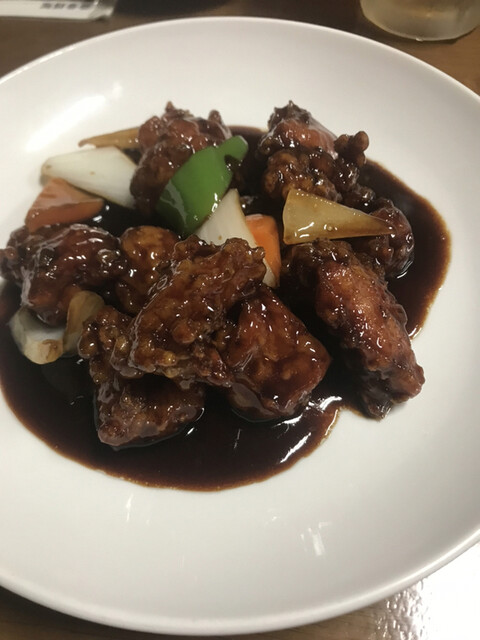
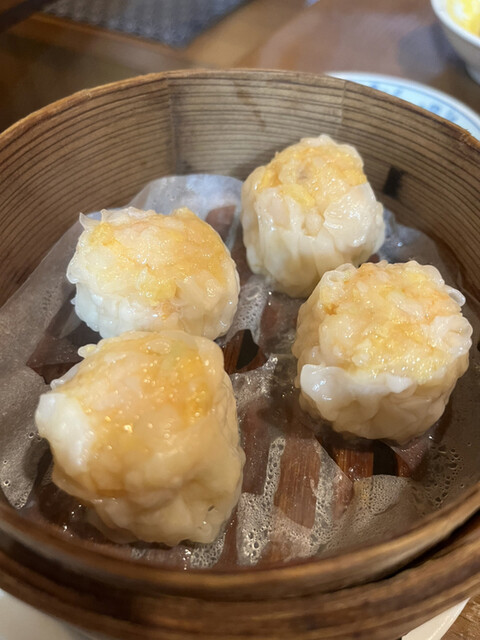
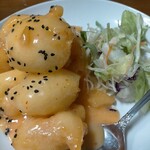
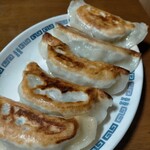
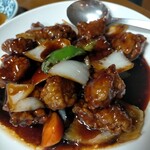
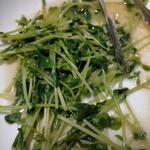
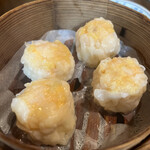
I went to a Chinese restaurant but it was full, so I wandered around and ended up at another restaurant. I really wanted to eat some dumplings, and when I tried them, I found out they had shrimp inside! Not finely chopped shrimp, but big chunks of shrimp inside! The black vinegar sweet and sour pork, pea shoot stir-fry, and mapo tofu fried rice were all delicious! The shrimp mayo dumplings had a lot of batter at first, but the batter was thin and tasty. The second one I had had more batter, but the sauce was delicious. The drink menu was extensive and cheap, making this restaurant a great value. The staff were Chinese and very attentive, and you can smoke at your table. Thank you for the meal!

toshiki 100%
3.20
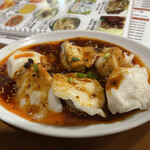
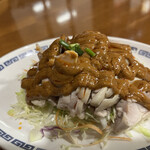
Today, we went to Asakusa Engei Hall for some laughs. Before that, we had lunch and drinks together. The prices were reasonable for Asakusa. We had dishes like Bang Bang Ji, Hoikoro, spicy dumplings, and fried rice, all of which were delicious. The drinks were also affordable. We happened to see a famous rakugo performer having a party at this restaurant. It's a good place for casual dining.

たこやき緑茶
3.60
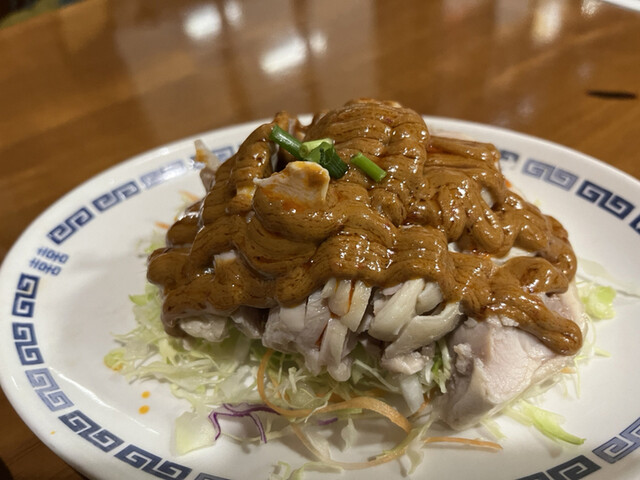
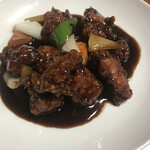
On Saturday at 5 pm, I couldn't find anywhere to go early in the evening, so I found this restaurant. It's a definite continental-style Chinese restaurant. I ordered the evening drink set for 700 yen (includes a drink and one dish), and got a draft beer with black vinegar chicken. Don't underestimate the cheap price, the food was unexpectedly delicious, just like its beautiful appearance. Thank you for the meal.

もちょむ〜
3.30
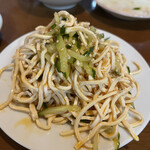
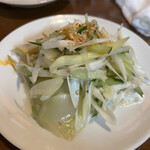
I felt like having a light drink while strolling around Asakusa, so I decided to go to this restaurant. Although it looks like authentic Chinese cuisine, the seasoning was gentle and I could eat comfortably. It is a Chinese restaurant located a short walk from Asakusa Hanayashiki. It has the typical feel of a restaurant run by Chinese people that you often see in the city. Inside, there were many middle-aged men and women watching horse racing on TV. It is easy to enter and the prices are cheap, so it seems like a relaxing place. I ordered what looked like a spicy mapo tofu, dried tofu with Japanese seasoning, shrimp dumplings, and pickled vegetables, mostly opting for dishes with strong flavors. However, surprisingly, all of them had a gentle seasoning. The mapo tofu had a hint of Sichuan pepper fragrance but was not spicy, yet it still had a taste that made me feel like I was experiencing the local flavor. This is a recommended place for when you want to casually drink and eat Chinese food.

りゅう3959
3.20
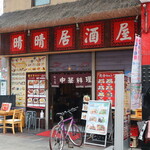
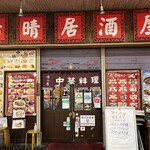
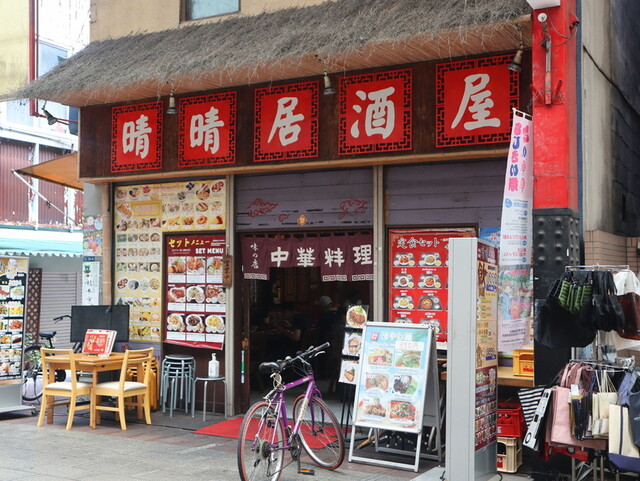
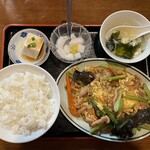
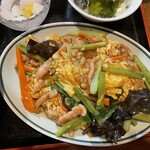
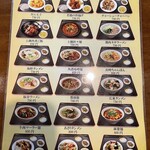
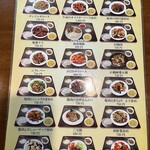
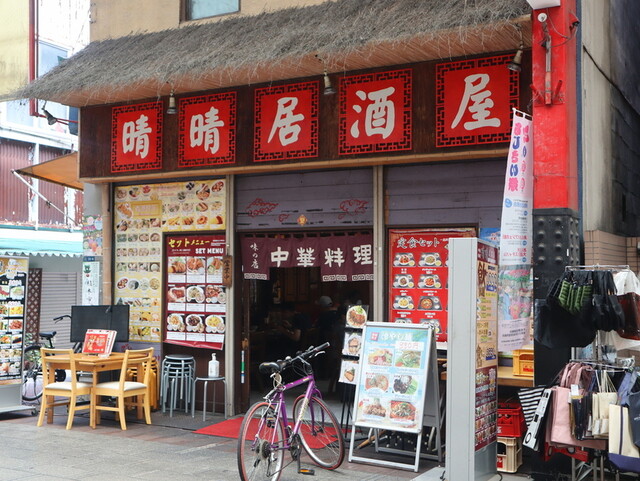
On November 11, 2022, around noon, I visited a client in Asakusa with two others and decided to have lunch before the visit. The restaurant was located in the Asakusa Hisago-dori shopping street, and despite looking like a Chinese restaurant from the outside, it was actually named "Seisei Izakaya," which was a bit confusing. However, upon entering, I noticed that it was mainly filled with male office workers having lunch, although there were also a few customers enjoying alcohol in the afternoon. The menu offered a variety of set meals, noodles, fried rice, and more, and I chose the "Pork, Black Fungus, and Egg Stir-Fry Set Meal for 750 yen." While waiting for our food, I observed the constant flow of customers coming in and out, indicating the restaurant's popularity. The set meal arrived in about 10 minutes, featuring a generous portion of stir-fried pork, black fungus, and egg with vegetables. The dish was visually appealing and tasted delicious, perfect with rice. The side dishes of cold tofu and soup complemented the meal well. We all enjoyed our food and left satisfied. Overall, I would love to try their fried rice on my next visit, as I am always on the lookout for tasty fried rice dishes.

apricoton
3.30
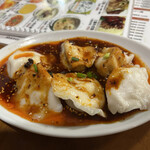
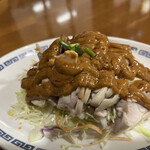
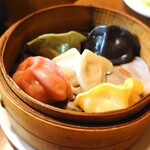
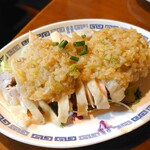
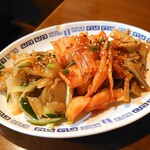
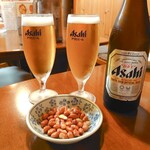
A Chinese-style izakaya near Senso-ji Temple. Despite being called an izakaya, the menu includes Chinese dishes and ramen. After leaving Sumida Aquarium, we walked along the river to Asakusa. Around 2 pm on a holiday, we tried to visit SUKE6 DINER but it was full. We walked around the back of Senso-ji Temple but only found lunch eateries open. Not in the mood for a heavy meal, we wandered around until we stumbled upon a restaurant we had bookmarked! Located in Hisago-dori Shopping Street with an arcade. Perhaps due to its location at the end of the shopping street or the odd time, there were only 2 groups of customers before us and 1 group after us. The restaurant had a dim atmosphere with a TV. The menu offered a wide variety of dishes starting from 280 yen (excluding tax). We ordered: - Super Dry beer (medium bottle) x2 - Appetizer (fried peanuts) - Assorted three appetizers - Steamed chicken with scallion oil sauce - Five-color steamed dumplings The first dish that arrived was the assorted three appetizers. Priced at 280 yen, I expected small dishes but it came in a large oval plate. Next was the steamed chicken with scallion oil sauce. For 280 yen, the portion was surprisingly generous with lettuce, watercress, carrots, and purple cabbage under the chicken, topped with plenty of scallion sauce. The five-color steamed dumplings arrived in a steamer, each with a different colored skin and flavor. The red one got me excited, thinking it was spicy, but it turned out to be tomato-flavored. The dumplings had a chewy skin and juicy filling, quite delicious. Along with the beer, we were served fried peanuts, which seemed to be complimentary. The total bill for two people was 2,310 yen (including tax), and the appetizer seemed to be a service. Two older men who arrived later ordered the all-you-can-eat and drink option for 2,980 yen, which seemed like a better deal than ordering lunch sets or individual items. The restaurant seems to operate continuously on weekends, making it a good option for daytime drinking. After visiting Senso-ji Temple, we headed home. However, the reason why we bookmarked this place still remains a mystery. Thank you for the meal!

Jackie_m
3.50
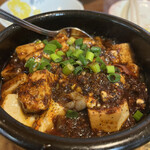
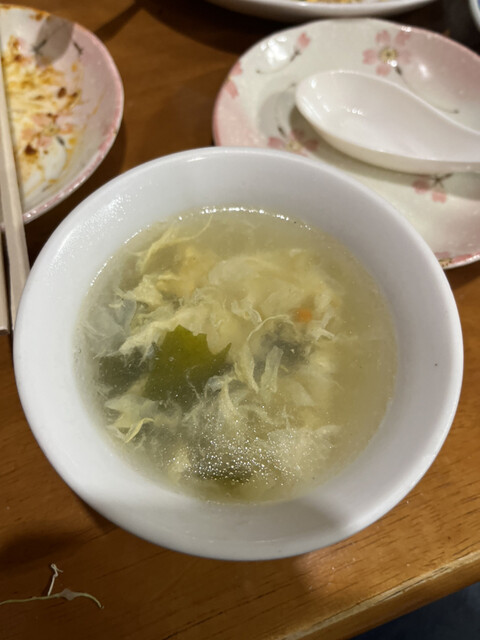
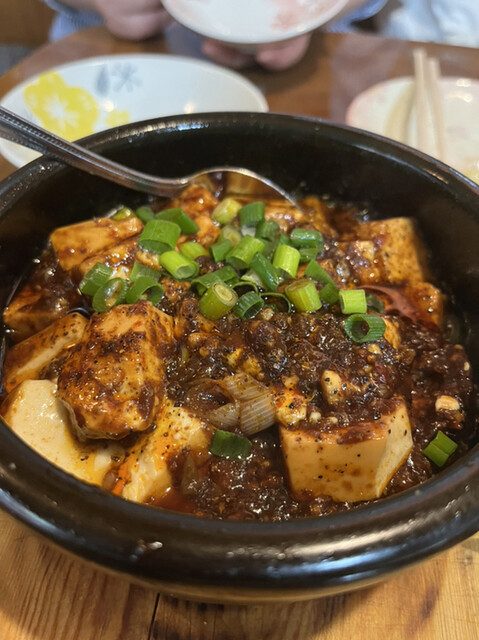
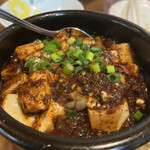
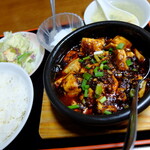
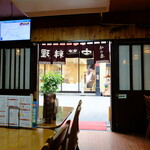
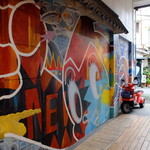
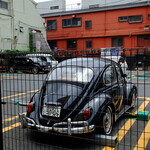
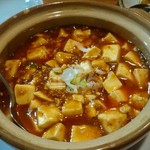
Yesterday, the news of the passing of the maestro Ennio Morricone arrived. I was surprised that in any program on any channel, his masterpiece "Cinema Paradiso" was mentioned as his representative work. While I do believe that the poignant and beautiful melody of "Cinema Paradiso" resonates with anyone, regardless of nationality, I was expecting a more major work to be mentioned before that. I wondered if there were any super-classic works like Nino Rota's "The Godfather" or Henry Mancini's "Sunflower" that surprisingly were not as prominent. The atmosphere in Asakusa was extremely humid yesterday, with the possibility of rain looming. It was still before 11:30 am, and many eateries start serving from that time, so I found myself at the entrance of Hisago Street behind Sensoji Temple. The Japanese soba restaurant with two old-fashioned but imported superbikes parked in front would probably already be open. The street seemed to have changed somewhat since the last time I visited, and I was more worried about whether the shops were still in business rather than the passage of time. However, seeing the preserved shop sign despite the shutter being down put my mind at ease. As a side note, the actual horsepower of the Italian 750cc superbike, boldly named Formula One, which was parked in front of the shop, is only around 60 horsepower, and I wonder how many people passing through this shopping street are aware of this fact. "Seisei Izakaya" Turning back without going all the way to Imon Street, I noticed a ramen shop along the way that seemed to be open. Although the curtain gave off a somewhat Showa-era Chinese vibe, the design of the shop was a synthesis of continental Chinese and izakaya styles, and based on my experience, the shop seemed to be more influenced by the continent. Despite this, I bravely entered and ordered the usual dish, and the order was relayed to the kitchen in their language. While waiting for the food and looking out at the arcade shopping street with decreased foot traffic, I surprisingly didn't feel too bad, perhaps because the recent decline in outdoor dining habits has allowed me to get enough sleep and avoid consecutive and fatal hangovers. The large collection of liquor bottles decorating the kitchen side, which I usually avoid, was actually quite intriguing. However, I don't drink during work (laughs). "Stone Pot Mapo Tofu" priced at 730 yen. The swiftly and moderately sizzling stone pot had a color that I didn't find unpleasant. The almond tofu, sesame dressing salad, and egg soup adhered to the aesthetic of the continental Chinese izakaya, and while watching the rapidly diminishing sizzle, I felt relieved. Using a metal spoon, I broke up the soft mass in the stone pot, and as the erotic scene of the pure white cross-section being invaded by a shocking red fluid unfolded, I found myself watching it first. If I were to review this restaurant later on Eatlog, I would notice the fluctuation in dishes and service due to changes in staff, and looking at the photos of the dishes, I would find that my mapo tofu looked the most appetizing! (laughs) (But I shouldn't be happy about it, as inconsistency in dishes and service reviews can damage the trust between customers and the restaurant.) Although the dish had a strong flavor of doubanjiang (and tianmianjiang) (in terms of visual quantity), it managed to separate the tofu and chili oil just enough, so oddly enough, by skillfully using the spoon to adjust the seasoning in my mouth within the stone pot, I was able to adjust the taste to my liking and finish the dish in high spirits. It might be a complete illusion, but this mapo tofu was a success.

sakurabashi
3.10
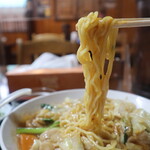
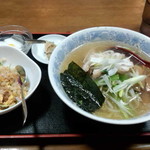
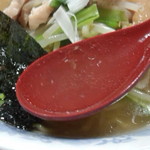
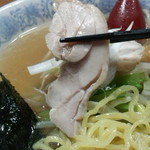
One afternoon during a day off, I was wandering around the Asakusa area with a purpose in mind. After finishing my errand, I felt hungry and started looking for a place to eat. That's when I stumbled upon a restaurant called "Haru Haru Izakaya" which offered a daily lunch special for 700 yen. I decided to check it out. It was around 2:00 PM and there were 4 customers already seated. I chose the recommended dish, which was Chicken Ramen with Half Fried Rice. It arrived in about 10 minutes. First, I tried the ramen noodles. They were thin and firm, with a slightly rich chicken broth that tasted good. The dish was filled with chicken chashu, bamboo shoots, bean sprouts, komatsuna (Japanese mustard spinach), and seaweed. The seasoned chicken chashu stood out and was delicious. The bamboo shoots and komatsuna added a nice texture and flavor to the soup. The fried rice was light and tasty. I enjoyed mixing the rice with the ramen soup. I quickly finished my meal, including the pickled vegetables that came with the set, and ended with almond jelly for dessert. It turned out to be a unexpectedly delicious lunch. I will definitely come back again. Thank you for the meal.

dragonfly8810
3.20
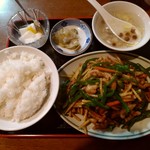
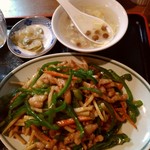
【Reason for visit】Today, I was wandering around the area looking for a place to have lunch. I couldn't find any promising restaurants, so I randomly walked into this one.
【Time of visit】March 12th (Tuesday) around 10:55 AM.
【Number of customers】1 person.
【Ordered dish】Sweet and sour pork.
【Reason for ordering】I chose it based on the menu without much thought.
【Time taken for the dish】About 5-6 minutes.
【Sides included】Rice, soup, salad, almond jelly.
Now, let's dig in.
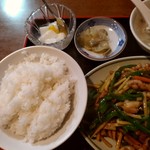
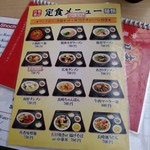
【Impressions of the food】The pork in the sweet and sour pork dish was tender, made with pork loin. The batter was a bit too thick, making it slightly unpleasant to eat. However, the meat was well-prepared, locking in its flavor. The seasoning was just right, not too strong or weak, with a nice mix of sweet and savory flavors. The bamboo shoots and carrots added a crunchy texture, complementing the dish well. The bell peppers were cooked perfectly, with a slight bitterness that added a nice touch. The dish was slightly lacking in saltiness and a bit oily, but it fell within the standard range for Chinese cuisine. The rice was a bit too soft for my liking. Overall, it was a decent meal at "Seisei Izakaya." Thank you for the meal.

4門
3.00
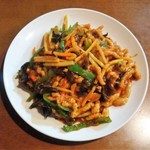
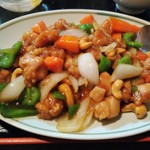
Occasionally, I visit this place where the storefront looks the same as always, but the sign now says "hot pot," so I peek inside. To my surprise, there are new Chinese staff inside. It seems like the entire staff has been replaced. The friendly Chinese couple who used to run the place must have returned to their home country or moved to a different restaurant. In any case, it's common for individual Chinese restaurants in this area to change staff and menu without any prior notice. It's something you wouldn't see in Japan! The new head chef seems to specialize in Sichuan cuisine, as there are more dishes on the menu with that style. However, I didn't feel like ordering traditional Sichuan dishes like mapo tofu or dan dan noodles. My instincts told me that the authentic Sichuan flavors might not be quite right here. I ended up ordering the Sichuan-style shredded pork stir-fry, which was a bit tangy and spicy but not too hot. It was decent, but not outstanding. The smoke from other customers' cigarettes was bothering me. I also ordered the chicken and cashew nut stir-fry set meal, which I love. It's a relatively new Chinese dish created by Chinese immigrants in America. The quality was just average. The balance of flavors in the tomato and egg soup was excellent, with a subtle taste that I enjoyed. The addition of cucumber added a nice texture. There are still many mysterious aspects to these Chinese neighborhood restaurants, such as the fact that smoking is allowed all day, and the menu prices are tax-inclusive during lunch but tax-exclusive at night.

kawakamiken
2.00

mie.38
3.50
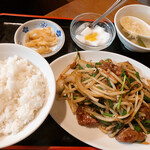
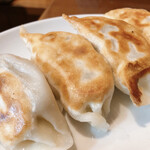

Mega-Takoyaki
3.00
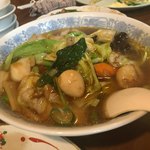
The five-piece tanmen is delicious.

7a27d1
3.50
Since it's not a customer service-oriented establishment, there were many male customers drinking alone in the evening.
masahiro1201
3.30
It was delicious yet affordable. The chicken was tasty.

masapon06
3.30
This is truly a Chinese restaurant in Asakusa.

kyuヾ(・。・。
3.50
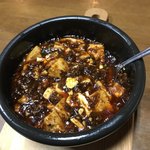
I had been curious about this place for a while, but never had the chance to try it until now. I happened to be a bit hungry and the place was not crowded, so I decided to give it a try. I love mapo tofu, so I always judge a restaurant's food quality by their mapo tofu. The mapo tofu here is delicious with a rich flavor that is not too overpowering. Oh, and it's quite spicy. If you love mapo tofu, I highly recommend trying it out.

まるペコ
3.10
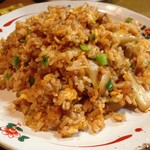
On a cold night, I found a Chinese restaurant that caught my interest. The shutter was partially closed, but they still offered dinner sets even at night. They had a wide variety of dishes, making it hard to choose. After some hesitation, I ordered Kimchi fried rice and soup dumplings. The Kimchi fried rice was generously portioned, and the other dishes seemed to be quite substantial as well. The flavors were average. The soup dumplings had a slightly firm dough, and I wished there was more soup inside. The restaurant was crowded with many customers. It was bustling. I would like to go with a group of people and try more dishes next time.
kabukabu
3.10
Located about a 3-minute walk from Asakusa Station on the Tsukuba Express, Tsukama is the third shop from Kame and Nisshin. The interior has about 8 tables and 2 staff members. Here's what we ordered:
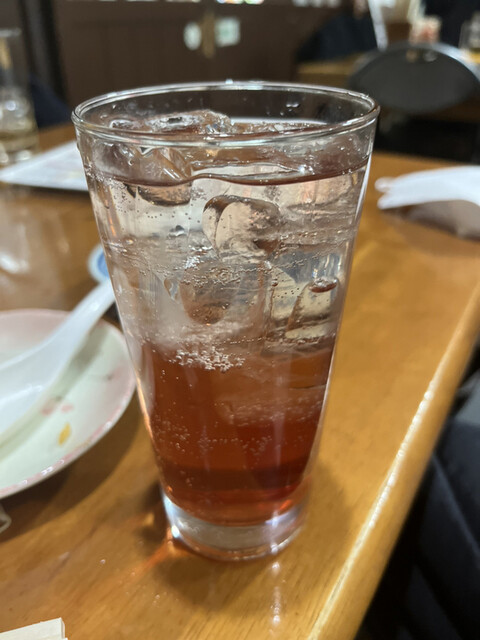
- Set for 700 yen: Lemon sour and century egg. The lemon sour was made with unknown shochu and ice from an ice maker.
- Mapo tofu for 650 yen: A well-balanced mapo tofu with a hint of numbing spice, although I personally felt it could use a bit more spice. It made me sweat a bit.
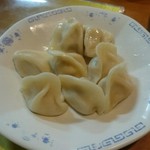
- Water dumplings: Thick and chewy dumpling skins with a generous amount of meat filling, giving a taste of authentic Chinese dumplings.
Originally owned by the owner of Seisei Restaurant in Ueno, Tsukama is now under new management. The restaurant is quite spacious, resembling the layout of Nisshin, the second shop we visited. While Nisshin is more of a Chinese restaurant in the city, Tsukama has a casual family restaurant vibe. The menu offers typical Chinese izakaya dishes with a Japanese twist. It may not be a place you'd go out of your way to visit, but it's a decent spot for a daytime drink in Asakusa.
Email Login