梅花亭
Baikatei ◆ ばいかてい
3.16
Eifukucho–Hamadayama
「Japanese Sweets」
--
--
Opening hours: 9:00-18:00 Open Sundays
Rest time: 1st day of each month 15th day of August (summer season) Business hours and holidays are subject to change, so please check with the store before visiting.
東京都杉並区永福2-56-2
Photos
(20)
Details
Reservation Info
(on) a subscription basis
Payment Method
Credit cards not accepted
Private Dining Rooms
None
Smoking and Non-Smoking
No smoking at the table
Parking
None
Coin-operated parking in the neighborhood
Comments
(16)

うりすけ280
3.60
Japanese sweets are delicious and highly recommended. The dorayaki is fluffy and the warabi mochi is sticky, which I love. I wish I could give it more stars, but you have to make a reservation the day before to buy them, so I'm giving fewer stars. It would be great if you could buy them without a reservation.

ovehi500
3.00
Oaranda Mandi Uwara Mochi
Translation: Delicious and chewy bracken rice cakes

ゆりこ916
4.00

kametsuru55
3.50
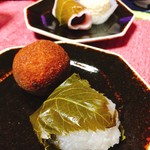
The orange steamed bun was delicious!

ojyar887
3.00
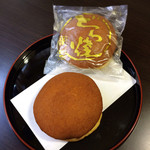
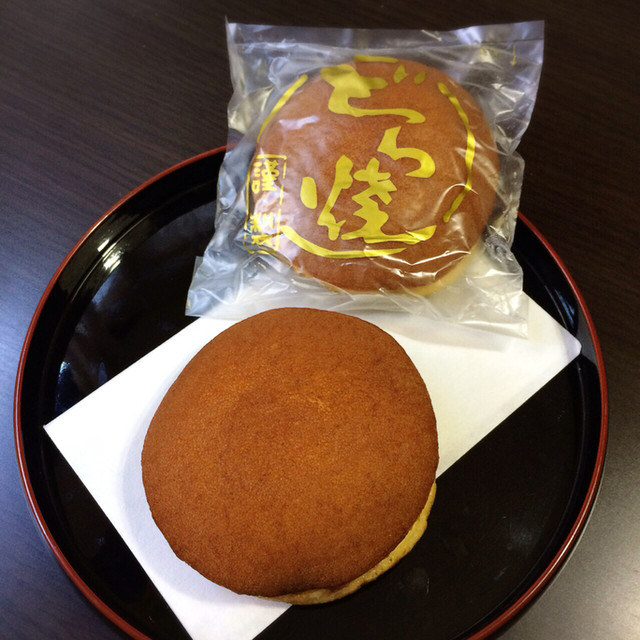
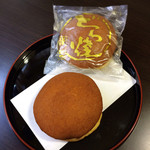
It's called "Moto-Okoshi Dorayaki." The dough is firm, flatter than regular dorayaki, with two layers fused together. It's like a hot sandwich version of dorayaki, with red bean paste in the middle.

りんげるpanDa
3.60
Dorayaki: ★★★★
Delicious dorayaki with a perfect balance of sweet red bean paste and fluffy pancakes.

akatsuki_18
3.50
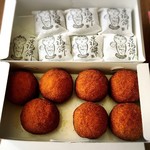
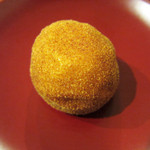
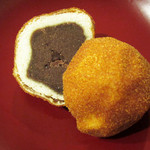
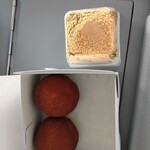
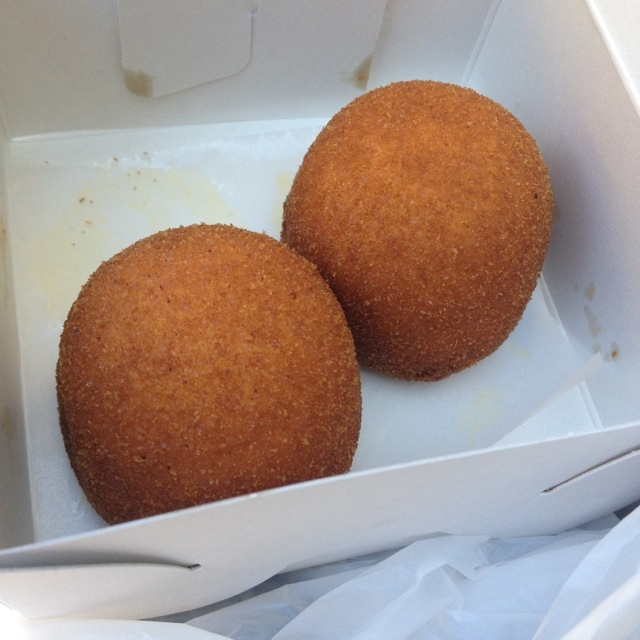
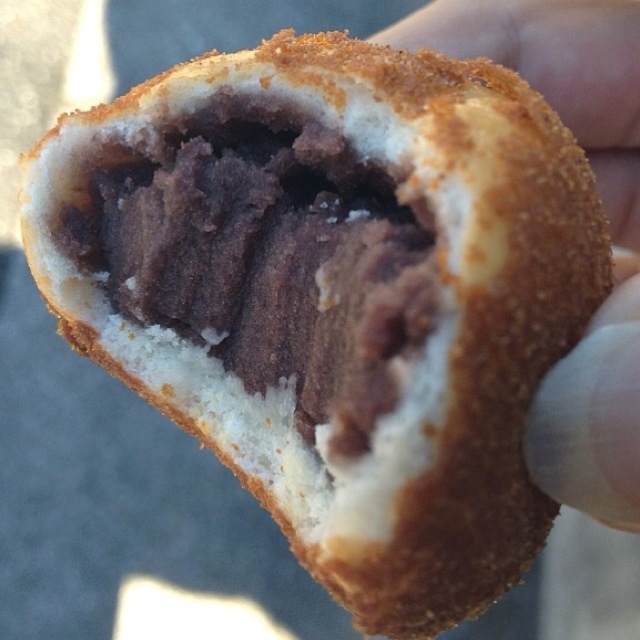
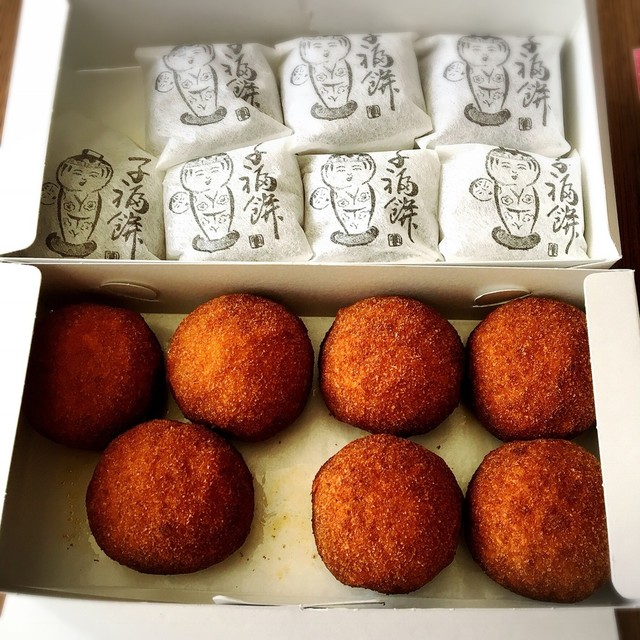
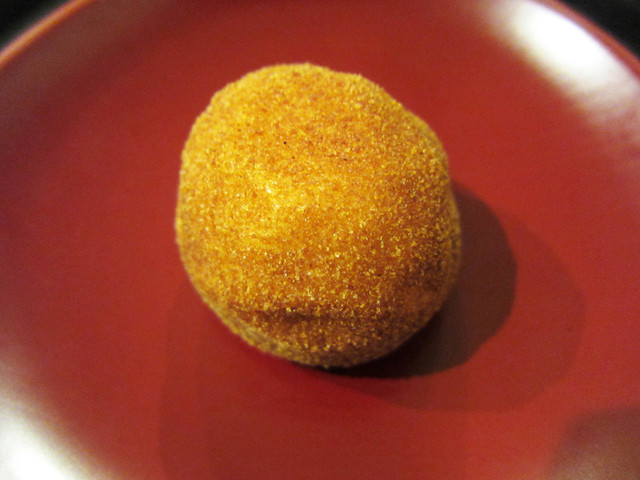
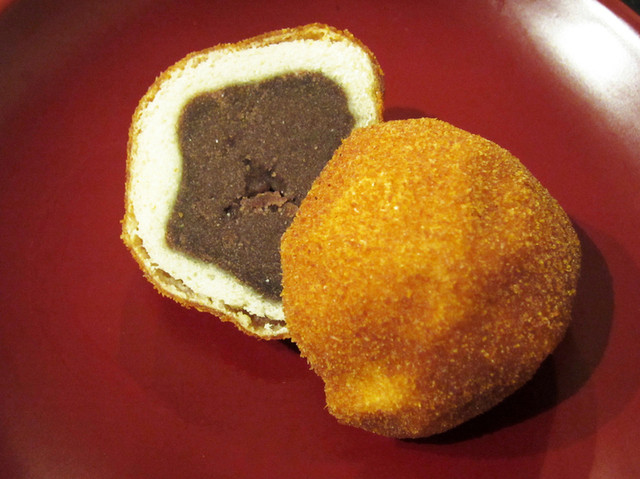
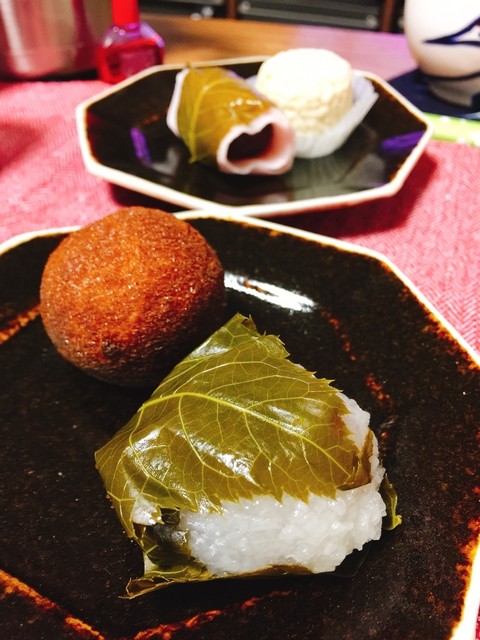
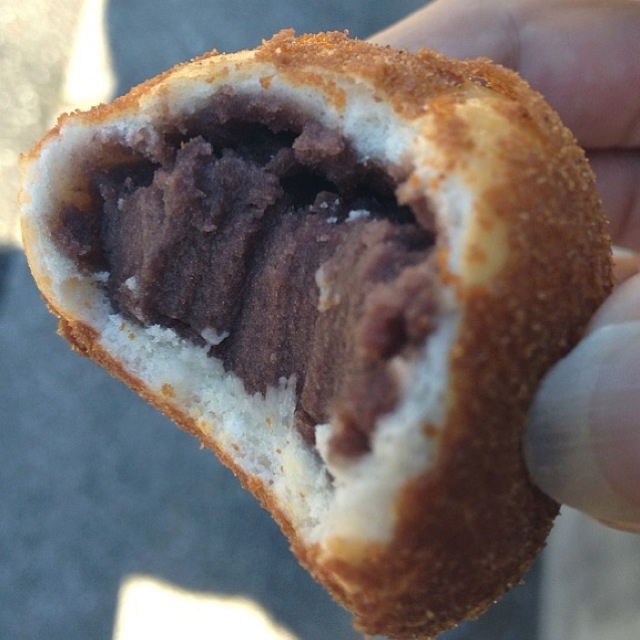
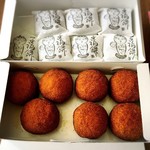
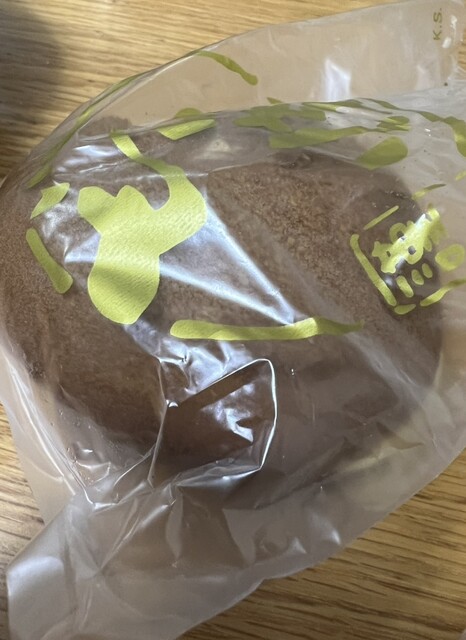
A friend recently moved into a new home near Zenpukuji Park and hosted a mini housewarming party. I was in charge of bringing sweets, and was originally planning to buy some from a department store in Shibuya. However, my mother suggested getting them from Umekatei, a local shop, as a nice way to introduce them to the neighborhood. Since my family had never tried Dutch manju before, I ordered 10 pieces of small mochi each. Dutch manju is like a fried donut, and it's best enjoyed fresh out of the fryer. Today, we resisted the temptation to eat them right away and brought them to enjoy a few hours later during coffee time. Although they weren't in their best condition, with a slight separation between the skin and red bean paste, the elegant red bean paste confection was nothing like the fried donut I had imagined. Even the children under 3 years old happily finished them, being reminded to chew slowly and carefully to avoid choking. Children's expressions change instantly when they eat something delicious, making it easy to tell. I look forward to trying the Dutch manju fresh next time.
akatsuki_18
3.50
On the way to the next station, there is a quiet Japanese sweets shop. My mother's friend is a tea ceremony instructor and holds a tea time once a month, so my mother has been attending for nearly 20 years to remember what she learned when she was young. I also assist as a long-time participant, and we often rely on this Japanese sweets shop. You need to pre-order and pick up, but if you're lucky, you can buy dorayaki right away. I recently had the chance to try it for the first time, and it was delicious - soft and with a perfect blend of red bean paste and dough. I'm not into tea ceremonies, but I would attend just to have these Japanese sweets.

一老太
3.40
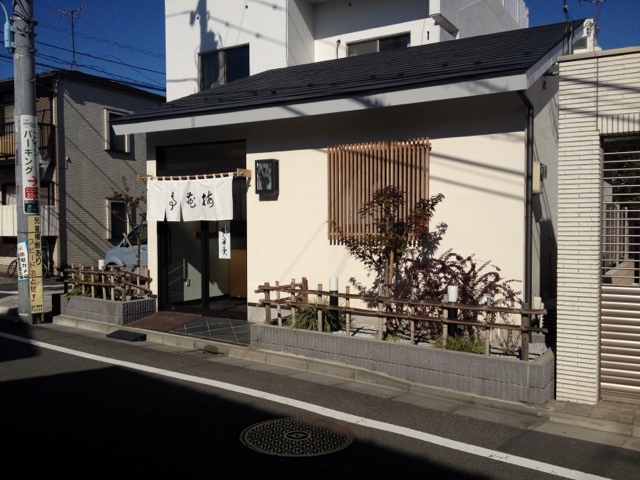
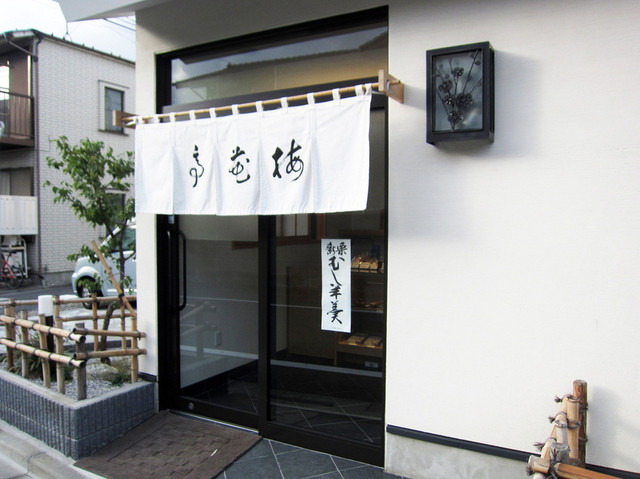
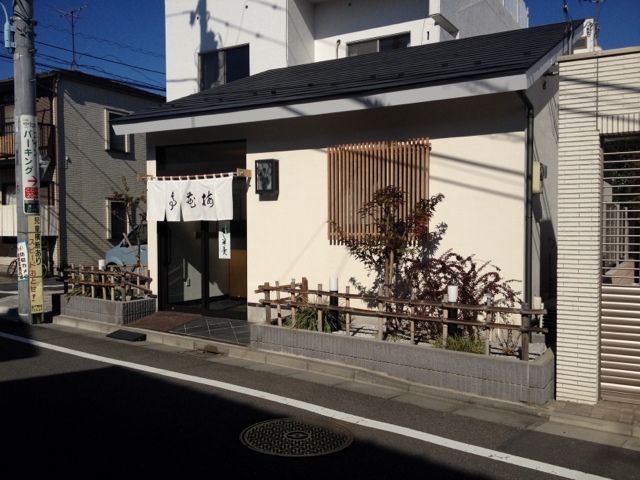
[Location/Environment] This is a traditional Japanese sweets shop located in a residential area on the way from Eifukucho Station to Nishieifuku Station.
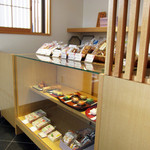
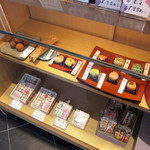
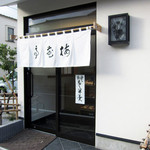
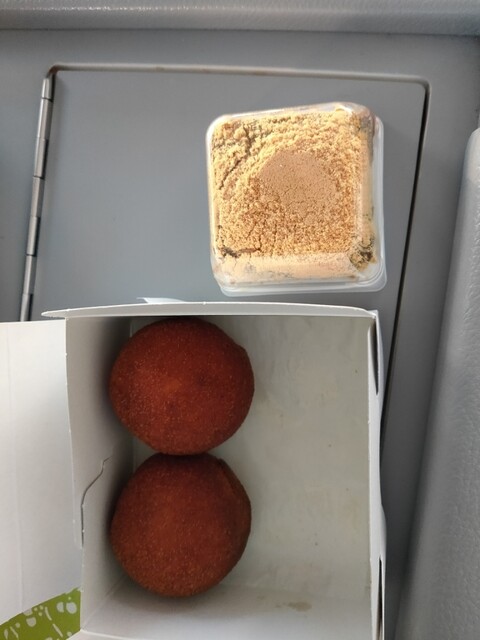
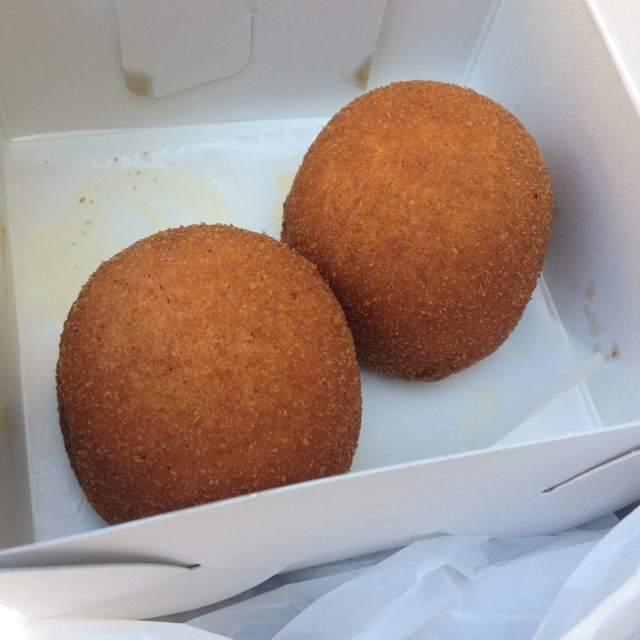
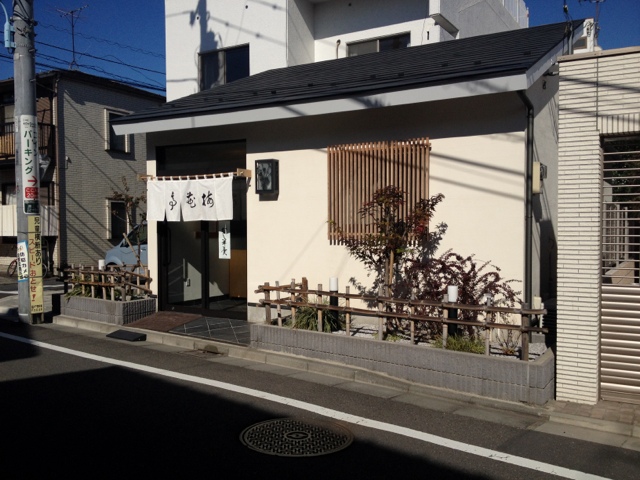
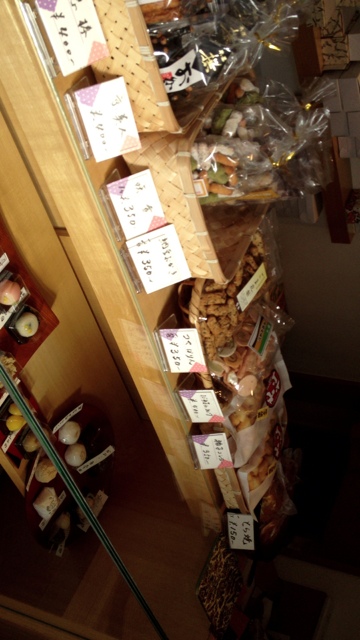
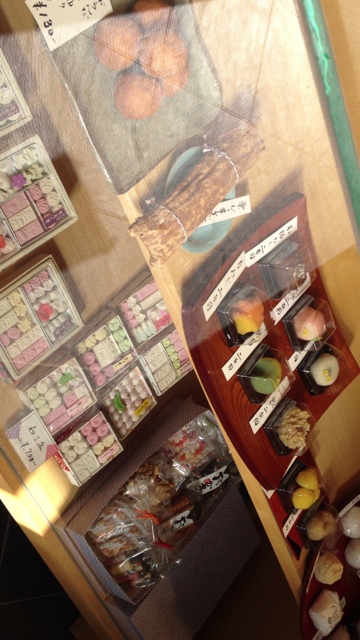
[Ambiance/Service] The shop has a homey atmosphere with a black roof and white exterior, giving off a refined and elegant vibe. There is only a noren curtain indicating that it's open for business, which may make it a bit intimidating to enter. Inside, the small shop is eerily quiet with a few seats and a small showcase. A young man who seems to be the owner greets you. Their specialty, "Oranda Manju," is priced at 130 yen each, but you have to order a minimum of 2 pieces as they are made to order.
[Food]
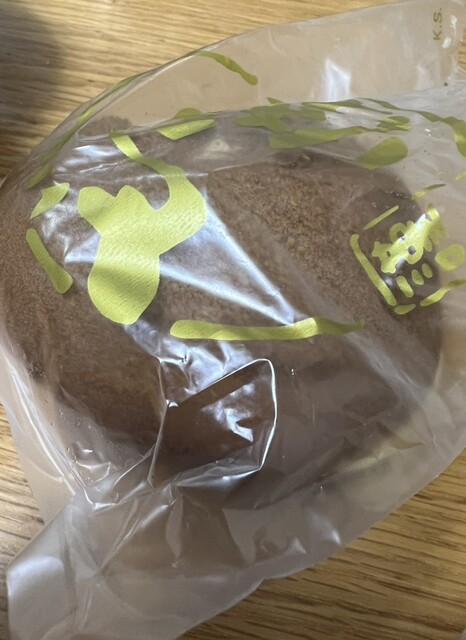
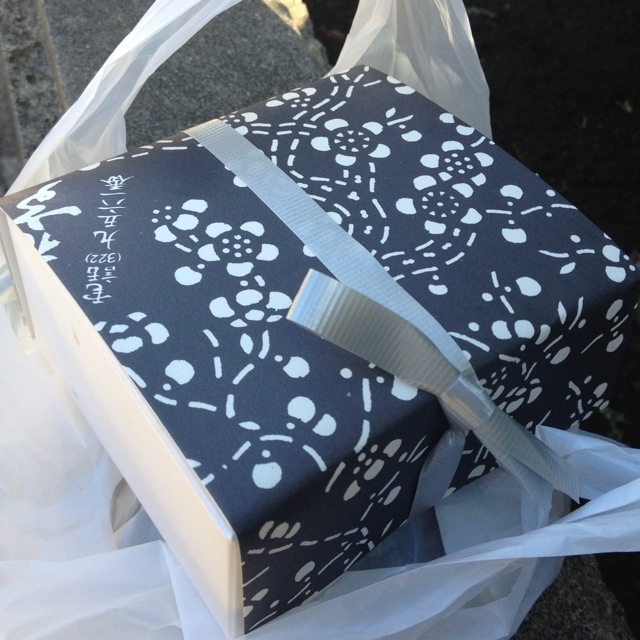
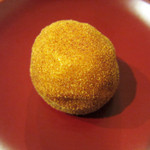
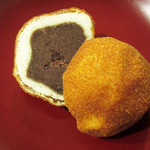
- Oranda Manju: The manju are carefully packed in a box, but there is quite a bit of oil on the box. However, the freshly fried manju has a crispy and fragrant outer layer. It's more like a fried donut than a traditional manju. Inside, there is smooth red bean paste with a delicate sweetness, but the strong flavor of the dough overpowers the red bean paste. It feels like the potential of the delicious red bean paste is not fully utilized due to the overpowering dough taste. Overall, it gives the impression of a regular fried red bean donut.
[Price/Menu]
Oranda Manju is priced at 130 yen each but must be purchased in multiples of 2.
[Overall Impression]
Although the shop has relatively high ratings on food review websites, its remote location and the fact that the true value of the product is only evident when eaten fresh make it unsuitable as a souvenir. It's a place you might visit once and be satisfied with that experience.

たまゆらさん
3.50
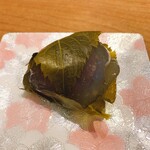
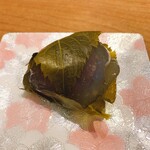
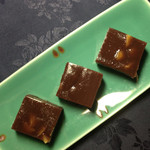
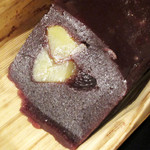
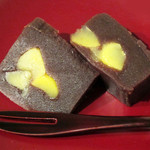
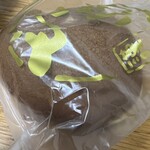
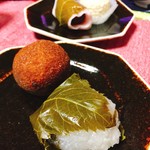
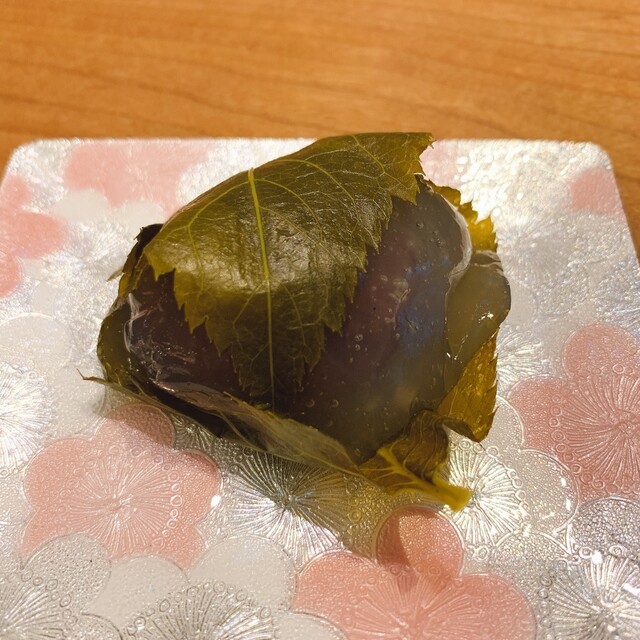
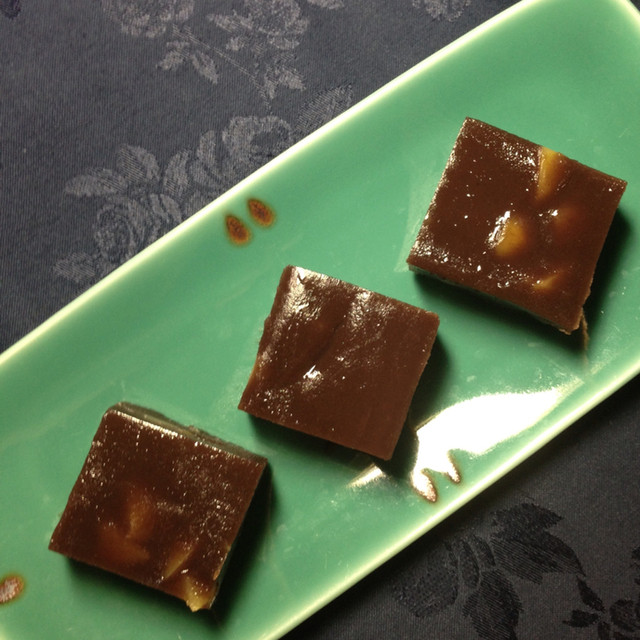
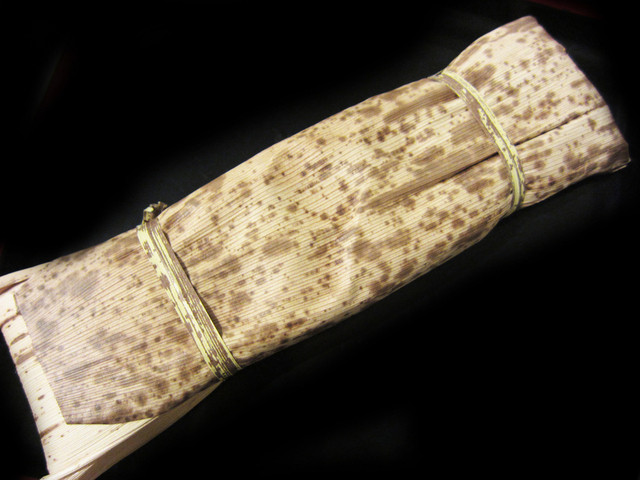
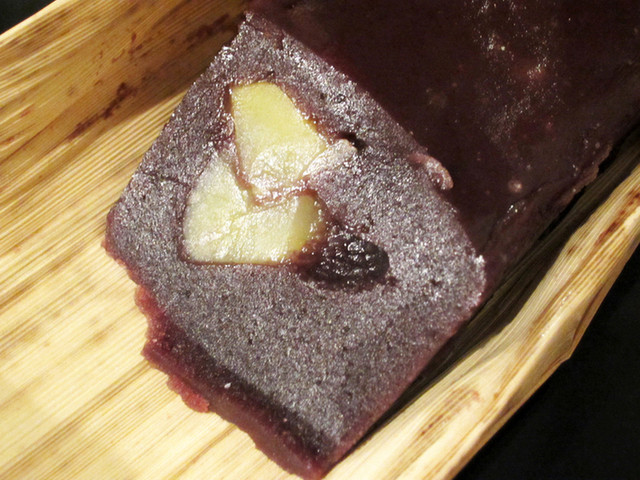
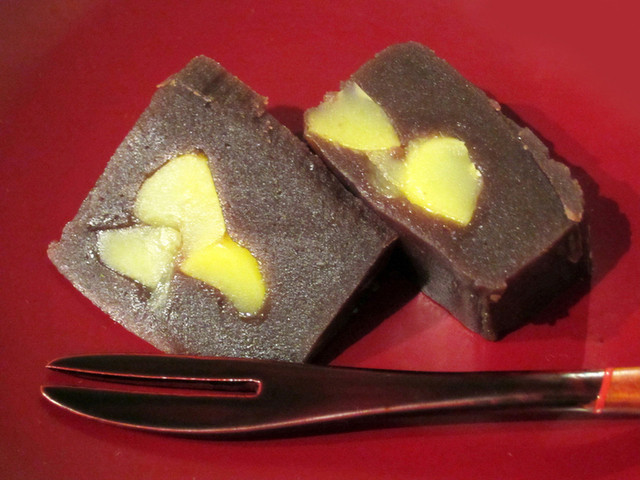
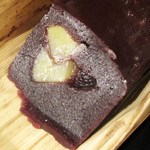
This is a wonderful traditional Japanese sweets shop that suddenly appears in a residential area when walking towards Nishi-Fuku from Eifukucho Station. I tried the steamed chestnut yokan, which had a moist texture with a subtle sweetness of chestnut as a nice accent. It was not too sweet and I could eat it easily. It might be good even for those who don't like very sweet treats. I recommend it as a souvenir. On March 3, I revisited to buy sakuramochi in the morning. I made a reservation for two sakuramochi and one uguisumochi. When I went to pick them up at 1 pm, they also gave me a complimentary dorayaki! Despite spending less than 500 yen, this kind gesture was very much appreciated. The dorayaki had a moist and fluffy texture and was very delicious. The freshly made sakuramochi and uguisumochi were also very tasty! I didn't used to like sakuramochi made with mochi rice flour, but maybe I just hadn't tried a delicious one before. In May, I will definitely go back to buy kashiwamochi!
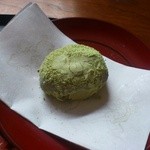
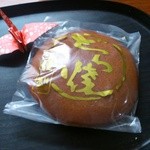

zentou
4.00
Walking from Nishinagafuku to Nagafuku-cho, a traditional Japanese confectionery shop suddenly appears in the residential area. Although I didn't plan on buying any sweets, I decided to stop by since it's a rare opportunity to visit Nagafuku-cho. Inside the shop, I found a variety of sweets including freshly fried manju. I ordered the "Oranda Manju" which is a fried manju, and waited for about 5-6 minutes as they fry it on the spot. When it arrived, it was still warm and crispy. I was advised to eat it while it's still warm, so I opened the bag right away and enjoyed the freshly fried manju. It had a crispy outer layer and a hot sweet red bean paste inside, which was delicious. I also tried the chestnut steamed yokan, which had a nice balance of sweetness and a smooth texture. Overall, it was a great experience and I highly recommend this shop.

stonogobiops
4.00
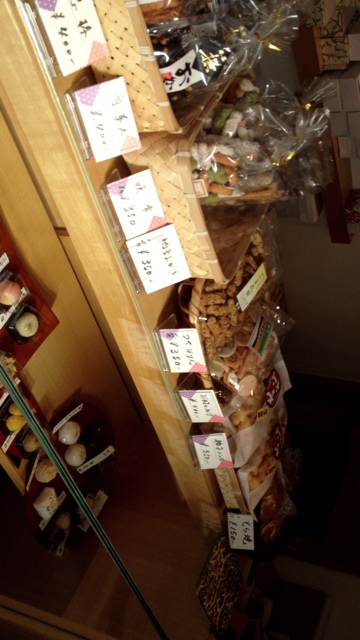
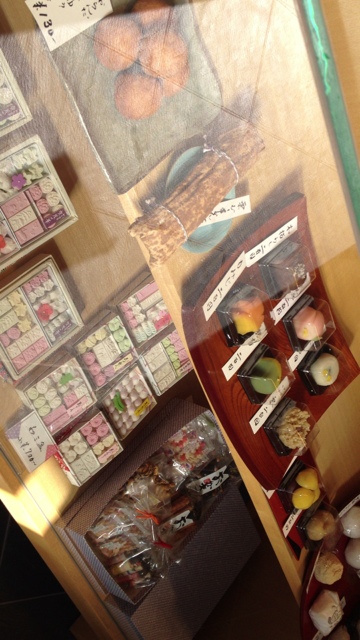
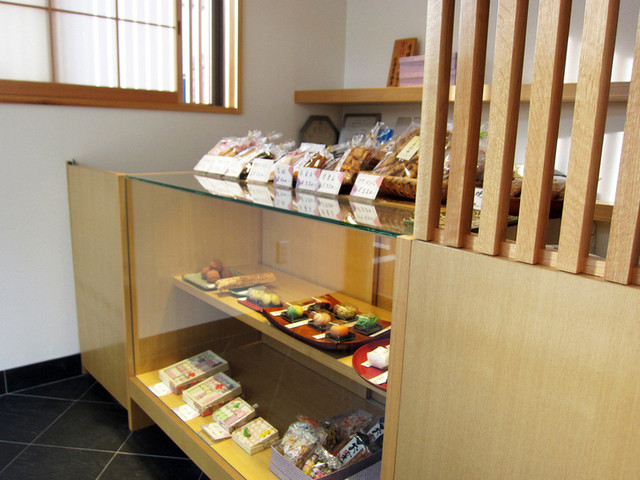
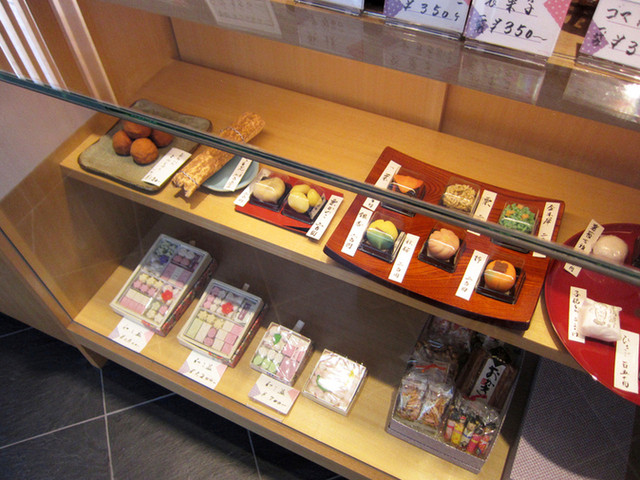
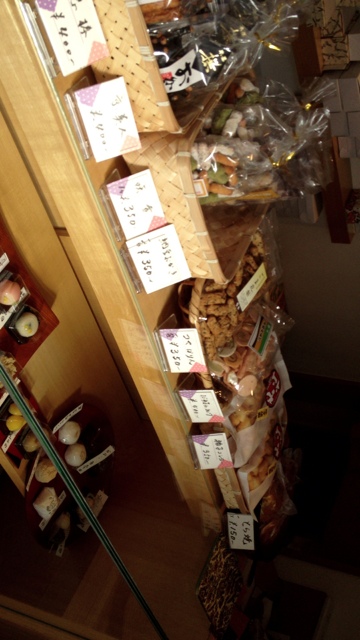
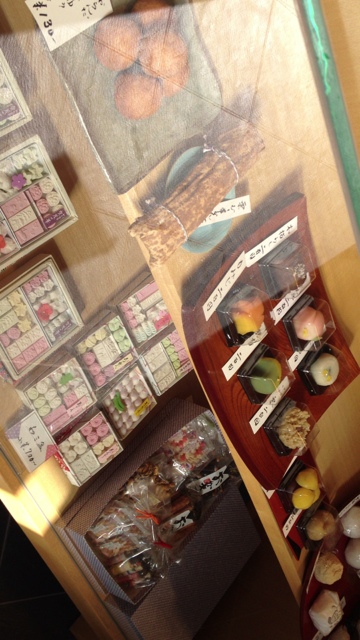
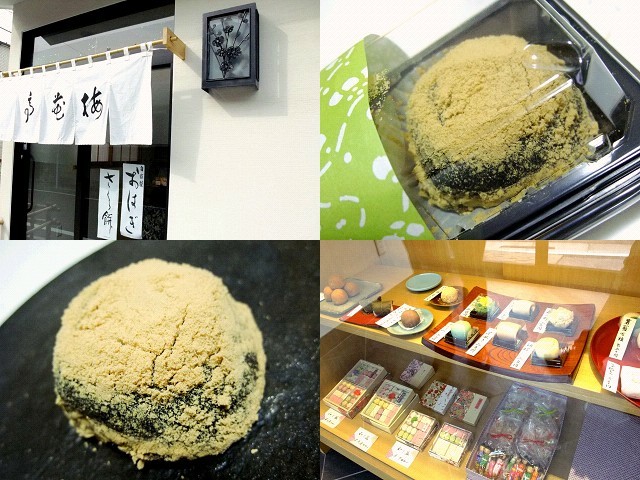
Established in the third year of the Kaei era, "Gokashisho Umekatei (Nagafuku-cho)" has been making traditional Japanese sweets for 50 years in Nagafuku-cho. The shop underwent renovation two years ago and now boasts a small but beautiful storefront that blends in quietly with the town. Although the items sold may be different, considering the establishment in the third year of Kaei, it may be a traditional Japanese sweets shop following the lineage of "Gokashisho Umekatei" in Daidenmachi. I have never heard about this shop from friends who have lived in Nagafuku-cho for a long time, but I am delighted to have discovered it by chance. The modest shop owner's customer service is pleasant, and although it is by appointment only and not available for immediate takeaway, the carefully crafted sweets displayed in the showcase are sure to captivate your eyes. On this day, I decided to purchase the "Warabi Mochi (180 yen/piece)" - a fluffy warabi mochi with black sugar kneaded in, filled with delicious sweet bean paste and coated with fragrant roasted kinako. The fact that such quality is expressed at a price of 180 yen is commendable. This makes me feel like brewing a delicious cup of tea. In addition to dry sweets, various seasonal fresh sweets are also available. The basic lineup includes Olandamandiu, Kofukumochi, Umenoka, and Okaki all year round, as well as seasonal offerings like Hanabiramochi (New Year), Sakuramochi (Girls' Day), Kashiwamochi (Children's Day), Mizuyokan (June to September), Ohagi (Equinoctial Week), and Uguisumochi. I look forward to enjoying the Mizuyokan in the summer while also trying out other traditional Japanese sweets. Thank you for the delicious treats!

gonluv
3.50
I had been wanting to visit this place for a while, and when I had the chance to go nearby, I made a reservation for some wagashi (Japanese sweets) a few days in advance. I ordered 6 pieces of wagashi (nerikiri), including tsubaki mochi, uguisu mochi, and another type, for 1100 yen. When I arrived at the agreed time, the sweets were already beautifully wrapped and ready for me. When I opened them at home, I found sweets shaped like plums, nightingales, and chestnut paste, each with vibrant colors. The tsubaki mochi had a subtle tsubaki fragrance, soft mochi, and smooth red bean paste, which I enjoyed. Each wagashi was meticulously crafted with beautiful shapes and a smooth texture. They were delicious. Considering the high prices of wagashi these days, I was surprised by the cost performance of this shop. The owner seems like a diligent artisan, so I look forward to visiting the shop next time to make a reservation in person and see the sweets with my own eyes.

la gourmande
3.20
A traditional Japanese sweets shop located a short walk from Nagafukucho Station. It's nestled in a residential area, but the shop has a calm and stylish atmosphere. They prominently advertise Kashiwa Mochi on the door. All other Japanese sweets are available by reservation only. I tried the Kashiwa Mochi and it was delicious, with a fine bean paste and fluffy mochi. The cost performance is decent for this Japanese sweets shop. I'd like to try other Japanese sweets next time.

ぴせ
3.00
During this year's Golden Week, I took a walk around a nearby train station that I had never been to before, called Eifukucho. My goal was to visit a traditional Japanese sweets shop called "Baikatei." As I wandered through the residential area, I stumbled upon a stylish white shop with no sign that would have indicated it was a sweets shop. The shop was small, and once two customers were inside, it felt crowded. My wife and I stood in front of the small showcase filled with traditional Japanese sweets, trying to decide what to choose. We finally settled on two items: the famous "Orandamanju" and a seasonal sweet called "Kashiwamochi." The Orandamanju was basically a deep-fried bun, and we were asked to wait a few minutes while it was freshly fried. It's not often you can enjoy freshly made sweets at a traditional Japanese sweets shop, so we eagerly waited. When the Orandamanju was ready, we left the shop to enjoy it while it was still hot. The freshly fried Orandamanju was piping hot and already a treat in itself. We devoured it in no time, grateful that it was made just for us. As for the taste, it was decent. However, the Kashiwamochi turned out to be too moist, with the rice cake being too mushy. It was a bit disappointing. Nevertheless, we appreciated the atmosphere of the shop and the thoughtfulness of making the Orandamanju fresh for us. I had planned to buy other sweets as well, but they were reserved and not available for purchase. I will definitely visit again when I'm in Eifukucho to try more delicious traditional Japanese sweets that may be waiting for me.

ピンクサファイア♪
0.00
Email Login