
鴨王府
Yaoufu ◆ ヤーオウフ
3.31
Ikebukuro
「Chinese Cuisine」
3,000-3,999円
1,000-1,999円
Opening hours: [Monday-Friday]11:00-15:30(L.O.15:00)17:00-22:00(L.O.21:30)[Saturday, Sunday, Holidays]11:00-22:00(L.O.21:30) Open Sunday
Rest time: Same as Esola Ikebukuro
東京都豊島区西池袋1-12-1 Esola池袋 8F
Photos
(20)

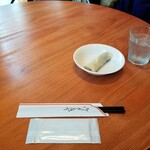
Details
Reservation Info
can be reserved
Payment Method
Credit cards accepted
E-money accepted
QR code payment
(PayPay)
Number of Seats
12 seats
Private Dining Rooms
Yes
(Yes (4 people allowed)
Smoking and Non-Smoking
No smoking at the table
Parking
None
Comments
(21)

chiffonon
4.10
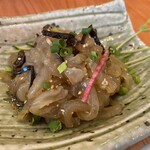
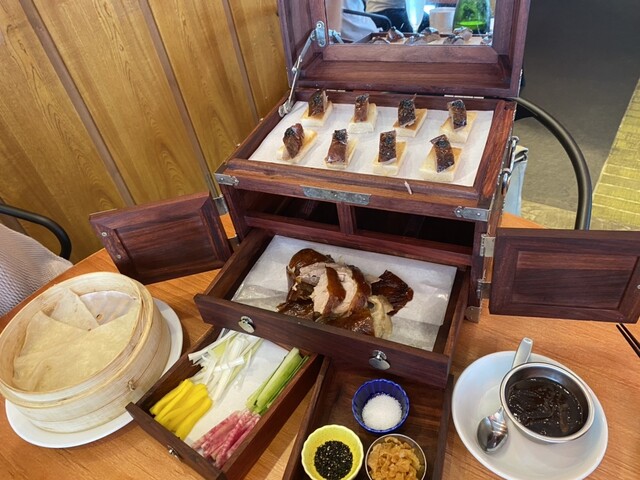
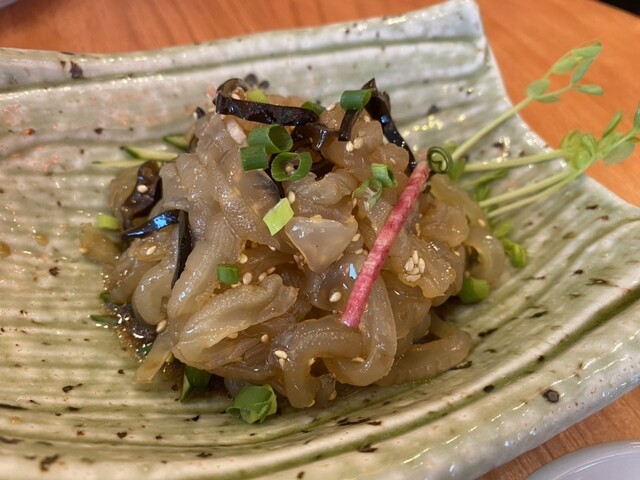
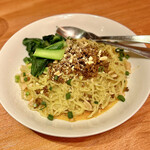
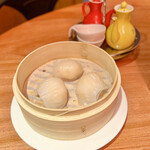
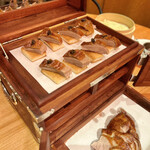
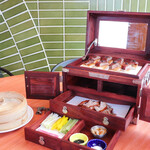
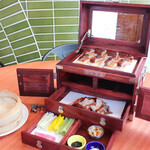
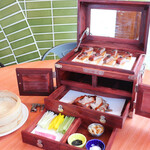
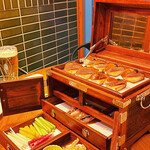
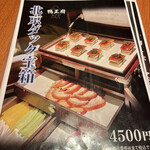
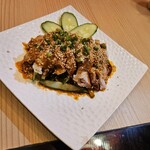
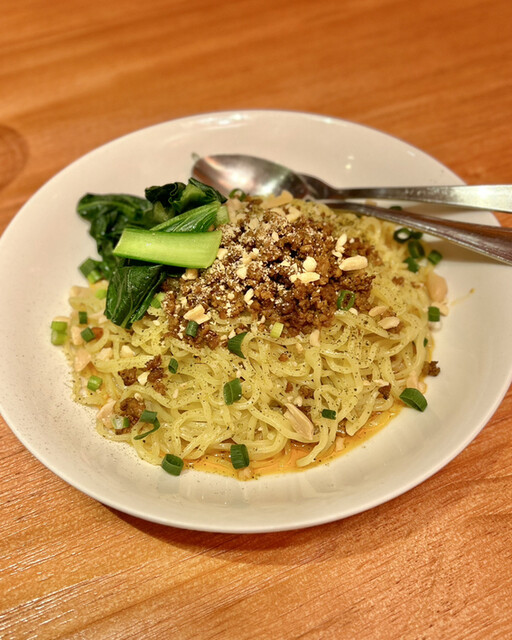
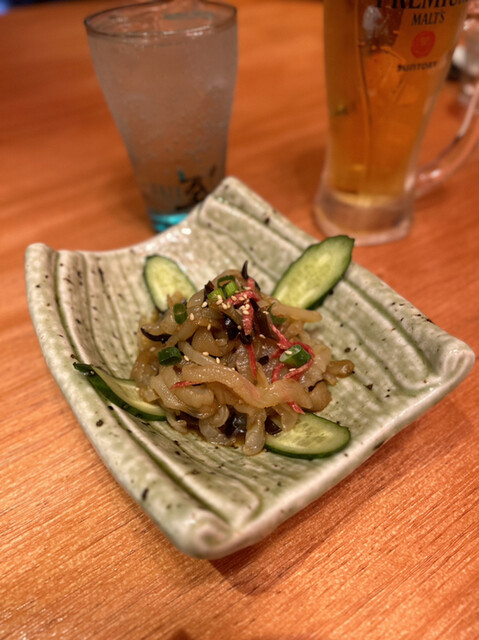
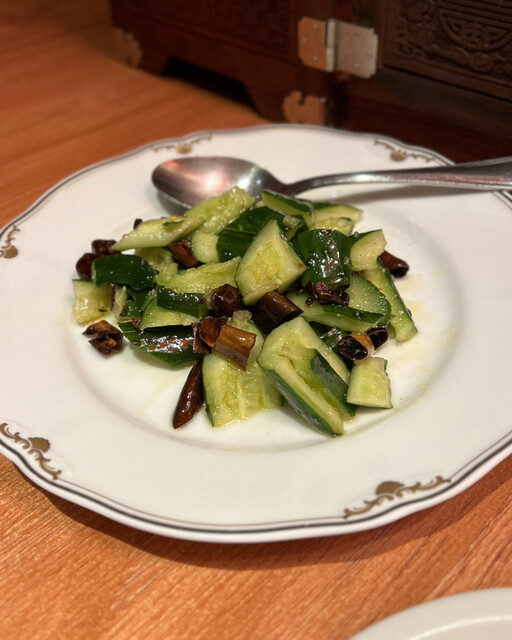
There is a specialty restaurant in Esola Ikebukuro that serves Beijing duck and Sichuan cuisine. I heard that there is a chef who used to work at a famous Beijing duck restaurant in China, so I was looking forward to visiting. While Ikebukuro is known for its "authentic Chinese" eateries, this place, located in a station building, serves very authentic Chinese cuisine! From the dinner menu, I ordered small dishes such as spicy cucumber salad for ¥580 and jellyfish salad for ¥580, and they were both authentically flavored! The cucumber salad was quite spicy and came in a generous portion, perfect for enjoying with drinks. The jellyfish was thick and had a crunchy texture, which was delicious! The recommended Beijing Duck Treasure Box for ¥4,500 was served in a wooden, luxurious treasure box that was opened before us. It was quite an entertaining presentation, with caviar on top, making it perfect for group gatherings or celebrations. The portion size of the Beijing Duck Treasure Box is suitable for about 3-4 people. If you want to enjoy Beijing duck as the main dish, I think it can be shared between two people. We also ordered the tantan noodles, and although I was a bit worried about the spiciness based on reviews, the updated flavor was actually quite enjoyable! It was a soupless tantanmen with a spiciness that lingered from Sichuan peppercorns rather than chili peppers. Since the restaurant is located on the top floor of Esola Ikebukuro, we could enjoy the night view from our window seat, making it a great option for group outings or casual dates. Most of the staff seemed to be Chinese (I overheard them speaking Chinese in the kitchen), and they provided very polite service and explanations of the menu, making our dining experience pleasant.

Akihiro M
3.60
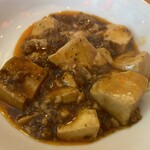
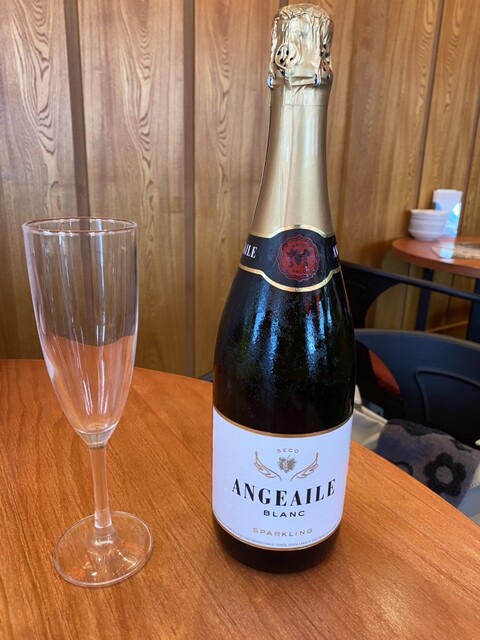
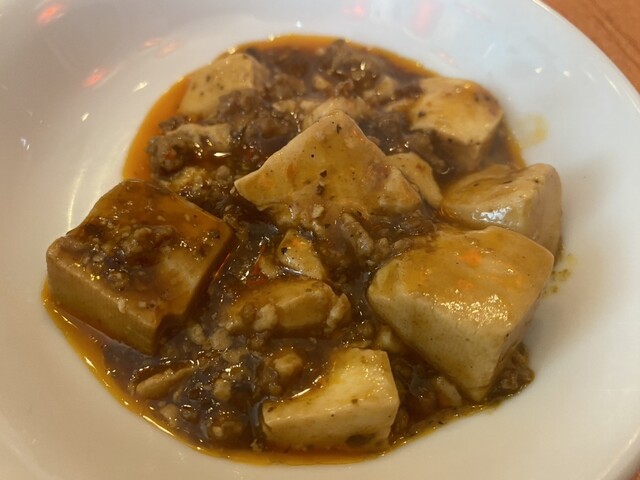
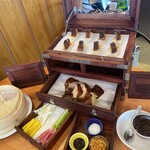
This is a restaurant that sells Peking duck. I went there specifically for the Peking duck, so I tried ordering the "Peking Duck Treasure Box" menu, which had a display of Peking duck in a box, making for a festive and enjoyable presentation. With a bottle of sparkling wine at this price, I was quite satisfied. The mapo tofu was also delicious.


京夏終空
3.80
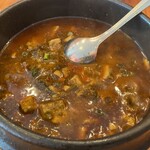
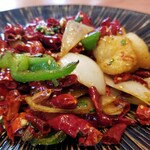
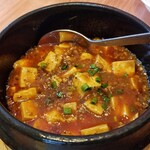
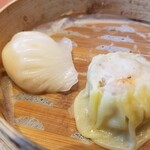
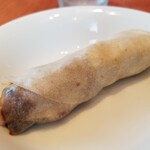
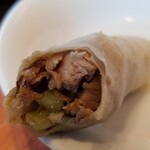
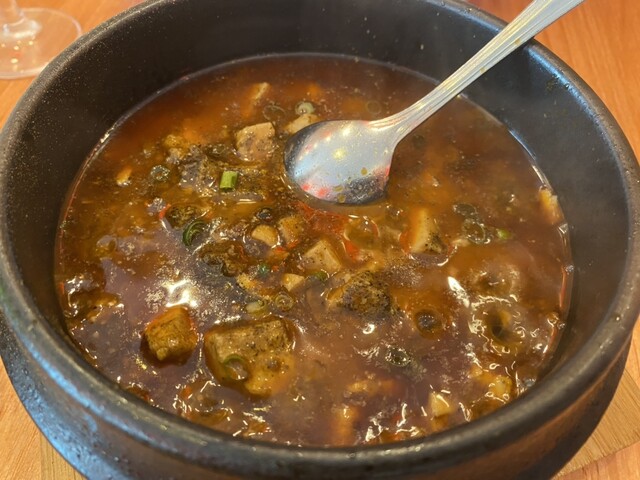
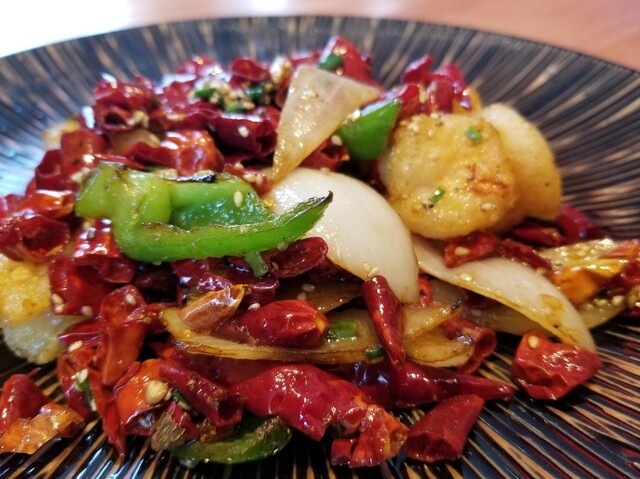
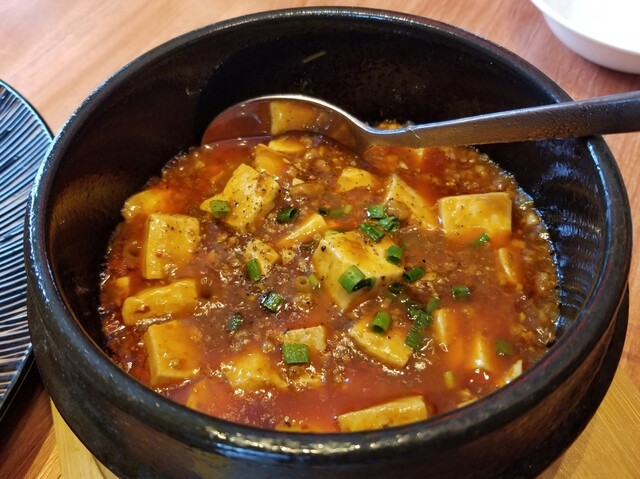
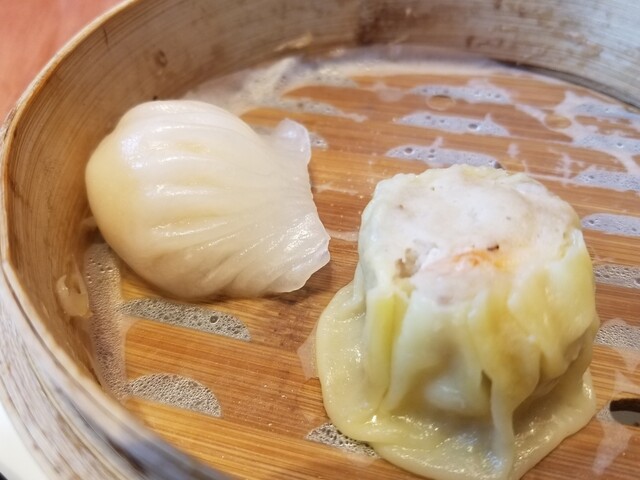
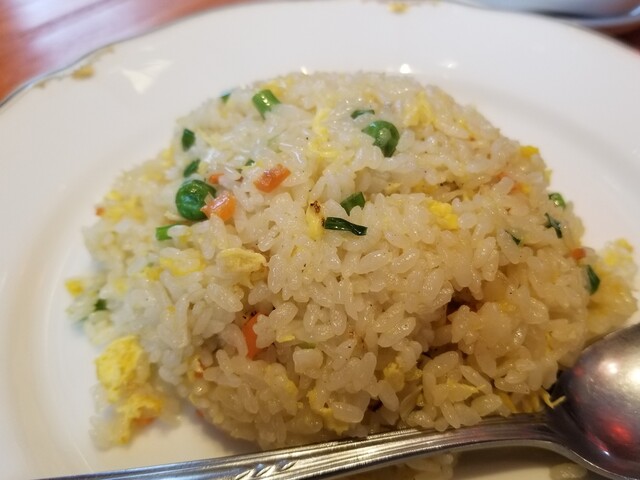
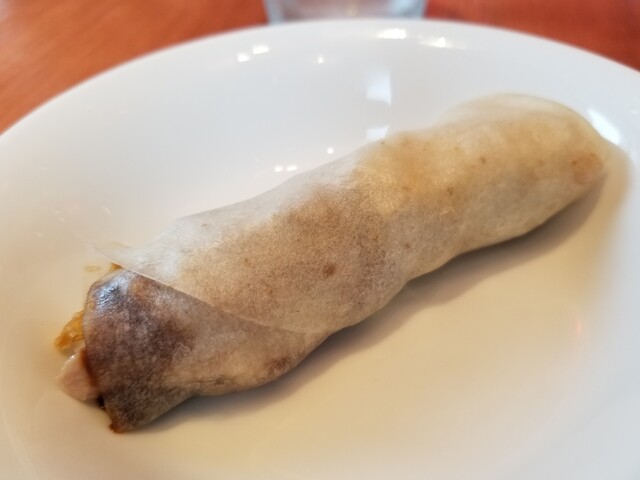
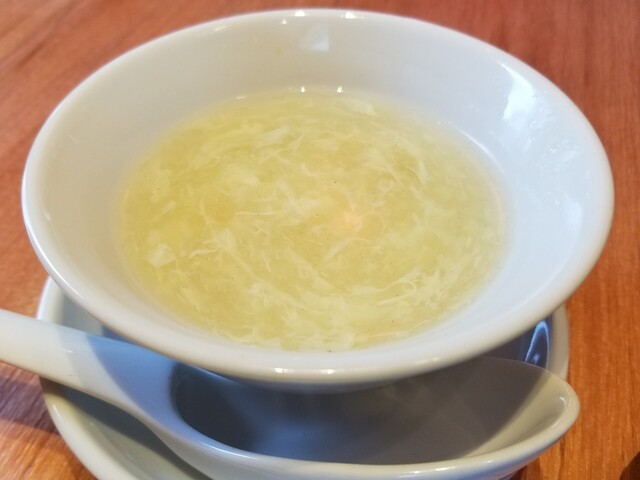
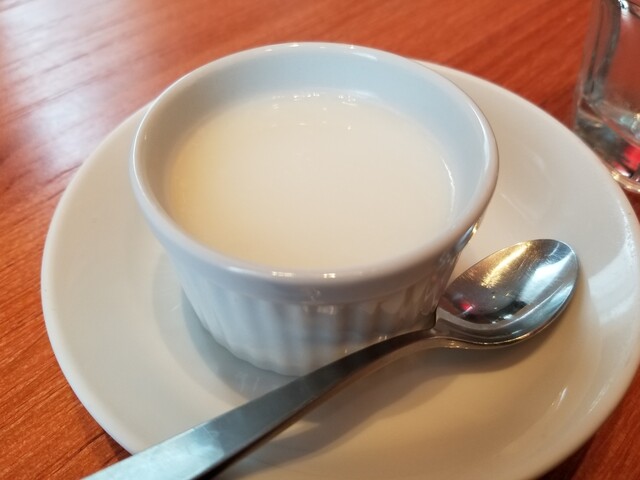
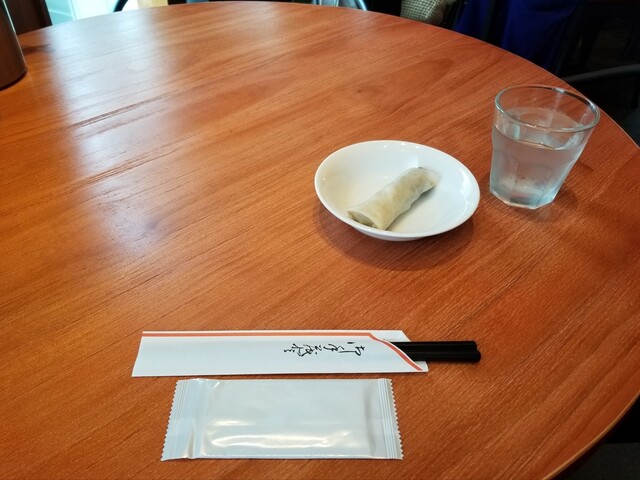
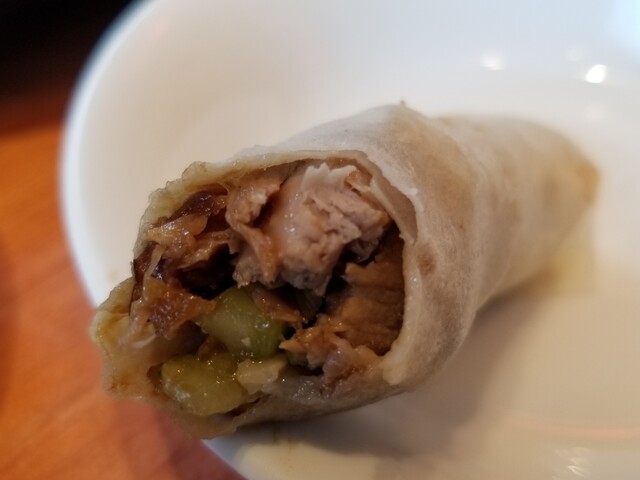
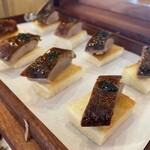
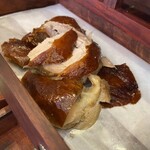
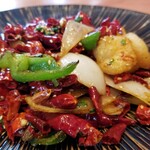
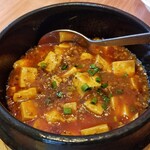
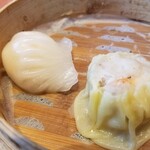
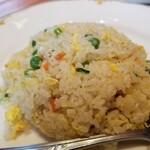
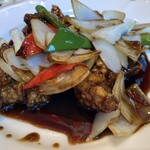
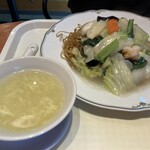
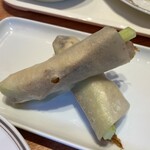
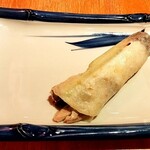
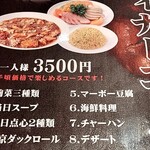
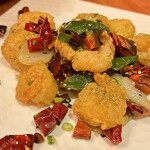
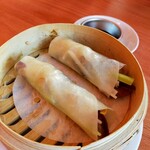
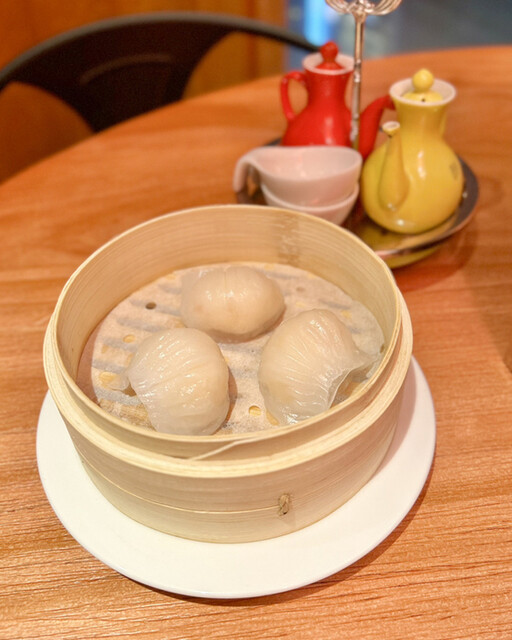
I wonder how much a person who speaks decisively has actually confirmed for themselves... In this day and age, where spreading information online carries some responsibility, it's important to be cautious about believing and sharing articles written by low-quality writers who simply copy and paste information without verifying its accuracy. When it comes to local restaurants or blogs sharing local information, the trend seems to be to introduce them as offering authentic Chinese cuisine prepared by a chef who honed their skills at the world-famous high-end Chinese restaurant "Quanjude" in Beijing for 15 years. While this may not be incorrect, the top search result on the internet currently, which describes the restaurant as serving "authentic Sichuan cuisine," seems to hit the mark the best. If the chef worked at a Beijing duck restaurant, that would naturally be a selling point. However, the overall direction of the cuisine... I have my doubts about the one-sided description that could lead people to mistake it for a Beijing cuisine restaurant. This is just my impression based on the lunch course I had today, but that's how I felt. The "lunch course (7 dishes)" (2,500 yen) - as shown in the photos. It started with the Beijing duck roll. Personally, I'm not very interested in Beijing duck, but I've had my fair share of it. When you roll it yourself, you're free to do as you please, but the rolls at this restaurant felt meaty and firm. It had a smoky texture and crunchiness. It felt more like a spicy dish under the name of seafood cuisine. (laughs) Despite being accustomed to authentic Sichuan cuisine at places like "Zhīyīn Shítáng" and "Yáng" near Ikebukuro West Exit, the dishes here have a significant amount of chili peppers, burying ingredients like shrimp, bell peppers, and onions. However, the flavor exudes a sense of refinement unique to authentic Sichuan cuisine. It's quite delicious. The shrimp, lightly coated in flour and fried, has a perfect blend of chili peppers and oil. The dim sum consisted of shrimp steamed dumplings and pork shumai. They were hot and delicious. Both dishes had a subtle flavor that gently emerged when you cut into them. The mapo tofu, served in a hot stone pot, was quite exciting. Huh? Not very spicy? I thought as I began eating, but upon closer inspection, there were quite a few chili pepper slices. While the taste wasn't very spicy, a subtle and steady heat started to build up. It was a mild yet distinct spiciness. The mapo tofu like this is a hallmark of high-end Sichuan cuisine. The numbness from ingredients like Sichuan peppercorns slowly but surely resonates on the tongue, even if you don't taste it much. The fried rice, soup, and the main course brought out the flavors of the mapo tofu once again. In Chinese cuisine, these could be compared to rice and miso soup in Japanese cuisine. They may not be dishes that speak volumes, but both had a good, subtle flavor. Finally, the almond-flavored almond jelly was sweet, smooth, and strongly scented with almonds. The sweetness after the spiciness, a tsundere-like dessert. (laughs) Ah, I've had Sichuan cuisine. I'm satisfied. Thank you for the meal. I thought this lunch course was really good value for money. It's not limited to groups of two, and it's okay to dine alone, which is nice. From my seat, I could see the kitchen well, and the chef's handling of the pots and fire was beautiful. I was fascinated by the sounds and movements. Whether it's a local Chinese restaurant or authentic Chinese cuisine, you can feel it through the sounds... At the time of payment, I asked out of curiosity, "Where is the chef from?" "Sichuan." (Written by Kyonatsushūkū, June 11, 2023) (19 reviews/3.19)

misa.nakayama.
3.40
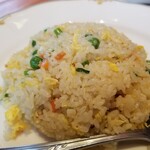
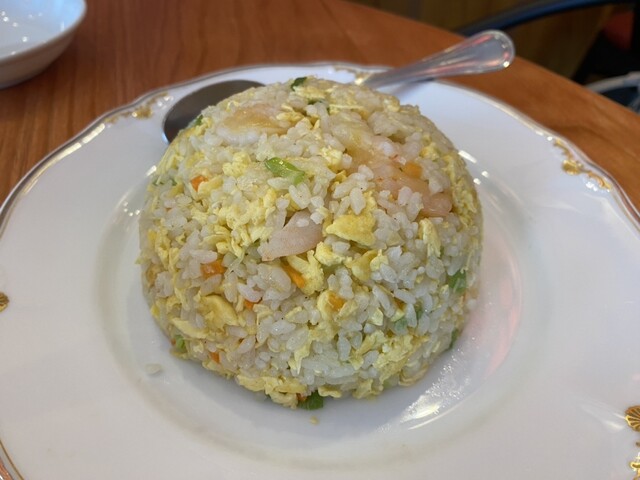
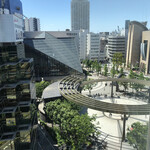
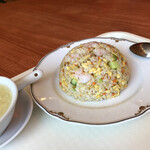
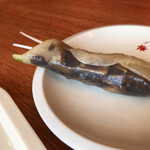
The restaurant is advertised as specializing in duck dishes, but they also serve regular Chinese cuisine. The fried rice was plentiful and a bit of a challenge to finish, but it was tasty with a light flavor. It didn't seem like they used too many seasonings. The Peking duck left an impression of sauce and cucumber. I thought that reducing the sauce would allow the duck's flavor and texture to stand out more. Esola on weekdays is not very crowded, making it a nice place to have a leisurely lunch alone. The prices at all the shops are not too high. The building is long and slim with a subtle presence. It gives off an atmosphere that seems geared towards teenage to twenties girls, making it feel like men may not be as welcome.

yumegurume
2.80
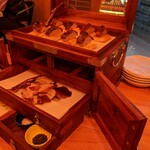
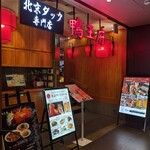
I visited this new restaurant with high expectations because I love Peking duck. I ordered the Peking Duck Tamatebako, which is presented as a trendy afternoon tea option. However, aside from this dish, the menu is limited and the restaurant has a casual feel similar to a food court. It seems like they are targeting Japanese customers, but the overall experience felt lacking. It might be a good option for families looking for a quick meal, but overall, I left feeling unsatisfied and with a sense of indigestion. The restaurant needs some improvements to compete with the more authentic Chinese restaurants in Ikebukuro.

レバさし美
5.00
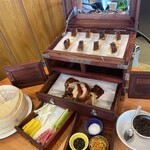
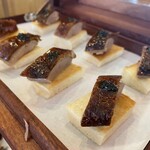
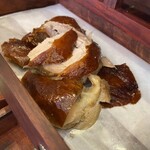
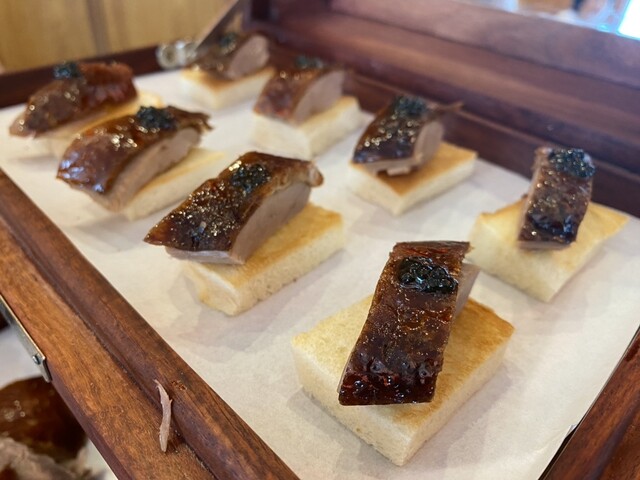
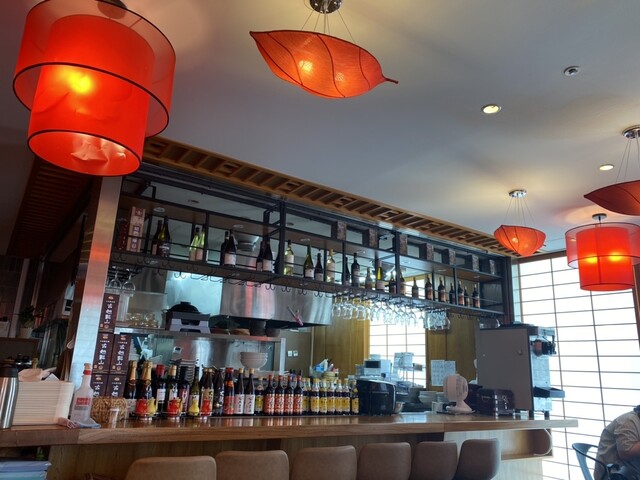
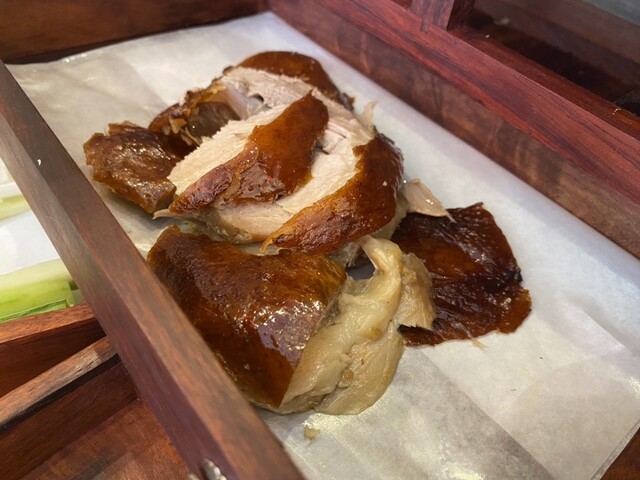
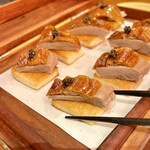
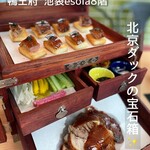
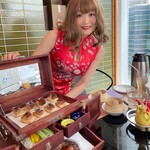
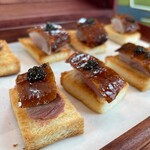
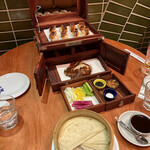
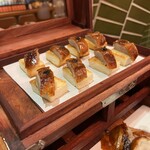
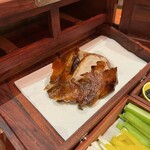
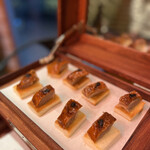
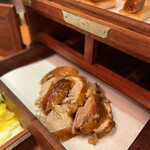
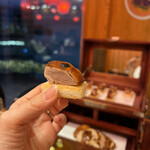
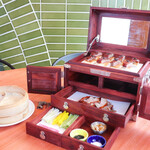
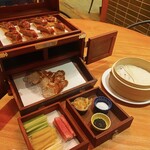
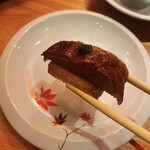
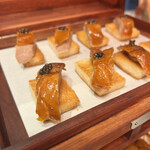
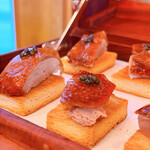
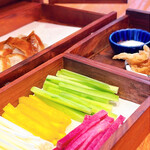
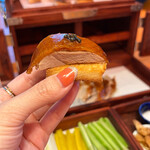
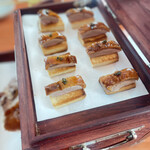
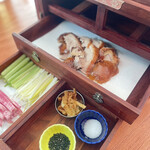
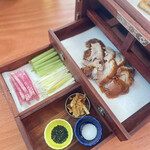
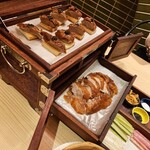
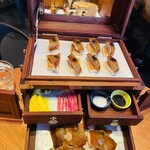
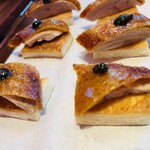
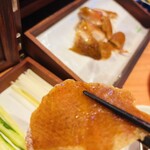
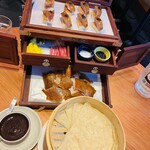
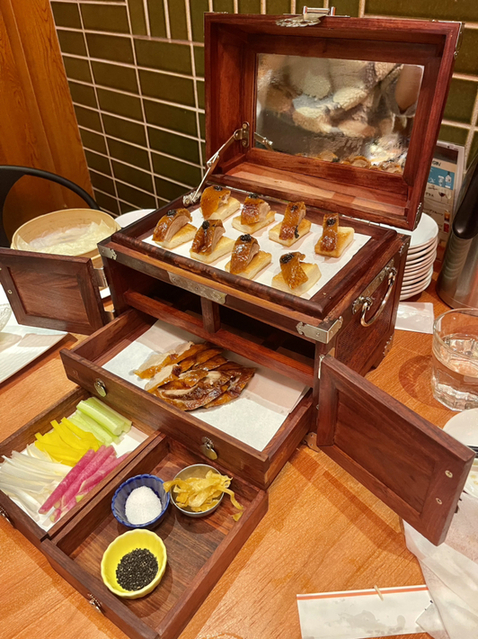
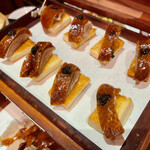
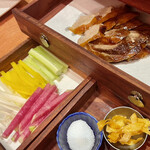
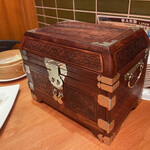
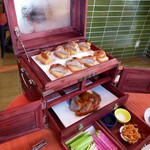
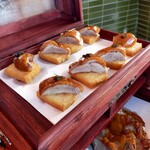
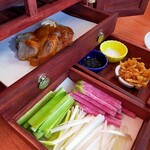
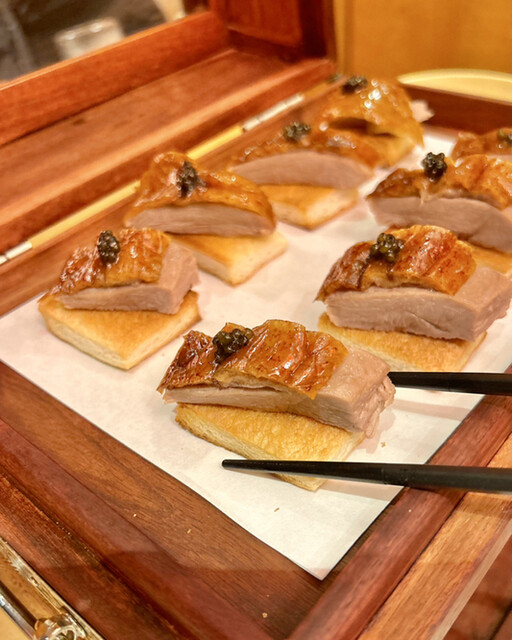
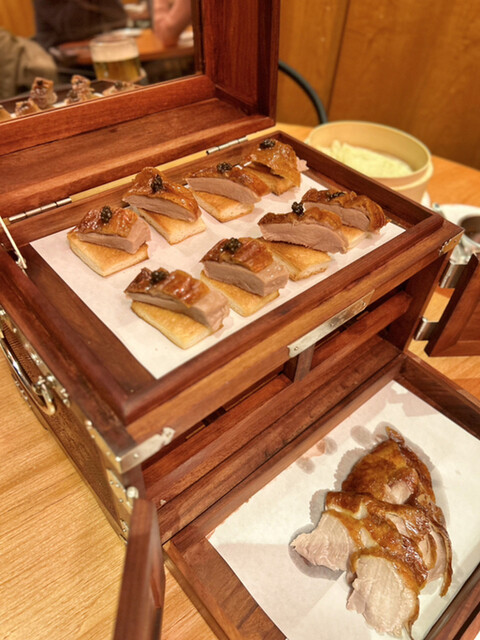
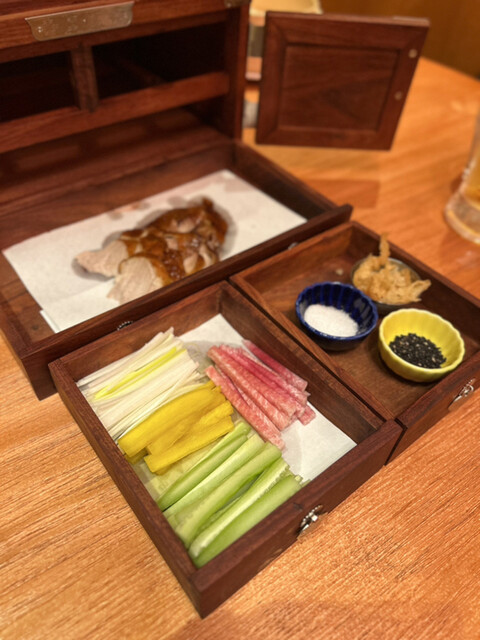
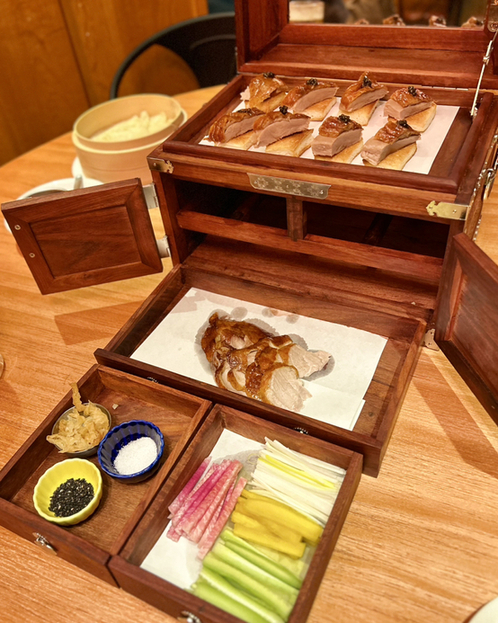
It's like a jewelry box for Peking duck! Shining Peking duck jewelry box at Esola on the 8th floor, directly connected to Ikebukuro Station. The panoramic view of Ikebukuro spreads out below. The sparkling interior is modern Chinese with stylish decor. The deep green tiles and red lighting stand out. A rare specialty Peking duck restaurant. As a huge fan of Peking duck, I had high expectations and was amazed by the first sight of the sparkling Peking duck like a jewel. The chef's artistic presentation was impressive. When the staff carefully opened the locked box, the beautiful Peking duck appeared. The top layer had bite-sized pieces on bread with caviar sparkling on the thick Peking duck. The middle layer had vegetables (cucumber, bell pepper, scallion, red radish) and condiments (salt, sesame, fried spring roll skin). The bottom layer had plenty of shining Peking duck. Enjoy it wrapped in thin pancakes with sweet bean sauce. First, try the caviar Peking duck sandwich. Crispy, juicy, and delicious, it will make your mouth happy. Then, enjoy the bottom layer of Peking duck with vegetables, condiments, sweet bean sauce wrapped in thin pancakes for a luxurious Peking duck experience. The chef honed his skills for 15 years at the famous Peking duck restaurant "Beijing Quanjude." In addition to Peking duck, you can also enjoy delicious Chinese cuisine. We also tried other a la carte menu items such as shumai, shrimp chili, and seafood yakisoba. The a la carte and lunch sets are also excellent. The shumai was incredibly delicious.

kmr
3.80
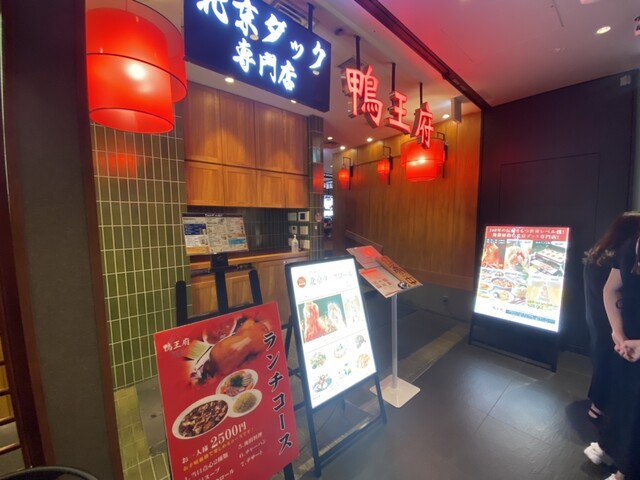
[Duck King Palace @ Ikebukuro] After enjoying a hobby event at Ooyama once a month, my hobby friends and I had a reflection meeting in Ikebukuro. We chose this Beijing duck specialty store. The chef here used to work at the famous "Quanjude" known for Beijing duck for many years. I remember having Beijing duck at the Ginza store of "Quanjude" a long time ago, and it left a delicious impression on me. I was looking forward to trying Beijing duck made by such a person, as well as other authentic Chinese dishes at a reasonable price. The restaurant is located on the 8th floor of a commercial building called "Esola Ikebukuro."
◆ Beijing Duck Treasure Box
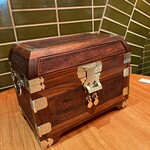
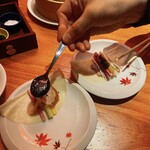
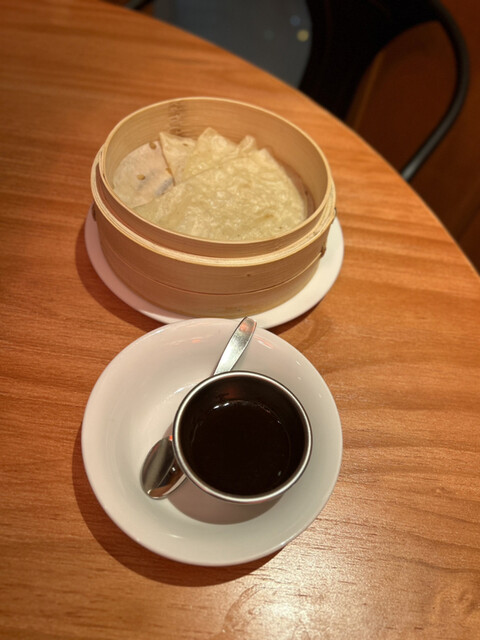
This is what I wanted to try. The waiter carefully opened a locked treasure box, revealing a beautiful Beijing duck inside. The top tier featured bite-sized pieces of Beijing duck on small buns, topped with caviar. The middle tier contained vegetables (cucumber?, bell pepper, scallion, red turnip?) and condiments (sugar, sesame, fried thin pancakes?). And the bottom tier had thinly sliced Beijing duck along with thin pancakes and sweet bean sauce. I couldn't resist and had a bite of the Beijing duck on the top tier. The crispy roasted skin was delicious, and when eaten with the moist meat, it was truly tasty. I wrapped the lower tier Beijing duck, vegetables, condiments, and sweet bean sauce in a thin pancake and enjoyed it. It's a classic way to eat Beijing duck, and it was also delicious.
◆ Spicy Chicken
I ordered this dish as it was recommended for drinking. The small pieces of fried chicken were cut with chili peppers, and it was spicy and delicious, perfect with alcohol. The crispy coating had a hint of spiciness, a crunchy texture, and was very tasty. This dish felt like authentic Chinese cuisine, not tailored for Japanese tastes.
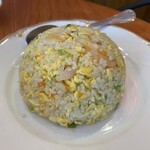
◆ Fried Rice
I also wanted something with rice, so I ordered the classic fried rice. This fried rice was my type, moist rather than fluffy, more like a local Chinese restaurant style than authentic Chinese, but it was delicious, and I finished it in no time. I thoroughly enjoyed the Beijing duck after a long time. It truly lived up to being a specialty store. The other dishes we ordered were also delicious and reasonably priced, making it a place you can easily visit. The entrance is on the 8th floor, but if you climb the stairs inside the restaurant, there is a 9th-floor seating area for groups, which seemed popular among group customers. Ikebukuro is known for its fierce competition in Chinese cuisine, but I recommend trying this restaurant. Oh, it was so delicious.

Clicquot
3.30
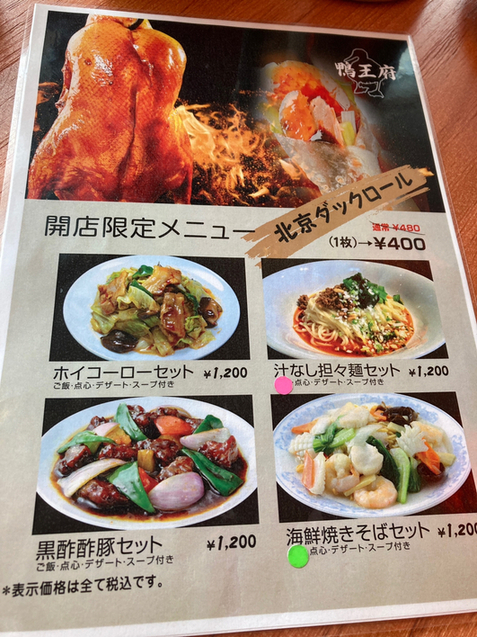
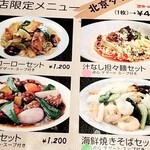
Had lunch at Kamohou in Esola Ikebukuro 8th floor. Arrived a little before the opening time of 11 am and was surprised to see a large crowd on the floor. It seems that they were waiting for the neighboring restaurant to open. The neighboring restaurant seems to be popular among moms with children as they offer private rooms for lunch. In contrast, our desired restaurant, Kamohou, was empty. We were able to sit by the window and enjoy the view outside. This restaurant allows you to order Peking duck as a single item. I ordered the soup-less tantanmen set with one Peking duck roll. The set came with soup, dim sum, and dessert for 1,200 yen! I should have asked for less noodles as it was a bit too much for me. The tantanmen was quite spicy. The dim sum was brought to us later. The Peking duck roll was served in one plate for two people as my friend added an extra one to their set. The lunch was a good value for money near the station, but for some reason, the restaurant lacked atmosphere. Interestingly, many people around us were ordering the Beijing Duck Treasure Box menu, which allows you to enjoy Peking duck at a reasonable price.
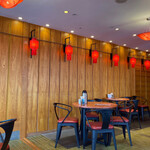
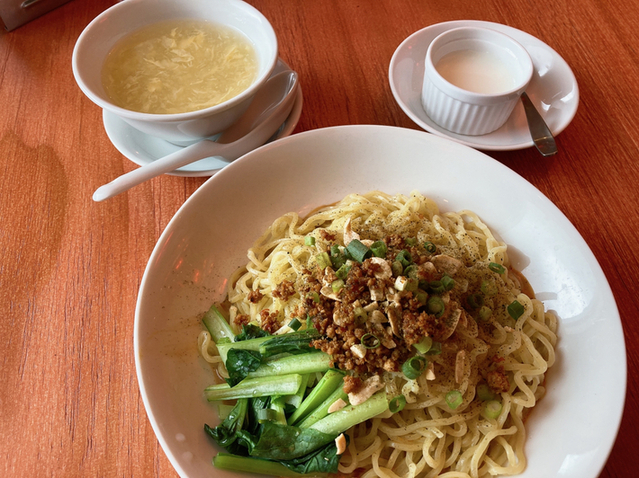

ai**
3.40
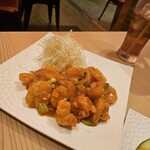
Opened on January 12, 2023, this Beijing duck specialty restaurant is run by a chef who honed his skills at the famous "Quanjude" for 15 years. In addition to Beijing duck, you can also enjoy delicious Chinese cuisine. The "Beijing Duck Treasure Box" is a must-try, with a locked box opened by the staff. It's perfect for Instagram, and great for a girls' night out. The top layer features Beijing duck and caviar on bread, while the middle and bottom layers have Beijing duck with vegetables. Thin pancakes and sweet bean sauce are also served. The crispy duck skin is delicious, and the pancakes filled with meat and vegetables were a luxurious treat. We thought it might be too much for two people, but it was surprisingly light and we finished it all in no time! The "Shrimp Chili" had a crispy coating and plump shrimp, with a mild spiciness and delicious seasoning that made it hard to stop eating. The "Seafood Yakisoba" was packed with squid and shrimp, and the mix of seafood and vegetables made for a flavorful dish. Beijing duck used to seem like a high-end dish, but we were able to enjoy it in a casual setting.
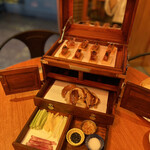

じみけん
3.00
Esora Ikebukuro Building, which is directly connected to Ikebukuro Station, may be a bit hard to find but it's a great option for those looking for an early lunch without dealing with the crowds in the department stores or getting wet in the rain. The restaurants on the upper floors open at 11 am, making it a convenient choice for a slightly early lunch. On a Sunday at 11:30 am, with light rain outside, we found this restaurant almost empty - just us. A few more groups came in closer to noon, but it still felt like a hidden gem. While the lunch prices are not cheap, considering the location and quality, it's worth it. We also ordered the Beijing Duck Roll, which was delicious.

m_tabenomi
3.70
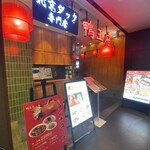
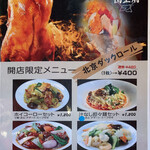
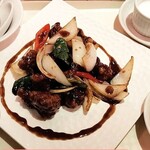
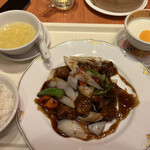
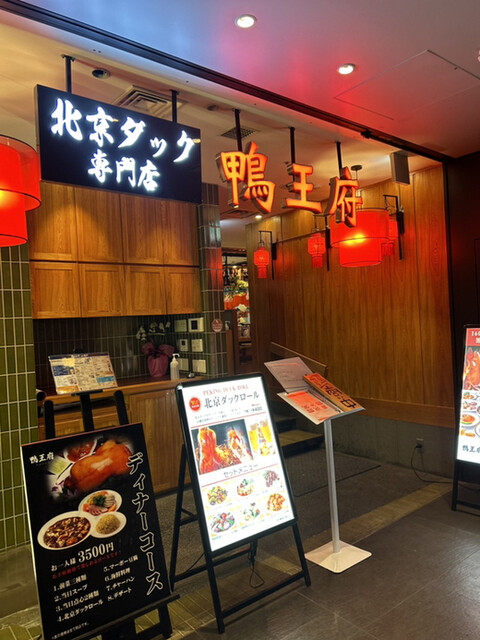
The restaurant is located at Esola Ikebukuro 8th floor, near the west exit of Ikebukuro Station. The entrance sign reads "Beijing Duck Specialty Store". I ordered the Black Vinegar Sweet and Sour Pork Set for 1200 yen and a Beijing Duck Roll for 400 yen. The dishes were delicious, especially the Beijing Duck Roll. The chef is from the famous Beijing Duck restaurant "Quanjude". If you want to try affordable and delicious Beijing Duck, I highly recommend this place. Enjoy your meal!

《瀬戸》
4.00
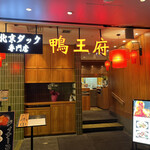
Surprise treasure trove! At Kamowofu, I enjoyed an authentic Beijing Duck. The restaurant is located on the 8th floor of Esola in Ikebukuro, offering a spacious and relaxing atmosphere with a great view. I tried the signature dishes, Beijing Duck with bell peppers and stir-fried duck meat with chili sauce. The Beijing Duck was crispy and juicy, cooked in a special wood-fired oven. It was a fun experience to wrap the duck in thin pancakes with spring onions, cucumber, and sweet bean sauce. The duck meat was tender and flavorful, and the crispy skin was delicious. The stir-fried duck meat with bell peppers was also excellent, with a perfect balance of flavors. The chef, who trained at "Quanjude" for 15 years, really knows how to create authentic Chinese dishes. The restaurant also offers Sichuan cuisine for those who enjoy spicy food. Overall, Kamowofu offers high-quality Beijing Duck at a reasonable price. I can't wait to go back for more!
wingbi
5.00
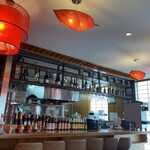
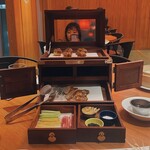
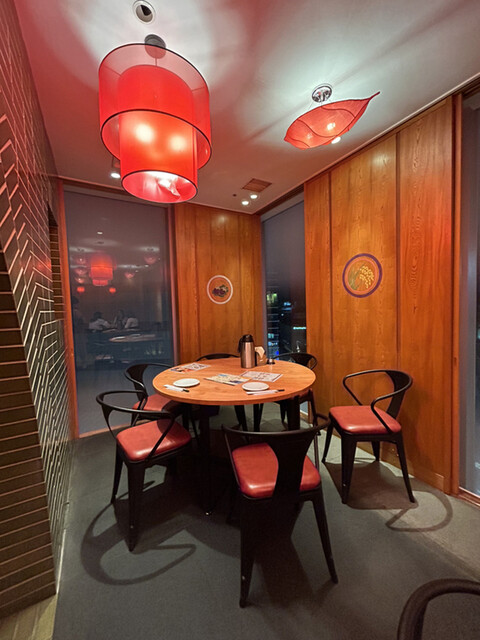
In the treasure chest, there is Beijing Duck!! A Beijing Duck specialty store that opened on January 12th. They have a dedicated wood-fired oven for Beijing Duck, so you can always enjoy crispy and juicy skin and duck meat. There aren't many places in Japan where you can eat Beijing Duck, so I'm happy that it's opened in Ikebukuro nearby ᖗ( ᐛ )ᖘ It's on the 8th floor of Esola Ikebukuro, right connected from Ikebukuro Station. You can enjoy the night view for dinner ✨ The interior is decorated with red lanterns, giving off a Chinese atmosphere. Red lanterns and the night view. A very lovely place for dinner. Good for #IkebukuroDate ♡ Of course, it's also great with familyദ്ദി˶ˊᵕˋ˵) The restaurant's signature menu, the Beijing Duck treasure chest, is truly served in a treasure chest. It's exciting to open the chest with a key✨️ Although it's a Beijing Duck specialty store, they also offer sets and individual items. The chef has honed his skills for 15 years at "Beijing Quanjude". I also tried the shrimp in chili sauce and mapo tofu. It's delicious as expected (๑ᵔ⤙ᵔ๑)♡ You can taste authentic Sichuan cuisine, so it's recommended for those who like spicy dishes.

レイミ98
3.10
Budget: 4,500-
- Recommended Points -
・You can enjoy delicious lunch menu for dinner as well (all items 1,200 yen with rice, dim sum, and dessert).
・If you want to enjoy authentic Beijing Duck at a great price, this is the place to go!
・Convenient for meals after work or with family.
・Open on Sundays.
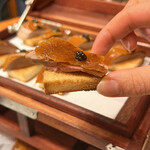
A Chinese restaurant that opened in January this year. Located on the 8th floor of a station building, it's very easy to get to! The highlight here is the Beijing Duck made by a chef who trained at the most famous Beijing Duck specialty restaurant in China, Quanjude Roast Duck. The skin is crispy with a perfect balance of fat and umami, and it shines with the glossiness of caviar when you open the box, just like in China. Another great point is that you can enjoy the affordable lunch menu for dinner as well! So it's great for when you want to eat something quick and easy after work at home! The staff and chefs were very warm and created a lovely atmosphere! Definitely give it a try when you're nearby! Thank you for the meal!

ななちゃんグルメ
4.30
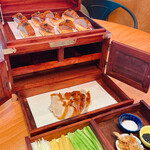
How rare to find a specialty Beijing duck restaurant! When you order the signature "Beijing Duck Treasure Box," a box with a lock is brought to you and the staff opens it right in front of you. The top layer has bread with Beijing duck and caviar, while the middle and bottom layers are separate servings of rice paper to wrap your own Beijing duck and vegetables as you like. It was so much fun to wrap and eat! Aside from Beijing duck, they also have a variety of authentic Chinese dishes, so it's great for a quick Chinese meal too! However, the Beijing Duck Treasure Box is quite eye-catching, and it seemed like more than half of the customers in the restaurant had ordered it. This might become a trend in the future!

reyiist
4.50
I went to have lunch at "Yao Wang Fu," a restaurant that opened on January 12th at Esola Ikebukuro, where you can enjoy authentic Beijing Duck. The restaurant features a dedicated wood-fired oven for Beijing Duck, allowing you to savor the crispy and juicy skin and duck meat. The chef, who honed his skills at "Beijing Quanjude" for 15 years, ensures top-notch flavors. In addition to Beijing Duck, you can enjoy the chef's specialty dishes, including Sichuan cuisine for those who like spicy food. The menu includes:
- Fried rice with a variety of ingredients
- Saliva Chicken, spicy chicken that stimulates your appetite
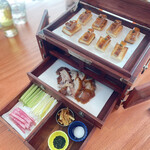
- Beijing Duck Treasure Box, the main treasure box reveals cucumber, scallion, red radish, duck meat toast, and duck meat rice paper, where you can assemble your own wraps with sweet bean sauce. The playful presentation and healthy duck meat make it a fantastic menu option. Enjoying a lovely lunch on the top floor in the afternoon is a delightful experience! Thank you for the feast. ❤️
#Ikebukuro #BeijingDuck #ChineseCuisine #AuthenticChinese #NeoChinese #Esola #IkebukuroGourmet #YaoWangFu #IkebukuroLunch #IkebukuroDinner #TokyoGourmet #FoodieGirls

呑喰ライナ
3.50
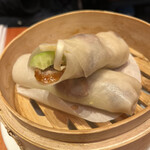
Esola Ikebukuro is a newly opened restaurant. The chef, who honed his skills at "Zenshutoku" for 15 years, has opened his own shop here. I visited for an early dinner alone. The specialty seems to be Beijing duck, but you can also enjoy various other dishes, dim sum, and set meals. While the main genre of the menu is Beijing-style, there are also dishes like Peking duck on offer. The lineup is tailored for Japanese tastes. You can order just one Beijing duck roll, so even if you're dining alone, you can enjoy Beijing duck. For groups, the Beijing Duck Treasure Box (pictured) looks fun. Today, I had the Black Vinegar Sweet and Sour Pork set meal with two Beijing duck rolls. I got a bit greedy, but the Beijing duck rolls were on sale for 480 yen→400 yen for the grand opening, so I couldn't resist. The skin of the Beijing duck was crispy, the meat was juicy, and it was a great value for money. The Black Vinegar Sweet and Sour Pork was not amazing, but for 1200 yen, it was cooked with care and there were no complaints. This place seems good for enjoying casual and delicious Chinese food. I will definitely come back!

yukarin382
4.00

rui1215
3.50
kuwa1126
3.50

イチゴあめ
4.00
Email Login