新喜楽
Shinkiraku
3.06
Tsukiji
「Japanese Cuisine」
--
--
東京都中央区築地4-6-7
Photos
(20)
Details
Reservation Info
can be reserved
Payment Method
Cards accepted
(Diners)
Private Dining Rooms
having
Facilities
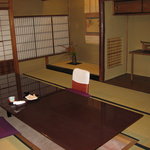
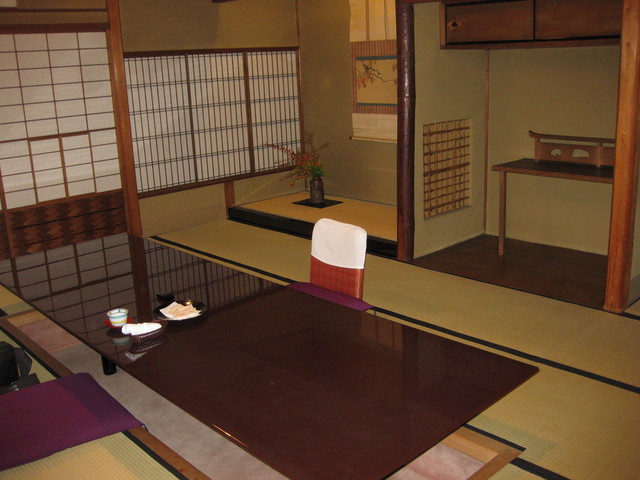
Zashiki available, Horigotatsu available
Drink
Sake available
Comments
(6)

余脂坊
5.00
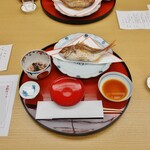
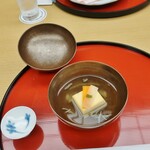
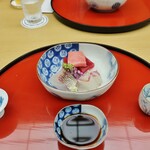
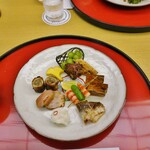
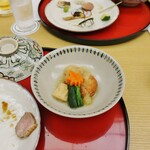
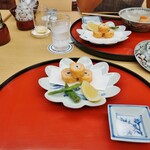
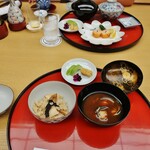
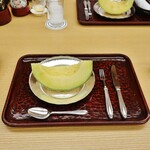
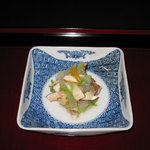
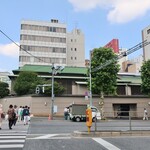
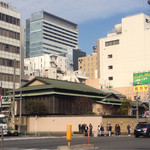
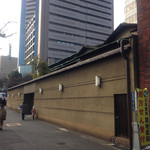
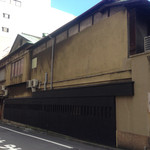
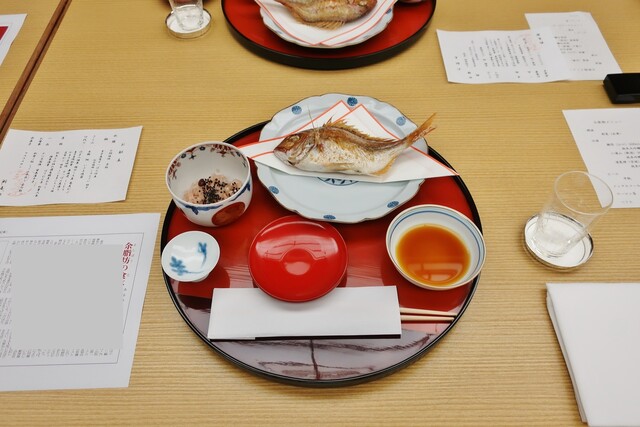
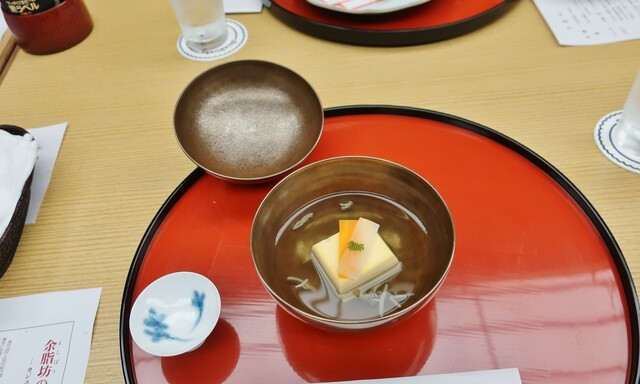
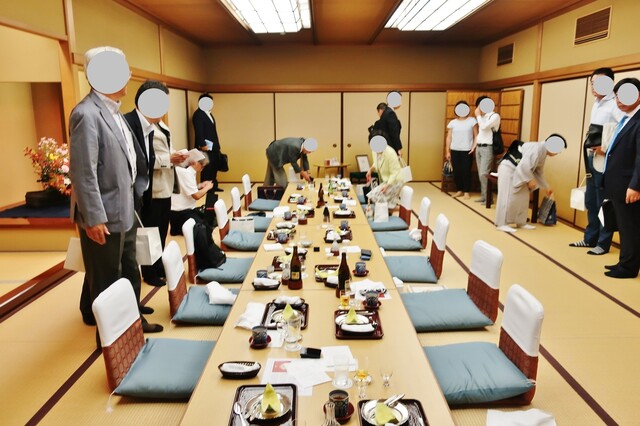
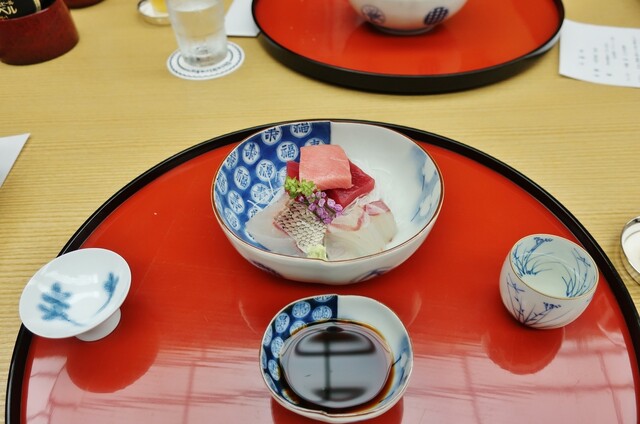
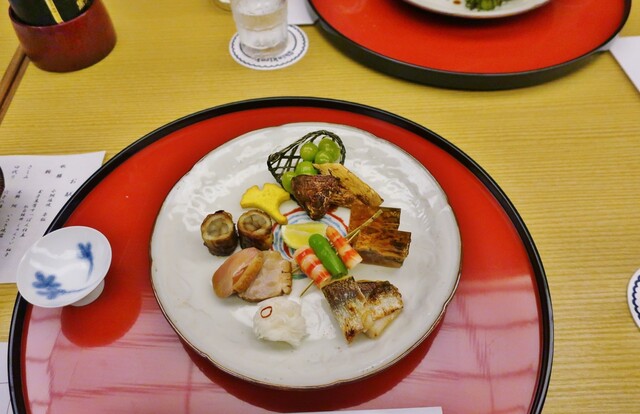
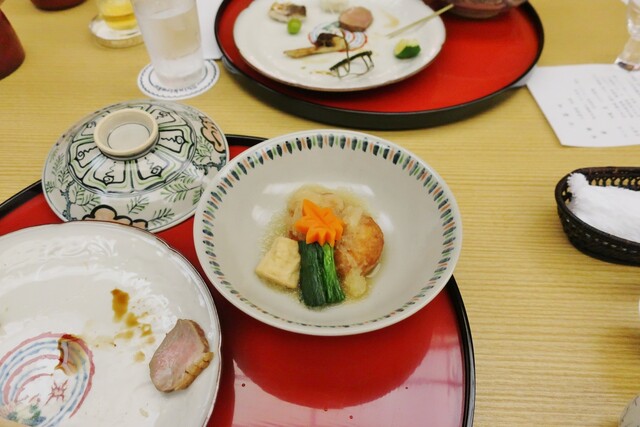
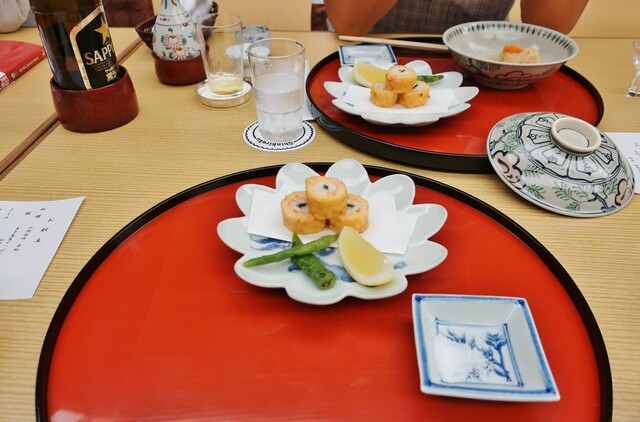
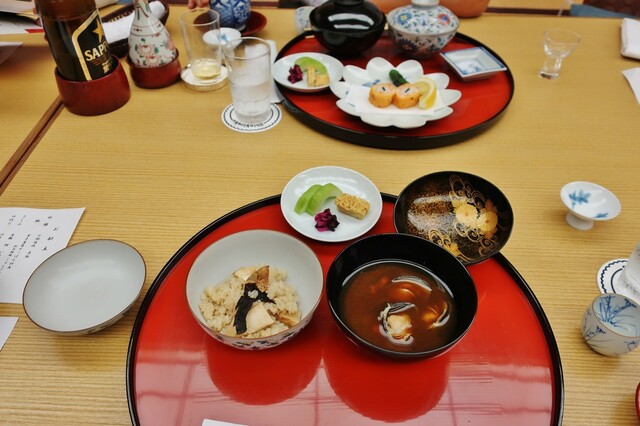
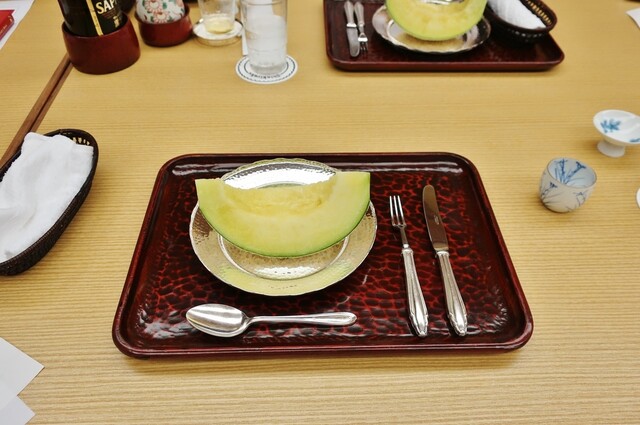
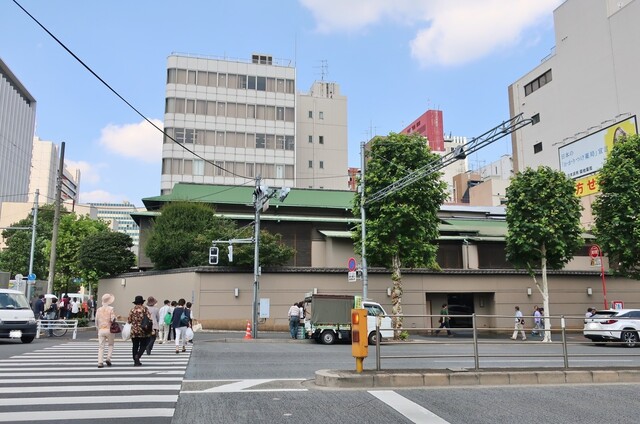
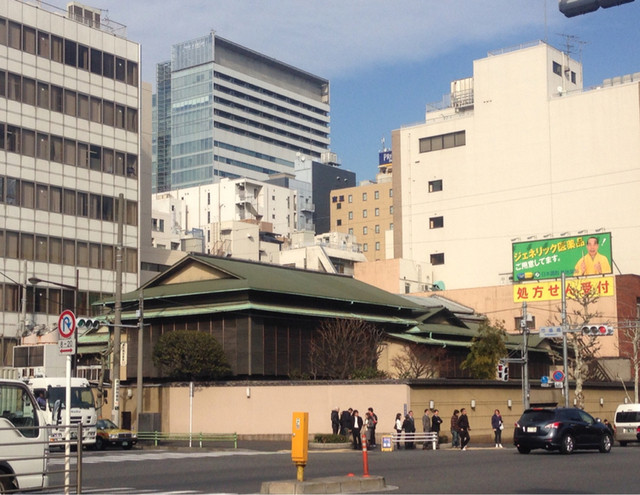
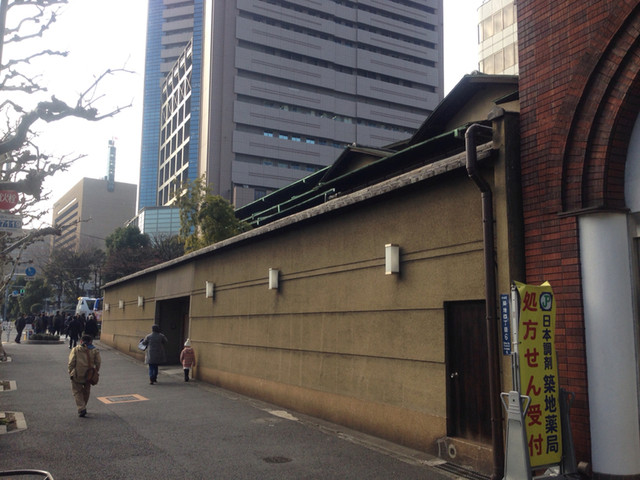
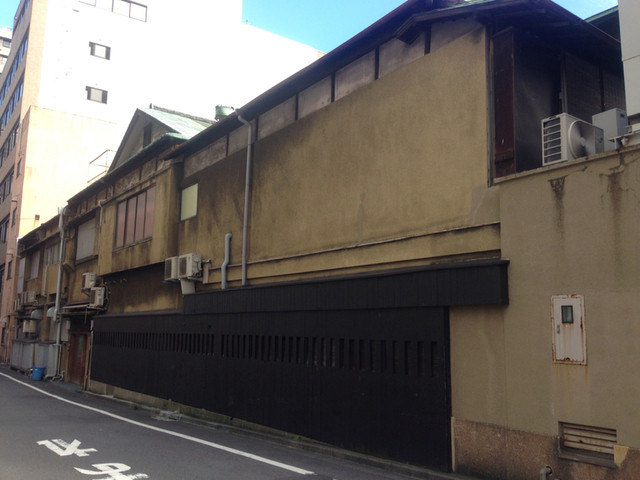
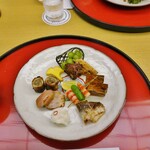
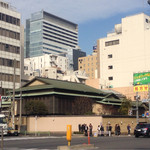
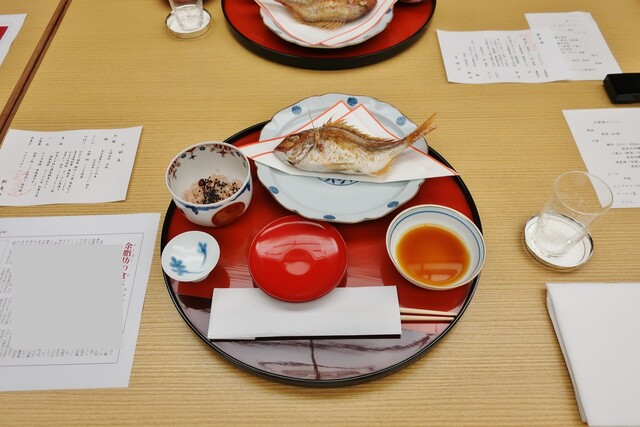
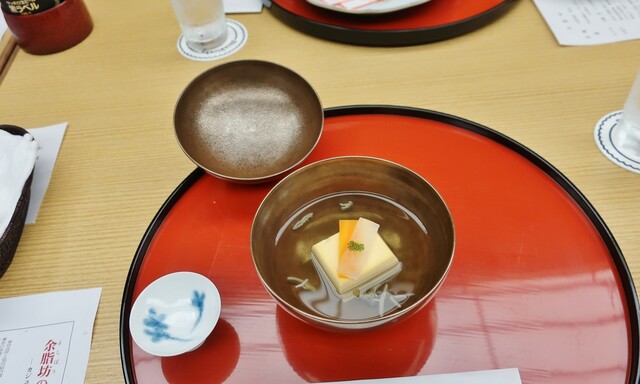
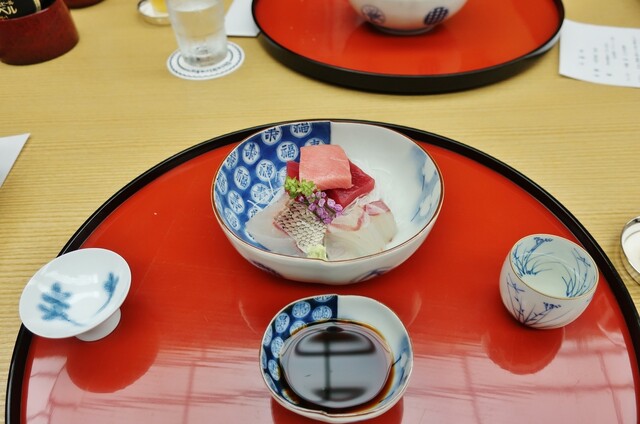
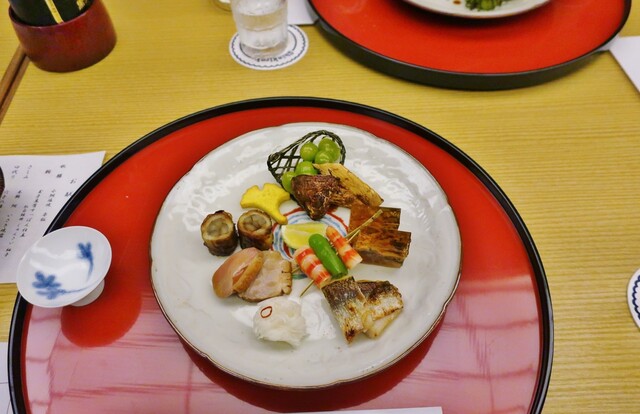
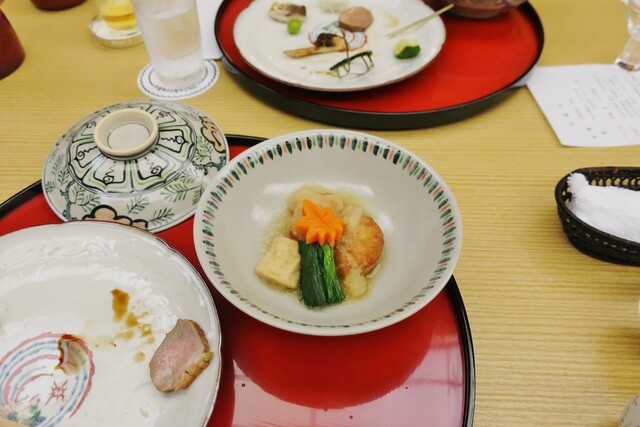
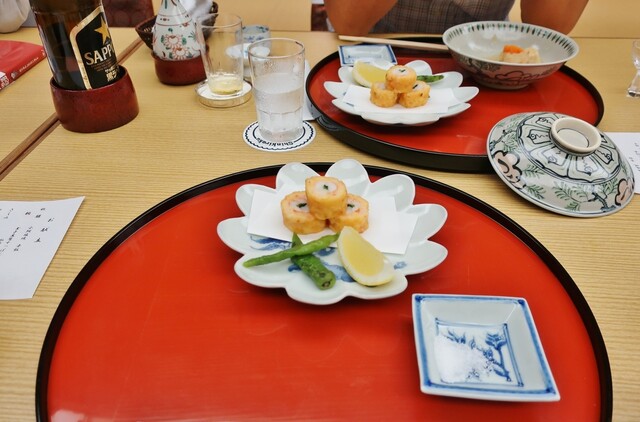
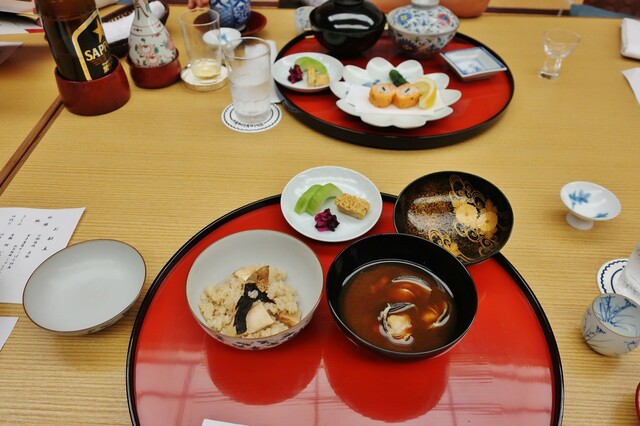
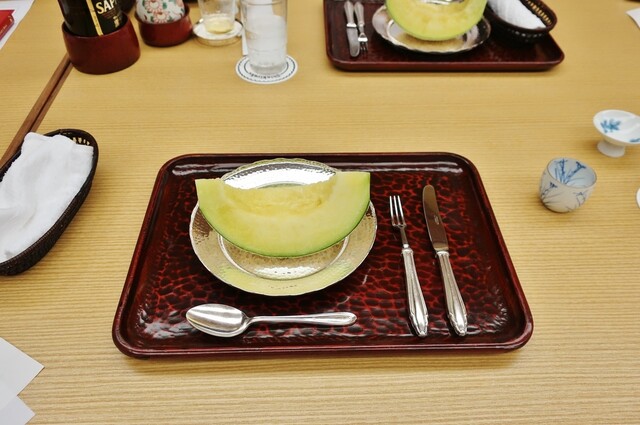
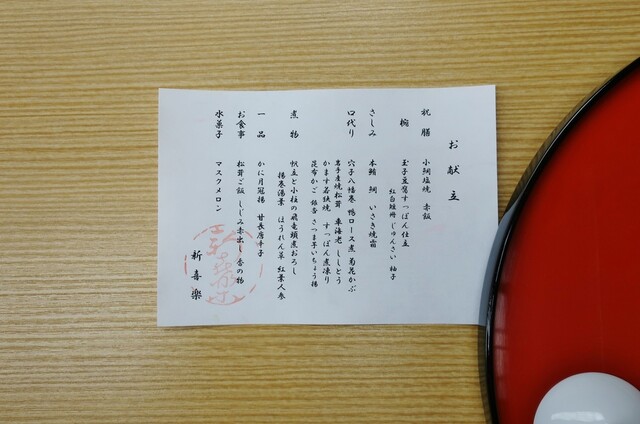
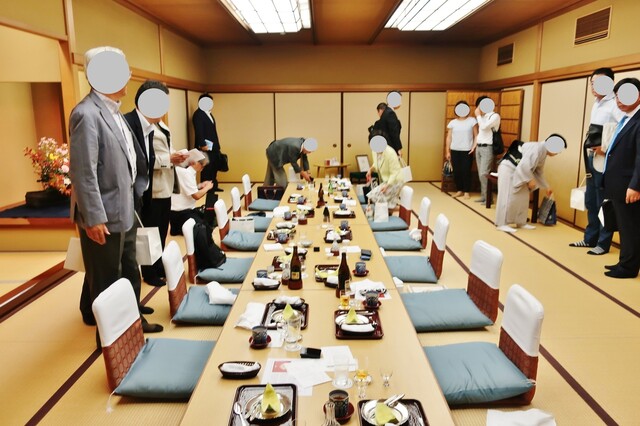
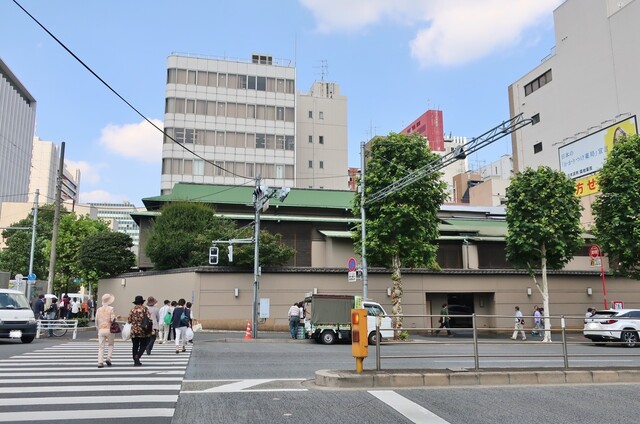
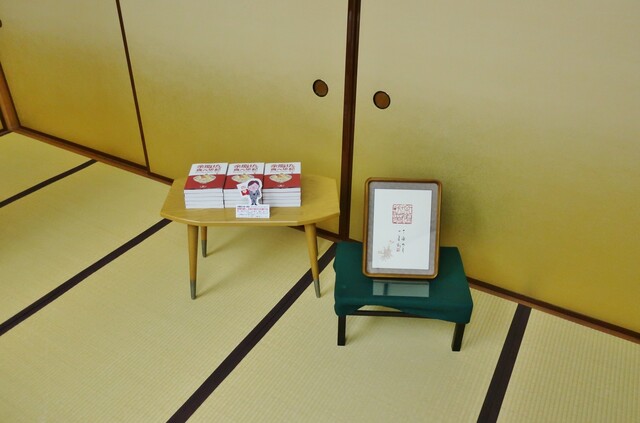
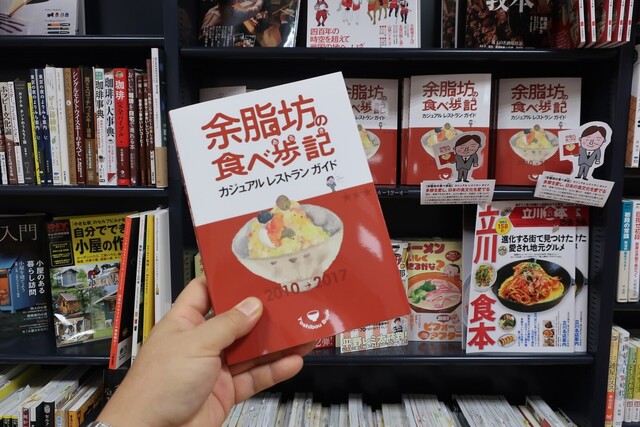
Shinkiraku is a traditional restaurant located in a luxurious atmosphere within a high-walled fence at the north-east corner of the Ichiba Hashi intersection on Shin-Ohashi Street, about 240 meters northeast from exit A1 of Tsukiji Market Station on the Toei Oedo Line. Founded in 1975 in Chuo-ku, Tokyo, it was originally named Kiraku and later moved to its current location in Tsukiji (formerly the residence of Okubo Shigenobu) in 1898. Shinkiraku is one of Japan's three major traditional restaurants, alongside Yoshikawa and Kaneda Nakagawa, known for its high-class service and discreet approach to hospitality. The restaurant has been used as a venue for the Akutagawa Prize and Naoki Prize selection meetings and has been visited by prominent figures such as Ito Hirobumi, Goto Keita, and Sato Eisaku. Today, a book publishing celebration was held at Shinkiraku, with former editors-in-chief from a publishing house, an illustrator, a certain newspaper company president, many friends, and family members in attendance. The celebratory meal included a grilled sea bream with salt, red rice, egg tofu with soft-shelled turtle, sashimi with tuna, sea bream, and grilled young sardine, a variety of small dishes, simmered scallops and small dried fish, a crab dish, matsutake mushroom rice, and a dessert of musk melon. The sea bream with salt was beautifully presented and the meat was firm and flavorful. The red rice was refined and exquisite, a different level from the usual red rice. The sashimi was excellent, with tuna sliced into squares of lean and fatty cuts. The sea bream had a beautiful white and pink pattern, and the young sardine was delicately grilled. The small dishes were all masterpieces, each with its own unique flavor and presentation. The matsutake mushroom in the rice was large and flavorful, and the pickled vegetables were delicious. The dessert of musk melon was served on a silver plate, fitting for the luxurious meal.

gourgourmand
3.50
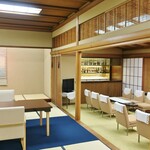
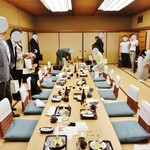
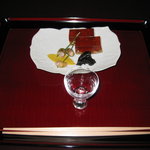
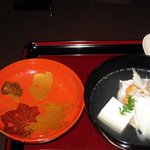
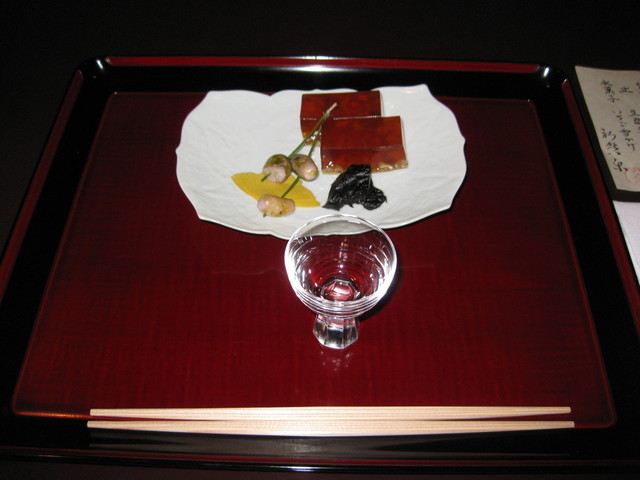
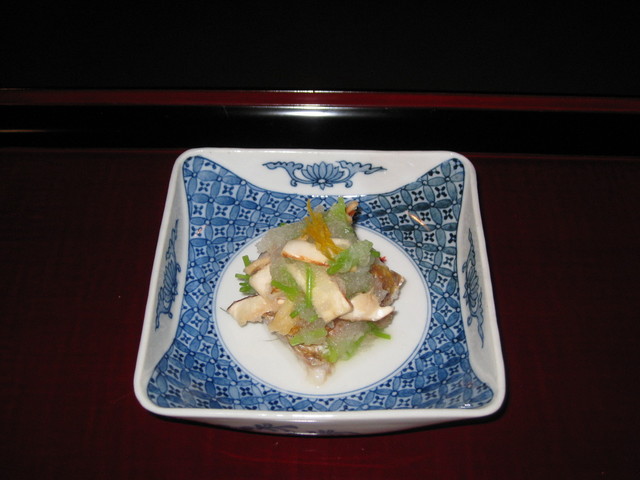
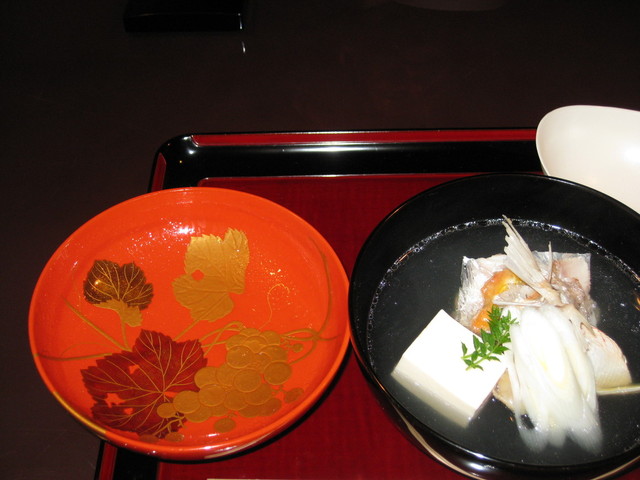
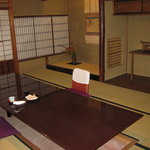
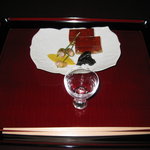
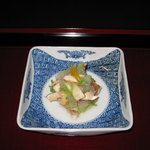
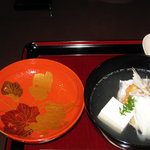
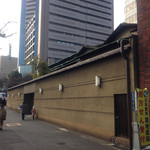
This is an establishment with a long history, founded in the 8th year of the Meiji era. It started as the first restaurant called "Kiraku" and later moved to its current location in Tsukiji, becoming "Shin Kiraku." It is known for being frequented by politicians, business leaders, and people from the arts. Every year, the Akutagawa Prize and Naoki Prize selection meetings are held here (the Akutagawa Prize on the 1st floor and the Naoki Prize on the 2nd floor). The building was rebuilt after the Great Kanto Earthquake and has undergone several renovations, now a two-story wooden structure with a copper roof. The main hall is 80 tatami mats in size. Even individual customers are welcome, and we visited in late November with two people. There are only one small private room on each floor for small groups. We were guided to a detached 15-tatami room facing the garden on the 1st floor. The current landlady is the 4th generation and despite being born in Taisho 11, she greeted us warmly and shared interesting stories about the restaurant. The cuisine is traditional Japanese, with enjoyable tableware, but the taste and presentation did not leave a strong impression. This may be because the restaurant mainly caters to banquet customers with geisha. For those who seek "delicious food," it may feel lacking. The bill for three sake bottles and a meal for two was just over 80,000 yen. Here is the menu from that day for reference: Appetizer: Iron skin, blowfish skin jelly, boiled young bamboo, herbs; Appetizer: Grilled sea bream with grated radish, matsutake mushroom, trefoil; Soup: Sweet red snapper with salt, sashimi: Tuna, flathead fish, sayori fish; Palate cleanser: Bonito sashimi with yuzu, chestnuts, simmered small fish; Side dish: Turnip fish cake, small pine mushrooms; Main dish: Grilled duck with spring chrysanthemum, boiled fiddleheads; Final course: Tofu red soup, fragrant greens; Dessert: Strawberry with shaved ice, fig in wine.

Alexandria
5.00
After welcoming a friend after many years, I decided to provide them with the best hospitality, which led me to Shin-Kitaraku. We visited the market, the Hama-ya Shrine, Saint Roch, and the Cancer Research Institute. We had lunch at Uo-Shiki, visited the Honjo-ji Temple, skipped Ginza (we didn't go to Paulista), watched a scene from Chushingura at the New Kabuki Theater, and finally arrived here, exhausted. We went to the first-floor tatami room. When I tried to open the window to go to the garden, I heard the bustling noise outside (the riverside). It was Tsukiji! (I was hoping for it, but the young proprietress didn't remember me. I came here with my father a long time ago.) The simmered dishes, sea bream with matsutake mushrooms, and the sweet sea bream soup were exquisite! The flavor of the kombu kelp, sea urchin, bonito with yuzu sauce, simmered abalone with daikon, all brought delight! The taste of the earth, red pine, and the scent of the sea were present. The taste was direct, pure, and beautiful, different from Kyoto's flavor, with a sweet and salty taste, bonito flakes and soy sauce, reminiscent of old times. After the strong dishes, we had rice, persimmons, strawberries, and wine-soaked figs. The head chef came to greet us, and everything was perfect. It's not just delicious, but also a place where you can feel happy. The utensils, setting, and waitstaff were all excellent. While everything else is becoming more standardized and globalized, I believe this is the ultimate traditional Edo/Tokyo restaurant.
吉澤美咲
3.00
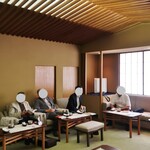
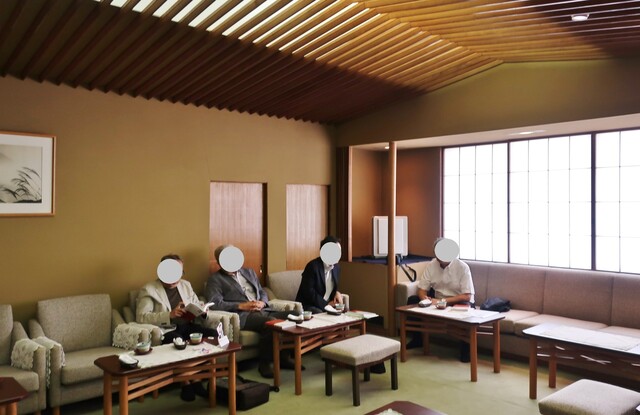
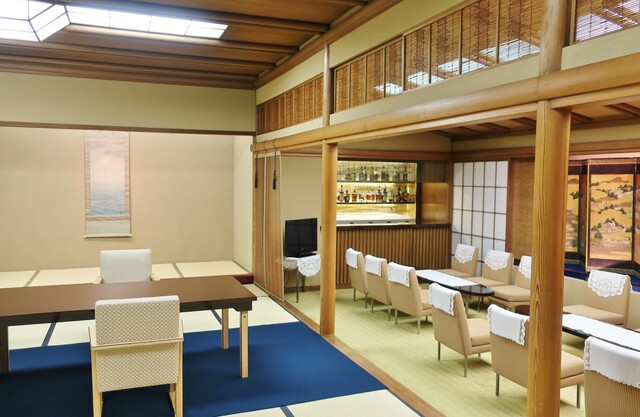
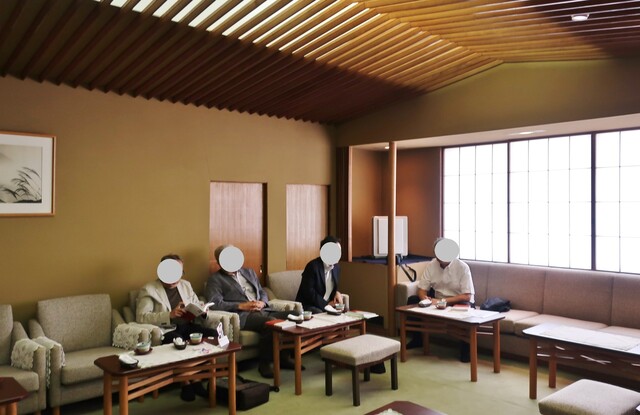
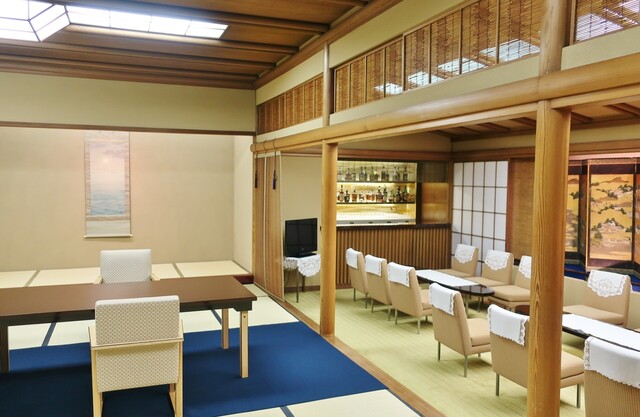
When it comes to Shin-Kiraku, it reigns as a prestigious high-end restaurant in Japan alongside Yoshitake and Kanedanaka. It used to be exclusive, but now it has become more flexible in welcoming customers. It was once a popular venue for meetings of the Liberal Democratic Party, and even today it is used as a venue for the selection of the Akutagawa Prize and Naoki Prize. Located across from Tsukiji Outer Market, the main entrance has automatic doors leading to a reception area with seating on both sides and small private rooms at the back. Going up the main staircase, there is a lounge area, a bar counter, a Western-style hall, and the highlight - the largest banquet hall in the Kanto region. This time, we used a room at the back of the first floor, which had a sunken kotatsu-style seating arrangement exuding a tremendous sense of dignity and aura. The food, as rumored, can be described as plain. Not bad, but rather understated and unassuming, sticking faithfully to the traditional basics of Japanese cuisine. For modern people accustomed to a variety of dishes, it may appear that way. The presentation and tableware seem frozen in time from thirty years ago, but the taste itself is satisfying. Using dashi made from a box of 100,000 yen bonito flakes and a bundle of 60,000 yen kelp, sourced from top fishmongers, greengrocers, and dried goods stores, and prepared by top-class kitchen staff, there can be no mistakes. However, unlike Yoshitake and Kanedanaka, Shin-Kiraku is completely out of touch with the times. This feeling is also evident at the second-floor bar counter and in the service provided by the waitstaff. This time, it cost 80,000 yen per person. Can the value of this experience be truly appreciated? Taste, presentation, seating arrangements, service, etc., are constantly evolving with the times. The era of daily corporate entertainment and LDP meetings is over, and today is the age of providing hospitality to the wider public. Shin-Kiraku has not yet broken free from the mentality of just serving dishes as they were in the past like banquet feasts. We thoroughly enjoyed the meal.

bleus
0.00

kathykaora-2
3.60
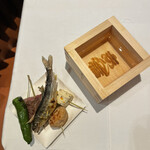
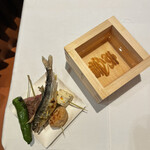
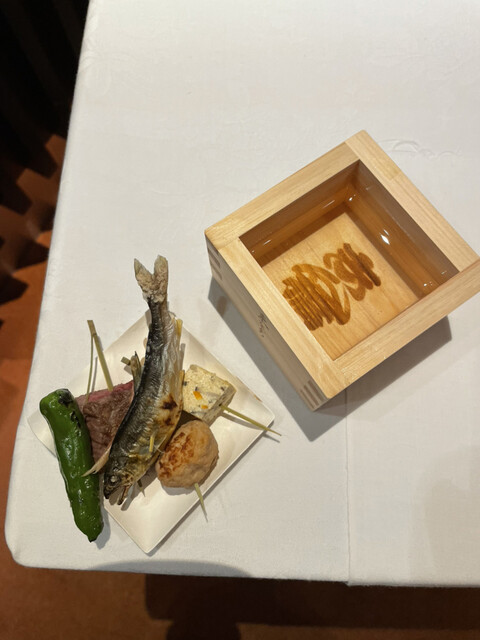
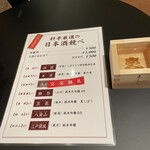
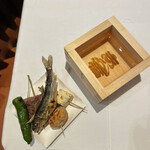
This is not a place you can just walk into without a recommendation. The restaurant attracts guests from the Tsukiji area. When I arrived, it seemed to have just opened, as the last dish of sake accompaniment was already taken. Some of the sake options were also sold out. I tried the Fukui's Kokuryu sake, which had a range from full-bodied to light and refreshing. The taste of the rice was distinct, yet perfect for summer. This sake was recommended by Mr. Komeno. The seasonal and beautifully presented sake accompaniments were a delight, with dishes like young ayu fish, roast beef, and minced chicken with green chili pepper. Each bite was a separate experience, crafted by multiple artisans. Savoring a sip of sake and a bite of the accompaniments alone was truly a profound experience. It made me appreciate the joy of getting older. As for the performance of the geisha, I may not have the expertise to judge, but their dedication was evident. The beauty of their costumes and intricate hair accessories captivated me. I felt humbled by Japanese culture and traditions. Thank you for the experience.
Email Login